You're staring at two progressive presses in very different price brackets and wondering if the cheaper one actually works or if you'll end up buying the Dillon anyway six months from now. That's the real question here, and it deserves a straight answer built on what these presses actually do, where they fail, and who they're built for.
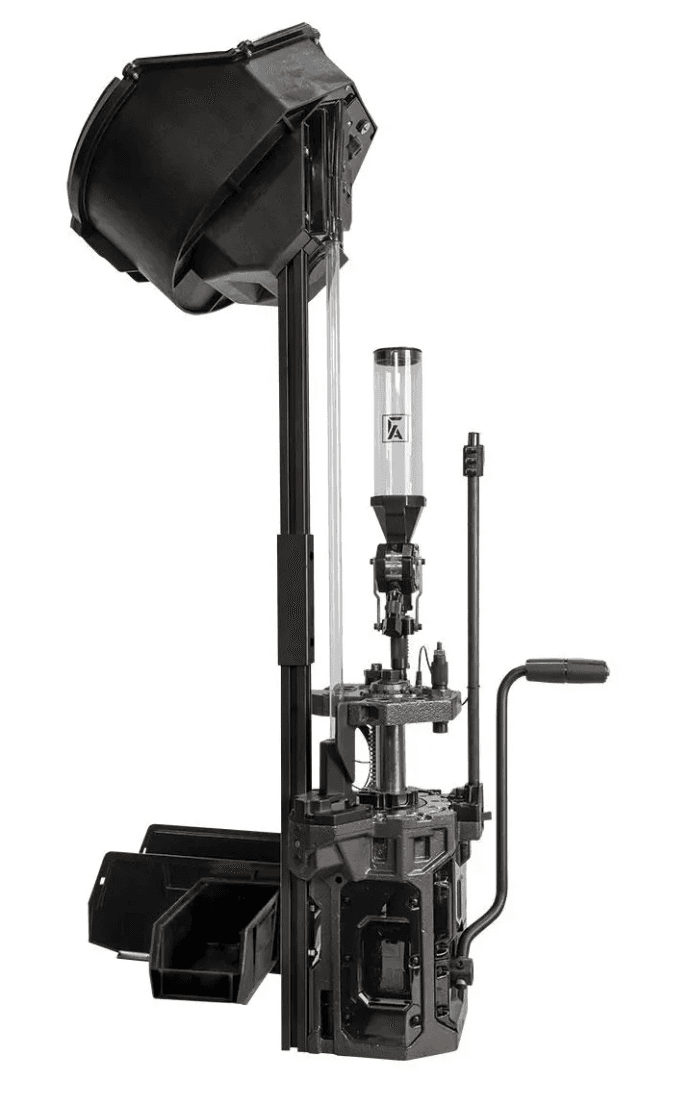
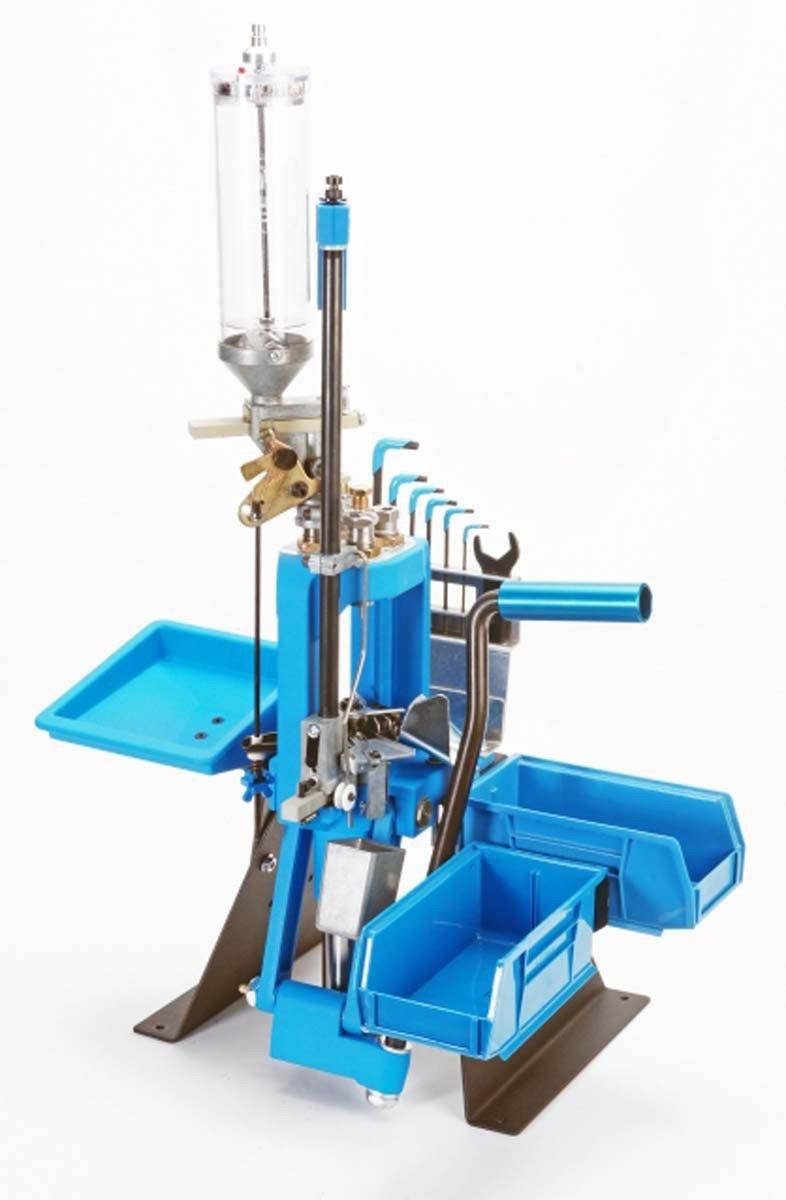
The Lee Pro 6000 (also called the Six Pack Pro) is Lee's flagship progressive, a six-station auto-indexing press that replaced the Loadmaster. The Dillon RL 550C is a four-station manually indexed press that's been loading ammunition for decades in various iterations. They share almost nothing in design philosophy, and the decision between them isn't as simple as "spend more, get more." Your volume, your calibers, your tolerance for tinkering, and your expectations for out-of-the-box reliability all factor in.

What you're actually choosing between
This isn't a budget-vs-premium comparison in the traditional sense. The Pro 6000 is a fully auto-indexing, six-station progressive with an integrated case feeder. The 550C is a manually indexed, four-station press with no case feeder in the base configuration. They occupy different mechanical categories despite both being called progressive presses.

The Pro 6000 press alone runs around $284.99–$289.95 at current retail, or as low as $259.99 from other sellers. The Dillon RL 550C base assembly doesn't include dies or a caliber conversion kit, and you'll need both before you load a single round. The 550C also requires a separate case feeder purchase if you want that feature. So the total cost of ownership gap between the two narrows or widens depending on how many calibers you're setting up and what accessories you add.
The core tension: the Lee gives you more features per dollar. The Dillon gives you more reliability per stroke. Everything else is detail.
Quick comparison
The station count difference matters more than it looks on paper. Four stations on the 550C means you're running size/deprime, powder charge/expand, seat, and crimp. That's it. No room for a powder check die without giving up a step. Six stations on the Pro 6000 means you can run a powder check, a separate crimp station, or an inline bullet feeder die without compromising your core operations.

The 550C's manual indexing is the single biggest functional difference. You advance the shellplate by hand between strokes. This is slower, but it also means you see every case at every station and control the pace. Auto-indexing on the Pro 6000 moves faster but requires you to trust the press to get the timing right every cycle.
The reliability question
This is where the conversation gets honest, and where the source material from actual users is most revealing.
The Dillon 550 platform has a reputation built over decades. Users describe loading "tens of thousands of rounds" on 550s from the mid-1980s that are still running. Multiple users across forums report the 550 as essentially trouble-free over its service life. One user bought a second 550 rather than switch primer feeds because both presses just kept working. The 550's simplicity is its greatest mechanical advantage. Fewer moving parts, no auto-index mechanism to time, no case feed system to jam.
The Lee Pro 6000 has a more complicated history. It replaced the Loadmaster, which had a rough reputation. Multiple users describe the Loadmaster as frustrating, with stoppages, primer feed issues, and general fiddliness. The Pro 6000 was designed to fix those problems, and to Lee's credit, they've iterated on the design aggressively since launch.
According to detailed tracking from The High Road forums, the Pro 6000 has gone through multiple rounds of updates: a longer primer slider with a narrower spring end that eliminated the need for a retainer piece, an updated primer chute assembly with a larger diameter pin to fix primers not sliding down from the tray, a carrier cover with a self-cleaning primer pin sleeve to resolve sticky pins and powder-in-sleeve issues, a new slower "soft twist" index bar to address powder spilling and bullet tipping during shellplate indexing, a new roller handle for more ergonomic operation, and a new Deluxe Auto Drum powder measure. The five-tube case feeder was also updated to a "gated" design.

That's a lot of fixes. And the tracking suggests all identified problems since launch have been resolved. But the very existence of that list tells you something about the initial release state. One Carolina Firearms Forum user noted they wished they'd waited for the redesigned components, and another said they'd give the press "a year or two to get all the bugs worked out."
Bench notes: what this means practically
If you're buying a Pro 6000 today, you're likely getting the updated version with all the fixes. That's a meaningfully different press than what shipped at launch. But if you're buying used or from old stock, verify which revision you're getting. The primer system, index bar, and case feeder design all changed.
The 550C doesn't have this problem. A 550 from 2024 works the same as a 550 from 2004. Parts interchange. The design is mature to the point of being static.
Station count and die flexibility
Four stations is enough for straightforward pistol loading: size, charge, seat, crimp. It's tight for rifle where you might want a separate neck-sizing step or a powder check. Multiple users note the 550C's four stations as a "semi-limiting factor" for pistol setups, particularly if you want to run a powder cop die.
One experienced user on The High Road described their preferred pistol setup on a Hornady Lock-N-Load as size, powder, powder lockout die, seat, and crimp. That's five stations. You can't replicate that on a 550C without a separate crimping pass, which defeats the purpose of a progressive.
The Pro 6000's six stations solve this completely. You can run a full complement of operations including a powder check die and still have room for an inline bullet feeder die. For pistol loading, this is a genuine functional advantage.
For rifle, the math changes. Most rifle loading on a progressive uses three or four stations: size/deprime, charge, seat, and optionally crimp. The 550C handles this fine, and the manual indexing actually becomes an advantage because you're typically loading rifle at lower volume with more attention per round.

Speed and throughput
Dillon states the 550C can produce up to 500 rounds per hour with practice. That's hand-feeding brass and bullets, manually indexing the shellplate each stroke. Forum users suggest real-world rates are often lower, with one describing themselves as loading around 200 per hour while being "slow and picky."
The Pro 6000's auto-indexing and included case feeder should theoretically push throughput higher. You're not manually advancing the shellplate or picking up brass from a tray. But theoretical speed and actual speed diverge when you factor in stoppages, visual inspection time, and the occasional need to clear a misfed case or tipped bullet.
The 550C's manual indexing has a hidden speed benefit: your thumb is right next to the index wheel when placing a bullet, and advancing is just a flip of the thumb. Multiple users describe this as adding negligible time. The real speed limiter on a 550 is hand-feeding cases, which is why Dillon sells a case feeder as an add-on. With a case feeder, the 550C closes the throughput gap considerably.
One user on a Carolina Firearms Forum thread noted that auto-indexing presses like the 650/750 are "so much faster that you'll crank out enough of one caliber for the next few months, and then change over." The same principle applies to the Pro 6000's auto-indexing advantage over the 550C, though the Dillon 650/750 auto-index mechanisms have a longer track record than Lee's.
Caliber changes and versatility
The 550C's caliber conversion system is one of its strongest features. Each caliber needs a conversion kit (shellplate, locator pins, case feed adaptors) and a die set. But the toolhead is removable and keeps dies in adjustment between changes. Users consistently praise the 550C's caliber changeover as fast and simple. One described it as the "thing I like best about my 550C."
The Pro 6000 uses Lee Breech Lock quick-change bushings, which allow tool-less die changes. In theory, this makes swapping calibers straightforward. The press accepts any standard 7/8"-14 dies. The shellplate and case feed components still need to be swapped for each caliber.

The cost difference per caliber conversion matters if you're loading multiple cartridges. Dillon conversion kits are an additional purchase for each caliber on the 550C. The Pro 6000's kit-based pricing structure bundles more components together. For someone loading three or four calibers, the per-caliber cost adds up differently on each platform.
The 550C loads over 160 different rifle and pistol calibers, from .32 ACP up through .338 Lapua, .416 Rigby, and .460 Weatherby. That's an enormous range. The Pro 6000 handles pistol and rifle cases including magnums thanks to its large-diameter ram and heavy-duty steel linkage, but the specific caliber list isn't published as comprehensively as Dillon's.
The ecosystem factor
Dillon's aftermarket ecosystem is massive. Inline Fabrication makes dedicated UltraMount top plates for the 550 (their #-series mount system). Third-party case feeders, bullet feeders, lighting systems, strong mounts, and roller handles are all available. The 550C has been around long enough that the accessory market is mature and competitive.
The Pro 6000 is newer, but it's already getting aftermarket support. Inline Fabrication lists a dedicated UltraMount for the "LEE Six Pack PRO / PRO 6000" (their #95 mount). The press's six stations and standard die threading mean most aftermarket dies work without adaptation.
Dillon's customer service reputation is a factor that comes up repeatedly in user discussions. One user described the entire customer service interaction as "them asking me for my name and address" before sending replacement parts. Dillon's "No-B.S." warranty is frequently cited as a reason to buy into the platform even at a higher price point. Lee has customer service too, but it doesn't generate the same level of enthusiastic commentary.
Common mistakes when choosing between these presses
Buying the Lee to save money, then buying the Dillon anyway
This is the most commonly reported pattern in forum discussions. Multiple users describe buying a Lee progressive (Loadmaster or Pro 1000), fighting with it, selling at a loss, and then buying a 550. One user called it "buying what I should have the first time." The Pro 6000 is a different press than the Loadmaster, with significant design improvements, but the pattern is worth acknowledging. If your tolerance for setup time and occasional tweaking is low, the 550C's out-of-box reliability may save you money in the long run despite the higher initial cost.
Dismissing the 550C because it doesn't auto-index
Manual indexing sounds like a dealbreaker until you actually use it. For volumes under 500 rounds per session, the speed difference between manual and auto indexing is modest. The control you gain by manually advancing each case is real, especially for rifle cartridges where you want to visually inspect powder charges. One user noted that even at 400 rounds per hour, the 550 was adequate for their needs.
Assuming more stations always means better
Six stations on the Pro 6000 is genuinely useful, but only if you're actually using all six. If your pistol setup is size, charge, seat, crimp, you're using four stations on a six-station press. The extra stations add value when you run a powder check die or bullet feeder. If you don't plan to use either, the station count advantage is theoretical.
Ignoring total cost of ownership
The Pro 6000 press at roughly $273 looks dramatically cheaper than a fully equipped 550C. But the 550C's base price doesn't include a caliber conversion kit or dies, and neither does the Pro 6000 kit pricing always include everything you need. Compare the total cost for your specific caliber setup, not just the press price. A mechanical scale is also needed for either press and isn't included with either.
Not accounting for your bench space
The Pro 6000 with its case feeder tubes takes up more vertical space than a 550C without a case feeder. If you're working in a tight space, like the user who described reloading in half a bedroom closet, the physical footprint matters. Both presses need a solid mount, and aftermarket mounting systems from companies like Inline Fabrication are available for both.
Equipment comparison: what each press needs to get running
Dillon RL 550C
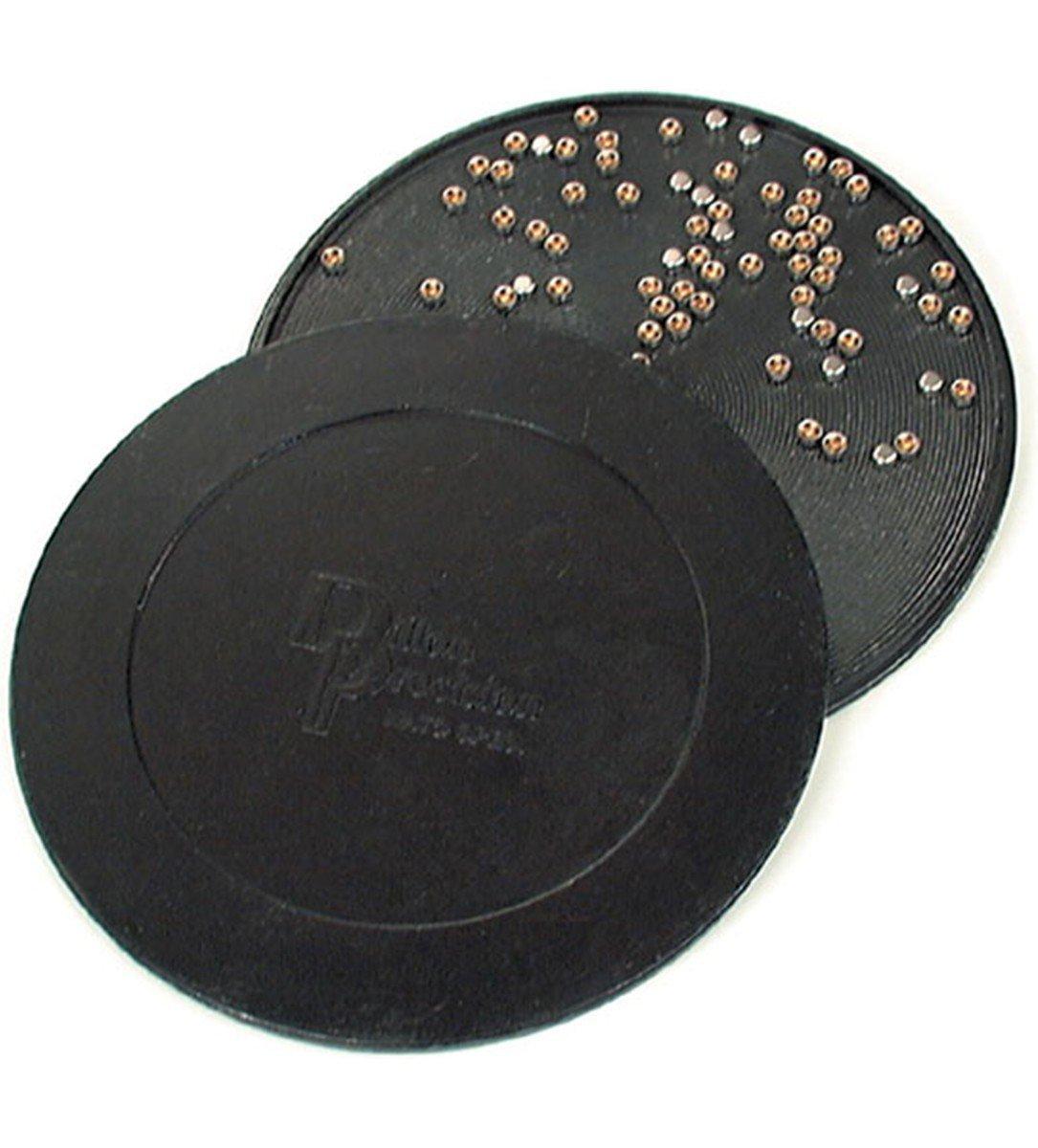
The base assembly requires a caliber conversion kit, a die set (standard 7/8"-14, sold separately), a powder scale, reloading handbook, calipers, primer flip tray, and case lube for bottleneck cartridges. Dillon also suggests extra primer pickup tubes for sessions over 100-200 rounds, an RF100 primer filler for sessions over 500 rounds, and a machine cover. The press includes a powder measure with large and small powder bars and a low-primer alarm.
Lee Pro 6000
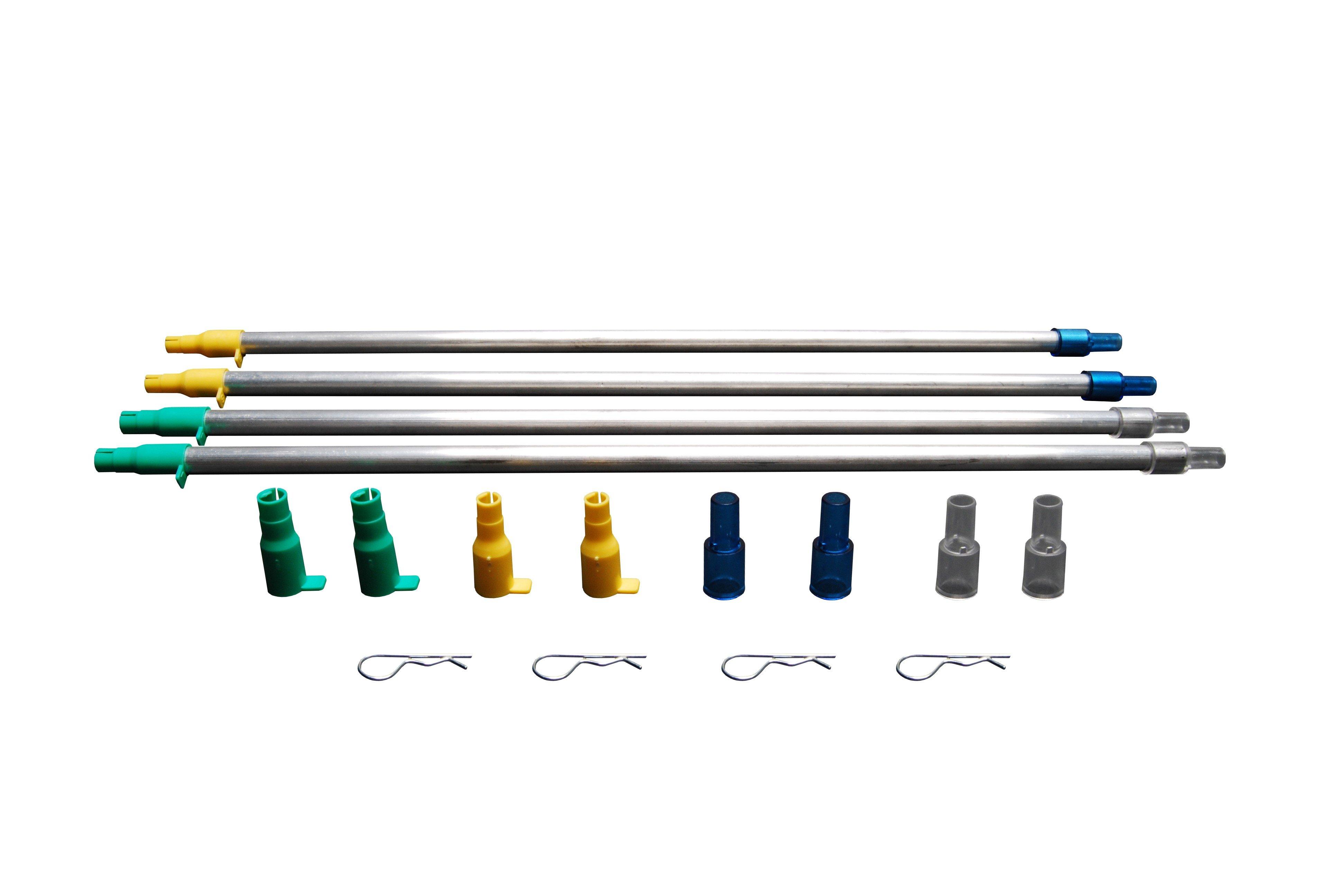
The press comes with the gated five-tube case feeder, automatic priming system, Breech Lock quick-change bushings, combination tool rack, bin bracket, and ammo bin. The Deluxe Auto Drum powder measure is included with Pro 6000 kits. You still need dies, a scale, calipers, and a reloading manual. The press uses the same all steel linkage found on Lee's Classic Cast 50 BMG press and a massive 28.4mm ram for handling the largest magnum rifle cases.
The practical difference
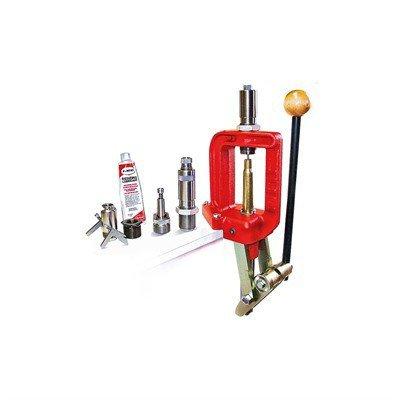
The 550C is more modular. You buy the base and add what you need. The Pro 6000 bundles more into the box. This makes the Lee's out-of-box experience more complete but also means you're paying for features (like the case feeder) whether you want them or not. The Dillon approach lets you start simple and upgrade incrementally. One user noted the BL 550 (Dillon's entry-level version of the 550 platform) can be upgraded piece by piece to a full 550C as budget allows.
Which press for which reloader
If you're loading primarily pistol at volumes over 500 rounds per month and you want auto-indexing with a case feeder included, the Pro 6000 is the more feature-rich option at a lower entry price. The six stations let you run a powder check die, which matters for pistol where double charges are a real concern. Accept that you may need to spend time dialing in the press during initial setup, and verify you're getting the updated revision with the gated case feeder and soft-twist index bar.
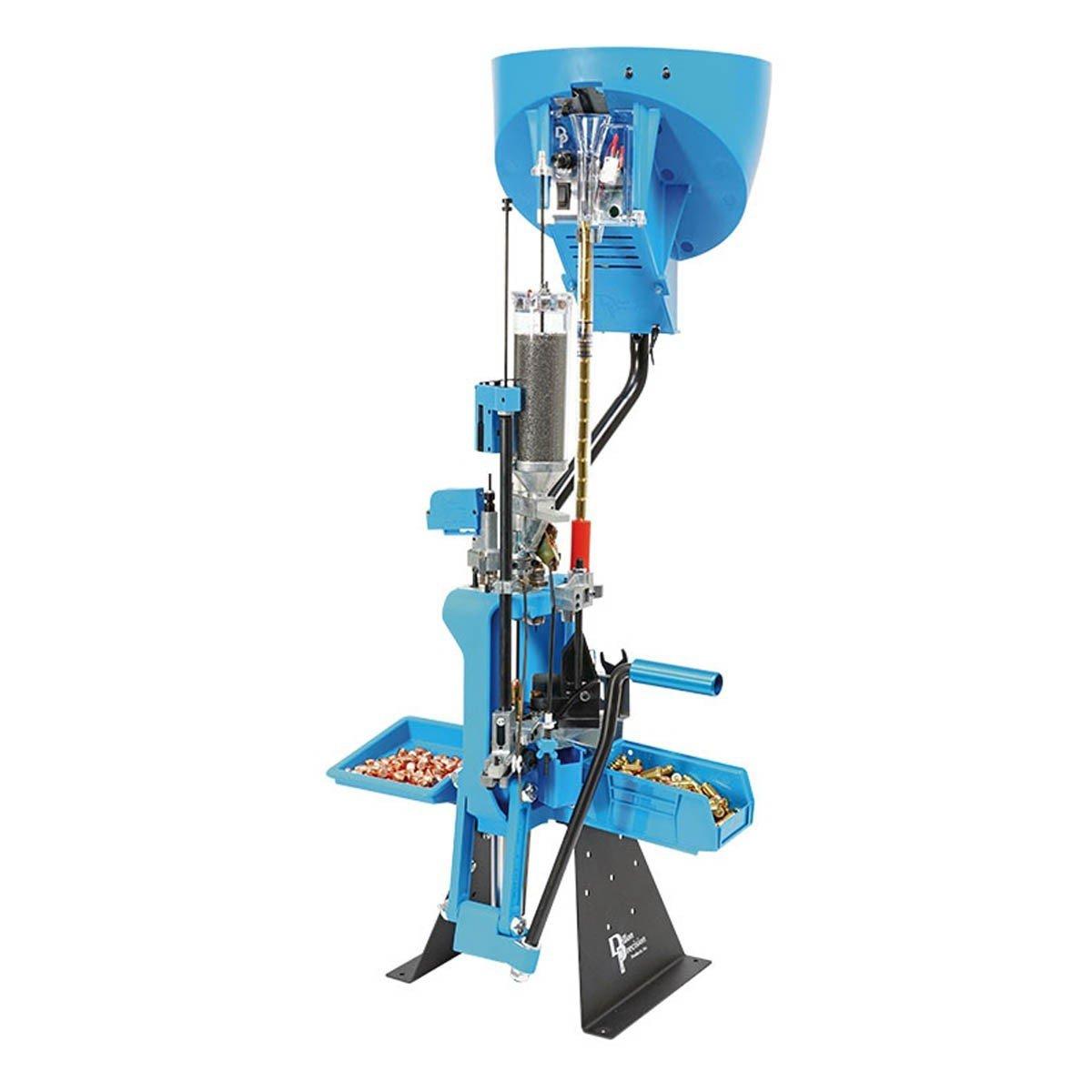

If you're loading multiple calibers including rifle, value simplicity and long-term reliability over features, and don't mind manual indexing, the 550C is the safer bet. It'll load everything from .32 ACP to .460 Weatherby, caliber changes are fast with extra toolheads, and the press will likely outlast you. The manual indexing gives you visual control over every round, which matters for rifle cartridges where you're checking powder levels and seating depth.
If you're loading low to moderate volume across several calibers and your budget is genuinely constrained, the Pro 6000 gives you more capability per dollar. Just go in with realistic expectations about the learning curve and initial setup time.
If you're loading high volume pistol and want maximum throughput with minimum fiddling, the 550C with a case feeder add-on is a proven platform. Or, honestly, look at the Dillon XL 750, which gives you auto-indexing in the Dillon ecosystem. Several users who started on 550Cs describe the 750 as "a huge improvement" for pistol volume.
If you've previously owned a Lee Loadmaster and had problems, the Pro 6000 is a substantially different press. The updated components address the specific failure modes that made the Loadmaster frustrating. But if the Loadmaster experience soured you on Lee progressives entirely, the 550C is the press that those same frustrated users consistently landed on.
The honest summary
The Pro 6000 is the most capable progressive press you can buy at its price point. Six stations, auto-indexing, included case feeder, standard die compatibility. Lee has addressed the early reliability issues through multiple design revisions, and the current production press is materially improved. The 550C is the most proven four-station progressive on the market, backed by decades of service life data and a customer service operation that sends parts without argument. It's mechanically simpler, which means less goes wrong, but it also means fewer features and a lower ceiling for throughput without add-ons. Neither press is wrong. The right one depends on whether you'd rather spend time setting up a more complex press or spend more money on a simpler one. Log what matters to you: volume per session, number of calibers, tolerance for troubleshooting, and budget including all conversion kits and accessories. The answer will be obvious once you write it down.