You're standing at the gun counter trying to decide between two shotguns that have dominated duck blinds and goose pits for years. The Beretta A400 Xtreme Plus and the Benelli Super Black Eagle 3 are the two most cross-shopped waterfowl semi-autos on the market, and for good reason. Both chamber 3.5-inch magnums, both come in every camo pattern you could want, and both have legions of hunters who swear they made the right call. The trouble is they get to the same destination through completely different engineering, and that difference matters more than most buyers realize.

Beretta A400 Xtreme Plus Deals
Prices may change. May contain affiliate links.

Here's the core of it: the A400 runs a gas-operated system, and the SBE3 runs an inertia-driven system. That single distinction ripples out into recoil, maintenance, reliability in filthy conditions, weight, and how each gun handles light versus heavy loads. Most of the internet debate around these two circles endlessly without landing on anything useful. So instead of rehashing brand loyalty, let's break down what actually changes in the field when you pick one over the other.
The decision you're actually making
This isn't really a question of which gun is "better." It's a question of how you hunt. If you spend 60 days a season in flooded timber, belly-deep in muck, pulling your gun out of a muddy canoe, your priorities are different from the guy who hunts dry-field geese over decoys ten weekends a year and shoots sporting clays the rest of the time. Both of these shotguns will kill ducks. The question is which one fits the way you actually use it.
The constraints that matter: How much do you shoot outside of hunting season? How bad are your conditions? How sensitive are you to recoil, especially across a long morning of pass-shooting with heavy steel loads? And how honest are you about your cleaning habits? That last one matters more than people admit.
Beretta has owned Benelli since the early 1980s, so this is technically a family argument. But the two companies build their semi-autos in completely different ways, and neither has any interest in converging.

Benelli Super Black Eagle 3 Deals
Prices may change. May contain affiliate links.
Quick comparison
A few things jump out immediately. The Beretta is the heavier gun, which contributes to its softer shooting reputation but also means more weight on your shoulder during a long walk-in. The Benelli is lighter, which matters in timber hunting and any situation where you're covering ground. And the A400 comes in a 30-inch barrel option that Benelli doesn't offer, which is worth knowing if you do a lot of pass shooting at high geese.

Benelli Crio choke tubes Deals
Prices may change. May contain affiliate links.

On price, the Beretta has a meaningful advantage at the entry level. The synthetic A400 Xtreme Plus in 12 gauge lists around $2,039–$2,049 compared to $2,399 for the cheapest 3.5-inch SBE3. In camo, the gap narrows but doesn't disappear. Street prices fluctuate, but the Beretta consistently comes in lower.
Gas vs. inertia: what the difference actually means
This is where the real conversation lives. Every other difference between these two guns traces back to their operating systems.
The A400's Blink gas system bleeds propellant gas from the barrel to cycle the action. That gas does two things: it runs the bolt, and it absorbs energy that would otherwise hit your shoulder. The result is noticeably less felt recoil, especially with heavy 3-inch and 3.5-inch steel and tungsten loads. Multiple experienced shooters who have run both guns back to back describe the A400 as the softest-shooting waterfowl auto they've handled. One long-time SBE2 and SBE3 shooter put it bluntly: "The A400 is the absolute softest shooting shotgun EVER. If I wasn't so invested in the SBE, I'd switch. It's that good."
Combine the gas system with Beretta's Kick-Off Mega recoil reduction in the stock, and Beretta claims a 70% reduction in felt recoil. That number is marketing, but the subjective difference is real and consistent across reports. You can shoot a box of 3.5-inch shells from an A400 and not feel beaten up. Try that with a pump gun and you'll understand why gas matters.
The SBE3's inertia system uses the gun's own inertia against a spring to cycle the bolt. No gas ports, no gas piston, no regulator. The mechanical simplicity is the whole point. Fewer parts touching combustion byproducts means less to clean and less to go wrong when things get ugly. The ComforTech 3 stock does real work mitigating recoil, but it can't overcome physics: an inertia gun will always kick harder than a comparable gas gun firing the same load, because the gas system is literally bleeding off energy that the inertia system sends straight back.

Field notes: the cleaning question
Here's where things get honest. Gas guns need more maintenance. The gas system collects carbon and residue with every shot, and that buildup eventually affects cycling. How quickly depends on conditions and loads. Most A400 owners report running several hundred 3-inch shells without issues before cleaning. But there are outliers. One hunter reported his A400 starting to have occasional jams after just 50 to 75 shells, which is unusually low and likely related to specific conditions or ammunition. The consensus from experienced A400 shooters is that this number should be much higher under normal use.
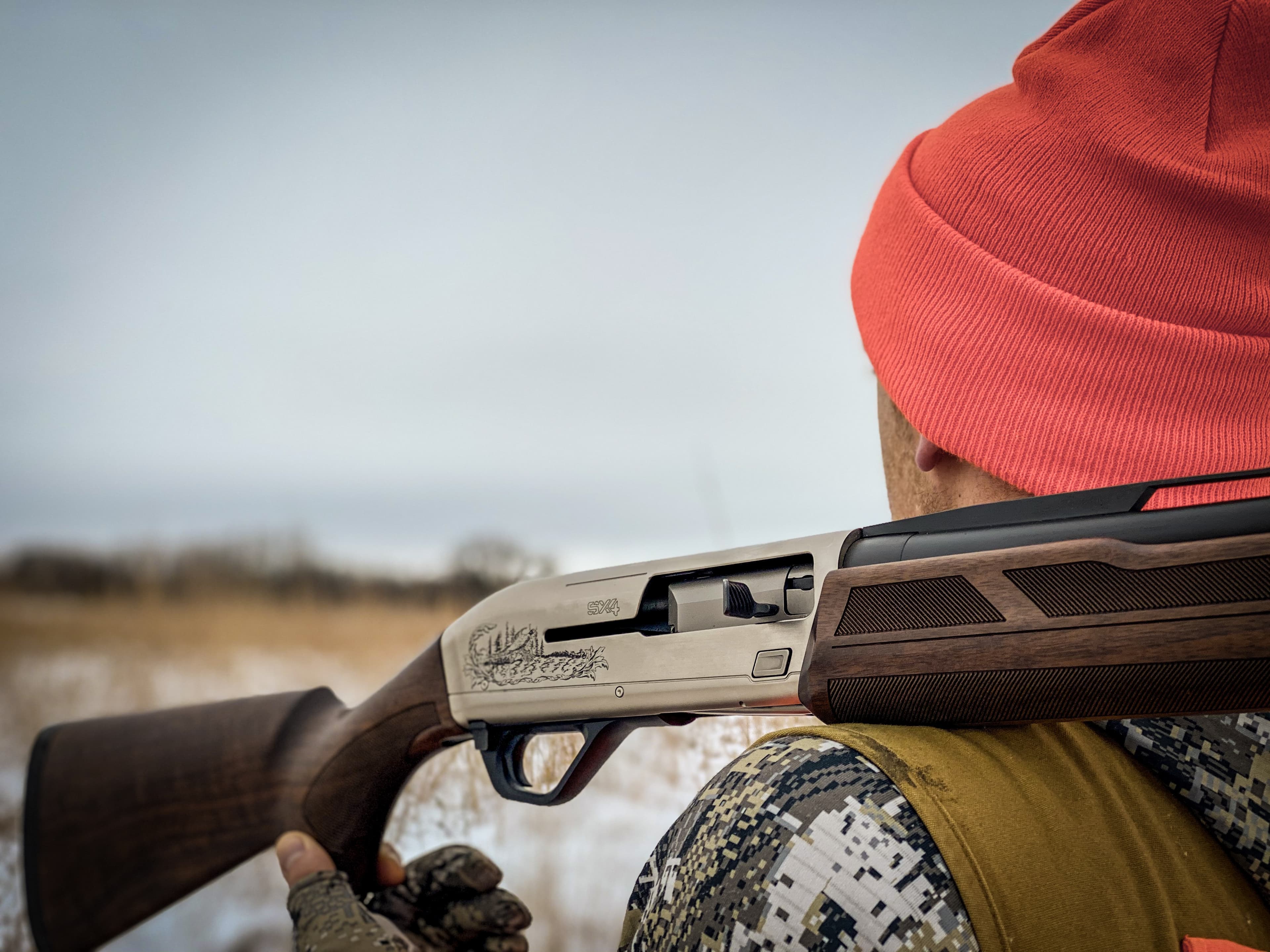
The SBE3, by contrast, is famously tolerant of neglect. One report describes a hunter who doesn't clean his SBE3 until end of season, subjects it to mud, drops it in canoes, and has had it underwater multiple times. It fires every time with 3-inch loads. That kind of abuse tolerance is the inertia system's calling card. If you're the type who hunts hard and cleans never, the Benelli is more forgiving.
But "more forgiving of neglect" isn't the same as "better in wet weather," and this is where a common misconception lives. Both guns handle rain and snow. The A400's Aquatech (or Aqua Shield) finish gives the barrel and metal surfaces additional corrosion protection in harsh environments. Neither company warrants surface finish damage, so the real answer is: clean your gun before it rusts, regardless of which one you buy.
Recoil and shooting comfort
If recoil is your primary concern, the Beretta wins this category and it's not particularly close. The gas system plus the Kick-Off Mega stock make the A400 Xtreme Plus genuinely pleasant to shoot, even with heavy waterfowl loads. The trigger breaks smoothly at a little over 5 pounds, which is crisp for a field gun.

The SBE3's ComforTech 3 stock does mitigate recoil compared to a standard stock, and Benelli has improved it with each generation. But the inertia system simply transfers more energy rearward. For a ten-shot morning over decoys, most hunters won't care. For an afternoon of sporting clays followed by a weekend of goose hunting, the cumulative difference adds up. Shooters who put high volume through their waterfowl gun consistently favor the gas system for comfort.
This matters beyond just comfort. Recoil affects follow-up shots. A softer-shooting gun lets you stay on target better for second and third shots on a flock. If you're the type of hunter who regularly takes doubles and triples, the A400's reduced muzzle jump is a tangible advantage.
Common mistakes hunters make with these guns
Most of the frustration people have with either shotgun comes from mismatched expectations or simple oversights.
Buying the SBE3 and expecting gas-gun recoil. The ComforTech 3 stock is good, but it's not magic. If you're recoil-sensitive or plan to shoot high volume, the inertia system will remind you it's there. Shoulder both guns with heavy loads before you buy.
Buying the A400 and never cleaning it. Gas guns are not maintenance-free. The Blink system is reliable, but carbon builds up. If you treat an A400 like an inertia gun and ignore it all season, you're eventually going to have cycling issues. Budget fifteen minutes after every few hunts to wipe down the gas system.
Ignoring the light-load question. Inertia guns need a certain amount of recoil energy to cycle. The SBE3 can be finicky with very light target loads, which matters if you want one gun for both hunting and clays. The A400's gas system is more forgiving across the load spectrum, cycling everything from light 1-ounce target loads up through 3.5-inch magnums without adjustment.
Not checking point of impact. The SBE3 is known to pattern high, which can be an advantage for rising birds but a problem if you don't know about it. The A400 tends to shoot flatter, closer to point of aim. Either way, pattern your gun before season. Shoulder it, point at a target, and see where the center of your pattern actually lands relative to your bead.
Overthinking camo patterns and underthinking fit. Both guns come in enough camo options to wallpaper a blind. None of that matters if the gun doesn't fit you. The A400 and SBE3 both include adjustable shim systems for drop and cast. Use them. A gun that fits puts more pellets on target than a gun with the "right" camo.
Use cases: where each gun earns its place
Ducks over decoys in moderate conditions
Either gun works. This is the most common waterfowl hunting scenario, and both the A400 and SBE3 excel at it. Shots are close, volume is moderate, and conditions are manageable. If you're choosing purely for this use case, the decision comes down to personal preference on weight and recoil.
Geese, pass shooting, high volume
The A400 pulls ahead here. Pass shooting means more shots, often at higher-flying birds, and heavier loads. The softer recoil keeps you in the game longer, and the 30-inch barrel option (which Benelli doesn't make for the SBE3) gives you a longer sight plane and slightly better swing-through on passing birds. If you shoot a lot of high geese, the 30-inch A400 is worth serious consideration.

Timber hunting and tight quarters
The SBE3's lighter weight and 26-inch barrel option make it the better timber gun. When you're threading through flooded hardwoods, carrying the gun at port arms for extended periods, and mounting quickly on birds that appear through gaps in the canopy, every ounce matters. The Benelli handles faster in tight spaces.

Worst-case weather
Freezing rain, sleet, sub-zero mornings, mud everywhere. This is where the inertia system's simplicity pays off. The SBE3 has fewer parts exposed to the elements, and its mechanical action is less susceptible to the kind of fouling that can slow down a gas system in extreme cold. If you hunt in the worst conditions regularly and you're honest about your cleaning habits, the Benelli is the safer bet for reliability.
Double duty: hunting and clays
The A400 is the clear choice for a one-gun-does-everything approach. Beretta's A400 platform, in its Xcel target version, is the most popular semi-auto among sporting clays competitors. The hunting version shares that DNA. It cycles light target loads reliably, shoots soft enough for high-volume clay sessions, and transitions to waterfowl duty without complaint. The SBE3 can shoot clays, but its inertia system's preference for heavier loads and sharper recoil make it less ideal for regular target work.
Logistics: cost, availability, and barrel life
The A400 Xtreme Plus has a lower entry price. In synthetic trim, it lists around $1,949. The cheapest 3.5-inch SBE3 starts at $2,399. In camo, the A400 runs roughly $2,694 to $2,760 depending on pattern, while the SBE3 in camo sits around $2,499 to $2,940, with the BE.S.T. treated models reaching $2,749 and beyond. Street prices are typically lower than MSRP, with the SBE3 spotted around $2,199 at retailers like Sportsman's Warehouse.
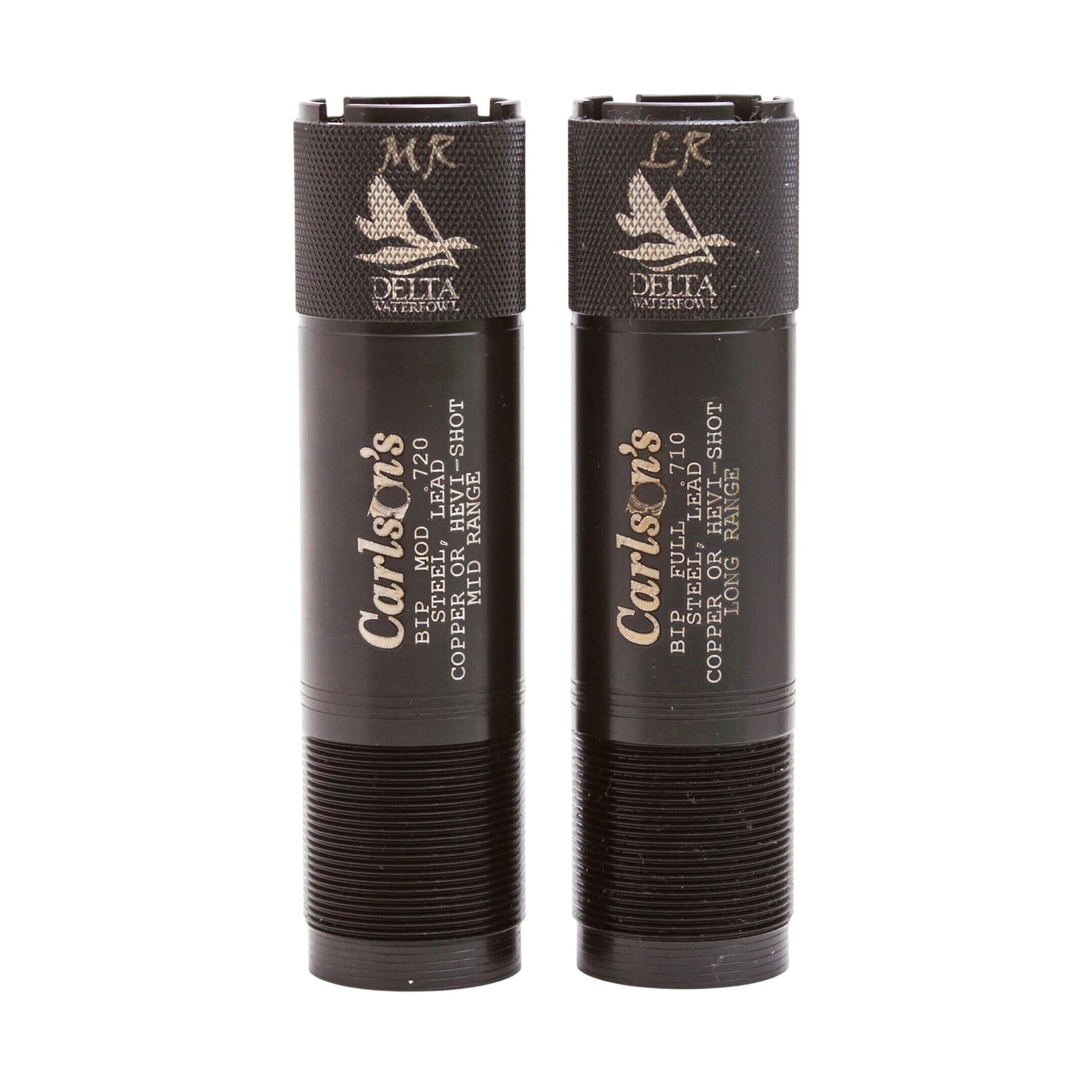
Carlson's choke tubes Deals
Prices may change. May contain affiliate links.
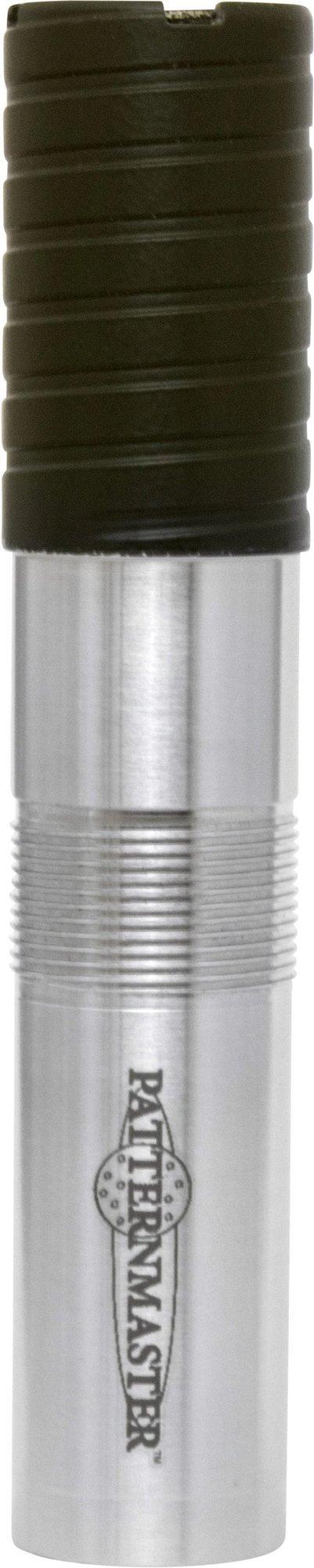
Patternmaster choke tubes Deals
Prices may change. May contain affiliate links.
Both guns are widely available and well-supported. Parts, accessories, and aftermarket options are plentiful for each. Choke tube ecosystems differ (Optima-Bore HP for Beretta, Crio Plus for Benelli), and both have extensive aftermarket choke options from companies like Carlson's, Patternmaster, and others.
On barrel life, neither gun is going to wear out in a hunter's lifetime under normal use. Beretta's Steelium Plus cold-hammer-forged barrel is competition-grade steel, and the A400 Xtreme Plus incorporates a 14-inch forcing cone that gradually tapers the shot string for better pattern performance. The SBE3's Crio-treated barrel and choke system are similarly durable. Steel shot is harder on barrels than lead, but modern proofed barrels handle it without issue.

For reloading, both guns eat factory ammunition without complaint. The A400's gas system is slightly more sensitive to reload quality because the gas port timing depends on consistent pressures. The SBE3's inertia system is similarly dependent on sufficient recoil energy, so very light reloads may not cycle in either gun. Stick to loads that generate enough energy to run the action and you'll be fine.
Worth mentioning: the Beretta AX800 Suprema
Beretta recently released the AX800 Suprema, which sits above the A400 Xtreme Plus in their lineup. It uses a new B-Link Pro gas system, has a longer forcing cone (450mm versus the A400's 350mm), a flat trigger with a 20% reduced pull weight and fast reset at approximately 1 lb 5 oz (roughly 1.31 pounds), and a redesigned Kick-Off Pro recoil system that Beretta says matches the A400's 70% recoil reduction but is easier to adjust. It weighs about 7.8 pounds with a 28-inch barrel and lists at $2,499.00. It's a more modern, more refined gas gun, but it's also more expensive and has a tactical aesthetic that won't appeal to everyone. If budget allows and you want the latest Beretta gas technology, it's worth handling. The A400 Xtreme Plus remains in production alongside it.

Beretta AX800 Suprema Deals
Prices may change. May contain affiliate links.

Beretta Kick-Off Pro Deals
Prices may change. May contain affiliate links.
Which to choose
If you shoot high volume, hunt and shoot clays, and want the softest recoil possible, buy the A400 Xtreme Plus. The gas system, the Kick-Off Mega stock, and the competition-grade barrel make it the better all-around shotgun for someone who puts a lot of rounds downrange. The lower MSRP is a bonus.
If you hunt in the worst conditions, value light weight, and are honest that you won't clean your gun mid-season, buy the SBE3. The inertia system's mechanical simplicity and the gun's lighter handling make it the better pure hunting tool for harsh environments and mobile hunting styles.
If you want one gun for ducks, geese, and pass shooting at range, the A400 in 30 inches is the play. Benelli doesn't make the SBE3 in a 30-inch barrel, and that extra barrel length matters for long crossing shots on high geese.
If you want a 20-gauge waterfowl gun, the SBE3 wins by default. The A400 Xtreme Plus is 12-gauge only. Benelli makes the SBE3 in 20 gauge, including BE.S.T. treated models.
If budget is the primary constraint, the A400 synthetic at around $1,949 is meaningfully cheaper than any 3.5-inch SBE3 configuration. That's real money that could go toward ammunition, decoys, or a better choke tube.
The bottom line
Almost every comparison of these two guns lands on the same three truths: the Benelli is lighter, the Beretta is softer shooting, and both are excellent waterfowl shotguns that will last decades with reasonable care. The right choice depends on your hunting style, your volume, and your tolerance for maintenance. Neither gun is going to let you down on birds. The one that fits you better, that you shoot more confidently, and that matches how you actually hunt is the one that'll put more birds on the strap. Before the season, take both to a sporting clays course if you can. Shoot a round with each using the loads you'll hunt with. The gun that disappears in your hands and lets you focus on the bird is the right answer. Everything else is just specs on a page.