You drew a tag in Washington, or you're planning your general season strategy, and now you're staring at a map that covers everything from sea-level rainforest to alpine basins above 7,000 feet. The rifle that's perfect for a whitetail stand in the Palouse farmland will punish you on a five-day mule deer hunt in the Pasayten. And the lightweight mountain rig you built for high-country goat isn't what you want when a Roosevelt elk steps out of old-growth timber at 60 yards.
Washington's 2026 hunting prospects show stable to improving populations for most big game species, with some notable shifts in unit-level opportunity. WDFW's hunt planner and the newly released big game regulations highlight expanded permit options in several eastern Washington mule deer units and continued strong general season opportunity for whitetail and elk across much of the state. The question isn't just where to hunt. It's how to set up a rifle system that actually matches the terrain, the species, and the shot you're most likely to get.
That's what we're breaking down here: the real field conditions across Washington's major hunting zones, and how to match your rifle, cartridge, and optic to what you'll actually encounter. No fantasy 600-yard setups. No one-rifle-for-everything compromises that leave you undergunned or overloaded.
What the 2026 prospects actually tell you
WDFW released its 2026 hunting prospects and big game regulations earlier this spring, with special hunt permit applications opening April 20. The broad picture: whitetail populations remain strong in northeastern Washington, particularly in GMUs around the Spokane area and the Blue Mountains. Mule deer herds have shown recovery in several units east of the Cascades after tough winters in prior years, though some shrub-steppe units still carry reduced buck ratios. Elk opportunity continues to be solid, with general season either-sex or antlerless tags available in many western Washington units for Roosevelt elk, and branch-antlered bull permits in premium eastern units like the Blue Mountains and Yakima region.
A few things matter for rifle selection. First, the species you're chasing determines the cartridge floor. A 115-pound whitetail doe on a damage tag and a 900-pound Roosevelt bull are not the same animal, and pretending a single load handles both equally is how you end up trailing a wounded elk through alder thickets in the rain. Second, the unit determines your likely shot distance and conditions. Western Washington means tight timber, fog, rain, and shots under 100 yards more often than not. The Okanogan highlands mean open ridges, thermals, and 200- to 350-yard shots across canyons. The Columbia Basin means flat, open ground where you might glass a mule deer buck at 400 yards but kill him at 250 if you close the distance like you should.
Third, and this is the part most hunters skip: the weather window for your specific season dates should drive your gear choices as much as the terrain. Early October archery-to-modern-firearm transition hunts in eastern Washington can hit 70 degrees. Late November whitetail seasons in the northeast corner can drop to single digits with a foot of snow. Your rifle needs to function in both, but your optic, your stock material, and your clothing system need to match the specific window you're hunting.
Western Washington: Roosevelt elk and blacktail in the timber
The terrain reality
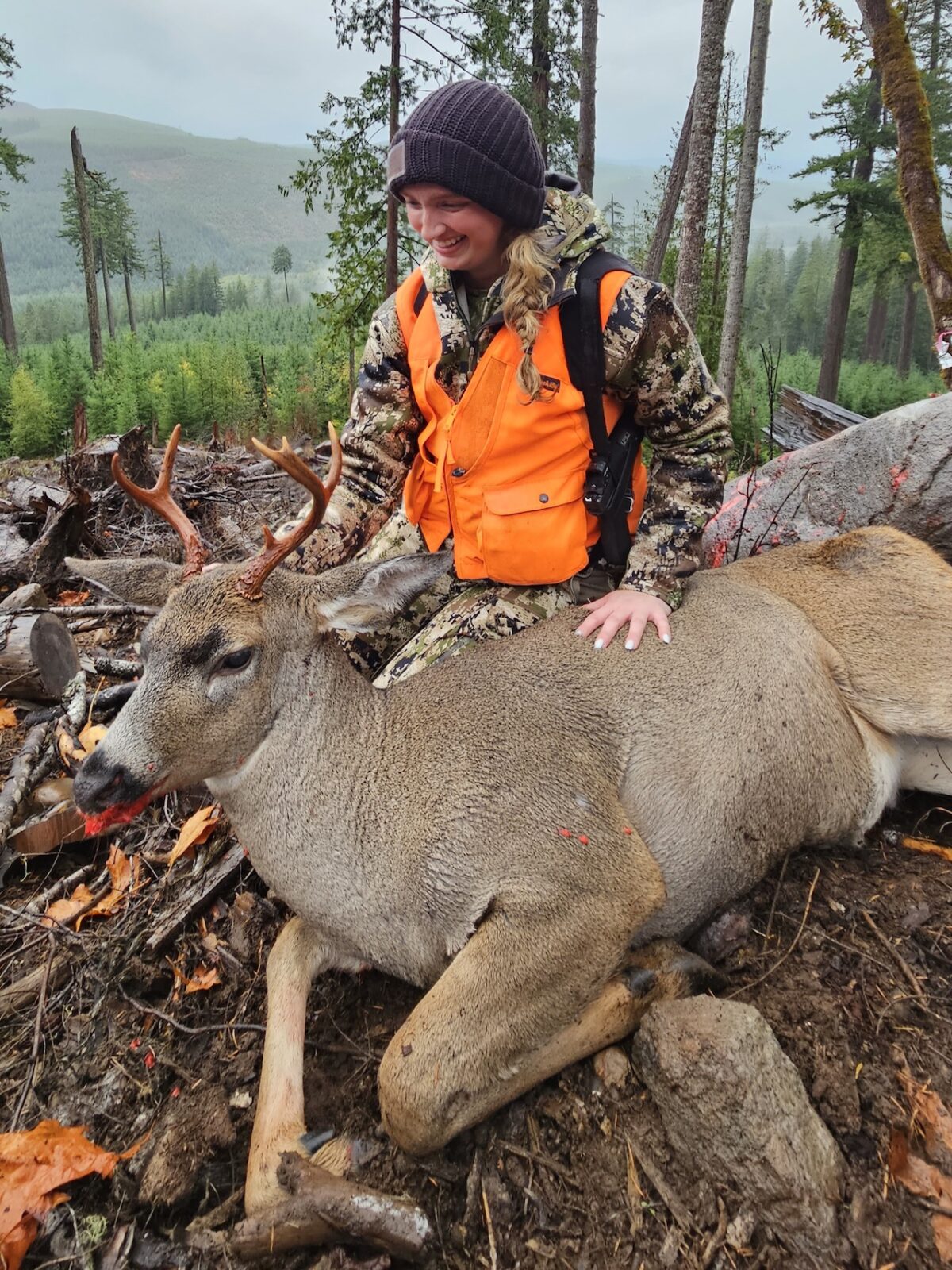
If you haven't hunted the west side, here's what the brochure doesn't show you. The Olympic Peninsula, the Willapa Hills, and the Cascade foothills are some of the densest, wettest hunting country in the lower 48. Visibility is often measured in yards, not hundreds of yards. You're hunting logging roads, clearcut edges, river bottoms, and old-growth stands where the canopy blocks GPS signals and the undergrowth swallows sound. Most shots at Roosevelt elk happen inside 80 yards. Blacktail deer are ghosts that materialize at 40 yards and vanish before you can shoulder a rifle if you're not ready.
What actually works here
This is lever-action and short-barrel bolt-action country. A 20-inch barreled rifle in .308 Win, .30-06, or even .35 Remington handles everything you'll encounter. The rifle needs to be quick to shoulder, reliable when soaking wet, and topped with an optic that gathers light because you're shooting in shadows at dawn and dusk under 200-foot Douglas firs.
Forget the 26-inch heavy-barrel precision rig. You'll hate it by noon on day one after dragging it through devil's club and vine maple. Weight matters here not because you're climbing mountains but because you're moving through brush all day, often on hands and knees.
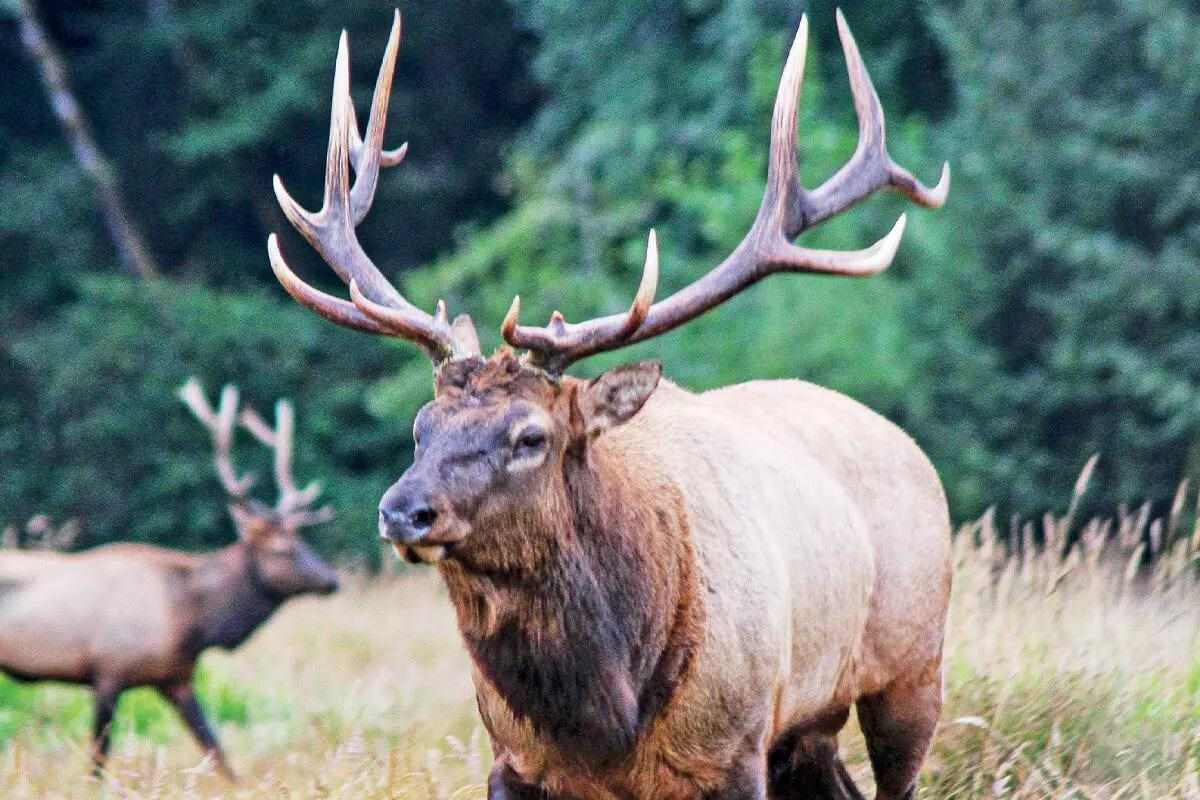
For Roosevelt elk specifically, you want a cartridge that puts a big hole in a big animal at close range. The .308 Win with a 165- or 180-grain bonded bullet is the practical minimum. The .30-06 with 180-grain Partitions or similar controlled-expansion loads is arguably the best all-around choice for west-side elk. If you're a .338 Federal or .35 Whelen fan, the timber is where those cartridges earn their keep. Terminal performance at close range matters more than ballistic coefficient when your longest shot is across a clearcut.
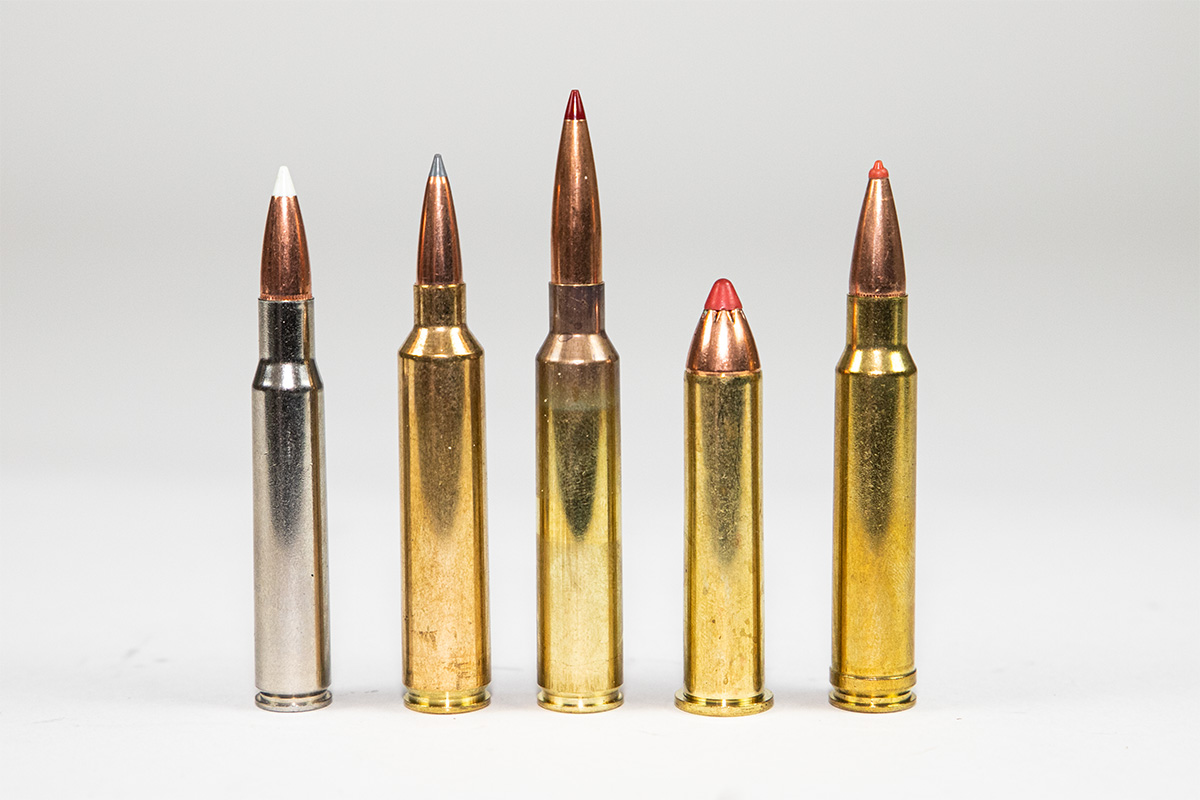
For blacktail, you can go lighter. A .243 Win or 6.5 Creedmoor works fine, but most west-side hunters carry one rifle for the season and might encounter either species. That pushes you toward .308 or .30-06 as the practical choice.
Optic selection for the timber
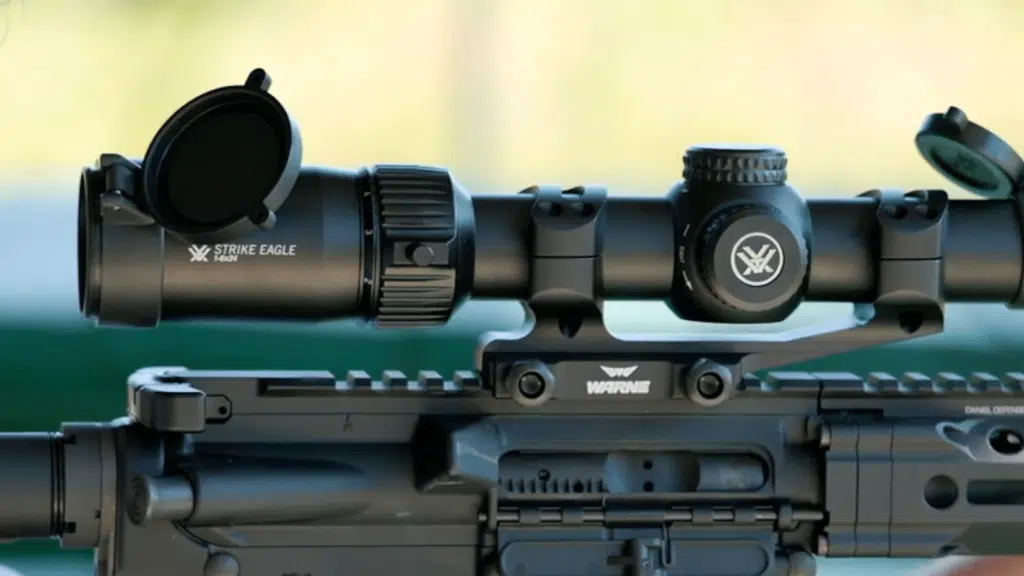
Low magnification, maximum light transmission. A 1-6x or 2-7x scope with a 30mm or 33mm tube handles every west-side scenario. Crank it down to 2x or 3x for timber hunting and you've got both-eyes-open speed for close encounters. The 3-9x40 that's been the default American hunting scope for 50 years still works here, but you'll appreciate the low end of a 1-6x when a bull steps out at 30 yards in fading light.
Fog resistance matters. Purged optics are standard now, but the external lens surfaces will fog in western Washington's humidity. An anti-fog lens cloth in your chest pocket isn't optional. Neither is a scope cover that you can flip open with one hand.
Eastern Washington: mule deer, whitetail, and Rocky Mountain elk
Two different worlds on one side of the mountains
Eastern Washington isn't one hunting environment. It's at least three. The northeast corner around Colville, Chewelah, and the Selkirk foothills is mixed conifer forest with good whitetail density and terrain that feels more like northern Idaho than the stereotypical Washington landscape. The Okanogan and Methow valleys are classic western mule deer country with open ridges, sagebrush parks, and elevation changes that'll test your legs. The Columbia Basin and Palouse region is agricultural flatland where whitetail concentrate around creek bottoms, CRP fields, and fence lines.
Each demands a different approach.
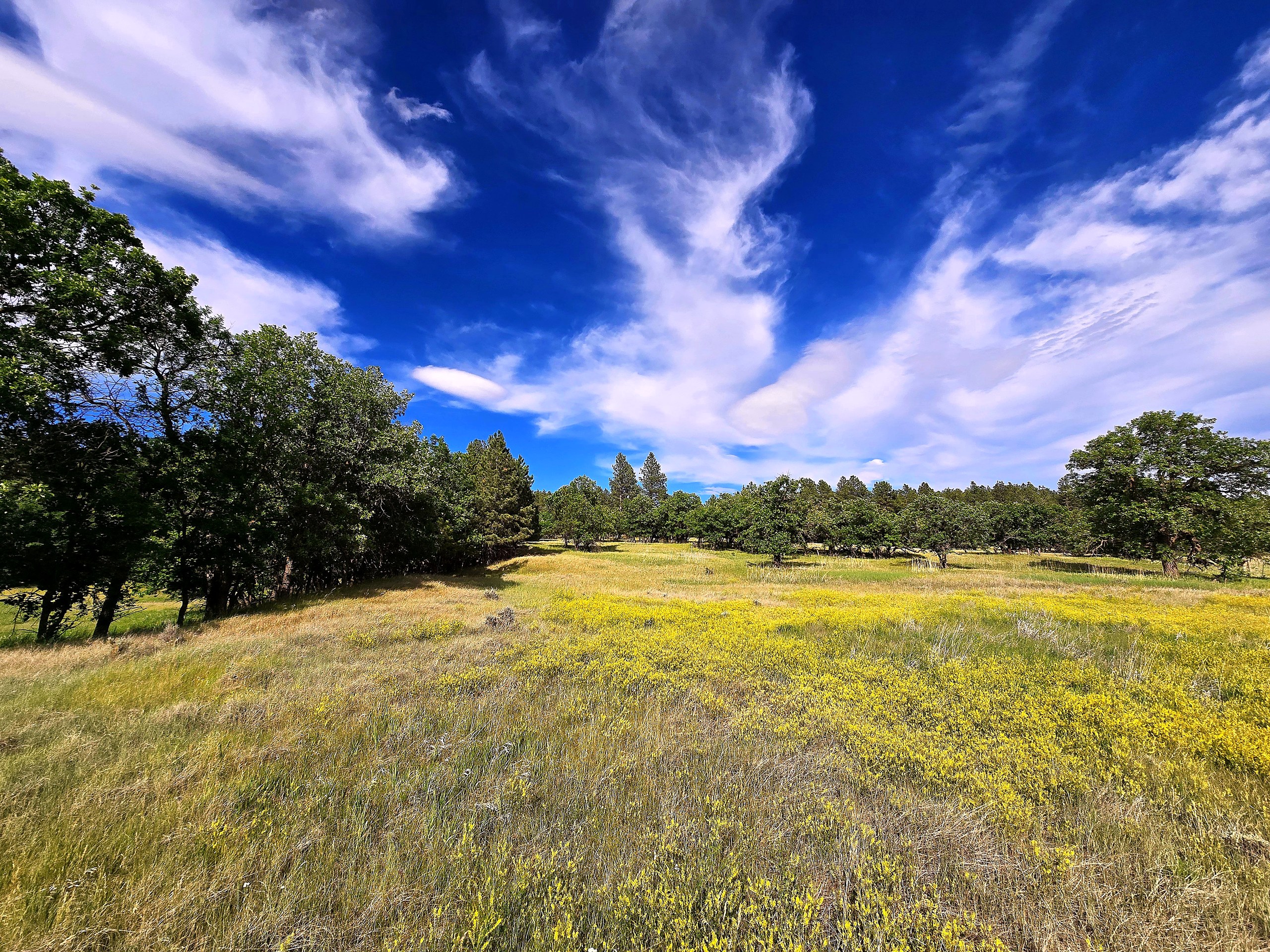
Northeast whitetail country
This is where Washington's best whitetail hunting happens, and the 2026 prospects reflect continued strong populations in many of these GMUs. The terrain is rolling hills with ponderosa pine, mixed conifer patches, and agricultural edges. Shot distances typically run 75 to 200 yards, occasionally stretching to 300 across a draw.
The .308 Win and 6.5 Creedmoor both shine here. A standard-weight bolt action with a 22-inch barrel and a 3-9x40 or 3-12x scope covers every realistic scenario. The 6.5 Creedmoor has become the default recommendation for good reason: mild recoil, excellent accuracy in nearly every factory rifle chambered for it, and terminal performance that's more than adequate for deer-sized game with 140-grain hunting bullets.
But the .308 Win still kills deer just as dead, and if you handload or prefer 150- and 165-grain options for versatility, it's hard to argue against it. The whitetail doesn't know the difference. Your shoulder might after a long range session, but in the field you're firing one to three rounds. Recoil doesn't matter as much as people think when adrenaline is involved.
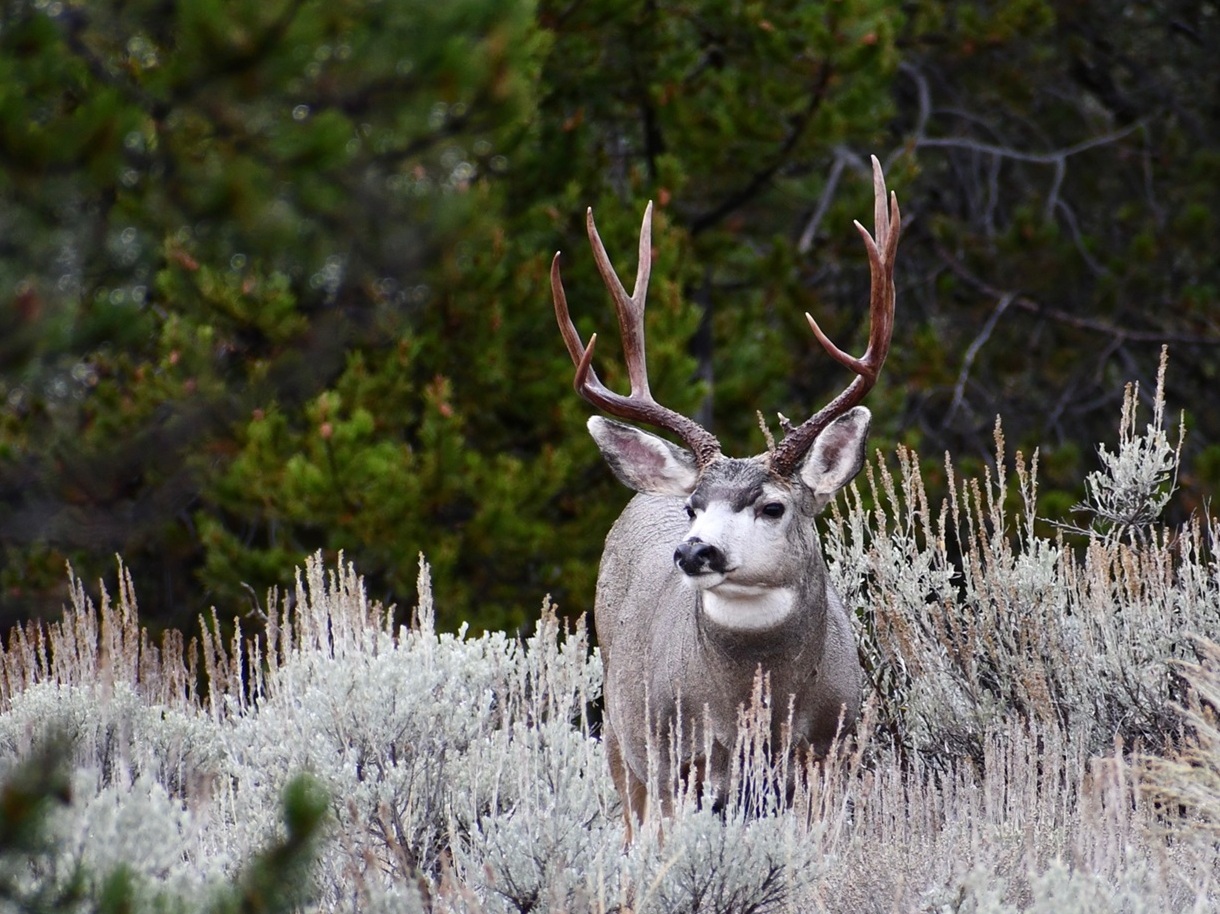
Okanogan and Methow mule deer
This is where your rifle setup needs to stretch. Mule deer in the Okanogan country live on open ridges and in sage-covered basins where 200- to 400-yard shots are common. Bucks tend to bed on points and saddles with good visibility, and closing distance often means skylined exposure that busts the hunt.
The 6.5 Creedmoor, 6.5 PRC, .270 Win, .280 Ackley Improved, and 7mm PRC all work well in this environment. What matters is a rifle that shoots sub-MOA with your chosen hunting load, an optic with enough magnification to read antler points at 400 yards, and enough practice at distance to know your holdovers or dial accurately.
A 6- to 8-pound rifle with a 22- to 24-inch barrel, topped with a 3-15x or 4-16x scope with an exposed elevation turret, is the working setup for this country. You'll be glassing far more than walking, so binocular quality matters as much as rifle quality. But that's a different article.
For mule deer specifically, the cartridge floor is lower than elk. A 130-grain .270 Win or 140-grain 6.5 Creedmoor with a bonded or monolithic bullet will cleanly kill any mule deer buck at any distance you should be shooting. The 6.5 PRC and 7mm PRC add meaningful velocity and energy retention at distance, which matters if your unit genuinely produces 300-plus-yard shot opportunities as the norm rather than the exception.
Columbia Basin and Palouse
Flat to gently rolling agricultural land. Whitetail here are hunted from treestands over food sources, spot-and-stalk along creek bottoms, and occasionally pushed through CRP grass. Shots can be long across open fields but are more commonly 100 to 200 yards. Wind is the variable that matters most on the Columbia Basin. It blows constantly, and a crosswind at 15 to 20 mph will push a 140-grain 6.5 Creedmoor bullet about 8 inches at 300 yards. That's enough to wound or miss entirely if you don't account for it.
Any standard deer cartridge works here. The .243 Win, .25-06, .260 Rem, 6.5 Creedmoor, .270 Win, and .308 Win all handle Basin whitetail without drama. The rifle that shoots best wins. If you're hunting from a blind or treestand, weight doesn't matter. Bring the heavy rifle that groups tight.
High-country permits: mountain goat, bighorn sheep, and alpine elk
If you drew one of Washington's limited mountain goat or bighorn sheep permits, congratulations. You probably won't draw another one. The rifle setup for these hunts deserves more thought than most hunters give it because the physical demands of the hunt constrain your gear choices in ways that flatland hunting doesn't.
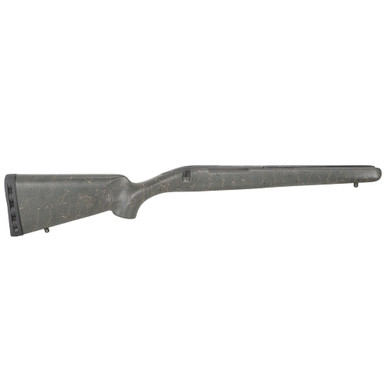
Christensen Arms carbon-fiber stock Deals
Prices may change. May contain affiliate links.
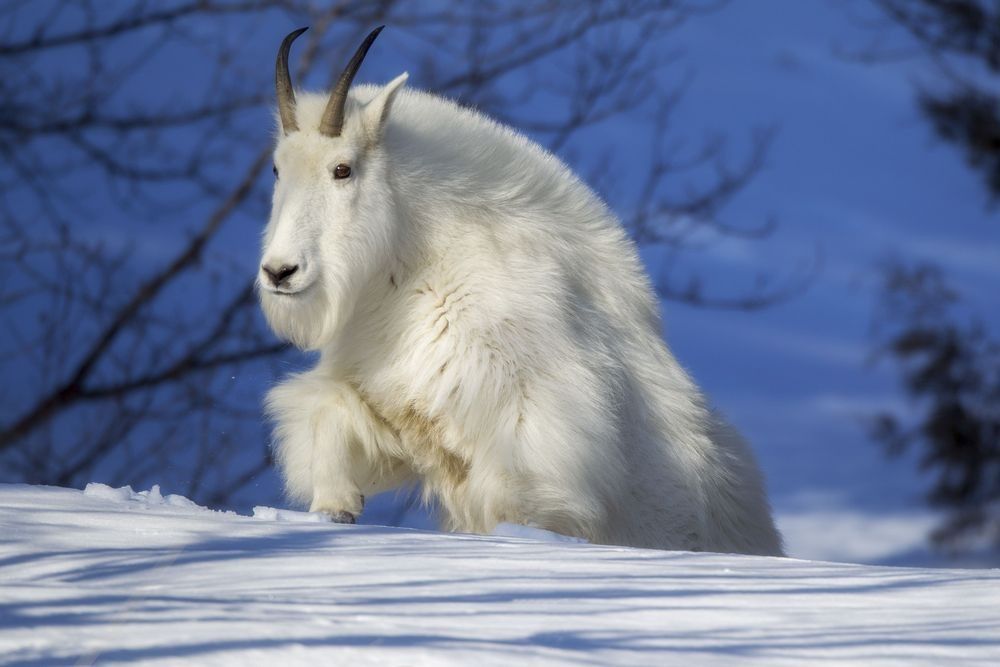
Mountain goat hunts in the Cascades mean steep, exposed terrain above timberline. You're climbing 3,000 to 5,000 vertical feet with everything on your back, often in weather that changes from bluebird to whiteout in an hour. Your rifle needs to be light, accurate, and chambered in something that handles wind at moderate distance. Most goat shots happen between 150 and 300 yards. The animal isn't particularly hard to kill with a well-placed shot, but the terrain makes shot angles challenging and recovery of a poorly hit animal dangerous or impossible.
A 6- to 7-pound rifle in 6.5 Creedmoor, 6.5 PRC, .270 WSM, or 7mm-08 is the sweet spot. Carbon-fiber stocks and lightweight actions from companies like Christensen Arms, Fierce, and Weatherby's backcountry models keep weight manageable. Pair it with a compact 2-10x or 3-15x scope and you've got a setup that won't break your back on the climb and will reach anything you should ethically shoot.
For alpine elk in units like the Cascades high country, bump the cartridge up. A 7mm PRC, .28 Nosler, or .300 WSM gives you the energy retention to anchor a bull at distance while keeping rifle weight reasonable in a 24-inch barrel configuration. The .300 Win Mag works too, but the short-magnum cartridges allow shorter, lighter actions without giving up meaningful performance at hunting distances.
Five rifles worth looking at for Washington hunting
These aren't ranked. They're matched to the hunting scenarios described above.

Tikka T3x Lite .308 Win Deals
Prices may change. May contain affiliate links.
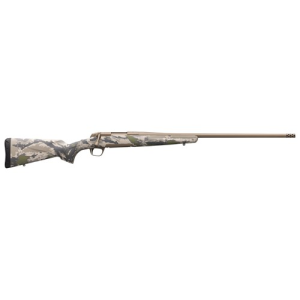
Browning X-Bolt Speed 6.5 PRC Deals
Prices may change. May contain affiliate links.
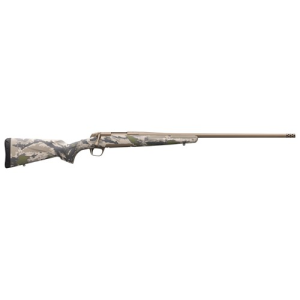
Browning X-Bolt Speed 6.5 Creedmoor Deals
Prices may change. May contain affiliate links.

Weatherby Mark V Backcountry 2.0 6.5-300 Weatherby Mag Deals
Prices may change. May contain affiliate links.

Weatherby Mark V Backcountry 2.0 .257 Weatherby Mag Deals
Prices may change. May contain affiliate links.
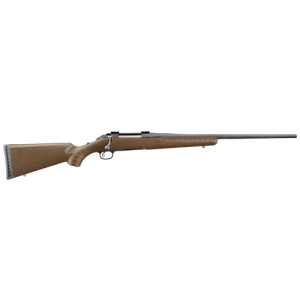
Ruger American .30-06 Deals
Prices may change. May contain affiliate links.

Ruger American .308 Win Deals
Prices may change. May contain affiliate links.

Daniel Defense AR-style rifle Deals
Prices may change. May contain affiliate links.
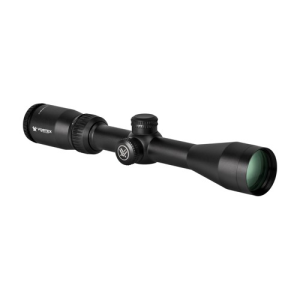
Vortex scope Deals
Prices may change. May contain affiliate links.
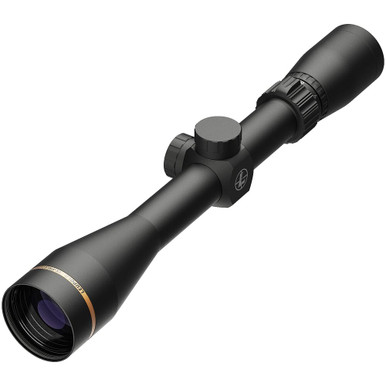
Leupold scope Deals
Prices may change. May contain affiliate links.
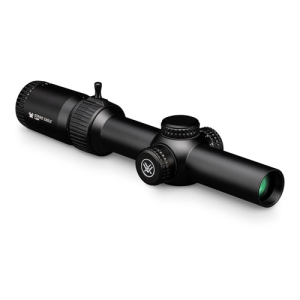
Vortex Strike Eagle 1-6x24 Deals
Prices may change. May contain affiliate links.
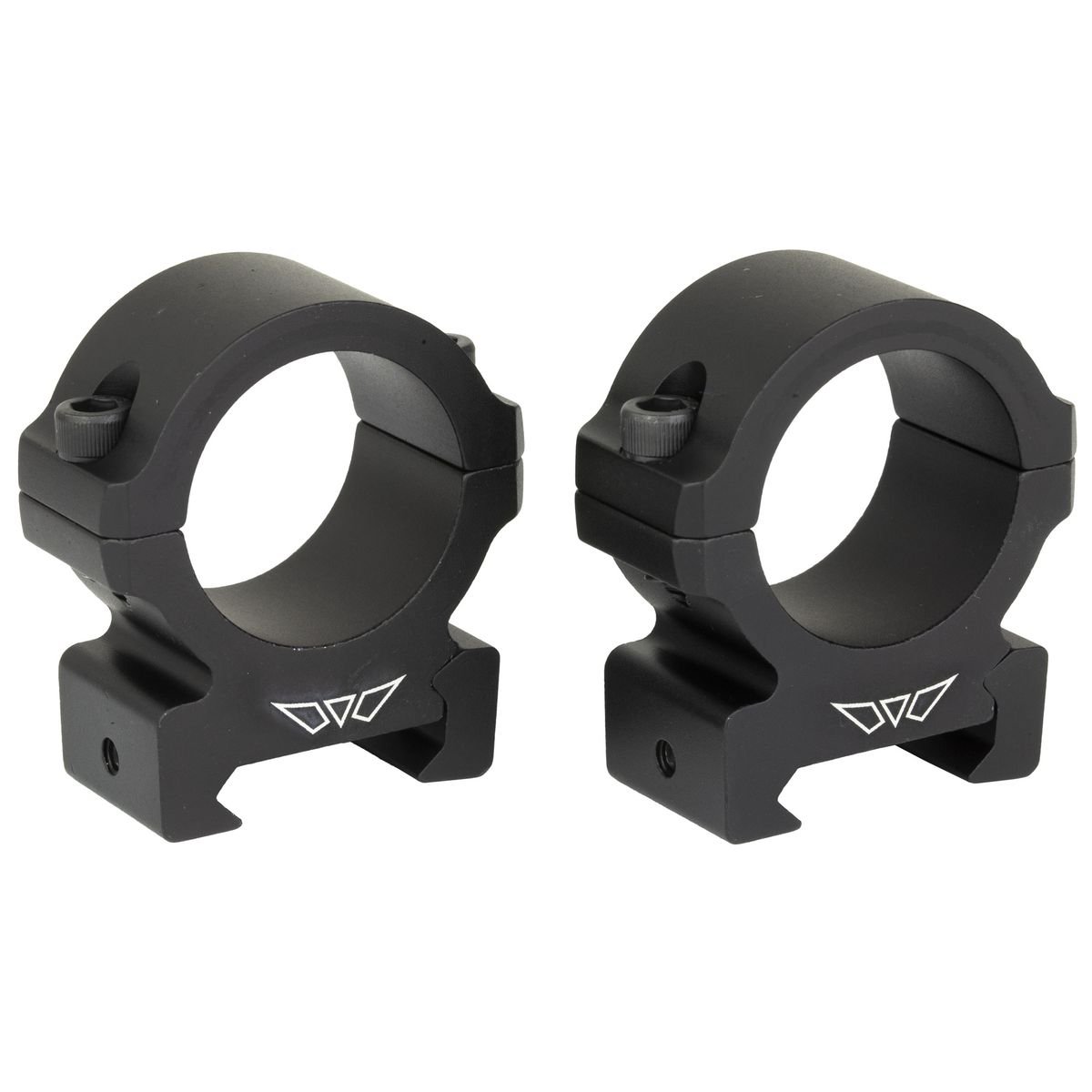
Warne scope rings Deals
Prices may change. May contain affiliate links.
Fierce Fury 7mm PRC
May contain affiliate links.
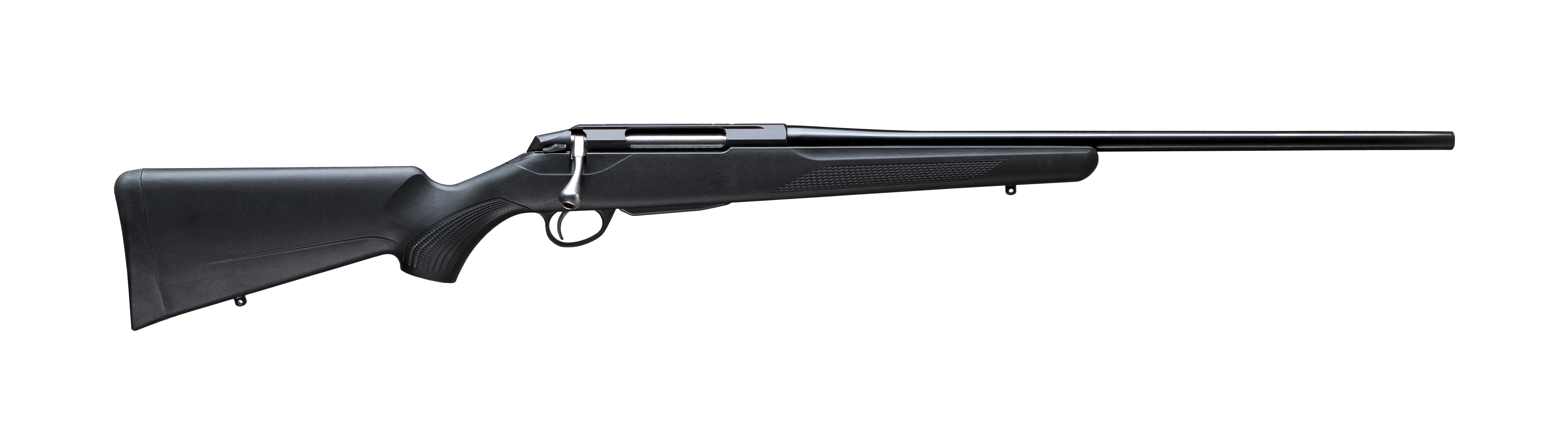
The Tikka T3x Lite in .308 Win is a go-to for west-side elk and general-purpose deer hunting. It runs about 6.5 pounds, cycles smoothly, and shoots well out of the box. The synthetic stock handles rain without complaint. It's not fancy, but it works when it's cold and wet, which is most of the western Washington season.
The Browning X-Bolt Speed in 6.5 Creedmoor or 6.5 PRC fits the eastern Washington mule deer hunter who wants accuracy, moderate weight, and a factory rifle that doesn't need immediate upgrades. The Cerakote finish and composite stock handle weather, and the adjustable trigger is good from the factory.
The Weatherby Mark V Backcountry 2.0 in .257 Weatherby Mag or 6.5-300 Weatherby Mag is the high-country specialist. It's light, it's accurate, and the Weatherby cartridges deliver velocity that flattens trajectory in the alpine. It's more rifle than you need for whitetail, but if you drew a once-in-a-lifetime goat or sheep tag, this is the kind of tool that matches the moment.
The Fierce Fury in 7mm PRC splits the difference between a mountain rifle and an elk rifle. It's built light with a carbon-fiber stock and a hand-lapped barrel, and the 7mm PRC cartridge handles everything from mule deer to elk without the punishing recoil of the big .30-caliber magnums. It's become popular in western hunting circles for good reason.
The Ruger American in .308 Win or .30-06 is the budget option that actually performs. If you're hunting general-season whitetail or cow elk and don't want to spend $2,000 on a rifle, the Ruger American puts rounds where you point it, feeds reliably, and costs little enough that you won't cry when it gets scratched sliding down a talus slope. Pair it with a mid-range Vortex or Leupold scope and you've got a working hunting rifle for under $800 total.
| Rifle | Best Use Case | Chamberings Mentioned | Approx. Weight | Key Features | Price Tier |
|---|---|---|---|---|---|
| Tikka T3x Lite | West-side elk & general-purpose deer | .308 Win | ~6.5 lbs | Smooth cycling, synthetic stock, reliable in rain | Mid-range |
| Browning X-Bolt Speed | Eastern WA mule deer | 6.5 Creedmoor, 6.5 PRC | N/A | Cerakote finish, composite stock, adjustable trigger | Mid-range |
| Weatherby Mark V Backcountry 2.0 | High-country goat/sheep (once-in-a-lifetime tags) | .257 Wby Mag, 6.5-300 Wby Mag | Lightweight | Flat trajectory, high velocity, built for alpine | Premium |
| Fierce Fury | Mountain rifle / elk crossover | 7mm PRC | Lightweight | Carbon-fiber stock, hand-lapped barrel, manageable recoil | Premium |
| Ruger American | General-season whitetail & cow elk (budget) | .308 Win, .30-06 | N/A | Reliable feeding, durable, pairs well with mid-range optics | Under $800 (rifle + scope) |
Common mistakes Washington hunters make with rifle setup
Overmagnification for west-side hunting is the most frequent error. A 5-25x scope on a rifle destined for Roosevelt elk timber is dead weight and lost field of view. You can't find a bull at 40 yards through a scope cranked to 12x. Most hunters who've actually killed west-side elk will tell you they wished they had less magnification, not more.
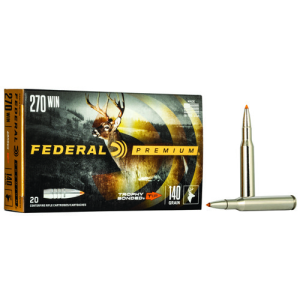
Federal Trophy Bonded Tip Deals
Prices may change. May contain affiliate links.
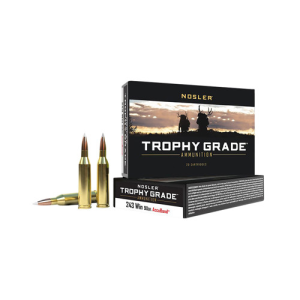
Nosler AccuBond Deals
Prices may change. May contain affiliate links.
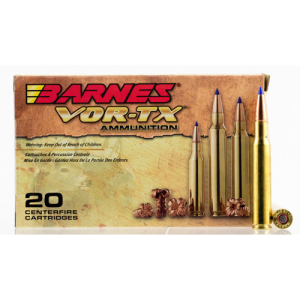
Barnes TTSX Deals
Prices may change. May contain affiliate links.
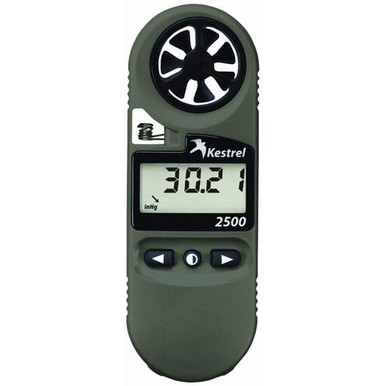
Kestrel weather meter Deals
Prices may change. May contain affiliate links.
Carrying too much rifle weight in mountain units costs you energy that should go toward covering ground and glassing. Every pound on the rifle is a pound you feel in your legs at 6,000 feet. If your rifle, scope, and sling weigh more than 9 pounds, you're carrying a bench rifle into the backcountry. That's a choice, but it's usually the wrong one.
Ignoring wind on the Columbia Basin leads to wounded animals and missed shots. Flat terrain with consistent wind isn't the same as calm conditions at the range. If you haven't practiced shooting in 10- to 20-mph crosswinds, you haven't practiced for Basin hunting. A Kestrel weather meter or even a simple wind flag on your shooting sticks will teach you more about wind than any ballistic app.
Using cup-and-core bullets on elk is a gamble that sometimes doesn't pay off. Standard soft-point bullets can fragment on heavy bone at close range, and elk are thick-bodied animals with dense muscle and heavy shoulder structure. Bonded bullets like the Federal Trophy Bonded Tip, Nosler AccuBond, or Barnes TTSX penetrate reliably through heavy bone and hold together. The price difference is a few dollars per box. The performance difference is measured in whether you recover your elk or spend three days looking.
Not confirming zero after travel is the simplest mistake and the most preventable. A rifle that was zeroed at the range in Spokane may not be zeroed after a four-hour drive on gravel roads to your trailhead. Bring a portable target and confirm at 100 yards before you hunt. It takes five minutes and three rounds. There's no excuse for skipping it.
Field notes: reading the unit before you pick the rifle
WDFW's hunt planner tool is underused. It gives you unit-specific harvest data, hunter success rates, and population trend information that should directly inform your setup. If a unit shows 85% of harvested deer taken by rifle hunters with average shot distances implied by the terrain type, you can back into what your rifle needs to do.
Pull up Google Earth and actually look at the unit you're hunting. Measure distances across clearcuts, between ridgelines, across basins. Get a feel for the maximum realistic shot distance the terrain allows. Then subtract 25% because field conditions, adrenaline, and imperfect shooting positions always shrink your effective range compared to the bench.
Talk to the WDFW biologists assigned to your region. They'll tell you where animals are concentrating, what access looks like, and whether a particular unit hunts more like timber or open country. This information is free and most hunters never ask for it.
If you're applying for special permits, study the harvest statistics for that specific permit code. Some permit hunts have 80% success rates because the unit concentrates animals predictably. Others have 15% success because the terrain is brutal and the animals are scattered. Your rifle setup, your physical preparation, and your time commitment should all scale to match.
The prep that pays off before September
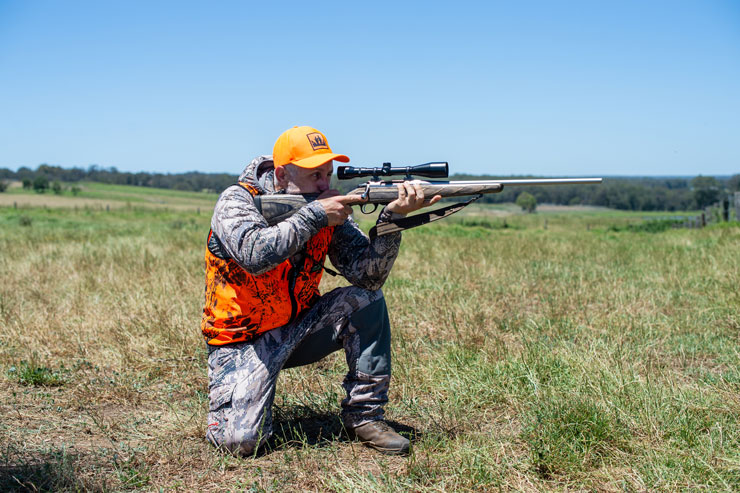
Shoot your hunting rifle from field positions. Sitting, kneeling, off shooting sticks, off your pack. If every round you've fired has been from a bench, you don't actually know where your rifle shoots when you're the one shaking. Most missed shots in the field aren't the rifle's fault. They're the result of a hunter who only practiced in ideal conditions.
Run your bolt fast. Cycle dummy rounds through the action while wearing the gloves you'll hunt in. If your bolt handle is too small to grip with cold, gloved fingers, fix that now. Bolt knob upgrades are cheap. A fumbled follow-up shot on a wounded animal is not.
Verify your cold-bore first shot lands where you expect. Your first shot from a cold barrel is the only one that matters in hunting. If your rifle throws the first round two inches from your subsequent group, you need to know that and adjust your zero accordingly. Shoot one round from a cold, clean barrel, record the impact, let it cool completely, and repeat. Do this five times. That's your actual hunting zero.
Hike with your loaded pack and your rifle. If you're hunting a mountain unit, you need to know what 2,000 vertical feet feels like with 40 pounds on your back and a rifle in your hands. Discover that your sling digs into your shoulder or your rifle slips off your pack at home, not at the trailhead on opening morning.
Washington's 2026 season structure gives you time to prepare if you start now. General deer and elk seasons open in October, with some early archery opportunities in September. That's enough time to confirm your rifle setup, practice from field positions, and get your legs under you for the unit you're hunting. The hunters who fill tags consistently aren't the ones with the most expensive rifles. They're the ones who showed up prepared for the specific conditions they'd face.