California adds a layer of complexity to rifle selection that most other states don't. The lead ammunition ban means every centerfire round you chamber needs to be a non-lead projectile, and the terrain across Northern California's deer zones ranges from thick oak woodland to wide-open foothill grassland to steep coastal mountains. You need a rifle that runs copper bullets reliably, handles well in brush or across a canyon, and doesn't punish you on a five-mile pack out.
This guide is built for the hunter who already knows how to run a bolt gun and wants to narrow the field to a specific rifle before the A-zone opener. The picks below span from roughly entry-level bolt actions to mid-tier classics, covering the price range where most serious whitetail and blacktail hunters actually shop. If you're chasing B-zone blacktail in the Mendocino brush or glassing A-zone bucks across Tehama County grassland, one of these rifles will do the job.
Quick picks
- Ruger American Gen II Predator Best for budget-conscious hunters who want a capable all-rounder
- Tikka T3x Lite Best for mid-tier accuracy and carry weight
- Tikka T3x Lite Roughtech Ember Best for rough weather and rugged terrain
- Winchester Model 70 Featherweight Best for classic controlled-round-feed reliability
- Savage 110 Core Hunter Best for customizable ergonomics and caliber variety
- Savage 110 Carbon Hunter Best for lightweight carbon-barrel performance on a budget
- Savage 110 FBT Hunter Best for all-day carry on long stalks
- Savage 110 Trail Blazer Best for entry-level Savage with modern features
- Marlin Model 336 Classic Best lever action for thick timber
At a glance
| Rifle | Action | Weight | Barrel length | Caliber options (source-confirmed) | Trigger | Price tier |
|---|---|---|---|---|---|---|
| Ruger American Gen II Predator | Bolt | 6.7 lb | 22 in | 6.5 Creedmoor, .308 Win, .243 Win, 7mm-08 Rem, .30-06 Sprg, others | Ruger Marksman Adjustable (tested avg 3.42 lb) | $ |
| Tikka T3x Lite | Bolt | 6.4 lb | 20-24 in (caliber dependent) | 19 caliber options including .308 Win | Single-stage adjustable, 2-4 lb | $$ |
| Tikka T3x Lite Roughtech Ember | Bolt | 6.6 lb | 20 in (tested) | .270 Win, .308 Win, others | Single-stage adjustable | $$ |
| Winchester Model 70 Featherweight | Bolt, CRF | 6.7 lb | 22 in (6.5 CM), 24 in (.300 WM) | 6.5 Creedmoor, .270 Win, .300 Win Mag, others | M.O.A. (tested 5.9 lb factory) | $$ |
| Savage 110 Core Hunter | Bolt | not published | 16.5-22 in (caliber dependent) | 22+ caliber options, .243 to .300 Win Mag | AccuTrigger, user-adjustable | $$ |
| Savage 110 Carbon Hunter | Bolt | Under 7 lb | 18-20 in (caliber dependent) | .308 Win, others | AccuTrigger, user-adjustable (2.5-6 lb) | $$ |
| Savage 110 FBT Hunter | Bolt | 6.6 lb | 18 in | .308 Win (tested) | AccuTrigger (tested 3 lb 2 oz) | $$$ |
| Savage 110 Trail Blazer | Bolt | not published | 16.5-20 in (caliber dependent) | .204 Ruger, .22 Creedmoor, others | AccuTrigger, user-adjustable | $ |
| Marlin Model 336 Classic | Lever | 7.5 lb | 20.25 in | .30-30 Win | not published | $$ |
How we chose
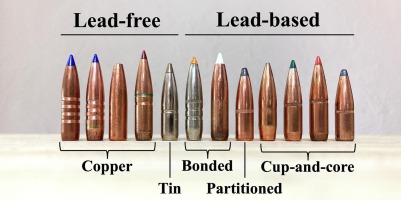
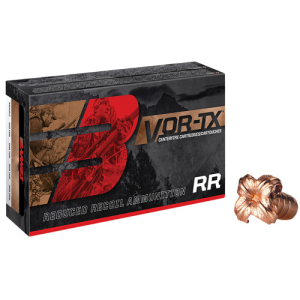
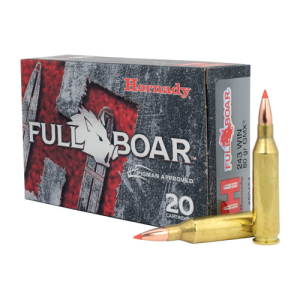
Northern California deer hunting has a non-negotiable variable that eliminates some rifles and cartridge combinations before you even get to preferences: California requires non-lead ammunition for all hunting. That means copper monolithic bullets like the Barnes TTSX, Hornady GMX/CX, or Nosler E-Tip. These projectiles behave differently than lead-core bullets. They're typically lighter for caliber, run at higher velocities, and need adequate barrel twist rates to stabilize properly. Every rifle on this list chambers cartridges with proven non-lead factory loads available on the shelf in 2026.
Barnes TTSX Deals
Prices may change. May contain affiliate links.
Hornady GMX Deals
Prices may change. May contain affiliate links.
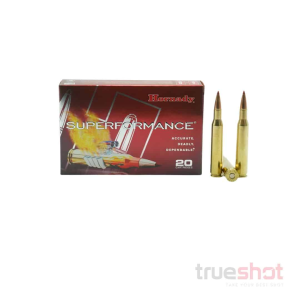
Hornady CX Deals
Prices may change. May contain affiliate links.
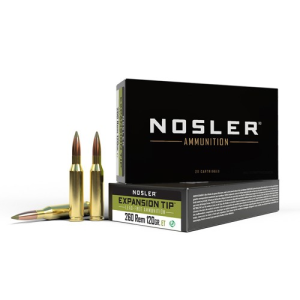
Beyond the ammo question, we filtered for reliability records and manufacturer support. Ruger, Tikka/Sako, Winchester, Savage, and Marlin all have established service networks in the U.S. and track records spanning decades. Parts availability matters when you're two weeks from the opener and your extractor breaks during load development.
Weight factored heavily because Northern California deer hunting is rarely a sit-in-a-box affair. Whether you're climbing Coast Range ridges for blacktail or walking miles of oak savanna in the foothills, a rifle north of 8 pounds before glass gets old fast. Every bolt action on this list comes in under 7.5 pounds bare, and several sit closer to 6.5.
Serviceability and simplicity also mattered. Rifles with user-adjustable triggers, accessible bolt disassembly, and straightforward stock systems earn points because they're easier to maintain in the field and easier to tune to your specific shooting style. A rifle you can adjust to fit your frame and your preferred trigger pull without a gunsmith trip is a rifle you'll actually practice with.
The picks
Ruger American Gen II Predator
Best for: Budget-conscious hunters who want a capable all-rounder

Ruger American Gen II Predator Deals
Prices may change. May contain affiliate links.

Ruger American Gen II Predator .308 Winchester Deals
Prices may change. May contain affiliate links.
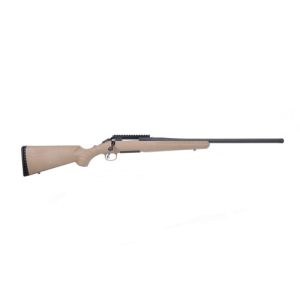
Ruger American Gen II Predator 6.5 Creedmoor Deals
Prices may change. May contain affiliate links.
The Ruger American Gen II Predator is the rifle that makes expensive bolt guns hard to justify for a lot of deer hunters. At the lowest price tier on this list, it arrives with a threaded muzzle, a factory Picatinny rail, and an AI-style detachable magazine. The 22-inch barrel in a standard caliber like .308 Win or 6.5 Creedmoor gives you enough velocity to push copper bullets to effective terminal performance inside 300 yards, which covers the vast majority of Northern California deer shots.
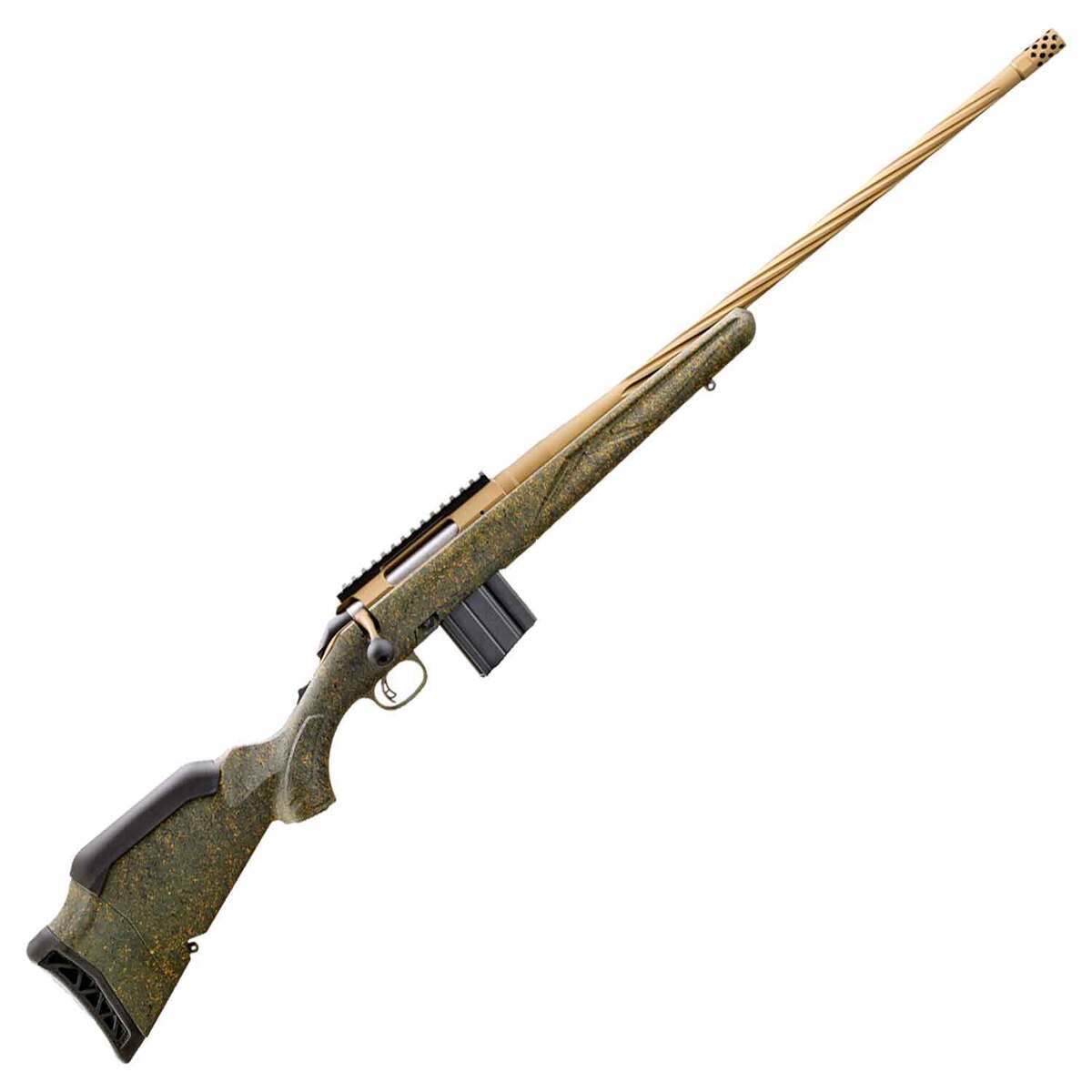
The Ruger Marksman Adjustable trigger tested at an average of 3.42 pounds with only 0.15-pound variance across ten pulls. That's consistent enough to build real confidence on the range. The adjustable length of pull is a genuine asset for fitting the rifle to different shooters in a household or dialing in your preferred mount. The synthetic stock and alloy steel construction handle wet November mornings in the Sacramento Valley or foggy Coast Range hunts without worry.
Where the Gen II Predator gives ground is in fit and finish. The steel quality likely doesn't match higher-end rifles, and the stock, while functional, doesn't have the refined feel of a Tikka or Winchester. But at this price point, those are acceptable trade-offs for a rifle that shoots well and runs reliably.
Pros
- Threaded muzzle for suppressor or brake
- Factory Picatinny rail eliminates base-fitting hassles
- AI-style detachable magazine
- Marksman Adjustable trigger tested at 3.42 lb average
- Adjustable length of pull
- Broad caliber selection including proven deer cartridges
Cons
- Alloy steel quality won't match premium-tier rifles
- Synthetic stock feels utilitarian
- Heavier than some competitors at 6.7 lb
Tikka T3x Lite
Best for: Mid-tier accuracy and carry weight
Tikka T3x Lite Deals
Prices may change. May contain affiliate links.
Tikka T3x Lite .308 Winchester Deals
Prices may change. May contain affiliate links.
Tikka T3x Lite 6.5 Creedmoor Deals
Prices may change. May contain affiliate links.
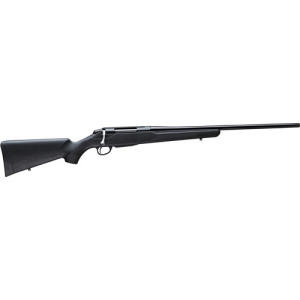
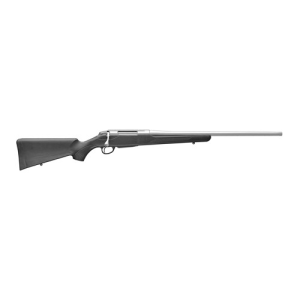
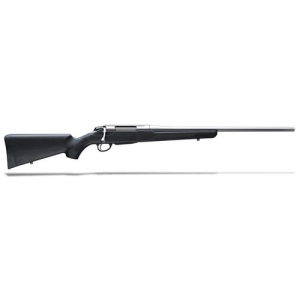
The Tikka T3x Lite has become the default recommendation in the mid-price hunting bolt action category, and for good reason. At 6.4 pounds, it's one of the lightest rifles on this list, and that weight savings comes without the balance problems that plague some ultralight designs. The Sako-built action is genuinely smooth, and the adjustable trigger runs between 2 and 4 pounds with a clean break that punches well above its price class.
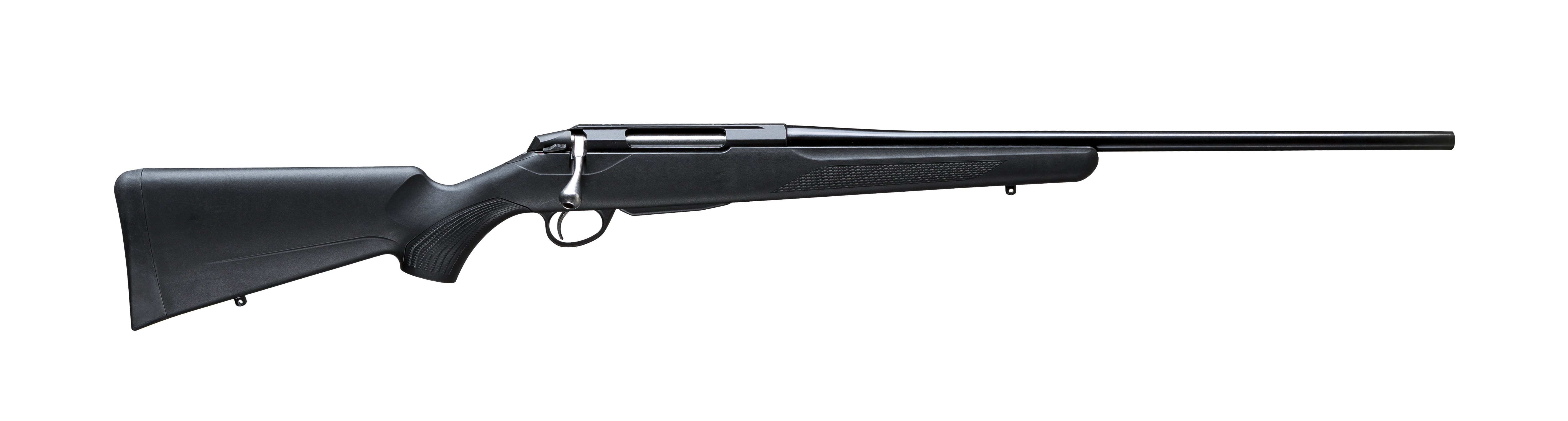
Tikka claims over 300 variations of the T3x Lite across 19 caliber options and multiple barrel lengths from 20 to 24 inches. For Northern California, a .308 Win or 6.5 Creedmoor with a 22-inch barrel covers everything from close-range blacktail in the timber to 250-yard shots across open grassland. The cold hammer-forged barrel and action designed for accuracy give the T3x Lite a reputation for tight groups that many owners confirm after their first range session.
The synthetic stock is maintenance-free and handles rain and brush without complaint. The receiver has an integral 17mm scope rail and is drilled and tapped to mount a scope base, with compatible rings and mounts available from makers like Leupold and Talley. The two-position safety is simple and positive.
Pros
- 6.4 lb carry weight without sacrificing balance
- Sako-built action with excellent smoothness
- Adjustable trigger, 2-4 lb range
- Cold hammer-forged barrel
- Threaded 5/8x24 muzzle
- 19 caliber options
Cons
- Two-position safety (some hunters prefer three-position)
- Single-stage trigger design won't appeal to everyone
- Stock lacks adjustability compared to Savage AccuFit system
Tikka T3x Lite Roughtech Ember
Best for: Rough weather and rugged terrain
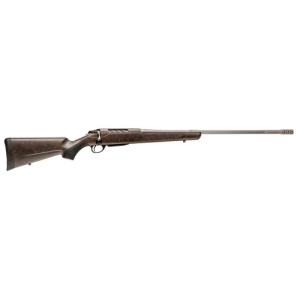
Tikka T3x Lite Roughtech Ember Deals
Prices may change. May contain affiliate links.
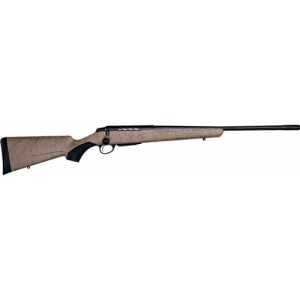
Tikka T3x Lite Roughtech Ember .270 Winchester Deals
Prices may change. May contain affiliate links.
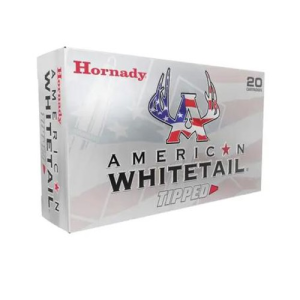
Hornady SST 130 grain .270 Winchester Deals
Prices may change. May contain affiliate links.
The Roughtech Ember takes the standard T3x Lite platform and wraps it in a more aggressive stock with a textured web pattern that adds grip in wet or cold conditions. At 6.6 pounds with a 20-inch barrel, it's only marginally heavier than the standard Lite, and that extra weight comes from a stock that's tougher and grippier when your hands are cold and wet on a November morning in the Trinity Alps.
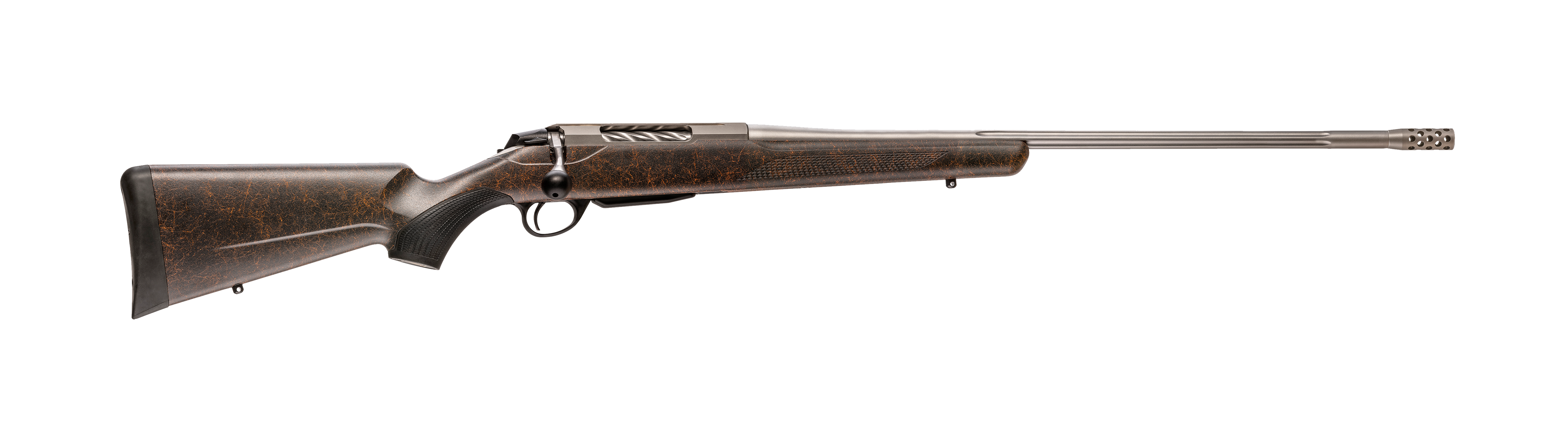
Field reports confirm the Roughtech Ember runs copper and lead-free loads effectively. One reviewer used 130-grain Hornady SSTs in .270 Winchester and put hogs down in their tracks, which speaks to the rifle's practical accuracy with hunting-weight bullets. The brushed stainless steel finish resists corrosion better than blued steel, a real advantage in Northern California's coastal fog zones where condensation is a constant companion.
The barrel profile on the Roughtech is designed as a compromise between lightweight carry and enough mass for accuracy, and it threads well with the accuracy reputation Tikka has built across the T3x line. The detachable magazine comes standard in 3-round capacity with a 5-round option available.
Pros
- Textured Roughtech stock adds grip in wet conditions
- Stainless steel finish resists coastal fog and rain
- 6.6 lb with 20-inch barrel
- Proven accuracy with both lead-core and copper hunting loads
- Detachable magazine, 3-round standard with 5-round option
Cons
- Slightly heavier than standard T3x Lite
- Two-position safety
- Single-stage trigger
Winchester Model 70 Featherweight
Best for: Classic controlled-round-feed reliability
Winchester Model 70 Featherweight Deals
Prices may change. May contain affiliate links.
Winchester Model 70 Featherweight 6.5 Creedmoor Deals
Prices may change. May contain affiliate links.
The Winchester Model 70 Featherweight is the rifle that people who don't need another rifle end up buying anyway. The Mauser-style controlled round feed action, with its large claw extractor and blade-type ejector, is as reliable a feeding system as exists in a bolt action. In the field, that means a cartridge is positively controlled from the moment it leaves the magazine until it's either fired or manually extracted. No double feeds, no failures to extract. The three-position safety allows you to cycle the bolt with the safety engaged, which matters when you need to silently unload at the end of a sit.
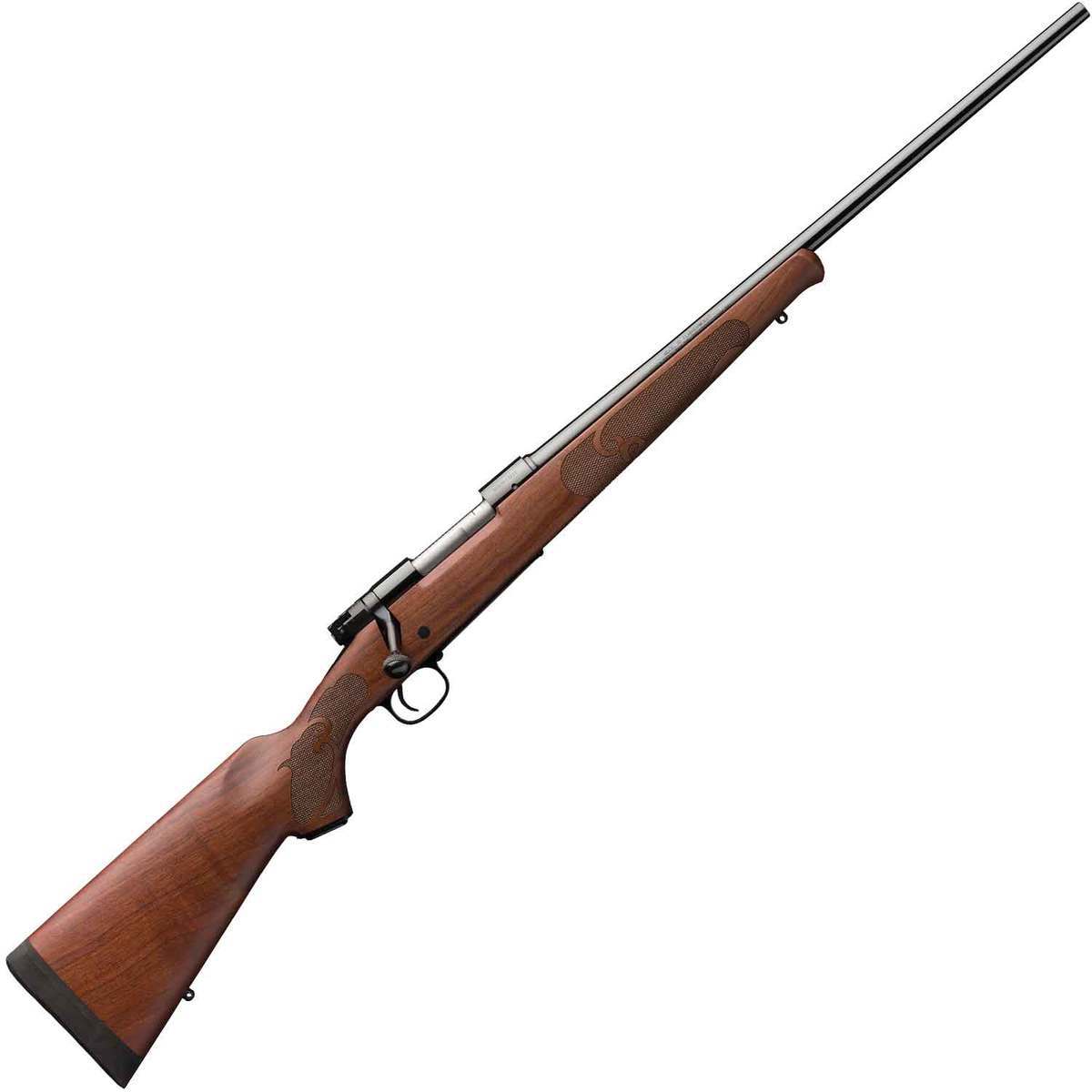
The 6.5 Creedmoor version tested by GunsAmerica wears a 22-inch barrel and weighs 6 pounds without optic according to Winchester's specs. The M.O.A. trigger tested at 5.9 pounds from the factory, which is heavier than ideal. That's the Featherweight's most notable weakness: the factory trigger pull wants adjustment or replacement for most hunters. Accuracy approached 1 MOA with preferred ammunition, and the stock geometry is optimized for offhand shooting rather than bench work, which is exactly what you want in a hunting rifle.
The walnut stock and blued steel finish look like a hunting rifle should look, but they demand more care than synthetic and Cerakote alternatives. Northern California's wet winters will punish a neglected blued barrel. The build quality, however, is a step above most production rifles, with fit and finish touches that are rare on new guns.
Pros
- Controlled round feed with claw extractor
- Three-position safety allows bolt cycling while engaged
- 6.7 lb carry weight
- Walnut stock optimized for offhand shooting
- Available in 6.5 Creedmoor, .270 Win, .300 Win Mag, and others
- Build quality above most production competitors
Cons
- Factory trigger tested at 5.9 lb, heavier than competitors
- Blued steel requires more maintenance in wet conditions
- Slim barrel heats fast during load development sessions
- Internal magazine with hinged floorplate (no detachable box)
Savage 110 Core Hunter
Best for: Customizable ergonomics and caliber variety

Savage 110 Core Hunter Deals
Prices may change. May contain affiliate links.
Savage arms AccuFit V2 stock system Deals
Prices may change. May contain affiliate links.
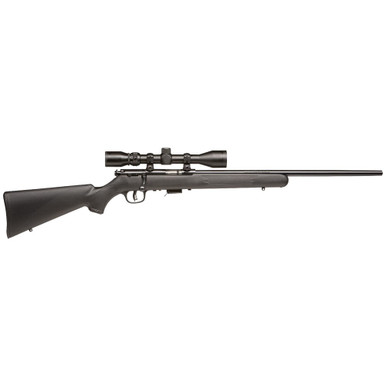
Savage AccuTrigger Deals
Prices may change. May contain affiliate links.
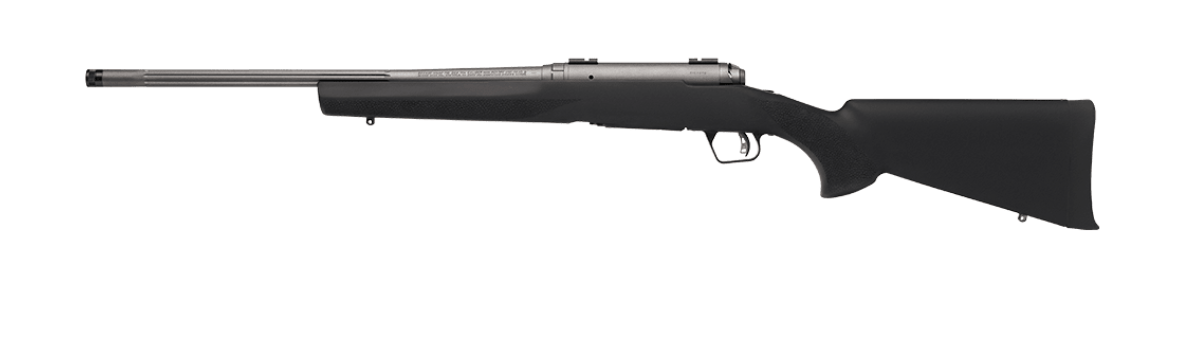
The 2026-redesigned Savage 110 Core Hunter is the do-everything rifle in Savage's new lineup. The AccuFit V2 stock system with toolless length-of-pull and comb adjustments, plus interchangeable grip modules and M-Lok panels, lets you configure the rifle to fit your frame without shims, spacers, or a trip to the gunsmith. That's a genuine advantage for hunters who share a rifle with family members or who want to fine-tune their cheek weld for a specific scope height.
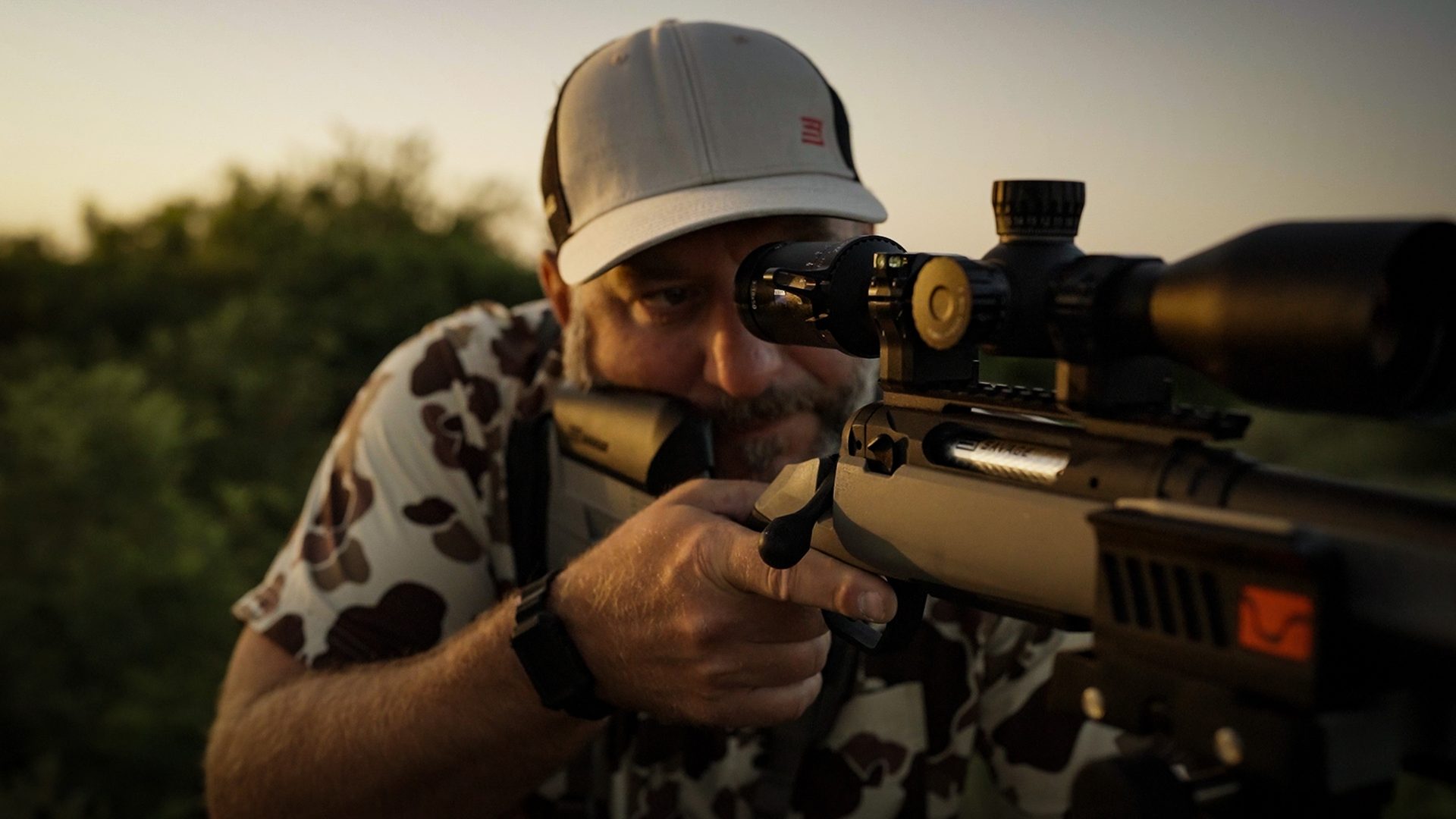
With 22-plus caliber options ranging from .243 Win to .375 Ruger, the Core Hunter covers everything from youth deer hunting to elk. The Black Ink Cerakoted barreled action resists corrosion, and the heavy sporter barrel with straight fluting adds rigidity without excessive weight. The user-adjustable AccuTrigger, threaded barrel, and one-piece 0 MOA rail come standard, which means you're not buying aftermarket parts to get the rifle range-ready.
The detachable box magazine is a practical upgrade over hinged floorplate designs for hunters who want to load and unload quickly. The floating bolt head, a Savage signature, allows the locking lugs to self-align on closing, which contributes to the 110 platform's longstanding reputation for out-of-the-box accuracy.
Pros
- AccuFit V2 stock with toolless LOP, comb, and grip adjustments
- 22+ caliber options
- Black Ink Cerakote finish
- AccuTrigger, user-adjustable
- Threaded barrel and one-piece rail standard
- Detachable box magazine
- Floating bolt head for consistent lock-up
Cons
- Bare weight not published; likely heavier than ultralight competitors
- Flat Dark Gray stock won't appeal to traditionalists
- New-for-2026 platform lacks the multi-decade field track record of the original 110
Savage 110 Carbon Hunter
Best for: Lightweight carbon-barrel performance on a budget
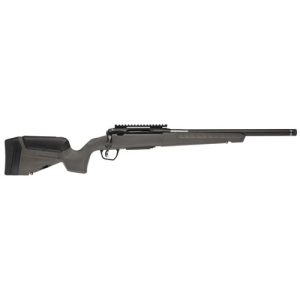
Savage 110 Carbon Hunter Deals
Prices may change. May contain affiliate links.
Savage 110 Carbon Hunter .308 Winchester Deals
Prices may change. May contain affiliate links.
Carbon fiber barrels used to mean $2,000-plus rifles. The Savage 110 Carbon Hunter puts a BSF carbon fiber wrapped barrel on the 110 platform at an MSRP of $1,149, which undercuts most carbon-barreled competitors significantly. The barrel measures 18 to 20 inches depending on caliber, and the whole rifle weighs just 6.5 to 6.56 pounds. That's a meaningful weight advantage over steel-barreled rifles when you're climbing ridges in Shasta or Trinity counties.
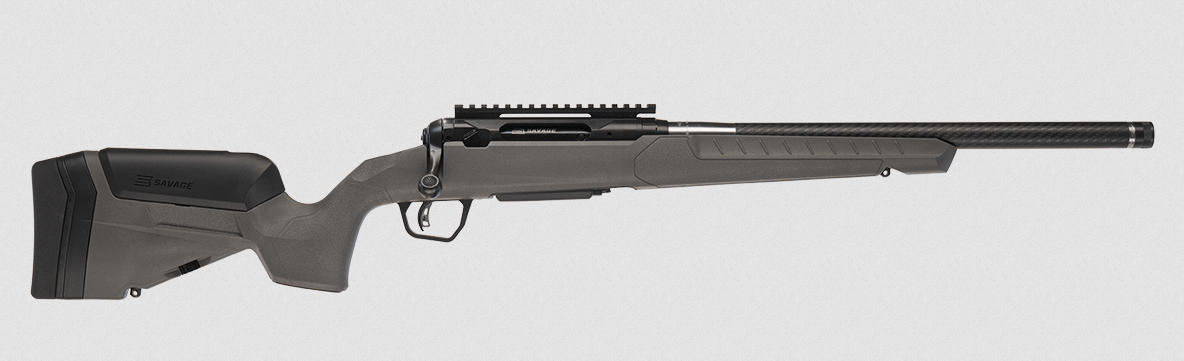
The Blackout Cerakoted action handles moisture and abrasion, and the AccuTrigger adjusts from 2.5 to 6 pounds. A factory-installed one-piece 0 MOA rail and threaded barrel come standard. Left-handed models are available across configurations, which is a detail that left-handed hunters will appreciate since southpaw options are often limited in this price range.
In testing with .308 Winchester, no three-shot group exceeded 1.5 inches at 100 yards, with a best group of 1 inch by 0.5 inches. That's honest hunting accuracy from a lightweight carbon-barreled rifle, and it's more than sufficient for any deer shot you'll take in Northern California.
Pros
- BSF carbon fiber wrapped barrel
- Under 7 lb carry weight
- MSRP of $1,149, significantly below most carbon-barrel competitors
- Tungsten Cerakote finish
- AccuTrigger adjustable 2.5-6 lb
- Left-hand models available
- Tested sub-1.5 MOA at 100 yards with .308
Cons
- Carbon barrel may not cool as predictably as steel during extended range sessions
- AccuFit V2 stock system, while adjustable, uses synthetic materials that feel utilitarian
- Newer platform without the long track record of steel-barreled 110s
Savage 110 FBT Hunter
Best for: All-day carry on long stalks
Hornady ECX 150 grain .308 Winchester Deals
Prices may change. May contain affiliate links.
Savage 110 FBT Hunter
May contain affiliate links.
Savage 110 FBT Hunter .308 Winchester
May contain affiliate links.
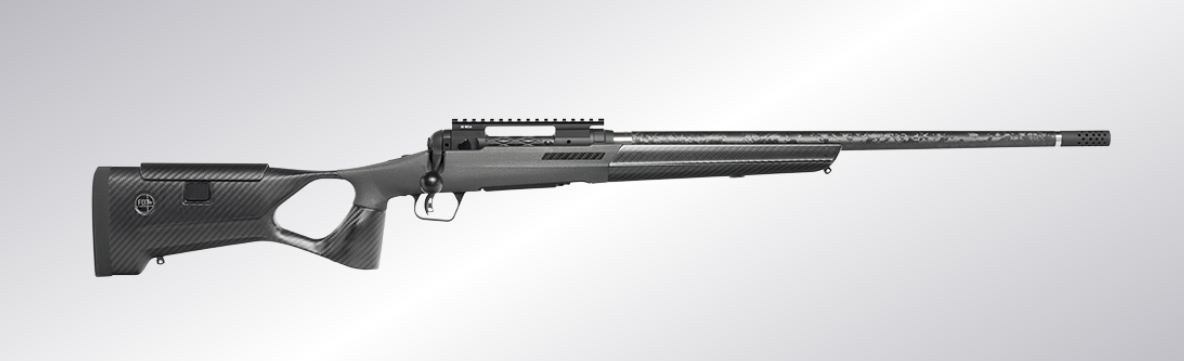
At 6.6 pounds with an 18-inch barrel, the Savage 110 FBT Hunter was designed for the hunter who covers ground all day. The FBT carbon fibre thumbhole stock with adjustable cheekpiece gives you a consistent cheek weld that matters when you're breathing hard after a climb and need to settle into a shot. The 18-inch barrel keeps the overall length at 39 inches, short enough to move through timber without snagging branches.
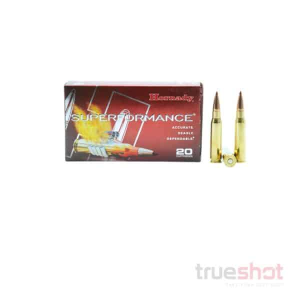
The AccuTrigger tested at 3 pounds 2 ounces, which is a clean, usable pull weight right out of the box. In range testing with .308 Winchester, the FBT Hunter averaged 0.609 inches with 150-grain Winchester Ballistic Silvertip and 0.660 inches with 150-grain Hornady ECX, a non-lead load. That ECX result matters for California hunters: sub-MOA accuracy with copper ammunition means you can trust this rifle with the loads you're legally required to use.
The one load it didn't like was Hornady's 178-grain Precision Hunter ELD-X, where every group opened beyond 2 inches. That's a reminder to find the load your rifle likes rather than the one you were told to buy.
Pros
- 6.6 lb, 39-inch overall length
- Sub-MOA with both lead and non-lead 150-grain .308 loads
- Thumbhole stock with adjustable cheekpiece
- AccuTrigger tested at 3 lb 2 oz
- 18-inch spiral-fluted, threaded barrel (5/8x24)
- Detachable flush-fit box magazine, 4+1
Cons
- 18-inch barrel reduces velocity compared to 22-inch options
- Thumbhole stock isn't everyone's preference
- UK pricing published at £2,210; US pricing not published in sources
- 178-grain loads grouped poorly, limiting heavy-bullet flexibility
Savage 110 Trail Blazer
Best for: Entry-level Savage with modern features

Savage 110 Trail Blazer Deals
Prices may change. May contain affiliate links.

Savage 110 Trail Blazer .308 Winchester Deals
Prices may change. May contain affiliate links.
Savage 110 Trail Blazer 6.5 Creedmoor Deals
Prices may change. May contain affiliate links.
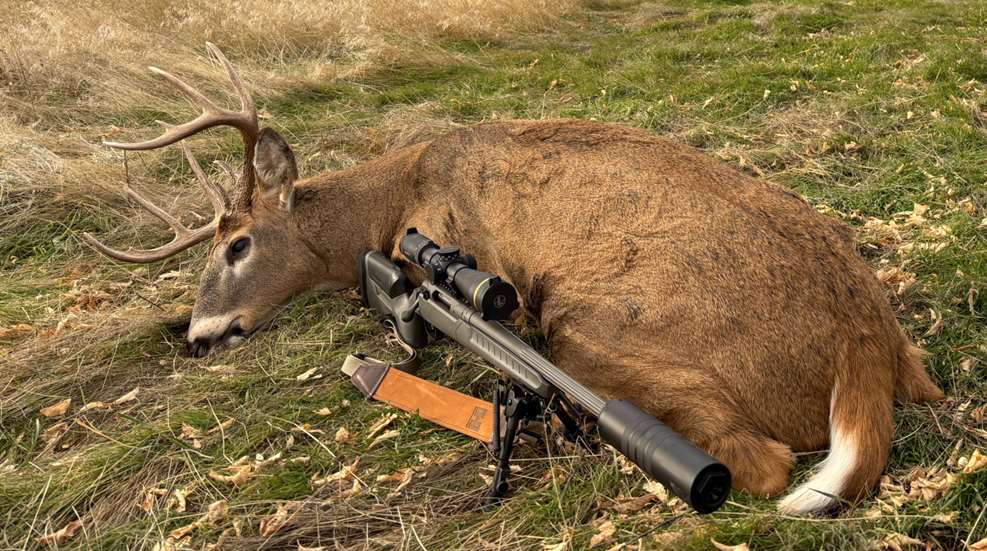
The 110 Trail Blazer is the most affordable rifle in Savage's redesigned 2026 lineup, starting at $719 MSRP. It carries the same AccuTrigger, threaded barrel, one-piece 0 MOA rail, and detachable box magazine as its more expensive siblings. The Flat Dark Gray Trophy stock includes user-friendly length-of-pull adjustment and a LimbSaver recoil pad with claimed 50% recoil reduction.
Barrel lengths run 16.5 to 20 inches depending on caliber, and the heavy sporter profile with straight fluting adds stiffness. The Black Ink Cerakoted barreled action and jeweled bolt body give the Trail Blazer a more refined look and better corrosion resistance than you'd expect at this price. Left-hand configurations are available.
For Northern California deer hunting, the Trail Blazer in .308 Win or 6.5 Creedmoor with a 20-inch barrel would be a solid, no-frills choice. It lacks the AccuFit V2 interchangeable grip modules of the Core Hunter and the carbon barrel of the Carbon Hunter, but it gets you into the redesigned 110 platform at the lowest possible entry point.
Pros
- $719-$759 MSRP, most affordable in the new 110 lineup
- AccuTrigger, threaded barrel, one-piece rail standard
- LimbSaver recoil pad
- Cerakoted action
- Left-hand models available
- Multiple caliber options
Cons
- Stock lacks the full AccuFit V2 adjustability of Core Hunter
- Carbon steel barrel, not stainless or carbon fiber
- Bare weight not published
- Fewer premium touches than Core or Trophy series models
Marlin Model 336 Classic
Best for: Lever action in thick timber
Marlin Model 336 Classic Deals
Prices may change. May contain affiliate links.

Marlin Model 336 Classic .30-30 Winchester Deals
Prices may change. May contain affiliate links.
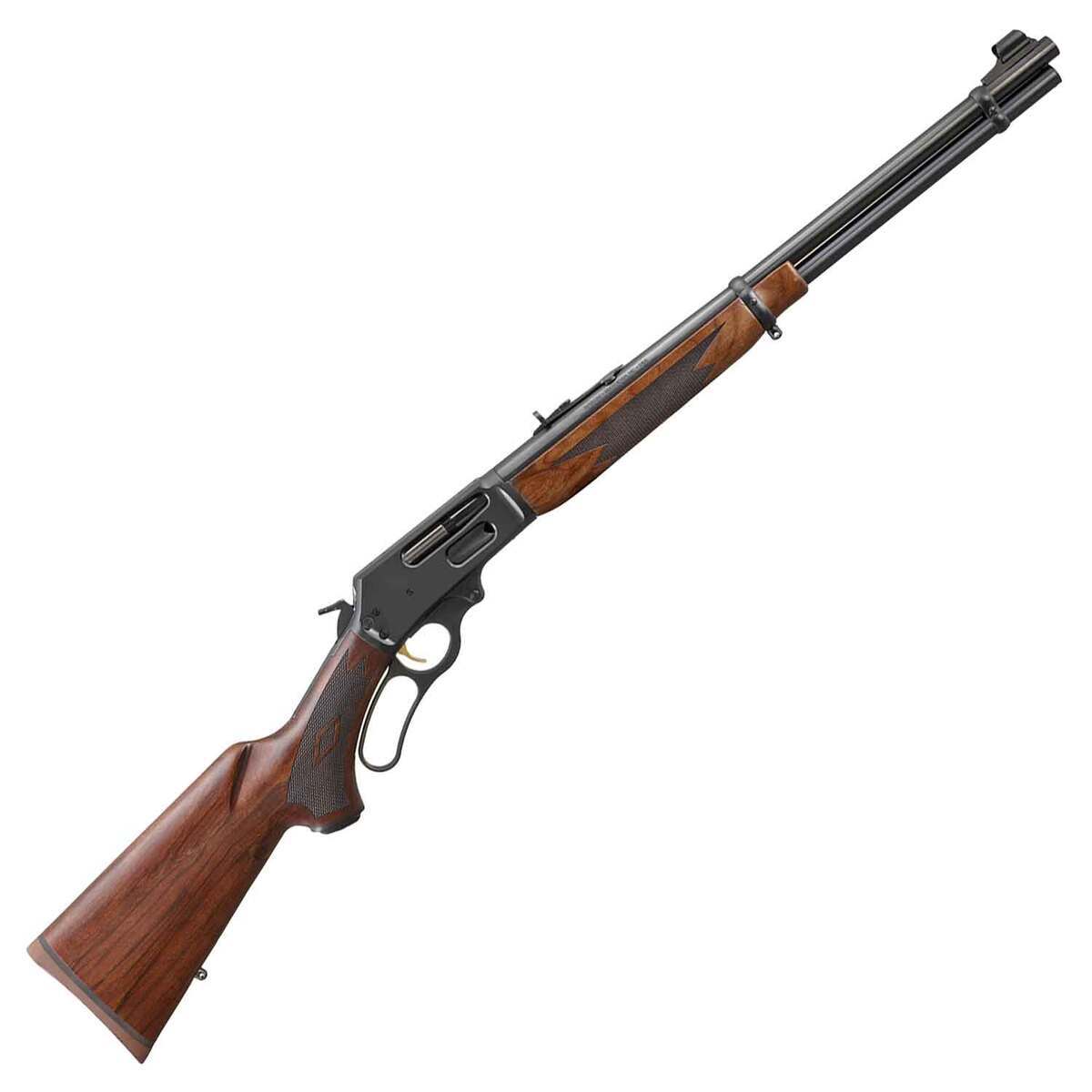
If your Northern California deer hunting happens in the Coast Range brush, Mendocino County timber, or the thick oak woodlands of the foothills, a lever action still makes a strong case. The Ruger-built Marlin Model 336 Classic in .30-30 Winchester is the rifle that defined American deer hunting for generations, and the current production version is the best-built 336 in decades.
The receiver, lever, and trigger guard plate are CNC machined from alloy steel forgings. The cold hammer-forged barrel measures 20.25 inches and produces the accuracy and longevity you'd expect from modern manufacturing applied to a classic design. The American black walnut stock and gold-colored trigger preserve the traditional look. At 7.5 pounds, it's heavier than the bolt actions on this list, but the 38.625-inch overall length makes it maneuverable in tight quarters.
The .30-30 Winchester has plenty of power to take whitetail and blacktail inside 200 yards, which covers 95 percent of shots on deer in heavy timber. It also produces about half the recoil of a .30-06, which means fast follow-up shots through that 6+1 tube magazine. Non-lead .30-30 factory loads are available from several manufacturers, keeping you legal in California.
The suggested retail is $1,359 from Marlin, with street prices observed around $1,130.
Pros
- CNC machined receiver and lever from alloy steel forgings
- Cold hammer-forged 20.25-inch barrel
- American black walnut stock
- 6+1 capacity in tube magazine
- .30-30 Win is proven on deer inside 200 yards
- 38.625-inch overall length, excellent for brush
- Ruger-built quality control
Cons
- 7.5 lb is heavier than most bolt actions on this list
- .30-30 Win limits effective range compared to .308 or 6.5 CM
- Tube magazine is slower to load than detachable box
- Walnut stock requires more care than synthetic
- No threaded muzzle

How to choose
Start with your terrain. If you hunt open foothill grassland in Tehama or Shasta counties where 200-to-300-yard shots are realistic, a bolt action in .308 Win or 6.5 Creedmoor with a 20-to-22-inch barrel is the practical choice. If you hunt thick Coast Range timber where most shots happen inside 100 yards, the Marlin 336 in .30-30 or a short-barreled bolt action like the Savage 110 FBT Hunter earns its keep.
Match the rifle to your physical reality. If you cover 5-plus miles a day on steep ground, every ounce matters. The Tikka T3x Lite at 6.4 pounds or the Savage 110 Carbon Hunter under 7 pounds will feel meaningfully different from a 7.5-pound Marlin after four hours of climbing. If you're sitting a stand over an alfalfa field, weight matters less and you can prioritize accuracy and trigger quality.
California's lead ban narrows your caliber choice more than you think. Non-lead factory ammunition availability varies by cartridge. The .308 Win and 6.5 Creedmoor have the broadest selection of copper hunting loads on the shelf right now. The .30-30 has non-lead options but fewer choices. Obscure or new cartridges may leave you scrambling for ammo. The Savage 110 FBT Hunter's sub-MOA performance with 150-grain Hornady ECX (a copper load) is exactly the kind of real-world data that should influence your decision.
Trigger quality separates range confidence from range frustration. The Savage AccuTrigger (tested at 3 lb 2 oz on the FBT Hunter) and the Ruger Marksman Adjustable (tested at 3.42 lb on the Gen II Predator) are both excellent out of the box. The Winchester Model 70's M.O.A. trigger tested at 5.9 pounds from the factory, which most hunters will want to adjust. A heavy trigger doesn't prevent clean kills, but it does make them harder when you're cold, tired, and your heart rate is up.
Buy the rifle you'll actually practice with. A $700 Savage you shoot 200 rounds through before the season will outperform a $1,200 Winchester you fired 20 rounds to confirm zero. Pick the price point that leaves you budget for ammunition, a decent scope, and range time.
Next steps
Before you buy, handle every rifle on this list that your local shop stocks. Shoulder each one, work the bolt, dry-fire if they'll let you. The rifle that points naturally and fits your frame without stock adjustments is telling you something.
Once you've narrowed to one or two, buy a box of the copper hunting load you plan to use and a box of something cheaper for practice. Zero at 100 yards with the hunting load, then shoot a three-round group at 200 to confirm your drop. In Northern California's varied terrain, knowing your 200-yard hold is worth more than memorizing a ballistic chart to 500.
Run your rifle wet. Take it out on a foggy morning, cycle the bolt with cold hands, and confirm that your scope doesn't fog when you move from a warm truck to cold air. Bring it from air conditioning into humidity and watch what happens to your optic. The pre-season range session that matters most isn't the one where everything goes right. It's the one where you simulate the conditions that actually exist on opening morning: cold, damp, and rushed. That's where you find out if your rifle, your scope, and your fundamentals are ready.