You're standing in a cut sunflower field in south Texas. Birds are pouring in from every direction, and you're burning through a case of shells before lunch. This is where your shotgun either earns its keep or falls apart; literally. High-volume dove shoots are the most demanding test a semi-auto will face outside of competitive shooting. Hundreds of rounds in a single afternoon, dust and grit working into every crevice, a barrel hot enough to distort mirage off the vent rib.
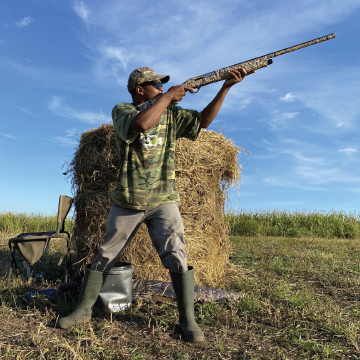
The wrong gun for this job isn't just annoying; it's the one that starts short-stroking at shell 150, or the one that beats your cheekbone into hamburger by the end of the day because it weighs six and a half pounds and kicks like it hates you. The right gun runs dirty, cycles light 7½ loads without hesitation, shoulders fast, and doesn't punish you for shooting four boxes before you remember to drink water.
This piece is about finding that gun. We're talking gas vs. inertia, specific models that hold up under volume, the loads that actually matter for doves, and the mistakes that turn a great shoot into a frustrating one. If you're heading to Argentina, a commercial dove field in the Southeast, or just your buddy's lease where the birds don't stop, this is the practical breakdown.
What "high volume" actually means for your shotgun
Most hunters shoot maybe two or three boxes on a good dove hunt. That's 50 to 75 shells. A high-volume shoot is a different animal entirely. We're talking 500 rounds in a day on the low end, and 1,000-plus on a multi-day trip. That kind of round count changes everything about what matters in a shotgun.
Reliability becomes the single most important factor. A gun that runs 99% of the time sounds great until you realize that's five malfunctions per 500 rounds. You need something closer to 99.8% or better; one hiccup per day, maybe two, and those should be ammo-related, not gun-related.
Heat management matters more than most people think. After 100 fast rounds, your forend is going to be hot. After 200, you might not be able to hold it without gloves. Gas-operated guns run cooler in the forend than you'd expect because the gas system bleeds off some energy, but the gas ports themselves get fouled faster. Inertia guns stay cleaner internally but transfer more felt recoil; and after 500 rounds, that difference in recoil isn't academic. It's the difference between a sore shoulder and a bruise that lasts a week.
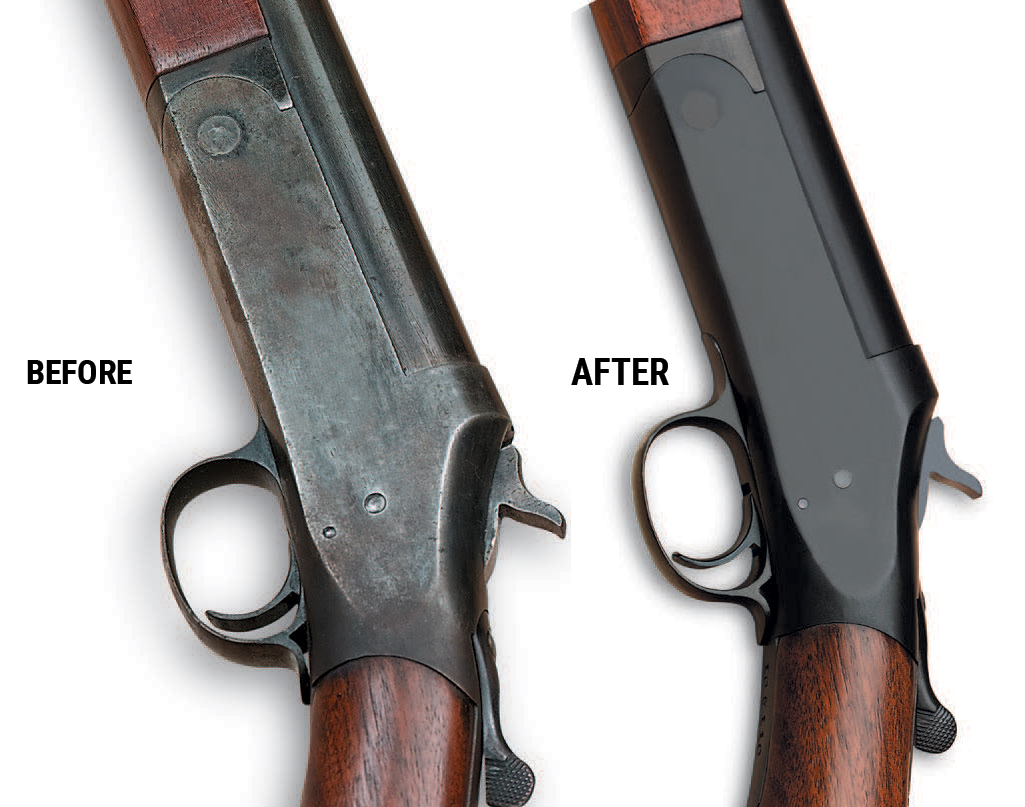
Weight is a balancing act. Lighter guns are easier to swing on fast-crossing birds, but heavier guns absorb recoil better and are more pleasant to shoot all day. For high-volume work, most experienced shooters land somewhere between 7 and 7.75 pounds. Under seven pounds and you're punishing yourself. Over eight and you're dragging the gun through the swing instead of letting it flow.
Gas vs. inertia: the debate that actually matters here
This argument gets rehashed constantly, and for most hunting applications, the answer is "either one works fine." High-volume dove shooting is one of the few scenarios where the distinction genuinely matters, and it tilts toward gas guns; with caveats.
The case for gas
Gas-operated semi-autos bleed propellant gas from the barrel to cycle the action. That gas bleeds off energy before it reaches your shoulder, which means noticeably less felt recoil per shot. Over 50 rounds, you barely notice. Over 500 rounds, your shoulder notices a lot.
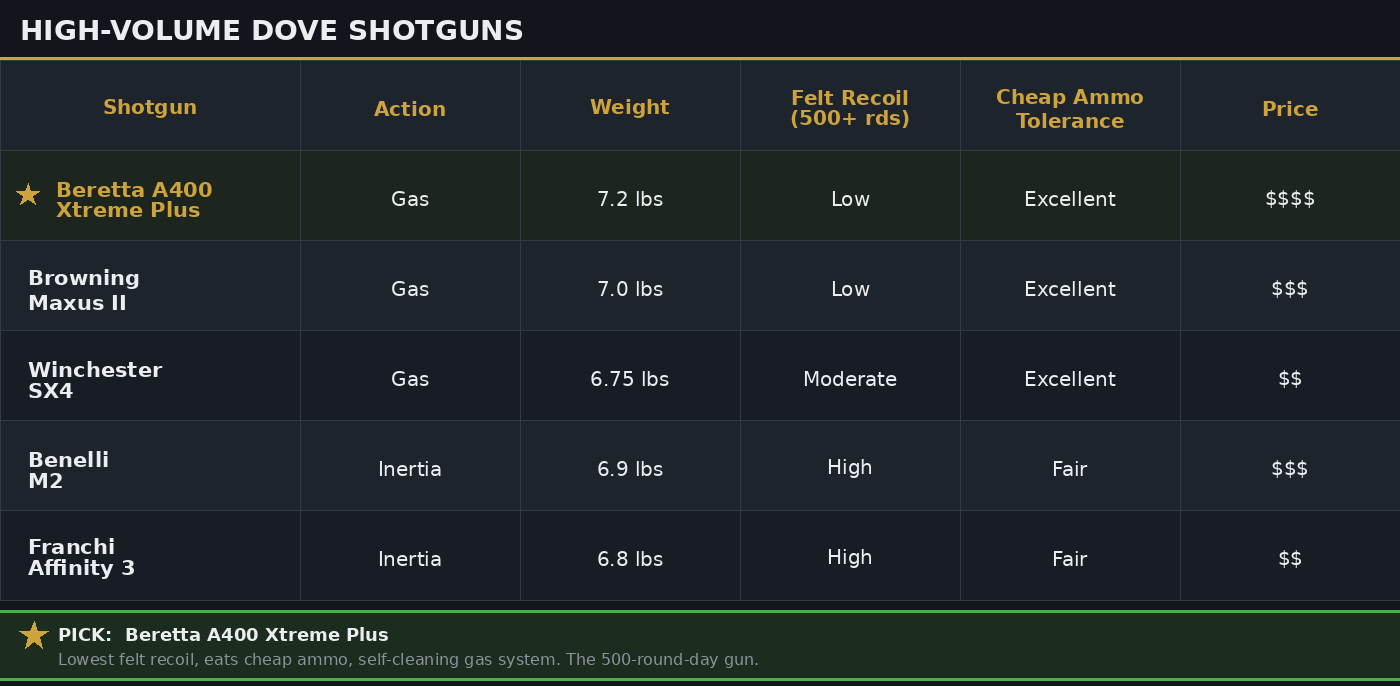
The Beretta A400 series, the Browning Maxus II, and the Winchester SX4 are all gas guns, and they dominate high-volume shooting for a reason. The recoil reduction isn't just about comfort; it's about consistency. When you're flinching at round 300 because your shoulder is getting hammered, your shooting falls apart. A gas gun delays that fatigue significantly.
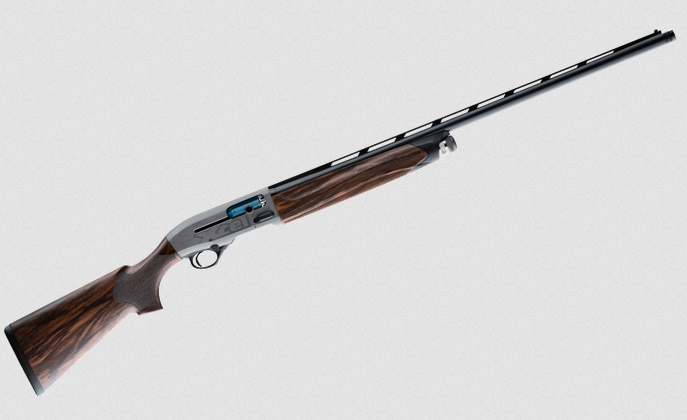
The trade-off is maintenance. Gas systems get dirty. Carbon builds up in the gas ports, on the piston, and around the action bars. In a high-volume scenario, that carbon accumulation can cause cycling issues if you don't clean between sessions. The Beretta A400's self-cleaning piston design handles this better than most, but no gas gun is truly maintenance-free under heavy use.
The case for inertia
Inertia-driven guns; Benelli's bread and butter, and the system used by Franchi; use the gun's own recoil to cycle the action. No gas ports to foul. No pistons to scrub. The guns stay cleaner longer and are simpler to disassemble and maintain.
The Benelli M2 and Franchi Affinity 3 are the standard-bearers here. They're reliable, they're light, and they'll run all day without the carbon buildup that plagues gas guns. The problem is felt recoil. Inertia guns hit harder, period. That 1-ounce load of 7½s that feels like a gentle push in a Beretta A400 feels like a sharp snap in a Benelli M2. Multiply that difference by 500, and you understand why most high-volume shooters gravitate toward gas.
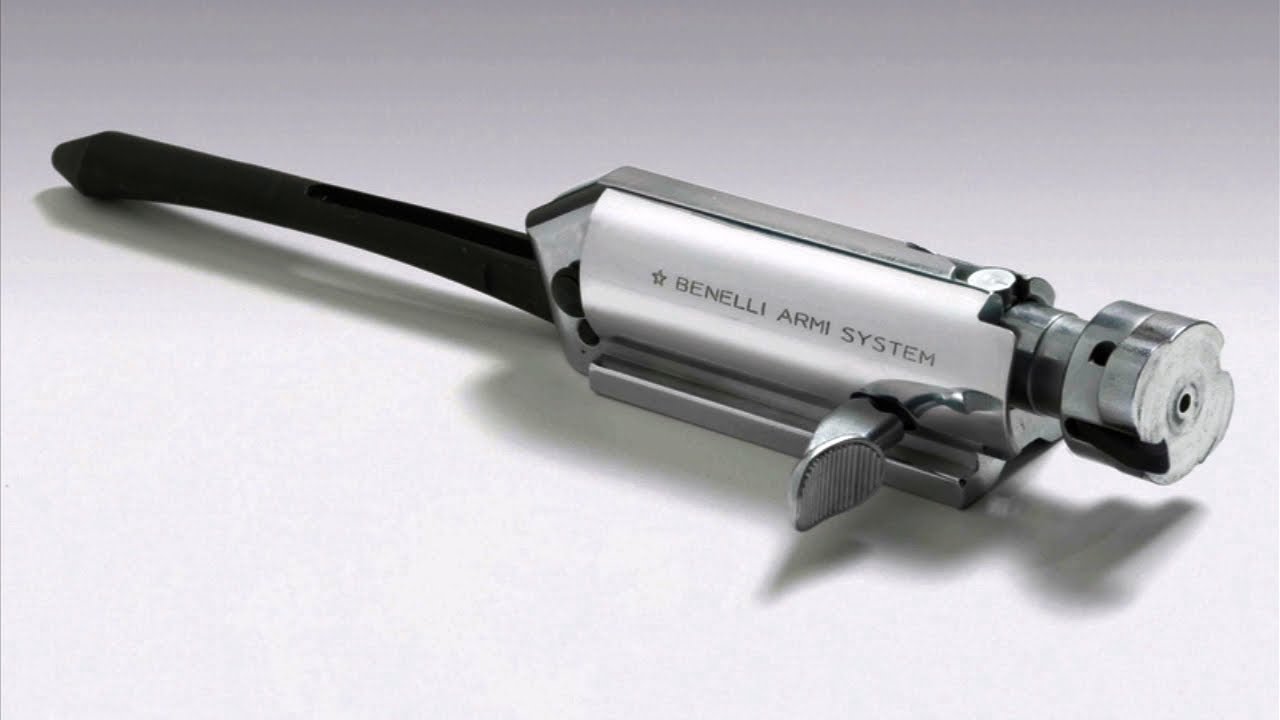
There's another wrinkle: inertia guns can be finicky with light loads. Most modern inertia shotguns will cycle standard 1⅛-ounce dove loads without issue, but drop down to ⅞-ounce or 1-ounce light target loads and some will start short-stroking, especially as they get dirty. If you're shooting cheap promotional ammo; and at high volume, you probably are; a gas gun is more forgiving.
The honest answer
For dedicated high-volume dove shooting, a gas gun is the better tool. The recoil reduction over hundreds of rounds is a genuine performance advantage, not just a comfort preference. If you want one shotgun that does everything; doves, ducks, pheasants, turkeys; an inertia gun makes more sense because it's lighter, simpler, and works across a wider range of conditions. But if you're buying specifically for high-volume work, go gas.
Five semi-autos that earn their spot in a dove field
Beretta A400 Xtreme Plus
The A400 is the default answer for high-volume shooting, and it earned that reputation honestly. The Blink gas system cycles fast; Beretta claims it's the fastest cycling semi-auto on the market, and while that's a marketing stat, the gun does get back on target noticeably quicker than most competitors. More importantly for dove work, the self-cleaning piston design genuinely extends the interval between required cleanings.
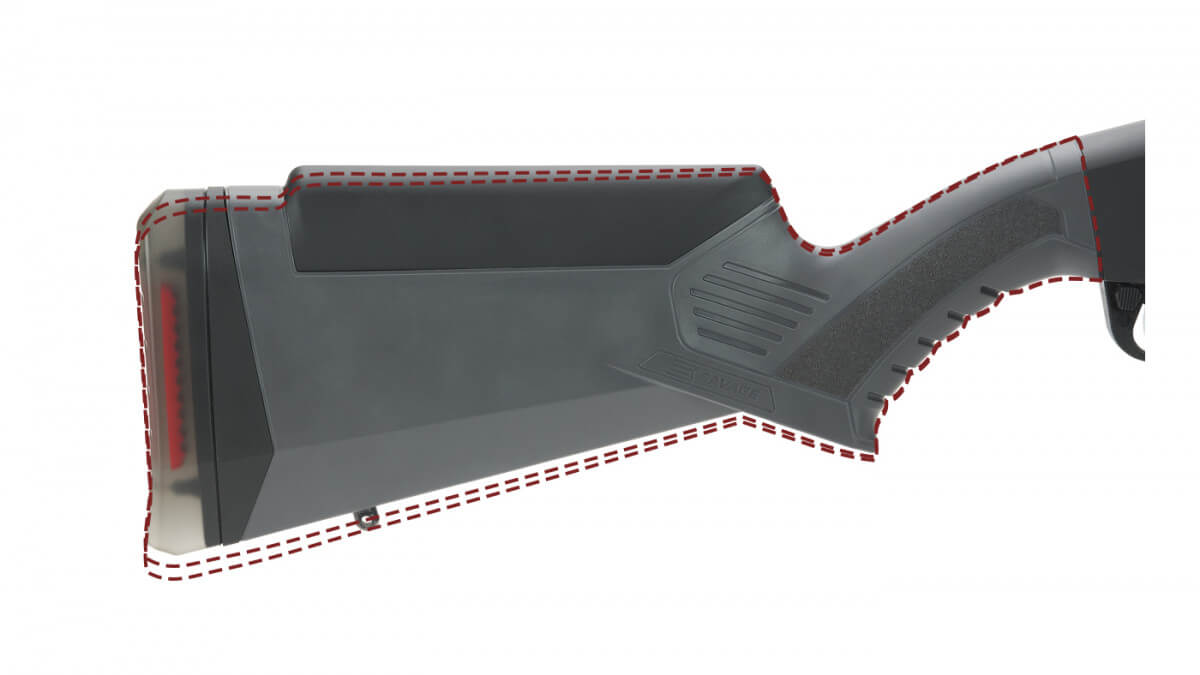
The Kick-Off recoil reduction system in the stock uses a hydraulic dampener to reduce felt recoil by about 40% compared to a standard semi-auto. That number comes from Beretta, so take it with appropriate skepticism, but the difference is real and tangible. After 300 rounds, you feel meaningfully better behind an A400 than behind most other semi-autos.
Where the A400 earns its reputation is reliability with cheap ammo. It'll cycle the bargain-bin promotional loads that you buy by the flat for dove season. It'll run dirty. It'll run hot. The gun weighs right around 7.2 pounds in 12-gauge with a 28-inch barrel, which is a sweet spot for all-day shooting; heavy enough to dampen recoil, light enough to swing on fast crossers.
The downside is the price. The A400 Xtreme Plus runs significantly more than its competitors, and the synthetic stock versions have a chunky, utilitarian feel that some shooters don't love. The controls are also distinctly European; the safety and bolt release take some getting used to if you grew up on Remingtons.
Browning Maxus II
The Maxus II is the gas gun that gets overlooked because it doesn't have the name recognition of Beretta or the cult following of Benelli. That's a mistake. The Power Drive Gas System is clean-running and reliable, and the gun has one of the best stock-to-shooter fits of any production semi-auto.
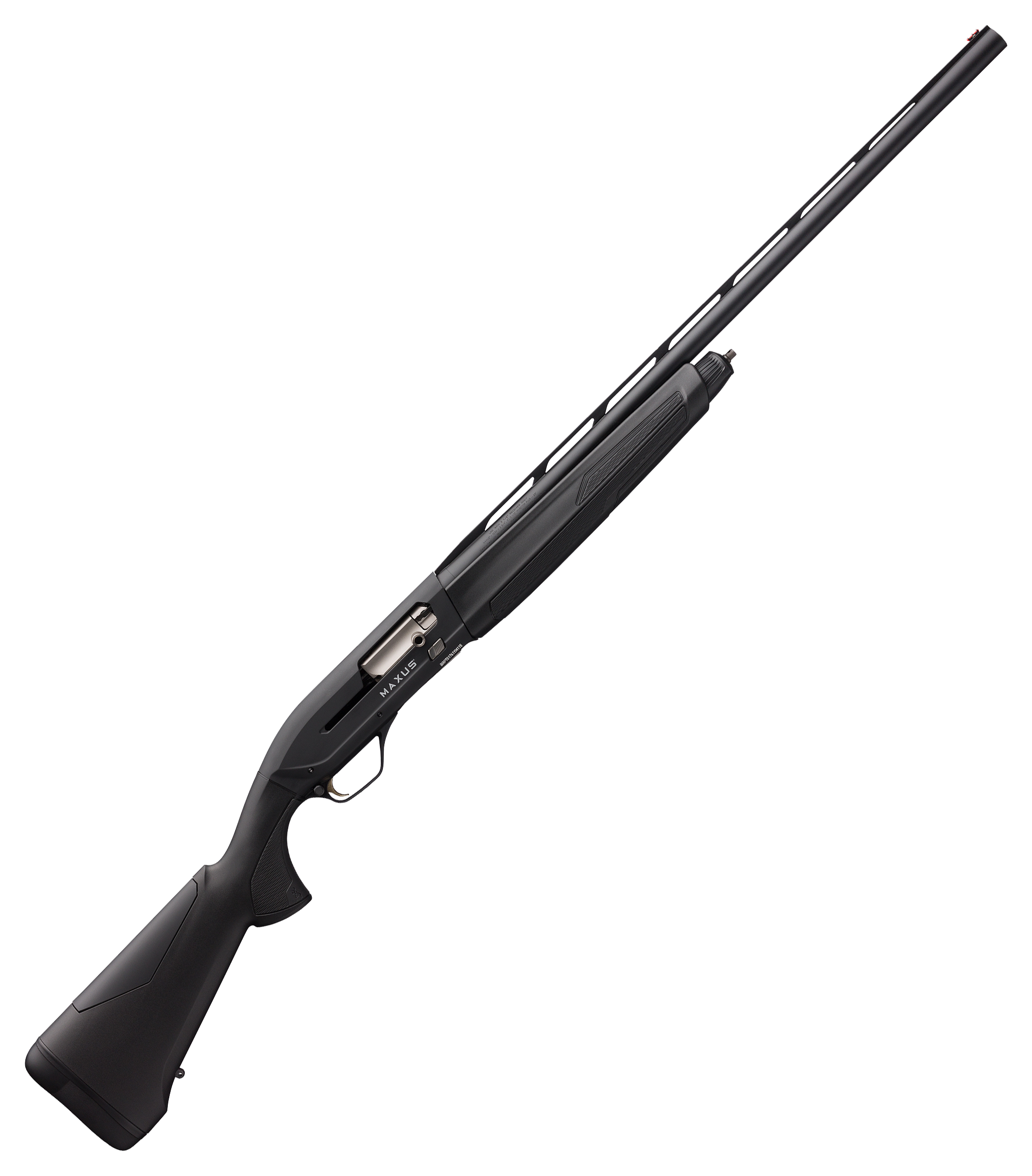
What sets the Maxus II apart for dove work is the stock geometry. The Lightning Trigger system breaks cleanly at around 3.5 to 4 pounds, and the Inflex recoil pad is genuinely excellent; it directs recoil downward and away from your cheekbone, which matters more than most people realize after a long day of shooting. The Speed Lock forearm also comes off without tools, which makes field cleaning between sessions fast and simple.
The Maxus II weighs about 7 pounds with a 28-inch barrel, and it balances slightly forward, which helps with sustained target tracking on crossing birds. It cycles light loads reliably, and the back-bored barrel with Invector-Plus choke tubes throws consistent patterns.
The knock on the Maxus II is that some early production guns had issues with the magazine cutoff mechanism, and the gun can feel slightly nose-heavy compared to the A400. But in terms of pure shooting comfort over high round counts, it's right there with the Beretta; and it typically costs less.
Winchester SX4
The SX4 is the working-class hero of this group. It's the least expensive name-brand gas semi-auto that actually holds up under volume, and it does so with surprisingly few complaints.
The Active Valve gas system is self-regulating, meaning it adjusts gas flow based on the load being fired. In practice, this means it'll cycle everything from light 1-ounce target loads to heavy 1¼-ounce field loads without adjustment. For dove shooting, where you might be running whatever's cheapest at Walmart, that versatility matters.
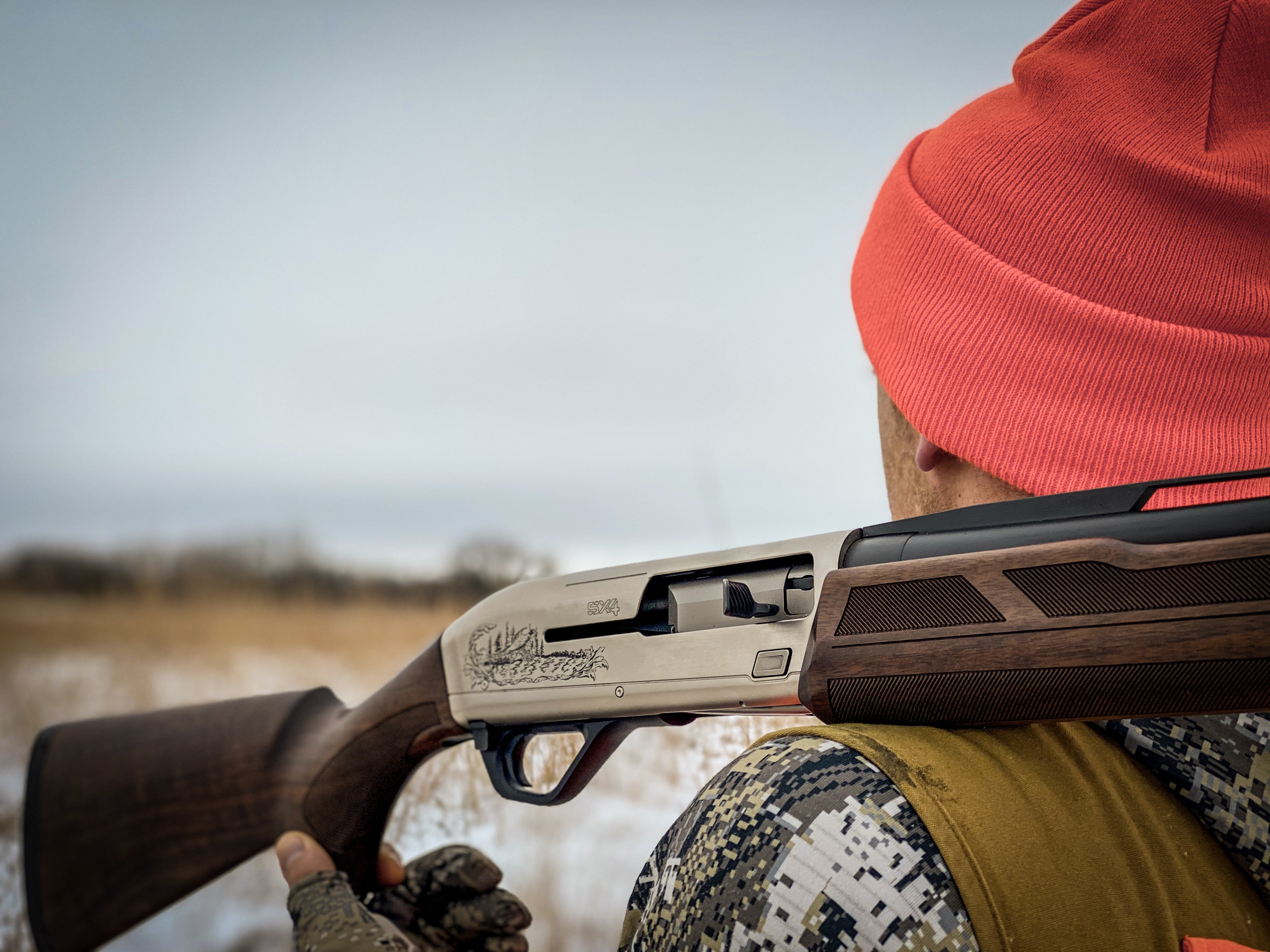
The SX4 is light; around 6.75 pounds in the field model with a 28-inch barrel. That's on the edge of being too light for high-volume work, and you'll feel it in recoil compared to the heavier A400 or Maxus II. But the Inflex Technology recoil pad (same concept as the Browning, since Winchester and Browning share a parent company) helps, and the gun points and swings extremely well for its price point.
Reliability is where the SX4 has built its following. Forum after forum, the refrain is the same: the gun just runs. It's not fancy, the fit and finish aren't going to win beauty contests, and the stock feels a little cheap compared to the Beretta or Browning. But it cycles, it shoots, and it doesn't break. For a lot of high-volume shooters, that's the whole list of requirements.
Benelli M2
Including an inertia gun on this list might seem contradictory after the gas-vs-inertia discussion above, but the M2 has a legitimate place in dove fields; particularly for shooters who prioritize weight and simplicity over recoil reduction.
At around 6.9 pounds, the M2 is nimble. It shoulders fast, swings smooth, and gets on crossing birds as quickly as any gun on this list. The inertia system is dead simple; fewer parts, fewer things to break, less to clean. You can run an M2 for 500 rounds, wipe down the bolt, and it'll keep going.
The recoil is real, though. Without the gas system bleeding off energy, every round of that 1⅛-ounce dove load hits your shoulder with full authority. The ComforTech stock system helps; it uses gel pads and chevron-shaped inserts in the stock to flex and absorb recoil; but it doesn't close the gap entirely. Younger shooters and those who aren't recoil-sensitive will be fine. If you're north of 50 or have a bad shoulder, 500 rounds through an M2 is going to remind you of that fact.
The M2 also demands decent ammo. It'll cycle standard dove loads without issue, but bottom-barrel promotional loads with inconsistent velocities can cause short-stroking. If you're buying flats of cheap shells for a high-volume shoot, test them through your M2 before you commit.
Franchi Affinity 3
The Affinity 3 is essentially a Benelli M2 at a lower price point. Franchi is owned by Benelli's parent company (Beretta Holding), and the Affinity uses the same inertia-driven operating system. The differences are mostly cosmetic and in the stock geometry, but the Affinity has carved out its own following for good reason.
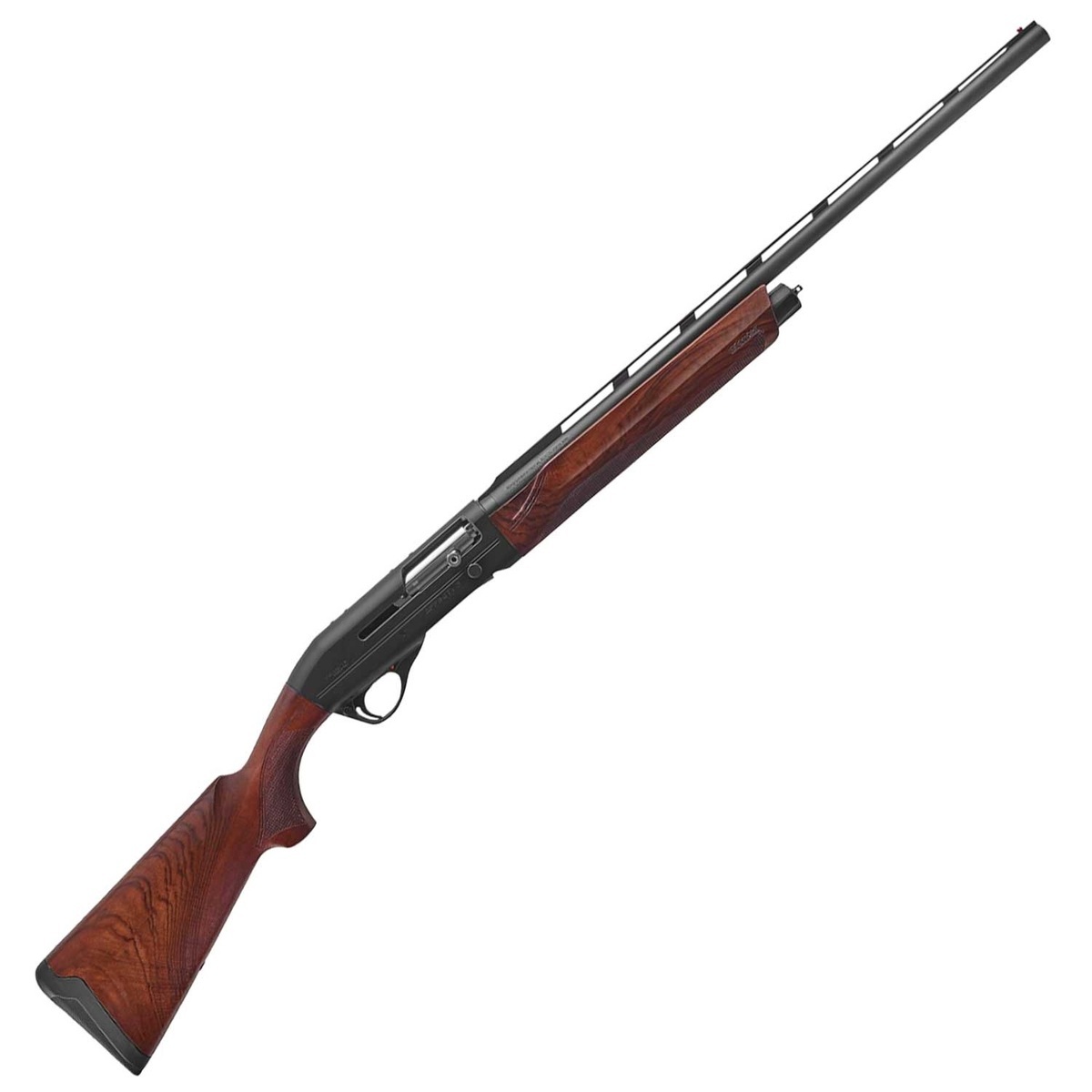
At around 6.8 pounds in 12-gauge, it's one of the lightest guns on this list. The TSA recoil pad is effective, and the gun has a slim, ergonomic forend that's comfortable to hold even as the barrel heats up. The trigger is decent out of the box; not match-grade, but better than you'd expect at this price point.
For dove work specifically, the Affinity 3 Sporting model with a 30-inch barrel is worth a look if you're doing serious volume. The extra barrel length adds a touch of weight forward, smoothing out the swing and adding a fraction more sight radius. It also comes with extended choke tubes, which are easier to swap in the field than flush-mount tubes.
The same caveats that apply to the M2 apply here: more felt recoil than gas guns, and potential sensitivity to ultra-light loads. But if you want an inertia gun for dove work and don't want to spend Benelli money, the Affinity 3 is the obvious pick.
Field notes: what actually happens at 500 rounds
Here's what nobody tells you about high-volume dove shooting until you've done it.
Your forend gets hot enough to be uncomfortable after about 75 to 100 fast rounds. Doesn't matter if it's gas or inertia. Wear a lightweight shooting glove on your support hand, or wrap the forend with a neoprene sleeve. This isn't optional on a 500-round day.
Your gun will get dirty in ways you didn't expect. Dove fields are dusty. Combine that dust with the oil on your action and you get a gritty paste that works into every moving part. Bring a rag, a small bottle of CLP, and a bore snake. A 60-second wipe-down of the bolt face and action bars during a lull can prevent the malfunction that costs you the best flight of the afternoon.
Your recoil pad will compress over the course of the day. That cushy pad that felt great at round one will feel noticeably harder at round 400. This is normal; the gel or rubber material heats up and loses some of its dampening properties. A PAST recoil shield worn under your shirt adds a meaningful layer of protection without affecting your mount.
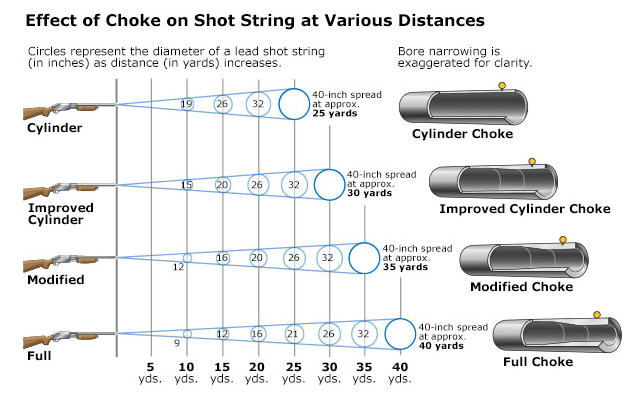
Choke selection matters less than you think for doves. Most doves are killed inside 30 yards. An improved cylinder or light modified choke is all you need. Guys running modified or tighter are patterning for 40-yard shots that they shouldn't be taking at doves anyway. Tighter chokes also mean smaller patterns, which means more misses on close, fast-crossing birds. Open it up.

Franchi Affinity 3 Deals
Prices may change. May contain affiliate links.
Loads that work (and loads that don't)
Dove loads are simple, but there are still ways to get it wrong.
The standard dove load is a 1⅛-ounce charge of #7½ shot at around 1,200 feet per second. That's plenty of payload and velocity for any dove inside 35 yards, and it'll cycle reliably in every gun on this list. If you're buying by the flat for a high-volume shoot, this is your baseline.
Lighter loads; 1-ounce or even ⅞-ounce; reduce recoil noticeably and are worth considering if you're shooting 500-plus rounds. The recoil difference between a 1⅛-ounce load and a 1-ounce load doesn't sound like much, but multiply it by 500 and your shoulder will thank you. Gas guns handle these light loads without issue. Inertia guns might need a break-in period or may not cycle the lightest loads reliably, so test before you commit.
Shot size is straightforward: #7½ or #8. Both are effective on doves. Number 8s give you more pellets per ounce, which means denser patterns and more margin for error on close birds. Number 7½s carry a bit more energy at longer range. For most dove shooting, #8s are the better choice because most of your shots are inside 30 yards and the denser pattern helps.
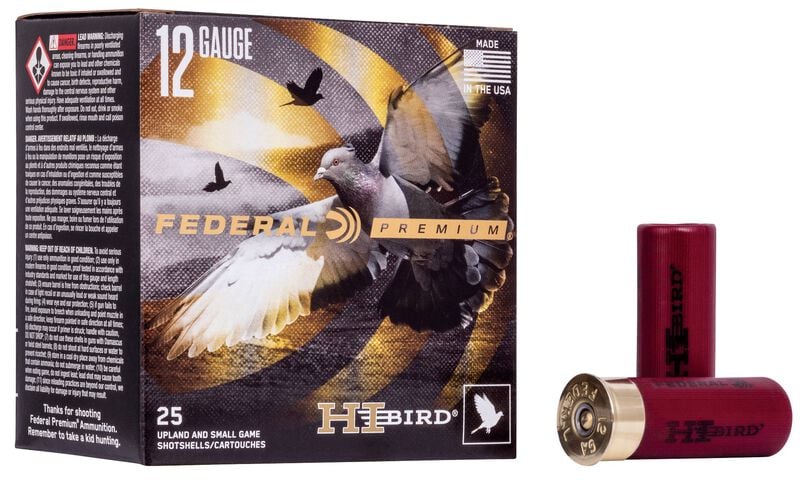
Skip the high-velocity loads. Those 1,300 to 1,400 fps "fast" dove loads increase recoil by 15 to 20 percent without meaningfully improving your kill rate. Doves aren't hard to kill; a few pellets of #7½ at standard velocity will fold them cleanly. The extra velocity just beats you up faster and makes you flinch sooner.
One more thing on ammo: buy from the same lot if you can. Consistency matters when you're shooting volume. Mixed lots of promotional ammo can have enough velocity variation to cause cycling issues in some guns, particularly inertia-driven actions. If you're buying a flat of 500 shells, buy them all from the same place at the same time.
Common mistakes in high-volume dove fields
Shooting too tight a choke
This is the most common mistake, and it costs more birds than any other equipment error. A dove at 25 yards is a small, fast-moving target. A modified choke at that distance puts your effective pattern at roughly 20 to 22 inches. An improved cylinder choke opens that up to 28 to 30 inches. More pattern means more hits. Unless you're consistently taking 35-to-40-yard shots; and if you are, you're probably wounding more birds than you're killing; open up your choke.
Not cleaning during the shoot
A quick wipe-down takes 60 seconds and prevents the malfunction that happens at the worst possible time. Pull the bolt, wipe the bolt face and the inside of the receiver, run a bore snake through the barrel, and reassemble. Do this once at midday and your gun will run all afternoon. Skip it and you're rolling the dice on a failure-to-extract or short-stroke during the evening flight.
Ignoring hydration and sun protection
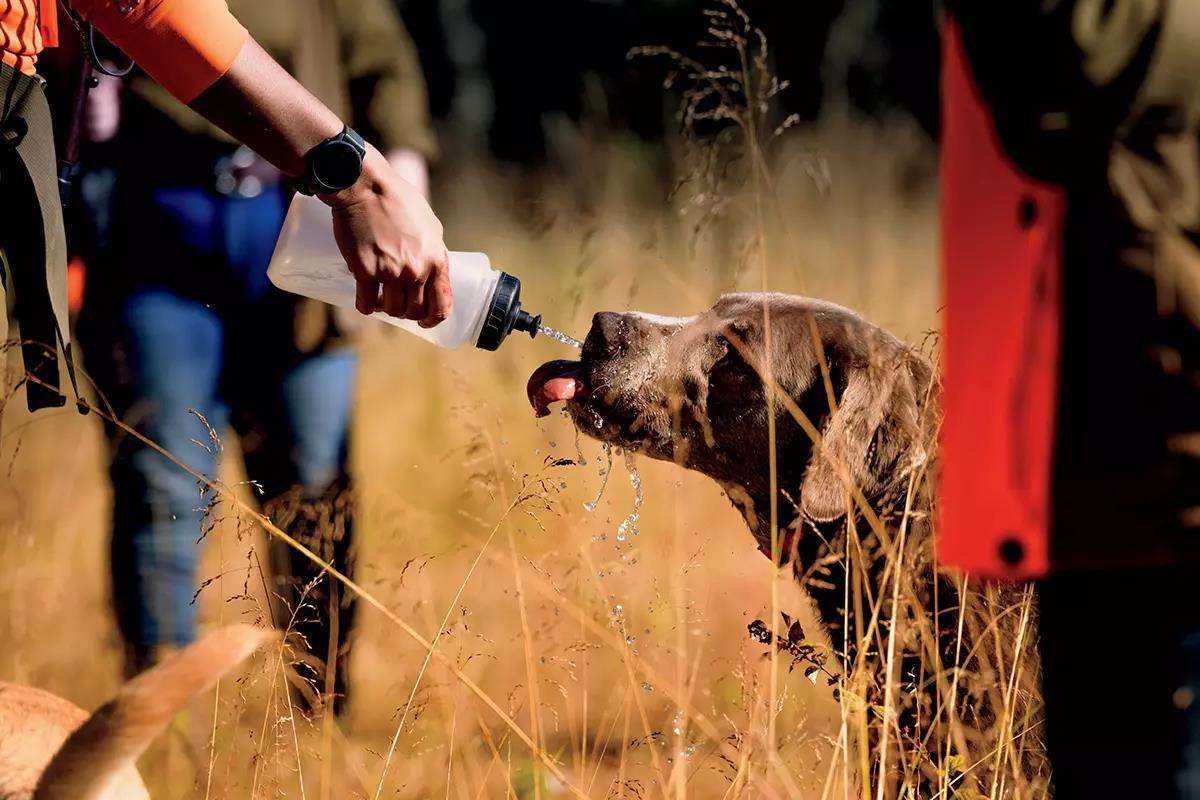
This isn't a gun problem, but it affects your shooting more than any gear choice. Dove season is September in most of the country. It's hot. Dehydration causes fatigue, which causes sloppy fundamentals, which causes misses. Drink water constantly. Wear sunscreen. Bring a hat with a brim. The guys who shoot well at 4 PM are the ones who took care of themselves at noon.
Mounting the gun before the bird is in range
High-volume fields create a temptation to mount on every bird you see, even the ones that are 60 yards out and climbing. This does two things: it tires your arms faster, and it trains you to rush the shot when a bird actually does come into range. Keep the gun low until a bird is inside 35 yards and committed to a line. Then mount, swing, and shoot. Your arms will last longer and your hit rate will go up.
Not bringing enough shells (or the right shells)
Sounds obvious, but it happens constantly. If the field is hot, you'll shoot 10 to 15 boxes easily. Bring 20 and you won't have to worry. More importantly, bring shells you've tested in your gun. That bargain flat of promotional loads is a great deal until your gun won't cycle them reliably. Test at least a box through your gun before the hunt. If it runs, buy the flat.
Barrel length and balance
For dove shooting specifically, a 28-inch barrel is the standard for good reason. It provides enough sight plane for consistent lead pictures, enough weight forward to smooth out the swing, and enough barrel length for efficient powder burn with standard loads.
Some high-volume shooters prefer a 26-inch barrel for the faster handling on close, quick-crossing birds. This works fine, but the gun will feel whippier; it'll start and stop faster, which can lead to stopping the swing on the shot. If you're a disciplined shooter who follows through consistently, 26 inches is fine. If you tend to stop the gun when you pull the trigger, the extra two inches of a 28-inch barrel will help.
Thirty-inch barrels show up on some sporting models, and they have a place in high-volume shooting. The extra weight forward creates a pendulum effect that makes the gun swing more smoothly and consistently, which helps on long shooting days when fatigue starts to affect your mechanics. The trade-off is a slightly slower initial mount and more weight to carry. For a shoot where you're standing in one spot all day, the 30-inch barrel is worth considering.
Balance point matters more than barrel length, honestly. A well-balanced gun with a 26-inch barrel will outshoot a poorly balanced gun with a 30-inch barrel every time. When you hold the gun at the action with one hand, it should feel neutral; not nose-heavy, not butt-heavy. If it tips forward, the gun will be slow to mount. If it tips backward, it'll feel dead in the swing. Most of the guns on this list balance well out of the box, but adding a magazine cap weight or adjusting the stock can fine-tune the balance if needed.
Stock fit: the thing that matters more than the gun
Here's the uncomfortable truth about dove shooting: stock fit affects your hit rate more than which semi-auto you buy. A $600 SX4 that fits you will outshoot a $1,800 A400 that doesn't, every single time.
Dove shooting is almost entirely instinctive. You see the bird, mount the gun, swing, and shoot. There's no time to consciously align the bead or check your cheek weld. The gun has to point where you're looking, and that only happens if the stock fits your body.
The critical dimensions are length of pull, drop at comb, and drop at heel. Length of pull is the distance from the trigger to the center of the buttpad. Too long and you'll catch the pad on your shirt during the mount. Too short and you'll crowd the gun and get smacked in the face by your thumb. For most adults, 14 to 14.5 inches is the range, but it varies with arm length and shooting style.
Drop at comb determines where your eye sits relative to the rib. Too much drop and you'll shoot low. Too little and you'll shoot high. For dove shooting, where most targets are rising or crossing at eye level, you want the gun to shoot roughly 50/50; meaning the pattern is centered on where you're looking, not biased high or low.
Most production semi-autos come with shim kits that let you adjust cast (left-right) and drop. Use them. Spend an afternoon patterning your gun at 25 yards with the choke you'll use for doves. Put the bead on the center of a pattern board, shoot, and see where the center of the pattern falls relative to your aim point. Adjust the shims until the pattern centers where you're looking. This is the single most productive thing you can do before dove season.
Maintenance between sessions
High-volume shooting demands a cleaning routine. Not a full teardown after every outing; that's unnecessary and can actually accelerate wear on some parts; but a focused cleaning of the areas that accumulate the most fouling.
After every shooting session, remove the barrel, pull the bolt, and wipe down the bolt face, the locking lug recesses, and the inside of the receiver. On gas guns, pull the forend and wipe down the gas piston and the gas cylinder. Carbon builds up fastest on the piston face and the inside of the cylinder, and that's where cycling problems start. A nylon brush and some solvent will handle it in five minutes.
Run a bore snake through the barrel. You don't need to scrub it spotless; you're shooting lead shot through a chrome-lined bore, and a little fouling isn't going to affect performance. But removing the heavy deposits keeps the barrel from building up to the point where it actually affects patterns.
Lube sparingly. Too much oil in a dusty dove field creates the gritty paste that causes more problems than no oil at all. A light film of CLP on the bolt rails, the action bars, and the gas piston is plenty. Wipe off any excess.
Every 1,000 rounds or so, do a full teardown. Remove the trigger group, clean the hammer and sear surfaces, inspect the action spring, and check the gas system components for wear. O-rings on gas pistons are wear items; they'll eventually crack or flatten, and when they do, the gun will start short-stroking. Keep spares in your range bag.
The setup that actually works
Here's what a well-prepared high-volume dove setup looks like, from gun to gear.
Start with a gas-operated semi-auto in 12-gauge with a 28-inch barrel. The A400, Maxus II, or SX4 are all solid choices. Make sure the stock fits; use the shim kit, pattern the gun, and confirm it shoots where you look.
Choke it with improved cylinder or skeet 2 (light modified). For doves inside 30 yards, you want pattern density, not range. An IC choke with #8 shot will put 200-plus pellets in a 30-inch circle at 25 yards. That's more than enough to fold a dove cleanly.
Bring 15 to 20 boxes of 1-ounce or 1⅛-ounce #7½ or #8 shot. Standard velocity, 1,145 to 1,200 fps. Nothing fancy, nothing fast. Buy from the same lot and test a box through your gun before the trip.
Pack a lightweight shooting glove, a bore snake, a small bottle of CLP, a rag, and a PAST recoil shield. Bring two gallons of water, sunscreen, and a hat. A lightweight folding stool saves your legs on long sits.
Wear earth-tone clothing that you don't mind getting dirty and sweaty. Doves have excellent eyesight but aren't as spooky as waterfowl; you don't need full camo, but avoid bright colors and unnecessary movement.
Before opening day
Pattern your gun at 25 yards with the choke and load you'll use in the field. Confirm the center of the pattern is where you're looking. Adjust shims if needed. Do this at least two weeks before the opener so you have time to make changes and re-confirm.
Shoot a round of skeet or sporting clays with your dove setup; same gun, same choke, same ammo. Skeet presentations are close to what you'll see in a dove field: fast crossers at 20 to 25 yards. If you're breaking 18 or more out of 25, your setup is working. If you're struggling, the problem is almost certainly stock fit or choke selection, not the gun.
Run 100 rounds through the gun in one session without cleaning. If it cycles everything without a hiccup, you're good. If it starts acting up, figure out why before opening day; not when the birds are flying. Check the gas system, check the ammo, check the action spring. Fix it now.
Then go hunt. Bring enough shells, drink enough water, and shoot the birds that are actually in range. The gun will do its job if you've done yours.