
This build started as something simple; a test platform for long-range electronics; and evolved into one of the more unusual rifles I've put together.

I'd been having conversations with colleagues and clients about the current state of precision electronics: rangefinders, thermal clip-ons, ballistic computers, and the various methods for getting that data in front of you while you're still behind the trigger. The market has exploded with options across every category, and some of the newer systems promise real-time data integration that could genuinely change how you engage targets at distance. The problem? Almost no one is testing these systems together, in the field, on the same rifle. I wanted to run something from each category simultaneously and see whether the sum actually worked; or just created expensive chaos on a rail.
The rifle itself needed to be a known quantity. I deliberately avoided a custom action and barrel on a competition chassis. Instead, I wanted something accurate out of the box, a rifle where I could trust the mechanical precision and focus my evaluation on the electronics. That way, results would be repeatable for anyone running similar equipment.
Caliber was straightforward: 6.5 Creedmoor. It outperforms .308 at distance, stays supersonic past 1,100 yards, and remains practical out to 1,500 with proper load development. Ammunition is reasonably priced, available everywhere, and the recoil impulse is mild enough that you can spot your own hits without fighting the rifle.
For the rifle itself, I had a specific list of requirements.
The barrel needed to be heavy and non-fluted. I planned to put serious round count through this platform, and a heavier contour handles heat better while adding stability I actually wanted. This was never going to be a hunting rifle, it's a range gun, and I'll take the weight.
I specified 416R stainless steel, 24 inches, with a threaded muzzle. 416R holds its rifling longer than most alternatives, and barrel life matters when you're burning through ammunition chasing data.
The trigger had to be adjustable. I prefer a light pull on bolt guns, around eight ounces, and I wanted the ability to tune it precisely.
The chassis needed a full-length Arca rail and M-LOK attachment points. Given the accessory load I was planning, anything less would create problems.
Here's where it gets slightly unconventional: I required a folding stock. That sounds odd on a precision rifle, but consider the logistics. With a 10- to 12-inch suppressor mounted and electronics hanging off every available surface, a fixed stock would push total length past anything reasonable for transport. A folding stock lets me fit the entire system, zeroed, suppressed, fully configured, into a five-foot case without removing a single component. Setup at the range becomes pulling the rifle out and unfolding. That's it.
And yes, it had to be black. I'm not running through the Dune Sea, I don't need FDE, and this rifle will never see a tree stand. Black.
Finally; and this mattered as much as anything; I needed the rifle from a manufacturer I trust. When you're stacking this much glass and electronics onto a platform, the last thing you want is to question whether your base rifle is the variable.
The rifle
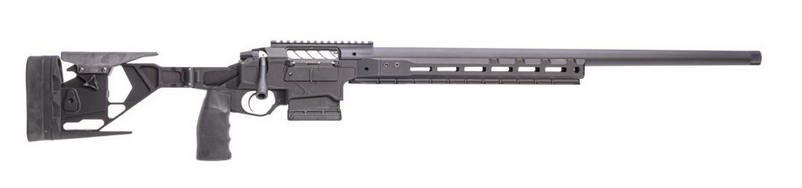
After running through the requirements, only one rifle checked every box: the Seekins Havok Hit Pro M3 in 6.5 Creedmoor.
At $2,400 before taxes and fees, it's not an impulse buy. But that number buys a complete package, heavy stainless barrel, quality chassis, folding stock, adjustable trigger, without the à la carte markup you'd pay building to this spec yourself. Dollar for dollar, Seekins didn't leave anything on the table.
Out of the box, the rifle looks like what it is: a purpose-built precision tool with no wasted aesthetic. Clean lines, solid construction, zero apology for what it's meant to do.
It met everything on my check list, and a bit more. Next, I was on to getting all the parts I needed for the build.
The optics
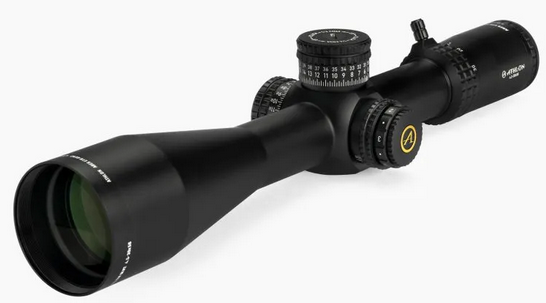
For glass, I wanted to give Athlon a serious look. I've been hearing their name come up more frequently in precision circles, but I'd never actually put rounds downrange behind one of their optics. On paper, they spec well: broad magnification range, illuminated reticle options, side parallax adjustment, and, critically for this build, nearly four inches of eye relief. That last number mattered. With heads-up displays in the mix, I needed enough standoff to glance at data between shots without breaking my cheek weld entirely.
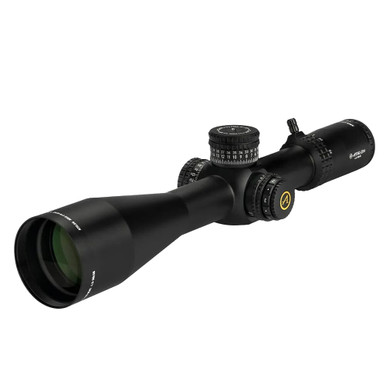
I went with their Gen 2 glass in the Ares ETR 4.5-30x56. At roughly $1,500 retail, it sits in that interesting middle ground, serious magnification and feature set, but not yet into the price territory where you're paying for a name. The question was whether the glass and tracking would actually deliver, or whether the spec sheet was doing the heavy lifting.
The thermal
Since I was already committed to Athlon glass, testing their thermal clip-on made sense, keep the ecosystem consistent and see how their electronics hold up alongside the optic.
Athlon Ares ETR Gen 2 4.5-30x56 Deals
Prices may change. May contain affiliate links.
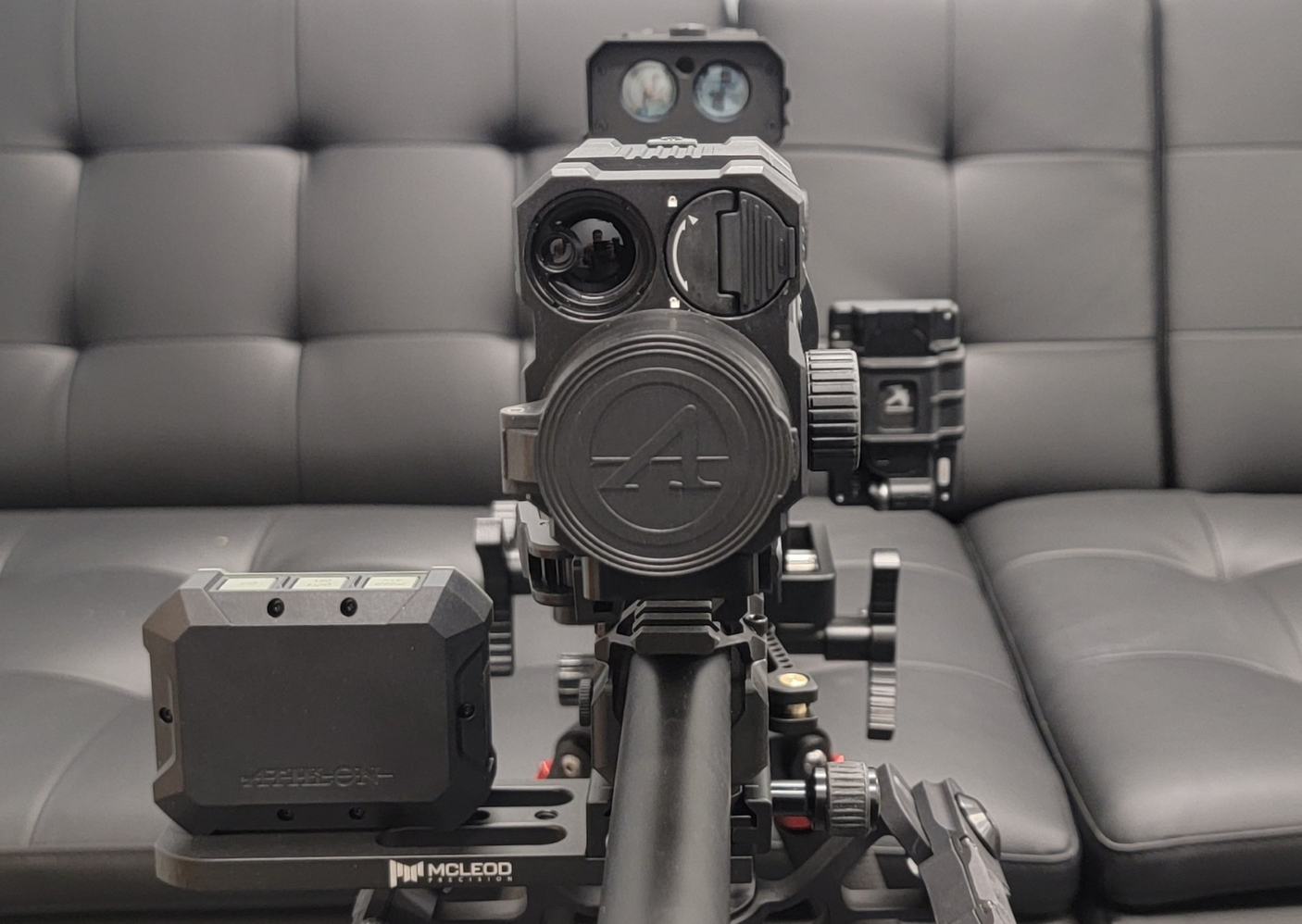
The ATS Pro 35CL-640 is, frankly, one of the better-looking thermal clip-ons I've seen. That's a minor point, but when you're stacking this much hardware on a rifle, aesthetics aren't nothing. More importantly, the spec sheet reads well: 640x512 sensor at 12μm, 1280x960 native display resolution, seven color palettes, swappable rechargeable batteries, and automatic shot recording. It ships with the mount, a case, and the usual accessory spread.
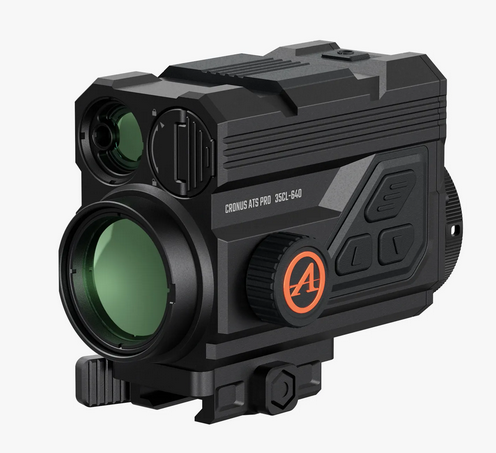
Athlon offers this in two configurations: without a laser rangefinder at $3,500 retail, or with LRF capability at $4,000. If you're already running a weapon-mounted rangefinder elsewhere in your setup, that's an easy $500 to keep in your pocket. No reason to duplicate the function.
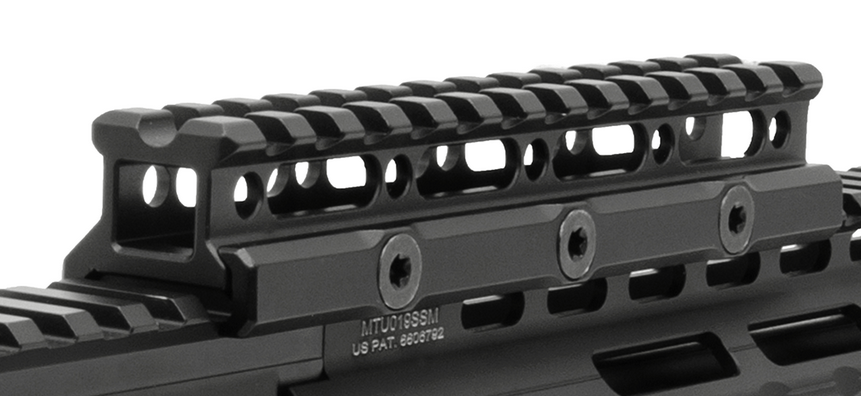
My initial plan was to run the thermal as a true clip-on, mounted forward of the primary optic. For risers, I went with Leapers. They offer Picatinny risers in a wide range of heights, the construction is solid without adding unnecessary weight, and the full-length rail interface keeps everything aligned properly. Hard to argue with the price-to-quality ratio, I've used them on multiple builds now.
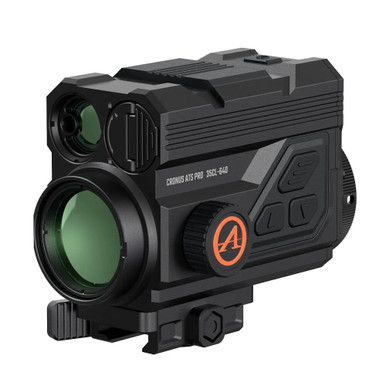
Athlon ATS Pro 35CL-640 Deals
Prices may change. May contain affiliate links.
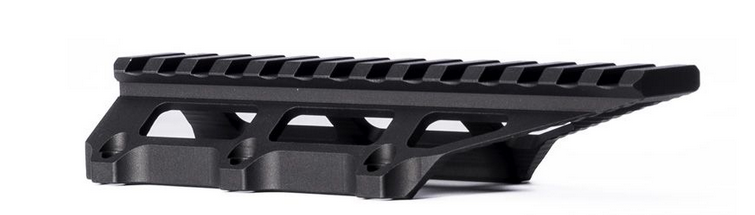
The risers would attach to the Seekins Forward Rail extension, which mounts ahead of the receiver on the chassis. Minor gripe: this isn't included with the base rifle. You'll need to order it separately direct from Seekins.
Before the thermal even arrived, I'd already changed my mind. Direct-mounting to the objective bell would be cleaner than running it forward on a riser, less rail clutter, better optical alignment, and one fewer variable in the system.
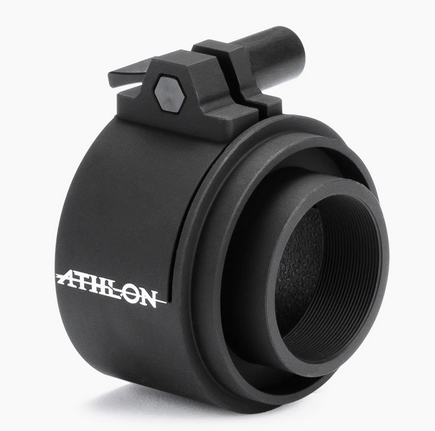
I scrapped the clip-on rail setup and ordered Athlon's 56mm direct-mount thermal adapter instead.

Seekins Forward Rail Extension HIT-NVM Deals
Prices may change. May contain affiliate links.
For the scope mount, I went with Warne. I've run their products on enough builds to trust them, and for this rifle I chose the Skyline Precision with 20 MOA cant in 34mm.
At $315 retail, it's not a cheap mount. But here's the thing, a precision mount that indexes true and stays there is worth the money. I've dealt with budget mounts that needed shimming, that shifted under recoil, that introduced cant I had to chase with adjustments elsewhere. The Skyline goes on square, torques down, and doesn't move. When you're stacking a thermal, a HUD, and everything else I had planned, the last thing you want is to wonder whether your mount is the problem.
The 20 MOA cant is standard practice for long-range work, it biases your elevation turret so you're not running out of adjustment at distance. If you're shooting past 600 yards with any regularity, you want the cant built into the mount rather than dialing to the stop.
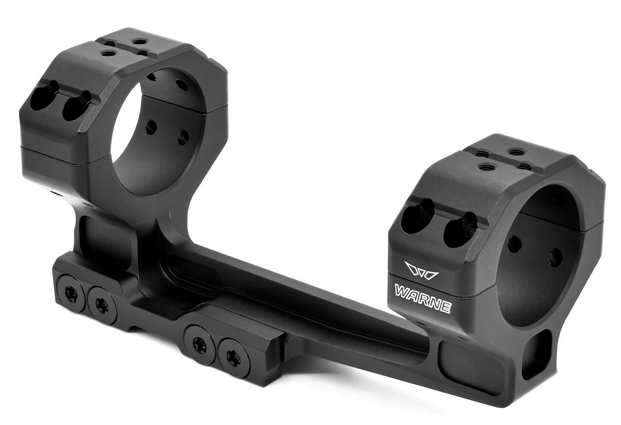
Since I'd already committed to a weapon-mounted laser rangefinder, I added Warne's 7860M Precision Mount in 34mm, their "diving board" configuration. It's a cantilevered platform that indexes off the scope ring, giving you a stable mounting point for accessories like an LRF without eating up rail space elsewhere.
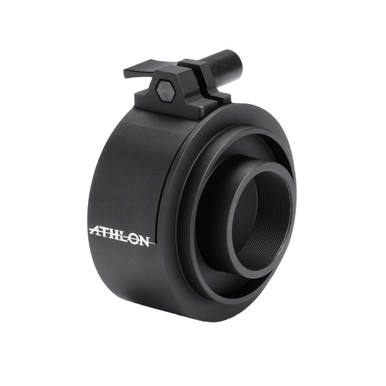
Athlon 56mm Direct-Mount Thermal Adapter Deals
Prices may change. May contain affiliate links.
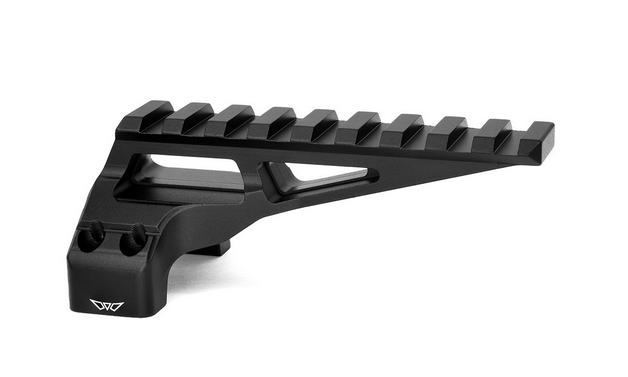
The final piece of the optic setup was a Saber Tactical ST0032 Universal Picatinny Riser. It added the height offset I needed to get everything aligned properly once the thermal and other accessories were in place.
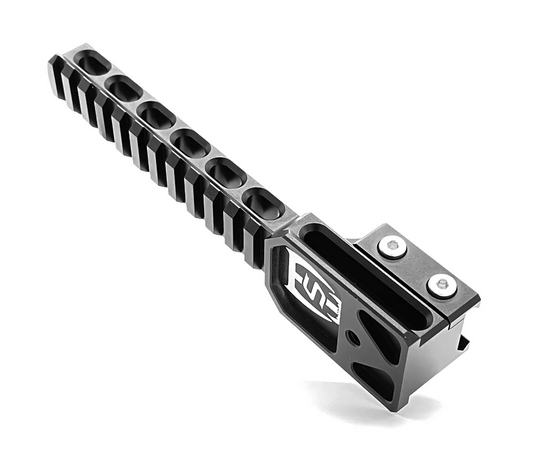
This riser freed up the picatinny rail directly above the action for other attachments, real estate I'd need once the electronics started stacking up.
Worth noting: between this offset and the 20 MOA cant in the Warne mount, scope centerline sits about 2.5 inches over bore. That's roughly an inch higher than a typical precision setup. The trade-off is intentional. A higher optical axis gives you a more natural head position, less neck crank when you're behind the rifle for extended strings. It also extends your usable elevation range significantly, which matters when you're dialing for distance and don't want to run out of travel. The mechanical offset does require compensation at close range, but if you're building for 600 yards and beyond, you're not worried about point-blank holds anyway.
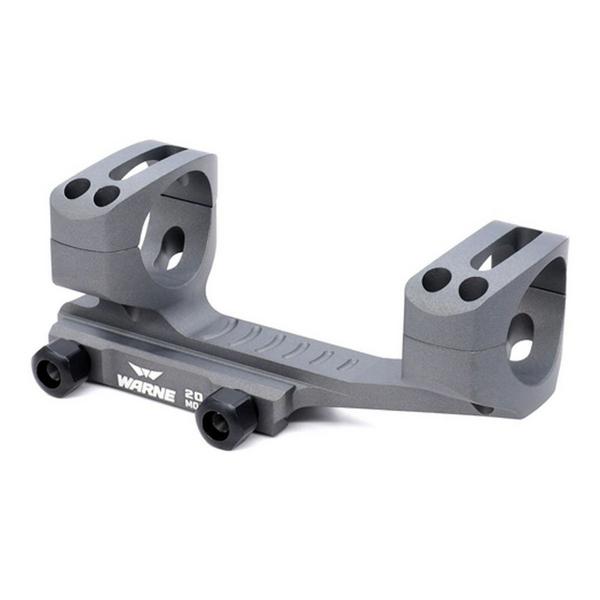
Warne Skyline Precision 34mm 20 MOA Cantilever Mount Deals
Prices may change. May contain affiliate links.
Before getting into the electronics, which is where this build gets genuinely strange, here's what made up the rest of the base rifle.
The bi-pod
For a precision bipod on a rifle that's never leaving the range, I'll take an Accu-Tac FC-5 G2 over anything else I've used. At $520, it's a significant line item, but here's why I keep coming back to it.
The quick-release lever actually works. One motion, no fumbling, no threads to cross, no watching your rifle tip while you're trying to detach the legs. It locks solid when mounted and releases clean when you need it off. I run the same bipod across multiple rifles and swap it in seconds. Over time, that convenience justifies the price, you're not buying three mediocre bipods, you're buying one good one that moves between platforms.
The build quality is overengineered in the best way. Spring-loaded leg adjustments are fast and positive, the lockup is rock solid, and the footprint is wide enough that you feel genuinely planted. Behind the rifle, it's the closest thing to a lead sled you'll get without bolting something to a bench.
They're available with either picatinny or Arca attachment, I went Arca for this build, obviously.
One caveat: this is a range bipod. I wouldn't take it hunting. The stance width is enormous, think rhino cross-section, and you'll hate it the moment you try to move quietly through anything denser than a parking lot. If you're considering it for field use, find one in person first. You'll understand immediately.
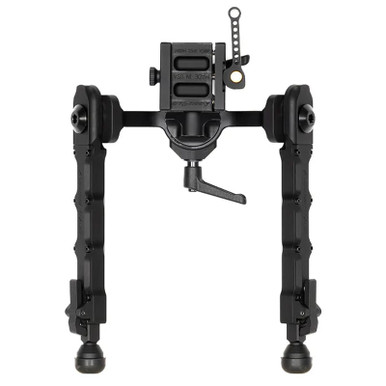
Accu-Tac FC-5 G2 Deals
Prices may change. May contain affiliate links.
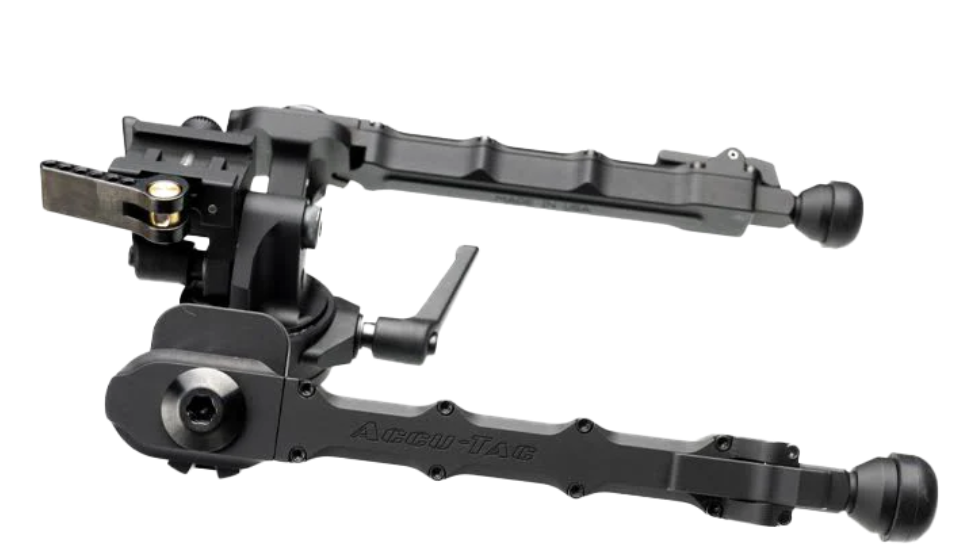
Magazines
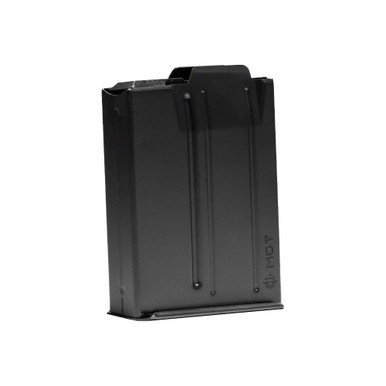
Magazines: I run 10-rounders. Seekins ships the Havok M3 with a single 3-round carbon fiber mag. Beautifully made, impressively light. I admired the craftsmanship for about two seconds, then tossed it in a drawer.
I ordered a pair of Savage 10-round AICS-pattern magazines in .308/6.5 Creedmoor. Standard footprint, widely available, and I'm not reloading every third shot.
They also make them in steel.
I prefer polymer over steel for these. Steel mags sound like a kitchen drawer every time you dig through your range bag, and the polymer bodies are easier to grab and seat quickly. Nothing exotic about them, that's the point. They've fed reliably across every rifle I've run them in, no fitment issues, no failures to strip rounds. Boring and functional is exactly what you want from a magazine.
The suppressor
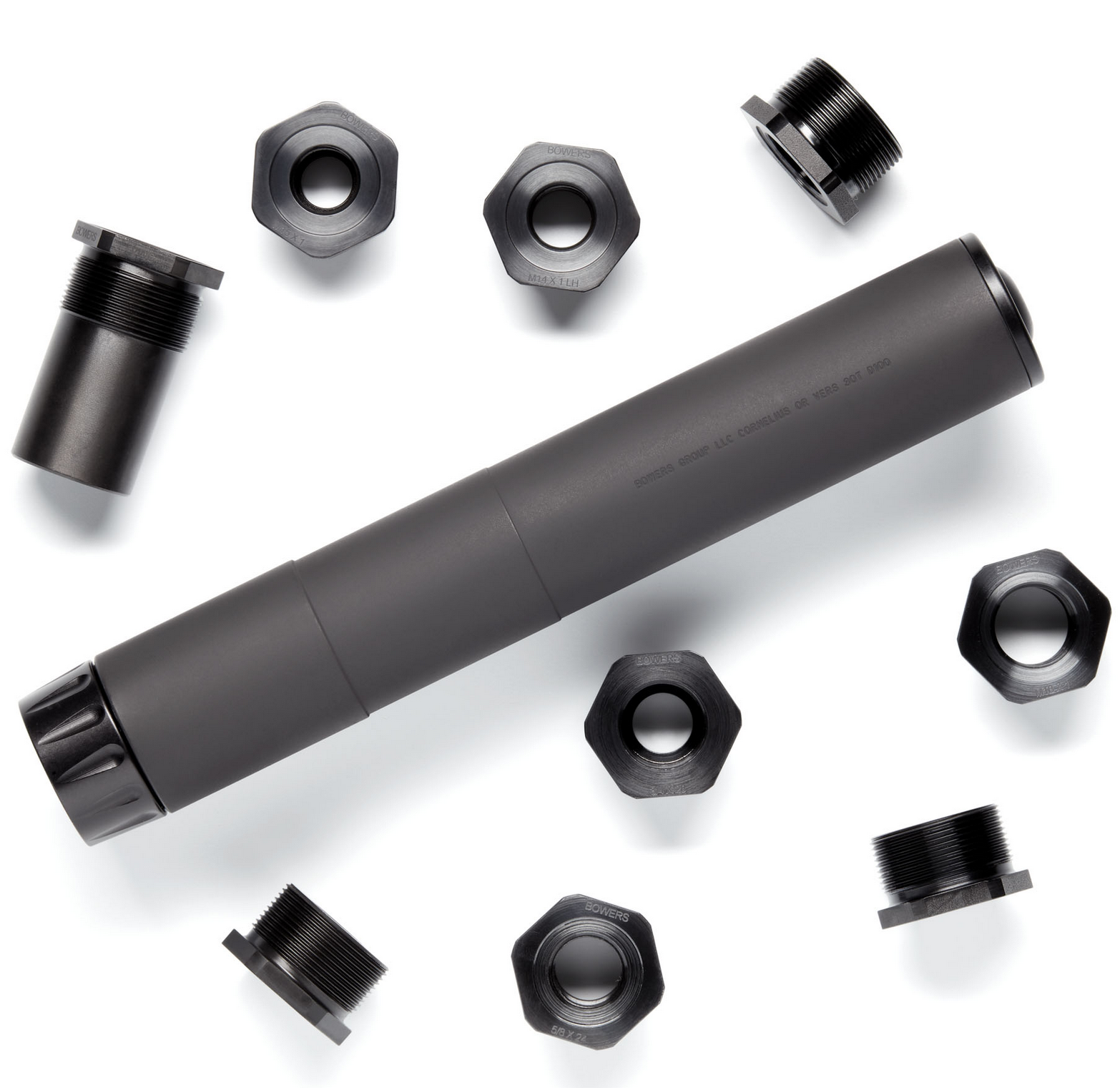
For the suppressor, I went 30-caliber rather than a dedicated 6.5. The bore difference is roughly 1/16 of an inch, you're not hearing a meaningful increase in report for that. What you are getting is a can that moves between platforms. A .30 cal suppressor runs on 6.5 Creedmoor, .308, .300 Win Mag, .300 Blackout, whatever else you might want to host it. A dedicated 6.5 can lives on one rifle forever. I'd rather have the flexibility.
I've been running Bowers suppressors across multiple builds and haven't found a reason to switch. They're well-made, full-auto rated regardless of whether you need that headroom, and they do the job, which is knocking the report down to something your ears and your neighbors can tolerate.
For this rifle, I went with the Bowers Vers 30 using their 5/8x24 Vers adapter.
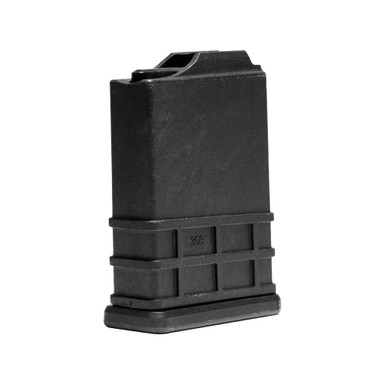
Savage 10-Round AICS-Pattern Magazine .308/6.5 Creedmoor Polymer Deals
Prices may change. May contain affiliate links.
Now with the rifle itself all outlined, lets discuss the electronics a bit.
The chronograph
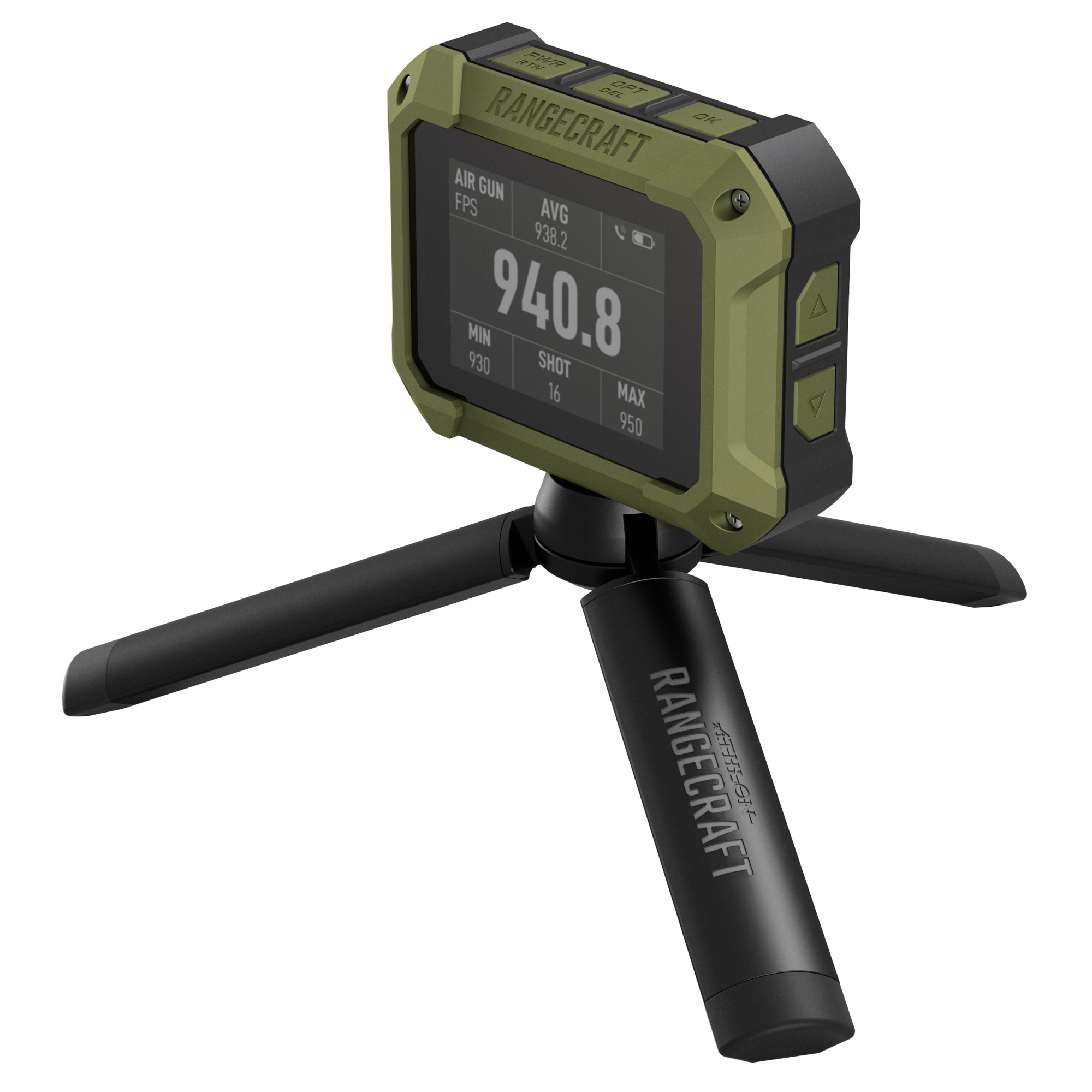
If you want a standalone chronograph, no phone tethered, no cables, no app dependency, you're choosing between two units: the Garmin Xero C1 Pro and the Athlon Rangecraft Velocity Pro.
Both list around $500. The Rangecraft seems to live on sale at $400.
I went with the Rangecraft, and the deciding factor was the display. It's noticeably larger than the Garmin's, and you can toggle between black and white text depending on ambient light. When you're trying to read velocity data between shots without breaking position, screen legibility matters more than most people realize. Saving a hundred bucks was incidental.
Savage 10-Round AICS-Pattern Magazine .308/6.5 Creedmoor Steel Deals
Prices may change. May contain affiliate links.
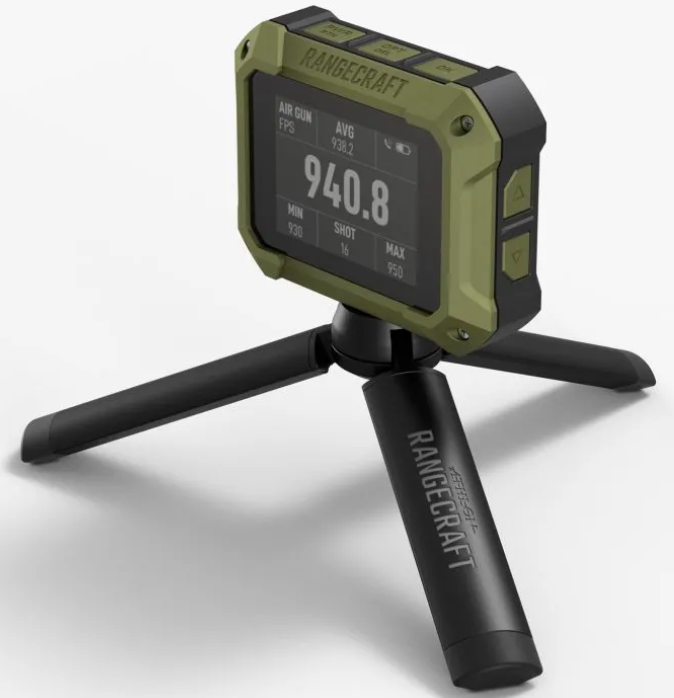
Both units perform within 10 fps of each other in real-world use. Functionally, they do the same thing: instant muzzle velocity on every shot, running averages, and group-to-group tracking. Plenty of reviews cover the nuances if you want to dig deeper, but either will do the job.
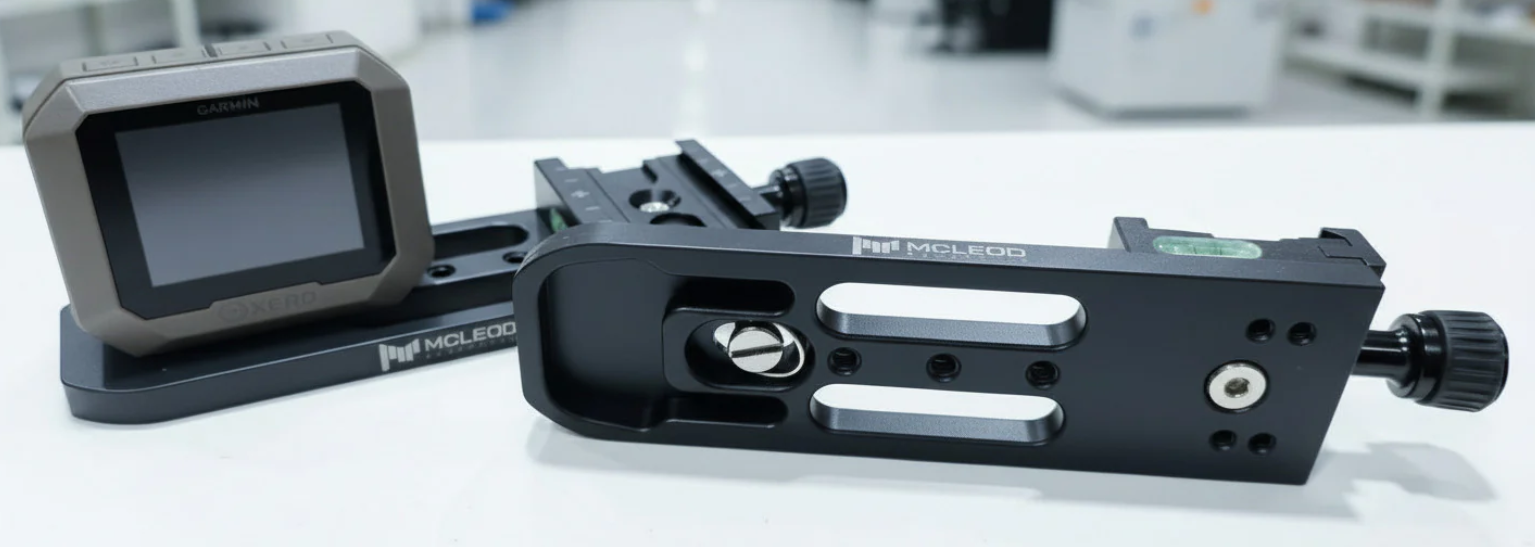
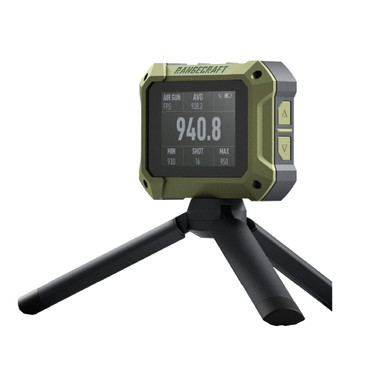
I wanted the chronograph weapon-mounted rather than set up downrange on a tripod, and McLeod Precision had just released their Version 3 Chrono Sled with Rangecraft compatibility. Earlier versions only supported the Garmin, so the moment V3 dropped, I ordered one.
Athlon Rangecraft Velocity Pro Deals
Prices may change. May contain affiliate links.
The McLeod sled is beautifully finished and machined tight. No slop, no fitment issues.
I had concerns about accuracy. With a foot-long suppressor on the muzzle, the chronograph was sitting nearly 20 inches behind the crown, double the recommended 10-inch placement for reliable readings. Velocity measurements can drift when the sensor is too far back. In practice, though, the pairing worked without issue. Consistent readings, no erratic data, no obvious deviation from expected velocities.
WMLRF (weapon mounted laser range finder)
The weapon-mounted laser rangefinder decision took some deliberation.
I initially landed on the Vortex Impact 4000, until I discovered it only ships in what I can only describe as "government-issue brown." For reasons known only to Vortex, black isn't an option. I wasn't sending a brand-new optic out for refinishing before I'd even mounted it.
The Sig Kilo Warp 6K comes in black, but the price pushed me toward a workaround: run the Kilo 5K instead and print a weapon-mount adapter from Thingiverse. Functional, but inelegant.
McLeod Precision Version 3 Chrono Sled with Rangecraft Compatibility Deals
Prices may change. May contain affiliate links.
Then timing solved the problem for me. The same week I was weighing options, Tango released the FIRE 4000 Elite, their weapon-mounted LRF with native Kestrel and Mile High Shooting integration. Ranges to 4,000 yards, includes a visible laser for zeroing at 100, and connects directly to the ballistic computers I was already planning to run.
And it's black.
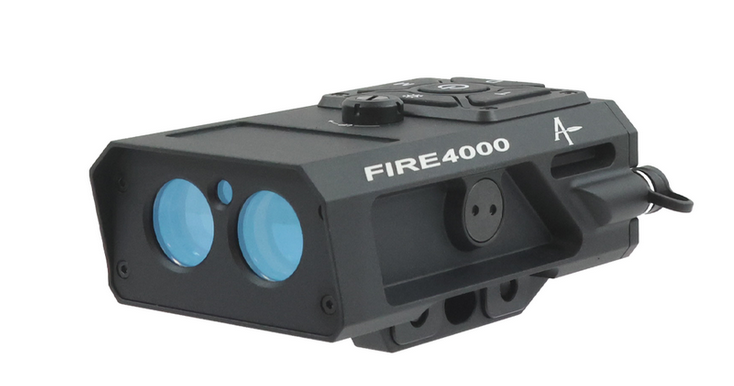
I ordered it immediately.
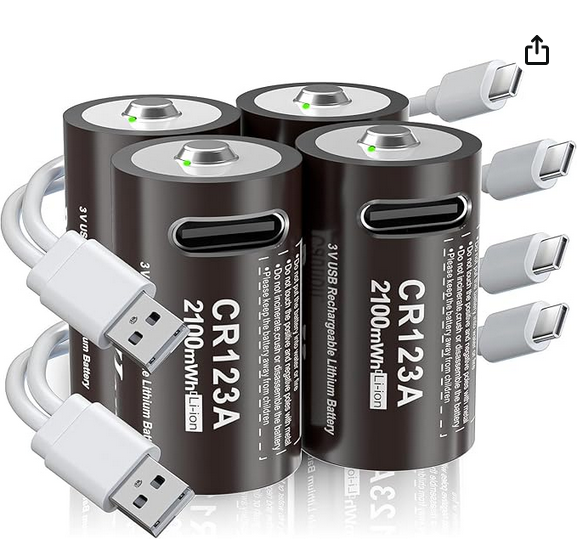
One note: the FIRE 4000 ships without a battery. It runs on CR123As. You can grab disposables for around $10 for a four-pack, or spend slightly more on rechargeables with built-in USB-C ports. Given how often you'll be using the rangefinder, the rechargeables pay for themselves quickly.
Weather meter
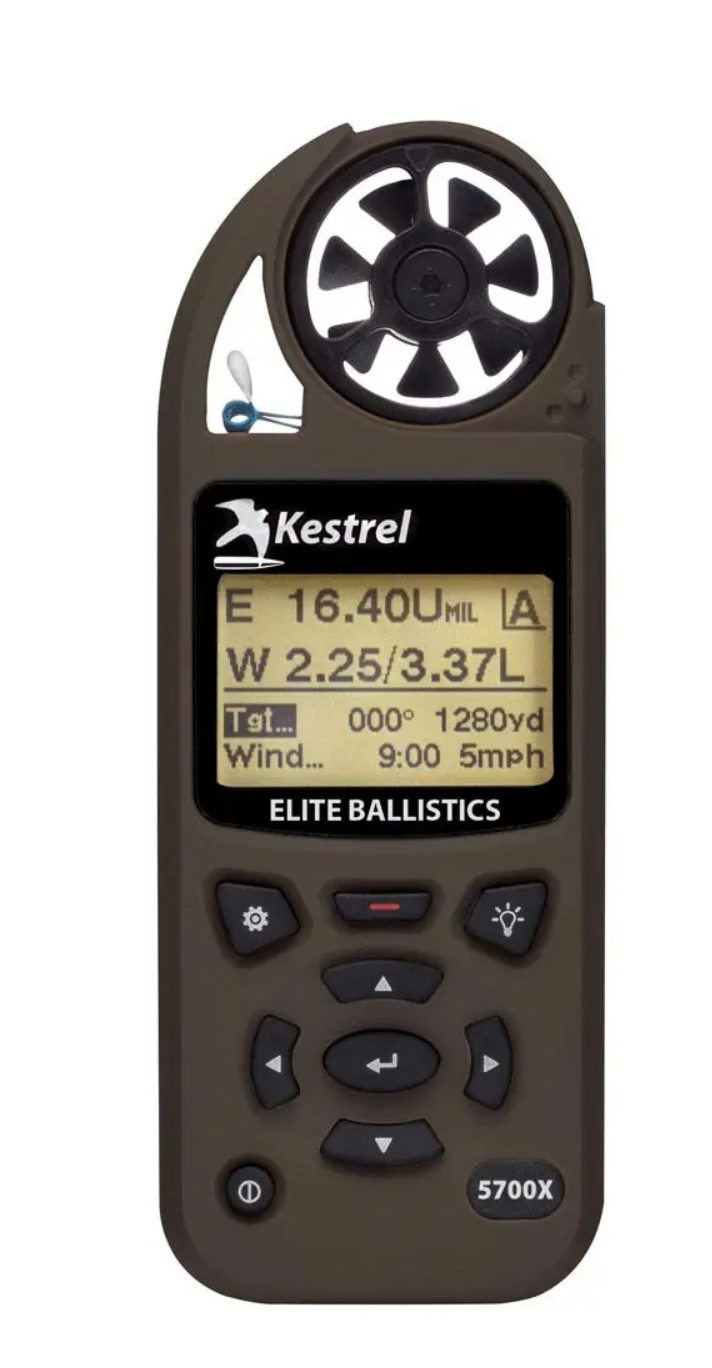
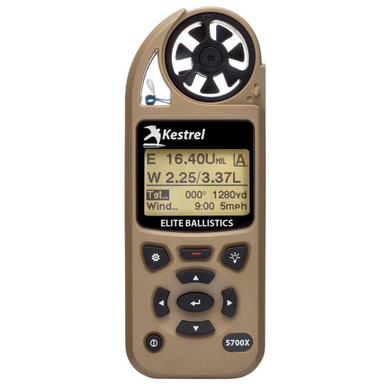
With native Kestrel integration on the FIRE 4000, upgrading to the 5700X Elite was the obvious next step.
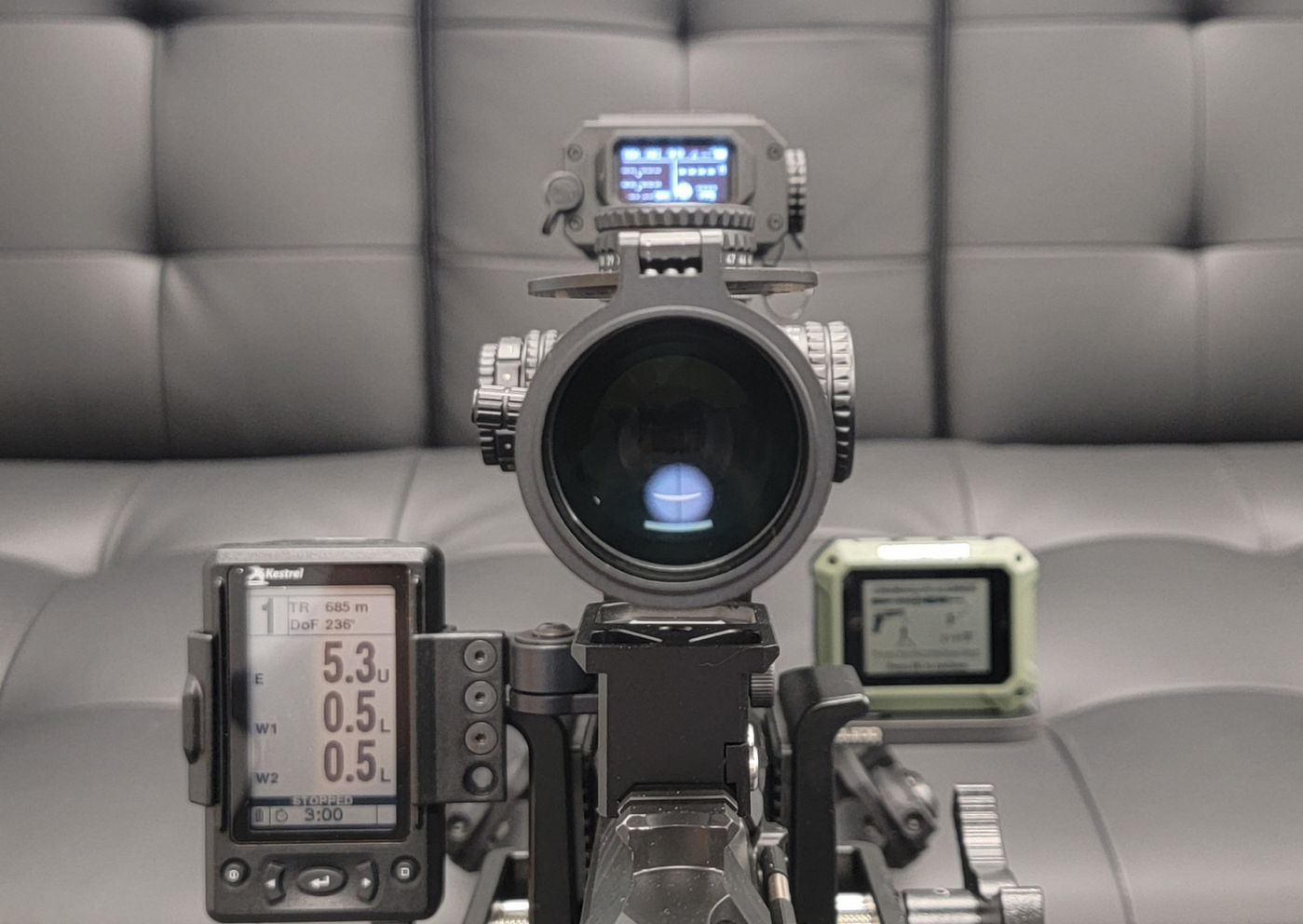
The Kestrel would then feed data to a heads-up display mounted directly on the rifle, ballistic solutions pushed to glass without taking your eye off the target.
The HUD
The HUD is Kestrel's Heads Up Display for 5 Series Ballistics Meters.
The HUD, Kestrel 5700X Elite, and FIRE 4000 are designed as an integrated system. Once paired, the rangefinder sends distance to the Kestrel, the Kestrel computes the ballistic solution, and the HUD displays your hold, all without pulling your eye from the scope or your hand from the rifle.
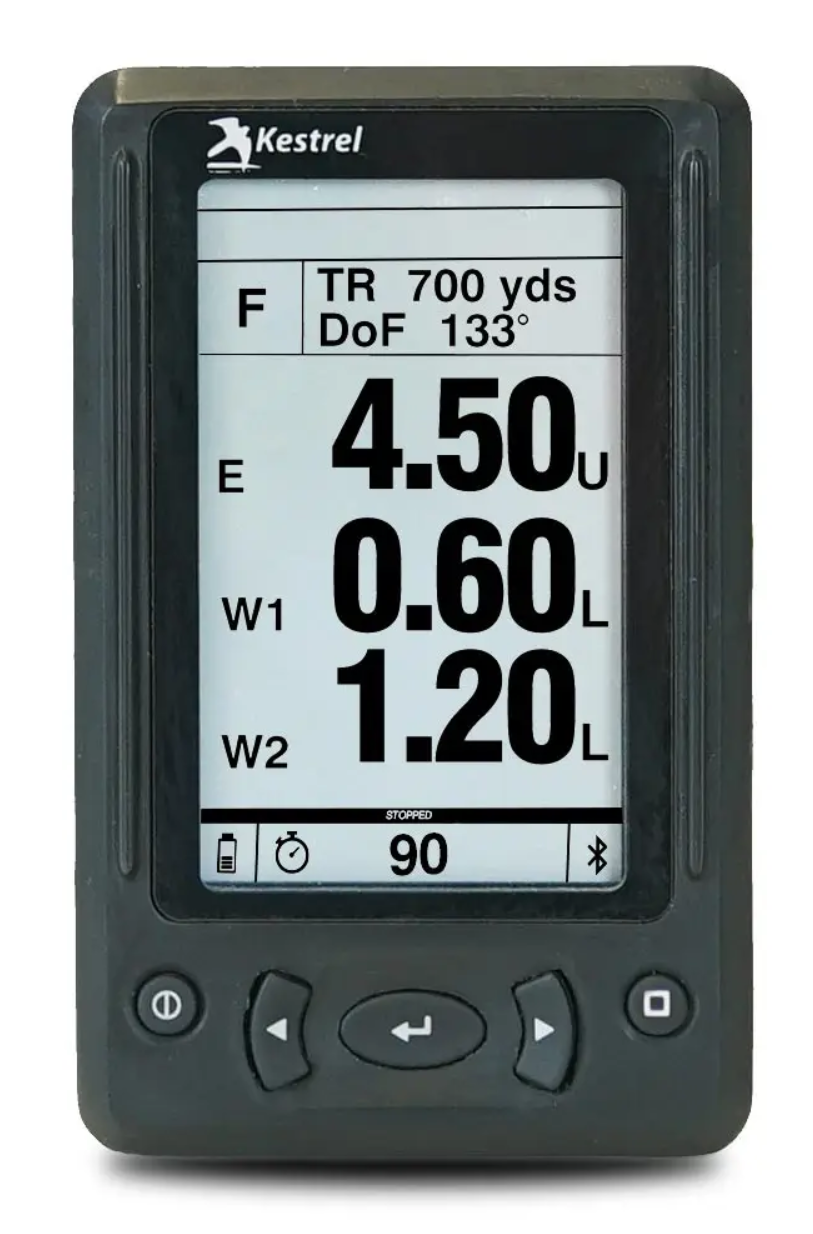
The rangefinder includes a wired remote button you can mount wherever makes sense on your chassis, or leave on the bench if you prefer. One press, and range data appears on the HUD almost instantly. It's the kind of workflow that sounds like marketing until you actually use it, then you realize how much time you've been wasting with handheld rangefinders and manual inputs.
Kestrel 5700X Elite Weather Meter Deals
Prices may change. May contain affiliate links.
Tactical watch
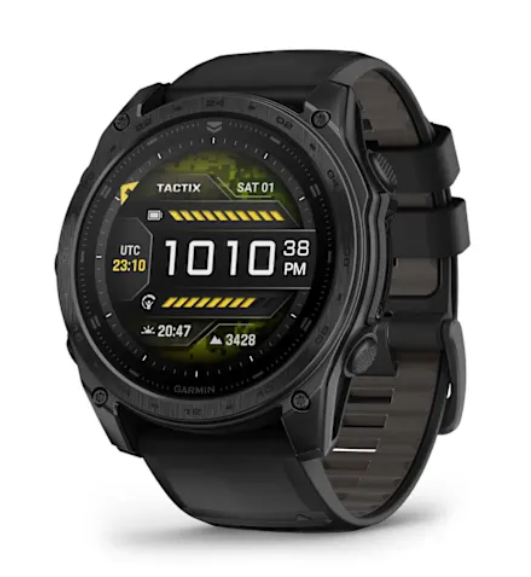
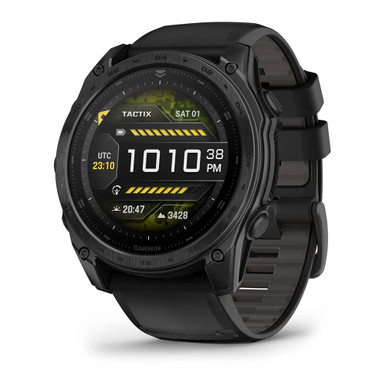
To round out the electronics, I wanted to test the only legitimate ballistics watch currently available: the Garmin Tactix 8.
It comes in two case sizes. I went with the 51mm for the larger display and the additional battery capacity that comes with the bigger housing. You also choose between AMOLED and solar-powered variants. The solar version pushes 45 days of use before needing a charge, genuinely impressive for extended field work where you can't plug in. The trade-off is display resolution: solar runs at 260x260 pixels versus 454x454 on the AMOLED.
I chose AMOLED. The screen clarity matters when you're glancing at ballistic data mid-string, and the battery life is still exceptional, 16 days with always-on display, 29 days in gesture-only mode. Coming from a Samsung Galaxy Watch that required nightly charging, this felt like a different category of device entirely.

Kestrel Heads Up Display HUD Deals
Prices may change. May contain affiliate links.
The tripod
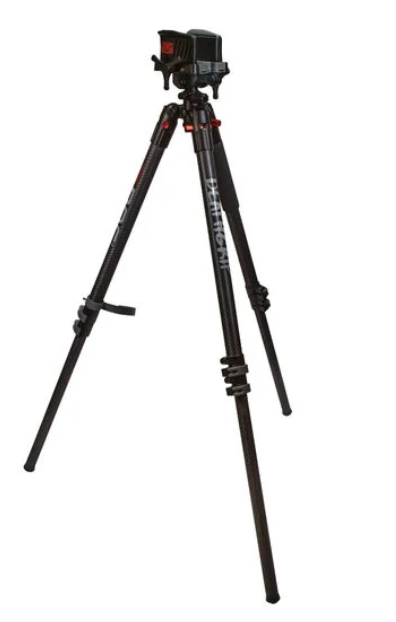
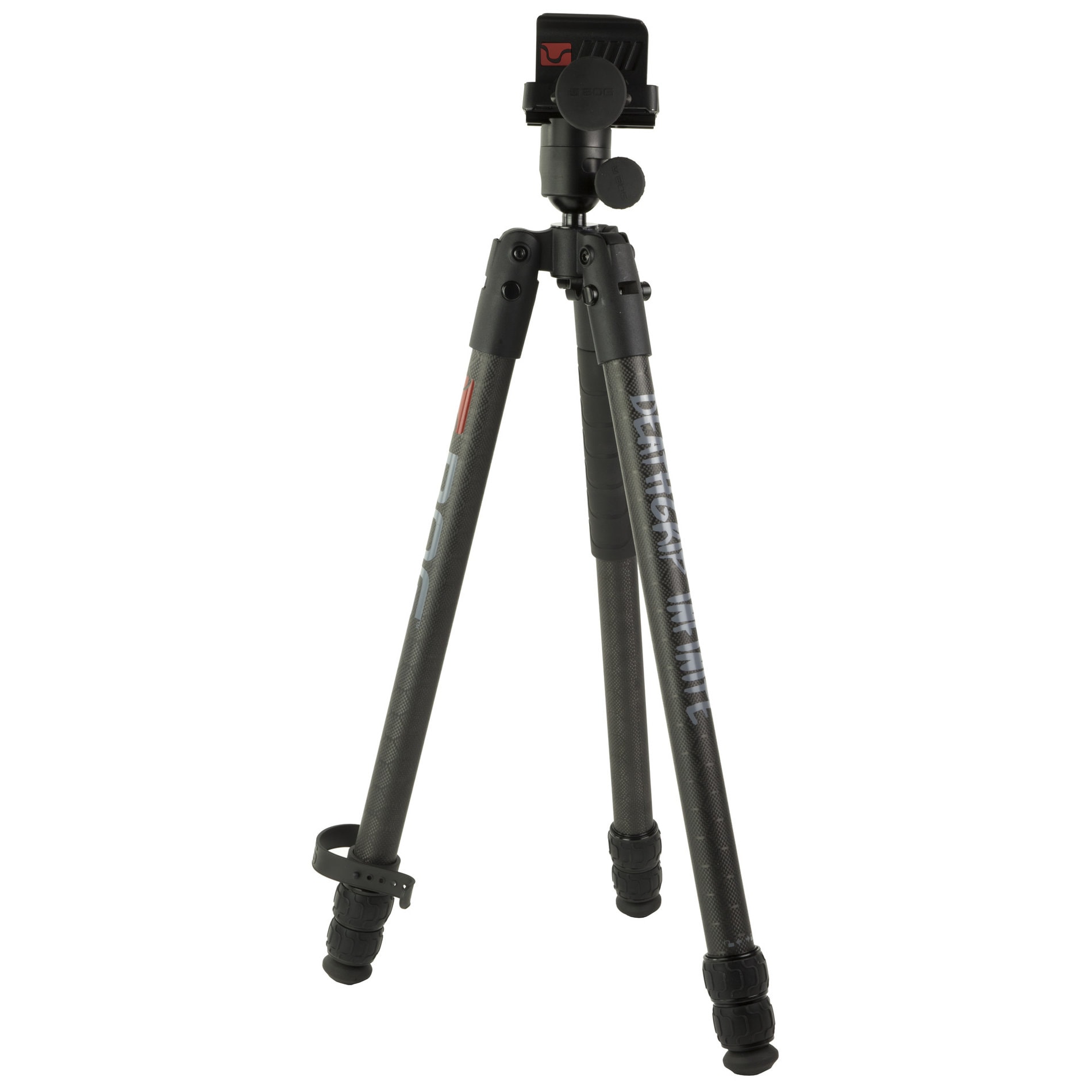
For the tripod, I went with the BOG Deathgrip in carbon fiber. It locks down heavy rifles without any creep or drift, which matters when you're supporting the kind of weight this build was accumulating.
And unlike nearly everything else on this rifle, it's actually light. If you needed the same tripod to pull double duty for hunting, it wouldn't punish you on the hike in.
If you're ordering a Deathgrip, check the clamping head before you buy. BOG offers several configurations. The only one worth your money is the version with the large three-prong metal clamp. Skip the plastic head entirely, it won't inspire confidence under a rifle this heavy, and you'll end up replacing it anyway.
Shooting bag
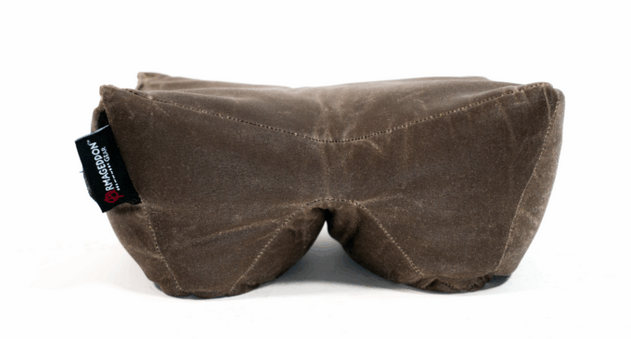
Rear bag is the Armageddon Shmedium Game Changer in heavy fill. Solid weight, durable construction, and it's held up across more range sessions than I can count. Nothing fancy, just a bag that does its job and doesn't fall apart.
Garmin Tactix 8 AMOLED 51mm Deals
Prices may change. May contain affiliate links.
The case
The case is a Pelican V800 Vault Double. At around $220, it's one of the largest cases you'll find at that price point, 53x16x6 inches interior, 57x20x7 exterior. With the folding stock, the entire rifle fits suppressed and fully configured without removing a single accessory. That was the entire point of the folding stock requirement.
The Vault line is Pelican's economy tier, and for a range-only rifle, it's the right call. Four locking points, six heavy clasps, and enough crush resistance that I don't worry about it getting stacked in transport.
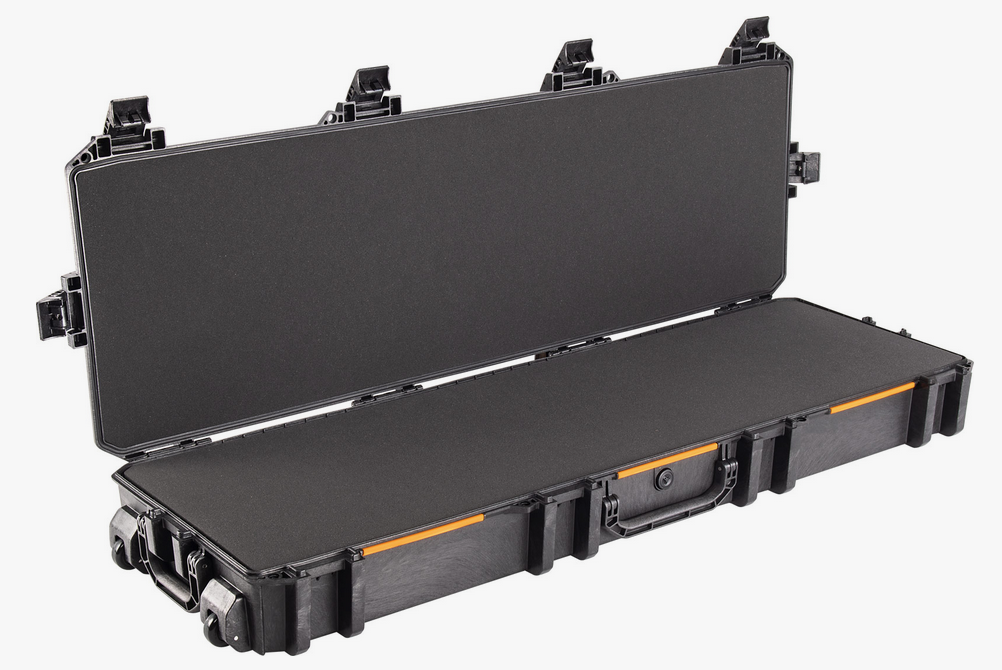
The trade-offs are reasonable for the price. Vault cases are crushproof and dustproof, but only water-resistant, not submersible. You also get a three-year warranty instead of Pelican's lifetime coverage on their main line. If I were building a dedicated hunting case that might end up in a truck bed during a downpour or dropped in a creek crossing, I'd spend up for the full Pelican spec. For a rifle that lives at the range, the Vault does everything I need.
BOG Deathgrip Carbon Fiber Tripod Deals
Prices may change. May contain affiliate links.
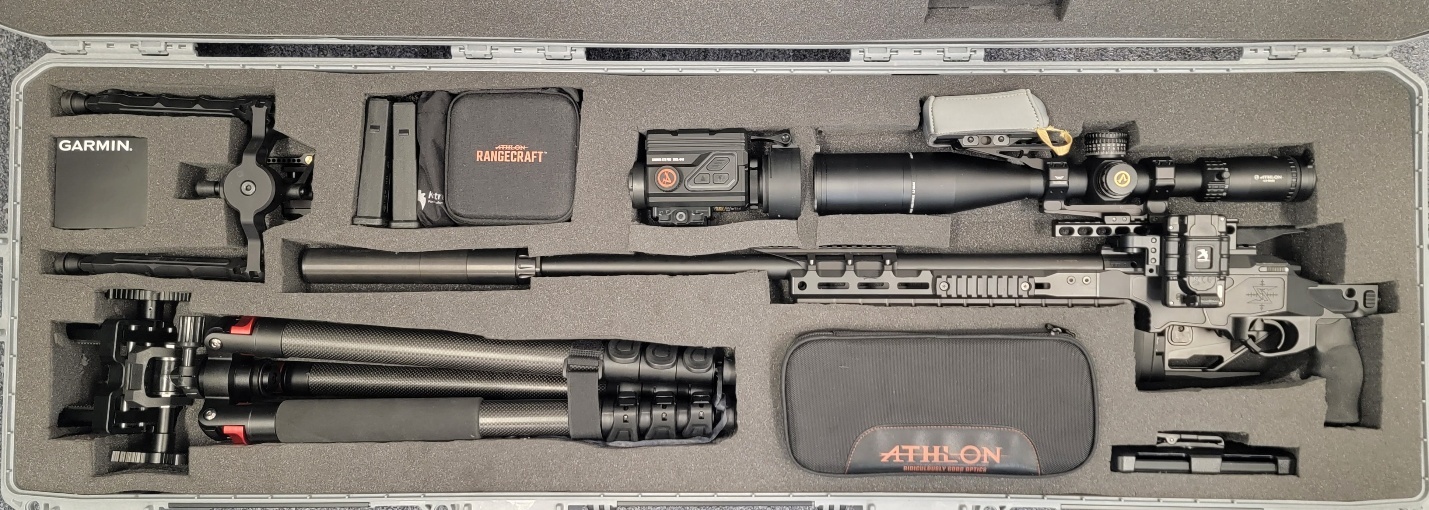
Everything fit. Rifle folded with suppressor attached, all electronics mounted, plus room for spare batteries and accessories. Exactly what I designed the build around.
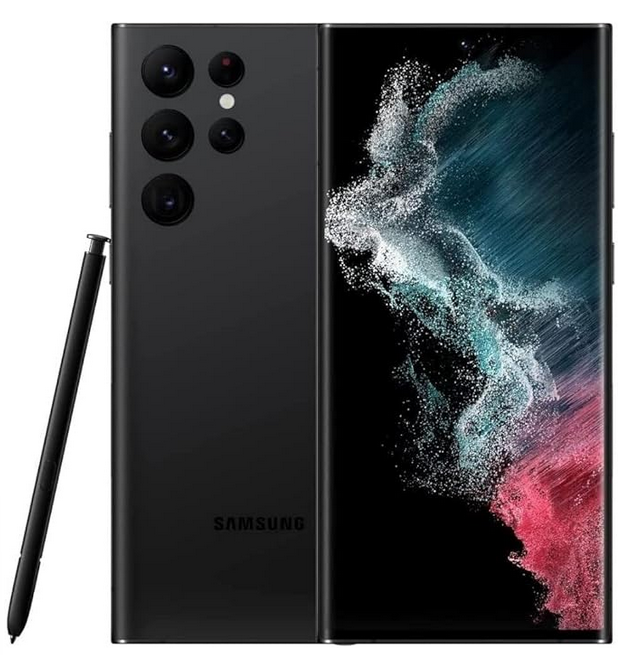
One addition that might seem out of place: a dedicated range phone. With this many electronics and their corresponding apps, Kestrel, Garmin, rangefinder pairing, chronograph data, I didn't want all of it cluttering my personal device. For under $300, I picked up a Samsung S22, loaded everything range-related onto it, and left it in the case with the rifle. My personal phone stays personal, and I'm not toggling between ballistic apps and email at the bench.
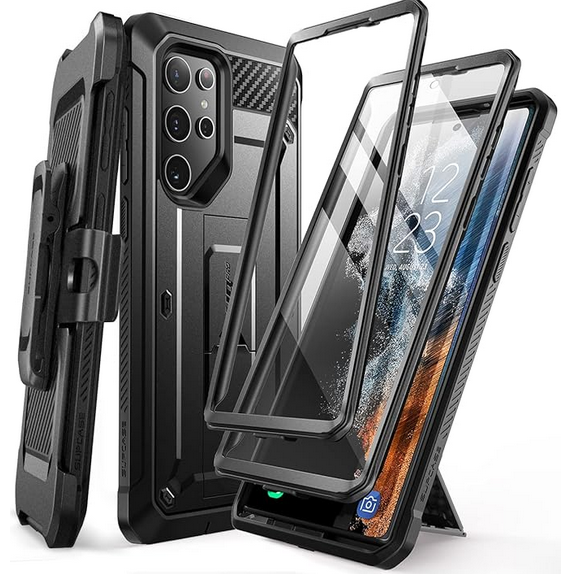
If you go this route, get a rugged case with a built-in kickstand. It lets you prop the phone on the bench with the screen visible while you're behind the rifle, and it'll survive the inevitable brass strike or getting knocked off the table. Minor detail, but it makes the whole setup more functional.
Ballistic apps
The app situation deserves its own breakdown at some point, there's enough nuance in each one to warrant a dedicated look. For now, here's what ended up on the phone. If you haven't tried these, they're worth exploring.
Last piece of the build: ammunition.
Ammo
For general range work and zeroing, I run Sellier & Bellot 6.5 Creedmoor in 131 grain. It's consistently on sale if you watch for it, the brass is clean and reloadable, and velocity runs where it should. I've put enough of it downrange to trust it for anything that isn't a serious accuracy test. No feeding issues, no surprises.
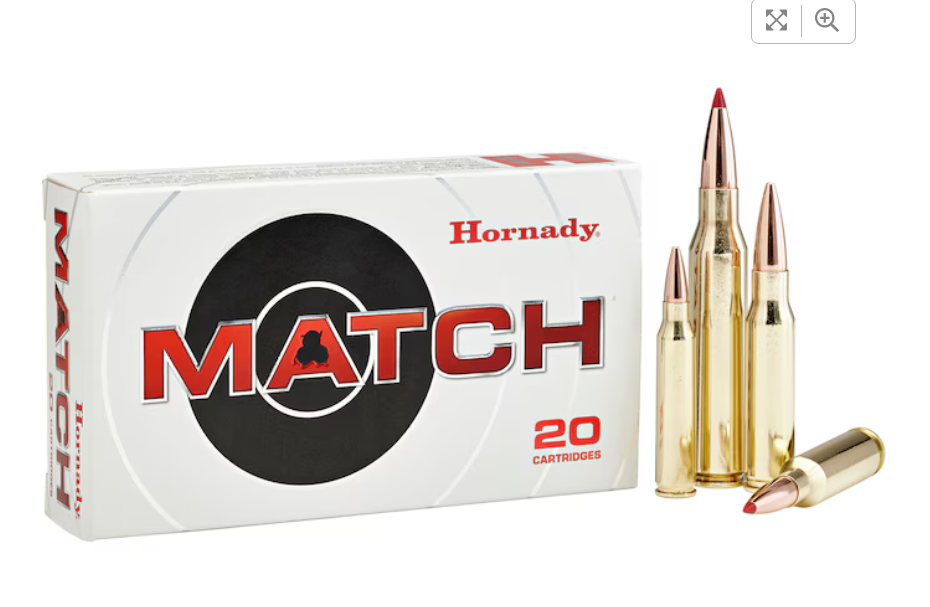
For precision work, I don't handload, so I went with factory match ammunition from Hornady. Two loads: the 120 grain ELD Match and the 147 grain ELD Match, both in 6.5 Creedmoor. Running two weights lets me see how the rifle responds across the velocity and BC spectrum without committing to a single projectile before I've gathered the data.

For factory ammunition, Hornady ELD Match is the benchmark. Most consistent performance I've found without getting into handloading, and a solid baseline if you're developing data on a new rifle.
Range day
Before you head to the range with a setup like this, a word of warning: budget time for configuration. I spent nearly three hours pairing devices, downloading apps, and getting everything talking to each other, and that's not counting the overnight charge cycle for every battery in the system. Do not attempt this at the range. You'll burn daylight and patience.
Once everything was connected and charged, it was time to zero.
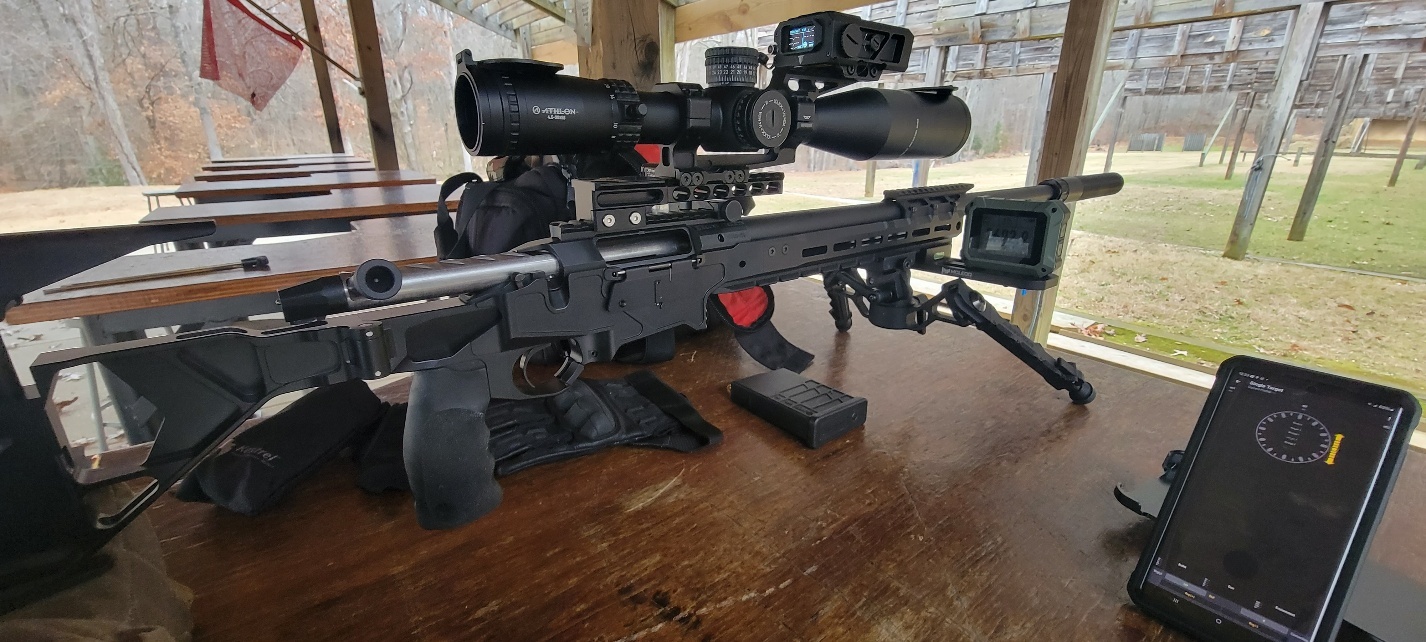
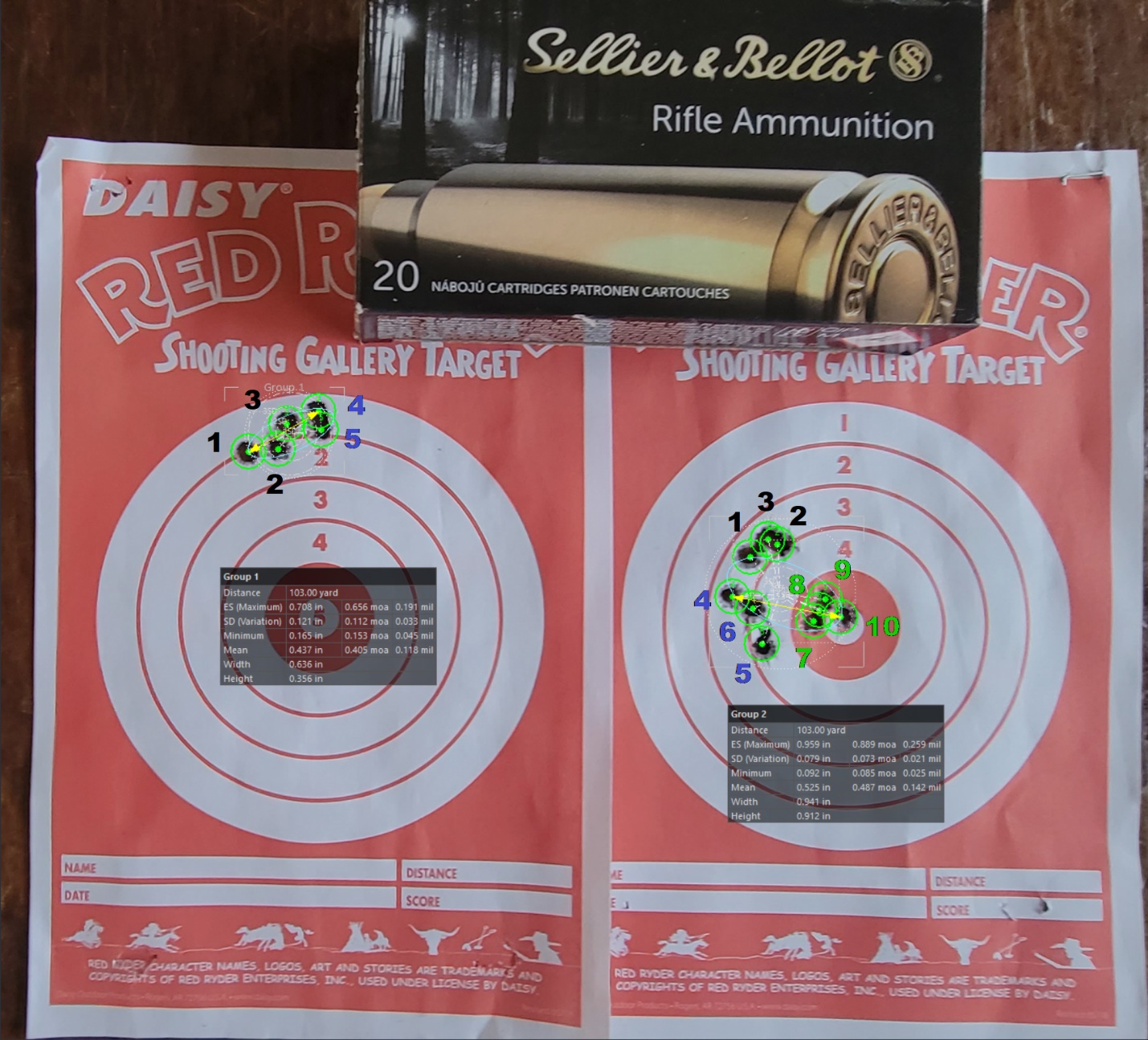
With a 20 MOA rail and 2.5 inches of height over bore, zeroing at 100 yards meant holding roughly 20 inches low. The end goal was a 1,000-yard zero, but first I needed to confirm everything was tracking correctly.
Every shot in this session was a first-round cold bore from a brand-new build. The only prep work was leveling the scope and bore-sighting at my shop before I left.
Targets were 4-inch steel. The first three shots went downrange unadjusted, straight off the bore sight with a 20-inch hold under. Shots four and five came after a single quarter-MOA windage correction.
Next target: two clicks of elevation, no windage change. Then the weather decided to participate. Hail started coming down and wind picked up, which shows in that three-shot group.
I dialed another half-MOA of elevation and waited for conditions to settle. They didn't. Shots four through six went out anyway.
Then I made the mistake of letting the guys at the range get a close look at the rifle. An hour of fielding questions about every component later, the wind finally died and the hail stopped. Four more shots, no drama, and the rifle was zeroed.
A quick summary review
What follows are my initial impressions on the rifle and the electronics I've paired with it. This build still needs serious trigger time before I'd call any of these conclusions final, but I've seen enough to form some early opinions.
Rifle - Seekins Havok Hit Pro M3 in 6.5 Creed
This is one of the best factory rifles I've handled. Everything functions exactly as it should, no break-in quirks, no fitment issues, no excuses needed.
Accuracy is genuine sub-MOA, even with budget target ammunition. The 60-degree bolt throw is remarkably smooth, and the action cycles with the kind of consistency you'd expect from a rifle at twice the price.
One detail I didn't anticipate: the dust cover. It's a small thing, but the engineering is impressive. The mechanism snaps open faster than you can track it, clearly over-built for what it needs to do, which is exactly the kind of decision I respect in a manufacturer.
Optics - Athlon Ares ETR Gen2 4.5-30x56
So far, the glass has exceeded expectations. Clarity is excellent edge to edge, illumination is usable in daylight without washing out, and the reticle's hold-under marks tracked accurately at 100. No surprises between where the reticle said the round should go and where it actually landed.
I need more distance on this optic before I'm ready to call it definitively, tracking consistency at range, turret repeatability under real round count, performance in variable light. But the early returns are strong. For $1,500, this is serious glass. Athlon earned another look.
Thermal - ATS Pro 35CL-640 Clip-on
First thing you should know: this unit is enormous. When the box arrived, it was the same size as the scope packaging, possibly larger. The thermal itself is a substantial piece of hardware.
Second, and this is critical if you're considering one: this is not a standalone thermal. You cannot use it handheld or as a dedicated optic. The display is deliberately set at a focal distance that assumes magnification behind it. It's designed to clip onto a rifle scope and use that optic's magnification to resolve the image. If you're expecting to pull it off and glass a treeline with it, you'll be disappointed.
For my purposes, that's exactly what I wanted, a clip-on that integrates with the primary optic rather than replacing it. Image quality is sharp, the feature set is deep, and the interface is intuitive enough that I wasn't fighting menus in the field.
That said, I'm holding off on a full recommendation until I've logged actual night shooting. Daylight testing tells you the unit functions. Low-light performance tells you whether it's worth the money.
Tactical Watch - Garmin Tactix® 8 AMOLED
The watch itself is excellent. Display is large, bright, and legible in direct sunlight. Navigating between apps and settings is fast and intuitive, no buried menus or awkward button combinations.
Where it fell short of expectations was the ballistics integration. I'd hoped it would link into the rest of the electronics ecosystem I was building, pulling data from the Kestrel or rangefinder, feeding solutions back and forth. In practice, it operates as a standalone ballistics computer. Not useless, but not the seamless integration I'd envisioned. I may need more time with the software to see if I'm missing a configuration step, but so far, it feels like a parallel system rather than a connected one.
That said, everything else about the watch delivers. It has the full smartwatch feature set you'd expect, notifications, fitness tracking, GPS, with one massive differentiator: battery life. Two weeks of real-world use between charges. Coming from Samsung or Apple, where nightly charging is the norm, that alone justifies the purchase. I didn't realize how much I resented charging my watch until I stopped having to do it.
WMLRF (Weapon Mounted Laser Range Finder) - Tango FIRE 4000
This one's complicated.
The build quality is excellent. Rugged, clean lines, genuinely nice to look at mounted on the rifle. No complaints on construction.
The issue is alignment verification. The unit has both visible and invisible laser modes. The visible laser, a red dot, was clearly visible on my office wall at 15 feet. At the range, on an overcast winter day, I couldn't see it at 100 yards. I tried again at 50. Nothing. The laser is supposedly visible to 100 yards, but under real conditions, I couldn't confirm where it was pointing.
Here's what did work: ranging accuracy. The remote switch returned instant distance readings, and they were dead-on. I was shooting at a 100-yard range that actually measured 103 yards from my position. The berm behind the target sat another 10 to 15 feet back. The rangefinder consistently returned 107 to 108 yards, exactly what it should have been reading off that backstop.
So the ranging function works. What I can't confirm is where precisely the beam is landing. At the range, with a 45-foot-wide berm behind my target, that ambiguity doesn't matter. In a hunting context, where the target might be three feet wide with a cliff face beside it, I need to know the laser is on the animal and not the hillside twenty feet to the left.
I suspect a nighttime zeroing session will answer this. If the laser is indexing where it should, I'll feel better about it. If it's off, the question becomes how easy it is to correct. Until I've confirmed that, I'm holding off on a recommendation.
Weather Meter – Kestrel 5700X Elite & HUD -Kestrel Heads Up Display
Significant upgrade from my older unit. The built-in Applied Ballistics solver is the headline feature, and pairing with both the HUD and the phone was painless, no fighting through menus or failed Bluetooth handshakes.
The display uses large, legible fonts and the interface is intuitive enough that I wasn't hunting through options mid-session. It does what a Kestrel should do: stay out of your way until you need data, then deliver it clearly.
The limitation here is my testing, not the unit. At 100 yards, there's no ballistic solution to validate, holdovers are negligible and wind calls are measured in fractions of an inch. The real test comes at distance, where the solver earns its keep. I'm looking forward to stretching this out past 600 and seeing whether the computed solutions match reality.
A.J. Michaels
R&D Lead at InterCity Designs