You want a 5-pound AR-15 that actually runs. Not a safe queen built for Instagram, not a stripped-down range toy that chokes on the second magazine. A rifle you can carry all day on a mountain hunt or run through a carbine course without feeling like you bolted a boat anchor to your shoulder. The question isn't whether ultralight ARs are possible. They are. The question is what you give up to get there, and whether those tradeoffs are ones you can live with.
The weight floor on a functional, 16-inch 5.56 AR-15 sits somewhere around 4.5 to 5 pounds unloaded, without an optic. V Seven Weapon Systems proved that a few years back with a complete rifle that hit 4 pounds 9 ounces using lithium-aluminum receivers, a carbon fiber handguard, and a pencil barrel. Faxon's ION-X Hyperlite pushes into similar territory at 4.93 pounds, built around their X-Tra Lite receiver set with skeletonized and weight-reduced features on both the upper and lower. These aren't vaporware. They're real rifles that real people shoot. But getting into that weight class requires understanding exactly where the ounces hide in a standard AR and making deliberate choices about which ones to chase.
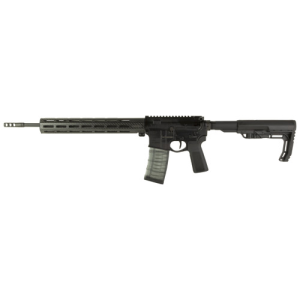
Faxon ION-X Hyperlite Deals
Prices may change. May contain affiliate links.
This is a build guide for a sub-6-pound, 16-inch 5.56 AR-15 that doesn't sacrifice reliability. The goal is a rifle you'd trust for backcountry use, a lightweight carbine course, or general-purpose range work. Not a bench gun. Not a duty rifle. A purpose-built lightweight that still runs like an AR should.
Build goal and constraints
The role here is a lightweight general-purpose carbine. Think mountain rifle with an AR's modularity, or a training gun you can run all day without your arms turning to rubber by the afternoon. The target weight is under 6 pounds without optic, ideally closer to 5. With a red dot or lightweight LPVO and a loaded magazine, you're looking at a fighting weight around 6.5 to 7 pounds. That's roughly a pound and a half lighter than a standard M4-profile build, and you'll feel every ounce of that difference during transitions and on long carries.
Budget matters here because ultralight parts carry a premium. A standard mil-spec AR can be assembled for $600 to $800. An ultralight build using quality components runs $1,400 to $2,200 depending on how aggressively you chase grams. The most exotic builds using lithium-aluminum alloy receivers and carbon fiber everything can push past $3,000. The sweet spot for most builders is that $1,500 to $1,800 range, where you're getting meaningful weight savings without paying aerospace prices for marginal gains.
The tradeoffs you accept in an ultralight build are real. Pencil barrels heat up faster and their point of impact shifts sooner during sustained fire. Skeletonized parts can be harder to grip when wet. Lightweight buffers and springs may need tuning to run reliably with different ammo types. And thin handguards get hot quickly under rapid fire. None of these are dealbreakers, but they shape how you use the rifle. This isn't a belt-fed replacement. It's a precision tool for deliberate shooting with the ability to run a few quick strings when needed.
V Seven Weapon Systems AR-15
May contain affiliate links.
Platform and baseline specs
The AR-15 direct impingement platform is the foundation. There's no lighter semi-auto rifle system with this level of parts availability and modularity. Piston guns add weight. The DI system, for all its critics, runs cleaner than people think and weighs less than any piston conversion.
Caliber is 5.56 NATO. It's the lightest common centerfire AR cartridge, the magazines are light, and the bolt thrust is low enough that you don't need overbuilt receivers. If you wanted to go even lighter on recoil, .223 Wylde chambering lets you shoot both .223 Rem and 5.56 NATO safely while typically delivering slightly better accuracy with match .223 loads. For this build, .223 Wylde is the move.
Barrel length is 16 inches. It's the legal minimum for a rifle without an NFA stamp, and it gives you full 5.56 velocity (around 3,100 fps with 55-grain M193). A 14.5-inch barrel with a pinned and welded muzzle device gets you to 16 inches overall and saves a couple ounces, but it locks you into that muzzle device permanently. Both are valid. This build uses a true 16-inch barrel for flexibility.
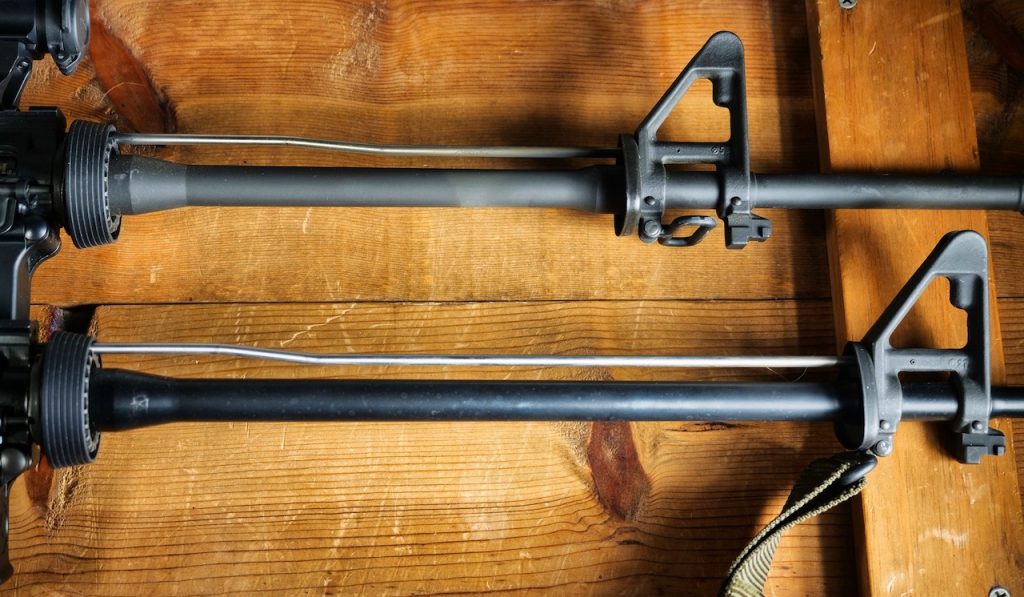
Gas system is mid-length. On a 16-inch barrel, mid-length gas gives you a longer dwell time before the bullet passes the gas port, which means lower port pressure, softer recoil impulse, and less bolt carrier velocity. That translates to less wear on the bolt, the extractor, and the feed ramps. Carbine-length gas on a 16-inch barrel works, but it runs harsher and batters parts faster. Mid-length is the right answer here.
Core components
Receivers
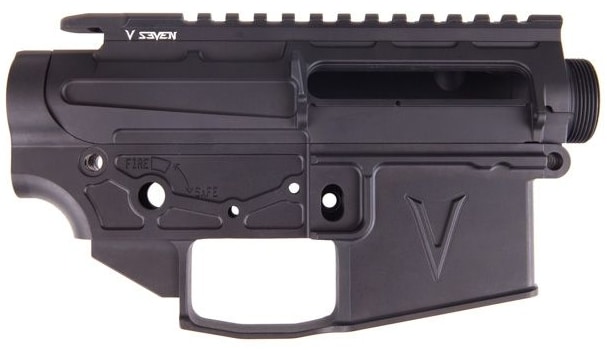
The receiver set is where exotic materials make the biggest difference in weight, and where you'll spend the most money per ounce saved. A standard 7075-T6 aluminum forged receiver set (upper and lower together) weighs around 17 to 18 ounces. A billet set machined for weight savings might shave an ounce or two off that. The real jumps come from alternative materials.
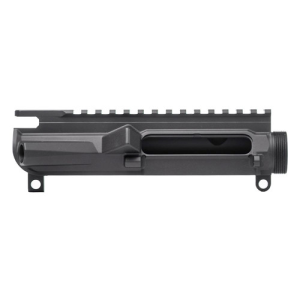
Aero Precision M4E1 threaded upper Deals
Prices may change. May contain affiliate links.
V Seven's lithium-aluminum alloy (2099 series) receivers are among the lightest functional AR receivers on the market. The alloy is roughly 5% lighter than 7075-T6 but maintains comparable strength. Their matched receiver set drops meaningful weight, and the material machines well enough to hold tight tolerances. The downside is cost. A V Seven lithium-aluminum set runs significantly more than a standard forged set.
A more budget-conscious option is a standard 7075-T6 forged lower paired with a lightweight billet upper. Aero Precision's M4E1 threaded upper is a common choice because it uses a threaded interface for the barrel nut that's easier to assemble, though the standard version includes the port door and forward assist pre-installed at 8.65 oz. If you want to shed the forward assist, Aero offers a separate 'No FA' variant. You can also skip the forward assist and the dust cover on the upper. The forward assist is arguably unnecessary on a well-built rifle, and the dust cover saves about half an ounce. Whether you're comfortable without a dust cover depends on your environment. Desert or heavy dust? Keep it. Range and mountain use? Probably fine without it.
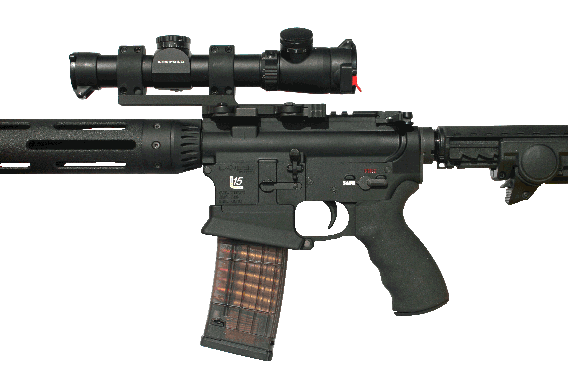
Polymer lowers exist from companies like Lancer Systems and a few others. Lancer's L15 lower is actually precision machined from 7075-T6 aluminum forging, making it a robust and well-regarded option rather than a polymer design. The concern with polymer lowers has always been durability around the buffer tube threads and the pivot pin holes, but the better designs reinforce those areas with metal inserts. It's a viable option if you trust the engineering, and Lancer's track record is solid.
Barrel
The barrel does 80% of the work in determining your rifle's accuracy, and it's also one of the heaviest single components. A government-profile 16-inch barrel weighs around 28 to 30 ounces. A pencil profile in the same length drops to roughly 18 to 22 ounces depending on the manufacturer and contour. That's nearly half a pound of savings from one part swap.
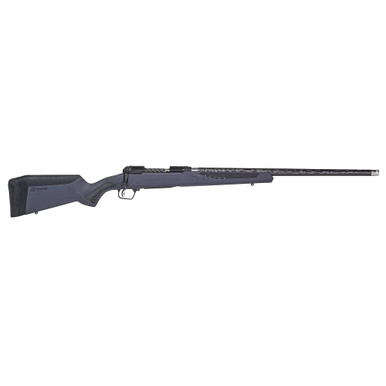
PROOF Research carbon fiber-wrapped barrel Deals
Prices may change. May contain affiliate links.
Faxon's pencil-profile barrels are the go-to recommendation for ultralight builds, and for good reason. Their 16-inch pencil in .223 Wylde with a mid-length gas system weighs around 19 ounces. The barrels use 4150 CMV steel with a QPQ nitride finish, which gives you good barrel life (expect 20,000 to 30,000 rounds with regular cleaning and maintenance and mild use before accuracy degrades noticeably) and corrosion resistance without the weight of a chrome-lined bore. Accuracy is typically 1.5 to 2 MOA with decent ammo, tightening to around 1 MOA with match loads once the barrel is broken in.
The tradeoff with pencil barrels is heat management. A thinner barrel has less thermal mass, so it heats up faster and the point of impact shifts sooner during strings of fire. After three to four rapid magazines, you'll see groups open up noticeably. For a lightweight build intended for deliberate shooting with occasional quick strings, this is acceptable. If you're planning to dump ten magazines in a row, you want a heavier barrel.
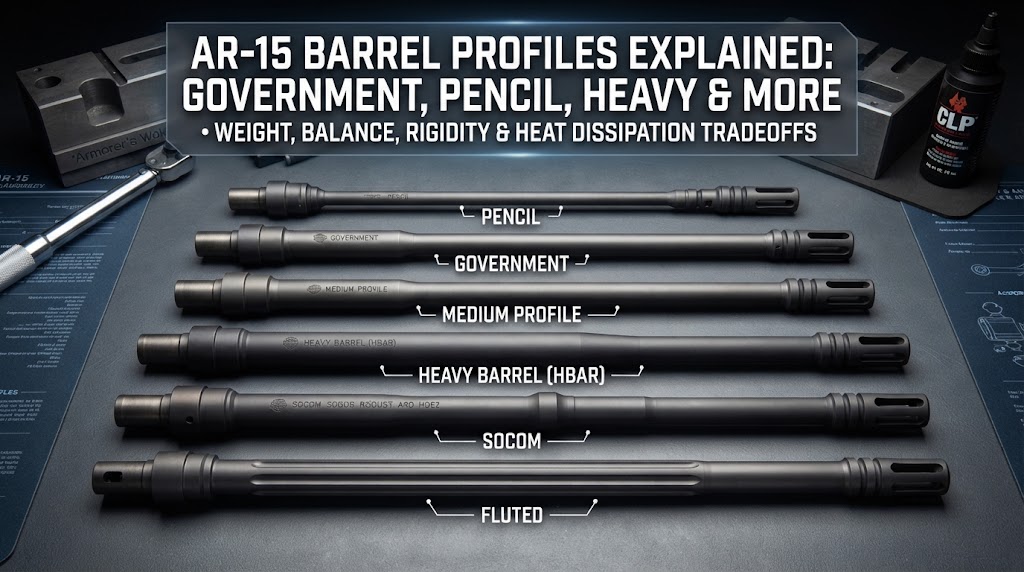
Faxon also makes the ION series barrels that go even lighter by using a proprietary fluted pencil profile. Their 16-inch ION barrel with an integral muzzle brake (pinned) is one of the lightest functional 5.56 barrels available. The integral brake means you can't swap muzzle devices, but it saves the weight of a separate barrel shoulder and device interface.
Ballistic Advantage, Criterion, and PROOF Research also make lightweight-profile barrels worth considering. PROOF's carbon fiber-wrapped barrels are the lightest option with the best heat dissipation characteristics, but they cost roughly three to four times what a Faxon pencil does. The accuracy tends to be excellent, often sub-MOA, because the carbon wrap dampens barrel harmonics. Whether that premium is worth it depends on your budget and how seriously you're chasing grams.
Gas system and bolt carrier group
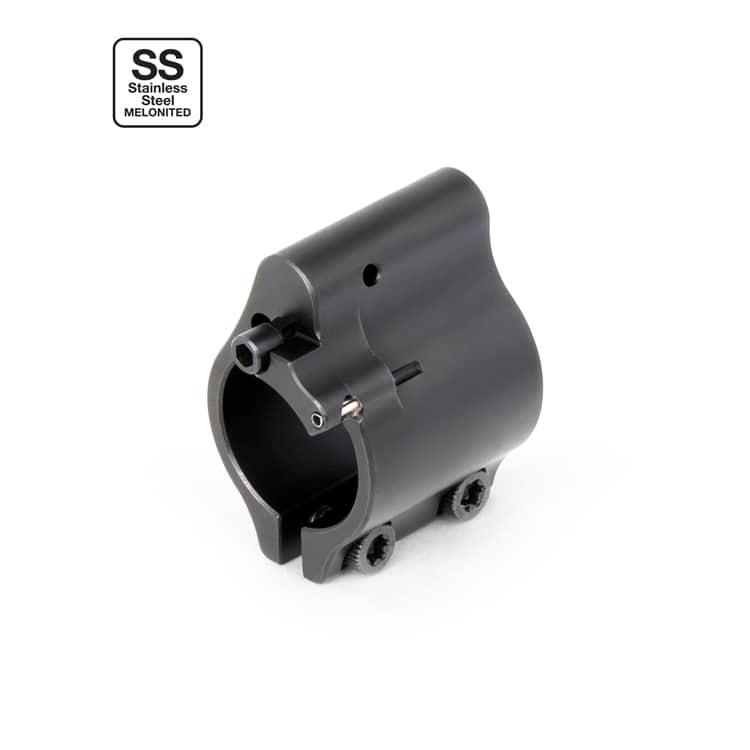
Mid-length gas, as discussed. The gas block itself matters for weight. Standard steel low-profile gas blocks typically weigh around 1.6 ounces, though models range from 1.2 oz to 2.2 oz depending on manufacturer. Titanium gas blocks from companies like Superlative Arms or V Seven drop that considerably; the V Seven, for instance, comes in at just 0.71 to 0.74 ounces depending on model. It's a small savings, but ultralight builds are built on small savings.
Superlative Arms adjustable gas block Deals
Prices may change. May contain affiliate links.
Adjustable gas blocks add weight (typically 1.5 to 2.5 ounces for steel models) but give you the ability to tune the system. On an ultralight build with a pencil barrel, tuning the gas is genuinely useful. You can reduce the gas flow to the minimum needed for reliable cycling, which softens recoil, reduces bolt carrier velocity, and extends parts life. The Superlative Arms adjustable block has a bleed-off setting that vents excess gas forward instead of into the action, which keeps the rifle cleaner. Weighing the extra ounce of an adjustable block against the functional benefits, the adjustable block wins on a build like this.
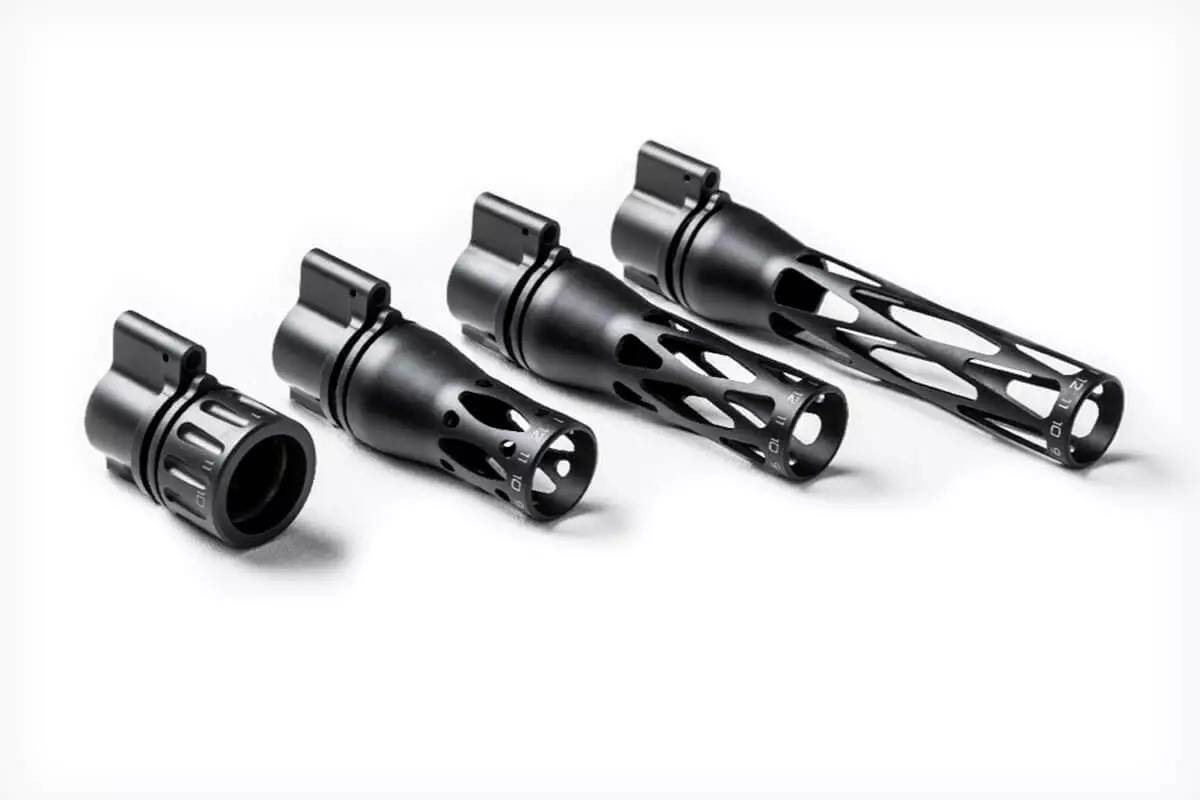
For the bolt carrier group, a standard mil-spec full-auto profile BCG weighs about 11.5 to 11.8 ounces depending on the source, with multiple sources citing 11.6 ounces. Lightweight BCGs strip material from the carrier body and sometimes use titanium for the carrier or the bolt. A lightweight carrier like the Cryptic Coatings lightweight or the Faxon Gunner BCG drops to around 8.2 to 8.5 ounces. V Seven offers titanium carriers that go even lower.
Here's the thing about lightweight BCGs: reducing carrier mass changes the timing of the action. Less mass means the carrier accelerates faster and reaches the rear of the buffer tube sooner. This can cause issues with feeding, extraction, and bolt bounce if you don't adjust the buffer system to compensate. A lightweight BCG paired with a standard carbine buffer is a recipe for problems. You need to tune the buffer weight and spring to match. An adjustable gas block makes this much easier because you can dial down the gas to compensate for the lighter carrier mass.
Trigger
The trigger doesn't save much weight in an ultralight build, but it dramatically affects how the rifle shoots. A mil-spec trigger weighs about 2 ounces. Most aftermarket single-stage and two-stage triggers weigh roughly the same. The weight savings here are negligible, so choose based on performance.
LaRue MBT-2S trigger Deals
Prices may change. May contain affiliate links.
Geissele SSA-E trigger Deals
Prices may change. May contain affiliate links.
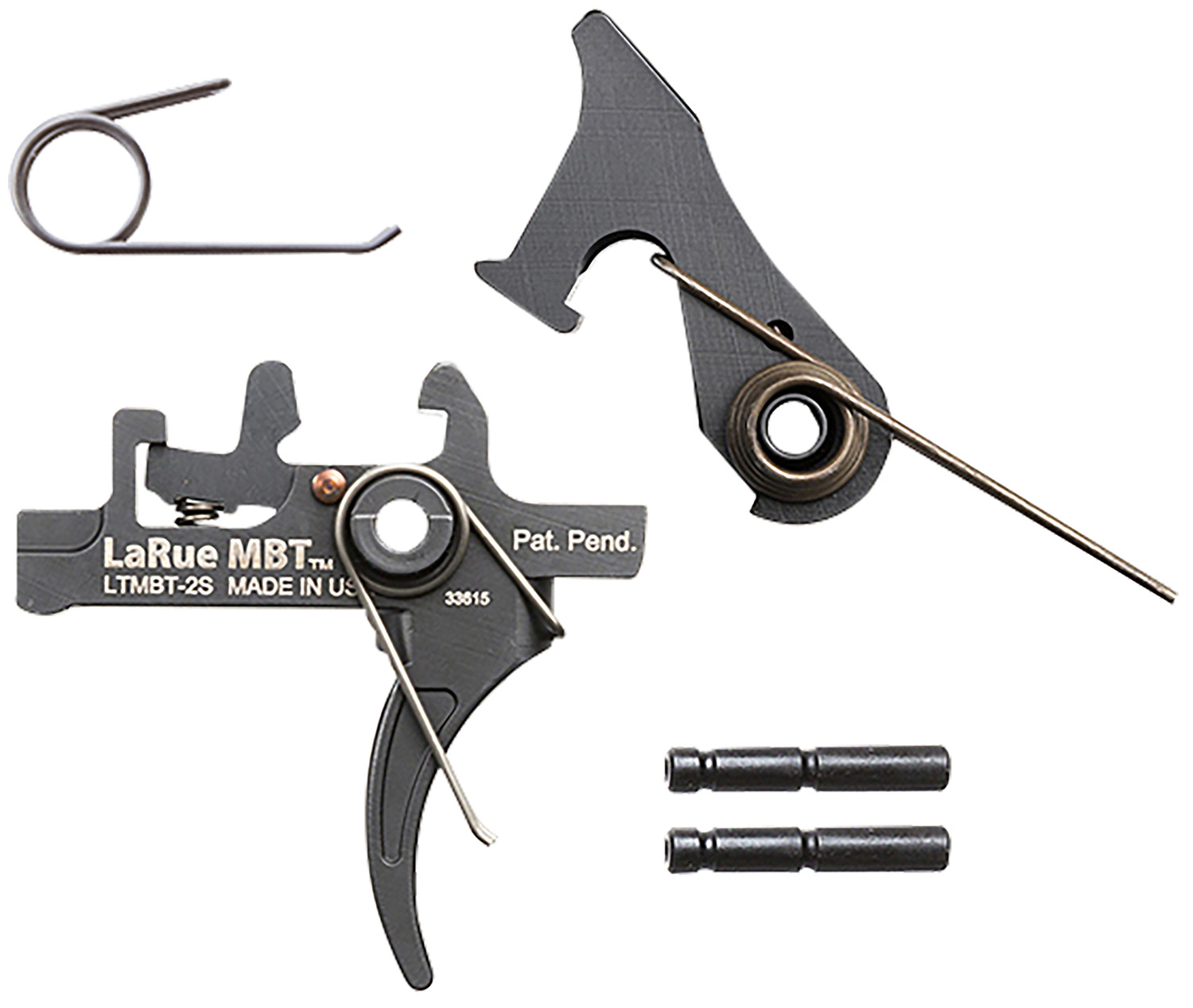
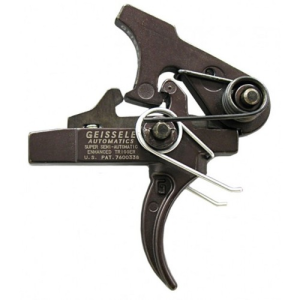
For a lightweight general-purpose rifle, a quality single-stage trigger in the 3.5 to 4-pound range works well. LaRue's MBT-2S is a two-stage trigger that's hard to beat for the money, with a clean break and short reset. Geissele's SSA-E is the premium option with a lighter second stage. Either works. The key is a trigger that breaks cleanly and resets positively so you're not fighting the rifle on follow-up shots.
Stock and grip
The stock is a surprisingly heavy component on most ARs. A standard M4 collapsible stock with buffer tube, castle nut, and end plate weighs around 10 to 12 ounces total. Lightweight stocks like the Magpul MOE SL or the B5 Systems BRAVO shave a couple ounces. The real savings come from minimalist stocks like the MFT Minimalist, which drops to just 5.8 ounces for the stock itself, while even relatively light options like the Rogers Super-Stoc come in at around 7.3 ounces.
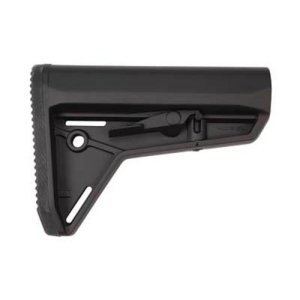
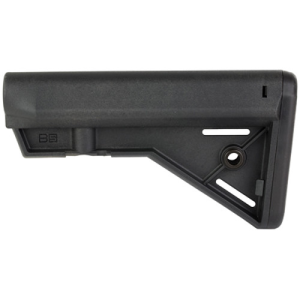
B5 Systems BRAVO stock Deals
Prices may change. May contain affiliate links.
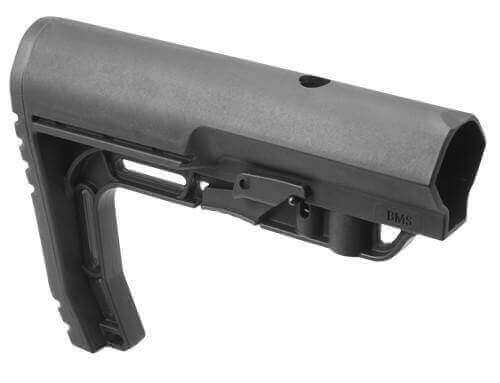
MFT Minimalist stock Deals
Prices may change. May contain affiliate links.
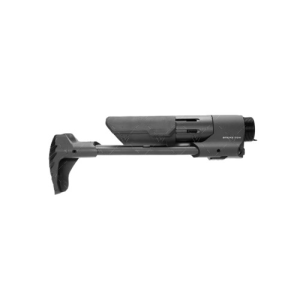
Strike Industries Viper PDW stock Deals
Prices may change. May contain affiliate links.
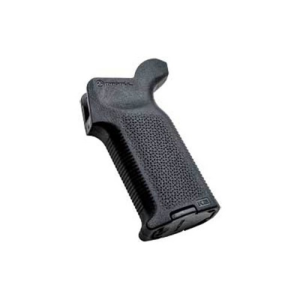
Magpul MOE-K2 grip Deals
Prices may change. May contain affiliate links.
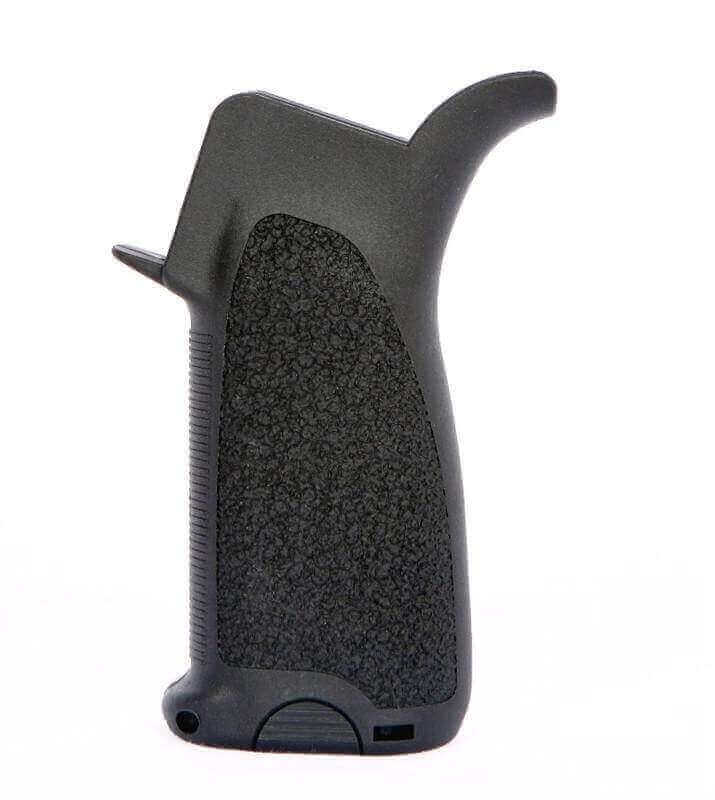
BCM Mod 3 grip Deals
Prices may change. May contain affiliate links.
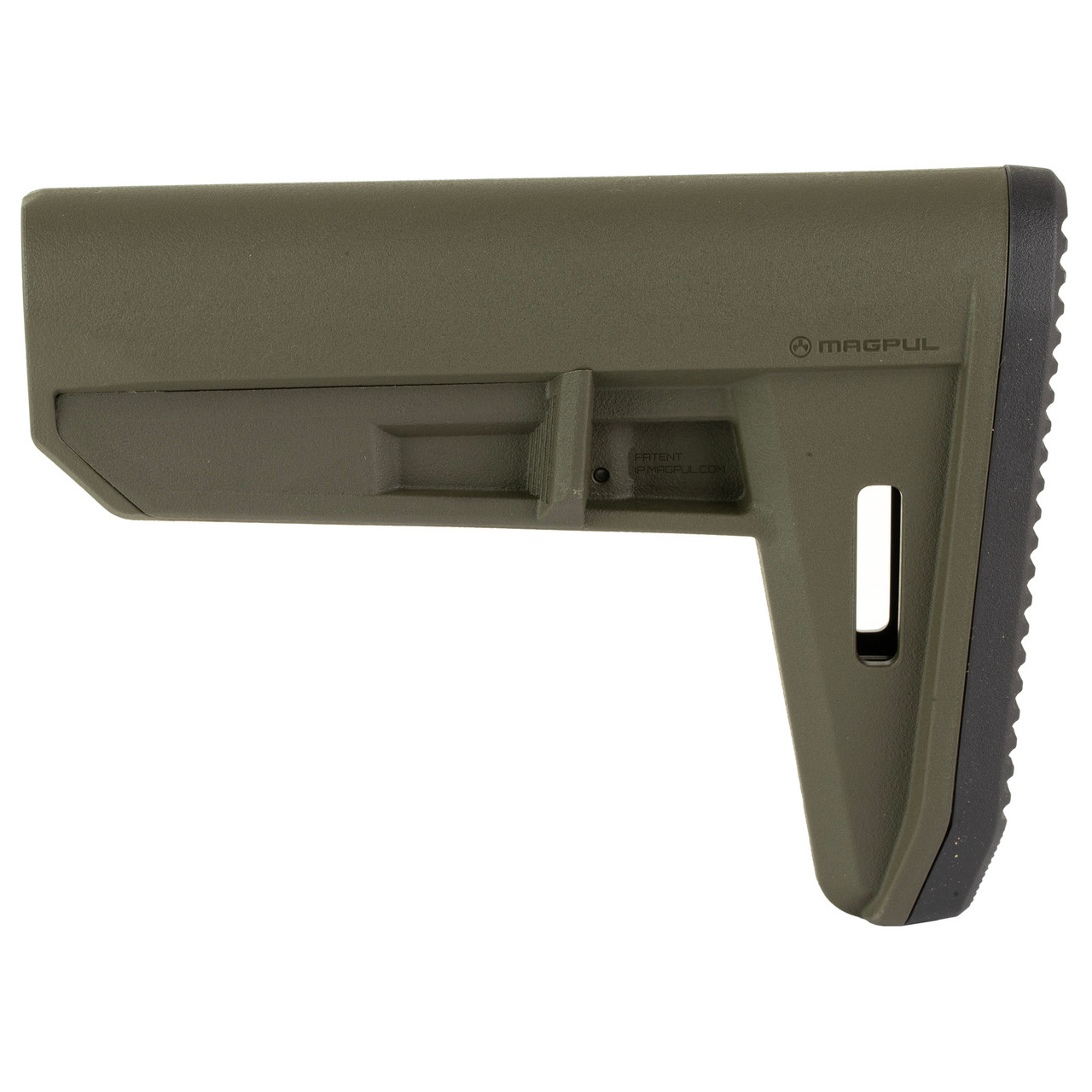
If you want to go truly minimal, the Strike Industries Viper PDW stock or similar compact designs save weight and length but can feel cramped for shooters with longer arms. A skeletonized A-frame stock from companies like Smoke Composites, made from carbon fiber, can weigh under 3 ounces. That's a dramatic savings, but you lose cheek weld consistency and storage options.
The grip is a minor weight item. Magpul's MOE-K2 weighs about 2.9 ounces. Going to a lighter grip like the BCM Mod 3 or a skeletonized option saves less than an ounce. Pick whatever grip angle and texture you shoot best with. This isn't where you win the weight war.
Optic and sighting system
Iron sights add 3 to 5 ounces depending on the set. A lightweight red dot like the Aimpoint T-2 weighs 3 ounces without mount. A Trijicon MRO is slightly heavier. For a lightweight LPVO, the Trijicon AccuPoint 1-4x weighs about 14 ounces, and the Primary Arms SLx 1-6x is in the same neighborhood. A Vortex Razor HD Gen III 1-10x weighs 21 ounces and defeats the purpose of an ultralight build.

Daniel Defense AR-15 Deals
Prices may change. May contain affiliate links.
Aimpoint T-2 red dot Deals
Prices may change. May contain affiliate links.
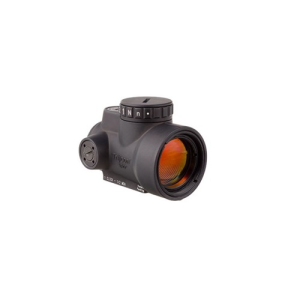
Trijicon MRO red dot Deals
Prices may change. May contain affiliate links.
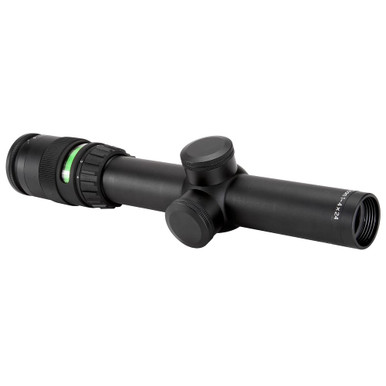
Trijicon AccuPoint 1-4x LPVO Deals
Prices may change. May contain affiliate links.
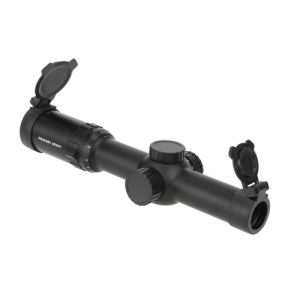
Primary Arms SLx 1-6x LPVO Deals
Prices may change. May contain affiliate links.
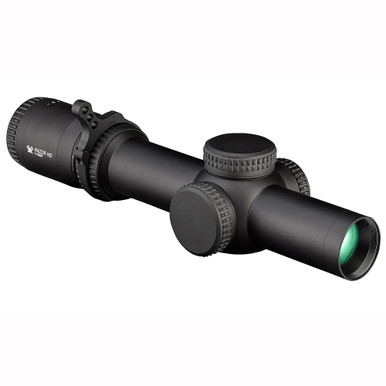
Vortex Razor HD Gen III 1-10x Deals
Prices may change. May contain affiliate links.
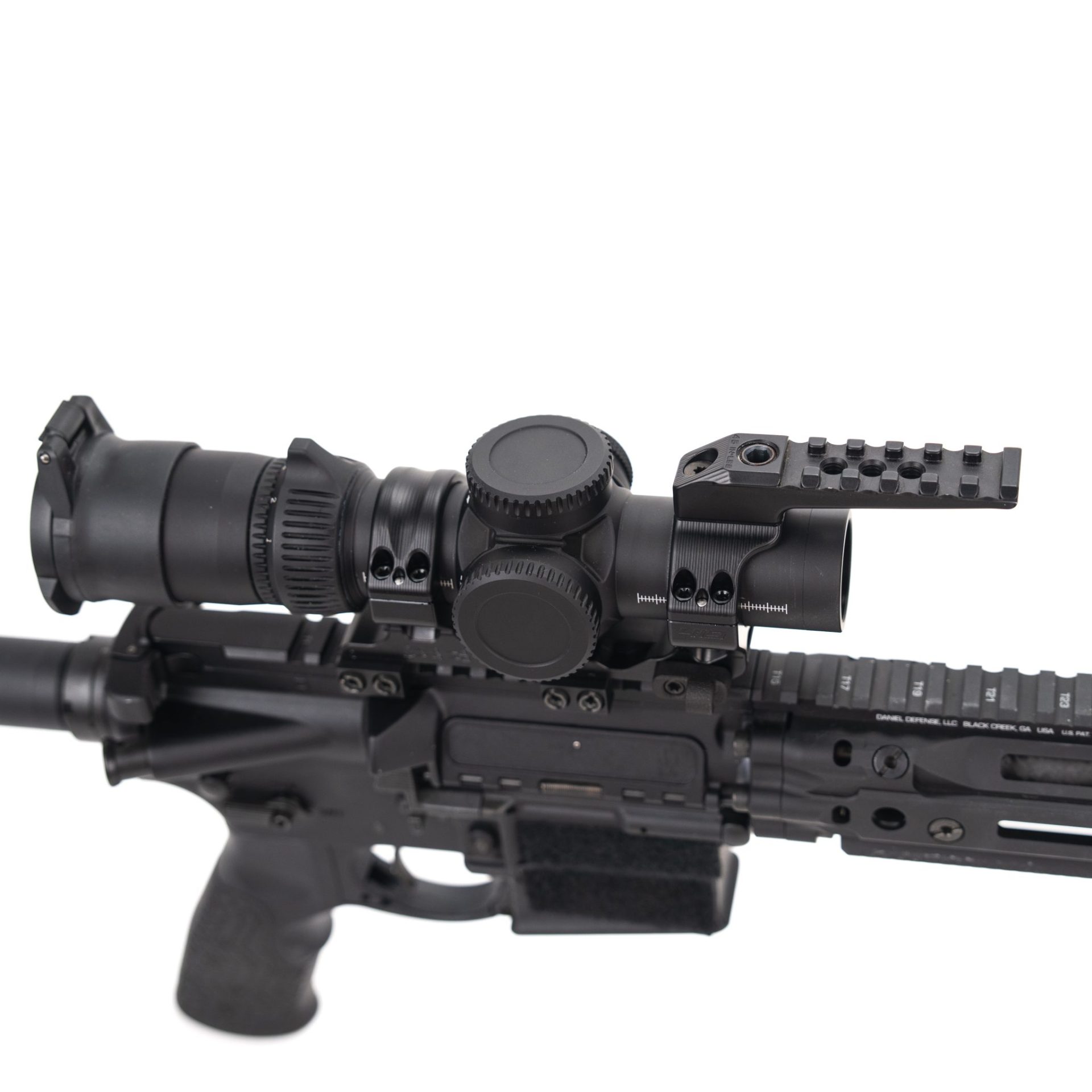
Match the optic to the role. For a general-purpose lightweight carbine used inside 300 yards, a quality red dot is the lightest and fastest option. If you need positive target identification at distance or want to stretch to 400-plus yards, a lightweight 1-4x or 1-6x LPVO makes sense, but accept the weight penalty. Mount choice matters too. A lightweight cantilever mount from Scalarworks or Reptilia saves ounces over a traditional ring-and-base setup.
Supporting parts and accessories
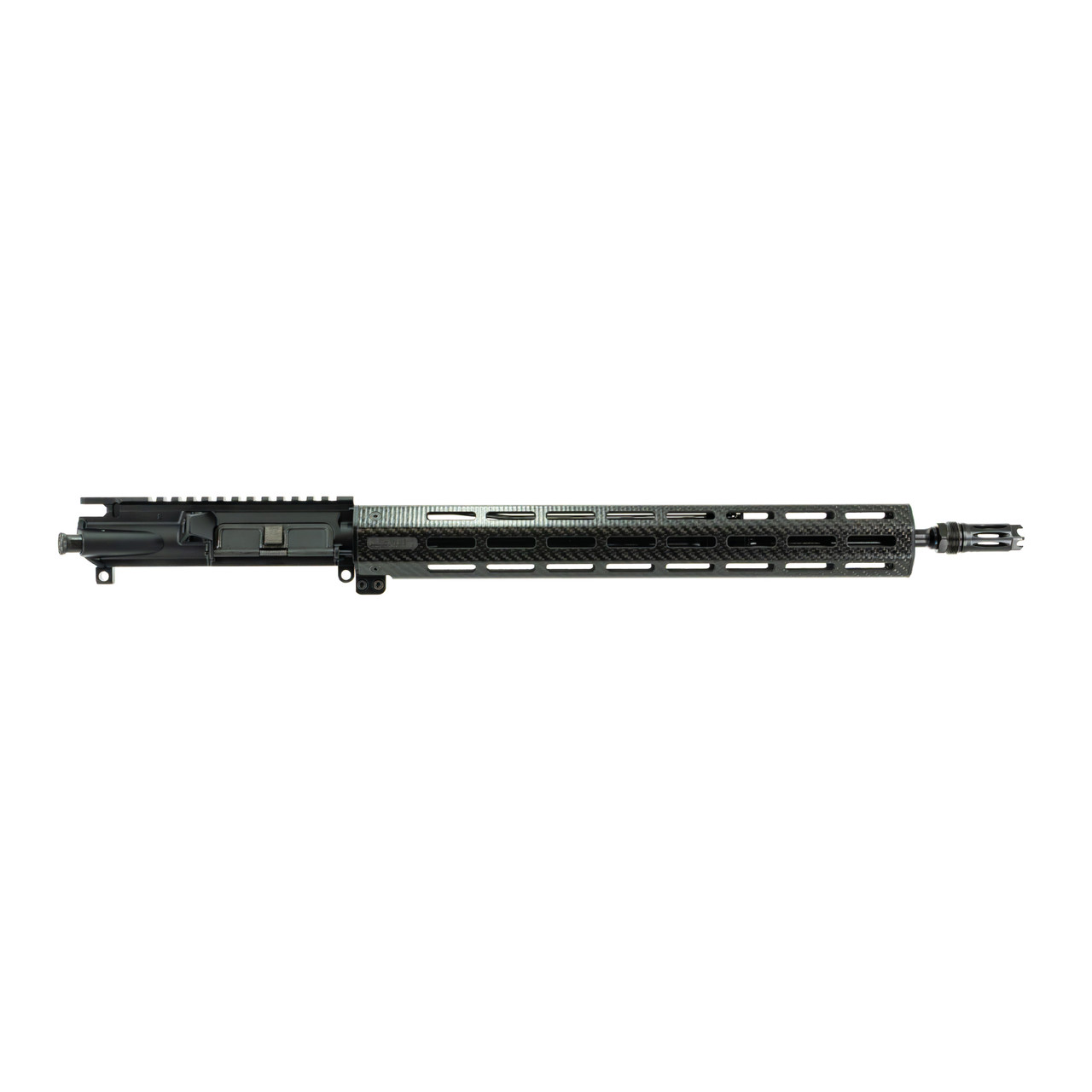
The handguard is the second-biggest weight savings opportunity after the barrel. A standard aluminum quad rail weighs 10 to 14 ounces. A lightweight M-LOK handguard from Aero Precision can drop well below that, with their Enhanced M-LOK coming in at 5.6 ounces for a 7-inch, 7.2 ounces for a 9-inch, 9.6 ounces for a 12-inch, and 11.2 ounces for a 15-inch version. V Seven's magnesium Hyper-Light handguard gets down to around 5 to 6 ounces for a 15-inch version. Carbon fiber handguards from Smoke Composites, Lancer, or Faxon can be even lighter.
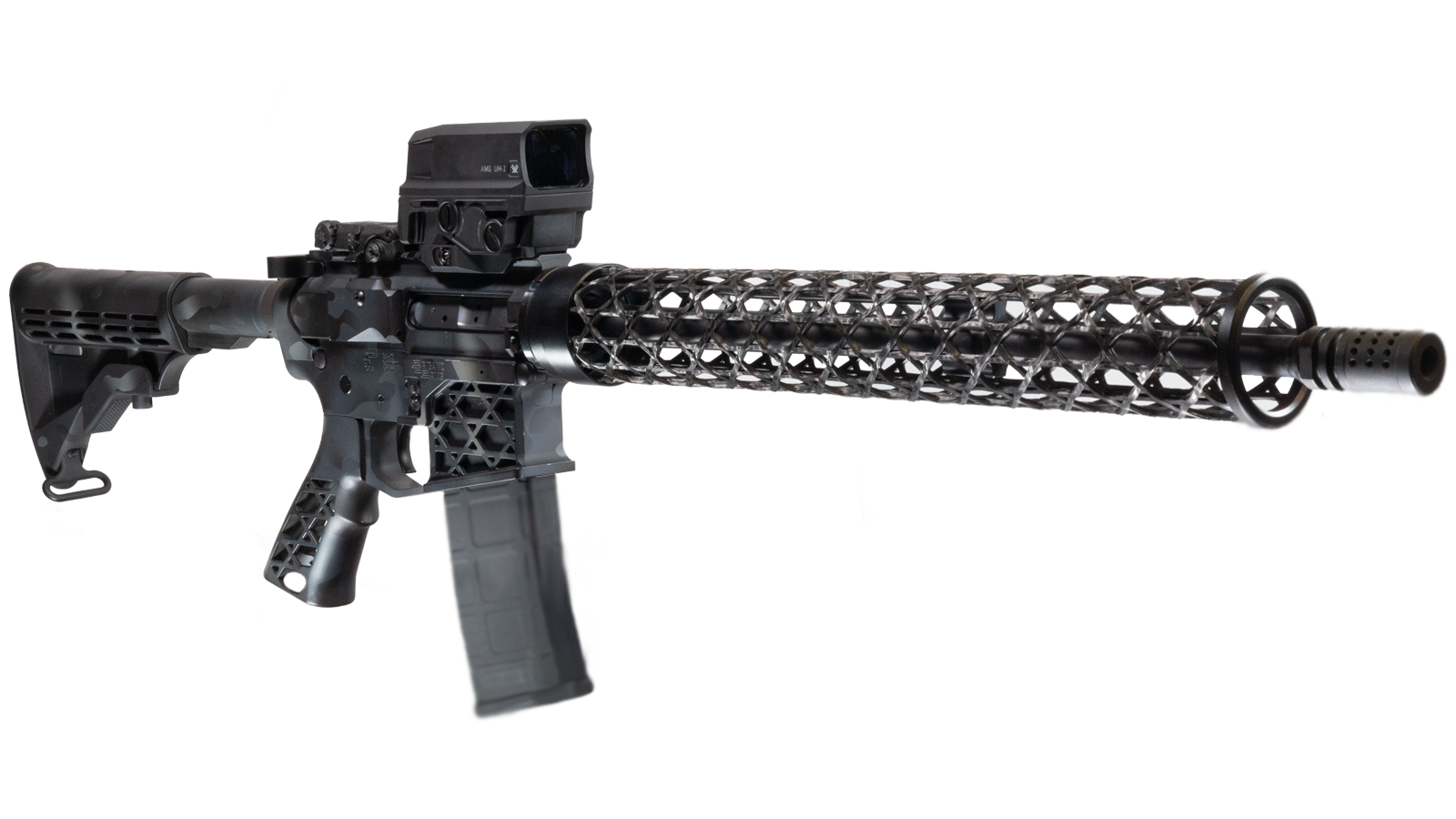
V Seven's Enlightened handguards use 2099 lithium-aluminum alloy, though their Enlightened receivers are actually made from 7075 billet aluminum rather than the same alloy. They're stiff, light, and expensive. Lancer's LCH5 Gen 2 is a carbon fiber option that's impressively rigid for its weight. The tradeoff with ultralight handguards is heat. Thinner walls and lighter materials mean heat transfers to your hand faster. A rail cover or glove solves this, but it's worth knowing before you run three fast magazines and grab a handguard that's been soaking up barrel heat.
For the muzzle device, a basic A2 birdcage weighs about 2 ounces. A lightweight titanium brake or compensator from companies like Area 419 or V Seven can drop to 1.5 ounces or less. If you're running a pinned-and-welded 14.5-inch setup, the muzzle device weight is less of a concern because you're already saving barrel weight. On a 16-inch barrel, a titanium flash hider or brake is a reasonable place to save an ounce.
Skip the bipod on this build. A Harris or Atlas adds 11 to 16 ounces or more depending on the model. If you need a rest, carry a lightweight pack and use it as a support. A sling is non-negotiable, though. A simple two-point sling like the Blue Force Gear Vickers or the Edgar Sherman Design ESD adds about 3.5 to 5 ounces depending on the model and makes the rifle dramatically more useful in the field. Lightweight QD sling swivots from Magpul or BCM keep the attachment hardware minimal.
Magazines affect carry weight more than people realize. A loaded 30-round PMAG weighs about 17.7 ounces. A loaded Lancer L5AWM is similar. If you're counting grams on the rifle, don't strap four loaded magazines to your belt and wonder why you're still heavy. For a lightweight field rifle, two magazines is plenty.
Assembly and gunsmithing notes
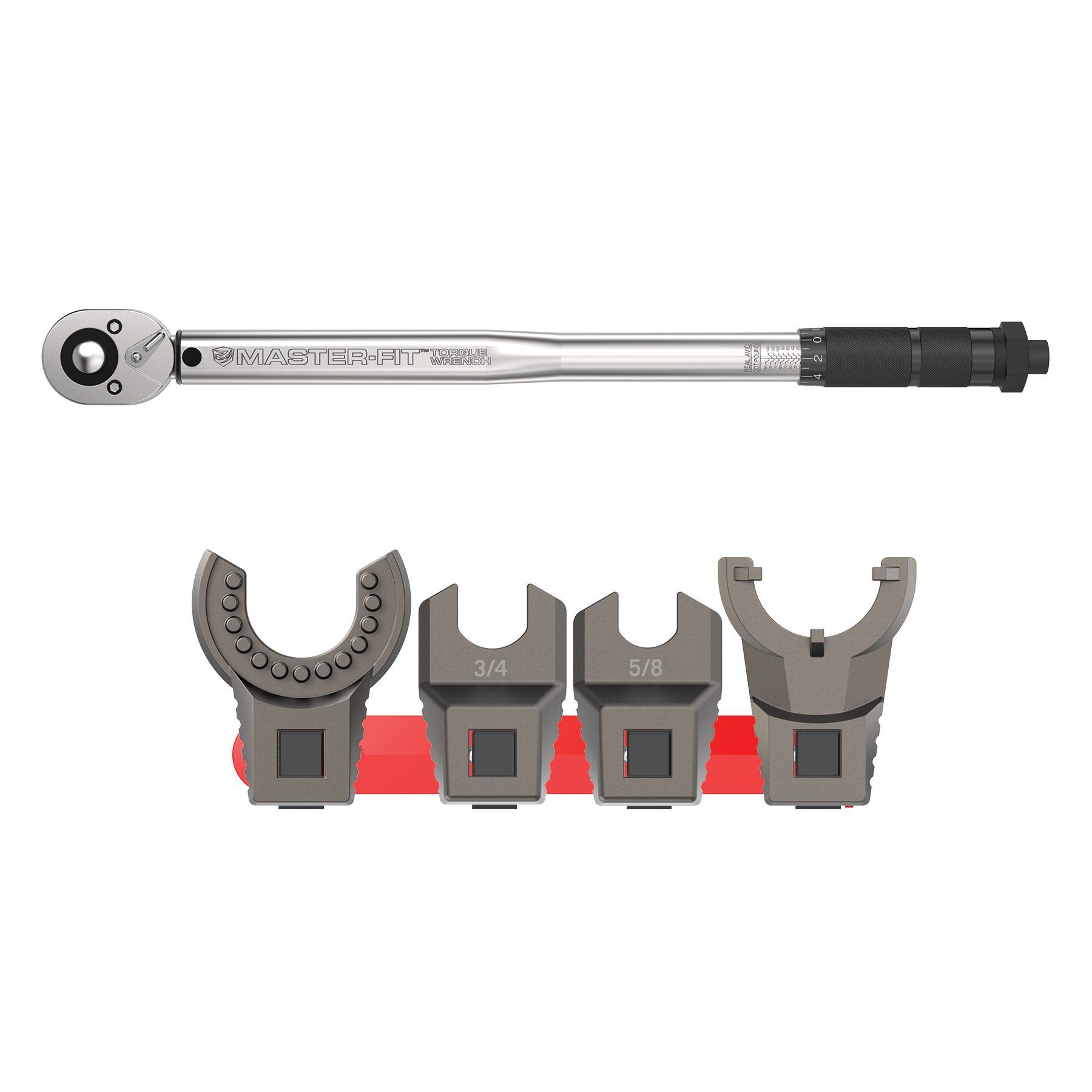
An AR-15 is one of the most home-builder-friendly platforms in the firearms world. You can assemble a complete rifle with a vise, an armorers wrench, a torque wrench, roll pin punches, and a few specialized tools. No machining required.
What you can do at home
The lower receiver assembly is straightforward. Every pin, spring, and detent has a specific orientation, and there are dozens of quality video guides available. The most common mistake is launching the front pivot pin detent spring across the room. Use a clevis pin or a razor blade to capture it during installation. Torque the castle nut to 38 to 42 ft-lbs and stake it properly. Staking matters. An unstaked castle nut can back off under recoil, and on an ultralight build where everything is tuned to work together, a loose buffer tube changes the entire system's timing.
The upper receiver assembly requires a torque wrench and a barrel nut wrench specific to your handguard. Barrel nut torque specs vary by manufacturer; the familiar 30 to 80 ft-lb range is actually the TDP spec for USGI steel barrel nuts, not a universal figure. Proprietary aluminum barrel nuts typically call for lower or narrower specs, so assuming every nut takes 30 to 80 ft-lbs is one of the most important errors to avoid. Follow the manufacturer's spec exactly. Over-torquing a lightweight barrel nut can crack it. Under-torquing lets it walk loose. Apply aerobic thread locker (not red Loctite) to the barrel nut threads unless the manufacturer says otherwise.
Gas block alignment is critical. A misaligned gas block causes short-stroking or overgassing, and on an ultralight build with a tuned gas system, there's less margin for error. Use the dimple method (a drill press dimple on the barrel at the gas port) or a quality set screw block that indexes off the gas port itself. After installation, verify that the gas tube passes freely through the upper receiver's gas key channel without binding.
Where you need a gunsmith
Headspace checking requires go and no-go gauges. You can buy these and check yourself, but if you're not confident in the process, have a gunsmith verify headspace before firing. Incorrect headspace is a safety issue, full stop.
If you're doing a pin-and-weld on a 14.5-inch barrel, that's a gunsmith job unless you have TIG welding experience and the proper jig. The weld needs to be permanent and the overall length needs to measure 16 inches or greater from the breech face to the end of the muzzle device.
Range notes
Before your first range trip, run a complete function check. With the rifle unloaded, verify that the safety engages and disengages cleanly, the trigger breaks and resets, and the bolt locks back on an empty magazine. Cycle dummy rounds through the action by hand to check feeding. On an ultralight build, do this with at least two different brands of dummy rounds to make sure the feed geometry works with different bullet profiles.
Zeroing and initial test plan
Zero at 50 yards first. A 50-yard zero with 55-grain 5.56 gives you a point of impact that's about 1.7 inches high at 100 yards and back to zero at about 200 yards. It's a practical zero for a general-purpose carbine.
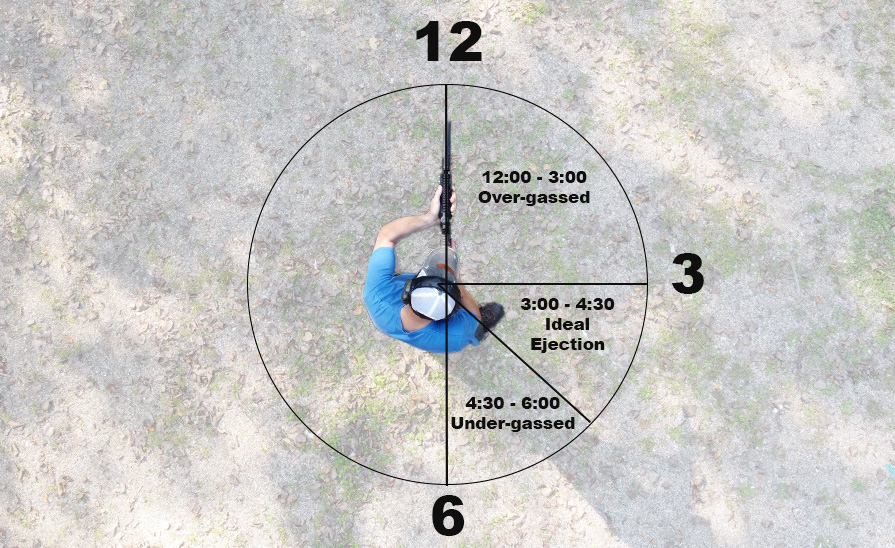
Start with 20 rounds of brass-cased 55-grain M193 or equivalent. Fire five-round groups at a slow pace, letting the barrel cool between groups. You're looking for consistent ejection pattern (brass should land in a rough 3 o'clock to 4 o'clock arc), reliable feeding, and bolt lock-back on empty. If the ejection pattern is erratic or brass is flying over your head at 12 o'clock, you're overgassed. If the bolt isn't locking back, you're undergassed. This is where the adjustable gas block earns its keep.
After confirming function with brass, run a magazine of steel-cased ammo if you intend to ever use it. Steel case is harder to extract and produces lower port pressure. If your tuned lightweight BCG won't cycle steel, you either need to open the gas up slightly or accept that this rifle runs brass only. On most properly gassed ultralight builds, steel case cycles fine, but it's worth verifying rather than discovering the issue during a course of fire.
Fire 60 to 100 rounds during the initial session. By the end, you'll know if the rifle runs, where it zeros, and what the ejection pattern looks like across different firing rates. Bring a notebook. Write down the gas block setting, the ejection clock position, and any malfunctions with details on what round count and what ammo.
Common mistakes in ultralight builds
Going too light on the buffer is the most common issue. A standard carbine buffer weighs 3 ounces. Dropping to a lightweight buffer without adjusting gas leads to bolt carrier velocity that's too high, causing bolt bounce and double feeds. If you run a lightweight BCG, start with a standard or H1 buffer and tune from there.
Skeletonized parts that compromise grip are another trap. A skeletonized pistol grip looks cool but can be genuinely uncomfortable during extended shooting, especially with gloves. Same with ultra-minimalist stocks that have no cheek weld surface. Save weight on parts you don't touch, not on the ones your hands and face are on.
Ignoring the handguard heat problem will bite you. After two or three rapid magazines through a pencil barrel inside a carbon fiber or thin aluminum handguard, the rail gets hot enough to be uncomfortable or even cause a minor burn. Rail covers add a fraction of an ounce and solve the problem. Or just wear gloves.
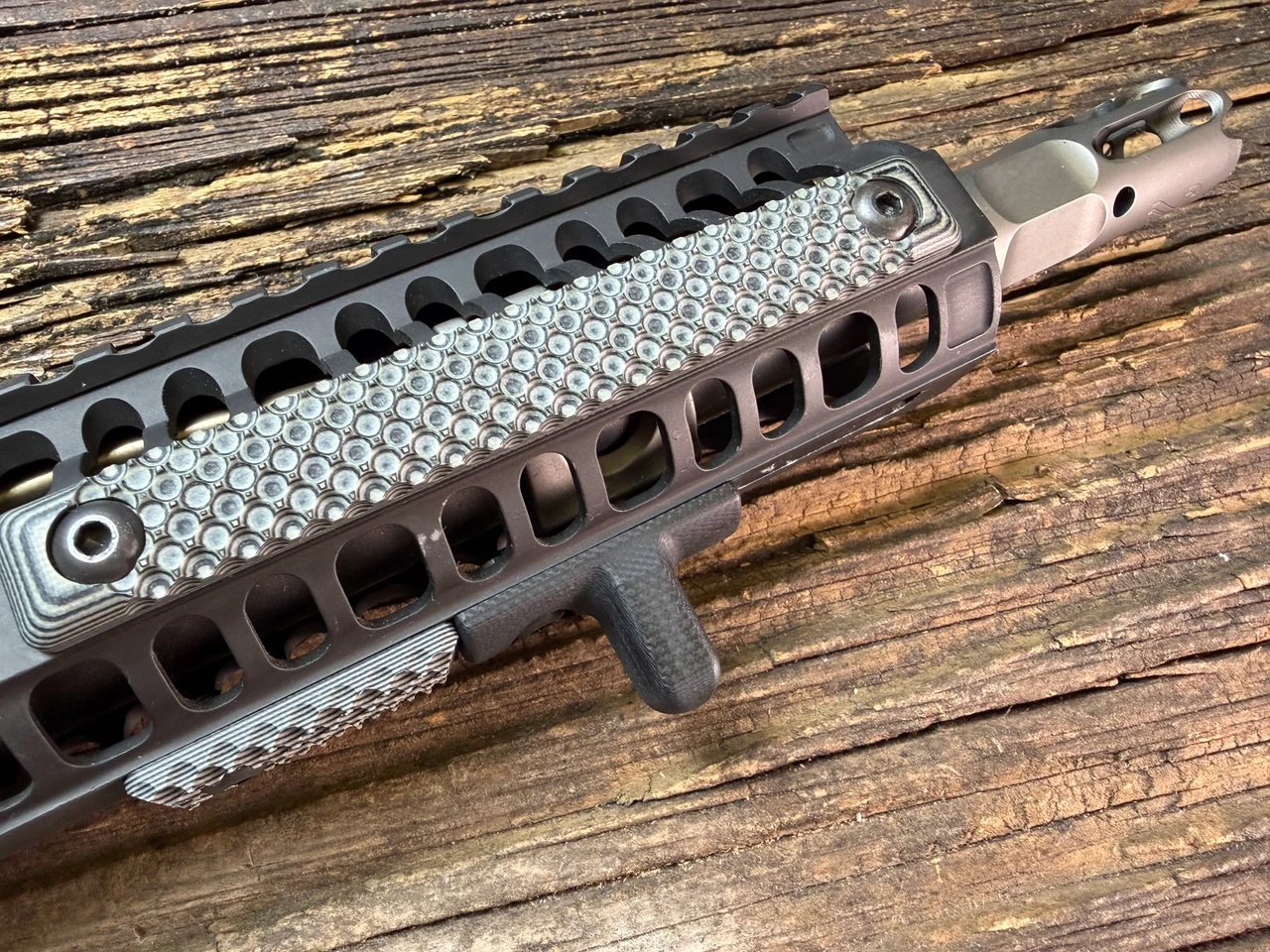
Chasing the last ounce at the expense of reliability is the cardinal sin. Titanium firing pins, ultra-lightened bolt carriers with minimal material, and skeletonized buffer retainer pins are all available. Some of them work fine. Some of them introduce failure points. Every gram you remove should be evaluated against the question: does this part still do its job under stress?
Upgrade path and future tweaks
If you build a solid sub-6-pound rifle and want to go lighter later, the highest-value upgrades in order are: carbon fiber handguard (if you started with aluminum), lithium-aluminum or polymer receiver set (if you started with standard forgings), and a carbon fiber-wrapped barrel from PROOF Research or similar.
The temptation in version 2 is to add things. A suppressor, a weapon light, a magnified optic, a bipod. Each of those adds 6 to 20 ounces. Before you know it, your 5.5-pound ultralight is an 8-pound rifle that's worse at everything than a purpose-built 8-pound rifle would be. If you need a suppressor host, build a different upper. If you need a precision rifle, build a different rifle. The ultralight build works because it's focused. Don't dilute that focus.
One genuinely useful upgrade is a suppressor-optimized adjustable gas block if you plan to occasionally run a can. Suppressors increase back pressure significantly, and an ultralight build with a lightweight BCG is more sensitive to that change than a standard build. Being able to dial the gas down when the can goes on keeps the system running smoothly without battering parts.
Summary build sheet
| Component | Specific part | Role in build | Approximate weight | Approximate price |
|---|---|---|---|---|
| Lower receiver | V Seven 2099 lithium-aluminum or Aero M4E1 | Foundation, weight savings | 6-8 oz (V7) / 8.5 oz (Aero) | $300-400 (V7) / $80-100 (Aero) |
| Upper receiver | V Seven 2099 or Aero M4E1 threaded (no FA) | Barrel interface, weight savings | 5-7 oz (V7) / 7 oz (Aero) | $250-350 (V7) / $70-90 (Aero) |
| Barrel | Faxon 16" pencil .223 Wylde mid-length | Accuracy, primary weight savings | 19 oz | $160-200 |
| BCG | Faxon Gunner lightweight or Cryptic lightweight | Cycling, reduced reciprocating mass | 8.5-9.5 oz | $130-200 |
| Gas block | Superlative Arms adjustable, .625 | Gas tuning for reliability | 1.8 oz | $80-100 |
| Handguard | V Seven Hyper-Light or Lancer LCH5 Gen 2 | Mounting, heat management | 5-7 oz | $200-350 |
| Trigger | LaRue MBT-2S | Clean break, consistent reset | 2 oz | $90-110 |
| Stock | MFT Minimalist or Magpul MOE SL | Cheek weld, adjustable LOP | 5-7 oz | $40-60 |
| Buffer/spring | Standard carbine buffer + Sprinco Blue | Tuned cycling with light BCG | 4 oz combined | $25-40 |
| Muzzle device | V Seven titanium flash hider or SureFire Warcomp | Flash reduction, weight savings | 1.5-2.5 oz | $75-150 |
| Grip | BCM Mod 3 or Magpul MOE-K2 | Comfortable grip angle | 2.5-3 oz | $18-30 |
| Charging handle | Radian Raptor LT | Ambidextrous, lightweight | 1.2 oz | $60-80 |
Total build weight with the lighter component choices runs approximately 4.8 to 5.5 pounds without optic. With the budget-friendly options (Aero receivers, Faxon barrel, aluminum handguard), you're closer to 5.5 to 6 pounds and spending around $900 to $1,200. With the premium options (V Seven receivers and handguard, PROOF barrel), you're under 5 pounds and spending $2,000 to $2,800.
What to do first
Once the rifle is assembled and function-checked, take it to the range with 100 rounds of quality brass-cased ammo, a torque wrench, your gas block adjustment tool, and a notebook. Zero at 50 yards. Confirm the ejection pattern. Shoot a couple of five-round groups at 100 yards to establish a baseline accuracy number with a cool barrel. Then run two magazines at a moderate pace and see how the groups open up as the pencil barrel heats.
Adjust the gas block until you find the sweet spot: the minimum gas setting that reliably locks the bolt back on the last round with your chosen ammunition. Mark that setting. Then open it up one quarter-turn as your reliability margin. That's your working setting.
The rifle should feel noticeably different from a standard AR the first time you shoulder it. Lighter on the muzzle, quicker between targets, easier to hold offhand. The system matters more than the part, and an ultralight build where every component is chosen to work together will feel like more than the sum of its weight savings. That's the whole point.