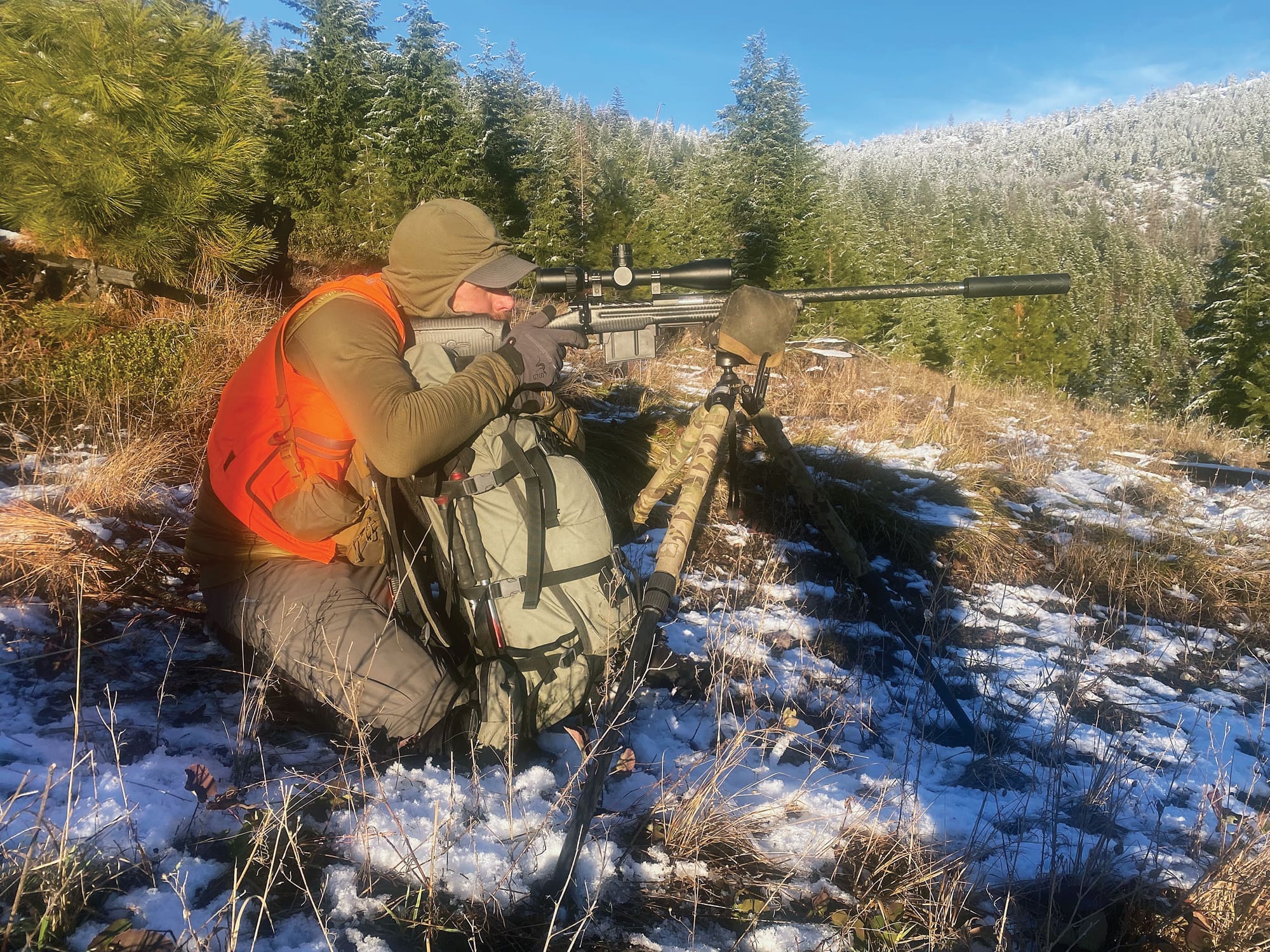
You're building a mountain rifle and you've already agonized over the action, the barrel contour, and the stock material. Now you need glass that won't undo all that weight savings. The problem is that most scopes worth mounting on a hunting rifle weigh 18 to 24 ounces, and that extra half-pound sitting high on the receiver changes how the rifle carries, how it balances in your hands, and how quickly you fatigue on a steep approach. Ounces matter when you're covering miles of vertical terrain with a pack on your back.
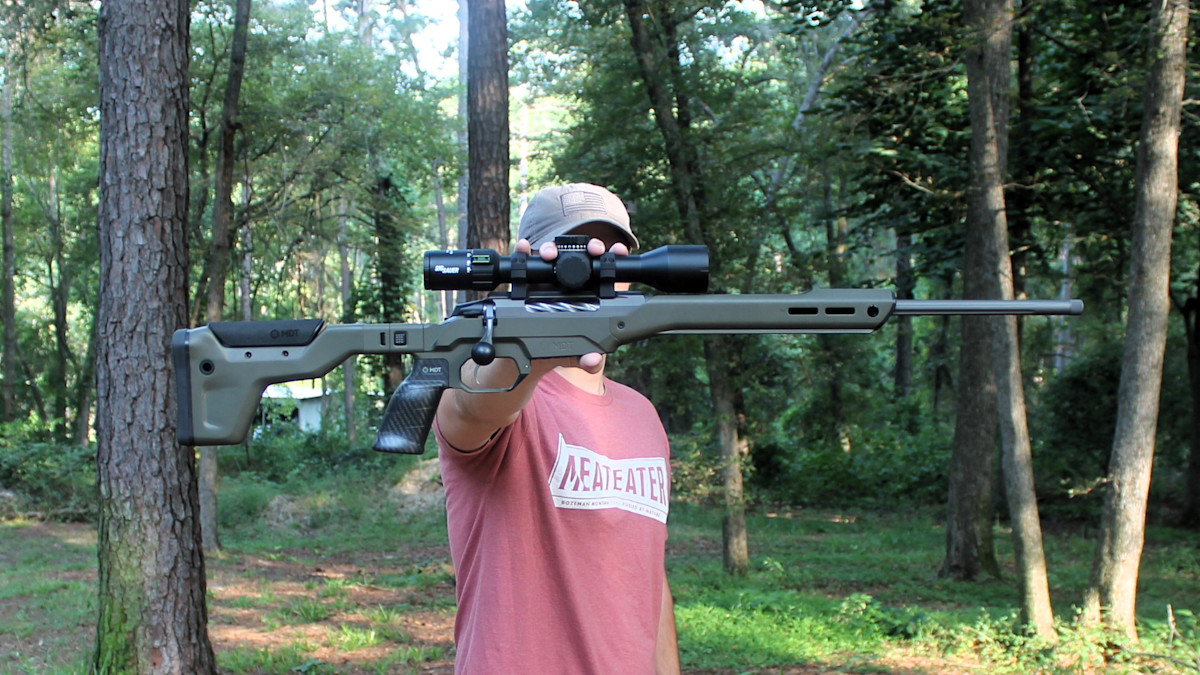
This guide focuses specifically on riflescopes that weigh 16 ounces or less, deliver enough magnification range for realistic mountain shooting distances (let's say out to 500 yards, maybe a touch beyond), and don't sacrifice so much optical quality that you're squinting through mediocre glass at last light when a bull finally steps out. The budget range here runs from roughly mid-tier to premium. If you're building a sub-6-pound rifle for backcountry mule deer, sheep, or elk, these are the scopes that belong on the shortlist.
Quick picks
- Leupold VX-5HD 3-15x44 Best overall
- Zeiss Conquest V4 3-12x44 Best European glass on a budget
- Maven RS.5 4-24x50 Best for long-range capability (barely over the wire at ~16 oz)
- Leupold VX-3HD 4.5-14x40 Best budget lightweight
- Revic Acura RS25i 3-15x42 Best integrated ballistic tech
- Leupold VX-6HD 3-18x44 Best premium lightweight
At a glance
| Scope | Magnification | Objective lens | Weight (oz) | Tube diameter | Price tier |
|---|---|---|---|---|---|
| Leupold VX-5HD 3-15x44 | 3-15x | 44mm | 20 | 30mm | $$ |
| Zeiss Conquest V4 3-12x44 | 3-12x | 44mm | 15.2 | 30mm | $$ |
| Maven RS.5 4-24x50 | 4-24x | 50mm | 25.5 | 30mm | $$ |
| Leupold VX-3HD 4.5-14x40 | 4.5-14x | 40mm | 12.4 | 30mm | $ |
| Revic Acura RS25i 3-15x42 | 3-15x | 42mm | 15.5 | 30mm | $$$ |
| Leupold VX-6HD 3-18x44 | 3-18x | 44mm | 14.6 | 30mm | $$$ |
How we chose
Weight was the hard filter. Anything over 16 ounces didn't make the list, period. A few scopes sneak in right at the boundary, but none blow past it. From there, the criteria were straightforward.
Optical quality in low light matters more than peak magnification. Mountain hunts mean shooting windows at dawn and dusk, often in timber shadows or against dark hillsides. A scope that looks great at noon on a bench but washes out at 6:45 PM is useless for the shots that actually matter. We prioritized scopes with reputations for strong light transmission and good edge-to-edge clarity, even if they don't have the biggest objective lenses.
Turret reliability and tracking consistency were non-negotiable. You don't need competition-grade turrets for a mountain hunt, but you need turrets that return to zero after dialing and that track accurately enough to trust a correction at 400 yards. Scopes with known tracking issues or a history of wandering zero got cut.
Manufacturer support and warranty programs factored in heavily. A scope that fails on a once-in-a-lifetime sheep hunt is more than an inconvenience. Leupold's lifetime guarantee, Zeiss's transferable warranty, and Maven's direct-to-consumer support model all carry real weight here. We also looked at how long each optic has been on the market and whether early production issues have been resolved, because first-year models sometimes have growing pains that later runs fix.
Durability under field conditions rounded out the evaluation. Fog-proof and waterproof ratings are table stakes. What separates mountain scopes is how they handle repeated impacts from being banged around in a scabbard, dropped on scree, and subjected to the temperature swings you get going from a 25-degree morning to a 60-degree afternoon in direct sun. Aluminum versus titanium construction, sealing quality, and the overall robustness of the adjustment mechanisms all matter.
The picks
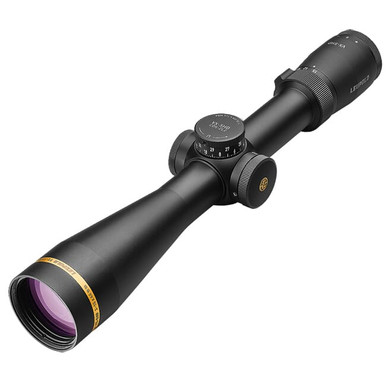
Leupold VX-5HD 3-15x44
Best for: the shooter who wants the best balance of weight, optical performance, and versatile magnification range for general mountain hunting.
Leupold VX-5HD 3-15x44 Deals
Prices may change. May contain affiliate links.
At 14.6 ounces in a 30mm tube, the VX-5HD hits a sweet spot that's genuinely hard to beat. The 3-15x magnification range covers everything from a quick shot at a buck jumping out of dark timber at 80 yards (leave it on 3x or 4x) to a carefully dialed shot across a canyon at 450 or 500. The 5:1 zoom ratio gives you real flexibility without the complexity and weight of a higher-magnification optic.
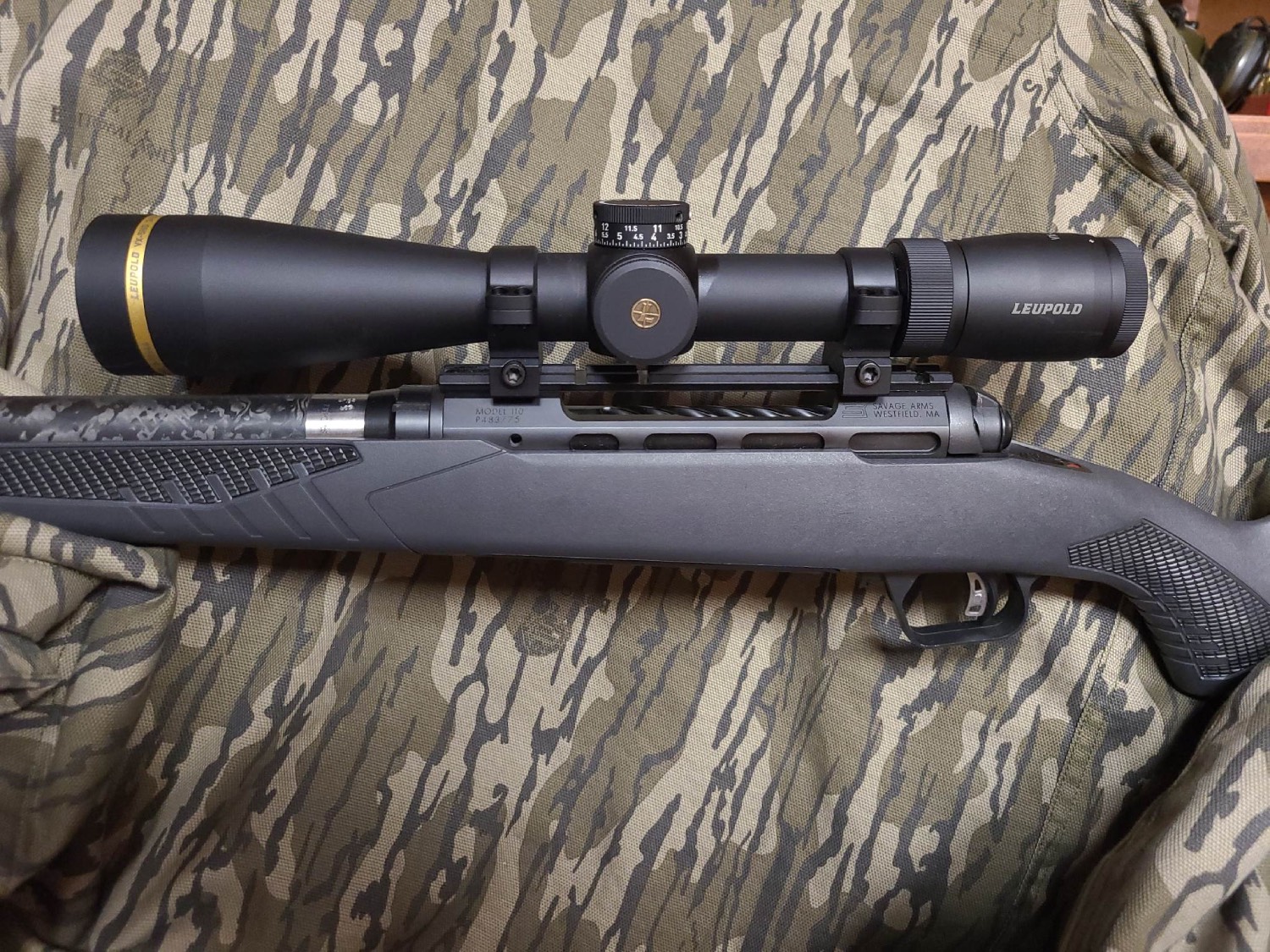
The glass itself is where Leupold earns its keep. The Twilight Max HD Light Management System isn't just marketing fluff. In low-light conditions, the VX-5HD consistently resolves detail better than most scopes in its weight class. Edge sharpness drops off slightly compared to top-tier European glass, but center clarity is excellent, and the color fidelity is neutral enough that you're not fighting a yellow or blue tint when trying to pick out an animal against a shadowed hillside. The FireDot reticle illumination is usable without being overdone, and battery life is solid because the system uses a motion sensor to activate.
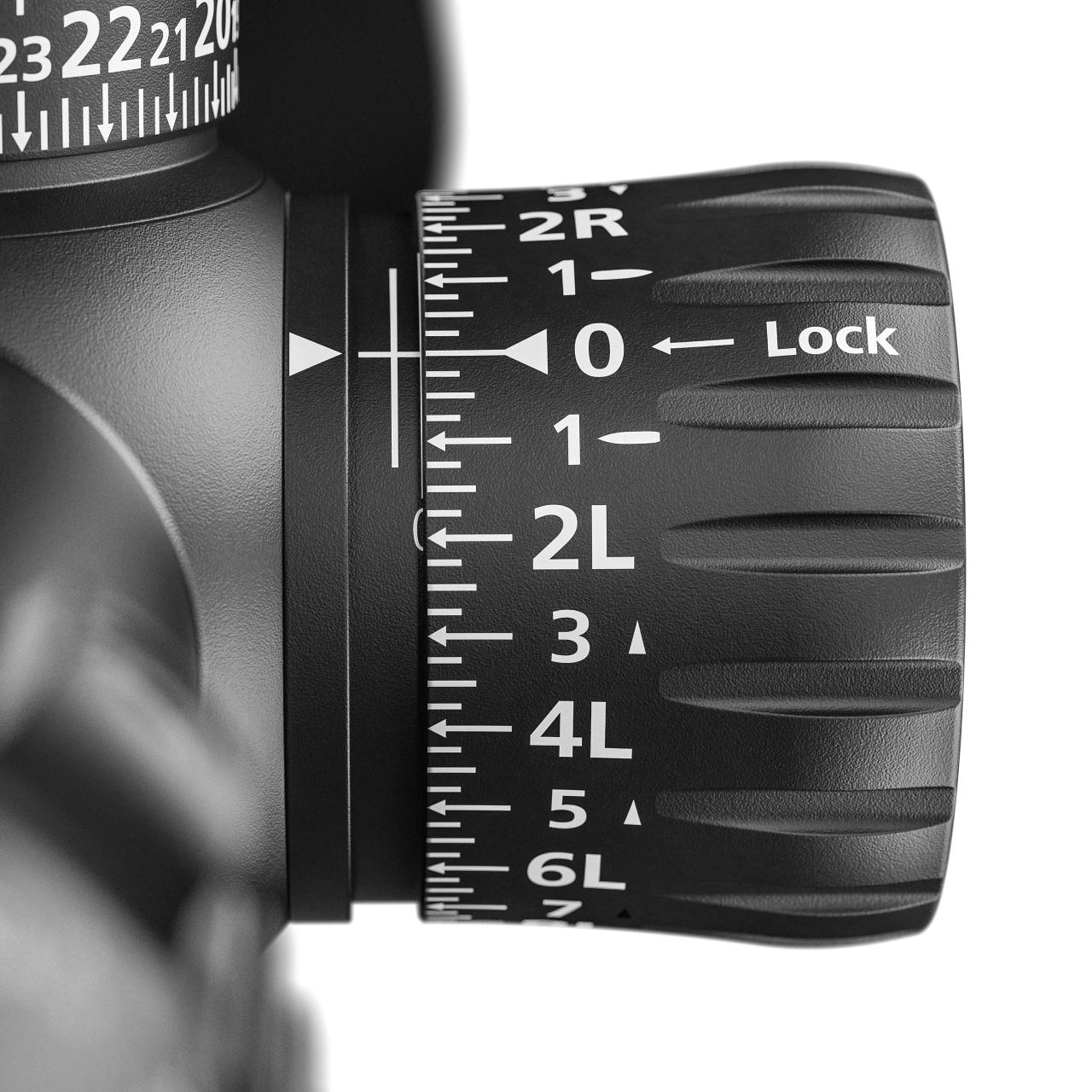
The CDS-SZL2 turret is purpose-built for hunters. You send Leupold your ballistic data and they send back a custom elevation dial matched to your load. It locks at zero to prevent accidental bumps, and the dial markings read in yards rather than clicks. Some shooters find this limiting compared to a traditional MOA or MRAD turret, but for a dedicated hunting scope, it removes a layer of mental math when you're breathing hard after a steep climb and need to make a shot count. The turrets track reliably, and the zero-stop function works as intended.
Pros
- 14.6 oz is genuinely light for a 3-15x scope with a 44mm objective
- Strong low-light performance relative to weight class
- CDS-ZL2 turret system simplifies field corrections for hunters
- Leupold's lifetime warranty is unconditional and well-honored
- Widely available, well-established model with years of field data
Cons
- The CDS system locks you into one specific load unless you order additional dials
- Edge-to-edge sharpness doesn't match Zeiss or Swarovski at the same magnification
- The FireDot illumination, while efficient, isn't as bright as some competitors in direct daylight
- 44mm objective requires slightly taller rings than a 40mm, adding a few grams back
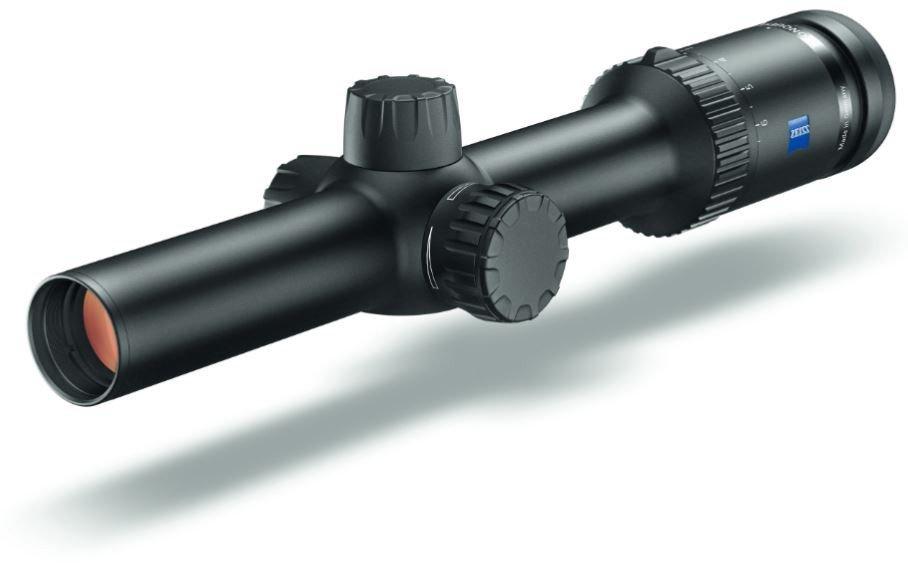
Zeiss Conquest V4 3-12x44
Best for: the hunter who prioritizes optical clarity and wants European glass quality without European flagship pricing or weight.
Zeiss Conquest V4 3-12x44 Deals
Prices may change. May contain affiliate links.
Zeiss #60 reticle Deals
Prices may change. May contain affiliate links.
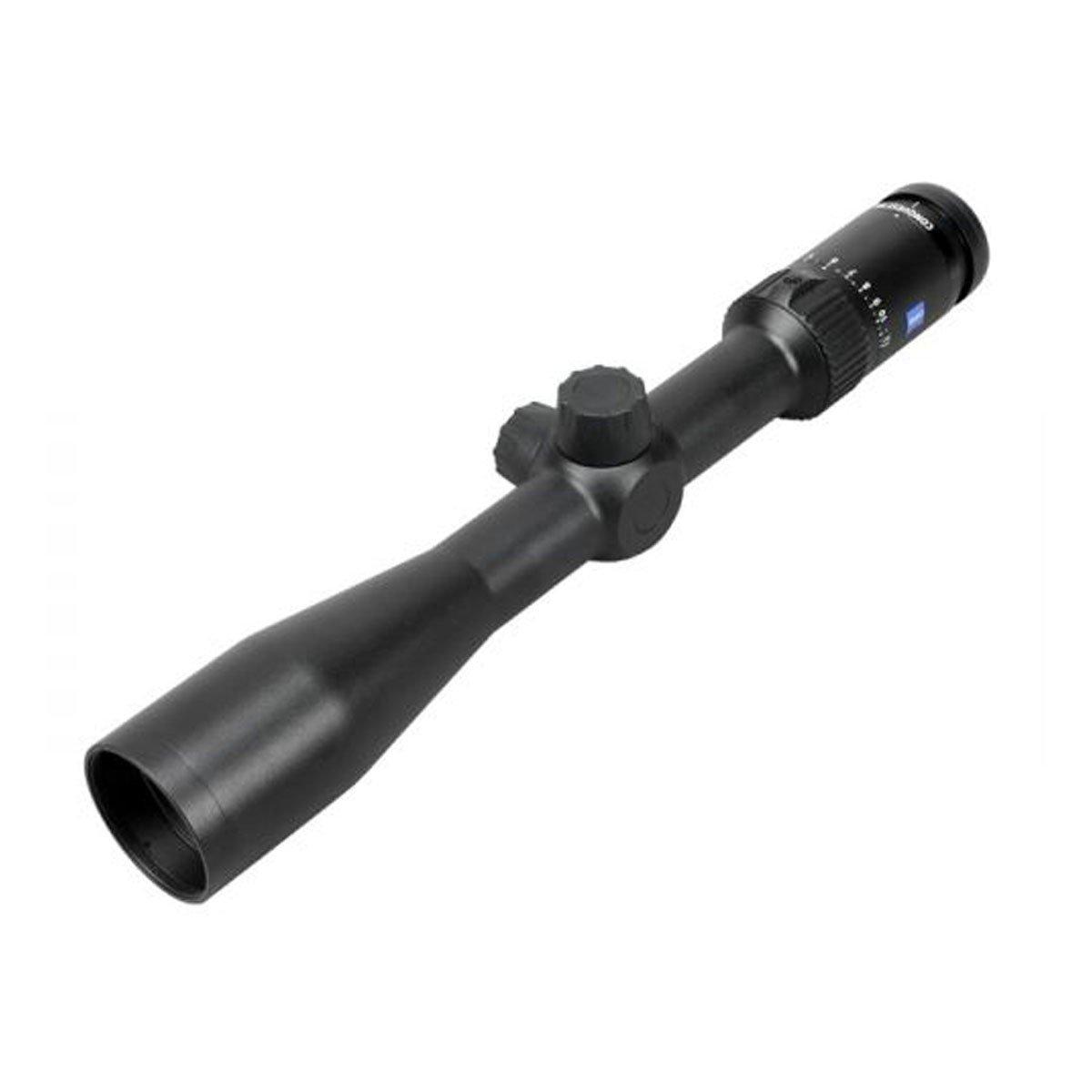
The Conquest V4 line has quietly become one of the best values in hunting optics. The 3-12x44 variant weighs 15.2 ounces and delivers glass quality that punches well above its price tier. Zeiss's T* multi-coating and their 90%+ light transmission claim holds up in practice. Colors are true, contrast is high, and the scope resolves fine detail in fading light noticeably better than most American-made competitors in the same price range.
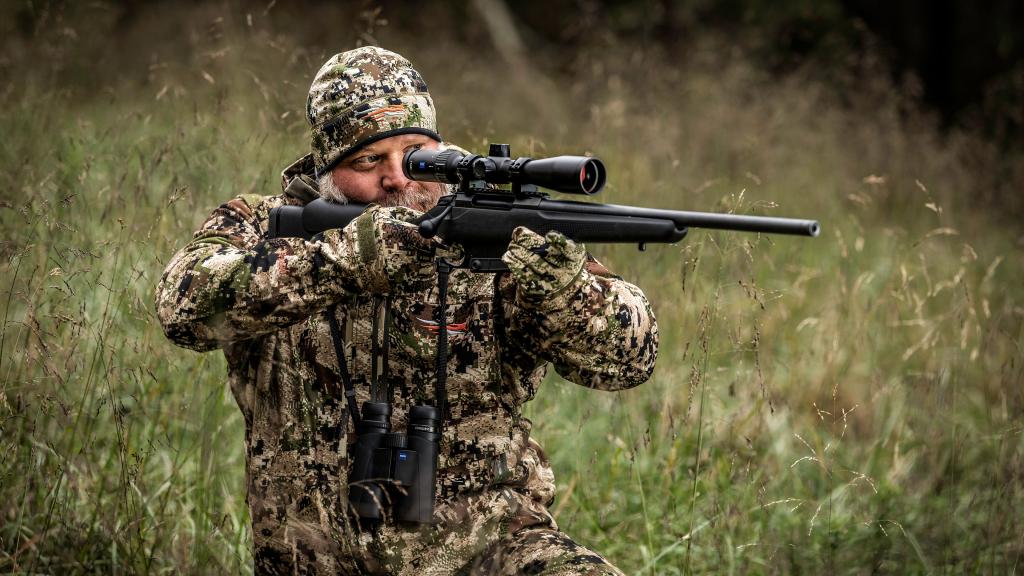
The 4x zoom ratio (3-12x) is the one real trade-off. You're giving up top-end magnification compared to the VX-5HD or the Maven RS.5, which means shots beyond 400 yards require more confidence in your ability to read wind and place shots with less zoom. For most mountain hunting scenarios in the West, 12x is plenty. But if you're the type who wants to dial to 18x or 20x to confirm shot placement or identify an animal at extreme distance, this scope won't get you there. That said, the image at 12x is cleaner than what many scopes deliver at 15x, so you're not losing as much effective resolution as the numbers suggest.
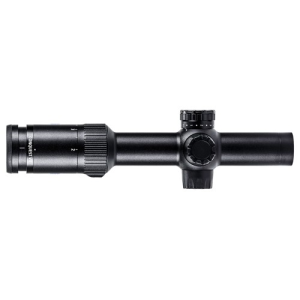
The external locking windage turret (ZLID) and the ballistic turret options give you flexibility in how you set the scope up. The reticle options include a clean #60 reticle that's thin enough to not obscure targets at distance but visible enough to pick up quickly at low magnification. Build quality is typical Zeiss: the scope feels solid without being heavy, and the controls have a precise, damped feel. The eyepiece zoom ring is smooth and consistent across the range. Zeiss's warranty is strong and the company has a long track record of standing behind their products.
Pros
- Optical clarity that competes with scopes costing significantly more
- Excellent color accuracy and contrast, especially in low light
- 15.2 oz keeps it well within the lightweight category
- Clean, usable reticle options
- Zeiss build quality and warranty support
Cons
- 3-12x range limits top-end magnification for longer shots
- Fewer turret customization options compared to Leupold's CDS system
- The illumination control integrated into the eyepiece can be fiddly with cold hands
- Not as widely stocked by US dealers as Leupold, which can affect availability
Maven RS.5 4-24x50
Best for: the mountain hunter who also wants legitimate long-range capability and is willing to push right up against the 16 oz limit.

Nightforce scope Deals
Prices may change. May contain affiliate links.

Vortex Razor scope Deals
Prices may change. May contain affiliate links.
Maven RS.5 4-24x50
May contain affiliate links.
The Maven RS.5 is a standout for its combination of magnification range and compact design. A 4-24x scope with a 50mm objective and a large tube diameter, it's genuinely impressive engineering, with Maven's focus on keeping the scope compact. The 6x zoom ratio gives you a true dual-purpose optic: low enough on the bottom end for reasonable close-range work, and enough top-end magnification to identify and engage targets well past 500 yards.
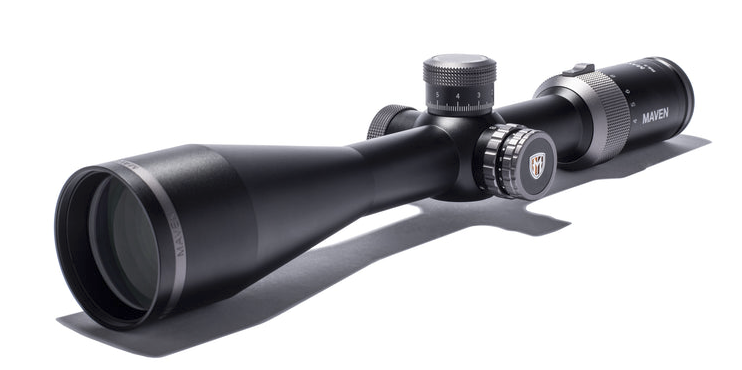
Maven's direct-to-consumer model means you're not paying for dealer markup, and the company has built a loyal following among Western hunters for good reason. The glass is Japanese-sourced and the optical quality is strong, particularly in the mid-range of the magnification dial. Edge sharpness at 24x isn't going to match a Nightforce or a Razor, but it doesn't need to for hunting purposes. Center clarity is excellent throughout the range, and low-light performance is respectable given the 50mm objective.
The RS.5 is a second focal plane design, which is worth noting. Your reticle subtensions are only accurate at one magnification (typically max), so if you're using holdovers, you need to be on the right power setting. For hunters who dial their turrets rather than hold, this is a non-issue. The turrets themselves have gotten positive feedback for feel and tracking, though some early RS.5 units had reports of turret feel being slightly mushy. Maven has been responsive to feedback and later production runs have addressed this. The scope is customizable at order with choices for reticle and color, though turret style is not a standard order option; Maven offers a separate $100 custom turret accessory that is user-installed after purchase.
Pros
- 4-24x magnification range is unmatched at this weight
- Maven's direct model keeps pricing competitive for the quality delivered
- Customizable options at time of order (reticle, turret, finish)
- Strong customer service reputation with direct access to the company
- 34mm tube allows for generous internal adjustment range
Cons
- At ~16 oz, it's the heaviest scope on this list and may slightly exceed 16 oz depending on configuration
- SFP design means reticle subtensions only accurate at one magnification
- 50mm objective requires taller rings, which adds weight and height over bore
- 34mm tube means you need 34mm rings, which are heavier than 30mm equivalents
- Newer product with less long-term field data than the Leupold or Zeiss options
Leupold VX-3HD 4.5-14x40
Best for: the hunter on a tighter budget who wants a proven, genuinely light scope that handles 90% of mountain hunting scenarios.
Leupold VX-3HD 4.5-14x40 Deals
Prices may change. May contain affiliate links.
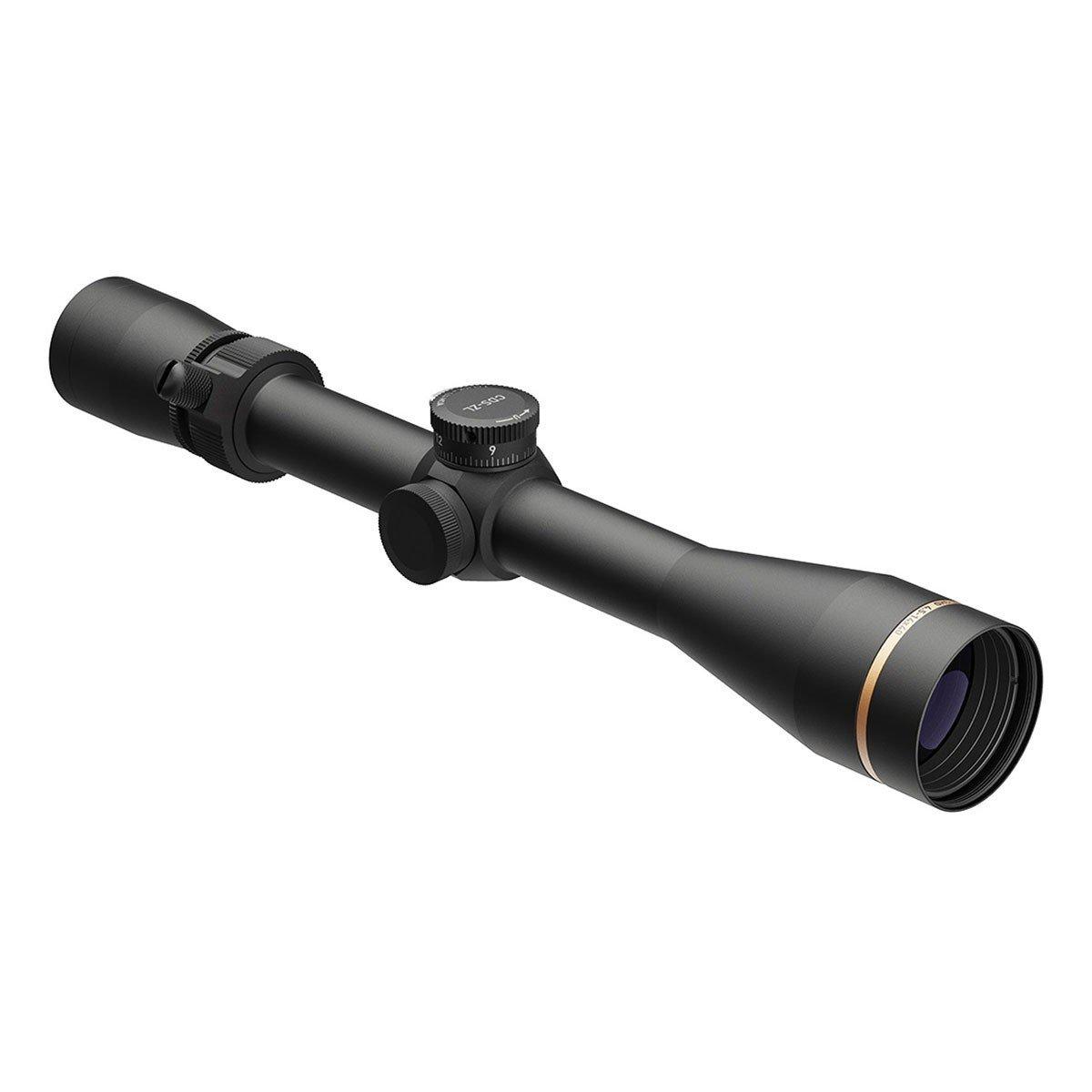
The VX-3HD is the workhorse of this list. At 12.4 ounces, it's the lightest scope here by a meaningful margin, and that weight savings is immediately noticeable when you pick up the rifle. If you're building a true ultralight mountain rig where every gram counts, the VX-3HD is the scope that lets you hit sub-6-pound rifle weights without resorting to exotic (and fragile) optics.
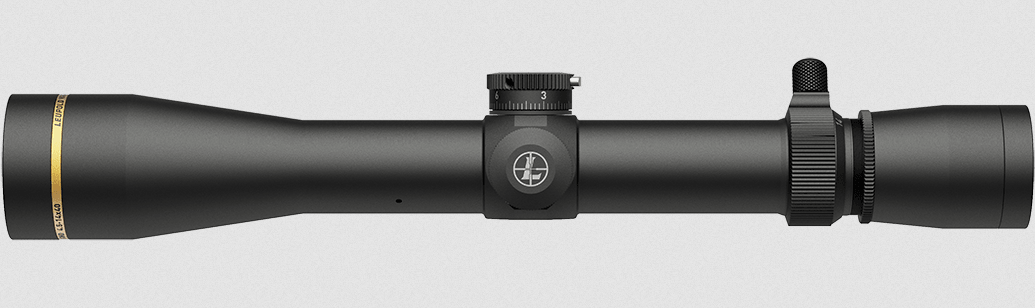
The optical quality is good, not great. Compared to the VX-5HD or the Zeiss, you'll notice slightly less contrast and a touch more chromatic aberration at the edges, particularly at higher magnification. But center sharpness is solid, and the scope performs respectably in low light for its class. The 40mm objective keeps the scope compact and allows lower ring heights, which improves cheek weld and keeps the overall package tight on the rifle.
The 4.5-14x magnification range is practical for most mountain hunting. You lose a bit on the low end compared to a 3x scope, which means close-range shots in timber require a bit more care with eye box positioning, but 4.5x is still manageable. At 14x, you have enough magnification for confident shots to 400 yards and reasonable shots beyond that with good conditions. The CDS-ZL turret option is available here too, giving you the same custom dial functionality as the more expensive Leupold models. This is a scope that's been around in various iterations for decades, and the current HD version benefits from all that refinement.
Pros
- 12.4 oz is remarkably light and makes a real difference on a mountain rifle
- Proven reliability over many years and product generations
- CDS-ZL turret option available for simplified field corrections
- 40mm objective allows low ring mounting for better cheek weld
- The most affordable scope on this list by a significant margin
Cons
- Optical quality is a clear step behind the VX-5HD and Zeiss Conquest V4
- 4.5x minimum magnification is slightly high for close-range timber shots
- Less edge sharpness and more noticeable chromatic aberration than pricier options
- The standard Duplex reticle is functional but basic compared to modern BDC or hash mark reticles
Revic Acura RS25i 3-15x42
Best for: the tech-forward hunter who wants an integrated ballistic computer and rangefinding reticle in a lightweight package.
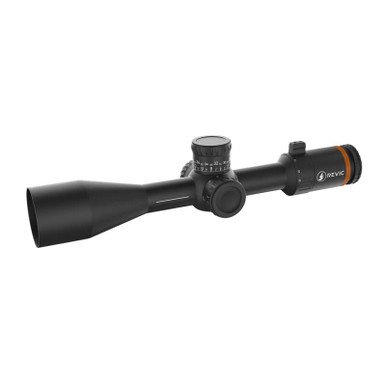
Revic Acura RS25i 3-15x42
May contain affiliate links.
The Revic Acura RS25i is the most unusual scope on this list, and it earns its spot for a specific reason: it has an integrated ballistic solver built into the scope body. You input your load data, environmental conditions, and the scope calculates your firing solution and displays it in the reticle. At 34.9 ounces, it's heavier than the Leupold options, and it replaces the need to carry a separate ballistic calculator or rangefinder-paired app.
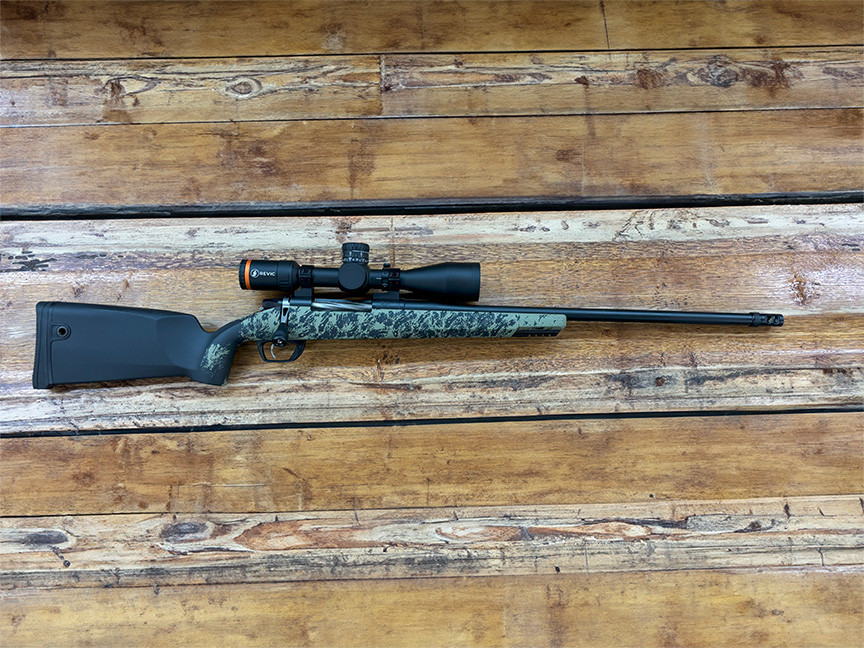
The 5-25x50 magnification range sets the Revic apart from the other scopes in this comparison, and the optical quality is competitive. Revic uses quality Japanese glass and multi-coatings that deliver good clarity and reasonable low-light performance. The 50mm objective holds its own against the other scopes here in terms of light gathering, and the difference in practice is minimal. Where the Revic really separates itself is in the technology integration. The onboard sensors measure temperature, pressure, and cant angle, feeding all of that into the ballistic solver without you needing to manually input environmental data. For a hunter who's making shots at varying altitudes and temperatures throughout a multi-day mountain hunt, that's a genuine advantage.
The trade-off is complexity. This is not a set-it-and-forget-it scope. You need to learn the interface, keep the unit charged (it uses a rechargeable battery rather than a traditional coin cell), and trust the electronics in harsh conditions. Revic is a smaller company than Leupold or Zeiss, and while their customer support has been well-regarded, the long-term track record simply isn't as deep. If you're the type of hunter who wants to dial and shoot without thinking about firmware updates or battery levels, this scope will frustrate you. But if you embrace the technology, it can genuinely simplify complex shots in the field.
Pros
- Integrated ballistic solver eliminates the need for a separate calculator
- Onboard environmental sensors (temperature, pressure, cant) for automatic corrections
- 3-15x42 is a versatile magnification range for mountain hunting
- 15.5 oz keeps it under the weight threshold despite the added electronics
- Innovative approach that consolidates multiple tools into one
Cons
- Rechargeable battery adds a failure point and requires charging discipline in the field
- More complex to set up and learn than a traditional scope
- Revic is a smaller company with less long-term warranty track record
- If the electronics fail, you're left with a standard scope without the features you paid for
- Higher price tier for the technology integration
Leupold VX-6HD 3-18x44
Best for: the hunter who wants the best glass Leupold makes in a lightweight, high-magnification package and is willing to pay for it.
Leupold VX-6HD 3-18x44 Deals
Prices may change. May contain affiliate links.
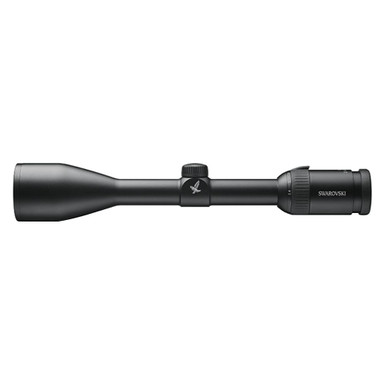
Swarovski Z5 Deals
Prices may change. May contain affiliate links.
Zeiss V6 Deals
Prices may change. May contain affiliate links.
The VX-6HD is Leupold's flagship hunting line, and the 3-18x44 variant at 14.6 ounces is a remarkable achievement in scope engineering. It matches the VX-5HD's weight while adding 3x more magnification on the top end and delivering noticeably better optical quality across the board. The 6:1 zoom ratio is the highest on this list (tied with the Maven RS.5's 6x ratio), and the glass quality at every magnification setting is a clear step up from the VX-5HD.
The HD glass system in the VX-6HD produces images with higher contrast, better color fidelity, and less chromatic aberration than the VX-5HD. In low light, the difference is visible. Details that start to blur or lose definition through the VX-5HD at dusk remain crisp through the VX-6HD for several more minutes. That sounds like a small thing, but those extra minutes of usable light at the end of a day can be the difference between filling a tag and eating freeze-dried meals for another morning. The eye box is forgiving across the magnification range, which matters when you're shooting from awkward positions on steep terrain.
The CDS-ZL2 turret system carries over from the VX-5HD, and the same custom dial functionality applies. The VX-6HD also gets Leupold's best reticle options, including the FireDot Duplex, with illumination that's refined and battery-efficient. Build quality is excellent, with the kind of precise, confident turret clicks and smooth zoom ring that you expect at this price tier. The scope has been on the market long enough that any early issues have been identified and resolved, and the user community among Western hunters is large and vocal, which means real-world feedback is abundant.
Pros
- 14.6 oz for a 3-18x44 scope with premium glass is exceptional
- Best optical quality of any Leupold on this list, particularly in low light
- 6:1 zoom ratio provides genuine versatility from close range to extended distance
- Forgiving eye box across the magnification range
- Extensive real-world track record among mountain hunters
Cons
- The most expensive Leupold option here by a significant margin
- The optical improvement over the VX-5HD, while real, may not justify the price jump for all hunters
- CDS custom dial system has the same load-specific limitations as the VX-5HD
- At this price tier, it competes with European options (Swarovski Z5, Zeiss V6) that some shooters prefer
How to choose
The magnification range you need depends on where you hunt and how you hunt, not on what sounds impressive. If your shots are realistically going to fall between 100 and 400 yards, a 3-12x or 3-15x scope covers that range with room to spare. The 4-24x Maven makes sense only if you're genuinely planning to shoot beyond 500 yards or if you want the extra magnification for animal identification at distance. More magnification means more mirage distortion, more sensitivity to hold wobble, and a narrower field of view at the top end. Don't buy magnification you won't use.
Leupold 30mm rings Deals
Prices may change. May contain affiliate links.
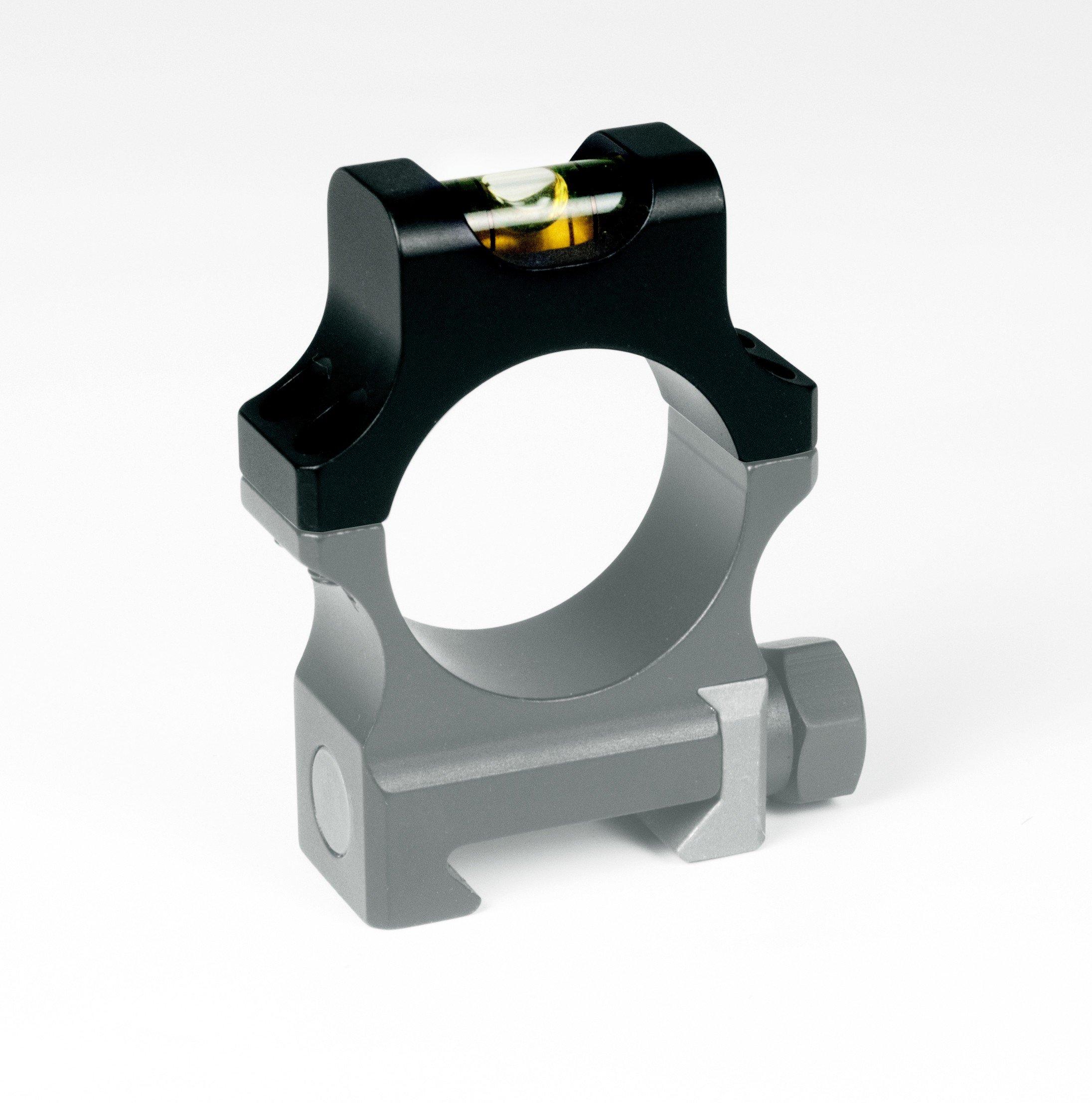
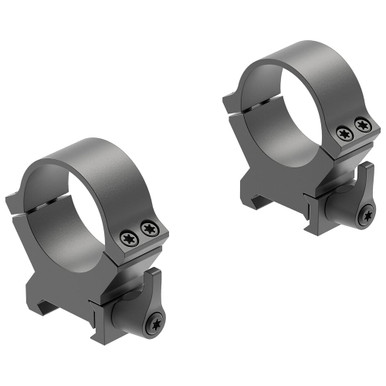
Weight savings compound across the whole system. A 12.4-ounce VX-3HD with lightweight 30mm rings saves you roughly 6 to 8 ounces over a 16-ounce scope in 34mm rings. That's nearly half a pound, which is the equivalent of leaving a water bottle behind. On a three-day backpack hunt covering 8 to 12 miles a day with significant elevation change, that half-pound matters more than most people think. If your rifle is already on the heavier side (7+ pounds), the scope weight matters less. If you're building a sub-6-pound rifle, every ounce of glass counts.
Turret style should match your shooting method. If you range an animal, dial your turret, and shoot, you want reliable, repeatable turrets with a zero stop. Leupold's CDS system, the Zeiss ballistic turrets, and the Maven's exposed turrets all work for this approach. If you prefer to hold over using reticle marks, you need a reticle with clear, usable subtensions, and you need to know whether your scope is first or second focal plane. The Maven RS.5's SFP design means your holdovers are only accurate at one magnification. The Leupold and Zeiss options on this list are also SFP, which is typical for hunting scopes, but their simpler reticles make this less of an issue since most hunters using those scopes are dialing rather than holding.
Low-light performance separates scopes that look similar on paper. A 44mm objective on a premium scope will outperform a 50mm objective on a budget scope in fading light because coating quality and glass formulation matter more than raw lens diameter. If you hunt in areas with heavy timber, deep canyons, or northern latitudes where shooting light is limited, prioritize the VX-6HD or the Zeiss Conquest V4 over the cheaper options. The difference shows up exactly when you need it most.
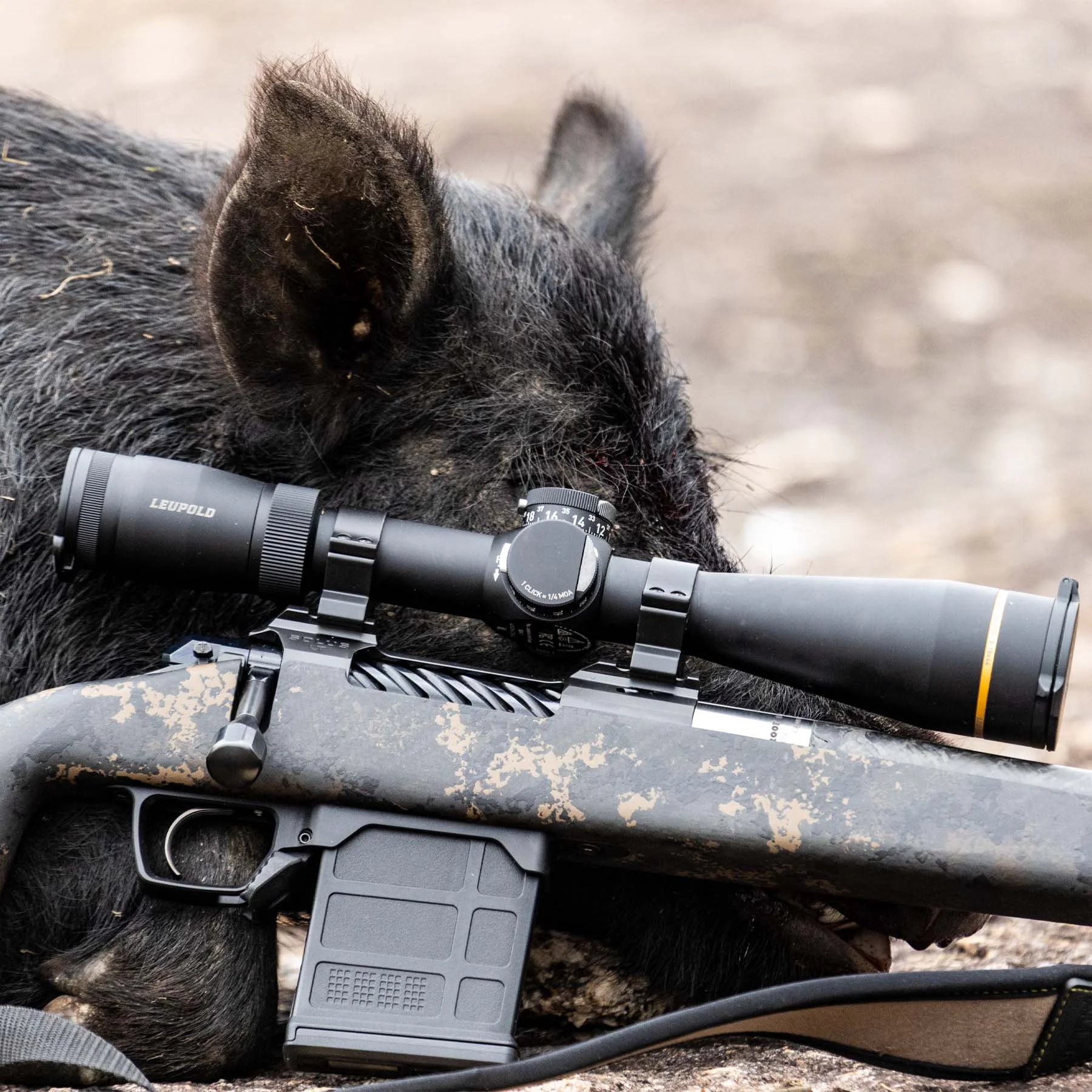
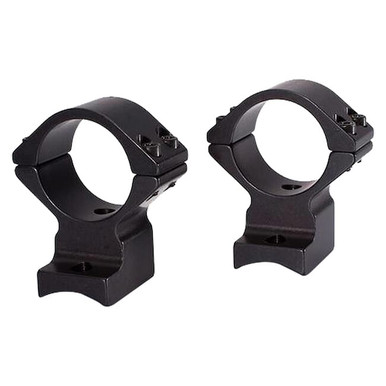
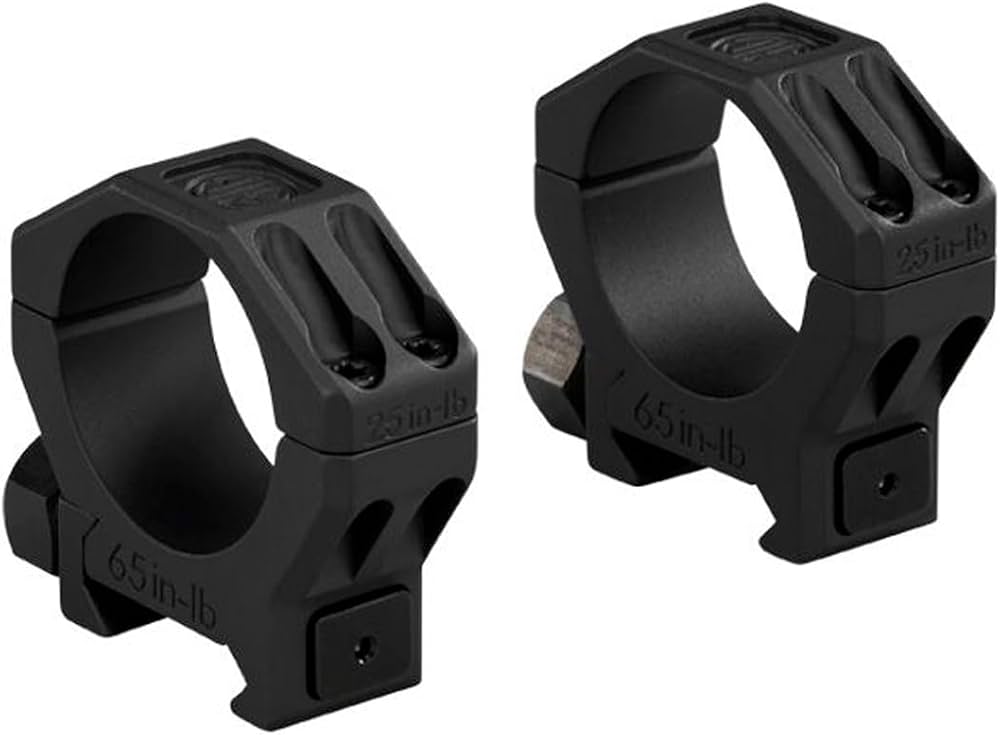
Don't overlook the rings and base. A lightweight scope mounted in heavy steel rings on a Picatinny rail defeats the purpose. Pair these scopes with quality aluminum rings from Leupold, Talley, or Nightforce. Talley lightweight rings, which integrate the base and ring into a single unit, are a popular choice for mountain rifles because they save weight and reduce the number of potential failure points. Match ring height to your objective lens diameter and stock comb height so you get a natural, consistent cheek weld without straining your neck.
Glass notes
The spec that matters here isn't magnification or objective lens size. It's what happens when you look through the scope at 6:30 PM in October with the sun below the ridgeline. That's when coating quality, glass formulation, and optical design separate a good scope from a great one. The VX-6HD and the Zeiss Conquest V4 both excel in this scenario, producing bright, high-contrast images when cheaper scopes start to look muddy and gray. The VX-3HD is noticeably weaker here, which is the primary optical trade-off you make for its remarkable light weight and lower price.
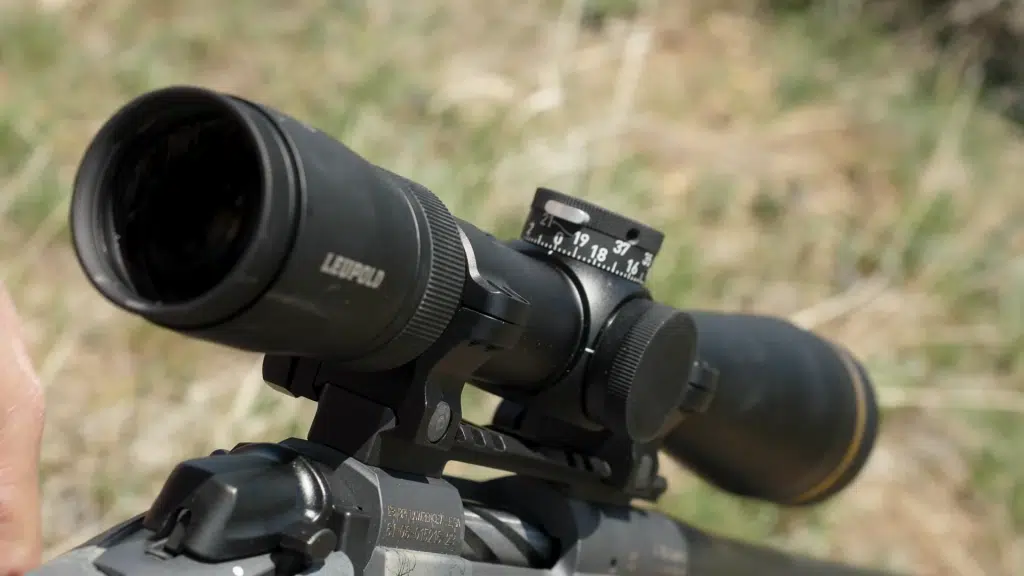
Eye box forgiveness is the other spec that doesn't show up on a spec sheet but matters enormously in the field. On a mountain hunt, you're rarely shooting from a perfect bench rest position. You might be prone on a sidehill, kneeling behind a rock, or sitting with shooting sticks at an awkward angle. A scope with a tight, unforgiving eye box forces you to waste time getting your head position perfect before you can see a clear image. The VX-6HD and the Zeiss both handle imperfect head position well. The Maven RS.5, with its higher magnification range, gets tighter at the top end, which is expected but worth knowing.
Common mistakes
Buying more magnification than you need is the most common error. A 4-24x scope on a rifle that will never take a shot past 350 yards adds weight, complexity, and cost for no practical benefit. Be honest about your realistic shooting distances and buy accordingly.
Ignoring ring and mount weight negates scope weight savings. A set of steel rings can add 4 to 6 ounces. Aluminum rings from Talley or Leupold keep the total system weight down. Weigh the complete mounted package, not just the scope.
Skipping the tracking test before a hunt is a gamble you don't need to take. Mount the scope, zero it at 100 yards, dial up 10 MOA (or the equivalent in MRAD), fire a group, dial back to zero, and confirm your point of impact returns to the original zero. Do this before you fly to Alaska or drive 14 hours to a trailhead, not after.
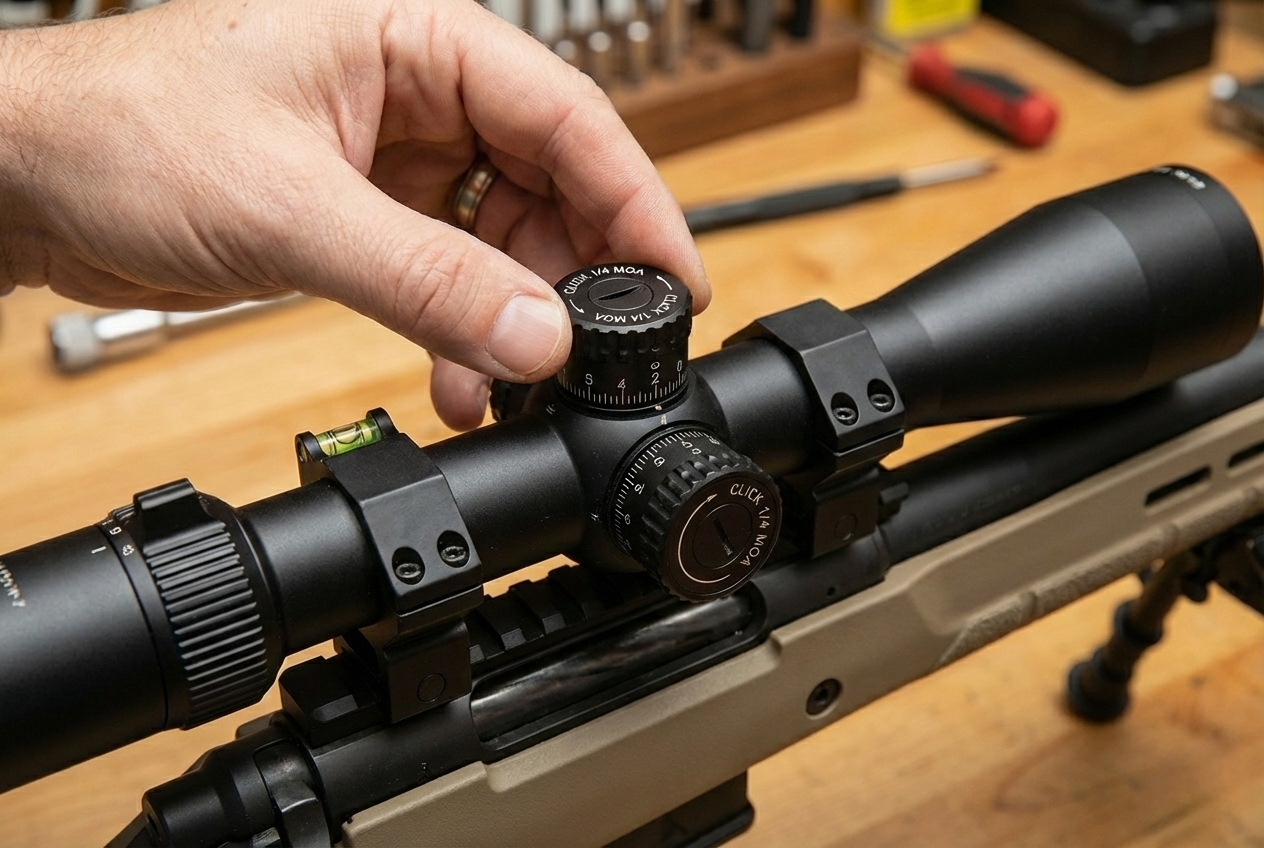
Choosing a reticle that's too busy for hunting conditions slows you down. A Christmas tree reticle designed for PRS competition has too many reference marks for a hunting scope where speed and simplicity matter. A clean duplex, a simple BDC, or a reticle with a few hash marks for holdovers is all you need. The reticle is the interface. Keep it clean.
Mounting the scope too high because you bought an objective lens that's too large for your stock creates a poor cheek weld and inconsistent point of impact. A 40mm or 44mm objective in low or medium rings will serve you better than a 50mm objective in high rings on most hunting rifle stocks.
Next steps
Before you buy, measure your rifle's receiver and confirm what ring height you need for the objective lens diameter you're considering. Talley and Leupold both have ring height calculators on their websites. Get this right before you order.

Once the scope arrives, mount it with a proper torque wrench. 15 to 18 inch-pounds on ring screws is a common starting point, as recommended by Vortex Optics, but other aluminum ring manufacturers specify different values; Monstrum, for example, calls for 20 inch-pounds on their 7075 aluminum rings. Always check the manufacturer's spec. Over-torquing can distort the tube and cause tracking problems that look like a scope defect but are actually a mounting error. Level the reticle using a bubble level or a Wheeler scope leveling kit. A canted reticle introduces lateral error at distance that grows with range.
Zero at 100 yards with the exact ammunition you'll hunt with. Then run the tracking test described above. Dial up, shoot, dial back, confirm zero. Do it twice. If the scope tracks true, you're ready. If it doesn't return to zero, contact the manufacturer before your hunt, not during it. A scope that won't track is a scope that needs warranty service, and every manufacturer on this list will take care of it. That's why you bought from a reputable company in the first place.
Finally, take the rifle and scope to the range under conditions that simulate your hunt. Shoot from field positions: sitting, kneeling, prone on uneven ground. Shoot at different magnification settings. Shoot in low light if your range allows it. The bench tells you if the scope tracks. The field positions tell you if the eye box works for how you actually shoot. Mount it. Zero it. Then evaluate. That's the order that matters.