The federal court ruling in Silencer Shop Foundation v. ATF struck down NFA registration requirements for suppressors, short-barreled rifles, short-barreled shotguns, and any other weapons (AOWs) across a broad swath of the country. If you're in one of the affected states and your dealer has opted into the GCA transfer process, buying a suppressor now looks a lot like buying a regular firearm: fill out a 4473, pass a NICS check, walk out the door. No Form 4, no months in NFA jail. Worth noting: the $200 tax stamp was already reduced to $0 as of January 1, 2026, before the ruling came down, so the real change here is the elimination of the registration process itself. Also keep in mind that not all dealers have made the switch; some continue using the Form 4 process, so check with yours before assuming. And for SBRs and SBSs, an unchallenged Gun Control Act provision (18 U.S.C. § 922(b)(4)) still requires a Form 4 for FFL transfers to non-licensees, so those aren't quite as simple as a standard firearm purchase. Still, for suppressors and AOWs in free states, that's a massive shift.
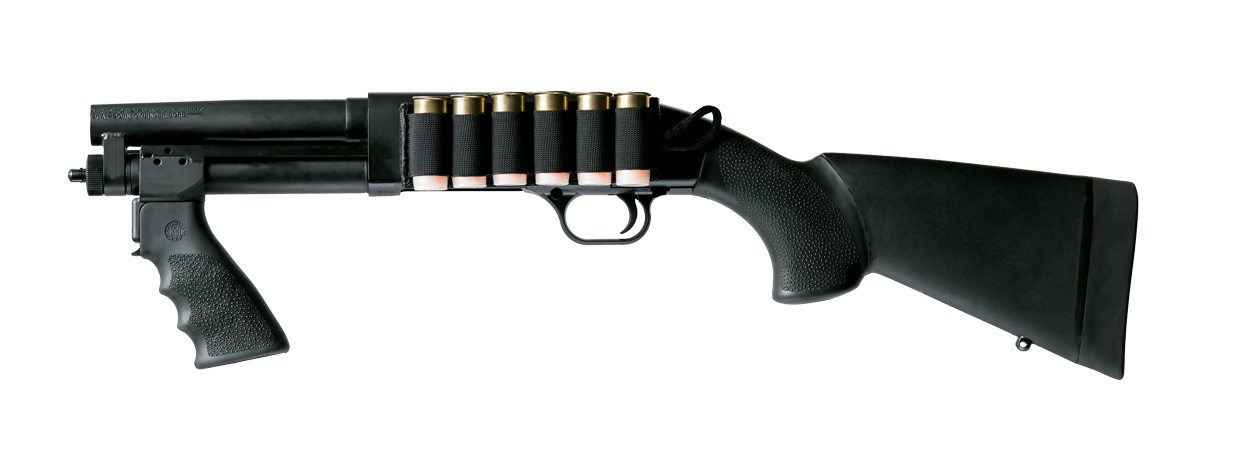
Short-barreled shotgun
May contain affiliate links.
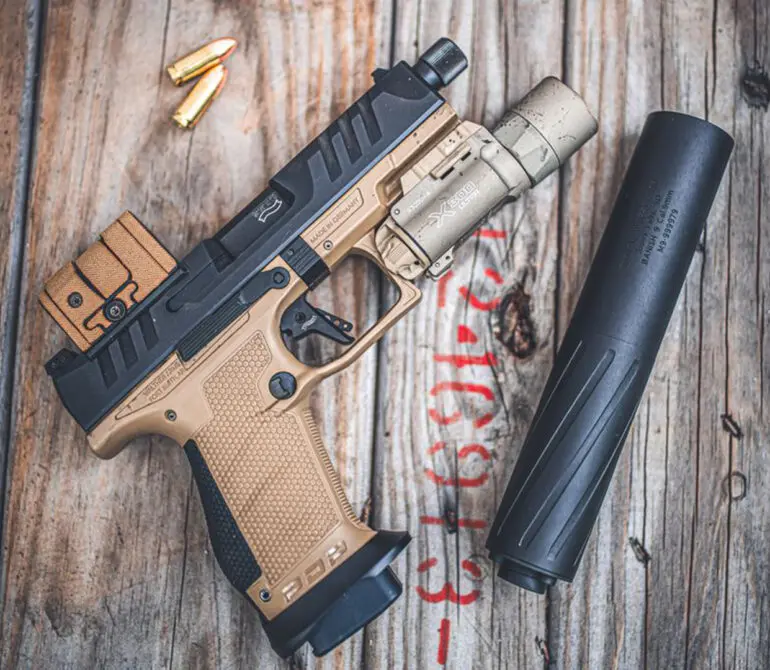
But here's the thing nobody's talking about enough: the federal ruling only removes federal barriers. It does nothing to your state law. And if your state independently bans or heavily restricts NFA items, you're in exactly the same position you were in before the ruling came down. The federal gate opened. Your state gate didn't budge.
This matters because a surprising number of people saw the headlines and assumed the game changed everywhere. It didn't. If you live in roughly a dozen states, the NFA ruling is interesting legal news you can read about while your neighbors in free states walk out of gun shops with cans in hand.
How the federal ruling actually works
The ruling out of the Northern District of Texas found that the NFA's registration requirements for suppressors, SBRs, and SBSs are unconstitutional on Article I grounds, holding that Congress lacked the enumerated power to impose the NFA's regulatory scheme on those items. The court's injunction currently covers the 15 plaintiff states plus a coalition of businesses and advocacy groups among the plaintiffs. The practical effect in covered states is that the ATF cannot enforce NFA registration requirements for these three categories of items. Machine guns, destructive devices, and AOWs are not affected.
What this means mechanically: dealers in covered states can transfer suppressors, SBRs, and SBSs as standard Title I firearms. A 4473 and a NICS check. No Form 4, no tax stamp payment, no months-long wait. Silencer Shop, Silencer Central, and major retailers like Palmetto State Armory have already updated their processes for customers in eligible states.

Hk Heckler and Koch P30 Deals
Prices may change. May contain affiliate links.
But the ruling only preempts federal law. It says the ATF can't require NFA registration for these items. It says nothing about state-level prohibitions. States that independently ban suppressors or SBRs through their own criminal codes still ban them, full stop. The federal government stepping back doesn't override a state legislature that has affirmatively said "these are illegal here."
The states where it doesn't matter
Let's be direct about which states have their own bans that the federal ruling cannot touch. The specifics vary by item category, so this breaks down by suppressors, SBRs, and SBSs separately.

Short-barreled rifle Deals
Prices may change. May contain affiliate links.

Red dot sight Deals
Prices may change. May contain affiliate links.

Tactical bag Deals
Prices may change. May contain affiliate links.
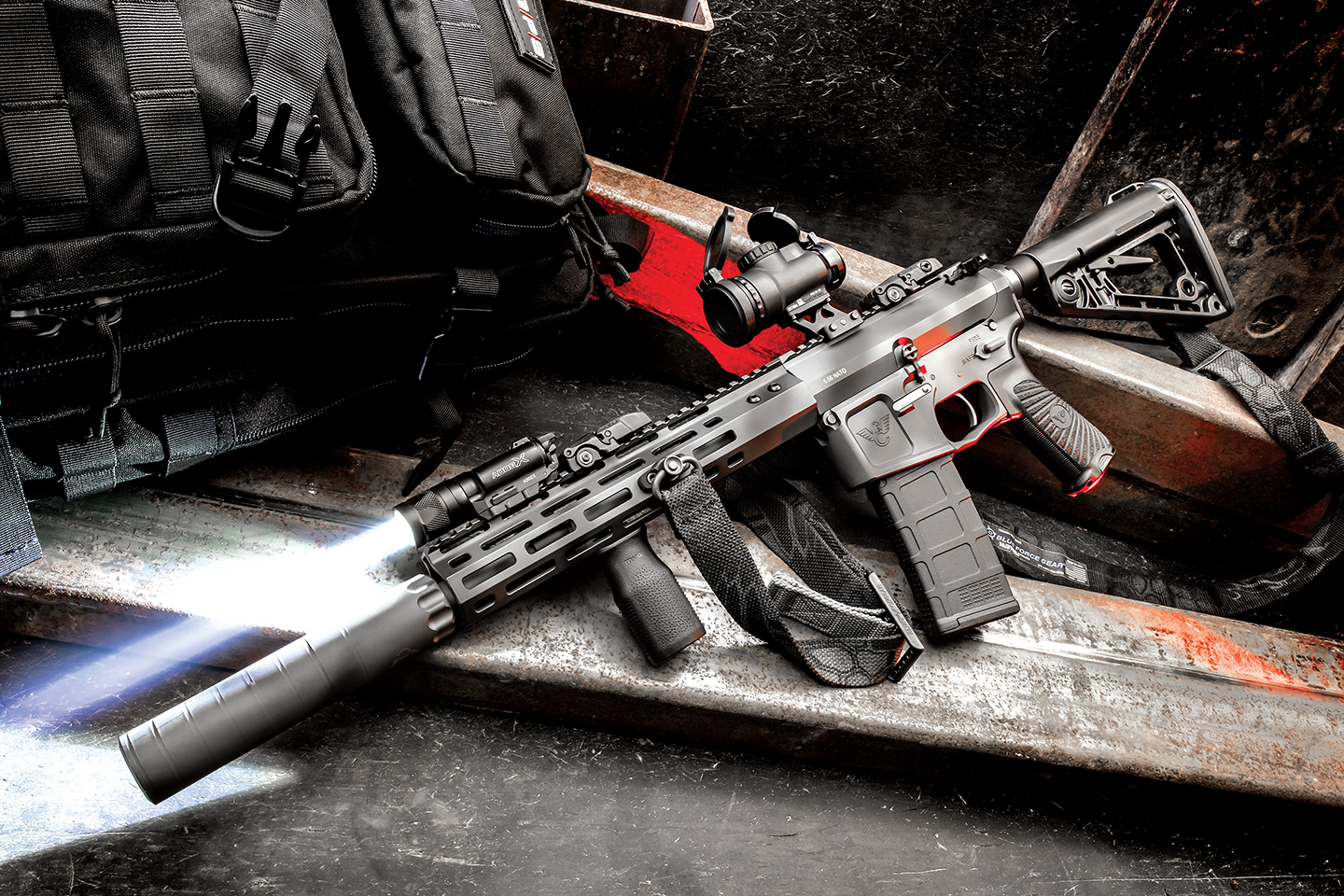
Suppressor bans
Eight states plus DC maintain their own prohibitions on suppressor ownership, regardless of what happens at the federal level:
- California
- Delaware
- Hawaii
- Illinois
- Massachusetts
- New Jersey
- New York
- Rhode Island
- District of Columbia
9mm ammunition Deals
Prices may change. May contain affiliate links.
If you live in any of these jurisdictions, the NFA ruling changes nothing about your ability to own a suppressor. You could not legally possess one before. You cannot legally possess one now. The federal registration requirement was a second lock on a door your state already welded shut. Removing the federal lock doesn't open the door.
Illinois is a particularly frustrating case for gun owners there because the state borders Indiana, Iowa, Missouri, Kentucky, and Wisconsin, all of which allow suppressors. The geographic proximity to free states makes the restriction sting more, but crossing the state line with a can remains a felony under Illinois law.
SBR restrictions
The SBR picture is slightly different because some states that allow suppressors still restrict short-barreled rifles. States with outright SBR bans or restrictions that effectively prohibit them include:
- California
- Hawaii
- Illinois (with narrow exceptions for C&R license holders)
- New Jersey
- New York
- Rhode Island
- District of Columbia
A few additional states have complicated frameworks. Connecticut, for example, allows certain pre-ban configurations but restricts others. Maryland has its own quirks around SBRs tied to its assault weapons law. Minnesota recently changed its laws but the implementation details still trip people up. If you're in a state with an assault weapons ban, the SBR question often gets tangled in that separate regulatory web.
SBS restrictions
Short-barreled shotguns tend to be the most restricted NFA item at the state level. Several states that allow suppressors and even SBRs still prohibit SBSs. The list of states banning or heavily restricting SBSs is longer than most people expect, and includes all the usual suspects plus a few surprises.
The "sort of helps" states
Then there's a middle category that creates real confusion: states where the federal ruling technically applies but state-level regulations still impose significant friction.
Ohio is a good example of a state actively trying to fix this. The Ohio Senate recently passed a bill specifically removing suppressors from the state's "dangerous ordnance" classification. Before that bill, Ohio law technically classified suppressors as dangerous ordnance but provided an exemption for those legally possessed under federal law. When the federal NFA registration requirement went away, a legal gray area opened up: if there's no federal registration, does the state exemption still apply? Ohio legislators recognized the problem and moved to clean it up. Other states with similar "legal if federally registered" language face the same ambiguity.
States with this kind of conditional legality create a real headache. Their suppressor or SBR laws were written assuming the NFA framework would always exist. The laws say something like "legal if possessed in compliance with federal law" or "legal if registered under the National Firearms Act." When the federal registration requirement disappears, the state law's reference to it becomes either meaningless or potentially a trap. Does "in compliance with federal law" mean "registered under the NFA" (which you can no longer do) or simply "not prohibited by federal law" (which they're not)?
This is the kind of question that will get sorted out state by state, either through attorney general opinions, legislative fixes, or court cases. In the meantime, it creates genuine uncertainty for owners in those states.
States actively blocking or fighting back
California's attorney general has been explicit about opposing any federal loosening of NFA restrictions. The state's position is that its own laws independently prohibit these items and that no federal court ruling changes California's criminal code. This isn't just posturing. California has its own assault weapons ban, its own suppressor prohibition, and its own enforcement apparatus. State and local law enforcement in California will still arrest and prosecute for possession of a suppressor regardless of what a federal judge in Texas says.
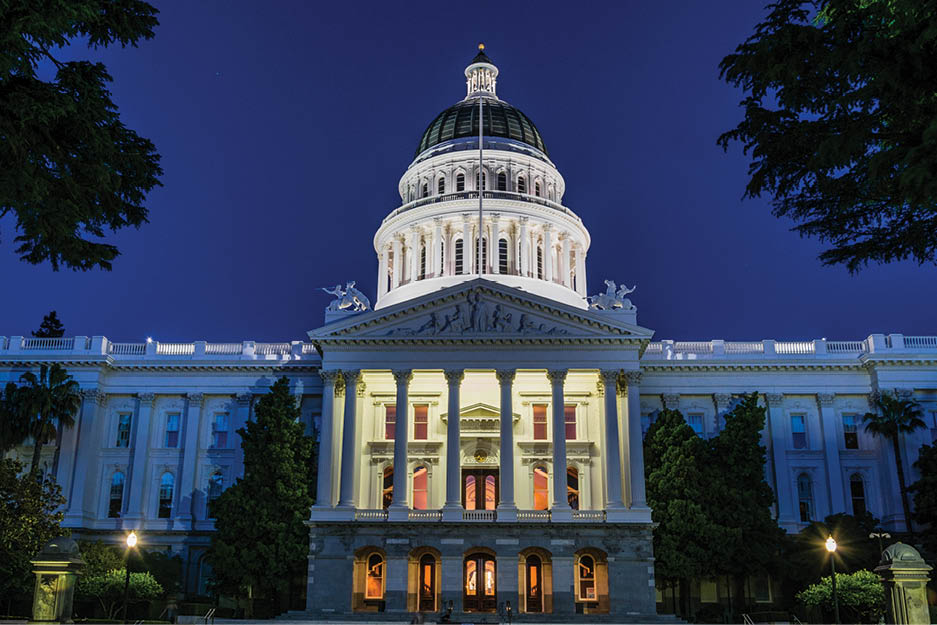
New Jersey, New York, and Massachusetts are in similar positions. These states have deeply entrenched firearms regulatory frameworks that operate independently of federal law. Their suppressor and SBR bans are state criminal statutes, not just piggyback provisions that reference the NFA. Even if the NFA were repealed entirely tomorrow by Congress, these state bans would remain in force until their own legislatures changed them.
Hawaii is worth mentioning separately because it's arguably the most restrictive firearms state in the country and the geographic isolation means there's zero practical gray area. There's no "I was just driving through" defense. You're on an island.
What about the budget bill?
The One Big Beautiful Bill Act working through Congress has its own NFA provisions. The version that passed the House included language reducing the NFA tax stamp to $0 for suppressors, SBRs, SBSs, and AOWs. For suppressors specifically, the bill went further, striking the registration requirement entirely by removing silencers from the NFA firearms list. That's similar in effect to the court ruling for suppressors, though the bill took a different legislative path. For SBRs and SBSs, a $0 stamp still means going through the NFA process, filing the form, waiting for approval, just without the $200 fee.
As of the latest movement, the Senate version of the bill included provisions mirroring the SHORT Act to remove SBRs and SBSs from the NFA definition of 'firearm,' and the final bill zeroed out the tax on both suppressors and short-barreled firearms alike. The legislative picture is still shifting.
Here's what matters for restricted-state residents: even if Congress zeros out the tax stamp or removes these items from the NFA entirely, state bans still apply. Congressional action and court rulings both operate at the federal level. Neither one can force California or New York to legalize suppressors. That requires action in Sacramento or Albany, and anyone holding their breath for that should find a comfortable chair.
What you can actually do
If you're in a restricted state, your options are limited but not zero.

Bergara rifle Deals
Prices may change. May contain affiliate links.
The most obvious path is political. State-level suppressor and SBR legalization bills have been introduced in several restrictive states over the years. Kansas just moved a state-level suppressor bill to the governor's desk. Ohio passed its dangerous ordnance reclassification. These things do happen, but they happen slowly and they happen because constituents push for them. If you're in Illinois and you want suppressors, your state legislators need to hear from you, not your congressman.
Moving is the other option, and yes, people actually do it. The firearms community has a real migration pattern toward free states. Texas, Florida, Arizona, Tennessee, and others actively benefit from this. That's a life decision obviously, not a gun decision, but the regulatory environment is a factor for a lot of people.
For dealers and FFLs in restricted states, the ruling doesn't change your compliance obligations. You still cannot transfer a suppressor to a resident of a state where possession is illegal. The NICS check and 4473 process doesn't override state law. Silencer Shop and other major distributors have already geo-fenced their systems to prevent orders from shipping to prohibited states.
The bottom line for restricted-state residents
The NFA ruling is genuinely historic. For people in the covered free states, it eliminated months of wait time, $200 in tax stamps, and a bureaucratic process that treated buying a muffler for your rifle like acquiring a weapon of mass destruction. That's real progress.
But if you're in California, New York, New Jersey, Massachusetts, Illinois, Hawaii, Delaware, Rhode Island, or DC, the ruling is a news story, not a shopping opportunity. Your state independently decided these items are illegal, and no federal court ruling or congressional action changes that. The fight for NFA item access in these states is a state-level fight, waged in state legislatures, and it's going to take years.
Check your specific state's laws before making any purchasing decisions. If your state has conditional language that references federal NFA compliance, talk to a firearms attorney in your jurisdiction before assuming you're clear. The legal landscape is shifting fast, and the gap between "probably legal" and "definitely legal" is a gap you don't want to be standing in when it matters.