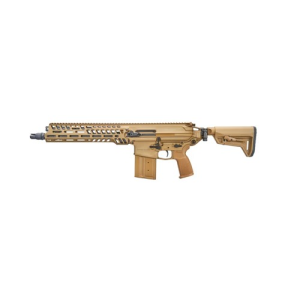
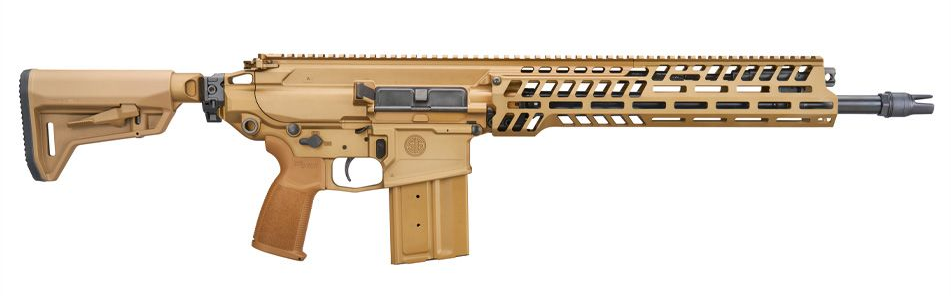
The Army spent roughly $4.7 billion on the Next Generation Squad Weapon program to solve a real problem: near-peer adversaries wearing ceramic body armor that 5.56 NATO can't reliably defeat at distance. The solution was a new 6.8x51mm cartridge pushing a 135-grain projectile to 3,000 feet per second from a 16-inch barrel, mated to a SIG Sauer rifle (XM7) and automatic rifle (XM250) built to handle the pressure. On paper, the lethality jump is massive. On the firing line, soldiers are pushing back, the Marine Corps has declined the system entirely, and the Army is already developing a shorter carbine variant (XM8) that tacitly admits the original platform has issues. The critics aren't just forum warriors. They have a point, and the program's trajectory over the next two years will determine whether NGSW becomes the M16 of its generation or the next XM8 (the first one, put on hold in 2004 and formally canceled on October 31, 2005, which died quietly in a warehouse).
Here's where things actually stand, what the real complaints are, and why the Army is pressing forward anyway.
The problem NGSW was built to solve
The 5.56x45mm NATO cartridge, derived from the .223 Remington developed in the early 1960s, has been the formal NATO standard since 1980. It's light, controllable, and soldiers can carry a lot of it. For decades, that trade-off worked. The threat environment that drove NGSW is different. Russian Ratnik-3 and Chinese body armor programs fielded Level IV equivalent ceramic plates to frontline infantry units. At 300 meters and beyond, M855A1 out of a 14.5-inch M4A1 barrel starts losing the energy needed to defeat that protection. The Army's own testing showed consistent failure to penetrate near-peer plate carriers at ranges where an infantry squad needs to be lethal.
That's the genesis of the whole program. Not a desire for a new toy, but a genuine capability gap. The 6.8x51mm round (designated .277 SIG Fury in the commercial space) runs at approximately 80,000 PSI chamber pressure, roughly 29% higher than the 5.56 NATO's 62,000 PSI. It achieves muzzle velocities around 3,000 fps from the XM7's 13.5-inch barrel and delivers roughly 2,700 foot-pounds of energy at the muzzle. For comparison, M855A1 from an M4A1 delivers about 1,300 foot-pounds. The energy advantage is not subtle. At 500 meters, the 6.8x51mm still carries enough energy to defeat Level IV plates, according to Army testing data released during the type classification process.
Nobody serious disputes the ballistic argument. The round does what it's supposed to do. The argument is about everything else.

Sig sauer 6.8x51mm Cartridge (.277 SIG Fury) Deals
Prices may change. May contain affiliate links.
Weight: the complaint that won't go away
The single loudest criticism from soldiers who've handled the XM7 is weight. The rifle itself tips the scales at approximately 8.18 pounds unloaded. Add the suppressor (which the Army intends as a standard-issue component), a loaded 20-round magazine, and the XM157 Fire Control optic, and the system approaches 14 pounds ready to fight. For context, a kitted M4A1 with an ACOG, PEQ-15, and loaded 30-round magazine runs about 9 pounds.
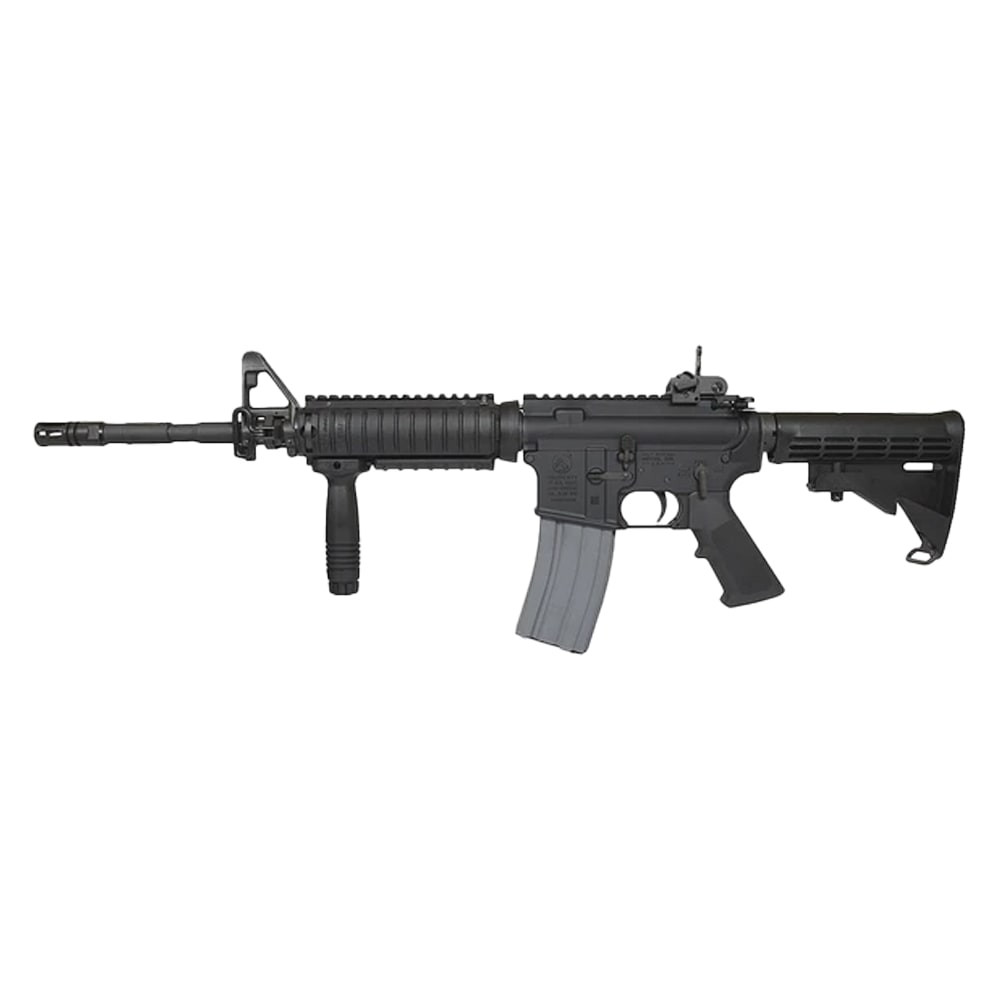
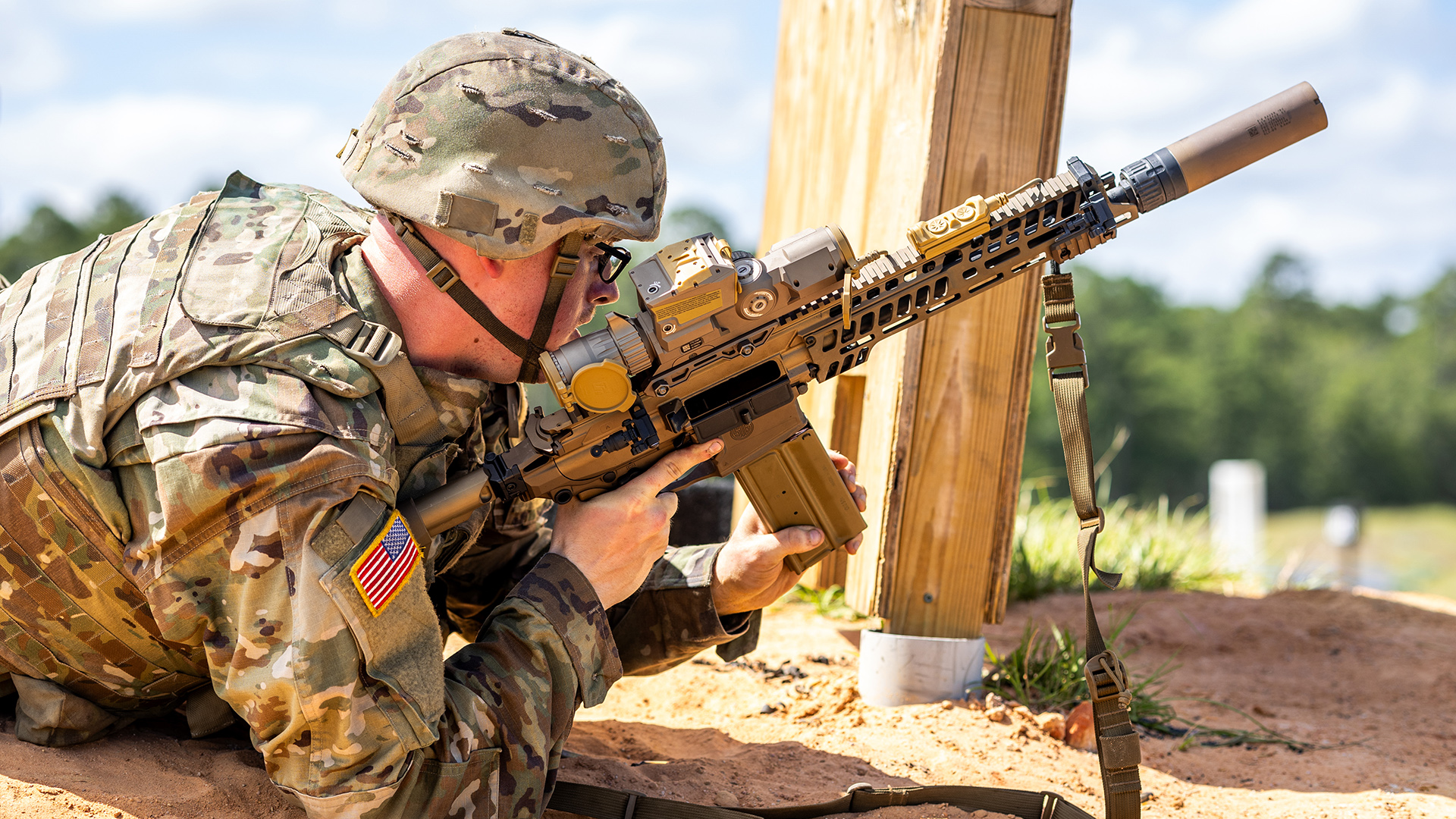
That's a five-pound penalty per rifle, and it gets worse when you count ammunition. The 6.8x51mm cartridge uses a hybrid steel-brass case that weighs significantly more than a 5.56 brass case. A basic combat load of 210 rounds of 5.56 (seven 30-round magazines) weighs roughly 7 pounds in magazines. An equivalent 210 rounds of 6.8x51mm in 20-round magazines weighs closer to 10 pounds, and you need more magazines to carry the same round count because each mag holds ten fewer rounds. The math is brutal. A soldier carrying the XM7 system with a full combat load is hauling roughly 8 to 10 additional pounds compared to the M4A1 setup, depending on how many magazines they carry.
Retired Special Forces NCOs and active-duty infantry officers have been vocal about this. A former Army Ordnance captain's analysis that circulated widely in early 2025 called the weight penalty "operationally disqualifying" for dismounted infantry in complex terrain. That's strong language, but the physics back it up. Every pound on a soldier's back translates to reduced speed, increased fatigue, and degraded cognitive performance over a patrol. The Army's own studies on soldier load have repeatedly identified overburdening as a readiness killer. Adding nearly ten pounds to the primary weapon system moves in exactly the wrong direction.
The counterargument from NGSW proponents is that the increased lethality per round means soldiers won't need to carry as much ammunition. Fewer rounds, more kills. That's a doctrinal argument, not a proven one, and it runs against decades of infantry experience suggesting that volume of fire and ammunition depth win firefights. Soldiers in contact don't take fewer shots because each round is more lethal. They shoot until the threat stops or they're Winchester.
Magazine capacity and volume of fire
This feeds directly into the second major criticism: the 20-round magazine. The M4A1's 30-round magazine has been standard for decades. Soldiers train with it, build muscle memory around it, and plan fire-and-maneuver around its capacity. Dropping to 20 rounds per magazine is a 33% reduction in immediately available firepower.
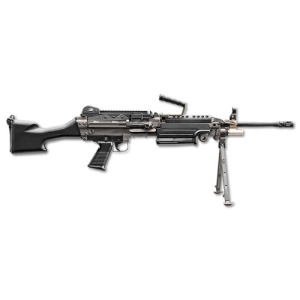
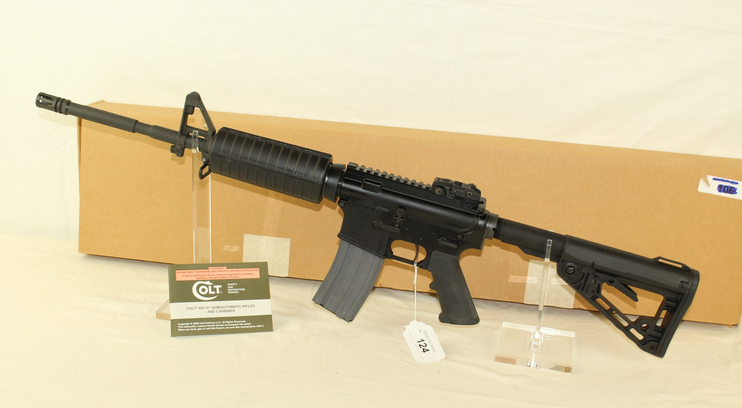
The Army's position is that the XM250 automatic rifle, which replaces the M249 SAW in NGSW-equipped squads, compensates for the reduced individual capacity by providing devastating suppressive fire with the same 6.8x51mm round. The XM250 is belt-fed using 50- and 100-round ammo carriers and weighs 13 pounds with bipod, which is actually lighter than the M249 at 17 pounds empty. That's a genuine improvement. But the squad-level math still raises questions. If the automatic rifleman goes down or has a malfunction, the rest of the squad is fighting with 20-round magazines. In urban terrain where engagement distances collapse and rate of fire matters more than long-range precision, that capacity reduction is a real tactical concern.
Task & Purpose reported on this debate extensively, noting that the volume-of-fire question has split the infantry community. Old-school NCOs who fought in Fallujah and Sadr City viscerally reject the idea of less ammo per magazine. Younger officers who came up studying near-peer doctrine tend to be more receptive to the lethality-over-volume argument. Neither side is wrong. They're optimizing for different fights.
The XM157 fire control: genuinely impressive, genuinely complex
One area where even critics tend to give NGSW credit is the XM157 Fire Control optic, built by Vortex Optics under their government contracting arm. It's a 1-8x variable optic with an integrated ballistic computer, laser rangefinder, atmospheric sensors, visible and infrared aiming lasers, and a digital display that calculates a firing solution and projects an adjusted aim point in real time. The system accounts for range, temperature, pressure, cant, and even the specific ammunition lot loaded.
Sig sauer XM250 Automatic Rifle
May contain affiliate links.
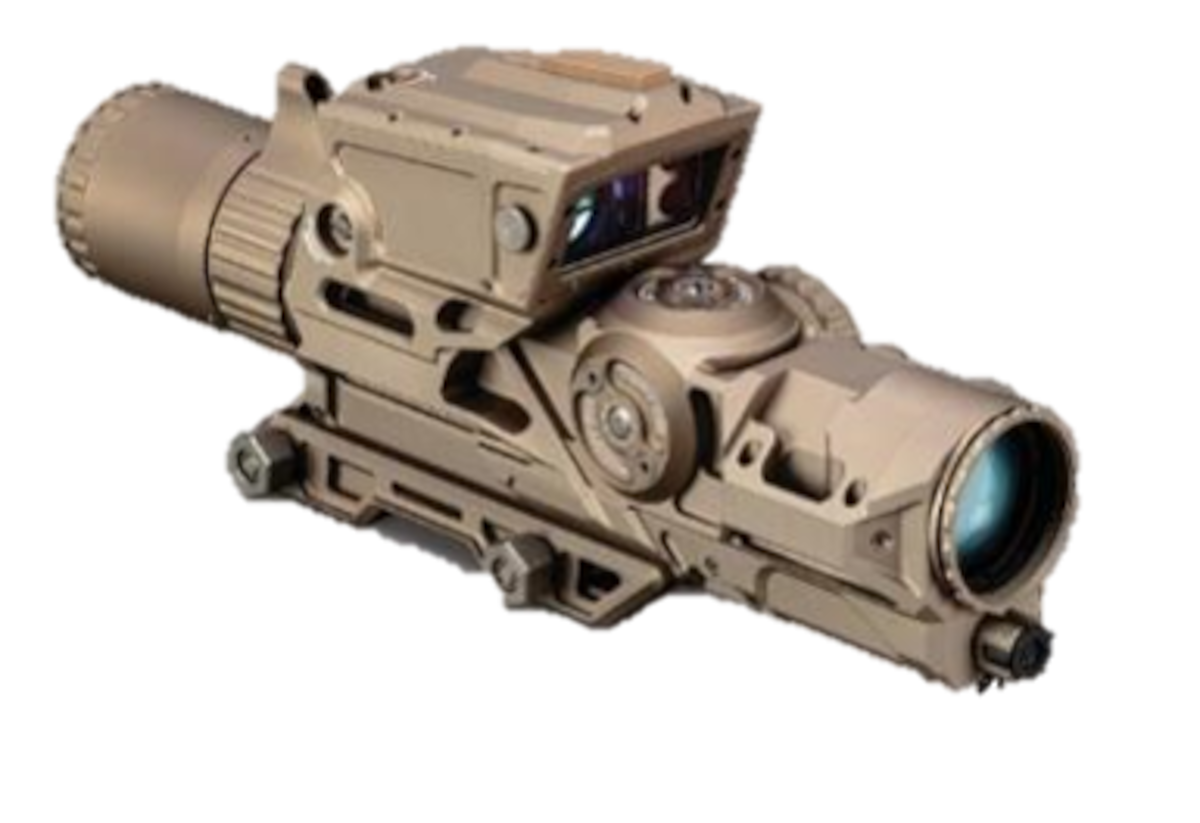
Here's something most people don't know: the XM157 can theoretically enable a first-round hit at 600 meters from a soldier who has never shot beyond 300. The ballistic computer does the work that previously required a trained marksman with a data book and a spotter. In Army testing, soldiers using the XM157 demonstrated dramatically improved hit probability at extended ranges compared to the same soldiers using conventional optics. The technology is real and it works.
The concern is complexity and durability. The XM157 is an electronic device with batteries, circuit boards, and a digital display operating in environments that destroy electronics: sand, mud, rain, extreme cold, and the kind of impact shock that comes from being dropped on concrete by a tired private at 0300. Arctic testing has raised particular concerns about battery life and display performance in extreme cold, where lithium batteries lose capacity rapidly and LCD response times degrade. The Army's own research on arctic munitions operations acknowledges that cold-weather performance of electronic systems remains a persistent challenge.
If the XM157 goes down, the soldier still has an etched reticle as a backup. That's good design. But the etched reticle on a 1-8x optic without the ballistic computer is essentially just a decent LPVO, and the entire extended-range advantage of the system evaporates. The rifle becomes an extremely heavy, low-capacity 6.8mm platform with a nice scope. The lethality argument depends on the fire control working. That's a single point of failure for the program's core selling point.
The Marine Corps said no
The most telling data point in the NGSW debate isn't from a think tank or a Reddit thread. It's from the Marine Corps. In early 2026, the USMC officially declined to adopt the M7 rifle, announcing it would retain the M27 Infantry Automatic Rifle (a 5.56mm HK416 variant) as its standard infantry weapon. The Marines evaluated the NGSW system and concluded that the weight penalty and logistical burden didn't justify the capability gain for their operational requirements.

Heckler & koch HK416 Rifle Deals
Prices may change. May contain affiliate links.
Heckler & koch M27 Infantry Automatic Rifle
May contain affiliate links.
May contain affiliate links.
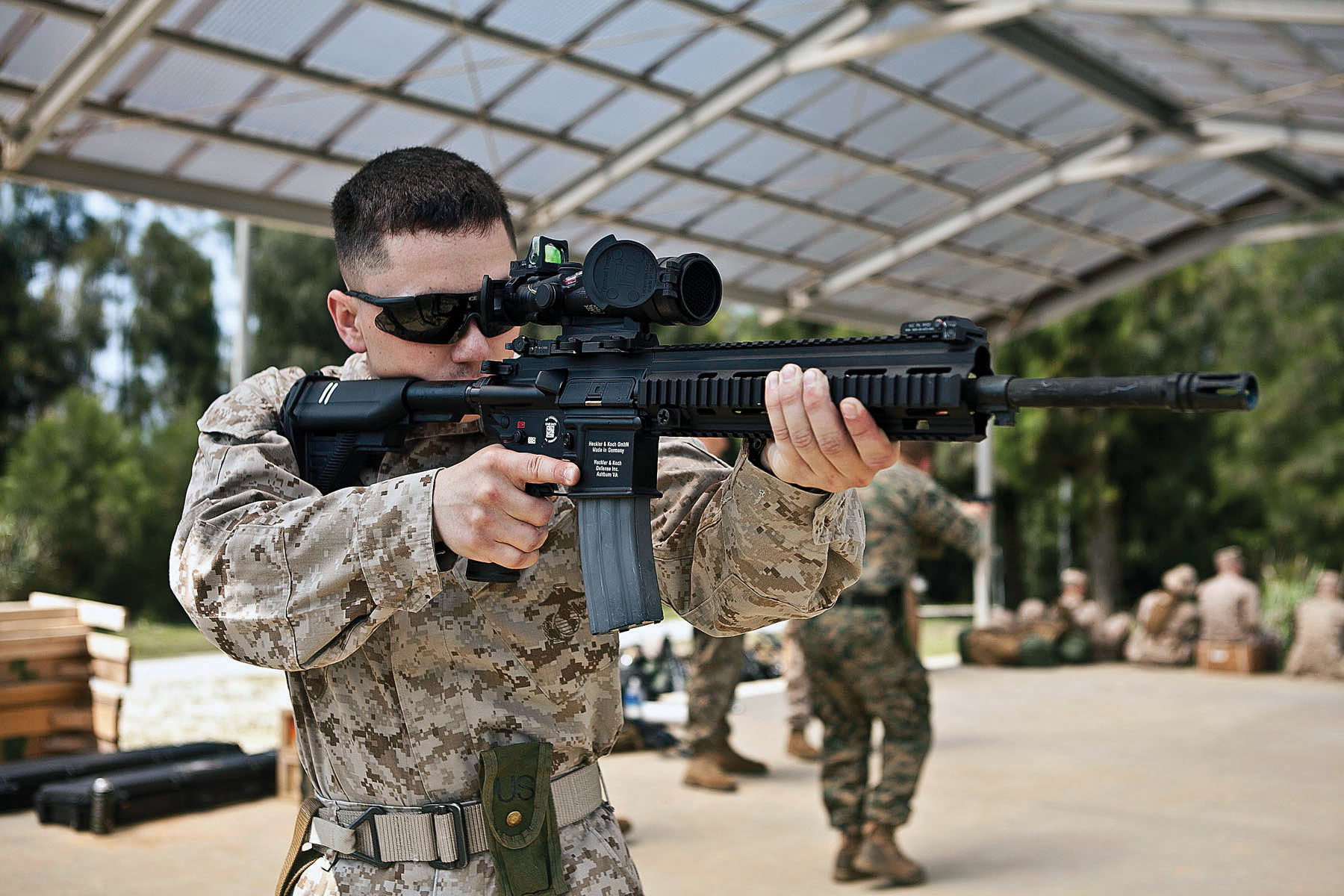
This matters because the Marines are not a risk-averse organization when it comes to small arms. They adopted the M27 IAR when the Army wouldn't, pushed the M40 sniper rifle through decades of upgrades, and have historically been more aggressive about equipping individual Marines as precision shooters. If the NGSW offered a clear, unambiguous advantage, the Marines would have taken it. They didn't.
The Marine reasoning, as reported, centered on their expeditionary mission set. Marines operate from ships, move fast, and carry everything on their backs. Every pound matters even more when you're conducting ship-to-shore movement or operating at the end of a thin logistics chain. The 5.56mm M27 gives them a proven, lightweight platform with 30-round magazines and a massive existing ammunition supply chain. The USMC's decision to stick with 5.56 also aligns with NATO standardization, which leads to another problem.
The NATO interoperability question
NATO standardization exists so that allied forces can share ammunition in a fight. It's not theoretical. Ammunition cross-leveling between allied units has happened in every major coalition operation since Korea. The 5.56x45mm and 7.62x51mm NATO cartridges are standards precisely because interoperability saves lives when supply chains get disrupted.
May contain affiliate links.
Heckler & koch HK416F Rifle
May contain affiliate links.
May contain affiliate links.
The 6.8x51mm is not a NATO standard. No other NATO member has adopted it or signaled intent to adopt it. The United Kingdom, France, Germany, and other major allies continue to field 5.56mm platforms. If U.S. Army units equipped with XM7s operate alongside allied forces, they cannot share rifle ammunition. In a near-peer conflict, the exact scenario NGSW was designed for, this is a significant logistical vulnerability.
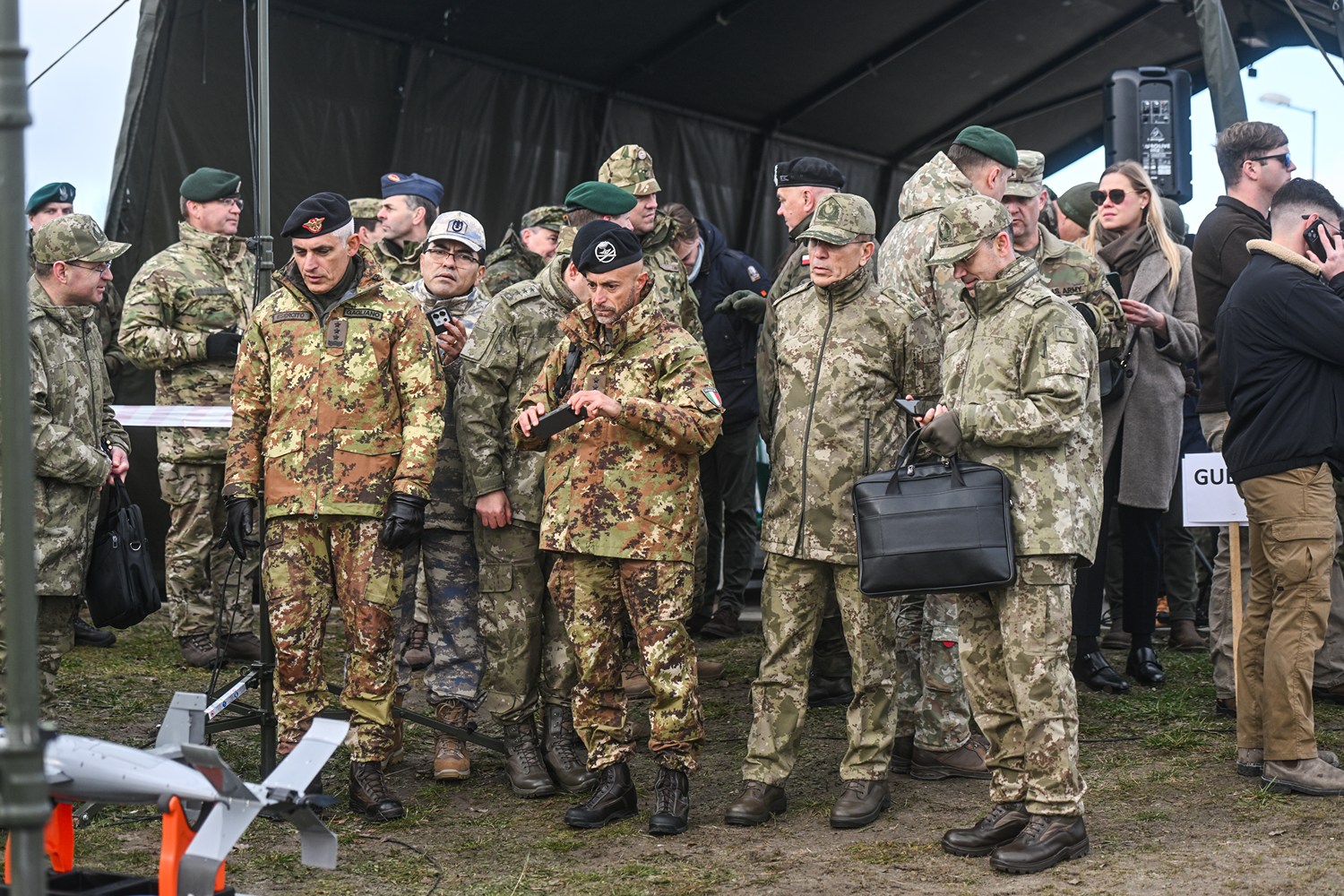
The Army's implicit bet is that the 6.8x51mm's performance advantage is so significant that NATO will eventually follow. That's a bold assumption. NATO standardization processes move slowly, defense budgets across the alliance are strained, and most NATO members have recently invested in new 5.56mm platforms (the German G95A1, the French HK416F, the British SA80). Asking allies to abandon those investments for a cartridge that solves an American-identified problem is a tough sell, especially when many European armies see the near-peer armor threat differently than the U.S. does.
The XM8 carbine: the Army's quiet admission
Perhaps the strongest evidence that the critics have a point is the XM8. Not the failed Heckler & Koch XM8 from 2004, but SIG Sauer's carbine version of the M7 rifle, which the Army designated in March 2026. The XM8 is shorter and lighter than the XM7, designed for vehicle crews, support personnel, and close-quarters use.

Sig sauer MCX Spear LT Rifle Deals
Prices may change. May contain affiliate links.
Sig sauer XM8 Carbine
May contain affiliate links.
May contain affiliate links.
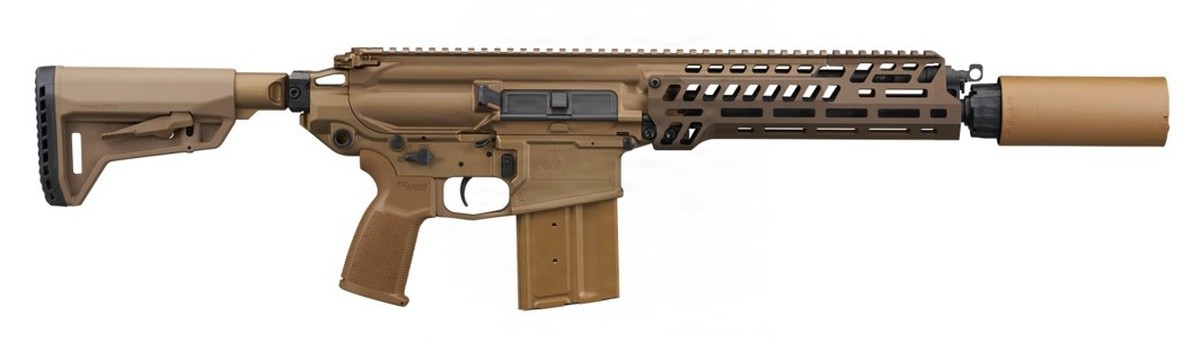
The existence of the XM8 tells you something important: the Army recognized that the full-size XM7 is too large and heavy for a significant portion of the force. That's not a controversial observation. It's the same reason the M4 carbine replaced the M16A2 for most soldiers decades ago. But it also means the Army is already spending additional money to develop a variant that addresses the exact complaints soldiers raised about the original platform. When the program's own trajectory includes building a smaller, lighter version before the original has even reached full fielding, the critics' weight argument has been validated by the procurement office itself.
What the arms room reality looks like
Range notes from units that have received early XM7 fieldings paint a mixed picture. Soldiers consistently report impressive terminal performance and accuracy, particularly at distance. The combination of the 6.8x51mm cartridge and XM157 fire control genuinely extends the effective range of the average rifleman. Hits at 500 and 600 meters that would require a skilled marksman with an M4A1 and ACOG become achievable for soldiers with moderate training.
7.62x51mm NATO Ammunition Deals
Prices may change. May contain affiliate links.
But those same reports flag recoil as a significant issue. The 6.8x51mm at 80,000 PSI produces substantially more felt recoil than 5.56mm. Soldiers describe it as comparable to 7.62 NATO, which tracks with the energy levels involved. For experienced shooters, it's manageable. For the 130-pound soldier fresh out of OSUT who qualified on an M4 six months ago, it's a different story. Recoil management under stress, during rapid fire, and from awkward positions is harder with the XM7. Qual scores from early fieldings have been mixed, with some units reporting lower initial qualification rates compared to M4A1 baselines.
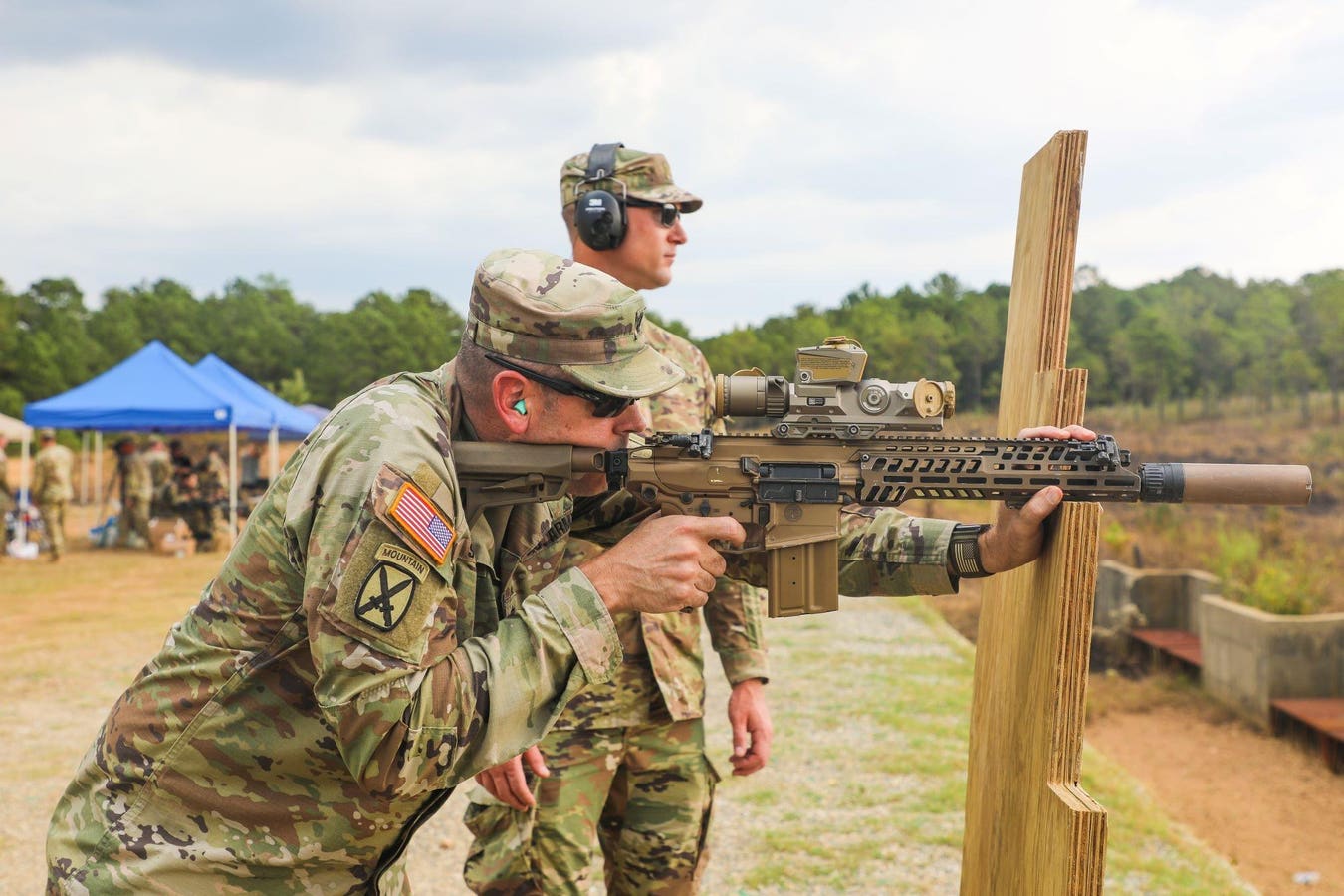
The suppressor, while excellent for reducing signature and protecting hearing, adds length and weight to an already large platform. Soldiers in vehicle-mounted roles and urban environments report difficulty maneuvering the suppressed XM7 in confined spaces. The suppressor also requires maintenance attention that units accustomed to bare-muzzle M4s aren't used to providing. Carbon buildup, baffle erosion checks, and mount torque verification add steps to PMCS (preventive maintenance checks and services) that armorers need to be trained on.
Ammunition supply is another practical concern. Units can't just draw 6.8x51mm from the existing ASP (ammunition supply point) the way they draw 5.56. The supply chain is still maturing, and Guard and Reserve units in particular face allocation challenges. Training ammunition availability directly impacts readiness, and a weapon system soldiers can't regularly shoot is a weapon system they can't fight with.
The counterargument: why the Army doesn't care (yet)
The Army's position, stated repeatedly by program officials, is that NGSW is a generational investment in overmatch. The 5.56mm cartridge has been pushed to its physical limits. M855A1 is about as good as 5.56 gets, and it still can't defeat modern ceramic armor at infantry engagement distances. The Army views the weight and capacity penalties as acceptable costs for a quantum leap in lethality.
Colt M16 Rifle Deals
Prices may change. May contain affiliate links.
May contain affiliate links.
May contain affiliate links.
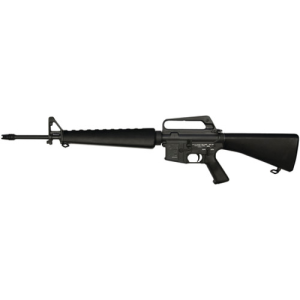
There's historical precedent for this kind of transition pain. When the M16 replaced the M14 in Vietnam, soldiers hated it. The early M16 had catastrophic reliability problems, and troops who'd trained on the heavier, harder-hitting M14 felt undergunned. It took years of refinement, the M16A1 improvements, and a generation of soldiers who grew up with the platform before the AR-15 family became the universally trusted weapon it is today. NGSW proponents argue we're in the same awkward transition period.
The Army also points to the XM250 as the real game-changer. Replacing the 17-pound M249 with a 13-pound automatic rifle that fires a dramatically more lethal cartridge is a net weight savings at the squad automatic weapon position with a massive lethality increase. If you view NGSW as primarily an automatic rifle program that happens to include a rifle, the calculus shifts.
And the XM157 fire control represents a genuine paradigm shift in infantry marksmanship. Even if the rifle itself is heavier and kicks harder, the ability to put first-round hits on target at extended range changes how a squad fights. The Army's bet is that technology compensates for the physical disadvantages, and that as the system matures, weight will come down and capacity will go up.
Common criticisms that miss the mark
Not all NGSW criticism is equally valid. A few arguments circulating in forums and opinion pieces don't hold up under scrutiny.
6.5 Creedmoor Ammunition Deals
Prices may change. May contain affiliate links.
The claim that 6.8x51mm is "too powerful" and will cause excessive collateral damage misunderstands how terminal ballistics work. A faster, more efficient projectile that defeats armor and fragments predictably is not inherently more dangerous to bystanders than a slower round that ricochets off a plate carrier.
The argument that the program is "just a giveaway to SIG Sauer" ignores that three companies competed (SIG, LoneStar Future Weapons/Beretta USA using True Velocity cartridges, and Textron) and the evaluation process was extensive. Procurement criticism is fair game, but the competition was real.
The suggestion that the Army should have just adopted 6.5 Creedmoor or .260 Remington misses the point. Those cartridges don't achieve the armor-defeating velocity the Army required without the high-pressure hybrid case technology that defines the 6.8x51mm. Off-the-shelf hunting cartridges weren't going to solve the problem.
What happens next
The Army's fielding plan calls for NGSW to equip close-combat forces first: infantry, cavalry scouts, and combat engineers. Full fielding across the force is a decade-plus proposition. The XM8 carbine variant will go to support and vehicle-mounted troops. The existing inventory of M4A1s isn't going anywhere soon. Most soldiers, and virtually all Guard and Reserve units, will carry M4A1s for years to come.
The real test comes when NGSW-equipped units conduct large-scale combat training center rotations at NTC and JRTC. Controlled range testing is one thing. A two-week force-on-force rotation in the Mojave with full combat loads, vehicle operations, and sustained logistics stress will expose every weakness the program has. Those rotations are coming, and the after-action reviews will be the most honest assessment the system gets.
SIG Sauer is also continuing to refine the platform. Weight reduction, improved ergonomics, and potentially higher-capacity magazines are all on the development roadmap. The hybrid steel-brass case technology may evolve toward lighter materials. The XM157 will get firmware updates and hardware revisions. First-generation military systems always improve. The question is whether the fundamental design decisions, the cartridge pressure, the case weight, the 20-round magazine, can be iterated past their current limitations or whether they're baked into the physics.
What to watch for
Three things will tell you whether NGSW succeeds or becomes a cautionary tale in procurement textbooks.
First, watch allied adoption. If no NATO partner moves toward 6.8x51mm within five years, the interoperability problem becomes a strategic liability that even the best rifle can't overcome.
Second, watch ammunition production rates and costs. The hybrid case is expensive to manufacture compared to conventional brass. If per-round costs don't come down significantly, training ammunition allocations will suffer, and soldiers won't shoot enough to be proficient. A rifle soldiers can't afford to train with is a rifle that fails in combat.
Third, watch the infantry's feet. Not their words, their reenlistment rates, their qualification scores, their CTC performance. Soldiers complain about every new piece of equipment. That's normal. But if NGSW-equipped units show degraded physical performance on dismounted operations, lower qualification rates after the initial training surge, or persistent logistics friction, the program will face the kind of pressure that no amount of PowerPoint lethality data can overcome.
The bottom line for your arms room
If you're an armorer, a readiness NCO, or a company commander, NGSW probably isn't your problem yet. Your M4A1s still need BZOs confirmed, your CLP still needs to be in stock, and your soldiers still need trigger time with the weapons they have. The best thing you can do right now is make sure your current small arms program is squared away, because the fundamentals of marksmanship, maintenance, and range planning don't change when the caliber does.
But start reading the TMs when they drop. Understand the XM7's maintenance requirements, the suppressor service schedule, and the XM157's battery and calibration procedures. When the transition hits your unit, and it will, the units that prepared will run smooth range days while everyone else is scrambling.
The critics have legitimate points about weight, capacity, interoperability, and complexity. The Army has a legitimate point about lethality overmatch against armored threats. Both things are true at the same time. The next few years will determine which set of concerns matters more in the fights we actually end up in. That's not a comfortable answer, but it's the honest one.