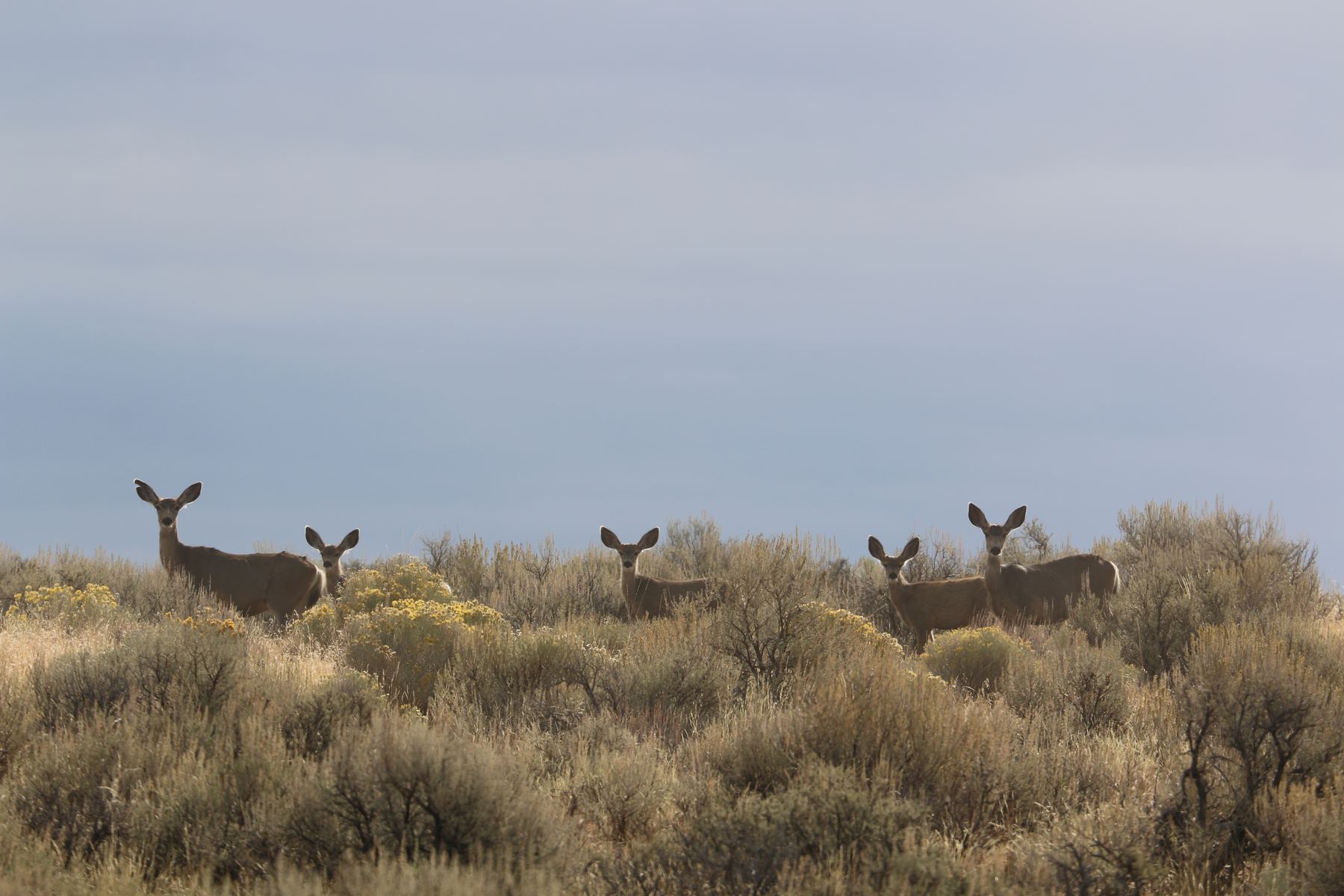
Oregon's big game regulations shifted hard for 2026, and if you haven't looked at the new tag structures, you're already behind. ODFW restructured mule deer management across eastern Oregon, consolidated some wildlife management units, and adjusted controlled hunt tag numbers for elk in ways that change where and how you'll hunt this fall. The rifle you carry should reflect the zone you drew, not the other way around.
This isn't a cartridge debate article. It's about matching a rifle to the terrain, species, and realistic shot distances you'll face in specific Oregon zones. Whether you're packing into the Wallowas for Rocky Mountain elk, sitting a juniper ridge in the high desert for mule deer, or hunting blacktails in the Coast Range where 80 yards is a long poke, the right tool matters. You'll walk away knowing which rifles actually earn their weight across Oregon's wildly different landscapes.
Who this guide is for
You drew an Oregon big game tag for 2026, or you're planning to put in, and you want a rifle matched to the unit you'll hunt. Budget runs from working-class bolt guns to mid-tier mountain rifles. You've hunted before and you know your way around a rifle, but you want Oregon-specific thinking, not generic "best hunting rifle" lists.
Quick picks
- Tikka T3x Lite Best overall for Oregon versatility
- Weatherby Mark V Backcountry 2.0 Best for eastern Oregon long-range mule deer
- Browning X-Bolt Speed Best for mountain elk in the Wallowas and Blues
- Ruger American Generation II Best budget option across all zones
- Winchester XPR Best value for Coast Range blacktail
- Christensen Arms Ridgeline Best lightweight option for backcountry elk
- Bergara B-14 HMR Wilderness Best for hunters who want precision at distance
At a glance
| Rifle | Weight (unscoped) | Chamberings relevant to OR big game | Action type | Barrel length options | Price tier |
|---|---|---|---|---|---|
| Tikka T3x Lite | 6 lb 3 oz | 19 caliber options incl. .308 Win, 6.5 Creedmoor, .30-06, 7mm Rem Mag | Bolt | 20", 22.4", 24" | $$ |
| Weatherby Mark V Backcountry 2.0 | 5 lb 9 oz | 6.5 Wby RPM, .257 Wby Mag, 6.5-300 Wby Mag | Bolt | 18", 22", 24", 26", 28" | $$$ |
| Browning X-Bolt Speed | 6 lb 5 oz | .243 Win, .270 Win, .280 Ack Imp, .308 Win, .30-06 Sprg, 6.5 Creedmoor, 6.5 PRC, 6.8 Western, 7mm Rem Mag, 7mm PRC, 28 Nosler, .300 Win Mag, .300 PRC | Bolt | 22", 24", 26" | $$ |
| Ruger American Generation II | 6 lb 1 oz | .308 Win, 6.5 Creedmoor, .30-06 Sprg, 7mm PRC, .300 Win Mag, and others | Bolt | 20", 22", 24" | $ |
| Winchester XPR | 6 lb 12 oz | .308 Win, .30-06, .270 Win, .300 Win Mag, .223 Rem, .243 Win, 6.5 Creedmoor, .270 WSM, .338 Win Mag, .350 Legend, 6.5 PRC, and others | Bolt | 22", 24", 26" | $ |
| Christensen Arms Ridgeline | 5.4 lb | 6.5 Creedmoor, 6.5 PRC, .308 Win, .300 Win Mag | Bolt | 24", 26" | $$$ |
| Bergara B-14 HMR Wilderness | 9.5 lb | .308 Win, 6.5 Creedmoor, 6.5 PRC, 7 PRC, 300 Win Mag, 7MM Rem Mag, 300 PRC, .28 Nosler | Bolt | 20", 24", 26" | $$ |
How we chose
Oregon demands more from a rifle than most western states because the terrain diversity is extreme. You can hunt old-growth timber where shots happen at 40 yards and open basin country where 400 yards is realistic, sometimes on the same tag. Selection criteria leaned hard on these factors.
Reliability in wet conditions came first. Western Oregon gets soaked from October through December, and eastern Oregon's high desert swings from dust to snow in a single day. Stainless or cerakoted actions and barrels aren't luxury features here. They're maintenance realities. Every rifle on this list has corrosion-resistant metalwork or a proven coating.
Weight matters because Oregon elk hunts are not road hunts. Even general season units in the Cascades involve steep terrain and miles of hiking. A 9-pound rifle is fine if you're sitting a stand in the Willamette Valley, but it's a punishment on a ridge-to-ridge pack in the Elkhorns. Most picks stay under 7 pounds unscoped.
Manufacturer support and parts availability factored in. Oregon has good gunsmiths, but if you need a replacement bolt or extractor two weeks before the opener, you want a manufacturer who ships parts fast. Tikka, Browning, Ruger, and Winchester all have strong track records here. Christensen Arms has improved their customer service considerably in recent years, though they had growing pains earlier on.
Accuracy standards were practical, not benchrest. Sub-MOA is nice on paper, but what matters is whether the rifle holds 1.5 MOA or better with hunting ammo, from a cold bore, after you've been hiking for three hours. Every rifle here meets that standard with quality factory loads.
The picks
Tikka T3x Lite
Best for: Oregon all-around versatility across zones and species
Tikka T3x Lite Deals
Prices may change. May contain affiliate links.
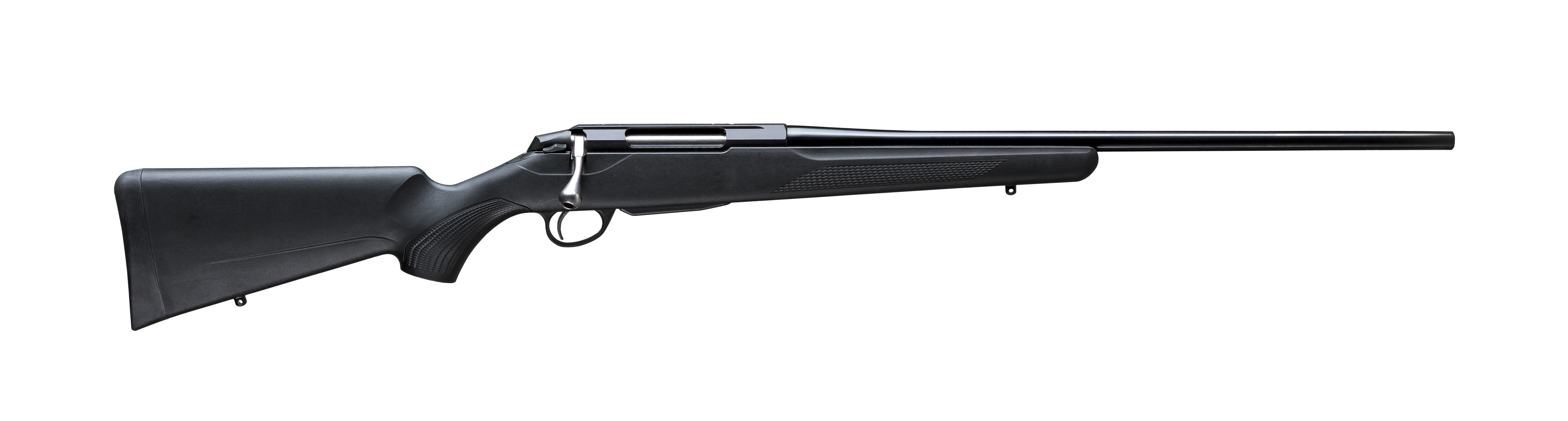
The T3x Lite is the default recommendation for a reason, and it's not because it's exciting. It's because it does everything well enough that you'll never feel undergunned in any Oregon unit. Chambered in .308 or 6.5 Creedmoor, it handles blacktail in the Coast Range and mule deer in the Ochoco with equal competence. Step up to .30-06 or 7mm Rem Mag and it covers elk in any unit you draw.
The action is smooth out of the box, smoother than rifles costing twice as much. The single-stage trigger breaks clean around 3 pounds, though some T3x rifles cannot be adjusted below 3-3.5 pounds without modification; reaching the 1.5-2 pound range that older T3 owners took for granted may require filing the adjustment screw. At 6 pounds 3 ounces before glass, it's light enough for mountain hunts without feeling flimsy. The synthetic stock handles rain and abuse without complaint.
Where the T3x Lite really earns its spot is consistency. Pick up five of them off the shelf and they'll all shoot well. That's not true of every manufacturer at this price point. The 20-inch barrel option in .308 makes a compact, fast-handling brush gun for timber hunts west of the Cascades, while the 24.4-inch barrel in 7mm Rem Mag gives you the velocity you want for longer shots in open eastern Oregon country.
Pros
- Exceptionally smooth action for the price
- Adjustable trigger with no gunsmithing required
- Light enough for mountain hunts, accurate enough for open country
- Huge aftermarket for stocks, triggers, and accessories
- Proven reliability in cold, wet Pacific Northwest conditions
Cons
- Synthetic stock feels basic compared to pricier options
- Limited color and finish options in the standard Lite model
- Detachable magazine is polymer and can feel cheap
- No threaded muzzle on standard models
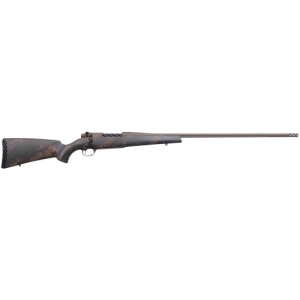
Weatherby Mark V Backcountry 2.0
Best for: Eastern Oregon mule deer at distance
Weatherby Mark V Backcountry 2.0 Deals
Prices may change. May contain affiliate links.
Oregon's mule deer units east of the Cascades, places like the Steens, Hart Mountain, and the Malheur country, involve wide open basins where a buck might show himself at 350 yards and never come closer. The Backcountry 2.0 was built for exactly this scenario. At 5 pounds 9 ounces, it's absurdly light for a magnum-capable rifle, and the carbon fiber stock paired with a fluted barrel keeps the weight honest.
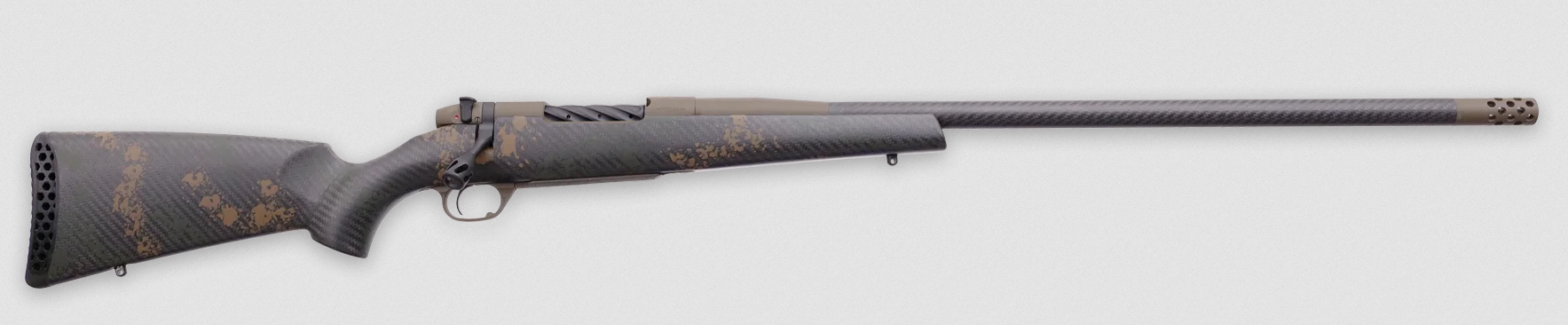
The 6.5 Weatherby RPM chambering deserves attention from Oregon mule deer hunters specifically. It pushes a high-BC 140-grain bullet past 3,000 fps from a standard-length action, which means less wind drift across those eastern Oregon flats where wind is constant and unforgiving. The .257 Weatherby Mag is another strong option if you're strictly after muleys and don't need elk capability from the same rifle.
The Mark V action has a reputation for strength that goes back decades, and the Backcountry 2.0 modernizes it without losing that foundation. The trigger is crisp, the fit and finish are excellent, and the Cerakote finish handles the alkali dust and sudden rain squalls you'll encounter in the high desert.
Pros
- Extremely light for a magnum-class rifle
- 6.5 Weatherby RPM is a genuine ballistic advantage in open country
- Cerakote and carbon fiber stock handle harsh conditions
- Sub-MOA guarantee from the factory
- Nine-lug bolt provides a short, 54-degree lift
Cons
- Proprietary Weatherby cartridges mean less ammo availability in small-town Oregon
- Recoil is sharp in a rifle this light, especially in magnum chamberings
- Highest price tier on this list
- Light weight amplifies shooter error at distance
Browning X-Bolt Speed
Best for: Mountain elk in the Wallowas and Blue Mountains

Browning X-Bolt Speed Deals
Prices may change. May contain affiliate links.
The Wallowa and Blue Mountain units hold some of Oregon's best Rocky Mountain elk hunting, and they punish you physically. You're dealing with steep, timbered ridges that open into alpine basins. Shots can be 80 yards in the dark timber or 300 yards across a draw. The X-Bolt Speed splits the difference between a mountain rifle and a do-everything hunting gun.
At 6 pounds 5 ounces, it's manageable on long climbs. The OVIX camo finish on the stock and Cerakote on the metalwork handle the mix of rain, snow, and brush you'll encounter in the Blues during late October and November. Chambered in .300 Win Mag, it delivers the terminal performance you want on a 700-pound bull at distance. The 7mm PRC chambering is worth serious consideration too, offering similar downrange energy with less recoil and better barrel life.
The X-Bolt's three-lever Feather Trigger is one of the best factory triggers in production. It breaks at an adjustable 3 to 5 pounds with zero creep. That matters when you're cold, your hands are shaking from a hard climb, and you have five seconds to make a shot on a bull that's about to drop off a ridge. The rotary magazine sits flush and doesn't snag on brush or sling straps.
Pros
- Feather Trigger is genuinely excellent
- Flush-fit rotary magazine prevents snags
- Good balance between weight and shootability
- OVIX camo pattern works well in Oregon's mixed timber and sage
- Available in 7mm PRC for hunters wanting modern ballistic efficiency
Cons
- Not as light as dedicated mountain rifles
- .300 Win Mag recoil in a 6-pound rifle requires disciplined shooting practice
- Browning's proprietary scope mount system limits ring options
- Stock geometry may not suit all shooters without adjustment
Ruger American Generation II
Best for: Budget-conscious hunters across all Oregon zones
Ruger American Generation II Deals
Prices may change. May contain affiliate links.
The Generation II fixed nearly everything wrong with the original Ruger American. The trigger is better, the stock is stiffer, and the overall fit and finish jumped a full tier. For a hunter who drew a general season deer tag and doesn't want to spend four figures on a rifle, this is the honest answer.
Chambered in .308 Win or 6.5 Creedmoor, it handles any deer in Oregon cleanly out to 300 yards, which covers the vast majority of realistic shot opportunities in the state. The .30-06 and 7mm Rem Mag options give it elk capability for hunters pulling double duty. At 6 pounds 1 ounce, it's light enough for mountain hunts, and the adjustable trigger breaks cleanly in the 3-pound range.
The Generation II accepts AICS-pattern magazines, which is a huge upgrade over the original's proprietary mags. That means better aftermarket support and more reliable feeding. The stock has an improved grip angle and length of pull that fits more shooters without modification.
Pros
- Lowest price on this list with genuinely good performance
- AICS-pattern magazine compatibility
- Improved trigger over the original Ruger American
- Light enough for mountain hunts
- Available in every relevant big game chambering
Cons
- Barrel finish isn't as corrosion-resistant as Cerakote options
- Stock still flexes under heavy sling pressure
- Accuracy is good but not exceptional compared to mid-tier rifles
- Fit and finish reflects the price point
Winchester XPR
Best for: Coast Range blacktail hunting
Winchester XPR Deals
Prices may change. May contain affiliate links.
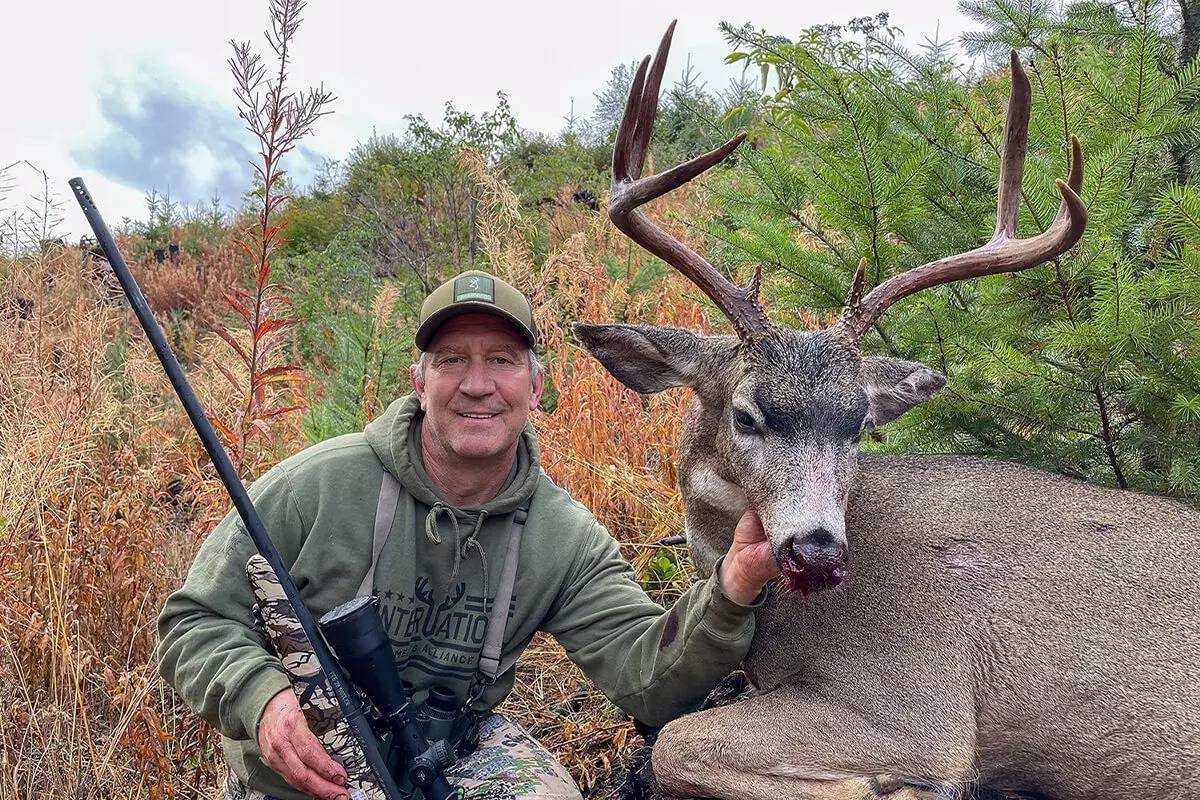
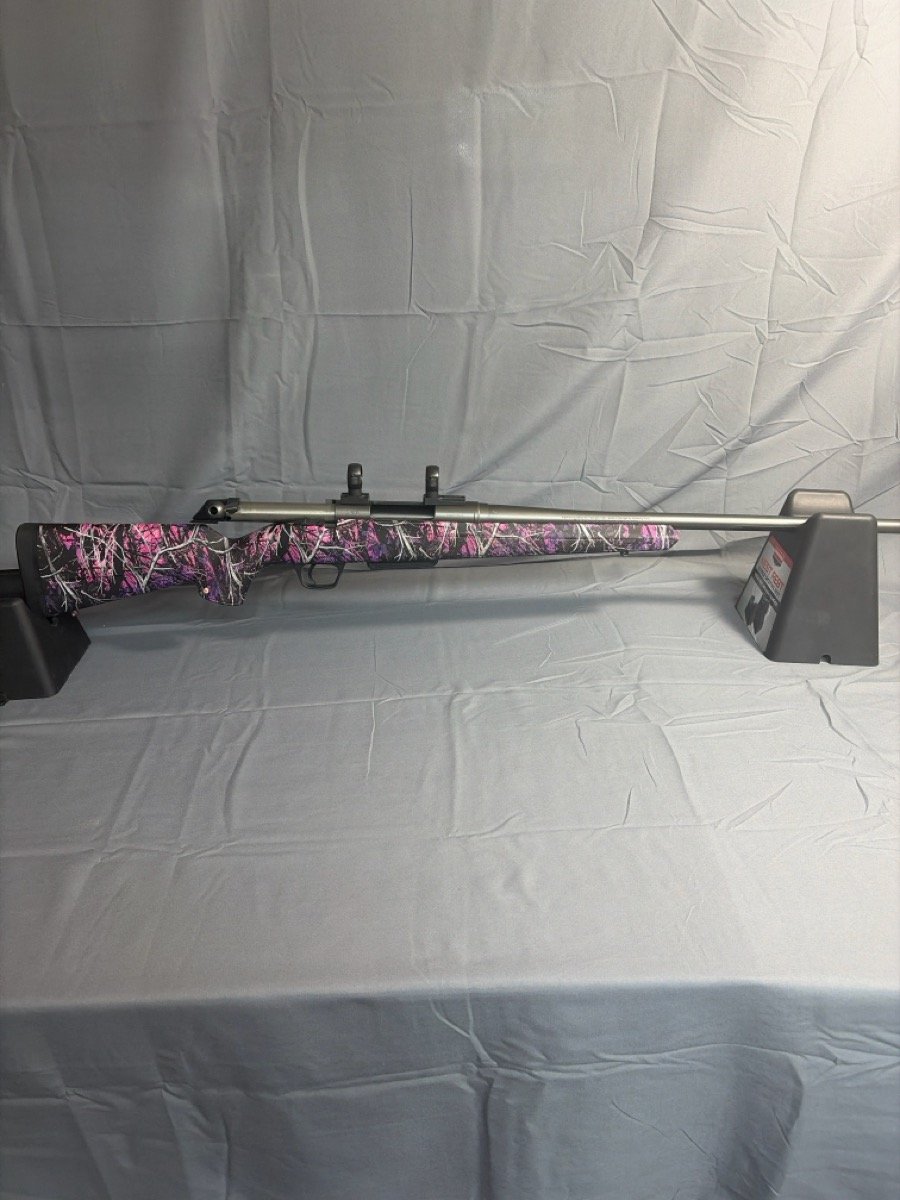
Blacktail hunting in western Oregon's Coast Range and Cascades foothills is a different game than anything east of the mountains. You're in thick timber, heavy brush, and rain that doesn't stop from October through December. Shots are close, fast, and often at moving deer in tight windows between trees. You don't need a precision rifle. You need something that handles fast, shrugs off water, and hits hard at 100 yards.
The XPR in .308 Win with a 22-inch barrel is a near-perfect blacktail tool. It's a little heavier than the mountain rifles on this list at 6 pounds 12 ounces, but that weight helps with fast target acquisition and recoil management on quick follow-up shots. The button-rifled barrel shoots well with 150-grain and 165-grain hunting loads, which is all you need for blacktail.
The MOA trigger system is adjustable and breaks cleanly. The Perma-Cote finish on the barrel and action handles the relentless moisture of the Coast Range better than blued steel. It's not flashy, and nobody at the range will ask you about it, but it'll kill deer reliably for a decade without complaint.
Pros
- Excellent value for a well-built bolt gun
- Perma-Cote finish handles western Oregon rain
- Handles quickly in tight timber
- MOA trigger is adjustable and clean
- Widely available in common chamberings
Cons
- Heavier than other picks on this list
- Not ideal for long-range open country hunting
- Stock is functional but uninspiring
- Limited aftermarket compared to Tikka or Ruger
Christensen Arms Ridgeline
Best for: Backcountry elk where every ounce matters

Christensen Arms Ridgeline Deals
Prices may change. May contain affiliate links.
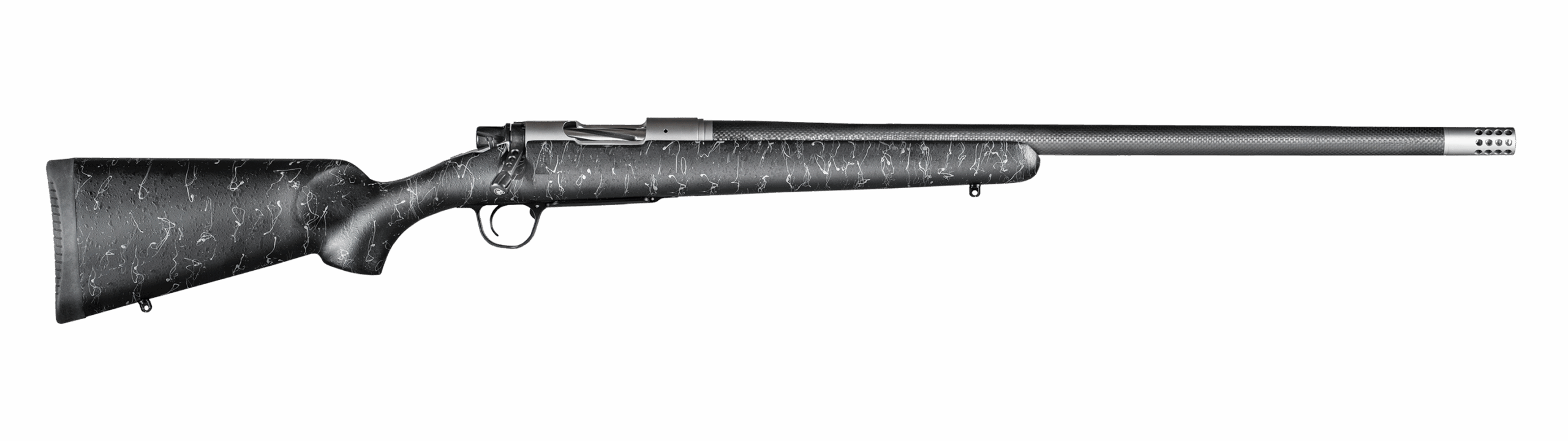
When you're packing 10 miles into a wilderness elk unit in the Cascades or Wallowas, rifle weight becomes a real factor in whether you can still shoot accurately at the end of the day. The Ridgeline's carbon fiber-wrapped barrel and carbon fiber composite stock bring the weight to 6 pounds 3 ounces in chamberings up to .300 Win Mag. That's remarkable.
The 7mm PRC chambering makes particular sense for Oregon elk. It drives a 175-grain bullet with enough energy for clean kills on bulls past 400 yards, while producing less recoil than .300 Win Mag. In a rifle this light, that recoil difference matters more than the ballistic charts suggest. The match-grade chamber and hand-lapped barrel deliver the accuracy you need to take advantage of the cartridge's potential.
Christensen's earlier quality control issues have been well documented, and they're worth acknowledging. More recent production runs show significant improvement, and the company's warranty support has gotten better. If you're buying new production, the odds are strongly in your favor. Still, inspect the rifle carefully before heading into the backcountry, and confirm your zero with your hunting load, not just one brand of match ammo.
Pros
- Among the lightest production rifles in magnum chamberings
- Carbon fiber barrel and stock are genuinely weather-resistant
- Sub-MOA guarantee with factory match ammo
- Excellent chambering options for modern cartridges like 7mm PRC and 6.5 PRC
- Adjustable trigger
Cons
- Highest price tier alongside the Weatherby
- Historical quality control concerns, though improving
- Light weight amplifies recoil and shooter error
- Carbon fiber barrel requires careful cleaning to avoid damage
Bergara B-14 HMR Wilderness
Best for: Hunters who want precision at distance

Bergara B-14 HMR Wilderness Deals
Prices may change. May contain affiliate links.
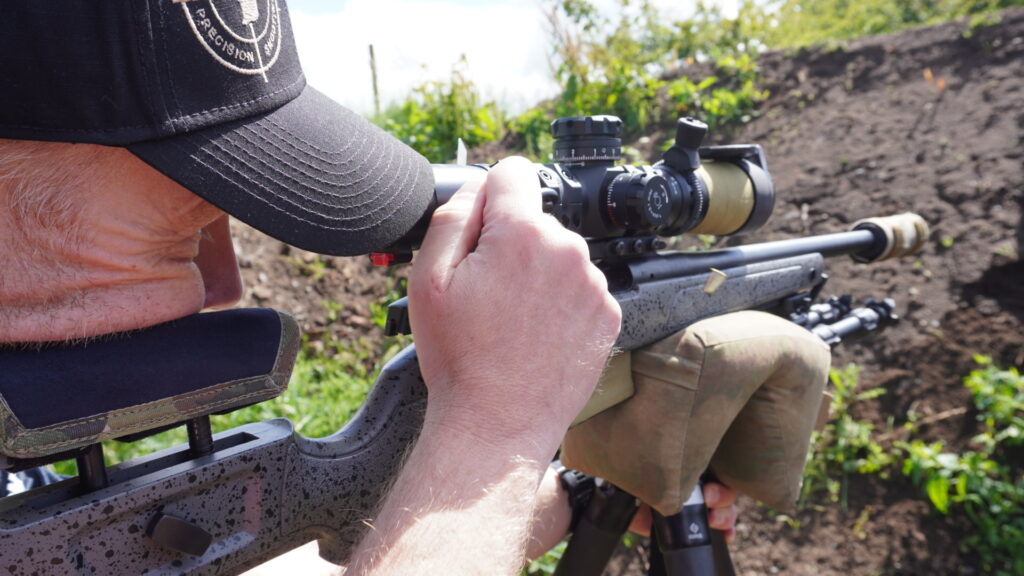
This is the heaviest rifle on the list, starting at 9.5 lbs depending on caliber, and that's the point. If your Oregon hunt involves sitting a waterhole in the Steens, glassing a basin in the Ochoco, or watching a meadow edge in the Cascades, you don't need ultralight. You need a rifle that shoots tiny groups from a bipod at 300 to 500 yards with the consistency of a target rifle but the durability of a hunting gun.
The HMR Wilderness puts a match-grade barrel in a mini-chassis stock with an integrated mini-chassis molded into the stock for repeatable bedding and accuracy. The result is benchrest-level accuracy in a package that can handle rain, dust, and rough handling. Chambered in 6.5 Creedmoor, it's a mule deer and blacktail hammer. In .300 Win Mag, it covers elk with authority."
Wait, let me reconsider to avoid redundancy and preserve voice.
"The HMR Wilderness puts a match-grade barrel in a stock with an integrated mini-chassis molded in for repeatable bedding and accuracy. The result is benchrest-level accuracy in a package that can handle rain, dust, and rough handling. Chambered in 6.5 Creedmoor, it's a mule deer and blacktail hammer. In .300 Win Mag, it covers elk with authority.
The weight penalty is real. This is not a rifle you want to carry on a 12-mile pack-in. But for hunters who know they'll be shooting from a fixed position or making short hikes to glassing points, the accuracy advantage is substantial. The Bergara barrel is one of the best factory barrels in production, and most examples shoot well under MOA with quality factory ammo.
Pros
- Outstanding factory accuracy, often half-MOA or better
- Mini-chassis stock with aluminum bedding block
- Wilderness finish handles weather and abuse
- Excellent barrel quality
- Heavy enough to shoot well from a bipod without additional support
Cons
- Too heavy for mountain hunts and long pack-ins
- Overkill for close-range timber hunting
- Mini-chassis stock isn't everyone's preferred ergonomics
- Limited utility outside of precision-oriented hunting scenarios
How to choose
Field notes: matching the rifle to the zone
Oregon's wildlife management units cluster into a few broad terrain types, and your rifle choice should follow the terrain, not the species.
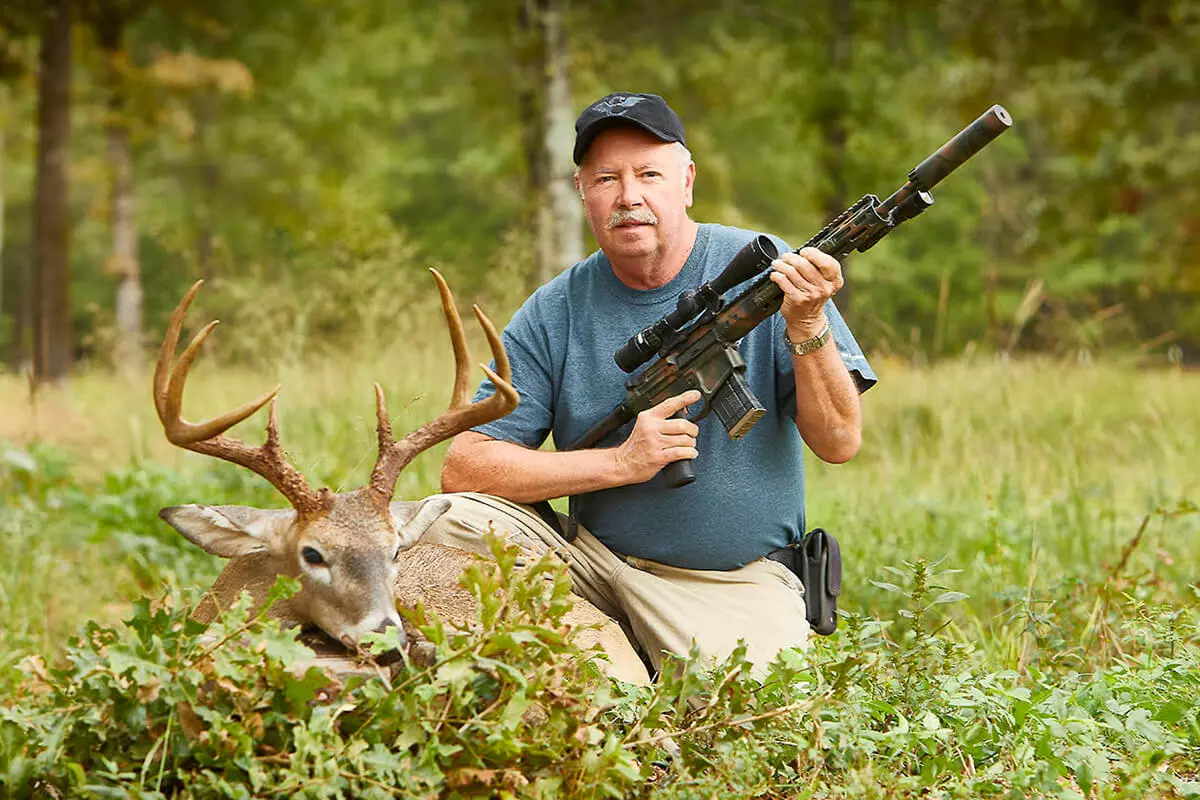
The Coast Range and western Cascades foothills are timber country. Dense, wet, close. Most shots happen inside 150 yards, and many are under 100. A compact, fast-handling rifle in .308 or .30-06 with a low-power variable scope is the right setup. The Winchester XPR and Tikka T3x Lite in short-barrel configurations shine here.
Eastern Oregon's high desert, the Steens, Hart Mountain, the Malheur basin, and the Ochoco units, is open country where wind and distance are the primary challenges. A flat-shooting cartridge like 6.5 Creedmoor, 6.5 PRC, or 6.5 Weatherby RPM paired with a rifle that shoots sub-MOA makes a real difference. The Weatherby Backcountry 2.0 and Bergara HMR Wilderness are built for this.
The Wallowas, Blues, and Cascade mountain units demand a balance. You'll hike hard, shoot at varied distances, and potentially face both timber and open basin shots on the same hunt. Weight matters, but so does versatility. The Browning X-Bolt Speed and Christensen Arms Ridgeline thread this needle best.
Common mistakes Oregon hunters make
Most hunters in Oregon pick a rifle based on the cartridge they like rather than the terrain they'll hunt. A .300 Win Mag is wasted on blacktail in the Coast Range, and a 6.5 Creedmoor in a heavy chassis rifle is the wrong tool for a Wallowa Mountain elk hunt.
Skipping the scope conversation is another frequent error. A great rifle with a cheap scope is worse than a decent rifle with quality glass. Oregon's hunting hours start in low light, and western Oregon's overcast skies eat brightness. Budget at least as much for optics as you do for the rifle.
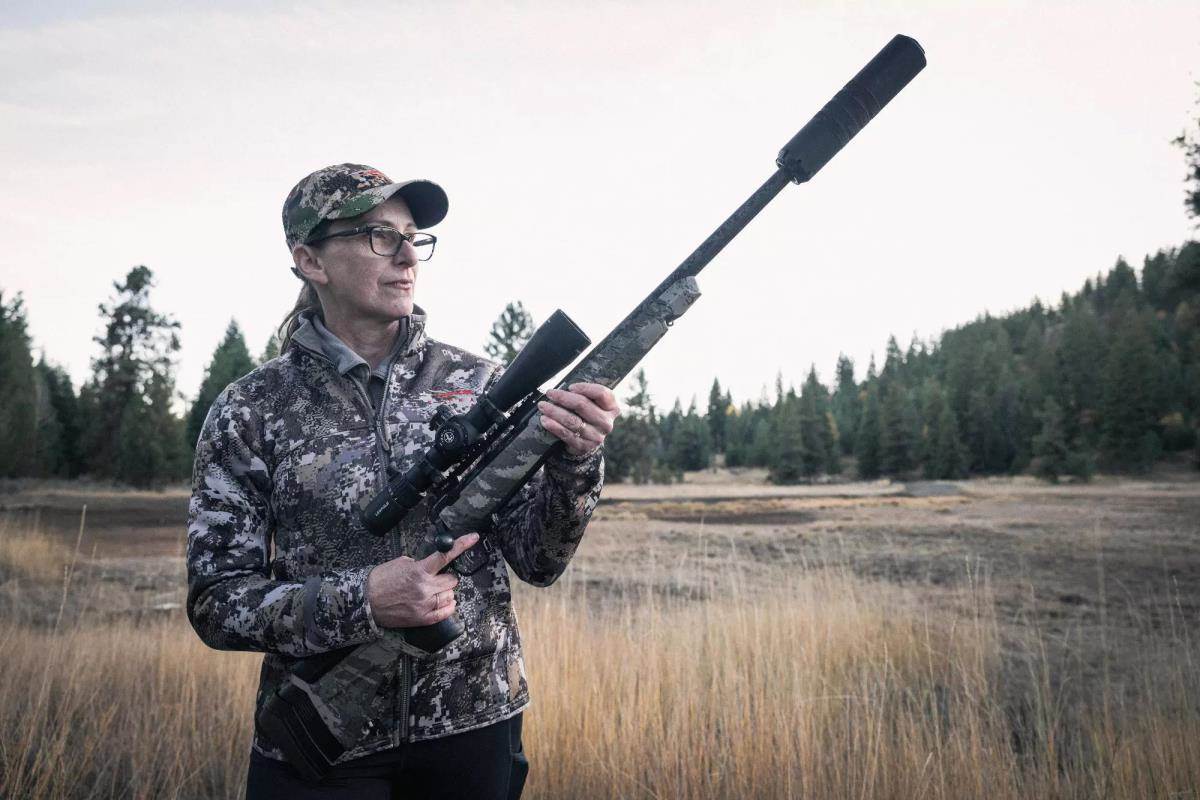
Zeroing at the range and assuming you're good is a mistake that costs animals. Altitude, temperature, and barrel condition all shift your point of impact. If you're hunting at 6,000 feet in the Wallowas and you zeroed at 500 feet in the valley, you need to confirm at elevation.
Ignoring barrel break-in and fouling matters more than some hunters think. A new barrel's first 20 rounds establish how it fouls and where it settles. The debate about formal break-in procedures is ongoing, but at minimum, clean the barrel and shoot a few groups with your hunting load before you trust it on an animal.
Carrying too much gun for the conditions is real. A 26-inch barreled magnum rifle is miserable in thick Coast Range timber. It snags on brush, it's slow to mount, and the muzzle blast in the trees will ring your ears for a week. Match the rifle's physical profile to the environment, not just the ballistic tables.
How to narrow it down
Start with the unit you drew or plan to hunt. Look at satellite imagery and topo maps. What's the terrain actually look like? If it's 80% timber, you need a short, handy rifle. If it's open basins with scattered juniper, you need accuracy at distance.
Consider whether you'll hunt multiple species on the same trip. Oregon allows concurrent deer and elk tags in some units, and a rifle chambered in .30-06 or 7mm Rem Mag covers both without compromise. If you're strictly chasing mule deer, a 6.5 Creedmoor or 6.5 PRC is plenty.
Think honestly about how far you'll carry the rifle. If your hunt involves a base camp with short daily hikes, weight matters less and accuracy matters more. The Bergara HMR Wilderness makes sense there. If you're doing ridge-to-ridge backcountry travel, every ounce adds up, and the Christensen Ridgeline or Weatherby Backcountry 2.0 earn their premium.
Your recoil tolerance is a factor nobody talks about honestly. A .300 Win Mag in a 5.5-pound rifle is genuinely unpleasant to shoot, and flinching kills more elk than underpowered cartridges do. If you can't shoot a magnum well from field positions, drop down to 7mm PRC or .30-06 and place your shots better. Shot placement beats cartridge selection, every single time.
Finally, think about ammunition availability. If you're hunting out of Burns or Enterprise, the local sporting goods store might have .30-06 and .308 on the shelf. They probably won't have 6.5 Weatherby RPM or 6.5 PRC. Bring enough ammo, and bring a backup box in your truck.
Next steps
Before you commit to a rifle for this fall, handle as many of these as you can. Oregon has solid gun shops in Bend, Medford, Portland, and La Grande where you can shoulder these rifles and feel the triggers. The best rifle on paper might not fit your body or your shooting style.
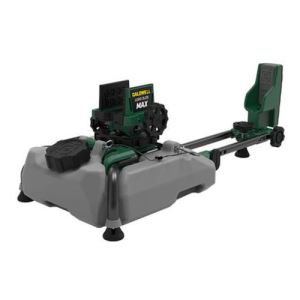
Caldwell Lead Sled MAX Deals
Prices may change. May contain affiliate links.
Once you've picked, buy your hunting ammunition early. Not one box. Three boxes minimum. Shoot one box to confirm zero and establish your cold-bore point of impact. Shoot the second box from field positions: sitting, kneeling, off a pack, off shooting sticks. Keep the third box for the hunt and for re-zeroing if needed.
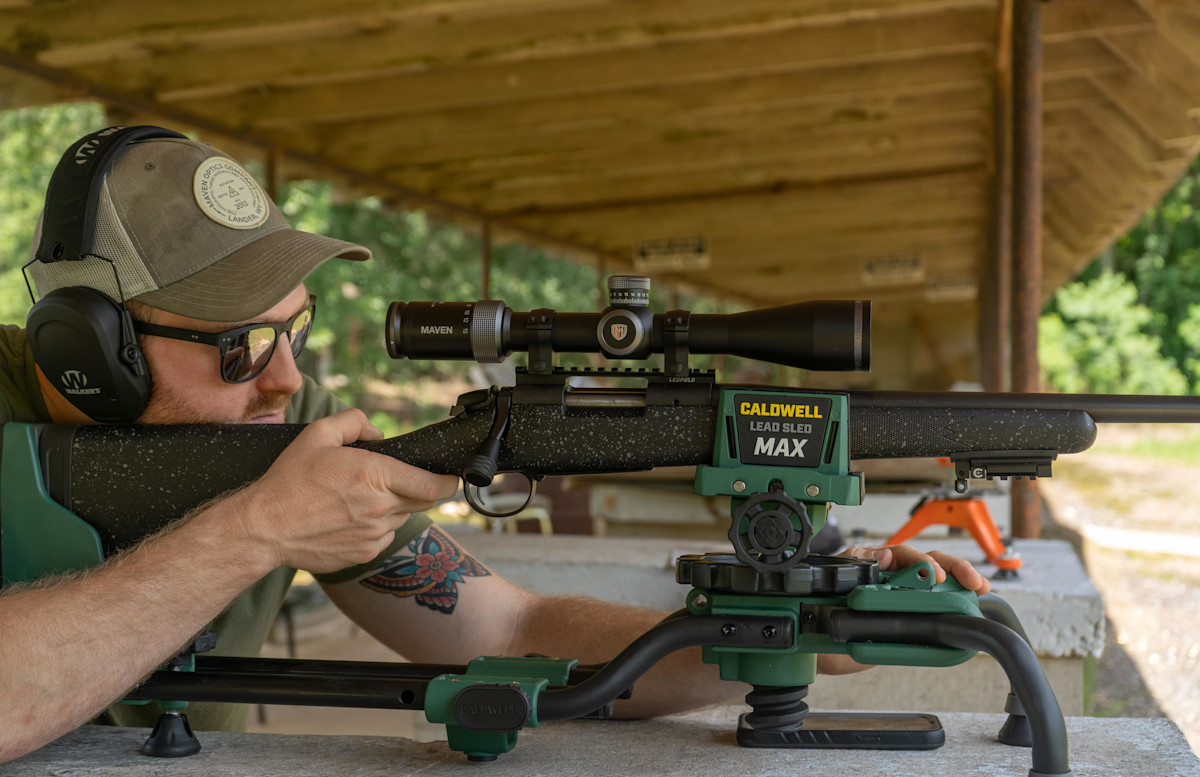
Run a realistic practice drill before the season. Set a target at 200 yards. Hike uphill for 10 minutes with your rifle and pack. Sit down, get your breathing under control, and take one shot from a field-supported position. That single shot tells you more about your readiness than 50 rounds off a bench. If you can consistently put that cold, tired shot inside 4 inches at 200 yards, you're ready for Oregon's opener.