
You're sitting on a valid LA County CCW permit, it's coming up for renewal, and you just heard something changed with fingerprinting. You're not wrong. California's Senate Bill 160 rewrote the rules on biometric requirements for CCW renewals statewide, and the LA County Sheriff's Department has its own layer of procedural changes stacked on top. If you don't understand what's different, you risk delays, extra fees, or worse, a lapsed permit that leaves you carrying illegally.
Here's the short version: fingerprinting is no longer optional at renewal. The state mandated it, LASD is enforcing it, and the timeline and logistics are different from what you dealt with on your initial application. The longer version involves new DOJ processing requirements, fee structures that took effect in 2026, and an LA County permitting system that's still recovering from years of documented backlogs and a federal settlement. All of that context matters if you want your renewal to go smoothly.
This isn't a general California CCW overview. This is specifically about what LA County permit holders need to know right now about the fingerprint changes and how to navigate a renewal process that has more moving parts than it used to.
What actually changed
Senate Bill 160 is the legislation driving this. Before SB 160, California law required fingerprinting for initial CCW applications but left renewal fingerprinting largely at the discretion of the issuing authority. Many counties, including LA County for a period, didn't require new prints at renewal. The logic was simple: your prints were already on file with the DOJ from your original application, so why do it again?
SB 160 killed that logic. The bill mandates fresh fingerprinting at every renewal cycle, which in California means every two years. The stated rationale is ensuring that the DOJ runs a current background check against updated biometric data, catching any criminal history that might have developed since the last check. You can debate whether that's necessary given the existing CLETS automated checks that flag permit holders for new arrests, but the law doesn't care about your opinion on redundancy. It's the rule now.
The fingerprint requirement phases in with renewals processed from 2026 forward. If your permit expires in 2026 or later and you're filing for renewal, you need new prints. No grandfather clause, no exception for permits that were just issued a year ago under the post-SB2 framework. Every renewal, every time.
What this means practically is an additional appointment, additional fees, and additional processing time built into a system that was already slow in LA County. The DOJ has to process the prints, run the background check, and return clearance before LASD can issue the renewed permit. That DOJ turnaround has historically ranged from a few weeks to several months depending on volume.
Key specs at a glance
Here's what the current LA County CCW renewal process looks like with the new fingerprint mandate factored in:
Renewal cycle: every two years from date of issuance
Fingerprinting: required at every renewal (new under SB 160)
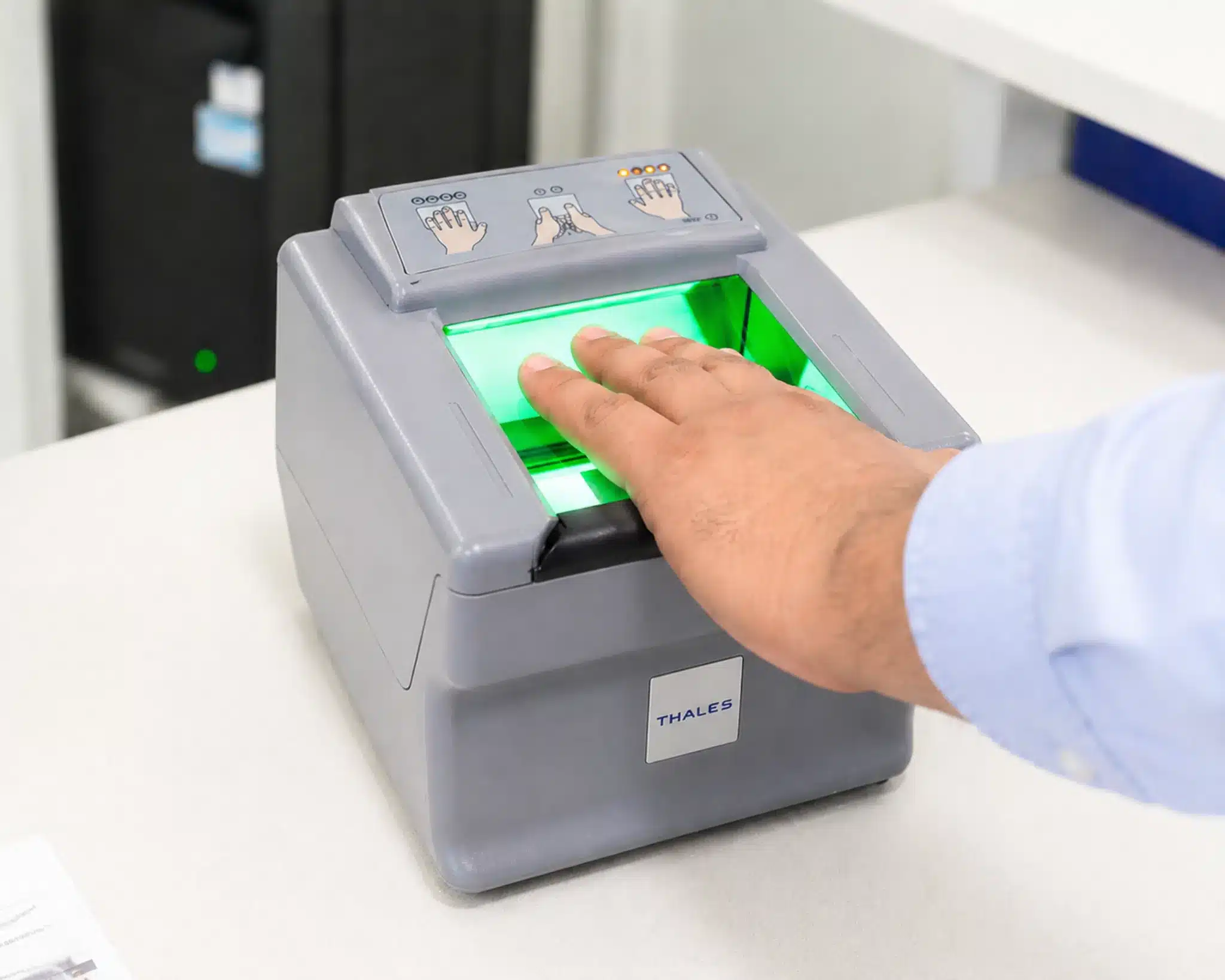
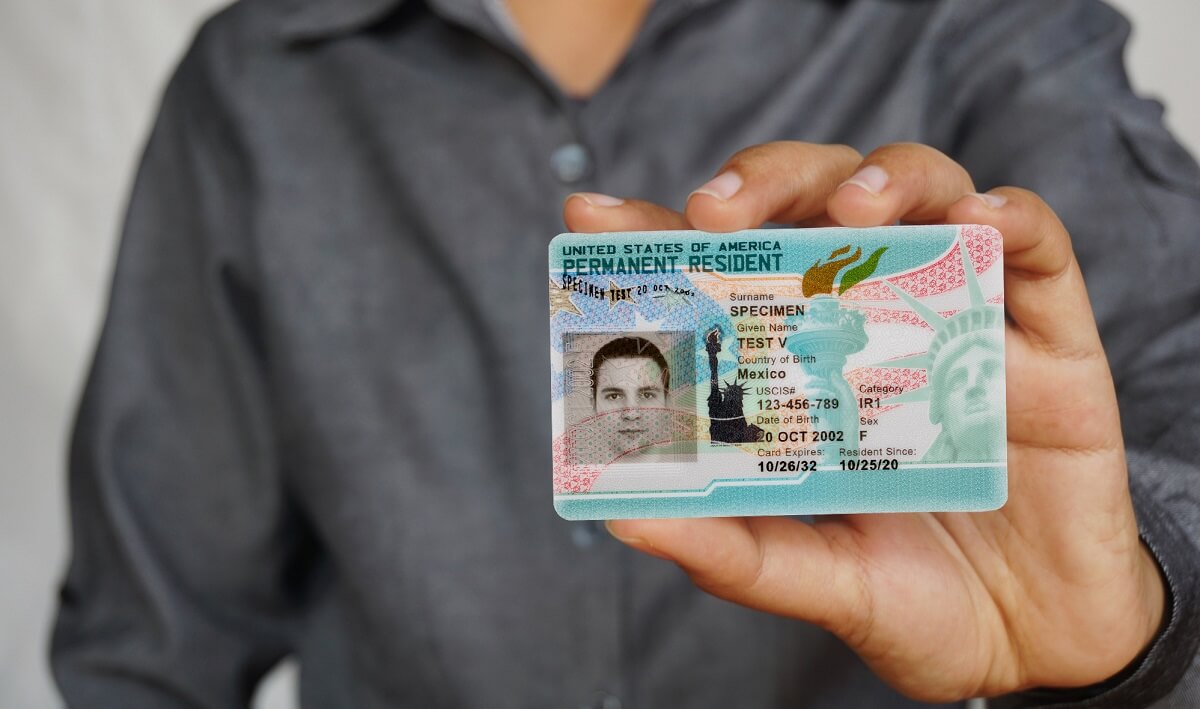
Fingerprint method: Live Scan, submitted through a DOJ-approved vendor
DOJ fingerprint processing fee: approximately $72 (this is the state's fee, not LASD's)
LASD renewal application fee: varies, check the Permitium portal for current amount
Training requirement: renewal course required, no less than 8 hours
Application portal: LASD uses the Permitium online system at lasd.permitium.com
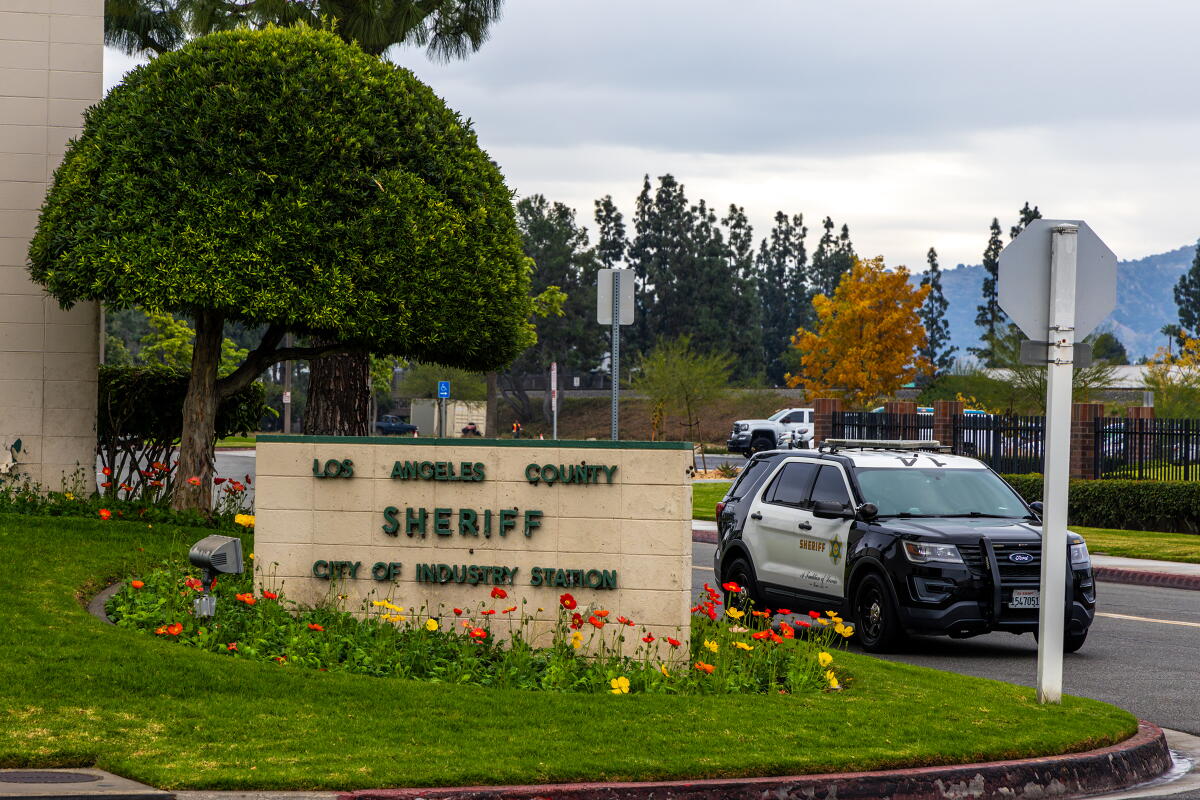
Issuing authority: Los Angeles County Sheriff's Department, Concealed Carry Unit
Processing time: officially 90 days by statute, but historically longer in LA County
One thing to flag: the $72 DOJ fingerprint fee is separate from whatever LASD charges for the renewal application itself. The county's Treasurer and Tax Collector office handles fee collection, and the total out-of-pocket for a renewal with fingerprinting, training, and application fees can run several hundred dollars. Budget accordingly.
What's actually new versus what you dealt with before
If you got your initial permit under the post-SB2 landscape (on or after January 1, 2024), you already went through a fairly rigorous process. SB2 overhauled California's CCW scheme after the Bruen decision, adding new training requirements and restricted location lists. Your initial application required Live Scan fingerprinting, a 16-hour training course, and a background investigation.
The renewal process under the new rules differs from the initial application in a few ways, but the fingerprint piece is the headline change.
Previously, renewals were simpler. You'd submit your renewal application through Permitium, complete a shorter renewal training course, and LASD would run a background check using your existing prints on file. No new Live Scan appointment needed. The process was still slow in LA County because of staffing and volume issues, but at least you weren't adding another appointment and another fee to the timeline.
Now, the renewal checklist looks more like a mini version of the initial application. You need to schedule a Live Scan appointment at a DOJ-approved location, pay the scanning fee, have the results transmitted to DOJ, and wait for DOJ clearance before LASD can process your renewal. That Live Scan appointment itself can be a bottleneck. Popular Live Scan locations in the LA metro area often have wait times for appointments, especially as the new requirement drives more volume through the same facilities.
The training requirement hasn't changed at renewal, but it's worth mentioning because it's another time and money commitment layered on top of the new fingerprint step. Renewal courses run 4 to 8 hours and must be completed through an LASD-approved instructor. You can't use an out-of-county instructor or an online-only course.
The other change that's less about the law and more about LA County specifically: the entire permitting operation is under a microscope. The federal DOJ settlement over permit processing delays means LASD has institutional pressure to move applications faster. Whether that translates to actual speed improvements for renewals is an open question, but the political and legal pressure is real.
The LA County backlog problem and why it matters for your renewal
You can't talk about LA County CCW renewals without addressing the elephant in the room. LASD has a documented history of permit processing delays that led to federal intervention.
The U.S. Department of Justice filed legal action against LASD over permit application backlogs. The core allegation was straightforward: LASD was taking far longer than the statutory 90-day processing window to act on applications, effectively denying residents their right to carry by bureaucratic delay. The federal DOJ investigated and ultimately reached a settlement with LASD requiring the department to clear backlogs and process applications within legally mandated timeframes.
A 2026 LA County Auditor-Controller report on LASD's CCW process confirmed that the department had made progress on reducing backlogs but still had systemic issues. The audit found improvements in tracking and processing but noted that staffing levels in the Concealed Carry Unit remained a concern.
Why does this matter for your fingerprint-required renewal? Because adding a new mandatory step to a system that was already struggling with volume is a recipe for delays. Every renewal now requires DOJ fingerprint clearance, which means every renewal takes longer than it used to. Multiply that across the thousands of active permits in LA County, and you've got a significant increase in processing workload for both LASD and the DOJ.
The practical takeaway: start your renewal early. California law allows you to begin the renewal process up to 90 days before your permit expires. In LA County, you should treat that 90-day window as the absolute latest you'd want to start, not a comfortable cushion. If you can begin the process 120 days out by getting your Live Scan done and your training completed, do it.
How the renewal process works step by step
Here's the actual sequence you need to follow for an LA County CCW renewal with the new fingerprint requirement:
Check your expiration date
Your permit has a two-year expiration from the date of issuance, not the date you picked it up. Log into the Permitium portal at lasd.permitium.com to verify your exact expiration date. Don't rely on memory.
Schedule and complete Live Scan fingerprinting
Find a DOJ-approved Live Scan location. The DOJ maintains a list of approved sites, and there are dozens in LA County. You'll need the correct ORI (Originating Agency Identifier) number for LASD CCW renewals. This is critical because if the Live Scan operator uses the wrong ORI, your prints go to the wrong place and you start over. Contact LASD's Concealed Carry Unit or check the Permitium portal for the current ORI number before your appointment.
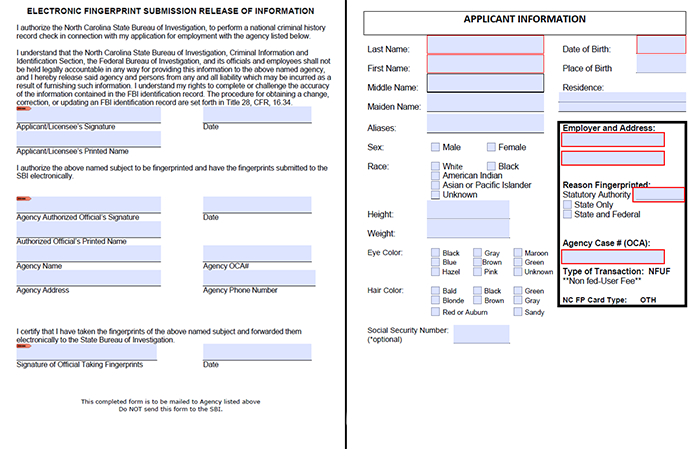
The Live Scan itself takes about 15 minutes. You'll pay the DOJ processing fee (approximately $72) and any rolling fee the Live Scan operator charges (usually $20 to $30 on top of the DOJ fee). Get a receipt and keep it. You'll need proof that prints were submitted.
Complete your renewal training
Book a renewal course with an LASD-approved instructor. The renewal course is shorter than the initial 16-hour course but still requires live fire qualification. You'll need to qualify with every firearm listed on your permit. If you've added or removed firearms since your last application, this is the time to update your list.
A note on training timing: you can complete training and Live Scan in either order, but getting Live Scan done first makes sense because DOJ processing is the longest variable in the timeline. Get your prints in the system as early as possible.
Submit your renewal application through Permitium
Log into lasd.permitium.com and start the renewal application. You'll upload your training certificate, provide proof of Live Scan submission, and pay the LASD renewal fee. The portal will walk you through the required documents.
Make sure your personal information is current. If you've moved within LA County since your last application, you'll need to update your address. If you've moved out of LA County, you're no longer under LASD's jurisdiction for CCW and you'll need to apply with your new county's issuing authority.
Wait for DOJ clearance and LASD processing
Once your prints are processed and your background check clears, LASD reviews your complete application. The statutory processing time is 90 days, but real-world timelines in LA County have varied. You should receive updates through the Permitium portal.
Pick up your renewed permit
LASD will notify you when your permit is ready. You'll typically need to pick it up in person. Bring valid ID.
What happens if your permit expires during processing
This is the question that keeps LA County permit holders up at night, and the answer isn't great. California law does not provide an automatic grace period for expired permits while a renewal is pending. If your permit expires before LASD issues your renewal, you are technically not authorized to carry concealed.
Some counties have informal policies about recognizing pending renewals, but relying on an informal policy during a traffic stop in LA County is not a risk worth taking. The legal exposure is real. Carrying on an expired permit, even with a pending renewal application, can result in criminal charges under California Penal Code sections governing concealed carry without a valid permit.
This is exactly why starting the renewal process as early as possible matters so much. The fingerprint requirement adds processing time. Training availability can be limited. The Permitium portal occasionally has technical issues. Any one of these delays can push your renewal past your expiration date if you waited too long to start.
If you find yourself in a situation where your permit is about to expire and your renewal hasn't been processed, stop carrying. It's that simple and that frustrating. Contact LASD's Concealed Carry Unit to check on your application status and document your communications. If there's an unreasonable delay on LASD's end, that documentation could matter legally, especially given the federal settlement requiring timely processing.
Common mistakes and how to avoid them
Using the wrong ORI number for Live Scan
This is the most common and most costly mistake. Every issuing authority has a specific ORI number that routes your fingerprint results to the correct agency. If your Live Scan operator enters the wrong ORI, your prints go somewhere other than LASD's CCW unit, and you won't find out until weeks later when LASD says they never received your results. Double-check the ORI before the operator starts. Call LASD's CCW unit if you're not sure.
Waiting until 90 days before expiration to start
Ninety days sounds like plenty of time. It's not, especially in LA County. Between scheduling Live Scan, waiting for DOJ processing, completing training, and LASD's own review timeline, 90 days can evaporate fast. Start at 120 days if your schedule allows. There's no penalty for starting early.
Assuming your old fingerprints are still valid
They're not, at least not for renewal purposes under SB 160. Even if you were fingerprinted six months ago for your initial application, you need fresh prints for renewal. The law is explicit. Don't skip this step thinking your existing prints on file will suffice.
Not qualifying with all listed firearms
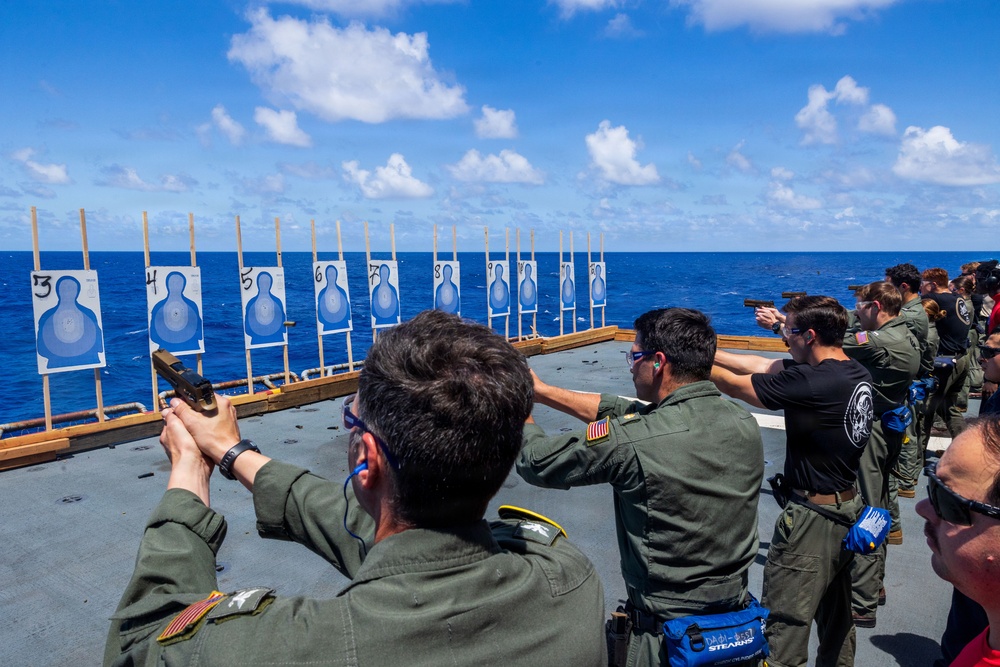
Your renewal training requires live fire qualification with every firearm on your permit. If you listed three guns on your original application, you need to qualify with all three at renewal. If one of those guns is broken, sold, or otherwise unavailable, update your firearm list before or during the renewal process. Showing up to qualification without a listed firearm creates complications.
Ignoring address changes
If you moved within LA County and didn't update your address with LASD, your renewal application will flag discrepancies. Worse, if you moved out of LA County's unincorporated areas or contract cities into a jurisdiction served by a municipal police department (like LAPD within the City of Los Angeles), LASD may no longer be your issuing authority. The City of Los Angeles has its own CCW process through LAPD, and other incorporated cities may have their own arrangements. Verify your issuing authority before starting the renewal.
How LA County compares to other California counties
The fingerprint requirement under SB 160 is statewide, so every California county is dealing with this change. But the experience varies dramatically depending on where you live.
Counties like Placer and Plumas in Northern California have smaller applicant pools and generally faster processing times. Their sheriff's offices have been processing CCW applications efficiently for years, and the addition of fingerprinting at renewal is a manageable increase in workload. Placer County's sheriff's office has a streamlined renewal process that typically moves faster than the statutory 90-day window.
Orange County's sheriff's department handles a large volume of CCW applications and has invested in staffing and systems to manage it. Their processing times have generally been more predictable than LA County's, though the new fingerprint requirement will add some time there too.
San Bernardino County uses the same Permitium platform as LA County and has a relatively efficient process for the Inland Empire's large population.
LA County is the outlier because of its sheer size (the county has roughly 10 million residents), its historically restrictive CCW issuance culture that only shifted after Bruen, and the documented processing problems that led to federal intervention. The combination of a massive new applicant pool (post-Bruen), a department still building out its CCW processing capacity, and a new mandatory fingerprint step at every renewal creates a uniquely challenging environment.
The Tulare County Sheriff's Office recently posted a public reminder to permit holders about the SB 160 changes, urging early renewal and emphasizing that expired permits cannot be carried on. That kind of proactive communication has been less consistent from LASD, which is another reason to stay on top of your own timeline rather than waiting for reminders.
The fee picture
Let's talk money, because the fingerprint mandate isn't free and the total renewal cost in LA County adds up.
The DOJ fingerprint processing fee runs approximately $72. That's the state's cut for running your prints through their system. On top of that, the Live Scan operator charges a rolling fee, typically $20 to $30 depending on the location. So figure roughly $100 just for the fingerprint step.
LASD charges a renewal application fee that's separate from the fingerprint costs. The exact amount can change, so check the Permitium portal for the current figure. Historically, LA County's fees have been on the higher end compared to smaller counties.
Then there's the training cost. Renewal courses through approved instructors typically run $75 to $150 depending on the instructor and whether range fees are included. You'll also need to supply your own ammunition for qualification, and ammo costs in California aren't getting cheaper.
All told, a straightforward LA County CCW renewal with the new fingerprint requirement can cost $300 to $400 or more when you add up fingerprinting, application fees, training, and ammunition. That's every two years, which is a meaningful ongoing cost. It's not prohibitive for most people who are committed to carrying, but it's worth budgeting for rather than being surprised.
The LA County Treasurer and Tax Collector's office handles fee collection for county services, and payment methods accepted for CCW fees may be limited. Check before you show up expecting to pay with a personal check or cash.
The political and legal backdrop
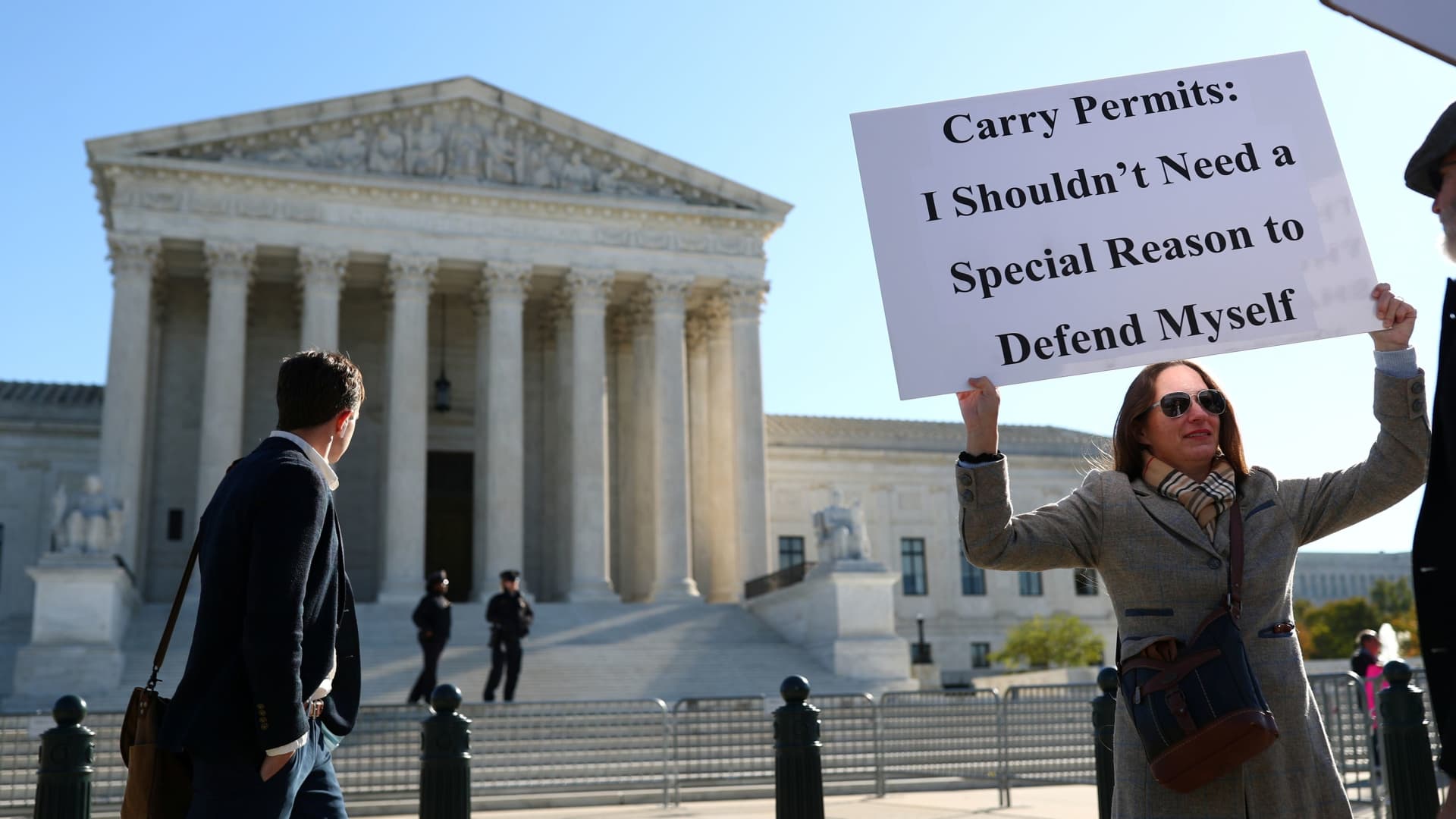
Understanding why these changes happened requires a brief look at the legal landscape. The Bruen decision in 2022 struck down New York's "proper cause" requirement for CCW permits, and California's similar "good cause" requirement fell with it. Suddenly, California counties that had issued a handful of permits per year were flooded with applications from residents who could now demonstrate a basic right to carry without proving a specific threat.
California's legislative response was SB2, which attempted to add new restrictions to the carry permit framework even as the constitutional right to obtain one was affirmed. SB2 added sensitive location restrictions, training requirements, and other conditions. SB 160 followed as a further tightening of the administrative requirements, with the fingerprint mandate being the most tangible change for existing permit holders.
The CRPA and SAF litigation against LASD specifically targeted the processing delays that resulted from this surge in applications. LASD went from processing a trickle of permits under the old "good cause" standard to handling thousands of applications from a county of 10 million people. The department wasn't staffed or equipped for that volume, and applicants waited months or even over a year for processing.
The federal settlement requires LASD to meet processing timelines, but enforcement mechanisms and ongoing monitoring are still developing. Sheriff Robert Luna's administration has publicly committed to improving the process, and the department has added staff and resources to the CCW unit. Whether those improvements keep pace with the added workload from mandatory renewal fingerprinting remains to be seen.
Firearms on your permit and the renewal connection
Since this is a handgun-focused audience, it's worth addressing how the renewal process interacts with the firearms listed on your permit.
California CCW permits list specific firearms the holder is authorized to carry. At renewal, you need to qualify with each listed firearm. The new fingerprint requirement doesn't directly change the firearm listing process, but it does add another variable to your renewal timeline. If you're planning to add or remove firearms from your permit at renewal, factor that into your training schedule.
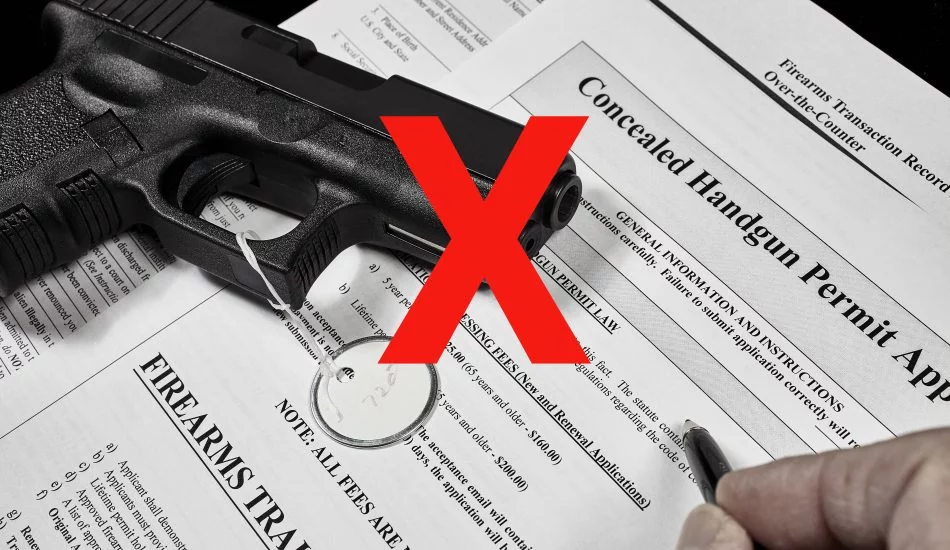
The real question for most carriers is whether to keep multiple firearms on the permit or simplify to one or two. Every additional firearm means additional qualification time and potentially additional training costs. If you listed a compact nine, a subcompact, and a revolver on your initial application but you realistically only carry the compact, consider dropping the others at renewal to streamline the process.
Qualification standards vary by instructor but generally involve demonstrating safe handling and reasonable accuracy at defensive distances. You're not shooting a competition course of fire, but you do need to hit the target consistently. If you haven't shot one of your listed firearms in months, get some range time in before your qualification appointment. Showing up cold with a gun you haven't touched since your last renewal is a recipe for a frustrating range session.
Initial thoughts and open questions
The biggest unknown right now is how the fingerprint mandate will affect real-world processing times in LA County over the next year. The requirement is new enough that there isn't a large dataset of renewals processed under the new rules. Early reports from other large California counties suggest a two-to-four-week addition to processing timelines just from the DOJ fingerprint clearance step, but LA County's unique volume and staffing challenges could make that longer.
There's also the question of whether Live Scan appointment availability will become a bottleneck. As thousands of LA County permit holders cycle through their two-year renewals and all need fresh prints, the demand on Live Scan facilities will increase. Popular locations near courthouses and government buildings already have wait times for appointments. If you're flexible on location, consider Live Scan operators in less busy areas of the county.
The legal challenges aren't over either. Various Second Amendment organizations continue to challenge California's CCW framework in court, and any successful challenge could alter the renewal requirements. But litigation moves slowly, and you can't plan your renewal around a court ruling that may or may not come. Process your renewal under the current rules and adjust if the law changes.
One concern that's been raised in the CCW community is data security. Every time you submit fingerprints, that biometric data is stored in DOJ databases. The mandatory renewal fingerprinting means your prints are being resubmitted and reprocessed every two years, increasing the touchpoints where that data exists in government systems. Whether that concerns you is a personal calculation, but it's a real consideration that the law doesn't address.
What to do right now
If your LA County CCW permit expires in the next six months, start moving today. Not next week, not when you get around to it. Today.
First step: log into the Permitium portal and confirm your expiration date. Second step: find a DOJ-approved Live Scan location and schedule an appointment. Call LASD's CCW unit to confirm the correct ORI number before your appointment. Third step: book your renewal training with an approved instructor and make sure you can qualify with every firearm on your permit.
Get the Live Scan done first because that's the longest lead-time item. DOJ processing is outside your control and outside LASD's control. The sooner your prints are in the system, the sooner that clock starts ticking. Then complete your training, submit your renewal application through Permitium, and follow up regularly on your application status.
If your permit doesn't expire for another year or more, you've got time, but use it wisely. Start setting aside the money for renewal costs, make sure your listed firearms are in good working order, and keep your address current with LASD. The worst position to be in is scrambling to complete multiple steps simultaneously because you let the deadline sneak up on you.
The fingerprint mandate isn't going away. It's the new normal for California CCW holders, and LA County's implementation adds its own layer of complexity. Treat your renewal like a project with a hard deadline, build in buffer time for every step, and don't assume the system will move faster than it has historically. Your permit is worth the effort to maintain. Don't let a procedural change catch you off guard.