
You bought a Staccato and the trigger is good. Maybe even great compared to whatever polymer striker-fired gun you came from. But after a few thousand rounds, you're wondering if it could be better. Shorter reset, lighter pull, crisper break. You've seen forum posts about 2-pound trigger jobs on 2011s and competition shooters running triggers that break like glass rods. Now you want to know what's realistic, what's safe, and what voids your warranty.
This is the FAQ for Staccato owners thinking about trigger work. Not a general 1911/2011 trigger tutorial, but specific answers about what modifications make sense on a Staccato, what a competent gunsmith can do without compromising reliability, and where the line sits between a duty-grade trigger and a competition-only setup. If you're running a Staccato P, C2, XC, or the newer XL, most of this applies across the lineup since they share the same basic fire control group.
Staccato P Deals
Prices may change. May contain affiliate links.
The basics: how a Staccato trigger actually works
How is a Staccato trigger different from a standard 1911?
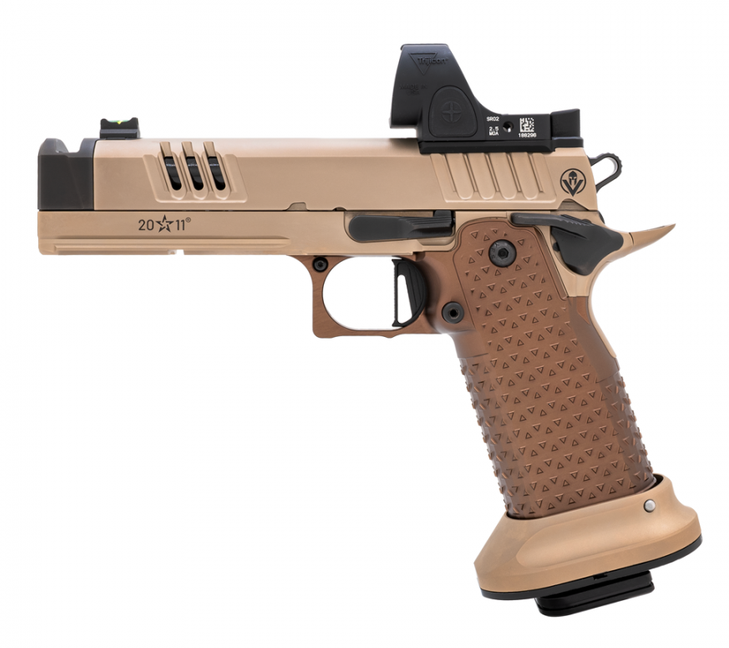
It isn't, fundamentally. The Staccato uses a traditional 1911-pattern single-action trigger: hammer, sear, disconnector, and a leaf-style mainspring. The geometry is the same as what John Browning designed over a century ago. What differs is Staccato's factory specifications. They set sear engagement and spring weights to prioritize reliability and safety for their target market, which includes law enforcement and military contracts. That means the factory trigger pull on the C, CS, C2, and P models typically lands between 4 and 4.5 pounds with a noticeable amount of take-up (pre-travel) before the sear breaks, while the XC and XL ship lighter at 2 to 2.5 pounds.

Staccato CS Deals
Prices may change. May contain affiliate links.
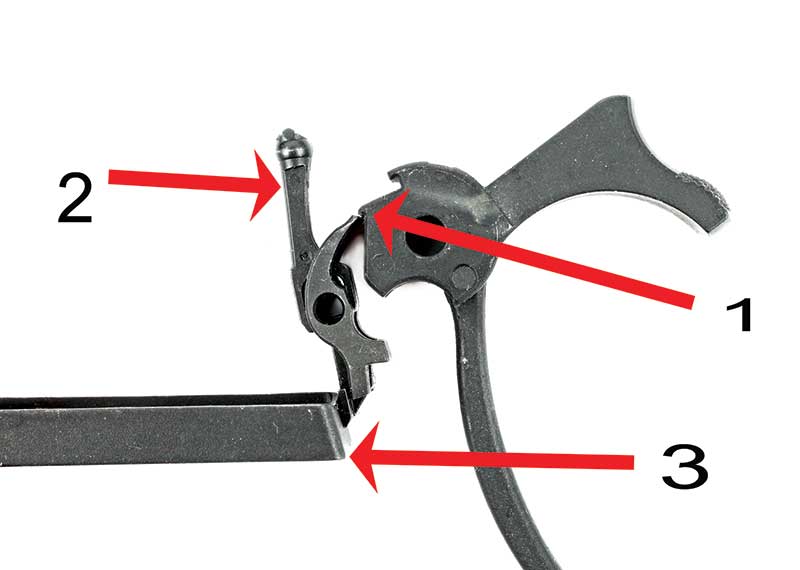
The 2011 platform adds the modular grip with an integrated magazine well, but the fire control group sitting in the frame is pure 1911. This matters because it means the enormous body of 1911 trigger tuning knowledge applies directly. The sear/hammer interface, the angles, the spring rates, the disconnector timing are all the same game.
What does a "trigger job" actually involve on a 2011?
A trigger job on a 1911/2011 platform typically involves three things: adjusting sear engagement geometry, tuning or replacing springs, and fitting the disconnector. The sear engagement is the critical one. The sear nose and hammer hooks meet at precise angles, and the depth of engagement (how much metal is in contact) directly determines pull weight, creep, and break quality. A gunsmith stones these surfaces to specific angles, usually aiming for a primary sear angle around 77.5 degrees relative to the pivot hole-sear tip centerline with a very small engagement depth.

Staccato C Deals
Prices may change. May contain affiliate links.
Spring changes are the second lever. A lighter mainspring reduces the force the sear has to hold against, which lightens the pull. A lighter sear spring reduces the friction during the trigger stroke. And trigger return spring weight affects how the trigger resets. The disconnector gets fitted to minimize the "clunk" you feel during cycling and to ensure clean reconnection between trigger bow and sear.
Some trigger jobs also involve fitting an overtravel stop (limiting rearward trigger movement after the break) and adjusting pre-travel. On Staccatos, pre-travel is controlled by a set screw in the trigger bow on most models.
Reliability and safety questions
How light can you go before reliability suffers?
This is the question everyone asks, and the answer depends entirely on what you're using the gun for. The factory mainspring in Staccato P models is 19 pounds. Competition shooters commonly drop to a 17- or even 15-pound mainspring. Some go as low as 13 pounds. The issue is primer ignition. A lighter mainspring means less hammer energy hitting the firing pin, which means less dent on the primer. With Federal primers or other soft commercial primers, a 17-pound spring will reliably ignite everything. At 15 pounds, you start needing to be selective about ammo. At 13 pounds, you're in "competition ammo only" territory and even then, light strikes become a real possibility with harder military-spec primers.
Federal American Eagle 9mm Deals
Prices may change. May contain affiliate links.
For a gun that might be used for home defense or duty, staying at 19-20 pounds on the mainspring is the floor for responsible reliability. You can still get a very clean 3 to 3.5-pound trigger at that spring weight with proper sear work.
Will a trigger job void my Staccato warranty?
Staccato's warranty covers defects in materials and workmanship. Internal modifications performed by anyone other than Staccato or a Staccato-certified armorer will almost certainly give them grounds to deny a warranty claim on the fire control group. Whether they'd deny a claim on an unrelated part (say, a cracked slide) because you had trigger work done is a grayer area, but the safe assumption is that any internal modification puts your warranty at risk for related components.

Staccato C2 Deals
Prices may change. May contain affiliate links.
Staccato does have a certified armorer program, and some gunsmiths have gone through it. If warranty preservation matters to you, ask your smith if they're Staccato-certified. If they aren't, understand that you're accepting the trade-off. On a gun that costs $2,000-plus, that's not a trivial consideration.
Can a bad trigger job make a Staccato unsafe?
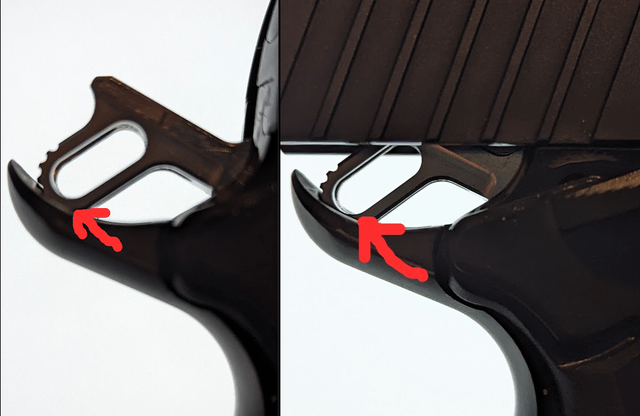
Yes. Unequivocally. A trigger job done wrong on any 1911-pattern gun can result in a hammer that follows the slide forward without sear engagement, which means the gun fires when the slide closes rather than when you pull the trigger. This is called "hammer follow" and it's the nightmare scenario. It happens when sear engagement is cut too shallow, when the sear spring is too light to hold the sear nose against the hammer hooks under recoil, or when the angles are wrong.
A less dramatic but still dangerous failure is "doubling," where the disconnector doesn't properly catch the sear during cycling and you get two rounds from one trigger pull. This can happen with an improperly fitted disconnector or a sear spring that's been weakened too much.
The function check that matters after any trigger job: with the gun unloaded, cock the hammer. Pull the trigger and hold it back. Rack the slide. Release the trigger slowly. You should feel and hear a distinct click as the disconnector re-engages the sear. If the hammer follows the slide down at any point during this check, the gun goes back to the smith. Do not fire it.
Staccato XC Deals
Prices may change. May contain affiliate links.
What's the minimum safe sear engagement?
Most experienced 1911 smiths consider .018 to .020 inches the minimum safe sear engagement for a gun that sees any kind of hard use. Competition-only guns sometimes run as little as .012 to .015 inches, but at that depth, any wear on the sear nose or hammer hooks can quickly reduce engagement to near-zero. A duty or carry Staccato should stay at .020 or above. The break can still be excellent at that engagement depth if the surfaces are properly stoned and polished.
The problem is that sear engagement isn't something you can easily measure yourself without a sear jig and magnification. This is fundamentally why trigger jobs on 1911-pattern guns are not a DIY project for most people. You're working in thousandths of an inch on the parts that prevent uncontrolled discharge.
What to ask for (and what to avoid)
What's a reasonable trigger pull weight for a carry or duty Staccato?
A well-done trigger job on a carry Staccato should land between 3 and 3.5 pounds with a clean, crisp break and no creep. That's a significant improvement over the factory 4-4.5 pound pull, and it's achievable without compromising primer ignition or sear engagement safety margins. The improvement in feel will be more dramatic than the numbers suggest because most of the perceived improvement comes from eliminating creep and reducing overtravel, not just dropping pull weight.
If a smith tells you they can get your carry gun to 2 pounds, ask them how. If the answer involves a 13-pound mainspring and minimal sear engagement, that's a competition setup and it doesn't belong in a gun you might depend on.
What about a competition-only Staccato?
For a dedicated competition gun (USPSA, IPSC, Steel Challenge), the world opens up. Pull weights of 2 to 2.5 pounds are common and achievable with a 15-17 pound mainspring, carefully stoned sear engagement around .015-.018 inches, and a light sear spring. Some competition shooters go even lighter, but diminishing returns set in quickly below 2 pounds, and the reliability trade-offs accelerate.
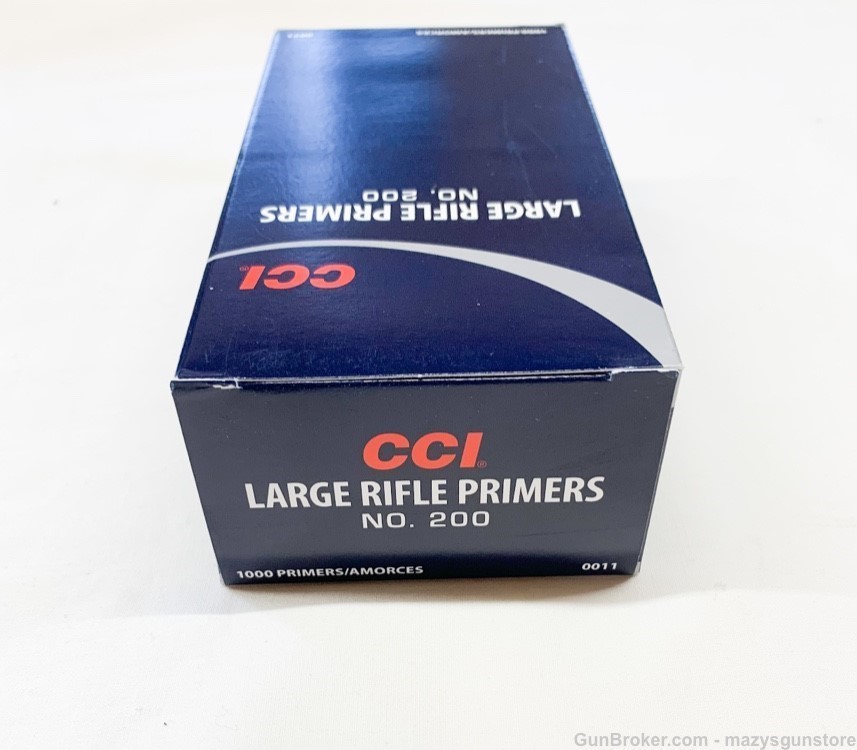
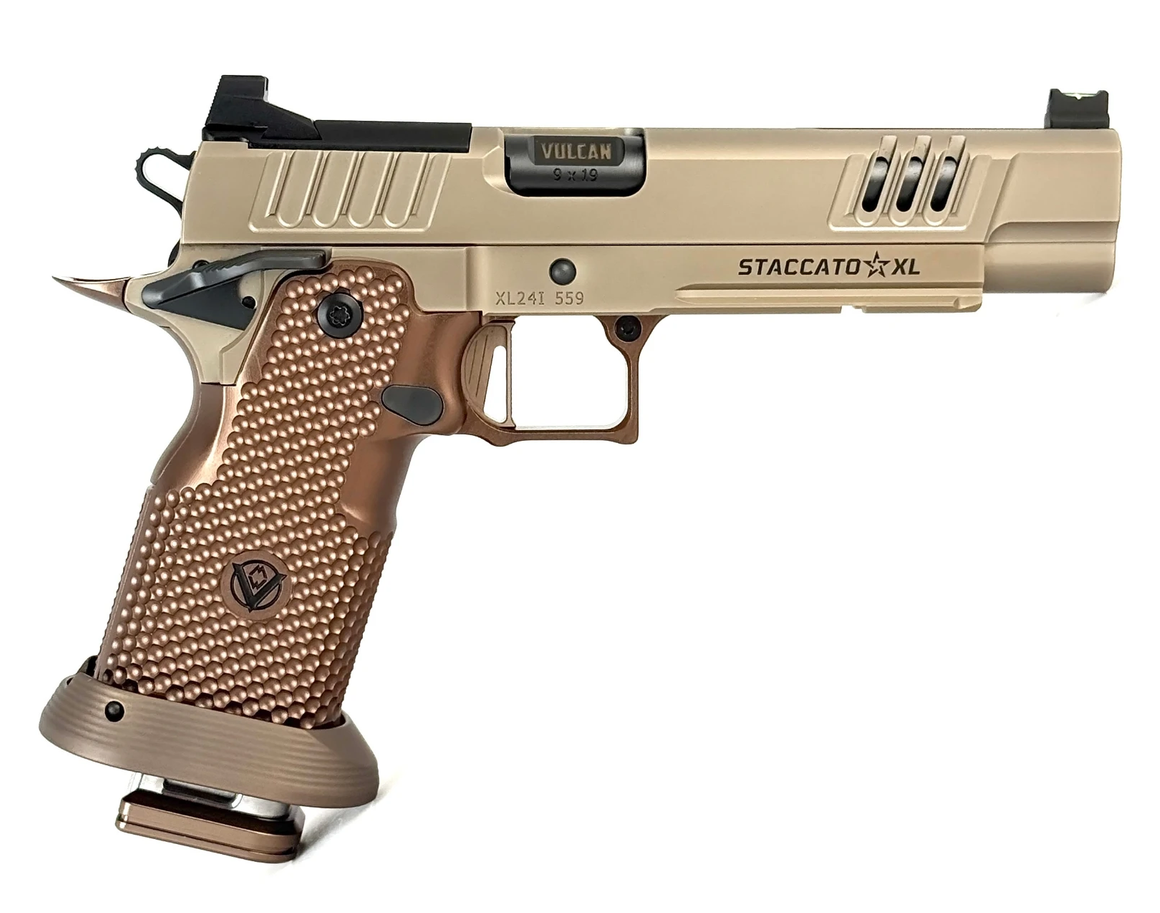
At these weights, you need to be religious about using consistent ammo with soft primers. Federal and CCI are the go-to choices for light-hammer competition guns. You also need to accept that the gun will require more frequent inspection of the sear and hammer hooks because the reduced engagement surfaces wear faster.
Should I ask for a new sear and hammer, or can the factory parts be tuned?
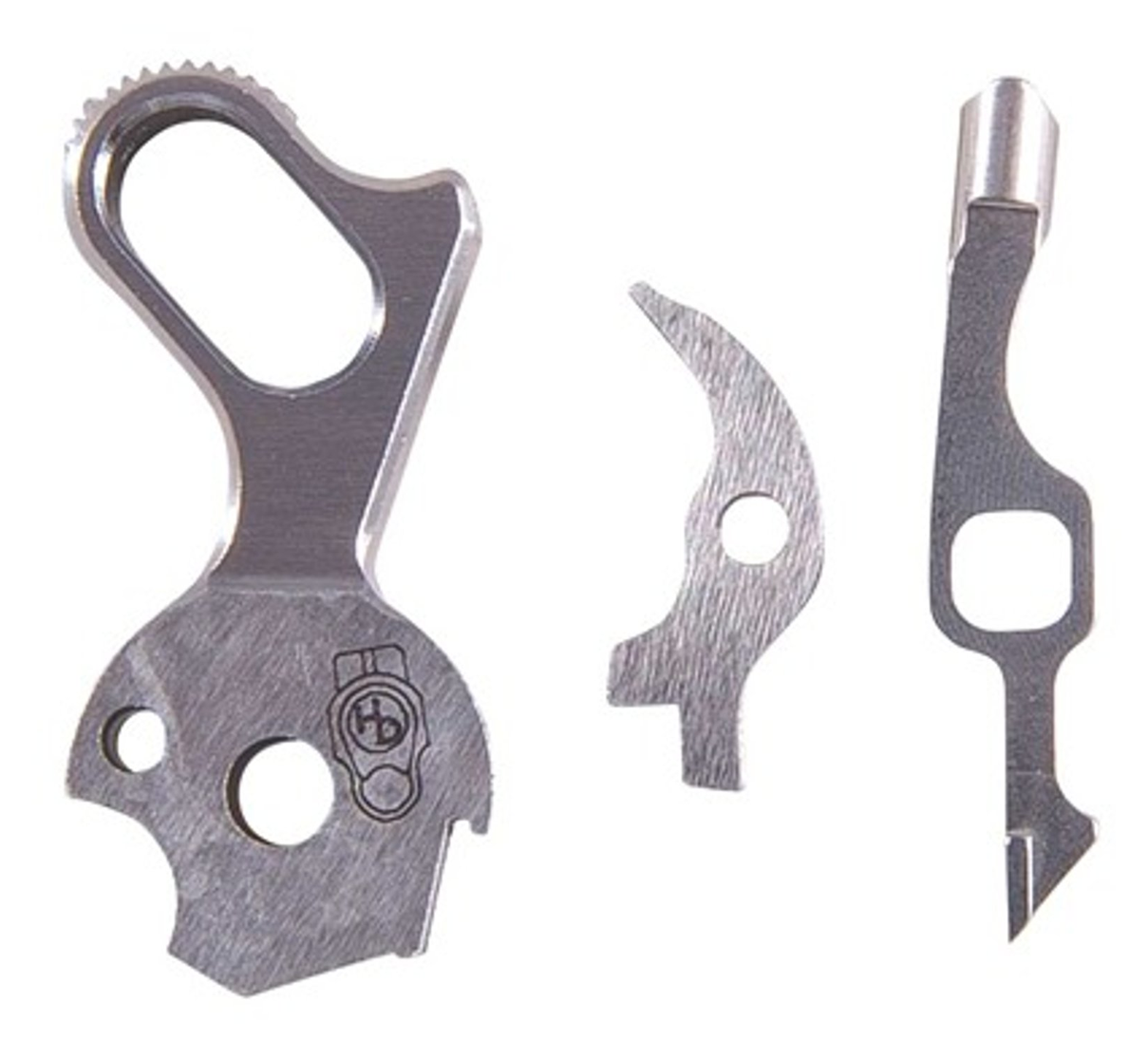
This depends on who you ask and what condition the factory parts are in. Staccato uses decent quality fire control components, and many smiths are perfectly happy stoning the factory sear and hammer to clean angles. The advantage of aftermarket parts from makers like EGW, Infinity/SVI, or C&S is that they often start with better heat treatment and more precise machining, which means the smith has a better foundation to work from and the parts may hold their geometry longer under use.
Staccato XL Deals
Prices may change. May contain affiliate links.
For a basic trigger cleanup on a carry gun, factory parts are usually fine. For a full competition trigger job where you're pushing engagement minimums and light springs, aftermarket sear and hammer sets are worth the extra cost. Expect to pay around $90-95 for a quality sear and hammer bought individually before fitting labor, though a complete trigger kit can run $160 or more.
What about the disconnector?
The disconnector is the most overlooked part of a trigger job, and it's where a lot of the "feel" improvement comes from. A properly fitted disconnector eliminates the mushy, vague sensation during the trigger reset. The disconnector nose needs to be polished and the spring tension set so that reconnection is positive but not harsh.
On Staccatos, some owners report that the factory disconnector creates a noticeable "hitch" during the trigger stroke. A smith can polish the disconnector nose and the corresponding surface on the sear, and adjust the disconnector spring, to smooth this out considerably. This is actually one of the lower-risk modifications because you're polishing, not removing material from critical engagement surfaces.
What about pre-travel and overtravel adjustments?
Most Staccato triggers have a pre-travel set screw that lets you reduce take-up. This is one of the few adjustments an owner can make themselves, though it requires patience. Turn the set screw in (clockwise, usually with a small hex key) a quarter turn at a time, function-checking after each adjustment. You want just enough pre-travel that the trigger resets reliably. Too little pre-travel and the trigger won't reset after firing, which means you get one shot and then a dead trigger.
Overtravel is adjusted via a screw at the back of the trigger or by fitting a stop. Reducing overtravel makes the trigger feel snappier because your finger stops moving sooner after the break. The risk here is setting it too tight, which can prevent the disconnector from fully engaging during cycling. Set it so there's about .010-.015 inches of rearward movement after the sear breaks.
Bench notes: what the work actually feels like
Here's what correct feels like on a well-tuned Staccato trigger. You press the trigger and feel a short, smooth take-up with no grit or stacking. Then the trigger hits a distinct wall. From the wall, the break should feel like snapping a thin glass rod: sudden, clean, with no perceptible movement. After the shot, you release the trigger forward and feel a short, positive reset click. The total trigger movement from rest to break should be minimal, and from reset to break should be even shorter.
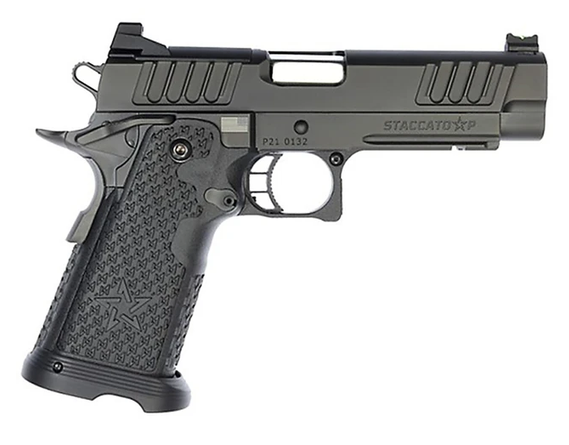
What bad feels like: a long, mushy take-up with no distinct wall. A break that "rolls" rather than snaps. A reset that's vague or requires you to let the trigger almost all the way forward. Gritty texture during any part of the stroke. Any of these indicate either poor factory assembly or a trigger job that wasn't done well.
If you've had work done and the trigger feels worse in any dimension than it did stock, something went wrong. Don't assume it needs a break-in period. 1911 trigger work either works right immediately or it doesn't.
Common mistakes and troubleshooting
Light strikes after a trigger job
The most common post-trigger-job complaint. Almost always caused by a mainspring that's too light for the ammo being used. Before blaming the smith, try Federal American Eagle or similar soft-primer ammo. If light strikes persist even with soft primers, the mainspring is too light, the firing pin spring is too heavy (creating too much resistance), or the firing pin channel is dirty/obstructed. A gunsmith who does a trigger job should be testing with the ammo you plan to use.
Trigger won't reset
Usually means the pre-travel screw was adjusted too far in, or the disconnector spring is too weak. Back the pre-travel screw out a quarter turn and test. If that doesn't fix it, the disconnector itself may need refitting.
Hammer follows slide forward
Stop. Do not fire the gun. This means sear engagement is insufficient or the sear spring has lost tension. The gun goes back to the smith immediately. This is not a "shoot it and see" situation.
Trigger feels great dry but terrible with live fire
Recoil reveals problems that dry fire hides. If the trigger develops creep or a mushy break under live fire that wasn't present dry, the sear engagement may be marginal and the recoil impulse is causing the sear to partially slip before re-engaging. This needs professional attention.
Double fires or burst-like behavior
Disconnector issue. The disconnector isn't catching the sear reliably during the slide's rearward travel. This is dangerous and the gun needs to go back to the smith. Do not attempt to diagnose this yourself by continuing to shoot.
Tools and parts worth knowing about
If you're having a smith do the work, you don't need to buy tools. But knowing what they should be using tells you something about their competence.
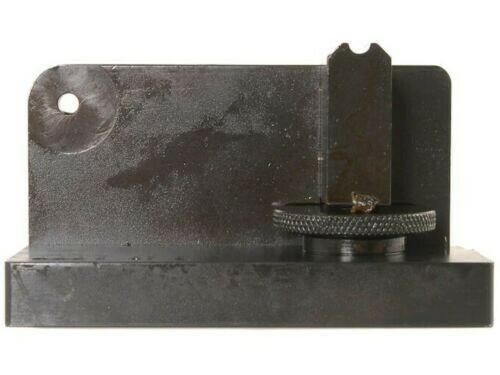
A proper 1911 trigger job requires a sear jig (Power Custom and Yavapai make the standard ones) to hold the sear at correct angles during stoning. Ceramic or hard Arkansas stones for the actual surface work. A hammer/sear pin gauge to measure engagement depth. And a trigger pull gauge to verify final weight.
For parts, the names to know are EGW (Evolution Gun Works) for sear and hammer sets, C&S (Cylinder & Slide) for fire control components on 1911 platforms, and Dawson Precision for trigger bows and accessories specific to 2011 platforms. Phoenix Trinity makes grip and trigger components popular in the competition world. If your smith is reaching for a Dremel instead of stones and a jig, find a different smith.
For the DIY-inclined, the only trigger work that's reasonable to do yourself is adjusting the pre-travel and overtravel set screws, and swapping springs. Even spring swaps require a function check protocol and an understanding of what you're changing. Stoning sear engagement surfaces is a "know when to call a smith" situation for anyone who hasn't done it under supervision.
Finding the right gunsmith
How do I find a smith who knows 2011 triggers?
Not every 1911 smith is a 2011 smith, though the fire control work is identical. The 2011-specific knowledge matters more for frame and grip module work than trigger jobs. That said, you want someone who has specific experience with the platform. Ask on Brian Enos Forums, the 1911Addicts community, or the Staccato subreddit for recommendations in your area. Look for smiths who do competition gun work, as they tend to have the most refined trigger-tuning skills.
Shops like Vulcan Machine Werks, Cosaint Arms, and various independent competition smiths have reputations for quality 2011 work. Red Dirt USA is another name that comes up in the 2011 community. Don't be afraid to ask a prospective smith how many 2011 trigger jobs they've done and what pull weight and engagement specs they target. A good smith will answer these questions without hesitation.
What should a trigger job cost?
For a basic trigger job (stoning factory sear and hammer, spring tuning, disconnector polish, pre-travel and overtravel adjustment), expect $150-250 in labor. If you're having aftermarket sear and hammer parts fitted, add the parts cost ($50-100) and potentially more labor time since fitting new parts takes longer than tuning existing ones. A full competition trigger job with new parts, extensive fitting, and reliability testing might run $300-400 total.
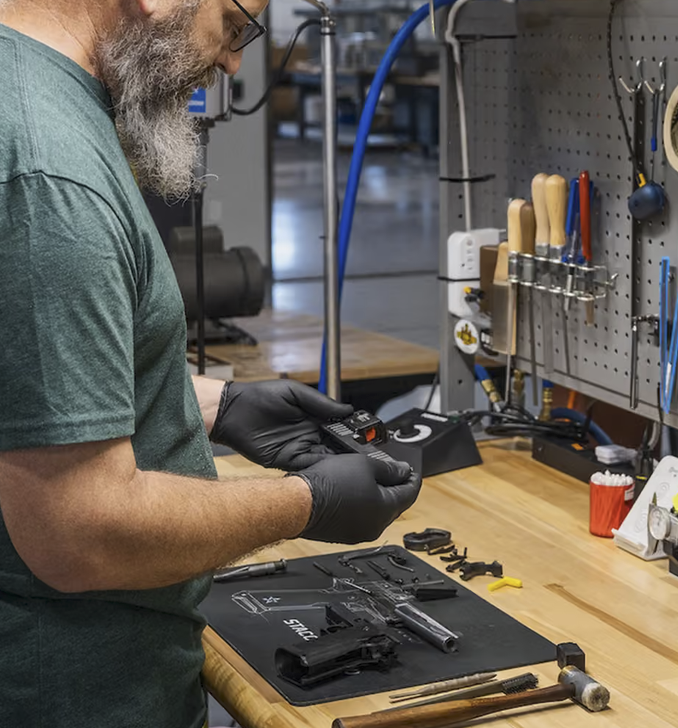
If someone quotes you $75 for a trigger job, they're either doing a spring swap and calling it a day, or they're rushing through sear work. If someone quotes you $600, they'd better be including parts and a full reliability test with your ammo.
Still have questions?
The Brian Enos Forums have extensive threads on Staccato trigger work, including a particularly detailed one on Staccato HD trigger job findings that covers specific engagement measurements and spring combinations. The 1911Addicts forum has threads discussing 2-pound trigger jobs on Staccato P models with real-world feedback on reliability at various pull weights.

Staccato HD Deals
Prices may change. May contain affiliate links.
For understanding the underlying mechanics, any quality 1911 armorer's manual covers sear geometry in detail. Kuhnhausen's shop manuals are the gold standard for 1911 internals. They're dense, but if you want to understand what your smith is actually doing to your gun, there's no better resource.
If you're considering doing any trigger work yourself beyond set screw adjustments, take an armorer's course first. Several organizations offer 1911/2011-specific armorer classes, and Staccato runs their own certified armorer program. A weekend course won't make you a trigger tuning expert, but it will teach you enough to know what you're looking at and when you're out of your depth.
The short version of everything above: a trigger job on a Staccato is one of the most worthwhile modifications you can make, but it's only as good as the person doing the work. A competent smith can give you a dramatically better trigger without sacrificing the reliability that made you buy the gun in the first place. A bad trigger job can make the gun dangerous. Choose your smith carefully, be clear about whether this is a carry gun or a competition gun, and run a thorough function check before you ever load a round.