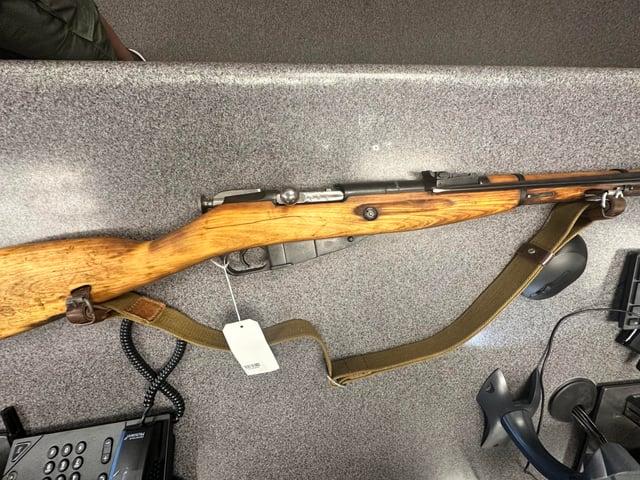
That Mosin Nagant listed at $650 with "matching numbers" and "excellent bore" isn't a deal. It's a test. A test of whether you've done your homework or whether you're the kind of buyer who confuses an asking price with a market price. GunBroker is the largest online firearms marketplace in the country, and it's where most milsurp transactions happen now. But the platform's structure, its seller incentives, and the sheer volume of listings create an environment where inflated pricing isn't just common. It's the default.
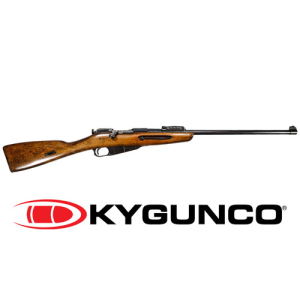
Mosin Nagant Deals
Prices may change. May contain affiliate links.
The thesis is simple: the majority of fixed-price milsurp listings on GunBroker are priced 30 to 80 percent above what the same guns actually sell for at auction on the same platform. This isn't speculation. GunBroker's own completed auction data proves it, and most buyers never bother to check. Understanding why this happens, how to identify it, and what to do about it will save you hundreds of dollars per purchase and keep you from building a collection of overpriced, misrepresented surplus rifles.
This matters more now than it did five years ago. The milsurp market has shifted. Surplus imports have slowed to a trickle for most categories. The $89 Mosin crate is ancient history. CMP Garands require patience and a first-come first-serve process where the grade you receive is luck of the draw. Prices have risen across the board for legitimate reasons: scarcity, collector demand, and the simple fact that they aren't making more 1903 Springfields. But that real price appreciation has created cover for artificial inflation. Sellers know that new collectors expect milsurp to be expensive now, and they exploit that expectation. The gap between what a gun is worth and what someone lists it for has never been wider.
The fixed-price problem
GunBroker supports two listing formats: auctions and fixed-price listings. Auctions work roughly the way you'd expect. A seller sets a starting bid, sometimes a reserve, and the market determines the final price through competitive bidding. Fixed-price listings are exactly what they sound like: the seller names a price, and you either pay it or you don't.

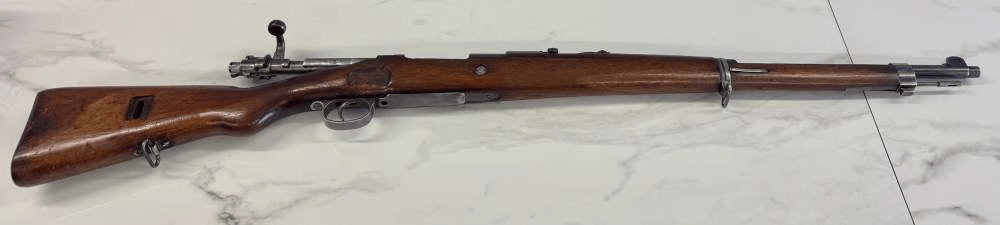
Turkish Mauser Deals
Prices may change. May contain affiliate links.
May contain affiliate links.
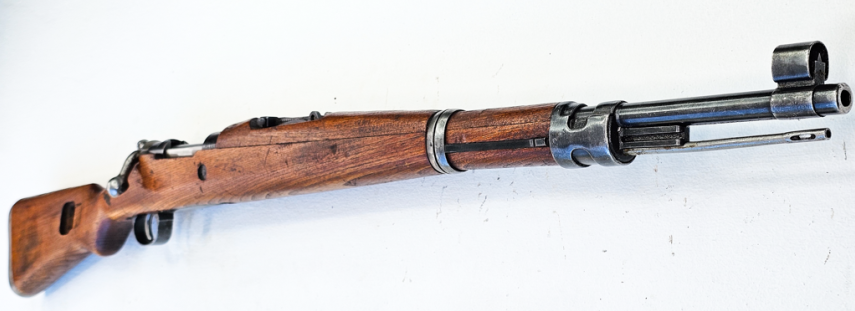
Here's where the trap springs. The vast majority of inflated milsurp listings are fixed-price. A seller can list a Yugoslav M48 Mauser at $750 and leave it sitting there for months. The listing doesn't expire in the same way an auction does. It just sits, looking like that's what the gun costs. New collectors browse, see five or six M48s all listed between $650 and $800, and assume that's the market. They never check what M48s actually sold for at auction last month, which might be $375 to $475 for comparable examples.
This isn't a GunBroker-specific trick. It's basic retail psychology. When you walk into a store and see a price tag, you assume someone with knowledge set that price based on the item's value. On GunBroker, anyone with an account can set any price they want. There's no oversight, no appraisal requirement, no algorithm that flags a listing as overpriced. The platform makes money primarily on final value fees when items sell, plus optional listing upgrade fees, so a gun that sits at an inflated price for six months generates those upgrade fees every time the seller relists it. There's no structural incentive to correct bad pricing.
The data backs this up. GunBroker's own pricing reports, available through their reporting center, track completed sales by category and keyword. If you search completed auctions for a specific rifle and compare those final hammer prices to the current fixed-price listings for the same gun, the spread is often dramatic. A Turkish Mauser that sells at auction for $250 to $350 will frequently appear in fixed-price listings at $500 to $600. An Ishapore 2A1 that hammers at $400 shows up fixed-price at $700. The pattern is consistent across nearly every milsurp category.
Why sellers overprice and why it works
Understanding seller motivation helps you recognize the trap before you step in it. Not every overpriced listing is a deliberate scam. Some sellers genuinely believe their gun is worth what they're asking, because they paid too much for it themselves and can't accept the loss. Others are fishing: they list high, expect to negotiate, and figure if one buyer in fifty pays full ask, the margin was worth the wait.

Glock 19 Deals
Prices may change. May contain affiliate links.
But a significant number of overpriced milsurp listings come from a specific type of seller who buys in bulk at modest prices, writes optimistic descriptions, photographs guns under favorable lighting, and lists at steep markups. These sellers often have professional-looking storefronts on GunBroker with hundreds or thousands of listings. Volume is the strategy. They don't need every gun to sell at the inflated price. They need enough uninformed buyers to make the average margin worthwhile.
The descriptions in these listings follow recognizable patterns. You'll see vague condition language like "nice overall condition" or "shows honest wear" without specifics about bore condition, stock condition, or parts originality. You'll see "matching numbers" used loosely, sometimes meaning the bolt matches the receiver but everything else is mismatched. You'll see "rare" applied to variants that were produced in the hundreds of thousands. And you'll almost always see a lack of detailed, well-lit photographs. If a seller is asking $900 for a 1903 Springfield and the listing has four photos, all taken on a bedsheet with a phone camera, that's not a seller who's invested in accurately representing the gun. That's a seller who's invested in not showing you the pitting under the handguard.
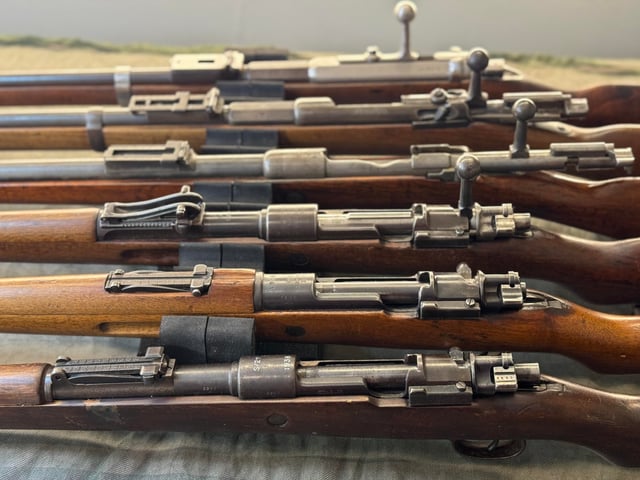
The psychology works because milsurp collecting has a knowledge barrier. A buyer shopping for a new Glock 19 can compare prices across twenty retailers in five minutes. The product is standardized. But a buyer shopping for a K98k Mauser has to evaluate matching numbers, correct parts, bore condition, stock cartouches, import marks, arsenal refurbishment history, and a dozen other variables before price even enters the conversation. That complexity creates information asymmetry, and information asymmetry is where overpricing thrives.
There's also the emotional factor. Milsurp buyers are often buying a specific gun they've been thinking about for months. When they finally find a listing that looks right, the impulse to buy before someone else does overrides the discipline to verify the price. Sellers know this. That's why you'll see "won't last" and "priced to sell" on listings that have been active for 90 days.
The four most common pricing traps
The "rare variant" markup
This is the most profitable trap in milsurp selling. Take a common gun, identify one feature that's slightly less common, and triple the price. A standard 91/30 Mosin Nagant with a hex receiver becomes a "rare pre-war hex receiver Mosin" listed at $550 when round-receiver examples sell for $250 to $350 and hex receivers command a modest premium of maybe $50 to $75 over that. An M1903 Springfield made at Rock Island Arsenal gets labeled "scarce Rock Island production" despite Rock Island's last verified serial number being 430,742, with actual production estimates ranging from under 235,000 to over 263,000 for the pre-1914 period and approximately 25,000 additional receivers completed later at Springfield Armory.

91/30 Mosin Nagant Deals
Prices may change. May contain affiliate links.
May contain affiliate links.
May contain affiliate links.
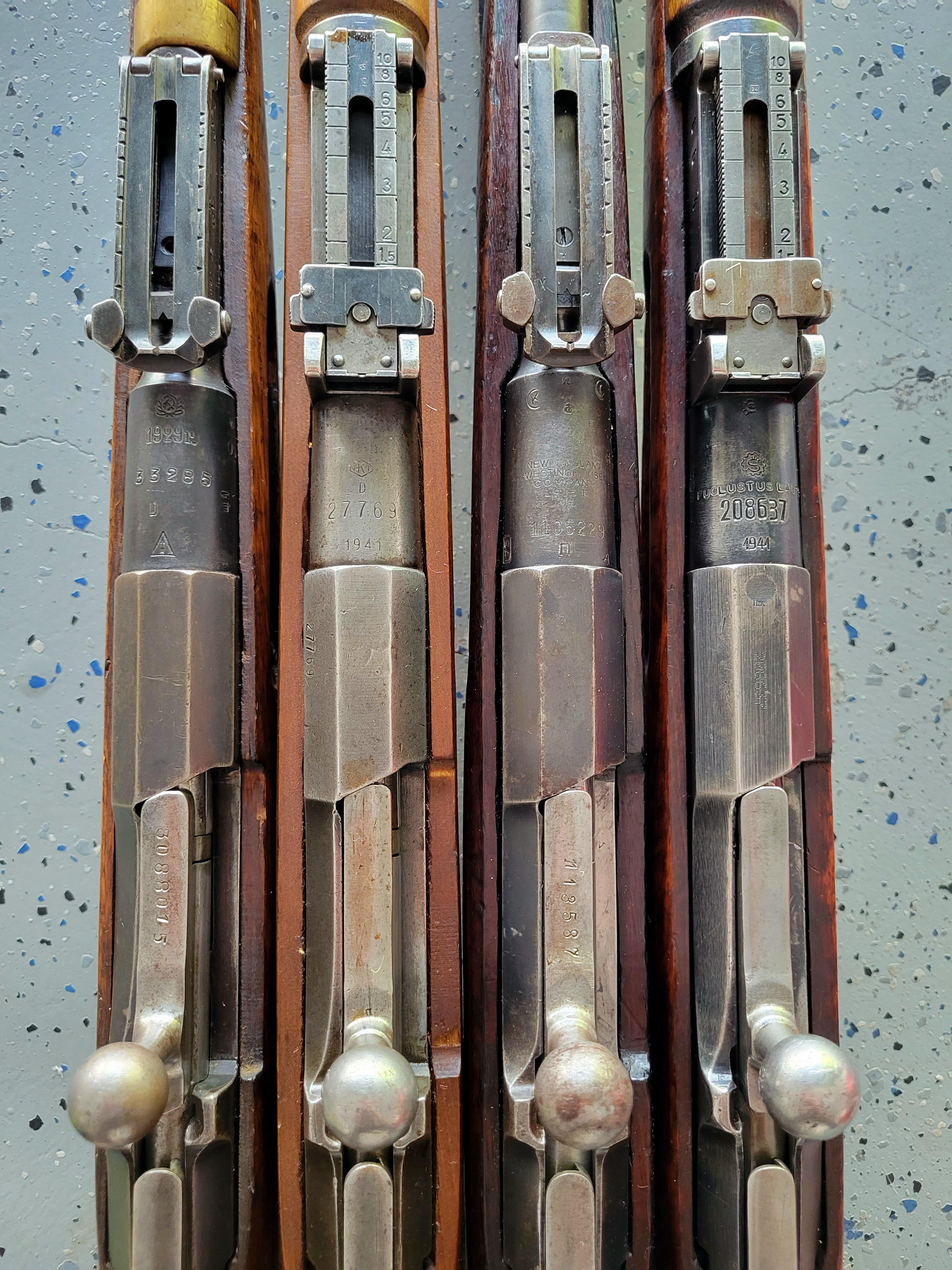
The trick works because there are genuinely rare milsurp variants that command significant premiums. A Finnish-captured Mosin with an SA stamp is worth more than a standard Soviet example. A 1903 Springfield in the low serial number range below 800,000 has a specific collector following, even though those receivers are considered potentially unsafe to fire. A K98k with Kriegsmarine markings is legitimately scarce. But the gap between "actually rare" and "described as rare" is where sellers make their money.
How to tell: before you pay a premium for a claimed rare variant, verify production numbers. The American Rifleman archives, Gunboards forums, and dedicated reference books for specific platforms all document what was actually produced in what quantities. If a seller can't tell you why a variant is rare beyond "you don't see many of these," that's because they haven't verified it either.
The condition overstatement
A milsurp rifle described as "excellent condition" on GunBroker might mean the metal isn't actively rusting. The NRA condition grading standards that serious collectors use have specific definitions: "excellent" means the gun retains the majority of its original finish with only minor wear, has a bright bore with sharp rifling, and shows no significant defects. On GunBroker, "excellent" often means "better than the worst one I've seen."

M1 Garand Deals
Prices may change. May contain affiliate links.
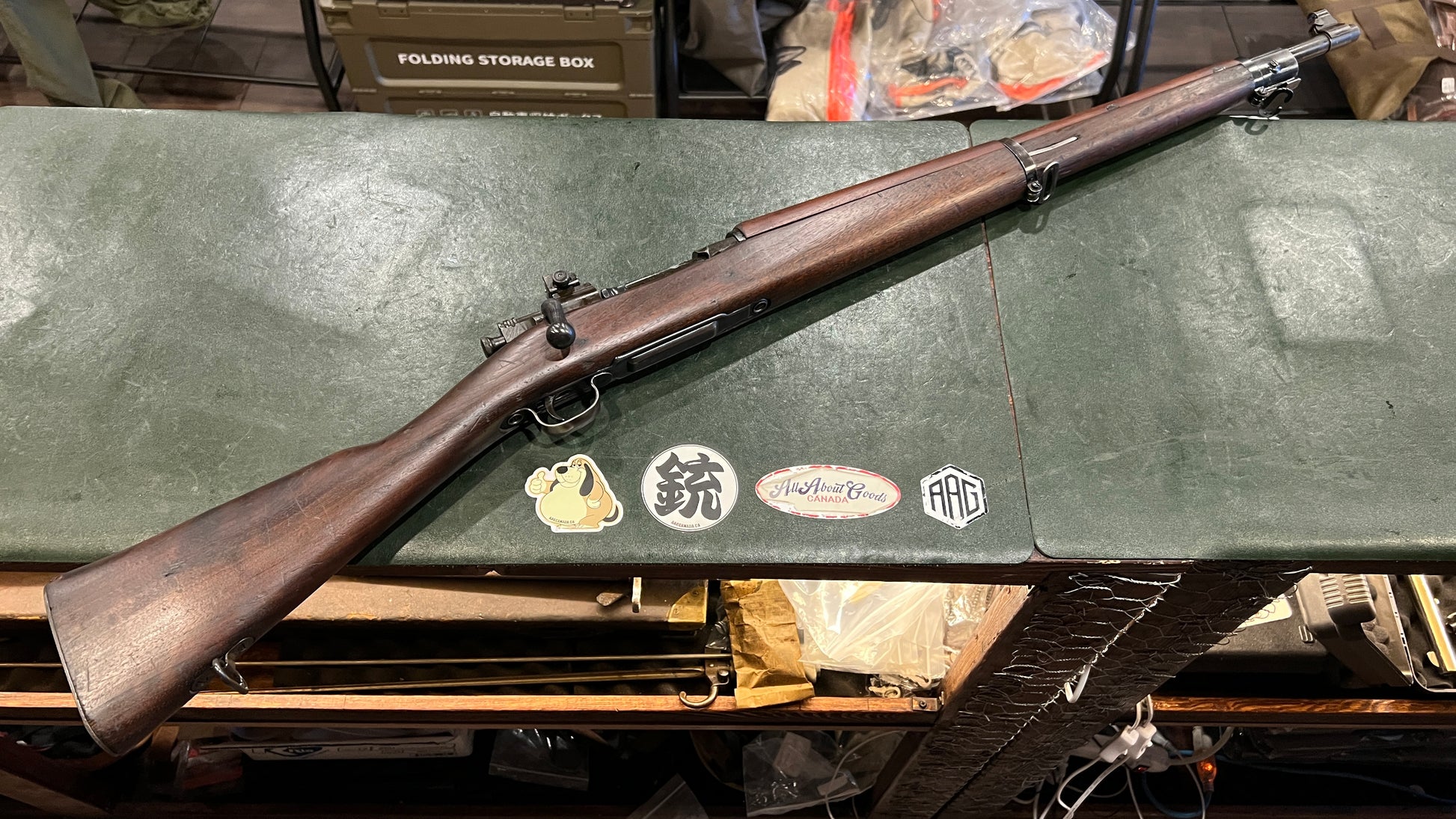
This matters because condition drives value more than almost any other factor in milsurp collecting. A M1 Garand in genuinely excellent, correct condition with a Springfield Armory receiver, matching barrel date, and strong bore is worth multiples of a mixmaster rebuild with a worn barrel and replacement stock. But both get listed as "excellent" by sellers who know most buyers won't ask the right follow-up questions.
The red flag most buyers miss: listings that describe overall condition enthusiastically but never mention bore condition specifically. A seller who writes three paragraphs about how nice the stock looks but doesn't mention the bore is hiding something. Bore condition is the single most important factor in determining whether a milsurp rifle is a shooter or a wall hanger, and it's the one thing you can't evaluate from photographs. If the listing doesn't include a bore description with specifics like "bright with strong rifling" or "dark but rifling visible," assume the worst.
The "numbers matching" inflation
"Matching numbers" is the most abused term in milsurp sales. On a 1939 K98k, truly matching means all parts: stock and handguard, all screws, bands, all bolt and sight parts, and the stacking rod if present, all bearing the same serial number or last two to three digits. On a Mosin Nagant, matching typically means the bolt matches the receiver. On a 1903 Springfield, the concept barely applies in the same way because of how the Army rebuilt and reissued these rifles over decades.
May contain affiliate links.
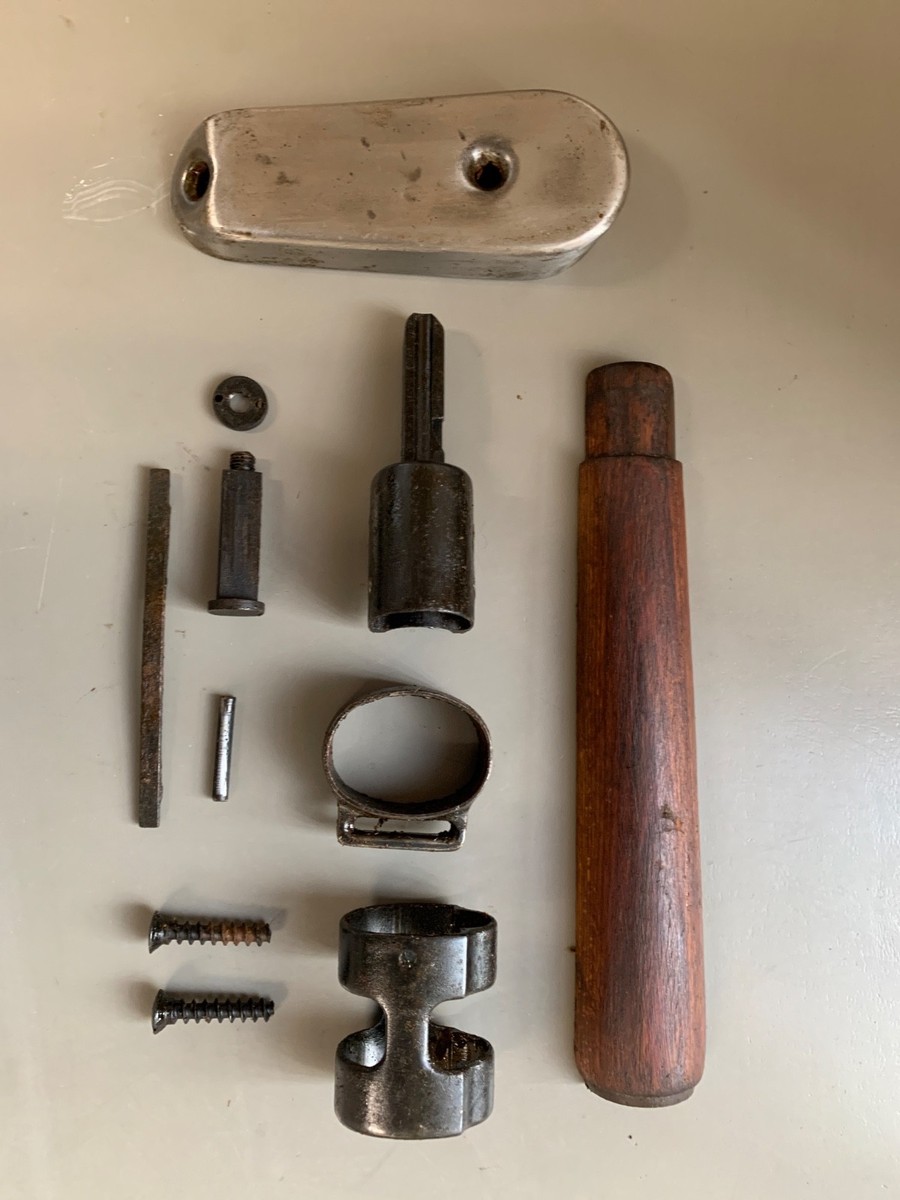
Sellers exploit the ambiguity. "Matching numbers" in a listing might mean only the bolt and receiver match, with everything else force-matched or unmarked. It might mean the numbers match because someone electropenciled new numbers onto replacement parts. Electropencil markings are made either by a vibrating marking tool that marks the surface by percussion or by a type that etches the metal through repeating electrical sparks, and in either case they look distinctly different from factory stampings. If you see numbers that look scratched or sloppy rather than cleanly stamped, those parts were renumbered after the fact.
A truly matching, all-original milsurp rifle is worth a significant premium. A rifle with two matching parts and a creative listing description is worth whatever a mismatched example sells for, plus nothing. The distinction can represent hundreds of dollars in value, and it's the single most common area where GunBroker listings mislead buyers.
The anchor pricing game
This is subtler. A seller lists a gun at $1,200. It doesn't sell. They relist it at $1,000 with "PRICE REDUCED" in the title. The buyer feels like they're getting a deal because the price dropped, but the gun was never worth $1,200 in the first place. The original price was the anchor, set high specifically so the "reduced" price would feel reasonable by comparison.
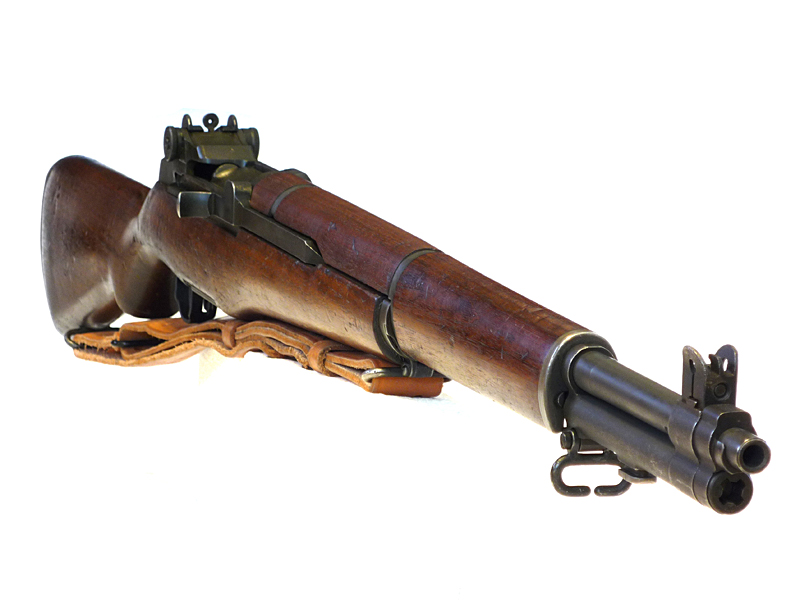
You see this constantly with CMP-eligible rifles. M1 Garands that the Civilian Marksmanship Program sells in specific grades at published prices get listed on GunBroker at 40 to 100 percent markups. Some of this is legitimate: CMP rifles require membership in an affiliated organization and proof of marksmanship activity, so there's a convenience premium for buyers who don't want to go through that process. But the markups often far exceed any reasonable convenience fee, especially when sellers list "CMP Special Grade" Garands at prices that would buy two of them directly from the CMP if you're willing to wait.
Counter-arguments: when higher prices are justified
Fairness requires acknowledging that not every high-priced milsurp listing is a trap. There are legitimate reasons a gun might be priced above the average completed auction price.

Provenance documentation adds real value. A 1903 Springfield with a documented service history, original unit markings, and period photographs is worth more than an identical rifle without that paperwork. A bringback K98k with the original capture papers signed by a named soldier is a different category of collectible than a bulk import with a Century Arms stamp on the barrel. Sellers who have invested in documenting provenance are entitled to price accordingly, and those guns often are worth the premium.
Condition outliers also justify higher prices. If the average M48 Mauser on GunBroker sells at auction for $400 in typical condition, a genuinely unissued example still in cosmoline with a pristine bore and perfect stock might legitimately command $700 or more. The problem isn't that high-condition guns cost more. The problem is that average-condition guns get described as high-condition and priced accordingly.
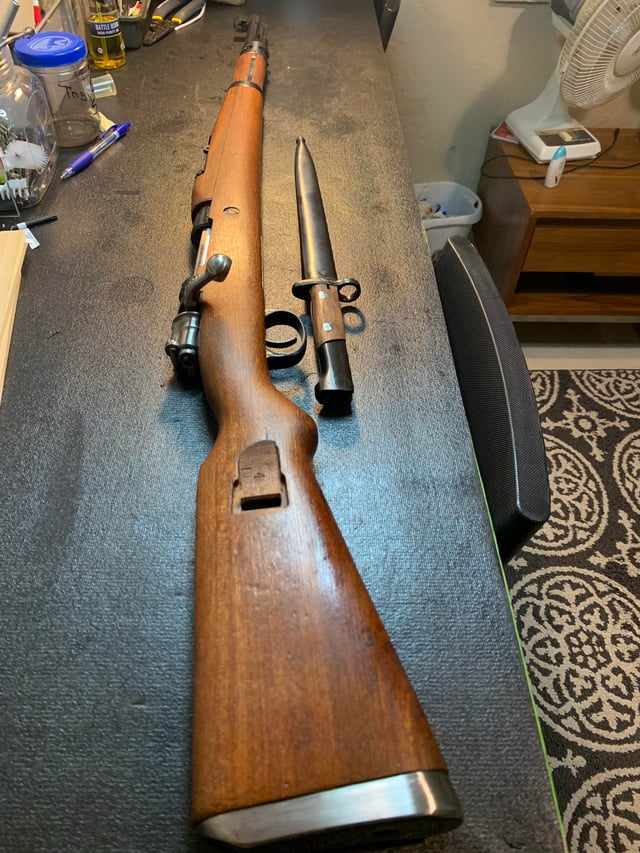
Professional dealers with established reputations, good return policies, and accurate descriptions also warrant some price premium over a private seller with no feedback history. Simpson Ltd., for example, is a well-known dealer in the collecting community, though opinions on their condition grading and descriptions are mixed; some collectors report positive experiences while others have had less satisfactory ones. Their prices reflect the expectation of dealer reliability. Paying slightly more for a gun that's been accurately described and guaranteed by a reputable dealer isn't a trap. It's a reasonable trade-off.
The question isn't whether a gun can be worth more than the average sale price. The question is whether the specific listing you're looking at justifies its specific price with specific evidence. If the answer to that is "the seller says it's nice" and nothing more, you don't have enough information to pay a premium.
How to verify before you buy
Use completed auction data
GunBroker's pricing reports are the single most useful tool available to milsurp buyers, and most buyers don't know they exist. Through the reporting center, you can search completed sales by keyword and see what guns actually sold for, not what they were listed at. Search for the specific model you're considering, filter to completed auctions, and look at the last 30 to 90 days of results. That's the market. Everything else is opinion.

M1 Carbine Deals
Prices may change. May contain affiliate links.
A few caveats on using this data. Auction results can be skewed by poor photographs, bad descriptions, or low-traffic listing times. A K98k that sold at auction for $300 might have had terrible photos and sold below its actual value. Conversely, two bidders with deep pockets can push an auction result above the typical range. Look at the cluster of results, not the outliers. If fifteen M1 Carbines sold between $900 and $1,200 and one sold for $1,800, the market is $900 to $1,200. The $1,800 sale was two people who wanted that specific gun.
Cross-reference outside GunBroker
GunBroker isn't the only data source. Simpson Ltd. publishes their inventory with detailed descriptions and prices that reflect current market conditions from a dealer with decades of experience. Sarco Inc. carries milsurp inventory at retail prices that, while not always the lowest, provide a useful benchmark. Gun show prices in your region give you local market data. Forums like Gunboards have active trading sections where you can see what informed collectors are paying.
The Civilian Marksmanship Program publishes their prices for M1 Garands, 1903 Springfields, and other eligible rifles. Those CMP prices represent a floor for those specific models in those specific grades. Any GunBroker listing for a CMP-grade rifle should be evaluated against what the CMP charges for the same thing, plus a reasonable premium for convenience and availability.
Ask specific questions before bidding
Most GunBroker sellers will answer questions if you ask them through the platform's messaging system. The questions you ask reveal whether the seller actually knows what they're selling or is just moving inventory.
For any milsurp rifle, these questions cut through vague descriptions fast. Ask about bore condition: is the rifling sharp, and is the bore bright or dark? Ask which specific parts carry matching serial numbers, not just whether the gun is "matching." Ask whether the stock is original to the gun or a replacement. Ask about import marks: where are they located, and what do they say? A Century Arms import mark on the barrel tells you the gun came in through commercial import, which affects both the history and sometimes the value. Ask whether the gun has been refinished. A reblued military rifle loses 40 to 60 percent of its collector value compared to an original-finish example in the same condition, and many sellers don't volunteer this information.
If a seller responds with vague answers or gets defensive about detailed questions, that tells you everything you need to know. A seller who owns a genuinely good gun is happy to describe it in detail because the details support the price. A seller who owns a mediocre gun priced like a good one will dodge specifics because the details undermine the price.
Understand what you're actually looking at
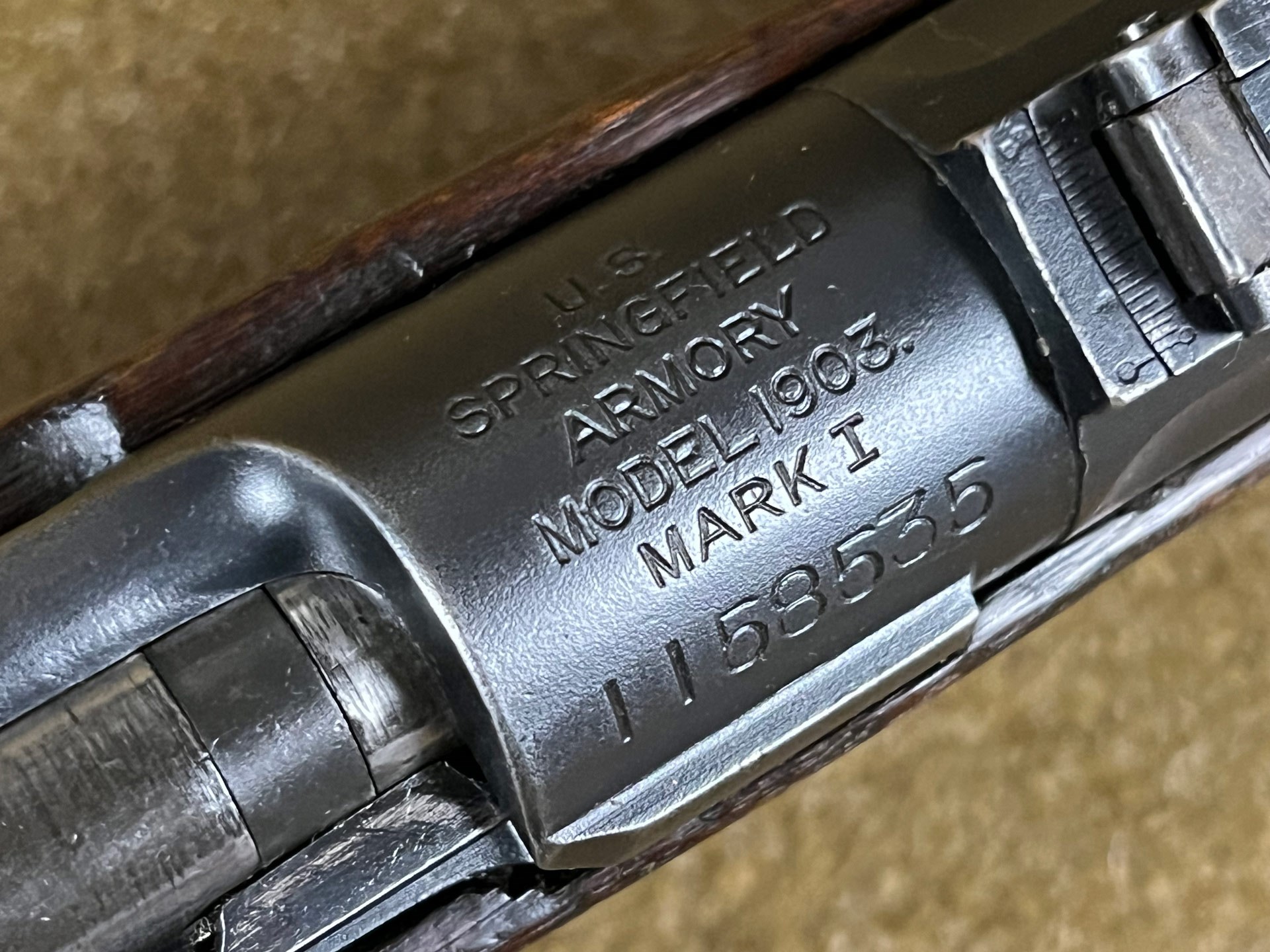
This is the part that requires study, and there's no shortcut. If you're collecting 1903 Springfields, you need to know the difference between a Springfield Armory production gun and a Remington contract gun. You need to know what a Mark I modification looks like, which involved cutting an ejection opening in the left side of the receiver wall for the Pedersen device, and why it affects value. You need to know the serial number ranges for different production periods and the implications of low serial numbers for both safety and collectibility. You need to recognize correct stock cartouches for different eras and understand that many 1903s were rebuilt at arsenals during their service life, meaning a "correct" 1903 is often one that's correct to a specific rebuild period rather than to its original production configuration.

1903 Springfield Mark I Deals
Prices may change. May contain affiliate links.
That level of knowledge takes time to build. Reference books for specific platforms are worth the investment. Bruce Canfield's work on U.S. military arms is among the most comprehensive and useful available for American milsurp. Richard Law has done work on Mausers, though some collectors consider his publications extremely outdated and superseded by newer references. The 7.62x54r.net identification guide remains one of the best free online resources for Mosin Nagant variants. Gunboards forums have decades of accumulated knowledge from serious collectors who can identify a rifle's history from a set of photographs.
The point isn't that you need to become an expert before buying your first milsurp rifle. The point is that every dollar you spend on knowledge before a purchase saves you five dollars you'd otherwise overpay. A $35 reference book that teaches you to identify a reblued finish or a force-matched bolt will pay for itself on your very first GunBroker purchase.
What the market is actually doing right now
The milsurp market in 2025 is defined by two competing forces. Supply continues to tighten as surplus inventories dry up worldwide. The days of warehouse finds with thousands of unissued rifles are largely over for most categories. Turkish Mausers, Yugoslav M48s, and Mosin Nagants still appear in batches, but the volume is a fraction of what it was a decade ago. Swiss K31s are increasingly hard to find at any price. British Enfields in correct, unmodified configuration are scarce.

May contain affiliate links.
May contain affiliate links.
May contain affiliate links.
Soviet 91/30 Mosin Nagant
May contain affiliate links.
At the same time, a new generation of collectors has entered the market, many of them drawn by YouTube channels and social media content that romanticizes milsurp collecting. These buyers are enthusiastic but often lack the reference knowledge that older collectors accumulated over decades of gun show attendance and forum participation. They're the primary target for inflated GunBroker listings because they know enough to want a specific gun but not enough to evaluate whether a specific listing represents fair value.
This combination of shrinking supply and expanding demand with uneven knowledge creates the perfect environment for price inflation. And it means the skills described here aren't just nice to have. They're the difference between building a collection you're proud of at prices you can justify and overpaying for misrepresented guns that you'll struggle to resell without taking a loss.
Some categories have seen genuine, market-driven price increases that aren't artificial. M1 Garands have appreciated steadily, becoming hot collectors' items and sound financial investments as available supply has tightened over the years. Finnish Mosins, particularly M39 variants, have climbed as collectors recognized their quality and scarcity relative to standard Soviet production. German K98k rifles with original matching finishes have always been at the top of the Mauser market, and they've continued to appreciate as correct examples become harder to find.
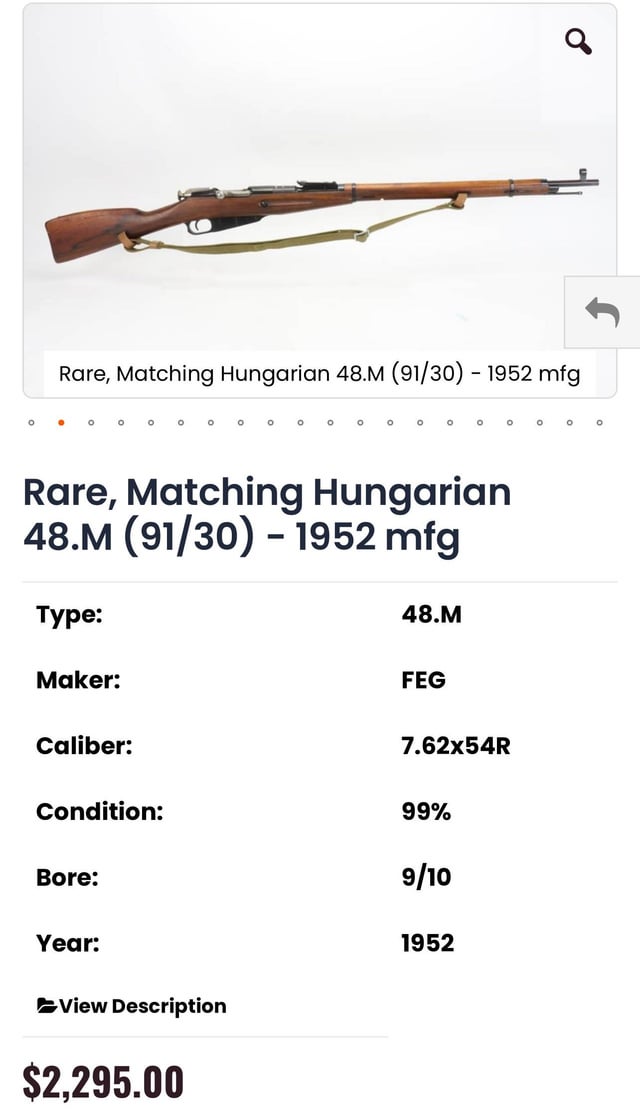
Other categories have seen price inflation that's driven more by seller behavior than by genuine market forces. Standard Soviet 91/30 Mosin Nagants, which were imported by the millions, are being listed at prices that would have been laughable five years ago. Sellers justify this by pointing to the dried-up import pipeline, but the reality is that millions of these rifles are already in the U.S., sitting in closets and safes. The supply hasn't disappeared. It's just moved from importers to private owners who now need to sell through platforms like GunBroker, where the incentive structure favors high asking prices.
Practical takeaways
Before you buy any milsurp rifle on GunBroker, run through this process. It takes about thirty minutes and can save you hundreds.
First, search completed auctions for the specific model. Not current listings. Completed sales. Note the range of final prices and the condition descriptions associated with those prices. That's your baseline.
Second, read the listing you're considering with skepticism. Identify every specific claim: matching numbers, bore condition, originality, variant rarity. For each claim, ask yourself whether the listing provides evidence or just assertion. Photos of serial numbers on multiple parts support a matching claim. The word "matching" in a title without photos does not.
Third, cross-reference the seller's claimed variant or configuration against known production data. If the listing says "rare" or "scarce," verify that independently. Forums, reference books, and collector sites will tell you what's actually rare and what's just uncommon enough that a seller can get away with the claim.
Fourth, check the seller's feedback and history. A seller with thousands of transactions and high ratings is more likely to describe a gun accurately than a seller with twelve transactions and no detailed feedback. But don't treat feedback as a guarantee. High-volume sellers can maintain high ratings while consistently overpricing because most buyers don't leave negative feedback over price. They just don't buy.
Fifth, if you're seriously considering a purchase, message the seller with specific questions about bore condition, parts matching, finish originality, and any repairs or modifications. Document the responses. If the gun arrives and doesn't match the description, those messages are your evidence for a dispute.
Sixth, factor in all costs. GunBroker purchases typically require shipping to an FFL, which means transfer fees, shipping costs, and sometimes state sales tax. A gun that looks like a fair deal at the listed price might be overpriced once you add $30 to $75 in transfer fees and $25 to $50 in shipping. Compare the all-in cost to what you'd pay at a gun show or local shop where you can inspect the gun in person before buying.
The inspection that matters most
If you do buy a milsurp rifle from GunBroker, the real evaluation happens when the gun arrives at your FFL. Before you complete the transfer, inspect the gun against the listing description. Check serial numbers on all claimed matching parts. Look at the bore under good light. Examine the finish for signs of rebluing, which typically shows as an unnaturally uniform deep blue-black color without the gradual wear patterns you'd expect on an original military finish. Arsenal refinished guns will often have mismatched finishes between parts, with the receiver and barrel showing one shade and the trigger guard or floorplate showing another.
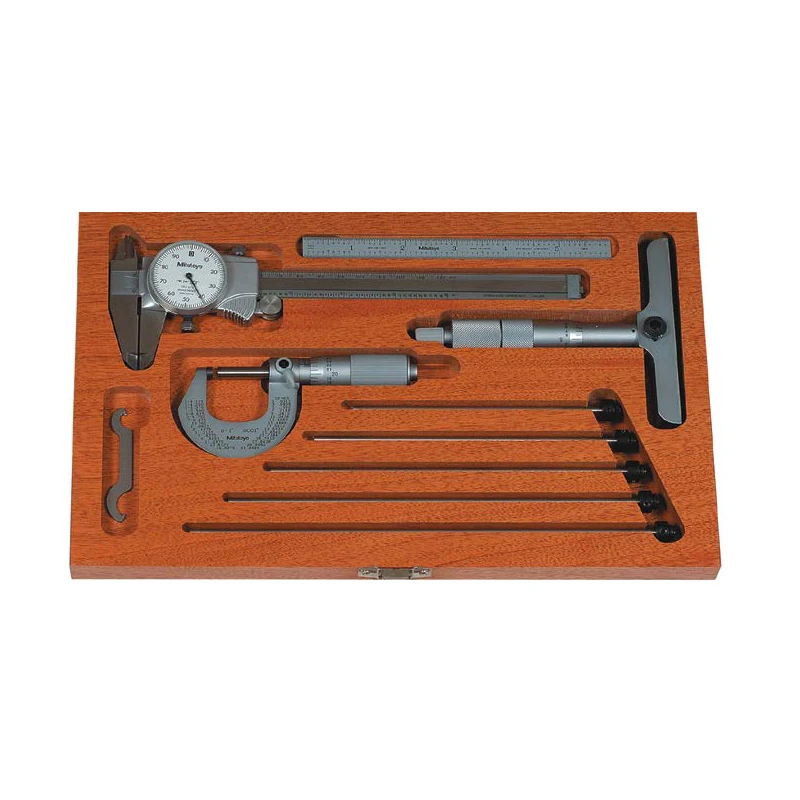
Check the stock for repairs, cracks, sanding, or refinishing. An original military stock will have tool marks, handling wear, and usually cartouches or inspector stamps. A refinished stock will feel smoother than it should and may have had its markings sanded away. Look for import marks, usually stamped on the barrel, which indicate the gun entered the U.S. through commercial channels rather than as a veteran bringback.
If the gun doesn't match the description, you have options. GunBroker's dispute resolution process exists, though it's not always fast or satisfying. More practically, most sellers would rather accept a return than deal with a dispute and the resulting negative feedback. Document everything with photographs taken at the FFL before you complete the transfer. A seller who described a bore as "excellent" will have trouble arguing with a photo showing a dark, pitted barrel.
Building knowledge instead of paying premiums
The collectors who consistently find fair deals on milsurp aren't lucky. They're prepared. They've spent time with reference materials before they spent money on guns. They know what a correct example looks like for the platforms they collect, so they can spot an incorrect one in a listing photo. They check completed sales data before every purchase, so they know what the market actually supports. They ask detailed questions and walk away from sellers who can't or won't answer them.

GunBroker is a tool. Like any tool, it works well when you understand its limitations and poorly when you don't. The platform doesn't set prices. Sellers set prices, and buyers validate or reject those prices with their purchasing decisions. Every overpriced milsurp listing that sits unsold for months is the market working correctly. Every overpriced listing that finds a buyer is the market failing because the buyer didn't have the information they needed.
The information is available. Completed auction data, reference books, collector forums, and established dealers with reputations for honest grading all exist. The question is whether you'll invest the thirty minutes of research before each purchase or whether you'll pay the seller's asking price and hope for the best. One approach builds a collection. The other builds someone else's profit margin.
Look closer. Check the data. Ask the hard questions. The gun will still be there after you've done your homework. And if it isn't, another one will come along. They always do.