You've got a decent collection of firearms, you shoot semi-regularly, and somewhere in the back of your mind there's a number. A round count you think you should have on hand. Maybe it's 1,000 rounds of 9mm. Maybe it's 5,000. Maybe you saw someone on Reddit claim they keep 10,000 rounds per caliber and you felt either inspired or slightly concerned.

9mm FMJ ammunition Deals
Prices may change. May contain affiliate links.
Here's the thing: most stocking advice online is either survivalist fantasy or marketing dressed up as preparedness content. The actual answer to "how much ammo should I stock?" depends on math, not anxiety. It depends on how much you shoot, how many calibers you feed, what your storage situation looks like, and what you're actually preparing for. The number that makes sense for a competitive shooter running 500 rounds of 9mm a month looks nothing like the number for someone who fires 200 rounds a year across two hunting rifles.
The thesis is simple: your ammo stock should be driven by your consumption rate and a realistic replacement timeline, not by arbitrary round counts. Everything else, the prepper math, the "what if" scenarios, the fear-of-shortage buying, should be secondary to that core calculation. Get the baseline right first, then layer on whatever margin of safety lets you sleep at night.
Why this matters right now
The 2020-2021 ammunition shortage taught a generation of shooters what happens when supply chains break. Primers disappeared. Common calibers like 9mm and 5.56 doubled or tripled in price. Retailers imposed purchase limits. Shooters who had zero reserves either paid absurd premiums or simply stopped training. That memory hasn't faded, and it shouldn't.
5.56 NATO ammunition Deals
Prices may change. May contain affiliate links.
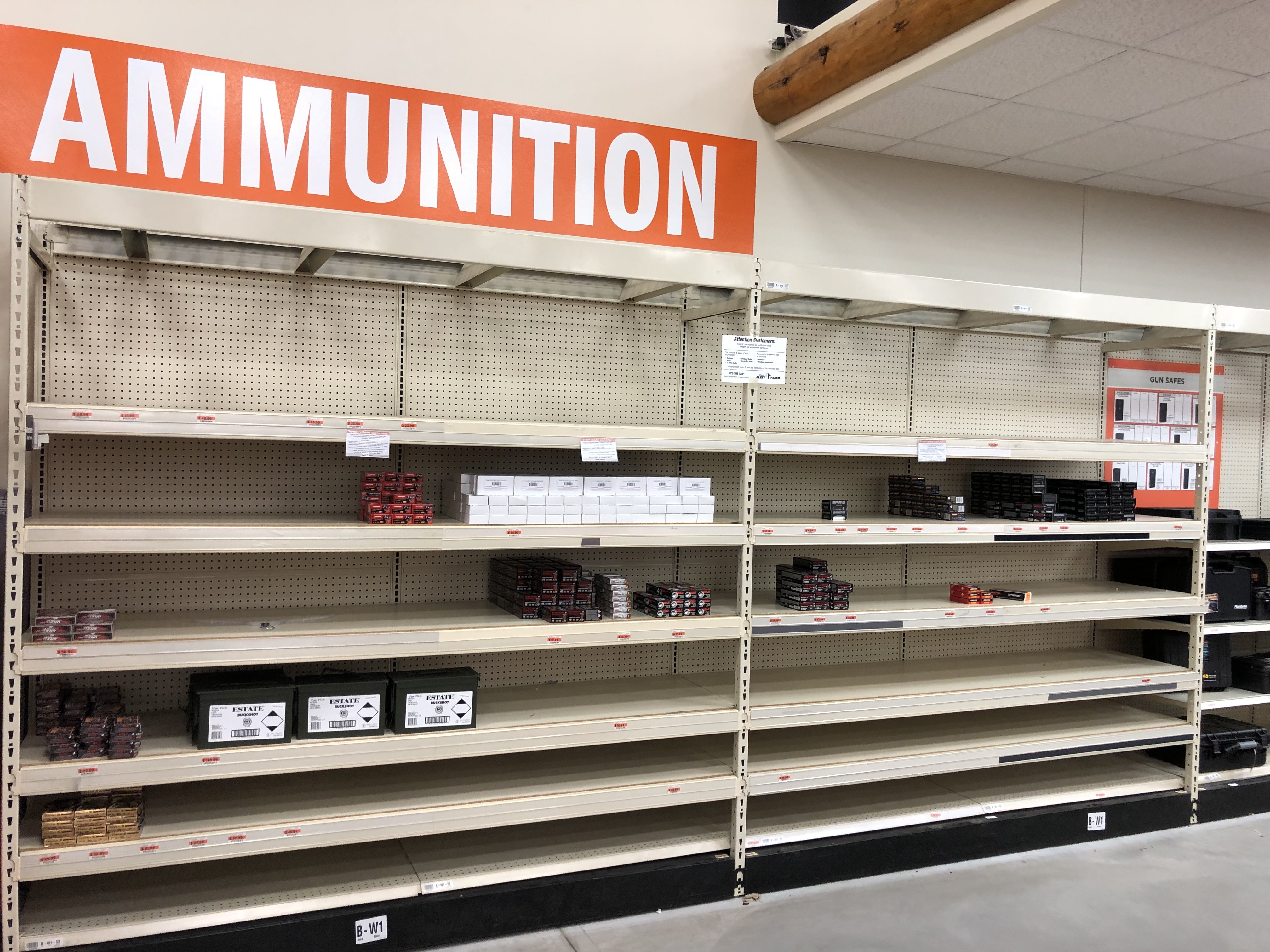
More recently, pricing has stabilized for most mainstream calibers, but stability isn't permanence. Tariff discussions, raw material costs, and periodic demand surges continue to create volatility. Brass 9mm FMJ that generally sat in the 15-20 cents per round range from early 2023 through most of 2024 has fluctuated since then based on everything from election cycles to international trade policy. The 2026 supply landscape looks generally healthy for common calibers, but certain specialty rounds and less popular calibers still experience spotty availability.
The practical lesson from every shortage cycle is the same: the worst time to buy ammo is when everyone else is buying ammo. A stocking strategy isn't about hoarding. It's about buying consistently at good prices so you never have to buy desperately at bad ones. That's a financial strategy as much as a preparedness one.
Start with your burn rate
Before you can figure out how much to keep on hand, you need to know how much you actually shoot. Most people overestimate this. They think about their best months and forget the stretches where the range bag didn't leave the closet.
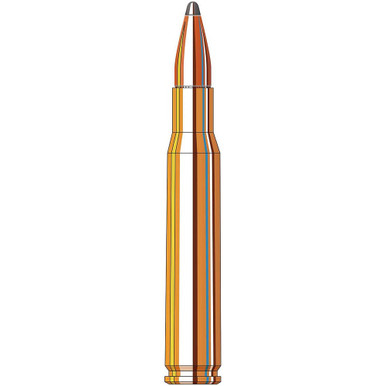
.30-06 ammunition Deals
Prices may change. May contain affiliate links.
Track it for real. Count the rounds you fire over three to six months, then annualize it. A typical recreational shooter who hits the range twice a month and runs 100-150 rounds per session is burning through roughly 2,400 to 3,600 rounds per year of their primary caliber. A competitive shooter in USPSA or IDPA can easily double or triple that. Someone who mostly hunts and does an annual sight-in session with their deer rifle might go through 40-60 rounds of .308 or .30-06 in a year.
The numbers vary wildly, and that's exactly the point. A blanket recommendation of "keep 1,000 rounds per caliber" is meaningless without context. For a competitive pistol shooter, 1,000 rounds is two weeks of practice ammo. For a bolt-action hunter, 1,000 rounds of premium hunting ammo represents a decade-plus of shooting and a significant financial investment.
Once you know your annual consumption, the stocking question becomes straightforward: how many months of shooting do you want to have on hand without needing to resupply? For most shooters, a six-month buffer is a reasonable baseline. That means if you shoot 3,000 rounds of 9mm per year, keeping 1,500 rounds on hand means you could stop buying entirely for half a year and not change your training routine. A twelve-month buffer is more conservative and covers most realistic supply disruptions. Beyond that, you're entering territory where the marginal benefit of additional stock starts declining relative to the cost of capital sitting in ammo cans.
Range notes: tracking consumption
The easiest method is a simple spreadsheet or even a notes app on your phone. After each range session, log the date, caliber, round count, and what you were doing (practice, zeroing, competition, etc.). After six months, you'll have data that's actually useful. You'll probably be surprised. Most shooters find they concentrate 70-80% of their shooting in one or two calibers, with everything else being occasional use. That distribution should directly inform where you put your stocking dollars.
The caliber consolidation argument
Here's where the stocking math gets uncomfortable for people with diverse collections. If you own firearms in eight different calibers, maintaining even a modest reserve in each one gets expensive fast. A thousand rounds of 9mm FMJ might cost $225-270. A thousand rounds of .300 Win Mag runs $1,200-1,800 depending on the load. Multiply that across every caliber you own, and you're looking at a significant chunk of money sitting in your garage.
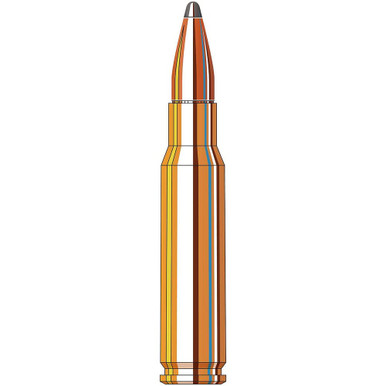
.308 ammunition Deals
Prices may change. May contain affiliate links.
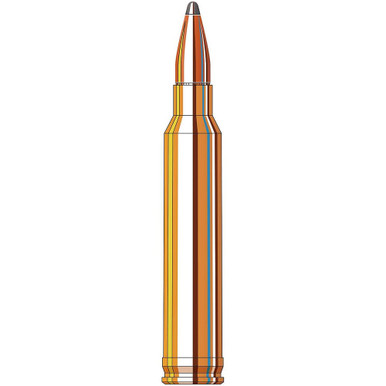
.300 Win Mag ammunition Deals
Prices may change. May contain affiliate links.
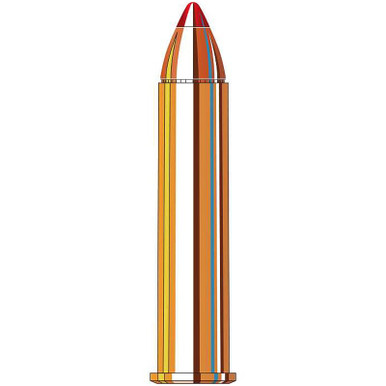
.45-70 ammunition Deals
Prices may change. May contain affiliate links.
The cost-conscious approach is caliber consolidation. Not necessarily selling guns, but being honest about which calibers you actually need to stock deeply versus which ones you can keep a box or two of. Your primary defensive handgun caliber and your primary training/competition caliber (often the same) deserve the deepest stock. Your primary rifle caliber comes next. Everything else gets a maintenance level, enough to function if needed but not a deep reserve.
For most shooters, this practically means stocking 9mm deeply (it's the most common defensive and training pistol caliber by a wide margin), keeping a solid reserve of whatever rifle caliber they use most (5.56/.223 for AR owners, .308 for bolt-action shooters), and maintaining smaller quantities of specialty or occasional-use calibers. The .22 LR question is its own category, which we'll get to.
This isn't about being minimalist for its own sake. It's about recognizing that a dollar spent on your sixth case of .45-70 that you shoot 30 rounds of per year is a dollar not spent on 9mm that you actually burn through. Allocate your budget where your trigger time actually goes.
Realistic stocking numbers by use case
Rather than one-size-fits-all recommendations, here's how the math works out for different shooter profiles. These aren't prescriptions. They're frameworks you can adjust based on your own consumption data.
Magpul magazine Deals
Prices may change. May contain affiliate links.
Trijicon ACOG optic Deals
Prices may change. May contain affiliate links.
The regular recreational shooter who hits the range a couple times a month with a 9mm handgun and an AR-15 is looking at roughly 2,000-3,000 rounds of 9mm per year and 1,000-2,000 rounds of 5.56. A six-month buffer means keeping 1,000-1,500 rounds of 9mm and 500-1,000 rounds of 5.56 on hand. A twelve-month buffer doubles those numbers. Add a few boxes of defensive hollow points (200-300 rounds covers rotation and periodic function testing) and you've got a sensible baseline.
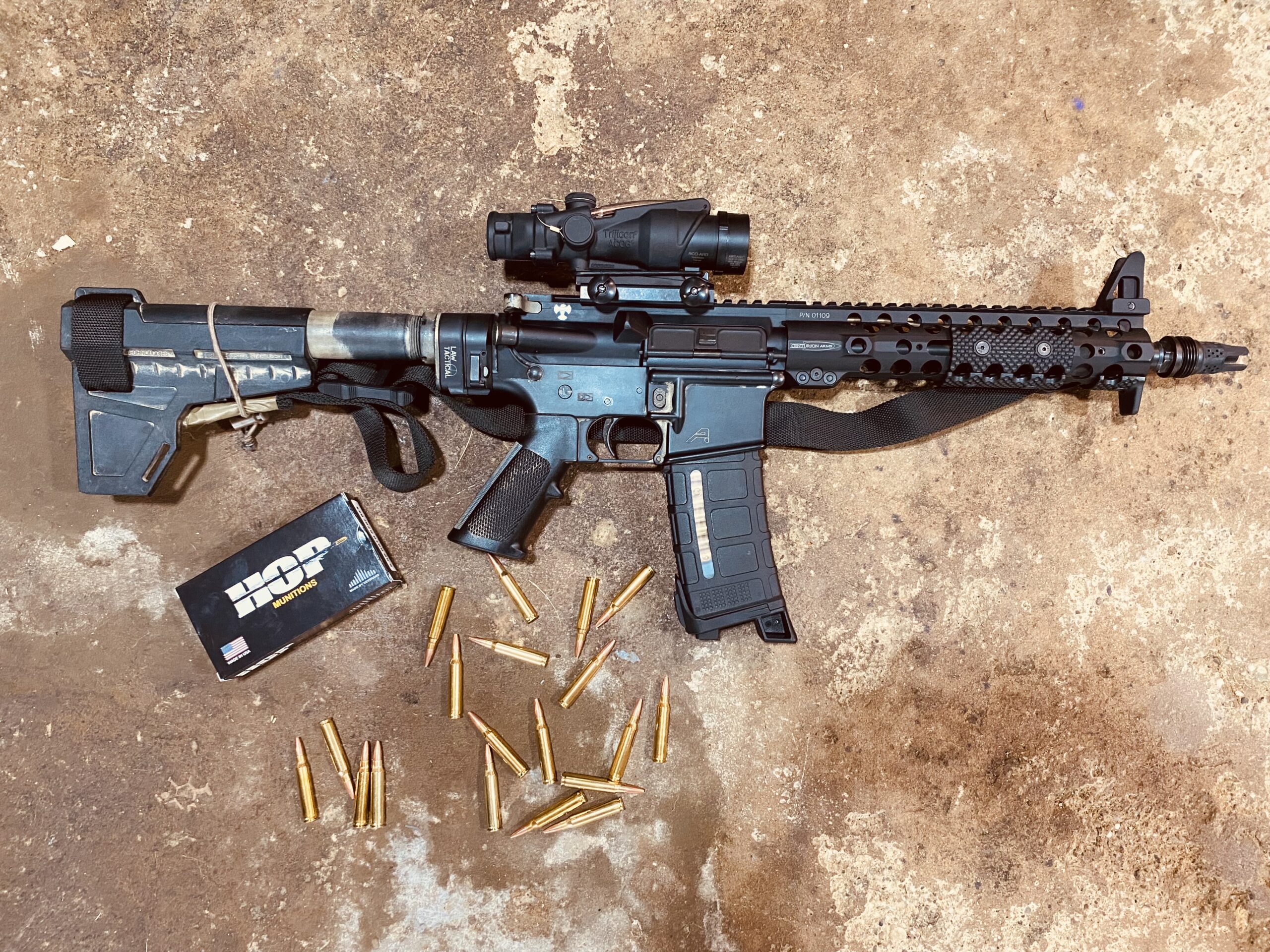
The competitive shooter running USPSA, 3-Gun, or similar disciplines burns through ammo much faster. A serious competitor might shoot 500-800 rounds of pistol ammo per week during the season. Annual consumption of 15,000-25,000 rounds isn't unusual. Stocking a full year's supply isn't realistic for most budgets, but maintaining a two to three month buffer (3,000-6,000 rounds) keeps you shooting through short-term supply disruptions without panic buying.
The hunter who owns a couple of bolt-action rifles and a shotgun has different math entirely. Centerfire rifle ammo consumption might be 100-200 rounds per year including practice and hunting. Keeping 200-500 rounds of your primary hunting caliber on hand is more than adequate. Shotshell math depends heavily on whether you shoot clays (high volume) or just hunt (low volume). A clay shooter might go through 5,000-10,000 shells a year. A bird hunter who doesn't shoot clays might use 200.
The defensive-focused shooter who carries daily but doesn't do high-volume range work might shoot 500-1,000 rounds of training ammo per year and carry 50-100 rounds of premium defensive ammo at any given time (in the gun, in spare magazines, and a reserve for rotation). Keeping 500-1,000 rounds of training ammo and 200-300 rounds of your carry load on hand covers a solid buffer.
The .22 LR exception
Stock .22 LR deep. This is the one caliber where the "more is better" instinct actually makes financial sense. The per-round cost is so low (4-8 cents for decent bulk ammo, 8-15 cents for match-grade) that the carrying cost of a large reserve is minimal. A brick of 500 rounds costs roughly $37-50 depending on brand. Ten bricks is $370-500 and takes up about as much space as a shoebox.
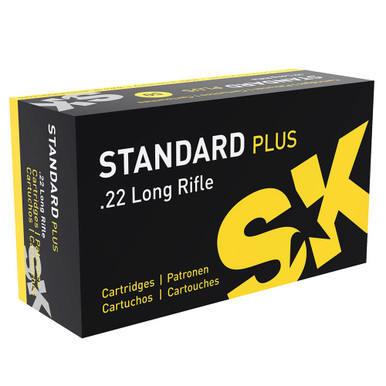
.22 LR ammunition Deals
Prices may change. May contain affiliate links.
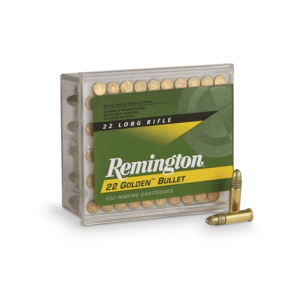
Remington .22 LR ammunition Deals
Prices may change. May contain affiliate links.
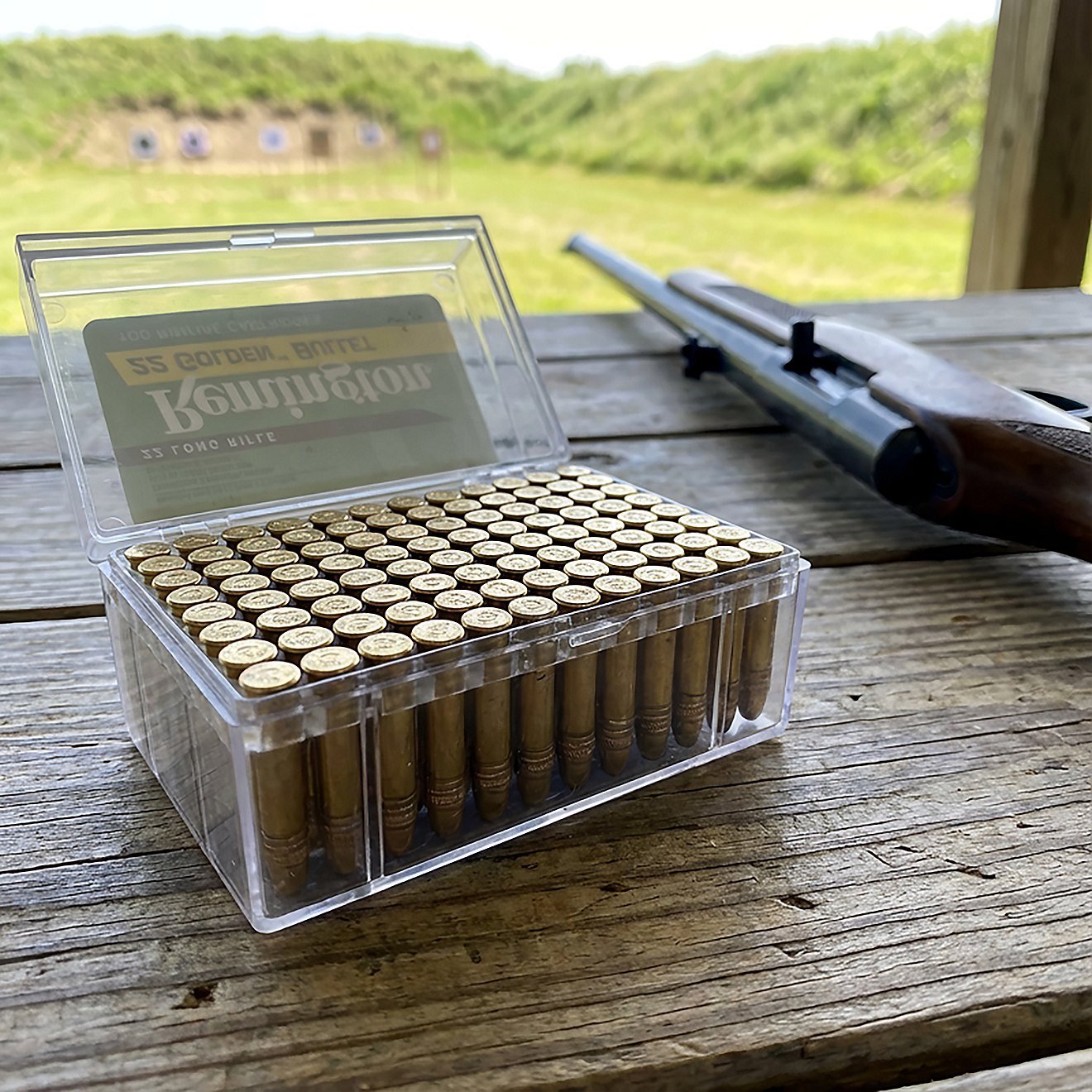
The 2012-2015 .22 LR shortage was arguably more disruptive to everyday shooters than the 2020 centerfire shortage. Rimfire production is concentrated among fewer manufacturers, and when demand spikes, it takes longer to recover. Having 2,000-5,000 rounds of .22 LR on hand is cheap insurance, and since .22 is the most cost-effective training caliber available, it's also the most likely to actually get shot. That's the other side of the stocking equation people forget: ammo you stock should be ammo you rotate through, not ammo that sits untouched for a decade.
Storage: the part people skip
Buying 5,000 rounds of 9mm and dumping the boxes in a corner of the basement isn't a stocking strategy. It's a recipe for corroded primers and unreliable ammo. Storage conditions matter more than most shooters realize, and the good news is that proper storage isn't complicated or expensive.
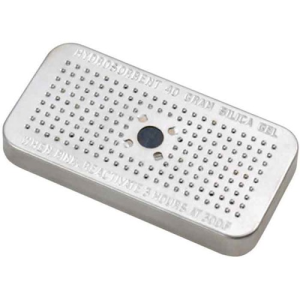
The enemies of ammunition longevity are moisture, temperature extremes, and temperature cycling. Moisture is the big one. Water vapor corrodes brass cases, degrades primers, and can penetrate the seal between bullet and case or primer and pocket on ammunition that isn't sealed. The result is misfires, hangfires, and degraded propellant performance.
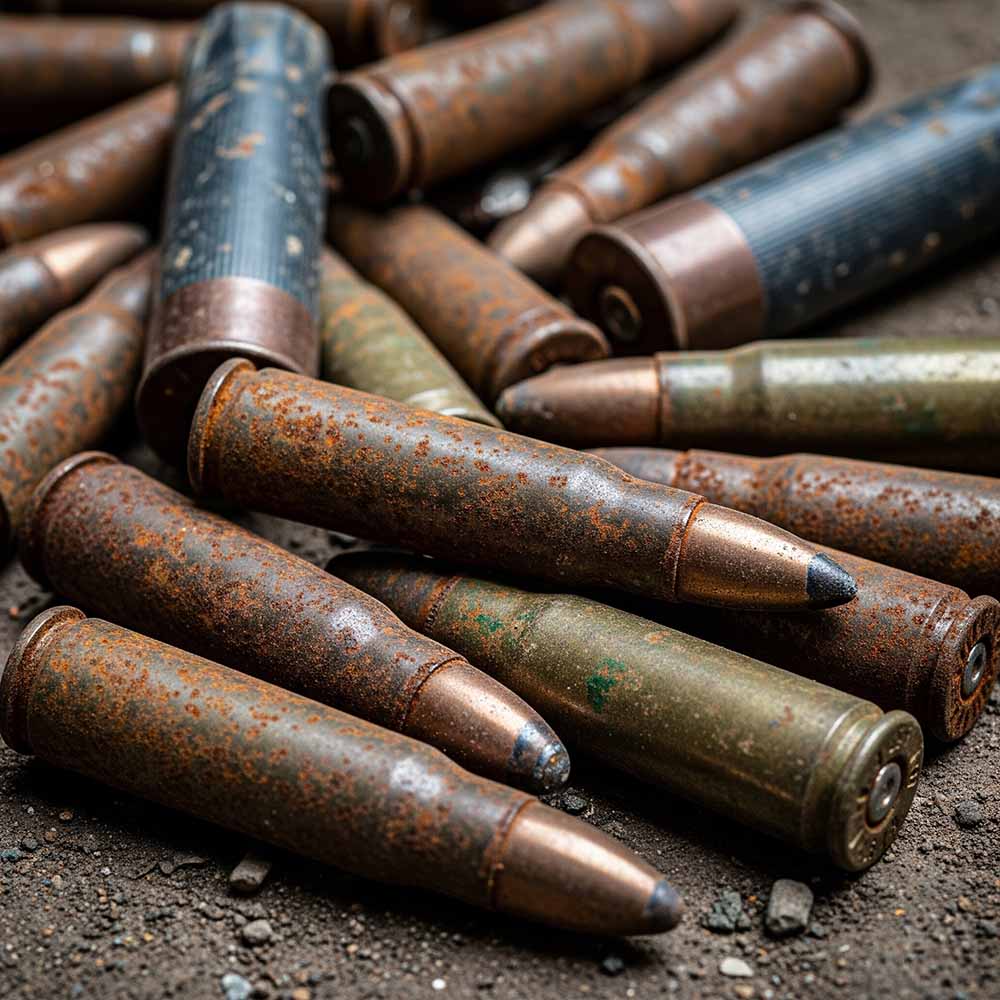
Military surplus ammunition stored in sealed cans with desiccant has been documented firing reliably after 50-plus years. Commercial ammunition stored in a climate-controlled environment typically remains reliable for decades. Ammunition stored in a damp garage or an uninsulated shed in a humid climate can show problems in as little as a few years.
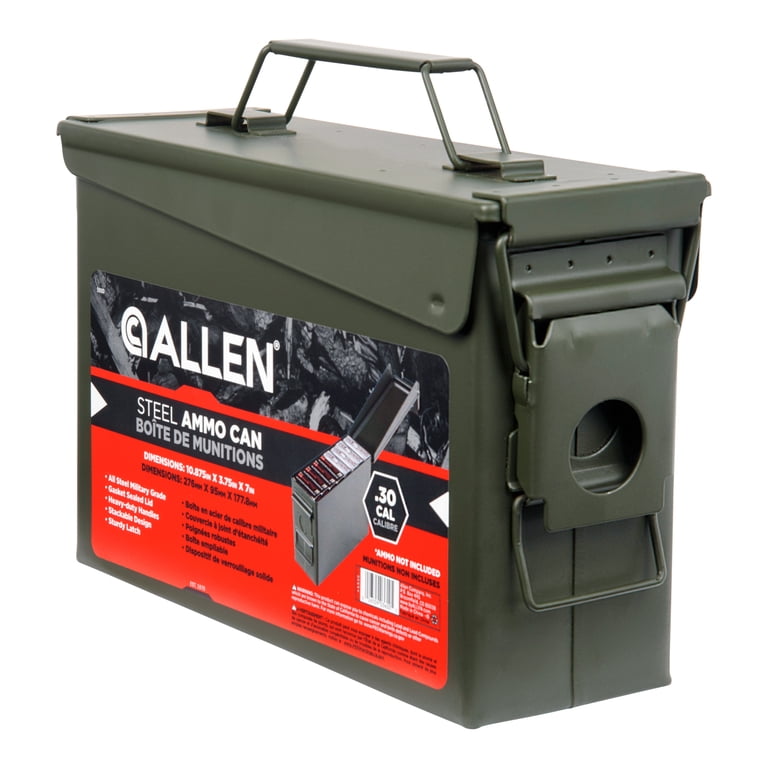
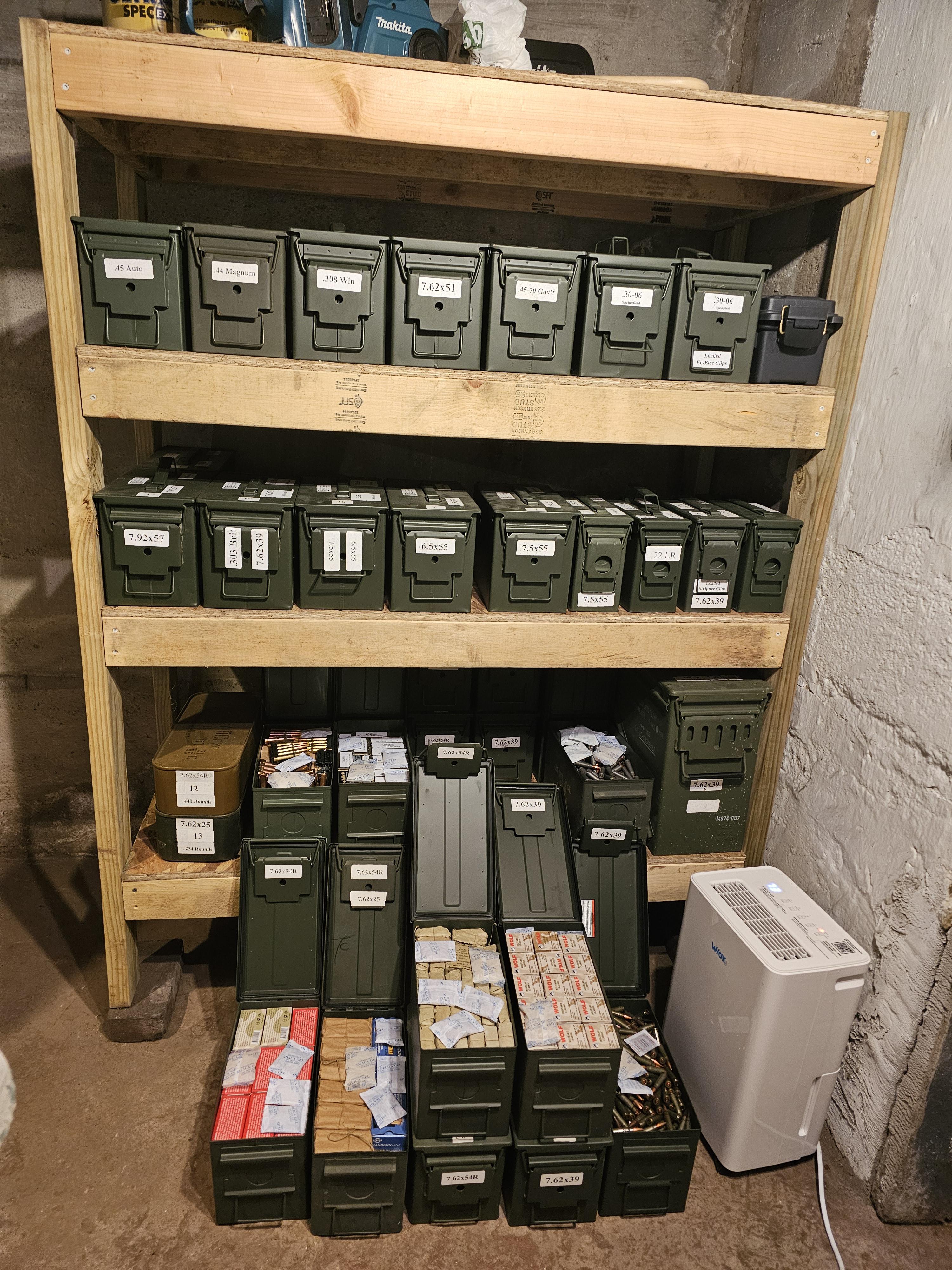
The practical minimum for long-term storage is surplus ammo cans with good gasket seals. They're cheap ($22-29 each for .50 cal cans), widely available, stackable, and genuinely effective at keeping moisture out. Toss in a desiccant packet or two and you've got storage that will keep ammo viable for years. Keep the cans off concrete floors (which wick moisture) by placing them on shelving or wooden pallets. A climate-controlled space like an interior closet is ideal. A garage is acceptable in dry climates but risky in humid ones.
Temperature matters less than moisture, but extreme heat accelerates propellant degradation over time. Storing ammo in an attic that hits 140°F in summer isn't great for long-term viability. Room temperature to moderately warm is fine. The ammunition doesn't need to be refrigerated; it just shouldn't be baked.
What you'll see with degraded ammo
The signs are usually visible before you load it. Green or white corrosion on brass cases, particularly around the primer pocket or case mouth, is a red flag. Discoloration or pitting on the case body suggests moisture exposure. If the bullet is loose in the case neck or you can push it in with finger pressure, that round is compromised. Ammunition that looks clean and undamaged but has been stored in questionable conditions might still fire, but you may notice increased velocity spreads and occasional failures to fire. The chrono tells the story: if your velocity standard deviation jumps from 15-20 fps to 50-plus fps, your propellant is degrading unevenly.
Common mistakes in ammo stocking
There are a handful of errors that come up repeatedly, and most of them are easily avoided once you're aware of the pattern.
First, buying calibers you don't actually shoot. This sounds obvious, but the temptation to grab a deal on .40 S&W or 7.62x54R "because it was cheap" is real, especially during sales. If you don't own a gun chambered in that caliber and don't plan to, the deal isn't a deal. Even if you do own the gun but shoot it once a year, stocking deep on that caliber is poor capital allocation.
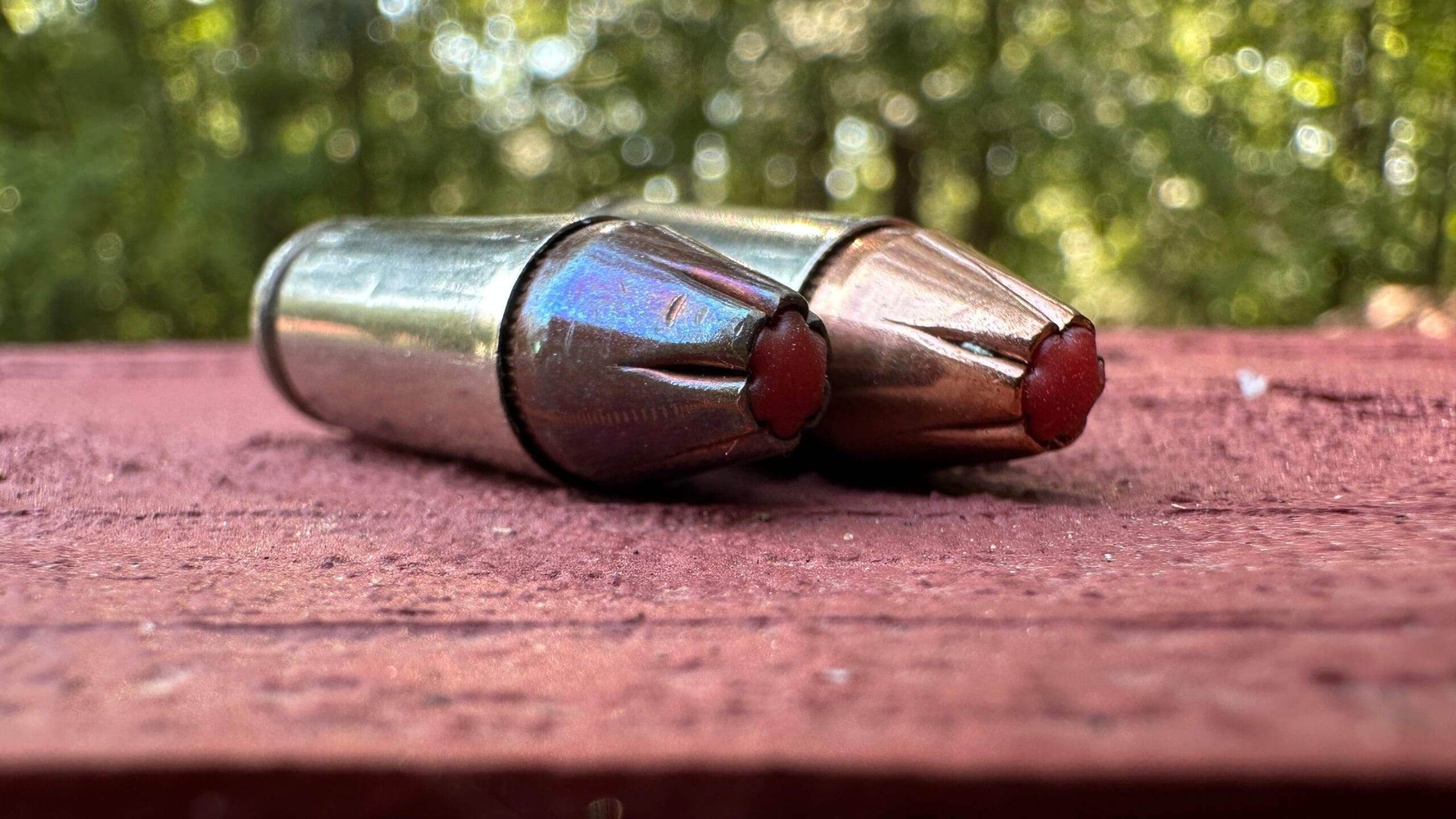
Second, neglecting to rotate stock. Ammo isn't wine; it doesn't improve with age. The oldest ammo in your inventory should be the next ammo you shoot. First in, first out. This is especially critical for defensive ammunition, where reliability is non-negotiable. A common recommendation is to cycle your carry ammo every 6-12 months, shooting the old stuff at the range and replacing it with fresh rounds. Whether that exact timeline is necessary depends on storage conditions, but the principle of regular rotation is sound.
Third, storing all your ammo in one location. This isn't about expecting your house to burn down (though house fires do happen, and ammunition in a fire is a real consideration). It's about not having a single point of failure. If your basement floods and all 10,000 rounds are on the floor, you've lost everything. Distribute across multiple containers, elevate from the floor, and if possible, use more than one storage location.
Fourth, ignoring the cost of money. Five thousand dollars worth of ammunition sitting in your closet is five thousand dollars not earning a return, not being used for training, and not available for other needs. There's a balance between adequate reserves and over-investment. Unless you have a very specific and well-reasoned threat model that demands deep reserves, the sweet spot for most shooters is somewhere between "enough to ride out a six-month supply disruption" and "enough to outfit a small militia." The former is prudent. The latter is usually anxiety masquerading as planning.
Fifth, chasing the wrong calibers during a shortage. When supply gets tight, some shooters start buying whatever's available rather than what they actually need. This leads to closets full of random calibers and empty shelves where the useful stuff should be. A disciplined stocking plan, built during times of normal supply and pricing, prevents this entirely.
The counter-argument: why some people stock much deeper
There's a legitimate case for maintaining reserves well beyond the six-to-twelve-month window. Shooters in rural areas with limited local retail and high shipping costs face a different resupply equation than someone with three gun shops within 20 minutes. Buying in bulk less frequently makes sense when every order carries a $30-50 hazmat or shipping fee.
Shooters who reload face a similar calculus with components. Primers in particular have been the bottleneck in recent shortage cycles, and maintaining a deep reserve of primers (when available at reasonable prices) is genuinely prudent for reloaders who depend on their own production for training and competition ammo.
There's also the straight economic argument. If you know you're going to shoot 5,000 rounds of 9mm this year and you can buy it all at 17 cents per round during a sale versus paying 22 cents per round in smaller purchases throughout the year, buying the full year's supply up front saves $250. That's real money, and it's a valid reason to stock deeper than your immediate consumption requires, as long as you have the cash flow and storage to support it.
The preppers and SHTF-oriented community often recommends much higher numbers: 5,000-10,000 rounds per primary caliber, with additional reserves for barter or community defense. Those numbers aren't inherently unreasonable if you have the means, the storage, and a genuine plan for how that ammunition would be used. But they're also not the right starting point for most people. The risk of over-stocking relative to your actual needs and means is real, and it often comes at the expense of training. A shooter with 10,000 rounds in the closet who can't afford to go to the range is worse off than a shooter with 1,000 rounds who shoots regularly.
Specific loads worth stocking
If you're going to build a reserve, here's where specificity matters. Not all ammo is equally worth stocking, and the choices you make should reflect both your intended use and the likelihood of future availability.
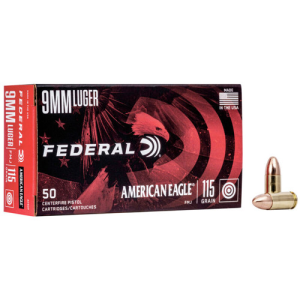
Federal American Eagle 115-grain FMJ 9mm Deals
Prices may change. May contain affiliate links.
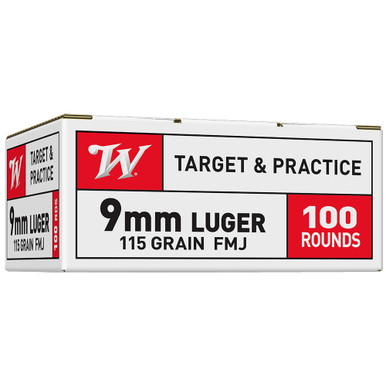
Winchester White Box 115-grain FMJ 9mm Deals
Prices may change. May contain affiliate links.

Cci Blazer Brass 115-grain FMJ 9mm Deals
Prices may change. May contain affiliate links.
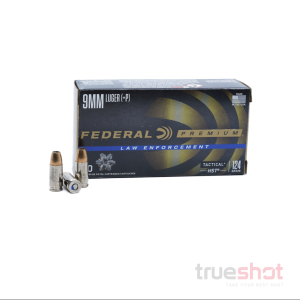
Federal HST 124-grain 9mm Deals
Prices may change. May contain affiliate links.

Federal HST 147-grain 9mm Deals
Prices may change. May contain affiliate links.
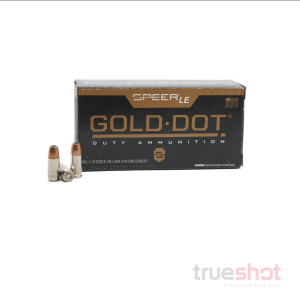
Speer Gold Dot 124-grain +P 9mm Deals
Prices may change. May contain affiliate links.

Hornady Critical Duty 135-grain +P 9mm Deals
Prices may change. May contain affiliate links.
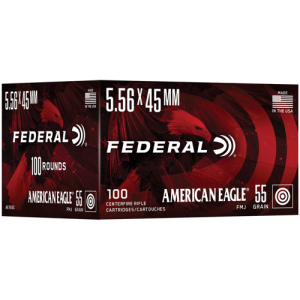
Federal XM193 55-grain FMJ 5.56 Deals
Prices may change. May contain affiliate links.
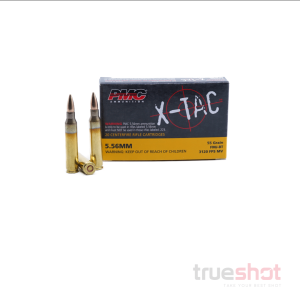
PMC Bronze 55-grain FMJ 5.56 Deals
Prices may change. May contain affiliate links.
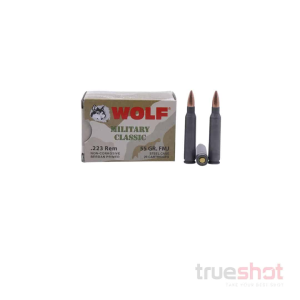
Wolf steel-cased .223 Deals
Prices may change. May contain affiliate links.


CCI Standard Velocity 40-grain .22 LR Deals
Prices may change. May contain affiliate links.
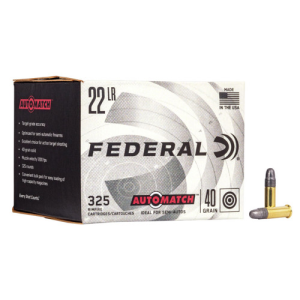
Federal AutoMatch 40-grain .22 LR Deals
Prices may change. May contain affiliate links.
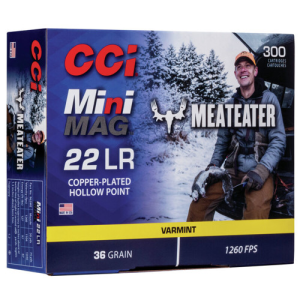
CCI Mini-Mag 36-grain copper-plated hollow point .22 LR Deals
Prices may change. May contain affiliate links.
For 9mm training and range use, Federal American Eagle 115-grain FMJ and Winchester White Box 115-grain FMJ are the workhorses. They're produced in enormous volumes, which means they're usually the first to come back in stock after a shortage and the last to see extreme price spikes. They're also consistent enough for training purposes, though neither manufacturer publishes standard deviation or extreme spread figures for these loads. Blazer Brass 115-grain FMJ is another high-volume option that runs slightly cheaper in bulk and functions reliably in most modern pistols.
For 9mm defensive use, Federal HST 124-grain and 147-grain remain the gold standard for expansion and weight retention through barriers. Speer Gold Dot 124-grain +P is the other dominant choice, with extensive law enforcement adoption backing its track record. These loads are worth stocking in smaller quantities (200-500 rounds) because they're harder to find during shortages and significantly more expensive to replace at panic prices. Hornady Critical Duty 135-grain +P is a solid alternative that tends to stay in stock slightly better than HST during tight supply periods, possibly because of lower overall demand volume.
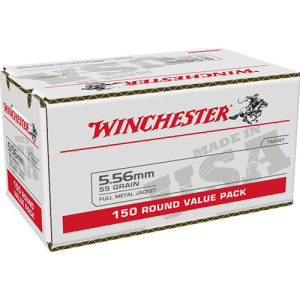
For 5.56/.223 training ammo, Federal XM193 55-grain FMJ (generally understood to be contract overruns or ammunition that didn't meet full military inspection specs) and PMC Bronze 55-grain FMJ are reliable, widely available, and priced reasonably in bulk. Wolf and Tula steel-cased .223 runs 20-30% cheaper per round but comes with the well-documented tradeoffs: dirtier, harder on extractors over very high round counts, and not allowed at some ranges. For a stocking strategy focused on pure volume at minimum cost, steel case has its place, but brass is more versatile.
For .22 LR, CCI Standard Velocity 40-grain is the benchmark for accuracy and consistency in a bulk-priced package. Federal AutoMatch 40-grain is another high-volume option that runs well in semi-automatic rifles and pistols. If you're stocking .22 LR for anything beyond plinking, lean toward standard velocity loads. They tend to be more accurate than high-velocity bulk packs, and the velocity consistency is noticeably better. CCI Mini-Mag 36-grain copper-plated hollow point is worth keeping a smaller stock of for small game or pest control applications.
Building the plan: practical steps
The actual implementation of a stocking strategy is less dramatic than the internet makes it seem. It's basically a buying schedule tied to consumption data and price targets.
Step one is establishing your baseline inventory. Count what you have right now, by caliber, by load type. Most people have never actually done this and are surprised by what they find, either much more of some calibers than they thought or gaping holes in others.
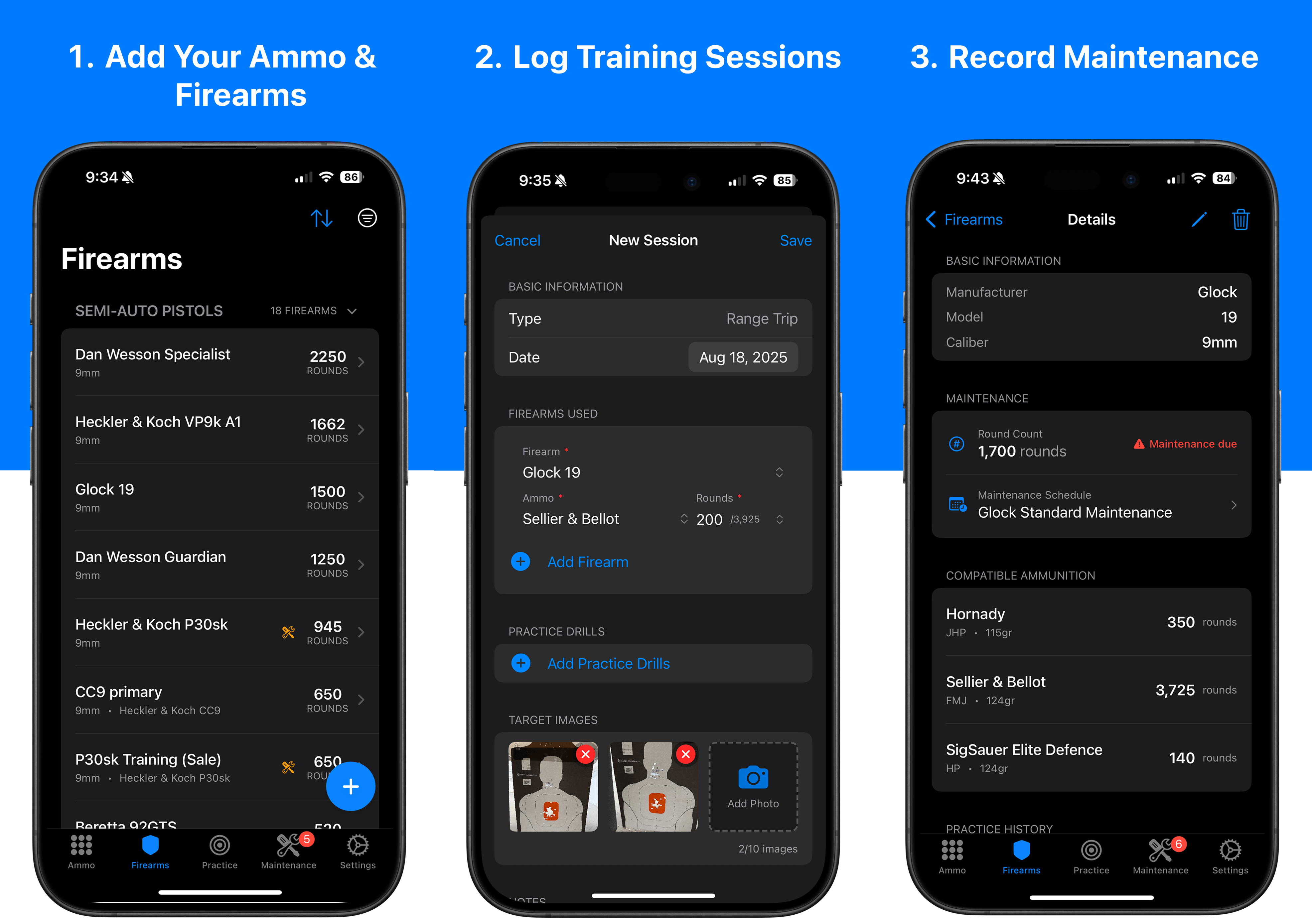
Step two is calculating your target stock level using the consumption-based framework above. Pick your buffer period (six months, twelve months, whatever matches your risk tolerance and budget) and multiply by your monthly consumption per caliber.
Step three is identifying the gap between current inventory and target, then filling it gradually. The "gradually" part matters. Buying 5,000 rounds at once is a budget hit. Buying 500 rounds per month for ten months spreads the cost and lets you take advantage of sales and price dips. Set price alerts on your preferred retailers. When brass 9mm FMJ drops below your target price per round, buy a case. When it's above your target, wait. This is dollar-cost averaging applied to ammunition, and it works for the same reasons it works in investing: it removes emotion from purchasing decisions.
Step four is maintaining the system. As you shoot, you deplete stock. As you buy, you replenish it. The goal is a roughly steady-state inventory that fluctuates around your target level. You're never scrambling to buy and never sitting on a decade's worth of ammo you'll never shoot.
Step five, and this one gets overlooked constantly, is actually shooting your reserves on a rotating basis. Label your ammo cans or cases with purchase dates. Shoot the oldest stock first. Replace it with fresh purchases. This keeps your inventory current, confirms that your stored ammo still functions, and means your range time is funded by ammo you already own rather than a separate purchase.
How this makes you a better shooter
There's an irony in the ammo stocking conversation: the people most worried about running out of ammo are often the people who shoot the least. A well-designed stocking strategy actually encourages more trigger time, not less. When you know you have a comfortable reserve, the psychological barrier to "burning through" ammo at the range drops. You stop rationing rounds during practice. You stop cutting range sessions short because you're worried about replacement costs.
The cost math reinforces this. Buying in bulk at good prices means your effective per-round cost for training is lower. Lower training costs mean more training for the same budget. More training means better skills. Better skills mean you need fewer rounds to maintain proficiency, which means your reserves last longer. It's a virtuous cycle, and it starts with treating ammunition as a consumable to be managed rather than a treasure to be hoarded.
The stocking strategy that actually works isn't the one with the biggest number. It's the one that keeps you shooting consistently, buying intelligently, and storing properly. Run the per-round math, know your burn rate, set a realistic target, and build toward it at a sustainable pace. That's the whole system. Everything else is noise.