You've probably heard the advice a hundred times: "Load your bipod." Lean into it. Drive the rifle forward into the legs so the whole system is under tension. It sounds like one of those ironclad precision rifle truths that everyone repeats and nobody questions. Except some shooters do question it, and when they actually test it, the results aren't nearly as clean as the advice suggests.
The debate between loading and floating a bipod is one of those arguments that generates a lot of forum heat and very little structured data. Loading means applying deliberate forward pressure through the shoulder into the stock, preloading the bipod legs so the rifle doesn't bounce or shift under recoil. Floating means the opposite: minimal forward pressure, letting the rifle sit naturally on the bipod with the rear bag doing most of the stabilization work. Both camps have believers. Both camps have match results to point to. But the actual measured differences? Those are worth looking at without the tribal loyalty.
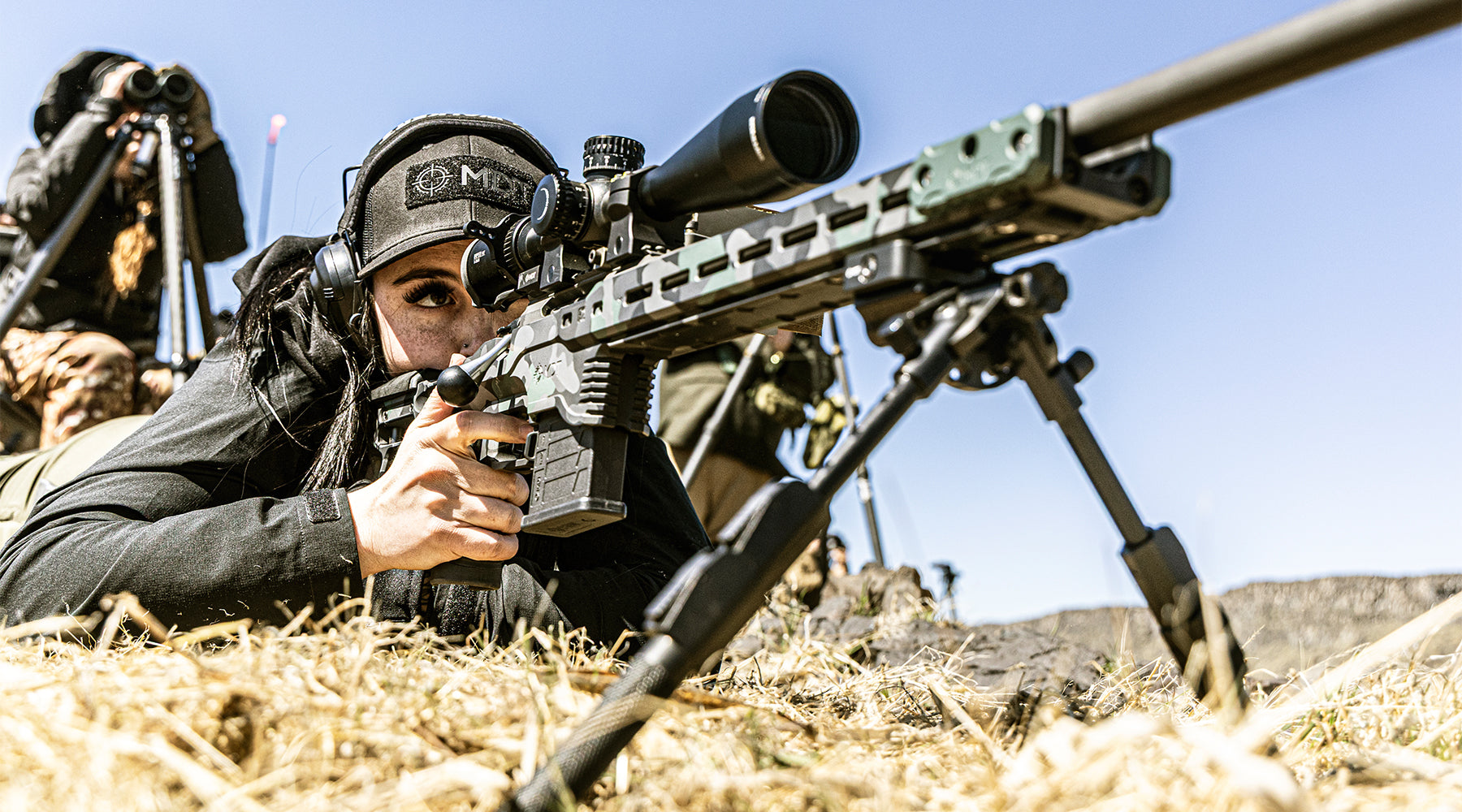
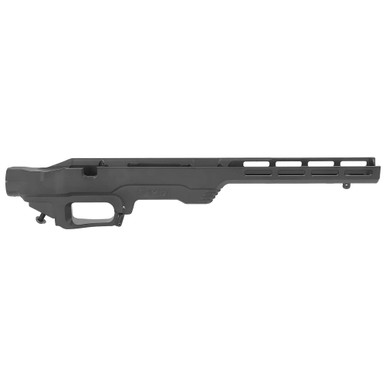
MDT Chassis Deals
Prices may change. May contain affiliate links.
This piece covers the data that exists on loading versus floating, what the numbers show, where the numbers fall apart, and what you should actually do at the range based on all of it.
Key findings
A few things emerge pretty quickly once you strip the anecdotes away and look at what structured testing reveals:
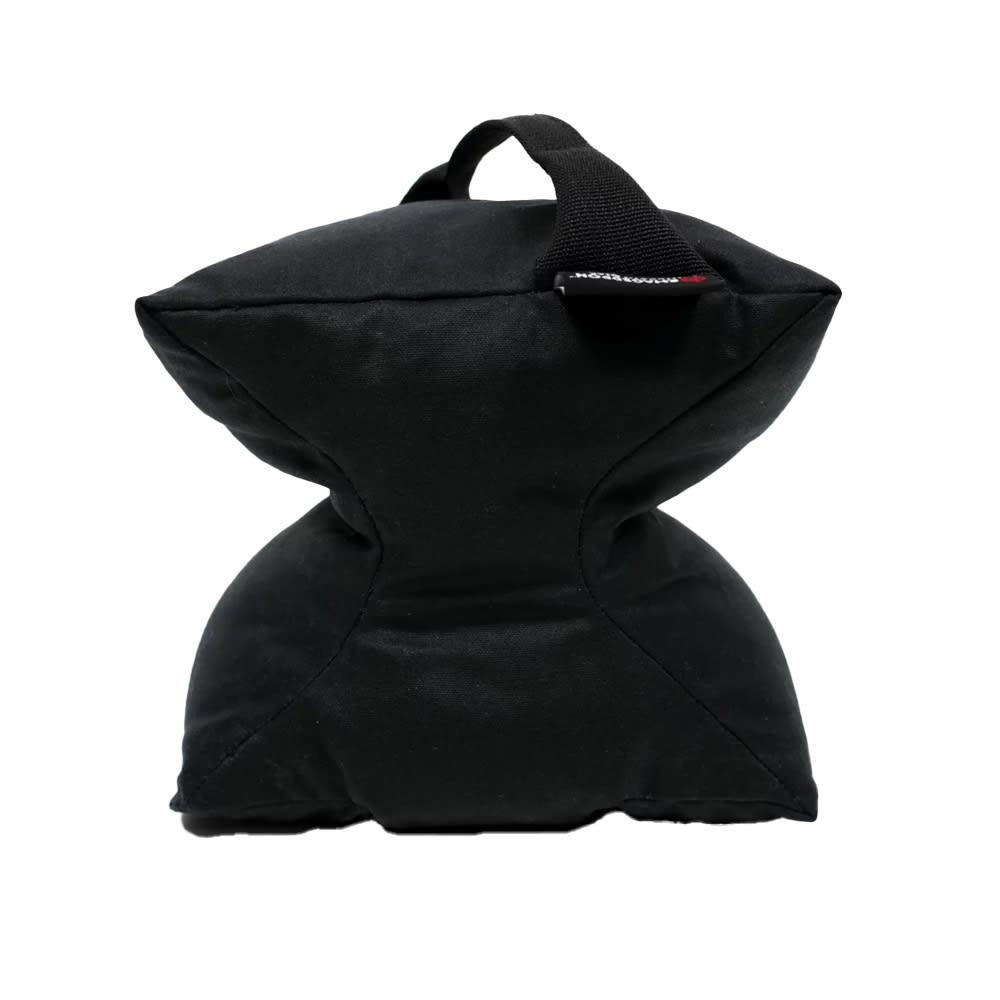
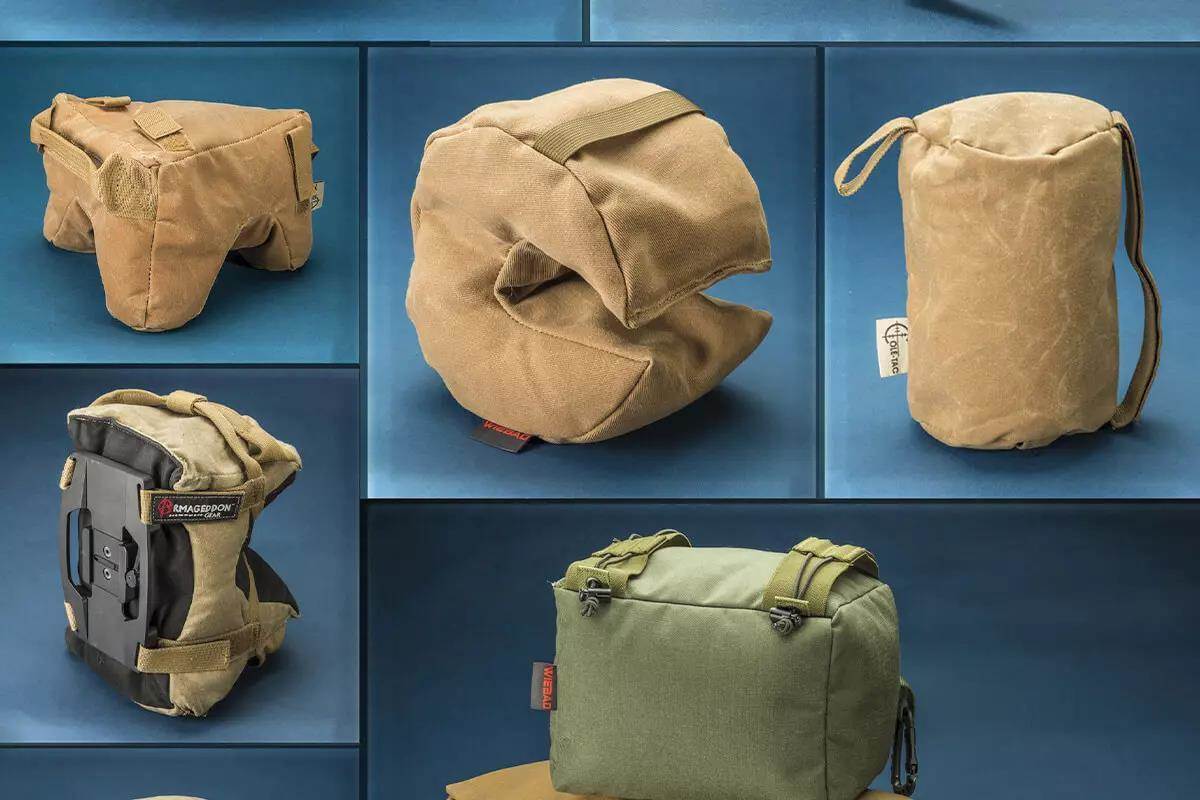
Armageddon Gear Shooting Bag Deals
Prices may change. May contain affiliate links.
Loading a bipod reduces vertical dispersion on most setups. The effect is small but consistent, typically tightening vertical spread by 0.1 to 0.3 MOA compared to an unloaded bipod on the same rifle. Horizontal dispersion doesn't change much either way.
The benefit of loading scales with recoil. A 6.5 Creedmoor shows less difference between loaded and floating than a .308 or a magnum cartridge. Higher recoil amplifies the inconsistencies that loading is meant to control.
Floating works better than most people expect, if the rear bag setup is solid. Shooters who float with a properly filled rear bag and consistent cheek weld often match or beat sloppy loading technique. The technique matters more than the philosophy.
Bipod quality changes the equation significantly. A rigid, cant-adjustable bipod with good feet on a stable surface responds differently to loading than a cheap spring-loaded Harris clone on gravel. The hardware isn't a footnote; it's a variable.
Consistency of application matters more than amount of pressure. Five pounds of steady forward lean beats ten pounds of variable lean every time. The shooters who benefit most from loading are the ones who can replicate the same pressure shot after shot.
Most of the "loading doesn't work for me" complaints trace back to one of three things: too much pressure causing muscle tremor, inconsistent pressure shot to shot, or a bipod that walks under load because the feet don't grip the surface.
Body position and natural point of aim do more for group size than either loading or floating alone. If you have to muscle the rifle onto target, neither technique saves you.
Test setup and methodology
There isn't one single canonical study on this, so the useful data comes from a handful of structured tests run by precision rifle content creators, chassis manufacturers, and competitive shooters who documented their process. The most frequently cited structured test comes from MDT, the chassis maker, who set up a controlled comparison specifically to answer this question. Several Sniper's Hide forum threads and long-range community tests add supporting data points.
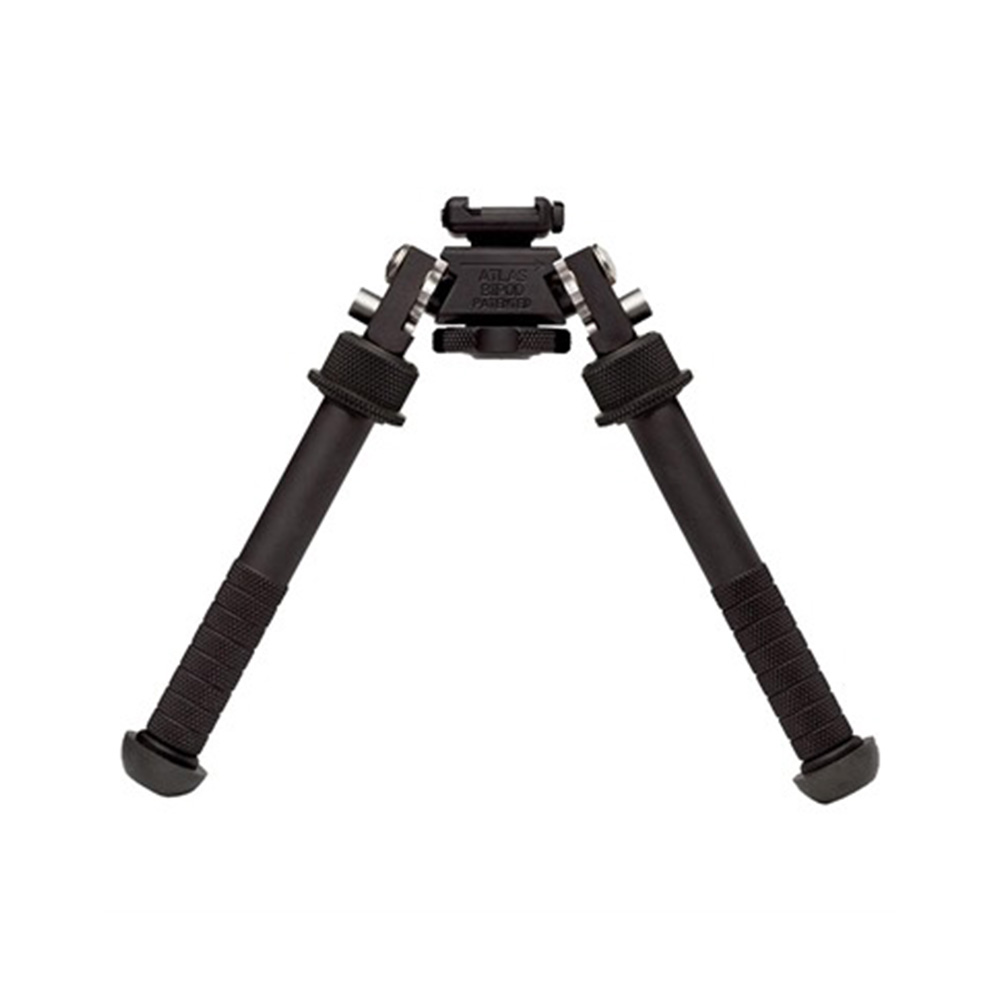
Atlas Bipod Deals
Prices may change. May contain affiliate links.
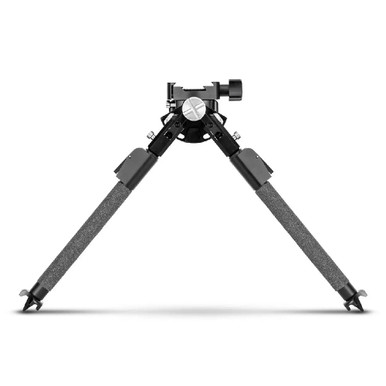
Ckye-Pod Bipod Deals
Prices may change. May contain affiliate links.
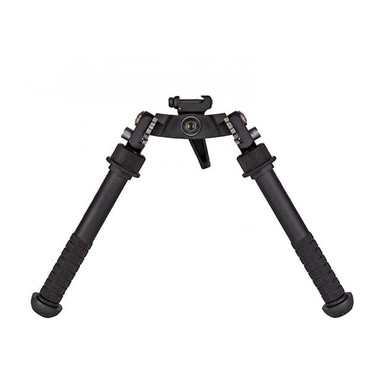
Atlas CAL Bipod Deals
Prices may change. May contain affiliate links.
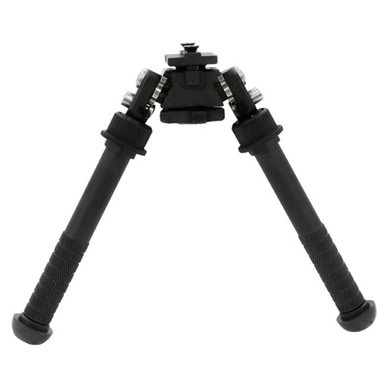
Atlas PSR Bipod Deals
Prices may change. May contain affiliate links.
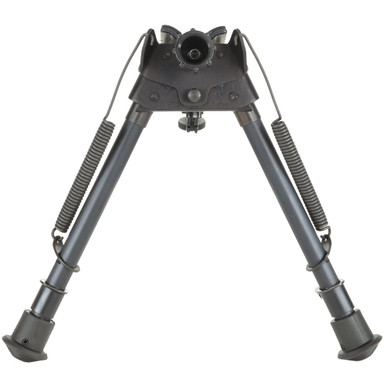
Harris LM Bipod Deals
Prices may change. May contain affiliate links.
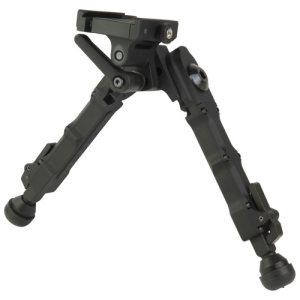
Accu-Tac Bipod Deals
Prices may change. May contain affiliate links.
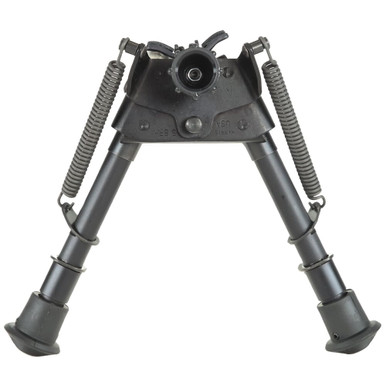
Harris S-BRM Bipod Deals
Prices may change. May contain affiliate links.
The MDT test used a bolt-action rifle in 6.5 Creedmoor on an MDT chassis with an Atlas bipod. Groups were fired at 100 yards using match-grade ammunition from the same lot. The shooter fired five-round groups under three conditions: bipod loaded with moderate forward pressure, bipod loaded with heavy forward pressure, and bipod floating with rear bag support only. Multiple groups were fired under each condition to reduce the noise from single-group flukes. A rear bag was used in all conditions.
Forum-sourced tests vary more in rigor but generally follow a similar pattern: same rifle, same ammo, same day, alternating between loaded and floating groups at 100 to 300 yards. Calibers tested across these sources include 6.5 Creedmoor, .308 Winchester, .280 Ackley Improved, and 6mm variants. Bipods used range from Harris S-BRM and LM models to Atlas CAL and PSR, plus a few Ckye-Pod and Accu-Tac entries.
Measurement was typically done with calipers on paper targets or through ballistic apps measuring group size from photographed targets. Some tests used chronograph data to confirm velocity consistency across strings but most focused purely on group size as the output metric.
What you need to know about limitations up front
None of these tests are lab-grade. Sample sizes are small. Most shooters fired between three and ten groups per condition, which means statistical significance is shaky. Environmental conditions weren't always controlled. Shooter fatigue across a long session could influence later groups regardless of technique. And the single biggest confounder: different shooters have different levels of skill at loading consistently, which means the "loading" condition isn't the same stimulus across different tests.
That said, the trends are consistent enough across multiple independent tests to be worth examining. The direction of the effect is clear even if the magnitude varies.
Results by theme
Vertical dispersion
This is where loading shows its clearest advantage. Across multiple tests, loaded bipod groups showed tighter vertical stringing than floating groups. The MDT test found that moderate loading reduced vertical spread by roughly 0.15 to 0.25 MOA at 100 yards compared to floating. Heavy loading didn't improve on moderate loading and in some cases made it slightly worse due to shooter-induced tremor.
The mechanism is straightforward. When a rifle fires, recoil drives it rearward. If the bipod legs aren't under tension, the rifle can lift slightly off the bipod feet before the bullet exits the barrel. That inconsistent launch angle shows up as vertical dispersion. Loading preloads the system so the rifle's rearward movement is more consistent from shot to shot. The bipod legs stay planted, the stock stays in the shoulder pocket, and the rifle tracks more predictably during the recoil impulse.
At 100 yards, the difference looks modest on paper. At 600 or 1,000 yards, that 0.2 MOA of vertical tightening translates to 1.2 or 2 inches respectively. Not trivial on steel or on score.
Horizontal dispersion
Almost no measurable difference between loading and floating in the horizontal axis. This makes sense. Loading applies force along the bore axis (forward and back), so it primarily affects vertical consistency. Horizontal dispersion is driven by other factors: wind, trigger pull direction, cant, and natural point of aim alignment. Neither technique addresses those.
One exception worth noting: if a bipod has sloppy pan or cant mechanisms, loading can sometimes increase horizontal dispersion because the forward pressure causes the rifle to shift laterally as it settles into the bipod head. This showed up in a couple of forum tests using older Harris models without a locking cant feature. Tighten your pan lock or use a bipod that doesn't have free play, and this goes away.
Effect of recoil magnitude
The 6.5 Creedmoor tests showed the smallest delta between loaded and floating. The .308 tests showed a larger delta. The .280 Ackley Improved tests, with their stiffer recoil impulse, showed the largest. This pattern held across different shooters and different bipods.
The explanation is intuitive. A mild-recoiling cartridge doesn't generate enough rearward force to significantly disturb the bipod contact, so the advantage of preloading is small. A magnum cartridge generates enough force that an unloaded bipod can actually skip or bounce, creating large vertical shifts between shots. Loading contains that movement.
If you're shooting a 6mm competition cartridge with single-digit recoil, the loading-versus-floating debate matters less than your rear bag technique. If you're shooting a .300 Win Mag, loading becomes much more important.
Rear bag influence
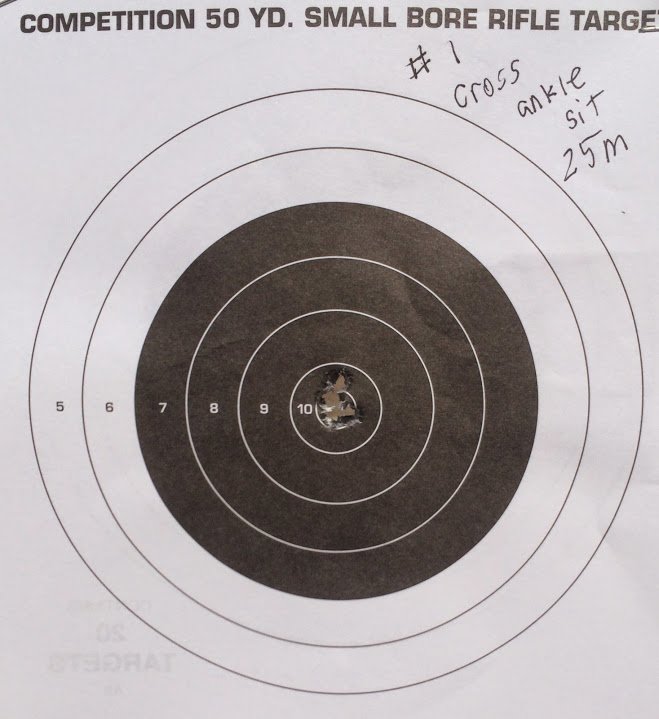
Several tests included a condition where the shooter used no rear bag at all, just a bipod and a free-floating buttstock. Groups opened up dramatically in every case, regardless of whether the bipod was loaded or floating. The rear support is doing more work than most shooters realize.
When a proper rear bag was introduced, floating technique improved significantly. The bag stabilizes the buttstock, controls vertical tracking, and gives the shooter a consistent reference point. Some of the best floating groups in the MDT test were competitive with the loaded groups, and the common factor was a well-packed rear bag with the right amount of squeeze pressure.
This suggests that the loading debate is partly a proxy for the real question: how well is your entire support system working together? A loaded bipod with a bad rear bag loses to a floating bipod with a great rear bag. The system matters.
Bipod hardware differences
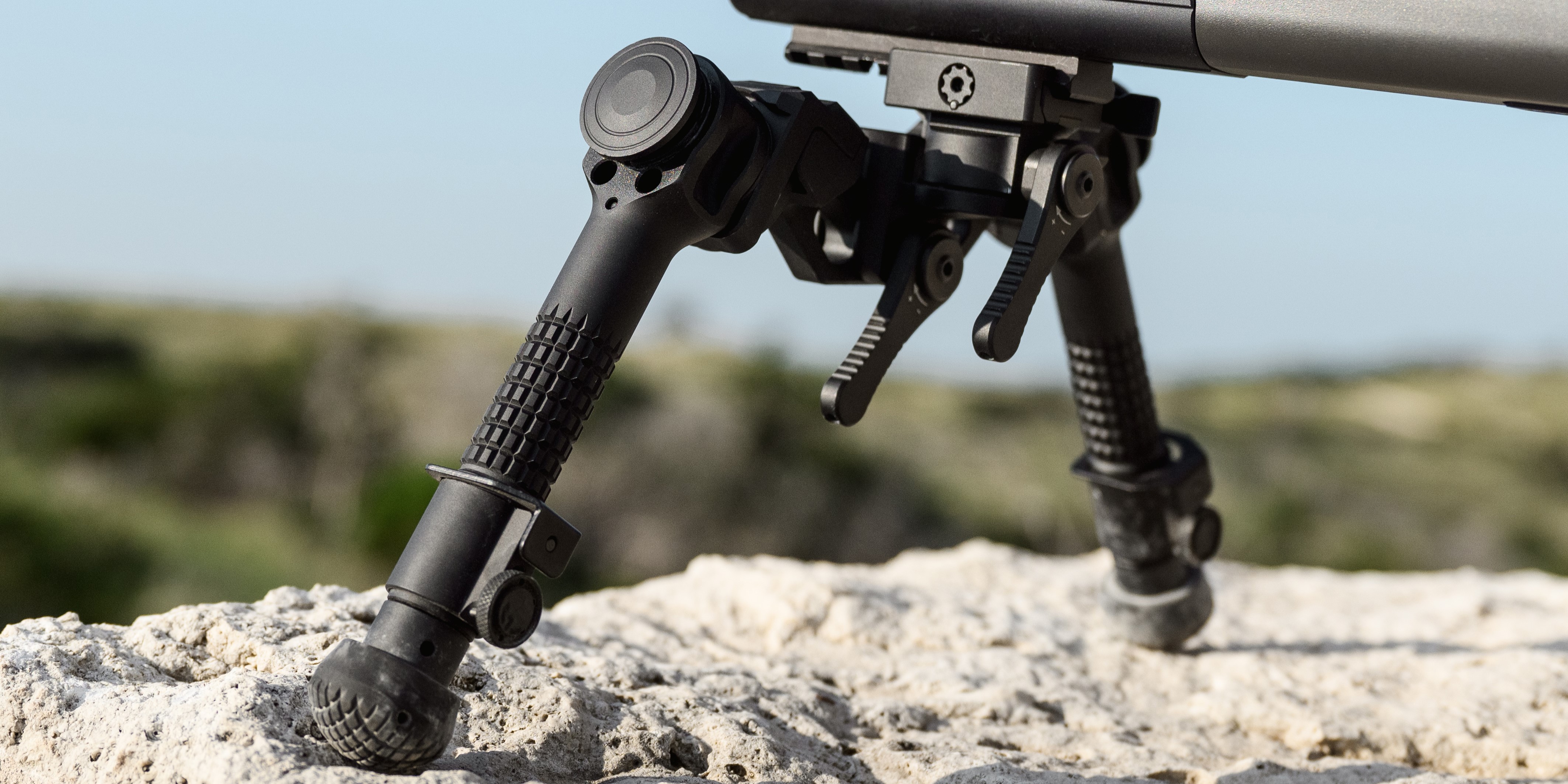
Tests comparing different bipod models under the same loading conditions revealed meaningful hardware-driven variation. Bipods with rigid legs and positive locking mechanisms (Atlas PSR, Ckye-Pod) showed less difference between loaded and floating because they're inherently more stable. The preloading has less work to do.
Spring-loaded bipods like the Harris series showed more benefit from loading because the spring tension introduces a variable. When you load a Harris, you're compressing the springs to a consistent state. When you float it, the springs can allow small movements during recoil. Notched-leg Harris models (the non-swivel base versions) showed less of this effect than the spring-return models.
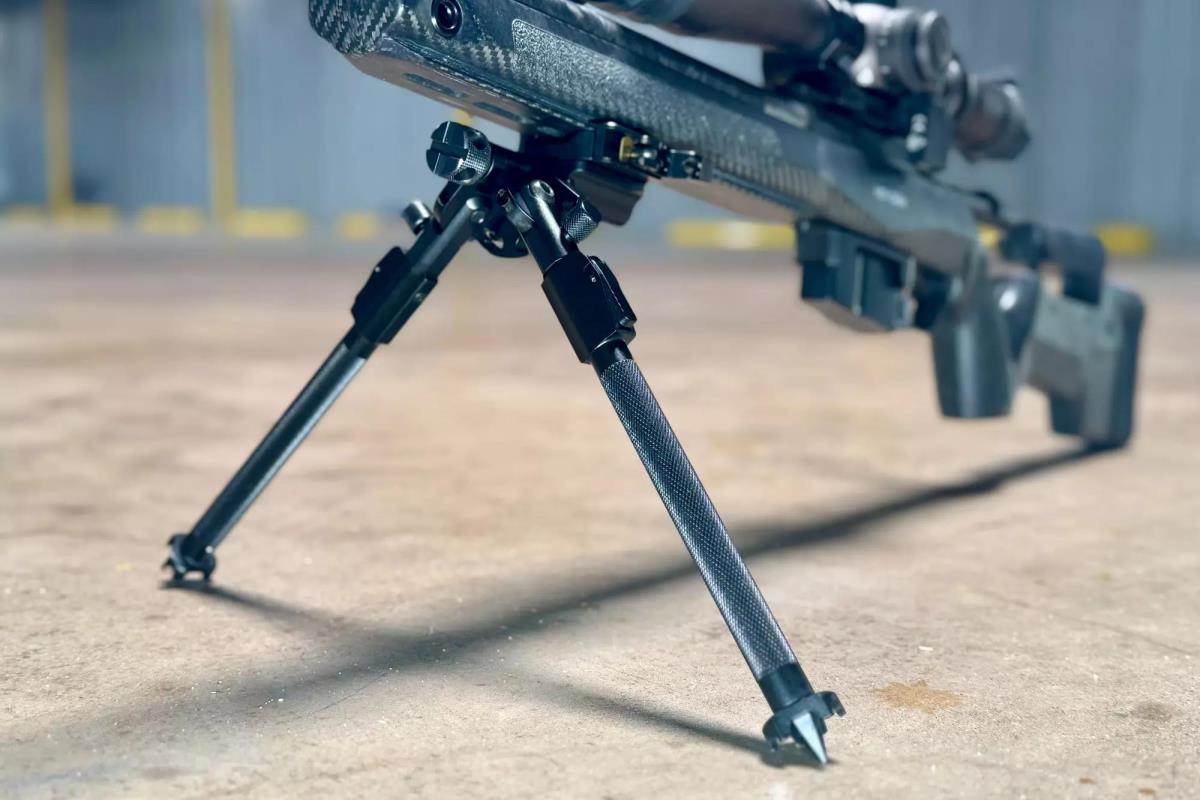
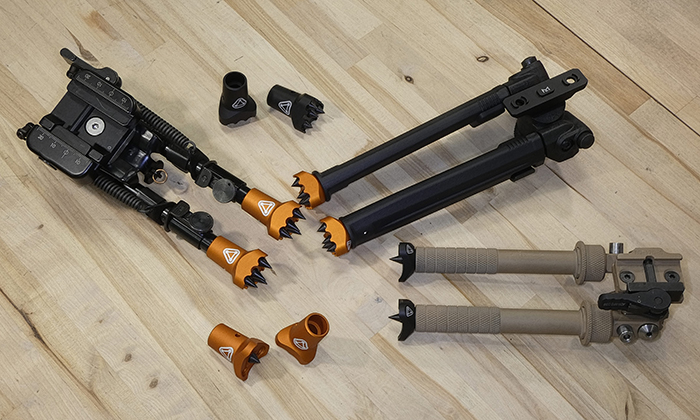
Bipod feet also mattered. Rubber feet on a hard bench stayed planted under both conditions. Spike feet on soft ground dug in differently depending on load, sometimes causing the rifle to shift forward incrementally over a string of shots. Spiked feet on a hard surface could skip under recoil when unloaded, adding vertical.
Analysis and interpretation
What the numbers actually mean
The data points in one direction: loading a bipod helps, but the help is modest and conditional. For a skilled shooter with a good bipod, good rear bag, and a moderate-recoil cartridge, the difference between loading and floating might be 0.1 MOA. That's real, but it's smaller than the difference caused by a bad trigger press, inconsistent cheek weld, or reading wind wrong.
For a less experienced shooter, or someone using a spring-loaded bipod with a magnum cartridge on an unstable surface, loading can be worth 0.3 MOA or more. That's significant. It's the difference between a hit and a miss at distance.
The mistake everyone makes is treating this as a binary. "Loading is better" or "floating is better" misses the point. The question is: can you apply consistent forward pressure without introducing tremor, and does your bipod hardware respond well to that pressure? If yes, load. If you're shaking from the effort or your bipod walks under pressure, float with a solid rear bag and you'll shoot just as well or better.
The consistency factor
One finding that showed up repeatedly across tests: the standard deviation of group sizes was often lower for floating than for loading. Individual loaded groups were sometimes tighter, but the variation between loaded groups was higher. Floating produced more consistent results from group to group, even if the average group wasn't quite as small.
This matters for competition and field shooting. A technique that gives you a 0.6 MOA group every time beats a technique that gives you 0.4 MOA half the time and 1.0 MOA the other half. Predictability has value. If your loading technique isn't dialed, floating might actually produce better aggregate scores over a match.
Natural point of aim is the real variable
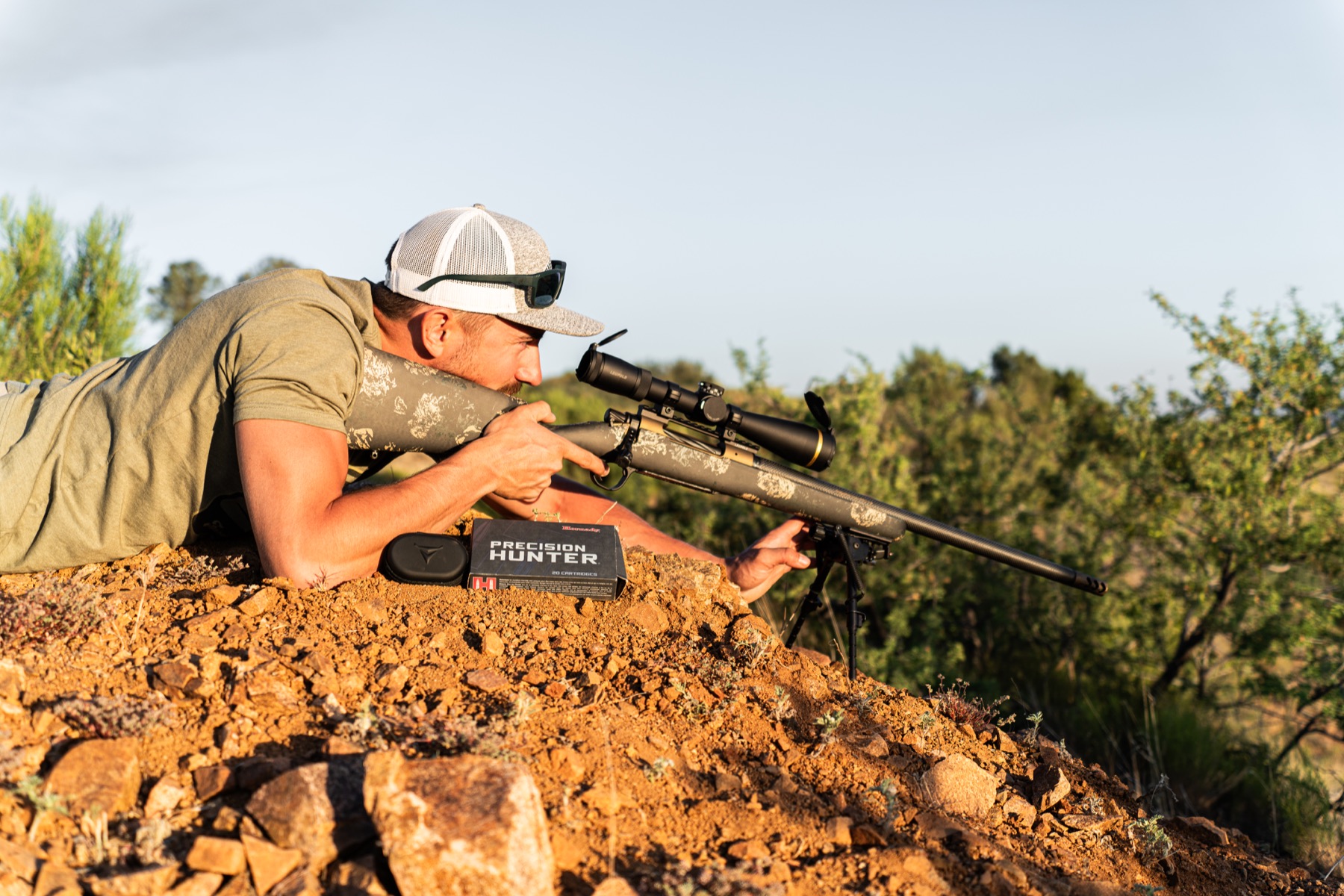
Multiple experienced PRS shooters have noted that the loading-versus-floating debate obscures a more fundamental issue. If your natural point of aim (NPOA) isn't aligned with the target, you're muscling the rifle regardless of what you do with the bipod. Muscling introduces inconsistency that no amount of loading technique can fix.
Building a proper position means adjusting your body so the rifle naturally points at the target with no muscular effort. Once NPOA is set, loading becomes a small, controlled forward lean rather than a full-body effort. Floating becomes a relaxed hold with the rear bag doing the fine elevation work. Both techniques work because the position is right, not the other way around.
The shooters who report the biggest improvements from switching between loading and floating are usually the ones who simultaneously fixed their position without realizing it. The position change did the heavy lifting. The bipod technique got the credit.
Fit and feel
Here's what you'll actually notice when you try both approaches deliberately. Loading feels active. You're pressing forward into the bipod, your shoulder is engaged, and there's tension through your upper body. Done right, it feels solid and locked in. Done wrong, it feels like you're fighting the rifle, and you'll see your crosshair dancing with your heartbeat.
Floating feels passive. The rifle sits on the bipod and rear bag, your shoulder is in contact with the stock but not driving forward, and the system feels almost loose. The first few shots feel weird if you've been loading for years. The crosshair might wander more in the pre-shot settle, but the actual break and follow-through can feel cleaner because you're not managing tension.
The transition between the two is worth doing in a single range session. Fire a five-round group loaded, then immediately fire one floating, same target. Don't change anything else. The difference in how the rifle tracks during recoil is obvious. A loaded rifle tends to drive straight back into the shoulder and return to roughly the same spot. A floating rifle tends to hop slightly and may not return as precisely, though a good rear bag minimizes this.
Pay attention to your support hand. When loading, the support hand is usually squeezing the rear bag to set elevation while the shoulder drives forward. When floating, the support hand is doing all the fine control. If your rear bag game isn't strong, floating exposes that weakness fast.
Common mistakes and troubleshooting
Overloading is the most frequent error. Shooters hear "load the bipod" and drive forward with everything they have. The result is muscle tremor, an elevated heart rate, and groups that open up instead of tightening. Moderate pressure means maybe five to eight pounds of forward force. If your arms are shaking, you're past the useful range.
Hornady Precision Hunter Ammunition Deals
Prices may change. May contain affiliate links.
Inconsistent load pressure shot to shot is the second biggest problem. Applying seven pounds on one shot and twelve on the next changes the rifle's recoil behavior each time. If you can't feel the difference between those two levels of pressure, you're better off floating where at least the inconsistency is consistently zero.
Bipod placement on the rail matters more than most people realize. A bipod mounted at the very tip of the handguard creates a longer lever arm and amplifies any lateral wobble. Moving it back an inch or two can improve stability under load. Conversely, too far back and you lose the mechanical advantage of the bipod legs. Find the spot where the rifle balances without wanting to tip forward or back.
Surface interface gets ignored constantly. Loading a bipod on a slick bench with rubber feet can cause the whole rifle to creep forward over a five-round string. Spiked feet on concrete can skip. A simple rubber mat or piece of grip tape under the feet solves this and costs nothing.
Not adjusting leg length to get the bore axis level is another oversight. If one leg is shorter than the other, loading drives the rifle into an asymmetric position and introduces cant. Cant at 100 yards is negligible. Cant at 800 yards puts rounds off target by inches.
Product comparison
Five bipods that respond differently to loading technique, each worth knowing about for different reasons.
Accu-Tac BR-4 G2 Bipod Deals
Prices may change. May contain affiliate links.
MDT GRND-POD Bipod Deals
Prices may change. May contain affiliate links.
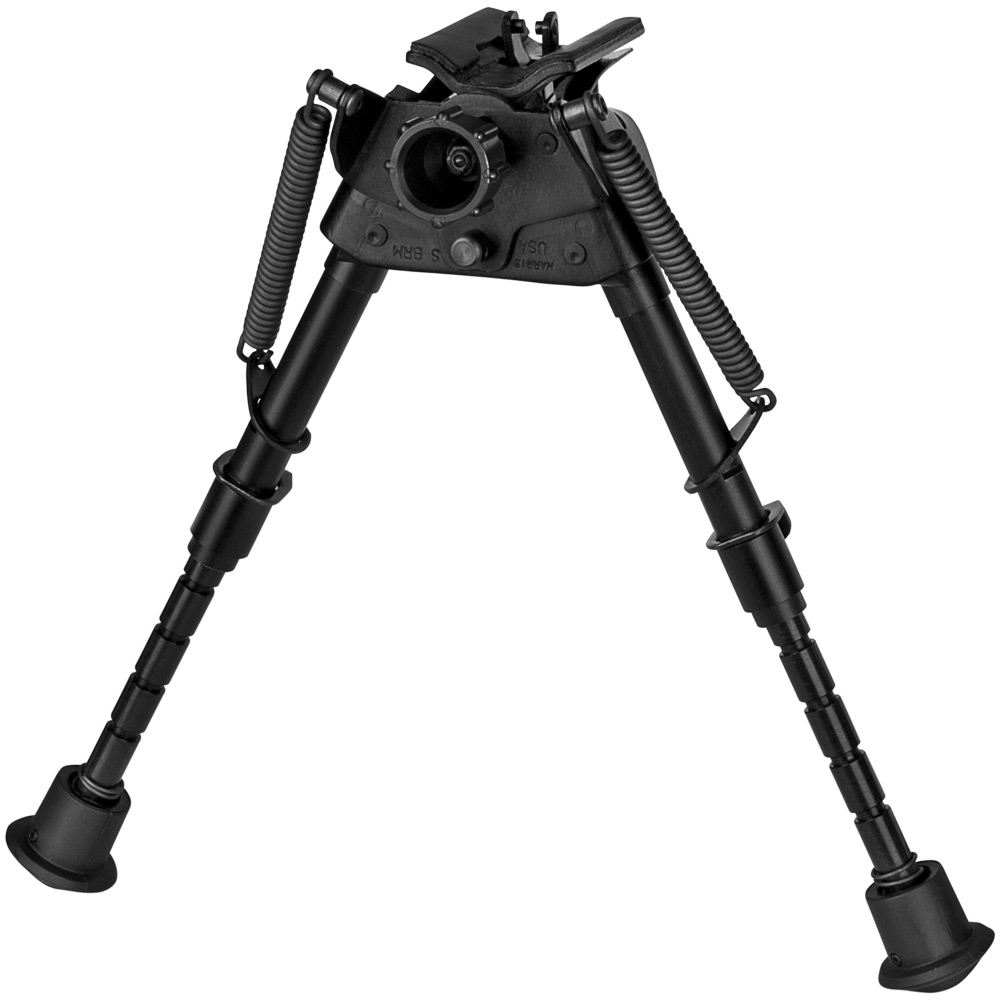
The Harris S-BRM is the baseline that most shooters start with. Spring-loaded legs, swivel base, notch adjustment. It benefits meaningfully from loading because the spring tension creates play that preloading eliminates. It's also the bipod most likely to walk on a hard surface under heavy load. Perfectly functional, but it rewards consistent technique and punishes sloppy loading more than rigid alternatives.
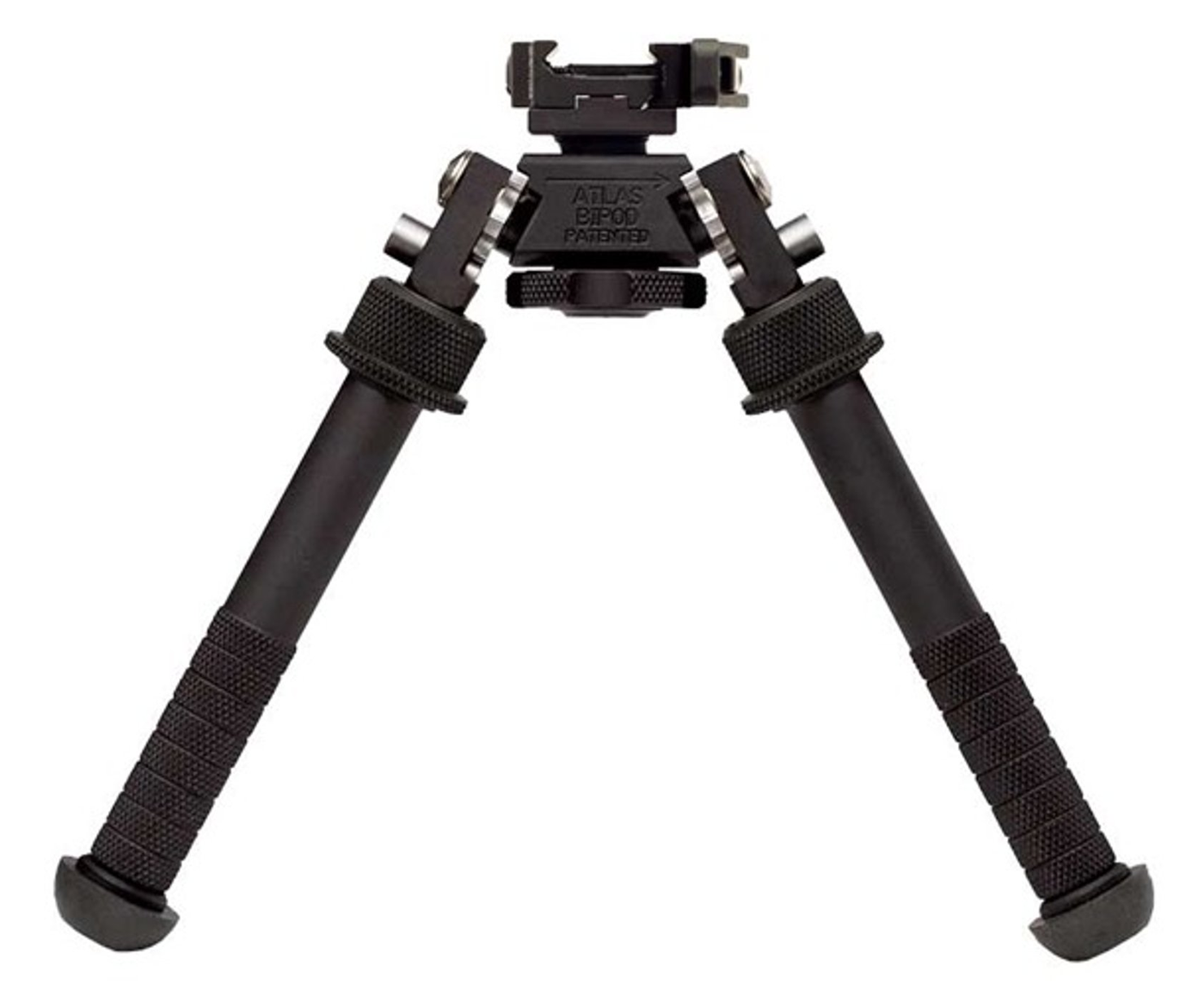
The Atlas CAL from B&T Industries uses a no-spring design with adjustable leg tension. The legs lock in position without spring return, which means there's less play to manage whether you load or float. The difference between loaded and floating groups is smaller on an Atlas than on a Harris, which is partly why it's popular in PRS circles where shooters need to transition between techniques quickly at different stages.
The Ckye-Pod is the heavy, overbuilt option that PRS and tactical shooters gravitate toward. Its ball-and-socket head allows rapid leveling, and the leg locks are extremely rigid. Under loading, it barely moves. Under floating, it barely moves. The bipod itself removes much of the variable, which lets the shooter focus on other fundamentals. It's also heavy and expensive, which matters if you're humping a rifle up a mountain.
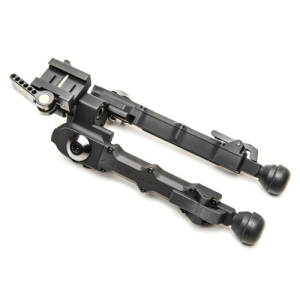
The Accu-Tac BR-4 G2 sits in the mid-range and uses a fixed cant design with a solid return-to-center mechanism. It handles loading well and stays planted on most surfaces. The leg adjustment is coarse compared to the Ckye-Pod but faster to deploy. A good choice for shooters who load consistently and want a bipod that won't fight them.
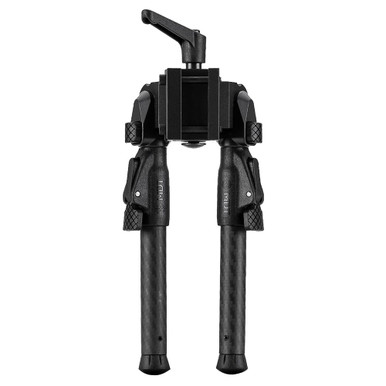
The MDT GRND-POD is a newer entry that uses an ARCA-compatible clamp and rigid leg design. It's designed around the modern precision rifle workflow where the bipod moves between ARCA rails on different rifles. Under loading, the ARCA clamp adds a variable: if it's not torqued properly, the bipod can shift in the rail under forward pressure. Torqued correctly, it's as stable as anything else. Worth mentioning because ARCA adoption is widespread and the clamp interface is a failure point people don't think about.
| Bipod | Design Type | Leg Mechanism | Loading Behavior | Notable Feature | Best For |
|---|---|---|---|---|---|
| Harris S-BRM | Spring-loaded, swivel base | Notch adjustment with spring return | Benefits meaningfully from loading; most likely to walk on hard surfaces under heavy load | Baseline bipod most shooters start with | Shooters with consistent technique on a budget |
| Atlas CAL (B&T Industries) | No-spring design | Adjustable leg tension, no spring return | Smaller difference between loaded and floating groups than Harris | Less play to manage in either technique | PRS shooters transitioning between techniques |
| Ckye-Pod | Heavy, overbuilt ball-and-socket head | Extremely rigid leg locks | Barely moves whether loaded or floating | Removes much of the bipod variable itself | PRS and tactical shooters prioritizing stability |
| Accu-Tac BR-4 G2 | Fixed cant, return-to-center | Coarse but fast leg adjustment | Handles loading well, stays planted on most surfaces | Solid return-to-center mechanism | Consistent loaders wanting a cooperative bipod |
| MDT GRND-POD | Rigid leg, ARCA-compatible clamp | Rigid leg design | Stable when ARCA clamp is torqued properly; clamp can shift if not torqued | ARCA clamp for multi-rifle workflow | Shooters using ARCA rails across multiple rifles |
Limitations and caveats
The honest truth is that the available data on this topic is thin. Most tests involve a single shooter, a single rifle, and a single session. Individual variation in technique is enormous and probably accounts for more of the observed differences than the loading-versus-floating variable itself.
Environmental conditions across tests varied widely. Wind, temperature, humidity, and bench surface all influence results. No test controlled for all of these simultaneously.
Ammunition consistency is assumed but rarely verified beyond lot matching. Even within a single lot, velocity spreads of 15 to 25 fps are common in factory match ammo and can account for some of the vertical dispersion attributed to bipod technique.
The tests are overwhelmingly conducted at 100 yards, where the differences are smallest and hardest to measure. The extrapolation to 600 or 1,000 yards assumes linear scaling, which is reasonable but unverified in most cases. A few shooters have posted long-range comparisons, but sample sizes are tiny and wind becomes a dominant variable that swamps bipod technique effects.
There's also a selection bias in who runs these tests. Experienced precision rifle shooters with good fundamentals are overrepresented. A newer shooter might see larger differences between loading and floating simply because their overall technique has more room for the bipod method to either help or hurt.
Practical recommendations
Start by figuring out which technique you can execute more consistently, not which one produces the single best group. Shoot ten five-round groups loaded and ten floating in the same session, same conditions. Compare the average group size and the standard deviation. If your loaded groups average 0.6 MOA but range from 0.3 to 1.1, and your floating groups average 0.7 MOA but range from 0.5 to 0.9, floating is your better bet right now.
If you choose to load, calibrate your pressure. Use a bathroom scale: put the bipod feet on the scale, get behind the rifle, and apply your normal loading pressure. Note the number. Now try to replicate that exact number ten times in a row. If you can't stay within a two-pound window, practice that before worrying about anything else.
Check your bipod feet and surface interface before every session. A bipod that grips differently on a rubber mat versus a wooden bench versus dirt will behave differently under load. Carry a small piece of grip tape or a rubber pad and use it consistently.
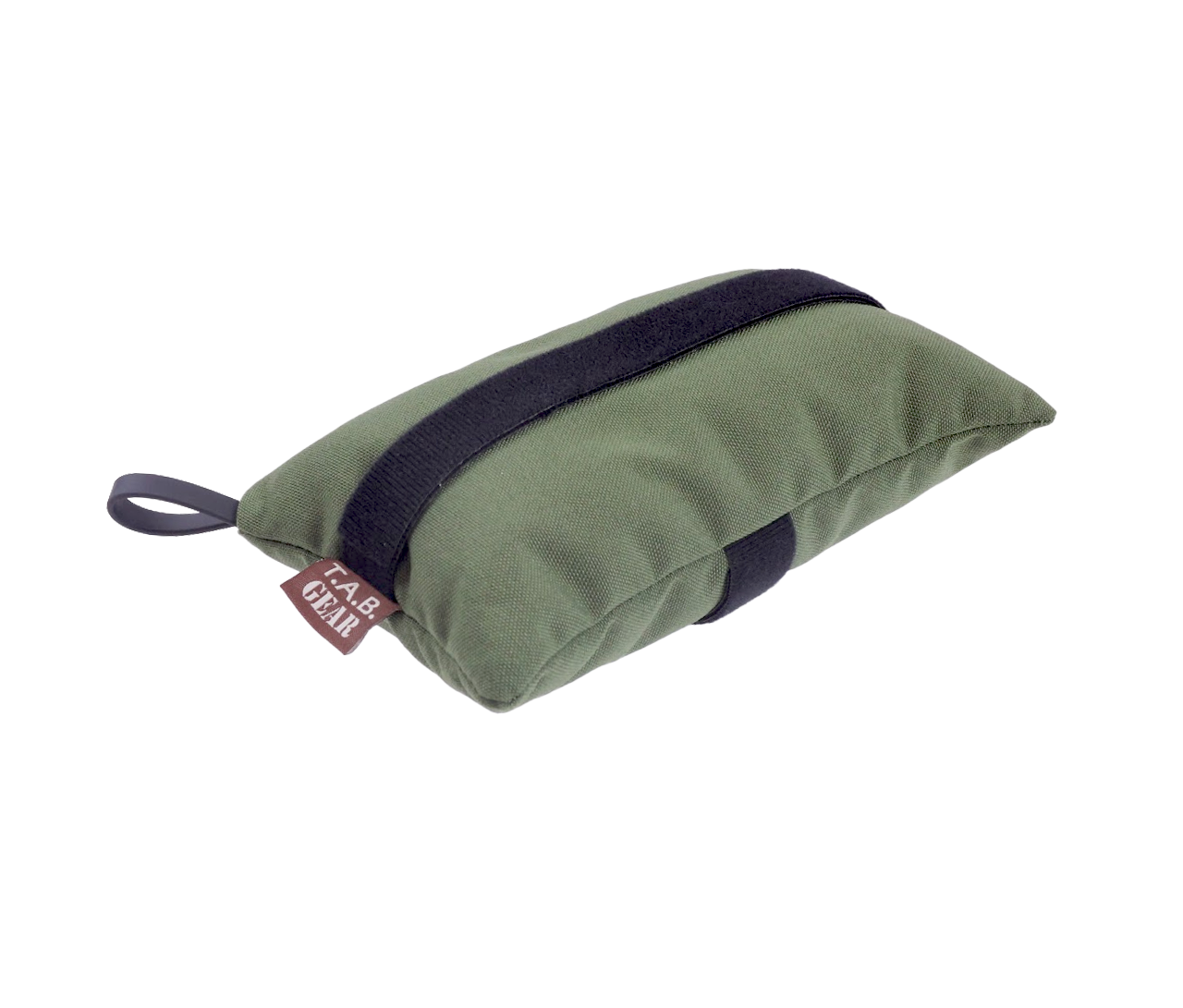
Invest in your rear bag setup at least as much as your bipod. A $200 bipod with a $15 sock full of sand is a mismatch. A properly filled rear bag with consistent squeeze response does as much for vertical dispersion as any bipod technique. Tab-style bags, rabbit-ear bags, and squeeze bags all work; pick one and learn it thoroughly.
Run a simple drill: fire one shot loaded, then one shot floating, alternating for twenty rounds on the same target. Look at the group. If the loaded shots cluster separately from the floating shots, your point of impact shifts between techniques, which means you need to pick one and stick with it for a given stage or scenario. If they intermingle, your fundamentals are solid enough that the technique choice is secondary.
Finally, don't let this debate distract you from the things that matter more. Trigger control, NPOA, wind reading, and ammunition consistency each contribute more to hit probability at distance than whether you're pushing three pounds or eight pounds into your bipod legs. Get those right first. Then optimize the bipod technique. That's the order that actually moves scores.