You've already decided you need a pocket gun. Maybe you're wearing slacks and a tucked shirt five days a week and an IWB holster for a compact 9mm just isn't happening. Maybe you want a backup gun on an ankle. Maybe you live somewhere hot enough that a cover garment means a single layer of linen and nothing thicker. Whatever the reason, you've landed on .380 ACP as the cartridge and a true pocket-sized pistol as the platform.
The good news: the .380 pocket pistol category has matured significantly. Modern hollow-point loads like Hornady FTX and Federal HST Micro have closed much of the terminal performance gap that used to make .380 a punchline. The guns themselves have gotten better sights, better triggers, and in some cases double the capacity of the old six-round single-stacks. The bad news: there are enough options now that picking wrong means carrying a gun that snags on the draw, beats up your hand, or chokes on defensive ammo. This guide cuts through the noise.
This is aimed at shooters who already carry regularly and want a dedicated deep-concealment piece, whether that's a primary for non-permissive dress codes or a backup to a larger gun. Budget ranges from entry-level to mid-tier, and the assumption is you'll actually practice with whatever you buy, not just drop it in a pocket holster and forget it.
Quick picks
- Ruger LCP Max Best overall
- Smith & Wesson M&P Bodyguard 2.0 Best budget
- Sig Sauer P238 Best trigger and shootability
- Glock 42 Best reliability track record
- Kimber Micro .380 Best for shooters who want a 1911 platform
- Springfield Armory 911 .380 Best for small hands
- Ruger LCP II Best ultralight option
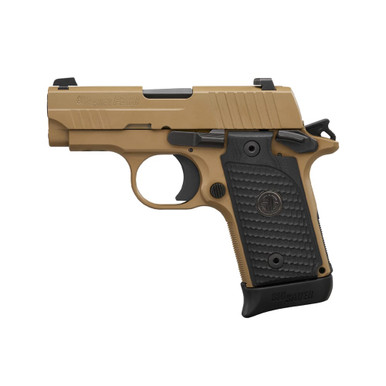
Sig Sauer P238 .380 ACP Deals
Prices may change. May contain affiliate links.
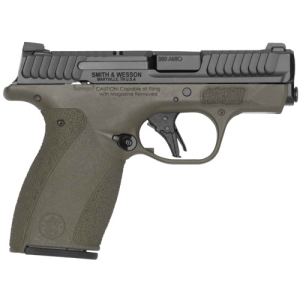
Smith & Wesson M&P Bodyguard 2.0 .380 ACP Deals
Prices may change. May contain affiliate links.
Glock 42 .380 ACP Deals
Prices may change. May contain affiliate links.

Ruger LCP Max .380 ACP
May contain affiliate links.
At a glance
| Model | Capacity | Weight (unloaded) | Overall length | Action type | Price tier |
|---|---|---|---|---|---|
| Ruger LCP Max | 10+1 / 12+1 | 10.6 oz | 5.17 in | Hammer-fired DAO | $ |
| Smith & Wesson M&P Bodyguard 2.0 | 10+1 | 12.3 oz | 5.52 in | Hammer-fired DAO | $ |
| Sig Sauer P238 | 6+1 / 7+1 | 15.2 oz | 5.5 in | SAO (1911-style) | $$$ |
| Glock 42 | 6+1 | 13.76 oz | 5.94 in | Striker-fired | $$ |
| Kimber Micro .380 | 6+1 / 7+1 | 13.4 oz | 5.6 in | SAO (1911-style) | $$$ |
| Springfield Armory 911 .380 | 6+1 / 7+1 | 12.6 oz | 5.5 in | SAO (1911-style) | $$$ |
| Ruger LCP II | 6+1 | 10.6 oz | 5.17 in | Hammer-fired DAO | $ |
How we chose
Pocket pistols live or die by a handful of factors that don't matter as much with larger guns. Here's what drove the selection.
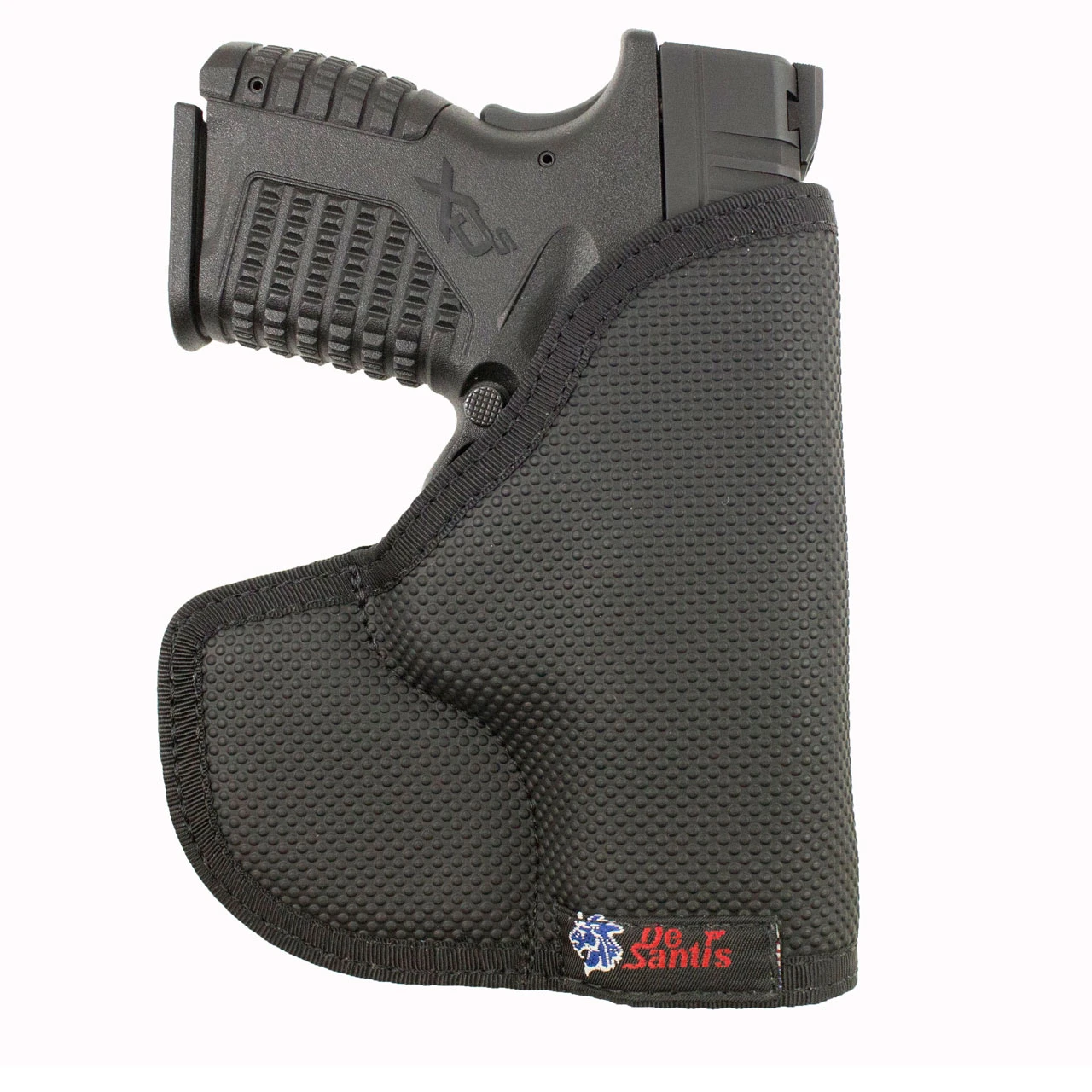
DeSantis Nemesis pocket holster Deals
Prices may change. May contain affiliate links.
Reliability with defensive ammo is non-negotiable. A pocket .380 that runs ball ammo perfectly but jams on hollow points is a range toy, not a carry gun. Every pick here has a documented track record of running modern defensive loads, not just FMJ. Forum threads on sites like Ruger Forum and The High Road consistently confirm which guns eat everything and which ones need a break-in period measured in hundreds of rounds.
Size and weight matter more than in any other category. A pocket gun that's too big for a pocket defeats the purpose. We're looking at guns that genuinely disappear in a front pants pocket with a proper pocket holster, or ride an ankle without dragging your cuff down. Fractions of an inch and single ounces actually change the carry experience here.
The trigger has to be manageable. A pocket .380 with a 12-pound DAO trigger pull and a quarter-inch of overtravel is technically safe, but it's also nearly impossible to shoot accurately under stress past five yards. The best guns in this category balance a safe carry condition with a trigger that lets you put rounds where they need to go.
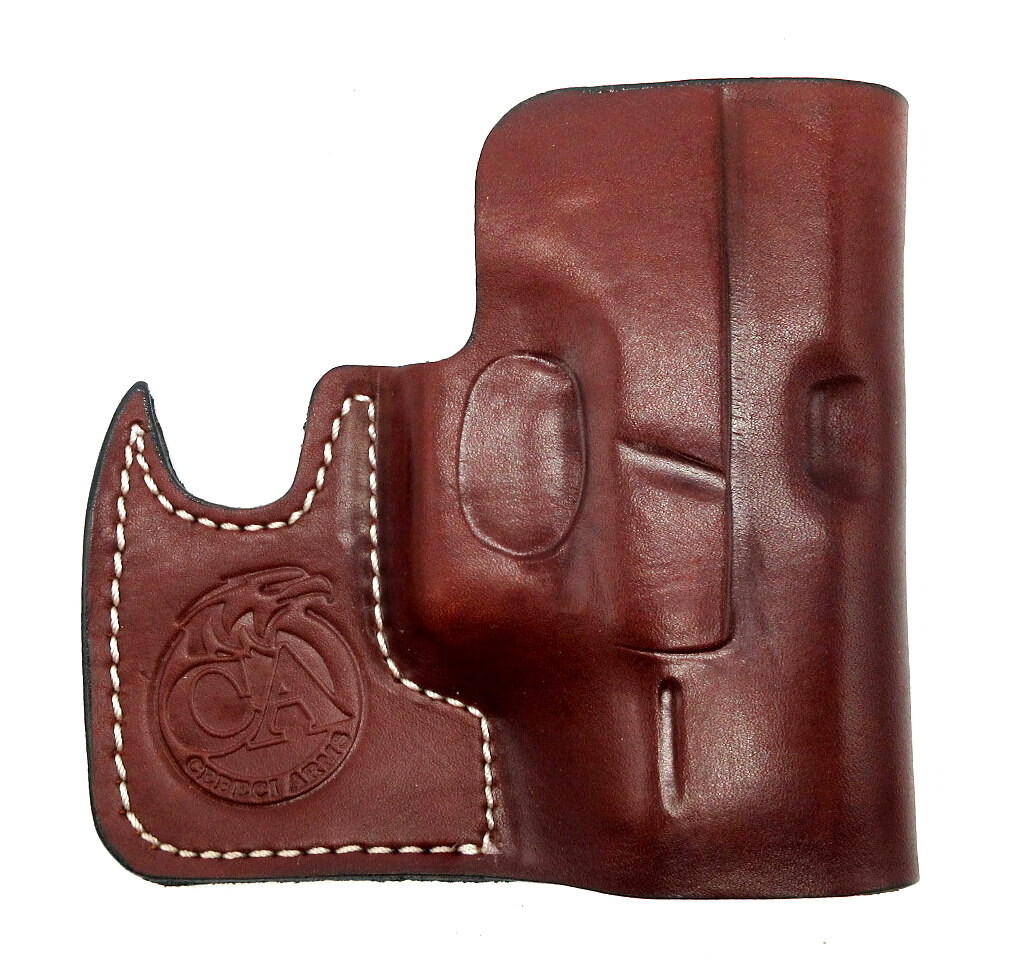
Aftermarket and holster support rounds out the picture. A gun nobody makes holsters for is a gun that's hard to carry well. Pocket holsters, ankle rigs, and wallet-style holsters from makers like DeSantis, Alabama Holster, and Kevin's Concealment all need to exist for the platform. Every pick here has strong holster availability.
The picks
Ruger LCP Max
Best for: the shooter who wants maximum capacity in minimum size, and plans to actually train with their pocket gun.
Talon grip Deals
Prices may change. May contain affiliate links.
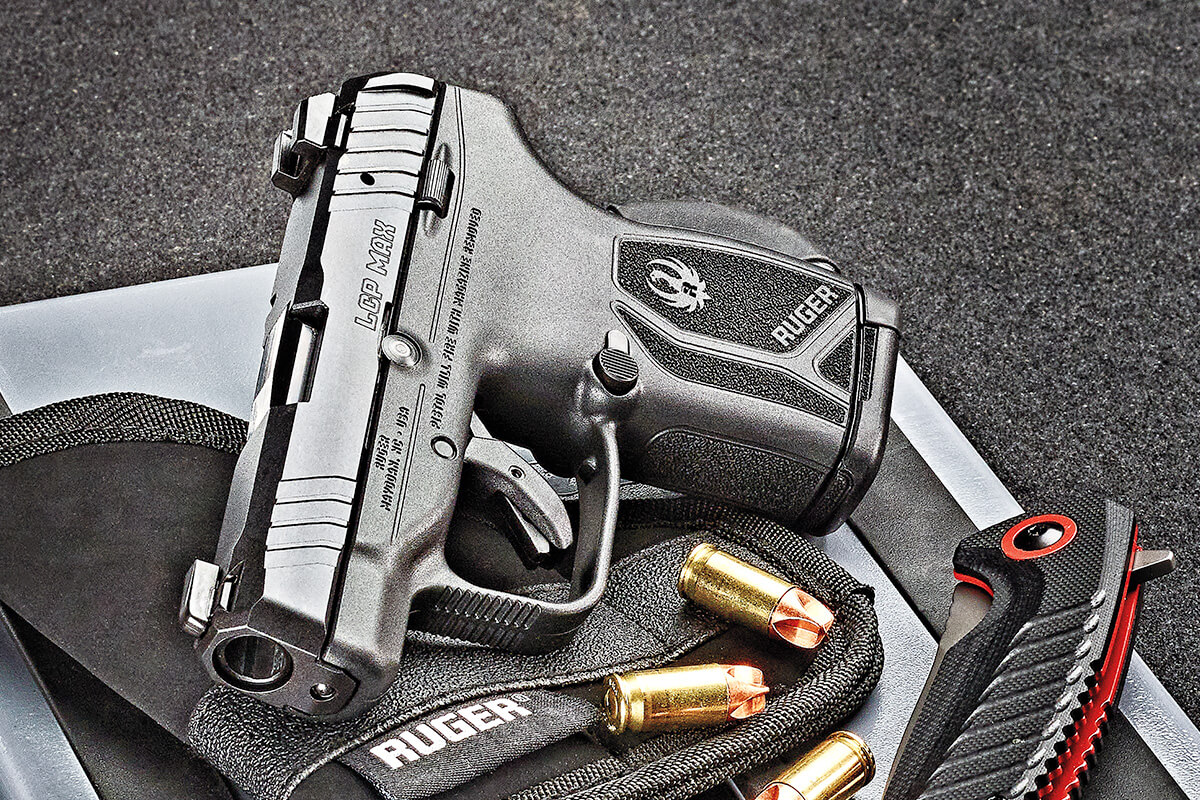
The LCP Max changed the math on pocket .380s. Ten rounds of .380 in a flush-fit magazine, twelve with the extended, in a package that weighs 10.6 ounces empty and measures 5.17 inches overall. That's nearly double the capacity of most competitors in essentially the same footprint as the old LCP II. The way Ruger pulled this off was a slightly wider grip to accommodate a staggered-column magazine, but the increase is subtle enough that it still pockets without printing in most pants.
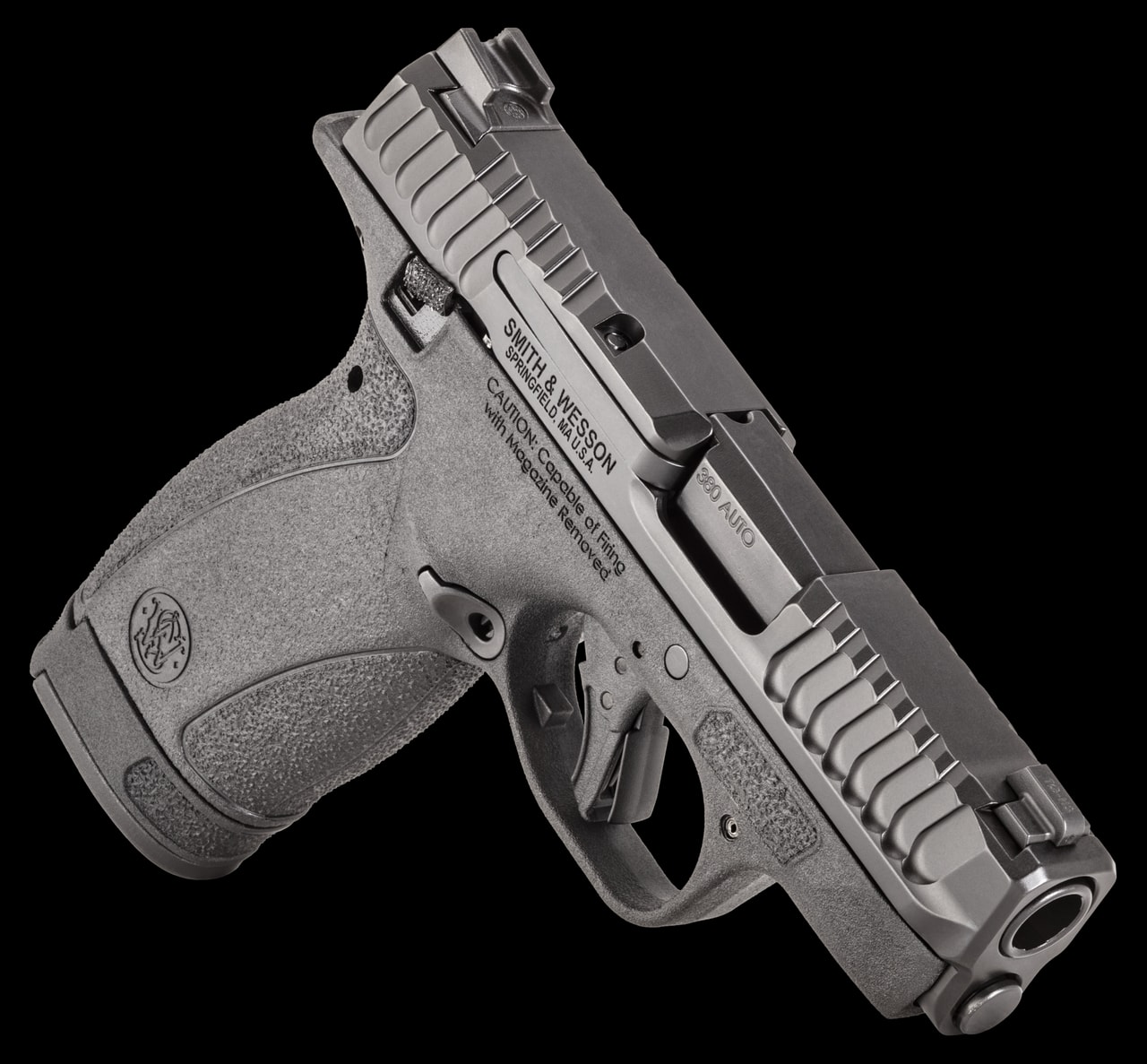
The sights are a genuine improvement over every previous LCP generation. Tritium front sight, drift-adjustable rear, and they're actually tall enough to use. Previous LCPs had vestigial sights that were more decorative than functional. The LCP Max sights let you make aimed shots at 10-15 yards, which is about the realistic envelope for a gun this small. The trigger is a long double-action pull but it's relatively smooth, with a definite wall before the break. It's not a target trigger, but it's predictable, and predictable matters more than light when you're shooting under stress.
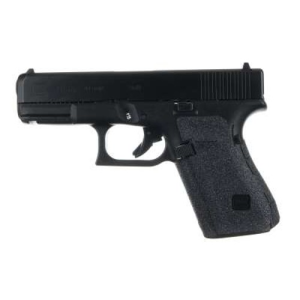
Three years of widespread carry use have surfaced a few quirks. Some early production guns had issues with the slide not locking back on empty, and Ruger addressed this with updated followers. The grip texture is adequate but not aggressive, and the gun can shift in a sweaty hand during rapid strings. A Talon grip or stippling helps. The magazine release is small and recessed to prevent accidental activation in a pocket, which is smart for carry but means deliberate reloads are slower.
Pros
- 10+1 capacity in a true pocket-sized frame
- Tritium front sight from the factory
- Lightest gun on this list at 10.6 oz
- Massive aftermarket holster support
- Reliable with defensive hollow points after break-in
Cons
- Trigger pull is long and takes practice to master
- Grip texture could be more aggressive
- Some early production slide-lock issues (resolved in newer guns)
- The thin frame and light weight mean felt recoil is snappy
Smith & Wesson M&P Bodyguard 2.0
Best for: budget-conscious buyers who want modern capacity and don't want to sacrifice reliability to save money.
Smith & Wesson completely reworked the Bodyguard for the 2.0 version, and the improvements are substantial. The original Bodyguard had a terrible trigger and an integrated laser that most people never used. The 2.0 ditches the laser, fixes the trigger, and bumps capacity to 10+1 with a flush magazine. At 12.3 oz and 5.52 inches overall, it's slightly larger and heavier than the LCP Max, but still firmly in pocket territory.
The trigger deserves specific mention because it was the single biggest complaint about the original. The 2.0's trigger is a flat-faced design with a much cleaner break and shorter reset than the old model. It's still a long DAO pull, but the wall is distinct and the break is crisp enough that you can stage it if you need to. That's a meaningful upgrade for accuracy. The sights are also improved, with a white-dot front and a notch rear that's actually usable.
Where the Bodyguard 2.0 really earns its spot is value. This is typically the least expensive gun on the list, and Smith & Wesson's warranty and parts support are excellent. The gun runs. Reports from multiple testing sources show it handling a mix of FMJ and defensive loads without drama. The grip is slightly blockier than the LCP Max, which some hands will prefer and others won't. Handle both before deciding.
Pros
- 10+1 capacity matches the LCP Max
- Dramatically improved trigger over the original Bodyguard
- Strong Smith & Wesson warranty support
- Lowest price point on this list
- Flat-faced trigger aids consistent finger placement
Cons
- Slightly larger than the LCP Max, which matters in tight pockets
- Heavier at 12.3 oz (still light, but noticeable vs. the Ruger)
- Grip texture is adequate, not outstanding
- Fewer aftermarket accessories compared to Ruger and Glock
Sig Sauer P238
Best for: the shooter who prioritizes trigger quality and range performance and is willing to carry a SAO pistol cocked and locked.
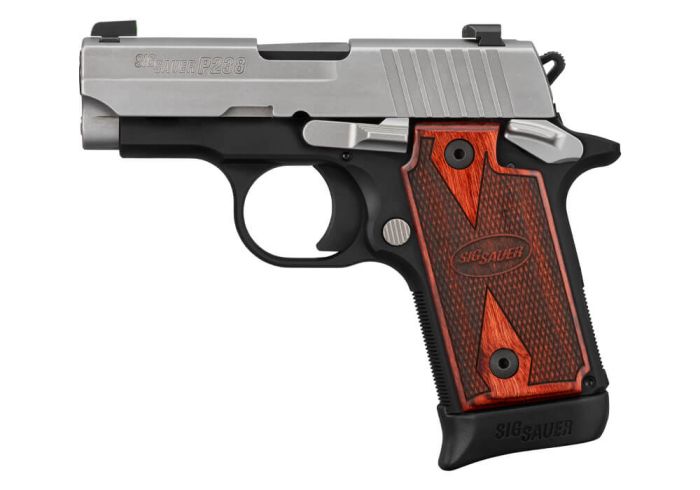
The P238 is the pocket .380 that actually makes people smile at the range. It's a miniaturized 1911-pattern pistol with a true single-action-only trigger, an external thumb safety, and all-metal construction. That SAO trigger is the star. Short take-up, clean break, short reset. It shoots like a much larger gun. At 15 yards, the P238 will outshoot every other gun on this list in most hands, and it's not close.
The trade-off is capacity and carry condition. Six rounds plus one, or seven plus one with an extended magazine. In a world where the LCP Max gives you ten, that's a real deficit. And carrying a SAO pistol cocked and locked in a pocket requires absolute trust in your holster and your draw stroke. The thumb safety is positive and well-placed, but it's another step in the presentation. Some shooters are completely comfortable with this. Others aren't, and that's a legitimate concern, not a training issue to be dismissed.
At 15.2 ounces, the P238 is the heaviest gun here, and you feel it. That weight tames recoil beautifully, but it also means your pocket sags more and you need a stiffer pocket holster to keep orientation. The all-metal frame and excellent fit and finish make it feel like a serious firearm rather than a plastic emergency tool. Sig's aftermarket support is strong, with multiple grip panel options, and holster availability is excellent from makers like DeSantis and Braids.
Pros
- Best trigger on this list by a wide margin
- All-metal construction tames recoil
- Excellent fit and finish
- Ambidextrous safety
- Strong aftermarket for grips and holsters
Cons
- Only 6+1 or 7+1 capacity
- Heaviest option at 15.2 oz
- Requires comfort with cocked-and-locked carry
- SAO with manual safety adds complexity to the draw
Glock 42
Best for: the shooter who values Glock's reliability ecosystem and wants the simplest possible manual of arms.
Glock 19 9mm Deals
Prices may change. May contain affiliate links.
Glock 43 9mm Deals
Prices may change. May contain affiliate links.
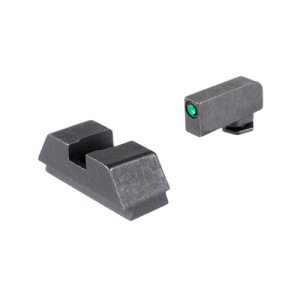
Ameriglo night sights Deals
Prices may change. May contain affiliate links.
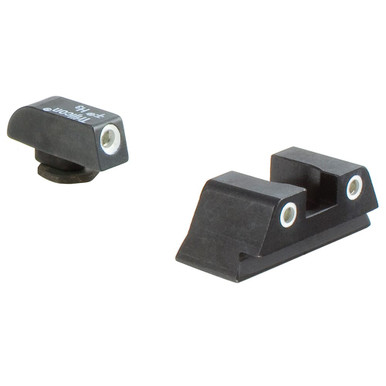
Trijicon night sights Deals
Prices may change. May contain affiliate links.
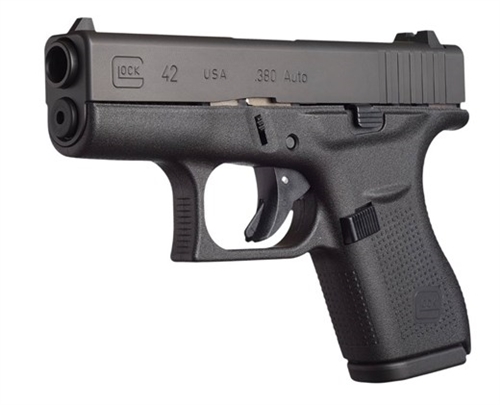
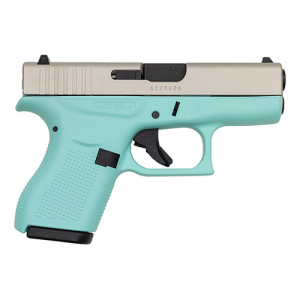
The Glock 42 is the least exciting gun on this list, and that might be its greatest strength. It's a Glock. It works. The trigger is the same Safe Action system as every other Glock, scaled down. The controls are where you expect them. The takedown procedure is identical. If you already carry a Glock 19 or 43, the 42 slots into your training with zero transition cost.
At 13.76 ounces and 5.94 inches overall, the G42 is the largest gun here. It's still pocketable, but just barely, and in slimmer-cut pants it may print. It works better in a cargo pocket or jacket pocket than a front trouser pocket. Where it earns its spot is the reliability record. The Glock 42 has been on the market since 2014, and the consensus across forums, professional reviews, and armorer reports is that it simply does not malfunction with any regularity. Feed it ball, feed it hollow points, feed it +P-rated defensive loads, and it runs.
The capacity is the standard six-plus-one, and Glock doesn't offer a factory extended magazine that adds meaningful rounds. The sights are standard Glock plastic, which means most owners immediately swap them for Ameriglo or Trijicon night sights. The grip angle is the standard Glock angle, which you either like or you don't after decades of debate. The trigger is acceptable but not remarkable. It's a Glock trigger. You know what you're getting.
Pros
- Exceptional reliability record across a decade of use
- Identical manual of arms to all other Glocks
- Huge aftermarket for sights, holsters, and accessories
- Striker-fired simplicity with no external safeties to manipulate
- Proven with all types of .380 ammunition
Cons
- Largest gun on this list at 5.94 inches overall
- Only 6+1 capacity
- Factory sights are inadequate for serious use
- Grip texture is slick on Gen 4 models
Kimber Micro .380
Best for: the shooter who wants 1911 ergonomics and aesthetics in a pocket gun and is willing to invest in a break-in period.
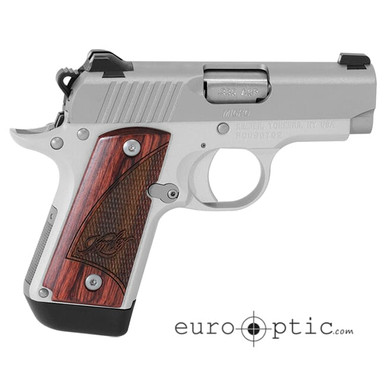
Kimber Micro .380 ACP Deals
Prices may change. May contain affiliate links.
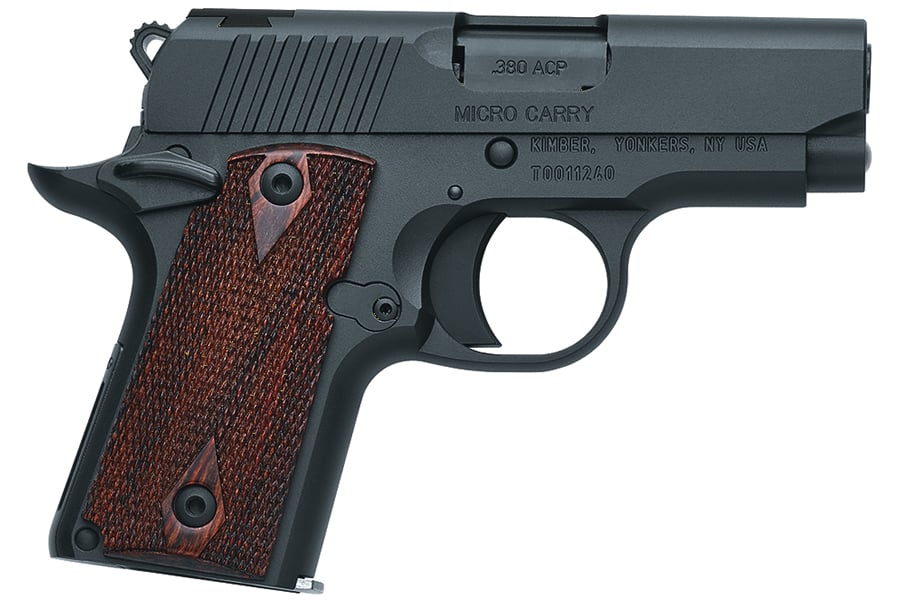
The Kimber Micro .380 occupies similar territory to the Sig P238, and the comparison is inevitable. Both are miniature 1911-pattern pistols with SAO triggers, thumb safeties, and all-metal frames. The Kimber's trigger is excellent, with a crisp break and minimal overtravel. Some shooters prefer it to the P238's trigger, though the difference is subtle enough that hand size and grip angle preference usually decide the argument.
Where the Kimber diverges is in its reputation for needing a break-in period. Multiple sources document that Micro .380s can be finicky for the first 100-200 rounds, particularly with hollow-point ammunition. The tight tolerances that give the gun its excellent trigger and fit also mean it needs to wear in before it becomes fully reliable. This isn't unusual for tight 1911-pattern guns, but it's worth knowing. Once broken in, the reliability reports are generally positive.
Kimber's fit and finish is a cut above most pocket guns. The Rosewood grips on some models, the polished flats, the overall machining quality. This is a gun people enjoy owning, not just carrying. At 13.4 ounces and 5.6 inches overall, it splits the difference between the featherweight Rugers and the heavier Sig. Holster options are good, with many P238 holsters fitting the Micro as well due to similar dimensions.
Pros
- Excellent SAO trigger with crisp break
- High-quality fit and finish
- Comfortable grip angle for 1911 shooters
- Lighter than the P238 at 13.4 oz
- Good holster compatibility with P238 holsters
Cons
- Documented break-in period of 100-200 rounds
- Only 6+1 or 7+1 capacity
- Requires cocked-and-locked carry
- Kimber's customer service reputation is mixed
Springfield Armory 911 .380
Best for: shooters with smaller hands who want a SAO pocket pistol with the best possible grip ergonomics.
Springfield Armory 911 .380 ACP Deals
Prices may change. May contain affiliate links.
Sig Sauer P365 9mm Deals
Prices may change. May contain affiliate links.
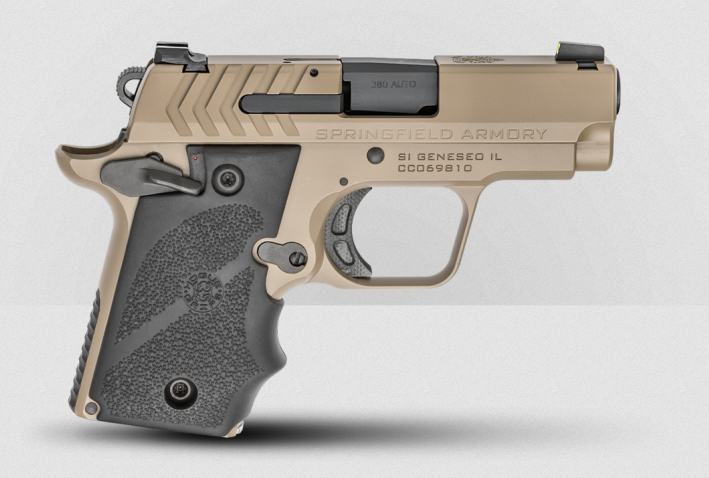
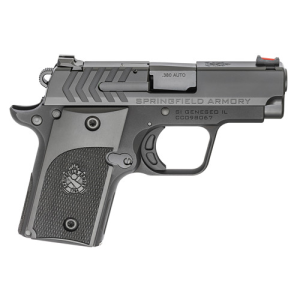
The Springfield 911 is the third 1911-pattern .380 on this list, and it earns its own spot because of how it fits the hand. Springfield paid serious attention to the grip contour, and the result is a gun that indexes naturally for a wider range of hand sizes than either the P238 or the Kimber Micro. The grip-to-frame transition is smooth, the backstrap is slightly more radiused, and the overall feel is that Springfield designed the grip shape first and built the gun around it.
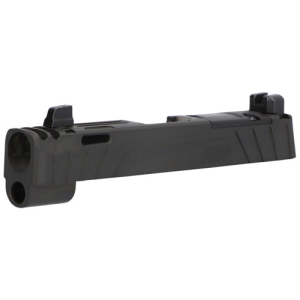
Comparing dimensions directly to the Sig P365 (a 9mm micro-compact, for reference), the Springfield 911 is noticeably shorter in both height and length while being only marginally wider. Against the P238 specifically, the two guns are nearly identical in size, but the Springfield's grip contouring makes it feel smaller in the hand. The trigger is SAO with a clean break, competitive with the P238 though perhaps a half-step behind the Sig in terms of reset crispness.
The 911 comes with both a flush six-round and an extended seven-round magazine, and the extended mag adds a pinky rest that transforms the grip for shooters with larger hands. The sights are good from the factory, with a white-dot front and a Pro-Glo tritium option on some models. Reliability reports are generally positive, with fewer break-in complaints than the Kimber but occasional reports of sensitivity to certain hollow-point profiles. Testing with your chosen defensive load before committing to carry is essential with any of the 1911-pattern .380s.
Pros
- Best grip ergonomics for small to medium hands
- Includes both flush and extended magazines
- Tritium sight option from the factory
- SAO trigger competitive with the P238
- Slightly lighter than the Sig at 12.6 oz
Cons
- Only 6+1 or 7+1 capacity
- Some ammo sensitivity reported with certain hollow points
- Requires cocked-and-locked carry
- Springfield's product line changes can affect parts availability
Ruger LCP II
Best for: the shooter who wants the absolute lightest, simplest pocket gun and doesn't need double-digit capacity.
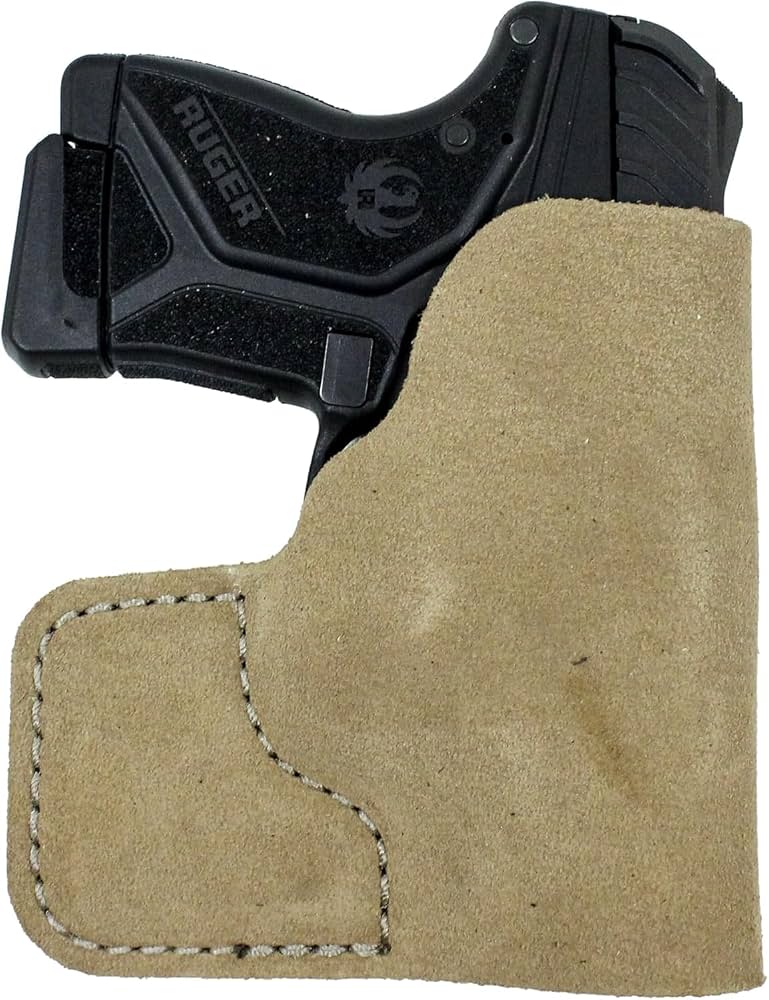
The LCP II is the gun the LCP Max replaced as Ruger's flagship pocket .380, but it hasn't been discontinued, and for good reason. Some shooters simply don't need ten rounds in a pocket gun and would rather have the slimmest, lightest possible profile. The LCP II delivers that. At 10.6 ounces and 5.17 inches, it matches the LCP Max in length and weight but is noticeably thinner through the grip because of its single-stack six-round magazine. That thinness matters in a pocket. The LCP II disappears in ways that even the LCP Max can't quite match.
The trigger was a significant upgrade over the original LCP. The LCP II has a shorter, crisper trigger pull with a more defined reset. It's not in the same league as the SAO guns, but among DAO pocket pistols, it's one of the better ones. The sights are integral to the slide and minimal, which is the LCP II's biggest weakness. They work at contact distance and maybe out to seven yards with practice, but they're not real sights in the way the LCP Max's tritium setup is.
The real question with the LCP II is whether six rounds is enough when the LCP Max gives you ten in nearly the same package. The answer depends on how you carry. If the gun lives in a wallet holster or an ankle rig where every fraction of width matters, the LCP II's thinner profile is a genuine advantage. If it's going in a front pocket with a standard pocket holster, the LCP Max is probably the better call. Both guns share the same reliability reputation, and the LCP II has years more track record behind it.
Pros
- Thinnest profile on this list
- Improved trigger over the original LCP
- Massive holster and accessory support
- Proven reliability over many years
- Lightest option tied with the LCP Max
Cons
- Only 6+1 capacity
- Minimal sights that limit effective range
- The LCP Max exists and does more in nearly the same size
- No tritium or night sight option from the factory
How to choose
Here's how to narrow this list to one or two guns worth handling at the counter.
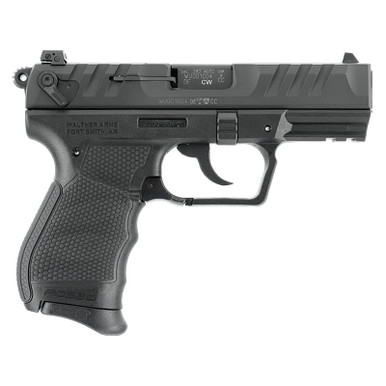
Walther PD380 .380 ACP Deals
Prices may change. May contain affiliate links.
If capacity is your priority, the decision is between the LCP Max and the Bodyguard 2.0. Both give you ten rounds. The LCP Max is smaller and lighter. The Bodyguard 2.0 has a better trigger. Handle both and see which grip shape works for your hand. This is a two-gun race if round count matters to you.
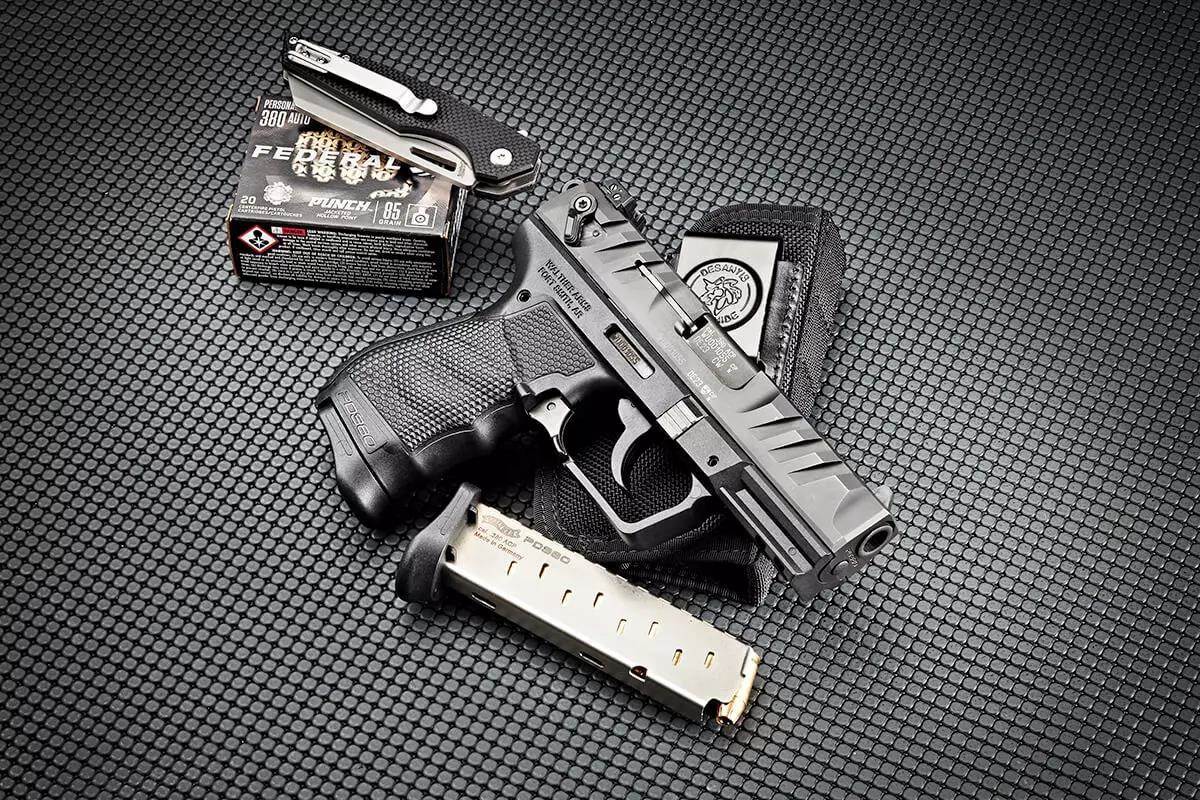
If you want the best shooting experience and don't mind carrying cocked-and-locked, the P238 is the answer. The Kimber Micro and Springfield 911 are competitive alternatives if the P238's grip doesn't fit your hand or you prefer Springfield's ergonomics. All three are SAO 1911-pattern guns with similar strengths and trade-offs. The P238 has the longest track record and the most holster options. The Springfield 911 fits smaller hands better. The Kimber has the best aesthetics, if that matters to you.
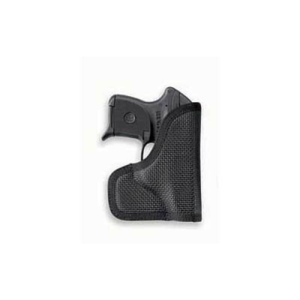
If you want Glock simplicity and don't care about capacity, the G42 is a tank. It's the biggest gun here, so make sure it actually fits your pocket before buying. Try it in the pants you'll actually wear. The G42 in a DeSantis Nemesis in khakis is a very different experience than the G42 in dress slacks.
If absolute minimum size and weight are the mission, the LCP II is still the thinnest option. The LCP Max is close, but that extra width through the grip is real. For ankle carry and wallet holsters specifically, the LCP II's single-stack profile earns its keep.
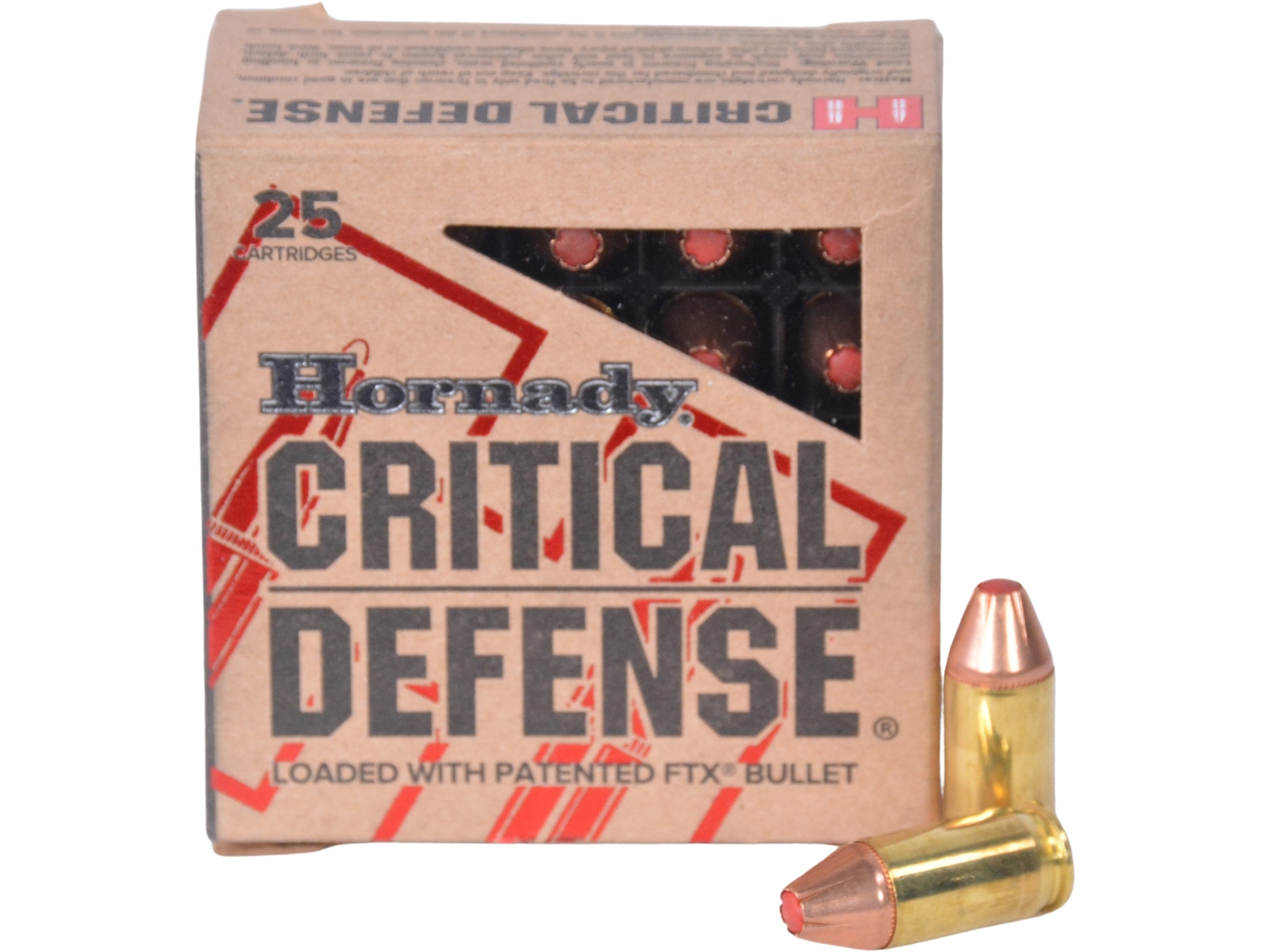
Don't buy a pocket .380 without understanding the ammo question. Not all .380 hollow points expand reliably from short barrels. Hornady Critical Defense FTX, Federal HST Micro, and Speer Gold Dot Short Barrel are the three loads with the best track record from barrels under three inches. Buy two boxes of your chosen defensive load and run them through the gun before you trust it. If it doesn't feed them perfectly, try a different load before blaming the gun. The 1911-pattern guns (P238, Kimber, Springfield) are the most likely to show ammo preferences.
Next steps
Before you buy, do three things. First, find a range that rents at least two of these guns and shoot them back to back. The difference between a DAO trigger and a SAO trigger in a pocket gun is enormous, and you need to feel it, not read about it. Shoot at seven yards, which is the realistic distance for a pocket gun engagement, and see which gun lets you keep all rounds in a six-inch circle without rushing.

Springfield Armory XDs subcompact pistol Deals
Prices may change. May contain affiliate links.
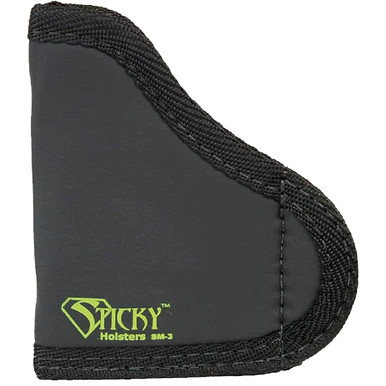
Sticky Holster pocket holster Deals
Prices may change. May contain affiliate links.
Second, bring the pants you'll actually carry in to the gun store. Put the gun in a pocket holster (ask the store if they have a DeSantis Nemesis or Sticky Holster to try) and put it in your pocket. Walk around. Sit down. Stand up from a chair. Reach across your body. The gun that conceals standing up but prints like a brick when you sit down is the wrong gun. This five-minute test eliminates more bad choices than any spec sheet.
Third, budget for 200 rounds of practice ammo and 40 rounds of your chosen defensive load for the initial range session. Run the practice ammo first to get comfortable with the gun, then finish with the defensive ammo to confirm reliability. If you're buying one of the 1911-pattern guns, plan for a 200-round break-in before you start testing defensive loads. After that, dry-fire practice matters more than anything else with a pocket gun. The trigger pull on a DAO pocket pistol is long enough that you need hundreds of dry-fire reps to learn where the break is and how to press through it without disturbing the sights. Ten minutes of dry fire three times a week will do more for your accuracy than a monthly range trip. Set up a target at five yards in your living room, confirm the gun is empty twice, and practice slow, deliberate trigger presses until the sights don't move at all when the hammer falls. That's the drill that makes a pocket .380 a real defensive tool instead of a security blanket.