You just got back to the truck after a full day of shooting steel at distance, and the bore looks like a coal mine. You've got a bore snake wadded up in a Ziploc and a pull-through kit rattling around in the range bag. Which one actually gets the job done before carbon sets up like concrete overnight? That question sounds simple, but the answer splits experienced shooters right down the middle, and most of the debate runs on vibes rather than data.
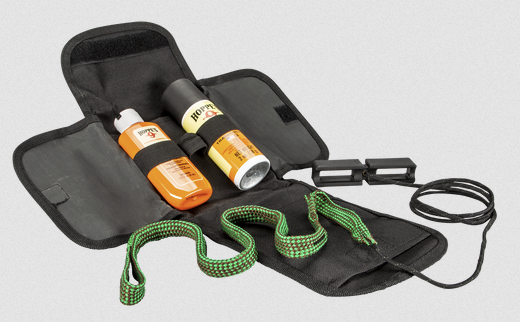
This piece is about one thing: field-expedient bore cleaning with soft pull-through tools. Not rod kits, not bench cleaning setups, not ultrasonic baths. Bore snakes and their pull-through cable-based cousins. What they actually remove, what they leave behind, how fast they work, and where each design falls apart. The goal is to figure out which tool earns space in your bag and which one stays in the junk drawer.
Key findings
Here's the short version before the details:
- A single pass of a properly solvent-soaked bore snake removes roughly 80-85% of loose fouling. That's enough for a field cleaning, not enough for a deep clean.
- Cable-based pull-through kits with swappable bronze brushes outperform bore snakes at carbon ring removal, but they take 3-4x longer to run.
- Bore snakes drag contamination back through the bore on every pass. Running them breech-to-muzzle matters, and most pistol shooters can't do it without disassembly.
- The Otis Ripcord sits in a middle ground between snake and full cable kit, and it's the most packable option tested.
- Bore snakes wear out faster than most people realize. After 50-75 uses without washing, the embedded brass is clogged with carbon and the floss section is matted. Cleaning effectiveness drops noticeably.
- No pull-through tool replaces a proper cleaning rod for copper fouling removal. None. That's a bench job.
- For a field cleaning between strings or after a match, a bore snake is the right call. For an end-of-day cleaning where you won't get to a rod for 24+ hours, a cable kit with a bronze brush earns its extra setup time.
Test setup and methodology
The comparison here draws on documented cleaning results across multiple platforms and calibers, not a single afternoon at the range. The setups that matter most:

Hoppe's No. 9 Deals
Prices may change. May contain affiliate links.
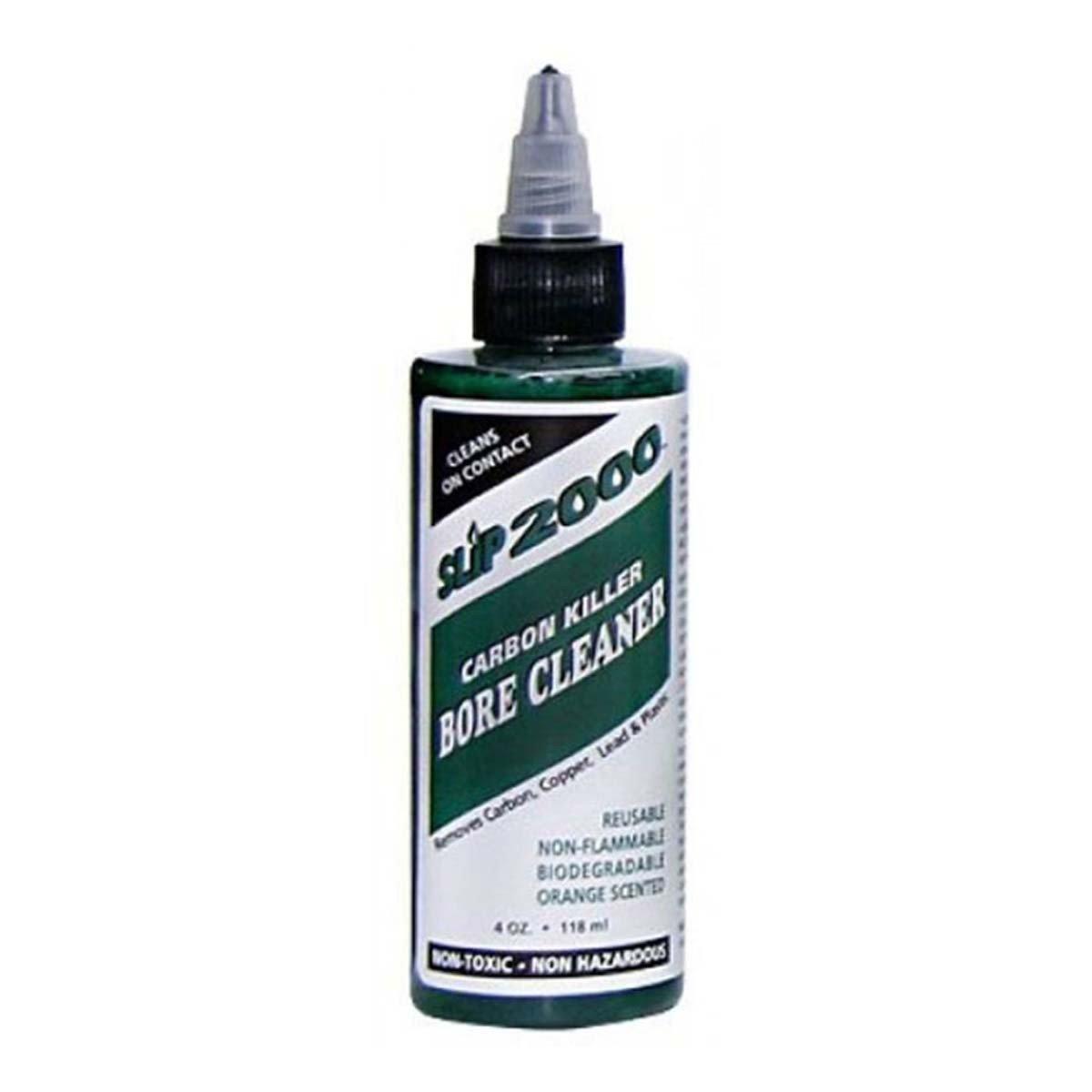
Slip 2000 Carbon Killer Deals
Prices may change. May contain affiliate links.
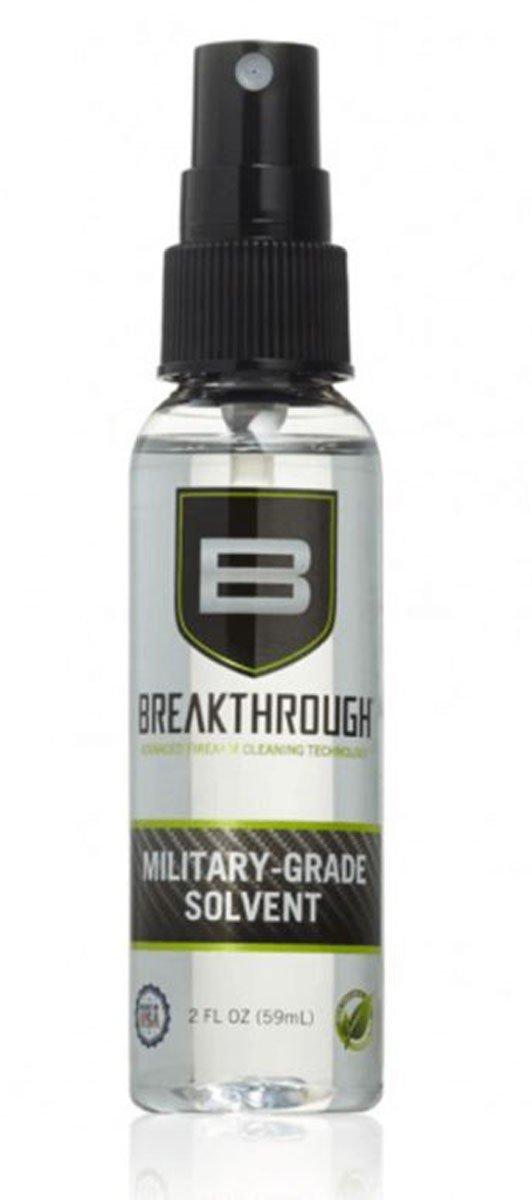
Breakthrough Military-Grade Deals
Prices may change. May contain affiliate links.
Firearms used include 5.56 NATO ARs with 16-inch chrome-lined and non-chrome-lined barrels, .308 bolt guns with 20 and 24-inch barrels, 9mm striker-fired pistols, and .22 LR semi-autos. These cover the four most common bore-cleaning scenarios: gas gun carbon, bolt gun copper, pistol lead/carbon, and rimfire wax/lead buildup.
Cleaning tools tested fall into three categories. First, traditional bore snakes (the Hoppe's BoreSnake being the benchmark). Second, cable pull-through kits with interchangeable brushes and jags (Otis Technology's cable kits being the most common). Third, hybrid pull-through designs like the Otis Ripcord and Real Avid Bore Boss that split the difference.
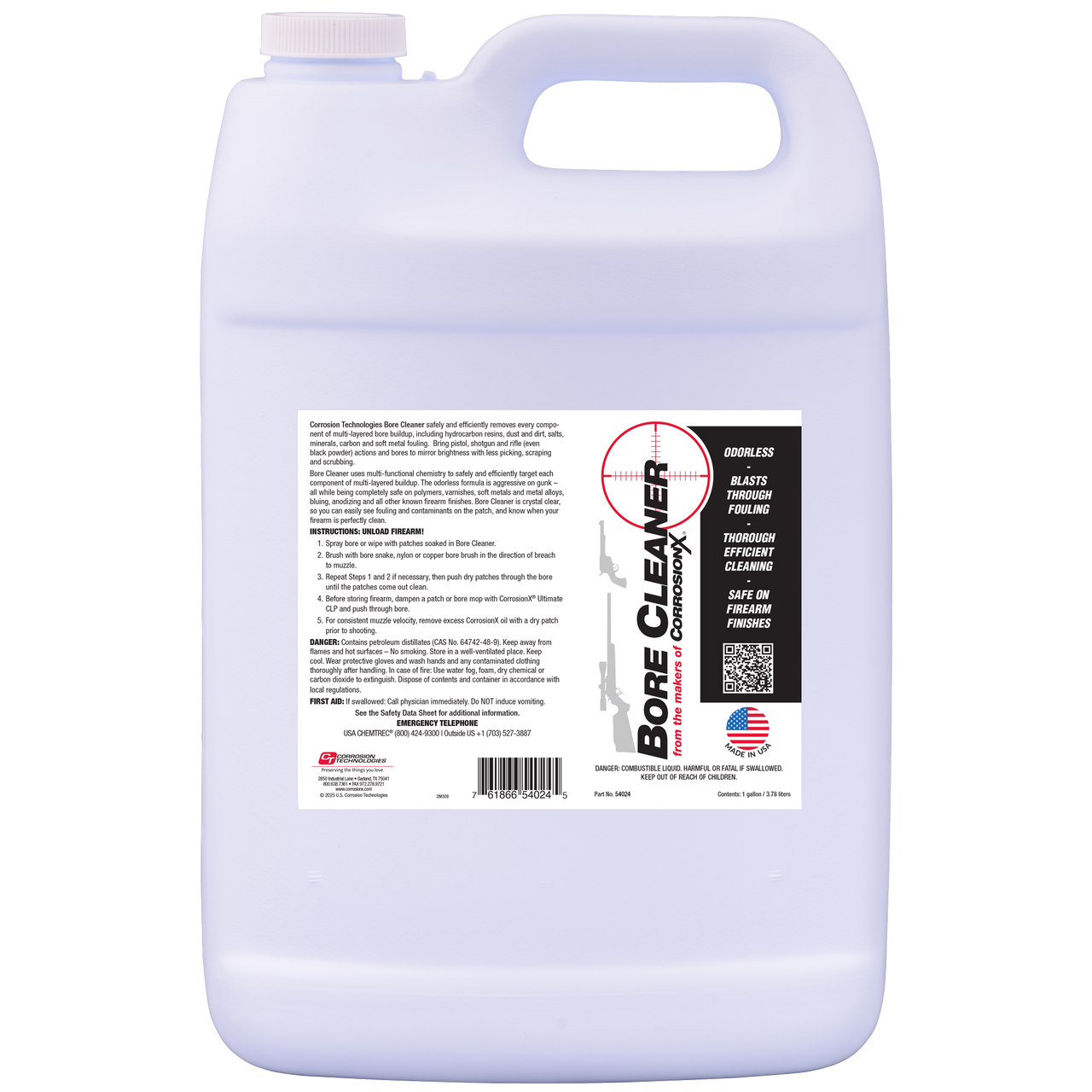
Solvents used were Hoppe's No. 9, Slip 2000 Carbon Killer, and Breakthrough Military-Grade. Each tool was tested with the same solvent to isolate the mechanical cleaning difference from the chemical one.
Effectiveness was gauged by white patch follow-up. After a set number of passes with each tool, a clean white patch on a jag was pushed through the bore. The amount of residue on the patch tells you what the pull-through tool left behind. It's not a lab spectrometer, but it's the same method armorers have used for decades and it's repeatable.
Limitations to know up front
Pull-through tools can't be evaluated with a borescope as easily as rod-based cleaning because you can't stop mid-bore and inspect. The white patch method has a bias toward surface fouling and doesn't tell you much about embedded copper. Sample sizes on wear testing are limited to documented long-term use reports rather than controlled accelerated wear studies. Temperature and humidity varied across tests, which affects solvent evaporation rate. None of these limitations change the core findings, but they mean the numbers below are practical approximations, not laboratory measurements.
How bore snakes actually work
A bore snake is deceptively simple: a length of woven cord with an embedded bronze brush section near the middle and a wider floss section at the tail. You drop a brass weight through the chamber, pull the whole thing through muzzle-first, and the bore gets scrubbed and wiped in one motion.
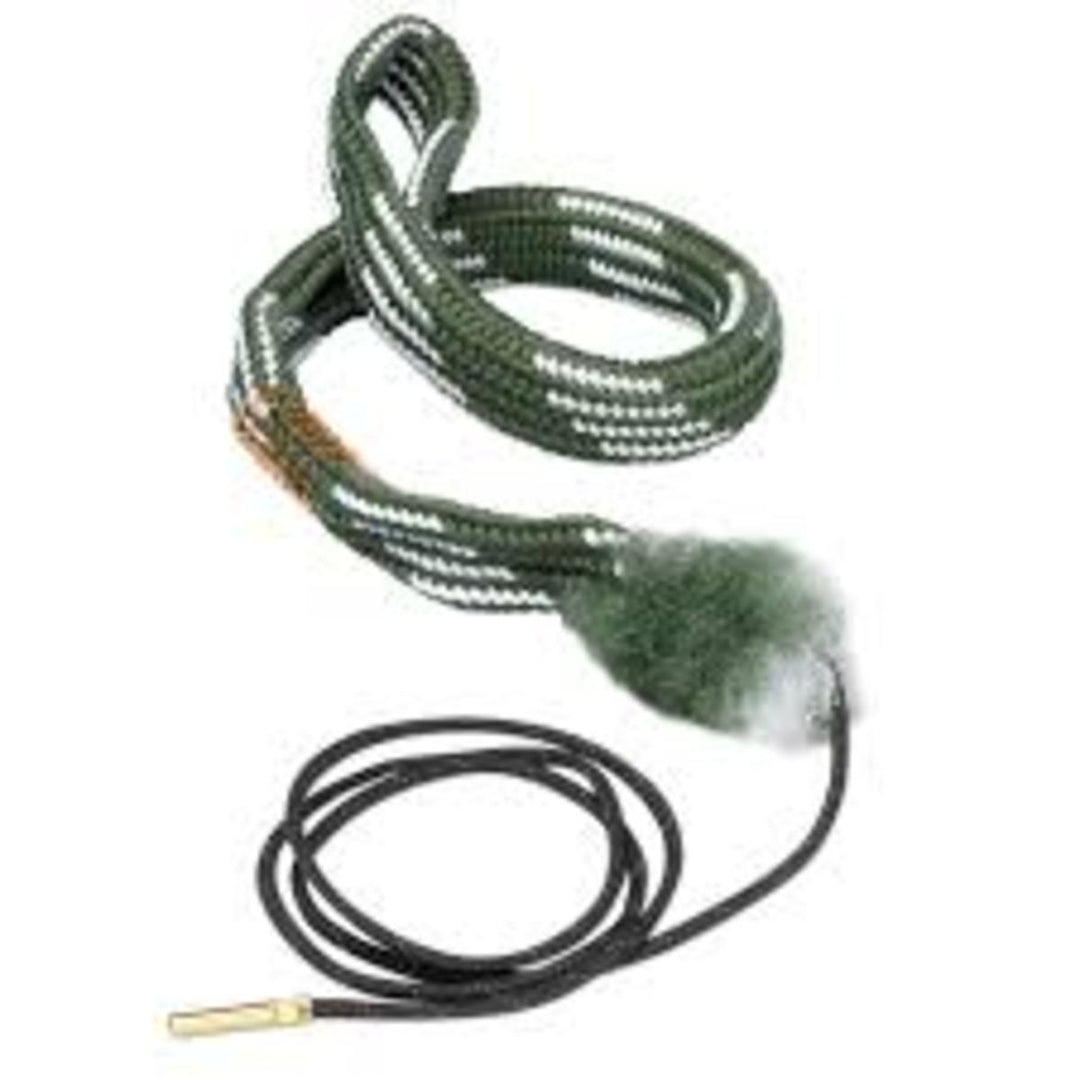
The bronze section does the actual loosening. Those tiny embedded wires act like a flexible bore brush, breaking up surface carbon. The floss section that follows is a fabric mop that absorbs loosened fouling and excess solvent. One pass contacts the bore surface area roughly 150 times according to Hoppe's own marketing, and that number is plausible given the braid density of a standard BoreSnake.
Here's what changes between a bore snake and a traditional brush-and-patch setup: contact pressure. A bore snake exerts very little radial pressure on the bore walls compared to a properly fitted bronze brush on a rod. The snake flexes and conforms rather than pressing outward with spring force. That's why it's gentle on crowns and rifling, but it's also why it can't dislodge stubborn carbon rings or embedded copper.
A bore snake soaked in solvent and pulled through three times will leave a bore that looks clean to the naked eye. Run a white patch after those three passes and you'll still pick up gray-brown residue, sometimes significant amounts. That's the gap between "field clean" and "actually clean."
What you'll notice
The first time you switch from a bore snake to a cable kit with a real bronze brush for the same barrel, the difference on the follow-up patch is startling. The brush physically dislodges material the snake slides over. It's not that the bore snake is bad. It's that it's doing a different job. Think of it as sweeping versus scrubbing. The snake sweeps. The brush scrubs.
How cable pull-through kits work
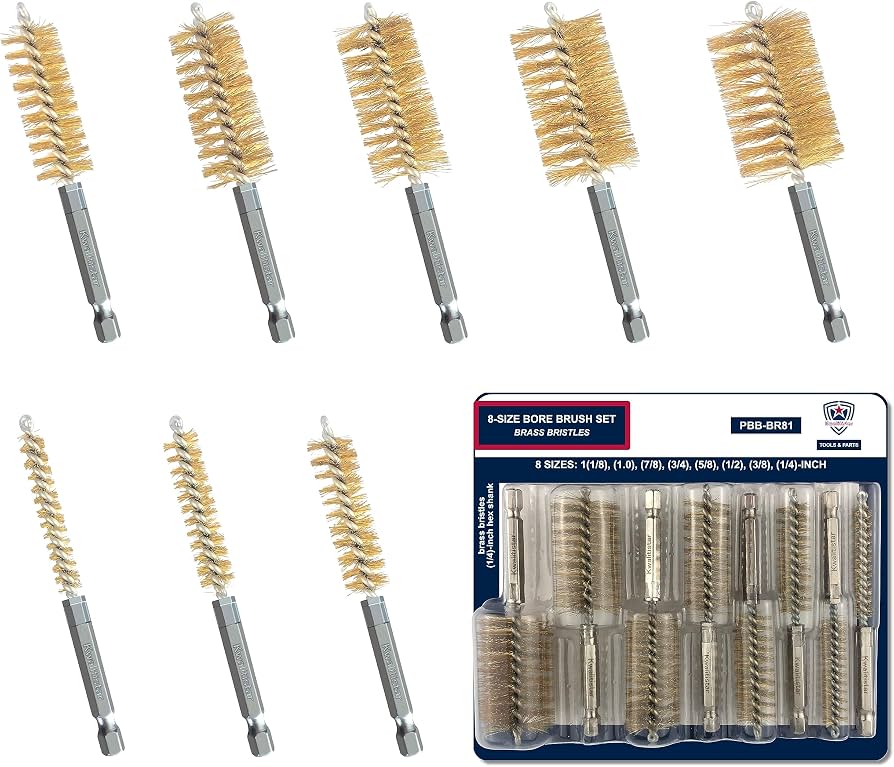
Cable pull-through kits use a flexible steel or polymer-coated cable with threaded ends that accept standard cleaning accessories: bronze brushes, jags, slotted tips for patches, and sometimes specialty tools. You feed the cable from the breech, attach a brush or jag, pull it through, detach, reattach, and repeat.
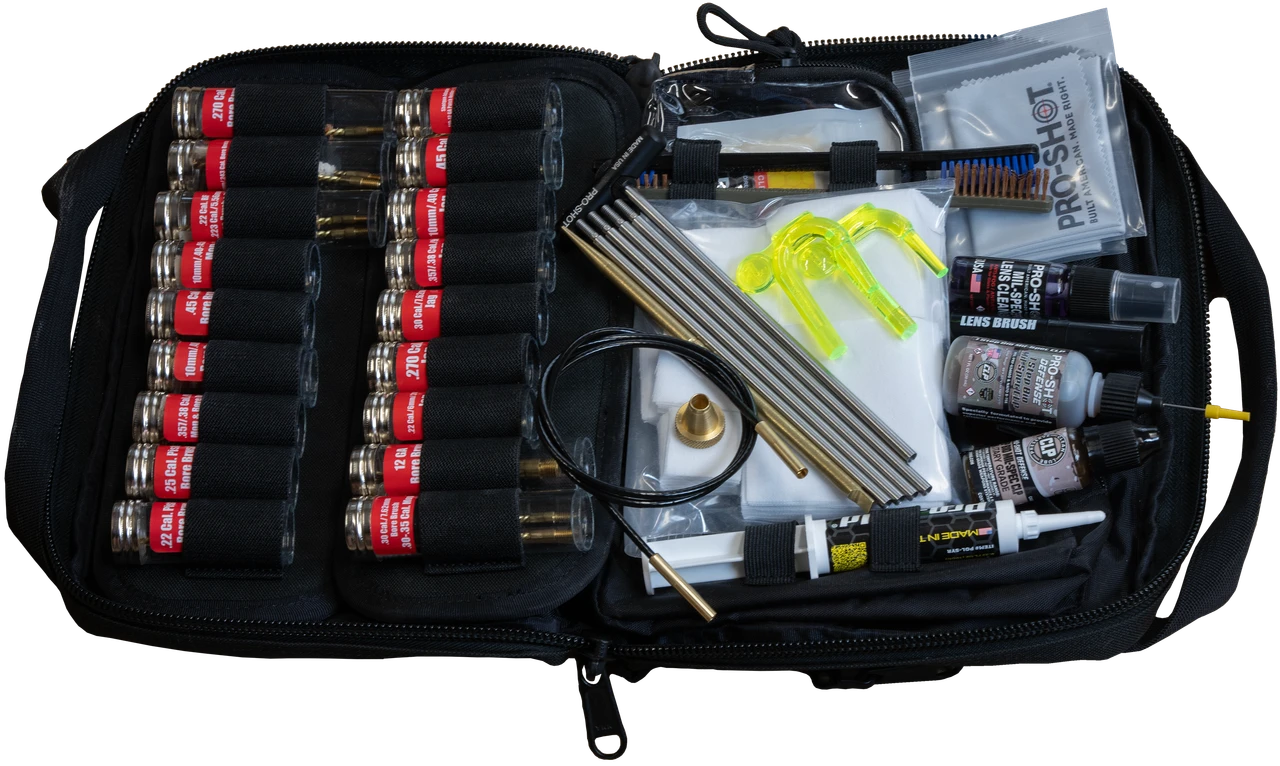
The Otis system is the most recognized version. Their Memory-Flex cables are coated to prevent bore contact from the cable itself, and the system is designed around breech-to-muzzle cleaning, which is the correct direction for any bore cleaning because it pushes fouling out the muzzle rather than back into the chamber and action.
The mechanical advantage here is real. A properly sized bronze brush on a cable exerts meaningful radial pressure against the bore walls. Each pass of the brush breaks up carbon and copper fouling more aggressively than the embedded bronze in a bore snake. Follow that with a solvent-soaked patch on a jag, and you're replicating the basic rod-cleaning sequence without needing a rigid rod or a bench.
The tradeoff is time. A bore snake takes about 15 seconds per pass. A cable kit with brush-then-patch cycles takes 2-3 minutes per cycle, and you'll want 3-5 cycles for a meaningful field clean. That's 6-15 minutes versus under a minute. On a cold range between stages at a match, that time difference is the whole ballgame.
Results by cleaning method
Loose carbon removal
Three passes with a solvent-soaked bore snake through a 5.56 chrome-lined barrel after 200 rounds of M193: follow-up patch shows light gray residue. Roughly 80-85% of loose carbon removed. The bore looks clean visually.
Birchwood Casey Bore Scrubber 2-in-1 Deals
Prices may change. May contain affiliate links.
Three cycles of bronze brush then patch with an Otis cable kit, same barrel, same round count: follow-up patch shows minimal residue, maybe a faint shadow. Roughly 95% of loose carbon removed.
The bore snake gets you to "good enough for overnight." The cable kit gets you to "almost bench-clean."
Carbon ring in the chamber throat
This is where bore snakes fail hard. The carbon ring that builds up at the throat of a 5.56 or .308 chamber is baked-on carbon that requires aggressive mechanical action to remove. A bore snake's floss section passes over it without meaningful contact because the floss compresses rather than scrubs. The embedded bronze section is too short and too flexible to dwell on the throat area.
A cable kit with a chamber brush or an oversized bronze bore brush can work this area specifically. You can short-stroke the brush back and forth across the throat, something physically impossible with a bore snake.
Copper fouling
Neither tool removes meaningful copper fouling. Period. Copper jacket material bonds to the bore surface at a molecular level and requires either aggressive chemical solvents with extended dwell time, abrasive paste, or sustained mechanical action with a tight-fitting brush on a rigid rod. Pull-through tools of any kind lack the sustained pressure and repeated pass capability needed. If you're shooting match ammo through a non-chrome-lined barrel and accuracy matters, you need a rod. No pull-through tool substitutes for that.
Lead and wax buildup in rimfire barrels
Here's where bore snakes actually shine relative to cable kits. Rimfire fouling is primarily wax lubricant and soft lead, both of which respond well to solvent and light mechanical action. A bore snake soaked in Hoppe's No. 9 pulled through a .22 LR barrel five times removes the majority of lead and wax fouling. The floss section is particularly effective here because it absorbs the waxy residue that patches tend to smear.
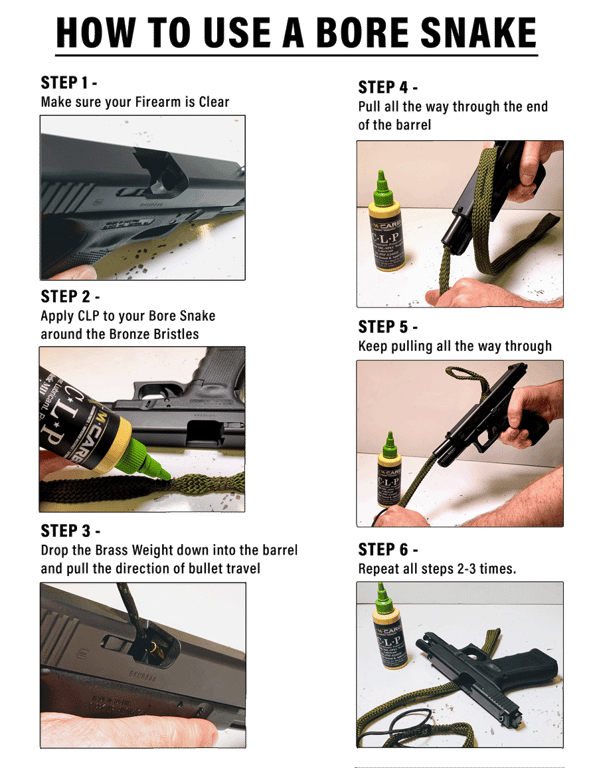
Cable kits work too, but the extra setup time isn't justified by meaningfully better results in rimfire bores. The bore snake wins the efficiency argument for .22 LR maintenance.
Flash and sound (not applicable)
These are cleaning tools, not muzzle devices. Including this header only to note that some shooters report a faint solvent odor when firing the first round after a bore snake cleaning if excess solvent wasn't cleared. Run a dry pass after your wet passes. Simple fix.
Product comparison
Five products worth comparing directly, each representing a different approach to the pull-through concept:
Hoppe's BoreSnake (original)
The standard. Available in virtually every caliber, from .17 HMR to 12 gauge. The embedded bronze brush section is about 3 inches long, and the floss tail is dense enough to absorb a reasonable amount of solvent. It comes in a small plastic "den" case that keeps it contained in a range bag. The weak point is durability. The bronze section loses effectiveness after 50-75 uses as carbon packs into the weave. Machine washing helps, but the bronze never fully recovers. It's a consumable, not a lifetime tool.

Hoppe's BoreSnake Deals
Prices may change. May contain affiliate links.
Hoppe's BoreSnake Viper
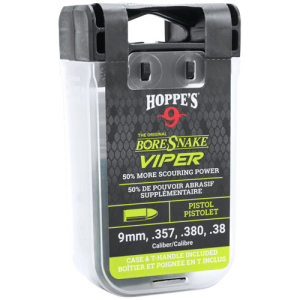
The upgraded version with a 50% longer brush section compared to the original. That extra brush length translates to more mechanical scrubbing per pass, and the difference shows up on follow-up patches. The Viper removes noticeably more carbon in a single pass than the original. The cord is also slightly stiffer, which helps with feeding through the bore. If you're buying a bore snake today, the Viper is the one to get over the original. The price difference is minimal and the performance gap is real.
Hoppe's BoreSnake Viper Deals
Prices may change. May contain affiliate links.
Otis Technology Ripcord
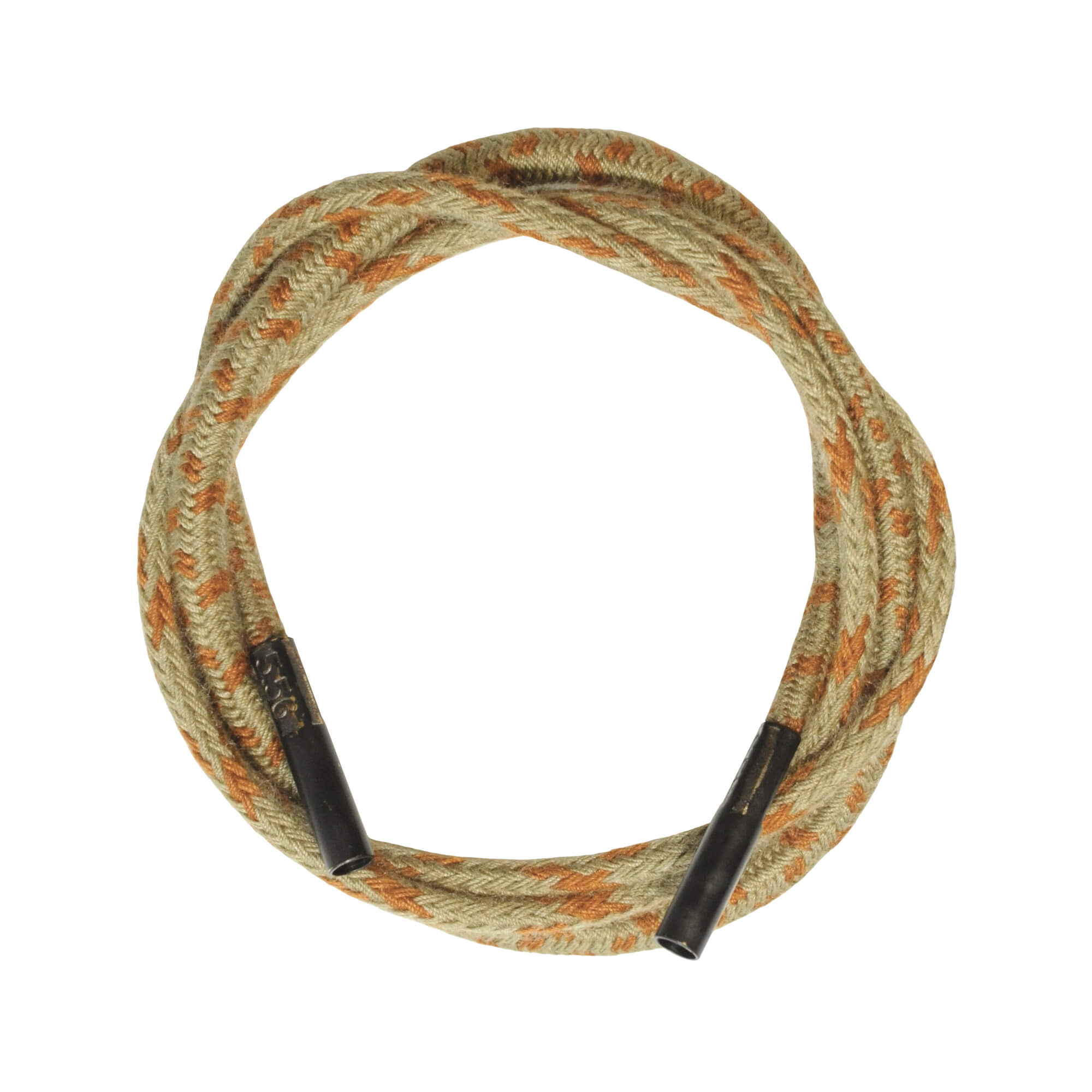
A hybrid design that's closer to a bore snake in speed but uses a different mechanical approach. The Ripcord is a Nomex-wrapped cord with an integrated rubber "squeegee" section instead of embedded bronze. It doesn't scrub like a brush. Instead, it wipes with higher contact pressure than a bore snake's floss section. Carbon removal falls between a standard bore snake and a cable kit with a bronze brush. The real advantage is packability. A Ripcord coils down to almost nothing and weighs next to nothing. For a go-bag or a hunting pack where every ounce matters, this is the pull-through tool that makes the most sense.
Otis Technology Ripcord Deals
Prices may change. May contain affiliate links.
Otis Technology cable cleaning kits
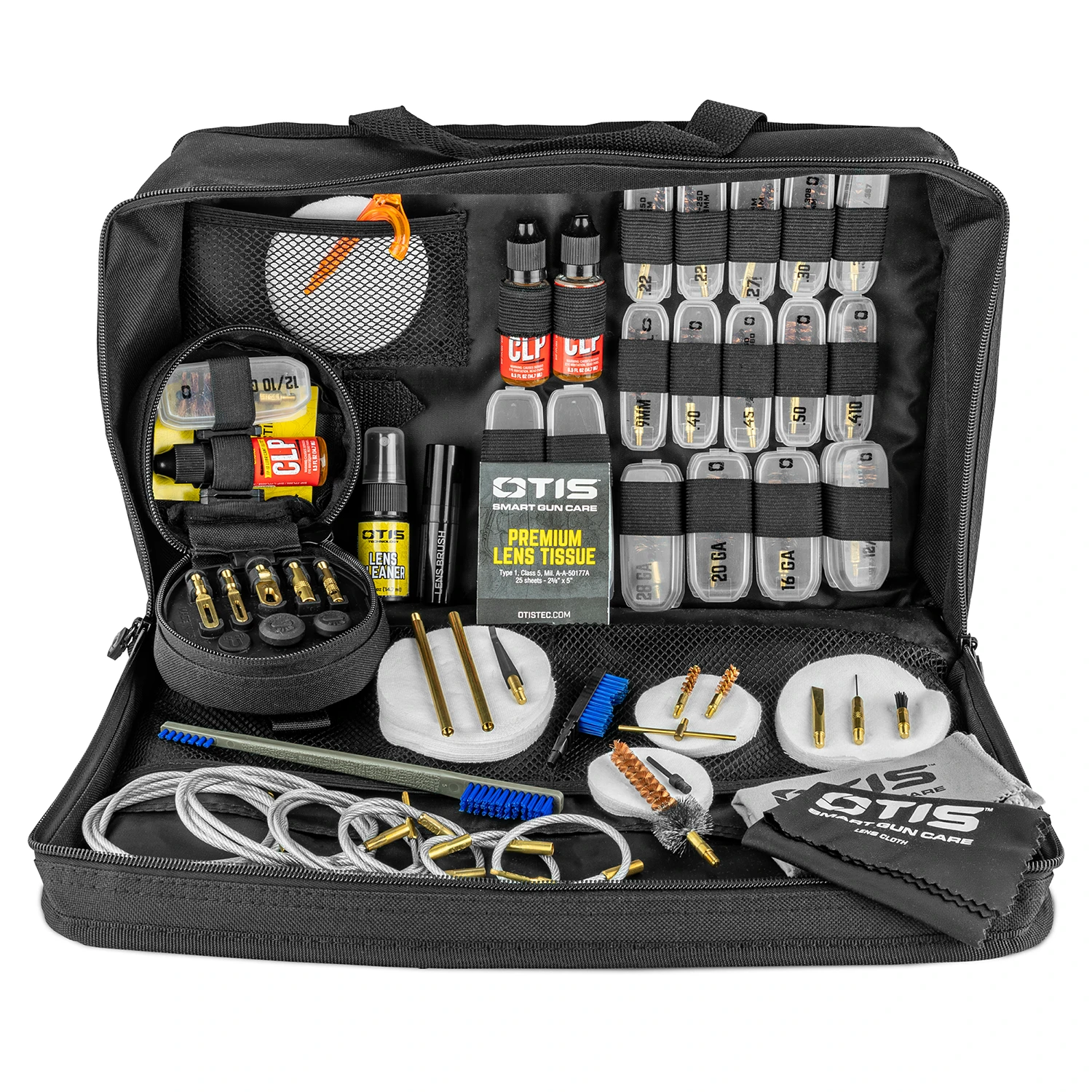
The full system. Memory-Flex cables, bronze brushes, jags, slotted tips, obstruction removers, and a soft case. Available in caliber-specific and universal configurations. The universal kits include enough adapters and brushes to clean anything from .17 caliber to 12 gauge. The cable quality is genuinely good. The Breech-to-Muzzle design philosophy is sound, and the threaded accessories are compatible across the Otis ecosystem. The downside is complexity. Setting up for a cleaning cycle means selecting the right brush, threading it on, pulling through, unthreading, switching to a jag, threading a patch, pulling through, and repeating. It's fiddly work with cold fingers or in low light. But the results are the best you'll get without a rigid rod.
Real Avid Bore Boss
Another hybrid, similar in concept to the Ripcord but with a slightly different execution. The Bore Boss uses a braided cable with a built-in brass brush section and a mop section, essentially a bore snake on a thinner, stiffer cable. The cable feeds more easily than a traditional bore snake cord, especially through pistol-length barrels. The brush section is shorter than the Hoppe's Viper but the mop is more absorbent per unit length. It's a solid middle-ground product that doesn't excel at any single metric but doesn't have obvious weaknesses either. The storage handle is a nice touch for keeping the whole thing contained.

Real Avid Bore Boss Deals
Prices may change. May contain affiliate links.
Analysis: what the numbers actually mean
The data points toward a clear framework. Bore snakes are speed tools. Cable kits are thoroughness tools. Hybrids like the Ripcord and Bore Boss split the difference but don't fully replace either end of the spectrum.
For the typical range session where you're shooting 100-300 rounds of centerfire and heading home to clean properly that evening, a bore snake is all you need in the field. Three wet passes, one dry pass, done. The bore is protected from overnight carbon hardening, and you'll finish the job with a rod at home.
For hunting trips, multi-day classes, or any situation where you won't see a cleaning rod for 48+ hours, a cable kit earns its extra weight and setup time. The bronze brush's ability to address the carbon ring and provide near-bench-level carbon removal means your bore stays in better shape over extended use without a proper cleaning station.
For rimfire guns, the bore snake wins outright. The fouling type responds well to the snake's mechanical action, and the time savings compound over a season of shooting.
Here's a factor nobody talks about enough: contamination drag. Every time you pull a bore snake through a dirty bore, the floss section picks up fouling. On the next pass, some of that fouling gets redeposited further down the bore. After several passes without rinsing the snake, you're essentially redistributing carbon rather than removing it. Cable kits with disposable patches don't have this problem because each patch is fresh. If you're going to run a bore snake more than three times in a session, rinse or swap the snake between sets of passes. Most people don't, and their bores show it.
Common mistakes and troubleshooting
Pulling a bore snake muzzle-to-breech through a rifle is the most common error. It drags fouling into the chamber, action, and lug recesses. Always feed the weighted end through the chamber and pull toward the muzzle. On pistols where breech access requires disassembly, field-strip first. Running a snake through an assembled pistol barrel from the muzzle is acceptable only if you have no other option, and you should be aware it's a compromise.
Using a bone-dry bore snake is the second most common mistake. The bronze section needs solvent to be effective. Without it, you're just polishing carbon into the bore surface rather than loosening it for the floss to absorb. Apply solvent to the first 8-10 inches of the snake ahead of the brush section. Let it sit in the bore for 30 seconds if you can. That dwell time makes a measurable difference.
Not washing your bore snake will shorten its useful life dramatically. Carbon-packed floss doesn't absorb anything. Machine wash with a mild detergent, air dry, and the snake comes back to near-new effectiveness. Do this every 10-15 uses. Some shooters put the snake in a mesh laundry bag to keep it from tangling. Smart move.
Oversizing the brush on a cable kit causes more problems than undersizing. A brush that's too tight for the bore requires excessive pull force, which can stretch or damage the cable, and it doesn't clean better. The brush should feel snug, not like you're pulling a cork. If you're white-knuckling the cable, drop down one brush size.
Storing a wet bore snake in a sealed container grows mold and bacteria that smell exactly as bad as you'd expect. Either dry the snake before storage or leave the container cracked open. The Hoppe's den case has ventilation holes for this reason, but they're small and don't work well in humid environments.
Limitations and caveats
Everything discussed here applies to field cleaning, meaning quick maintenance away from a bench setup. No pull-through tool of any kind replaces a proper one-piece cleaning rod for serious bore maintenance. Precision rifle shooters who track group sizes and barrel life should treat pull-through tools as supplements, not substitutes.
The white patch test is subjective. "Light gray" versus "medium gray" is a judgment call, not a measurement. The relative comparisons between tools are more reliable than the absolute percentages.
Chrome-lined bores are more forgiving of imperfect cleaning than non-chrome-lined match barrels. A bore snake might be perfectly adequate for the life of a chrome-lined 5.56 barrel that's never going to shoot sub-MOA anyway. The same casual approach in a match-grade .308 barrel will cost you accuracy over time.
Solvent choice affects results as much as tool choice. A bore snake with Slip 2000 Carbon Killer will outperform a cable kit with no solvent. The tool is only half the equation. This comparison assumed equal solvent application across all tools, which is the only fair way to isolate the mechanical differences.
Bore diameter matters for snake effectiveness. Bore snakes are sized by caliber, but manufacturing tolerances mean a .308 bore snake might fit a .300 Win Mag bore loosely or a tight match .308 bore snugly. Loose fit means less contact pressure and worse cleaning. If your bore snake pulls through with almost no resistance, it's not doing much.
Practical recommendations
If you own one centerfire rifle and one pistol, buy a Hoppe's BoreSnake Viper for each caliber. Use them for post-session field cleaning, wash them regularly, and replace them annually if you shoot frequently. Pair them with a proper one-piece rod for monthly deep cleans. That covers 90% of shooters.
If you take multi-day rifle classes, hunt in backcountry for extended trips, or shoot precision rifle where bore condition directly affects performance, add an Otis cable kit to your bag. Use the bore snake for quick between-string maintenance and the cable kit for end-of-day cleaning when you're away from home.
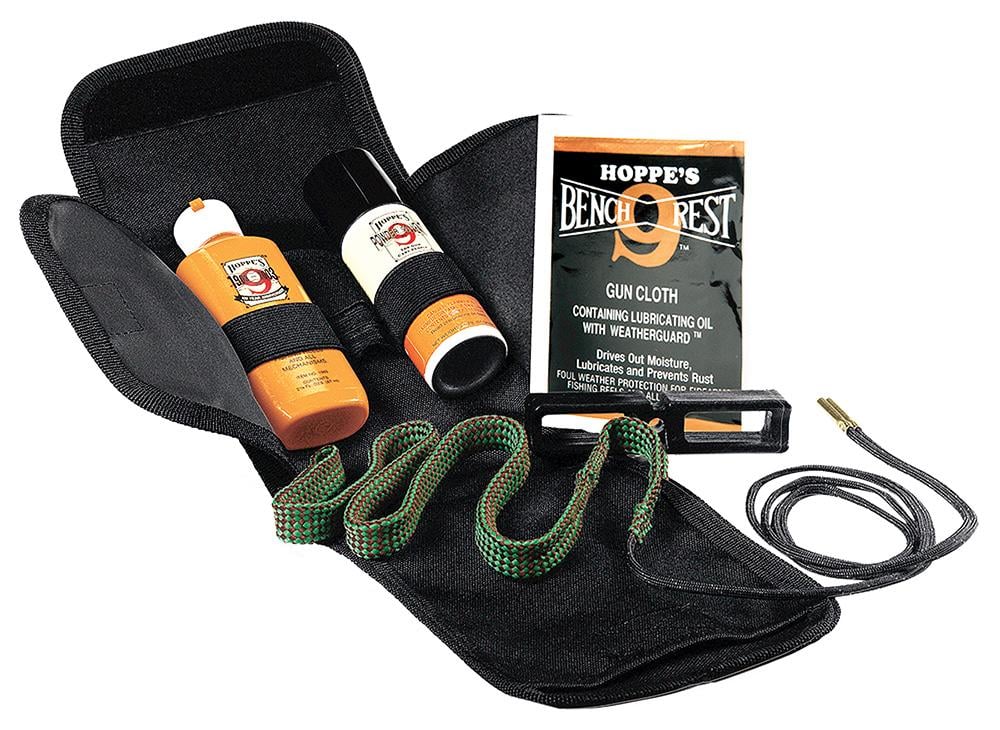
If packability is the primary constraint, the Otis Ripcord is the right choice. It won't match a full cable kit for thoroughness, but it weighs almost nothing and takes up less space than a granola bar.
For rimfire guns, a standard bore snake is the right tool, full stop. The fouling type and the typical accuracy standards of rimfire shooting don't justify the extra time of a cable kit.
Run this test yourself: after your next range session, clean with your preferred pull-through tool until you think the bore is clean. Then push three white patches through on a jag. Look at what comes out. That residue is what your pull-through tool left behind, and it's the gap you'll close with a rod at home. Knowing the size of that gap for your specific gun and ammo combination tells you exactly how much field cleaning you actually need.