You're past the $200 starter scope phase. You've probably dealt with foggy glass at dawn, turrets that won't repeat, or a reticle that disappears against a dark treeline. The $300 to $600 range is where hunting scopes start to actually perform, but it's also where the marketing noise gets loudest. Every brand claims "premium glass" and "rugged construction" at this price. Most of them are half right at best.
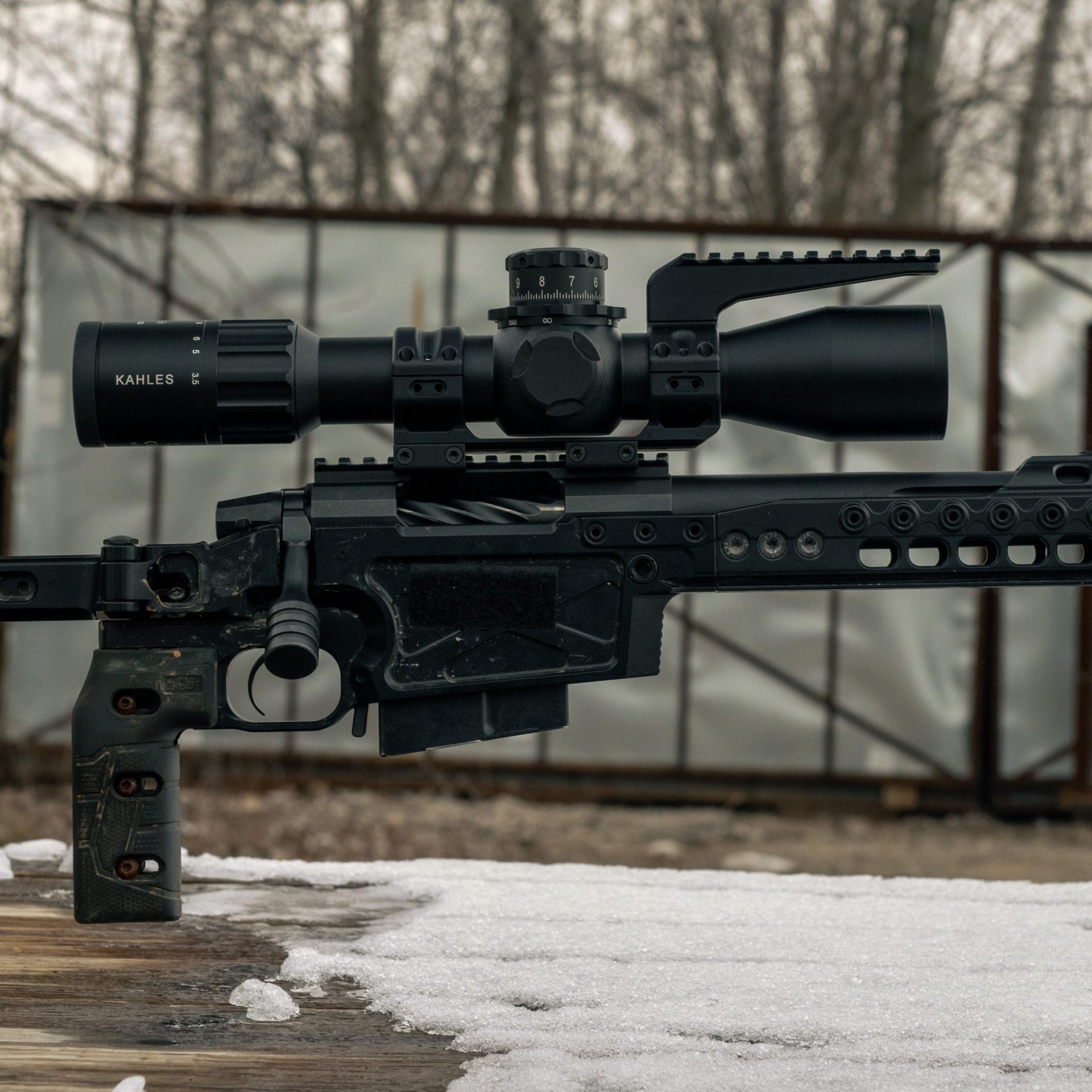
This guide cuts through that. We're looking at hunting scopes, specifically ones meant for bolt-action rifles in the field, not bench rest precision rigs or tactical LPVOs. The use case is real-world hunting: early morning low light, shots from 50 to 400 yards, carried through weather that doesn't care about your gear. If you're running a .308, .30-06, 6.5 Creedmoor, or similar cartridge on a bolt gun and you want glass that won't let you down on opening day, these are the scopes worth your money.
The experience level here assumes you know what MOA and MIL mean, you've zeroed a scope before, and you're not impressed by magnification numbers alone. Budget range is roughly $300 to $600 street price, though some of these can be found lower on sale.
Quick picks
- Leupold VX-3HD 3.5-10x40 Best overall hunting scope in this range
- Vortex Viper 3-9x40 Best for shooters who want simplicity and proven durability
- Sig Sauer BDX Combo (SIERRA3BDX 4.5-14x44) Best for technology-forward hunters who want rangefinder integration
- Athlon Argos BTR Gen II 6-24x50 Best for hunters who also shoot at distance
- Leupold VX-Freedom 3-9x50 FireDot Best budget pick in this range
- Vortex Diamondback Tactical 4-16x44 FFP Best value for a first focal plane hunting/crossover scope
At a glance
| Scope | Magnification | Objective lens | Focal plane | Weight | Warranty |
|---|---|---|---|---|---|
| Leupold VX-3HD 3.5-10x40 | 3.5-10x | 40mm | Second (SFP) | 12.6 oz | Leupold Full Lifetime |
| Vortex Viper 3-9x40 | 3-9x | 40mm | Second (SFP) | 12.2 oz | Vortex VIP Unlimited Lifetime |
| Sig Sauer SIERRA3BDX 4.5-14x44 | 4.5-14x | 44mm | Second (SFP) | 21.5 oz | Sig Sauer Infinite Guarantee |
| Athlon Argos BTR Gen II 6-24x50 | 6-24x | 50mm | First (FFP) | 28.2 oz | Athlon Lifetime |
| Leupold VX-Freedom 3-9x50 FireDot | 3-9x | 50mm | Second (SFP) | 14.6 oz | Leupold Full Lifetime |
| Vortex Diamondback Tactical 4-16x44 FFP | 4-16x | 44mm | First (FFP) | 22.0 oz | Vortex VIP Unlimited Lifetime |
How we chose
The hunting scope market below $600 is crowded. Dozens of models technically fit the criteria, so here's what separated the picks from the noise.
Glass quality in low light was the first filter. A hunting scope that turns muddy at dawn or dusk is a dealbreaker, full stop. The last 20 minutes of legal shooting light is when most big game shows up, and cheap glass robs you of exactly those minutes. We weighted scopes that maintain usable contrast and brightness when the light drops, not just when conditions are perfect.
Turret tracking and repeatability mattered, but context matters too. A hunting scope doesn't need the same turret precision as a competition rig. It needs to hold zero after being bounced around in a truck, a scabbard, or a pack for days. Scopes that reliably return to zero after dialing up and back down earned points. Scopes known for walking zero after moderate impacts got cut.
Weight and profile count more than people admit. A scope that adds a full pound to your rifle changes how it carries over miles of terrain. We didn't exclude heavier optics, but we noted weight as a real-world factor, not just a spec sheet number.
Warranty and manufacturer support played a significant role. At this price, you're buying into a company's service infrastructure as much as the glass itself. Leupold and Vortex have earned reputations here for no-questions-asked replacements. That matters when you're four states from home and your scope takes a hit.
Finally, track record. Forum threads, long-term user reports, and repeat purchases tell you more than any single review. Scopes that hunters buy twice, or recommend to their kids, made the list. Scopes that generate a lot of warranty claims or "it worked great for six months" stories didn't.
The picks
Leupold VX-3HD 3.5-10x40
Best for: the hunter who wants the best all-around glass, light weight, and proven reliability in this price range.
Leupold VX-3HD 3.5-10x40 Deals
Prices may change. May contain affiliate links.
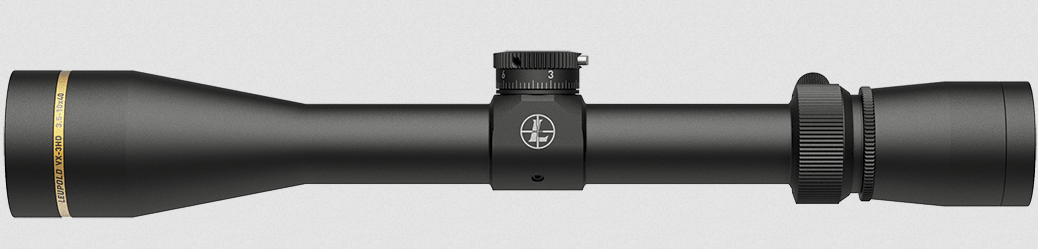
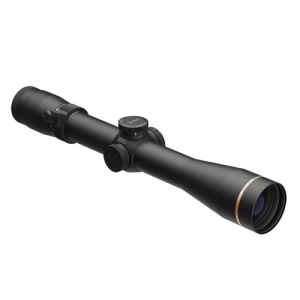
The VX-3HD is Leupold doing what Leupold does best: building a lightweight, optically clean hunting scope that doesn't try to be anything it's not. At 12.6 ounces, this is one of the lightest scopes on the list, and that weight savings is immediately noticeable when you shoulder a mountain rifle. The 3.5-10x magnification range covers the vast majority of hunting scenarios. You've got enough low end for close timber shots and enough top end for a 350-yard pronghorn.
The glass itself is where the VX-3HD earns its spot at the top. Leupold's Twilight Max Light Management System isn't just a marketing name. In low-light conditions, the difference between this scope and cheaper alternatives is visible and measurable. Edge-to-edge clarity stays sharp, and color fringing is minimal even at higher magnification. The eye box is forgiving enough that you can get on target quickly from field positions, which is what actually matters when a buck appears at 200 yards and you've got three seconds.
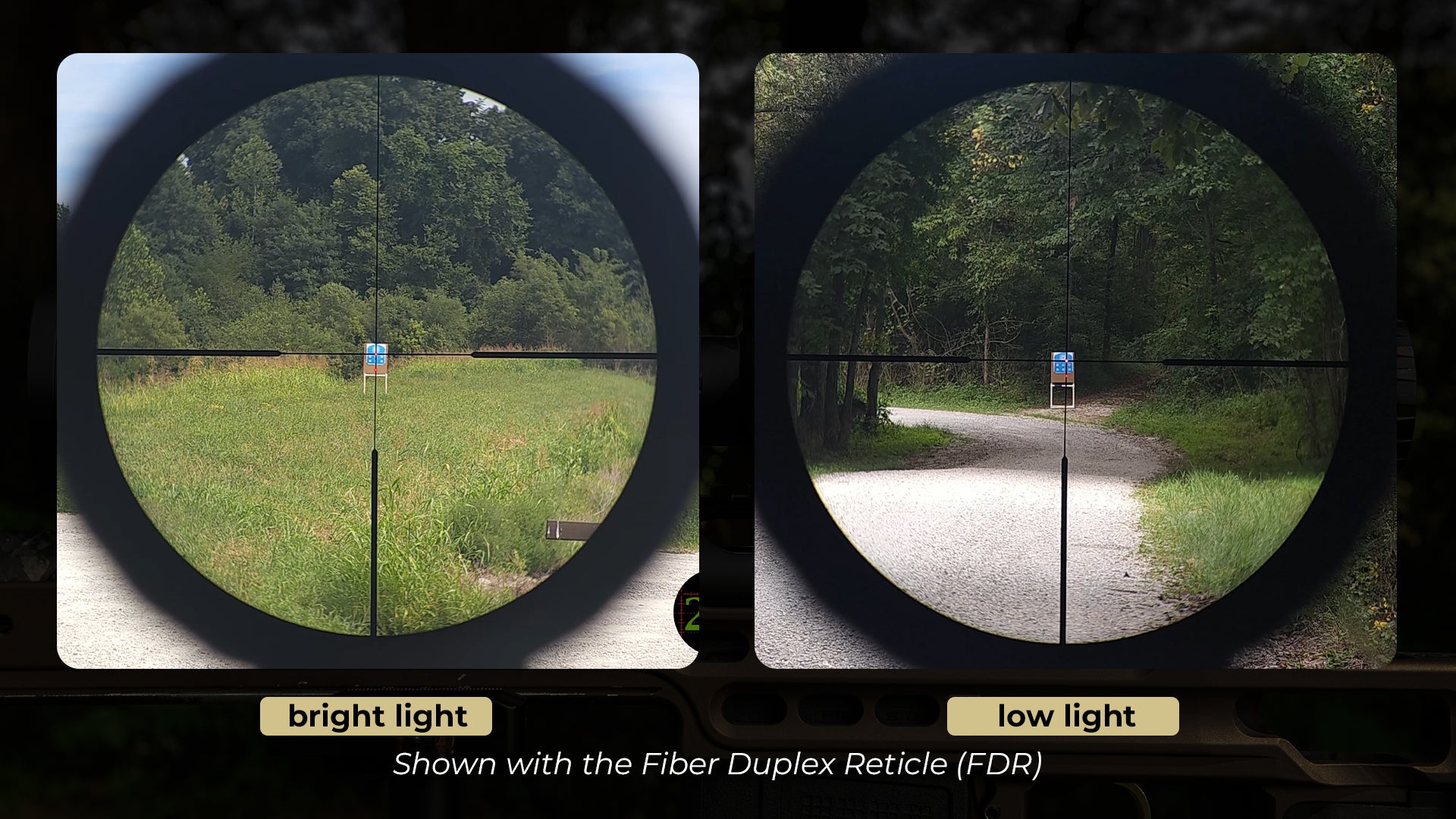
The CDS-ZL (Custom Dial System, Zero Lock) turret option is worth mentioning. It lets you dial custom turrets matched to your specific load and zero distance, then lock it down so it doesn't drift in the field. For a hunter who zeroes at 200 and wants to dial for 400 without holdover math, it's a practical feature. The Duplex reticle is simple by design. No Christmas tree, no hash marks for wind holds. That's the point. This is a hunting scope, not a precision rig.
Pros
- Exceptional low-light performance relative to price
- 12.6 ounces makes it one of the lightest options in this class
- CDS-ZL turrets are practical and field-proven
- Leupold's warranty program is among the best in the industry
- Made in the USA, which matters to some buyers
Cons
- The Duplex reticle is too simple for shooters who want wind hold references
- 10x maximum magnification won't satisfy anyone planning regular shots past 400 yards
- The 40mm objective lens limits light gathering compared to 44mm or 50mm options
Vortex Viper 3-9x40
Best for: the shooter who values simplicity, ruggedness, and a proven track record over feature lists.
Vortex Viper 3-9x40
May contain affiliate links.
The Viper line has been around long enough that it's become a quiet standard in mid-range hunting optics. The 3-9x40 configuration is as classic as it gets for a reason: it works. This scope doesn't try to impress you with magnification range or tactical features. It's a well-built tube with good glass and turrets that hold zero.
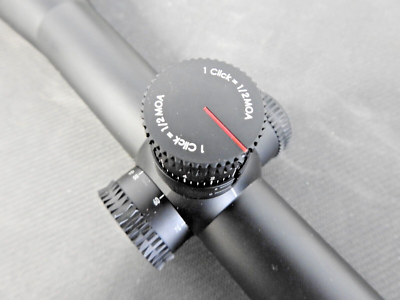
Optical quality sits solidly in the upper tier of this price bracket. The Viper's glass is noticeably cleaner than the Diamondback line below it, with better contrast and less chromatic aberration at the edges. Low-light performance is good, not quite at the VX-3HD level, but close enough that most hunters won't notice the difference in real conditions. The eye relief is generous and consistent across the magnification range, which means you're not hunting for the sweet spot when you shoulder the rifle.
Where the Viper really shines is durability. The single-piece tube, argon purging, and overall build quality have a reputation for surviving abuse. Forum threads are full of stories about Vipers that have been dropped, rained on, frozen, and generally mistreated for years without losing zero. And if something does go wrong, the Vortex VIP warranty is unconditional and transferable. They'll fix or replace it regardless of how it broke or who owns it now.
Pros
- Rock-solid reliability and zero retention under hard use
- Clean glass with good edge-to-edge sharpness
- Generous eye relief that's consistent across the magnification range
- Vortex VIP warranty is essentially a lifetime insurance policy
- Simple, no-nonsense design that doesn't add unnecessary weight
Cons
- 9x maximum magnification is limiting for longer-range shooting
- The reticle options are basic compared to some competitors
- Doesn't stand out in any single category; it's a generalist
Sig Sauer SIERRA3BDX 4.5-14x44
Best for: the technology-forward hunter who wants rangefinder-to-reticle integration and is willing to carry extra weight for it.
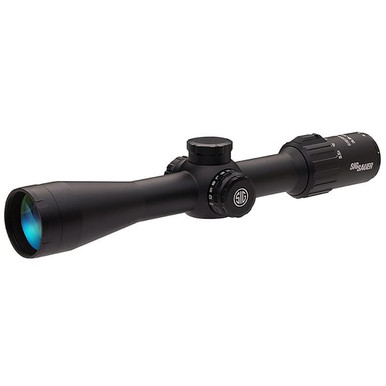
Sig Sauer SIERRA3BDX 4.5-14x44 Deals
Prices may change. May contain affiliate links.
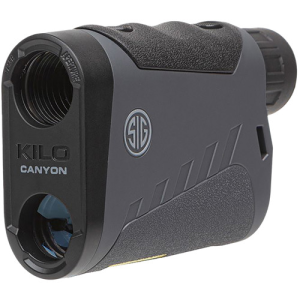
Sig KILO rangefinder Deals
Prices may change. May contain affiliate links.
The BDX system is Sig's play at making ballistic calculation seamless. Pair the SIERRA3BDX scope with a Sig KILO rangefinder, and the scope's reticle illuminates a holdover dot based on your ballistic profile, the range, temperature, and inclination angle. Range a target, look through the scope, and the dot tells you where to hold. It sounds gimmicky until you use it on a steep mountain shot at 380 yards where the angle compensation actually matters.
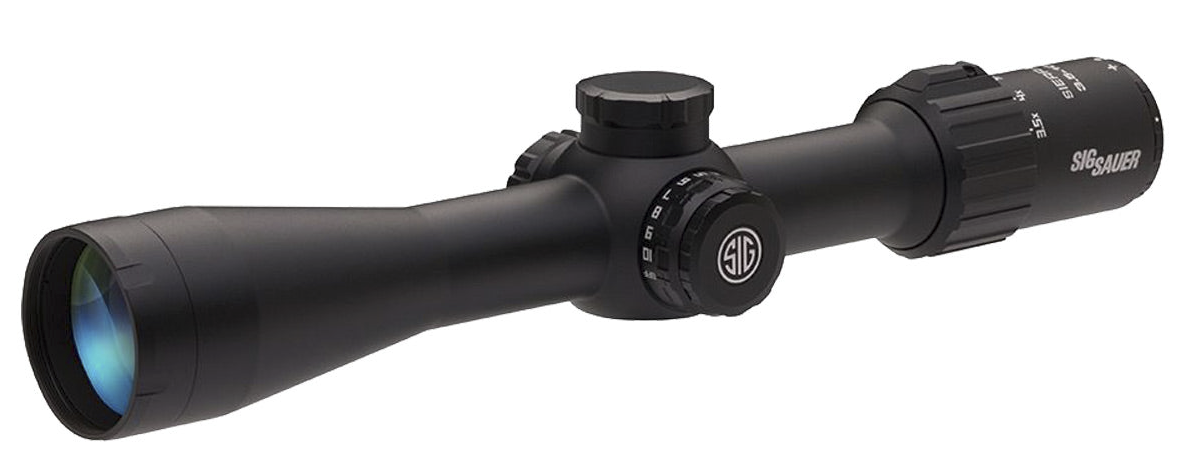
The optics themselves are solid mid-range glass. The 4.5-14x magnification range is versatile, covering everything from moderate brush hunting to longer open-country shots. The 44mm objective lens lets in enough light for reasonable low-light performance, though it doesn't match the Leupold VX-3HD in the last minutes of shooting light. Color fidelity and contrast are good. Not remarkable, not disappointing. The scope earns its place through the technology integration, not raw optical superiority.
The weight penalty is real. At 21.5 ounces, this scope is nearly a full pound heavier than the Leupold VX-3HD. On a mountain hunt where every ounce matters, that's a legitimate consideration. The BDX system also requires a battery, and while battery life is reasonable, it's one more thing that can fail in the field. The scope works fine as a standard scope with the BDX features turned off, but at that point you're carrying extra weight for features you're not using.
Pros
- BDX rangefinder integration is genuinely useful for angled and long-range shots
- 4.5-14x magnification range is versatile for most hunting scenarios
- Solid glass quality for the price
- Sig's Infinite Guarantee covers the optic for its lifetime
Cons
- 21.5 ounces is heavy for a hunting scope
- BDX system requires battery power and Bluetooth pairing, adding potential failure points
- Low-light performance doesn't match the best in this price range
- The technology integration means you're paying for electronics, not purely for glass quality
Athlon Argos BTR Gen II 6-24x50
Best for: the hunter who also shoots at distance and wants a first focal plane scope with exposed turrets at a budget-friendly price.
Athlon Argos BTR Gen II 6-24x50 Deals
Prices may change. May contain affiliate links.
Athlon has been the quiet disruptor in the mid-range optic space, and the Argos BTR Gen II is the scope that gets brought up most often in forum discussions about value. A first focal plane 6-24x50 with exposed, locking turrets and an illuminated reticle at this price point is hard to argue with on paper. The question is whether it delivers in the field.
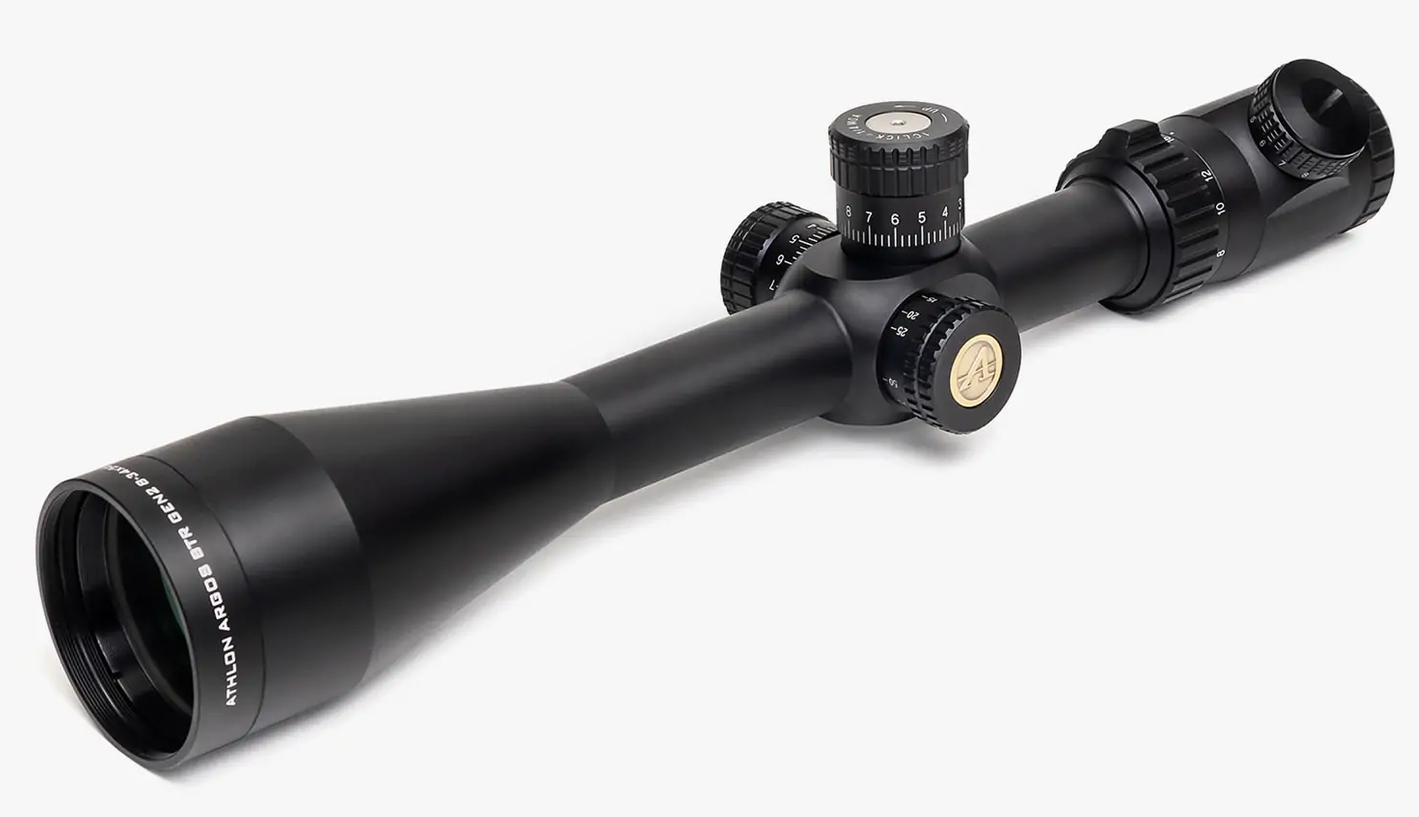
The FFP reticle (APMR MIL in this case) means your subtensions are accurate at any magnification, not just full power. For a hunter who also dials for steel at 600+ yards on weekends, this is a meaningful advantage. The turrets track well for the price, with most users reporting reliable return to zero and consistent click values. They're not Razor-level turrets, but they're honest. The glass is clear, with good sharpness through the center of the image and some softening toward the edges at higher magnification, which is expected at this price.
Here's the tradeoff: this scope weighs 28.2 ounces. That's nearly two pounds of glass sitting on top of your rifle. For a dedicated long-range setup that lives on a bipod, that's fine. For a rifle you're carrying up a mountain at 10,000 feet, it's a lot. The 6x minimum magnification is also higher than ideal for close-range hunting situations. If you're in thick timber and a deer appears at 40 yards, 6x can make target acquisition slower than it needs to be. This scope works best as a crossover between hunting and recreational long-range shooting, not as a pure hunting optic.
Pros
- First focal plane reticle is accurate at all magnification levels
- Exposed, locking turrets track reliably for the price
- 6-24x magnification covers extreme distance shooting
- Athlon's lifetime warranty has a solid reputation
- Arguably the best value FFP scope under $400
Cons
- 28.2 ounces is very heavy for field carry
- 6x minimum magnification is too high for close-range hunting
- Edge sharpness degrades at the highest magnification settings
- The 50mm objective requires higher rings, which raises the cheek weld
Leupold VX-Freedom 3-9x50 FireDot
Best for: the budget-conscious hunter who wants an illuminated reticle and a bigger objective lens without breaking $350.
Leupold VX-Freedom 3-9x50 FireDot Deals
Prices may change. May contain affiliate links.
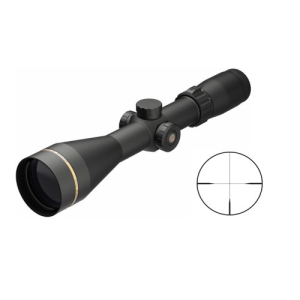
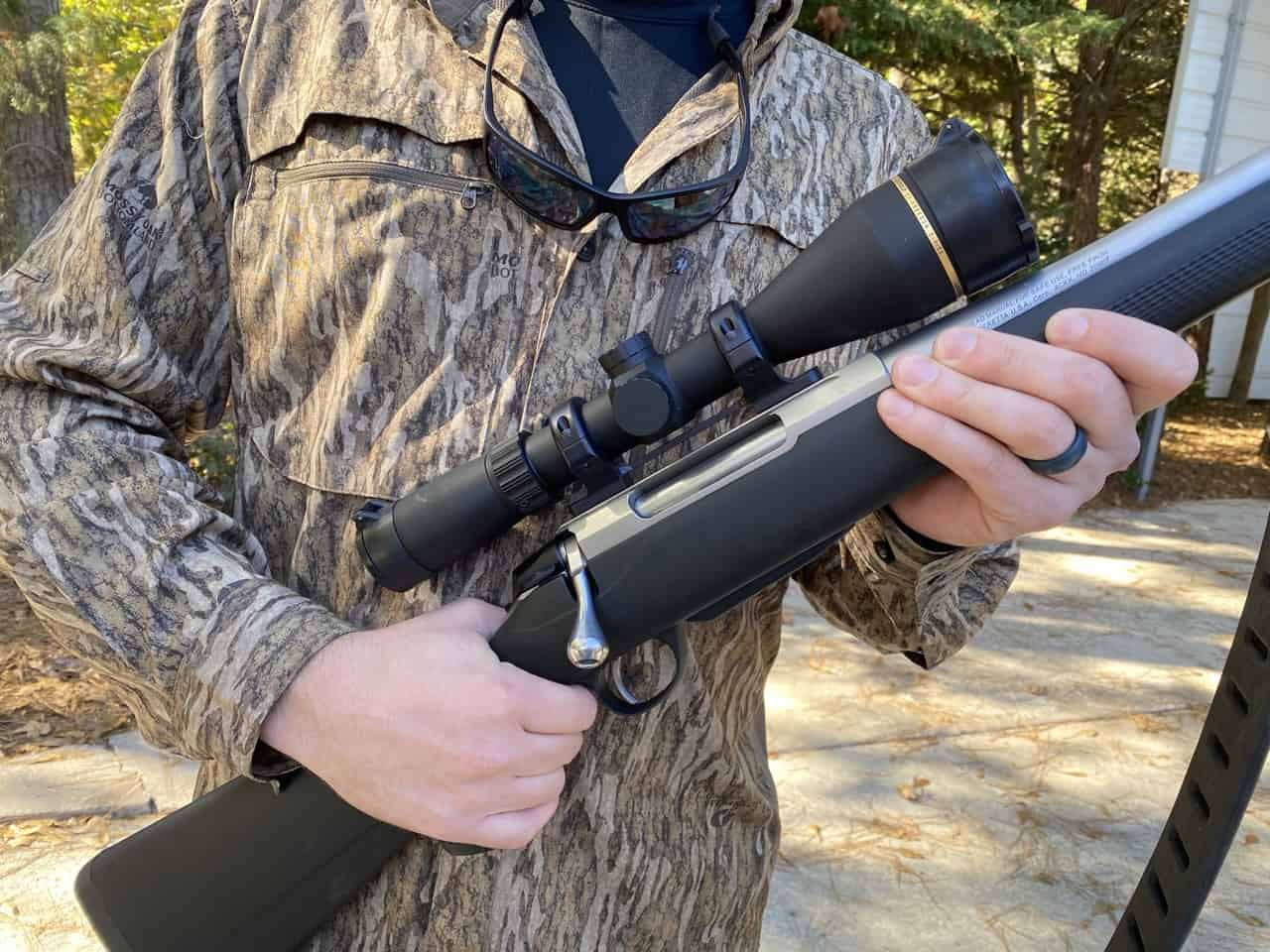
The VX-Freedom line is Leupold's entry-level offering, and the 3-9x50 FireDot variant adds two things that make it worth singling out: a 50mm objective lens for better light gathering, and an illuminated center dot for low-light target acquisition. At its typical street price, this scope sits at the bottom of our budget range and punches above its weight.
Glass notes
The VX-Freedom's glass is noticeably a step below the VX-3HD. You'll see more chromatic aberration at the edges, and the overall contrast isn't as punchy. But the 50mm objective lens partially compensates in low-light situations by letting more light through to your eye. The FireDot illumination is subtle and well-implemented. It's not a giant glowing blob; it's a small center dot that helps your eye find the aiming point against dark backgrounds. The illumination has multiple brightness settings, and the battery life is reasonable for a scope that you'll only turn on during the last 30 minutes of light.
The turrets are capped and simple, which is appropriate for a hunting scope at this price. They're not going to win any awards for tactile feel, but they hold zero and that's what matters. The overall build quality is good for the price. It's lighter than the Sig and the Athlon, heavier than the VX-3HD, and feels solid without any loose parts or play in the adjustments.
Pros
- 50mm objective lens improves light gathering in low-light conditions
- FireDot illuminated reticle is well-executed and practical
- Leupold's Full Lifetime warranty applies
- Lightweight enough for all-day field carry at 14.6 ounces
- Street price often sits well under $350
Cons
- Glass quality is a clear step below the VX-3HD
- Edge-to-edge sharpness isn't as clean as more expensive options
- 9x maximum magnification limits longer-range utility
- The 50mm objective requires slightly higher rings than a 40mm
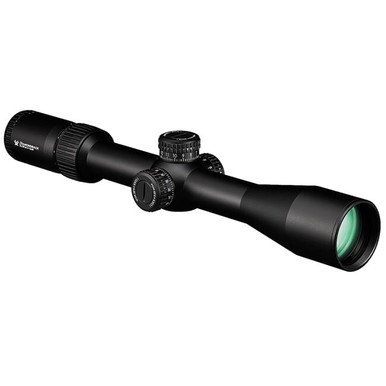
Vortex Diamondback Tactical 4-16x44 FFP
Best for: the hunter who wants a first focal plane scope with good turrets at the lowest possible price, and doesn't mind some compromises.
Vortex Diamondback Tactical 4-16x44 FFP Deals
Prices may change. May contain affiliate links.
The Diamondback Tactical has become one of the most recommended budget scopes on forums, and for good reason. It's a first focal plane 4-16x44 with exposed turrets, a usable EBR-2C MRAD reticle, and the full Vortex VIP warranty. At its typical street price, it's hard to find a comparable feature set from any other manufacturer.
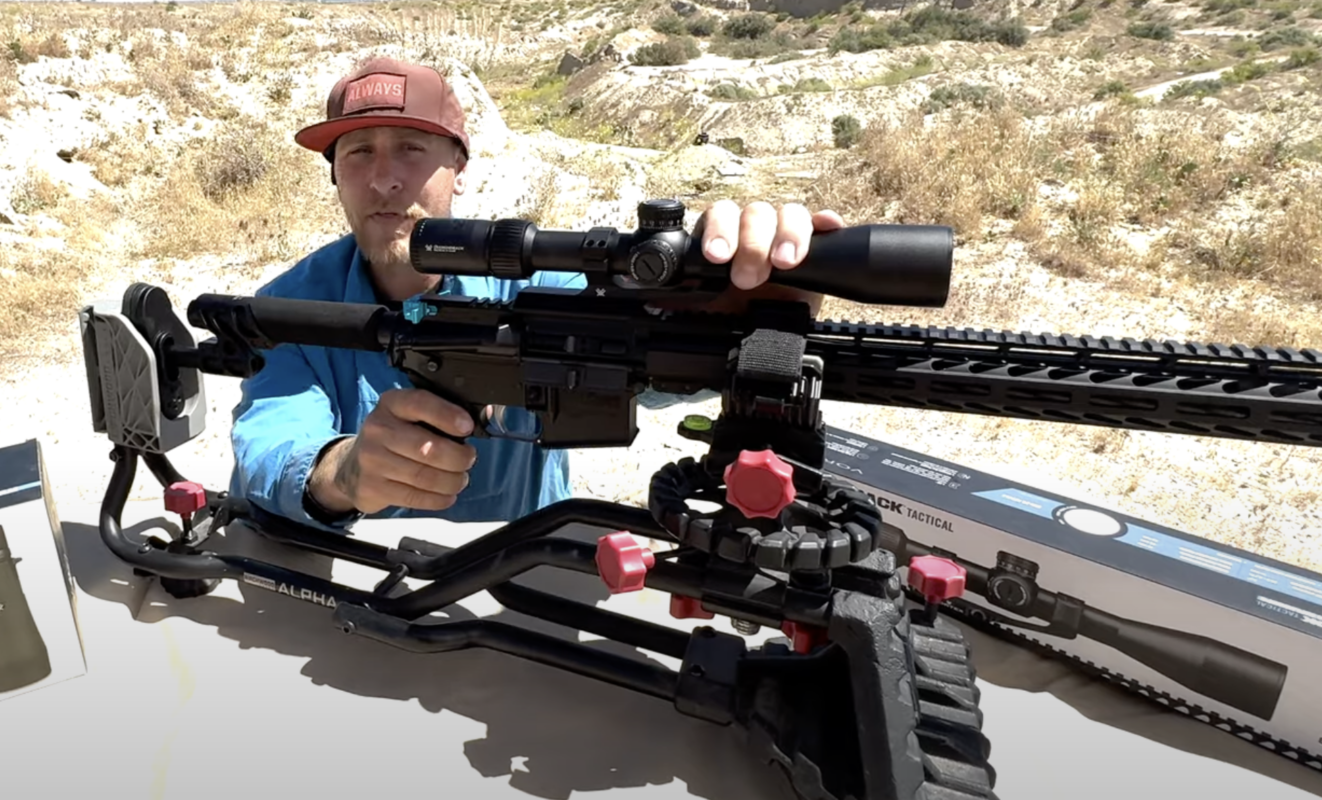
The glass is honest for the money. Center sharpness is good, edge sharpness is acceptable, and low-light performance is adequate without being impressive. You'll notice the difference between this and a Viper or a VX-3HD when the light gets really low, but for most hunting conditions, the image is clean enough to make confident shots. The FFP reticle means your MIL holdovers work at any magnification, which is a genuine advantage if you use the reticle for range estimation or wind holds.
Turret tracking on the Diamondback Tactical has been a topic of some debate. Most users report good tracking and reliable return to zero. Some have reported minor inconsistencies at extreme ends of the adjustment range. For a hunting scope where you're dialing within a few MOA of your zero, this is unlikely to be an issue. Where it might matter is if you're also using this scope for recreational long-range shooting and dialing large corrections regularly.
Range notes
The 4x minimum magnification is more hunting-friendly than the Athlon's 6x, giving you a wider field of view for close-range encounters. At 16x, you've got enough magnification for confident 400-yard shots on game. The scope weighs 22 ounces, which is heavier than a traditional hunting scope but lighter than the Athlon. It's a crossover scope, and it carries like one.
Pros
- First focal plane EBR-2C reticle is genuinely useful for holdovers
- 4-16x magnification range balances close and long-range hunting needs
- Vortex VIP warranty is the best in the business for no-questions-asked service
- Typically the least expensive FFP scope worth buying
- Exposed turrets with a zero stop function
Cons
- Low-light performance is noticeably behind the Leupold VX-3HD and Vortex Viper
- 22 ounces is heavy for a pure hunting application
- Some reports of minor turret tracking inconsistencies
- Glass quality is a step below the Viper line
How to choose
The right scope from this list depends on how you actually hunt, not what sounds impressive on a spec sheet. Here are the decision points that matter.
If you hunt in timber, mountains, or any situation where you're covering miles on foot, weight is king. The Leupold VX-3HD at 12.6 ounces or the Vortex Viper at 12.2 ounces are the picks. Every ounce you save on the scope is an ounce you can spend on water, food, or just not being as tired at the end of the day. A two-pound scope on a seven-pound rifle changes the balance and handling characteristics more than most people realize until they've carried it for eight hours.
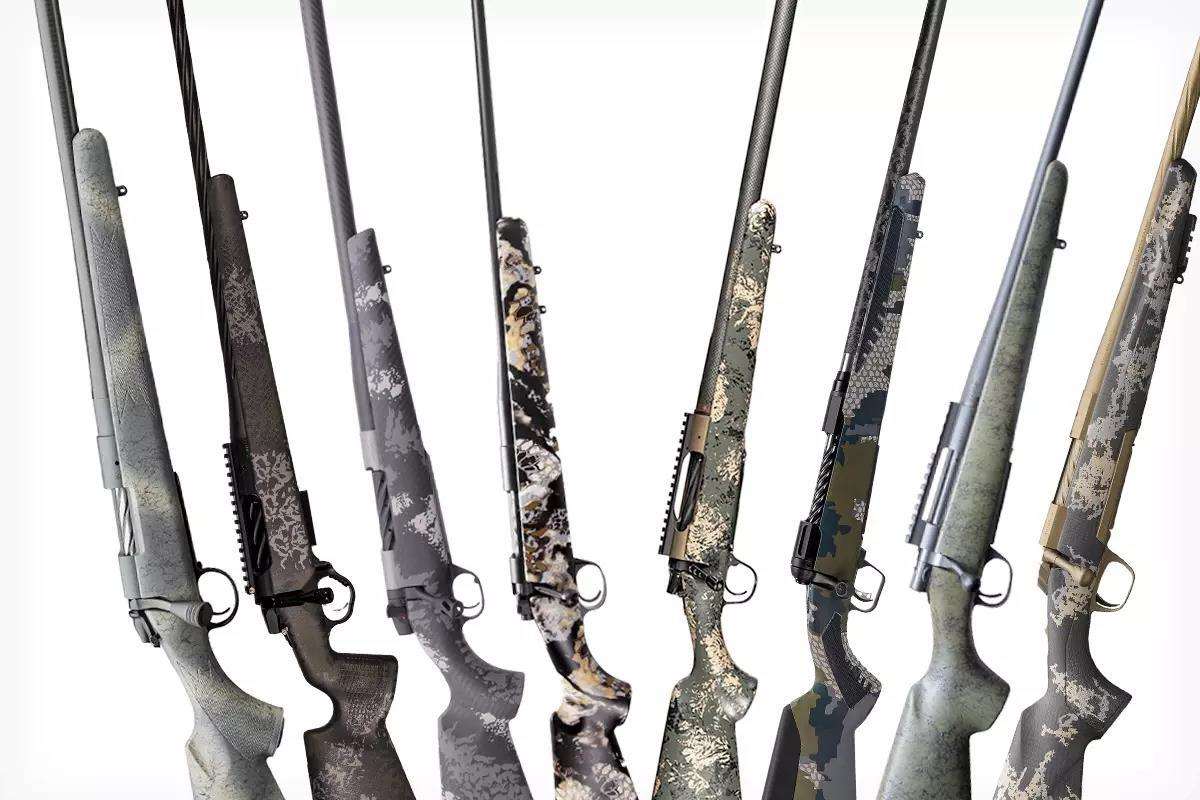
If low light is your primary concern, and it should be for most whitetail hunters, the VX-3HD is the clear winner. Dawn and dusk are when deer move, and a scope that gives you an extra five minutes of usable light on either end of the day is worth more than any other feature. The VX-Freedom with its 50mm objective is a budget alternative here, though the glass quality itself doesn't match the VX-3HD's light management.
If you want one scope for both hunting and recreational long-range shooting, the crossover picks are the Athlon Argos BTR Gen II and the Vortex Diamondback Tactical. Both have FFP reticles and exposed turrets that work for dialing at distance. The Athlon gives you more magnification range (6-24x vs 4-16x), but the Vortex has a more hunting-friendly 4x minimum and weighs six ounces less. Choose the Athlon if your long-range shooting goes past 600 yards regularly. Choose the Diamondback Tactical if hunting is the primary use and distance shooting is secondary.
If you want technology to do the ballistic math, the Sig BDX system is the only option on this list. It works well when it works, and the holdover dot is genuinely faster than dialing turrets or doing mental math in the field. But you're adding complexity, battery dependence, and weight. If you're comfortable with a ballistic app on your phone and a simple reticle, you can get better glass for the same money.
If budget is the primary constraint and you want to stay under $350, the Leupold VX-Freedom 3-9x50 FireDot is the pick. It's a real Leupold with a real warranty, adequate glass, and a useful illuminated reticle. It won't wow you optically, but it won't let you down either.
Common mistakes with mid-range hunting scopes
Buying more magnification than you need is the most common error. A 6-24x scope sounds impressive, but if 90% of your shots happen between 75 and 250 yards, you're carrying extra weight and complexity for magnification you'll never use. A 3-9x or 3.5-10x scope covers the vast majority of North American hunting situations. The extra magnification only matters if you're regularly shooting past 400 yards, and most hunters aren't, regardless of what they think they'll do.
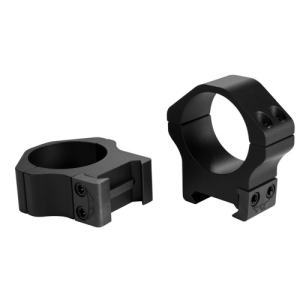
Warne Maxima Rings Deals
Prices may change. May contain affiliate links.
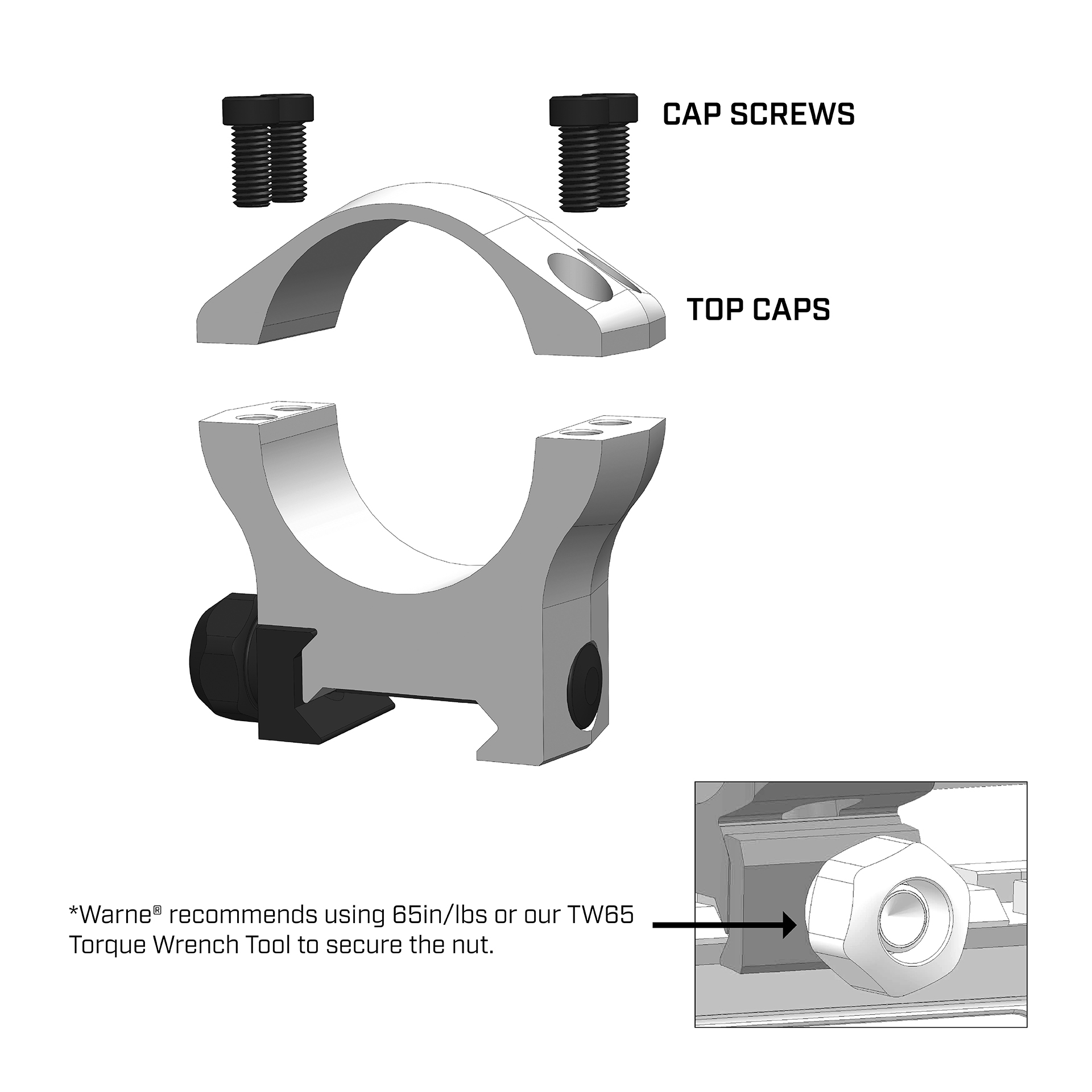
Skipping the proper ring and base setup undermines even good glass. A $500 scope mounted in $20 rings on a $15 base is going to have problems. Budget $50 to $100 for quality rings and a base that match your action and scope tube diameter. Torque them to spec with a torque wrench, not by feel. More scopes "lose zero" because of bad mounts than bad turrets.
Ignoring eye relief specifications leads to scope bite and slow target acquisition. Most hunting scopes have 3.5 to 4 inches of eye relief, but the usable eye box, the zone where you get a full, clear image, varies significantly between models. A scope with a tight eye box forces you to position your head precisely every time, which is slow and difficult from awkward field positions. Test eye box forgiveness before you commit.
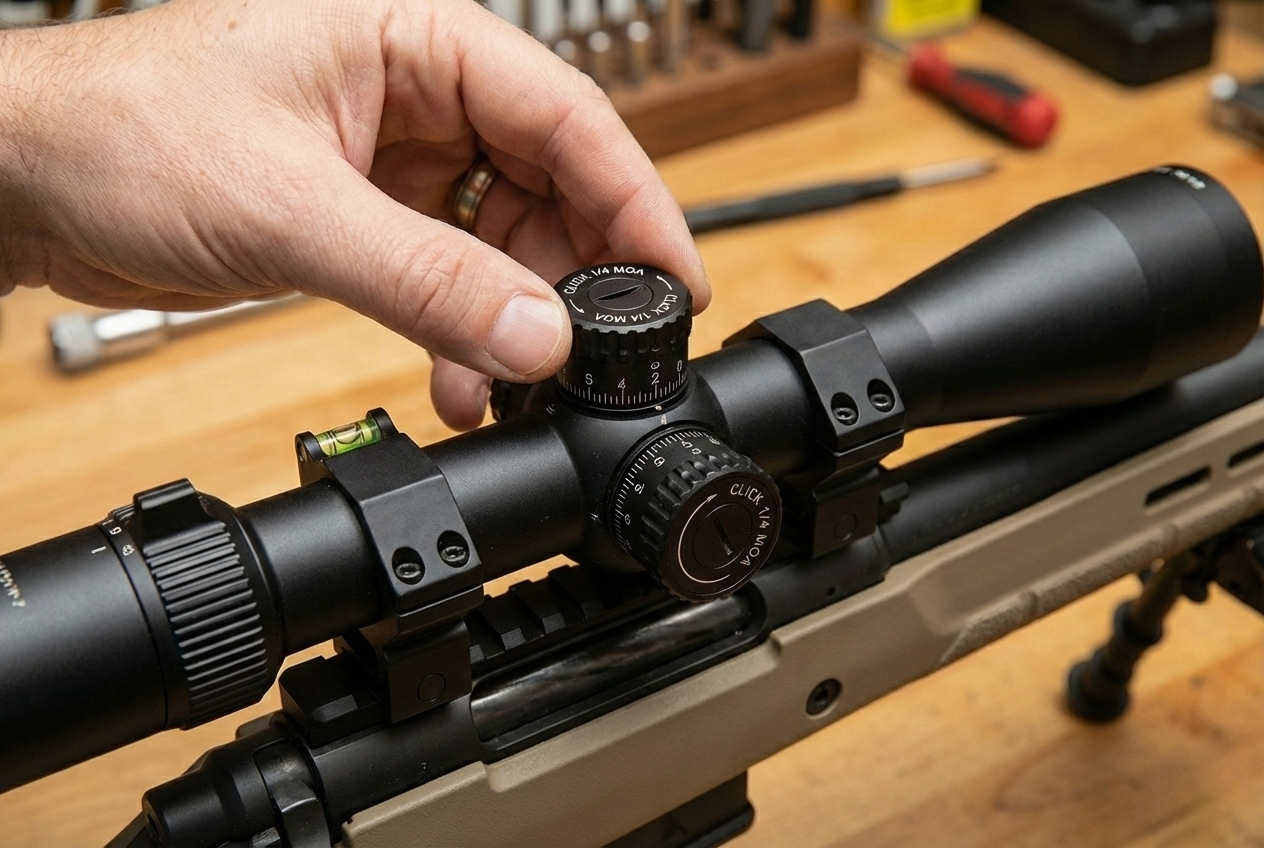
Not testing turret return to zero before hunting season is a mistake that costs tags. The tracking test to run: dial up 10 MOA (or 3 MIL), fire a group, dial back to your original zero, fire another group. The second group should land on the first. If it doesn't, you have a tracking or repeatability problem that will bite you when you try to dial for a 350-yard shot.
Cleaning the lens with a dry cloth or a shirt is a small thing that degrades glass coatings over time. Use a lens pen or a microfiber cloth with lens cleaning solution. The multi-coatings on modern hunting scopes are what give you that low-light performance, and abrading them with dust particles embedded in a dry wipe is slow-motion vandalism.
What you'll actually notice
The difference between a $150 scope and a $400 scope is dramatic. The difference between a $400 scope and a $600 scope is real but subtler. You'll see it most in three places: the last 15 minutes of shooting light, the sharpness of the image at the edges of the field of view, and the consistency of the eye box when you mount the rifle quickly.
In low light, the difference shows. A good mid-range scope like the VX-3HD will give you a clear, contrasty image when a cheaper scope has already turned to gray mush. This isn't about seeing in the dark. It's about having enough contrast to distinguish a deer's shoulder from the brush behind it when the light is fading fast.
On paper vs under recoil, the turret feel and tracking matter differently. A turret that feels crisp on the bench might still track reliably under the repeated shock of a .300 Win Mag. Conversely, a turret that feels mushy might hold zero just fine because the internal mechanism is solid even if the external click feel isn't premium. Don't judge a scope's reliability by its turret feel alone. Judge it by whether it holds zero after 200 rounds and a weekend in the truck.
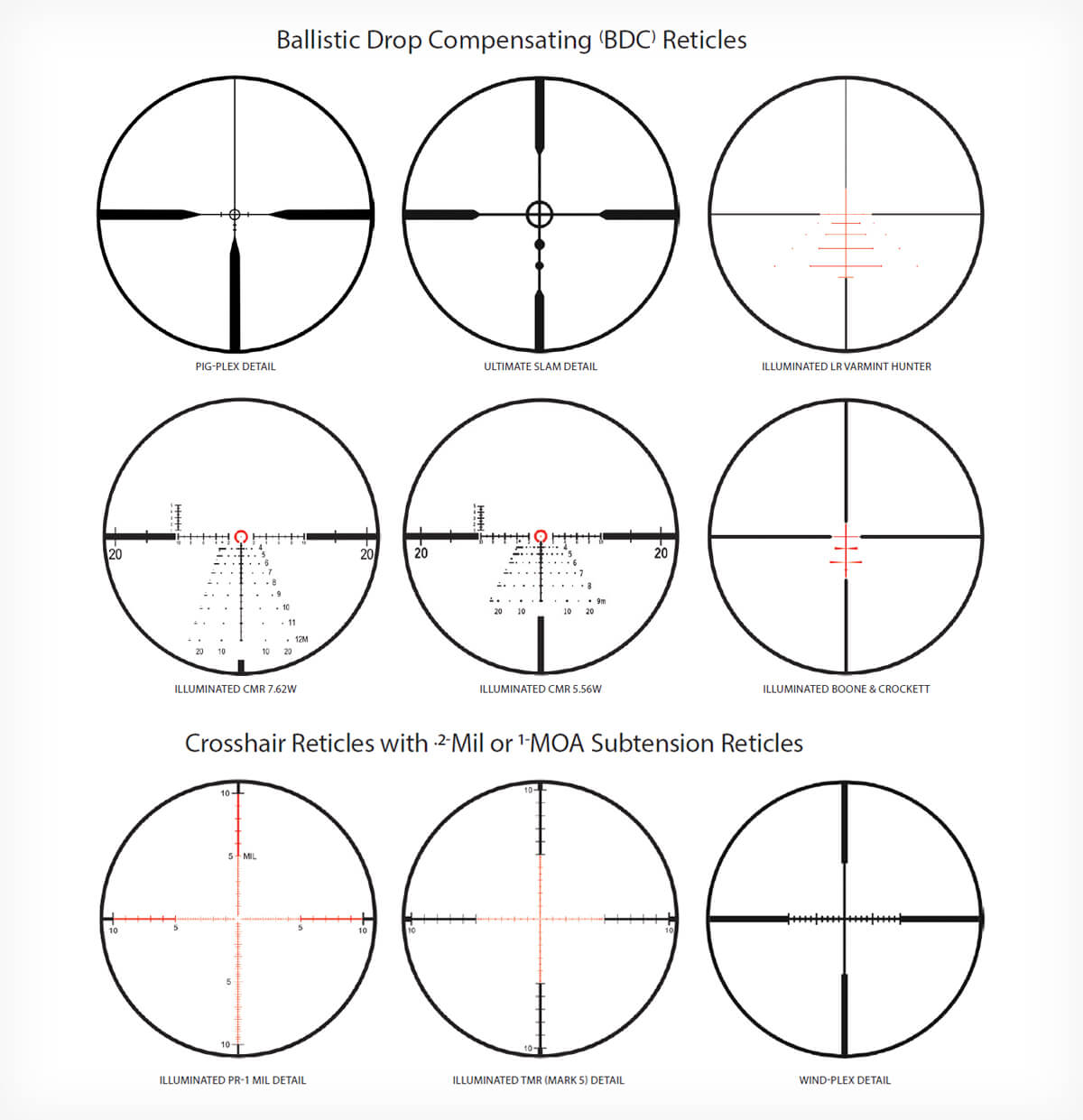
The reticle is the interface. Everything else is housing. A reticle that's too thick obscures small targets at distance. One that's too thin disappears against dark backgrounds. The Duplex style works because the thick outer posts draw your eye to the center, where the thin crosshair provides precision. Illuminated center dots add visibility in low light without cluttering the image. BDC and MIL/MOA reticles add capability but also complexity. Choose based on how you actually shoot, not what looks cool in a YouTube review.
Next steps
Before you buy, mount your current scope (or borrow one in the same configuration) and honestly assess your shooting distances. Look at your hunting spots on a map or from a stand. What's the longest realistic shot? What's the most common distance? If the answer is 150 yards from a treestand, you don't need 14x magnification and exposed turrets. If you're hunting open prairie and 400-yard shots are realistic, the crossover scopes start making more sense.
Once you've picked a scope, invest in proper mounting hardware. Match the ring height to your scope's objective bell diameter and your stock's comb height. You want the lowest rings possible that still clear the barrel and any front sight. Lower rings mean a more natural cheek weld, which means faster target acquisition and more consistent accuracy.
After mounting, run a proper zero procedure at 100 yards, then verify at your expected hunting distance. Dial up and back down to test turret return to zero. Shoot in low light if you can, even just the last 30 minutes before the range closes. That's when you'll know if your glass is good enough. If the image falls apart when the light drops, you've learned something valuable before it costs you a tag. The scopes on this list won't let you down in that moment, but you need to verify it with your own eyes, on your rifle, with your ammunition. Mount it. Zero it. Then evaluate.