You've seen the forum threads. Someone posts "what ammo brands do you avoid?" and within fifty replies you've got a mix of genuine safety warnings, decade-old grudges, and people who shot one bad box in 2014 and swore off a manufacturer forever. The signal-to-noise ratio is terrible, and the stakes are real. A squib load can wreck a barrel. A double charge can wreck a hand. But a brand getting dragged online because someone's uncle's buddy had a failure-to-feed isn't the same thing as a systemic quality control problem.
Here's the thesis: most "avoid" lists conflate three very different things, and shooters make worse decisions because of it. Those three things are genuine safety defects (squibs, double charges, out-of-spec pressures), inconsistent quality control that affects reliability and accuracy, and subjective preferences dressed up as safety warnings. Sorting those categories out changes how you spend your ammo budget.
Why this conversation keeps coming back
Every ammunition shortage reshuffles the deck. During the 2020-2022 crunch, shooters bought whatever they could find, and a lot of them tried brands they'd never touched before. Some of those brands performed fine. Some didn't. And the experiences stuck. Now that supply has normalized and prices have come back toward earth, people are making buying decisions based on memories formed during the worst production conditions in decades. Manufacturers were running extra shifts, sourcing components from new suppliers, and pushing volume. The ammo that came off those lines wasn't always representative of what those same companies produce under normal conditions.
At the same time, the remanufactured ammo market has grown. Small operations selling reloads at near-factory prices have proliferated online, and the QC gap between a major factory and a small reman shop is significant. Some of the loudest horror stories trace back to reman ammo, but the brand names involved are less recognizable, so the anger sometimes gets redirected at bigger targets. The conversation matters now because shooters are re-establishing their go-to brands, and bad information leads to either overspending on premium ammo for range use or, worse, trusting the wrong product for defensive carry.
The brands that actually show up on avoid lists (and what the evidence says)
Walk through any major firearms forum and the same names surface repeatedly. That consistency is worth examining, but repetition alone doesn't equal evidence. Here's where the data and documented incidents point.
Winchester White Box (USA Forged and standard WWB)
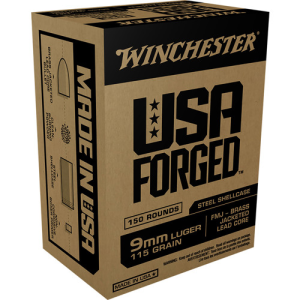
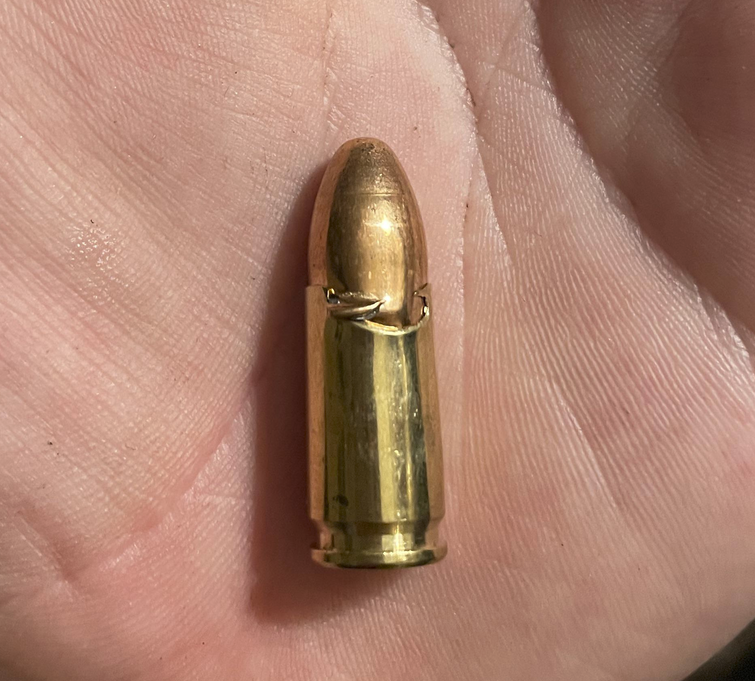
Winchester White Box 9mm is probably the most discussed budget ammo in the country, and it catches more heat than almost anything else from major manufacturers. The complaints are specific and well-documented: inverted primers, missing powder charges, bullets seated at wildly inconsistent depths, and cases with visible defects. One widely circulated post on a cartridge collectors' forum compiled a gallery of Winchester 9mm QC failures that included rounds with no flash holes, upside-down primers, and bullets seated so deep they'd be dangerous to fire. These aren't internet myths. The photos are detailed and the defects are obvious.

Winchester White Box 9mm Deals
Prices may change. May contain affiliate links.
Winchester USA Forged Deals
Prices may change. May contain affiliate links.
Winchester White Box .45 ACP Deals
Prices may change. May contain affiliate links.
Winchester White Box .40 S&W
May contain affiliate links.
The USA Forged line, which used steel cases manufactured domestically, drew even sharper criticism before Winchester quietly discontinued it. Failures to extract were common across multiple platforms, and the steel cases showed rougher tooling marks than comparable imports from Tula or Wolf.
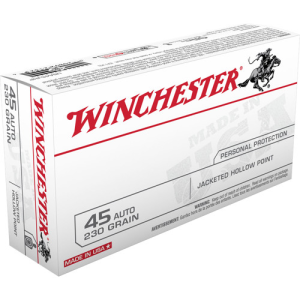
Here's where it gets interesting: standard Winchester White Box in other calibers doesn't generate nearly the same volume of complaints. The .45 ACP and .40 S&W loadings seem to have better consistency. The 9mm line, which runs at the highest volume, appears to be where QC slips most often. That pattern suggests a production line issue rather than a fundamental problem with Winchester's engineering. The numbers say the defect rate is still low in absolute terms, but it's higher than competitors at the same price point, and when the defect is a squib or a missing powder charge, "low rate" isn't very comforting.
Remington UMC (green and white box)
Remington's budget line has a long history, and the complaints predate the company's 2020 bankruptcy. Squib loads are the most commonly reported issue, with multiple documented cases across forums including a well-known Walther Forums thread where a shooter pulled a squib from a box of 9mm UMC. Post-bankruptcy, Remington's ammunition operations were acquired and restarted, and early reports on the new production have been mixed. Some shooters report improved consistency. Others say the problems persist.
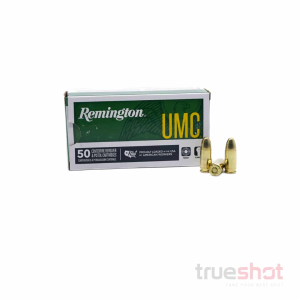
Remington UMC 9mm Deals
Prices may change. May contain affiliate links.
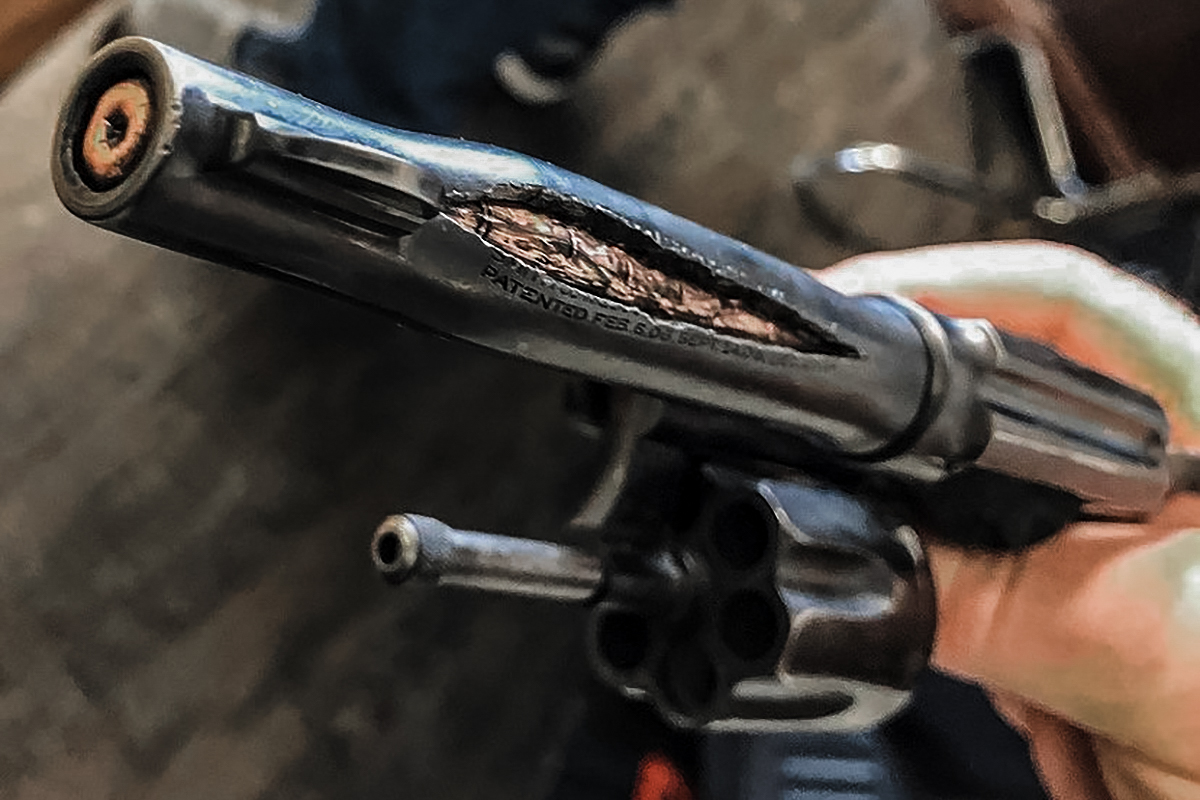
The core issue with UMC has always been inconsistent powder charges. Velocity spreads from chrono data posted by various shooters tend to run wider than comparable budget loads from Federal or Blazer. A 100 fps spread in 9mm at the muzzle isn't dangerous by itself, but it suggests the metering equipment isn't as tightly controlled, and the tail ends of that distribution are where squibs live.
Remanufactured ammo (Freedom Munitions, LAX, and similar)
This is where the avoid-list conversation gets most heated, and most justified. Remanufactured ammunition uses previously fired brass that's been resized, reprimed, and loaded with new powder and bullets. Done correctly by an experienced reloader with good equipment, it's perfectly functional. Done at scale by a company optimizing for price, the failure modes multiply.
LAX remanufactured ammo
May contain affiliate links.
Freedom Munitions remanufactured ammo
May contain affiliate links.
Freedom Munitions has faced multiple lawsuits and documented incidents involving out-of-spec rounds. Their own website includes a safety center page addressing recalls and safety notices, which is more transparency than some competitors show, but the existence of that page tells its own story. A high-profile lawsuit involving a Montana senator who alleged injuries from defective ammunition brought additional scrutiny to small-batch manufacturers.
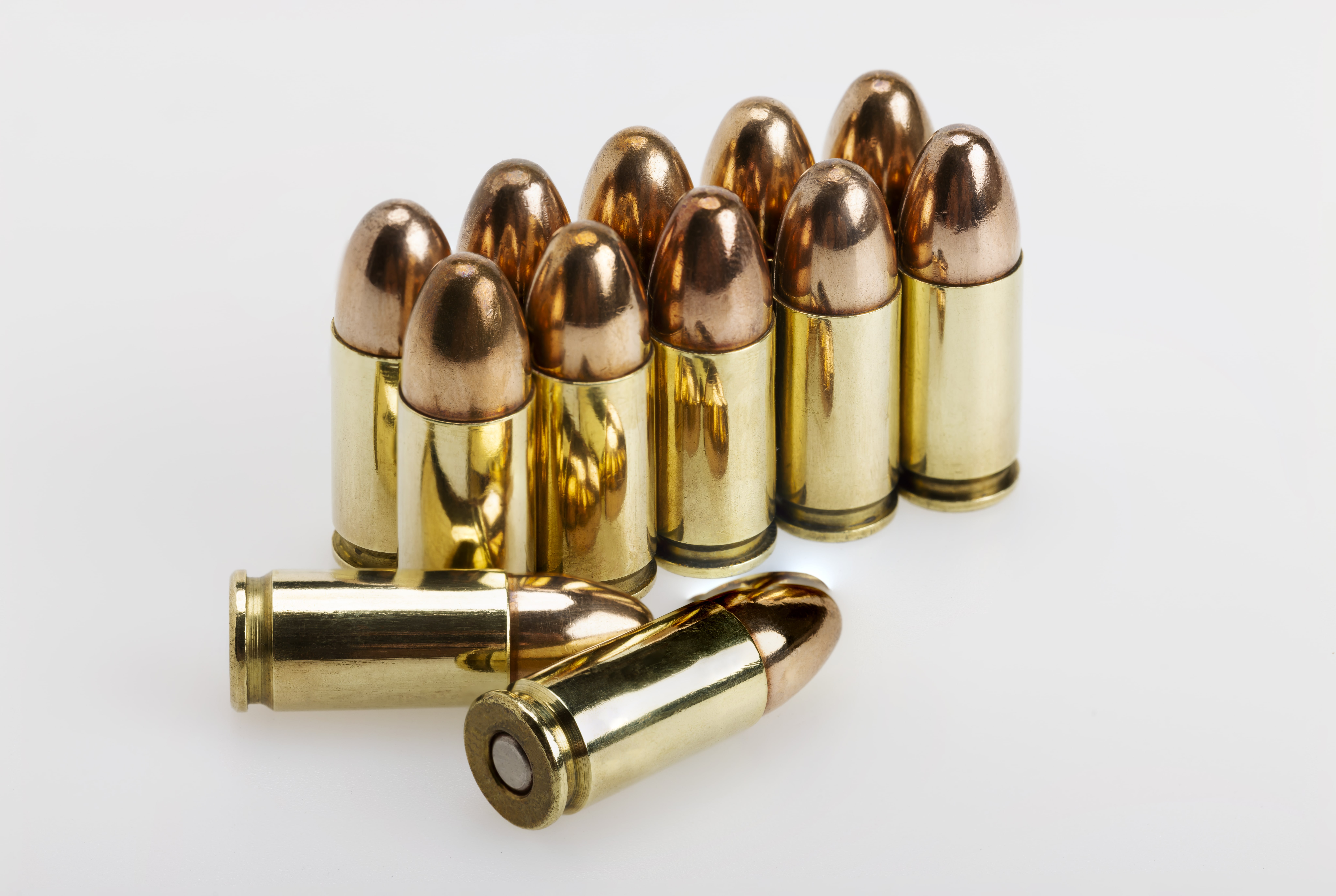
The Maryland Shooters Forum has a detailed thread from a member who experienced a catastrophic failure with remanufactured ammo that destroyed the frame of a pistol. The failure was traced to a double charge. This is the nightmare scenario with reman: the QC infrastructure to catch a double charge requires either automated powder check stations on every press or extremely attentive manual inspection. High-volume reman operations don't always have either.
The cost math on reman looks attractive until you factor in risk. Saving three to five cents per round doesn't offset a $500 gun repair, let alone a hand injury. For range training, factory new from a major manufacturer is the floor. Below that floor, you're gambling.
Armscor / Rock Island Armory ammunition
Armscor, the Philippine manufacturer behind Rock Island Armory firearms, also produces ammunition that's widely available at budget prices. The complaints here center on two issues: squib loads and inconsistent bullet seating. A thread on the International Ammunition Association forum documents a specific lot of .38 Special 158-grain FMJ that produced multiple squibs from the same box. The Smith & Wesson Forum has similar reports across calibers.
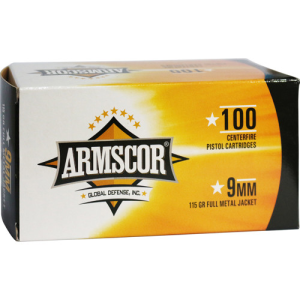
Armscor ammunition Deals
Prices may change. May contain affiliate links.
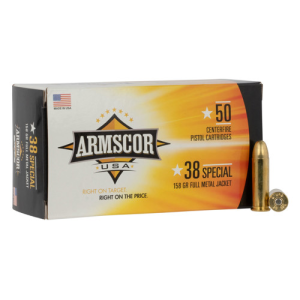
Armscor .38 Special 158-grain FMJ Deals
Prices may change. May contain affiliate links.
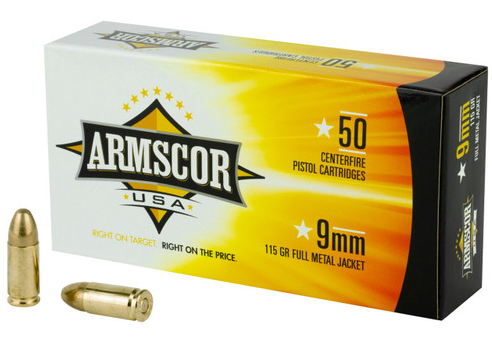
Armscor ammunition isn't universally bad. Plenty of shooters run it without incident. But the documented squib rate appears higher than the industry baseline for major manufacturers, and squibs are the one failure mode where "it usually works" isn't an acceptable standard.
The counter-argument: survivorship bias and sample size
Here's the fair pushback against avoid lists: forums select for negative experiences. Nobody starts a thread titled "Shot 200 rounds of Winchester White Box today, all went fine." The people who post are the ones who had problems. This creates a perception of failure rates that may be dramatically higher than reality.
A major ammunition plant produces millions of rounds per month. Even a 99.99% pass rate means hundreds of defective rounds reaching consumers annually across the full production run. Those few hundred rounds generate forum posts, YouTube videos, and Reddit threads that make the problem look systemic when it might be statistical noise.
This is a legitimate point, and it's why the distinction between types of failures matters so much. A failure to feed caused by a slightly out-of-spec case mouth is annoying. A squib caused by a missing powder charge is dangerous. The same defect rate produces very different risk profiles depending on what's going wrong. Winchester White Box might have the same overall defect rate as Federal American Eagle, but if Winchester's defects trend toward missing powder charges while Federal's trend toward slightly tight primers, the risk calculus is completely different.
The other counter-argument is that some "bad" ammo is actually just ammo that doesn't run well in one specific gun. A tight-chambered 1911 that chokes on steel-cased .45 doesn't mean the ammo is defective. It means the gun has tight tolerances and needs brass. That's a compatibility issue, not a quality issue, and conflating the two muddies the conversation.
Steel case: the most misunderstood category
Steel-cased ammunition from Tula, Wolf, and similar manufacturers gets lumped into avoid lists constantly, but the actual evidence is more nuanced than "steel bad, brass good."
Wolf steel-cased ammunition Deals
Prices may change. May contain affiliate links.
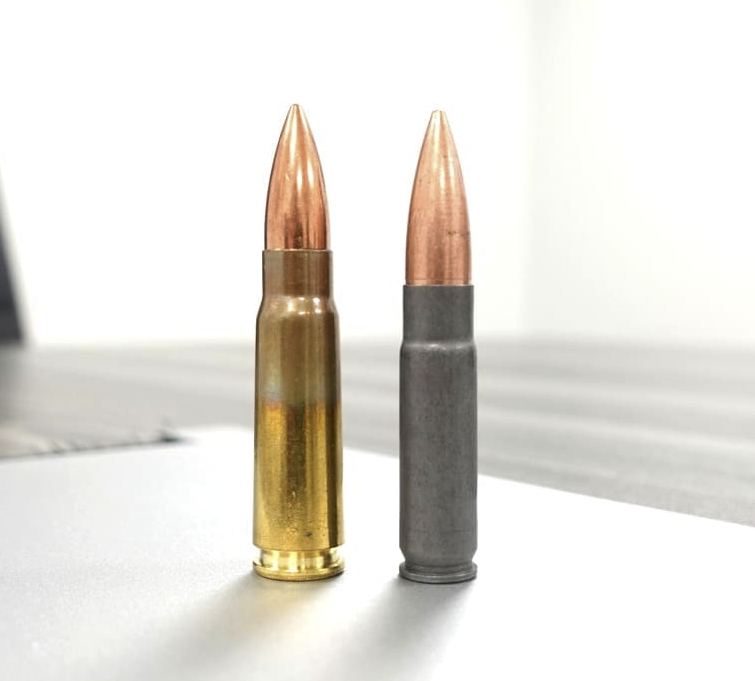
Lucky Gunner's well-known brass vs. steel torture test put 10,000 rounds of each through AR-15 pattern rifles and tracked accuracy, reliability, and parts wear. The results showed that steel-cased ammo does accelerate wear on extractors and can reduce barrel life somewhat, but the total cost of ownership (ammo plus replacement parts) still favored steel case by a significant margin for high-volume shooters. The rifles functioned reliably with steel through the full 10,000 rounds, though accuracy degraded slightly faster.
What the marketing doesn't mention on either side: the bi-metal jackets common on steel-cased bullets are harder on steel targets and some indoor range backstops, which is why many ranges ban them. That's not a safety issue with the ammo itself. It's a facility concern. If your range allows it and your gun runs it, steel case is a rational budget choice for training ammo. The performance gap narrows fast above the "will it cycle and hit a silhouette at 15 yards" threshold, but for volume practice, that's the only threshold that matters.
What to actually worry about (and what to ignore)
Chrono notes
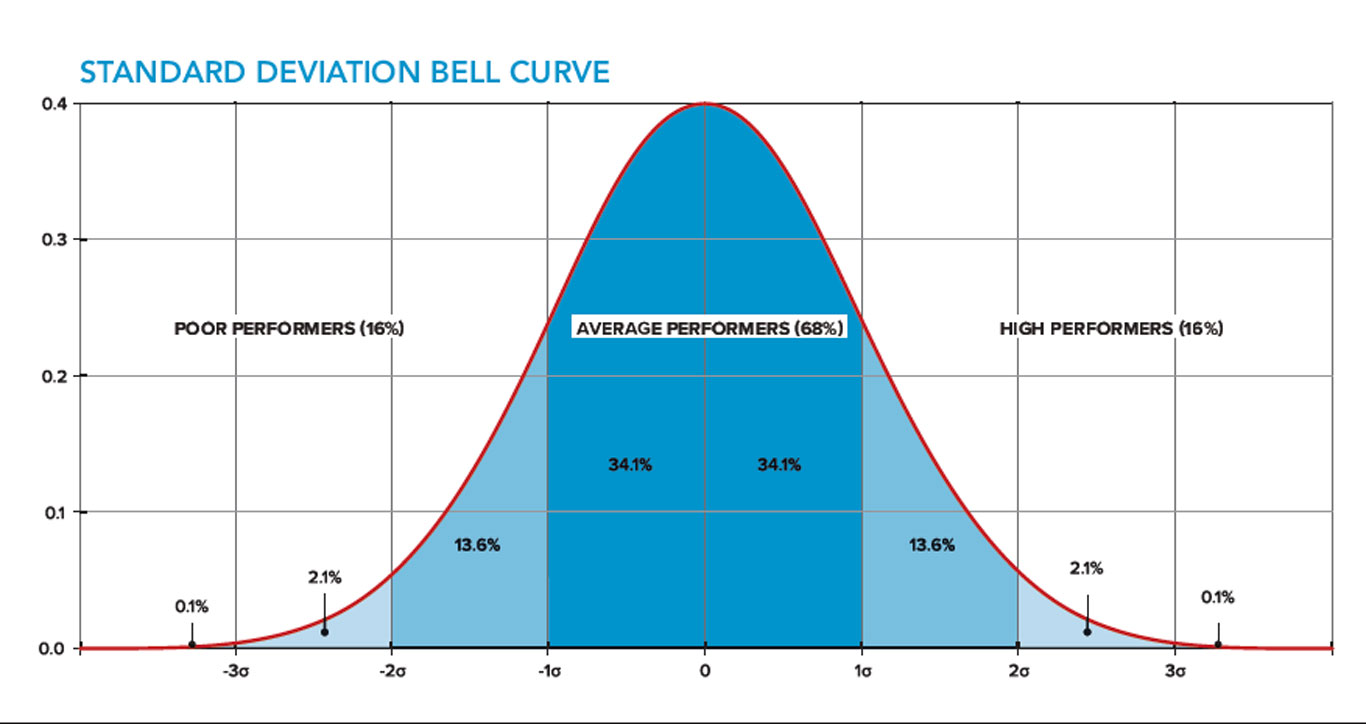
If you have access to a chronograph, the single most useful test for any ammunition is velocity spread across a 10-round string. Extreme spread (the difference between the fastest and slowest round) tells you more about ammunition consistency than any forum post. Budget ammo from a good manufacturer typically shows extreme spreads of 40-70 fps in 9mm. When that number creeps above 100 fps, the powder metering is sloppy, and the low end of that spread is where squib territory begins. You don't need to chrono every box, but running one 10-round string from a new brand or lot gives you real data instead of forum opinions.
Common mistakes shooters make with ammo selection
First, using avoid lists as absolute rules rather than risk factors. A brand with documented QC issues isn't guaranteed to blow up your gun. It just has a higher probability of problems per round than a brand with cleaner production. Adjust your trust level accordingly, but don't treat a forum consensus as a safety recall.
Second, assuming price correlates directly with quality. Blazer Brass and Federal American Eagle are among the cheapest factory-new options in 9mm, and both have excellent reliability records. Meanwhile, some boutique brands charge premium prices for ammo loaded on single-stage presses with no more QC infrastructure than a serious hobbyist reloader.
Third, not distinguishing between training ammo and defensive ammo standards. Your range ammo needs to go bang every time and not damage your gun. Your carry ammo needs to do that plus expand reliably, penetrate consistently, and feed perfectly in your specific firearm. Applying defensive ammo standards to range ammo wastes money. Applying range ammo standards to defensive ammo risks your life.
Fourth, holding grudges past their expiration date. Manufacturing changes hands. Production lines get upgraded. The Remington that went through bankruptcy isn't running the same equipment with the same staff as pre-bankruptcy Remington. Similarly, a brand that was fine five years ago might have cut corners since. Reputation lags reality in both directions.
Five specific loads and where they actually land
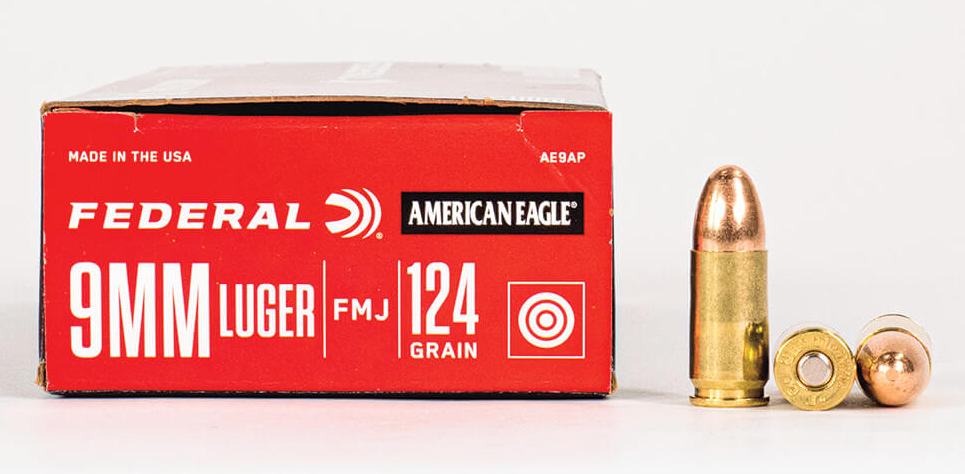
Federal American Eagle 124-grain 9mm FMJ runs at roughly 1,150 fps from a 4-inch barrel, shows typical extreme spreads in the 40-60 fps range, and feeds reliably across most platforms. It's the benchmark for "good enough training ammo" and the price usually sits right in the middle of the budget tier.
Federal American Eagle 124-grain 9mm FMJ Deals
Prices may change. May contain affiliate links.

Blazer Brass 115-grain 9mm FMJ Deals
Prices may change. May contain affiliate links.

Tula 115-grain 9mm steel-cased FMJ Deals
Prices may change. May contain affiliate links.

Winchester White Box 115-grain 9mm FMJ Deals
Prices may change. May contain affiliate links.

Federal HST 147-grain 9mm JHP Deals
Prices may change. May contain affiliate links.
Blazer Brass 115-grain 9mm FMJ uses CCI primers (Blazer is a CCI/Vista Outdoor product), which contributes to its reputation for reliable ignition. Velocity runs a bit higher than the 124-grain Federal due to the lighter bullet, typically around 1,180 fps. The aluminum-cased Blazer (non-brass) is similarly reliable but isn't reloadable, which matters to handloaders and nobody else.
Tula 115-grain 9mm steel-cased FMJ sits at the bottom of the price ladder. Velocity is typically around 1,100 fps, slightly below comparable brass-cased loads. The lacquer or polymer coating on the cases occasionally causes extraction issues in guns with rough chambers, but in a standard Glock or M&P, it generally runs fine. The bi-metal jacket will attract a magnet, which gets it banned at some ranges.
Winchester White Box 115-grain 9mm FMJ is the controversial entry. When it's good, it's perfectly adequate budget ammo running around 1,190 fps. The problem is the higher variance. Velocity spreads tend to run wider than Federal or Blazer, and the documented QC failures, while rare in percentage terms, are more severe in nature than what you see from the other major budget brands.
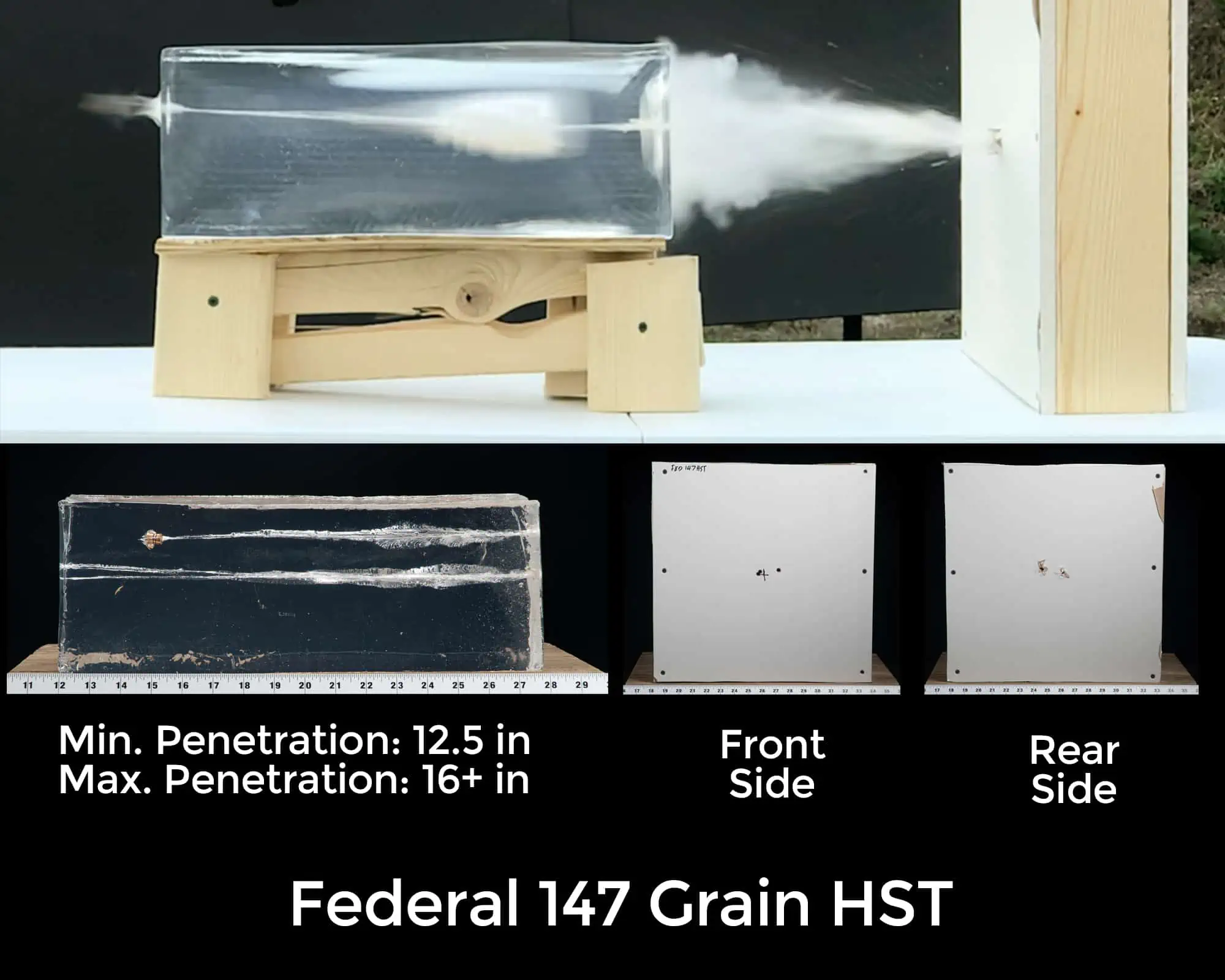
Federal HST 147-grain 9mm JHP is included here as the defensive ammo reference point. Expansion through four layers of denim is consistent, penetration in gel testing typically hits the 13-15 inch FBI protocol window, and the velocity from a compact pistol runs around 950-1,000 fps. The per-round cost is roughly four to five times higher than budget FMJ, which is why you train with cheap stuff and carry the good stuff. Running two or three magazines of your carry ammo through your gun every few months to confirm function is the right approach, not shooting it by the case.
What to do with all this
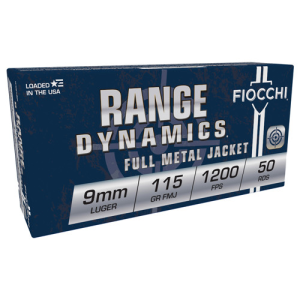
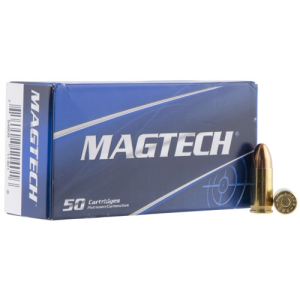
The practical takeaway is a simple framework. For range and training ammo, stick with factory-new from a major manufacturer. Federal, Blazer, Fiocchi, S&B, and Magtech all have strong track records. If budget is the primary driver, steel case from Tula or Wolf is acceptable in guns that run it, with the understanding that you're trading slightly faster wear for meaningfully lower cost per round. Run the per-round math and decide if the savings over 1,000 rounds justify a $25 extractor replacement every 5,000-10,000 rounds. For most shooters, it does.
Fiocchi ammunition Deals
Prices may change. May contain affiliate links.
Magtech ammunition Deals
Prices may change. May contain affiliate links.
Speer Gold Dot hollow point Deals
Prices may change. May contain affiliate links.

Hornady Critical Duty Deals
Prices may change. May contain affiliate links.
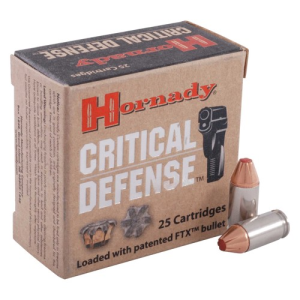
Hornady Critical Defense Deals
Prices may change. May contain affiliate links.
May contain affiliate links.
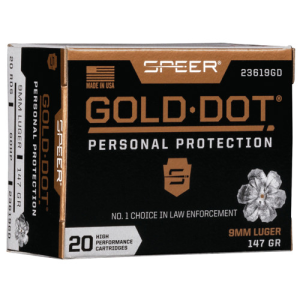
For defensive ammo, the major hollow point lines from Federal (HST), Speer (Gold Dot), and Hornady (Critical Duty/Defense) have extensive testing data behind them and documented street performance. Pick one, confirm it feeds in your gun, and stop second-guessing it. The performance differences between top-tier defensive loads are smaller than the performance differences between a shooter who practices regularly and one who doesn't.
For the brands on the avoid lists, apply proportional skepticism. Remanufactured ammo from small operations carries genuinely elevated risk and the savings don't justify it. Winchester White Box has real documented issues in 9mm specifically, and there are equally cheap alternatives without those issues, so there's no reason to accept the extra variance. Armscor is usable but deserves a more careful eye on each round before chambering it. And Remington UMC under new ownership is a wait-and-see situation where buying a single box and running it through a chrono before committing to a case is the smart move.
Better information makes better shooters
The shooting community's collective knowledge about ammunition is genuinely valuable, but it works best when people separate what they measured from what they felt, and what happened to them from what they heard happened to someone else. A single squib from a major brand is a data point. A pattern of squibs across multiple lots documented by multiple shooters is a trend. Knowing the difference keeps you from both overspending on unnecessary premium ammo and from trusting a product that's earned its bad reputation. Track your own data. Note the brand, lot number, and any issues every time you shoot. Over time, your own records become more useful than any forum thread, because they reflect your guns, your conditions, and your actual round count. That's the kind of evidence that actually means something.