Most shooting clubs don't have a training problem. They have a structure problem. Eight people show up to the range, everyone dumps a few magazines into paper at seven yards, someone brings out the steel for fun, and everybody goes home feeling like they "got some good reps in." Nobody tracked anything. Nobody improved. Nobody even knows what they were working on.
Running a group range session that actually builds skill isn't complicated, but it does require a plan, a format, and someone willing to be the adult in the room. That someone doesn't need to be a certified instructor or a competitive shooter. They need a timer, a clipboard, and the willingness to say "here's what we're doing today" instead of "shoot whatever you want."

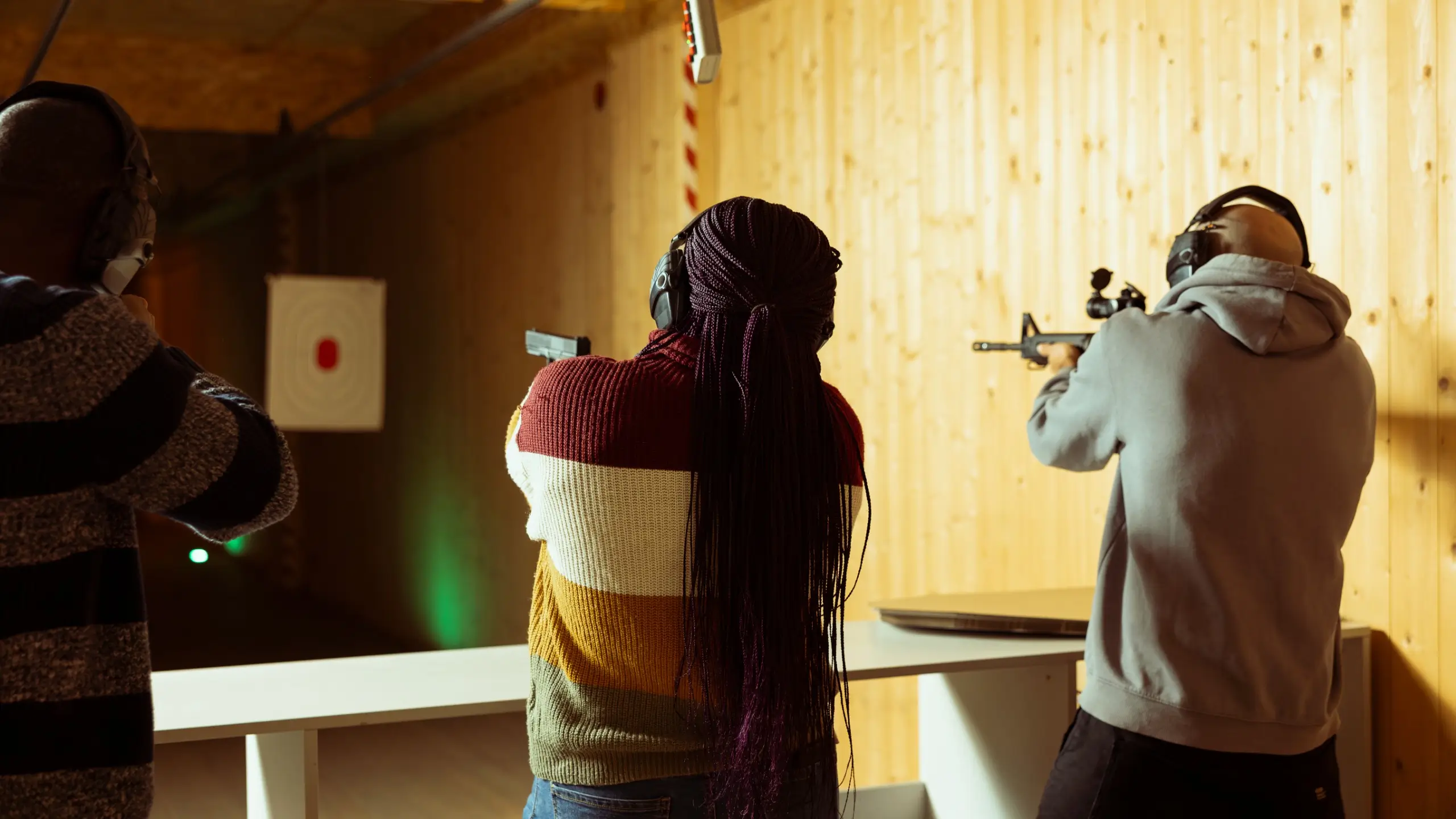
This is about turning your club's range time into structured practice. You'll walk away with a framework for planning sessions, managing the line safely with mixed skill levels, running drills that give everyone something to chase, and keeping people engaged enough to show up next month. Fifty rounds with a plan beats 200 without one, and that's doubly true when you're responsible for a group.
The job isn't instructor. The job is facilitator.
The first mistake people make when they volunteer to run a group session is thinking they need to teach. You don't. You need to organize. There's a meaningful difference between standing behind someone correcting their grip and saying "here's the drill, here's the par time, here's what we're looking for." The first requires expertise and a student-teacher dynamic that gets weird fast among peers. The second just requires preparation.
Your role is to set the structure: what drill, what distance, how many rounds, what the standard is, and when the line goes hot and cold. You're the timekeeper and the traffic cop. If someone asks for help with their trigger press, great, offer a thought or pair them with someone in the group who shoots well. But the session itself should be built so that the drills are self-diagnosing. A shooter who's pulling shots low-left at seven yards doesn't need you to tell them that. They need a target that shows them and a drill format that makes the pattern obvious.
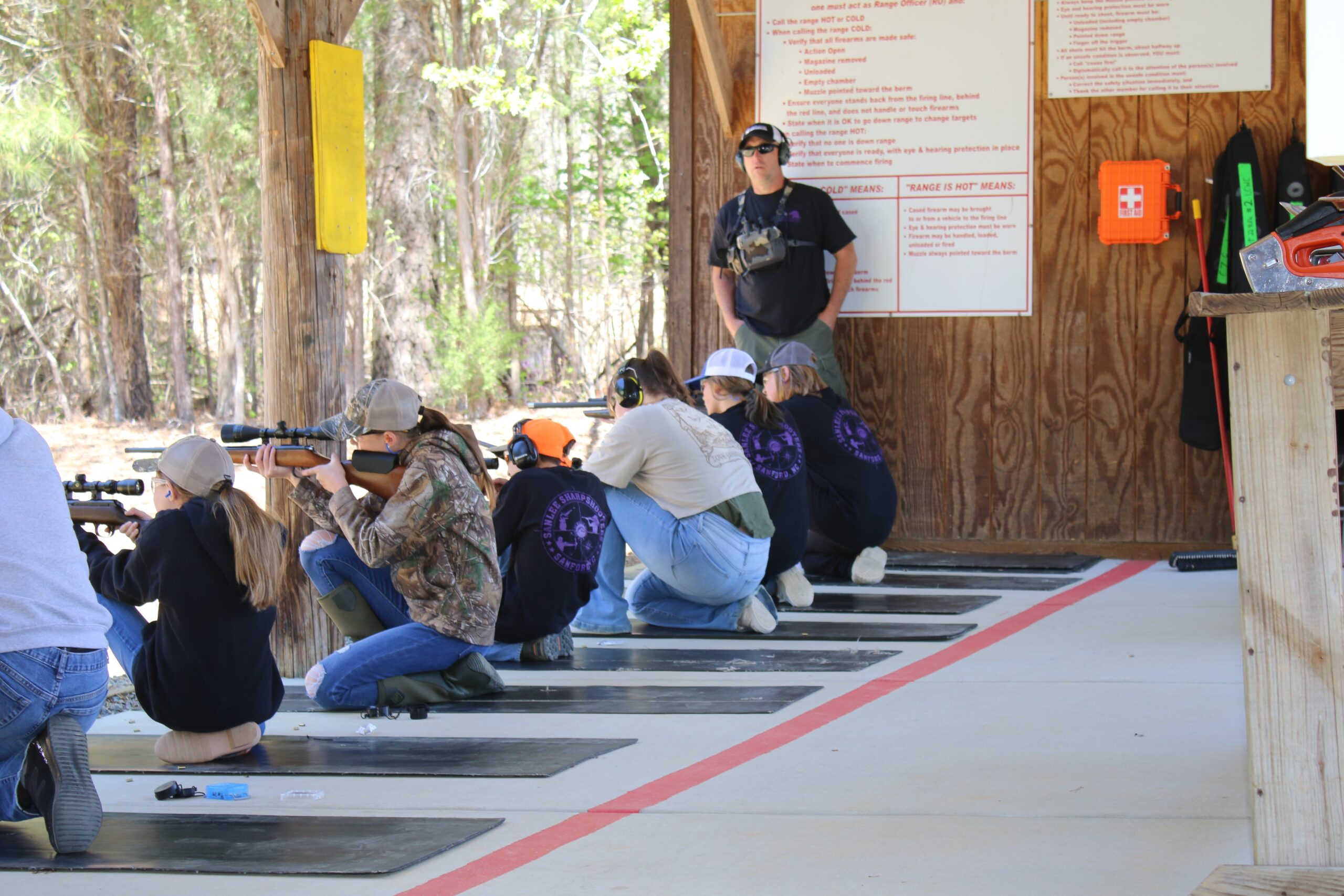
That said, safety is non-negotiable and it's where the facilitator role carries real weight. Someone needs to call the line. Someone needs to enforce muzzle discipline and ensure cold range procedures are followed. If your club doesn't already have designated range safety officers, the NRA's RSO course is a one-day commitment that covers range commands, emergency procedures, and the fundamentals of running a safe firing line. It's worth having at least two people in your group with that background. Not because you need credentials to shoot with friends, but because when eight people are on the line and one person does something unsafe, you need someone who's practiced the response and has the authority to shut things down without it becoming a debate.
Planning the session before anyone loads a magazine
A good group range session runs 90 minutes to two hours. Longer than that and focus drops off, especially in heat or cold. Shorter and you won't have time for a proper warm-up, a main drill block, and a cool-down or skills test.
Here's a basic session template that works for groups of four to twelve shooters:
Briefing (10 minutes)
Do this before anyone touches a gun. Cover the day's drills, round count, any special safety considerations, and the cold range protocol. State the universal safety rules out loud every single time, even if everyone's heard them a thousand times. The four rules aren't a formality. They're a pre-flight checklist, and pilots don't skip those because they've flown before. Go over the specific range commands you'll use: "the line is hot," "cease fire," "the line is cold, actions open." Make sure everyone knows that anyone can call a cease fire for any reason. Then confirm round counts so nobody runs dry halfway through the main block and has to sit out.
Warm-up drill (15 minutes, ~20 rounds)
Start slow and close. This isn't about ego. A simple drill at five yards on a three-inch dot, five rounds slow fire, gives everyone a chance to confirm zero, settle into their grip, and get their sight picture dialed. Follow it with a ten-round string at the same distance, one shot every two seconds on a timer. The goal here is 100% hits inside the dot. If someone can't do that, they've found their starting point for the day and that's useful information.
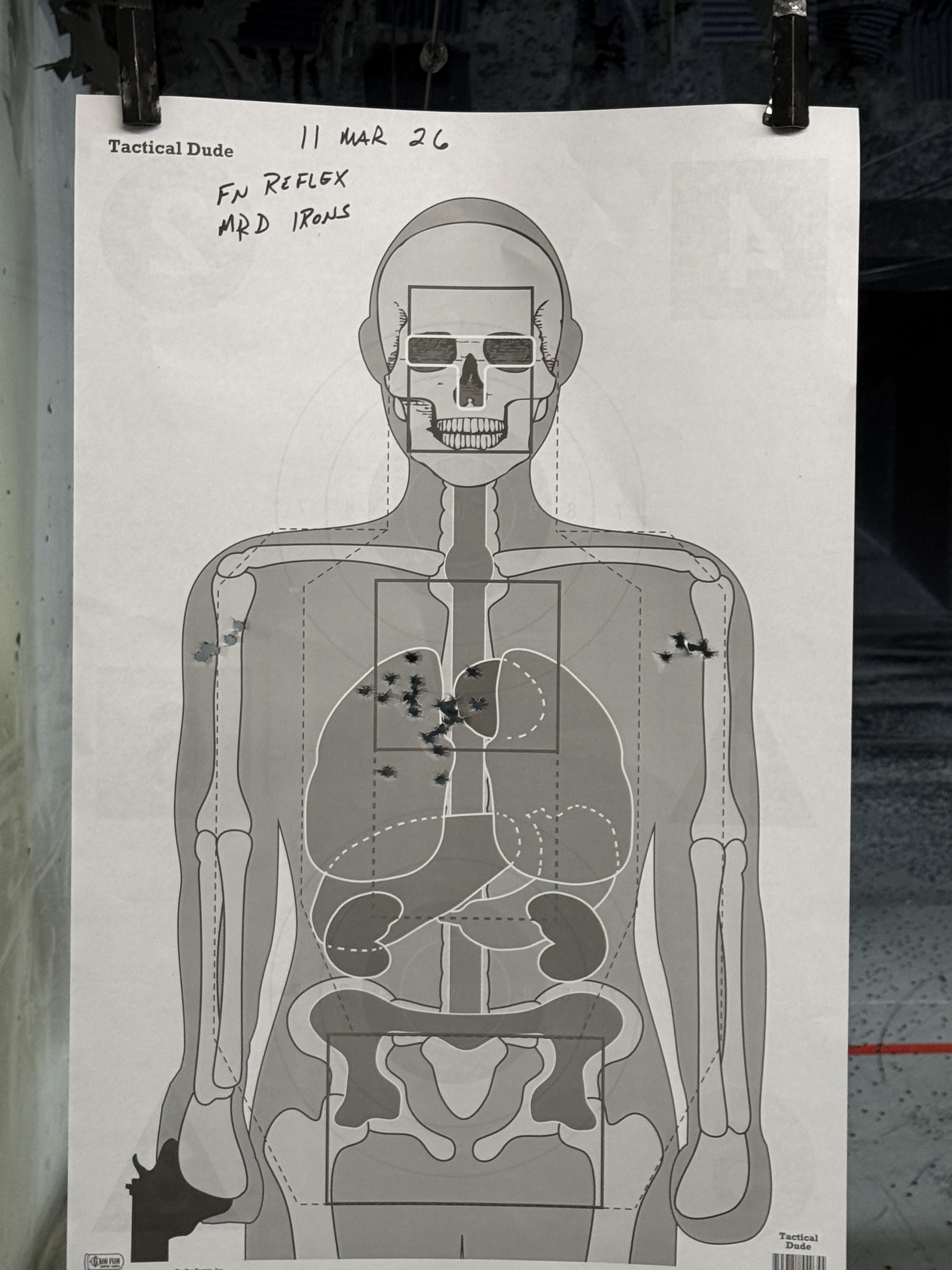
FN Reflex MRD Irons Deals
Prices may change. May contain affiliate links.
Main drill block (45-60 minutes, ~80-120 rounds)
This is the meat of the session. Pick two or three drills that target a specific skill theme. Don't try to cover everything. One session might focus on draws and first shots. Another on transitions between targets. Another on shooting at distance. The drills should have clear standards and be runnable by shooters of different skill levels, either by adjusting par times or target sizes. More on this below.
Cool-down or test (15-20 minutes, ~20-30 rounds)
End with something that ties the session together. A standards test like a scored qualification or a single drill run cold gives everyone a benchmark to track over time. This is also where you can run something fun, like a friendly competition or a scored stage, as long as it still reinforces the day's skill focus.
Debrief (5-10 minutes)
Quick group discussion. What felt good, what was hard, what to work on in dry fire before the next session. This is also when people log their scores if you're tracking progress, which you should be.
The total round count for this template sits between 120 and 170 rounds per shooter. That's deliberate. It's enough to get real work done without burning through expensive ammo on unfocused shooting. Every round has a purpose.
Building drills that work for mixed skill levels
This is the hardest part of group facilitation. You'll have someone who shoots USPSA every weekend standing next to someone who carries daily but only shoots twice a year. The drill has to challenge both of them without boring one or crushing the other.

IPSC A-zone Target Deals
Prices may change. May contain affiliate links.
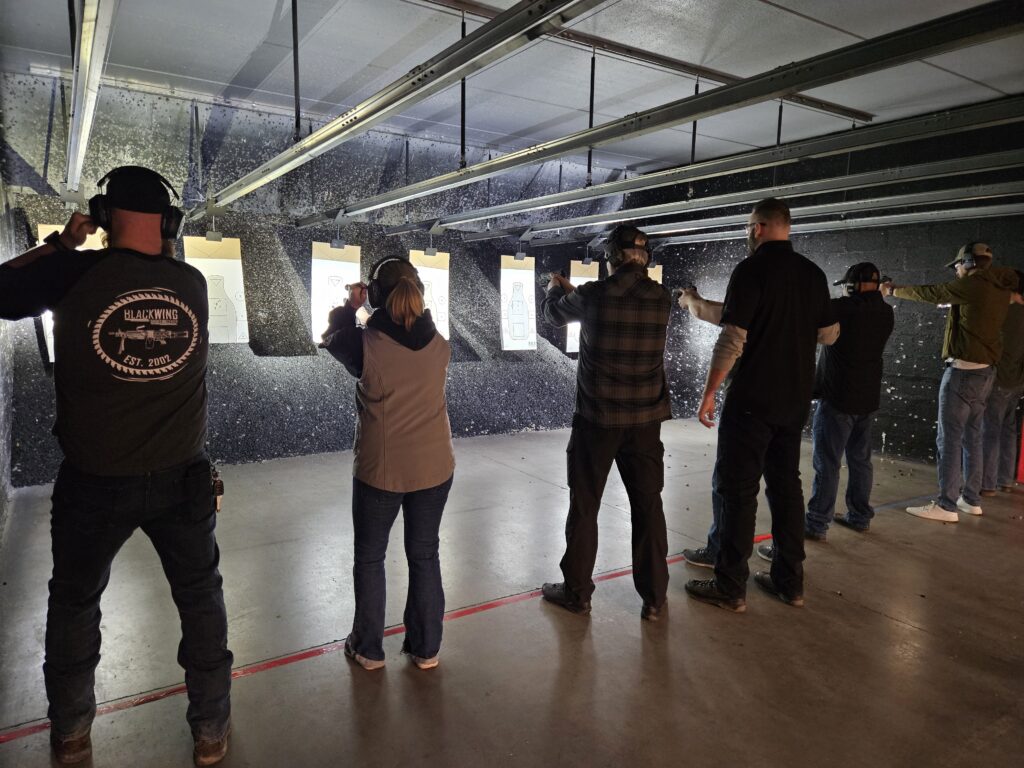
The trick is scalable standards. The drill stays the same. The benchmark changes.
Take a basic Bill Drill as an example: six rounds on an IPSC A-zone at seven yards, from the holster, on the timer. A competitive shooter might be chasing a sub-2.5-second clean run. A newer shooter might be working toward sub-5 seconds with all hits in the C-zone. Same drill, same line, same timer. Different goals. The facilitator's job is to set those tiers ahead of time so everyone knows what they're working toward.
Here are three approaches that scale well:
Adjustable par times work for any timed drill. Set three tiers: a baseline that most shooters should be able to hit, a standard that represents solid competence, and a stretch goal for the experienced shooters. Post all three. Let people self-select, but encourage them to start at baseline and work up.
Target size scaling is another option. Instead of changing the time, change the target. Newer shooters work an eight-inch circle. Intermediate shooters work a six-inch circle. Advanced shooters work a three-inch dot. Same distance, same round count, same time pressure. The smaller target demands more precision.
Distance scaling does the same thing in reverse. Set up the drill at three distances: five, seven, and ten yards, for example. Everyone runs it at each distance, but the passing standard only applies at the distance that matches their skill tier. The advanced shooters are expected to hold the standard at ten. Newer shooters just need to hold it at five. Everyone still shoots at all three, which means everyone's being pushed.
The key is that nobody's sitting out. Everyone's on the line together, running the same drill, and everyone has a number to chase. That's what keeps a group session from feeling like a class where half the people are bored and the other half are lost.
The drill your club should run every session
Every group session needs at least one repeatable benchmark drill. Something you run every time, scored the same way, so shooters can track progress over months. Here's one that works well for groups.
The 5-5-5 drill
Distance: five yards. Target: five-inch circle (a paper plate works fine). Round count: five rounds. Start position: low ready or holster, your call based on the group's experience level.

CZ Semi-Automatic Pistol Deals
Prices may change. May contain affiliate links.
On the buzzer, fire five rounds into the circle. All five must be inside the circle for a passing run. Record the time.
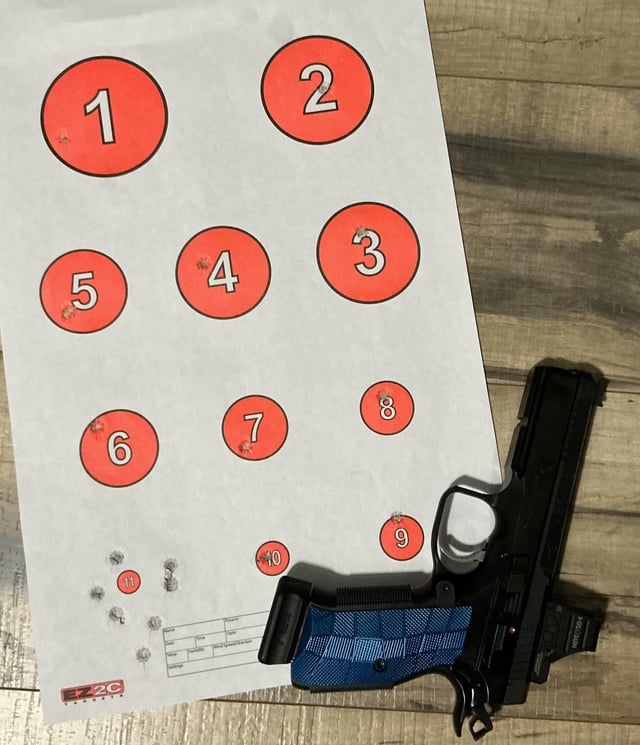
Tiers: From low ready, a passing time is under 3.5 seconds. A solid time is under 2.5 seconds. A strong time is under 2.0 seconds. From the holster, add one second to each tier.
Run it twice at the start of every session, cold, before the warm-up drill. First two runs, no warm-up, no mulligans. Record both times and the hit count. This becomes your cold-start benchmark and it's the most honest measure of where a shooter actually is. Not where they are after fifty rounds of warm-up, but where they are when it matters.
Over three or four sessions, the trend tells the story. If times are dropping and hits are holding, the training is working. If times are dropping but hits are falling off, the shooter is chasing speed before they own the accuracy. If nothing's changing, the dry fire between sessions probably isn't happening.
Range notes: Use a shared spreadsheet or a simple logbook that stays with the club. Record each shooter's 5-5-5 times and hit counts at every session. Publicly posted scores create friendly accountability. People train harder between sessions when they know the number's going on the board.
Common mistakes that kill group sessions
Most group range sessions fail for predictable reasons. Here's what goes wrong and how to avoid it.
Trying to cover too much in one session is the most common failure mode. You don't need to work draws, reloads, transitions, shooting on the move, and malfunction clearance in a single outing. Pick one skill. Build the drills around it. Go deep instead of wide. A session focused entirely on the draw to first shot, with three different drills that attack it from different angles, will produce more improvement than a buffet of six unrelated drills.
Letting the session become a free-for-all after the first drill is the second killer. Structure needs to hold from start to finish. If you run one organized drill and then say "okay, use the rest of your ammo however you want," you've just told everyone that the structured part was optional. The free shooting expands, the structured part shrinks, and within two months you're back to eight people plinking with no plan.
Not using a shot timer turns practice into guessing. Without a timer, nobody knows if they're faster or slower than last month. Every drill should be timed, even if the par time is generous. The timer adds just enough pressure to simulate real performance demands, and it gives you data. A group session without a timer is a social event with guns. There's nothing wrong with social shooting, but don't confuse it with training.
Skipping the briefing because "everyone knows the drill" is how complacency breeds safety incidents. The briefing happens every time. Full stop. Even if it's the same six people who've been coming for a year. The commands, the safety rules, the drill format, the round count. Say it out loud. Every time.
Over-coaching during drills slows everything down and creates a dynamic where the facilitator becomes the bottleneck. If you're spending five minutes between each shooter's rep giving personalized feedback, the other seven people are standing around cooling off. Save individual coaching for after the drill block or between sessions. During the drill, keep the line moving: shoot, score, reset, next shooter.
Managing the line with multiple relays
If your group is larger than your range can accommodate on one firing line, you'll need to run relays. This is where facilitation skills matter most, because downtime between relays is where people get bored, lose focus, and start doing unsafe things with "unloaded" guns behind the line.
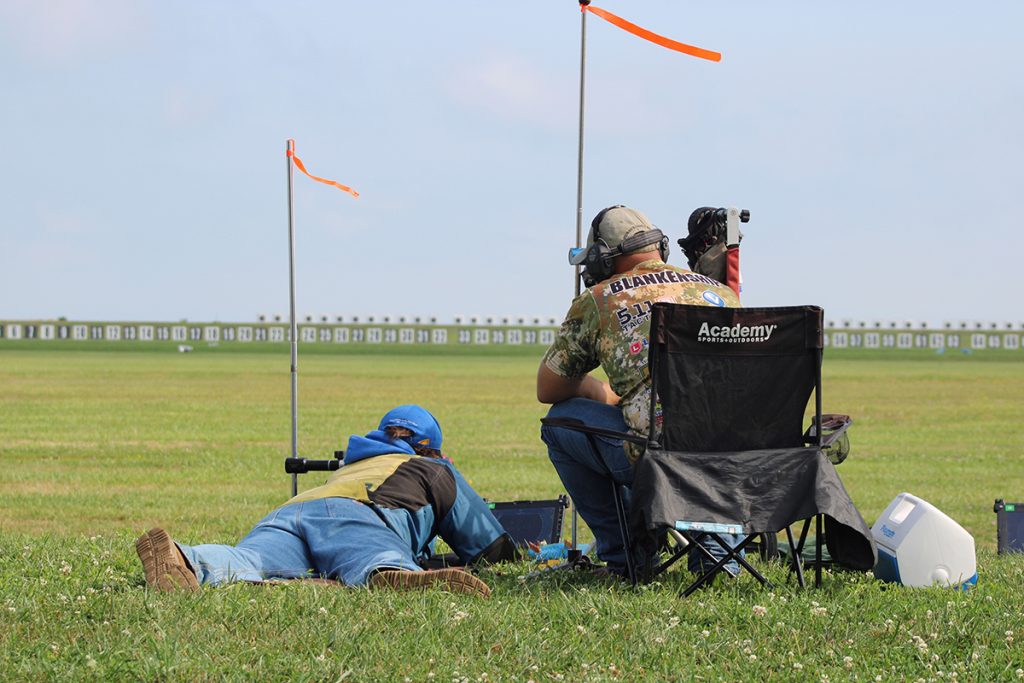
Split the group into two or three relays of roughly equal size. While one relay is on the line, the other relay has a specific job: scoring and taping targets, running the timer, or doing dry fire reps in a designated safe area behind the line. Nobody should be standing around with nothing to do. Idle hands at a range are a safety problem and a motivation problem.
Relay rotation should happen on a fixed schedule. Don't wait for one relay to "finish." Set a time block, fifteen or twenty minutes, and rotate regardless. This keeps the session moving and prevents one relay from monopolizing the line while the other group loses energy.
If you have enough space, set up a dry fire station off the line where the waiting relay can work draws, trigger press, or reloads with verified empty guns. This doubles the productive training time for each shooter and keeps everyone engaged. A simple par timer app on a phone is enough to run dry fire drills independently.
What to do between sessions
The range session is the test. The training happens between sessions, and for most shooters, that means dry fire. The facilitator's job doesn't end when the guns get cased. Send the group home with a specific dry fire assignment based on the session's focus.
If the session was about draws, the homework is ten draws a day to a specific spot on the wall, working the grip establishment and sight acquisition without worrying about the trigger. If the session was about trigger control, the homework is twenty trigger presses a day on a cleared gun, watching the front sight for movement through the break. Be specific. "Do some dry fire this week" is not an assignment. "Ten draws a day, sub-1.5-second par time to first sight picture, five days before next session" is an assignment.
Tracking matters here too. Encourage shooters to keep a simple log: date, drill, reps, and any notes about what felt off. The logbook doesn't need to be fancy. A notes app on a phone works. The point is building the habit of deliberate practice rather than mindless repetition. A shooter who logs fifty dry fire draws between sessions and shows up with a specific thing they're working on will improve faster than someone who puts in two hundred draws while watching TV.
Keeping people coming back
Consistency beats intensity. A club that runs one structured session a month for a year will develop better shooters than one that runs an intense weekend clinic and then does nothing for six months. The facilitator's biggest job, beyond safety, is making the sessions consistent and sustainable.
Keep the format predictable. Same time, same place, same basic structure. People can plan around it. Vary the drills and the skill focus from month to month, but keep the benchmark drill constant so there's always a through-line of measurable progress.
Add just enough competition to keep things interesting without making it intimidating. A monthly leaderboard on the benchmark drill, a "most improved" recognition, or a friendly scored stage at the end of each session gives people something to talk about between sessions. Competition is a motivator as long as it's framed around personal improvement rather than just who's the fastest.
Share the facilitation role. If one person runs every session, they burn out and the club dies when they're unavailable. Train two or three people to run sessions using the same format. Write the session plans down so anyone can pick one up and execute it. The system should be bigger than any one person.
What you'll feel when it clicks
The shift happens around the third or fourth session. People stop showing up to "go shooting" and start showing up to train. They'll reference their last session's scores. They'll mention dry fire reps they did during the week. They'll ask what next month's skill focus is. Somebody will buy their own shot timer. That's when you know the structure is working.
The group doesn't need to become a tactical training unit. It just needs a plan, a timer, and someone willing to run the clock. Everything else builds from there. Track the scores. Trust the trend. And keep showing up.