
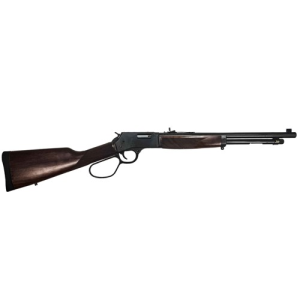
Henry Repeating Arms has been making lever guns for decades, and for most of that time, the knock on them was the same: no loading gate. Beautiful rifles, smooth actions, but you had to pull a tube out the front of the magazine to reload. That changed a few years back when Henry started adding side gates to the Big Boy line, and suddenly the company went from "nice wall hanger" to "legitimate working lever gun" in a lot of people's minds. The Protector Carbine is the next step in that evolution, and it's a meaningful one.
Henry Big Boy Deals
Prices may change. May contain affiliate links.
The Protector line debuted at SHOT Show 2026 alongside a companion series called the Provider. Where the Provider rifles lean toward hunting with longer barrels and traditional stocks, the Protector Carbines are shorter, lighter, and clearly aimed at home defense and truck gun duty. They're chambered in pistol calibers, they ship with threaded barrels and Picatinny rails, and they look nothing like your grandfather's Henry. The real question isn't whether they're cool. It's whether they actually solve problems that existing lever guns don't.
The Protector lineup at a glance
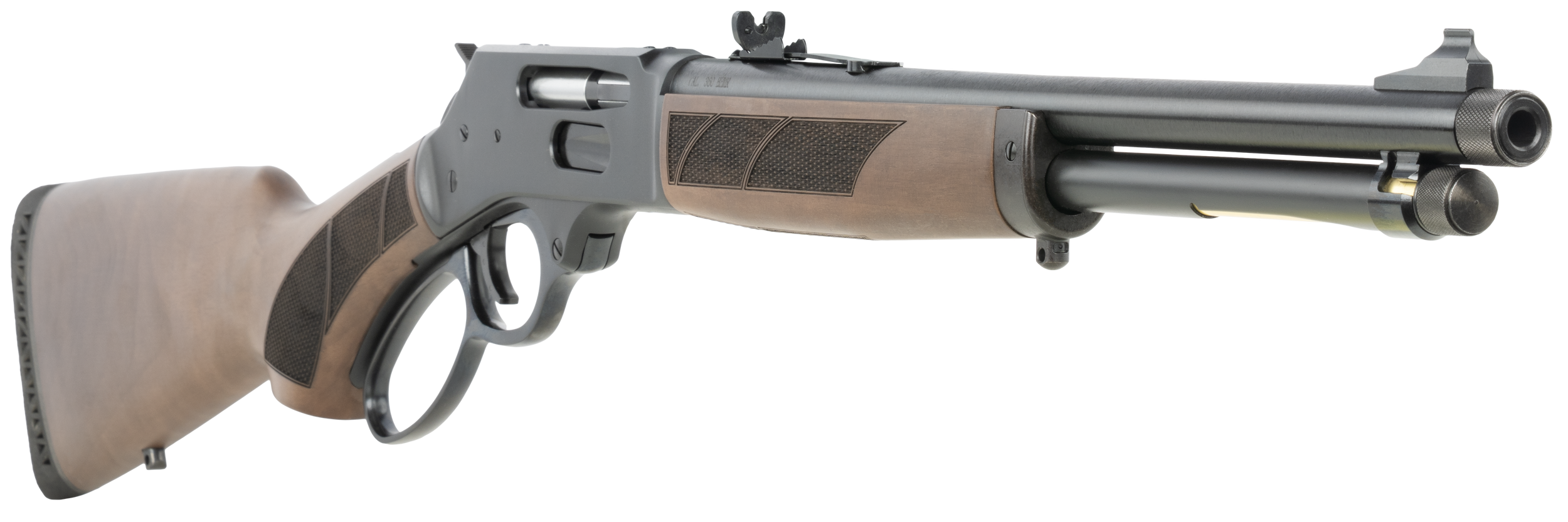
Henry announced the Protector Carbine in three models: the H9, H12, and H13. The H9 is chambered in 9mm Luger, the H12 in .44 Magnum, and the H13 in .357 Magnum / .38 Special. All three share the same basic chassis, but the differences in chambering change the character of each gun significantly.

thread protector Deals
Prices may change. May contain affiliate links.
Henry Protector Carbine H12
May contain affiliate links.
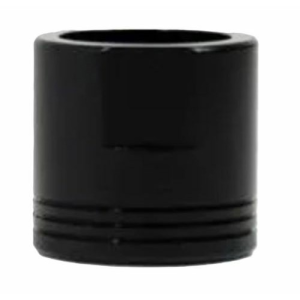
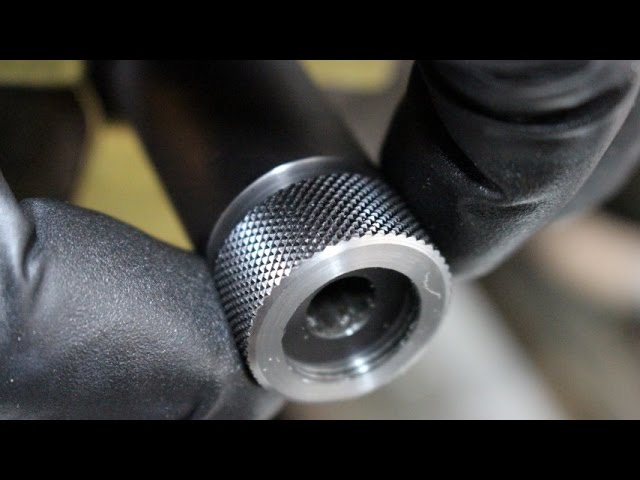
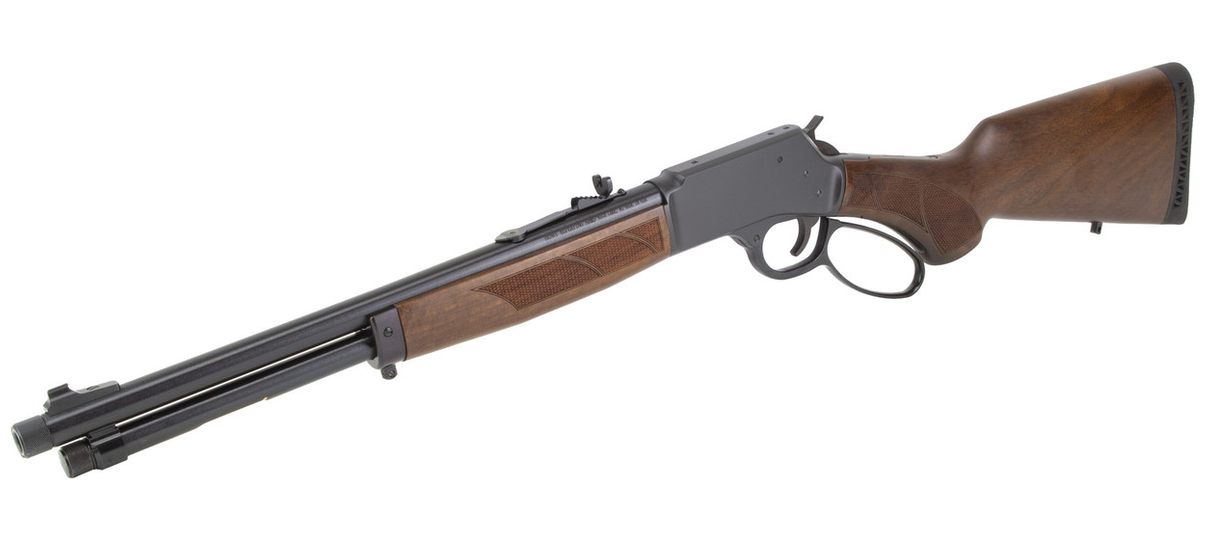
Every Protector ships with a 16.1-inch round barrel that's threaded at the muzzle with a thread protector included. The receiver is drilled and tapped, and there's a full-length Picatinny rail on top for optics mounting. The stock is black-stained hardwood with a straight grip, and the forend is likewise dark hardwood. The overall aesthetic is utilitarian. Henry stripped off the brass and polished bluing that define their classic guns and went with a matte black finish on the steel. Side loading gate is standard, and you still get the front-loading tube magazine as well, so you have two ways to feed the gun.
Magazine capacity varies by chambering. The .357 Magnum H13 holds 7+1 rounds of .357 or can take .38 Special for cheaper practice. The .44 Magnum H12 holds 7+1 as well. The 9mm H9 bumps that up to 10+1, which is notable for a lever gun. Overall weight runs right around 6.8 to 7 pounds unloaded across the line, and overall length sits at approximately 34 inches. That's compact. For reference, a standard AR-15 with a 16-inch barrel and collapsed stock runs about 32 to 33 inches.
Why pistol calibers in a carbine matter
There's a reason pistol-caliber lever guns have had a renaissance over the past several years, and it goes beyond nostalgia. Running a pistol cartridge through a 16-inch barrel gives you a significant velocity bump over a handgun barrel. A .357 Magnum load pushing 1,400 fps from a 4-inch revolver can reach 1,800 to 1,900 fps from a 16-inch tube. That's a different terminal ballistic animal entirely. You're turning a solid defensive handgun round into something that hits more like an intermediate rifle cartridge at close range, with substantially less blast and recoil than a 5.56.
Henry Protector Carbine H9
May contain affiliate links.
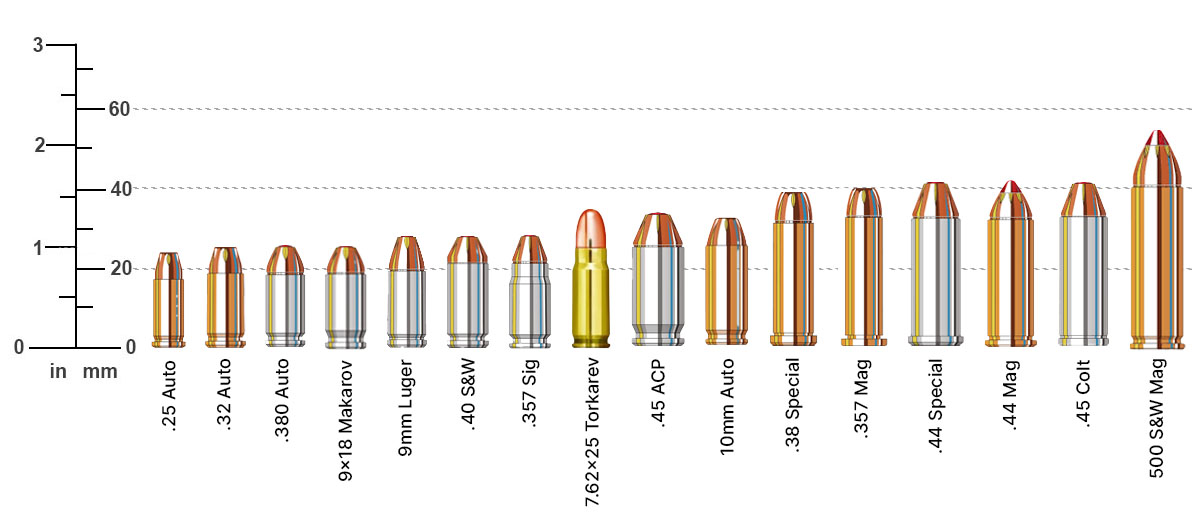
The 9mm option is interesting for a different reason. Velocity gains from 9mm in a longer barrel are more modest because 9mm operates at lower pressures and most factory loads use faster-burning powders optimized for short barrels. You might pick up 100 to 200 fps going from a 5-inch pistol barrel to 16 inches. The real advantage of the H9 is ammunition commonality and cost. If your carry gun is a 9mm, sharing ammo with your home defense carbine simplifies logistics. And 10+1 capacity in a lever gun is genuinely useful.
The .44 Magnum H12 is the power option. Full-house .44 Mag loads from a 16-inch barrel will push 240-grain bullets past 1,700 fps, and heavy 300-grain hardcast loads still move at respectable velocity. That's serious energy for anything inside 150 yards, and it's enough gun for black bear or hogs if the Protector pulls double duty. The trade-off is recoil. A 7-pound lever gun in .44 Magnum gets your attention, though it's far more manageable than the same cartridge from a revolver because you've got a stock on your shoulder and more weight to absorb the impulse.
Range notes: what the chambering choice actually means
The .357 Magnum H13 is probably the sweet spot for most buyers. The recoil is mild enough to run fast, the terminal performance from a 16-inch barrel is legitimate, and the ability to practice with cheap .38 Special keeps range trips affordable. If you're buying a Protector specifically for home defense and don't plan to hunt with it, the H13 is the one to start with. The H9 makes sense if you're deeply invested in 9mm already, but you give up some of the ballistic magic that makes lever carbines compelling. The H12 is the specialist pick for someone who wants a brush gun that can also sit by the nightstand.
What Henry changed from the Big Boy platform
If you've handled a Henry Big Boy Steel Carbine or one of the X Model variants, the Protector will feel familiar but not identical. Henry made some deliberate choices to differentiate this line.
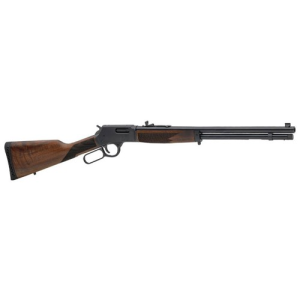
The most obvious change is the threaded barrel. Previous Henry lever guns required aftermarket work to thread the muzzle, which meant finding a gunsmith comfortable with the barrel contour and thread pitch. The Protector comes ready for a suppressor or muzzle device out of the box. With the growing popularity of suppressors and the push for the Hearing Protection Act, factory threading is becoming table stakes for any gun marketed toward defensive use. Henry clearly got that memo.
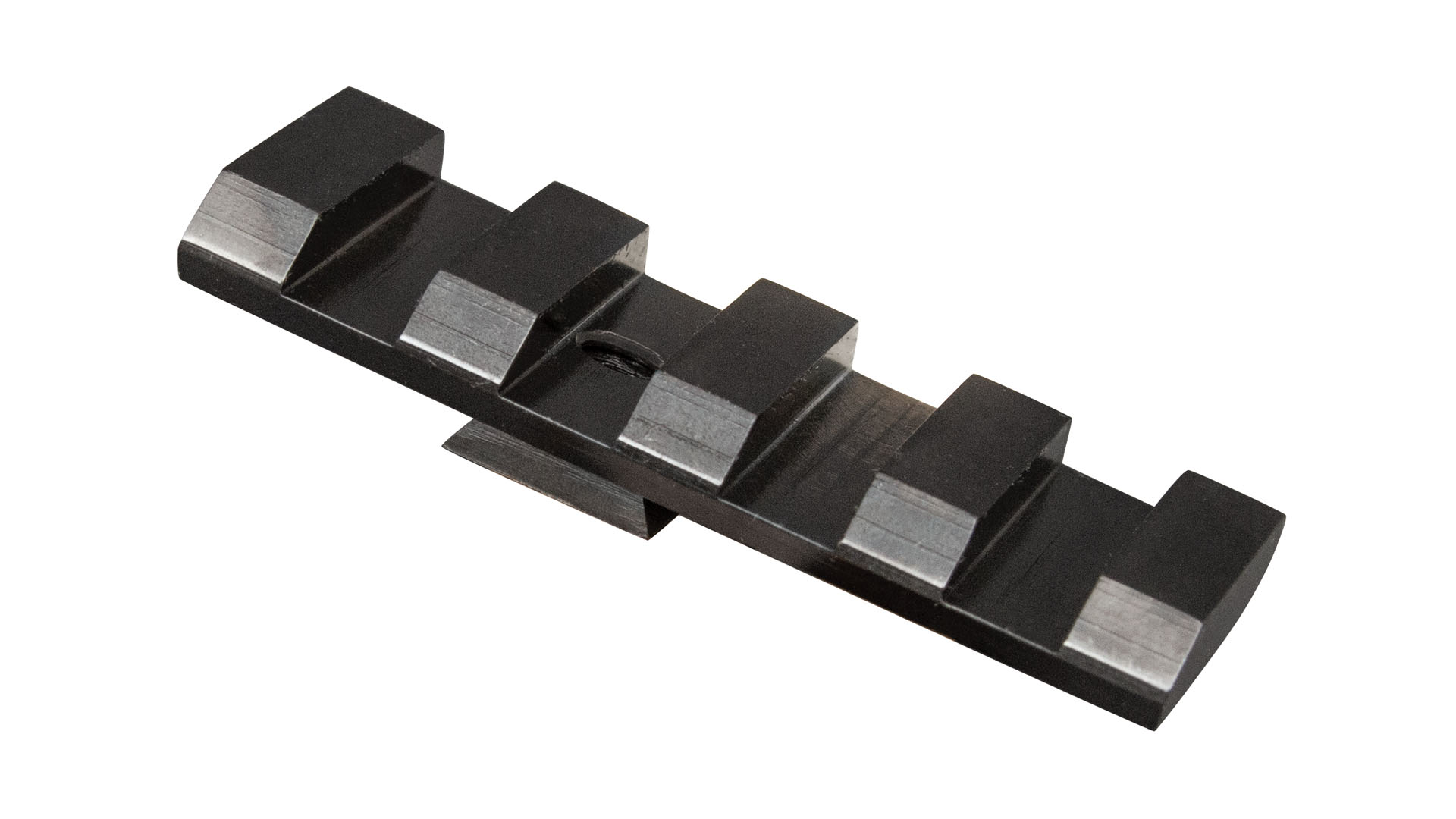
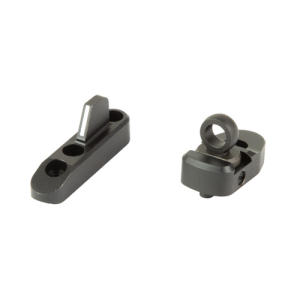
The Picatinny rail is another meaningful addition. Older Henry models had a groove in the receiver for rimfire-style rings, or you had to buy a third-party rail. The Protector's integrated rail means you can mount a red dot or low-power variable optic without any adapter hassle. Given that lever guns have a relatively short sight radius and the Protector's ghost ring rear sight, while functional, isn't as fast as a red dot, this is a welcome change.
The stock design is more subdued than the brass-and-walnut look Henry is known for. The black-stained hardwood won't win beauty contests, but it also won't make you wince when it picks up a scratch in the truck or gets rained on during a hunt. There's no checkering on the grip or forend from what's been shown, which is a minor miss. Smooth hardwood can get slippery with wet or sweaty hands, and some stippling or checkering would've been a practical improvement.
One thing Henry didn't change: the action. It's still the same basic lever mechanism that's been in the Big Boy for years, and that's actually a good thing. Henry's lever throw is smooth and relatively short compared to older Marlin or Winchester designs. The side loading gate works the same way it does on the Big Boy side gate models. You push cartridges in through the right side of the receiver against spring tension, and they feed into the tubular magazine. It's not as fast as a detachable box magazine, but it's a proven system that lets you top off without taking the gun out of action.
How the Protector stacks up against the competition
The lever-action carbine space has gotten crowded. Here's how the Protector compares to the guns it's most likely to be cross-shopped against.

Smith & Wesson 1854 Deals
Prices may change. May contain affiliate links.

Rossi R92 Deals
Prices may change. May contain affiliate links.
Henry Big Boy X Model Deals
Prices may change. May contain affiliate links.
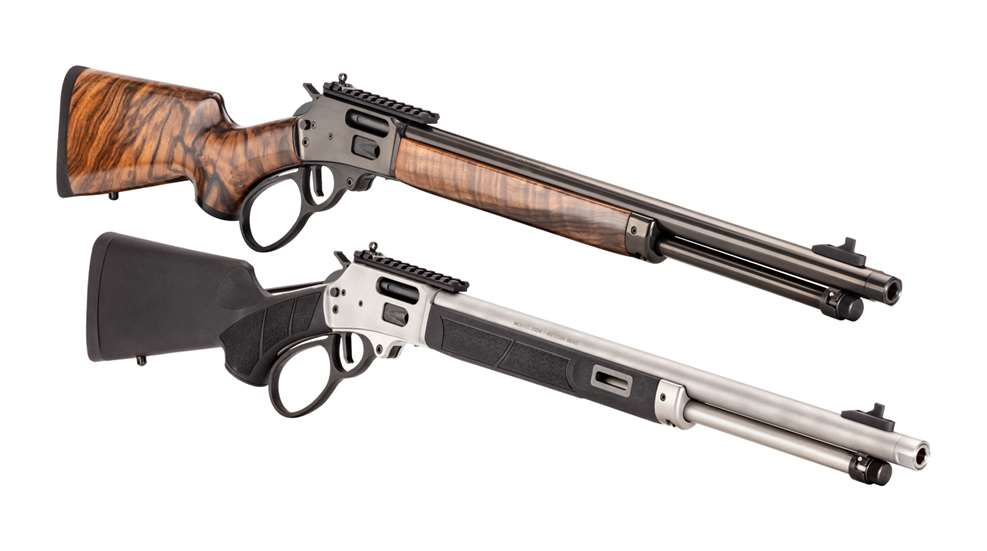
The Smith & Wesson 1854 is the most direct competitor, especially in .44 Magnum. It's got a similar barrel length, side loading gate, and Picatinny rail. The 1854 uses a different action design with a visible external hammer and a slightly different lever geometry. Reports from the field suggest the 1854's action is a bit stiffer out of the box than Henry's, though it smooths up with use. The 1854 also has a synthetic stock option, which gives it an edge in weather resistance. Where the Protector wins is the threaded barrel, which the base 1854 doesn't have, and Henry's generally smoother lever stroke.
The Marlin 1894 (now produced by Ruger under the Marlin name) in .357 Magnum or .44 Magnum is the heritage competitor. Ruger's reborn Marlins have been well-received, with improved fit and finish over the late-production Remington-era guns. The 1894 has a slightly different feel in the hand, with a pistol grip stock that some shooters prefer for recoil management. The Marlin's action is a different design with a different lockup, and many shooters consider it the benchmark lever action. The standard 1894 doesn't come with a threaded barrel or Picatinny rail, though Ruger has released variants like the 1894 SBL and the Marlin Mad Pig Customs that add those features at a significantly higher price point. The base Marlin 1894 and the Henry Protector occupy similar price territory, but the Protector comes with more tactical features out of the box.
The Rossi R92 in .357 or .44 Magnum is the budget option in this space. It's a Winchester 92 clone made in Brazil, and the quality has been inconsistent over the years. Some R92s run great, others need action work out of the box. The R92 doesn't come with a threaded barrel or Picatinny rail in standard trim, and the fit and finish is a step below both Henry and Marlin. But it's substantially less expensive, and if you're willing to do some smoothing work on the action, it can be a solid shooter. The Protector is a clear step up in refinement and out-of-the-box readiness.
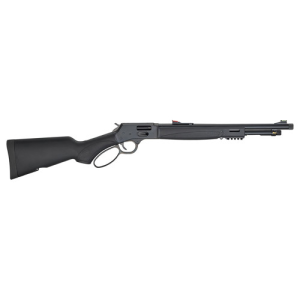
The Henry Big Boy X Model is actually the most interesting comparison because it's Henry's own gun. The Big Boy X already had a threaded barrel, Picatinny rail, and side loading gate in a pistol-caliber lever platform. So what does the Protector add? The differences are subtle but real. The Protector has a slightly different stock geometry, the matte black finish treatment is different, and the overall package is positioned as a purpose-built defensive carbine rather than a general-purpose lever gun that happens to have tactical features. Whether that distinction justifies choosing the Protector over a Big Boy X you can find on a dealer shelf today depends on how much you value the specific ergonomic changes and whether the Protector's MSRP lands in a competitive spot.
The loading gate question
Every lever gun discussion eventually comes back to the loading gate, and it's worth addressing directly. Henry's original tube-loading design was polarizing. Plenty of people refused to buy a Henry because pulling a brass inner tube out the front of the magazine to load felt archaic. Henry's addition of side gates a few years ago was a direct response to that criticism, and the Protector continues with the dual-loading approach.

Henry Provider Deals
Prices may change. May contain affiliate links.
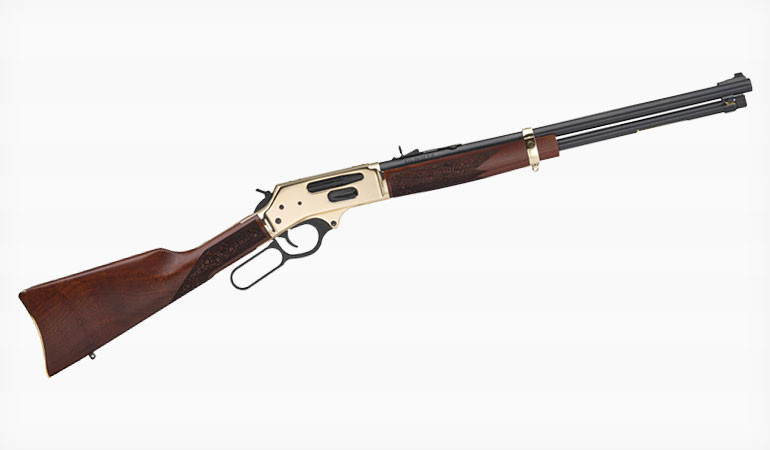
Here's the deal: having both systems is genuinely useful. The side gate lets you top off the magazine one round at a time without breaking your cheek weld or taking the gun off target. That's the combat reload, the practical reload, the one you'll use 95% of the time. But the tube-loading system lets you fully load or unload the magazine quickly when you're at the bench or putting the gun away. It's faster to dump the tube and verify the gun is empty than to cycle every round through the action.
The side gate on Henry lever guns has gotten some criticism for being stiff, especially compared to the Marlin gate. Henry's gate requires a bit more thumb pressure to push rounds in, and the spring tension doesn't ease up as dramatically with use as some competitors. It's not a dealbreaker, but if you've run a Marlin 1894 and then pick up a Henry, you'll notice the difference. Whether Henry has refined the gate tension on the Protector specifically remains to be seen as more guns get into shooters' hands.
Common mistakes with pistol-caliber lever guns
These apply to the Protector and any other lever carbine in pistol calibers.
Holosun red dot Deals
Prices may change. May contain affiliate links.
Running the lever short is the most common malfunction new lever gun shooters experience. You have to run the lever all the way down and all the way back up with authority. Short-stroking, where you don't complete the full lever throw, leaves the action partially open and the next round either won't chamber or will jam halfway in. This isn't a gun problem. It's a technique problem. The fix is deliberate, full-stroke lever manipulation every time.
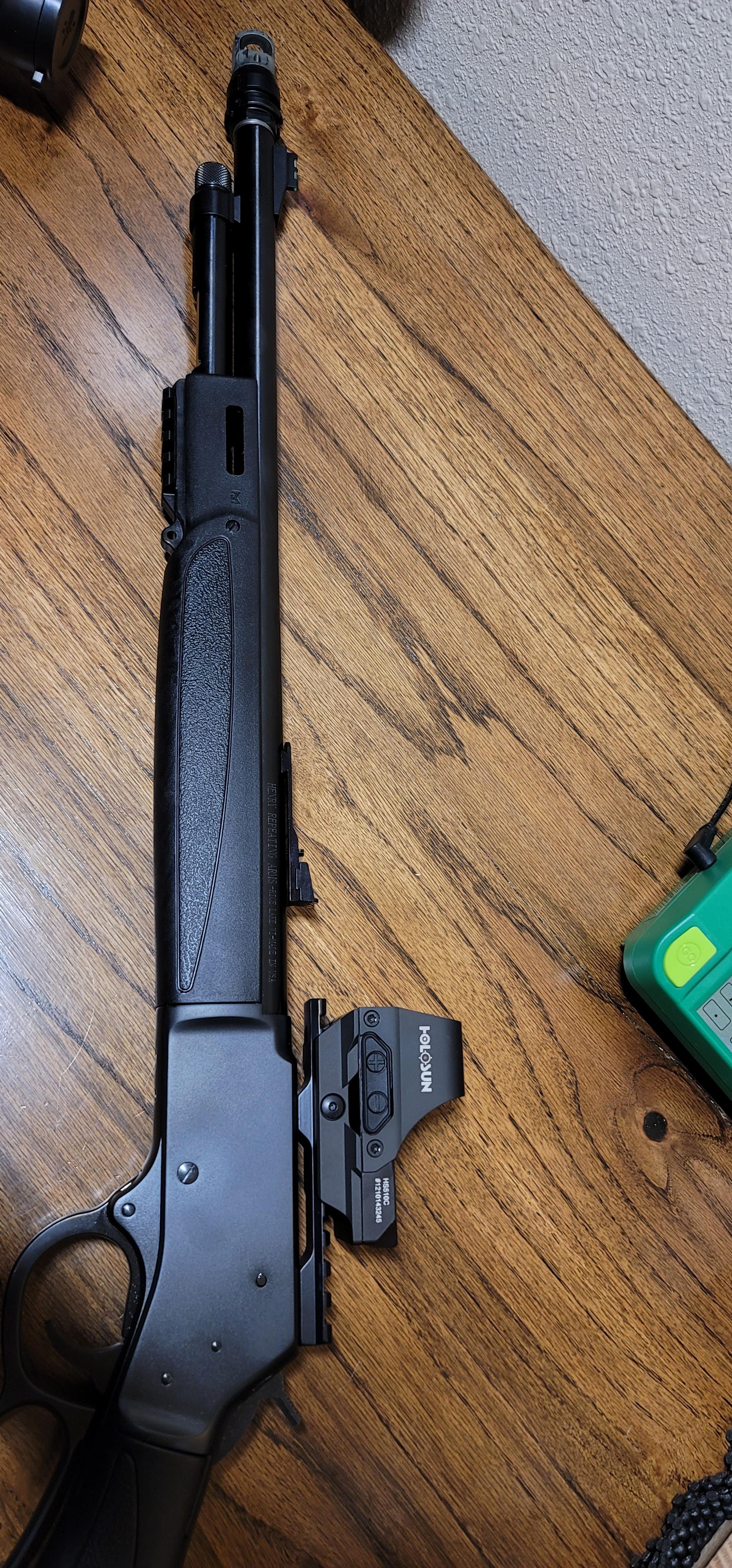
Mounting optics too high kills the ergonomics of a lever gun. The comb on a lever-action stock is designed for iron sight use, which means your eye sits lower than it would on an AR. If you mount a red dot on a tall riser, you'll have to crane your neck up to find the dot, and your cheek weld goes out the window. Use the lowest mount that gives you clearance over the receiver, and test it at the shoulder before you commit to a mounting solution.
Neglecting to clean the tubular magazine is something people forget because it's out of sight. Carbon, unburned powder, and debris accumulate in the magazine tube over time, especially with lead-bullet loads. A dirty magazine tube increases friction on the magazine spring and follower, which can cause feeding issues. Run a bore mop through the tube every few hundred rounds.
Assuming all .38 Special loads will cycle reliably is a trap with .357 lever guns. Very light .38 Special loads, especially wadcutters, can have overall lengths that are short enough to cause feeding hiccups in some lever actions. Full-length .38 Special round nose or semi-wadcutter loads generally run fine, but test your specific ammo before you trust it for defense.
Over-lubing the action gums things up. Lever guns don't need to be dripping wet like an AR bolt carrier group. A light coat of oil on the bolt, lever pivot points, and carrier is sufficient. Excess oil attracts dust and carbon, which turns into paste inside the action.
Build notes: setting up a Protector for defensive use
If you're buying a Protector specifically as a home defense gun, here's how to think about the setup.
Aimpoint Acro Deals
Prices may change. May contain affiliate links.
Holosun 509T Deals
Prices may change. May contain affiliate links.
Trijicon MRO Deals
Prices may change. May contain affiliate links.
two-point sling Deals
Prices may change. May contain affiliate links.
side-saddle shell carrier Deals
Prices may change. May contain affiliate links.
muzzle brake Deals
Prices may change. May contain affiliate links.
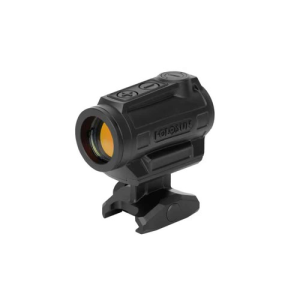
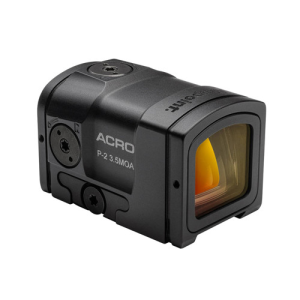
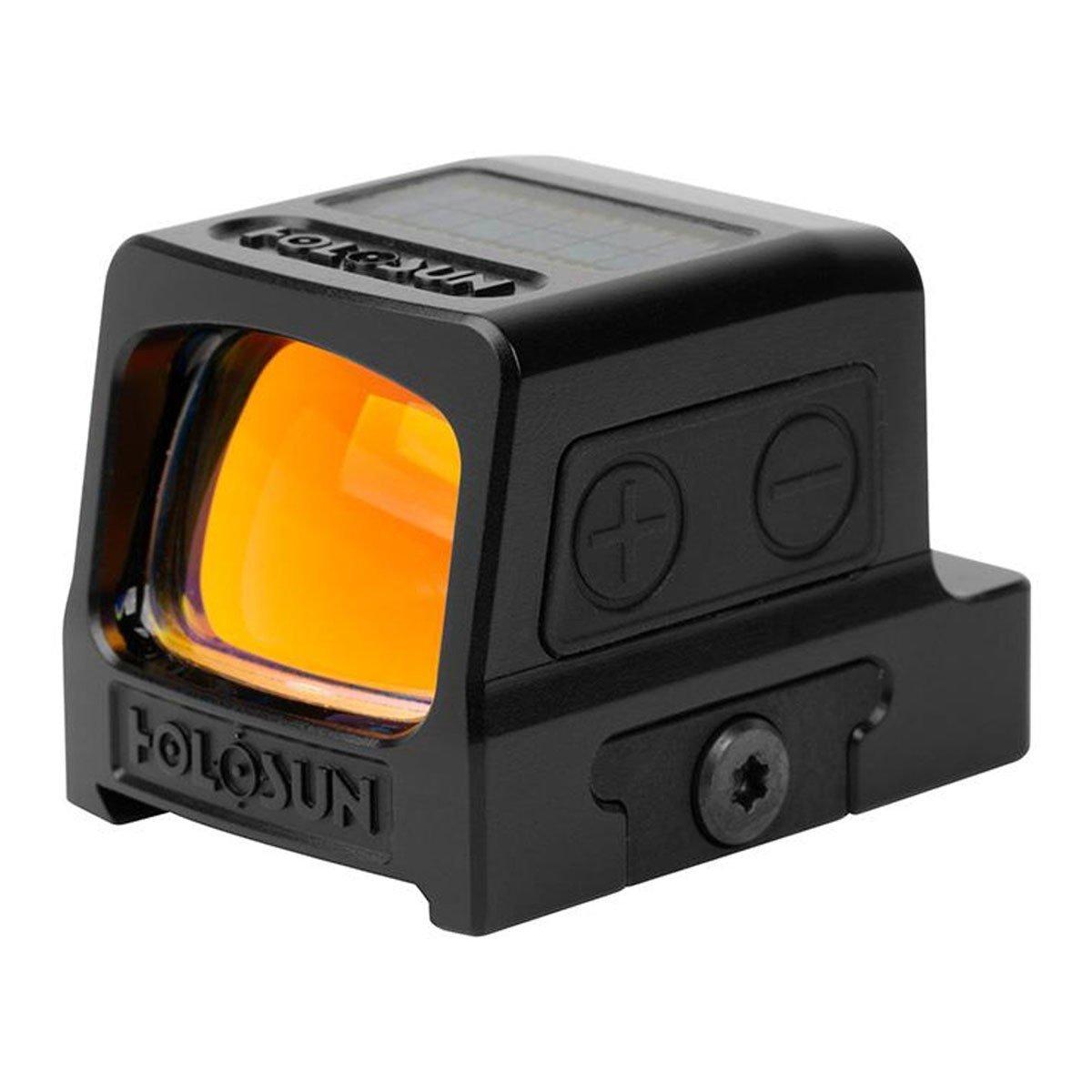
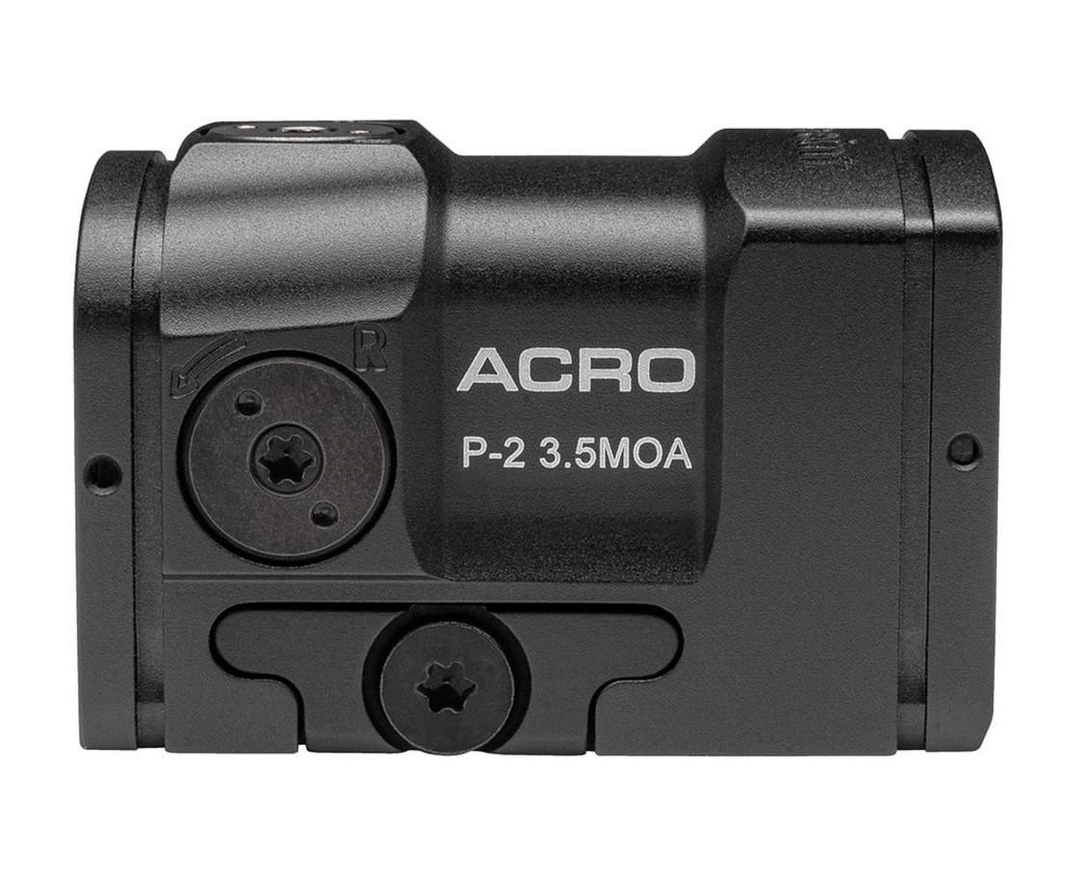
An optic is the single biggest improvement you can make. A micro red dot like an Aimpoint Acro, Holosun 509T, or even a full-size Trijicon MRO will make target acquisition dramatically faster than the factory ghost ring sights. Mount it as low as possible on the Picatinny rail and verify your cheek weld works before you Loctite anything. Some shooters prefer a low-power variable like a 1-4x or 1-6x, which gives you magnification for positive target identification at distance. That's overkill for a pure home defense gun but makes sense if the Protector also sees range or woods duty.
A suppressor is the logical pairing with the threaded barrel, especially for home defense. Pistol-caliber lever guns are already quieter than rifle-caliber ARs, and adding a suppressor to a .357 Magnum or 9mm carbine brings the sound down to genuinely hearing-safe levels with subsonic ammunition. Even with supersonic loads, a suppressor reduces the blast enough to avoid permanent hearing damage if you have to fire indoors without ear protection. The thread pitch on the Protector will dictate your adapter options, so verify that before buying a can.
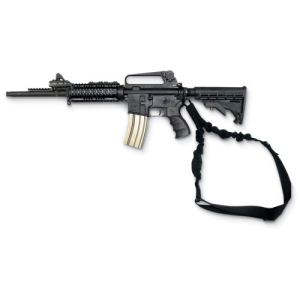
A sling is the most underrated accessory for any defensive long gun. You can't always have both hands on the rifle, and a sling keeps it on your body when you need to open a door, grab a phone, or manage a child. A simple two-point sling with quick-adjust works. The Protector's stock and forend will need sling studs or a band-style attachment point since lever guns don't have QD sockets like ARs.
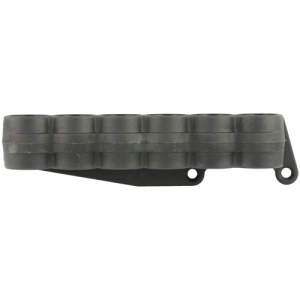
A side-saddle shell carrier on the stock is worth considering for extra ammunition. Lever guns don't have detachable magazines you can swap, so your reload speed depends on how fast you can feed the gate. Having six to eight extra rounds on the stock keeps them accessible without needing a separate carrier.
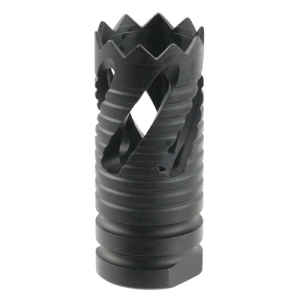
Skip the muzzle brake. On a pistol-caliber carbine that weighs 7 pounds, recoil is already manageable. A brake adds blast and concussion, especially indoors, without meaningfully improving your split times. If you're not running a suppressor, leave the thread protector on.
Where the Protector fits in Henry's lineup
Henry has a lot of lever guns. Understanding where the Protector sits helps clarify who it's for.
The classic Big Boy series is the traditional lever gun: brass receiver, walnut stock, no rail, no threads. That's for the collector, the cowboy action shooter, the person who wants a beautiful gun that happens to function well. The Big Boy Steel and Big Boy X models moved toward practical use with steel receivers, side gates, and (on the X) threaded barrels and rails. The Protector takes the X Model concept and refines it into a more focused defensive package.
On the other side, the Provider rifles announced alongside the Protector are chambered in rifle cartridges like .243 Winchester, .308 Winchester, .30-30 Winchester, and .45-70 Government. Those are hunting guns with longer barrels and traditional profiles. The Provider and Protector together represent Henry's attempt to cover both the field and the home with purpose-built lever actions rather than asking one gun to do everything.
The Protector isn't trying to replace the AR-15 or the shotgun as a home defense platform. It's an alternative for people who prefer manual actions, who live in states with restrictions on semi-automatic rifles, or who simply shoot lever guns better than they shoot anything else. That's not a small market. And a lever gun has some practical advantages that get overlooked: no buffer tube means you can fire from unconventional positions without worrying about stock collapse, there's no gas system to tune, and the manual action means it'll cycle any ammunition that fits the chamber regardless of power level.
What to do when you get one
Zero the iron sights at 50 yards first, even if you plan to mount an optic. This gives you a baseline and confirms the sights are properly regulated. Henry's ghost ring rear sight is adjustable for elevation and windage, so take the time to get it dialed.

snap caps Deals
Prices may change. May contain affiliate links.
If you're mounting a red dot, zero at 50 yards as well. Pistol-caliber carbines have enough trajectory arc that a 50-yard zero keeps you within a few inches of point of aim from contact distance out to 100 yards with most defensive loads.
Run at least 200 rounds through the gun before you trust it for anything serious. Cycle a mix of your intended defensive ammunition and cheaper practice ammo. Pay attention to feeding, extraction, and ejection. Lever guns are generally reliable, but individual guns can have preferences, and the action will smooth out noticeably over the first couple hundred rounds as the bearing surfaces wear in.
Practice your lever manipulation until it's automatic. The lever stroke should be one fluid motion: fire, lever down to the stop, lever back up to lockup, acquire target, fire. Hesitation or partial strokes will cost you. Dry practice at home with snap caps is the fastest way to build this skill without burning ammunition.
Function check the side loading gate by loading and unloading individual rounds repeatedly. Make sure rounds feed smoothly from the gate into the magazine and that the gate spring returns to position cleanly. If you feel any binding or roughness, a light polish of the gate edges and a drop of oil on the spring usually resolves it. If it doesn't, contact Henry's customer service. They have a reputation for standing behind their guns.