You've decided to start reloading. You've read the forums, watched the videos, and now you're staring at three or four kit options wondering which one actually sets you up to load safe, consistent ammunition versus which one saddles you with accessories you'll replace inside six months. The kit decision matters less than people think in some ways and more than they think in others. The press itself is the least likely component to hold you back. The scale, the priming system, and the dies you pair with the kit are where new reloaders either build good habits or start chasing problems they created on day one.
This is a direct comparison of three kits that dominate the beginner market right now: the Frankford Arsenal M-Press single stage kit, the RCBS Rock Chucker Supreme Master kit, and the Lee Precision Breech Lock Challenger kit. Each one takes a different approach to getting you on the bench. None of them are bad. But they're aimed at different reloaders, and understanding what you're actually buying with each one will save you money and frustration. By the end you'll know which kit matches how you actually plan to reload, what you'll need to add regardless of which you pick, and where each kit's included components fall short.
What's actually in the box
The first thing to understand is that "reloading kit" means different things to each manufacturer. These aren't apples-to-apples packages, and the price gap between them reflects real differences in what ships.
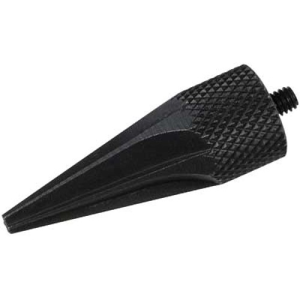
RCBS Deburring Tool Deals
Prices may change. May contain affiliate links.
RCBS Hand Priming Tool Deals
Prices may change. May contain affiliate links.
Lee Safety Prime On-Press Priming System Deals
Prices may change. May contain affiliate links.

Frankford Arsenal Hand Priming Tool Deals
Prices may change. May contain affiliate links.
Frankford Arsenal Case Prep Tools Deals
Prices may change. May contain affiliate links.
Frankford Arsenal Loading Block Deals
Prices may change. May contain affiliate links.

Frankford Arsenal Powder Measure Deals
Prices may change. May contain affiliate links.
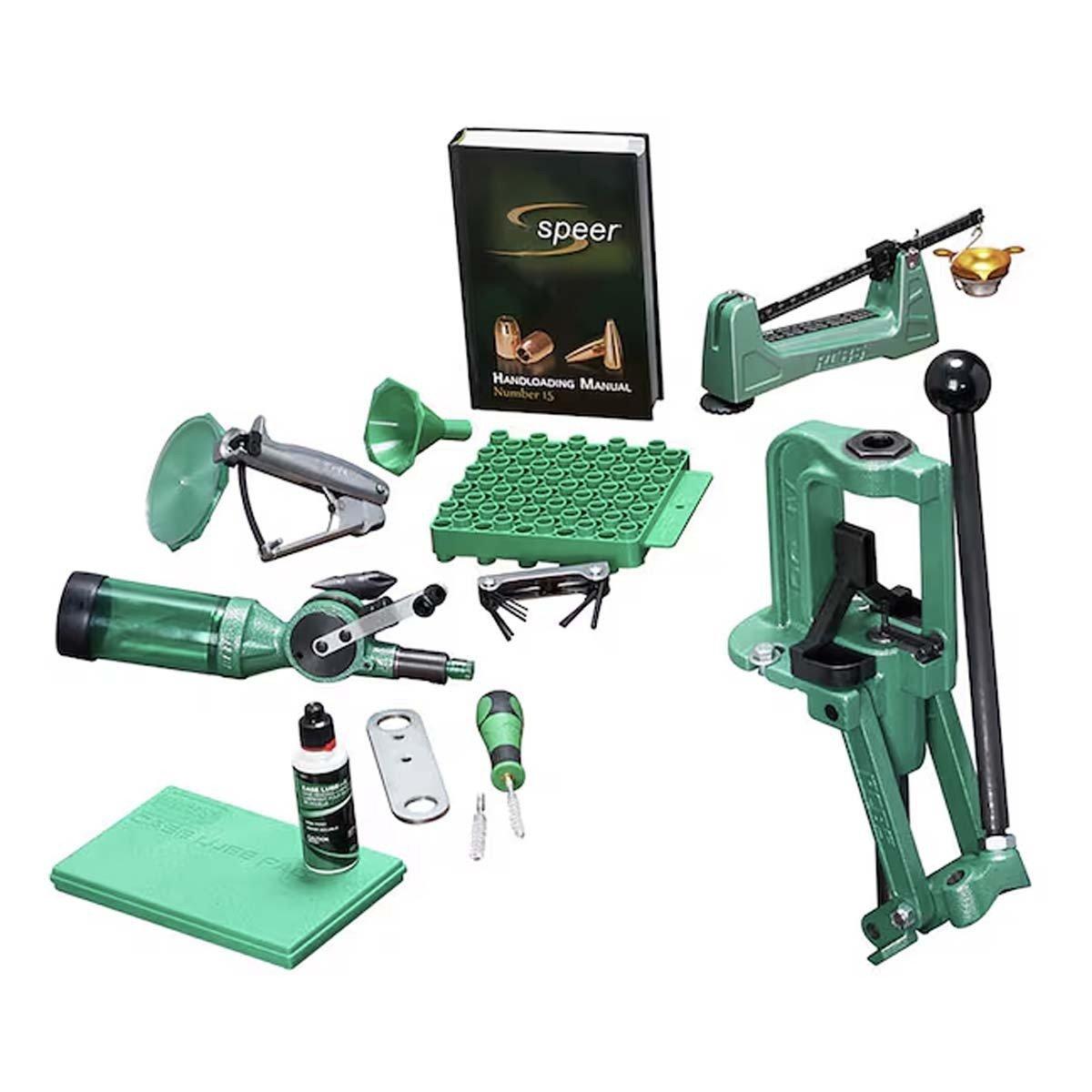
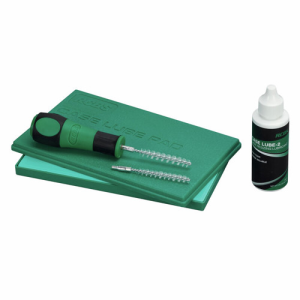
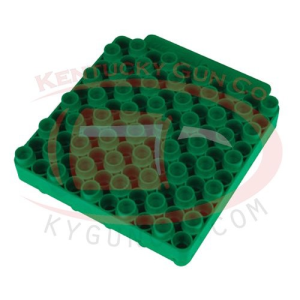
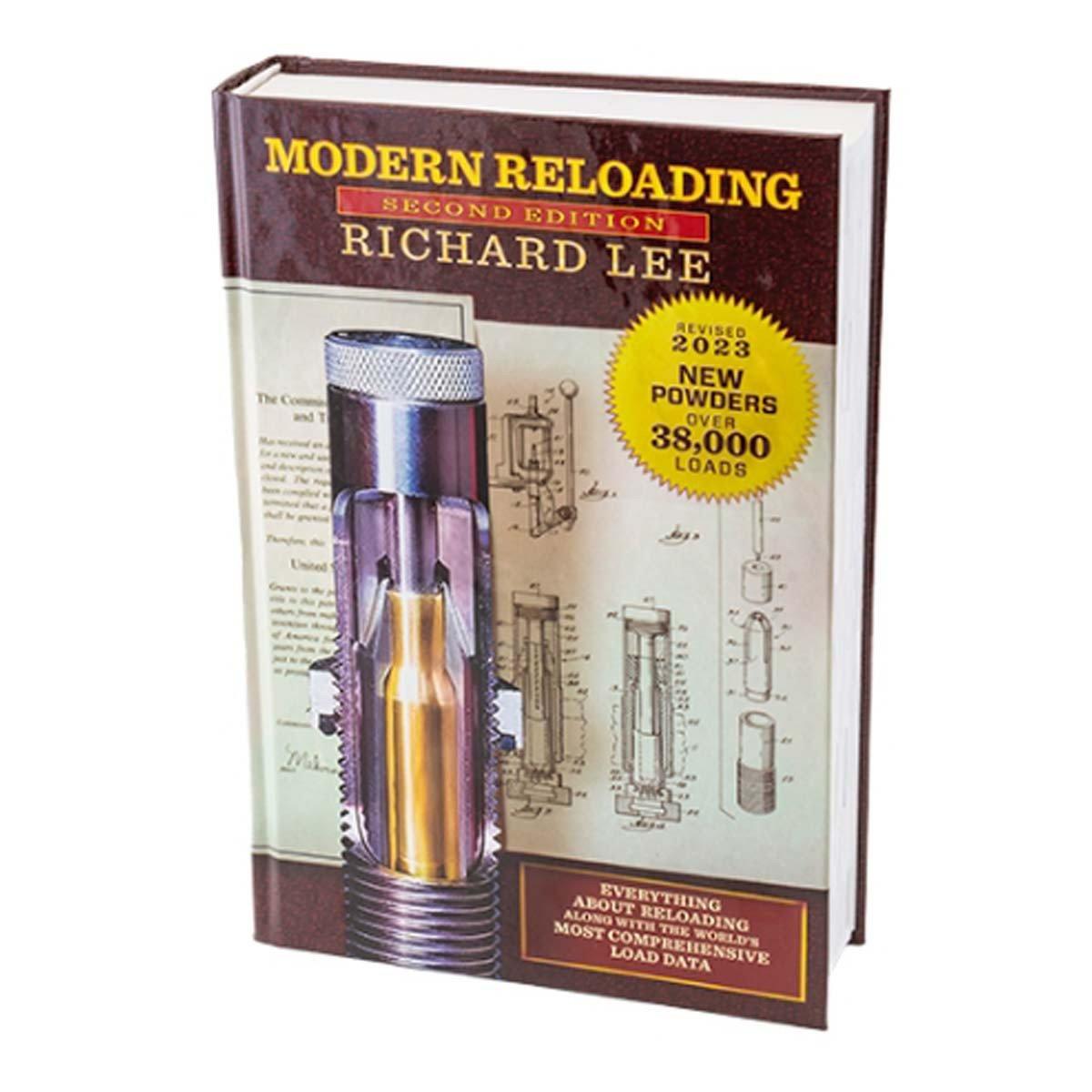
The RCBS Rock Chucker Supreme Master kit is the most complete package of the three. You get the Rock Chucker Supreme press, a 5-0-5 beam scale, Uniflow powder measure, hand priming tool, case loading block, deburring tool, case lube kit, and the Speer reloading manual. No dies, no shell holders, no brass, no components. But the infrastructure is there. The press has a massive compound leverage system with a cast iron frame that's been the benchmark single stage for decades. The 5-0-5 beam scale is mechanical, not electronic, which matters more than most beginners realize.
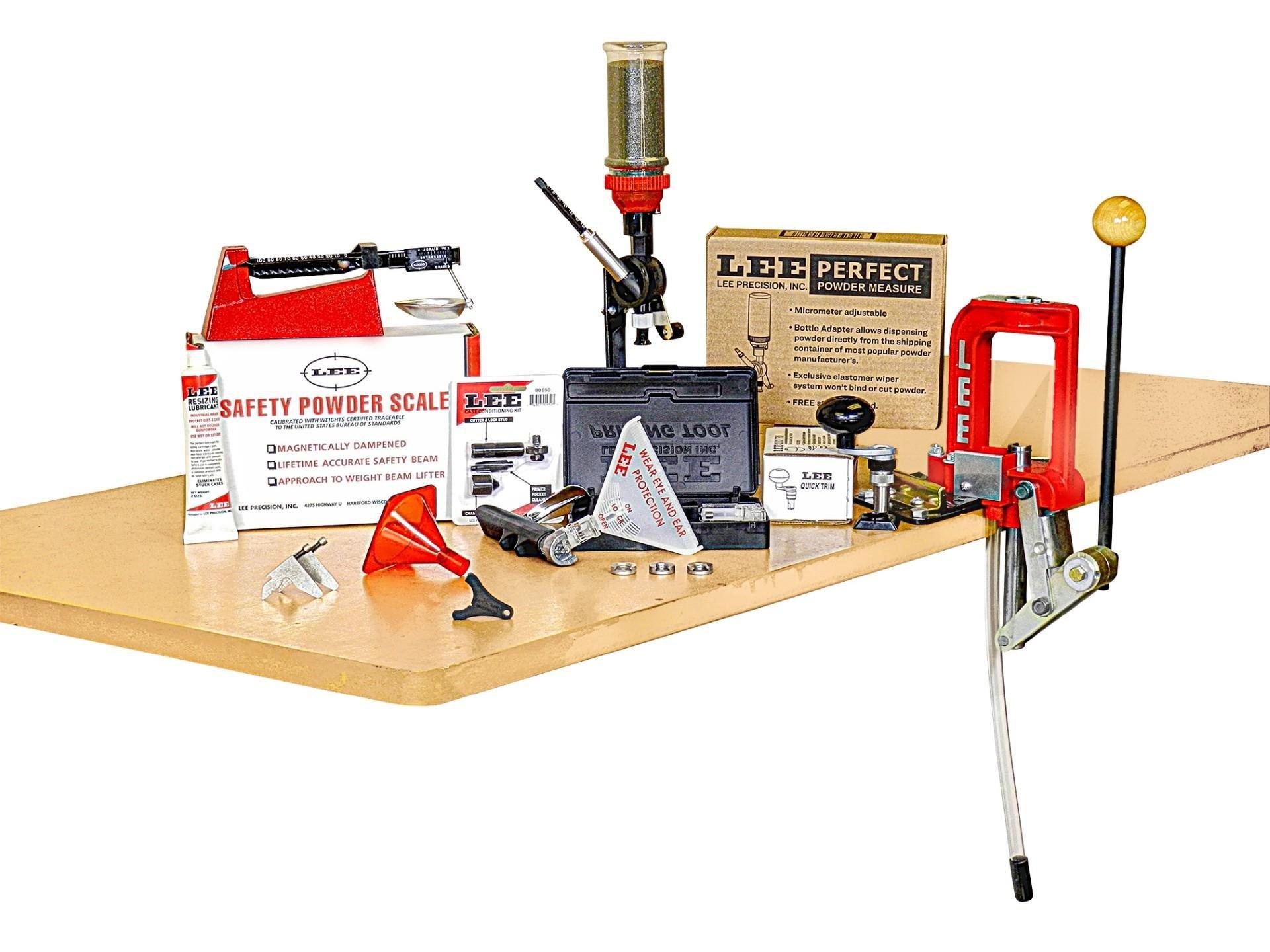
The Lee Breech Lock Challenger kit strips things down. You get the Challenger press with Lee's Breech Lock quick-change bushing system, a Safety Prime on-press priming system, a powder measure, case lube, and Lee's modern reloading manual. The press is aluminum-bodied, noticeably lighter than the Rock Chucker, and uses a different linkage geometry. Lee's philosophy has always been functional at a lower price point, and the kit reflects that. You'll spend less upfront, and the Breech Lock bushing system is genuinely clever if you plan to load multiple calibers since swapping dies takes seconds instead of minutes.
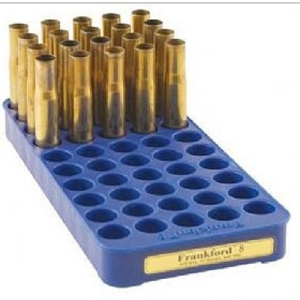
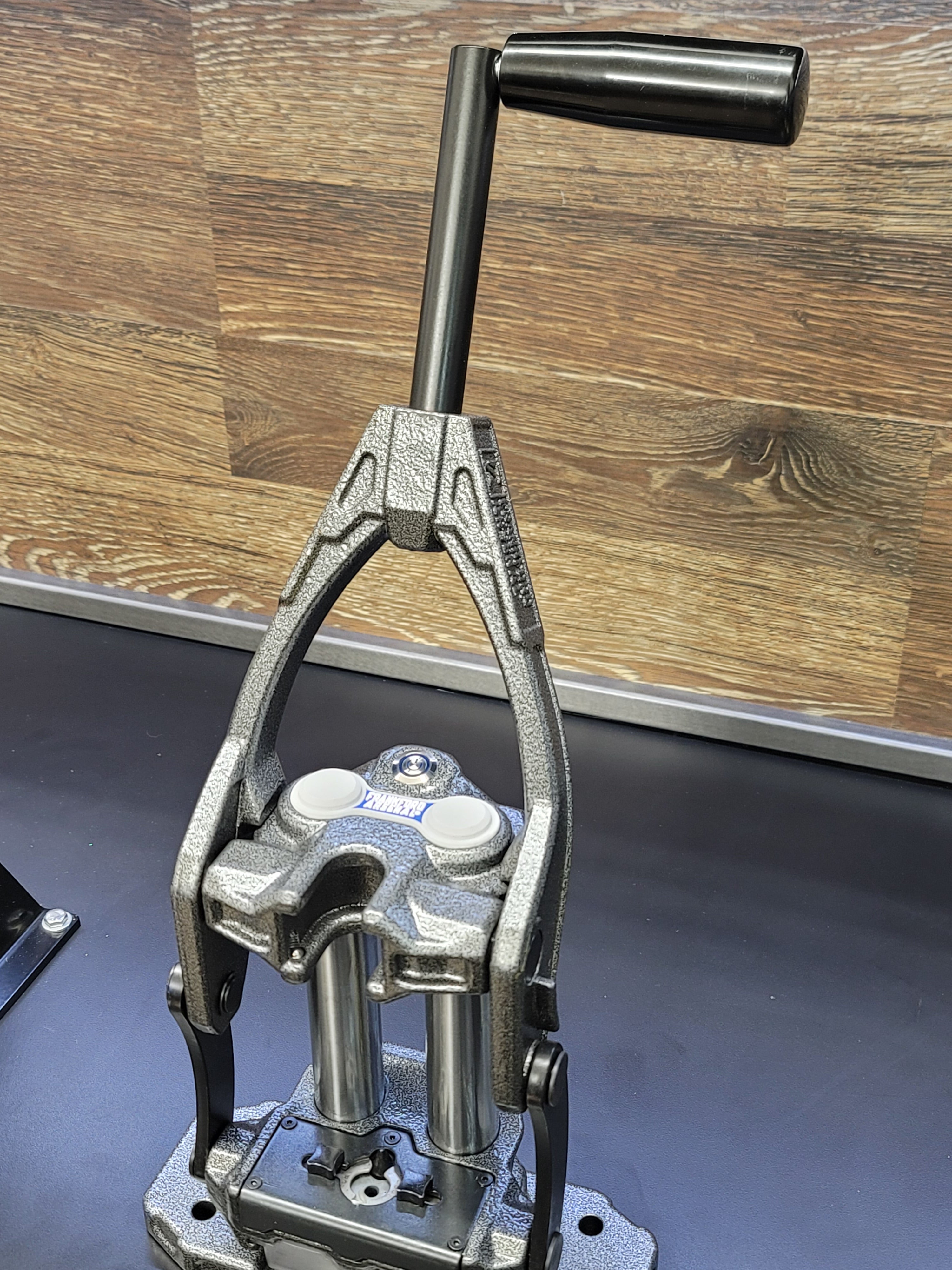
The Frankford Arsenal M-Press kit sits in between. The M-Press itself is a solid single stage with an ambidextrous handle and a co-axial-inspired design that self-centers cases. The kit includes a digital scale, powder measure, hand priming tool, case prep tools, and a loading block. Frankford Arsenal has pushed hard into this space over the last few years, and the M-Press kit represents their bid to compete directly with RCBS at a similar or slightly lower price.
None of these kits include dies or shell holders. Budget for those separately. A set of full-length sizing and seating dies for one caliber will run you another chunk of change regardless of which kit you choose.
The press: where the leverage lives
The press is the centerpiece, and it's also the component you're least likely to outgrow quickly if you buy a decent single stage. All three of these are single stage presses, meaning one die at a time, one round at a time. That's where you should start. Progressive presses are for volume, and volume is the enemy of learning.
Lee Precision Breech Lock Challenger Deals
Prices may change. May contain affiliate links.
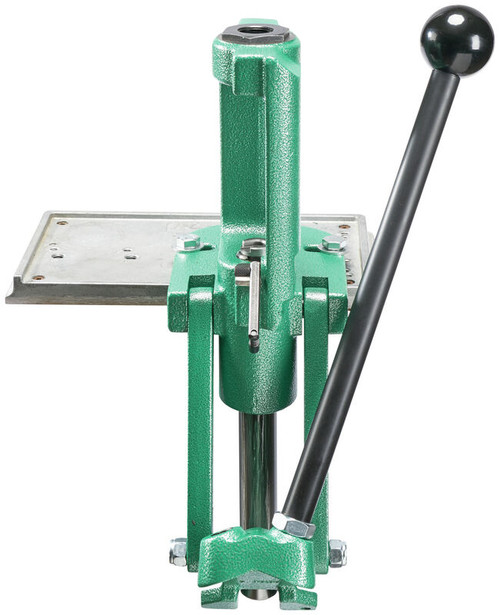
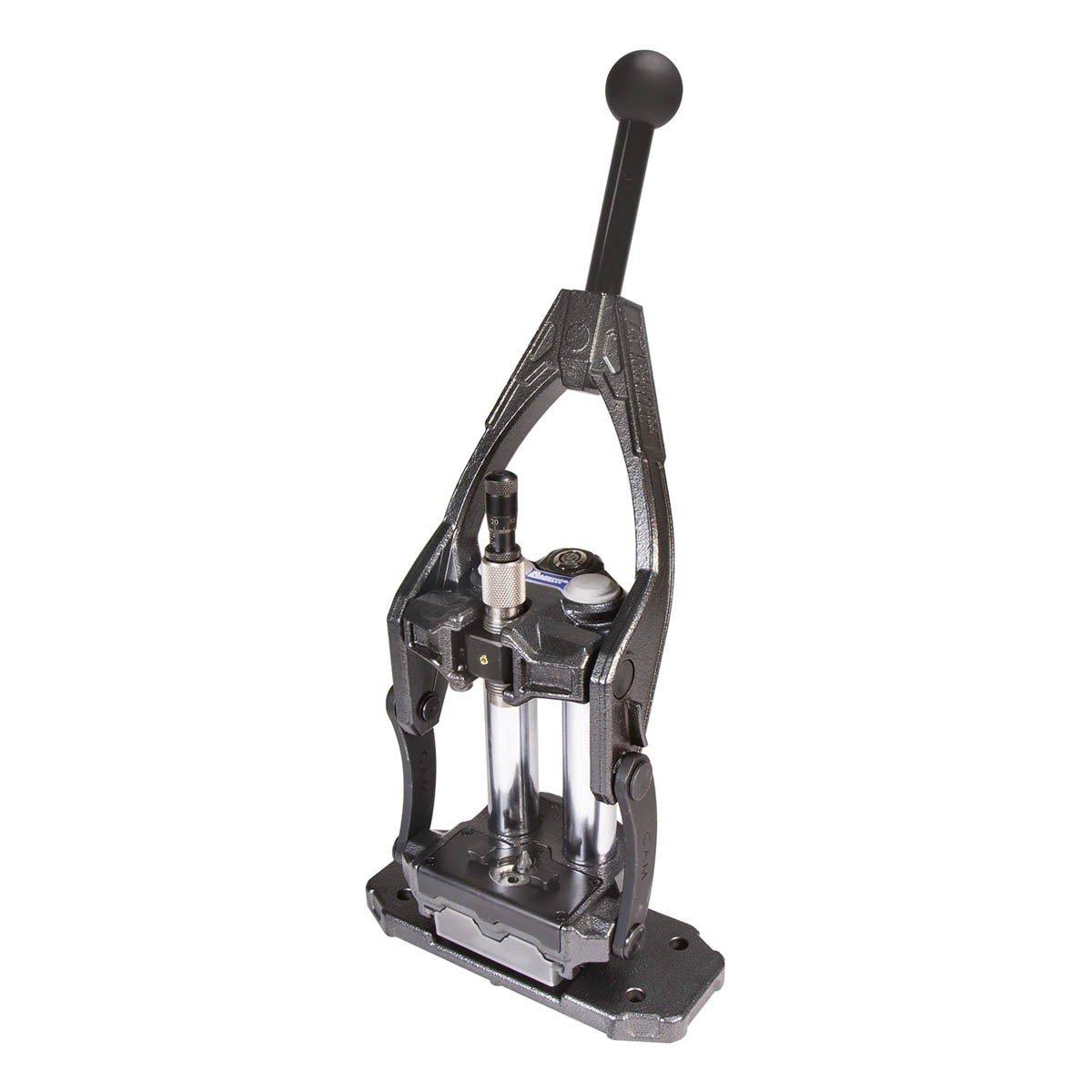
The Rock Chucker Supreme is overbuilt in the best possible way. The cast iron frame flexes less under load than either competitor, which translates to more consistent sizing and seating. The compound leverage linkage gives you serious mechanical advantage at the top of the stroke where you need it most during full-length sizing. For rifle cartridges especially, that extra leverage and rigidity matters. There's a reason the Rock Chucker has been in production for this long. It does one thing extremely well: it holds alignment under force.
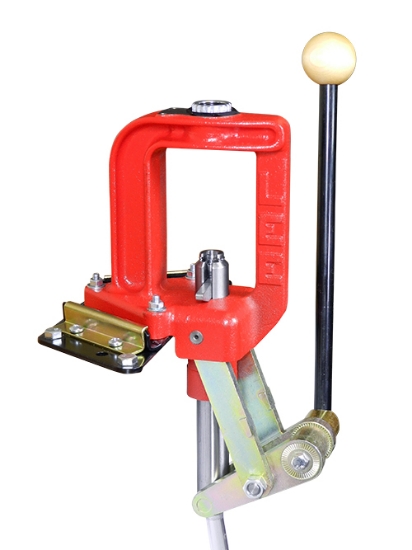
The Lee Breech Lock Challenger uses an O-frame design with an aluminum body. It's lighter, which means it transmits more vibration to the bench and has marginally more flex under heavy sizing loads. For pistol cartridges and moderate rifle cases, you won't notice. For full-length sizing .308 or .30-06 brass, the difference in feel is real. The Breech Lock bushing system is the Challenger's genuine advantage. Each die gets its own bushing, and swapping calibers means popping one bushing out and snapping another in. No wrench, no realignment. If you plan to load three or four calibers from the start, this saves meaningful time.
The Frankford Arsenal M-Press borrows design cues from co-axial presses. The floating shell holder system helps with case alignment, reducing the chance of runout introduced during sizing. The frame is sturdy, and the ambidextrous handle is a nice touch that most presses ignore. It's a newer design without the decades of track record the Rock Chucker has, but early reports from reloaders who've put serious volume through it are positive. The feel at the top of the stroke is smooth, and the priming system integration is clean.
Bench notes: press mounting
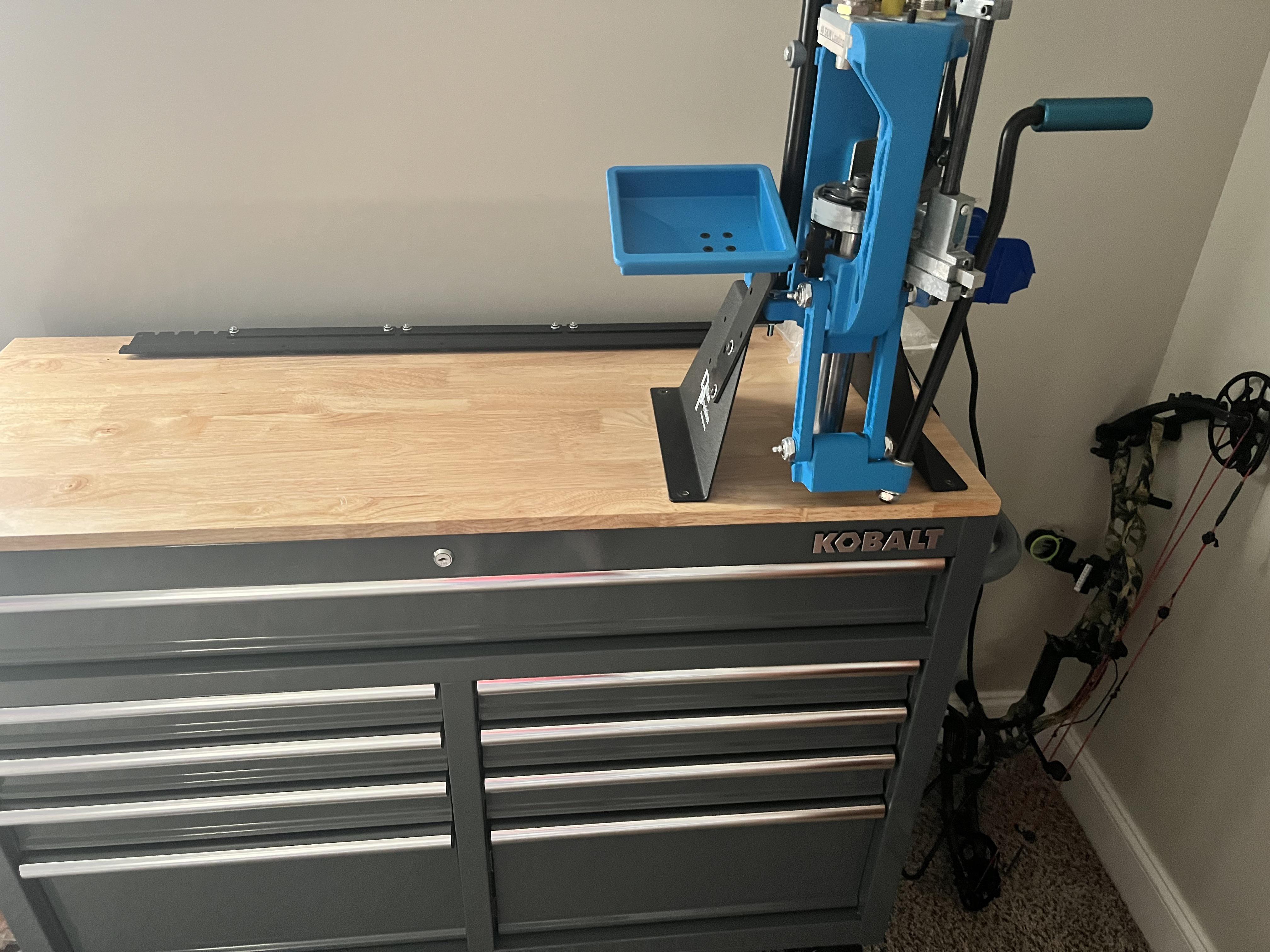
All three presses need to be bolted to a solid bench. This isn't optional. A wobbly press introduces variables you can't control. The Rock Chucker is the heaviest and most stable once mounted, but it also puts the most torque on your bench surface during full-length sizing. Use a minimum of 3/4-inch plywood or hardwood for your benchtop. The Lee Challenger is light enough that a C-clamp mount is tempting. Resist that temptation. Bolt it down.
Scales: the component that matters most
Here's the variable most people ignore when comparing kits: the scale. Your press can be mediocre and you'll still load safe ammo if your charges are right. Your scale being off by half a grain, and you're in dangerous territory with certain powders.
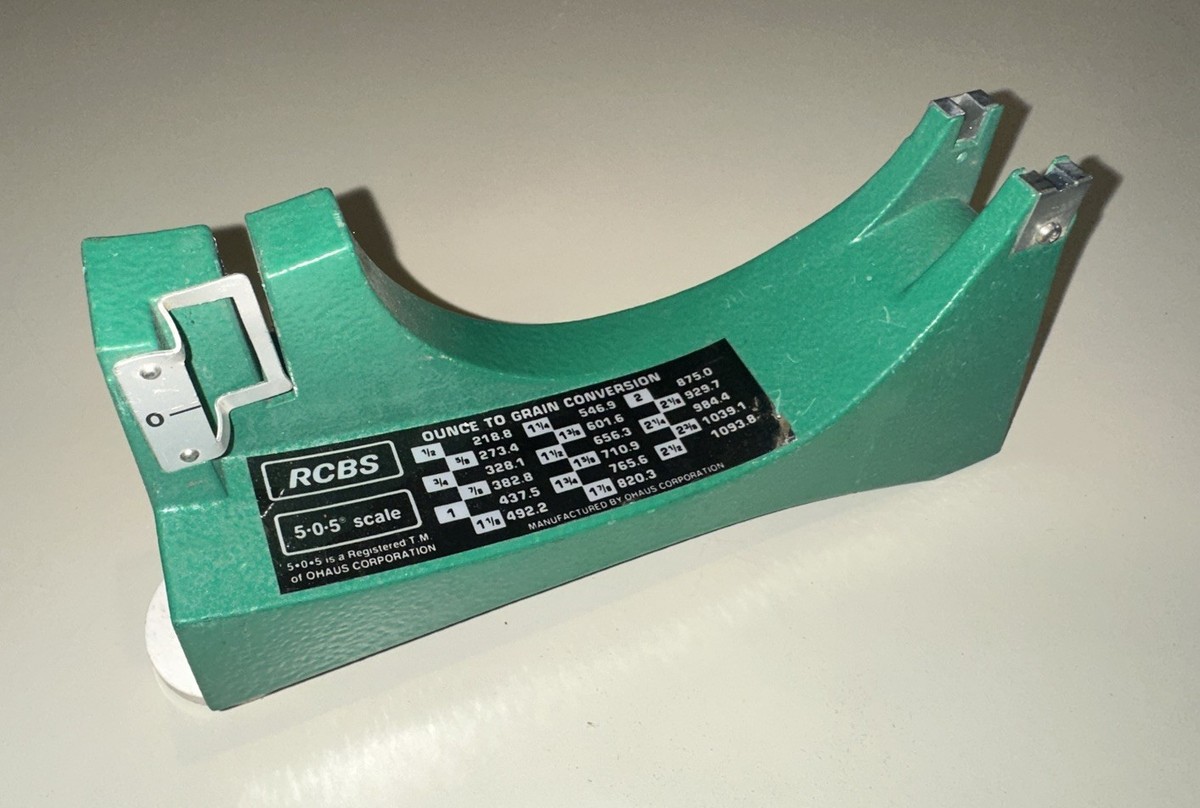
The RCBS 5-0-5 beam scale is mechanical. No batteries, no drift, no warm-up time. You set it on a level surface, zero the beam, and weigh charges. It's accurate to 0.1 grains, which is the minimum standard for safe handloading. Beam scales are slower than digital, but they don't lie. They don't drift mid-session. They don't give you a different reading because the temperature changed or because someone slammed a door. For a beginner building habits, the discipline of using a beam scale is actually an advantage. You learn to read the balance point, and you develop a feel for what a correct charge looks like in the pan.
The Lee kit includes a balance beam scale as well, though it's a simpler design than the 5-0-5. It works. It's functional and accurate enough for safe loading. The graduation marks are slightly harder to read, and the overall build quality reflects the price point. Many reloaders who start with Lee's scale upgrade within the first year, not because it's inaccurate, but because it's slower and fiddlier to get a precise reading.
The Frankford Arsenal kit includes a digital scale, which is the modern approach. Digital scales are faster for throwing and verifying charges. The Frankford Arsenal unit is decent for a kit-included scale, but digital scales at this price point share common weaknesses: they can drift during long loading sessions, they're sensitive to air currents and vibration, and they need periodic re-zeroing. The best practice with any kit-included digital scale is to verify it against check weights every 20 to 30 charges. Frankford Arsenal includes check weights, which is a smart move.
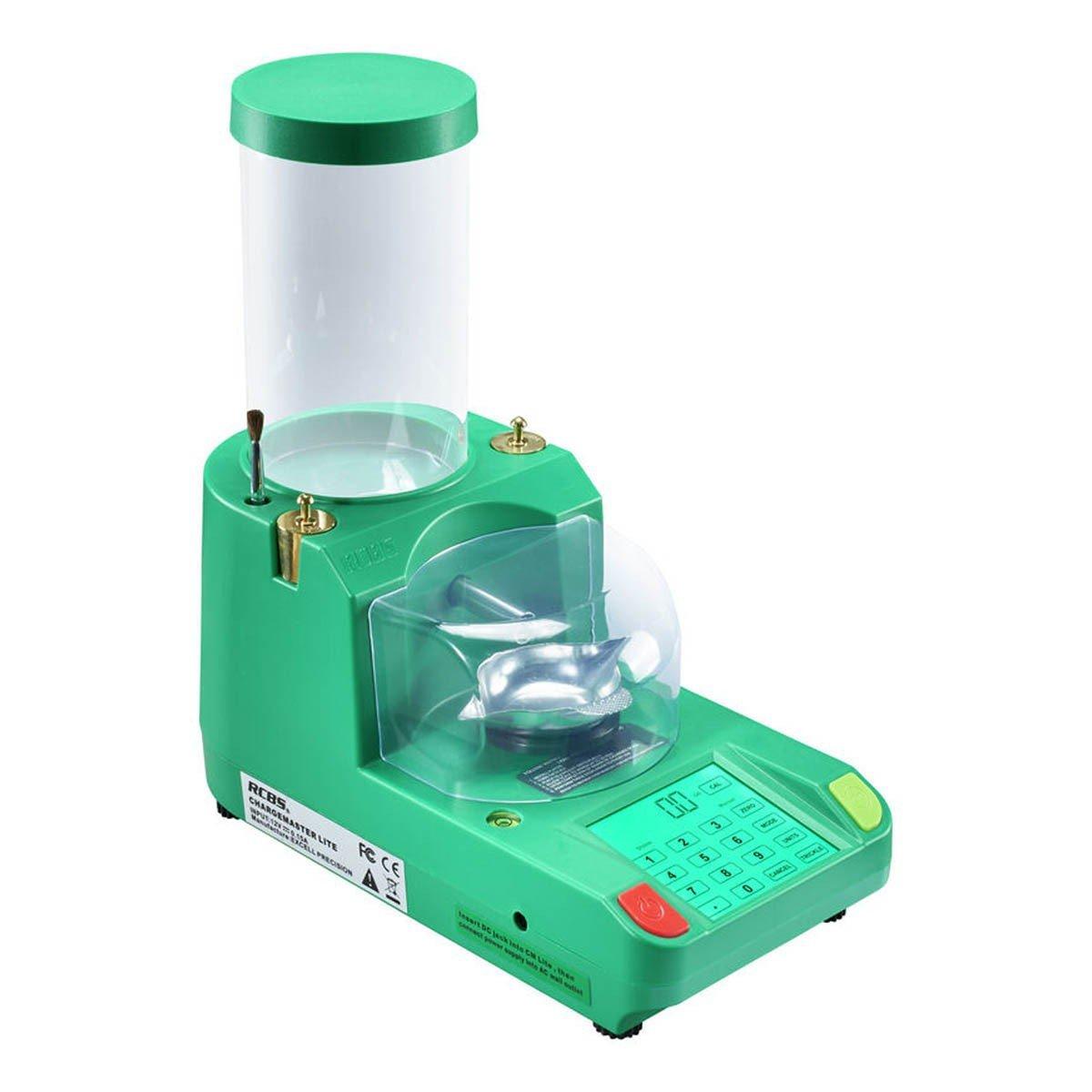
If you're serious about precision from day one, budget for a better scale regardless of which kit you buy. The RCBS Chargemaster series or the Hornady Auto Charge Pro are the benchmarks for combined throw-and-weigh digital systems. But those are individual purchases that cost as much as some of these entire kits. For starting out, the beam scale in the RCBS kit is the most trustworthy included option.
Priming: the operation most beginners underestimate
Seating primers consistently is one of the most feel-dependent operations in reloading, and it's also one of the most safety-critical. A high primer is a slam-fire risk. A crushed primer is a misfire waiting to happen. You need to feel the primer seat to the bottom of the pocket and stop.
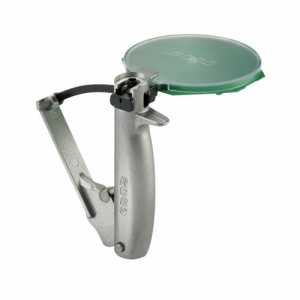
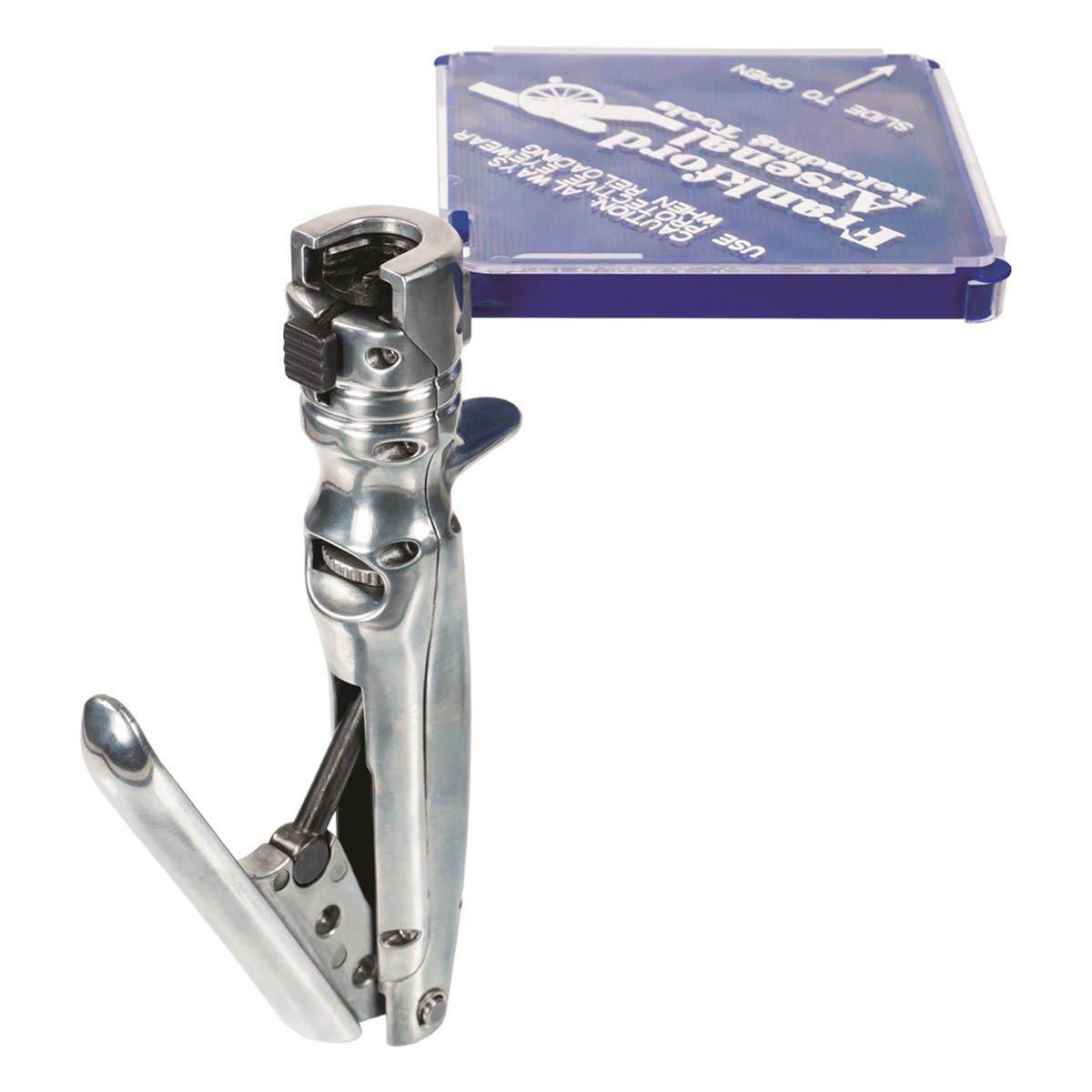
The RCBS kit includes a hand priming tool. Hand priming is the gold standard for feel. You hold the tool in your hand, squeeze, and feel the primer seat through the lever. You can detect tight pockets, loose pockets, and the exact moment the primer bottoms out. The RCBS hand priming tool is well-built and uses shell holders you'll already have for the press.
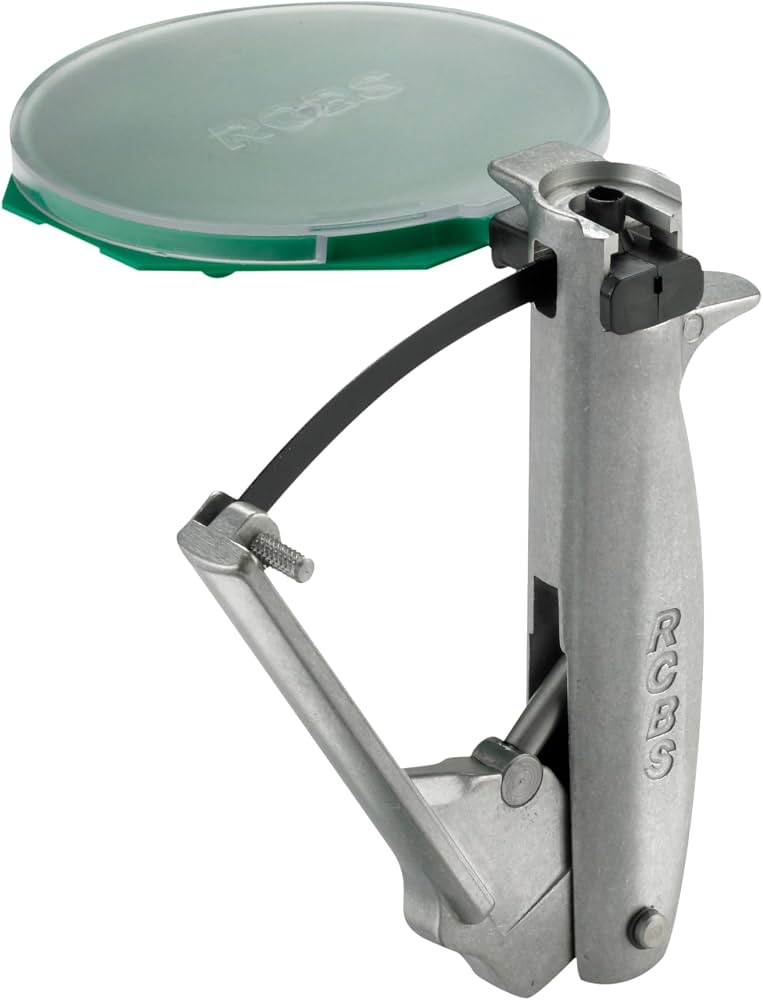
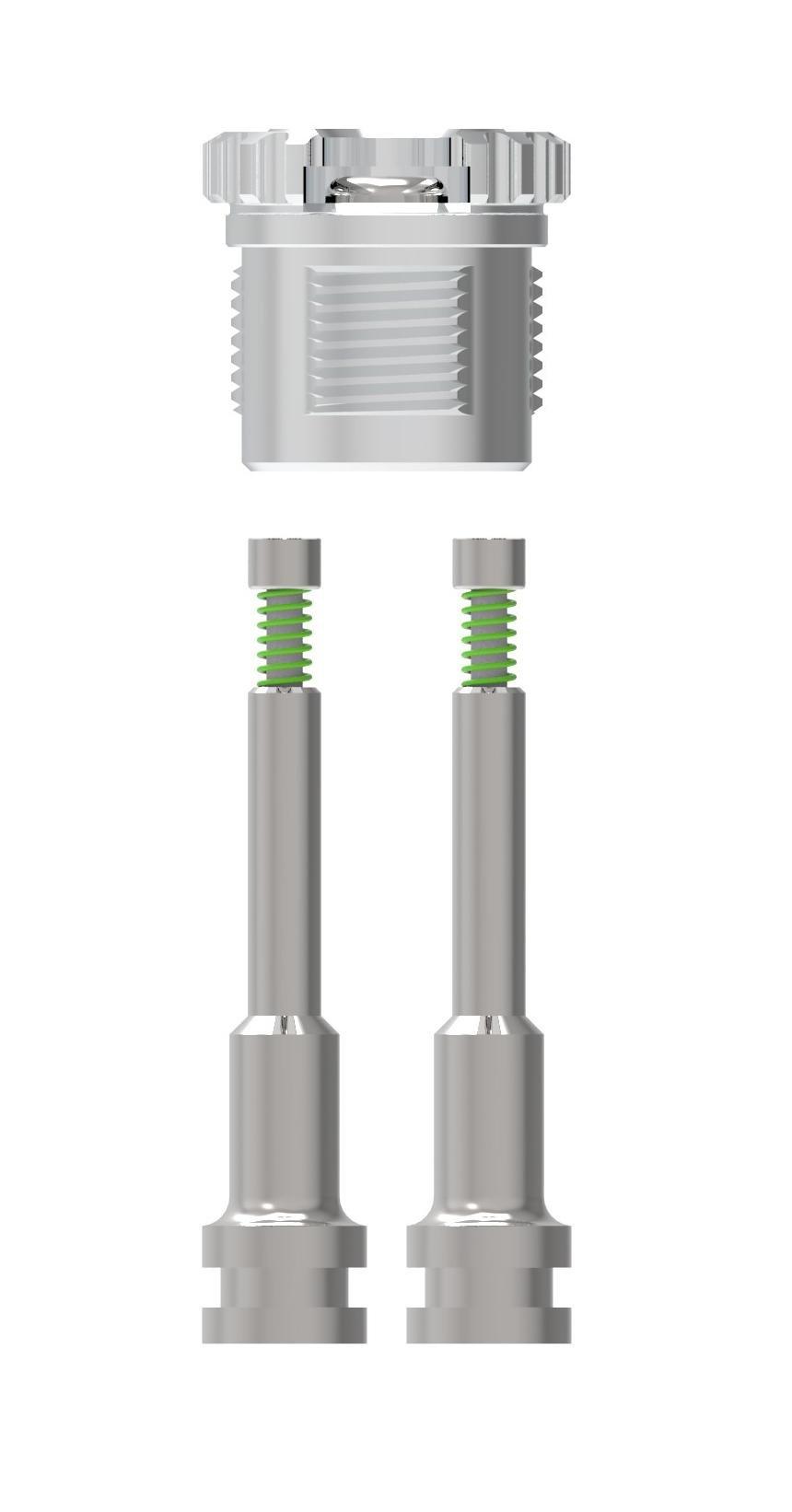
Lee's kit includes the Safety Prime system, which is an on-press priming setup. On-press priming works, and Lee's implementation is functional, but you lose the tactile feedback of hand priming. The leverage of the press handle makes it harder to feel the subtle differences between a properly seated primer and one that's slightly high or slightly crushed. Many experienced reloaders who started with on-press priming eventually switch to a hand tool. Starting with a hand tool saves you that transition.
The Frankford Arsenal kit also includes a hand priming tool, similar in concept to the RCBS unit. It's a newer design and the ergonomics are slightly different, but the principle is the same: hand-squeeze, feel the seat, move on.
What you'll see when priming goes wrong
A primer seated .002 to .003 inches below flush is correct. You can feel it with your thumb across the case head, and it should be smooth with no protrusion. If you feel any bump, the primer is high. Set that round aside and reseat it. If the primer went in with zero resistance, the pocket is loose, which means the brass has been fired too many times or was over-pressured. Don't load that case. Check the primer pockets.
Common mistakes with starter kits
These aren't kit-specific problems. They show up regardless of which brand you choose, and they're all fixable.
Frankford Arsenal Digital Caliper Deals
Prices may change. May contain affiliate links.
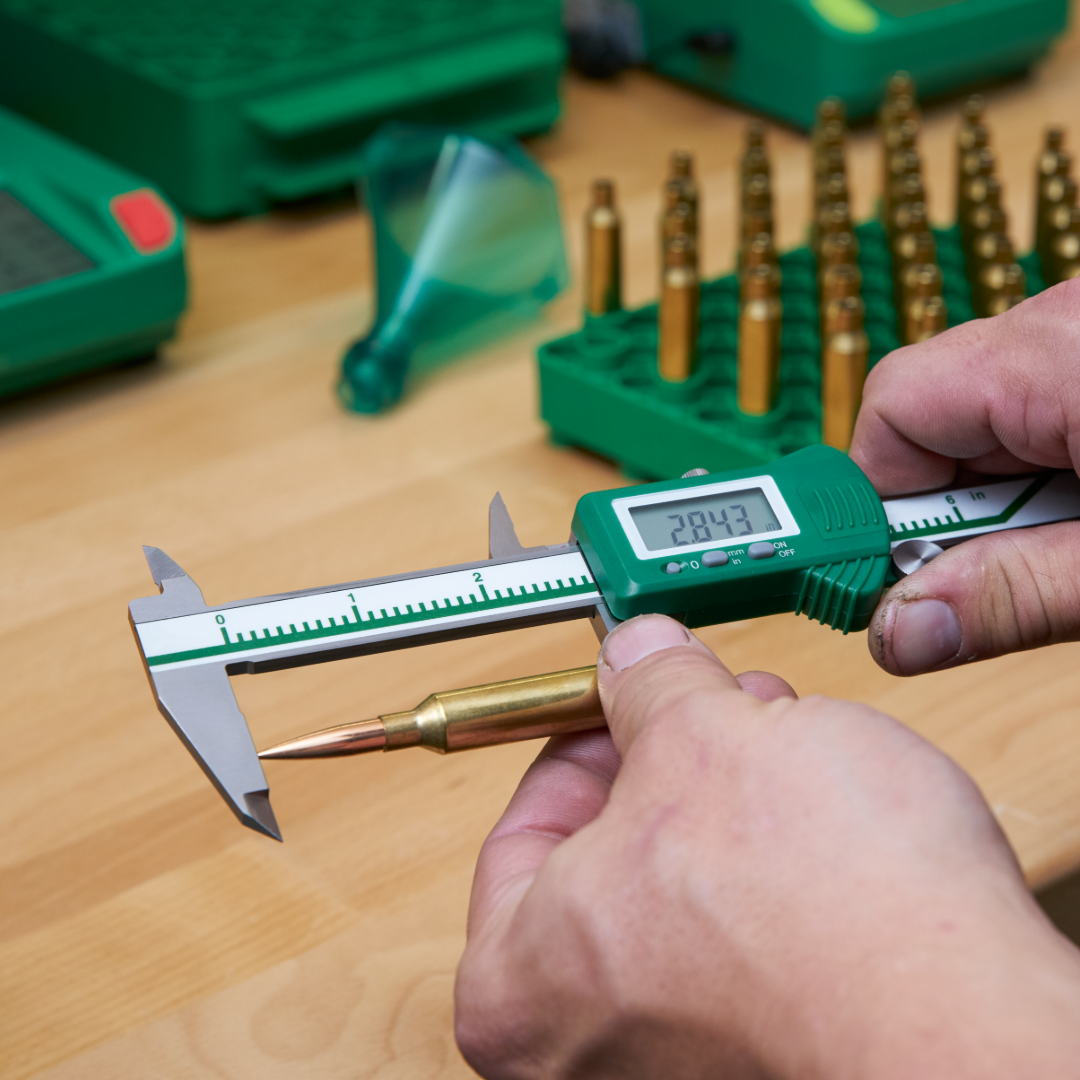
Not buying a caliper is the first one. None of these kits include a caliper, and you cannot safely reload without one. You need to measure overall cartridge length (COAL) and cartridge base to ogive (CBTO) to verify seating depth. A basic 6-inch digital caliper is a mandatory purchase on day one. The Frankford Arsenal digital caliper or a Mitutoyo if you want to buy once are both solid options.
Skipping case prep because the kit doesn't emphasize it is the second. New brass still needs inspection. Fired brass needs sizing, trimming, chamfering, deburring, and primer pocket cleaning. Your kit gets you started on some of this, but you'll likely need a case trimmer (the Lee trim dies are cheap and functional for low volume) and a primer pocket cleaner. This is where brass prep pays off, and skipping steps here introduces variables that show up downrange as vertical spread.
Loading max charges from published data on the first session is the third. Start low. Work up. Log everything. Published max loads are tested in specific test barrels under controlled conditions. Your chamber, your brass, your primer lot, and your barrel's bore dimensions are all different. Start 10% below published max and work up in half-grain increments, watching for pressure signs at each step.
Trusting the powder measure without verifying every charge is the fourth. Every powder measure in every kit needs to be verified against the scale. Throw a charge, weigh it, adjust, throw again, weigh again. Once you're throwing consistent charges (within plus or minus 0.1 grains), you can develop a rhythm. But never assume the measure is right just because you set the dial. Extruded powders (like Varget or H4350) meter less consistently than ball powders (like H335 or Win 748). The powder measure in your kit may need more attention with certain powders.
Not reading the manual cover to cover before loading the first round. Both the Speer manual included with RCBS and the Lee manual are excellent references. Read the entire process section, not just the load data pages. The process chapters explain why each step exists, and that understanding is what keeps you safe when something unexpected happens.
Kit-to-kit comparison at a glance
The RCBS Rock Chucker Supreme Master kit is the best overall package for someone who plans to load primarily rifle cartridges and wants the most robust press and the most trustworthy included scale. The press will last decades. The beam scale will never need batteries. The hand priming tool teaches good habits. The downside is weight, size, and a slightly higher upfront cost. You're also locked into RCBS shell holders, though they're widely available.
The Lee Breech Lock Challenger kit is the best value entry point for someone loading pistol cartridges or who wants to load multiple calibers without spending extra time on die changes. The Breech Lock system is genuinely useful, and the press handles moderate rifle cartridges fine. The included scale and on-press priming are the weak links. Plan to upgrade the scale within the first year and consider adding a hand priming tool.
The Frankford Arsenal M-Press kit splits the difference. The digital scale is faster than a beam but less reliable over long sessions. The press design is modern and well-thought-out, with the self-centering feature reducing runout during sizing. The hand priming tool is included and functional. This kit makes the most sense for someone who wants a more modern setup out of the box and doesn't mind verifying the digital scale with check weights regularly.
| Kit | Press Frame | Scale Type | Priming System | Best For | Key Advantage | Key Weakness |
|---|---|---|---|---|---|---|
| RCBS Rock Chucker Supreme Master | Cast iron, compound leverage | RCBS 5-0-5 beam scale (mechanical) | Hand priming tool | Rifle cartridges, long-term durability | Most robust press & most trustworthy included scale | Heavier, larger, slightly higher upfront cost |
| Lee Breech Lock Challenger | Aluminum, O-frame | Balance beam scale (simpler design) | Safety Prime on-press system | Pistol cartridges, multiple calibers | Breech Lock quick-change bushing system for fast die swaps | Scale and on-press priming are weak links; plan to upgrade both |
| Frankford Arsenal M-Press | Sturdy frame, co-axial-inspired, self-centering | Digital scale (check weights included) | Hand priming tool | Modern setup, reduced runout during sizing | Self-centering floating shell holder reduces runout; ambidextrous handle | Digital scale can drift during long sessions; less long-term track record |
What you'll need to add regardless of kit
Every kit leaves gaps. Here's what you're buying on top of whichever kit you choose:
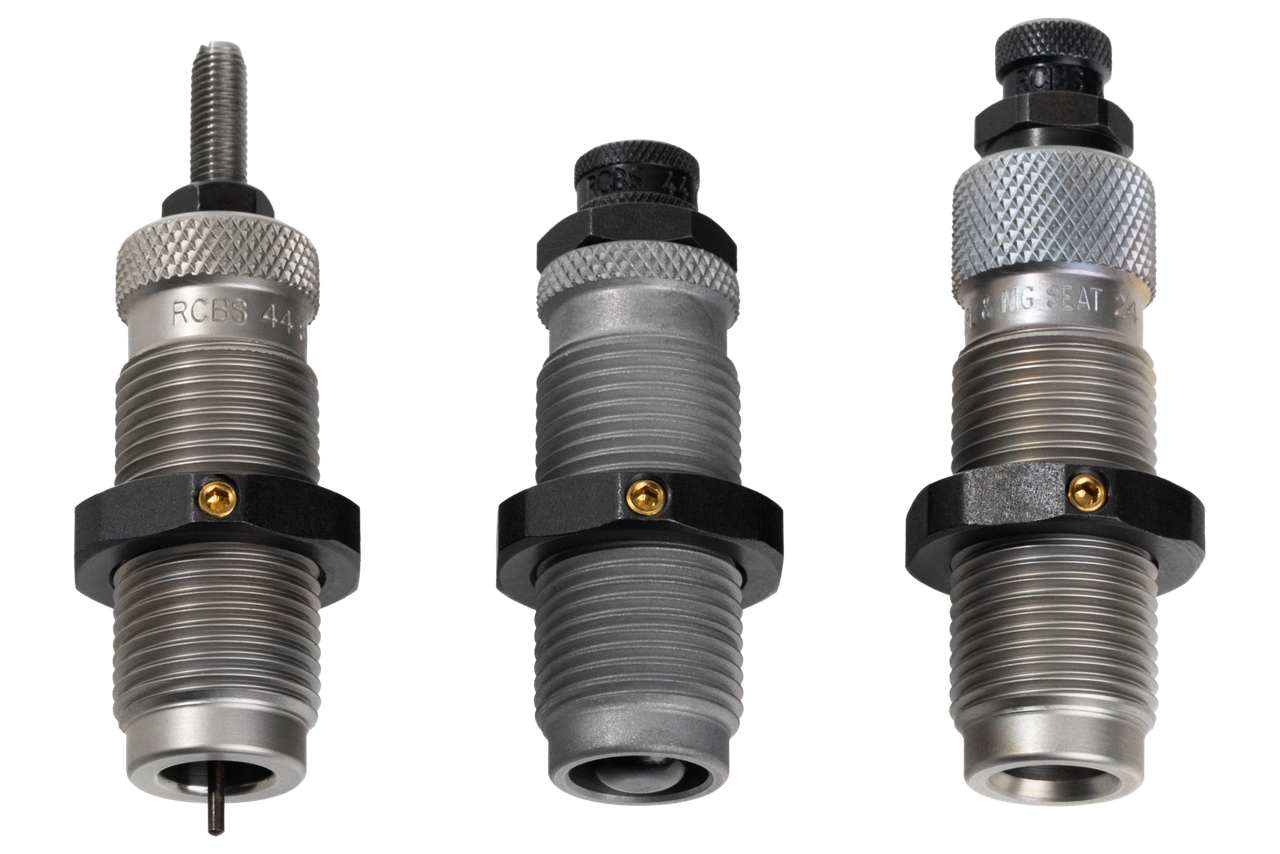
Dies for your caliber. A standard two-die set for rifle (full-length sizer and bullet seater) or a three-die set for pistol (sizer, expander, seater with crimp). Redding, RCBS, Hornady, and Lee all make quality dies. Lee dies are the most affordable and work fine for starting out. Redding competition dies are the precision benchmark but cost accordingly.
Shell holders matched to your cartridge. Usually a few dollars each. Check compatibility with your specific press.
A caliper. Non-negotiable.
A case trimmer. The Lee lock stud trimmer system is cheap and caliber-specific. The Frankford Arsenal or RCBS trim-and-prep stations are more versatile if you plan to load multiple calibers.
A loading manual beyond what's in the kit. The Hornady and Nosler manuals are excellent second references. Cross-referencing load data between two published sources is good practice.
A notebook or logbook. Every charge, every seating depth, every lot number, every result at the range. The data you record in the first 500 rounds will teach you more than any forum thread.
Components: brass, primers, powder, and bullets. These aren't included in any kit. Availability fluctuates, so buy what you can find from reputable sources and load to published data for those specific components. Don't substitute primers or powders without consulting load data for that exact combination.
The first loading session
Whichever kit you choose, the first session should not produce ammunition you shoot. Load five rounds at your starting charge weight. Measure each one for COAL. Visually inspect each primer seat. Weigh each charge on the scale, not just the measure. Pull one round apart and re-weigh the charge to verify. Check the case mouths for consistent flare (pistol) or neck tension (rifle). Look at the sized brass for scratches or dents that indicate die or lube problems.
If everything checks out, load ten more at the same charge weight. Take those fifteen rounds to the range with a chronograph. The ES/SD tells you everything about your process consistency before you ever start chasing accuracy nodes or optimal charge weights. If your extreme spread is over 50 fps with a rifle load, something in your process needs attention before you change any variables.
Start low. Work up. Log everything. The kit gets you to the bench. The discipline you build in the first few sessions determines whether you're loading safe, consistent ammunition or just assembling cartridges and hoping for the best. The Rock Chucker, the Challenger, and the M-Press will all get you there. Pick the one that matches your caliber plans and your budget for the add-ons you'll need, then put the work into learning the process. The press is just the tool. The reloader is the quality control.