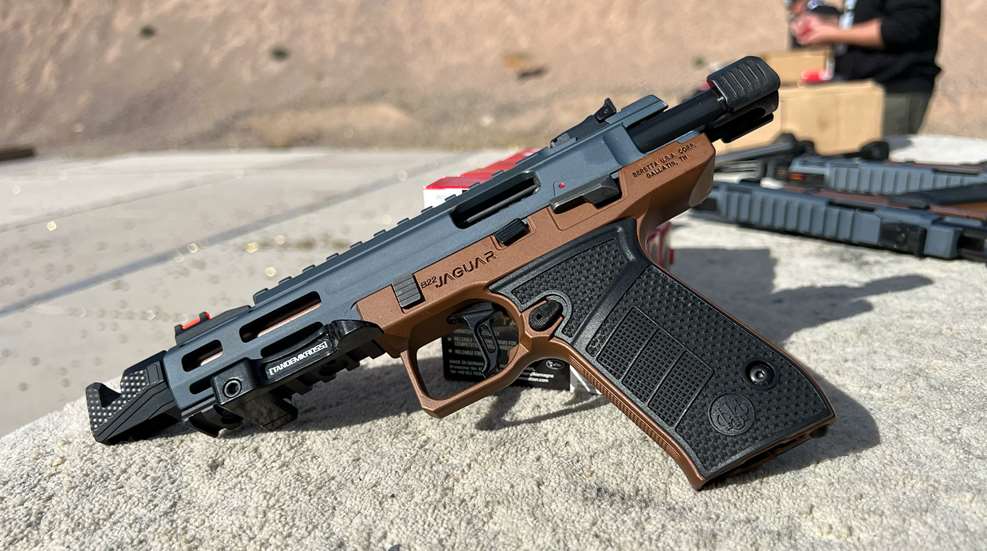
Beretta just did something nobody expected. The oldest firearms manufacturer on the planet, a company that's been building guns in Italy since 1526, designed a .22 LR pistol from scratch and decided to build it in Gallatin, Tennessee. Not an Italian import with American rollmarks. Not a rebadged Taurus or a licensed design. A ground-up, clean-sheet rimfire pistol engineered and manufactured at Beretta's American facility. That alone should get your attention.
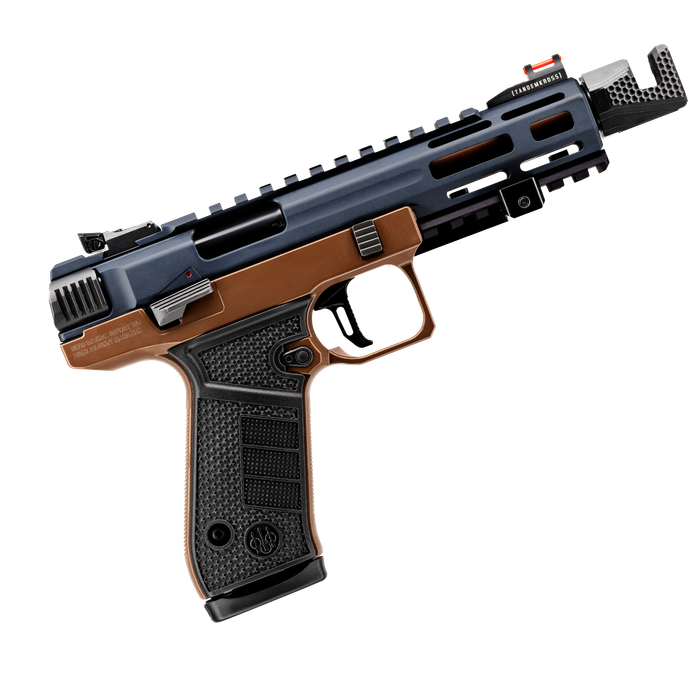
The B22 Jaguar name isn't random. Beretta made a .22 pistol called the Jaguar back in the 1950s and 60s, a sleek little Italian-made rimfire that developed a cult following. The new B22 Jaguar doesn't share a single part with that old gun, but the name signals intent: Beretta wants back into the dedicated rimfire pistol game, and they're not doing it halfway. Two models launched at SHOT Show 2026, the Tac Metal and the Metal Competition, and they're aimed at very different shooters. Here's what actually matters about both.

Beretta B22 Jaguar Tac Metal Deals
Prices may change. May contain affiliate links.
The real story: why this gun exists
The .22 LR pistol market has been dominated for years by a handful of names. Ruger's Mark IV line. The Smith & Wesson SW22 Victory. The Browning Buck Mark. Volquartsen for the high-end crowd. Beretta's been sitting on the sidelines with the M9-22 and the 21A Bobcat, neither of which is a serious target or competition rimfire. The B22 Jaguar is Beretta's answer to that gap.

Beretta 21A Bobcat Deals
Prices may change. May contain affiliate links.
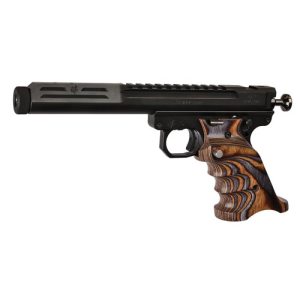
Volquartsen Scorpion Deals
Prices may change. May contain affiliate links.

Smith & Wesson SW22 Victory Deals
Prices may change. May contain affiliate links.
What's significant is the manufacturing decision. Building at the Gallatin plant means Beretta controls the entire process domestically. The frames are CNC-machined from aluminum billet, not cast. The slides are steel. The barrels are cold hammer-forged, which is a process Beretta uses on their centerfire guns but is unusual for a .22 pistol at this price tier. Most rimfire pistols at the $400-$700 range use button-rifled barrels. Cold hammer forging costs more to set up but tends to produce more consistent bore dimensions and longer barrel life. Whether that matters in a .22 that'll never see the round counts of a centerfire is debatable, but it tells you Beretta isn't cutting corners on the manufacturing side.
The whole gun was designed around a modular chassis concept. The serialized component is a stainless steel chassis that sits inside the aluminum frame. That means Beretta can offer different frame configurations, grip angles, and rail setups without redesigning the core fire control group. Think SIG P320 logic applied to a rimfire target pistol. It also means future variants and aftermarket frame options are theoretically simple to produce.
Two models, two missions
Beretta launched the B22 Jaguar in two configurations, and they're different enough that you should think of them as separate guns that share a chassis.
Tac Metal
The Tac Metal is the tactical-flavored model. It ships with a 5-inch threaded barrel (1/2x28 threads), a full-length Picatinny rail on the dust cover, and an optics-ready slide with a direct-mount plate system. The grip angle is closer to what you'd feel on a modern striker-fired pistol than a traditional target gun. Think 18 degrees rather than the steeper rake of a Ruger Mark IV.
Beretta B22 Jaguar Metal Competition
May contain affiliate links.
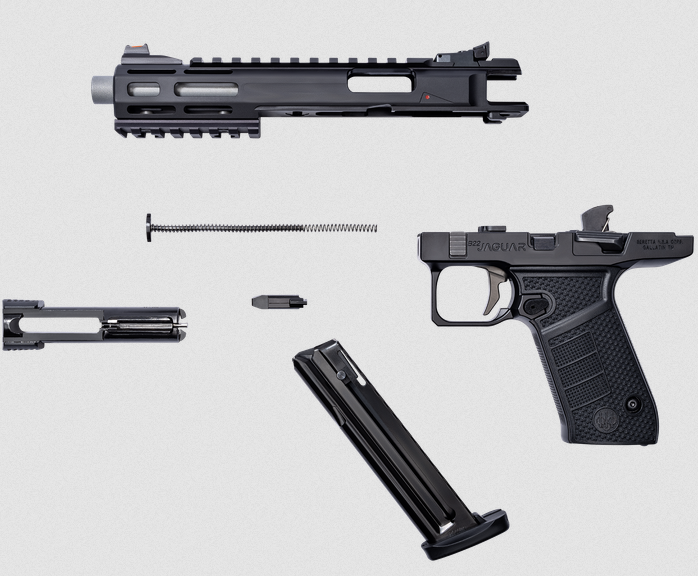
The trigger is a flat-faced design with an adjustable overtravel screw. Reports from SHOT Show range day and early reviews describe the pull weight at roughly 3 to 3.5 pounds with a clean break and short reset. That's competitive with aftermarket trigger kits on the Ruger Mark IV, and it's coming from the factory.
The Tac Metal ships with two 15-round magazines. The magazine design is proprietary, which means you're buying Beretta mags, not adapting something from another platform. The magazine release is reversible, and the manual safety is ambidextrous. The slide locks back on the last round, which sounds basic but is worth mentioning because some rimfire pistols are inconsistent about this function.
Weight runs around 28 ounces unloaded. The overall length with the threaded barrel is approximately 9 inches. It's not a pocket gun. This is a range pistol, a suppressor host, and a trainer.
Metal Competition
The Metal Competition model stretches things further. It has a 6-inch barrel (also cold hammer-forged), adjustable target sights, and a more aggressive grip texture. The longer sight radius is the obvious advantage here, and the extra barrel length squeezes a bit more velocity out of standard and high-velocity .22 LR loads.
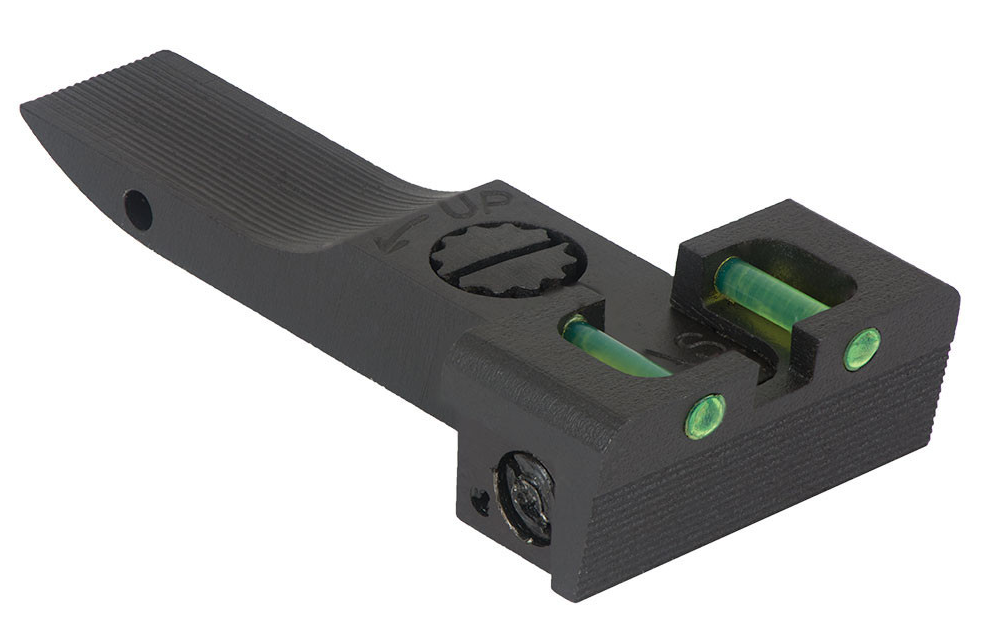
The Competition model also gets an optics mounting system, but the real draw is the iron sight setup. Fully adjustable rear sight with clear, defined notch geometry and a fiber optic front. For Steel Challenge or NRL22 side matches where irons are required or preferred, this matters.
Both models share the same chassis, the same trigger system, and the same magazines. The Competition just gives you more barrel, better irons, and a setup that's optimized for precision over versatility.
What nobody mentions: the details that change the experience
The grip situation
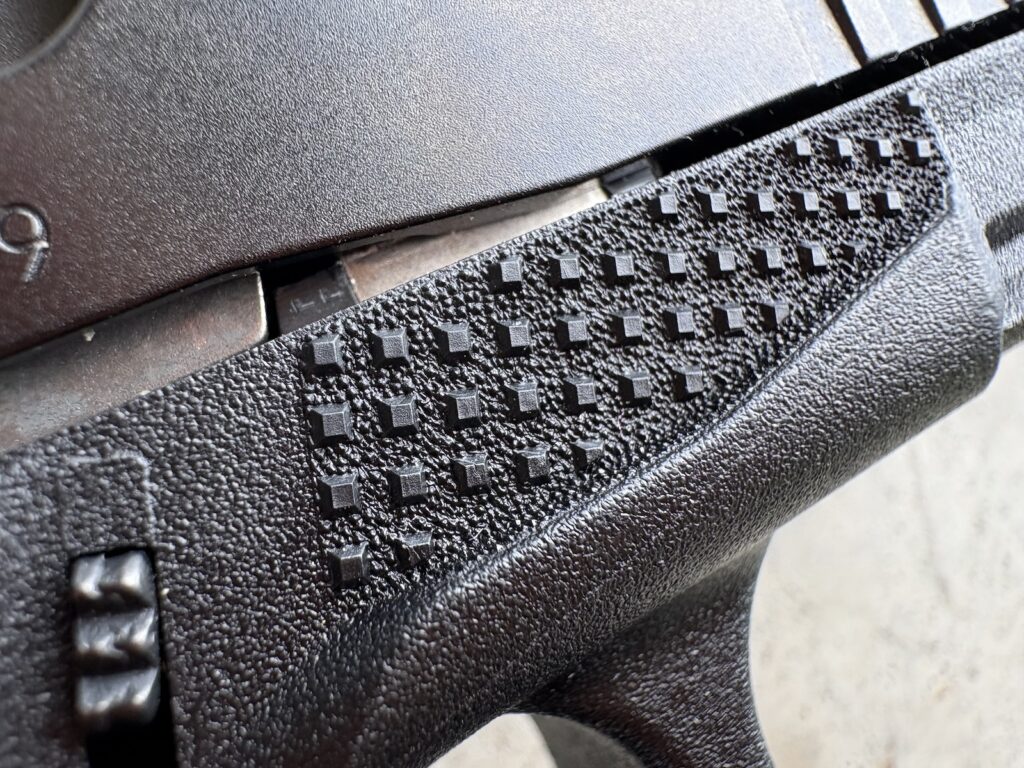
Most reviews focus on the barrel and the trigger, but the grip is where you actually hold the gun. Beretta went with an aluminum grip frame with aggressive texturing machined directly into the metal. No polymer overmolds, no rubber panels. The texture is built into the frame itself.
The grip angle deserves attention. Traditional rimfire target pistols like the Ruger Mark series and the Browning Buck Mark use a steep grip angle that points naturally for bullseye-style shooting. The B22 Jaguar uses a shallower angle that's closer to what most people are used to from their carry or duty guns. If you're buying this as a centerfire trainer, that's a huge deal. You want your .22 trainer to point and feel like your 9mm. If you're buying it purely for bullseye, the grip angle might feel wrong coming from a Mark IV or a High Standard.
The trigger in context
A 3-pound flat trigger sounds great on paper. The real question is how it behaves over a long range session. Early reports describe minimal creep, a wall you can stage on, and a reset that's both short and tactile. The overtravel adjustment screw lets you tune out the slop after the break.
Here's the context that matters: the Ruger Mark IV ships with a roughly 4.5 to 5 pound trigger. The SW22 Victory is around 4 pounds. Volquartsen's Scorpion runs about 2.25 pounds but costs twice as much as the Jaguar. The B22 Jaguar's factory trigger sits in a sweet spot where you're getting near-custom performance without needing to immediately ship the gun to a gunsmith or order a $150 trigger kit.
The suppressor question
The Tac Metal's threaded barrel makes it an obvious suppressor host. The 5-inch barrel with standard 1/2x28 threads will accept any .22 LR suppressor without an adapter. But the more important question is whether the gun will cycle reliably suppressed.
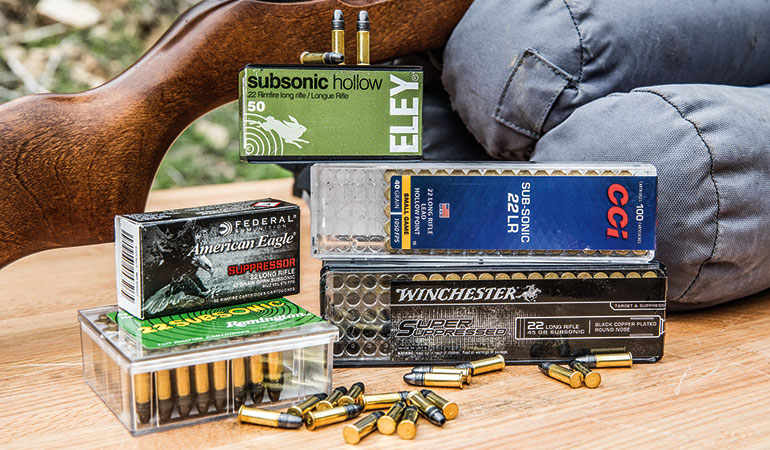
Rimfire pistols are notoriously finicky with suppressors. The added backpressure can cause cycling issues, and the increased dwell time can lead to more fouling in the action. Beretta reportedly designed the B22 Jaguar's action to handle both suppressed and unsuppressed shooting without requiring an adjustable gas system or recoil spring swap. Early range reports suggest it runs suppressed with standard velocity ammo, which is what you want for a quiet suppressor setup. Whether that holds true across the full spectrum of .22 LR ammo quality remains to be seen as more rounds go downrange in the real world.
Range notes: what early shooters are reporting
Nobody's had these guns long enough for a definitive 5,000-round reliability verdict. But the early data from SHOT Show range day, media events, and first-batch owners is worth noting.
Feeding reliability with bulk ammo seems solid. Multiple sources report running Federal Automatch, CCI Standard Velocity, and even cheap Remington Thunderbolt without stoppages during initial range sessions. That's encouraging but not conclusive. Rimfire reliability always needs a larger sample size than centerfire.
The trigger gets consistent praise. The word "crisp" shows up in almost every early write-up, and several reviewers compared it favorably to aftermarket Ruger Mark IV triggers. The reset is described as short enough to feel during rapid fire strings, which is critical for Steel Challenge-style shooting where splits matter.
Accuracy at 25 yards from a rest, using CCI Standard Velocity, is reportedly producing groups under 2 inches. Some testers report sub-1.5-inch groups with match ammo. That's solid for a factory rimfire pistol at this price point, though it doesn't touch what a Volquartsen or a tuned High Standard will do.
The magazines are getting mixed early feedback. They're well-built, but the loading experience is stiff out of the box. Several users recommend a loading tool or at least expect a break-in period. The 15-round capacity is competitive with the Ruger Mark IV's 10-round standard mags, and having 15 rounds means fewer reloads during a Steel Challenge stage or a training session.
How it stacks up: the comparison that matters
You're probably cross-shopping the B22 Jaguar against the Ruger Mark IV, the Smith & Wesson SW22 Victory, and possibly the Browning Buck Mark. Here's how the Jaguar slots in.
Versus the Ruger Mark IV Target
The Mark IV has been the default recommendation in the rimfire pistol space for years, and for good reason. It's reliable, accurate, the takedown system is dead simple (a massive improvement over the Mark III), and the aftermarket is enormous. Tandemkross, Volquartsen, and a dozen other companies make triggers, barrels, compensators, grips, and magazine upgrades for the Mark IV.

Ruger Mark IV Deals
Prices may change. May contain affiliate links.
The B22 Jaguar's advantages over the Mark IV are the factory trigger quality, the 15-round magazine capacity, and the optics-ready slide. A bone-stock Jaguar with its 3-pound trigger and direct-mount optic plate is competitive with a Mark IV that's had $200 to $300 in aftermarket work done. The disadvantage is that the Jaguar is brand new with zero aftermarket support at launch, though Tandemkross already has a B22 Jaguar section on their website, which suggests accessories are coming fast.
The grip angle difference is significant. If you've been shooting a Mark IV for years, the Jaguar will feel different in your hand. Not worse, just different. The Mark IV's steeper angle is more traditional for target shooting. The Jaguar's shallower angle is more modern and more consistent with centerfire pistol ergonomics.
Versus the SW22 Victory
The SW22 Victory is a solid rimfire pistol that never quite got the love it deserved. It's accurate, it has a decent trigger, and the barrel is user-swappable. But the Victory's ergonomics are polarizing. The grip is large and blocky, and the trigger, while acceptable, isn't in the same league as the Jaguar's factory offering.
The Jaguar wins on trigger, ergonomics, and capacity. The Victory wins on barrel interchangeability and established track record. If you're looking for a suppressor host specifically, both work, but the Jaguar's reported suppressed reliability and threaded barrel option on the Tac Metal make it the more purpose-built choice.
Versus the Browning Buck Mark
The Buck Mark is the old reliable of the rimfire world. It's been around since 1985, it's accurate, and it has a comfortable grip. But the Buck Mark's design is showing its age. Takedown requires tools, the trigger is adequate but not exceptional, and the magazine holds 10 rounds. The Buck Mark also lacks a factory optics-ready option on most models.
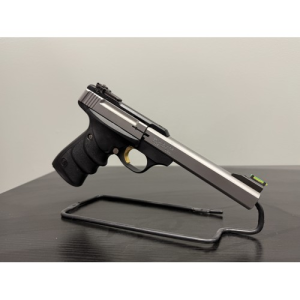
Browning Buck Mark Deals
Prices may change. May contain affiliate links.
The Jaguar is the more modern design in every measurable way. The Buck Mark's advantage is decades of proven reliability and a lower price point on the base models. If you're on a tight budget and don't need an optic mount or suppressor threads, the Buck Mark still makes sense. For everything else, the Jaguar is the more capable platform.
Common mistakes to avoid with the B22 Jaguar
The first mistake is buying cheap magazines and expecting them to work. The B22 Jaguar uses proprietary magazines. There are no aftermarket alternatives yet. Buy extra factory mags when you buy the gun, because you'll want at least four for any kind of competition or serious training use.
Second, don't assume all .22 LR ammo will run identically. Even though early reports are positive on bulk ammo reliability, every rimfire pistol has preferences. Buy five or six different brands in 50-round boxes, run them all, and figure out what your specific gun likes before you commit to a case of anything. CCI Standard Velocity and Mini-Mags are usually safe bets, but test before you invest.
Third, resist the urge to immediately modify the gun. The factory trigger is already good. The sights are already usable. Give the gun 500 rounds to break in before you decide it needs work. Too many shooters buy a new gun, immediately swap parts, and then can't diagnose whether a problem is the gun or the modification.
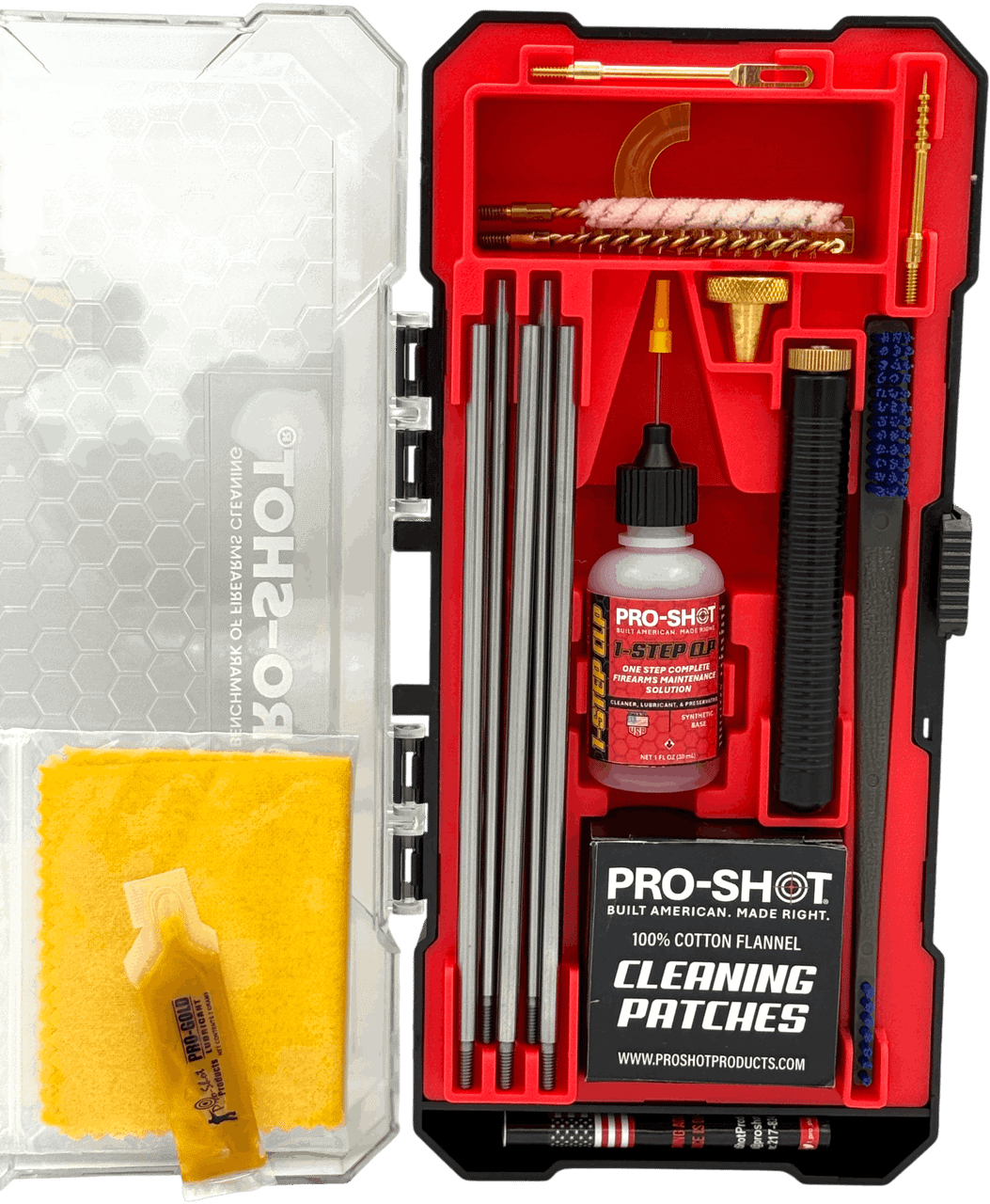
Fourth, clean the gun before the first range trip. Factory preservative oil is not lubricant. Strip it, wipe it down, apply a proper rimfire-compatible lubricant, and reassemble. Rimfire pistols accumulate fouling faster than centerfire guns, and starting with proper lubrication makes the break-in period smoother.
Fifth, if you're mounting an optic, use the correct torque specs and threadlocker. The direct-mount plate system means the optic is sitting on a relatively small footprint. Over-torquing screws on an aluminum frame can strip threads. Under-torquing means your zero walks. Blue Loctite and a torque wrench are not optional.
The suppressor host angle
One of the strongest use cases for the Tac Metal model is as a dedicated suppressor host. A suppressed .22 LR pistol is one of the most enjoyable things you can shoot. With subsonic ammo and a good can, you're essentially hearing the action cycle and the bullet impact. It's the closest thing to Hollywood quiet that actually exists in the real world.
The Tac Metal's threaded barrel, reliable cycling with standard velocity ammo (which is subsonic from a pistol-length barrel), and 15-round capacity make it a strong candidate for this role. The full-length rail means you can add a light for nighttime pest control, which is a legitimate use case for a suppressed .22 pistol on rural property.
The competition here is the Ruger Mark IV Tactical, which has been the go-to suppressed .22 pistol for years. The Mark IV Tactical is a known quantity with years of suppressed shooting data behind it. The Jaguar Tac Metal is the newer, arguably more refined option, but it doesn't have that track record yet. If you already own a suppressor and want a host today, the Jaguar is worth serious consideration. If you're buying your first suppressed .22 setup and want the safest bet, the Mark IV Tactical is still the conservative choice.
The training pistol argument
Here's where the B22 Jaguar's grip angle becomes its biggest selling point. If you carry a Glock, a SIG P320, or a Smith & Wesson M&P, you're used to a grip angle in the 18 to 22 degree range. The B22 Jaguar's grip angle falls right in that window. A Ruger Mark IV does not.

Smith & Wesson M&P Deals
Prices may change. May contain affiliate links.
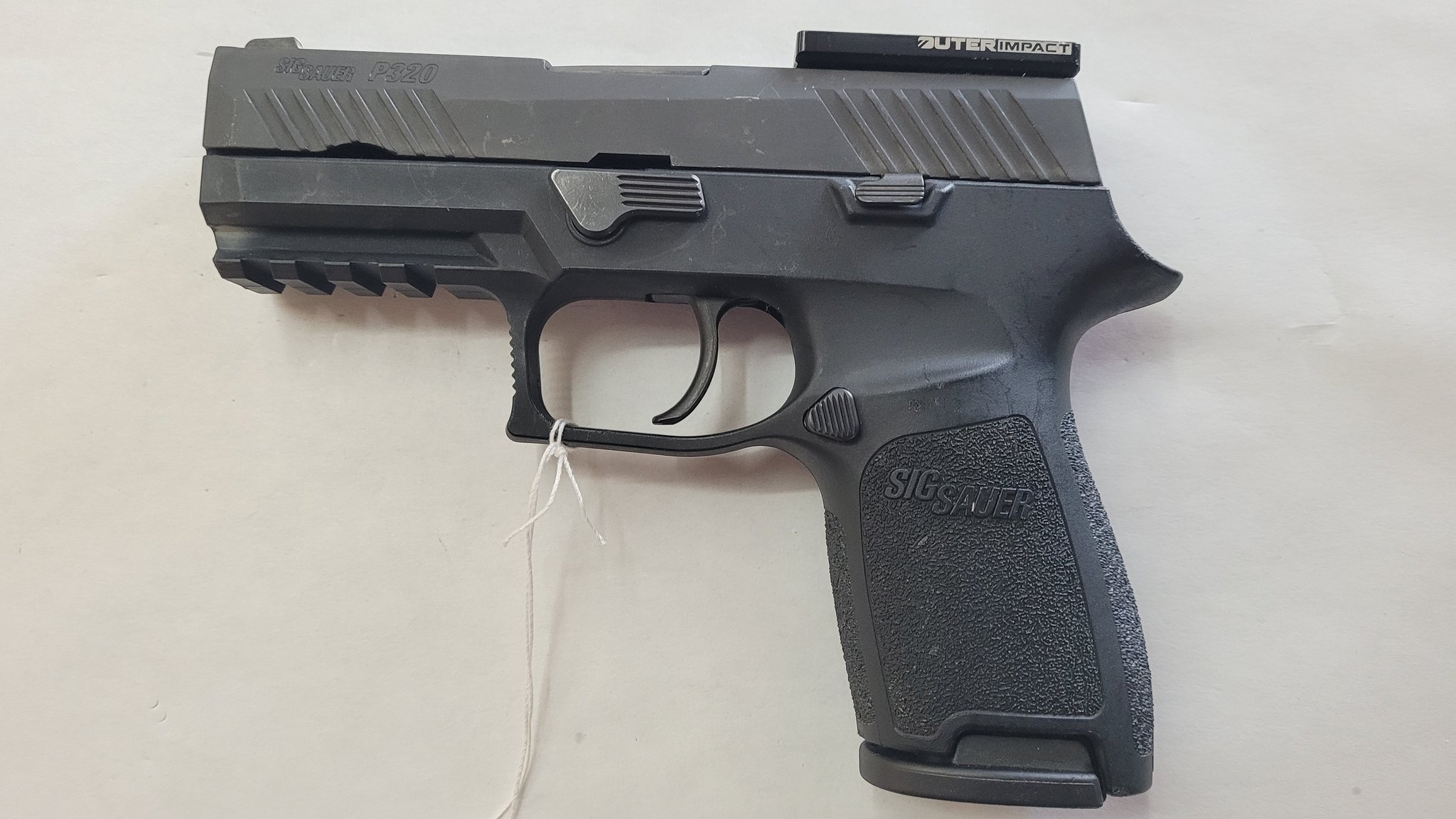
SIG P320 Deals
Prices may change. May contain affiliate links.
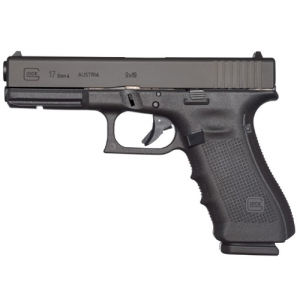
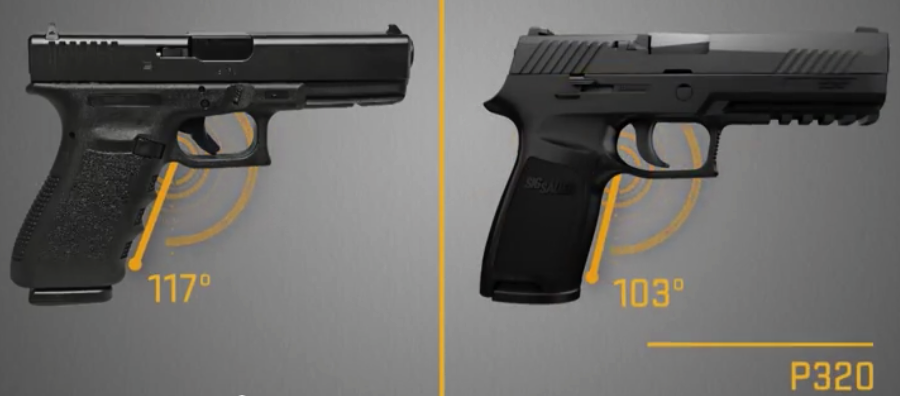
Training with a .22 that points like your carry gun is more valuable than training with a .22 that shoots slightly tighter groups but has completely different ergonomics. Trigger press fundamentals, sight alignment, and recoil management all transfer better when the training tool mimics the real thing. The Jaguar's trigger, while lighter than any stock carry gun, has a similar flat-faced feel to many modern striker-fired triggers. The manual of arms is different (it's a hammer-fired SA pistol, not a striker), but the grip, the sight picture, and the general feel are closer to a modern defensive pistol than any traditional rimfire target gun.
At roughly 2 to 3 cents per round for .22 LR versus 25 to 35 cents for 9mm, running 500 rounds through a .22 trainer costs $10 to $15 instead of $125 to $175. Over a year of weekly practice, that math is overwhelming. The B22 Jaguar makes the training pistol concept more accessible because it doesn't require you to mentally shift between two completely different grip angles and sight pictures.
What we're still waiting to find out
The B22 Jaguar is new enough that several important questions don't have answers yet.
Long-term reliability is the big one. Rimfire pistols are inherently less reliable than centerfire guns because .22 LR ammo is inherently less consistent. The question isn't whether the Jaguar will ever malfunction. It will. Every rimfire does. The question is how often, and whether the malfunctions are ammo-related or design-related. That takes thousands of rounds across many guns to establish.
Aftermarket support is developing but unproven. Tandemkross is already listing B22 Jaguar products, which is a strong early signal. But the Mark IV's aftermarket ecosystem took years to mature. Holster options, extended magazines, custom barrels, and competition-specific accessories will take time.
The Metal Competition model's availability is another question mark. At the time of writing, the Tac Metal is shipping, but the Competition model's release timeline is less clear. If you specifically want the 6-inch barrel and adjustable target sights, you may need to wait.
Resale value is unknowable this early. The original Beretta Jaguar from the 1950s and 60s commands collector premiums. Whether the B22 Jaguar becomes a lasting part of the Beretta lineup or gets quietly discontinued in a few years will determine whether early adopters made a smart buy or an expensive gamble.
What to do next
If the B22 Jaguar is on your radar, the first step is to find one to handle. The grip angle and the trigger are things you need to feel, not read about. If your local shop has one in the case, pick it up, dry fire it (with permission), and see how it points compared to whatever you normally shoot.
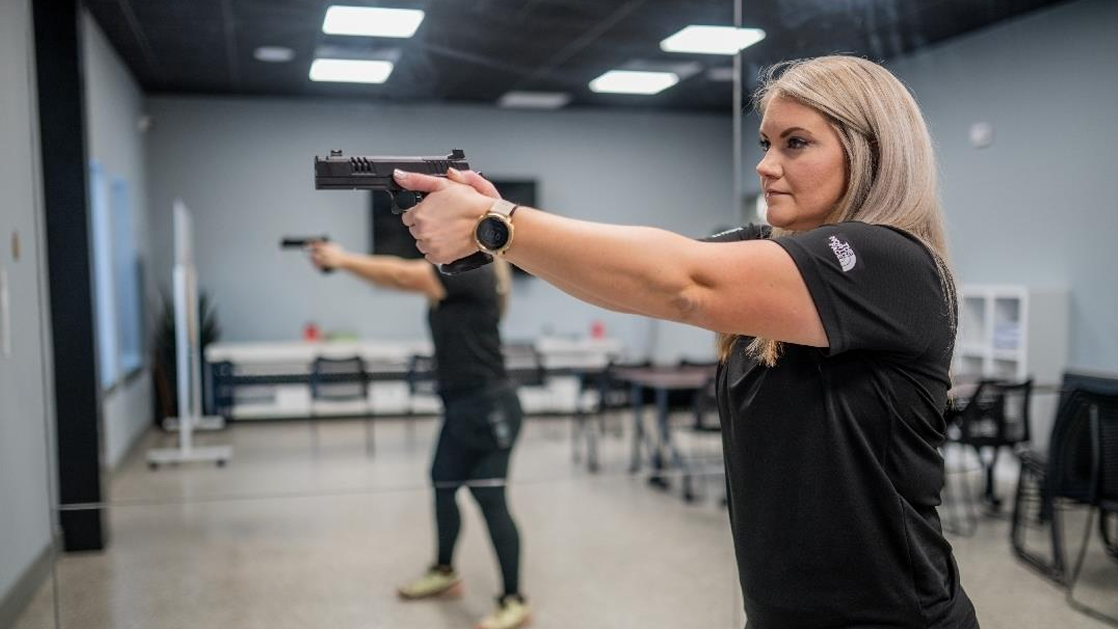
If you can rent one, run at least 100 rounds through it. Bring two or three types of ammo. Shoot it at 7 yards for speed, then push it back to 25 yards for precision. That combination will tell you more about whether this gun works for you than any spec sheet or review.
If you're buying blind because nobody near you stocks one yet, the Tac Metal is the more versatile choice for most shooters. The threaded barrel, the optics-ready slide, and the rail give you options. The Competition model is the better pick if you're specifically shooting rimfire competition with irons and want the longer sight radius.
Either way, budget for at least two extra magazines and 500 rounds of two different ammo types for the break-in period. Run the gun dirty for the first few sessions to see how it behaves as fouling builds. Clean it, then run it dirty again. That's how you learn what a rimfire pistol actually is, not from the first magazine on a clean gun.
Beretta took their time with this one. A clean-sheet design, American manufacturing, and a modular chassis suggest they're thinking long-term. Whether the B22 Jaguar earns a permanent spot next to the Mark IV and the Buck Mark in the rimfire pantheon depends on what happens over the next year or two in the hands of real shooters putting real rounds downrange. The early signs are promising. Now it needs miles on the odometer.