You've probably walked past HSM boxes at the gun shop without a second look. Small Montana company, understated packaging, sitting next to Federal and Hornady on the shelf. The price tag is usually a few dollars less per box, or sometimes a few dollars more, and you're left wondering: is this a hidden gem or a gamble? The 6.5 Creedmoor market is absolutely saturated with factory options from the big names, so a boutique loader has to bring something real to the table to justify shelf space.
That's the question worth answering with actual data instead of brand loyalty. HSM (Hunting Shack Munitions) has been loading ammo in Stevensville, Montana since 1968. They run smaller batches, use premium projectiles from Berger and Sierra, and market themselves as a precision alternative to mass-produced ammunition. The big players counter with enormous R&D budgets, proprietary bullet designs, and the kind of quality control that comes from producing millions of rounds a year. So who wins when you put them through a rifle and over a chronograph?
The answer isn't as simple as "boutique is better" or "stick with what you know." It depends on what you're optimizing for: consistency, terminal performance, cost per round, or some combination of all three. Here's where the numbers actually point.
What HSM brings to the 6.5 Creedmoor lineup
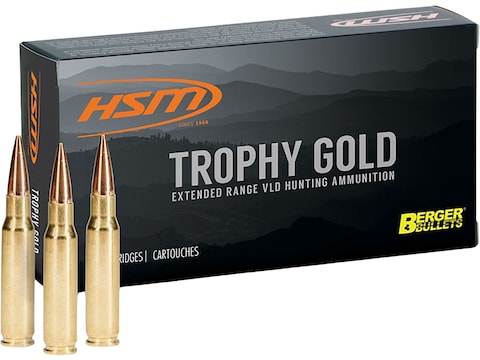
HSM's approach to 6.5 Creedmoor is different from how Hornady or Federal builds their lines. Instead of designing proprietary projectiles, HSM licenses the best match and hunting bullets already on the market and loads them in-house. Their Trophy Gold line is the flagship, and it's built around Berger bullets. You can find the 130-grain Berger VLD Hunting and, more recently, the 135-grain Berger Classic Hunter and Berger Elite Hunter options in their catalog.
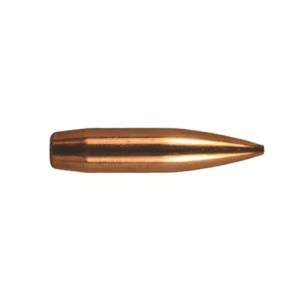
Berger 135-grain Classic Hunter bullet Deals
Prices may change. May contain affiliate links.

Berger Elite Hunter bullet Deals
Prices may change. May contain affiliate links.
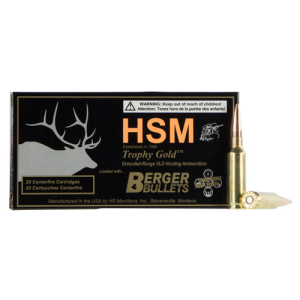
HSM Trophy Gold 130-grain Berger VLD Hunting 6.5 Creedmoor Deals
Prices may change. May contain affiliate links.
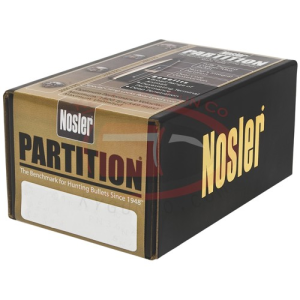
Nosler Partition bullet Deals
Prices may change. May contain affiliate links.
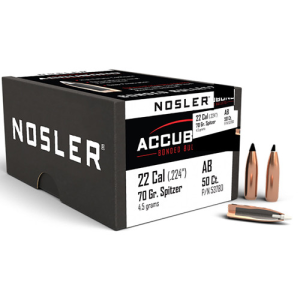
Nosler Accubond bullet Deals
Prices may change. May contain affiliate links.
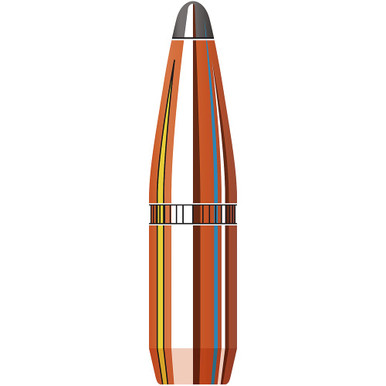
Hornady Interlock bullet Deals
Prices may change. May contain affiliate links.
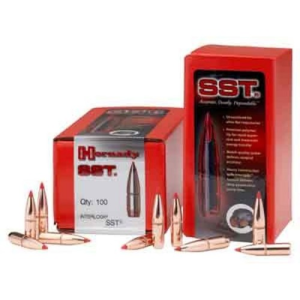
Hornady SST bullet Deals
Prices may change. May contain affiliate links.
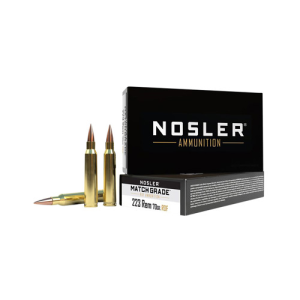
Nosler RDF (Reduced Drag Factor) bullet Deals
Prices may change. May contain affiliate links.
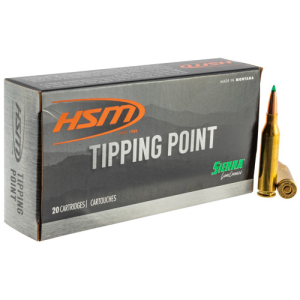
HSM Tipping Point 130-grain Nosler RDF 6.5 Creedmoor Deals
Prices may change. May contain affiliate links.
This matters because Berger VLDs and Elite Hunters have a devoted following among long-range hunters and precision shooters. These bullets have high ballistic coefficients (BC, the measure of how well a bullet resists air drag in flight), thin jackets designed for violent expansion, and a reputation for accuracy that's been validated in competition for years. The 130-grain Berger VLD Hunting, for instance, carries a G1 BC around .530, which is competitive with anything in the weight class. HSM's pitch is essentially: why pay handloading prices and spend hours at the bench when we'll load these premium bullets for you?
HSM also runs a line they call Tipping Point, which uses the Nosler RDF (Reduced Drag Factor) bullet. The 6.5 Creedmoor Tipping Point load pushes a 130-grain Nosler RDF at advertised velocities around 2,825 fps from a 24-inch barrel. American Hunter tested this load and found it grouped respectably, with the RDF's hybrid ogive profile contributing to solid downrange numbers. It's a match-oriented bullet loaded to hunting velocities, which puts it in an interesting niche.
The company also loads more budget-friendly options under their standard and cowboy lines, but those don't apply to the 6.5 Creedmoor conversation. For this caliber, HSM is competing squarely in the premium hunting and precision segment.
The mainstream competition
The 6.5 Creedmoor was essentially born from Hornady's engineering department, so they've had a head start in factory ammo development. Their lineup is deep. The 143-grain ELD-X Precision Hunter load is probably the single most popular factory 6.5 Creedmoor round for hunting, advertised at 2,700 fps and built around Hornady's Heat Shield tip technology that resists deformation in flight. The ELD-X is designed with a thick jacket base for weight retention and a thinner nose for expansion, giving it a BC of .625 G1. Those are strong numbers.
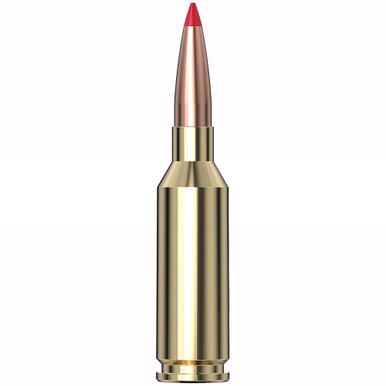
Hornady ELD-X bullet Deals
Prices may change. May contain affiliate links.
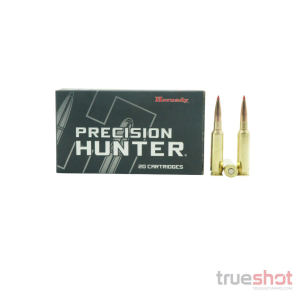
Hornady Precision Hunter 143-grain ELD-X 6.5 Creedmoor Deals
Prices may change. May contain affiliate links.

Federal Terminal Ascent bullet Deals
Prices may change. May contain affiliate links.

Berger Hybrid Hunter bullet Deals
Prices may change. May contain affiliate links.

Federal Premium 130-grain Terminal Ascent 6.5 Creedmoor Deals
Prices may change. May contain affiliate links.
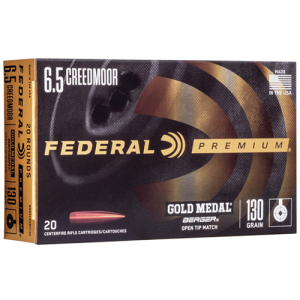
Federal Gold Medal 130-grain Berger Hybrid Hunter 6.5 Creedmoor Deals
Prices may change. May contain affiliate links.
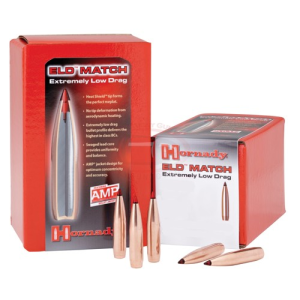
Hornady ELD Match 140-grain 6.5 Creedmoor Deals
Prices may change. May contain affiliate links.
Sierra GameChanger 130-grain Sierra Tipped GameKing 6.5 Creedmoor
May contain affiliate links.
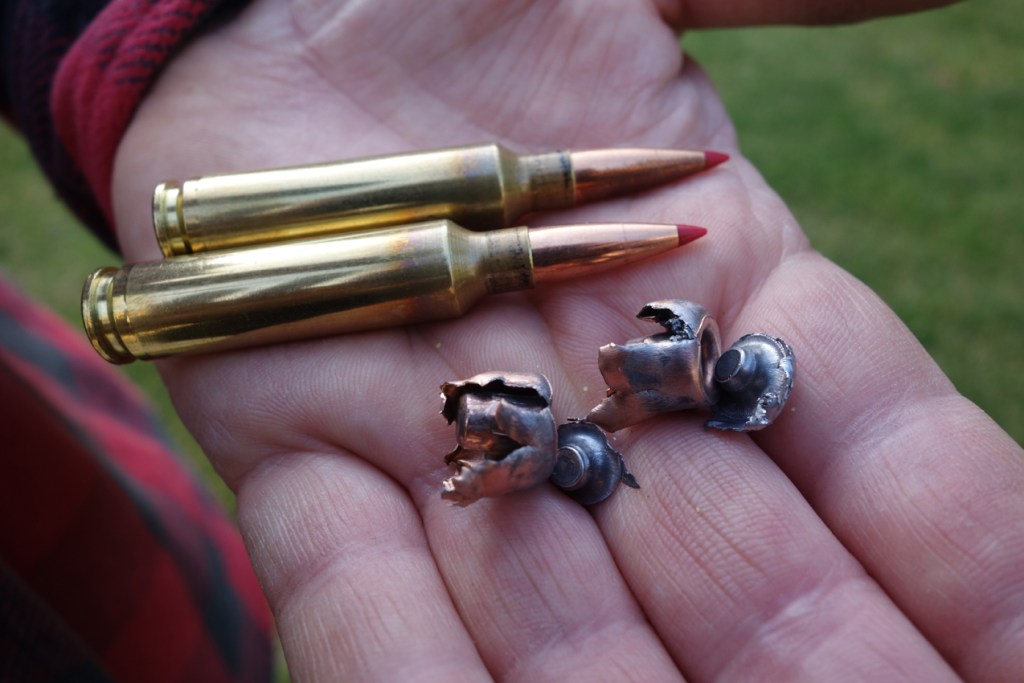
Federal answers with their Terminal Ascent and Berger-loaded options in their Premium line. The 130-grain Terminal Ascent is bonded, with a sliver of lead exposed at the tip and a solid shank that holds together at close range while still opening at distance. Federal also loads a 130-grain Berger Hybrid Hunter in their Gold Medal line, which is interesting because it puts Federal in direct competition with HSM using the same projectile. The difference comes down to brass, powder charge, and quality control processes.
Then there's the Hornady ELD Match 140-grain at 2,710 fps, which isn't a hunting round but dominates the precision/competition segment. And Sierra's GameChanger line, loaded by several manufacturers, puts the 130-grain Sierra Tipped GameKing into factory ammo at respectable velocities with a BC around .506 G1.
The point is that HSM isn't competing against one or two options. They're competing against a deep bench of loads from companies that spend more on marketing in a month than HSM probably spends in a year.
Accuracy: where the chrono and targets tell the story
Here's where it gets interesting. Forum reports from Rokslide and Sniper's Hide show HSM Trophy Gold loads with Berger bullets printing sub-MOA groups from quality bolt-action rifles. Multiple users report the 130-grain VLD Hunting load grouping between 0.5 and 0.8 MOA at 100 yards from rifles like the Tikka T3x and Bergara B-14. That's genuine precision ammo territory.
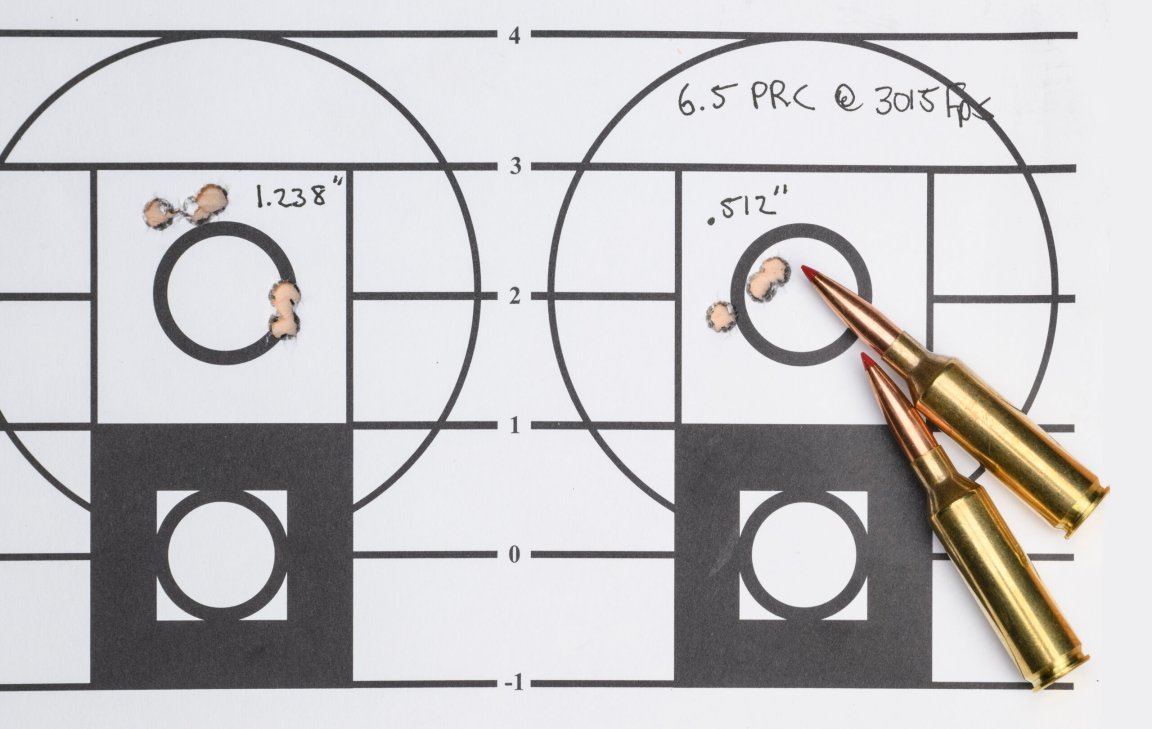
But context matters. The mainstream loads do this too. Hornady's 143-grain ELD-X Precision Hunter consistently prints sub-MOA from most modern bolt guns, and the ELD Match 140-grain is frequently reported at 0.3 to 0.6 MOA from rifles that like it. Federal's Gold Medal Berger Hybrid Hunter load, using a similar Berger projectile to what HSM loads, also clusters in that sub-MOA range.
The velocity spread tells a more nuanced story. Boutique loaders like HSM run smaller batches, which can mean tighter lot-to-lot consistency or, conversely, more variation if quality control isn't rigorous. Reports from Rokslide users who chronographed HSM Trophy Gold loads showed standard deviations (SD) in the 12-18 fps range. That's decent for factory ammo but not exceptional. Top-tier Hornady ELD Match ammo frequently shows SDs in the single digits to low teens, and Federal Gold Medal Match loads are similarly tight.
Chrono notes
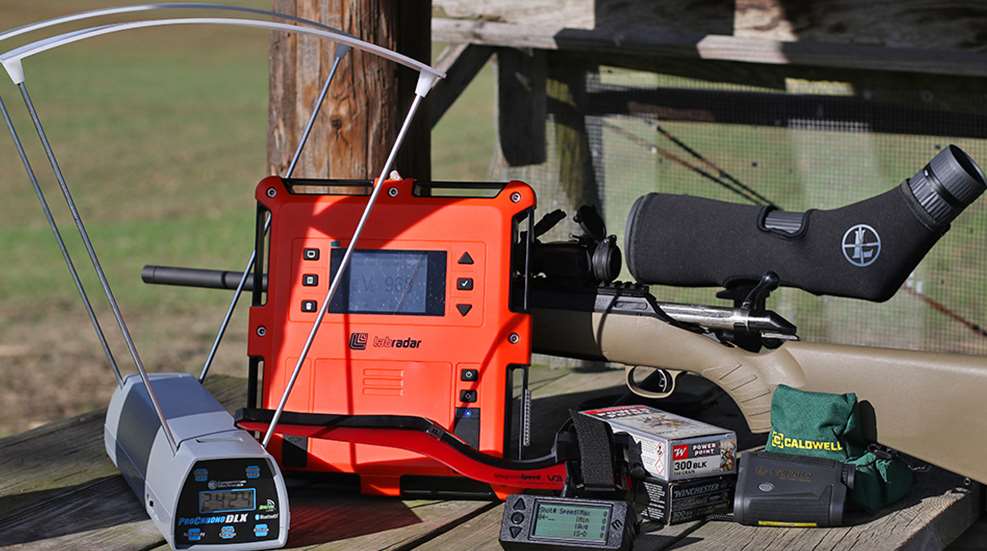
A reasonable test looks like this: take 20 rounds from the same lot, shoot them over a LabRadar or MagnetoSpeed at the same ambient temperature, and calculate the extreme spread (ES) and standard deviation. For factory ammo, an SD under 15 fps is good, under 10 is excellent. ES under 30 fps is solid. If you're seeing SDs above 20 fps consistently, that load is going to open up at distance regardless of how well it groups at 100 yards. At 800 yards, a 20 fps SD translates to roughly 4-5 inches of vertical spread in 6.5 Creedmoor. At 10 fps SD, that drops to about 2-3 inches. The math compounds fast.
Winchester 300 BLK ammunition Deals
Prices may change. May contain affiliate links.
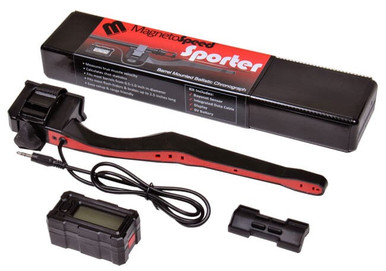
MagnetoSpeed chronograph Deals
Prices may change. May contain affiliate links.
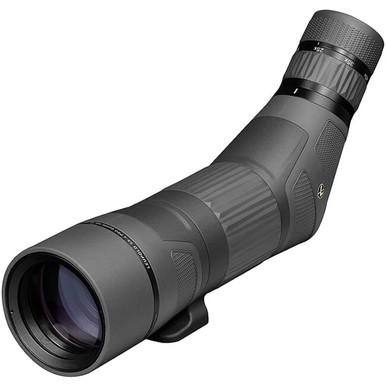
Leupold spotting scope Deals
Prices may change. May contain affiliate links.
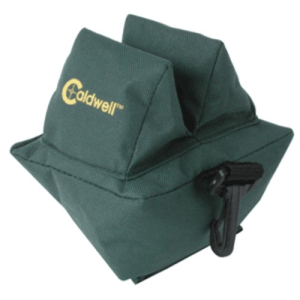
Caldwell rear bag Deals
Prices may change. May contain affiliate links.
What the marketing doesn't mention is that individual rifles are picky. A Tikka that shoots 0.4 MOA with Hornady ELD Match might shoot 1.2 MOA with HSM Trophy Gold, and vice versa. There's no universal "best" factory load. The only way to know is to buy a box of each and shoot them through your specific rifle. This is true for boutique and mainstream equally.
Terminal performance on game
For hunters, the bullet on the front of the cartridge matters more than the name on the box. And this is actually where HSM's strategy of loading premium Berger bullets gets compelling.
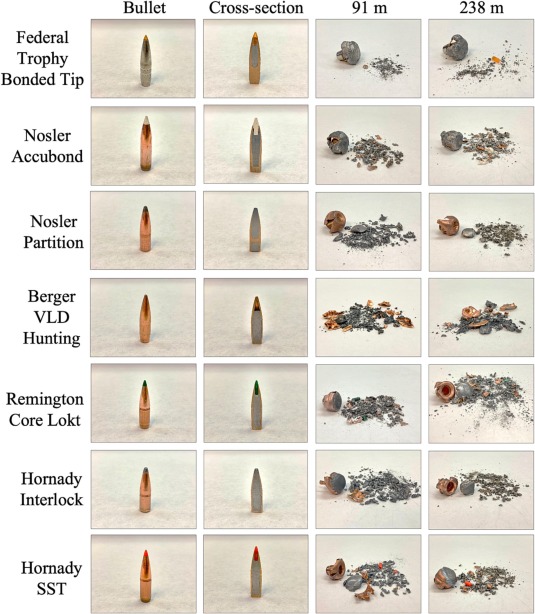
Berger VLD Hunting bullets are known for dramatic terminal performance. They're not bonded. They don't retain 90% of their weight like a Nosler Partition or Federal Terminal Ascent. Instead, they penetrate 2-3 inches, then fragment violently, creating a large wound channel. Long Range Hunting forum discussions are full of reports describing Berger VLDs on whitetail and pronghorn as producing rapid kills with minimal tracking. The tradeoff is that at very close range (under 100 yards) with high impact velocities, they can be destructive to meat. And at extreme range where velocity drops below about 1,800 fps, expansion becomes less reliable.
The Hornady ELD-X takes a different approach. It's designed to expand across a wider velocity window, from around 1,600 fps up to impact velocities over 2,800 fps. The InterLock ring and thicker jacket base help it hold together at close range while still opening at distance. Weight retention typically runs 50-60%, which is moderate. It won't fragment like a Berger, but it also won't blow up on a shoulder at 50 yards.
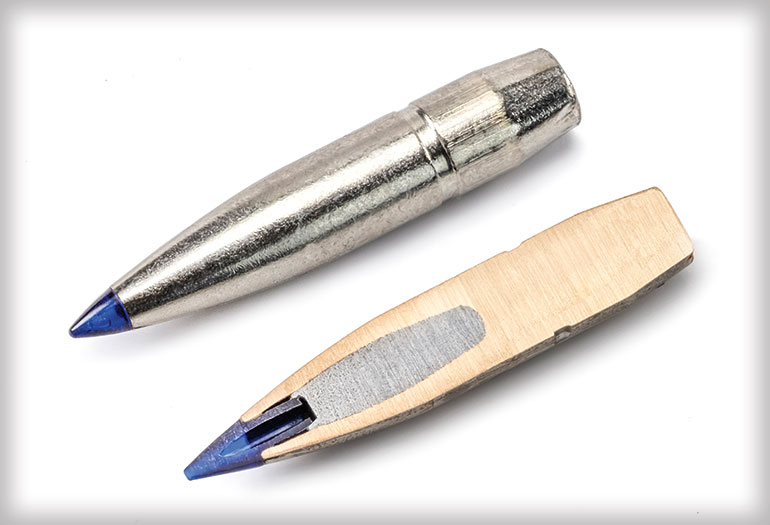
Federal's Terminal Ascent is the most controlled expansion option of the group. The bonded core and solid rear shank mean it holds 80%+ of its weight, punches deep, and opens to about 1.8x caliber diameter. It's the "boring but reliable" choice for hunters who want a bullet that works from 50 to 500 yards without changing behavior dramatically.
So when you buy HSM Trophy Gold with a Berger VLD, you're getting a specific terminal philosophy. It's not better or worse than the ELD-X or Terminal Ascent approach. It's different, and it works extremely well within its intended parameters. The question is whether HSM's loading of that Berger bullet performs identically to a handloader's carefully tuned charge, and the answer is: close, but not always identical.
The cost math
Run the per-round math and the picture shifts depending on where you shop. HSM Trophy Gold 6.5 Creedmoor with 130-grain Berger VLDs typically runs in the $1.75-$2.25 per round range for a 20-round box. Hornady Precision Hunter 143-grain ELD-X sits around $1.60-$2.00 per round. Federal Terminal Ascent runs $1.80-$2.20. Federal Gold Medal Berger Hybrid Hunter is in the $1.75-$2.10 range.
The prices overlap substantially. HSM isn't dramatically cheaper or more expensive than the mainstream premium options. Where HSM occasionally wins is in availability during ammo crunches. During the 2020-2022 shortage, smaller manufacturers sometimes had stock when Hornady and Federal shelves were bare. That's not a performance argument, but it's a practical one.
For the reloading-minded, the cost comparison gets more interesting. A box of 100 Berger 130-grain VLD Hunting bullets runs around $45-$55. Add brass, primers, and powder, and you're looking at roughly $0.80-$1.10 per round for handloads using the same bullet HSM is loading. So HSM is charging roughly a dollar per round premium over handloading for the convenience of not doing it yourself. Whether that's worth it depends on how you value your time and whether you own a press.
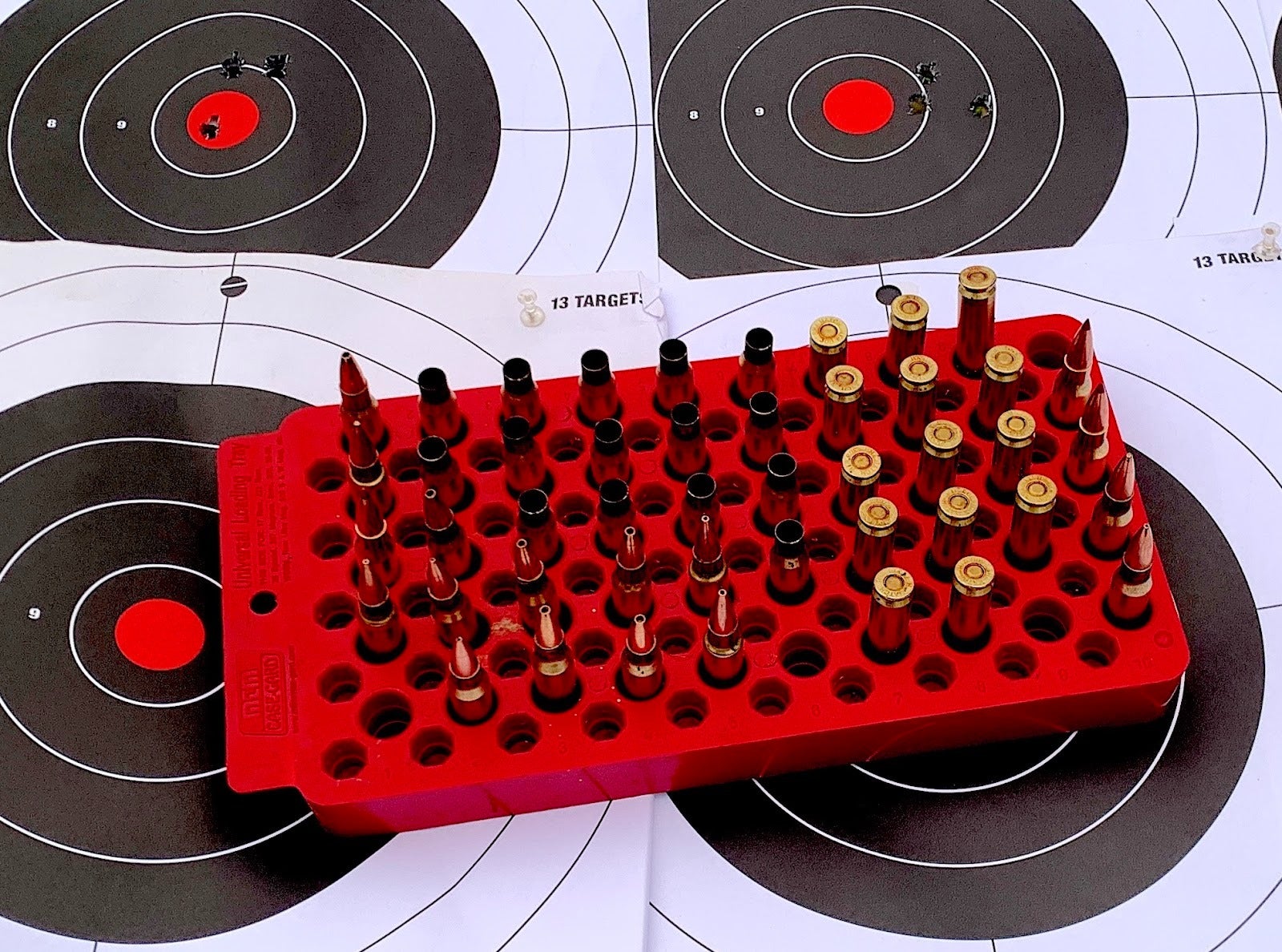
The Reddit reloading community has hashed this out extensively. The consensus is that reloading 6.5 Creedmoor saves meaningful money only if you're shooting volume, and most hunters don't shoot enough rounds to recoup the equipment cost quickly. If you fire 40-60 rounds a year for hunting prep and the hunt itself, buying HSM Trophy Gold instead of handloading might cost you an extra $40-$60 annually. That's not nothing, but it's also not a compelling reason to buy a press.
Five loads compared head to head
Here's a direct comparison of five 6.5 Creedmoor loads that compete in the same space, mixing HSM with mainstream options.
HSM Trophy Gold 130-grain Berger VLD Hunting
Berger's thin-jacketed VLD design loaded to around 2,850 fps advertised from a 24-inch barrel. The VLD's high BC (.530 G1) keeps it supersonic past 1,200 yards on paper. Terminal performance is fragmentation-based, making it devastating on deer-sized game at moderate to long range. Accuracy reports from multiple forums suggest consistent sub-MOA capability from quality rifles. The load uses new brass and is assembled in small batches.
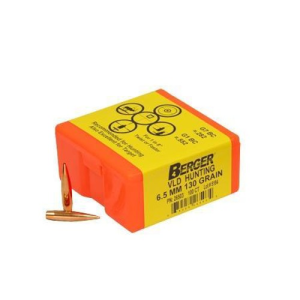
Berger 130-grain VLD Hunting bullet Deals
Prices may change. May contain affiliate links.
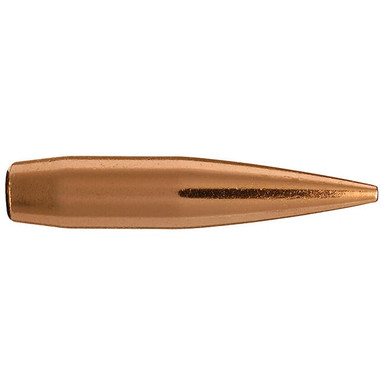
Berger 130-grain VLD Hunting bullets (reloading component) Deals
Prices may change. May contain affiliate links.
Hornady Precision Hunter 143-grain ELD-X
The 143-grain weight is heavier than most competitors in this comparison, which means more momentum and a very high BC (.625 G1). Advertised at 2,700 fps, it's a bit slower at the muzzle but catches up and passes lighter bullets downrange due to superior BC. The ELD-X's controlled expansion works across a wide velocity window. This is probably the default recommendation for someone who wants one 6.5 Creedmoor hunting load and doesn't want to overthink it.
Federal Premium 130-grain Terminal Ascent
A bonded bullet with a solid rear shank, designed to hold weight and penetrate deeply. Advertised at around 2,825 fps. The BC (.532 G1) is competitive with the Berger 130 VLD. Terminal performance is the most "boring" of the group in the best possible way: consistent expansion, deep penetration, and high weight retention. Excellent for elk-sized game where you need the bullet to reach vitals through heavy bone and muscle.
Federal Gold Medal 130-grain Berger Hybrid Hunter
This is the most direct comparison to HSM Trophy Gold because it uses a Berger bullet in the same weight class. The Hybrid Hunter has a slightly different ogive profile than the VLD, designed to be less sensitive to seating depth. BC is comparable at around .530 G1. Federal's loading tends to show very tight velocity spreads, often in the single-digit SD range, which reflects their match-grade quality control processes. Advertised velocity is around 2,875 fps.
HSM Tipping Point 130-grain Nosler RDF
HSM's other premium 6.5 Creedmoor option uses the Nosler RDF, a match bullet with a hollow point and very consistent jacket thickness. Advertised at approximately 2,825 fps. The RDF wasn't originally designed as a hunting bullet, but its thin jacket means it does expand on game, though less predictably than purpose-built hunting projectiles. American Hunter's testing found good accuracy. This load sits in the gap between pure match ammo and hunting ammo, which could be a strength or a weakness depending on what you need.
| Load | Bullet Weight | BC (G1) | Advertised Velocity | Velocity SD (Reported) | Terminal Design | Price per Round |
|---|---|---|---|---|---|---|
| HSM Trophy Gold Berger VLD Hunting | 130 gr | .530 | ~2,850 fps | 12–18 fps | Fragmentation (thin jacket, violent expansion) | $1.75–$2.25 |
| Hornady Precision Hunter ELD-X | 143 gr | .625 | 2,700 fps | Single digits to low teens | Controlled expansion (wide velocity window, 50–60% weight retention) | $1.60–$2.00 |
| Federal Premium Terminal Ascent | 130 gr | .532 | ~2,825 fps | N/A | Bonded core (80%+ weight retention, deep penetration) | $1.80–$2.20 |
| Federal Gold Medal Berger Hybrid Hunter | 130 gr | ~.530 | ~2,875 fps | Single-digit range | Hybrid ogive, less seating-depth sensitive | $1.75–$2.10 |
| HSM Tipping Point Nosler RDF | 130 gr | N/A | ~2,825 fps | N/A | Hollow point match bullet (less predictable expansion on game) | N/A |
What you'll see at the range
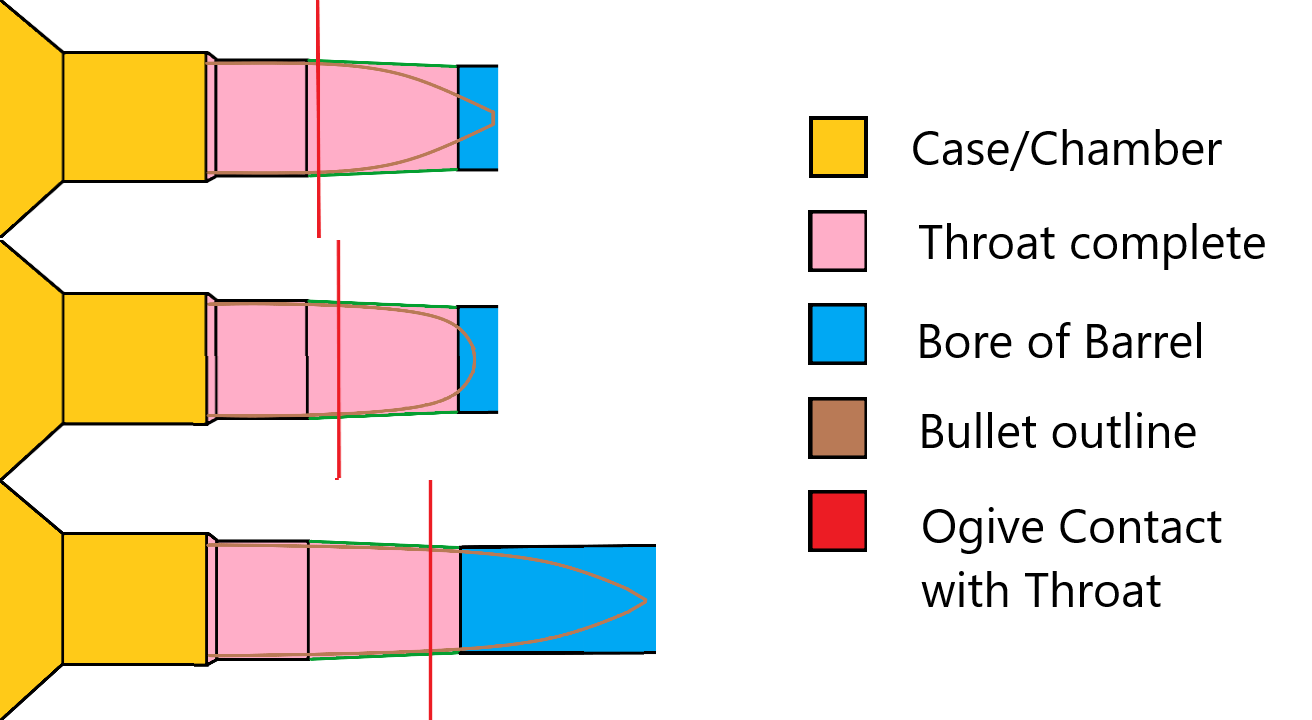
Expect HSM Trophy Gold to be more sensitive to rifle-specific preferences than Hornady Precision Hunter. The Berger VLD bullet has a secant ogive that can be touchy about freebore and throat dimensions. In a rifle with a longer throat, it might shoot lights out. In a tighter chamber, it might not be as impressive. Hornady's ELD-X, with its hybrid ogive, tends to be more forgiving across different chamber specs.
You'll also likely notice that HSM brass is adequate but not premium. It's not Lapua or Peterson. For a hunter shooting factory ammo and not reloading the brass, this doesn't matter at all. For someone who plans to reload the fired cases, the brass quality is a secondary consideration, and HSM brass typically needs more prep work (flash hole deburring, primer pocket uniforming) than Federal or Hornady brass to bring it to match standards.
Muzzle flash and felt recoil will be similar across all these loads. They're all operating in the same pressure range. You might notice slight differences in muzzle blast character depending on the powder HSM selected versus what Hornady or Federal uses, but nothing that affects shooting performance.
Common mistakes when evaluating boutique vs mainstream ammo
Judging accuracy from a three-shot group is the biggest error. Three shots can hide a flier or make a mediocre load look amazing through luck. Shoot five-shot groups minimum, and ideally shoot multiple five-shot groups across different range sessions. A load that shoots one 0.4 MOA group and two 1.1 MOA groups is a 1.1 MOA load, not a 0.4 MOA load.
Comparing loads at 100 yards only misses the point for long-range work. Two loads that both shoot 0.7 MOA at 100 might diverge significantly at 400+ yards because of differences in velocity consistency. This is where chronograph data becomes essential. The load with the tighter SD will group better at distance even if 100-yard groups look similar.
Assuming "boutique means better" is a trap. HSM loads good bullets, but they're not hand-turning every case neck. They're a small factory, not a custom ammo shop like Choice Ammunition or GA Precision's loaded rounds. Their quality control is reportedly good but not infallible. Forum reports occasionally mention a round with a slightly crooked seated bullet or a velocity outlier. The big manufacturers have these too, just at a lower rate due to more automated inspection.
Ignoring lot numbers creates confusion. If you find an HSM load that shoots well in your rifle, buy several boxes from the same lot. Lot-to-lot variation is real with any manufacturer, and smaller production runs can mean more variation between lots. This applies equally to Hornady and Federal, but the effect can be more pronounced with smaller companies.
Not testing at the velocities you'll actually shoot game is another oversight. If your hunting shots are 300-400 yards, zero and group-test at those distances, not just at 100. A bullet's BC matters more as range increases, and the difference between a .530 BC Berger and a .625 BC ELD-X becomes meaningful past 400 yards in terms of wind drift and drop.
The availability factor
One practical advantage HSM has shown over the years is product availability during market disruptions. During peak demand periods, Hornady and Federal allocate production to their highest-volume SKUs, which means common calibers in standard configurations. Specialty loads and newer caliber offerings can disappear from shelves for months. HSM, running smaller batches with more flexible production scheduling, has sometimes maintained stock when the big names couldn't.
This isn't guaranteed, and it's not a reason to build your rifle system around HSM ammo. But if you've settled on HSM Trophy Gold as your hunting load and you can find it when Hornady Precision Hunter is backordered everywhere, that's a real-world advantage. Consistency of supply matters when you need to verify zero before a hunt and your preferred ammo is unavailable.
The flip side is that HSM's distribution network is smaller. You're less likely to find it at a rural Walmart or a small-town sporting goods store. Online retailers and specialty shops are the primary channels. Scheels, Sportsman's Warehouse, and various online ammo dealers carry HSM, but the selection is thinner than what you'd find for Hornady or Federal.
Who should actually consider HSM?
The ideal HSM customer in 6.5 Creedmoor is someone who wants to shoot Berger bullets but doesn't reload. That's the core value proposition, and it's a legitimate one. Berger projectiles have a proven track record in competition and hunting, and HSM gives you access to them in factory-loaded form at a price point that's competitive with other premium hunting ammo.

If you already reload, the calculus changes. You can load the same Berger 130 VLD to your specific rifle's preferences, tune the seating depth, work up a charge that gives you single-digit SDs, and do it for roughly a dollar less per round. The performance ceiling for handloads is higher than any factory ammo, boutique or mainstream.
If you want the broadest terminal performance envelope and don't want to think too hard about it, Hornady Precision Hunter 143 ELD-X remains the safe default. It's not the most exciting answer, but the numbers support it. Wide velocity expansion range, high BC, excellent accuracy across most rifles, and near-universal availability make it the Toyota Camry of 6.5 Creedmoor hunting ammo. Reliable, boring, effective.
If you hunt bigger-bodied game where penetration matters more than fragmentation, Federal Terminal Ascent is worth the look. The bonded construction and high weight retention give you insurance that a Berger VLD doesn't.
So can boutique loaders actually compete?
The performance gap narrows fast above a certain quality threshold, and HSM clears that threshold. Their Trophy Gold line with Berger bullets shoots accurately, uses proven projectiles, and is priced within the same band as mainstream premium ammo. They're not dramatically better or worse than Hornady Precision Hunter or Federal Premium in terms of what you'll see on paper and on game.
Where HSM falls slightly short is in the consistency metrics that matter most for extreme long-range work. Velocity SDs in the mid-teens are good for hunting but won't satisfy a competitive PRS shooter who needs single-digit numbers. The brass quality is functional but not premium. And the distribution network means you might have to plan ahead rather than grabbing a box on the way to the range.
The honest answer is that HSM competes successfully in the hunting ammo segment by leveraging excellent third-party bullets and small-batch production. They don't beat Hornady or Federal outright, but they don't need to. They need to be good enough that the Berger bullet on the front of the cartridge is the deciding factor, and on that front, they deliver. Buy a box of HSM Trophy Gold and a box of Hornady Precision Hunter. Shoot both through your rifle over a chronograph. Whichever one your barrel prefers, buy a case of it and stop second-guessing. The deer won't know the difference between a well-placed Berger VLD and a well-placed ELD-X. Your job is to figure out which one your rifle puts where you want it.