
You're staring at a spec sheet that says 5.6 pounds. That's bare rifle, no optic, no sling, no rounds in the magazine. You're thinking about a September sheep hunt above treeline, or maybe chasing mule deer across a basin where every ounce on your back translates to vertical feet you won't climb. The Bergara Premier Cima Pro is built for exactly that math. But here's the real question: did Bergara cut weight in the right places, or did they sacrifice the things that actually matter when you need to make a 350-yard shot at altitude with your heart rate north of 140?
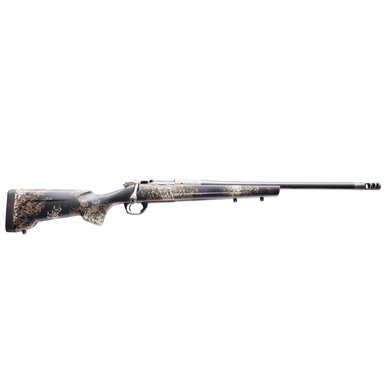
Bergara Premier Cima Pro Deals
Prices may change. May contain affiliate links.

The mountain rifle category has gotten crowded. Everybody's shaving ounces off carbon fiber stocks and pencil-profile barrels, and the marketing copy all sounds the same. Sub-six-pound rifle, sub-MOA guarantee, carbon everything. The Cima Pro enters that field with some genuine engineering decisions that separate it from the pack, but also with a few tradeoffs you should understand before committing. This isn't a review that tells you it's great and sends you to the checkout page. It's a breakdown of the system, where the weight savings actually come from, what you give up, and whether the accuracy holds up when the barrel heats.
Where the weight actually goes
To understand why 5.6 pounds matters, you need to understand where traditional hunting rifles carry their mass. A standard Bergara B-14 HMR in 6.5 Creedmoor weighs around 9.1 pounds. That's a bench rifle. A Remington 700 SPS in .308 sits around 7.3 pounds. Even Bergara's own B-14 Wilderness Ridge, which they market as a lighter hunting option, comes in around 7 pounds. Getting from seven pounds to 5.6 means removing roughly 20% of the rifle's mass. That has to come from somewhere, and the somewhere determines whether the rifle still performs.
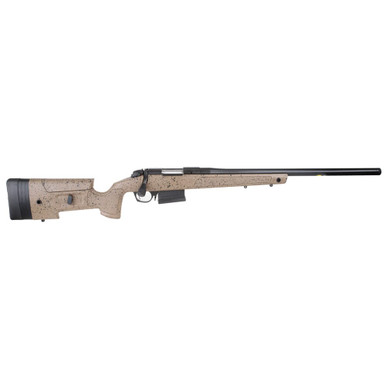
Bergara B-14 HMR 6.5 Creedmoor Deals
Prices may change. May contain affiliate links.

Remington 700 SPS .308 Deals
Prices may change. May contain affiliate links.

Bergara B-14 Wilderness Ridge Deals
Prices may change. May contain affiliate links.
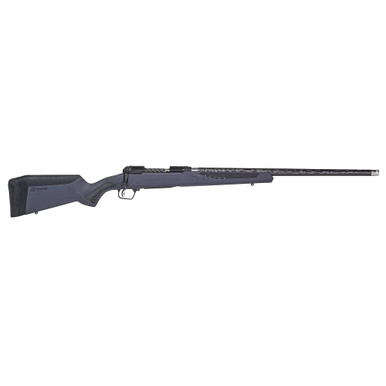
Proof Research Carbon Fiber Wrapped Barrel Deals
Prices may change. May contain affiliate links.
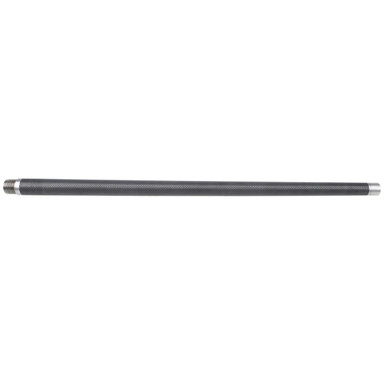
Christensen Arms Carbon Fiber Wrapped Barrel Deals
Prices may change. May contain affiliate links.
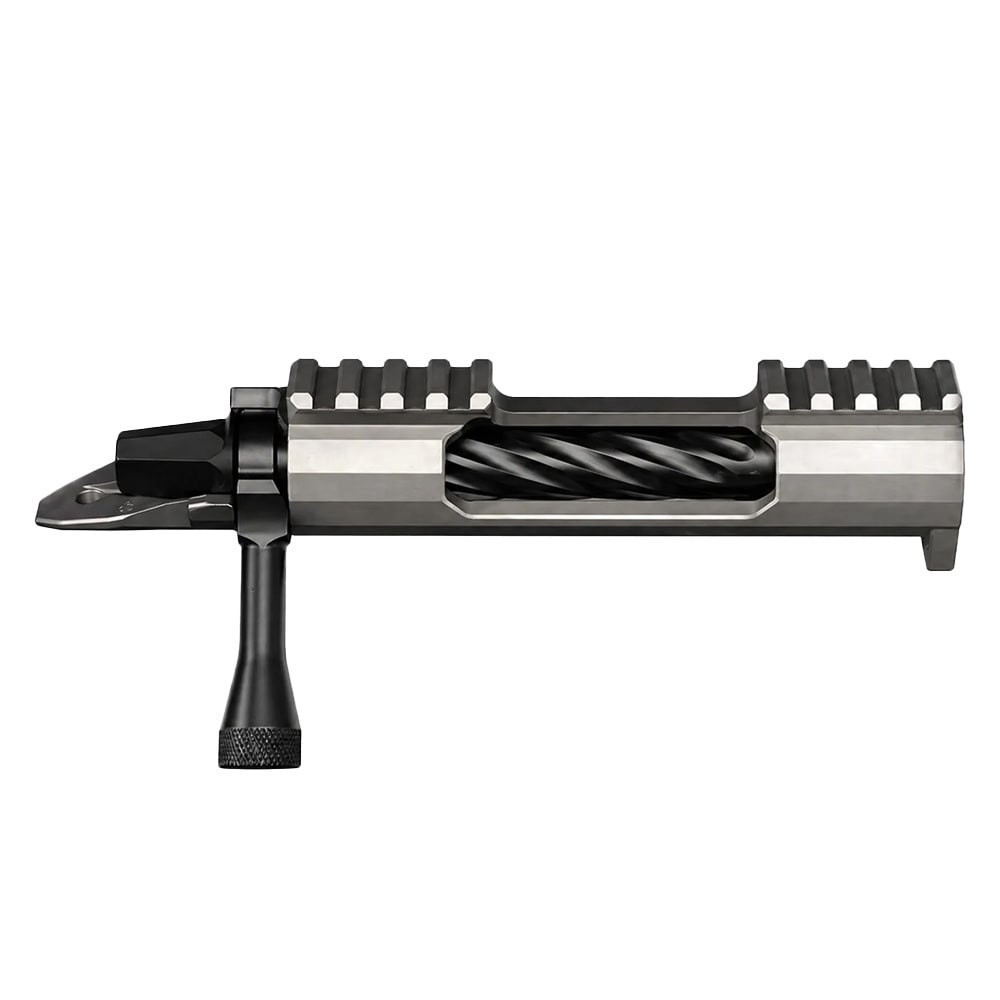
Lone Peak Titanium Action Deals
Prices may change. May contain affiliate links.
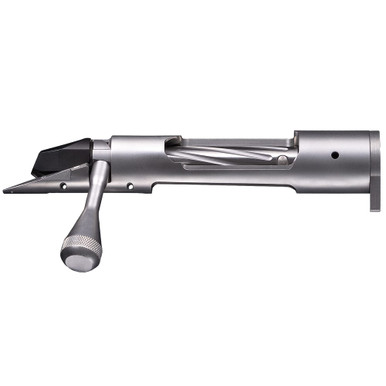
Bergara Premier Action Deals
Prices may change. May contain affiliate links.
The Cima Pro pulls weight from three main areas: the barrel, the stock, and the action. The barrel is a carbon fiber-wrapped design using Bergara's 4140 CrMo steel core with a carbon fiber outer shell. This is the same general approach you see from Proof Research and Christensen Arms, though the specifics of the wrap pattern, resin system, and core profile differ between manufacturers. The carbon wrap does two things: it reduces weight compared to a traditional contour steel barrel, and it increases surface area for heat dissipation. Bergara specs the Cima Pro barrel at a #3 taper equivalent under the carbon, which is thinner than most hunting barrels. The total barrel weight savings over a comparable steel profile is roughly 12 to 16 ounces depending on caliber and length.

The stock is AG Composites' carbon fiber design, and this is a meaningful choice. AG Composites has a solid reputation in the precision rifle world. The stock uses a pillar-bedded design with an aluminum bedding block, which matters because a lightweight stock that flexes under recoil or changes point of impact with temperature swings defeats the purpose of a precision barrel. The stock alone probably saves 8 to 12 ounces over a traditional fiberglass or injection-molded polymer stock with comparable rigidity.

Then there's the action. The Cima Pro uses Bergara's Premier action, which is a Remington 700-pattern footprint machined from 4140 steel. It's not a titanium action, which is where some competitors save additional weight. That's a deliberate choice, and it's worth discussing. Titanium actions, like the ones Fierce uses in the CT Edge or what you'd find in a custom build from Defiance or Lone Peak, can shave another 4 to 6 ounces. Bergara kept the steel action, which means slightly more weight but also means proven strength, consistent headspacing, and compatibility with the massive aftermarket of Remington 700 triggers, bases, and bottom metal. That compatibility has real value if you're someone who likes to tune your rifle over time.
The barrel question
The barrel does 80% of the work. That's true on a bench rifle and it's true on a mountain rifle. So the question with any carbon-wrapped barrel is whether the accuracy holds up, especially as the barrel heats.
Bergara's barrel-making reputation is one of the strongest in the production rifle world. They've been making barrels in Spain since 1973, and their bore quality is consistently good. The Cima Pro uses a hand-lapped bore with Bergara's proprietary rifling process. The company guarantees sub-MOA accuracy with quality factory ammunition, which is a standard claim in this price range but one that Bergara actually backs up more consistently than most.
The carbon fiber wrap introduces a variable that steel barrels don't have: the interface between the steel core and the carbon shell. If the bond isn't right, or if the thermal expansion rates aren't properly managed, you can get point-of-impact shifts as the barrel heats. Early carbon-wrapped barrels from various manufacturers had this problem. The technology has matured considerably, but it's not a solved problem across the board. Bergara's implementation appears solid based on testing from multiple independent sources, with groups staying consistent through strings of fire that would open up a thin steel barrel significantly.
Here's the practical reality. On a mountain hunt, you're not shooting 20-round strings. You're shooting one to three rounds, probably with significant time between shots. The thermal management advantage of carbon fiber matters less for point-of-impact consistency on a hunt and more for the fact that a lighter barrel is simply easier to carry. Where the carbon wrap actually earns its keep on a hunting rifle is weight savings, period. The heat dissipation is a bonus, but the weight is the reason you're paying for it.

The Cima Pro ships in several chamberings: 6.5 Creedmoor, 6.5 PRC, .308 Winchester, .300 Winchester Magnum, .300 PRC, and .28 Nosler, among others. Barrel length varies by chambering, typically 22 inches for the short-action cartridges and 24 inches for the magnums. The 6.5 PRC and .300 PRC options are the most interesting for the intended use case. The 6.5 PRC gives you genuine 1,000-yard capability with manageable recoil in a package this light. The .300 PRC gives you elk and moose medicine with a modern, efficient case design. The .308 is the conservative pick that'll cost you less per round at the range and still handle anything in North America inside 500 yards.
Range notes
Expect first-round cold-bore accuracy to be the Cima Pro's strength. That's what matters on a hunt. Three-round groups at 100 yards should cluster around 0.7 to 0.9 MOA with match-grade factory ammunition like Federal Gold Medal or Hornady ELD Match. Five-round groups will open up more than they would on a heavier-barreled rifle because the thin core heats faster. If you're seeing 1.5 MOA five-round groups, that's normal for this barrel profile and not a cause for concern. Your cold-bore shot is what counts. Track it separately. Shoot one round on a cold barrel, let it cool completely, repeat. That's your real accuracy number for hunting purposes.
Stock and ergonomics at five and a half pounds
Light rifles kick harder. That's physics, not opinion. A 5.6-pound rifle in .300 Win Mag generates noticeably more felt recoil than a 7.5-pound rifle in the same chambering. The Cima Pro addresses this partly through stock geometry and partly through the expectation that you'll add a muzzle brake or suppressor.
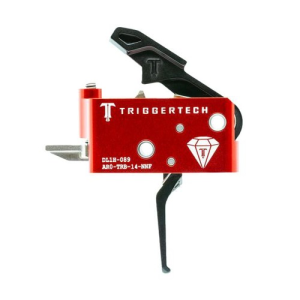
Triggertech Diamond Trigger Deals
Prices may change. May contain affiliate links.
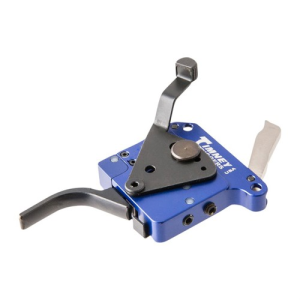
Timney Calvin Elite Trigger Deals
Prices may change. May contain affiliate links.
The AG Composites stock has a fairly vertical pistol grip angle and a raised cheek piece that provides consistent cheek weld. The length of pull is 13.5 inches, which works for most adult shooters in a hunting jacket but might feel short if you're over six feet with long arms. There's no adjustability here, which is typical for hunting stocks in this weight class. Adding an adjustable cheek piece or LOP system would add weight and complexity, and that's antithetical to the design philosophy.
One thing that deserves attention is the forend width. It's narrow. This is great for weight savings and for wrapping your hand around it in an offhand shot, but it's less ideal for shooting off a pack or a bipod. A narrow forend can be twitchy on a rest because small movements translate to larger angular changes at the muzzle. If you plan to shoot this rifle primarily from a bipod or a tripod-mounted rest, consider whether a wider forend would serve you better. For the intended use of field shooting from natural rests, packs, and offhand, the narrow forend is fine.

The bottom metal is aluminum, and the rifle feeds from a detachable magazine. The magazine is a reliable AICS-pattern box, which means aftermarket options are everywhere. The trigger is Bergara's Performance Trigger, which is adjustable from roughly 2.5 to 4 pounds. Out of the box, it's usually set around 3 pounds, and the break is clean without much creep. It's not a Triggertech Diamond or a Timney Calvin Elite, but it's genuinely good for a factory trigger and better than what you'd find on most production rifles in this price bracket.
How it stacks up against the competition
The mountain rifle space has real competition. Here's how the Cima Pro compares to four direct competitors on the specs and design choices that actually affect performance in the field.
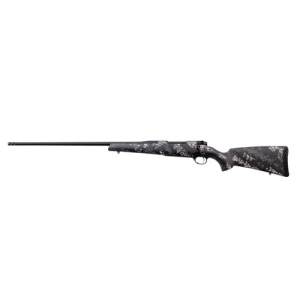
Weatherby Mark V Backcountry 2.0 Ti Deals
Prices may change. May contain affiliate links.

Browning X-Bolt Mountain Pro SPR Deals
Prices may change. May contain affiliate links.
The Christensen Arms Ridgeline Ti is the most obvious comparison. It uses a titanium action where the Cima Pro uses steel, which drops the Ridgeline Ti to around 5.2 pounds bare. The barrel is Christensen's carbon fiber-wrapped design with their aerograde carbon stock. The Ridgeline Ti has had a rocky quality control history, particularly with early carbon barrels showing accuracy issues, though Christensen has improved significantly in recent production runs. If you get a good one, it's a fantastic rifle. The risk tolerance is higher than with Bergara, which has been more consistent across production runs.

The Fierce CT Edge is another titanium-action competitor. It comes in around 5.3 pounds, uses a Fierce-branded carbon barrel and carbon stock, and has a reputation for excellent accuracy. The action is proprietary, not Remington 700 pattern, which limits your aftermarket trigger and accessory options. Fierce rifles tend to shoot very well, but the proprietary ecosystem means you're committed to their platform for upgrades.
The Weatherby Mark V Backcountry 2.0 Ti takes a different approach with Weatherby's proven Mark V action in titanium. It weighs around 5.5 pounds and uses a carbon fiber stock with Weatherby's proprietary barrel. The Mark V action is overbuilt by design, with nine locking lugs providing enormous strength. The Backcountry 2.0 Ti is available in Weatherby's magnum cartridges, which is where their action design really shines. If you're shooting 6.5-300 Weatherby or .300 Weatherby Magnum, this is worth a serious look. For standard cartridges, the Bergara is a more versatile platform.
The Browning X-Bolt Mountain Pro SPR is the value play in this space. It's heavier than the Cima Pro at around 6.2 pounds, but it's meaningfully less expensive. It uses a spiral-fluted steel barrel (not carbon-wrapped), a carbon fiber stock, and Browning's reliable X-Bolt action. The accuracy is good, and the Browning's three-lever Feather Trigger is one of the best factory triggers in the industry. If you can live with the extra half-pound, the Mountain Pro SPR is a strong alternative that leaves money in the budget for better glass.
The Cima Pro sits in an interesting position. It's lighter than the Browning, heavier than the titanium-action rifles, and arguably more consistent than the Christensen. The Remington 700 footprint gives it the broadest aftermarket support of any rifle on this list. For a hunter who wants to start with a solid factory rifle and potentially upgrade the trigger, optic mount, or bottom metal over time, that compatibility matters.
The caliber decision for mountain hunting
Choosing a chambering for a mountain rifle involves balancing recoil, trajectory, terminal performance, and barrel life. In a rifle this light, recoil management becomes a more significant factor than it would in a heavier platform.
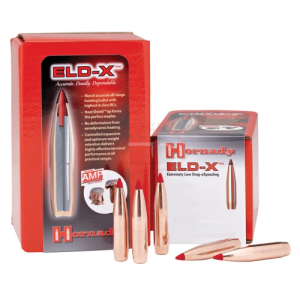
Hornady ELD-X 143-grain Bullet Deals
Prices may change. May contain affiliate links.
The 6.5 Creedmoor in the Cima Pro makes a capable deer and antelope rifle out to 600 yards with excellent barrel life (roughly 2,500 to 3,000 rounds). It's the softest-shooting option and the cheapest to feed. For elk-sized game, it's marginal beyond 400 yards unless you're very precise with shot placement and using heavy-for-caliber bullets like the 143-grain ELD-X.
The 6.5 PRC steps up the velocity by about 200 fps over the Creedmoor with the same bullet weights, which extends effective range and improves terminal performance. Barrel life drops to roughly 1,500 to 2,000 rounds. In a rifle this light, the recoil increase over 6.5 Creedmoor is noticeable but manageable. This is probably the best all-around chambering for the Cima Pro if you hunt mixed bag from deer to elk.
The .308 Winchester is the blue-collar choice. Barrel life is exceptional (5,000+ rounds), ammunition is available everywhere, and terminal performance on medium to large game inside 500 yards is proven beyond any debate. The trajectory isn't as flat as the 6.5 options, and the wind drift is worse, but the .308 is a round that just works. In the Cima Pro's light platform, recoil with 168-grain loads is brisk but not punishing.
The .300 Win Mag and .300 PRC are the elk and moose options. Both will push a 200-grain or 212-grain bullet fast enough to be effective well past 500 yards, but in a 5.6-pound rifle, the recoil is substantial. You need a good muzzle brake, and you need to practice with it. Flinching with a magnum in an ultralight rifle is the fastest way to miss an animal. The .300 PRC is the more modern design with a shorter, fatter case that's inherently more accurate and feeds more reliably from a detachable magazine. If you're going magnum in this platform, the PRC is the better choice over the Win Mag.

The .28 Nosler is the wildcard. It pushes 162-grain to 175-grain 7mm bullets at velocities that rival the .300 magnums with less recoil. Barrel life is short, roughly 800 to 1,200 rounds, and ammunition availability is limited compared to the other options. But the ballistic performance is outstanding. If you're a handloader and you want the flattest-shooting, hardest-hitting option with manageable recoil, the .28 Nosler in the Cima Pro is a compelling mountain rifle.
Common mistakes with ultralight rifles
Ultralight rifles amplify shooter errors. Every bad habit that a heavy rifle forgives, a light rifle punishes. Here are the mistakes that cost people accuracy and confidence with rifles in this weight class.
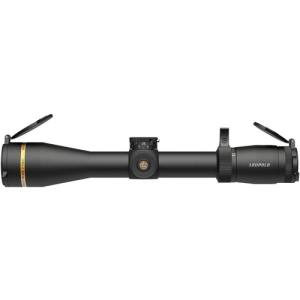
Leupold VX-6HD 2-12x42 Deals
Prices may change. May contain affiliate links.
Skipping the muzzle brake on magnum chamberings is the most common one. Pride is not a recoil management strategy. A good brake reduces felt recoil by 30 to 50 percent, and on a 5.6-pound .300 PRC, that's the difference between comfortable shooting and developing a flinch. Thread the muzzle, run a brake for practice, and swap to a thread protector or suppressor for the hunt if sound matters to you.
Over-torquing the action screws is a problem specific to carbon fiber stocks. Carbon fiber and aluminum bedding blocks have different torque specs than wood or polymer stocks. The Cima Pro's AG Composites stock should be torqued to the manufacturer's spec, typically 45 to 65 inch-pounds depending on the specific hardware. Too much torque can stress the bedding block or warp the stock, changing point of impact. Use an inch-pound torque wrench, not a feel-based approach.
Mounting heavy optics defeats the purpose of the platform. A 5.6-pound rifle with a 26-ounce scope and a 6-ounce mount is now a 7.6-pound rifle. That's normal hunting rifle weight, and you've paid a premium for lightness you aren't using. Match the optic to the rifle's mission. A Leupold VX-6HD 2-12x42 weighs about 16 ounces. A Maven RS.4 5-30x56 weighs 32 ounces. One of those belongs on this rifle. The other belongs on a bench gun. Think about total system weight, not just rifle weight.

Neglecting to confirm zero after travel is universal advice, but it matters more with lightweight rifles because the thinner barrel and lighter stock are more susceptible to point-of-impact shifts from hard knocks during transport. If you've flown with the rifle or bounced it around in an ATV rack, confirm your zero before you hunt. One round on a target at 100 yards takes 30 seconds and can save your entire trip.
Shooting off hard surfaces without padding is the last one. A lightweight rifle bounces differently off a hard rest than a heavy one. The forend is narrow, and the rifle wants to jump and twist. Use a pack, a rolled jacket, or a purpose-built rest. Shooting the Cima Pro directly off a rock or a fence rail will give you inconsistent results and sore teeth from the stock slap.
Suppressor compatibility and the weight tradeoff
The Cima Pro ships with a threaded muzzle, which opens the door for suppressor use. This creates an interesting tension with the ultralight philosophy. A typical hunting suppressor like the Dead Air Nomad LT or the Thunder Beast Ultra 7 adds 10 to 14 ounces to the muzzle end of the rifle. That weight is all forward of the action, which changes the balance point significantly and makes the rifle feel heavier than the raw numbers suggest.
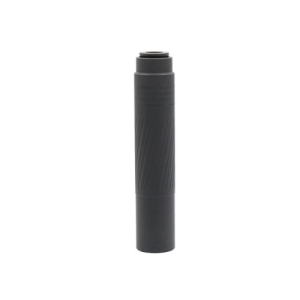
Thunder Beast Ultra 7 Suppressor Deals
Prices may change. May contain affiliate links.
But there's a strong argument for running a suppressor on a mountain rifle. Hearing protection is often impractical on a hunt, and a single unsuppressed shot from a .300 PRC will cause measurable hearing damage. A suppressor also reduces felt recoil by 15 to 25 percent, which stacks with a muzzle brake's benefit if you're running a brake-mount suppressor like the Thunder Beast system. The noise reduction matters for follow-up shots too, since you'll recover faster and be able to hear your spotter or guide.

The weight math works out like this: Cima Pro at 5.6 pounds plus a 12-ounce suppressor plus a 16-ounce scope plus a 4-ounce mount equals roughly 7.6 pounds ready to hunt. That's still lighter than most traditional hunting rifles without a suppressor. The ultralight base rifle gives you a weight budget to spend on accessories that improve the system's performance.
Build notes: optimizing the platform
If you're buying the Cima Pro as a system to build on rather than a rifle to shoot bone-stock, here are the upgrades worth considering in order of impact.
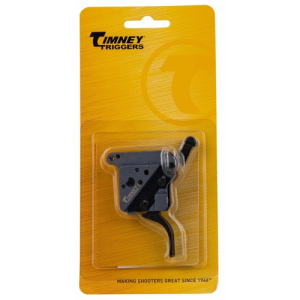
Timney Hit Trigger Deals
Prices may change. May contain affiliate links.
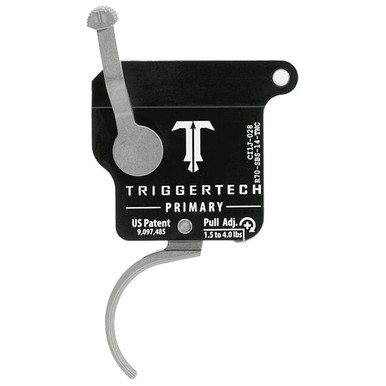
Triggertech Primary Trigger Deals
Prices may change. May contain affiliate links.
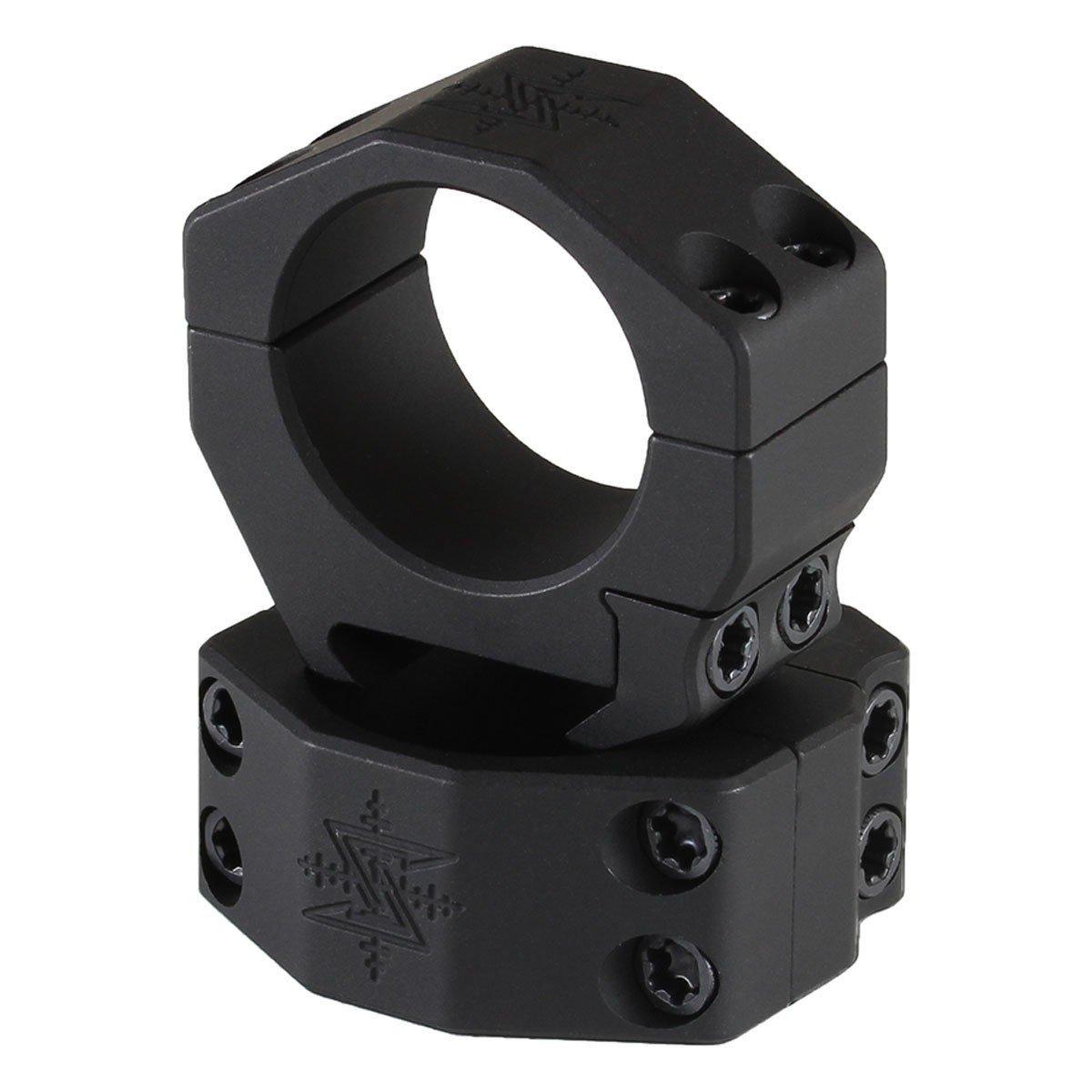
Seekins Scope Rings Deals
Prices may change. May contain affiliate links.
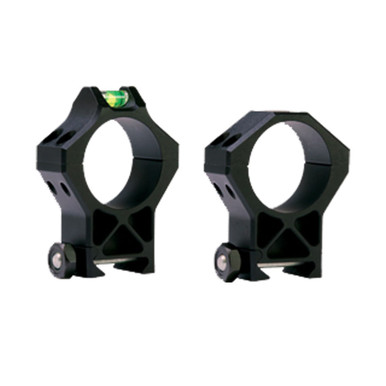
Hawkins Precision Scope Rings Deals
Prices may change. May contain affiliate links.
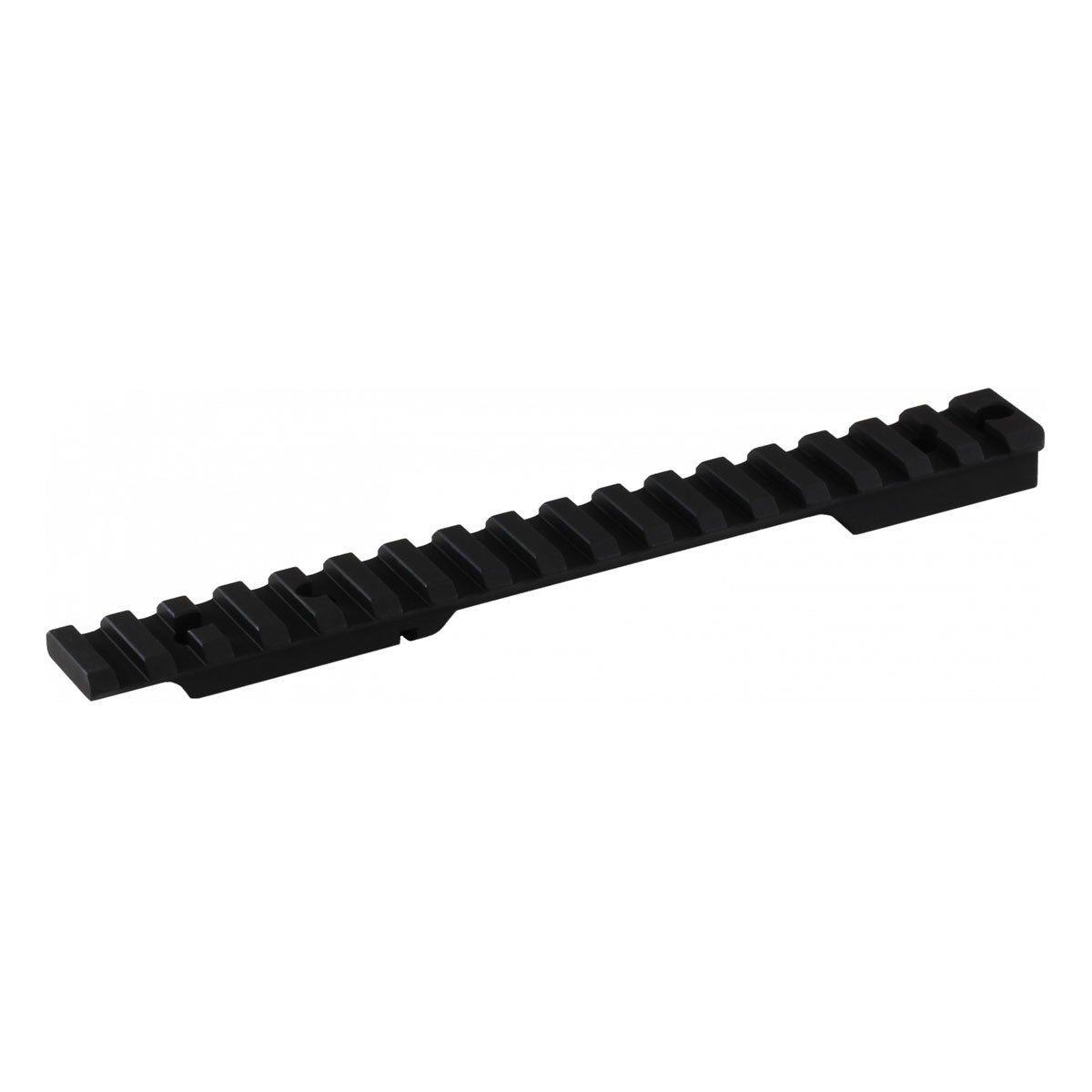
Seekins 20 MOA Rail Deals
Prices may change. May contain affiliate links.
The trigger is the first place to look. The factory Performance Trigger is good, but a Triggertech Primary or a Timney Hit set at 2 pounds will improve your shooting, especially in cold weather with gloves. Both are drop-in replacements on the Remington 700 footprint. No gunsmithing required.
The optic mount matters more than people think. A quality one-piece base like the Nightforce or Seekins 20 MOA rail, properly torqued, ensures the scope stays put under recoil. Lightweight rings from Seekins, TPS, or Hawkins Precision save a couple ounces over steel rings without sacrificing clamping force. Lapping the rings is worth the 20 minutes it takes. Consistent ring contact with the scope tube prevents the scope from shifting under recoil, which is the number one cause of "my rifle won't hold zero" complaints.
A quality sling is the most underrated piece of mountain hunting gear. A Kifaru or Marsupial sling that allows quick transition from carry to shooting support turns the sling into a stabilization tool, not just a carrying strap. On a rifle this light, any additional stabilization you can get from a hasty sling position matters.

Leave the stock alone. The AG Composites stock on the Cima Pro is better than what you'd typically replace it with in this weight class. If you want adjustability, you're looking at a different rifle category. The Cima Pro is designed to be carried far and shot well from field positions. That's its job.
Who this rifle is actually for
The Cima Pro makes the most sense for a specific type of hunter. You're covering serious miles on foot, gaining and losing thousands of feet of elevation, and the shot opportunity might come once in a five-day hunt. You need a rifle that's light enough to not destroy you on the approach, accurate enough to make a first-round hit at 400 yards from a field position, and chambered in something that'll anchor the animal cleanly.
It makes less sense if you're primarily hunting from a blind or a stand, where weight is irrelevant and a heavier rifle would shoot better. It also makes less sense if your budget is tight enough that the price of the Cima Pro means you're skimping on the optic. A mediocre scope on an excellent rifle is a worse system than a good scope on a decent rifle. The glass matters more than the gun for making hits at distance.
Your first range session
When you get the Cima Pro out of the box, here's the sequence. First, verify the action screw torque with an inch-pound wrench. Factory rifles sometimes ship with inconsistent torque. Second, mount your optic with properly lapped rings, torqued to the ring manufacturer's spec with a thread-locking compound like blue Loctite. Third, bore-sight at 25 yards to get on paper. Fourth, fire a three-round group at 100 yards to establish a rough zero. Let the barrel cool completely between shots for the first 15 to 20 rounds. This isn't a formal break-in procedure with clean-between-shots rituals, which most barrel makers now consider unnecessary, but thermal management during initial shooting helps the barrel settle.
Once you're zeroed, shoot five separate cold-bore shots across five range sessions. Log each one. That data is your actual hunting accuracy. If all five land within 1 MOA of your point of aim, the system is working. If you're seeing consistent drift in one direction, recheck your mount torque and ring alignment before blaming the rifle.
Then take it to 300 yards and confirm your drop matches your ballistic calculator. Shoot from field positions: sitting, kneeling, off a pack. The Cima Pro will feel different from a heavier rifle in these positions. Learn where it wants to sit, how it tracks during recoil, and how quickly you can get back on target. That practice, not the spec sheet, is what makes the rifle worth carrying up the mountain.
