
Arken has been the quiet disruptor in the budget long-range optics space for a few years now. The SH4 and EP5 earned real credibility on PRS stages and hunting rifles where shooters needed reliable tracking without dropping four figures. At SHOT Show 2026, they showed up with a deeper lineup than expected; new scope tiers, a weapon-mounted laser rangefinder, and updated mounting hardware. Here's what actually matters from the announcement and what's marketing noise.
Arken EP5 5-25x56
May contain affiliate links.
The big picture: Arken is pushing into territory previously owned by mid-tier brands like Athlon and Vortex's Viper line, while simultaneously going after the budget rangefinder market that's been dominated by standalone units from Sig and Leupold. Whether they can execute across all these product categories at once is the real question. Let's break down each piece.
The TL3000 weapon-mounted rangefinder
This is the product that drew the most attention at the booth, and for good reason. Weapon-mounted laser rangefinders have existed for a while, but they've been priced well above what most recreational long-range shooters want to spend. The Arken TL3000 is targeting a $600 street price with a rated range of 3,000 yards on reflective targets.
Arken TL3000 Weapon-Mounted Rangefinder
May contain affiliate links.
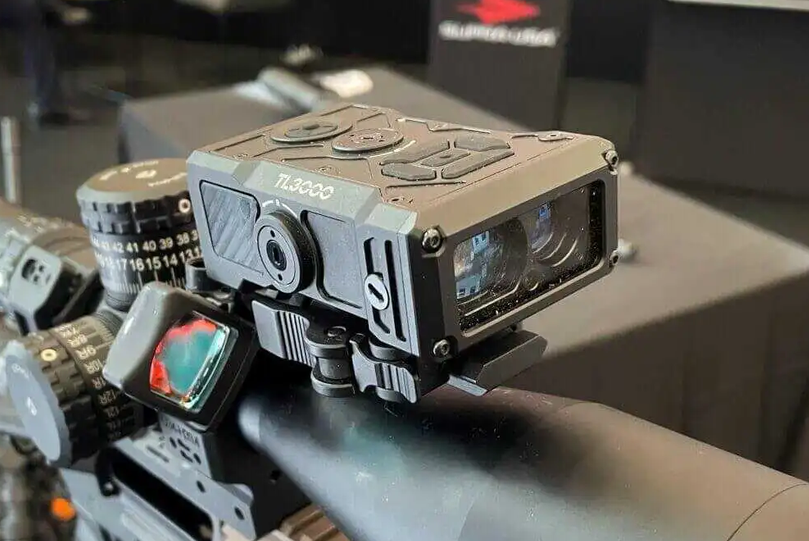
The spec that matters here: 3,000 yards is the reflective target number. On deer-sized game or steel at distance, expect that to come down significantly, probably into the 1,500 to 1,800 yard range in good conditions, based on how these ratings typically translate. That's still very usable for PRS-style competition and western hunting, where ranging targets at 800 to 1,200 yards quickly is the actual requirement.
The unit mounts directly to a Picatinny rail, forward of the scope. Arken showed it integrated with their own optics, but the mounting interface is standard enough to work with other setups. The form factor is compact relative to existing weapon-mounted rangefinders; think closer to a PEQ-sized box than a bulky bolt-on unit. Weight specs haven't been finalized at the time of the show, but the prototypes looked reasonable for a precision rifle that's already carrying a 34mm scope and a bipod.
What makes this interesting isn't just the price point. It's the activation method. The TL3000 is designed to be triggered from the shooting position without breaking cheek weld. That's the whole point of weapon-mounted over handheld, which is you range and shoot without a separate step of picking up a standalone unit, getting a reading, then getting back behind the rifle. Whether the button placement and ergonomics actually deliver on that promise will depend on final production units. The prototypes at SHOT looked promising but unfinished.
Range notes
Nobody's had extended trigger time with the TL3000 yet, so take booth demos with appropriate skepticism. The questions to ask once units ship: How fast does it acquire a reading on non-reflective targets past 1,000 yards? How does it perform in rain, fog, or heavy mirage? Does the mounting system hold zero relative to the scope after repeated recoil cycles? These are the things that separate a $600 rangefinder from a $2,000 one, and Arken will need to prove them out.
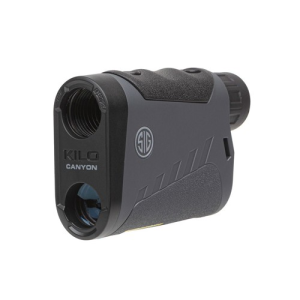
Sig Rangefinder Deals
Prices may change. May contain affiliate links.
EP-L4 and the expanded scope lineup
Arken's existing EP5 (5-25x56) has been the workhorse of their lineup. A first focal plane scope with the VPR reticle, zero stop, 34mm tube, and tracking that consistently surprises people given the price. At SHOT 2026, they expanded the range with updated models and new magnification options.
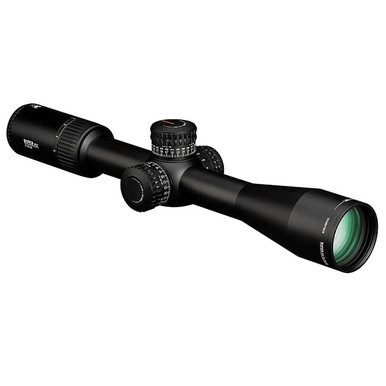
Vortex Viper PST Gen II 3-15x44 Deals
Prices may change. May contain affiliate links.
Arken EP-L4 4-16x
May contain affiliate links.
Athlon Ares ETR 3.4-17x50
May contain affiliate links.
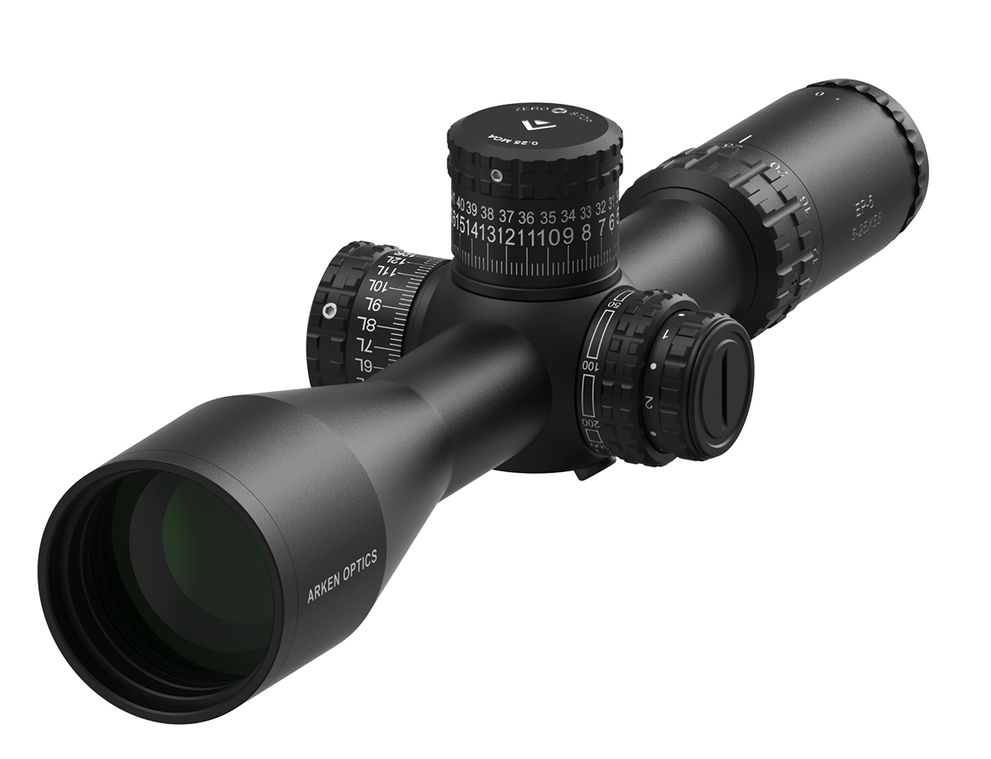
The EP-L4 sits in the 4-16x magnification range, targeting hunters and mid-range precision shooters who don't need 25x but want the same optical quality and turret reliability as the EP5. This makes sense as a product decision. Not everyone is shooting past 1,000 yards, and a lighter, shorter scope with a 4-16x range covers 90% of hunting scenarios and a good chunk of practical precision rifle use.
The eye box on a 4-16x scope is inherently more forgiving than a 5-25x, especially at lower magnifications. That matters for hunting applications where you're shooting from awkward positions; off a pack, kneeling behind a bush, or threading a shot through timber. If Arken maintained the same glass quality as the EP5 at this lower magnification range, the EP-L4 could be a genuine competitor to scopes like the Vortex Viper PST Gen II 3-15x44 and the Athlon Ares ETR 3.4-17x50.

What separates the EP-L4 from those competitors on paper is the reticle system. Arken has been refining their VPR (Versatile Precision Reticle) across generations, and the version in the EP-L4 is designed specifically for the magnification range, not just a scaled-down version of the EP5 reticle. The subtension marks are calibrated so they're usable at 16x without being cluttered at 4x. The reticle is the interface. Everything else is housing. If the subtension marks are too thick at max power or invisible at min power, the scope fails its primary job regardless of how good the glass is.
Updated EP5 and higher-end glass
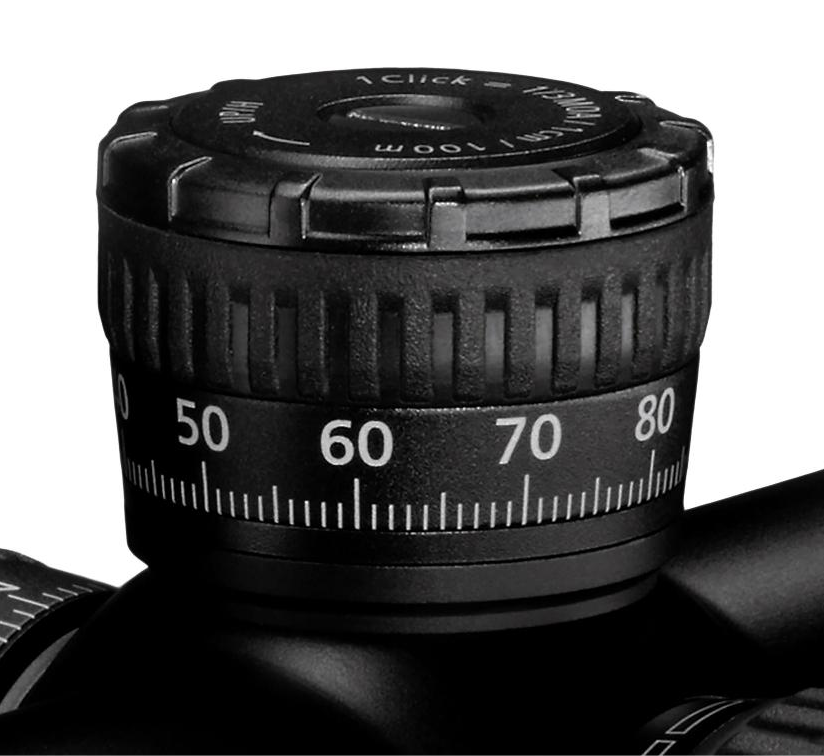
Arken also showed updates to the EP5 line, with improved lens coatings and a revised turret mechanism. The turret changes are the more significant upgrade. The original EP5 turrets tracked well but had some reported issues with the zero stop mechanism feeling mushy after extended use. The 2026 revision addresses this with a redesigned locking system.

Vortex Razor HD LHT Deals
Prices may change. May contain affiliate links.
Athlon Cronus Deals
Prices may change. May contain affiliate links.
The tracking test to run once these ship: box test at 100 yards, 10 MOA per side if you're running the MOA model, or 3 MIL per side on the MIL version. Then do it again after 500 rounds of recoil. First-day tracking is easy. Tracking after the scope has been bounced around in a rifle case, torqued through temperature swings, and subjected to repeated recoil impulses, which is where cheaper scopes start to wander. The original EP5 did well here relative to its price class. The updated version needs to do at least as well.
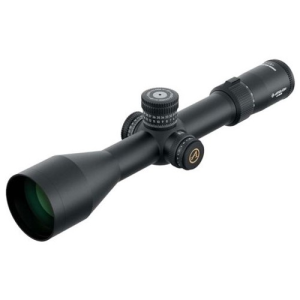
Arken hinted at a higher-tier scope line above the EP5, potentially with ED (extra-low dispersion) glass and improved coatings for better chromatic aberration control. Details were thin at the show, more of a "coming soon" tease than a finished product. If they can deliver ED glass quality at even a moderate premium over the EP5's current pricing, that puts them directly against the Athlon Cronus and Vortex Razor HD LHT territory. That's a big jump in competitive landscape and customer expectations.
In low light, the difference shows between standard glass and ED glass with premium coatings. A scope can track perfectly and still be frustrating to use during the last 20 minutes of legal shooting light if the glass can't resolve detail in shadows. This is where Arken's current lineup is good but not great, and it's the obvious area for improvement.
The Rigid Precision Mount
Scope mounts don't get the attention they deserve. A $500 scope in a $30 mount is a $30 system. Arken has been selling their Rigid Precision Mount for a while now, featuring a 34mm cantilever design with 20 MOA of built-in cant. The 2026 version gets some refinements.
Arken Rigid Precision Mount 34mm 20 MOA
May contain affiliate links.
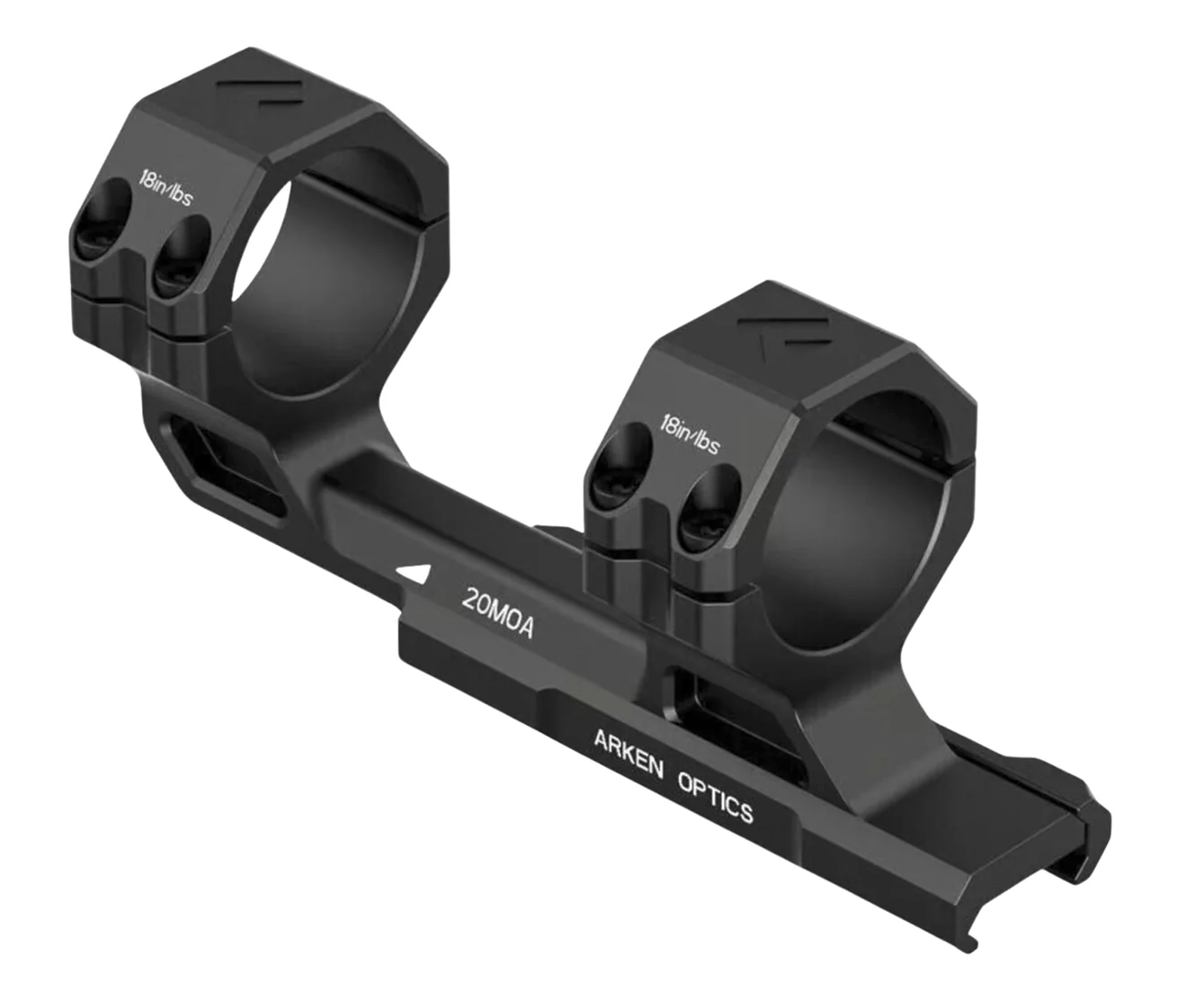
The mount uses a single-piece aluminum construction with a clamping system that distributes pressure evenly across the scope tube. That even pressure distribution matters more than people think. Uneven ring pressure can actually deform a scope tube enough to affect internal lens alignment, which shows up as tracking errors that are almost impossible to diagnose without swapping the mount. You'll blame the scope. It's the mount.
The updated version has tighter machining tolerances on the Picatinny clamp interface, which should reduce any play between the mount and the rail. On paper, this is a small change. On a rifle where you're dialing 20+ MOA of elevation for a 1,000-yard shot, any slop in the mount-to-rail interface translates directly into point-of-impact shift. The difference between 0.5 MOA of slop and zero slop is the difference between a first-round hit and a miss at distance.
For shooters running Arken scopes on bolt-action precision rifles, the matching mount makes sense from a system perspective. The 20 MOA cant is appropriate for long-range work; it gives you more usable elevation adjustment in your turrets by tilting the scope's mechanical range downward. If you're only shooting to 500 yards, you don't need it and a 0 MOA mount is fine. If you're regularly engaging past 700, the 20 MOA cant is almost mandatory with most scope turret ranges.
Common mistakes to avoid with this lineup
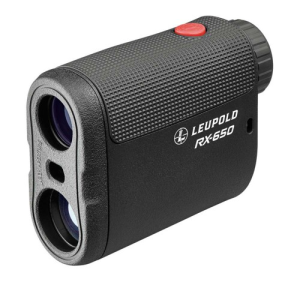
Buying the rangefinder before reviews hit is the first trap. The TL3000's price is compelling, but weapon-mounted rangefinders have a high failure rate across the industry when it comes to real-world durability. Wait for at least 90 days of field reports before committing. A $600 rangefinder that dies after 200 rounds of .308 recoil is a $600 paperweight.
Leupold Rangefinder Deals
Prices may change. May contain affiliate links.
Assuming the EP-L4 is just a smaller EP5 will lead to wrong expectations. Different magnification ranges mean different optical compromises. The EP-L4 will have a wider field of view and more forgiving eye box at low power, but it won't resolve targets at 1,000 yards the way a 25x scope will. That's physics, not a product flaw. Match the magnification to your actual shooting distances.
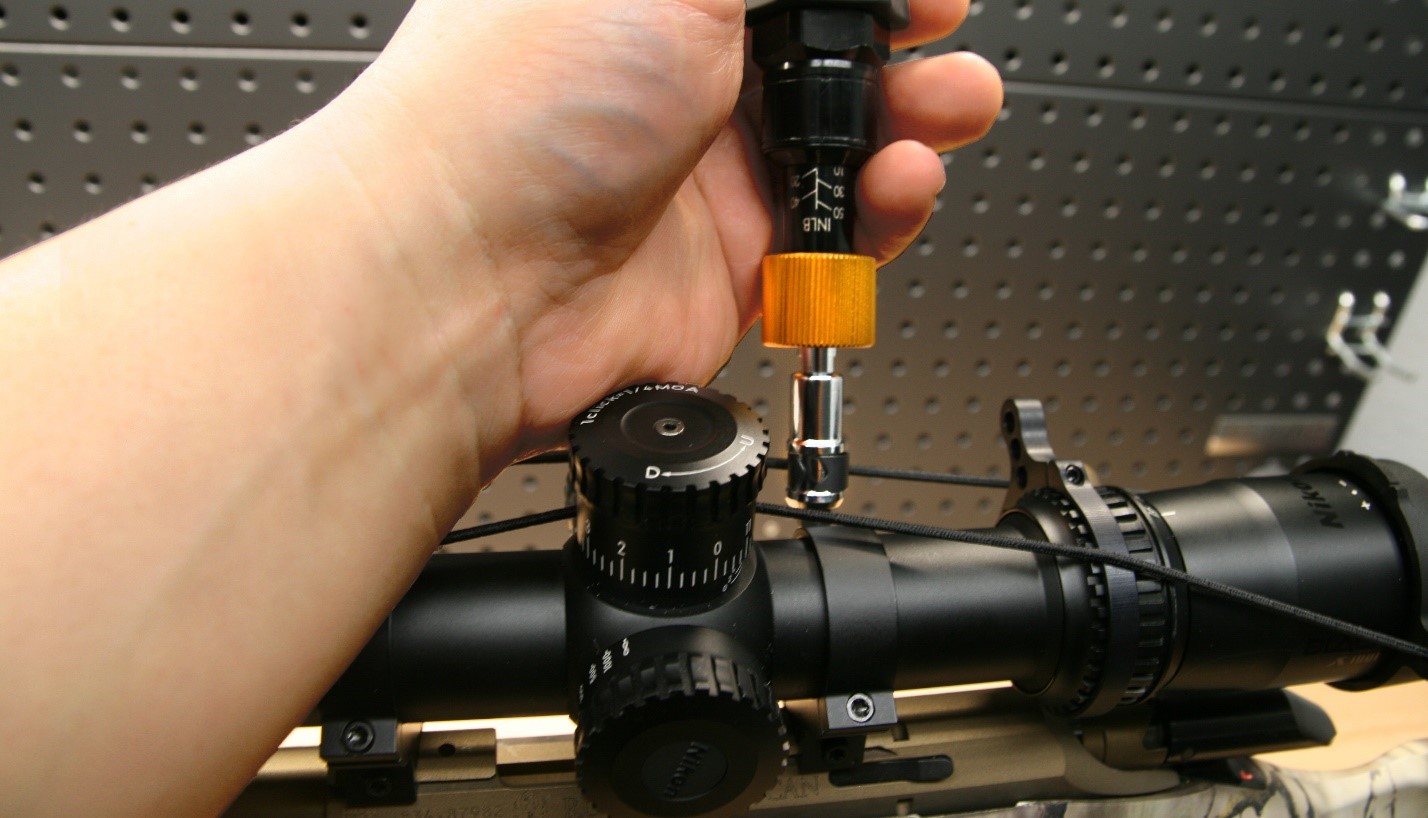
Over-torquing the Rigid Precision Mount is something that happens constantly with cantilever designs. Follow the spec, which is usually 18 to 25 inch-pounds on the ring screws and 65 inch-pounds on the rail clamp, though check Arken's specific numbers. A torque wrench isn't optional here. Hand-tight-plus-a-quarter-turn is not a torque specification.
Ignoring the reticle choice because you're focused on magnification and price is a mistake across all optic purchases, but especially with Arken's VPR system. The VPR reticle has specific subtension values at specific magnifications. If you don't understand your reticle's holdover marks at your most-used magnification, you're leaving the scope's best feature unused. Spend 20 minutes with the reticle manual before you spend 20 minutes at the range.
How Arken stacks up right now
The competitive landscape for Arken in 2026 looks like this. In the 5-25x56 FFP category, the EP5 competes against the Athlon Ares BTR Gen II, the Vortex Viper PST Gen II 5-25x50, and the Primary Arms GLx 4.5-27x56. All of these scopes have strong followings and proven track records. The EP5 holds its own on tracking and reticle design, though the Vortex and Athlon have larger service networks and longer warranty track records. The Primary Arms GLx arguably has the best reticle options in this group with the ACSS Athena BPR, but the EP5's VPR is competitive.
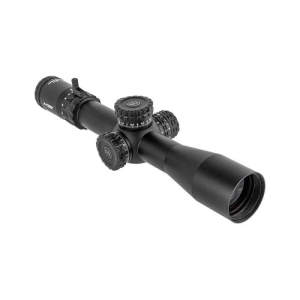
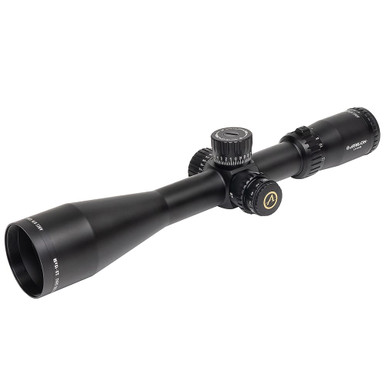
Athlon Ares BTR Gen II Deals
Prices may change. May contain affiliate links.
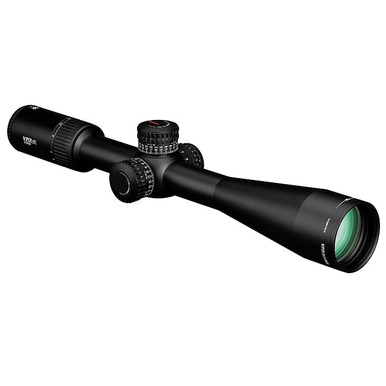
Vortex Viper PST Gen II 5-25x50 Deals
Prices may change. May contain affiliate links.
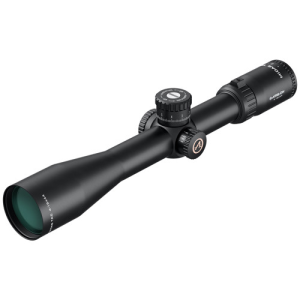
Athlon Midas TAC 4-16x44 Deals
Prices may change. May contain affiliate links.
Primary Arms GLx 4.5-27x56
May contain affiliate links.
In the 4-16x range, the EP-L4 enters a crowded field. The Vortex Viper PST Gen II 3-15x44 is the default recommendation in this space, and for good reason; it's been proven over years of hard use. The Athlon Midas TAC 4-16x44 is another strong option. Arken's advantage here will come down to whether the VPR reticle and turret quality differentiate it enough to pull buyers away from established options.
The TL3000 rangefinder doesn't have a direct competitor at $600 in the weapon-mounted category. That's either a sign that Arken found an underserved niche or a sign that other manufacturers determined the price point isn't sustainable for a reliable product. Time will tell which interpretation is correct.
What to do next
If you're already running an EP5 and it's working, there's no urgent reason to upgrade to the 2026 revision unless you've experienced the zero stop issues that some users reported. The tracking improvements are incremental, not transformational. If you're buying your first Arken scope, the updated EP5 is the obvious choice; it's the most proven platform in their lineup with the most user feedback available.
For the TL3000, put it on your watch list but keep your wallet closed until independent reviews confirm the ranging performance and durability claims. The concept is right. The price is right. Execution is the unknown variable, and that's the variable that matters most with electro-optical devices.
Mount it. Zero it. Then evaluate. That applies to every product Arken showed at SHOT 2026. The booth demos and spec sheets tell you what a product is supposed to do. The range tells you what it actually does. Arken has earned enough credibility with the EP5 to deserve serious consideration, but every new product category, especially the rangefinder, needs to prove itself independently. Watch the PRS community and long-range forums over the next six months. That's where the real reviews will come from.