
FN just did something unexpected. The company that's been charging premium prices for the 509 lineup, and largely getting away with it because the guns run, dropped the 309 MRD at a price point that puts it squarely against Caniks and budget Smiths. An internal hammer-fired, optics-ready, polymer 9mm from FN Herstal, sitting around the $400 mark. That's not a typo.
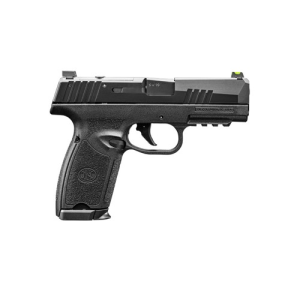
The real question is whether FN actually built a competitive pistol at this price or just stripped a 509 down to hit a number. The answer is more interesting than either of those options.
This isn't a stripped 509
The 309 MRD is a ground-up design, not a cost-reduced version of the 509. The most obvious difference: it's hammer-fired with an internal hammer, not striker-fired. That's a significant departure from FN's recent pistol playbook and puts the 309 in unusual company. Most polymer-framed hammer-fired guns at this price are either DA/SA designs or SAO race guns. The 309 runs an internal hammer with a consistent trigger pull. Think closer to a DAO concept but with a shorter, lighter press than traditional DAO guns.
Streamlight weapon light Deals
Prices may change. May contain affiliate links.

Vortex red dot optic Deals
Prices may change. May contain affiliate links.

The frame is polymer with aggressive texturing on the grip panels and an accessory rail up front. Barrel length comes in around 3.67 inches, making this a compact-sized gun, definitely not a subcompact, not a full-size. Overall length sits at roughly 6.8 inches and width at about 1.35 inches. It ships with 15-round magazines, which is solid capacity for the footprint.
And yes, the MRD designation means it comes optics-ready from the factory with a milled slide. FN is using a mounting system that accommodates common micro red dot footprints without adapter plates. That alone saves you $100-150 versus getting a slide milled aftermarket.
The trigger situation
Here's what matters: the internal hammer system gives the 309 a trigger character that's distinct from every striker-fired gun in its price range. The pull is consistent shot-to-shot, no long first pull followed by a short reset like a DA/SA. Reports from early hands-on sessions describe the pull weight around 6 pounds with a relatively short take-up and a clean break.
Canik Rival 9mm Deals
Prices may change. May contain affiliate links.
Walther PDP 9mm Deals
Prices may change. May contain affiliate links.
The reset is where things get interesting. Hammer-fired guns typically have a more tactile reset than strikers, and the 309 follows that pattern. You can feel and hear it click back into position, which matters for follow-up shots at speed. Under recoil, the difference shows, and that definitive reset point helps shooters who tend to short-stroke triggers during rapid strings.
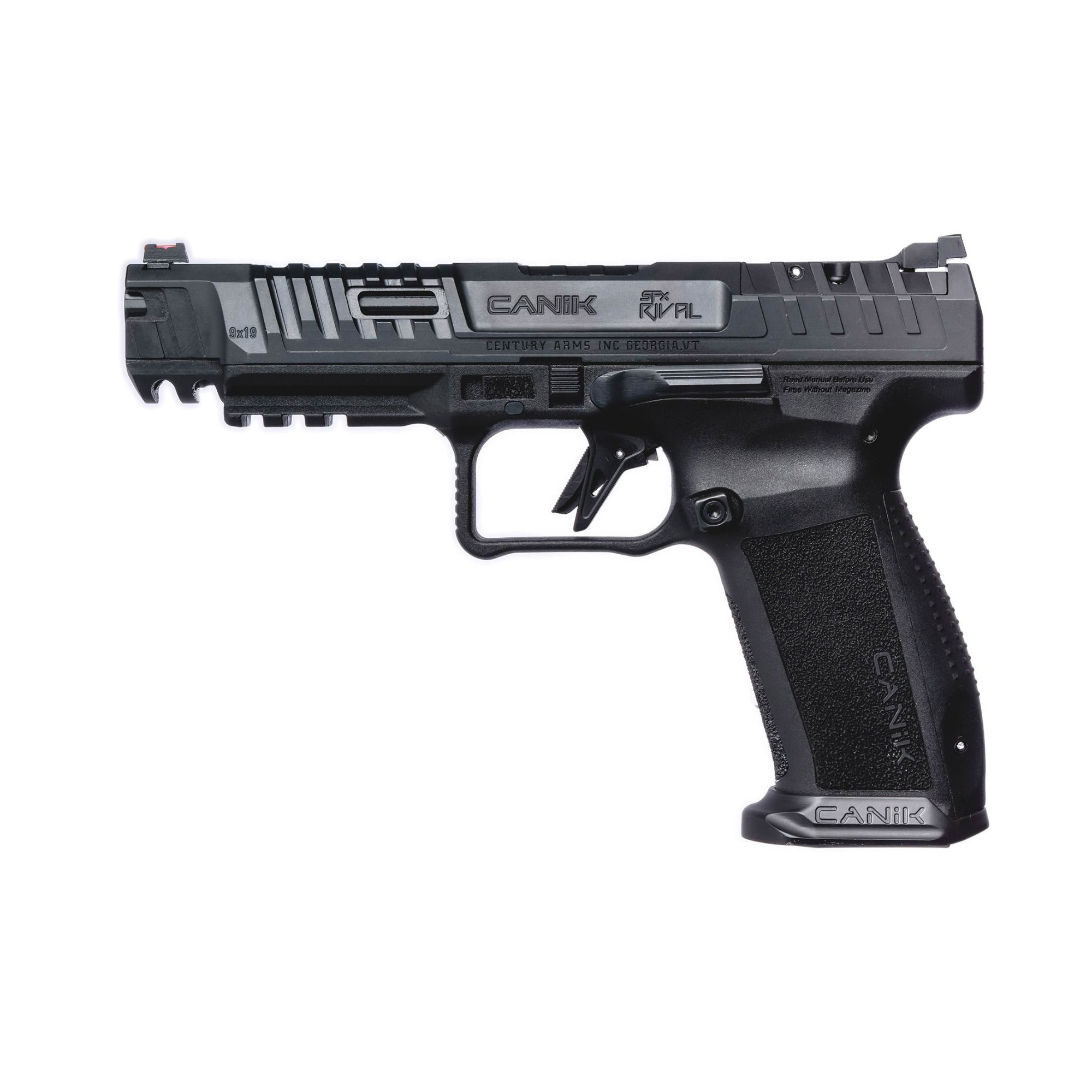
The trade-off? The trigger pull is heavier than a tuned striker gun. A Canik Rival or even a stock Walther PDP will have a lighter, crisper break. But lighter isn't always better for a gun that's going to ride in a holster. A 6-pound consistent pull with a clean break is arguably more appropriate for defensive carry than a 4.5-pound striker with a mushy wall.

How it actually carries
The 309 MRD's dimensions slot it between a P365 XL and a Glock 19. It's not a micro-compact you'll pocket carry, but it's manageable for appendix or strong-side IWB with the right holster. The width is the main consideration; at 1.35 inches it's wider than the slim single-stack-feeling micros but narrower than a lot of double-stack compacts.
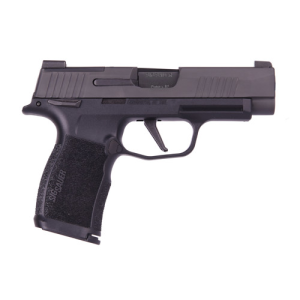
Sig P365 XL 9mm Deals
Prices may change. May contain affiliate links.
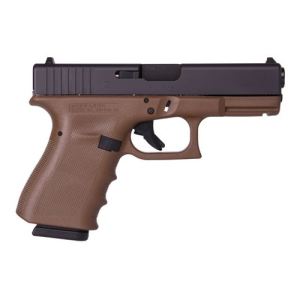
Glock 19 9mm Deals
Prices may change. May contain affiliate links.
The grip texture is aggressive enough to maintain purchase with sweaty hands but not so sharp it'll chew up undershirts. The beavertail is pronounced enough to get a high grip without hammer bite, relevant here since there's actually a hammer to worry about, even though it's internal.
Range notes
The low bore axis and compact slide mass translate to manageable recoil for a gun this size. The 15-round capacity means you're not constantly reloading during range sessions, and the magazine release is reversible for left-handed shooters. The slide serrations are deep and functional, both front and rear, which matters when you're press-checking with a dot mounted on top eating up your grip surface.
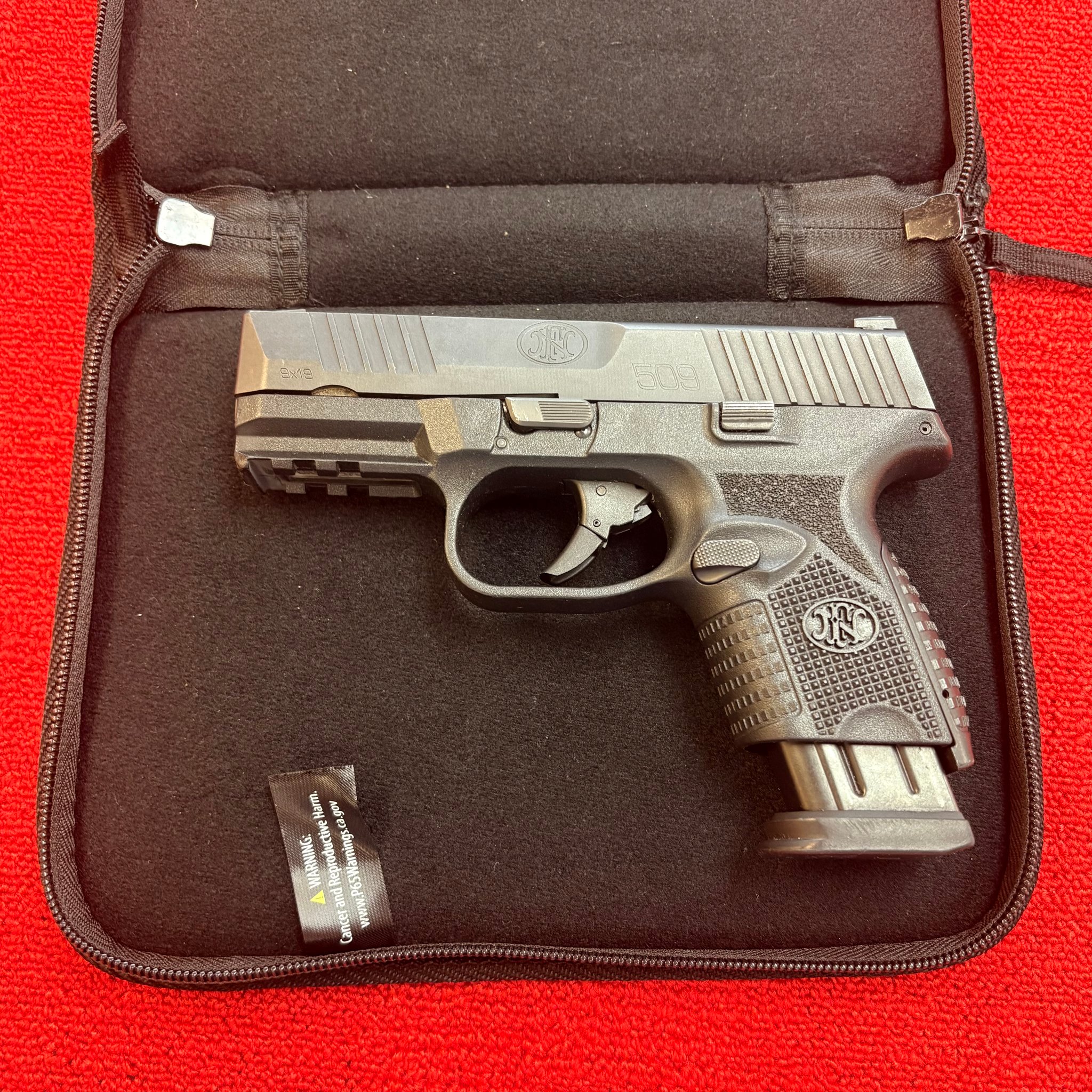
FN 509 9mm Deals
Prices may change. May contain affiliate links.
One detail that changes the experience: the sights are suppressor-height, designed to co-witness with a mounted optic. If you run irons only, they'll sit higher than you're used to, but they work. If you mount a dot, you get a usable backup sight picture without swapping anything.

The competition at this price
Around $400 optics-ready, the 309 MRD runs into some serious contenders.

Canik TP9 Elite SC 9mm Deals
Prices may change. May contain affiliate links.
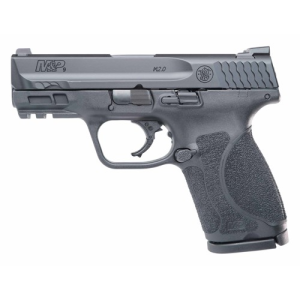
Smith & Wesson M&P 2.0 Compact 9mm Deals
Prices may change. May contain affiliate links.

Springfield Hellcat Pro 9mm Deals
Prices may change. May contain affiliate links.
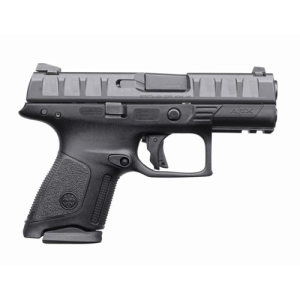
Beretta APX 9mm Deals
Prices may change. May contain affiliate links.
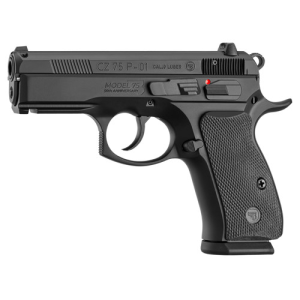
CZ P-01 9mm Deals
Prices may change. May contain affiliate links.
The Canik TP9 Elite SC has been the budget optics-ready king for a while. It's striker-fired, comes with a dot included in some packages, and has a trigger that punches way above its price. But Canik's aftermarket support and holster availability still lag behind major American and European brands. FN's name carries more weight with holster makers.
The Smith & Wesson M&P 2.0 Compact in optics-ready trim is the obvious comparison. Similar size, proven platform, massive aftermarket. The M&P trigger has improved dramatically in the 2.0 generation but it's still a conventional striker. The 309's hammer-fired action is genuinely different to shoot, and some hands will prefer it.
The Springfield Hellcat Pro gets close on price and beats the 309 on concealability, but gives up capacity and shootability. The Hellcat Pro is a smaller gun that's harder to shoot well at speed, physics doesn't care about marketing.
What nobody mentions: the 309 MRD is one of very few polymer hammer-fired compacts on the market at any price. If you want that trigger character in this size, your other options are essentially the Beretta APX or stepping up to a CZ P-01 at significantly more money with a metal frame.

Common mistakes to avoid
Buying without handling it first. The grip angle and texture are specific, and if you've been shooting Glocks for a decade, the 309 will feel different in hand. Not wrong, just different. Dry fire it at a counter minimum.
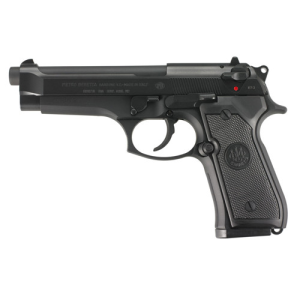
Beretta 92 9mm Deals
Prices may change. May contain affiliate links.
Mounting the wrong optic footprint. Confirm your preferred red dot matches before you buy. The direct-mount system eliminates plates, which is great, but it also means you're committed to compatible footprints.
Assuming hammer-fired means heavy and slow. The 309's trigger isn't a Beretta 92 double-action pull. Shooters coming from striker guns need about 200 rounds to recalibrate their expectations, then the consistent pull usually clicks.
Ignoring the holster situation at launch. New gun, limited holster options initially. FN's track record suggests major holster makers will support it quickly, but if you need to carry it next week, verify availability first.
What to do next
Find a range that stocks one for rental and run fifty rounds through it before you make a decision. Specifically, shoot a Bill Drill at seven yards: six shots, draw to slidelock, and compare your times against whatever you're currently carrying. The 309's trigger reset and recoil character will either click for you or they won't, and that drill exposes it fast.
If you can't rent one, at least dry fire it at a shop counter. Work the trigger ten times and pay attention to the reset. If that tactile click feels like useful information rather than an annoyance, this gun is probably for you. FN built something genuinely different here, not just cheap, but different. At this price, that's worth finding out firsthand.