
Your P320 trigger feels gritty, or maybe the reset isn't as crisp as the one on your buddy's gun. You've watched a few YouTube tutorials on fire control group disassembly, and you're thinking about polishing some internal surfaces or swapping a spring. Before you pick up a punch, you need to understand exactly what you're about to put your hands on, because the P320's striker safety system isn't just another part. It's the mechanism that keeps the gun from firing when it shouldn't, and small changes to its geometry can compromise the entire safety architecture of the pistol.
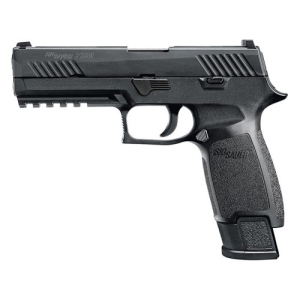
SIG P320 Deals
Prices may change. May contain affiliate links.
The P320 has been at the center of a years-long controversy involving claims of uncommanded discharges; the gun allegedly firing without the trigger being pulled. SIG has pushed back hard on those claims, pointing to drop-test results and their voluntary upgrade program. Regardless of where you are in that debate, one thing is clear: the internal safeties on this platform are precisely engineered with tight tolerances, and the margin for error when modifying them at home is effectively zero. This is the article that tells you exactly what those parts do, why they matter, and where the line sits between reasonable home maintenance and work that belongs on a professional gunsmith's bench.
How the P320 striker safety actually works
The P320 is a striker-fired pistol, which means there's no external hammer. Instead, a spring-loaded striker sits inside the slide, held under tension until the trigger mechanism releases it. But the striker doesn't just sit there waiting, it's physically blocked from moving forward by a small plunger called the striker safety, sometimes referred to as the firing pin block.
SIG P320 Striker Safety Spring Deals
Prices may change. May contain affiliate links.
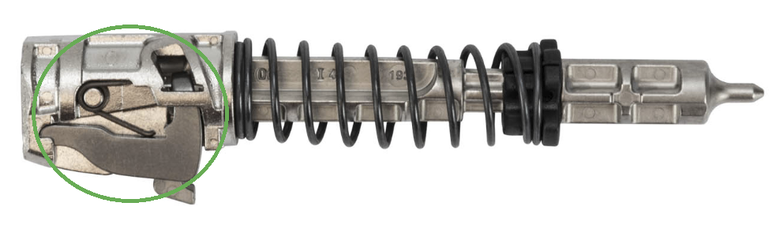
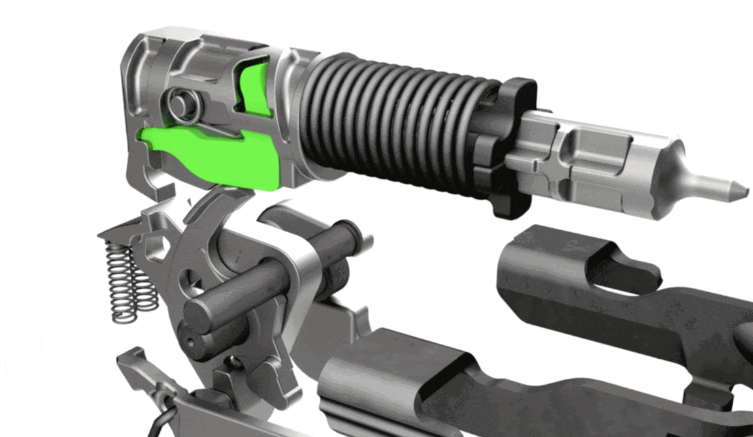
Here's the sequence in real time. With the gun at rest and a round chambered, the striker is partially pre-cocked by the slide's rearward travel during cycling. A spring-loaded plunger sits in a channel above the striker, protruding downward into the striker's path. That plunger physically prevents the striker from moving forward far enough to contact the primer, even if every other part of the mechanism fails. The only way the plunger lifts out of the striker's path is when the trigger is pulled. As the trigger bar moves rearward, a tab on the bar cams the striker safety plunger upward, clearing the channel at the exact moment the sear releases the striker. Release the trigger, and the plunger drops back down under spring pressure.
This is a passive safety, meaning it requires no conscious action from the shooter and it's always engaged unless the trigger is in motion. The system also includes a disconnect safety that prevents the gun from firing out of battery (when the slide isn't fully forward and locked). Together, these internal mechanisms are what SIG points to when they say the P320 has no ability to fire without a trigger press.
The geometry matters more than most people realize. The striker safety plunger, its spring, the tab on the trigger bar that lifts it, and the channel in the slide all have to work together within very specific dimensional tolerances. If the plunger doesn't seat fully, the striker can move forward when it shouldn't. If the trigger bar tab is worn or modified, it may not lift the plunger completely, creating drag on the striker and reducing reliability. If someone polishes the wrong surface, they can change the engagement angle and compromise the timing of the entire sequence.
The voluntary upgrade and what it changed
In August 2017, SIG announced a voluntary upgrade program for P320 pistols. They were careful not to call it a recall, and technically, it wasn't one, since the CPSC wasn't involved in mandating it. But the timing coincided with reports of the pistol discharging when dropped at specific angles, particularly after the gun failed certain military drop tests conducted at angles not covered by the standard SAAMI/ANSI protocols.
SIG P320 Trigger Deals
Prices may change. May contain affiliate links.
The upgrade involved several changes to the fire control group. SIG added a lighter trigger, a mechanical disconnect, and a reduced-mass striker. The lighter trigger reduced the overall mass of the trigger assembly, which matters because in a drop scenario, the inertia of a heavier trigger can cause it to move rearward under its own momentum, potentially enough to disengage the striker safety and release the sear. The reduced-mass striker serves a similar purpose: less mass means less inertia, which means less chance of the striker overcoming the safety plunger's spring pressure during a drop.
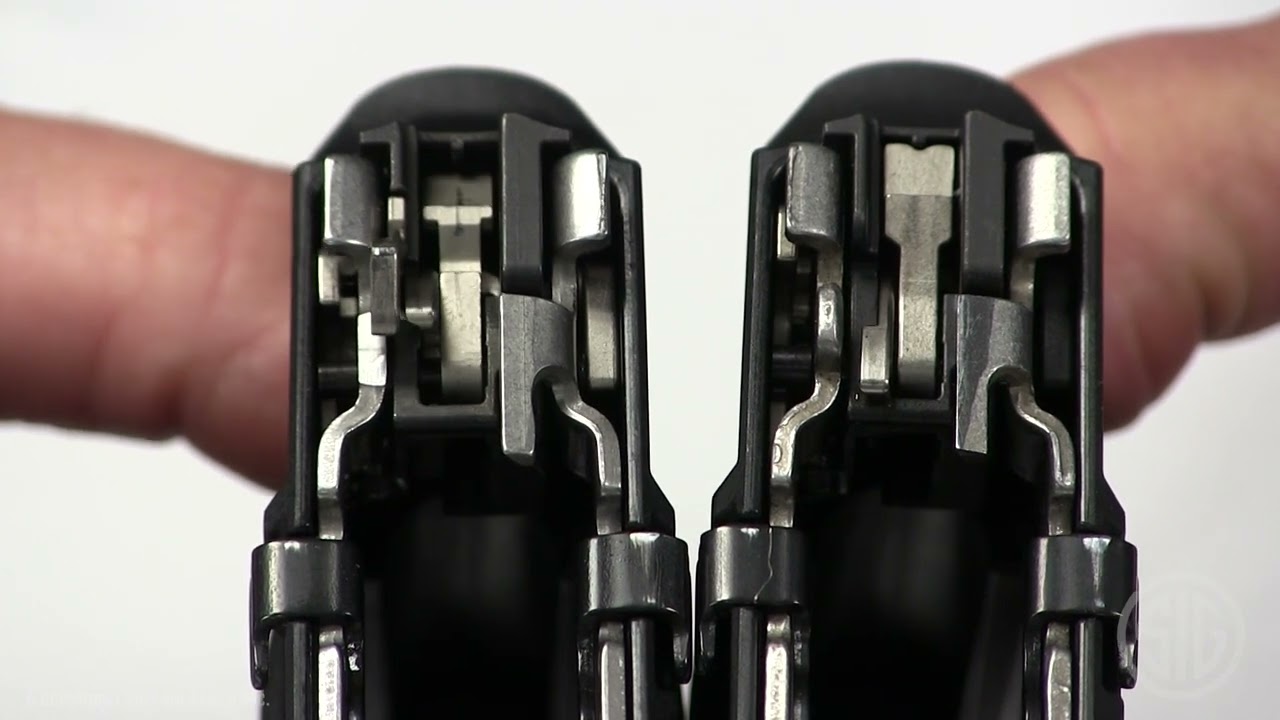
The disconnect was the most significant addition from a safety architecture standpoint. Pre-upgrade P320s relied primarily on the striker safety plunger and the sear geometry to prevent uncommanded discharges. The post-upgrade guns added a dedicated disconnect that physically prevents the trigger bar from engaging the sear unless the slide is fully in battery. This was a meaningful change to the safety system, not a cosmetic one.
If you own a pre-upgrade P320, SIG still processes upgrades through their program. The turnaround time has varied. Some owners on forums like SIG Talk and Brian Enos have reported getting their guns back in two to three weeks, while others have waited longer. The upgrade is free, and SIG covers shipping both ways. There's no good reason not to do it if your serial number qualifies.
Here's what matters for the home gunsmith: the post-upgrade fire control group has different parts with different dimensions than the pre-upgrade version. If you're working on a P320 and you don't know which version you have, STOP! Mixing pre- and post-upgrade components isn't just inadvisable, it can create a gun that passes a basic function check on your bench but fails under real-world conditions. The parts look similar. They aren't interchangeable.
What you can safely do at home
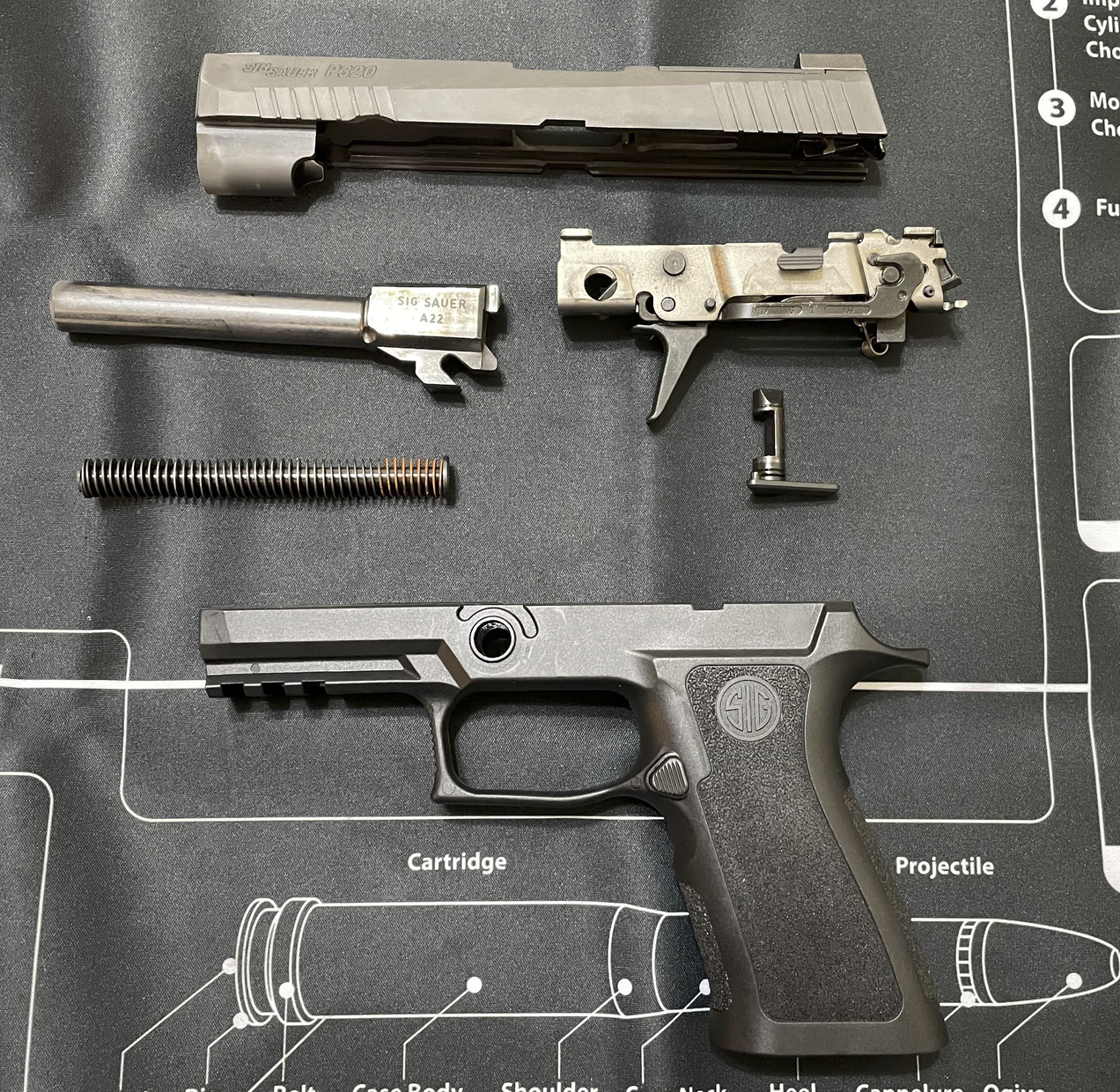
Not everything on the P320 requires a professional. The modular design, where the serialized fire control unit (FCU) drops out of the grip module, actually makes some maintenance tasks easier than on most pistols. Here's what falls within reasonable home gunsmith territory.
Field stripping and cleaning
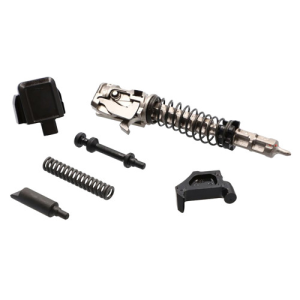
This is basic ownership stuff. Lock the slide back, verify the gun is clear, release the slide, pull the trigger (pointed in a safe direction), rotate the takedown lever, and slide the assembly forward. Clean the barrel, wipe down the rails, lubricate per SIG's manual. The striker channel in the slide should stay dry: no oil in there. Lubricant in the striker channel can attract debris and slow the striker, which affects both reliability and the function of the striker safety plunger.
SIG P320 Slide Deals
Prices may change. May contain affiliate links.
Grip module swaps
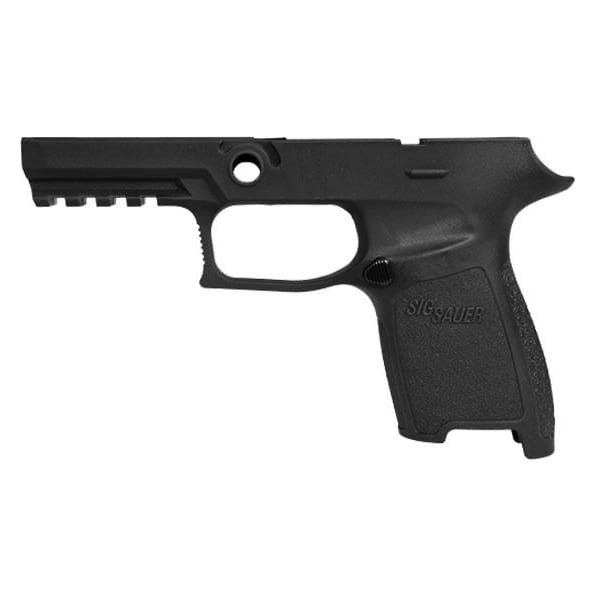
The grip module is not a firearm. You can buy different sizes and frame styles and simply migrate your FCU into them. No tools required beyond the takedown process. This is one of the P320's best features and it's completely safe to do at home.
SIG P320 Grip Module Deals
Prices may change. May contain affiliate links.
Sight replacement
If your slide has standard dovetail sights, you can swap them with a sight pusher tool. The SIG slides use a standard rear dovetail, and most aftermarket sights designed for the P320 will fit. A universal sight pusher from Wheeler or MGW handles this without drama. Don't use a brass punch and hammer on the rear sight, you'll scratch the slide and you might not get the sight centered.
Recoil spring swap
The captured recoil spring assembly comes out during field stripping. Replacing it with a factory-spec assembly is straightforward. If you're running a compensator or suppressor and want a different spring weight, aftermarket options exist, but stick with reputable manufacturers who spec their springs for the P320 specifically.
What you should never modify yourself
This is where the article earns its title. The following components are part of the striker safety system or directly interact with it, and modifying them at home, even with good intentions and decent tools, creates real risk.
The striker safety plunger and spring
The plunger itself is a small, hardened steel part that sits in a channel in the slide. Its spring keeps it pressed downward into the striker's path. Some people look at this plunger and think about polishing it to reduce trigger pull friction, since the trigger bar tab has to cam against it during every trigger press. And they're not wrong that there's friction there. But polishing changes the surface geometry. Even a few thousandths of an inch of material removal can change how deeply the plunger seats, how much force is needed to lift it, and how quickly it returns under spring pressure. If the plunger returns too slowly, there's a window where the striker isn't blocked. If it doesn't seat deeply enough, a sharp impact could push it aside.
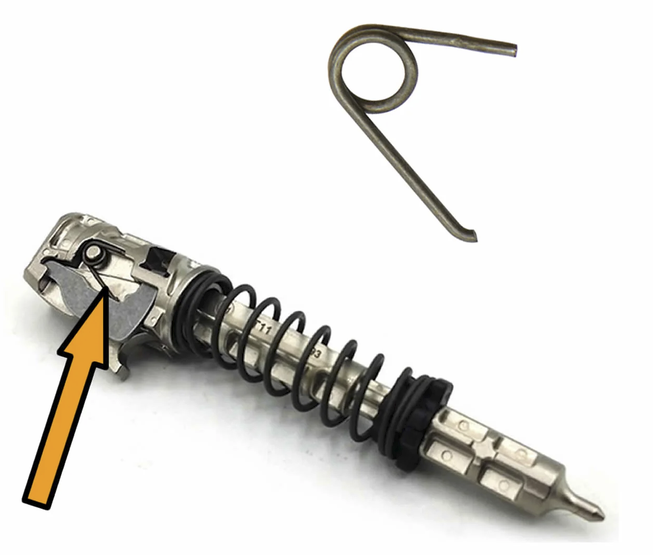
The spring is equally critical. Swapping it for a lighter spring to reduce trigger effort is one of the most dangerous modifications you can make to this pistol. The spring has to be strong enough to keep the plunger in place under the inertial forces of a drop. SIG engineered the spring rate for the post-upgrade striker mass. Change the spring, and you've invalidated the engineering that makes the drop safety work.
The trigger bar and its safety tab
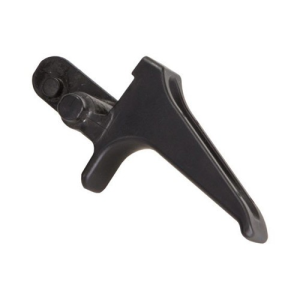
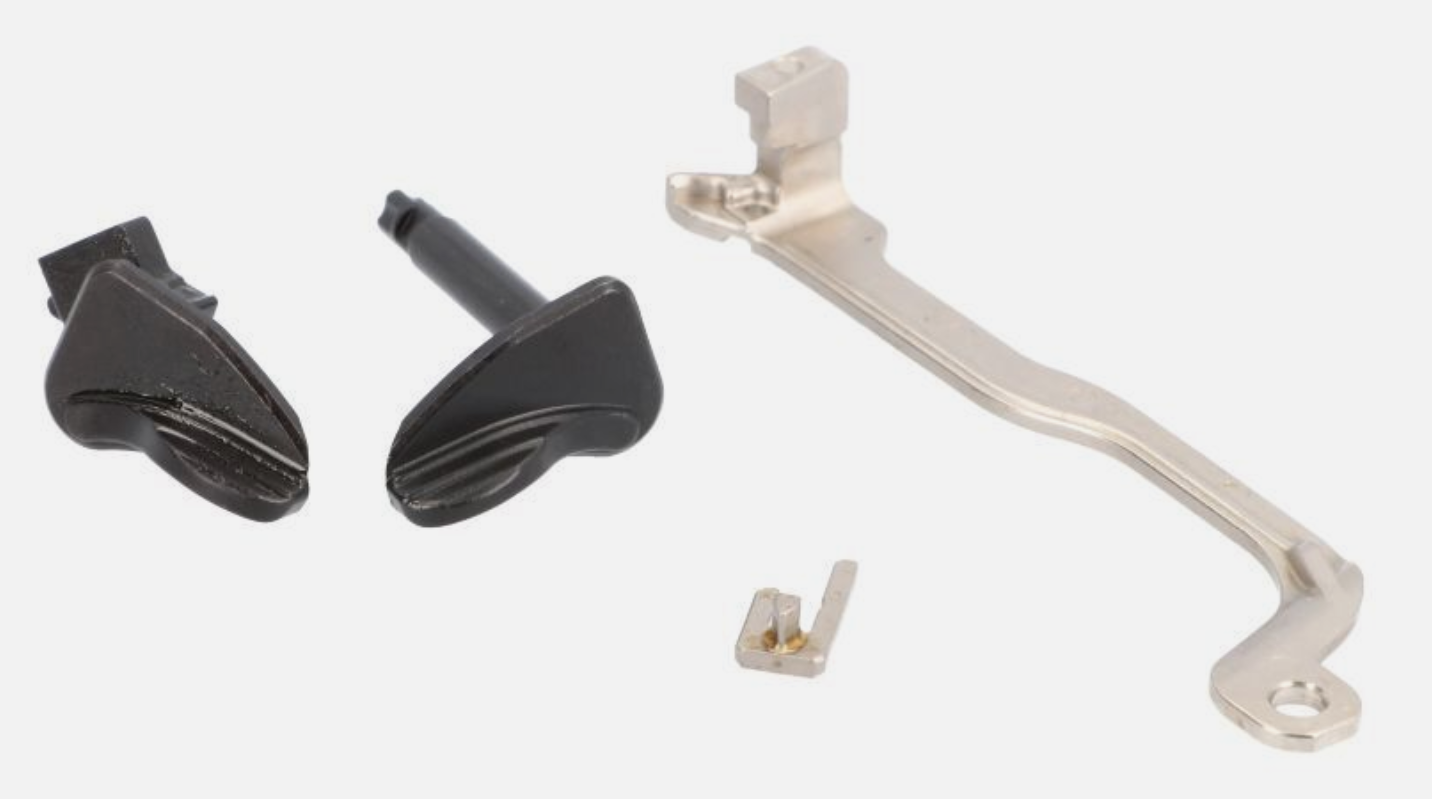
The trigger bar runs from the trigger shoe back to the sear, and it has a small raised tab that cams the striker safety plunger upward during the trigger press. This tab is sometimes a target for home polishing. The idea being that a smoother cam surface means a smoother trigger pull. The problem is that the tab's height and angle determine exactly when the plunger clears the striker channel. Polish it too aggressively and you can round over the edge, which means the plunger doesn't lift fully or doesn't lift at the right time relative to sear release. The result is either a striker that drags against a partially-lifted plunger (causing light primer strikes) or a plunger that clears too late (creating a timing issue where the striker is released before the channel is fully open).
Some aftermarket trigger kits include a replacement trigger bar. If you're going that route, use the complete kit from the manufacturer and follow their instructions exactly. Don't mix a stock trigger bar with an aftermarket sear, or vice versa. The engagement surfaces are matched.
The sear and sear spring
The sear holds the striker in its cocked position until the trigger bar pushes it out of engagement. The sear engagement surface, that tiny ledge where the sear catches the striker, is hardened and precisely ground. Any modification to this surface changes the pull weight, the break character, and the amount of engagement holding the striker back. Reduce engagement too much and you get a hair trigger that's also capable of releasing the striker under recoil or impact. This is the single most dangerous modification you can make to any striker-fired gun.
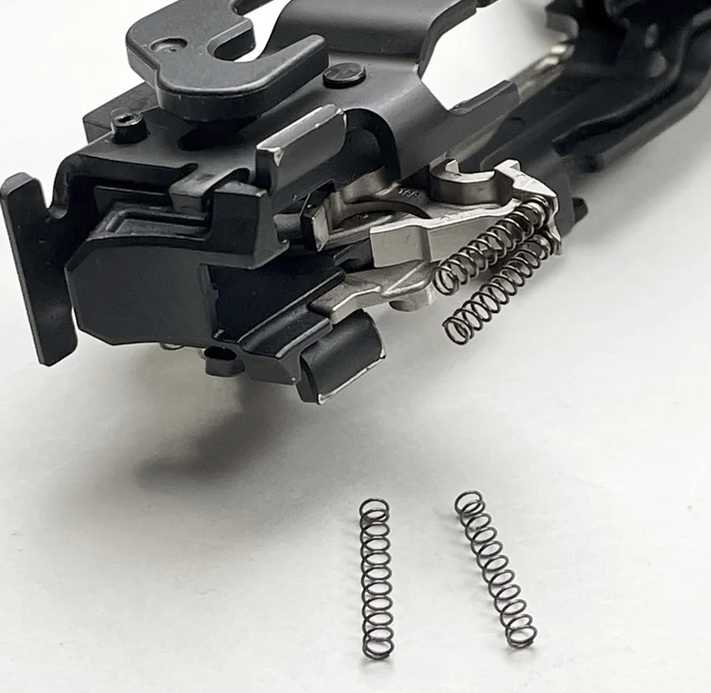
The sear spring controls the force required to push the sear out of engagement. A lighter sear spring means a lighter trigger pull, which sounds great until you realize it also means less force holding the striker in the cocked position. In a drop or sharp impact, a weakened sear spring may not keep the sear in place against the striker's inertia.
The disconnect
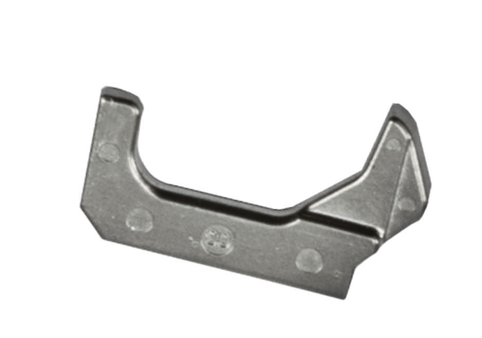
On post-upgrade P320s, the disconnect prevents the trigger mechanism from engaging unless the slide is in battery. Removing it, modifying it, or installing a fire control group that doesn't include it eliminates a layer of safety that SIG added for specific, well-documented reasons. Some competition shooters have opinions about the disconnect's effect on trigger feel. Those opinions don't change the engineering reality.
How to tell if your striker safety is functioning
You can verify striker safety function without disassembling the fire control group. Here's a simple check you should run after any work on the pistol, even if you only swapped the grip module.
Remove the slide from the frame. Look at the bottom of the slide, near the breech face. You'll see the striker safety plunger protruding slightly downward. Press it upward with a small punch or the eraser end of a pencil, it should move smoothly and return under spring pressure when you release it. If it sticks, feels gritty, or doesn't return fully, something is wrong.
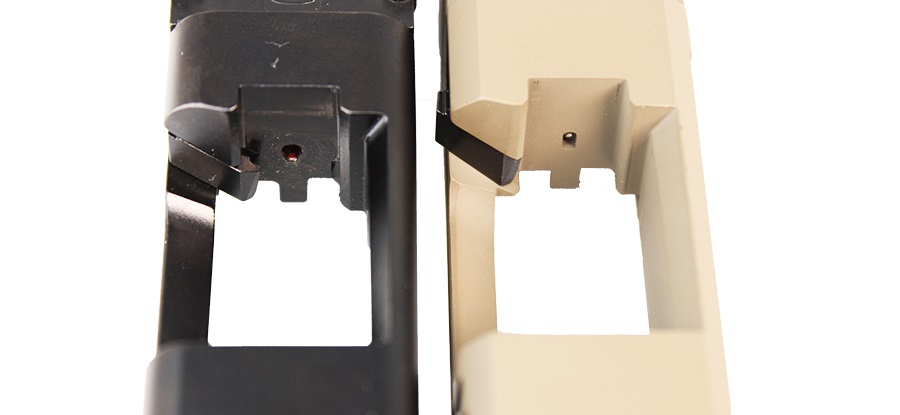
With the plunger in its default (down) position, push the striker forward from the rear of the slide using a punch inserted into the striker channel. The striker should not be able to move forward far enough to protrude from the breech face. Now press the plunger up (simulating the trigger bar cam action) and push the striker forward again. This time, it should move freely and the firing pin tip should protrude from the breech face.
If the striker can move forward without the plunger being lifted, the striker safety has failed. Do not fire the gun. If the striker can't move forward even with the plunger lifted, there's an obstruction or a broken part. Either way, the gun goes to a professional.
Common mistakes and what goes wrong
These are the failure modes that show up when home gunsmiths work inside the P320's fire control group. Most of them stem from good intentions and bad execution.
Polishing the sear engagement surfaces without measuring engagement depth is the most common serious error. There's no visual reference for "enough" engagement, it requires measurement tools and knowledge of the minimum safe engagement spec. Eyeballing it doesn't work. The difference between a crisp 4-pound trigger and a dangerous 2-pound trigger with insufficient sear engagement is invisible to the naked eye.
Reassembling the FCU with the trigger bar tab misaligned relative to the striker safety plunger happens more often than people admit. The trigger bar has to be seated correctly in its track, and the tab has to line up with the plunger channel in the slide. If the tab is canted or the trigger bar is slightly out of position, the plunger may not lift fully during the trigger press. The gun might still fire, but with the striker dragging against the plunger, which accelerates wear on both parts.
Using incorrect or out-of-spec aftermarket parts is a growing issue as the P320 aftermarket expands. Not every trigger kit on the market has been tested against SIG's drop-safety standards. Some are designed for competition guns that live in a range bag and never get carried. If you're putting a modified trigger in a gun you carry for self-defense, you need to know whether the manufacturer tested for drop safety with their specific components, and you need to be honest about the legal implications of carrying a modified fire control group.
Losing the striker safety plunger spring during reassembly and not realizing it is a quiet disaster. The spring is small enough to vanish into a carpet or roll off a bench. Without it, the plunger just sits in its channel with no return force. It might stay in place during a function check on the bench. It won't stay in place when the gun is carried muzzle-down in a holster and subjected to normal movement. This is why you work on a clean bench with a parts tray, and why you account for every component before you close things up.
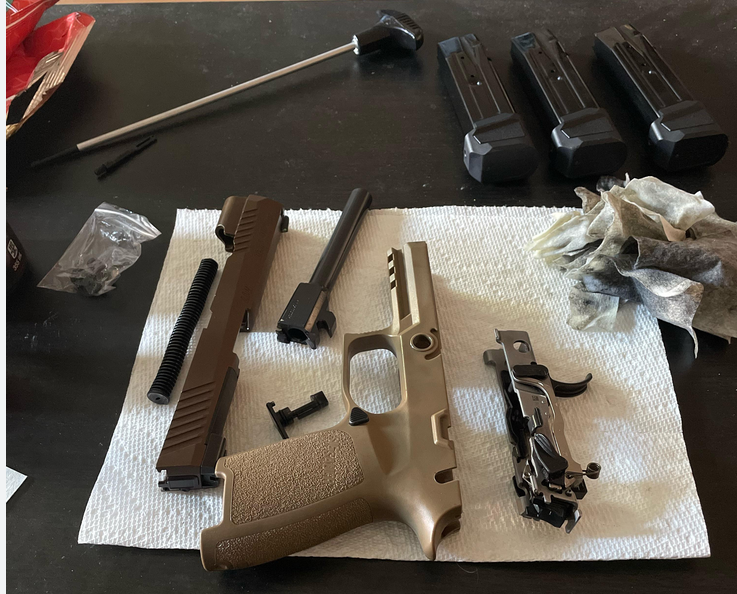
Overtightening or cross-threading the grip module screws after an FCU swap won't affect the striker safety directly, but it can change how the FCU sits in the grip module, which can affect trigger bar travel. If the trigger bar can't move its full distance, the safety tab may not fully cam the plunger. It's an indirect failure mode, but it's real.
Tools and parts worth knowing about
If you're doing legitimate maintenance, not internal safety modifications, a few tools make the job easier and safer.
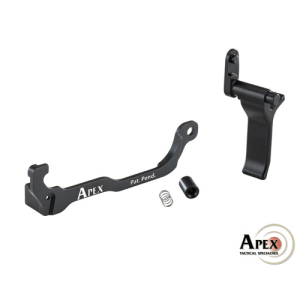
Apex Tactical P320 Trigger Kit Deals
Prices may change. May contain affiliate links.
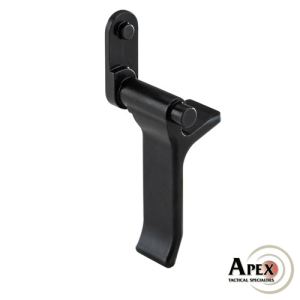
Apex Tactical P320 Flat-Faced Trigger Deals
Prices may change. May contain affiliate links.

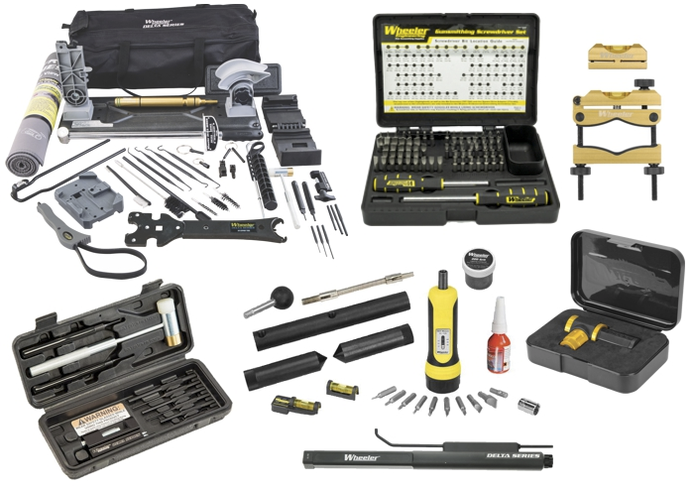
A Wheeler Engineering punch set with roll-pin holders covers most of the pin work on the P320. The pins in the FCU are small, and a properly sized punch prevents wallowing out the holes. SIG's armorer's tool is worth having if you plan to do any slide work, though it's not strictly necessary for basic maintenance.
For sight work, the MGW Sight Pro or Wheeler Universal Sight Pusher both handle P320 slides. A brass or nylon drift and hammer will technically work for front sights, but a pusher tool is safer for the rear.
If you want a better trigger without touching the safety-critical components yourself, Grayguns is the name that comes up most often in the P320 community. They sell complete trigger kits and also offer a service where you send in your FCU and they do the work. Their kits are designed to improve the trigger pull characteristics while maintaining the factory safety margins. The Grayguns P320 Competition or Carry trigger modules are drop-in replacements for the complete trigger assembly, meaning you're not mixing and matching individual parts. That's the right way to do this.
Apex Tactical also makes P320 trigger kits with a flat-faced trigger option. Same principle; replace the assembly as a unit, don't cherry-pick individual components from different manufacturers.
For replacement OEM parts, SIG's parts department sells individual components, but availability fluctuates. If you need a factory striker safety plunger, plunger spring, or sear, ordering directly from SIG ensures you're getting the correct post-upgrade spec parts for your serial number range.
The legal angle on carry gun modifications
This isn't a legal advice column, but the topic can't be ignored when discussing modifications to a gun you might carry for self-defense. If you modify the fire control group on your carry P320 and are involved in a defensive shooting, the modification will come up. Prosecutors and plaintiff's attorneys have used trigger modifications to argue that a shooter created a more dangerous weapon, or that an uncommanded discharge was the result of owner modification rather than a legitimate defensive shooting.
The P320 specifically has a higher profile on this issue because of the existing litigation and media coverage around uncommanded discharge claims. A modified fire control group on a P320 involved in a shooting gives an opposing attorney a ready-made narrative, whether that narrative is technically accurate or not.
A factory-spec gun, or one modified by a recognized professional like Grayguns using documented, tested components, is a much stronger position to defend. A gun with hand-polished sear surfaces and a lighter-than-spec plunger spring is not.
This doesn't mean you can't modify your guns. It means you should think clearly about which guns you modify and what you modify on them.
When to call a professional
The line is straightforward. If the work involves any component that directly engages, blocks, or releases the striker, it goes to a gunsmith, specifically one with P320 experience and the proper gauges to measure sear engagement and striker protrusion.
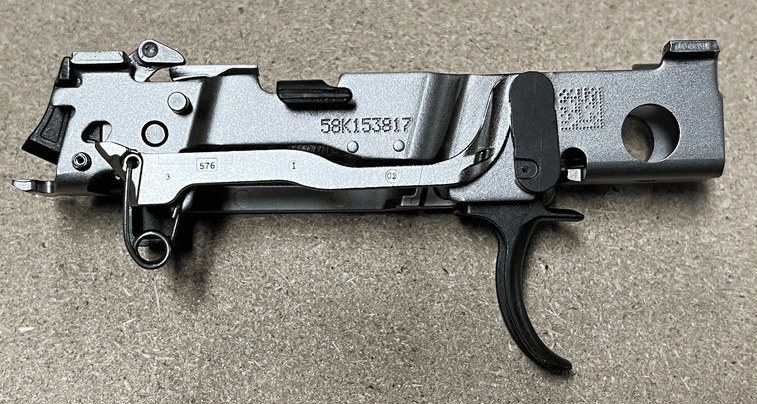
If you're experiencing trigger issues like a gritty pull, a mushy break, or a reset that doesn't feel crisp, the correct move is a complete trigger kit from a reputable manufacturer or a trip to a professional. The wrong move is opening up the FCU and going at the engagement surfaces with polishing stones.
If your gun was manufactured before the voluntary upgrade (check your serial number on SIG's website), send it in. The upgrade addresses real engineering concerns and it costs you nothing but time.
If you've already modified your fire control group and you're not sure whether the striker safety is still functioning correctly, run the bench check described above. If anything feels off, plunger doesn't return crisply, striker moves forward without the plunger being lifted, trigger feels different than it did before, then the gun needs professional evaluation before it gets loaded again.
The P320 is a well-designed pistol with a modular architecture that genuinely invites owner-level customization. Grip swaps, sight changes, slide assemblies, caliber conversions: all of that is fair game for a careful home gunsmith. But the fire control group's safety components exist in a system where every dimension and spring rate is calculated against specific failure scenarios. The engineering that keeps the striker blocked until the trigger moves isn't something you can improve with a Dremel and a YouTube tutorial. Know the boundary, respect it, and your P320 will work exactly as designed every time you press the trigger.