
You've spotted a Sako Vixen at a gun show. The bore's bright, the stock has honest wear, and the seller's price seems reasonable. But which L461 variant is it? What caliber? Is the stock original, or a replacement from a later A-series rifle? And does the barrel stamp match the serial number era? These details separate a smart buy from an expensive lesson.
The Sako L461 (Vixen) and L579 (Forester) represent a specific era of Finnish rifle making; roughly 1962 through the early 1980s; when Sako produced some of the most refined bolt-action sporting rifles available anywhere. They weren't military surplus adapted for hunting. They were purpose-built precision rifles with actions sized to their cartridges, a concept that seems obvious now but wasn't standard practice at the time. Collectors prize them for their accuracy, their build quality, and the fact that Sako simply doesn't make anything like them anymore.

Sako L579 Forester Deals
Prices may change. May contain affiliate links.
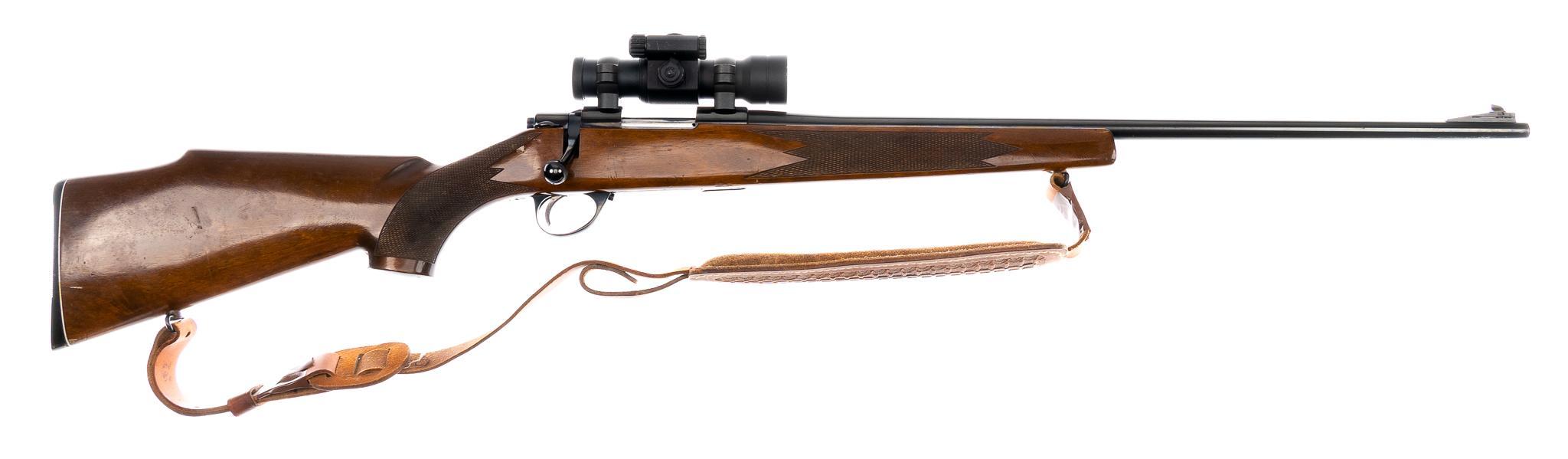
Understanding the differences between these two action sizes, their variants, their correct markings, and the common problems that show up on the secondary market is the difference between building a meaningful collection and accumulating mismatched parts guns. Here's what matters.
Two actions, two purposes
The L461 and L579 aren't just different model names; they're entirely different action lengths built around different cartridge families. Sako's philosophy during this period was straightforward: match the action to the cartridge. No wasted bolt throw, no oversized receiver for a small round. The result was a rifle that felt right in the hands and cycled with a precision that larger, one-size-fits-all actions couldn't match.


Sako L61 Finnbear Deals
Prices may change. May contain affiliate links.
Vortex riflescope Deals
Prices may change. May contain affiliate links.
Sako L461 .222 Remington Magnum
May contain affiliate links.
May contain affiliate links.
The L461, marketed as the Vixen, is Sako's short action. It was designed around cartridges like the .222 Remington, .222 Remington Magnum, and .223 Remington. Later production included the 6mm PPC and 6PPC, which made the L461 a favorite among benchrest shooters. The action is compact and light, with a bolt throw short enough that you can cycle it without breaking your cheek weld. Receiver length runs about 6.75 inches. The whole rifle, depending on barrel profile, can come in well under seven pounds.
The L579, marketed as the Forester, is the medium-length action. It handles cartridges in the .308 Winchester family; .243 Winchester, .308 Winchester, .22-250 Remington, and others in that overall length range. The receiver is longer than the L461 but shorter than Sako's long action (the L61 Finnbear), which handled belted magnums and .30-06 length cartridges. The L579 sits in that sweet spot for the most popular North American hunting cartridges of the era.
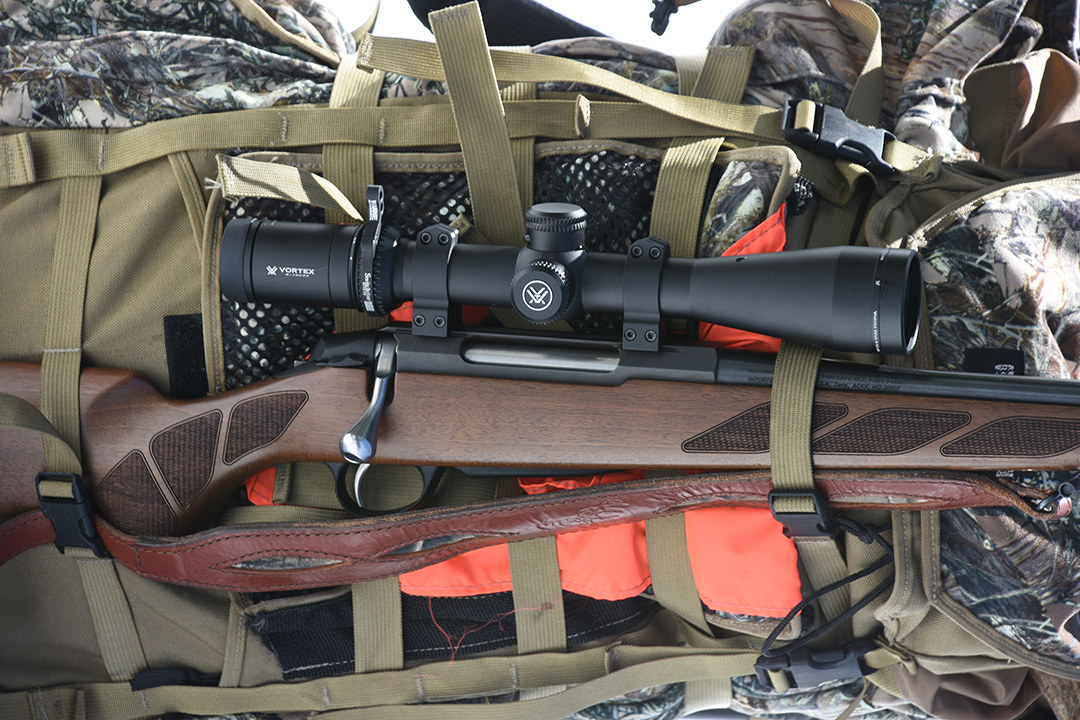
Both actions share the same basic Sako design DNA: a recessed bolt face, a plunger-type ejector, a claw extractor (not Mauser-style controlled feed, but reliable nonetheless), and Sako's proprietary dovetail scope mounting system machined directly into the receiver. That integral dovetail is one of the defining features. No tapped holes, no separate bases needed if you're using Sako rings. It's elegant, strong, and distinctive.
Production timeline and what changed
Sako's model designations can be confusing because the company went through several naming conventions over the decades. The L461 and L579 designations belong to what collectors generally call the "L-series" or pre-AI era. Production of these specific models ran from approximately 1962 into the early 1980s, though exact start and end dates vary slightly by caliber and variant.


Around 1978, Sako began transitioning to what's known as the AI series; the L461 became the A-I (or AI), and the L579 became the A-II (or AII). The mechanical differences between late L-series and early A-series rifles are minimal. The actions are essentially the same. What changed was primarily cosmetic and ergonomic: the stock design was updated, the bolt handle profile was slightly modified, and the overall nomenclature shifted. But internally, you're looking at the same action.
This matters for collectors because parts interchange between the L461 and AI, and between the L579 and AII, but the stocks do not always swap cleanly due to the cosmetic changes. A late L461 stock on an early AI action might fit, but the inletting and external contours won't be period-correct. Originality-minded collectors notice.
Serial numbers on Sako rifles from this era follow a pattern that can help date the rifle, though Sako's numbering system wasn't always perfectly sequential across calibers. Sako Collectors Club resources and the serial number lists compiled by enthusiasts cross-referencing factory records are the best tools here. A serial number alone won't tell you everything, but combined with the barrel stamp, proof marks, and stock cartouche, you can pin down production year within a narrow range.
The key barrel stamps to look for: the caliber marking, the Sako logo, and Finnish proof marks. Finnish proof marks include a small "crown over S" or similar national proof, and commercial proof marks indicating the rifle was tested. Import-marked rifles; those brought into the U.S. through distributors like Garcia (the primary Sako importer for decades) or later Stoeger; will have additional markings, typically on the barrel. The presence or absence of import marks tells you something about when and how the rifle entered the country.
The variants that matter
Not all L461s or L579s are equal in the eyes of collectors. Production variants, caliber choices, and stock configurations create a hierarchy of desirability.
May contain affiliate links.
L461 Vixen variants
The standard L461 Vixen came as a sporter with a walnut stock, typically in .222 Remington. This is the most common configuration, and it's the one you'll encounter most often. The .222 Remington was enormously popular for varmint shooting in the 1960s and 1970s, and Sako sold a lot of them.
Sako L461 .222 Remington
May contain affiliate links.
Sako L461 Vixen Heavy Barrel
May contain affiliate links.
Sako L461 Vixen Mannlicher
May contain affiliate links.
Sako L461 .223 Remington
May contain affiliate links.
The heavy-barrel varmint version, sometimes listed as the Vixen Heavy Barrel or Vixen Varmint, came with a thicker, heavier barrel profile and often a wider, flatter-bottomed forearm. These were serious accuracy tools, and they command more collector interest than standard sporters, especially in good bore condition.
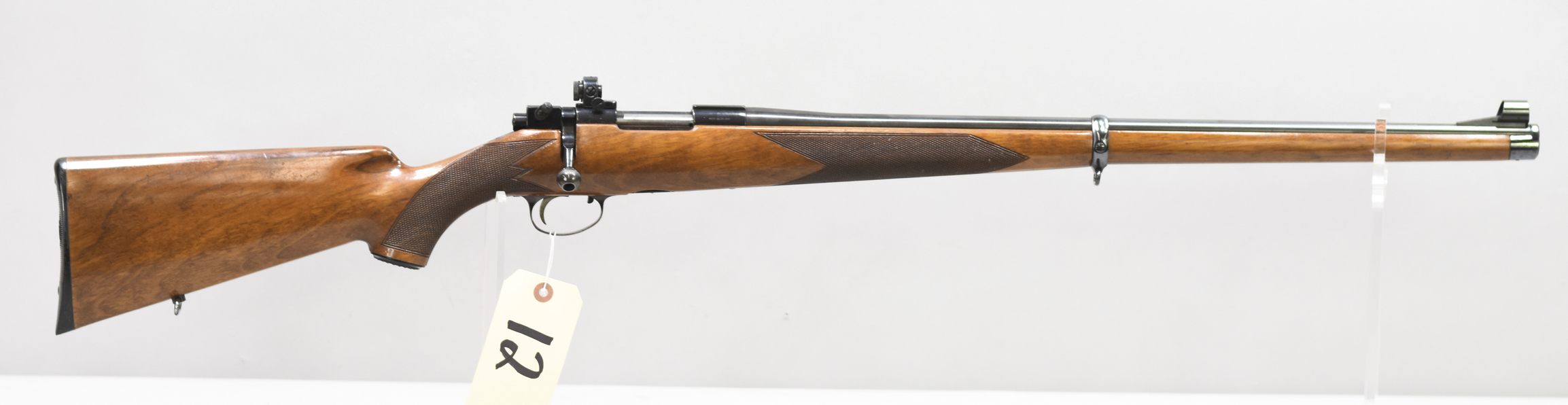
The Mannlicher-stocked variant is the one that really turns heads. Sako produced a full-length stocked version of the L461 with the stock extending to the muzzle, capped with a distinctive Sako nose cap. These Mannlicher-style Vixens are genuinely scarce. Production numbers were lower, and the full-length stock is more susceptible to damage. Finding one with an uncracked, original stock in good condition is a real find.
The benchrest and single-shot variants chambered in 6mm PPC and 6PPC represent the L461's second life as a competition action. These were produced later in the production run, primarily in the 1980s, and they found a devoted following among benchrest competitors. The 6PPC L461 is a niche collectible; not everyone wants one, but the people who do will pay accordingly.
Caliber rarity matters across all variants. The .222 Remington is common. The .222 Remington Magnum is less so. The .223 Remington L461 exists but was a later addition to the lineup. Oddball calibers or special-order chamberings can be either highly desirable or hard to sell, depending on the buyer pool.
L579 Forester variants
The standard L579 Forester sporter in .243 Winchester or .308 Winchester is the bread-and-butter model. It's a superb hunting rifle, and plenty of them were actually used hard in the field. Finding one that's been a safe queen is less common than with the Vixen, because the Forester's chamberings are practical hunting cartridges.
Sako L579 .22-250 Remington
May contain affiliate links.
Sako L579 Forester Mannlicher
May contain affiliate links.
Sako L579 .244 Remington
May contain affiliate links.
The heavy-barrel L579 in .22-250 Remington is a standout. The .22-250 and the L579 action are a natural pairing; the cartridge fits the action length perfectly, and the heavy barrel makes the most of the .22-250's accuracy potential. These are sought after by both collectors and shooters.
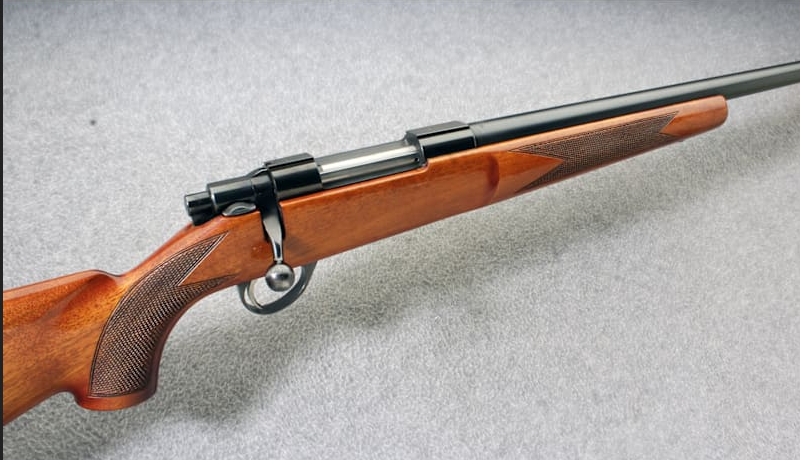
Like the L461, the L579 was also available in a Mannlicher-stocked configuration. Same story: scarcer, more fragile stocks, higher collector interest. A Mannlicher Forester in .308 with an original, intact stock is among the most desirable configurations in the entire L-series lineup.
The .22-250 and .243 are the most commonly encountered Forester calibers. The .308 Winchester is solid and desirable. The .244 Remington (6mm Remington) shows up occasionally and appeals to collectors who appreciate the cartridge's history.
What to look for: inspecting an L461 or L579
Picking up one of these rifles and evaluating it properly requires attention to a few specific areas.
Start with the stock. Original Sako stocks from this era are European walnut with a distinctive Sako finish; a hand-rubbed oil or thin lacquer that ages to a warm patina. The grain quality varies; Sako used better wood than most production rifles of the era, but not every stock is exhibition grade. Check the tang area where the stock meets the receiver; cracks here are common, especially on rifles that have been fired extensively. Check the forearm tip on Mannlicher stocks for chips or repairs. Run your fingers along the inside of the trigger guard inlet; sloppy sanding or fresh finish there suggests a refinish.
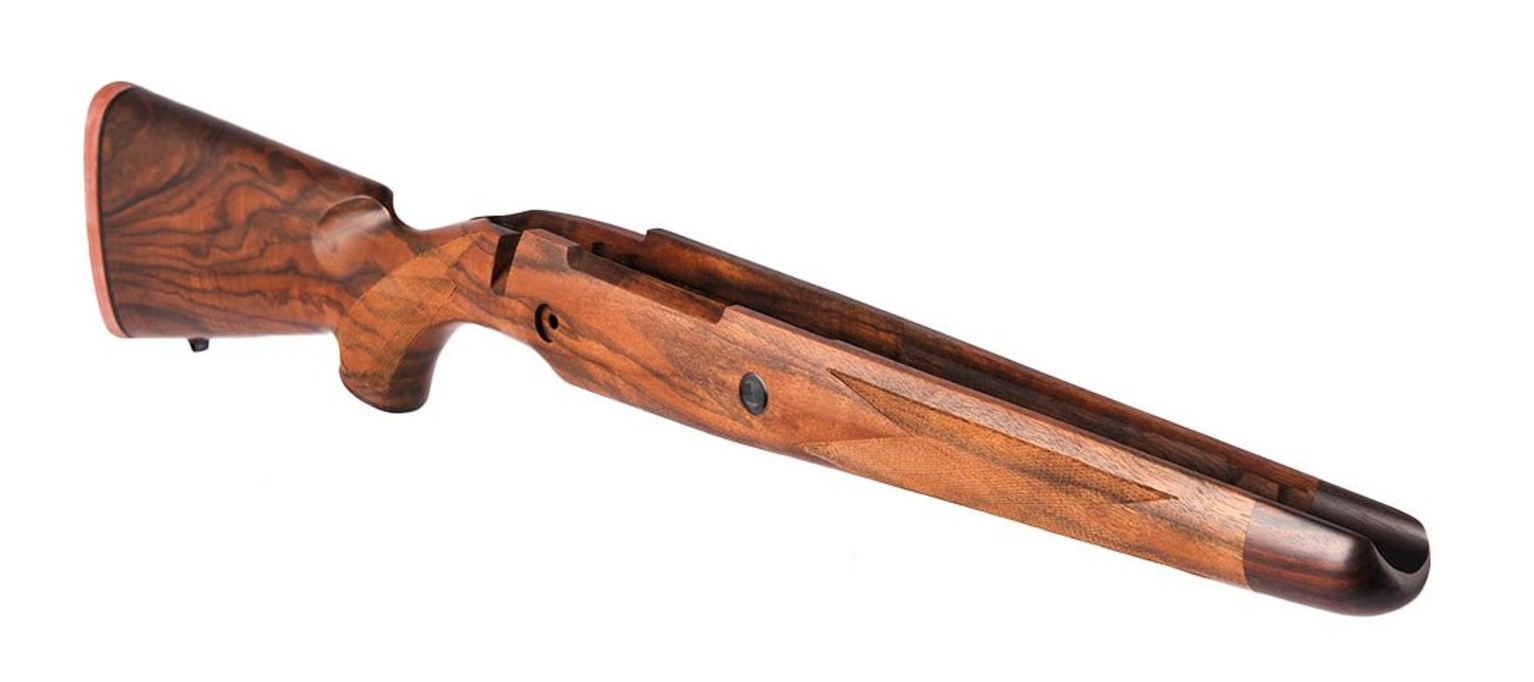
The question to ask: has this stock been refinished? A thick, glossy polyurethane coat over what should be a thin, period-correct finish is an immediate tell. Original Sako finishes from this era are relatively thin and develop a specific character over time. A stock that looks too good; uniformly shiny, no handling marks in the expected places; deserves scrutiny.
Look at the barrel markings carefully. The caliber stamp, Sako logo, and proof marks should be crisp and correctly positioned. Worn or shallow markings on an otherwise clean rifle suggest polishing or refinishing. On the subject of barrel condition, a bore light is non-negotiable. These rifles are old enough that bore condition varies enormously. A bright, sharp bore with strong rifling is what you want. Dark bores, pitting near the muzzle, or eroded throats (especially on .22-250 Foresters that may have seen thousands of hot rounds) will affect both accuracy and value.
The bolt face and locking lugs should show normal wear but no peening, galling, or signs of excessive headspace. Check the extractor for cracks; it's a small spring-loaded part that can break with age. Replacement extractors are available, but an original, functional extractor is one less thing to worry about.
The trigger on these rifles is one of their best features; a crisp, adjustable single-stage trigger that many shooters consider among the best factory triggers ever made. If the trigger feels mushy, heavy, or has excessive creep, someone may have tampered with it. A properly adjusted Sako trigger from this era should break cleanly at around two to four pounds.
Common mistakes and traps
Here's where collectors get burned.
The first trap is misidentified actions. Sellers sometimes list an AI as an L461, or an AII as an L579. The rifles are mechanically similar, but they're not the same model, and the collector market treats them differently. Check the markings on the receiver and barrel. An L461 will be stamped as such; an AI-series rifle will have different rollmarks. If the seller doesn't know the difference, that's not necessarily a red flag; but it means you need to verify everything yourself.
Second: replacement stocks. Original L-series stocks are getting harder to find in good condition, and people break them. A rifle wearing an aftermarket stock, or a stock from a different Sako era, is worth significantly less to a collector than one with the correct original furniture. The wood-to-metal fit on original Sako rifles is excellent; tight, clean inletting with minimal gaps. Aftermarket stocks or stocks from a different rifle will often show small gaps, different inletting patterns, or misaligned screw holes. People regularly post looking for original L579 stocks specifically because they bought a rifle with a replacement and want to restore it. That tells you something about how common the problem is.
Third: reblued rifles sold as original. Sako's original blue from this era has a specific character; a deep, warm blue-black that develops a certain patina with age. A reblued rifle will often have a slightly different shade, and the sharp edges of the receiver and barrel markings may be softened from the polishing that precedes rebluing. Look at the screw heads. If the screws show polishing marks or the slots are slightly rounded but the rest of the rifle looks mint, someone refinished the metal and didn't bother with the details. Reblued finishes on collectible Sakos knock value down hard; 40% or more in some cases.
Fourth: barrels that have been set back or recrowned. A barrel that's been shortened and recrowned will have a crown that doesn't match the factory profile, and the overall barrel length may be shorter than the standard for that model. Measure it. Standard sporter barrels on the L461 ran about 23 to 23.5 inches; heavy barrels were typically 23.5 to 24 inches. L579 sporters were usually 24 inches. If you're measuring 22 inches on a sporter, someone cut it.
Fifth: the "numbers matching" question. Sako rifles from this era don't have the same kind of serialized-parts system as military rifles. The serial number is on the receiver and typically on the bolt. The stock may or may not have a matching number or assembly mark. "Numbers matching" on a Sako L461 really means the bolt serial matches the receiver serial, and the stock appears to be the original factory-fitted stock for that rifle. It doesn't mean every pin and screw is serialized.
The H&R connection
One wrinkle that comes up periodically: Harrington & Richardson produced rifles using Sako actions. During the 1960s, H&R imported Sako barreled actions and fitted them into H&R-manufactured stocks for sale as the H&R Ultra Bolt series. These are genuine Sako actions; the same L461 and L579; but in H&R dress. They're not as collectible as factory-complete Sako rifles, but they're legitimate Sako actions, and some are quite rare in specific configurations. If you encounter one, understand what you're looking at: a Sako heart in an American body. The action quality is identical; the collector premium is not.
Harrington & richardson H&R Ultra Bolt
May contain affiliate links.
Scope mounting
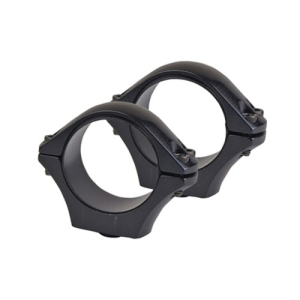
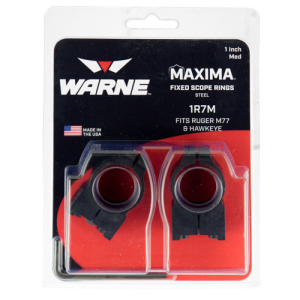
The integral dovetail system on L461 and L579 receivers is proprietary to Sako. Standard Weaver or Remington-style bases won't fit. You need Sako-specific rings, or aftermarket rings designed for the Sako dovetail; Talley, Warne, and others make them. Original Sako rings from the period are themselves collectible in a minor way, and having the correct original rings with the rifle adds to the package.


Sako 85 Deals
Prices may change. May contain affiliate links.
Sako rings Deals
Prices may change. May contain affiliate links.

Talley rings Deals
Prices may change. May contain affiliate links.
Warne rings Deals
Prices may change. May contain affiliate links.
May contain affiliate links.
The dovetail dimensions are the same across the L461, L579, and later AI/AII/AIII series, as well as the Sako 75 and 85 in some configurations. This means rings are generally interchangeable across these models, which is good news for shooters who want to mount modern glass. But for a collector-grade rifle, period-correct Sako rings are the right choice.
What these rifles are worth knowing
The L461 and L579 occupy an interesting spot in the market. They're not cheap; even common variants in average condition trade well above most comparable American-made sporters from the same era. But they're not yet in the stratosphere of pre-war Mauser sporters or English best-quality rifles. They're accessible enough that a careful buyer can still assemble a meaningful collection without taking out a second mortgage.
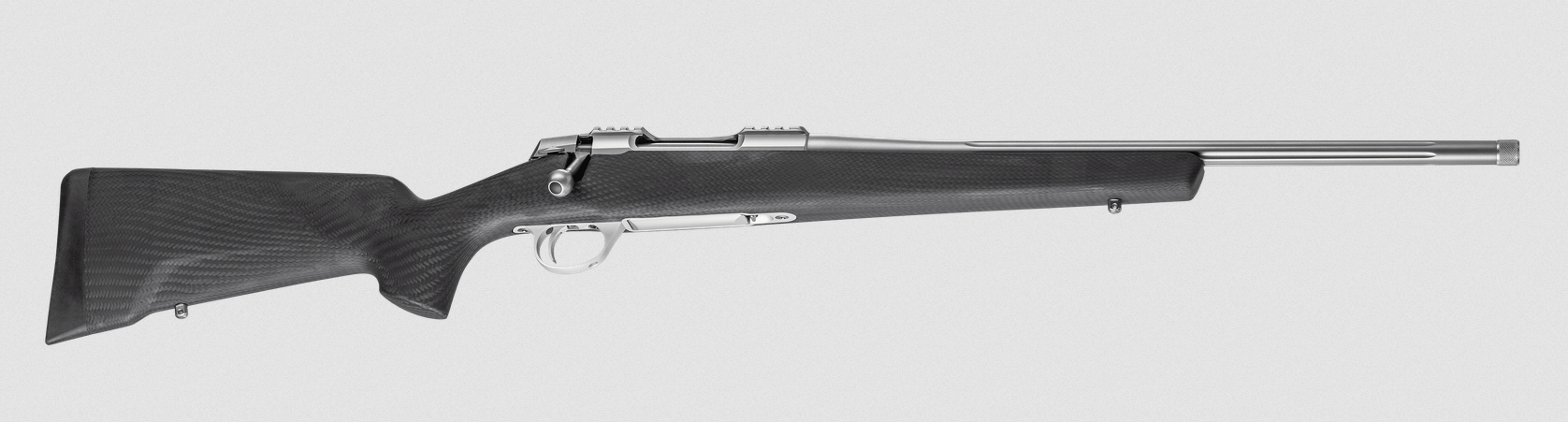
The hierarchy of value runs roughly like this, from most to least desirable within each action size: Mannlicher-stocked variants in uncommon calibers with original stocks in excellent condition sit at the top. Heavy-barrel varmint models with clean bores come next. Standard sporters in common calibers with honest wear are the entry point. Rifles with replacement stocks, reblued metal, or bore issues occupy the bottom tier.
Caliber affects desirability differently depending on whether the buyer is a collector or a shooter. A collector may prize a .222 Remington Magnum Vixen for its relative scarcity. A shooter might prefer the .223 for ammunition availability. Both are valid approaches, but they lead to different purchasing decisions.
Before you hand over cash
Bring a bore light. Measure the barrel. Check the serial number on both the receiver and the bolt. Examine the stock for cracks at the tang and wrist. Look at the barrel markings under good light; are they crisp and correctly positioned, or soft and shallow? Ask the seller if the stock is original. Ask if the rifle has been reblued. Check for import marks and match them against the era the seller claims.
Cross-reference the serial number with available Sako serial number lists. The Sako Collectors Club forum is the single best resource for dating and identifying these rifles. Members there have compiled decades of data, and a polite question with clear photos will usually get you a detailed answer.
These are rifles that reward patience. The right L461 or L579; correct, original, well-preserved; is a genuine pleasure to own, shoot, and study. The wrong one, bought in haste, is a project you didn't sign up for. Take your time. Look closer.