Federal dropped over twenty new centerfire rifle loads for 2026, and the sheer volume makes it hard to figure out what actually matters. Some of these are genuinely new products filling gaps in the lineup. Others are existing bullet designs getting chambered in additional calibers; useful if you shoot those calibers, invisible if you don't. The marketing materials treat every SKU like a breakthrough. The reality is more nuanced.
Here's what's worth paying attention to: Federal is clearly responding to three distinct market pressures. Long-range precision shooters want factory match ammo that actually performs like handloads. Hunters want modern bonded and expanding bullets in cartridges that didn't previously have them. And suppressor owners, a rapidly growing segment, want subsonic rifle loads that cycle reliably and group tighter than the garbage-tier stuff that's been available until now. Each of those use cases gets meaningful new options. But not every new SKU is equally interesting, and some of the additions are more about catalog completeness than performance innovation.
Let's break it down by what you'd actually use these for.
The precision and competition loads
The Gold Medal line has been Federal's flagship match offering for decades, and the 2026 additions lean heavily into partnership with Berger. The new Gold Medal Berger Hybrid loads span several calibers: 6mm Creedmoor with a 109-grain Hybrid Target, 6.5 PRC with a 144-grain Berger Hybrid Target, .308 Win with a 185-grain Berger Juggernaut Target, and .300 Win Mag with a 215-grain Berger Hybrid Target. There's also a .300 PRC option with the 245-grain Berger.
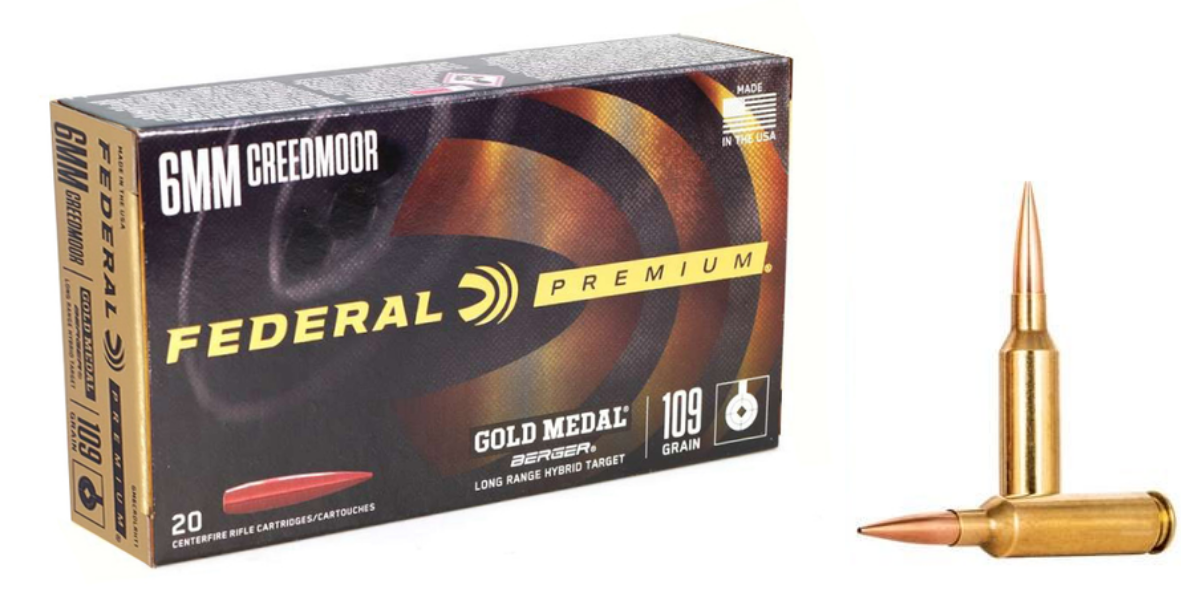
The numbers here tell the story. Berger Hybrid bullets have ballistic coefficients (BC; the measure of how well a bullet resists air drag) that sit at or near the top of their weight class. The 144-grain Berger Hybrid Target in 6.5 PRC, for instance, carries a G1 BC around .612. That's a meaningful step up from Federal's existing 130-grain Gold Medal offering in the same cartridge, which runs closer to .530. At 1,000 yards, that BC difference translates to less wind drift and a flatter trajectory, not by inches, but by enough to matter in competition or for shooters pushing distance on steel.
The 6.5 PRC load is particularly interesting because that cartridge has been underserved in factory match ammo. Hornady has owned the space almost exclusively since the cartridge's introduction. Federal entering with a Berger Hybrid option gives PRC shooters a legitimate alternative, and the 144-grain bullet weight is heavier than Hornady's standard 147-grain ELD Match by a few grains, close enough that the real differentiator will be velocity consistency and accuracy in individual rifles.
For .308 shooters, the 185-grain Juggernaut Target is a heavy-for-caliber option aimed at the crowd shooting past 800 yards. The Juggernaut design uses a hybrid ogive similar to the standard Berger Hybrid but optimized for .30-caliber cartridges. At 185 grains in .308, you're looking at muzzle velocities in the low 2,500 fps range, slower than a 175-grain SMK load, but the higher BC keeps it competitive at distance. The trade-off is more bullet drop at closer ranges and potentially different point-of-impact shifts if you're transitioning from a 168 or 175-grain load.
Chrono notes
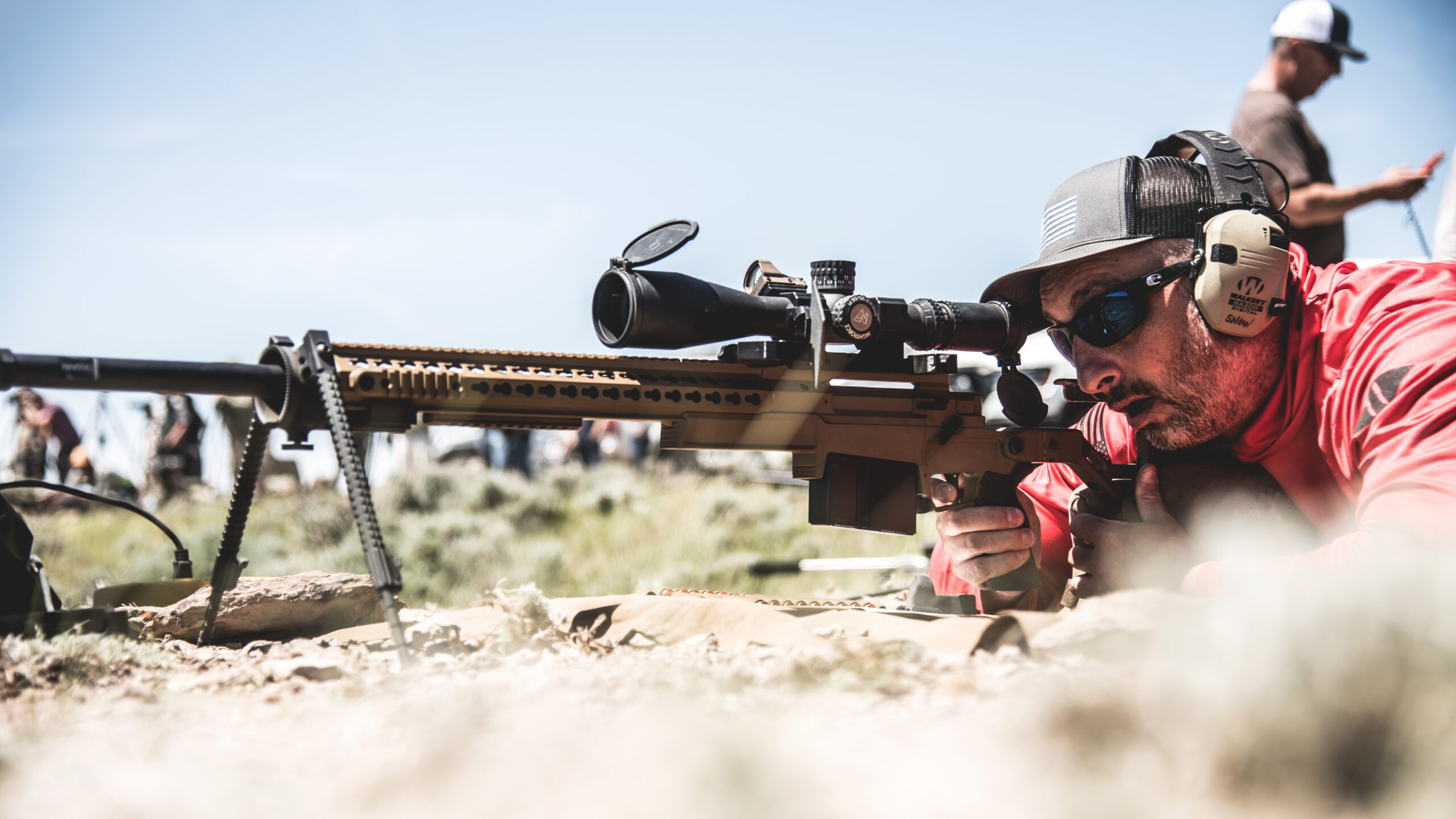
The velocity spread is what separates good match ammo from great match ammo. Federal's Gold Medal line has historically delivered single-digit extreme spreads (ES) in well-tuned rifles, often 8-12 fps across a 10-round string. The question with these new Berger loads is whether Federal can maintain that consistency with heavier, longer bullets that are more sensitive to seating depth and powder charge uniformity. Early reports from SHOT Show suggest Federal is confident in the consistency, but the proof will be in chrono data from independent testers once these loads ship in volume.
The hunting loads
This is where the bulk of the new SKUs live, and Federal is spreading existing bullet designs across more cartridges rather than introducing entirely new projectiles. The main bullet families getting expanded are Terminal Ascent, Fusion, and HammerDown.
Terminal Ascent is Federal's bonded long-range hunting bullet, it uses a rear-slicing tip that initiates expansion at lower velocities (down to about 1,350 fps, per Federal's claims) while the bonded lead core and copper shank hold weight at close range. The 2026 additions put Terminal Ascent into .280 Ackley Improved (155 grain), .300 WSM (190 grain), .300 Ruger Compact Magnum (180 grain), and .30-06 (175 grain). There's also a 6.5 PRC 130-grain Terminal Ascent that fills a gap for hunters who want that cartridge's flat trajectory with a bullet designed to perform on game.
The .280 Ackley Improved addition is notable because that cartridge has been gaining serious traction among mountain hunters and the custom rifle crowd, but factory ammo options have been limited. Nosler and Hornady have offerings, but Federal's Terminal Ascent gives .280 AI shooters a bonded option with a high BC that they didn't have before. The 155-grain weight is lighter than some .280 AI hunters prefer, many run 160 to 175 grains, but the Terminal Ascent's design compensates with better downrange performance than a heavier conventional bullet.
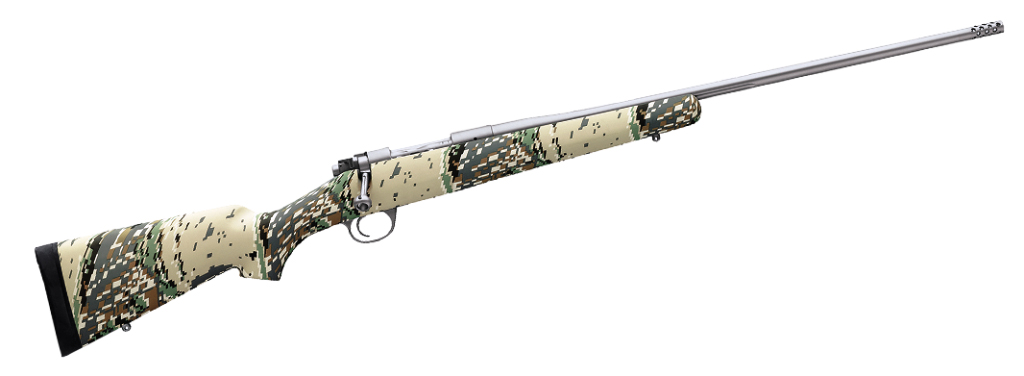
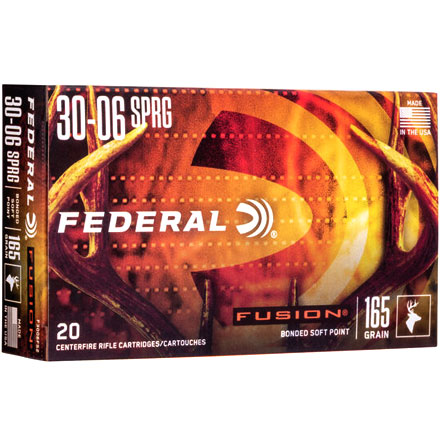
The Fusion line gets additions in .223 Remington (62 grain), .224 Valkyrie (90 grain), .243 Winchester (95 grain), and .350 Legend (160 grain), among others. Fusion has always been Federal's value-oriented hunting line, a molecularly bonded jacket over a lead core, designed to expand reliably without the premium price of Trophy Bonded or Terminal Ascent. The .350 Legend Fusion at 160 grains is a smart move given how many straight-wall-only states have adopted that cartridge for deer hunting. Hunters in Iowa, Ohio, and Indiana who've been limited to a handful of .350 Legend options now get a bonded bullet at a price point that won't hurt as much as Barnes or Hornady's premium offerings.
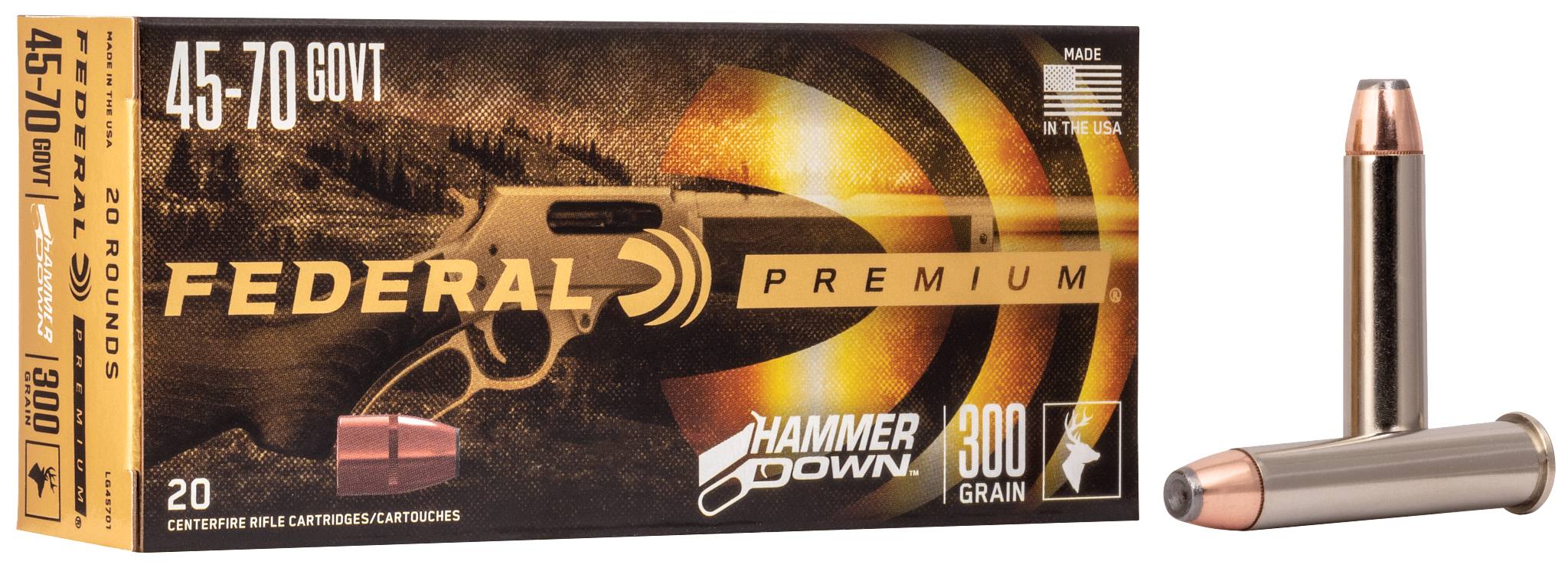
HammerDown, Federal's lever-action-optimized line, picks up .35 Remington (200 grain) and .45-70 Government (300 grain) loads. These use a molecularly bonded soft point with a profile designed to feed smoothly through tubular magazines. The .35 Remington addition is long overdue, that cartridge has been slowly dying from lack of factory ammo variety, and the lever-action crowd has been asking for modern bullet designs in old cartridges. The 200-grain .35 Rem HammerDown should deliver around 2,000-2,100 fps from a 20-inch Marlin barrel, putting it in solid whitetail territory out to 200 yards.
What the marketing doesn't mention
The Terminal Ascent expansion is genuinely useful, but the bullet itself hasn't changed. If you've shot Terminal Ascent in other calibers and liked it, you'll get the same performance characteristics in these new chamberings. If you've had issues with it, some hunters report inconsistent expansion on smaller game like pronghorn at long range, those issues will carry over too. The new caliber options don't fix anything about the bullet design; they just make it available to more rifle owners.
Similarly, the Fusion line is a solid mid-tier hunting bullet, but it's not competing with Barnes TTSX or Nosler Partition on terminal performance. It's competing on price. The cost math matters here: Fusion typically runs 30-40% cheaper per box than Terminal Ascent or comparable premium loads. For deer-sized game inside 300 yards, that price difference buys you more practice ammo, which probably does more for your hunting success than a fancier bullet.
The suppressor and subsonic loads
Here's where it gets interesting. Federal's new American Eagle Subsonic line includes .300 Blackout (220-grain open-tip match), .308 Winchester (220-grain OTM), and 5.56 NATO (90-grain OTM). These are target loads, not hunting loads, the open-tip match design is optimized for accuracy, not expansion on game.
The .300 Blackout subsonic market is already crowded, so that addition is evolutionary. But the .308 Win and 5.56 NATO subsonic loads are more unusual. Subsonic .308 means pushing a 220-grain bullet at roughly 1,040 fps, just under the speed of sound. That's a very different animal than standard .308. The energy at the muzzle drops to around 500 ft-lbs, which is less than a hot .45 ACP load. You're not hunting with this. You're training quietly or plinking steel with a suppressed bolt gun.
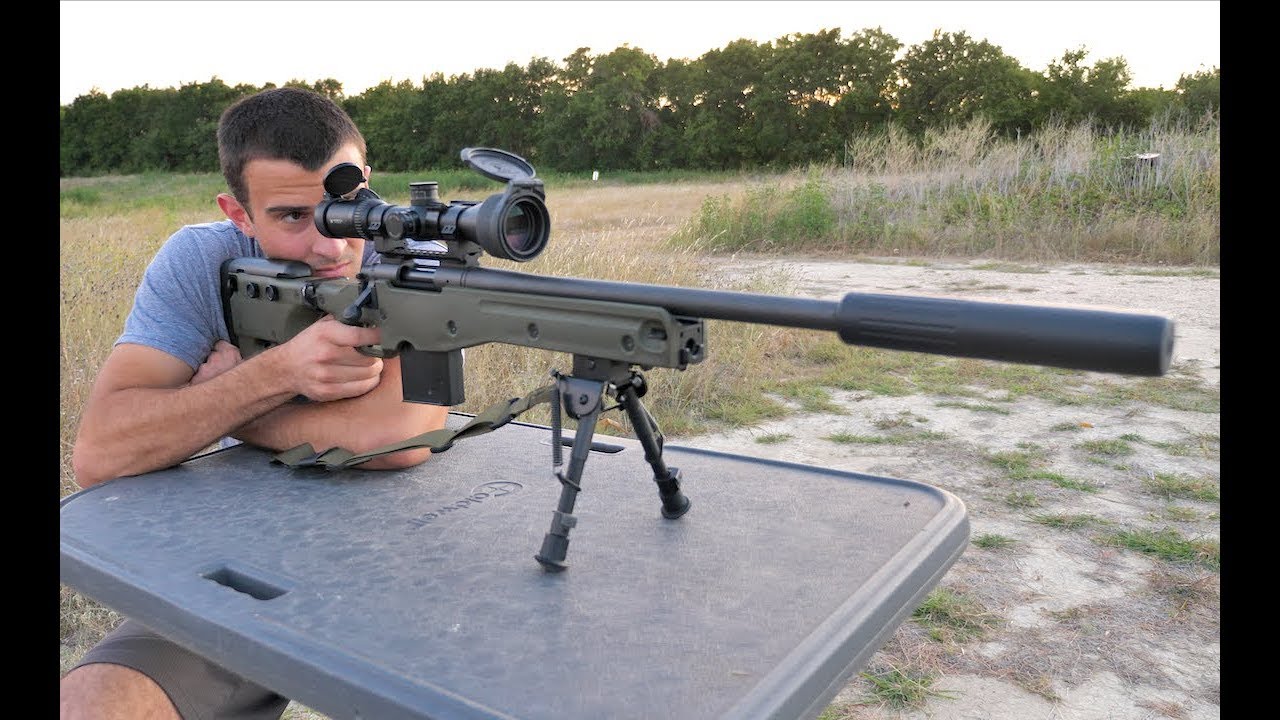
The 5.56 subsonic is the oddest duck in the bunch. A 90-grain bullet in 5.56 is extremely heavy for the cartridge, standard loads run 55 to 77 grains. Getting that bullet to stabilize requires a fast twist rate, likely 1:7 or faster, and even then the transonic zone (where the bullet drops from supersonic to subsonic flight) can cause accuracy to fall apart. Federal is marketing these for suppressed AR-15s, but reliability could be an issue. The 5.56 NATO gas system is designed around much higher chamber pressures and velocities than a subsonic load generates. Without an adjustable gas block, many rifles won't cycle these reliably. Federal hasn't published cycling data across different gas system lengths, which is a notable omission.
The subsonic .308 load is more practical for most shooters. Bolt-action .308s with suppressors are popular for property management, pest control, and general quiet shooting. The 220-grain OTM at subsonic velocity should group well inside 100 yards, the question is whether Federal's load development produces the kind of velocity consistency needed for accuracy. At subsonic speeds, even a 20 fps ES can mean the difference between staying subsonic and getting an occasional supersonic crack. The velocity spread tells the story with these loads, and we won't know the real numbers until they're on shelves and through chronographs.
Federal also announced that these subsonic loads are now shipping as of early 2026, which means they should be available for testing sooner than the hunting loads that typically arrive in late summer.
The 6mm ARC expansion
Federal is doubling down on 6mm ARC with new loads across multiple product lines: a 108-grain ELD Match in the Gold Medal line, a 90-grain Terminal Ascent for hunting, and a 103-grain Berger Hybrid Target. The 6mm ARC has been a polarizing cartridge, its proponents love the ballistic performance from an AR-15-length action, while detractors point to barrel life issues and limited factory ammo options.
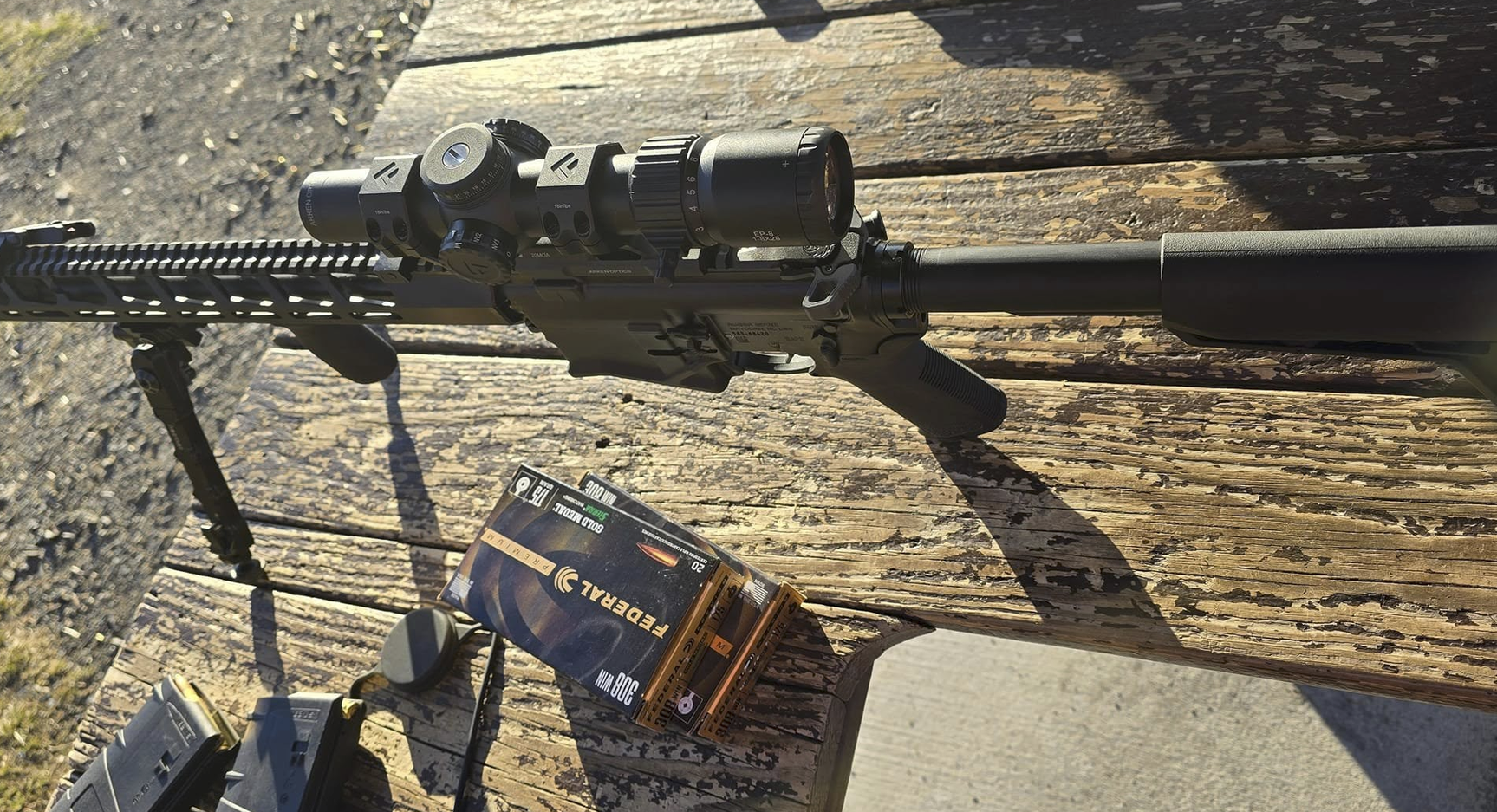
The 108-grain ELD Match load is a collaboration with Hornady, which is interesting given that Hornady developed the 6mm ARC cartridge itself. Federal loading Hornady bullets in a Hornady-designed cartridge suggests the relationship between the two companies is more cooperative than competitive in this space. The 108 ELD Match has a G1 BC around .536, which gives the 6mm ARC legitimate 1,000-yard capability from a short-action platform.
The 90-grain Terminal Ascent in 6mm ARC is aimed at hunters using AR-15-pattern rifles for medium game. At the velocities 6mm ARC produces (roughly 2,750 fps with a 90-grain bullet from a 24-inch barrel), the Terminal Ascent's low-velocity expansion threshold becomes relevant, shots past 400 yards will see the bullet slowing into the 1,800-2,000 fps range where many conventional hunting bullets struggle to open up. If Federal's 1,350 fps expansion claim holds, the Terminal Ascent gives 6mm ARC hunters a much longer effective range on game than standard soft points.
Common mistakes with new ammo launches
Every time a major manufacturer drops a big batch of new loads, the same patterns repeat. Here's what to watch for.
Buying before independent testing exists. Federal's internal data is generated under controlled conditions with test barrels. Your rifle isn't a test barrel. Wait for chrono data and accuracy reports from multiple sources before stocking up, especially on the match loads where consistency is the whole point.
Assuming new means better. Several of these loads are existing bullets in new calibers. The 175-grain Terminal Ascent in .30-06 uses the same bullet as the Terminal Ascent in .300 Win Mag, just at lower velocity. That's not a criticism, but it means you can look at existing Terminal Ascent performance data from other calibers and extrapolate. The bullet's behavior on game at a given impact velocity doesn't change just because the headstamp is different.
Ignoring barrel twist requirements. The subsonic 5.56 with a 90-grain bullet and the heavy-for-caliber match loads in 6mm ARC and 6.5 PRC all need appropriate twist rates. A 1:9 twist .223 barrel won't stabilize a 90-grain bullet. Period. Check your twist rate before ordering.
Expecting immediate availability. Federal announced 20+ new loads. They won't all hit shelves simultaneously. Match and target loads tend to ship first because competition shooters buy year-round. Hunting loads typically arrive in mid-to-late summer ahead of fall seasons. Subsonic loads are already shipping per Federal's March 2026 announcement. Plan accordingly.
Overlooking what you already shoot well. If your rifle puts Federal Gold Medal 168-grain SMK into half-MOA groups at 200 yards, switching to the new 185-grain Juggernaut because it's newer isn't automatically an upgrade. The heavier bullet has advantages at extreme range, but if you're shooting inside 600 yards, the 168 SMK remains an excellent choice and will likely be cheaper and more available.
Head-to-head: five loads worth comparing
Rather than listing every new SKU, here are the five that face the most direct competition and deserve the closest scrutiny.
The Federal Gold Medal 144-grain Berger Hybrid Target in 6.5 PRC goes up against Hornady's 147-grain ELD Match, which has been the default factory match load in that cartridge. The Berger Hybrid's slightly different ogive design may favor different chamber throats. Some rifles will prefer one over the other, the only way to know is to shoot both. The BC numbers are close enough that the real differentiator will be ES and group size in your specific rifle.
The Federal Terminal Ascent 155-grain in .280 Ackley Improved competes with Hornady's 162-grain ELD-X and Nosler's 160-grain AccuBond in the same cartridge. The Terminal Ascent is lighter, which means higher velocity but less momentum at impact. For elk-sized game, the heavier Hornady and Nosler options may have an edge in penetration. For deer and pronghorn, the Terminal Ascent's lower-velocity expansion threshold could be the deciding factor on longer shots.
The Federal American Eagle Subsonic 220-grain OTM in .308 Winchester enters a space where Sellier & Bellot and Remington have had budget options, but neither has been known for accuracy. If Federal can deliver sub-2 MOA groups at 100 yards with consistent subsonic velocities, it'll own this niche. The price point will matter, subsonic .308 is a novelty for most shooters, and premium pricing would limit the audience.
The Federal Fusion 160-grain in .350 Legend faces Winchester's 160-grain Power Max Bonded, which has been the go-to deer load in that cartridge. Fusion's bonding process is different from Winchester's, and real-world expansion tests in gel or game will determine which retains more weight. At the price points these two will likely occupy, the difference might come down to which one your rifle groups better.
The Federal Gold Medal 185-grain Berger Juggernaut in .308 Winchester competes with Hornady's 178-grain ELD Match and the existing Federal Gold Medal 175-grain SMK. The Juggernaut's higher BC gives it an advantage past 800 yards, but the lower muzzle velocity means more drop at every distance. For PRS-style competition where you're engaging targets from 300 to 1,200 yards, the Juggernaut could be the better choice. For F-class or benchrest at fixed distances under 600, the 175 SMK might still win on consistency.
What you'll actually see at the range
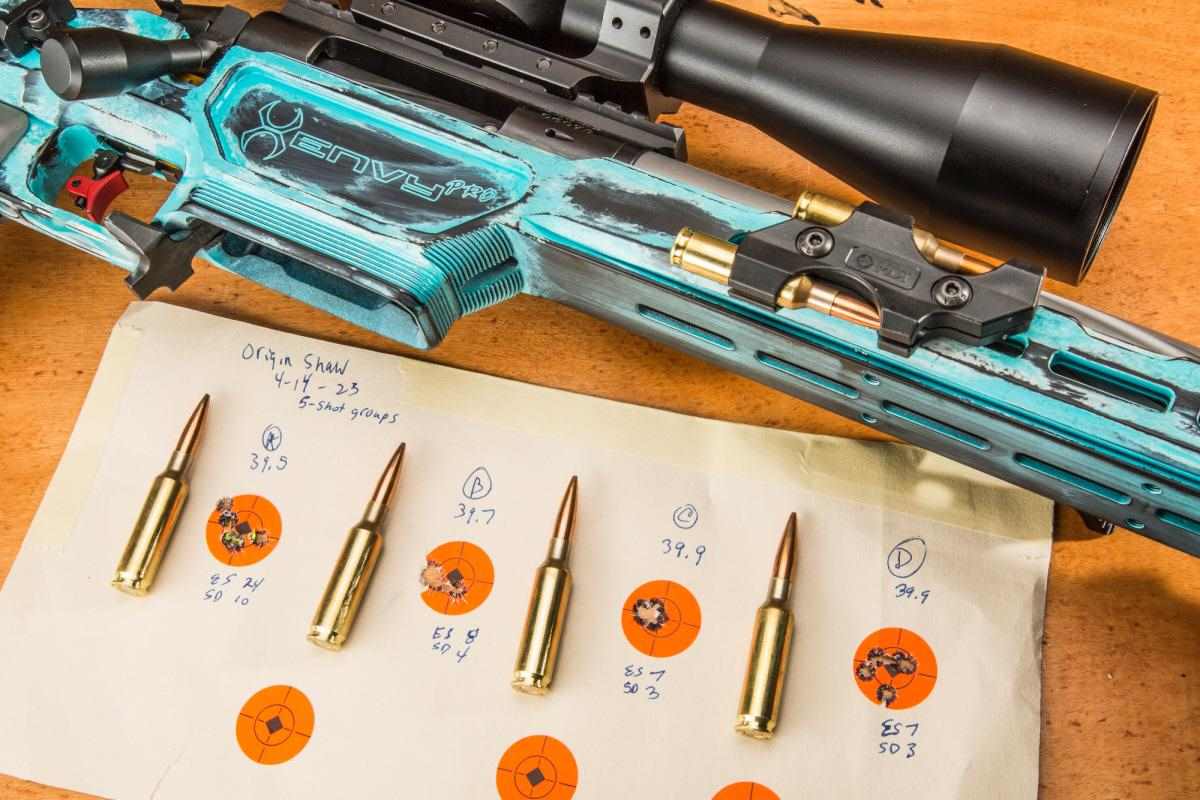
If you pick up any of these new loads, here's what to look for during your initial evaluation. Shoot a minimum of three five-round groups at 100 yards to establish a baseline. Don't judge accuracy off a single group, even bad ammo can produce a one-hole fluke. Measure extreme spread over at least a 10-round chrono string if you have access to a chronograph. Single-digit ES (under 10 fps) is excellent for match ammo. Under 20 fps is acceptable for hunting loads. Anything over 30 fps suggests the load isn't well-suited to your barrel's harmonics or chamber dimensions.
For the subsonic loads specifically, run at least two full magazines through your semi-auto to check cycling reliability before you trust it for any practical application. Note the ambient temperature, subsonic loads are more temperature-sensitive than supersonic ones because a 30 fps swing from cold to hot conditions can push you over or under the sound barrier. If you're shooting on a 95-degree summer day and getting supersonic cracks, that same load might stay subsonic at 40 degrees. Or vice versa. Temperature stability is the hidden variable with subsonic ammo that nobody talks about enough.
For the hunting loads, zero confirmation at your intended hunting distance is obvious, but also verify point-of-impact shift from your practice ammo. If you train with Federal American Eagle 150-grain .30-06 and hunt with the new 175-grain Terminal Ascent, expect a significant POI shift, potentially 3-4 inches at 100 yards. Re-zero with your hunting load and confirm at distance before season.
The bigger picture
Federal's 2026 expansion is less about revolutionary new products and more about filling gaps that shooters have been vocal about. The Berger Hybrid partnership gives precision shooters factory options that approach handload performance. The Terminal Ascent and Fusion expansions give hunters in niche calibers access to modern bullet designs. The subsonic line acknowledges that suppressor ownership has exploded and the ammo market hasn't kept up.
The cost math across all of this still favors handloading for precision shooters who burn through volume. A box of Gold Medal Berger Hybrid will run significantly more per round than buying Berger bullets in bulk and loading them yourself. But for hunters who shoot maybe 20-40 rounds a year of their hunting load, or for competition shooters who want consistency without the time investment of a reloading bench, these factory options close the gap meaningfully.
Run the per-round math against your actual shooting volume. If you shoot 500 rounds a month of match ammo, handloading still wins on cost by a wide margin. If you shoot 100 rounds of match ammo a month and the rest is cheap training ball, buying a few boxes of Gold Medal Berger for matches and competitions makes perfect sense. The real question isn't whether these loads are good, Federal's manufacturing consistency is well-established. The question is whether your specific rifle likes them better than what you're already shooting. The only way to answer that is to buy a box, bring a chronograph, and let the data decide.