You just dropped serious money on a bolt-action precision rifle. The action is smooth, the barrel is fresh, and the stock smells like potential. Now you're staring at a shopping cart with seventeen tabs open and no clear idea what to buy first. The rifle itself is maybe 40% of the shooting system. The rest is accessories, and the order you buy them matters more than most people think.
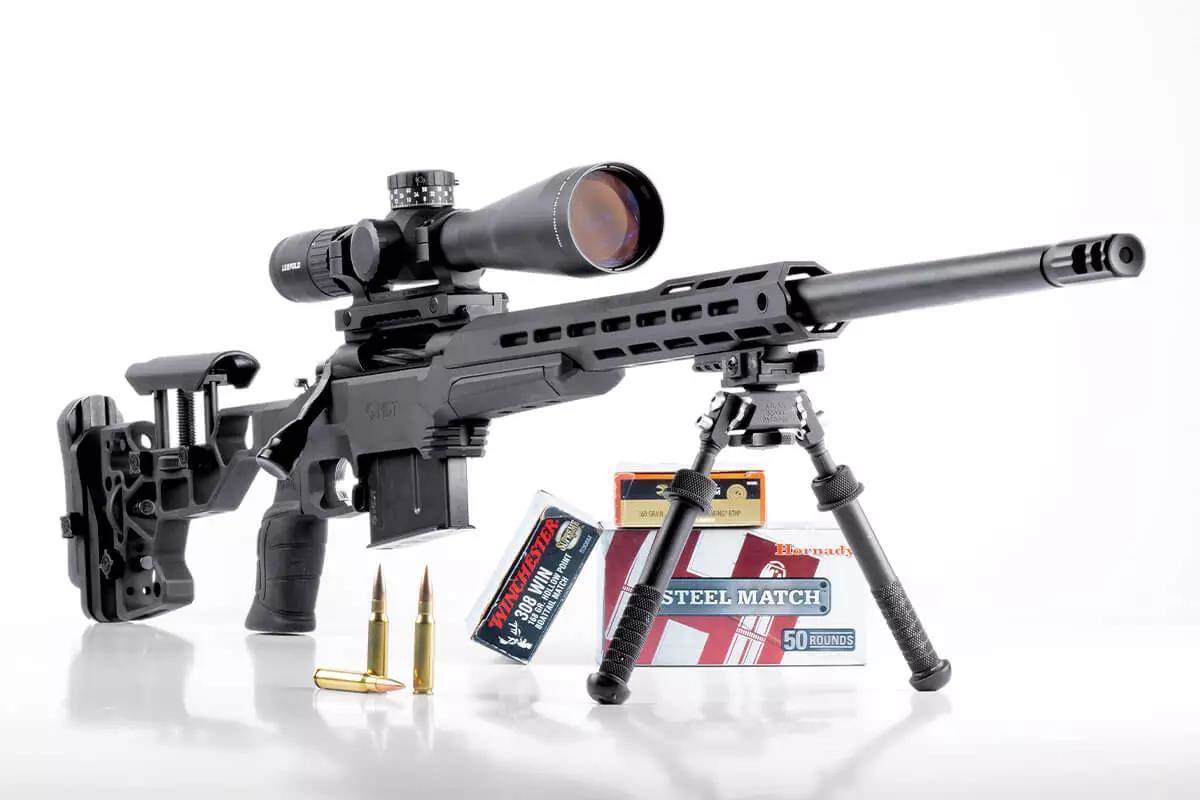
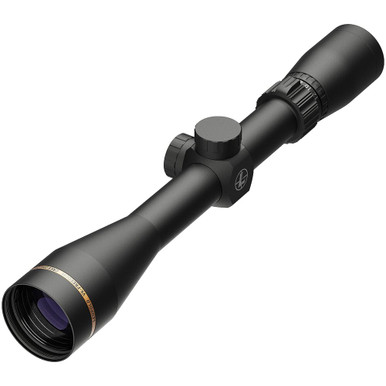
Leupold scope Deals
Prices may change. May contain affiliate links.
Here's the problem: everyone's priority list is different, and most of them are wrong. Forums will tell you to buy the best scope you can afford, which is true but incomplete. Nobody mentions that a $2,000 optic mounted in $40 rings will probably shift zero every range session, or that a rifle sitting on a wobbly bipod turns your sub-MOA guarantee into a marketing claim you can't verify. The sequence matters because each accessory either enables or limits the one after it.
This piece covers the first five accessory purchases, in priority order, for a new bolt-action precision rig. Not twenty accessories. Not a survey of everything you might eventually want. Five things, bought in the right sequence, that get you shooting tight groups at distance without wasting money on stuff that doesn't matter yet.
1. Optic mounting: rings or a one-piece base
Most people buy the scope first and the mount second. That's backwards. The mount determines whether your scope holds zero, whether you have enough elevation travel for long range, and whether your eye relief actually works once everything is assembled. Buy the mount first, or at least choose it simultaneously with the optic, because the wrong rings will constrain every decision after.
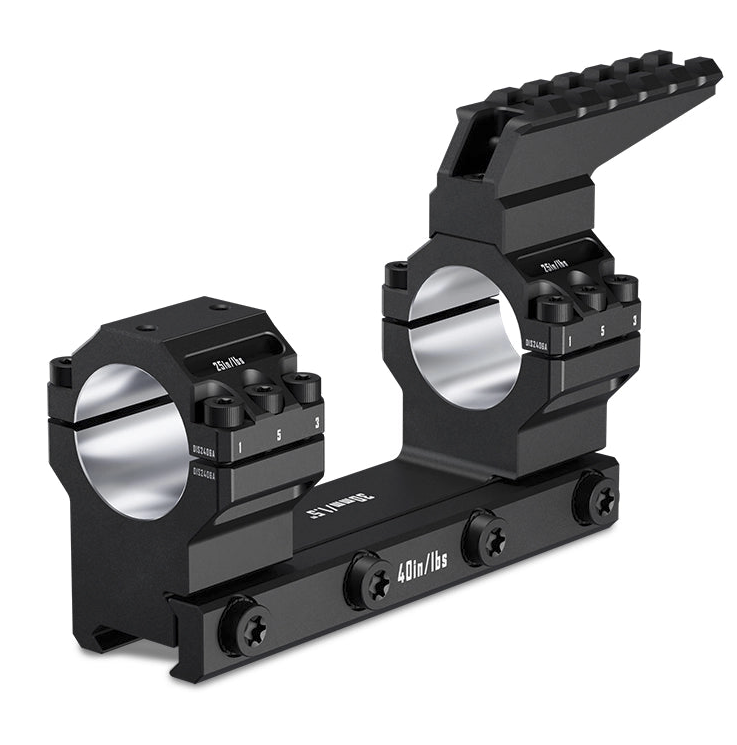
The choice between individual rings and a one-piece cantilever mount depends on your rifle's action and what you're doing with it. One-piece mounts (like a Picatinny rail with integrated rings) add 20 MOA of built-in cant on most models, which frees up elevation adjustment in your scope's turret. If you're planning to shoot past 600 yards, that 20 MOA matters. Individual rings sit lower and can be lighter, but they give you zero built-in cant and require more careful alignment during installation.
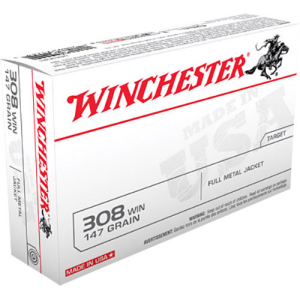
Winchester .308 Win ammunition Deals
Prices may change. May contain affiliate links.
What actually matters in a mount
Ring height is the spec everyone obsesses over, and fair enough; get it wrong and your objective bell hits the barrel or your cheek weld disappears. But the spec that actually affects shooting is clamping consistency. Cheap rings deform under torque. The aluminum is soft, the machining tolerances are loose, and when you tighten the screws to spec, the ring distorts slightly. That distortion creates a stress point on your scope tube. Over hundreds of rounds of recoil, the scope walks. You'll chase zero adjustments for weeks before suspecting the rings.
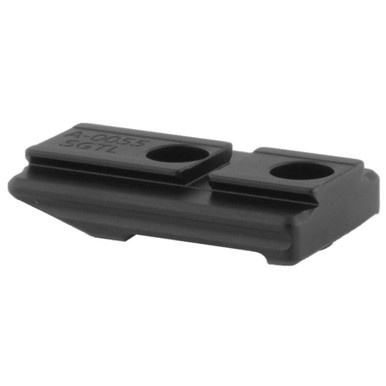
Spuhr ISMS Deals
Prices may change. May contain affiliate links.
Good rings are lapped (or machined precisely enough that lapping isn't needed), have consistent wall thickness, and use quality fasteners with proper thread engagement. The difference between a $50 ring set and a $150 ring set isn't prestige, it's whether your scope stays where you put it.
Precision Rifle Series competitors overwhelmingly use one-piece mounts. Data from PRS match surveys consistently shows Spuhr mounts dominating the top tier, followed by Nightforce and American Defense Manufacturing. That's not fashion, Spuhr mounts use a clamping system with built-in level and adjustable cant that simply doesn't shift. They're overbuilt by civilian standards, and that's the point.
Products worth comparing
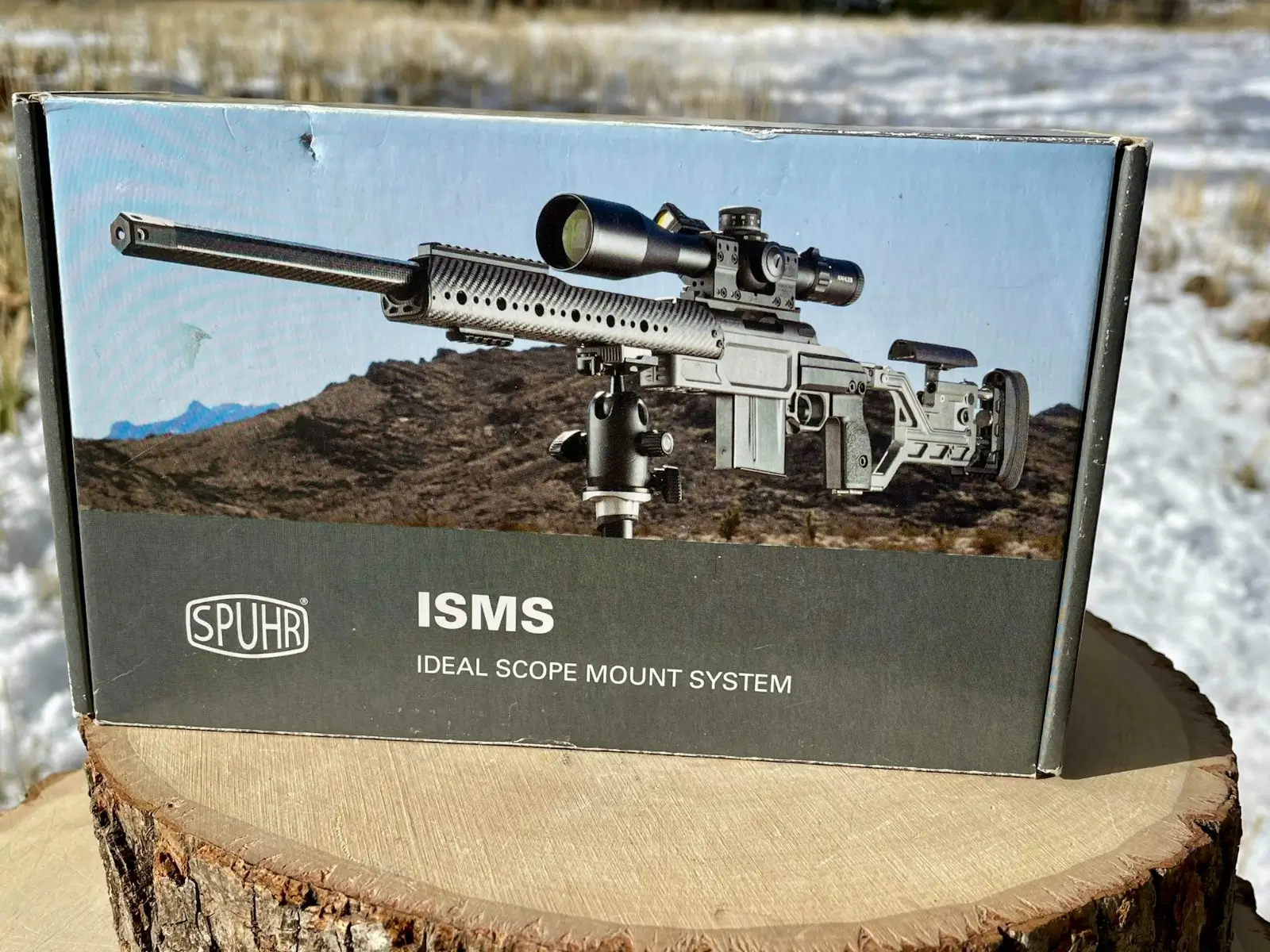
The Spuhr ISMS series is the benchmark. Heavy, expensive, and essentially indestructible. The interface system lets you remove and remount the scope with repeatable zero return, which is useful if you swap optics between rifles or travel with the scope detached. The Nightforce Ultramount is lighter and still extremely solid, with a more streamlined profile. It pairs naturally with Nightforce scopes but fits any 34mm or 30mm tube depending on model. Seekins Precision rings are a strong option if you prefer individual rings over a one-piece; their two-piece scope rings have good machining and consistent torque specs. For a budget-conscious entry, Vortex Pro rings punch above their price point, though they won't match the clamping precision of Spuhr or Seekins at extreme round counts. The American Defense Recon mount splits the difference between the Spuhr's tank-like build and a more reasonable weight, with a QD lever that actually holds zero on return.
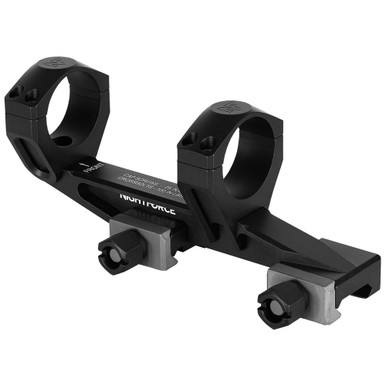
Nightforce Ultramount Deals
Prices may change. May contain affiliate links.
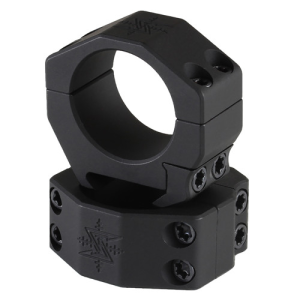
Seekins Precision two-piece scope rings Deals
Prices may change. May contain affiliate links.
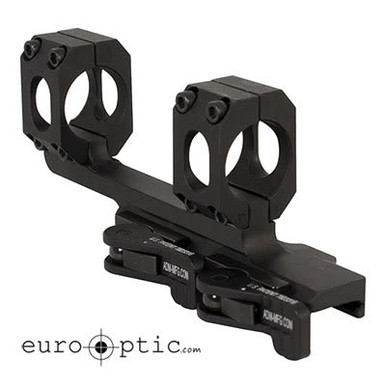
American Defense Recon mount Deals
Prices may change. May contain affiliate links.
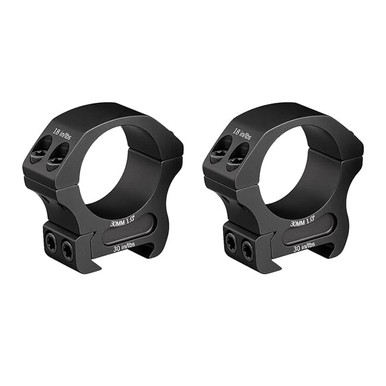
Vortex Pro rings Deals
Prices may change. May contain affiliate links.
Fit and feel
When you set a Spuhr mount on a Picatinny rail and tighten the clamp nuts, there's zero play. None. You can try to shift it with your hands and nothing moves. Compare that to a budget mount where you can feel micro-movement before the screws are fully torqued. That movement doesn't disappear under recoil, it just gets smaller. The difference shows up on paper at 300 yards and becomes undeniable at 600.
Torque your ring screws in a cross pattern, incrementally, to the manufacturer's spec. Use a proper inch-pound torque wrench, not a guess. Over-torquing is as bad as under-torquing, you'll crush the scope tube and damage the internal erector system. Most rings spec between 15 and 25 inch-pounds. Check yours.
2. The optic itself
Now you can buy the scope. With the mount chosen, you know your ring diameter (30mm vs. 34mm), your available height, and whether you have built-in cant. That narrows the optic field considerably.
For bolt-action precision work, the scope needs to do three things well: track accurately, have enough elevation range for your intended distances, and give you a reticle that's actually useful for wind holds and ranging. Magnification range matters less than people think. A 5-25x scope covers everything from 100-yard load development to 1,500-yard steel. Going higher than 25x usually just magnifies mirage.
Tracking is everything
Tracking means that when you dial 10 MOA of elevation, the point of impact actually moves 10 MOA. Sounds obvious. Plenty of scopes fail this test. A scope that tracks 9.5 MOA when you dial 10 will have you convinced your load is inconsistent when really your turret is lying to you. The tall target test is mounting the rifle in a solid rest, dialing a known amount, and measuring the actual shift on paper. This should be the first thing you do with any new precision optic.
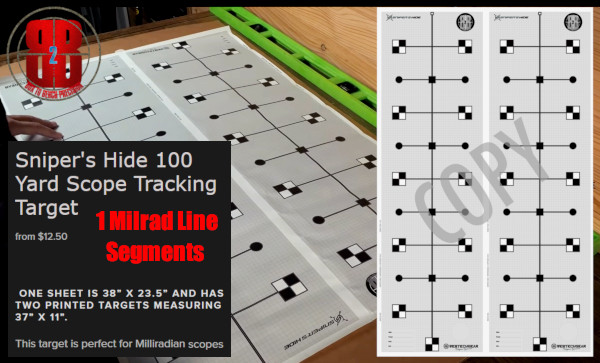
The other tracking concern is return to zero. Dial up 20 MOA, shoot, dial back to zero. Does the point of impact actually return? On a well-made scope, yes, every time. On a mediocre scope, you'll see a shift of half an MOA or more. Over a long-range session where you're dialing back and forth, that error accumulates into frustration.
Reticle choice
First focal plane with a mil-based reticle is the standard for precision bolt guns now. The reticle scales with magnification, so your holdovers and wind calls stay proportionally correct at any power setting. MOA reticles work fine too, because the mil vs. MOA debate is mostly about what you learned first. Just don't mix systems. Mil reticle with mil turrets, MOA reticle with MOA turrets. Mixing them means doing math under time pressure, which means missing.
Christmas tree reticles (the ones with increasingly wide hash marks at lower portions of the vertical stave) are popular in PRS because they let you hold wind without dialing. If you're shooting positional stages or targets at varying distances in quick sequence, holds are faster than dials. If you're a hunter taking one shot at a known distance, a simpler reticle with clean turret dials works better.
Products worth comparing
The Nightforce ATACR 5-25x56 is the gold standard in PRS circles. The glass is excellent, tracking is dead-on, and the turrets have a tactile click that's easy to read by feel. It's heavy and expensive, and worth both. The Vortex Razor HD Gen III 6-36x56 pushes to higher magnification and has superb glass clarity, edge-to-edge sharpness is noticeably better than most competitors. The Nightforce NX8 2.5-20x50 is lighter and more compact, a good match for a rifle that does both competition and hunting duty. The Athlon Cronus BTR Gen II 4.5-29x56 has closed the gap significantly at a lower price point. Tracking is reliable and the glass is very good for the money, though turret feel isn't quite at the Nightforce level. The Zero Compromise ZC527 is what you buy when money genuinely isn't a factor, because the optical quality and mechanical precision are at the absolute ceiling of what's commercially available.
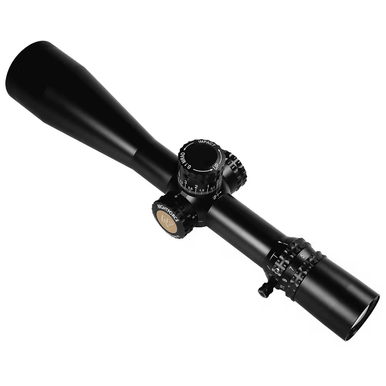
Nightforce ATACR 5-25x56 Deals
Prices may change. May contain affiliate links.

Vortex Razor HD Gen III 6-36x56 Deals
Prices may change. May contain affiliate links.
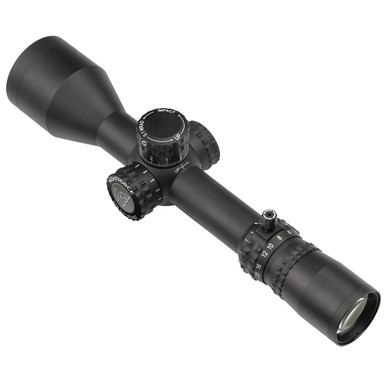
Nightforce NX8 2.5-20x50 Deals
Prices may change. May contain affiliate links.
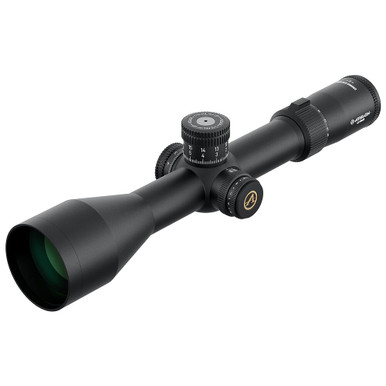
Athlon Cronus BTR Gen II 4.5-29x56 Deals
Prices may change. May contain affiliate links.
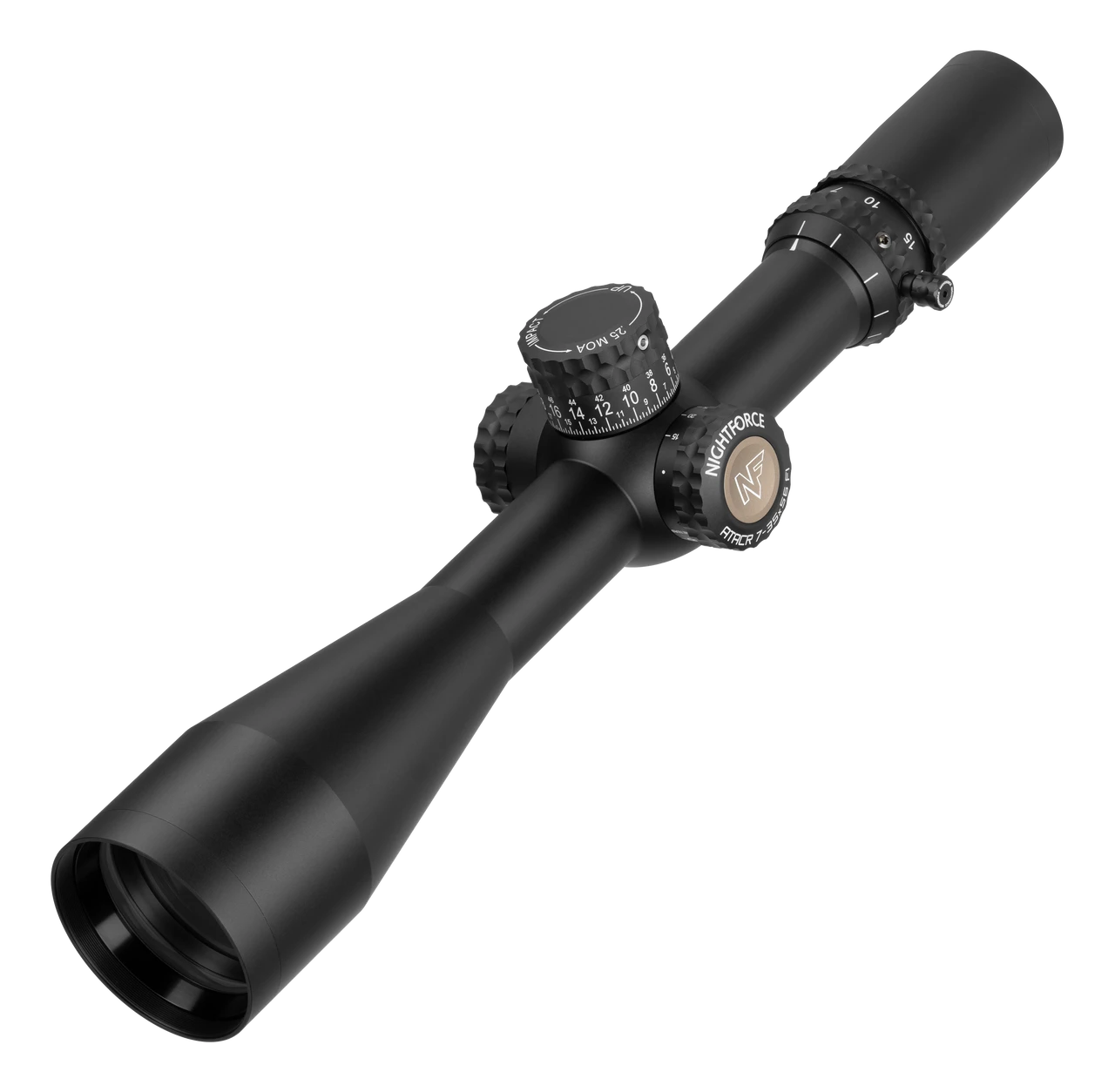
Common mistakes with optics
Buying more magnification than you need is the most frequent error. A 6-36x scope on a rifle that will never shoot past 800 yards is wasted capability and added weight. Ignoring parallax adjustment is another one. If you're not adjusting the side parallax knob to match your target distance, you're introducing error every time your eye moves slightly behind the scope. And finally, skipping the box test. Every new scope should be box-tested or tall-target tested before you trust it. Twenty minutes at the range saves months of chasing phantom accuracy problems.
3. Bipod
A precision rifle without a stable front rest is just a heavy rifle. The bipod is the third purchase because it directly determines your ability to evaluate the scope and mount you just installed. You can't confirm zero, test tracking, or develop loads from an unstable position.
What separates a good bipod from a great one
Leg stiffness, mostly. A bipod that flexes under the rifle's weight introduces movement you can watch through the scope; the crosshair drifts as you load the bipod (push forward into it to create tension). Cheap bipods flex laterally too, which means your horizontal zero wanders depending on how much pressure you apply.
The other factor is the pivot and cant mechanism. Being able to cant the rifle left or right, independent of the bipod legs, lets you level the reticle on uneven ground. Without cant, you're shimming one leg with dirt or just accepting a tilted reticle, which throws off your wind holds because the horizontal axis of your reticle is no longer actually horizontal.
Pan and tilt are separate features. Pan lets you track a target laterally without moving the bipod feet. Tilt (or cant) levels the rifle. Some bipods have both, some have one, some have neither. For prone precision shooting, cant is more important than pan. For positional shooting where you're engaging multiple targets, pan becomes valuable.
Loading the bipod
Nobody talks about this, but how you load a bipod changes your group size more than which bipod you bought. Loading means pushing the rifle forward so the bipod legs are under slight rearward spring tension. This preloads the system and reduces the rifle's tendency to bounce rearward during recoil. Consistent loading pressure produces consistent recoil impulse, which produces consistent groups. An unloaded bipod lets the rifle hop, and the hop varies shot to shot.
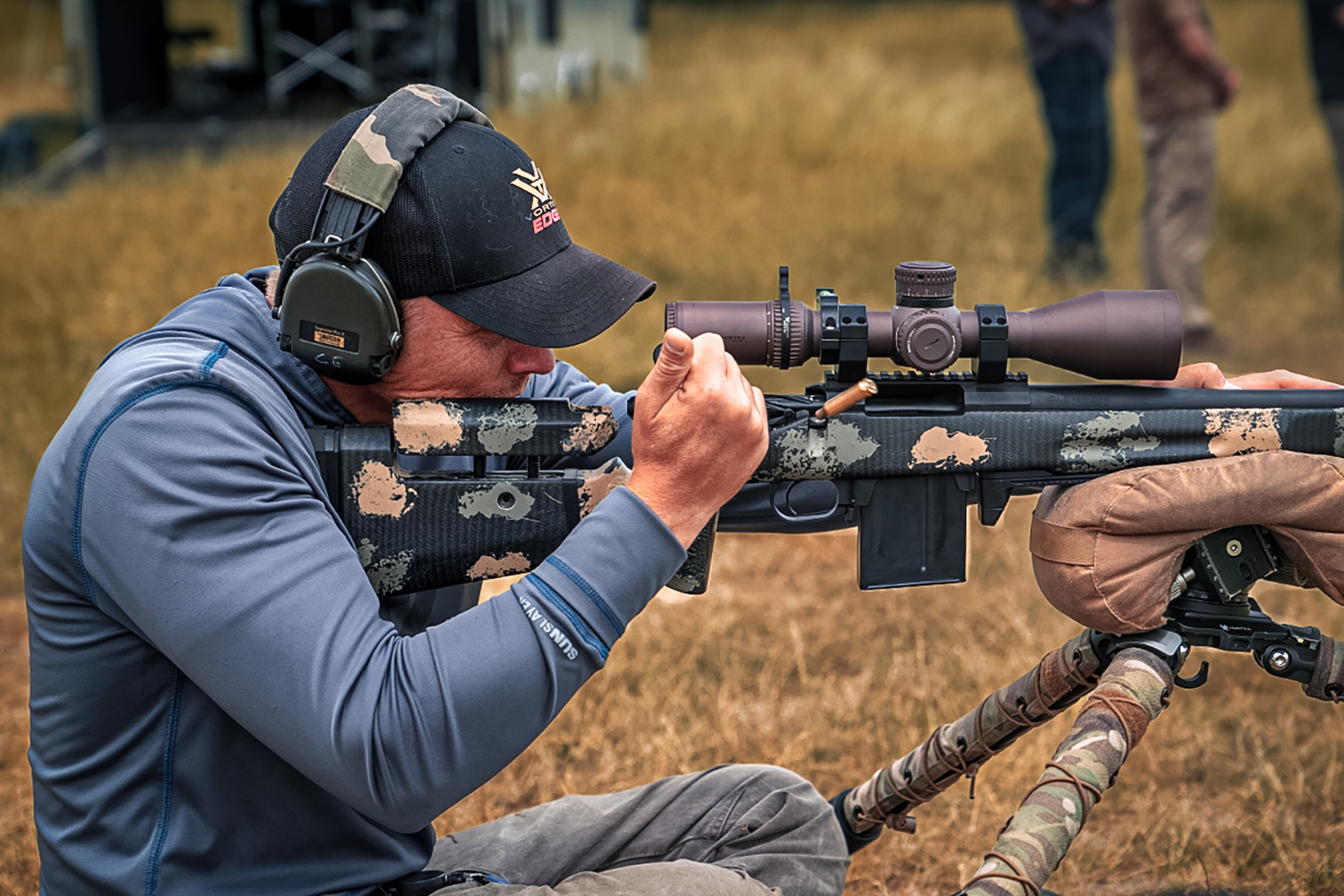
The technique takes practice. Too much pressure and you'll fatigue quickly and introduce tremor. Too little and you get the hop. There's a sweet spot where the crosshair is steady and you can maintain the position for 10-15 seconds comfortably. Finding it is a matter of dry-fire reps, not gear purchases.
Products worth comparing
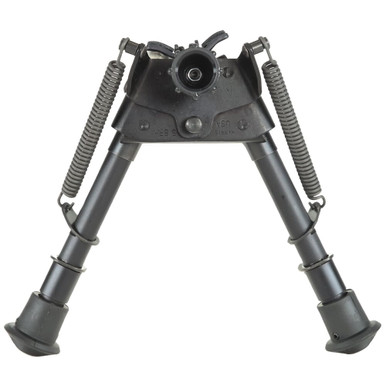
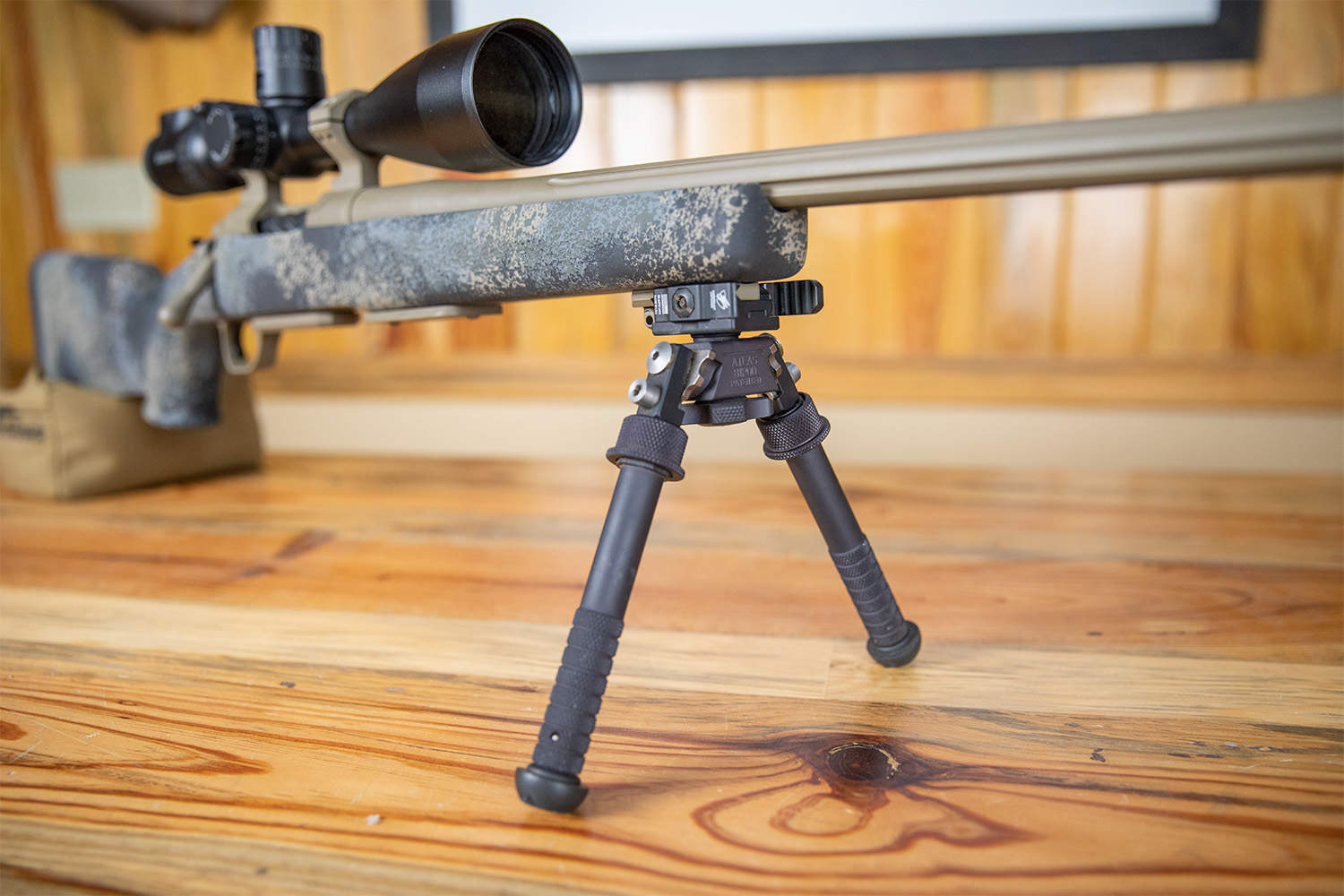
The Atlas BT46-LW17 PSR is the most popular bipod in PRS competition, and the data backs it up; survey after survey shows it at or near the top of pro usage. The legs deploy quickly, the cant and pan are smooth, and the build quality is excellent. It mounts via a 1913 Picatinny rail adapter or an ARCA clamp. The Harris S-BRM is the budget king and has been for decades. It's heavier, has no pan or cant, and the legs are stiffer than they need to be, but it works, and at a fraction of the Atlas price. Many competitive shooters started on a Harris and upgraded later. The MDT CKYE-POD is the feature-rich option with adjustable cant, pan, and leg extension that's faster than any competitor. It's tall enough for barricade shooting without additional risers. The Accu-Tac FC-5 G2 splits the difference with solid construction and a more accessible price than the Atlas, though the leg lockup isn't quite as refined. The Area 419 ARCA Clamp Adapter isn't a bipod itself, but deserves mention; if your stock or chassis has an ARCA rail, switching to ARCA-compatible bipod mounting makes attachment and removal a two-second operation instead of a wrench job.
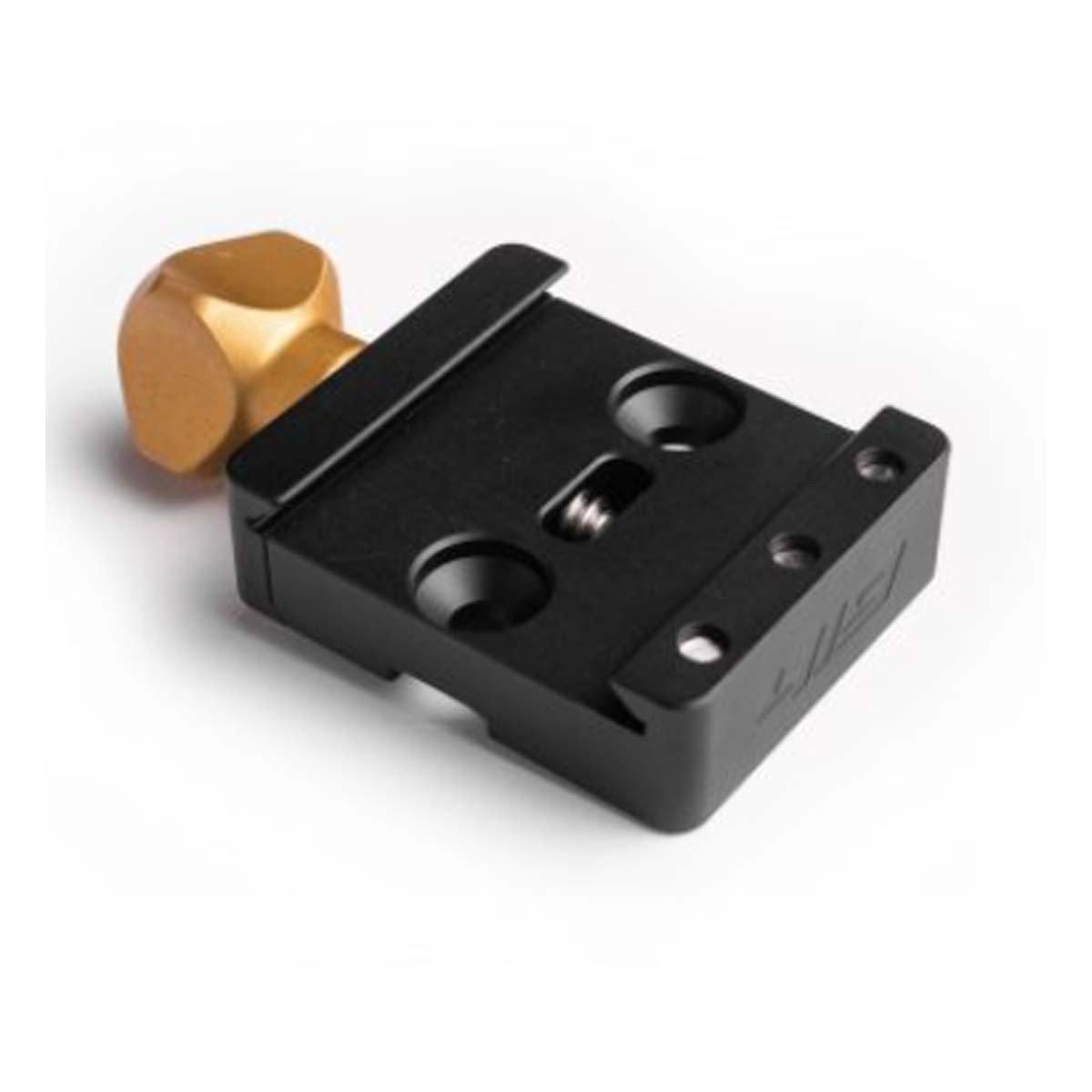
Area 419 ARCA Clamp Adapter Deals
Prices may change. May contain affiliate links.

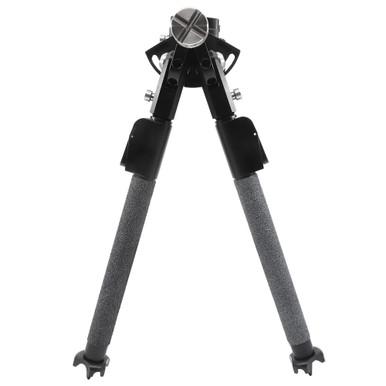
MDT CKYE-POD Deals
Prices may change. May contain affiliate links.
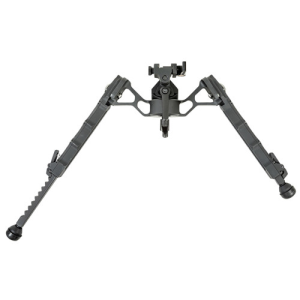
Accu-Tac FC-5 G2 Deals
Prices may change. May contain affiliate links.
Harris S-BRM Deals
Prices may change. May contain affiliate links.
Range notes
The difference between an Atlas PSR and a Harris becomes obvious the first time you shoot on ground that isn't perfectly flat. The Atlas cants smoothly to level the rifle; the Harris just sits there crooked. On a flat bench, the performance gap shrinks dramatically. If most of your shooting is from a bench or a flat firing line, the Harris is fine. If you shoot field positions, uneven terrain, or PRS-style stages, the Atlas or CKYE-POD investment pays for itself immediately.
4. Rear bag
Here's the accessory that makes the biggest difference for the least money, and almost everyone buys it last. A rear bag supports the buttstock and lets you make fine elevation adjustments by squeezing or relaxing your grip on it. Without one, your support hand is doing something vague under the stock, maybe gripping the toe, maybe just hanging there, and your vertical consistency suffers.
How a rear bag actually works
You place the bag under the toe of the buttstock. By squeezing the bag, it compresses and lowers the rear of the rifle slightly. Relaxing raises it. This gives you a fine elevation adjustment that's faster and more precise than tweaking your bipod legs or dialing your turret for small corrections. During a string of fire, you make micro-adjustments between shots by varying bag pressure. The result is faster follow-up shots with the crosshair already on or near the target.
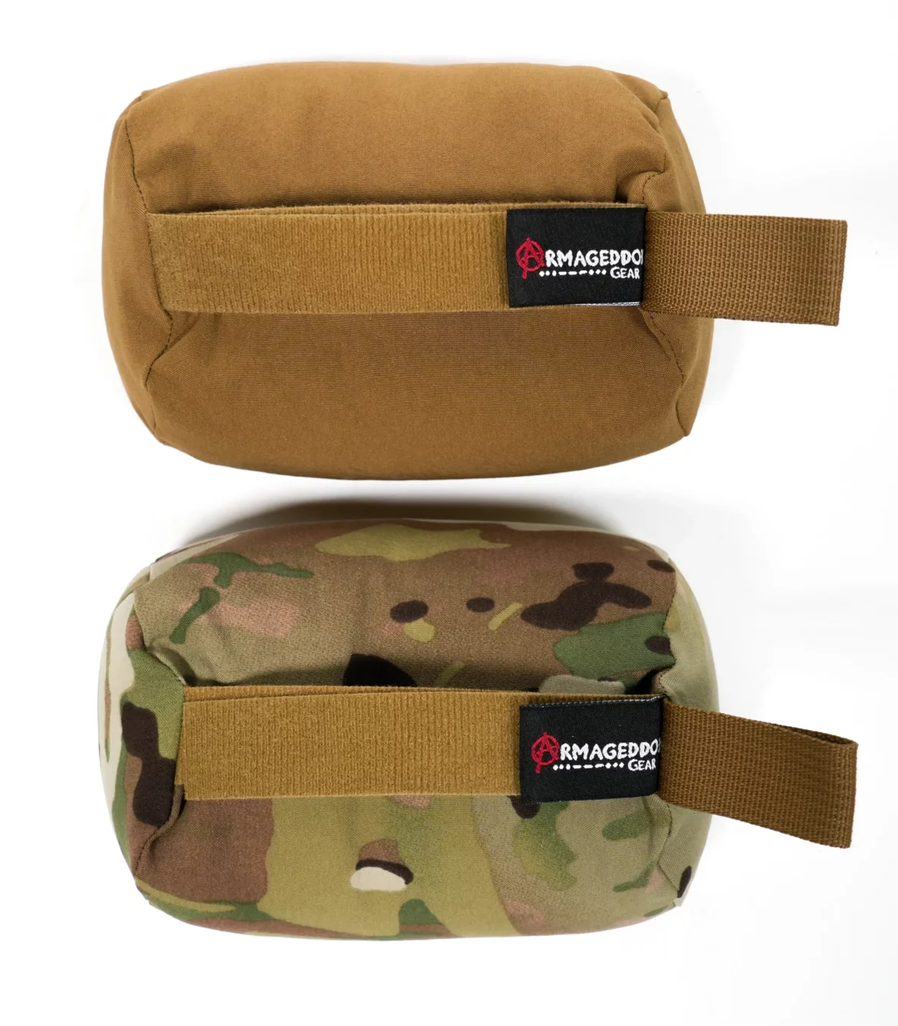
The bag's fill material matters. Sand is heavy and firm, which is good for a static bench but miserable to carry. Plastic beads (like those in Tab Gear and Wiebad bags) are lighter and conform to the stock shape better. Some shooters use waxed bags that grip the stock surface and prevent the rifle from sliding during recoil. The right fill depends on whether you're shooting from a bench, prone in a field, or off barricades.
Bag shape matters too. A simple pillow-style bag works for bench shooting. An ear-style bag (two raised sides with a channel in the middle) captures the stock and prevents lateral movement. For PRS and NRL competition, the ear-style bags dominate because they provide lateral stability on uneven surfaces and barricades.
Products worth comparing
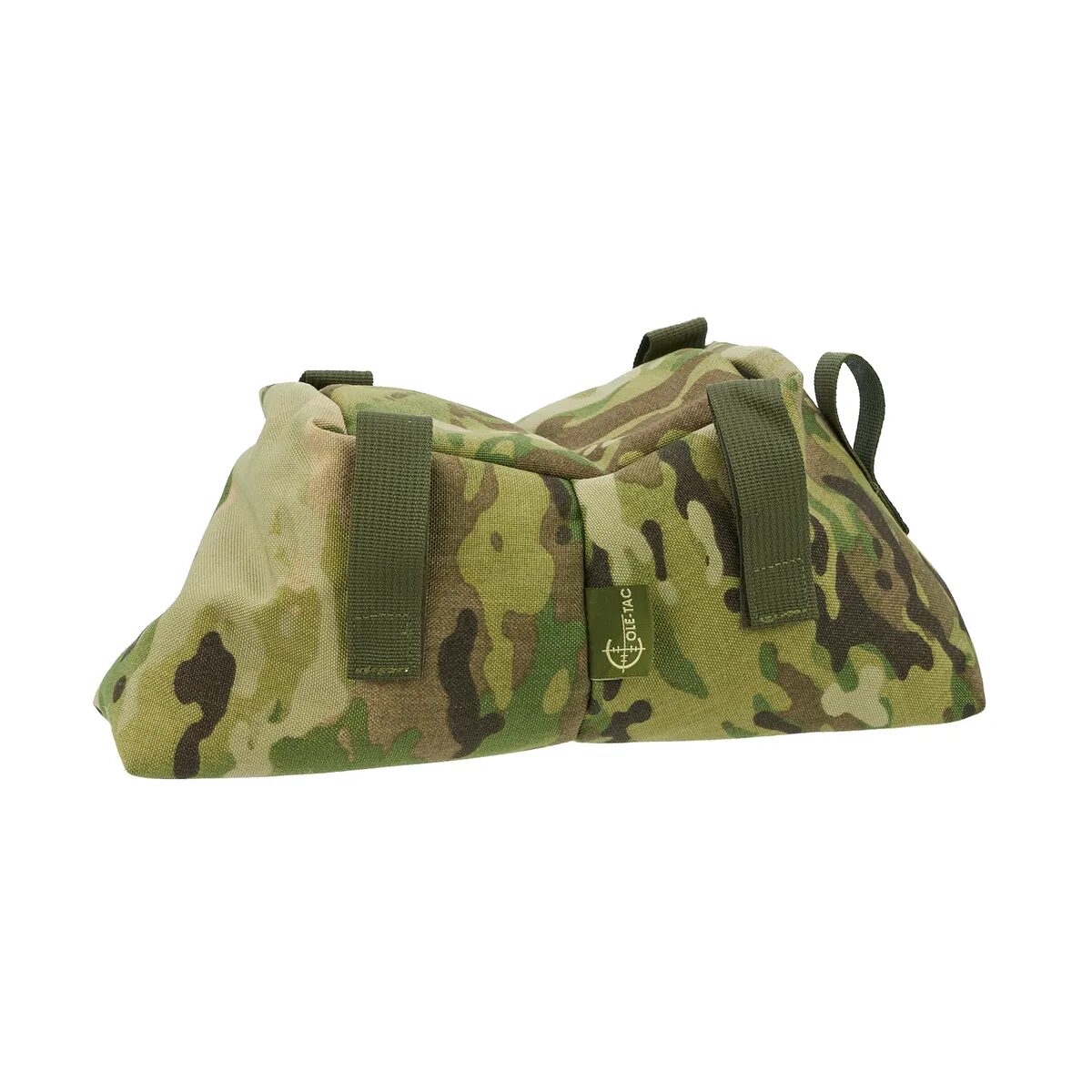
The Tab Gear Rear Bag is a staple in the precision rifle community. The waxed canvas exterior grips stocks without slipping, and the fill is consistent enough to give reliable squeeze response. They come in multiple sizes, and the medium works for most bolt guns. Wiebad Mini Fortune Cookie is a versatile bag that works as a rear support, a barricade bag, or a makeshift front rest. It's not specialized, but its flexibility makes it the one bag that goes everywhere. The Armageddon Gear Pint-Sized Game Changer is a compact rear bag that fits easily in a pack and provides surprisingly stable support given its size. The Cole-TAC Rear Bag uses a similar waxed fabric approach to Tab Gear with slightly different dimensions that some shooters prefer for specific stock profiles.
Cole-TAC Rear Bag Deals
Prices may change. May contain affiliate links.
Most shooters end up owning three or four bags within a year. Start with one good ear-style rear bag and add specialized bags as your shooting demands clarify.
5. Chassis or stock upgrade (maybe)
Notice the "maybe." This is fifth on the list for a reason. A lot of new precision rifles ship with chassis systems or stocks that are perfectly adequate. The Ruger Precision Rifle comes in a folding chassis. The Bergara HMR series has a mini-chassis stock. Christensen Arms' MPR Competition ships with a carbon fiber stock and adjustable cheek piece. If your rifle already has an adjustable cheek piece, a flat forend for bipod mounting, and a length-of-pull that fits you, don't change anything yet. Shoot it for 500 rounds first.

Ruger Precision Rifle Deals
Prices may change. May contain affiliate links.
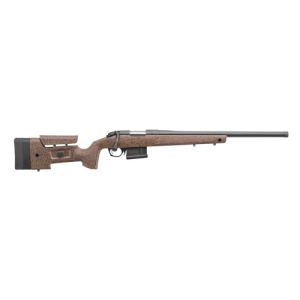
Bergara HMR series Deals
Prices may change. May contain affiliate links.
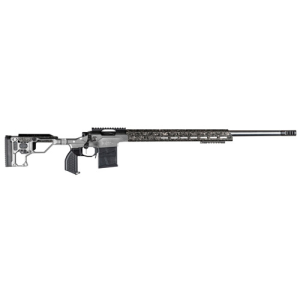
Christensen Arms MPR Competition Deals
Prices may change. May contain affiliate links.
The mistake everyone makes is swapping the stock before they know what they actually need from a stock. Adjustable cheek height, adjustable length-of-pull, a wider forend, a different grip angle, ARCA rail compatibility, these are all legitimate reasons to upgrade, but you won't know which ones matter to your shooting until you have trigger time.
When a chassis makes sense
A chassis system replaces the stock entirely with an aluminum or polymer frame that the barreled action drops into. The advantages are rigidity, modularity, and consistent bedding. The action bolts directly to a machined aluminum block, which eliminates the bedding inconsistencies that can plague traditional wood or fiberglass stocks. You can swap grips, adjust every dimension, and add accessories via M-LOK or Picatinny slots.
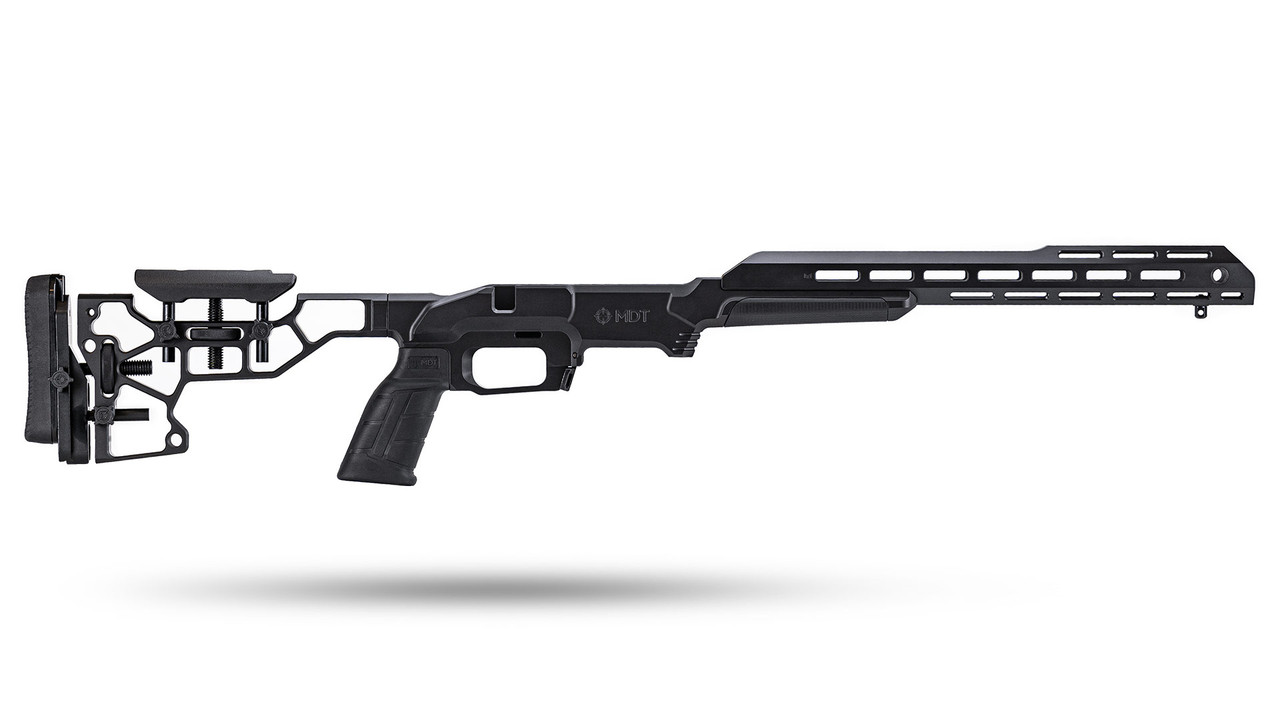
The downside is weight. A chassis system typically adds 1-2 pounds over a traditional stock. If you're hunting and carrying the rifle for miles, that matters. If you're shooting from a bench or a firing line, it doesn't.
Ergonomics you can actually measure
Cheek riser height determines whether your eye naturally falls behind the scope at the correct height, or whether you have to scrunch or crane your neck to get a full sight picture. An adjustable cheek piece lets you dial this in. If your current stock has a fixed comb and you're pressing your face down hard to see through the scope, that's a chassis/stock problem worth solving.
Length of pull affects trigger reach. Too long and you're stretching for the trigger, which pulls the rifle into your shoulder inconsistently. Too short and you're cramped, which creates tension in your neck and shoulder. Most chassis systems adjust LOP via spacers at the buttpad. The correct LOP puts the first pad of your index finger on the trigger face with your shoulder comfortably in the buttpad pocket, no reaching or cramping.
Grip angle is the underrated dimension. A vertical grip (like an AR pistol grip) positions your trigger finger differently than a traditional angled stock grip. Neither is objectively better, but one will feel more natural to you, and the more natural grip produces less sympathetic movement when you press the trigger. If you've shot ARs for years, a vertical grip on your bolt gun will feel like home.
Products worth comparing
The MDT ORYX Chassis is the entry point for chassis systems. It's affordable, fits a huge range of actions, and has adjustable cheek and LOP. The forend is M-LOK compatible and has an ARCA rail option. It's not as refined as higher-end options, the adjustments are functional but not silky, but it gets the job done. The MDT XRS Chassis is a step up with better ergonomics, a more comfortable grip, and improved adjustment mechanisms. The MasterPiece Arms BA Competition Chassis is what a lot of PRS shooters run. The build quality is excellent, the adjustments are precise, and the barricade stops are integrated. It's heavier and more expensive, but the ergonomic refinement is noticeable. The KRG Bravo is a chassis-stock hybrid that looks like a traditional stock but has chassis-level rigidity and adjustment. Good option if you want the performance without the tactical aesthetic. The Grayboe Phoenix 2 takes a different approach; it's a fiberglass stock with an internal aluminum bedding block, combining traditional stock weight savings with chassis-like consistency. Popular with shooters who want to keep the rifle light.
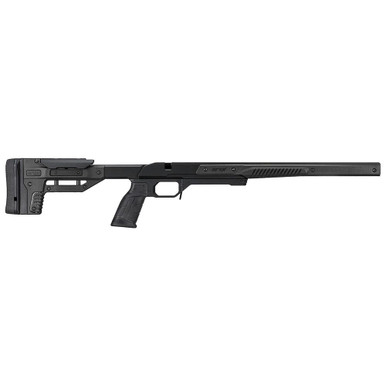
MDT ORYX Chassis Deals
Prices may change. May contain affiliate links.
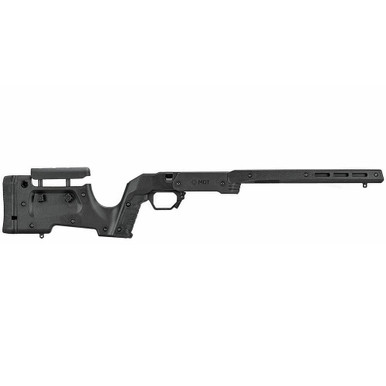
MDT XRS Chassis Deals
Prices may change. May contain affiliate links.
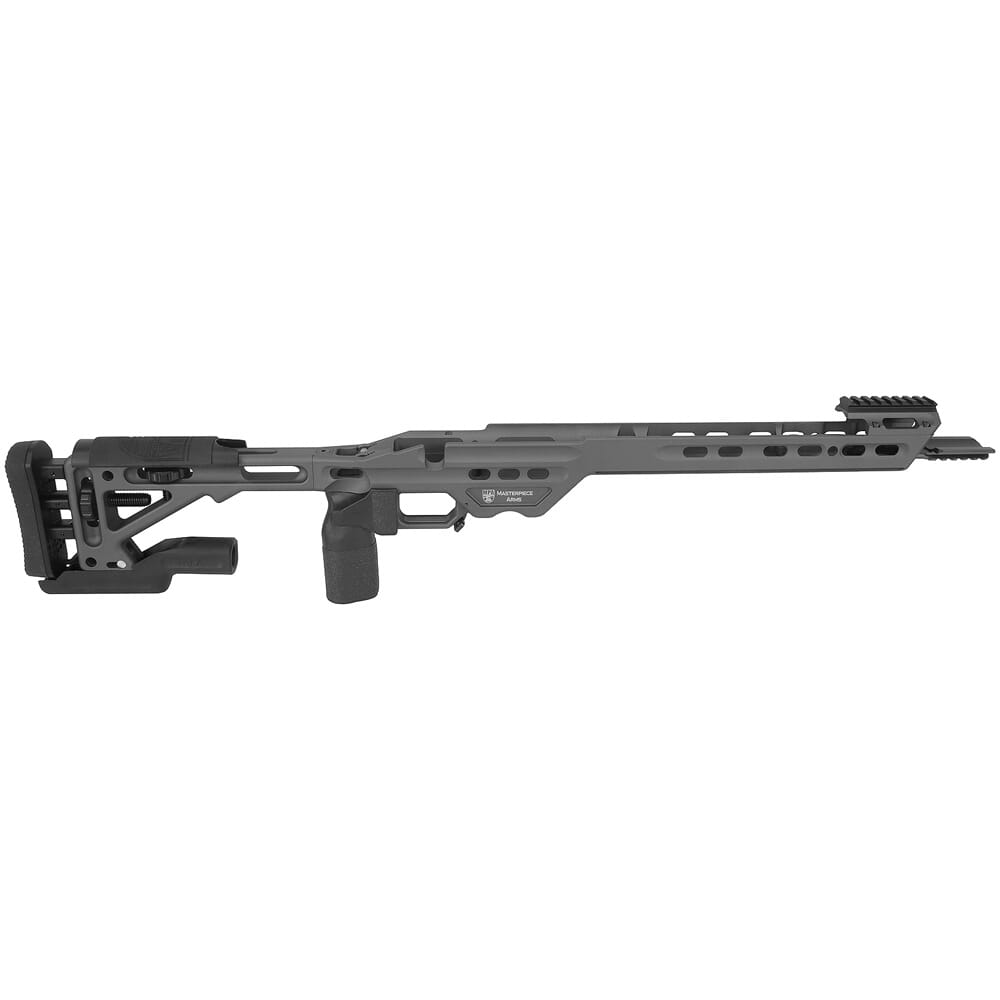
MasterPiece Arms BA Competition Chassis Deals
Prices may change. May contain affiliate links.
What you'll notice
Dropping an action into a proper chassis for the first time, the fit is immediate and obvious. There's no slop between the action and the chassis; the action screws pull everything tight against machined surfaces. Compare that to a factory injection-molded stock where the action sits in a slightly oversized pocket with maybe a thin aluminum bedding block. The chassis rifle feels like one piece. The factory stock rifle feels like two pieces bolted together, because it is.
The mistakes that cost you time and money
A few errors show up repeatedly with new precision rifle setups, and they're all avoidable.
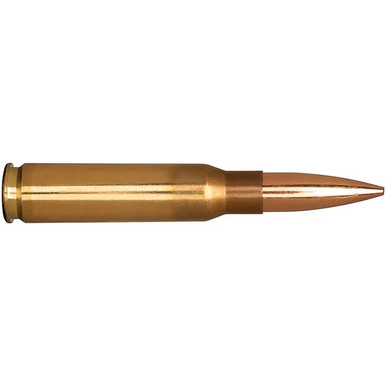
Berger Juggernaut ammunition Deals
Prices may change. May contain affiliate links.
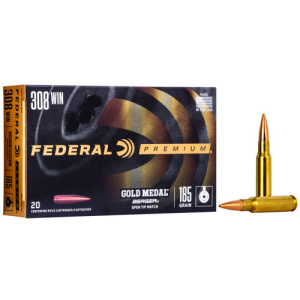
Federal Gold Medal ammunition Deals
Prices may change. May contain affiliate links.
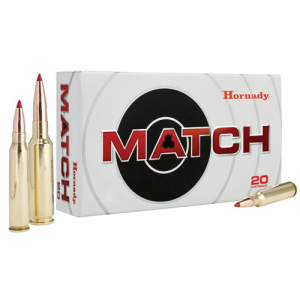
Hornady ELD Match ammunition Deals
Prices may change. May contain affiliate links.
Buying accessories out of order is the big one. A $300 bipod on a rifle with no optic is useless. A $2,000 scope in $30 rings is a liability. The sequence above exists because each piece depends on the one before it.
Skipping the torque wrench ranks second. Every connection in the system, including scope ring screws, action screws, bipod mount and rail screws, has a torque spec. Guessing with a regular Allen key means some screws are too tight and others are too loose. A $30 inch-pound torque wrench is the most cost-effective accuracy tool you'll buy.
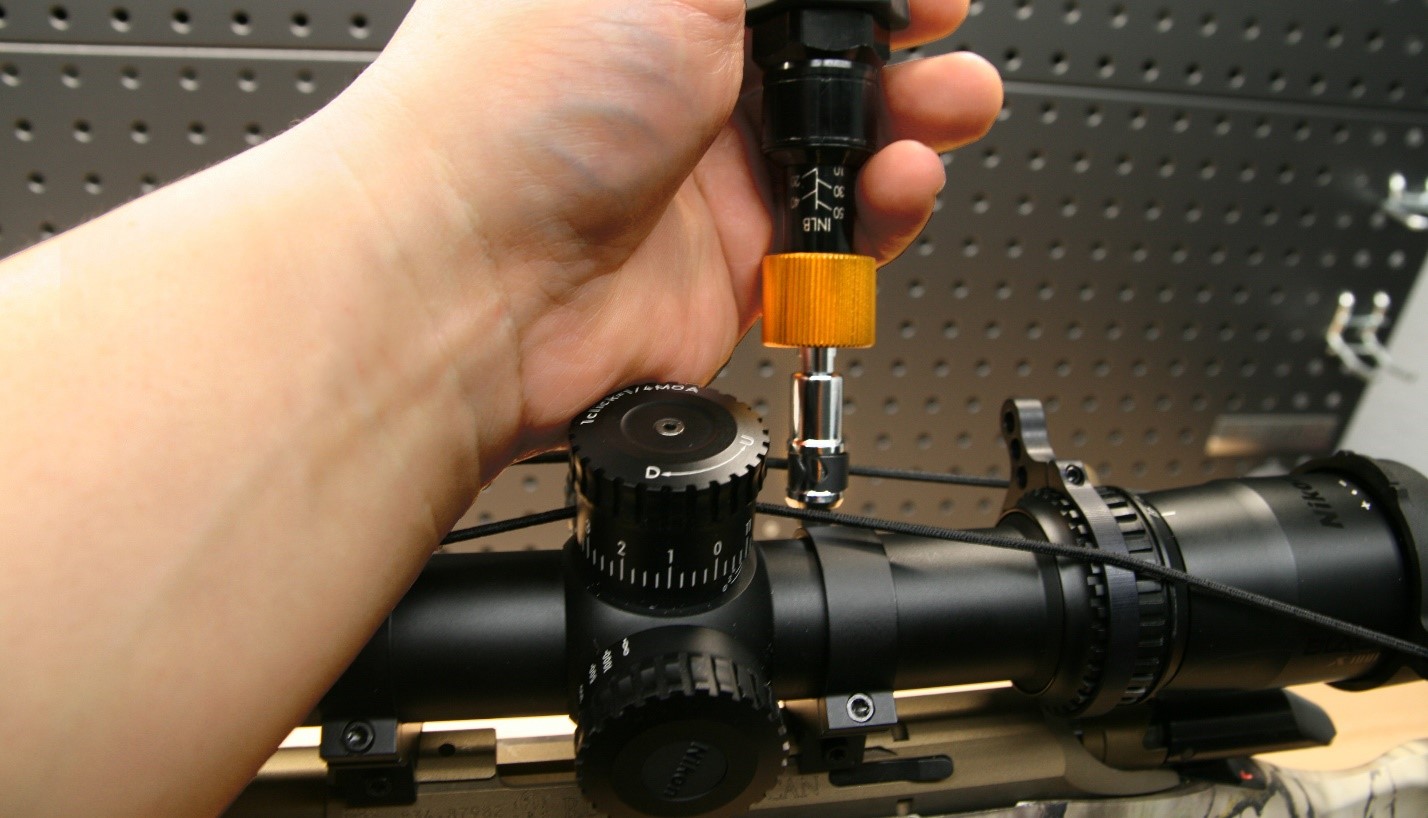
Over-accessorizing before shooting is third. You don't need a bubble level, a throw lever, a sunshade, a custom bolt knob, and a muzzle brake before you've fired the first round. Shoot the rifle. Identify what's actually limiting you. Then buy the thing that fixes that specific problem.
Not cleaning the rifle before first use catches people too. Factory rifles ship with preservative oils and sometimes metal shavings in the action or barrel. A quick bore snake pass and action wipe-down before your first range trip prevents false impressions about accuracy.
And finally, ignoring ammunition quality. Your rifle system is only as precise as the ammo feeding it. Factory match ammunition (Federal Gold Medal, Hornady ELD Match, Berger Juggernaut) will outperform bulk ammo by a dramatic margin. If you're evaluating your new setup, use the best ammo available. You can optimize ammo cost later once you know the rifle and accessories are performing correctly.
What to do at the range
Once you have these five accessories sorted: mount, optic, bipod, rear bag, and a stock you're either keeping or have upgraded, the first range session has a specific agenda. Zero at 100 yards. Confirm zero with a three-round group. Run a box test or tall target test on the scope. Shoot a five-round group to establish a baseline. Then start pushing distance in 100-yard increments, confirming your turret dials match actual impact shift at each distance.
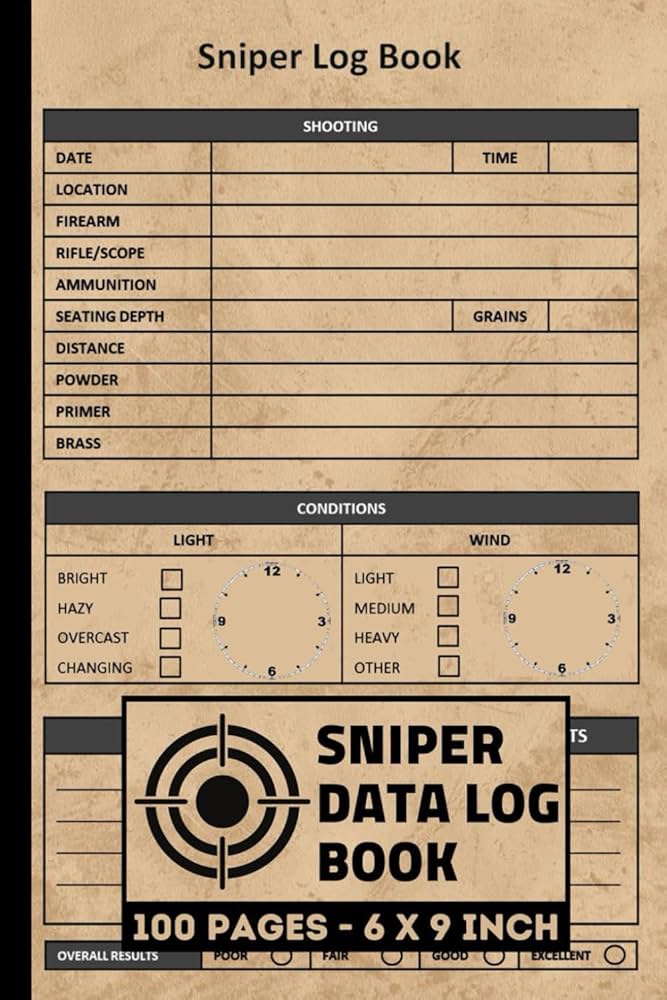
Log everything. Round count, temperature, wind, group size, turret settings. The log is what tells you whether a future accessory change actually improved anything or just felt different. Without data, you're guessing, and guessing is expensive when the components cost what they cost.
The rifle is the starting point. These five accessories turn it into a system. Get them right, in the right order, and you'll spend your range time shooting instead of troubleshooting.