Your soldier just ran a double-tap drill and the bolt locked forward with a spent case still jammed in the chamber. The immediate action drill; slap, pull, observe, release, tap, shoot, or SPORTS if that's how your unit learned it; didn't fix it. Now you've got a dead rifle on the firing line and a line of shooters behind schedule. The RSO is looking at you. The armorer is back at the arms room. And you're trying to figure out whether this is a dirty rifle, a broken extractor, a bad magazine, or something worse.
Failures to extract are the most misdiagnosed malfunction on the M4A1. Soldiers call everything a "jam," armorers blame everything on cleaning, and the real root cause gets kicked down the road until the next range day when the same rifle does the same thing. The TM gives you a troubleshooting matrix, but it reads like a parts catalog, not a diagnostic tool. What units actually need is a decision tree; a logical sequence of checks that starts with the most common cause and works toward the least common, so you're not replacing bolt assemblies when the problem is a gunked-up chamber.
That's what this is. A step-by-step diagnostic flow for M4A1 extraction failures, built around what actually breaks, what actually gets neglected, and what the arms room can fix before the next range.
What "failure to extract" actually means
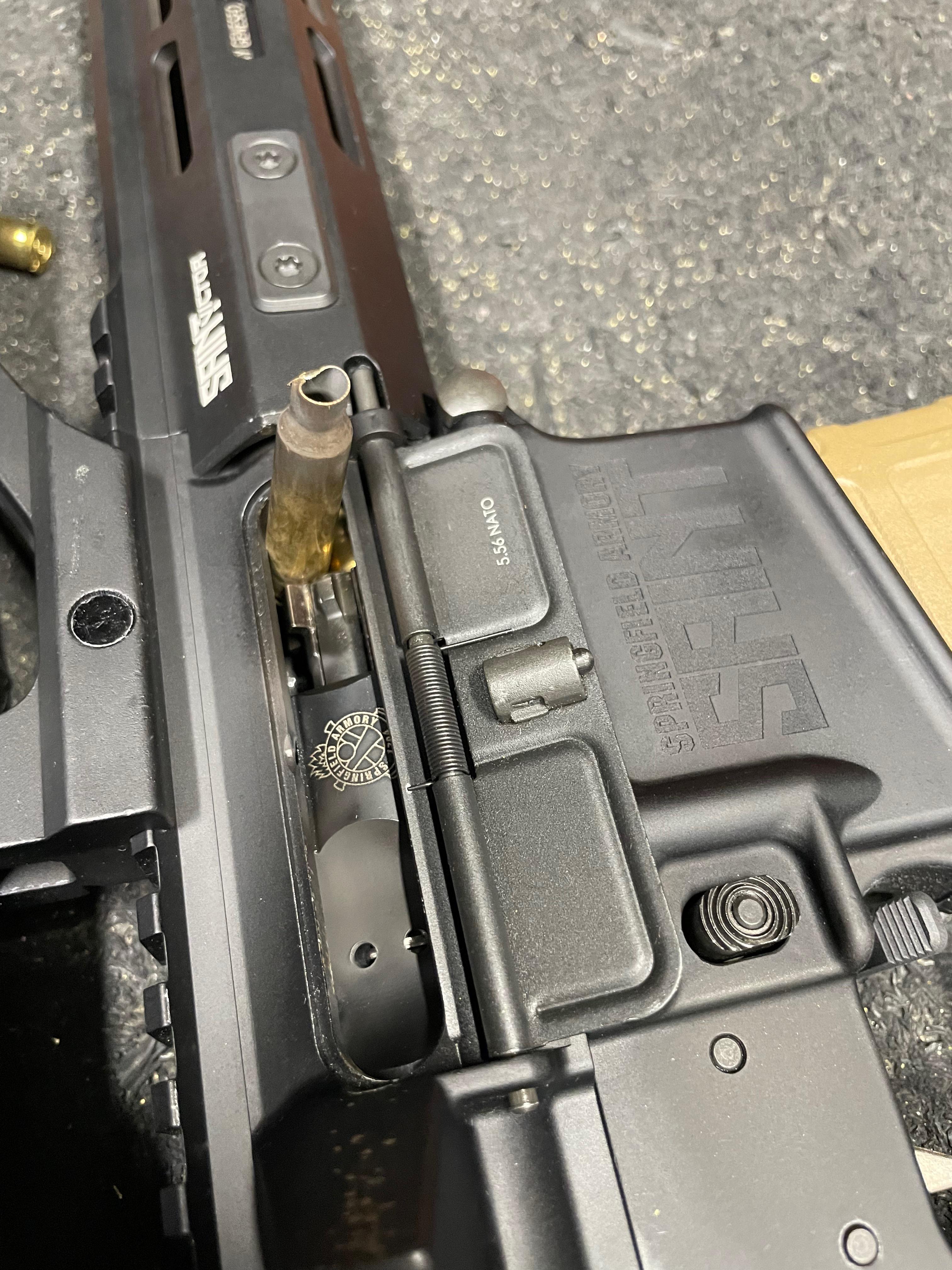
Before working the decision tree, the terminology needs to be precise. A failure to extract means the bolt cycled rearward but did not pull the spent cartridge case out of the chamber. The case stays seated; partially or fully; and the bolt either rides forward over it, tries to feed a new round into the back of the stuck case, or locks up entirely.
This is different from a failure to eject, where the extractor successfully pulls the case from the chamber but the case doesn't clear the ejection port. Stovepipes are failures to eject. Brass-over-bolt malfunctions are failures to eject. A spent case welded into the chamber with a live round trying to stack behind it; that's a failure to extract.
The distinction matters because the causes are completely different. Failure to eject points you toward the ejector, the ejector spring, or short-stroking from gas system issues. Failure to extract points you toward the extractor, the chamber, the ammunition, or; less commonly; the gas system running so weak the bolt never unlocked at all.
TM 9-1005-319-10 groups these under "Bolt fails to unlock" and "Cartridge case remains in chamber" in its troubleshooting tables. The -23&P manual gets more specific on component-level diagnosis. But neither one gives you a prioritized sequence. They list possible causes alphabetically or by assembly, not by likelihood. The decision tree below is organized by probability; most common cause first.
The decision tree
Think of this as a flowchart you can run in your head on the firing line or back at the cleaning table. Each node is a question. The answer sends you down a branch. Start at the top every time.
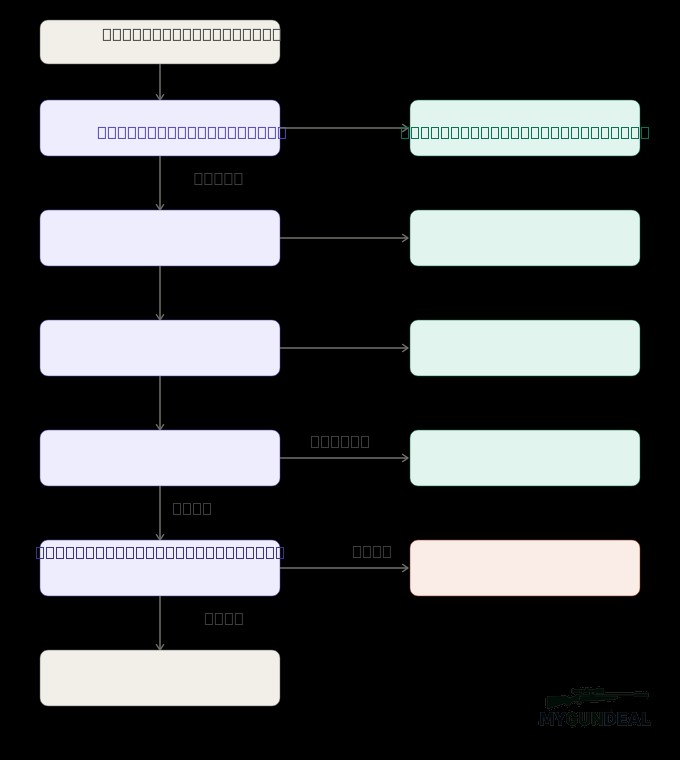
Node 1: Is the chamber clean?
This is first because it's the cause roughly 60-70% of the time, and it's the one soldiers most consistently get wrong during PMCS (preventive maintenance checks and services).
The M4A1 chamber has a specific geometry that matters here. It's a 5.56 NATO chamber, which is slightly larger than a .223 Remington commercial chamber, and it has a leade (the unrifled throat ahead of the case mouth) designed to handle military ball ammunition at higher pressures. But the critical feature for extraction is the chamber walls themselves. When a round fires, the brass case expands outward against those walls under approximately 52,000 PSI of chamber pressure. After the bullet leaves and pressure drops, the brass is supposed to spring back slightly; enough for the extractor to yank it free.
If the chamber walls are fouled with carbon, copper residue, or; worst case; light surface corrosion, the brass can't contract enough. It stays friction-fit against the chamber walls. The extractor pulls, the case doesn't move, and either the extractor slips off the rim or the rim tears.
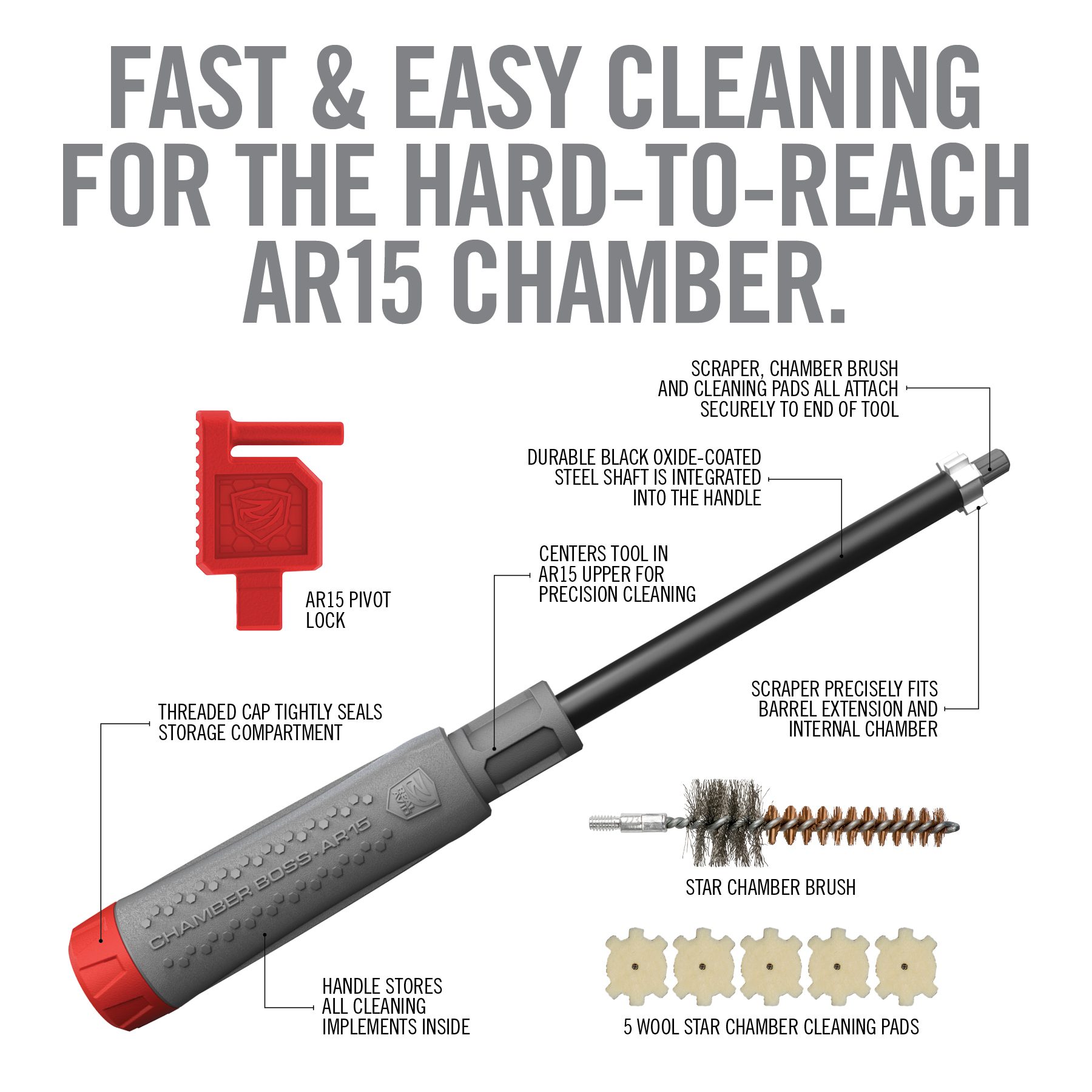
Here's the thing most soldiers miss: you can have a bolt carrier group that's dripping with CLP and a bore that's mirror-clean, and still have a filthy chamber. The chamber is the part that gets neglected because it's hard to see and awkward to clean. A standard bore brush pushed through from the muzzle or breech end scrubs the rifling but barely touches the chamber walls. The chamber brush; that short, fat, aggressive-looking brush that comes in the cleaning kit and looks like it belongs on a different weapon; is the tool that actually matters. Most soldiers don't use it. Some units don't even issue them consistently.
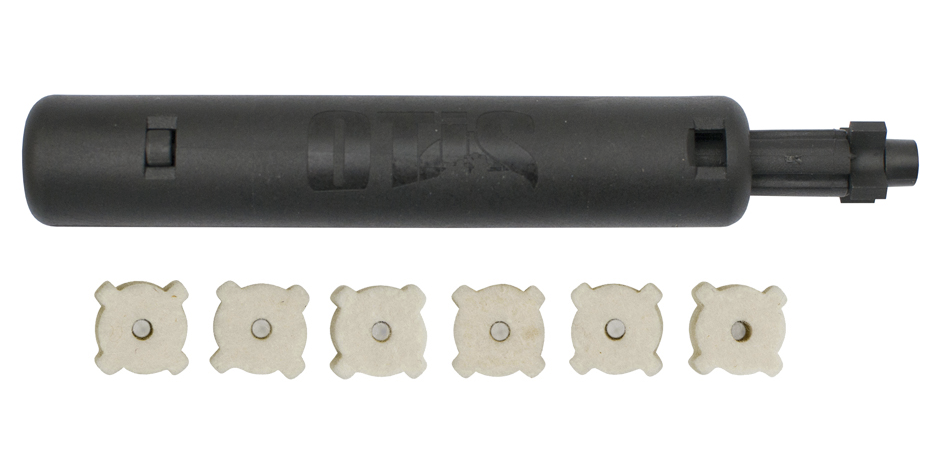
The check is simple. Lock the bolt to the rear. Look into the chamber with a light. You're looking for a dark carbon ring at the neck area of the chamber (where the case mouth sits) and any roughness or buildup on the chamber walls. Run a finger along the chamber if you can reach; you'll feel the carbon before you see it.
The fix is the chamber brush, CLP, and elbow grease. Run the chamber brush in and out fifteen to twenty times with solvent, then dry-patch, then lightly oil. If you've got a stuck case in there right now, a cleaning rod from the muzzle end with a firm push will usually knock it free. If it won't come free with a cleaning rod, you've got a more serious problem; possibly a case head separation, which means part of the case is still in the chamber and you need the armorer and a broken shell extractor.
If the chamber is clean and you're still getting extraction failures, move to Node 2.
Node 2: Check the extractor and extractor spring
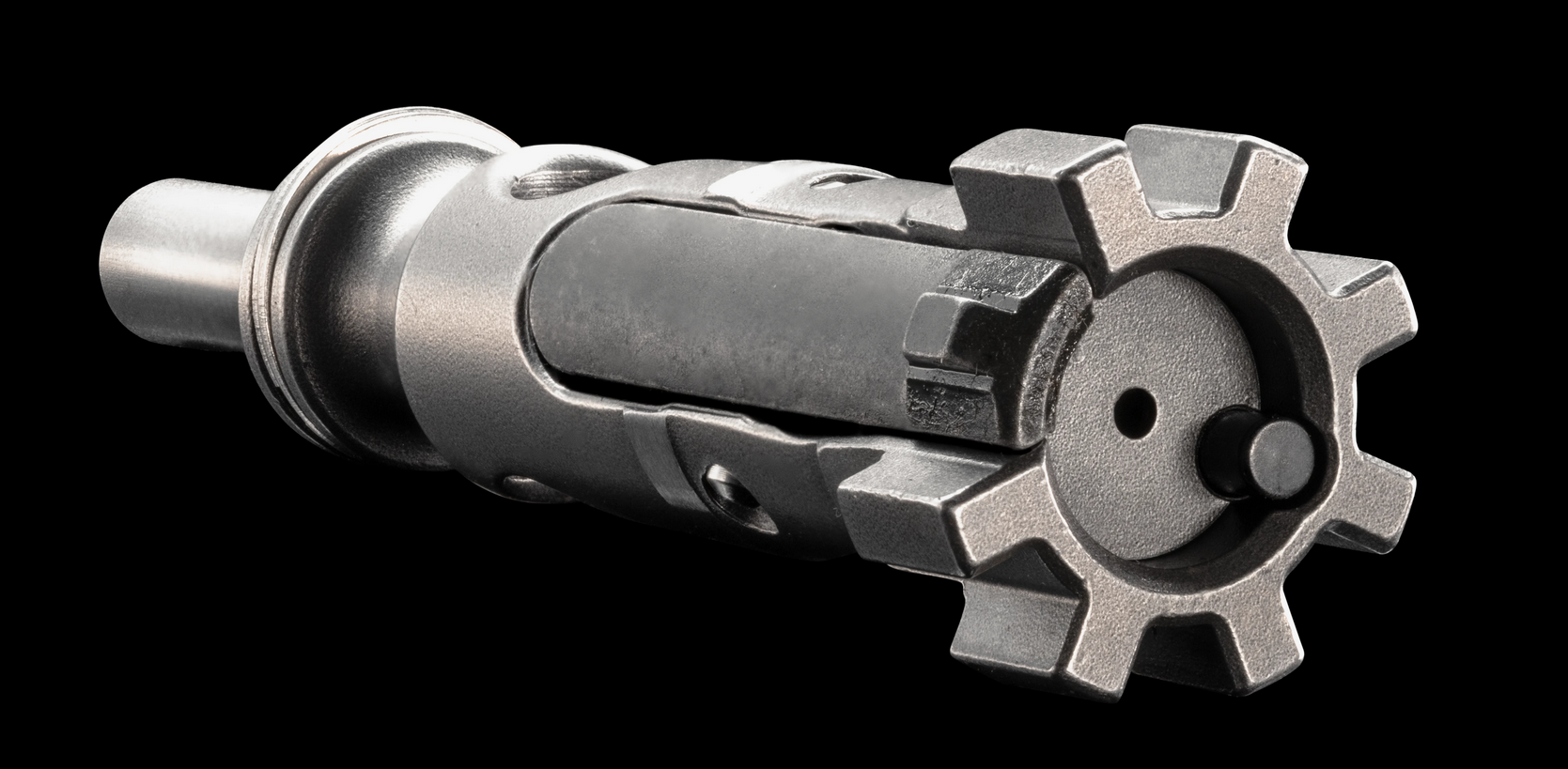
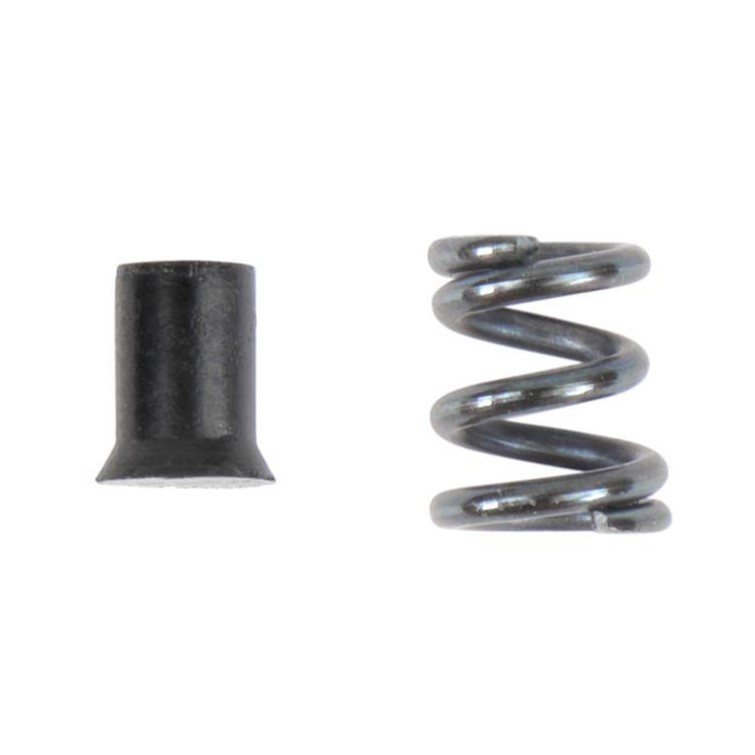
The extractor is a small, hook-shaped claw on the bolt face that snaps over the rim of the cartridge case as the bolt goes into battery. It's held in tension by the extractor spring, which on the M4A1 includes a rubber insert (the extractor spring insert, sometimes called the "doughnut" or the "D-ring") that boosts spring tension.
This is the second most common failure point, and it degrades gradually. The extractor spring loses tension over thousands of rounds. The rubber insert compresses and takes a set. The extractor claw itself can chip, crack, or wear down at the hook. Any of these reduces the extractor's grip on the case rim, and when combined with even mild chamber fouling, the extractor slips and the case stays put.

Chamber Boss AR-15 chamber cleaning tool Deals
Prices may change. May contain affiliate links.
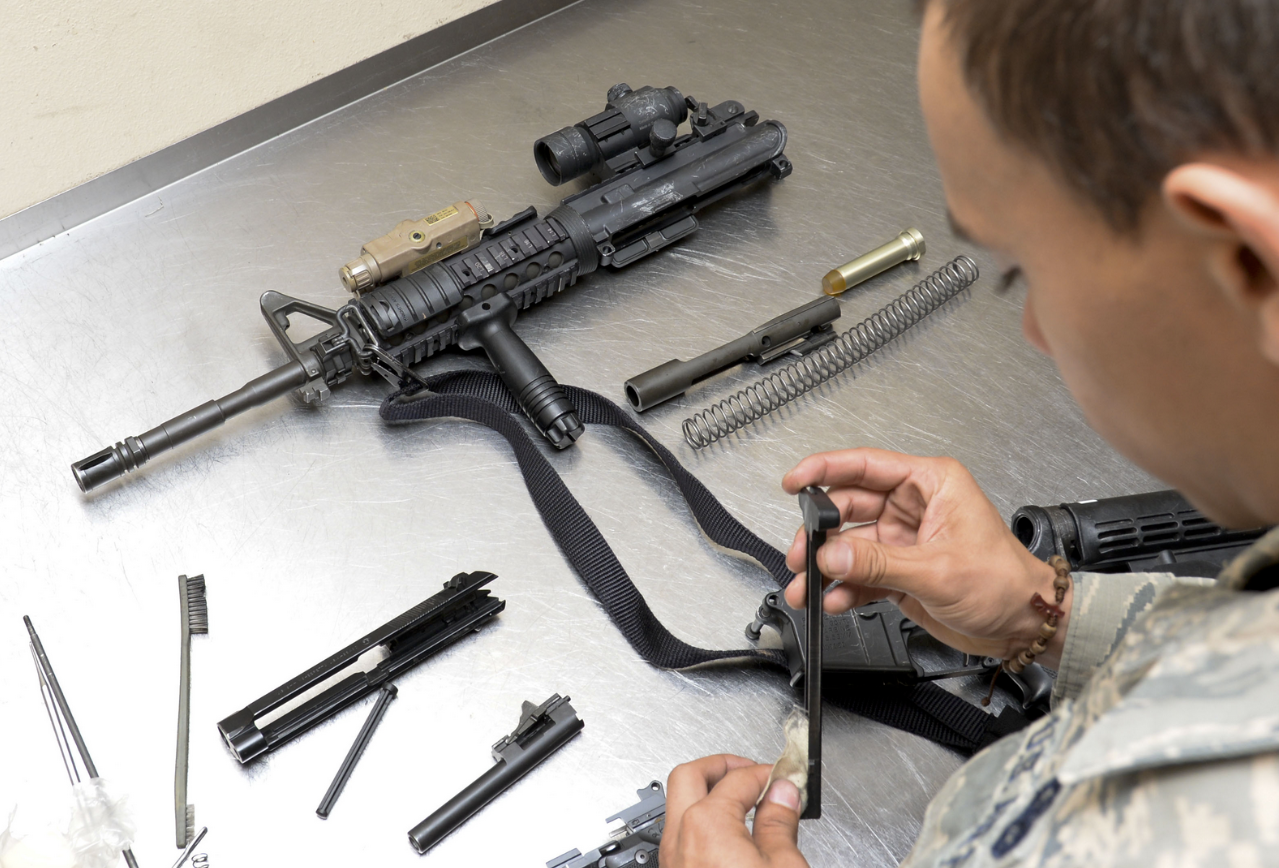
The check: Remove the bolt from the bolt carrier. This is operator-level maintenance per the -10 TM; push out the firing pin retaining pin, pull the firing pin, rotate the cam pin 90 degrees and pull it out, then slide the bolt forward out of the carrier. Now look at the extractor. The claw should have a sharp, defined hook with no chips or rounding. Push the extractor in with your thumb; it should have strong, positive spring tension and snap back into place when released. If it feels mushy, weak, or doesn't snap back, the spring or insert is shot.
A worn extractor spring is one of those things that won't show up on a functions check. The weapon will pass PMCS, the bolt will go into battery, the extractor will snap over a round during hand-cycling. But under the violence of actual firing; where the bolt is unlocking and yanking a pressure-expanded case out of a hot chamber at high speed; that marginal spring tension isn't enough.
The arms room fix: Replace the extractor spring and insert. This is a -23&P level task, meaning unit armorers can do it. A new extractor spring and black insert (the current-issue improved insert, which replaced the older blue insert) costs almost nothing and takes about two minutes to swap. If the extractor claw itself is damaged, the whole extractor gets replaced; also a quick armorer-level job.
Here's a detail that gets missed: the M4A1 extractor spring insert has gone through several generations. The original was a blue rubber ring. Then came the gold "D-ring" or D-fender insert, which was a significant improvement in spring tension. Current issue is a black insert. If your unit's rifles still have blue inserts, they're running decades-old parts, and extraction reliability will suffer. A quick visual check during bolt disassembly tells you which generation you've got.
If the extractor and spring check out fine, move to Node 3.
Node 3: Inspect the ammunition
This one surprises people, but ammunition is a real and underappreciated cause of extraction failures. There are two ammunition-related issues that cause extraction problems: case dimensions and case material.
Military 5.56 NATO ammunition is manufactured to NATO STANAG specifications with brass cases. But not all brass is created equal, and not all lots are identical. Ammunition that has been stored improperly; exposed to moisture, temperature extremes, or physical damage to the cases; can have corroded or dimensionally out-of-spec cases. A case with even slightly expanded dimensions before firing will expand further under pressure and grip the chamber walls harder.
The more common ammunition issue on military ranges is mixed lots. Soldiers show up with ammo drawn from different lots, sometimes from different manufacturers, sometimes from different decades. Lot-to-lot variation in case hardness and annealing (the heat treatment that keeps the case neck and shoulder soft enough to expand and contract properly) means some rounds extract cleanly and others stick.
The check: If extraction failures are intermittent; some rounds fire and extract fine, others stick; look at the ammunition. Are you shooting mixed lots? Check the headstamp on the stuck cases versus the ones that extracted normally. If the failures cluster around a specific lot number, you've found your answer.
The other ammunition check: look at the extracted cases that did come out. Are the case heads showing signs of excessive pressure? Flattened primers, cratered primers, or case head expansion beyond normal suggest the ammunition is running hot, which means more case expansion against the chamber walls, which means harder extraction.
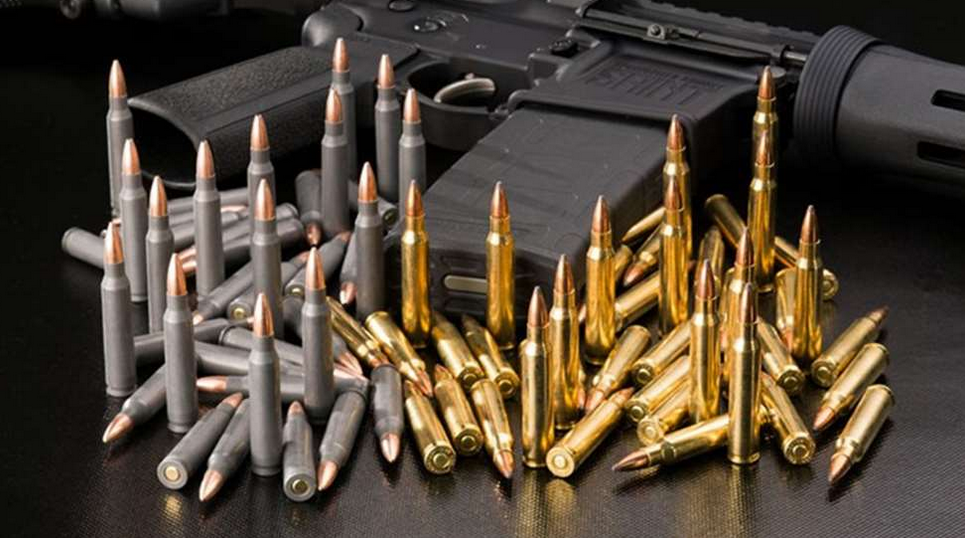
Steel-cased ammunition is not standard military issue, but it shows up in training contexts more than you'd think, especially in Guard and Reserve units supplementing with commercially purchased ammo for unofficial training. Steel cases don't spring back the way brass does. They expand under pressure and largely stay expanded. In a clean, in-spec M4A1 chamber, steel-cased ammo will extract. In a chamber with any fouling or wear, steel-cased ammo will stick. If your extraction failures correlate perfectly with a specific type of ammo, the ammo is your answer.
If the ammunition checks out, move to Node 4.
Node 4: Evaluate the gas system
This is where the diagnosis gets more nuanced. The M4A1 uses a direct impingement gas system; or more accurately, an internal piston system, since the gas pushes directly on the bolt carrier key and the bolt carrier acts as the piston. Gas tapped from the barrel through the gas port travels down the gas tube, enters the bolt carrier key, and pressurizes the space between the bolt and carrier, pushing the carrier rearward while the bolt stays locked for a brief moment. This carrier movement rotates and unlocks the bolt via the cam pin, and then the whole assembly travels rearward together, extracting the spent case.
If the gas system isn't delivering enough gas, the bolt carrier doesn't move rearward with enough force or speed to reliably unlock and extract. This is "short-stroking," and while it's more commonly associated with failures to feed or failures to eject, a severely undergassed system can cause extraction failures too; the bolt technically unlocks but doesn't pull rearward with enough authority to yank a tight case out of the chamber.
There's a persistent myth that the direct impingement system makes the M4 unreliable because gas fouling builds up in the bolt carrier and causes malfunctions. Extensive testing; including the infamous 2007 dust test and subsequent Army evaluations; has shown that the M4's reliability issues are more related to magazine problems and specific environmental conditions than to gas system fouling per se. A properly maintained M4A1 with functioning magazines runs reliably to very high round counts. But "properly maintained" is doing a lot of work in that sentence, and a gas system that's fouled to the point of restricted flow will cause problems.
The gas system checks, in order:
The gas tube should be straight, unobstructed, and properly aligned with the bolt carrier key. A bent gas tube; which happens more often than you'd think from rough handling, drops, or improper barrel nut installation; restricts gas flow. Look down the gas tube with the barrel removed from the upper if possible. It should be a clear, round opening.
The gas key on top of the bolt carrier should be tight. The two screws holding it should not be loose. A loose gas key leaks gas, reducing the energy available to cycle the action. Grab the gas key and try to wiggle it; any movement means it needs to be re-staked and re-torqued by the armorer. This is a common finding on high-round-count rifles and one that's easy to miss during routine PMCS.
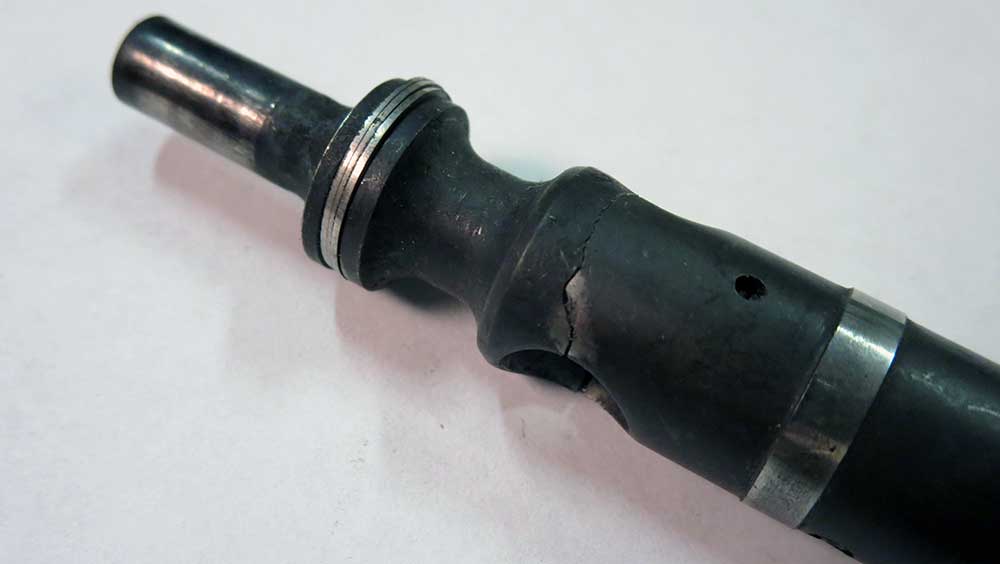
The gas rings on the bolt (three small steel rings that sit in grooves on the bolt body, inside the carrier) seal the gas between the bolt and carrier. If they're worn, gas blows past them instead of pushing the carrier rearward. The standard check: assemble the bolt into the carrier, extend the bolt fully, and stand the whole assembly upright on the bolt face. If the carrier collapses under its own weight, the gas rings need replacement. If it stays extended, the rings are still sealing adequately. This test isn't perfect; it's a static check and doesn't replicate the dynamic pressures of firing; but it's the field-expedient standard and it catches the worst cases.
Gas rings are another consumable that gets overlooked. They're cheap, they're easy to replace, and they wear out. The -23&P lists gas ring replacement as an armorer task. A fresh set of gas rings can transform a sluggish, short-stroking rifle into one that runs like it just left the factory.
One more gas system note: the M4A1 has a 14.5-inch barrel with a carbine-length gas system. This means the gas port is closer to the chamber than on a rifle-length system, which means the bullet passes the gas port at higher pressure, which means the system runs relatively "hot" and "fast." This is actually favorable for extraction; the bolt carrier gets a strong gas impulse. If an M4A1 is short-stroking, something is meaningfully wrong with the gas system, not just marginally degraded.
If the gas system checks out, move to Node 5.
Node 5: Chamber and barrel wear
This is the least common cause on the list, but it's the one that means the rifle needs to go back to depot or get a new barrel. Over tens of thousands of rounds, the chamber erodes. The throat (leade) elongates. The chamber walls can develop roughness from heat erosion and copper fouling that's baked on over years. A chamber that's dimensionally out of spec; even by a few thousandths of an inch; will grip cases differently than a new one.
The check for this is a headspace gauge, which is not a standard operator or unit armorer tool. If you've worked through Nodes 1 through 4 and the rifle is still failing to extract with clean chamber, good extractor, good ammo, and good gas system, the barrel needs to go to direct support maintenance for headspace and chamber inspection.
One thing armorers can check: the bore and chamber with a borescope if one is available. You're looking for pitting, erosion at the throat, or deep carbon deposits in the chamber that won't come out with normal cleaning. A chamber that looks like the surface of the moon has reached the end of its service life.
Barrel life on the M4A1 varies enormously based on ammunition type, firing schedule (sustained fire kills barrels faster than slow fire), and maintenance. The Army generally considers 10,000-20,000 rounds as the service life window, but barrels can go longer with proper care or die sooner with abuse. A barrel that's been used for extensive automatic fire; and the M4A1 is select-fire, capable of full-auto; will wear faster than one used primarily in semi.
The "it's not the rifle" branch
Sometimes you've worked the entire decision tree, the rifle checks out, and you're still getting extraction failures on the range. Before you condemn the weapon, check two things that aren't the weapon at all.
The first is the magazine. A bad magazine spring or a damaged feed lip can present the next round at an angle that interferes with bolt cycling. This isn't a classic extraction failure; the spent case does extract; but the resulting malfunction can look like one if you're not paying close attention. The bolt strips a round, can't chamber it because of the angle, and everything locks up with what appears to be a case stuck in the chamber. Pull the charging handle, and you find a live round jammed against a spent case. The spent case actually extracted; the magazine-fed round just crashed into it before it could eject. This is a failure to feed masquerading as a failure to extract.
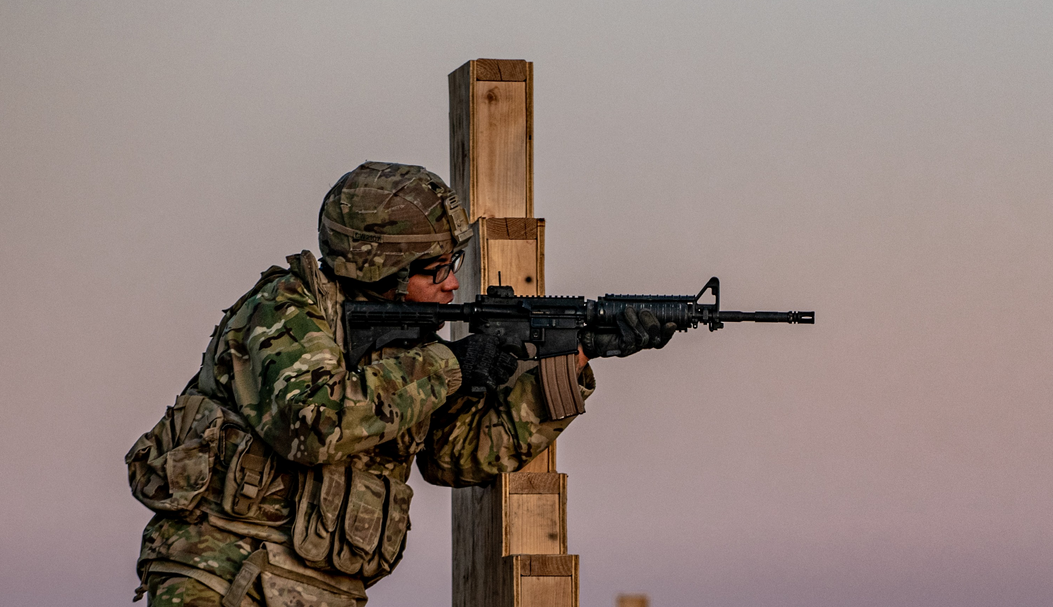
The second is shooter-induced. Limp-wristing isn't really a thing on a shoulder-fired rifle the way it is on a pistol, but a shooter who doesn't have the rifle firmly seated in the shoulder; or who is shooting from an awkward position that allows the rifle to move excessively rearward during firing; can reduce the relative velocity between the bolt carrier and the receiver. The physics are simple: the gas system pushes the carrier rearward relative to the barrel. If the whole rifle is also moving rearward (because the shooter isn't providing a firm backstop), the carrier's absolute rearward velocity is reduced, and you get the equivalent of short-stroking. This is rare, but it happens with smaller shooters, shooters in unusual positions, or shooters who are flinching badly.
The arms room reality
Here's what actually happens in most units. A rifle comes back from the range with a reported malfunction. The soldier says "it jammed." The armorer asks what happened, gets a vague description, does a functions check, runs a few rounds of hand-cycling, and puts the rifle back in the rack. The rifle goes out to the next range and does the same thing.
The problem is documentation and diagnosis. Most units don't track malfunctions by weapon serial number in any systematic way. DA Form 2404 (Equipment Inspection and Maintenance Worksheet) should capture this, but in practice, the forms get filed and forgotten. A rifle that's had extraction failures on three consecutive range days should be flagged for armorer attention and potentially sent to DS maintenance. Instead, it gets cleaned harder and sent back out.
The decision tree above takes about fifteen minutes to run through completely, assuming you have the bolt disassembled and the chamber accessible. That's fifteen minutes that saves a range day. An armorer who runs this diagnostic on every rifle that comes back with a reported malfunction will, within two or three range cycles, identify the chronic problem children in the arms room and either fix them or flag them for higher-level maintenance.
The other arms room reality is parts availability. Extractor springs, extractor spring inserts, gas rings, and extractors are all Class IX repair parts that should be on hand in the arms room's PLL (prescribed load list). In practice, Guard and Reserve arms rooms are frequently short on these consumables. An armorer who knows that extractor springs and gas rings are the two most common extraction-related parts failures can prioritize those in supply requests and keep a small stock on hand. A bag of extractor springs costs less than the fuel to drive to the range, and having them on hand means fixing rifles instead of deadlining them.
Range notes: the hot chamber problem
There's a specific extraction failure scenario that doesn't fit neatly into the decision tree because it's environmental rather than mechanical. On hot days, during sustained fire, the chamber gets extremely hot. Hot enough that the brass case doesn't just expand under gas pressure; it also softens from the heat. A softened brass case expands more, contracts less, and grips the chamber walls harder.
This is why extraction failures tend to cluster later in a firing table rather than on the first few rounds. The first magazine extracts fine. The second magazine extracts fine. Halfway through the third magazine, with the barrel too hot to touch, a case sticks. The soldier clears it, keeps shooting, and it happens again two rounds later.
The TM doesn't have a great answer for this because the answer is "let the barrel cool down," and that's not always tactically or logistically practical on a qualification range where you're trying to push 200 soldiers through in a single day. But understanding the mechanism helps with diagnosis: if extraction failures only happen during sustained fire on hot days and the rifle is otherwise clean and functional, the rifle isn't broken. It's being pushed past its thermal limits.

The M4A1's full-auto capability makes this worse than the M4's three-round burst. Soldiers who dump half a magazine on auto during training drills heat the barrel and chamber much faster than controlled semi-auto fire. The cyclic rate on the M4A1 is approximately 700-950 rounds per minute, and even a short burst at that rate dumps significant heat into the chamber.
The practical fix on the range: if a specific rifle is having heat-related extraction failures, rotate it out for a few minutes and let it cool. If you're running a qualification range and can't afford the downtime, a few drops of CLP in the chamber between firing tables can help; the oil reduces friction between the case and chamber walls. This is a band-aid, not a fix, but it gets soldiers through qual day.
Common mistakes in extraction failure diagnosis
These are the errors that show up repeatedly across units, and each one wastes time or leads to the wrong fix.
Blaming the gas system first. Soldiers and even some armorers jump straight to "the rifle isn't gassing properly" because it sounds technical and authoritative. In reality, the M4A1's gas system is robust and rarely the primary cause of extraction failures. The chamber and the extractor are far more likely culprits. Check the simple stuff first.
Over-lubricating the chamber. There's a persistent belief that more oil in the chamber helps with extraction. A light film of oil is fine and can help in hot conditions as noted above. But a chamber swimming in CLP actually attracts and holds carbon fouling, creating a gummy paste that makes extraction worse over time. The chamber should be clean and lightly oiled, not wet.
Ignoring the extractor spring insert. Many armorers replace the extractor spring but don't check or replace the rubber insert. The insert is the component that provides the extra tension needed for reliable extraction under harsh conditions. A new spring with an old, compressed insert is only half a fix.
Not tracking malfunctions by serial number. If you don't know which rifles are having problems, you can't fix the fleet. A simple log; serial number, date, type of malfunction, rounds fired, ammunition lot; turns random complaints into actionable maintenance data. This is basic arms room management, but most units don't do it consistently.
Confusing failure to extract with failure to eject. As covered above, these are different malfunctions with different causes. If the spent case is clearing the chamber but not clearing the ejection port, you're looking at ejector problems, buffer spring issues, or ejection port geometry; not extractor or chamber issues. Getting the diagnosis wrong means replacing the wrong parts.
The updated IA drill and what it means for extraction failures
The Army updated its immediate action (IA) drill procedures for the M4A1 in recent years, partly in response to documented malfunctions during training and operational use. The current IA drill sequence emphasizes the tap-rack-reassess cycle, but the key change is in how soldiers are trained to handle malfunctions that don't clear with immediate action.
For a failure to extract that doesn't clear with SPORTS or the tap-rack cycle, the remedial action is: lock the bolt to the rear, remove the magazine, visually and physically inspect the chamber, and attempt to clear the stuck case with the charging handle or a cleaning rod. If the case won't clear, the rifle is deadlined and goes to the armorer.
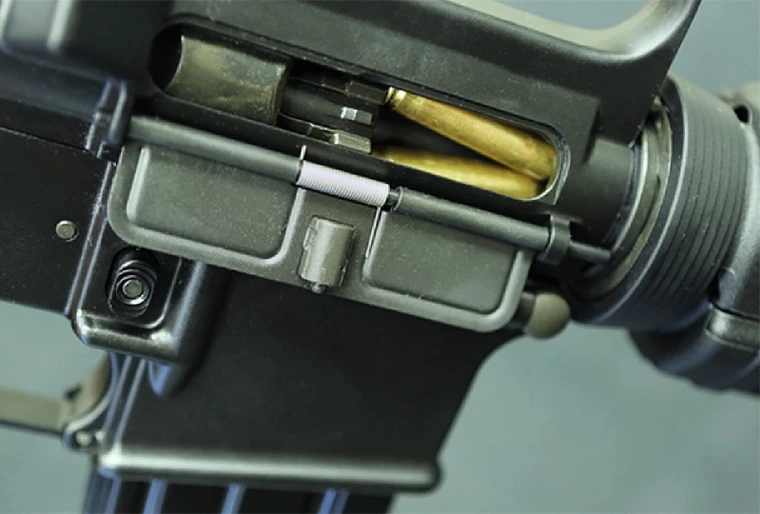
The important doctrinal point here is that soldiers should not be mortaring the rifle; slamming the buttstock on the ground with the charging handle pulled to the rear to force the bolt rearward. This technique exists in informal lore and gets taught by well-meaning NCOs, but it risks damaging the receiver extension (buffer tube), the lower receiver, and the charging handle. It can also drive a stuck case deeper into the chamber or cause a case head separation, turning a minor malfunction into a weapon that needs depot-level repair. If immediate action doesn't clear it, stop. Get the armorer.
The functions check procedure in the current -10 TM is the baseline for verifying a rifle is operational after any malfunction is cleared. Selector to SAFE; bolt should not release when trigger is pulled. Selector to SEMI; bolt should release with trigger pull, and should not release again until trigger is reset. Selector to AUTO (on M4A1); bolt should release and continue to release as long as trigger is held. This functions check should be performed after every malfunction clearance, not just during PMCS. A rifle that passes the functions check after an extraction failure clearance is mechanically sound to continue firing. One that doesn't goes to the armorer.
The 15-minute armorer protocol
Here's a concrete protocol an armorer can run when a rifle comes back from the range with reported extraction failures. This takes about fifteen minutes and covers the decision tree systematically.
Start by getting information from the soldier. How many rounds into the firing table did it happen? Did it happen once or multiple times? Did SPORTS clear it? What was the weather like? Was the rifle on semi or auto? This context narrows the diagnosis before you touch the weapon.
Clear and safe the weapon. Lock the bolt to the rear, remove the magazine, visually inspect the chamber.
Inspect the chamber with a light. Look for carbon buildup, roughness, pitting, or a stuck case fragment. Run a chamber brush through it and see what comes out. If you get heavy black carbon, that's probably your answer; clean the chamber thoroughly, reassemble, and send the rifle back out with a note to the soldier to use the chamber brush during cleaning.
Remove the bolt from the carrier. Inspect the extractor claw for chips, cracks, or rounding. Check the extractor spring tension by pressing the extractor with your thumb. Note the color of the extractor spring insert; if it's blue, replace it with the current black insert regardless of whether it seems functional. If the spring feels weak, replace the spring and insert together.
Check the gas rings. Stand the bolt carrier assembly upright on the bolt face. If the carrier collapses, replace the gas rings.
Check the gas key. Wiggle it. If it moves, re-stake and re-torque the screws.
Reassemble the bolt carrier group, reinstall in the upper receiver, and run a functions check.
Document everything on DA Form 2404. Note the serial number, the findings, the parts replaced, and the date. If the rifle has had the same malfunction on previous range days, flag it for DS maintenance evaluation.
That's the whole protocol. Fifteen minutes, a chamber brush, a light, and maybe a couple of small parts. It catches the vast majority of extraction failure causes and creates a paper trail that prevents the same rifle from cycling through range day after range day with the same undiagnosed problem.
Guard and Reserve considerations
Guard and Reserve units face extraction failure diagnosis differently than active duty, and the differences matter.
Range days are limited; often one or two per drill weekend, with months between them. A rifle that malfunctions in October might not get tested again until January. The armorer sees the rifle during monthly inventories and PMCS cycles, but without live fire, you can't confirm an extraction problem is fixed. This means the diagnostic protocol above should be run during arms room maintenance windows, not just after range days. If a rifle was flagged for extraction issues last range, the armorer should pull it, run the protocol, replace any suspect parts, and have it ready for confirmation at the next live-fire event.
Parts availability is tighter. Guard and Reserve PLL stockages are often thinner than active duty, and the supply chain moves slower. An armorer who identifies a need for extractor springs in October might not receive them until December. Anticipating common parts needs and building them into annual supply requests; rather than waiting for failures to drive emergency requisitions; is the difference between fixing rifles and deadlining them.
Ammunition variability is higher. Guard and Reserve units sometimes receive older ammunition lots, ammunition that's been through multiple storage cycles, or ammunition from less common production runs. This increases the likelihood of ammunition-related extraction issues. Armorers should note the ammunition lot numbers associated with any malfunctions and report patterns up the supply chain.
Training time for armorers is also limited. A Guard armorer who does this job one weekend a month may not have the repetitions to build diagnostic intuition the way an active duty armorer does. The decision tree above is designed to compensate for that; it's a systematic process that doesn't require expert intuition, just methodical checking.
What the decision tree won't catch
No diagnostic process is perfect, and there are a few extraction failure causes that require equipment or expertise beyond the unit level.
Headspace issues; where the distance between the bolt face and the chamber is out of specification; require go/no-go gauges that most unit arms rooms don't have. Excessive headspace allows the case to stretch during firing, which can cause case head separations (where the base of the case tears away from the body, leaving the forward portion stuck in the chamber). This is a catastrophic extraction failure that no amount of extractor spring tension will fix. If you're seeing torn case heads or case fragments left in the chamber, stop shooting that rifle and send it to DS maintenance for headspace inspection.
Barrel erosion beyond what's visible to the naked eye requires a borescope or chamber casting to evaluate. A rifle that's had 15,000+ rounds through it may have a chamber that looks okay to the eye but is dimensionally worn enough to cause intermittent extraction issues with certain ammunition lots.
Receiver or barrel extension issues; a damaged barrel extension, a receiver with out-of-spec dimensions, or a barrel that's not properly torqued into the extension; are rare but real. These are depot-level problems.
The decision tree catches roughly 90% of extraction failure causes at the unit level. The other 10% need higher-level maintenance, and the right answer is to send the rifle up rather than continuing to throw parts at it.
Putting it all together
The M4A1 is a reliable weapon system when it's maintained correctly. The direct impingement gas system has been unfairly maligned for decades; the platform's reliability issues are overwhelmingly related to maintenance practices, magazine condition, and parts replacement intervals, not to fundamental design flaws. A clean chamber, a fresh extractor spring with the current-generation insert, good gas rings, and quality ammunition will prevent the vast majority of extraction failures before they happen.
The decision tree gives you a systematic way to find the problem when prevention fails. Chamber first, extractor second, ammunition third, gas system fourth, barrel wear last. Run it in order every time. Don't skip ahead to the exotic diagnosis when the mundane one hasn't been ruled out.
For armorers: build the 15-minute protocol into your post-range workflow. Track malfunctions by serial number. Stock extractor springs, inserts, and gas rings. These are the consumables that keep the fleet running, and they cost almost nothing compared to the training value of a range day lost to preventable malfunctions.
For NCOs and officers running ranges: when a rifle goes down, get specific information from the soldier. "It jammed" tells you nothing. "It fired, the bolt came partway back, and there was a spent case stuck in the chamber" tells you everything. Train your soldiers to describe malfunctions accurately; it's a skill that takes five minutes to teach and saves hours of diagnostic time.
And for the soldier on the firing line with a dead rifle: run your IA drill. If it doesn't clear, lock it to the rear, take it off the line, and tell your lane safety exactly what happened. Don't mortar it. Don't force it. The arms room will sort it out; especially if the armorer has a decision tree to work from.