Your kid is ready for deer season; or maybe you're the one who flinches at .308 recoil and wants something that doesn't punish you for practicing. Either way, you've probably narrowed the list to two cartridges: .243 Winchester and 6.5 Creedmoor. Both get recommended constantly on hunting forums. Both kill deer cleanly. Both are available in youth-stocked rifles. And the internet will happily argue about them forever without giving you a straight answer.
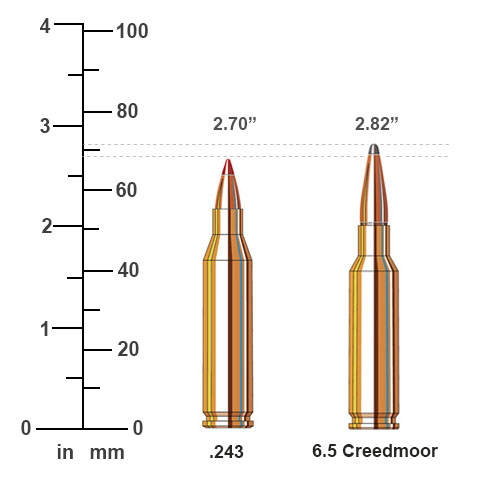
Here's what actually matters: how much recoil each one generates in a lightweight rifle, whether .243 has enough bullet weight for ethical deer kills, whether 6.5 Creedmoor's extra thump on the shoulder is too much for a 10-year-old, and what the ammo availability and cost picture looks like right now. The ballistic advantages of the Creedmoor are real, but they don't matter if the shooter behind the rifle can't manage the kick. The numbers tell a clearer story than the opinions.
This comparison is specifically framed around recoil-sensitive shooters: youth hunters, smaller-framed adults, anyone recovering from shoulder surgery, or anyone who simply shoots better with less punishment. If you're a 200-pound adult who doesn't mind a .30-06, this article isn't really for you.
The recoil math
Recoil is the whole reason this debate exists. If both cartridges kicked the same, everyone would just shoot 6.5 Creedmoor and call it done. They don't kick the same.
Free recoil energy depends on three things: bullet weight, muzzle velocity, and rifle weight. The powder charge matters too; heavier charges produce more gas, which adds to rearward momentum. For a 7-pound rifle (typical of a youth bolt gun like a Ruger American Compact or Mossberg Patriot Youth), the numbers shake out roughly like this:
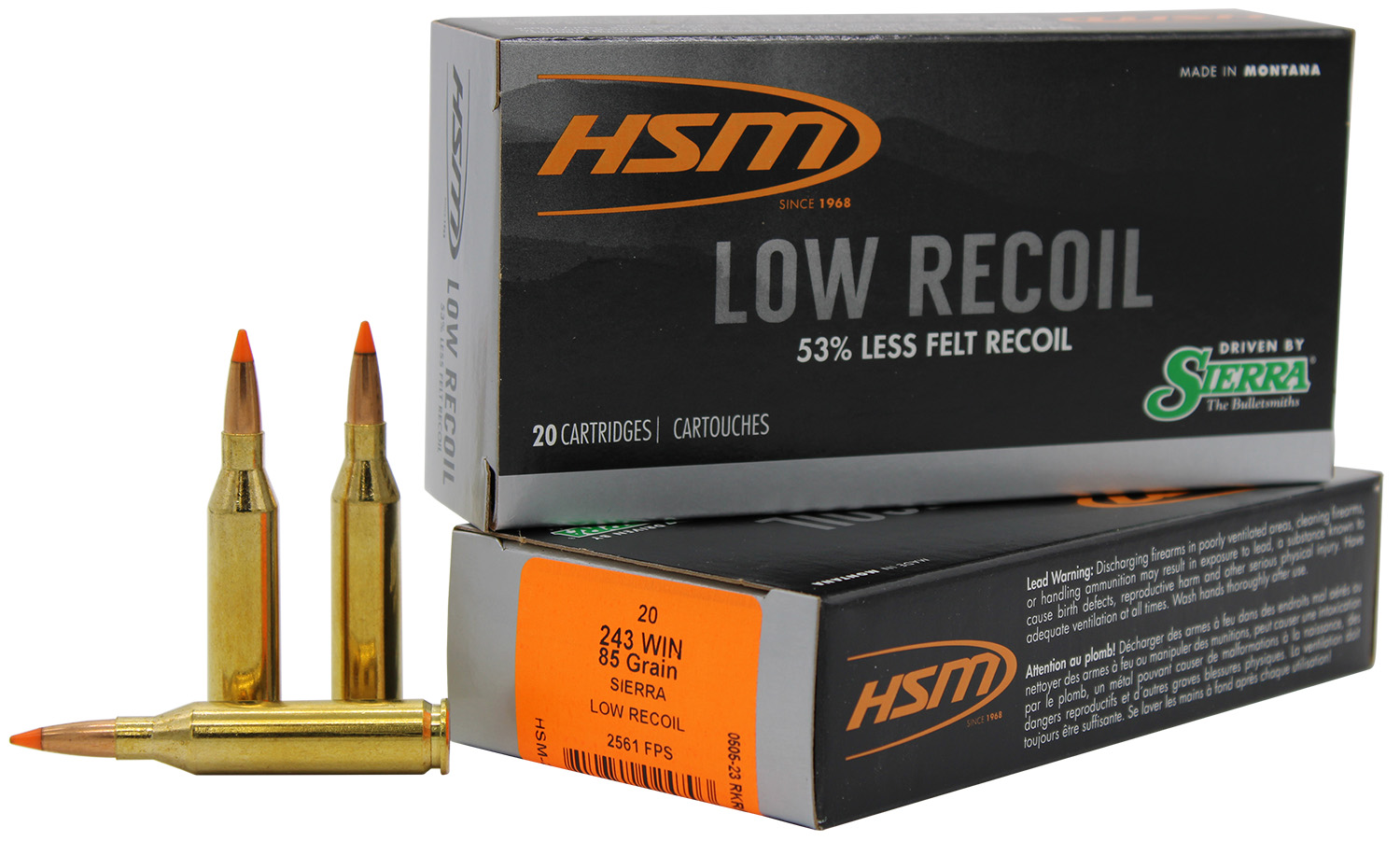
A .243 Win pushing a 100-grain bullet at around 2,960 fps generates approximately 11 ft-lbs of free recoil energy. That's in the same neighborhood as a 20-gauge shotgun with light field loads. Drop to an 85-grain bullet and you're closer to 9 ft-lbs. That's genuinely mild; close to what a .223 produces in a heavier rifle.
A 6.5 Creedmoor pushing a 140-grain bullet at around 2,700 fps generates approximately 15-16 ft-lbs in the same 7-pound rifle. Some published tables put it at 15.2 ft-lbs; others at closer to 16 depending on the specific load and powder charge. Either way, that's roughly 40-50% more recoil than the .243 with a 100-grain bullet.
The difference between 11 and 15 ft-lbs doesn't sound dramatic on paper. But recoil perception isn't linear. A kid who handles 11 ft-lbs fine might start flinching at 15. And flinching is the single biggest accuracy killer in hunting; worse than a mediocre trigger, worse than a cheap scope, worse than shooting off a backpack instead of a bipod. A flinch that pulls a shot two inches at 100 yards pulls it six inches at 300. That's the difference between a clean kill and a gut-shot deer.
There's a middle-ground option worth noting: the 6.5 Creedmoor loaded with 120-grain bullets drops recoil to roughly 13 ft-lbs. Still more than .243, but closer. The tradeoff is you're giving up the high-BC 140-grain bullets that make the Creedmoor special at distance. At typical whitetail ranges under 250 yards, that tradeoff might be worth it.
What recoil numbers don't capture
Free recoil energy is a useful comparison tool, but it doesn't tell you everything about how a rifle feels. Recoil velocity; how fast the rifle comes back; matters too. A lighter rifle with the same cartridge kicks faster and sharper. That snappy impulse is what causes flinch more than the total energy. This is why a 6-pound .243 can feel worse than a 7.5-pound .243, even though the cartridge is identical.
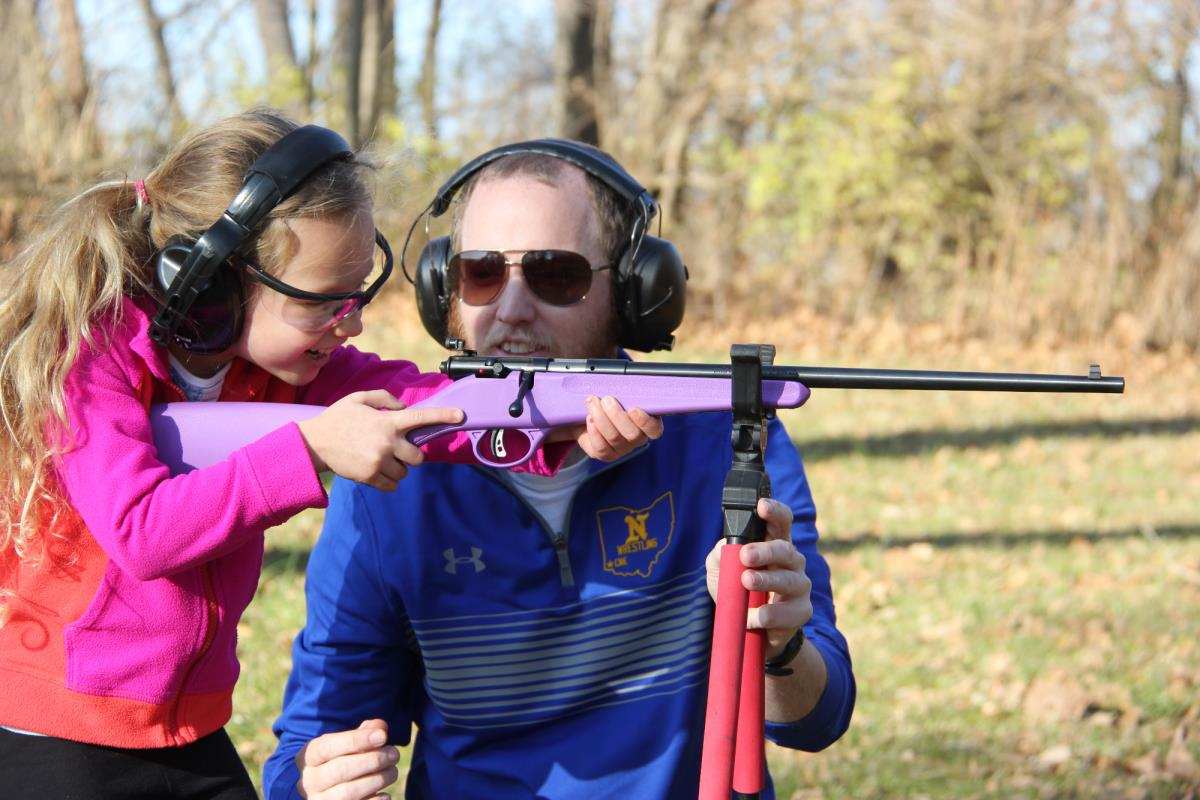
Stock fit also changes everything. A youth stock that's too short puts the scope closer to the shooter's face. A stock that's too long makes a small shooter reach, which pulls their shoulder away from the buttpad and concentrates the impact on a smaller area. Before obsessing over cartridge choice, make sure the rifle actually fits. A properly fitted .243 with a decent recoil pad is going to feel dramatically softer than a poorly fitted 6.5 Creedmoor with a hard plastic buttplate.
Ballistic comparison: what the numbers actually show
The 6.5 Creedmoor wins the ballistics contest. That's not controversial; it's physics. Heavier bullets with higher ballistic coefficients retain energy and resist wind better. The question is whether those advantages matter for the specific use case of deer hunting at realistic ranges.
A .243 Win with a 100-grain soft point (like the Remington Core-Lokt or Winchester Power-Point) leaves the muzzle at roughly 2,960 fps with about 1,945 ft-lbs of energy. At 200 yards, it's down to approximately 2,450 fps and 1,330 ft-lbs. At 300 yards, roughly 2,200 fps and 1,070 ft-lbs. Wind drift with a 10 mph crosswind at 300 yards runs about 10-11 inches with a typical 100-grain hunting bullet (BC around .355-.365).
A 6.5 Creedmoor with a 140-grain soft point or ballistic tip leaves the muzzle at roughly 2,700 fps with about 2,265 ft-lbs. At 200 yards, it's still carrying approximately 2,350 fps and 1,715 ft-lbs. At 300 yards, roughly 2,200 fps and 1,500 ft-lbs. Wind drift at 300 yards with a 10 mph crosswind is about 7-8 inches with a high-BC 140-grain bullet (BC around .520-.530).
The energy gap widens at distance because of the Creedmoor's superior ballistic coefficient. At 300 yards, the 6.5 Creedmoor is carrying roughly 400 ft-lbs more energy than the .243. That's significant. At 400 yards, the gap grows even wider, and the .243 starts dropping below the 1,000 ft-lbs threshold that many hunters consider the minimum for reliable deer kills.
But here's where it gets interesting: most whitetail deer are killed inside 200 yards. The average shot distance varies by terrain, but in eastern hardwoods and midwestern farm country, 150 yards is a long shot. At 150 yards, the .243 Win with a 100-grain bullet is still carrying over 1,400 ft-lbs of energy. That's more than enough for any whitetail that walks. The .243 has been killing deer since 1955, and the deer haven't gotten tougher.
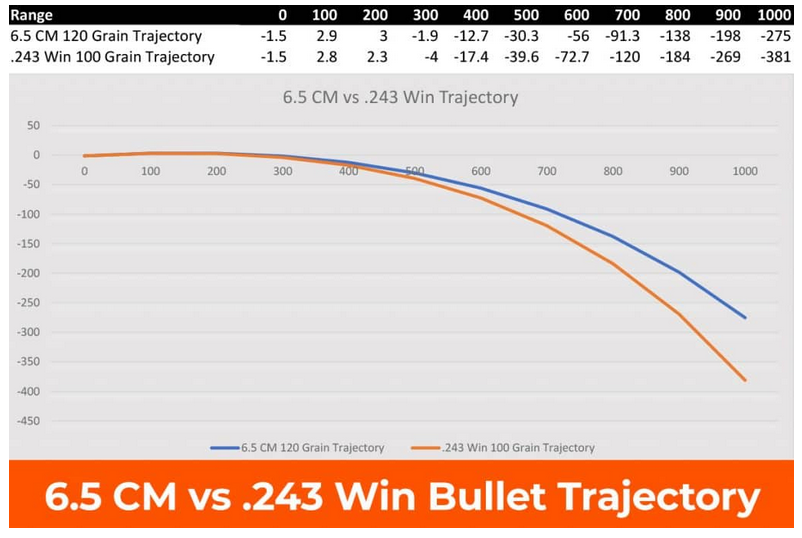
The Creedmoor's real advantages; less wind drift, more retained energy, flatter trajectory past 300; show up on targets and on western hunts where shots stretch across canyons. For a youth hunter sitting in a box blind over a food plot at 80-150 yards, those advantages are largely theoretical.
Terminal performance: does .243 hit hard enough?
This is where the arguments get heated. The .243 skeptics say it's a marginal deer cartridge. The .243 defenders say it's killed more deer than most people have seen. Both positions contain some truth.
The concern with .243 isn't energy; at reasonable ranges, there's plenty. The concern is bullet weight and sectional density. Sectional density (SD) is the ratio of a bullet's weight to its cross-sectional area. Higher SD means better penetration through hide, muscle, and bone. A 100-grain .243 bullet has an SD of about .242. A 140-grain 6.5mm bullet has an SD of about .287. That's a meaningful difference in penetration potential, especially on quartering shots where the bullet needs to travel through more tissue to reach vitals.
On broadside shots at moderate range; the shot every youth hunter should be trained to take; a 100-grain .243 soft point or bonded bullet penetrates both lungs with no issues. Deer go down fast. The problems show up on less-than-ideal angles, heavier-bodied deer, or shots that hit shoulder bone. A 100-grain .243 bullet that hits a shoulder blade hard can fragment or expand too rapidly, especially with cup-and-core construction. The result is a shallow wound that doesn't reach vitals.
The fix is bullet selection. A bonded or controlled-expansion bullet in .243; like a Federal Fusion, Nosler Partition, or Barnes TTSX; holds together much better than a standard cup-and-core soft point. The 95-grain Barnes TTSX in .243 is a copper solid that retains virtually 100% of its weight. It penetrates like a much heavier bullet. The tradeoff is slightly less dramatic expansion, but the wound channel is still plenty lethal on deer-sized game.
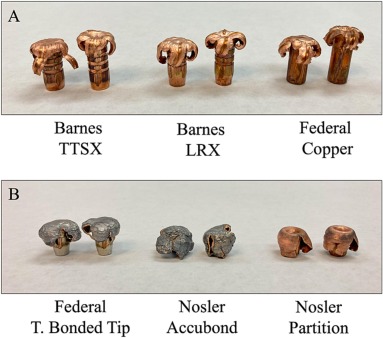
With the 6.5 Creedmoor, bullet construction matters less because you're starting with more mass and higher sectional density. Even a standard 140-grain cup-and-core soft point is going to penetrate well on deer. You have more margin for error on imperfect shot angles. That margin of error is worth something, especially with a young or inexperienced hunter who might not wait for the perfect broadside presentation.
The honest assessment
If the shot is broadside at 100-200 yards with a well-constructed bullet, both cartridges kill deer with equal reliability. If the shot is quartering-to at 250 yards, the 6.5 Creedmoor has a real advantage in penetration and energy. The question is which scenario you're planning for. A youth hunter in a supervised setting, shooting from a rest, waiting for a broadside shot? The .243 is fully adequate. A more independent hunter who might face varied shot angles and longer distances? The Creedmoor gives more room for things to go slightly wrong.
Rifle options for youth and small-framed shooters
Both cartridges are chambered in the most common youth and compact bolt-action rifles. Here's what the landscape looks like.
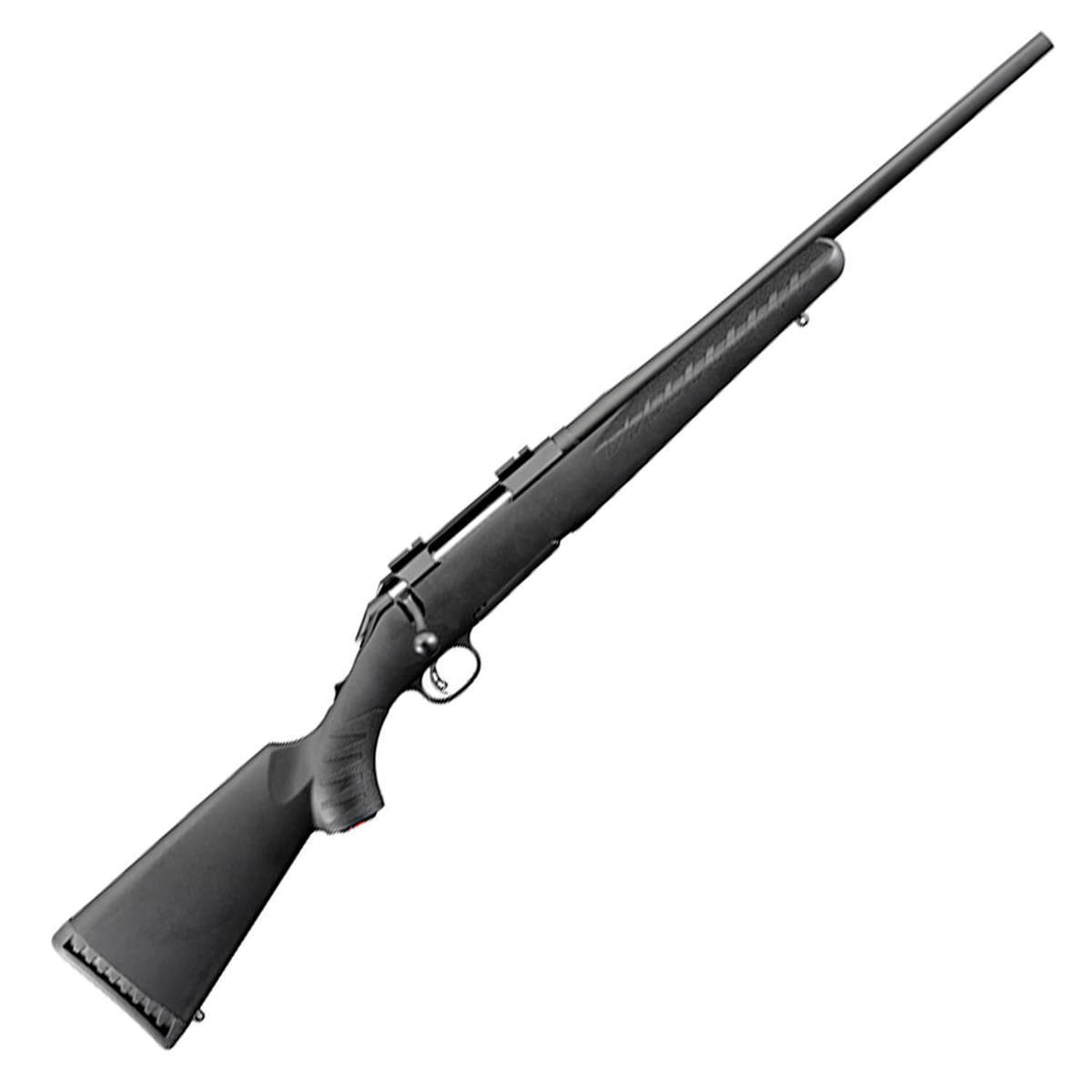
The Ruger American Compact comes in both .243 and 6.5 Creedmoor. It ships with a 12.5-inch length of pull (LOP), which fits most kids in the 10-14 age range. It weighs about 6.5 pounds bare. With a scope and rings, figure 7.5 pounds. The Ruger American's trigger is adjustable and breaks reasonably clean out of the box. The stock is synthetic with a decent recoil pad. This is probably the most-recommended youth deer rifle on hunting forums right now, and for good reason; it works and it's affordable.
The Savage Axis II in .243 is another budget option that shows up in a lot of first-rifle conversations. The AccuTrigger is genuinely good for the price point. The compact version has a shorter LOP, though Savage's compact offerings vary by year and dealer stock. Weight is similar to the Ruger.
The Mossberg Patriot Youth Super Bantam has an adjustable LOP from 12 to 13 inches, which is a nice feature; the stock grows with the kid. Available in .243 and several other calibers. Some reviewers note the Mossberg Patriot's trigger isn't as refined as the Ruger or Savage offerings, but it's serviceable.
For the 6.5 Creedmoor, the Ruger American and Savage Axis are the most common compact options. Howa Mini Action rifles don't chamber 6.5 Creedmoor (it's a short-action, not a mini-action cartridge), so that's not an option despite what some internet posts suggest.
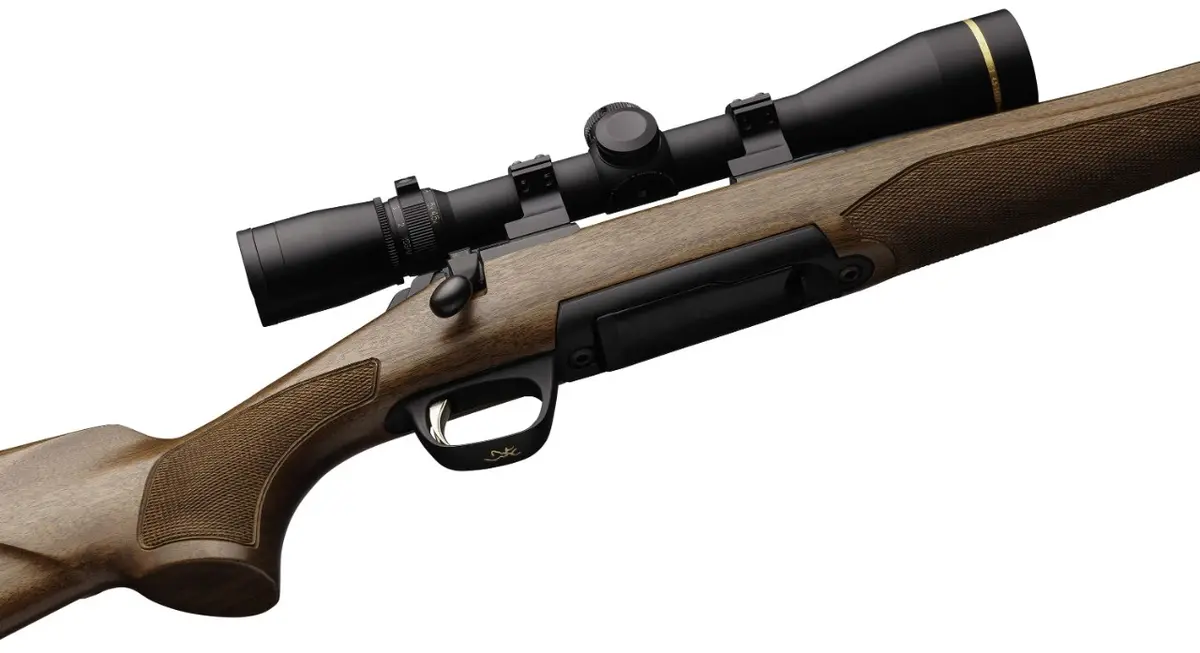
One rifle worth mentioning: the Browning X-Bolt Micro Midas. It's a step up in price from the Ruger/Savage/Mossberg tier, but the build quality is noticeably better. Available in .243 with a 12.5-inch LOP and a weight around 6 pounds. The lighter weight means slightly more felt recoil, which is worth considering; you might want to add a slip-on recoil pad.
A note on semi-autos
A gas-operated semi-auto spreads recoil impulse over a longer time, which makes the same cartridge feel noticeably softer than a bolt gun. An AR-10 pattern rifle in 6.5 Creedmoor kicks noticeably less than a lightweight bolt action in the same chambering. The problem is that AR-10s are heavy (typically 8.5-10 pounds loaded), expensive, and not legal for hunting in every state. They're also not available in youth configurations. For most youth hunting scenarios, a bolt gun is the practical choice.
Ammo availability and cost
Both cartridges are widely available at sporting goods stores, big-box retailers, and online dealers. Neither is exotic. But there are differences worth tracking.
The .243 Winchester has been around since 1955. Literally every major ammunition manufacturer loads it. You can find .243 ammo at gas stations in rural deer country. The selection ranges from cheap 80-grain varmint loads to premium 100-grain bonded hunting bullets. Practice ammo (Winchester USA, Federal Power-Shok, Remington Core-Lokt) typically runs in the $1.00-$1.40 per round range. Premium hunting loads (Federal Fusion, Hornady American Whitetail, Barnes VOR-TX) run $1.50-$2.50 per round depending on the specific product.
The 6.5 Creedmoor has exploded in popularity since about 2015 and ammo is now nearly as easy to find as .243. The selection is arguably better for match and precision loads, though hunting loads are well-represented too. Practice ammo runs $1.00-$1.50 per round. Premium hunting loads are in the $1.50-$2.50 range, similar to .243. The Creedmoor's popularity in the precision rifle community means there's an unusually deep selection of high-BC match bullets available for handloaders.
The cost math: if you're buying 100 rounds of practice ammo and 20 rounds of hunting ammo per year (a reasonable estimate for a youth hunter who shoots a few range sessions before season), the annual ammo cost difference between the two cartridges is negligible. Maybe $10-20. This isn't a meaningful factor in the decision.
What might matter more is whether the young shooter will eventually use the rifle for other purposes. A 6.5 Creedmoor transitions naturally into target shooting, precision rifle competition, and western big-game hunting as the shooter grows. A .243 is more limited; it's a deer and varmint cartridge that tops out at about 300-350 yards for ethical big-game hunting. If the rifle is a "first gun that becomes a forever gun," the Creedmoor has more long-term versatility.
Five loads worth looking at
Here's a practical comparison of specific hunting loads in both cartridges, focused on what works for deer in the hands of recoil-sensitive shooters.
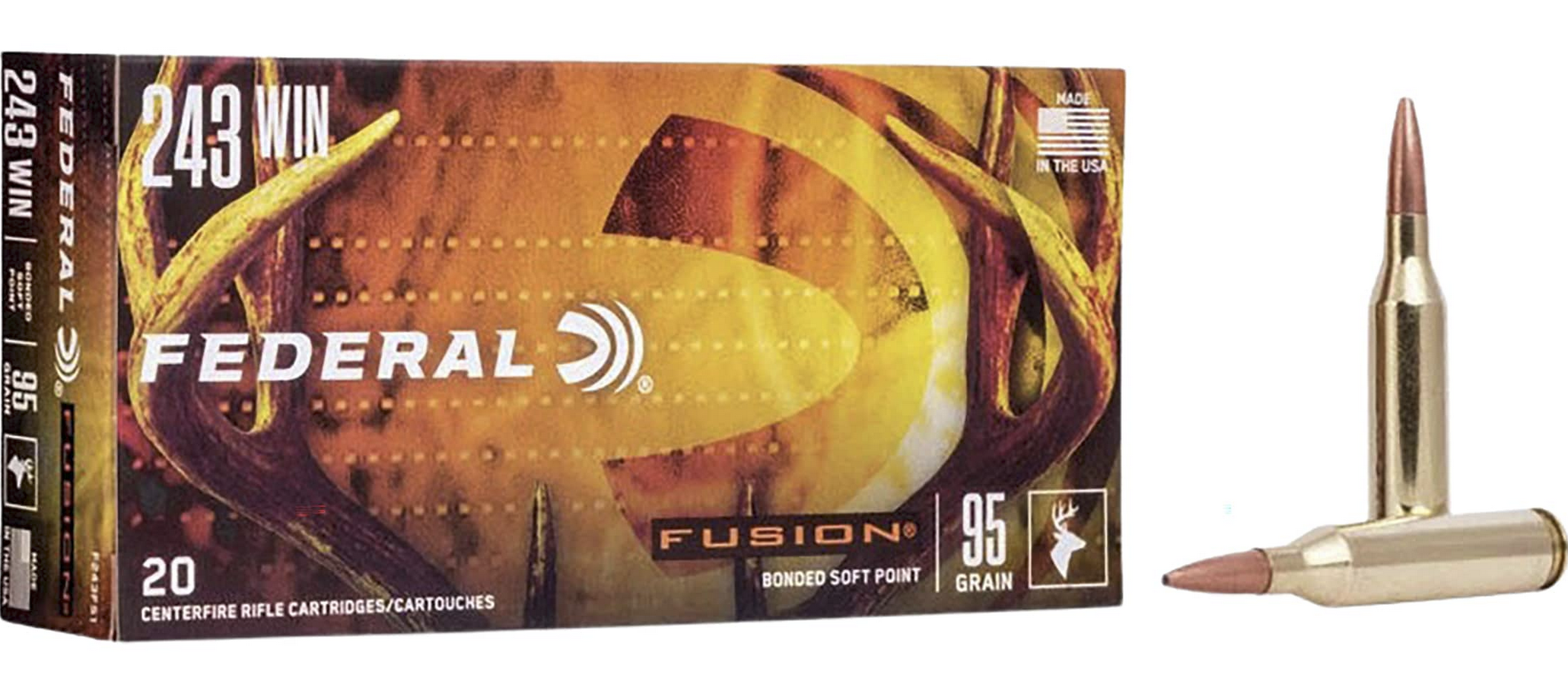
Federal Fusion 95-grain .243 Win
This is a bonded soft point designed specifically for deer. The Fusion bonding process molecularly fuses the jacket to the core, which prevents the jacket-core separation that plagues cheap cup-and-core bullets. Muzzle velocity is around 3,025 fps. At 200 yards, it's carrying roughly 1,350 ft-lbs of energy. Expansion is reliable and the retained weight is high for a non-premium price point. This is probably the best value in .243 deer ammo; bonded performance without paying Barnes or Nosler prices. Recoil is mild. Accuracy in most bolt guns tends to run 1-1.5 MOA, which is plenty for deer work.
Hornady American Whitetail 100-grain .243 Win
A traditional Interlock soft point; the jacket is mechanically locked to the core with a ring, which helps with weight retention compared to a plain cup-and-core design. Muzzle velocity around 2,960 fps. This is a meat-and-potatoes deer load that's been working for years. It's not going to win any awards for deep penetration on quartering shots, but broadside on a whitetail at 200 yards, it does the job cleanly. Usually one of the cheaper hunting-grade options on the shelf.
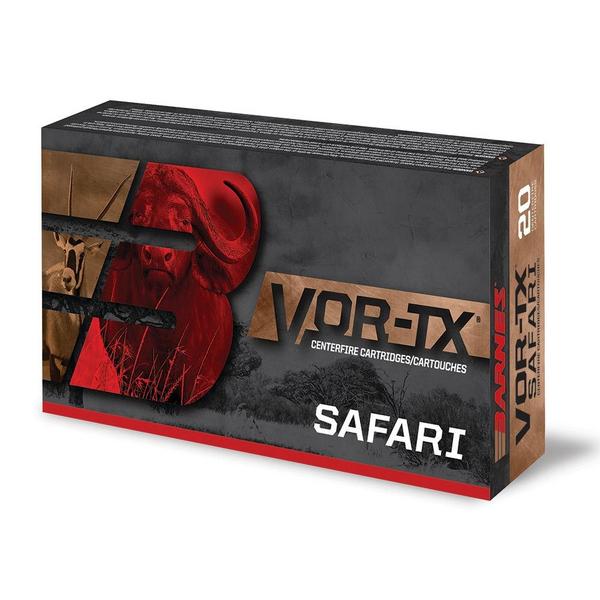
Barnes VOR-TX 80-grain TTSX .243 Win
Here's an interesting option for maximum recoil reduction. The 80-grain all-copper TTSX is lighter, so it kicks less; roughly 8-9 ft-lbs in a 7-pound rifle. Muzzle velocity is around 3,350 fps. The all-copper construction means it retains nearly 100% of its weight, so the effective penetration is closer to what you'd expect from a 100-grain lead-core bullet. The downside is that the low BC (around .330) means it sheds velocity faster at distance. Inside 200 yards, this is a highly effective deer load with minimal recoil. Past 250, the numbers start to fall off.
Hornady ELD-X 143-grain 6.5 Creedmoor
This is the precision hunting load that put the 6.5 Creedmoor on the map for hunters. The Heat Shield tip resists deformation in flight, maintaining the bullet's BC (around .625) out to extreme range. Muzzle velocity is approximately 2,700 fps. At 300 yards, it's still carrying over 1,500 ft-lbs. The ELD-X is designed to expand at both close range (where velocity is high and many bullets over-expand) and at distance (where velocity drops and many bullets fail to expand). For a recoil-sensitive shooter who might also want to reach out to 400+ yards on a western mule deer hunt someday, this is the load to build around. The recoil is real though; about 15 ft-lbs in a 7-pound rifle.
Federal Fusion 140-grain 6.5 Creedmoor
Same bonded construction as the .243 Fusion, scaled up. Muzzle velocity around 2,750 fps. This is a no-frills deer bullet that expands reliably and holds together. It doesn't have the extreme-range BC of the ELD-X, but at deer-hunting distances under 300 yards, the terminal performance is excellent. Usually priced lower than the Hornady Precision Hunter line. If the Creedmoor is going to be used primarily for whitetail at moderate ranges, this is the cost-effective choice.
Common mistakes and troubleshooting
Choosing based on cartridge alone and ignoring rifle fit
A .243 in a rifle that's too heavy and too long for a small shooter is worse than a 6.5 Creedmoor in a rifle that fits perfectly. Stock length, trigger reach, and overall weight matter more than the cartridge printed on the barrel. Before you pick a chambering, have the shooter shoulder several rifles and see what they can actually handle. Watch whether they can reach the trigger without shifting their shoulder off the buttpad. Watch whether the scope is at a comfortable eye relief distance. If the rifle doesn't fit, the cartridge doesn't matter.
Using varmint bullets for deer
The .243 is a dual-purpose cartridge; it's excellent for varmints and coyotes with 55-80 grain hollow points, and it works on deer with 90-105 grain hunting bullets. These are not interchangeable. A 55-grain .243 varmint bullet will absolutely not produce a reliable, ethical kill on a deer. It's designed to fragment violently on a 10-pound coyote, and it will do the same thing on a deer; creating a nasty surface wound without penetrating to vitals. If the rifle is going to pull double duty on varmints and deer, keep separate boxes of ammo and be deliberate about which one goes in the magazine on deer day.
Assuming the young shooter can handle the same recoil at the range and in the field
A kid who shoots 6.5 Creedmoor fine off a bench with hearing protection, a front rest, and no pressure might flinch badly when they're cold, excited, shooting from a less stable position, and a buck is standing at 130 yards. Adrenaline and cold muscles change everything. If there's any doubt about recoil tolerance, go lighter. A well-placed .243 kills deer far more effectively than a flinched 6.5 Creedmoor that hits four inches back of the shoulder.
Not practicing with hunting ammo
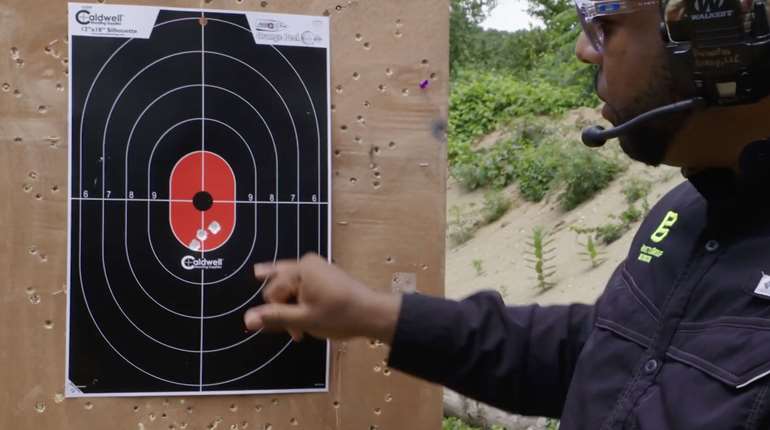
Cheap practice ammo and premium hunting ammo often hit different points of impact; sometimes by 2-3 inches at 100 yards. This is true in both .243 and 6.5 Creedmoor. Before hunting season, shoot at least 10-15 rounds of the actual hunting load through the actual rifle to confirm zero. Yes, hunting ammo is expensive. A box of 20 Federal Fusion costs less than a tank of gas. Shoot it.
Overthinking the decision for close-range whitetail
If the hunting is going to happen from a box blind at a food plot, with shots under 150 yards, both cartridges are dramatically overkill compared to what's actually needed. People have been killing whitetail with .30-30 lever guns at 100 yards for over a century. A .243 at 150 yards is a decisive, clean killer with proper bullet selection. The 6.5 Creedmoor is too. Pick the one the shooter can handle comfortably and go hunting.
Chrono notes: what you'll see at the range
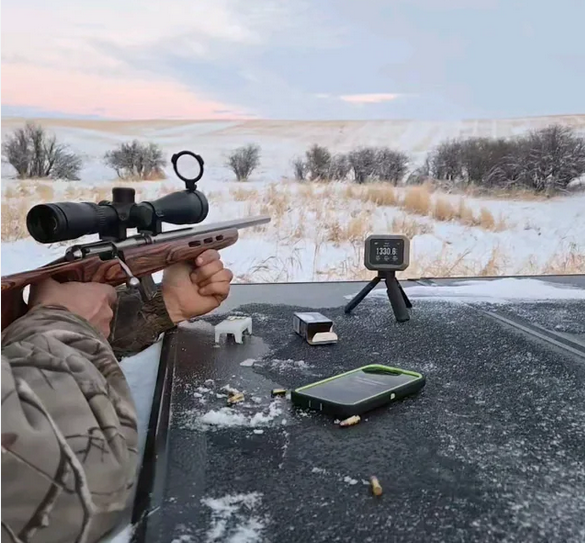
If you have access to a chronograph (or a LabRadar, which is easier to set up), running a few strings over the chrono with both cartridges reveals some useful information.
With .243 Winchester, expect velocity spreads (the difference between the fastest and slowest shot in a string) of 30-60 fps with factory hunting ammo. Premium loads like Barnes VOR-TX and Hornady Precision Hunter tend to be more consistent, with spreads in the 20-40 fps range. Budget ammo like Winchester Super-X or Remington Core-Lokt can show spreads of 50-70 fps. For deer hunting inside 250 yards, a 50 fps spread doesn't meaningfully affect point of impact; maybe half an inch of vertical variation at 200 yards. It matters more if you're trying to shoot tight groups for load development.
With 6.5 Creedmoor, velocity consistency is generally excellent because the cartridge was designed from the ground up for precision. Factory match loads like Hornady ELD Match typically show spreads under 20 fps. Hunting loads are a bit wider, usually 25-45 fps. This consistency is one of the Creedmoor's genuine advantages, though it matters more for long-range precision work than for deer hunting at moderate distances.
The chrono also tells you whether your short-barreled youth rifle is producing the velocities printed on the ammo box. Most factory velocity figures are generated from 24-inch test barrels. A youth rifle with a 20-inch barrel (common) or even an 18-inch barrel will lose roughly 25-50 fps per inch of barrel reduction, depending on the cartridge and powder. A .243 load advertised at 2,960 fps might actually produce 2,850-2,900 fps from a 20-inch barrel. That's still plenty for deer, but it's worth knowing your actual numbers for accurate drop compensation if you're shooting beyond 200 yards.
The age and weight question
Forum discussions about youth deer rifles always come back to "how old is the kid?" and "how much do they weigh?" These are the right questions, but the answers are more nuanced than most people make them.
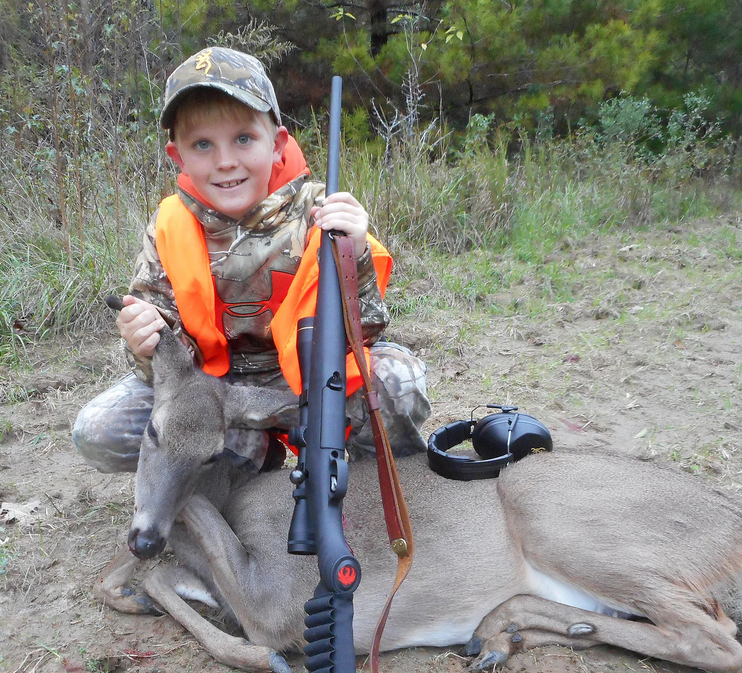
A physically mature 12-year-old who weighs 120 pounds and has been shooting .22 LR and .223 for two years is a very different shooter than a small-framed 10-year-old picking up a centerfire rifle for the first time. General guidelines from hunting forums and experienced youth hunting mentors suggest:
For shooters under 100 pounds with limited centerfire experience, the .243 is the safer choice. The recoil is genuinely mild, and the cartridge has zero issues killing deer at the ranges these hunters should be shooting. Start here. Build confidence. Let the young shooter develop good habits; follow-through, trigger control, natural point of aim; without fighting recoil.
For shooters 100-130 pounds with some centerfire experience (they've shot .223 or .243 and handled it well), the 6.5 Creedmoor becomes viable, especially with a well-fitted rifle and a good recoil pad. Consider the 120-grain Creedmoor loads as a middle ground; less recoil than the 140s, still more punch than .243.
For shooters over 130 pounds who simply prefer less recoil, either cartridge works fine. The choice becomes more about intended use. If the rifle will also be used for target shooting, precision practice, or future western hunts, the Creedmoor is the more versatile platform.
One practical test: have the shooter fire five rounds of the intended hunting load from a seated position (not a bench rest) at a reasonable pace; one shot every 15-20 seconds. Watch their face, not the target. If they're grimacing, tensing their shoulders before the shot, or closing their eyes at the trigger break, the recoil is too much. Drop down a cartridge or add more weight to the rifle.
The growth trajectory argument
Here's an argument for the 6.5 Creedmoor that doesn't get enough attention: a rifle is a long-term purchase, and a young shooter's recoil tolerance increases quickly.
A 10-year-old who starts with a .243 might outgrow it; not the cartridge's effectiveness, but their desire for something with more reach and versatility; by age 14 or 15. At that point, they want a 6.5 Creedmoor or a .308 anyway, and the .243 becomes a safe queen or gets sold.
If instead you start with a 6.5 Creedmoor and manage the recoil through other means; a heavier rifle, a better recoil pad, 120-grain loads initially, supervised shooting with limited round counts; the same rifle serves from age 12 through adulthood. The Creedmoor is a legitimate 800-yard target cartridge and a capable elk cartridge with the right bullets. A .243 is neither of those things.
The counter-argument is equally valid: a kid who develops a flinch from a rifle that kicks too hard may carry that flinch for years. Flinching is easier to develop than to cure. The cost of one extra rifle purchase down the road is trivial compared to the cost of a shooter who never learns to shoot well because their first centerfire experience was unpleasant.
There's no universally right answer here. It depends on the specific kid, their temperament, their physical size, and how much supervised range time they'll get before hunting season.
Reloading considerations
If you reload (or plan to), both cartridges are straightforward to load for, but they have different characters.
The .243 Winchester uses a necked-down .308 case and has been loaded with every powder and bullet combination imaginable over the past 70 years. Reloading data is everywhere. The challenge with .243 is barrel life; the combination of a small bore diameter and relatively large case capacity means high powder charges and high velocities, which erode throats. Expect 2,000-3,000 rounds of accurate barrel life, depending on how hot the loads are and how fast they're fired. For a youth hunting rifle that shoots 50-100 rounds a year, barrel life is a non-issue. For a rifle that also gets used for summer varmint shooting, it's worth tracking.
The 6.5 Creedmoor was designed for reloading efficiency. The 30-degree shoulder (compared to the .243's 20-degree shoulder) headspaces more consistently. The case capacity is well-matched to the bore diameter, which means it doesn't need to burn excessive powder to achieve its velocities. Barrel life is typically 2,500-4,000 rounds. The Creedmoor also benefits from an enormous selection of high-quality 6.5mm bullets from every major manufacturer; Hornady, Sierra, Berger, Nosler, Barnes, Lehigh. The 6.5mm bore diameter is arguably the best-served bullet diameter on the market right now.
For a recoil-sensitive shooter, reloading also opens up the option of downloading the 6.5 Creedmoor to reduce recoil. A 120-grain bullet at 2,600 fps instead of a 140-grain at 2,700 fps drops recoil noticeably while still producing a capable deer load. Hodgdon's reloading data center has multiple published loads for reduced-recoil 6.5 Creedmoor recipes. This is one of the advantages of a larger cartridge; you can load it down. You can't load a .243 up to match 6.5 Creedmoor performance.
So which one?
The decision tree is simpler than the internet makes it.
If the shooter is under 100 pounds, new to centerfire rifles, or particularly recoil-sensitive, go with .243 Winchester. Load it with a bonded or all-copper bullet in the 90-100 grain range. Zero at 200 yards. Hunt deer inside 250 yards with total confidence. The cartridge has been doing this job for seven decades, and it does it well. The recoil is mild enough that the shooter can practice without developing bad habits, and practice is what makes a hunter effective.
If the shooter is over 100 pounds, has some centerfire experience, and the rifle will serve multiple purposes over many years, the 6.5 Creedmoor is the more versatile choice. Start with 120-grain loads if recoil is a concern, graduate to 140-grain loads as the shooter grows. Make sure the rifle fits properly, install a quality recoil pad, and don't rush the process. The Creedmoor does everything the .243 does and adds meaningful capability at longer range and on larger game.
The worst choice is the one that makes the shooter uncomfortable. A deer killed cleanly with a .243 at 120 yards is exactly as dead as a deer killed with a 6.5 Creedmoor at 120 yards. The best cartridge is the one the shooter can fire accurately, repeatedly, without flinching. Take the young shooter to the range with both if you can borrow or rent them. Watch their shooting, not the ballistic charts. The answer will be obvious.