You just posted a three-round group on the internet. It measures 0.62 inches at 100 yards. You're feeling good. But here's the thing; that group was the best out of eight you fired that afternoon, you were shooting off a Lead Sled, the wind was dead calm, and you were running premium match ammo that costs $2.50 a round. None of that tells you whether you can hit a coyote at 300 yards from a hasty prone position in 15-mph crosswind. And that's the shot that actually matters.
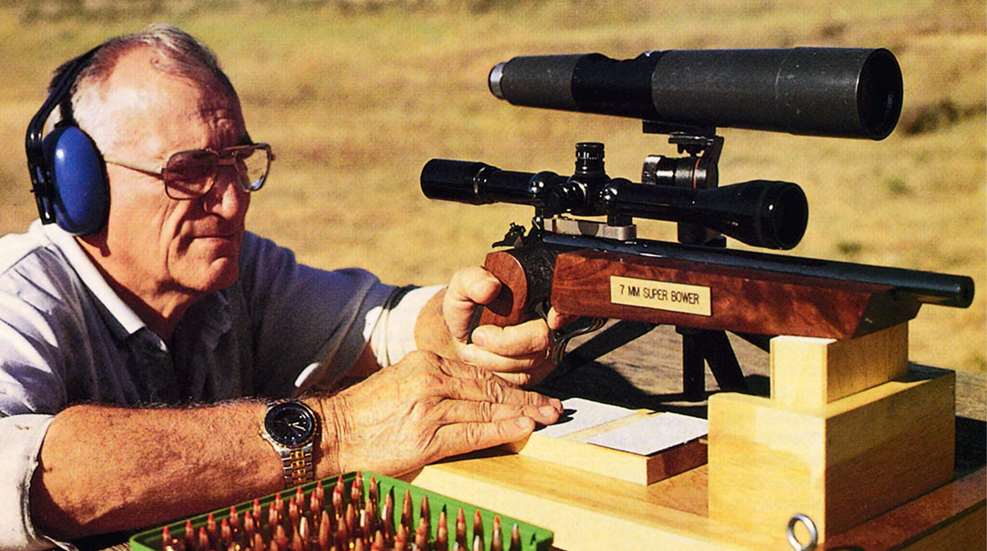
The rifle community has a benchrest obsession. Forums, YouTube reviews, even manufacturer marketing, everything orbits around the smallest possible group fired under the most controlled possible conditions. Sub-MOA has become the minimum acceptable standard in people's minds, to the point where a rifle that shoots 1.5 MOA gets treated like it's broken. It's not. The disconnect between benchrest precision and field accuracy is enormous, and most shooters would improve their actual hit rate far more by training fundamentals than by chasing tighter groups from a rest.
This isn't an argument against accuracy. A more accurate rifle is always better than a less accurate one, all else being equal. But all else is never equal. Money spent on a sub-MOA barrel could go toward a better optic. Time spent load-developing for 0.3 MOA groups could go toward positional shooting practice. The question isn't "is accuracy good?", it's "how much mechanical accuracy do you actually need, and what are you giving up to get more?"
The three-round group lie
Three-round groups are statistically meaningless for evaluating rifle accuracy. That's not opinion, it's math. The smaller your sample size, the more your results are dominated by luck. Fire enough three-round groups and you'll eventually get one that looks spectacular, even from a mediocre rifle. This is why cherry-picked groups are the currency of gun forums and marketing departments alike.
Bryan Litz, the ballistician behind Applied Ballistics, has written extensively about this. His data shows that a rifle with a true 1 MOA capability will occasionally print three-round groups under 0.3 MOA, and occasionally print groups over 1.5 MOA. Both are within normal statistical variation. If you only photograph the 0.3 group, you've told a story that has nothing to do with the rifle's actual capability.
Five-round groups are better. Ten-round groups are where you start getting honest data. A ten-round group will typically measure about 1.5 to 2 times the size of a five-round group from the same rifle, and roughly 2.5 to 3 times the size of a three-round group. So that "sub-MOA rifle" based on three-round groups might actually be a 1.5 to 2 MOA rifle when you let the statistics play out. That's still a perfectly functional rifle for most applications, but it's not what got posted online.
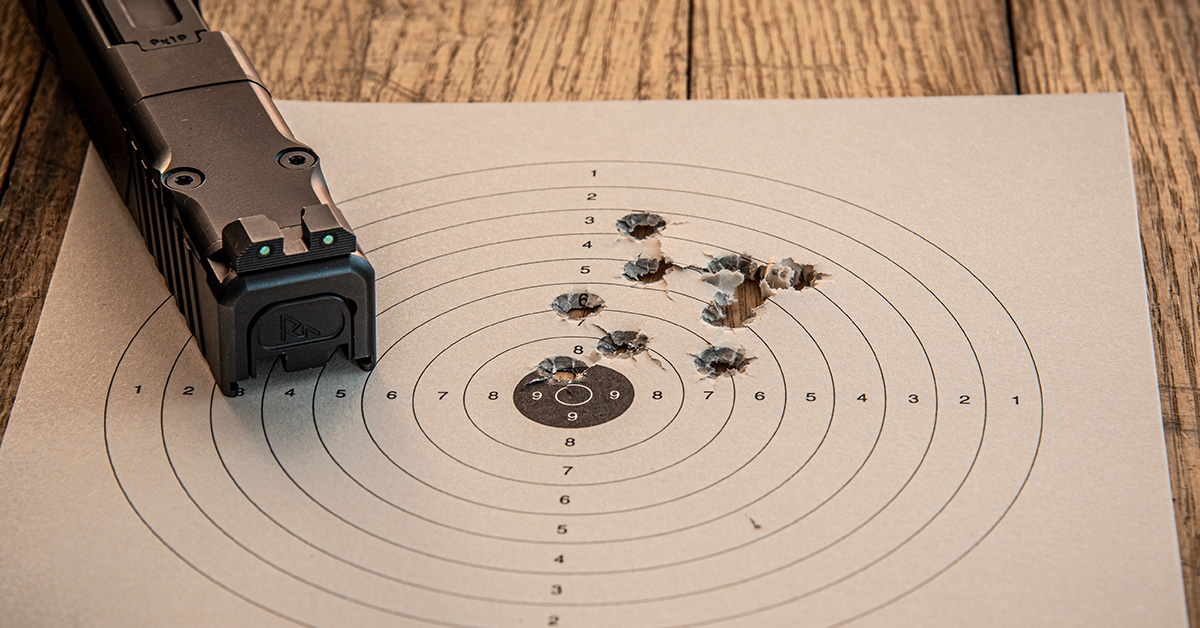
The Tikka T3x is a great example. Owners on the Rokslide forums have posted ten-round groups, and the honest ones tend to land between 0.8 and 1.5 MOA with quality hunting ammo. That's excellent real-world performance from a factory rifle. But the same owners can pull a single three-round group from those sessions that measures 0.4 MOA. Which number represents the rifle? The ten-round group does. Every time.
Range notes: how to actually measure your rifle's accuracy
Fire five separate five-round groups across at least two range sessions. Use the same ammo lot, the same rest setup, and let the barrel cool between groups. Calculate the average group size across all five groups. That's your rifle's mechanical accuracy with that load. Not the best group, not the worst, the average. If you want to get serious, shoot five ten-round groups and average those. The number will be humbling, and it will be honest.

Tikka T3x Deals
Prices may change. May contain affiliate links.
How much accuracy do you actually need?
This depends entirely on what you're doing with the rifle. The answer is almost always "less than you think."
Hunting
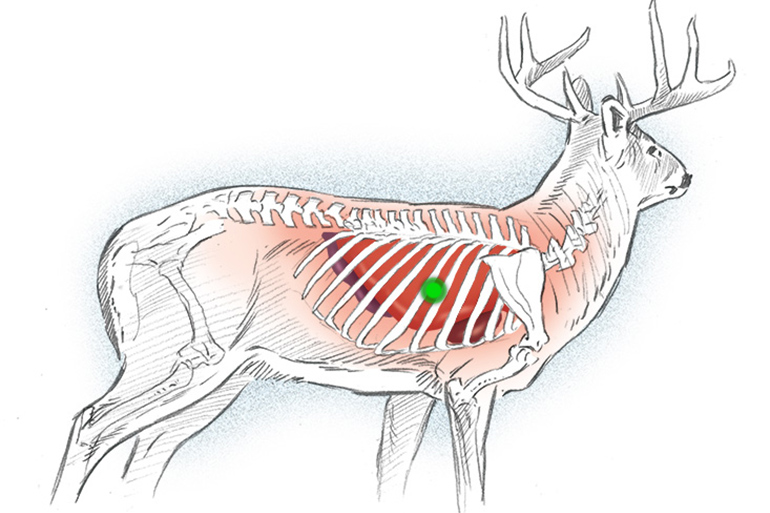
A whitetail deer's vital zone, heart and lungs, is roughly 8 to 10 inches in diameter. An elk's is closer to 12 to 14 inches. At 200 yards, which is a long shot for most hunting scenarios (the average whitetail is taken inside 150 yards in the eastern U.S.), a 2 MOA rifle puts every shot inside a 4-inch circle. That's dead center of the vital zone with margin to spare. Even at 300 yards, 2 MOA means a 6-inch group, still well within the kill zone of any big game animal on the continent.
The Boone and Crockett Club has long emphasized that the rifle is rarely the limiting factor in hunting accuracy. Wind, shooter fatigue, awkward field positions, adrenaline, and range estimation errors each introduce far more displacement than the difference between a 1 MOA rifle and a 2 MOA rifle. A 2 MOA rifle with a shooter who can read wind and shoot from field positions will outperform a sub-MOA rifle with a shooter who only practices from a bench every single time.
Here's a useful framework: your rifle's mechanical accuracy needs to be roughly half the size of your target's vital zone at your maximum ethical range. If you're hunting elk and your longest realistic shot is 400 yards, you need a rifle that can keep shots inside 6 to 7 inches at that distance. That's about 1.5 to 1.75 MOA. Most modern bolt-action hunting rifles in 6.5 Creedmoor, .308, .30-06, or .270 will do that with factory hunting ammo without any modifications.
The MeatEater crew has made this point repeatedly, the "sub-MOA hunting rifle" is largely a marketing construct. Hunters who wound or miss animals almost never do so because the rifle wasn't accurate enough. They do it because they misjudged the range, didn't account for wind, took a shot from an unstable position, or flinched under pressure. The rifle was the least of their problems.
Home defense and carbine work
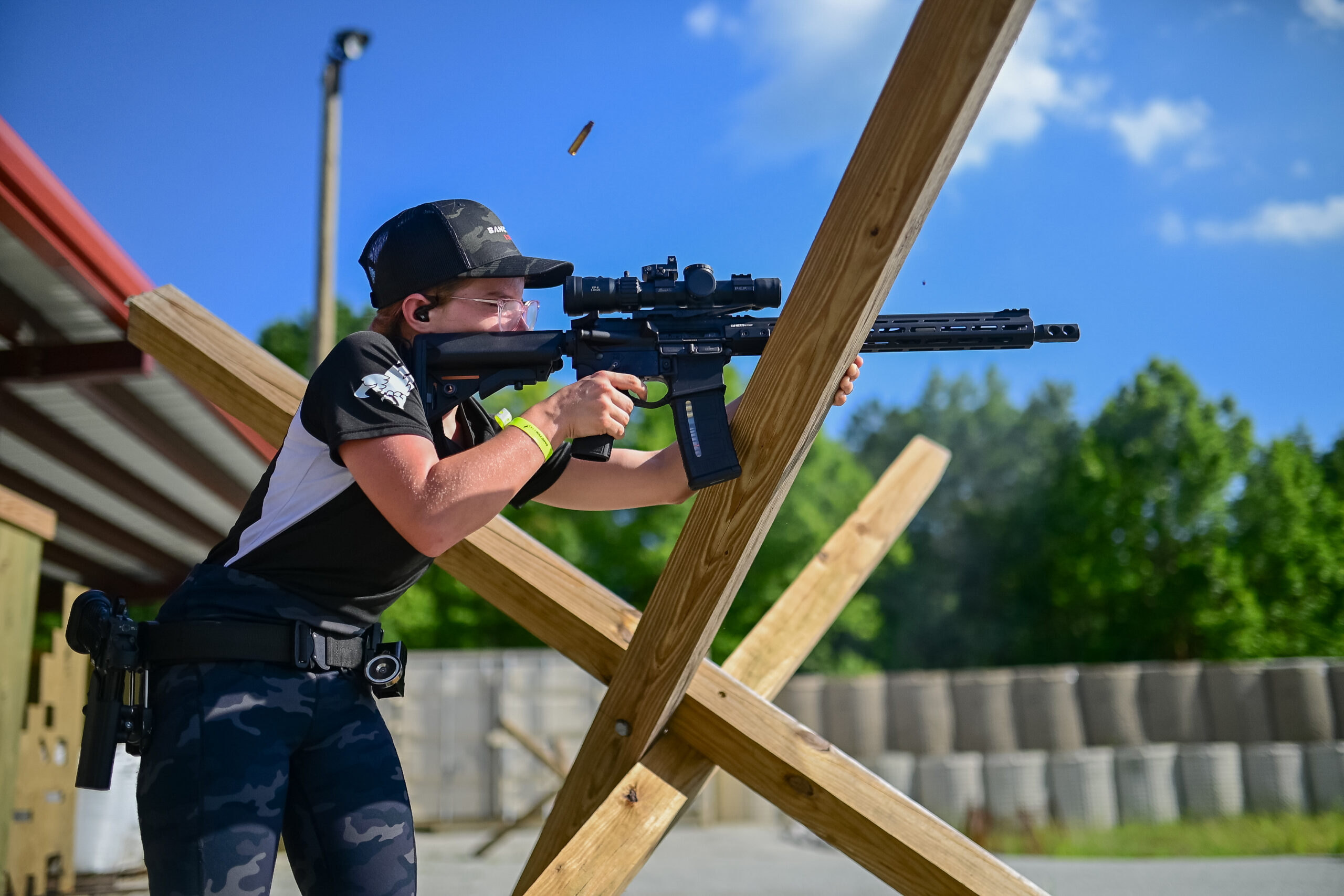
The U.S. Army's standard for the M4 carbine is 4 MOA at 300 meters. That's the acceptance spec for a service rifle that's expected to engage human-sized targets from 0 to 300 meters in combat conditions. Most quality AR-15s will shoot 1.5 to 3 MOA with decent 55-grain ball ammo, and under 1.5 MOA with match ammo. For any defensive or practical carbine application inside 200 yards, a 2 to 3 MOA AR is more than adequate.
The practical accuracy data from 9-Hole Reviews is instructive here. Their testing of various AK and AR platforms on timed courses of fire, engaging targets at multiple distances from field positions, shows that the shooter's speed, transitions, and positional stability matter vastly more than the rifle's inherent group size. A well-run AK in the hands of a skilled shooter will outperform a precision AR in the hands of someone who only shoots from a bench.
Precision rifle / competition
This is the one context where chasing mechanical accuracy makes sense, and even here, there are diminishing returns. PRS-style competition at 600 to 1,200 yards genuinely benefits from a rifle that shoots 0.5 to 0.75 MOA, because the targets are small (1 to 2 MOA) and you need the mechanical precision to leave room for wind calls and other shooter-induced errors. At 1,000 yards, the difference between a 0.5 MOA rifle and a 1.5 MOA rifle is the difference between a 5-inch group and a 15-inch group, and that matters when you're trying to hit a 12-inch plate.
But even here, the law of diminishing returns kicks in hard. Going from 1.5 MOA to 1 MOA is a massive improvement. Going from 0.75 to 0.5 is noticeable. Going from 0.5 to 0.3? You'll never see that difference in a field shooting context. The wind at 1,000 yards will move your bullet more than the difference between those two levels of mechanical precision.
The shooter is the bottleneck
This is the part nobody wants to hear. Most shooters are not as accurate as their rifles.
Data from Sniper's Hide forum discussions, a community of serious precision rifle shooters, not casual plinkers, suggests that the percentage of shooters who can consistently shoot 1 MOA from field positions (prone with bipod, no rear bag, no bench) is quite small. From a bench with bags, most competent shooters can approach their rifle's mechanical accuracy. Take away the bench and the numbers open up fast.
The U.S. Army's own research on marksmanship training highlights this gap. Soldiers qualify on known-distance ranges from supported positions, and even with extensive training, hit rates drop dramatically as conditions become less controlled. The rifle's mechanical accuracy is almost never the limiting factor, it's the human behind it.
Think about it this way. You have a 0.75 MOA rifle. From a bench with a front rest and rear bag, you can shoot close to that, maybe 1 MOA groups. Now go prone behind a bipod on uneven ground. You're probably shooting 1.5 to 2 MOA. Sitting with a sling? Maybe 2.5 to 3 MOA. Kneeling? You're at 3 to 4 MOA on a good day. Standing unsupported? Most shooters are 4 to 6 MOA or worse.
The rifle didn't change. You did. And the gap between your bench performance and your field performance is where all the real improvement lives. That gap is worth more than any barrel upgrade.
The math that should change your priorities
Say you have a 1.5 MOA rifle and you shoot 3 MOA from field positions. The rifle's mechanical accuracy accounts for half your total dispersion. If you upgrade to a 0.75 MOA rifle, your field shooting might tighten to about 2.5 MOA, because the rifle was only part of the equation. You spent $500 to $1,000 on a barrel and maybe a new load development process to gain 0.5 MOA in the field.
Alternatively, you could spend that money on ammo and training. A shooter who improves their positional shooting from 3 MOA to 2 MOA has gained a full MOA of practical improvement, twice what the barrel upgrade delivered. And that improvement follows them to every rifle they pick up.
The system matters more than the part. And in this system, the shooter is the weakest component for the vast majority of people reading this.
What actually degrades accuracy in the field
Understanding where your shots go wrong in real conditions is more valuable than benchrest data. Here are the factors that matter most, roughly in order of impact.
Wind
At 300 yards, a 10-mph full-value crosswind will push a 168-grain .308 bullet about 5 to 6 inches. At 500 yards, that same wind moves the bullet 15 to 17 inches. A 1-mph wind estimation error at 500 yards costs you about 1.5 to 1.7 inches, more than the difference between a 0.5 MOA rifle and a 1.5 MOA rifle at that distance. Wind is the single largest source of error in field shooting beyond 200 yards, and it's the hardest skill to develop. Most shooters underestimate wind's effect by a factor of two or more.
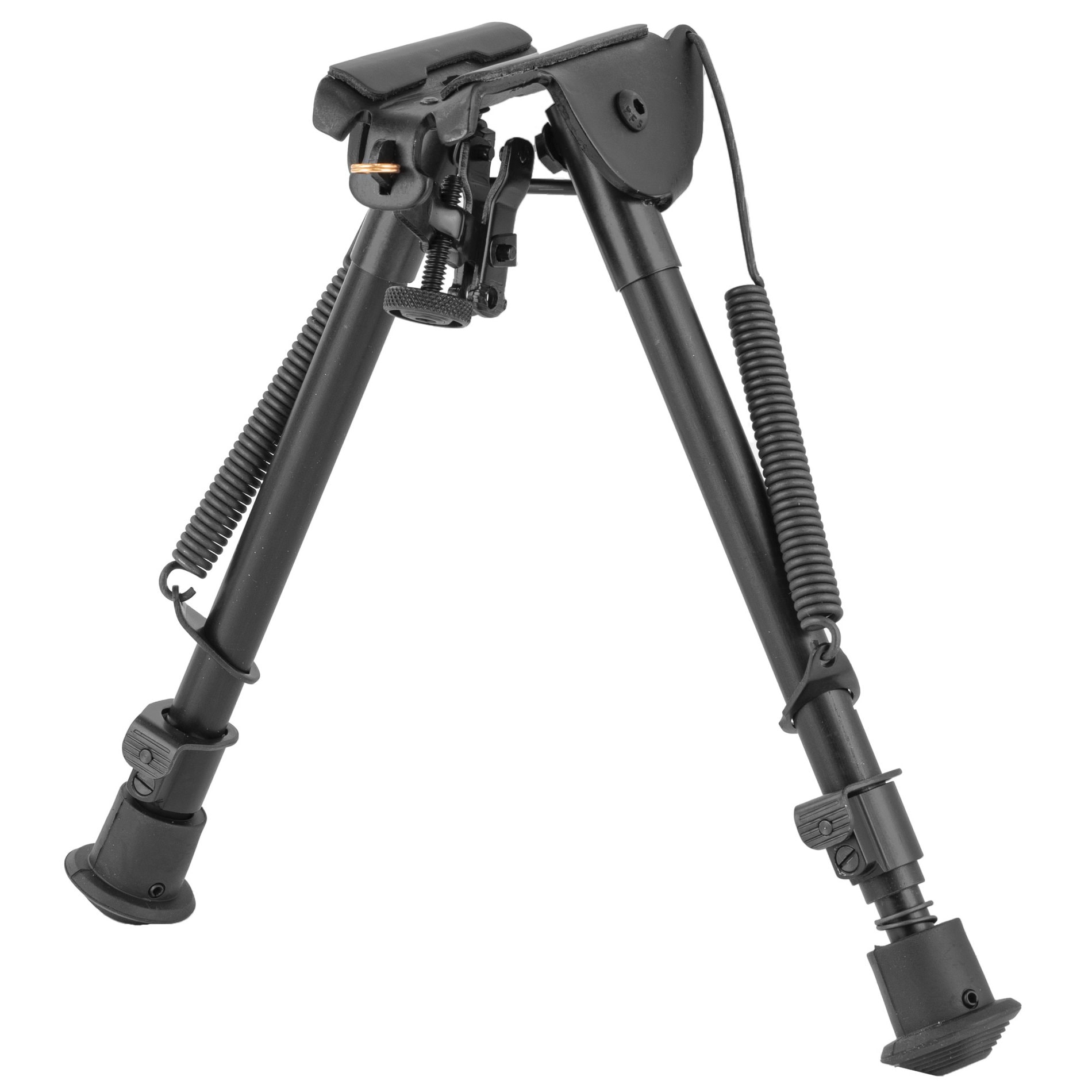
Harris Engineering Series S Bipod Deals
Prices may change. May contain affiliate links.
Positional instability
Every shooting position adds dispersion. A solid prone position with a bipod and rear bag might add 0.5 to 1 MOA to your rifle's mechanical accuracy. Prone without a rear bag adds 1 to 1.5 MOA. Sitting or kneeling adds 2 to 3 MOA. Standing adds 3 to 5 MOA or more. These numbers vary by shooter skill level, but the pattern is universal, the less support you have, the more the shooter dominates the accuracy equation.
Range estimation
A 10% range estimation error at 400 yards means you think the target is at 360 or 440 yards. With a .308 zeroed at 200 yards, that error translates to roughly 6 to 10 inches of vertical miss at 400 yards, depending on which direction you're wrong. A rangefinder solves this, but in hunting situations you don't always have time to range the target before the shot.
Trigger control under stress
Adrenaline does ugly things to trigger control. The flinch response, the tendency to slap the trigger, the inability to hold steady when your heart rate is elevated, these are human factors that no amount of mechanical accuracy can compensate for. A hunter who just hiked uphill for 20 minutes and spots a bull elk at 250 yards is not shooting the same groups they shot from the bench last Tuesday.
Temperature and ammunition
Ammo performance changes with temperature. Most hunting ammo will shift point of impact by 1 to 2 MOA between a 30°F winter morning and a 90°F summer afternoon. If you zeroed in July and you're hunting in November, you might be off by more than the difference between a sub-MOA rifle and a 2 MOA rifle.
Common mistakes when chasing accuracy
These are the patterns that waste the most time and money.
Harris Engineering Model L Bipod Deals
Prices may change. May contain affiliate links.
Buying a precision barrel for a rifle that already shoots well enough is the most common one. If your hunting rifle shoots 1.5 MOA with your chosen load and you're hunting inside 300 yards, a new barrel that shoots 0.75 MOA gains you nothing in the field. That $300 to $500 would be better spent on a quality bipod, a shooting course, or 500 rounds of practice ammo.
Developing loads to minimize group size rather than maximize consistency is another trap. A load that shoots 0.5 MOA for three rounds but opens up to 1.5 MOA over ten rounds is less useful than a load that consistently shoots 1 MOA across every string. Consistency matters more than peak performance. This is especially true for hunting, where your first cold-bore shot is the one that counts.
Testing accuracy only from a bench gives you data about the rifle-ammo combination but tells you nothing about your actual field capability. If you never practice from the positions you'll actually shoot from, you have no idea what your real accuracy is. Bench data is a starting point, not an endpoint.
Ignoring the optic and mount to spend more on the rifle is backwards. A $200 scope on a $1,500 rifle is a worse system than a $500 scope on a $700 rifle. The optic is how you aim. The mount is what keeps your zero. A rifle that mechanically shoots 0.75 MOA but has a scope that can't hold zero or has poor glass clarity at the edges is functionally less accurate than a 1.5 MOA rifle with a solid optic and mount.
Confusing precision with accuracy is subtle but important. Precision means your shots land close together. Accuracy means they land where you aimed. A rifle that shoots tight groups 3 inches left and 2 inches high is precise but not accurate, and it's an easy fix with a zero adjustment. A rifle that scatters shots randomly is neither precise nor accurate, and that's a real problem. Most "accuracy" complaints are actually precision complaints, and most precision complaints are actually shooter consistency complaints.
Rifles that shoot "well enough", and what that means
Let's look at some common platforms and where they actually land in terms of practical accuracy, using realistic expectations with quality factory ammo.
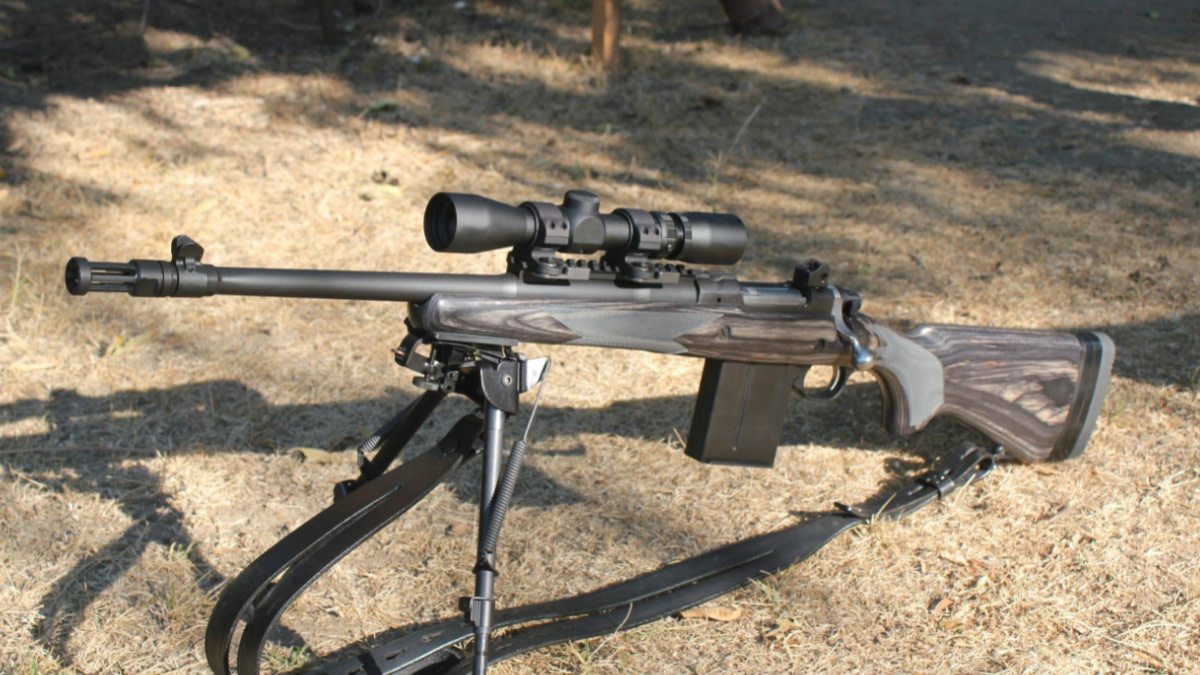
Ruger American in .308 or 6.5 Creedmoor
This is a $400 to $500 rifle that routinely shoots 1 to 1.5 MOA with match-grade ammo and 1.5 to 2 MOA with quality hunting ammo like Federal Fusion or Hornady American Whitetail. The trigger is decent out of the box, the action is smooth enough, and the stock is functional if not inspiring. For a hunting rifle that needs to make shots inside 400 yards, this platform is more than adequate. The money you save over a custom rifle buys a lot of optic and a lot of ammo.
Tikka T3x Lite in various chamberings
Probably the best value in bolt-action rifles right now. These consistently shoot 1 MOA or slightly under with match ammo, and 1 to 1.5 MOA with hunting ammo. The factory trigger is genuinely good, 2 to 3 pounds, crisp, adjustable. The action is smooth. Ten-round groups from Tikka owners on forums like Rokslide tend to land in the 0.8 to 1.3 MOA range, which is honest and excellent. For any hunting or recreational precision application, this rifle exceeds what most shooters can exploit from field positions.
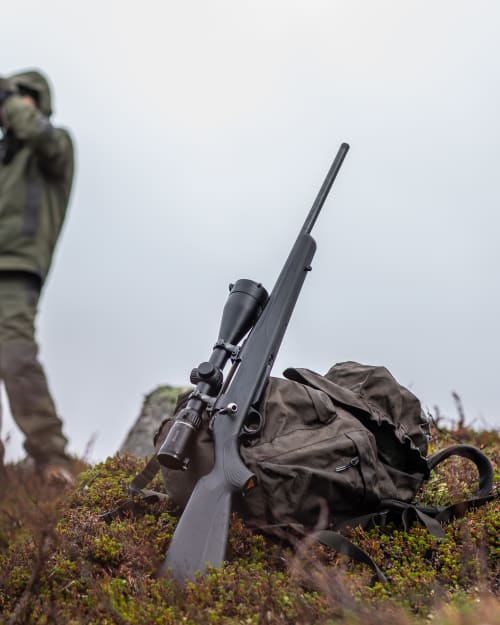
AR-15 with a mid-length 16-inch barrel (5.56/.223)
A quality AR, think BCM, Aero Precision upper with a Ballistic Advantage barrel, or a complete rifle from SOLGW, will shoot 1 to 2 MOA with 77-grain match ammo and 1.5 to 3 MOA with bulk 55-grain ball. For a carbine intended for practical shooting, home defense, or general range work inside 300 yards, 2 MOA is excellent. The rifle's accuracy is almost certainly better than what you'll achieve shooting it in any dynamic context. Spending $800 more to get a 0.75 MOA AR is only justified if you're shooting precision rifle matches with it.
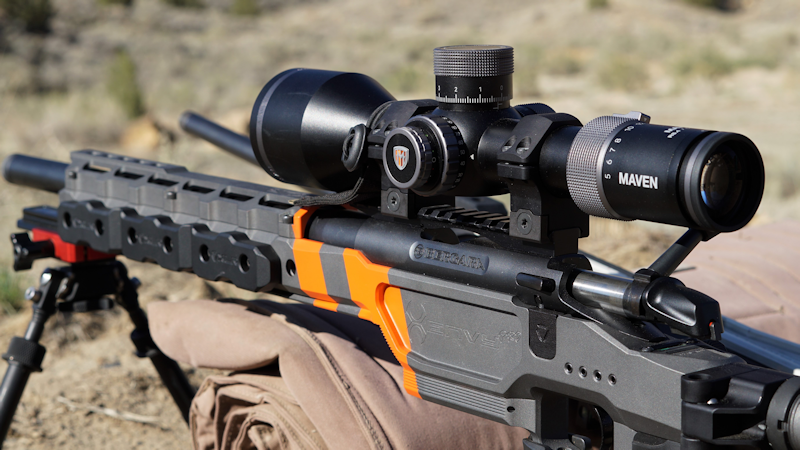
Remington 700 pattern rifles (Bergara B-14 HMR, etc.)
The Bergara B-14 HMR in 6.5 Creedmoor has become the default recommendation for entry-level precision rifle, and for good reason. These shoot 0.75 to 1 MOA with match ammo reliably, and the chassis-style stock with adjustable cheek riser and length of pull makes it easy to get behind properly. For PRS-style competition or long-range target work, this level of mechanical accuracy starts to matter because you're engaging small targets at 600+ yards. But even here, the rifle is ahead of most shooters' ability to exploit it in match conditions with time pressure and positional requirements.
Savage 110 series
Savage rifles have the AccuTrigger, which was revolutionary when it launched and remains one of the better factory triggers available. The 110 Tactical in .308 or 6.5 Creedmoor typically shoots 1 to 1.5 MOA with match ammo. The accustock models have some flex that can open groups slightly, but for the price point, the accuracy is more than sufficient for hunting and recreational shooting. Bedding the action or dropping it into an aftermarket stock tightens things up if you want to wring out the last bit of precision.
The common thread across all these platforms: factory rifles in 2025 are remarkably accurate. The "2 MOA hunting rifle" that was common 30 years ago is now the exception rather than the rule. Most modern bolt-actions shoot 1.5 MOA or better with decent ammo, and many shoot under 1 MOA. The mechanical accuracy problem has been largely solved at every price point. The shooter problem has not.
Building a practical accuracy training plan
Instead of chasing tighter groups from a bench, here's how to actually improve your hit probability in the field.
Start with a cold-bore shot log
Every range session, fire your first shot at a target at 100 or 200 yards from a field-realistic position, prone with bipod, no rear bag. Log where it hits relative to your point of aim. Over 20 to 30 sessions, you'll have a cold-bore shot plot that tells you more about your practical accuracy than any benchrest group ever will. Your cold-bore shot dispersion is your real accuracy. In hunting, you almost never get a second shot at the same target in the same conditions.
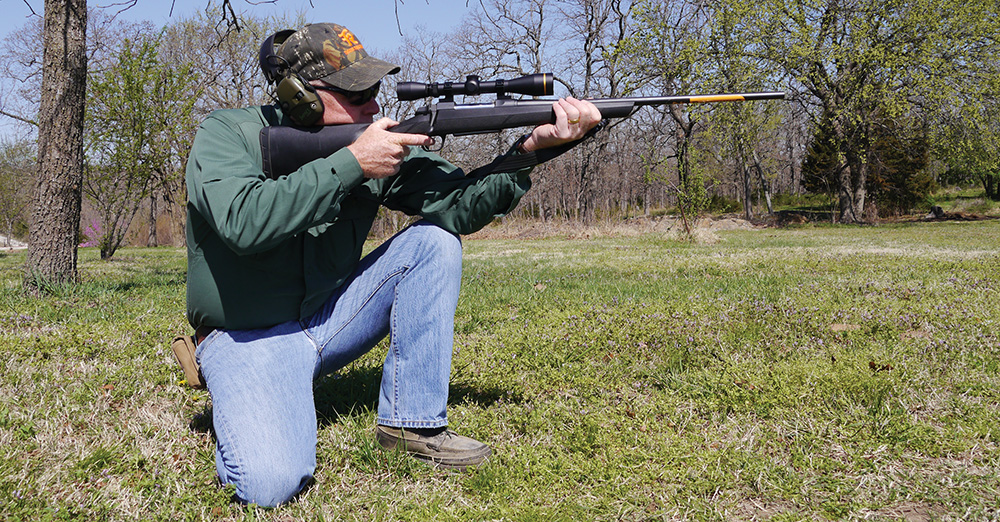
Shoot from every position
Dedicate at least half your range time to positional shooting. Prone unsupported, sitting, kneeling, standing, and improvised positions using barricades, tree stands, or vehicle hoods. Time yourself. A 2 MOA hit in 5 seconds from kneeling is more valuable than a 0.5 MOA group in 30 seconds from a bench.
The Everyday Marksman standards are a useful benchmark here. They define "Rifleman" level as the ability to hit a roughly 4 MOA target from various positions at various distances under time pressure. That's a standard most shooters haven't achieved, and it has nothing to do with the rifle's mechanical accuracy.
Practice wind reading
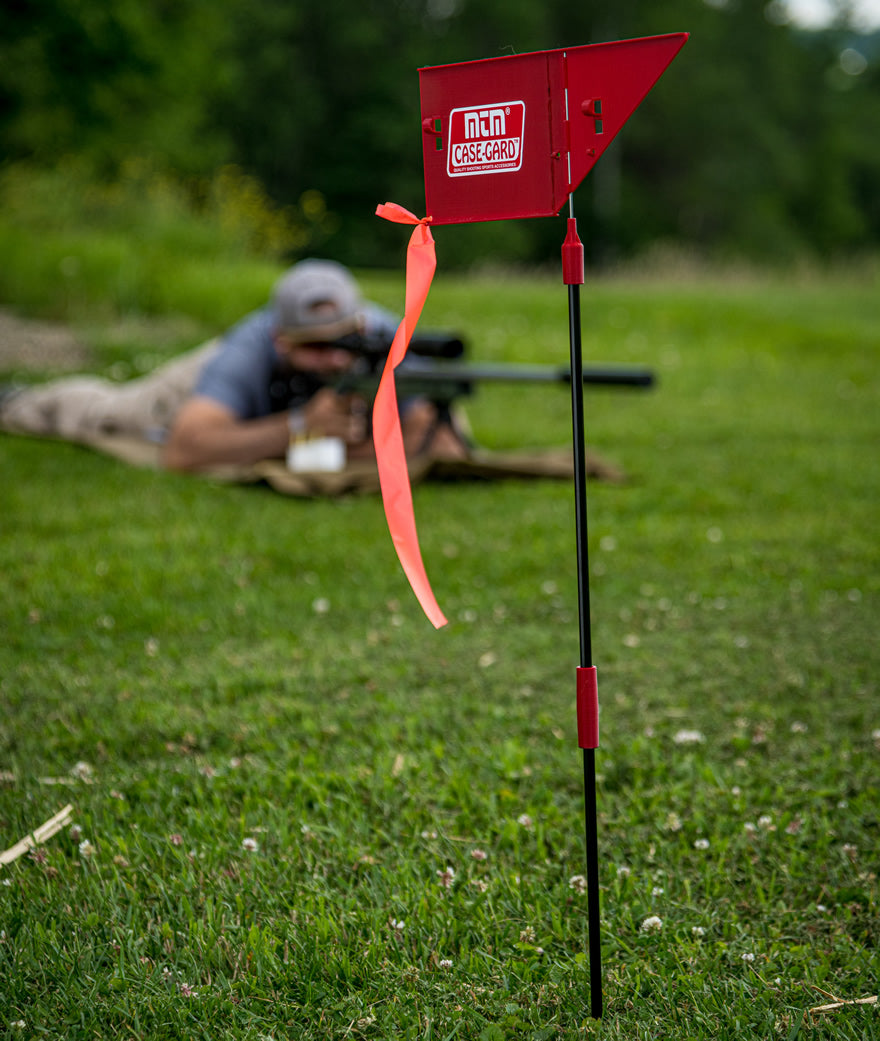
This is the single highest-return skill for anyone shooting beyond 200 yards. Read wind flags, mirage, and vegetation. Make a call before every shot. Log your calls and your results. Over time, you'll develop the ability to estimate wind speed and direction with enough accuracy to matter. No rifle upgrade will ever compensate for a 5-mph wind call error at 500 yards.
Shoot at realistic targets
Paper bullseyes at 100 yards are fine for zeroing and load development. But if you're a hunter, you should be shooting at targets that approximate the vital zone of your quarry at realistic hunting distances. A steel silhouette at 300 yards, an 8-inch plate at 400 yards, a life-size deer vital zone target at 200 yards from sitting, these give you feedback that relates to your actual shooting scenarios.
Dry fire
Ten minutes of dry fire practice three times a week will do more for your trigger control than an extra range session per month. Focus on sight picture, trigger press, and follow-through. Use a snap cap. Watch the reticle through the entire trigger press, if it moves off target before the click, that's your flinch. This is free, it takes no ammo, and it addresses the single most common accuracy problem among shooters.
The diminishing returns curve
There's a concept in engineering called the Pareto principle, 80% of the results come from 20% of the effort. Rifle accuracy follows this curve almost perfectly.

Going from a 4 MOA rifle to a 2 MOA rifle is a massive, meaningful improvement. It doubles your effective range on a given target size. This is the jump from a worn-out surplus rifle to a decent modern hunting rifle, and it's worth every penny.
Going from 2 MOA to 1 MOA is still significant. It extends your effective range by maybe 40% on the same target. For a hunter who takes shots beyond 300 yards or a precision shooter working at distance, this improvement matters. A good factory rifle with quality ammo gets you here without heroic effort.
Going from 1 MOA to 0.5 MOA requires match-grade barrels, carefully developed handloads, premium components, and often a custom action or significant gunsmithing. The cost to get here can easily exceed the cost of the base rifle. And the practical benefit? At 300 yards, the difference between 1 MOA and 0.5 MOA is 1.5 inches. On an 8-inch vital zone, both are center hits. You spent $1,000+ to move your group center 1.5 inches closer to the bullseye at a distance where both rifles would've killed the animal cleanly.
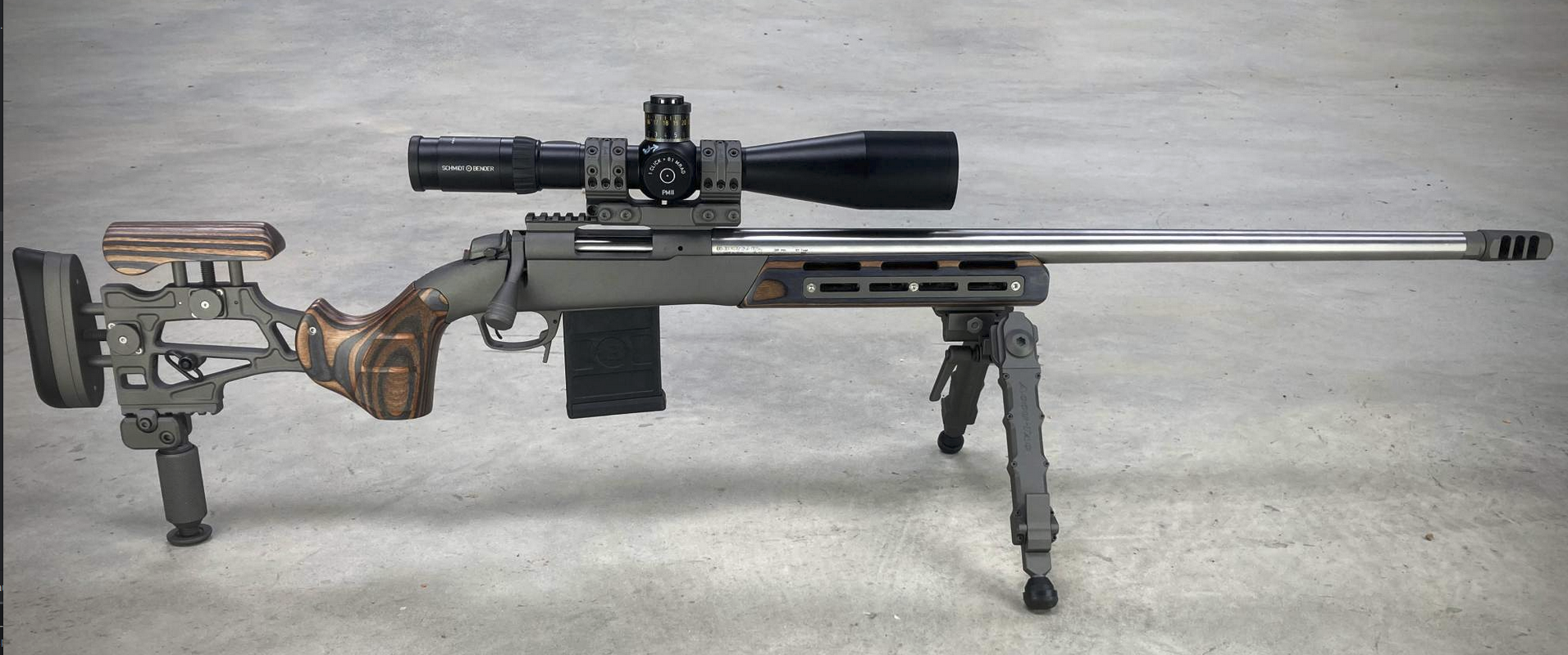
Going from 0.5 MOA to 0.25 MOA is the realm of full-custom benchrest rifles, extreme load development, and controlled conditions. The practical benefit in any field application is essentially zero. At 500 yards, the difference is 1.25 inches. Wind will move your bullet 10 times that much.
Real talk: most shooters would be better served by a 1.5 MOA rifle they've trained with extensively than a 0.5 MOA rifle they only shoot from a bench.
When mechanical accuracy actually matters
There are legitimate contexts where chasing the smallest possible group is justified, and being honest about them helps clarify when it's not.
F-class and benchrest competition are the obvious ones. These are sports where the entire point is mechanical precision, and the shooting conditions (bench, bags, minimal time pressure) are designed to minimize shooter-induced error. If you're competing in these disciplines, sub-half-MOA is the entry fee and you know it.
Long-range precision rifle competition (PRS/NRL) benefits from sub-MOA rifles because the targets are small and the distances are long. A 1 MOA rifle at 1,000 yards puts shots in a 10-inch circle, and some targets are smaller than that. But even here, the top competitors will tell you that wind reading and positional shooting skill separate the winners from the field, not rifle accuracy.
Varmint hunting at extended range is another legitimate case. Prairie dogs have a vital zone of maybe 3 inches, and shots beyond 300 yards are common. A 2 MOA rifle at 400 yards puts shots in an 8-inch circle, you're missing most of the time. Here, a sub-MOA rifle genuinely increases your hit rate.
Tikka T3x Lite Deals
Prices may change. May contain affiliate links.
Long-range hunting beyond 500 yards, if you choose to take those shots, and many experienced hunters argue you shouldn't, requires tighter mechanical accuracy because the vital zone at those distances subtends fewer MOA. An elk's 14-inch vital zone at 700 yards is 1.9 MOA. Your rifle needs to shoot well under that to leave room for wind error and shooter-induced dispersion.
Outside these specific scenarios, the difference between 1 MOA and 2 MOA is academic for practical purposes.
The honest accuracy conversation
The gun industry has a financial incentive to make you believe sub-MOA is the minimum acceptable standard. It sells barrels, triggers, chassis systems, match ammo, and gunsmithing services. There's nothing wrong with those products, many of them are excellent, but the marketing creates an expectation that doesn't align with how most people actually use their rifles.
The military's perspective is instructive. The standard for a service rifle is 3 to 4 MOA. The standard for a sniper rifle is typically 1 MOA or slightly under. These standards were developed by organizations that have extensive data on what accuracy is actually required to accomplish specific missions at specific distances. They're not leaving performance on the table, they're being realistic about the accuracy needed for the intended application and spending their budget where it matters more, which is training.
The U.S. Army has published research acknowledging that marksmanship training time and quality, not rifle accuracy, is the primary factor in soldier lethality. They don't need a sub-MOA M4. They need soldiers who can hit a man-sized target at 300 meters from a supported position under stress. The rifle exceeds that requirement. The training often doesn't.

Forum culture has warped expectations. When someone posts a 1.5 MOA group and asks if their rifle is "good enough," and ten people respond saying they should rebarrel or try different ammo, that's the community optimizing for the wrong variable. That 1.5 MOA rifle is more accurate than most shooters can exploit from any position other than a bench. The correct answer is almost always "your rifle is fine, go shoot more from positions."
What to do next
Here's a concrete drill that will tell you more about your practical accuracy than any benchrest session.
Set up a target at 200 yards. Use an 8-inch circle, roughly the vital zone of a whitetail. Start from standing. On a timer, drop to prone (no bipod, just a sling or unsupported), and fire one round. Record the time and whether you hit the circle. Do this ten times. Then do ten from sitting. Then ten from kneeling.
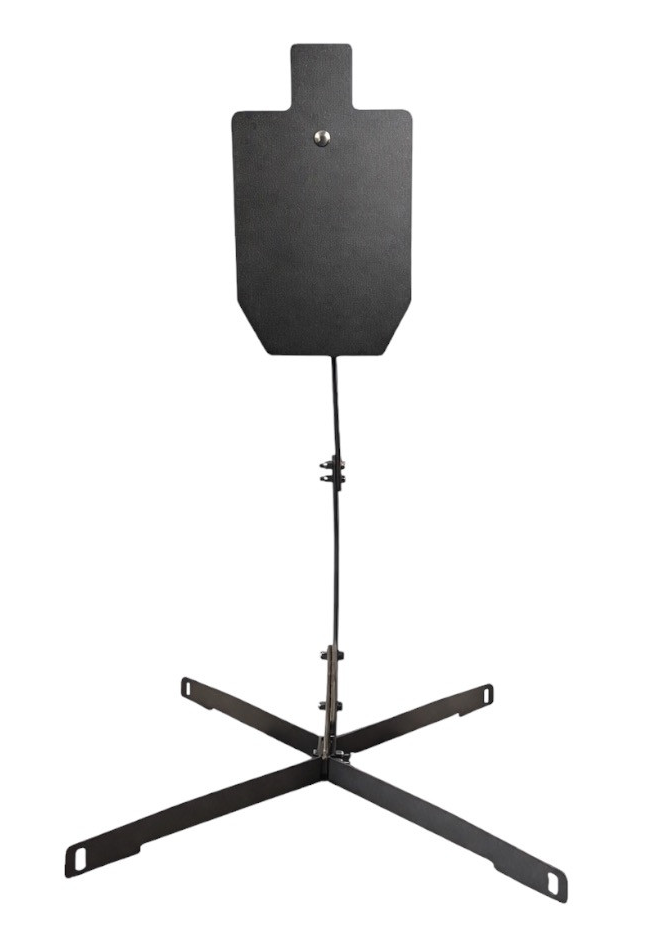
Your hit percentage from each position is your practical accuracy at 200 yards. If you're hitting 8 out of 10 from prone but 3 out of 10 from kneeling, you know exactly where to focus your training. And you'll notice something important: the rifle's mechanical accuracy didn't change between positions. You did.
Track this drill over time. As your positional shooting improves, your hit rates will climb, and that improvement will translate directly to the field in a way that a tighter benchrest group never would. The rifle does 80% of the work on the bench. In the field, the shooter does 80% of the work. Train accordingly.