You mounted a new LPVO, shouldered the rifle, and got a dark circle with a tiny picture in the middle. So you moved your head forward. Then back. Then loosened the mount and slid the scope. Now you're three hours deep, the zero's gone, and you're wondering if the scope is defective.
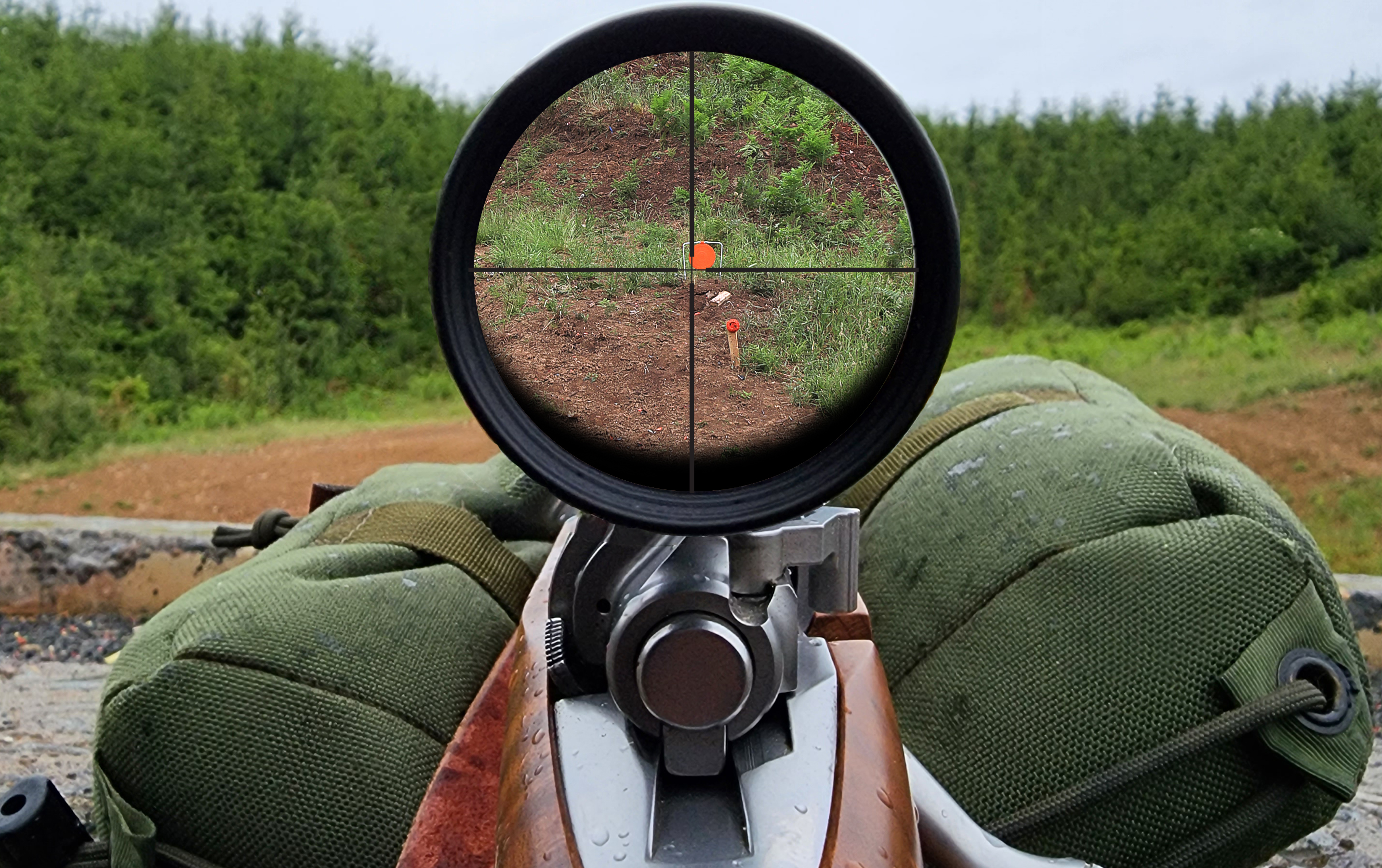
It's probably not. The vast majority of "bad eye box" complaints trace back to mounting position, head placement, or a misunderstanding of what eye relief and eye box actually mean; and how they interact differently on an LPVO than on a traditional hunting scope. These two specs control whether you see a full, clear image or a frustrating black tunnel, and they behave differently at 1x than at 6x or 8x.
This piece answers every recurring question about LPVO eye relief, eye box, and head position; the stuff that shows up in forum threads every week. Not theory for its own sake. Practical answers that get you behind the scope with a full field of view and consistent cheek weld.
Eye relief vs eye box: they're not the same thing
Eye relief is a single measurement: the distance from the rear lens (the ocular lens) to the point where your eye sees the full image. Most LPVOs spec this somewhere between 3.5 and 4 inches, though it shifts across the magnification range. That number is measured along the optical axis; a straight line running through the center of the tube.
Eye box is the three-dimensional zone where your eye can sit and still see a usable image. Think of it as a bubble floating behind the scope. Inside that bubble, you get a full or nearly full picture. Outside it, the image vignettes; that dark crescent or full tunnel effect.
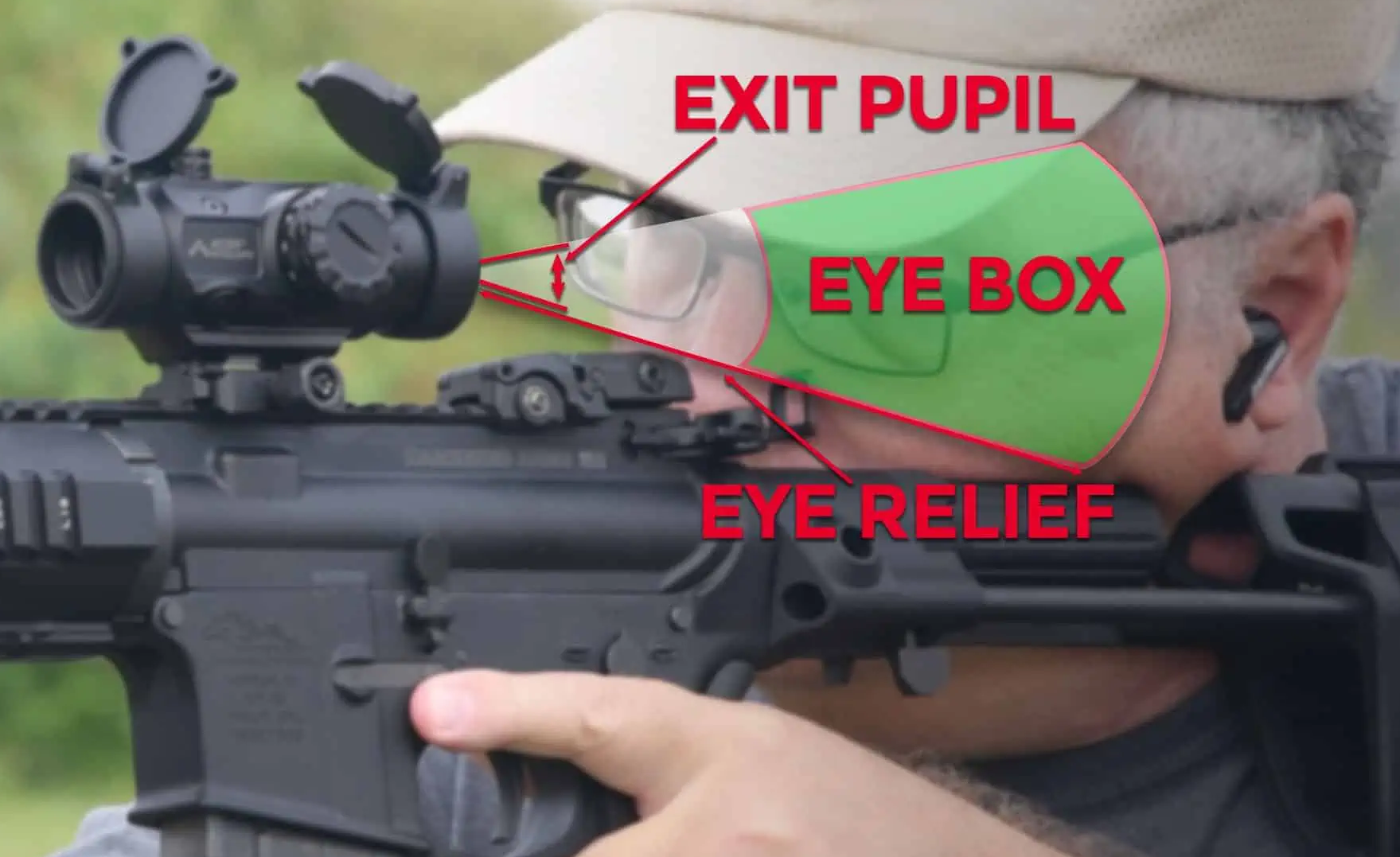
Here's why the distinction matters: two scopes can have identical eye relief specs and wildly different eye boxes. Eye relief tells you how far back to position your eye. Eye box tells you how much forgiveness you get if your head isn't perfectly placed; laterally, vertically, or slightly forward and back of the ideal spot.
On an LPVO, the eye box is generous at 1x and shrinks as you increase magnification. At 1x on a decent scope, you can be off-center by a surprising amount and still see the reticle and target. Crank to 6x or 8x, and that forgiveness tightens dramatically. This is normal optical behavior, not a flaw.
The spec that matters here: if a manufacturer only lists eye relief, you're getting half the picture. Eye box dimensions are rarely published because they're harder to quantify; they vary with magnification, and there's no industry-standard measurement method. You evaluate eye box by shouldering the rifle and noting how much head movement you can tolerate before the image degrades.
Why your LPVO seems worse than your old hunting scope
This comes up constantly. Someone replaces a Vortex Crossfire II 3-9x40 with a 1-6x or 1-8x LPVO and feels like the new scope is harder to get behind. The Crossfire II has about 3.8 inches of eye relief, and a 1-6x LPVO might spec similarly. So what gives?
Two things are happening. First, the Crossfire II on a bolt gun sits on a platform where your cheek weld is established by a stock designed for scoped shooting; usually with a Monte Carlo comb or adjustable cheekpiece. The rifle shoulders the same way every time, and your eye lands in the same spot. An AR-15 with a collapsible stock and a flat-top receiver puts your head in a less consistent position, especially if the stock length isn't dialed for your body.
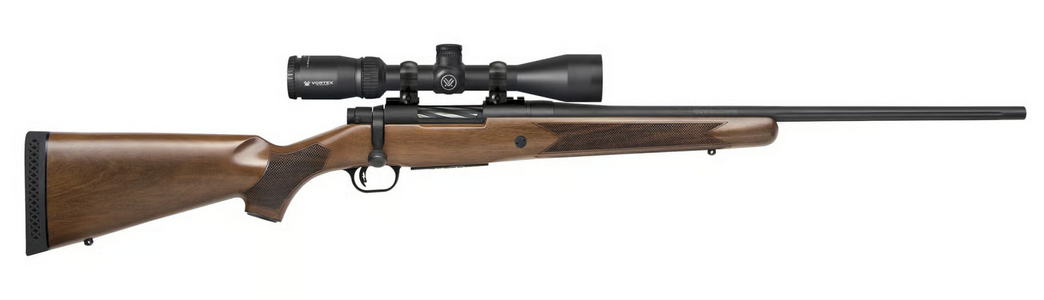
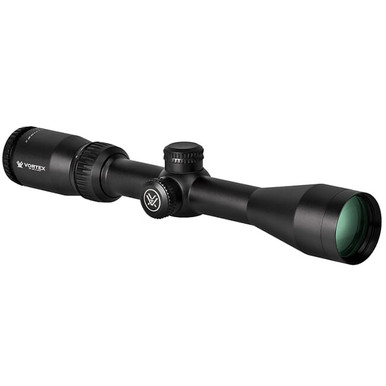
Vortex Crossfire II 3-9x40 Deals
Prices may change. May contain affiliate links.
Second, the optical design of an LPVO at true 1x is fundamentally different from a traditional scope at 3x. At 1x, the LPVO is trying to act like a red dot; both eyes open, fast acquisition. But it's still a magnified optic with an eyepiece, and the eye box behavior at 1x varies enormously between designs. Some 1x implementations are genuinely close to a red dot experience. Others require more precise head placement than you'd expect.
The bottom line: the scope probably isn't worse. The platform and shooting position changed, and the scope's relationship to your eye changed with it.
The magnification trade-off nobody explains clearly
There's a direct, unavoidable relationship between magnification range and eye box size. The wider the magnification range, the more the eye box shrinks at the top end. This is physics, not marketing.
A 1-6x LPVO at 6x will almost always have a more forgiving eye box than a 1-8x at 8x, and a 1-10x at 10x will be tighter still. The optical engineers are cramming more magnification into the same tube diameter (usually 30mm, sometimes 34mm), and something has to give. What gives is the eye box at high magnification.
This is the core tension in the 1-6x vs 1-8x vs 1-10x debate, and it matters more than most people realize before they buy. A 1-10x sounds great on paper; huge versatility range. But if you can't get behind it quickly at 8x or 10x under field conditions, those extra magnification numbers don't help you.
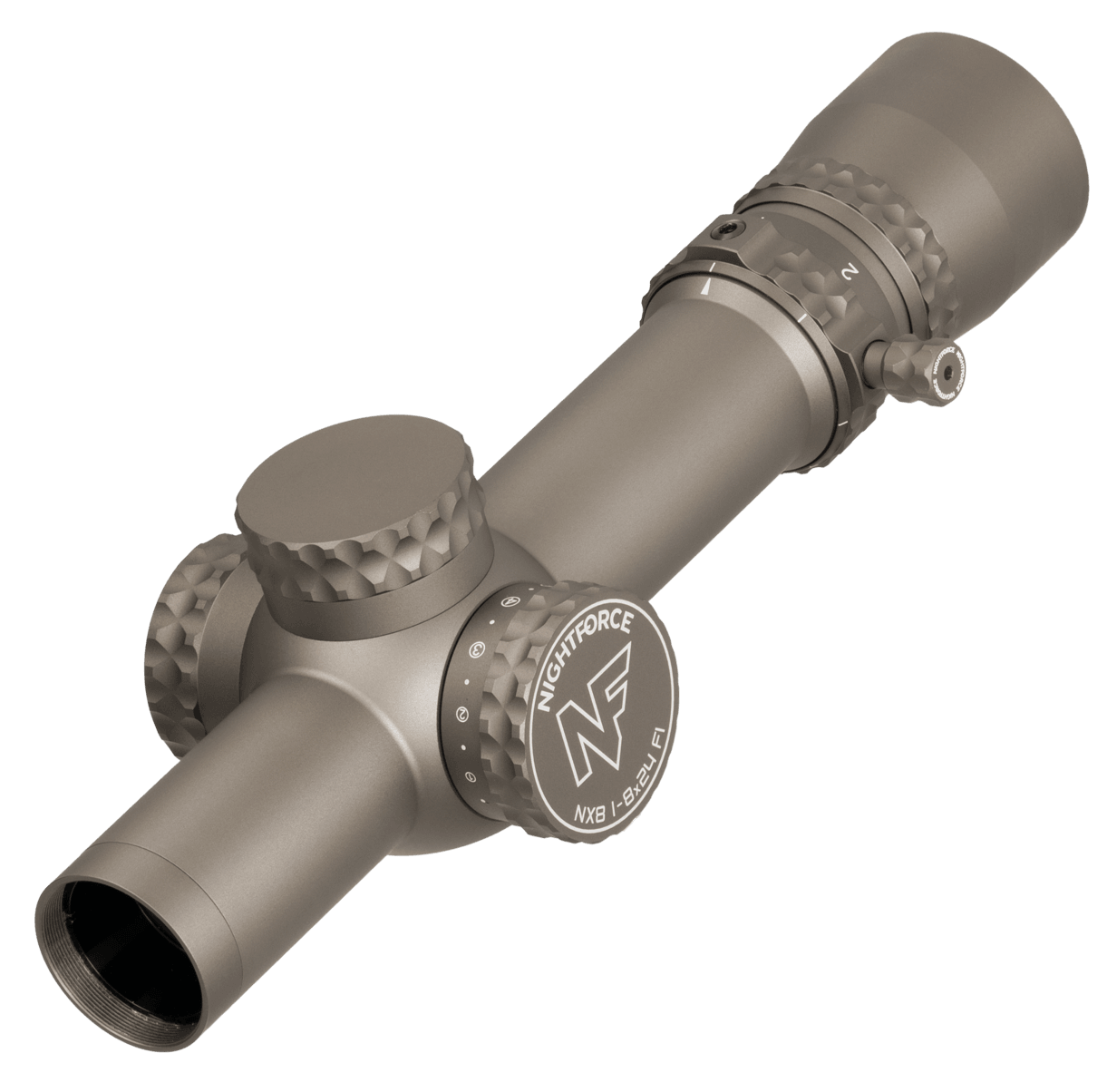
The Nightforce NX8 1-8x24 is a good example. It's a compact, lightweight 1-8x in a 30mm tube with excellent glass. But the eye box at 8x is noticeably tighter than what you'd get from a Vortex Razor Gen III 1-10x in a 34mm tube, and even the Razor tightens up at 10x compared to its lower settings. The NX8's eye box is the most common complaint about that optic, and it's not because Nightforce made a mistake; it's because they prioritized compactness and weight, and the eye box is where the compromise landed.
Meanwhile, a quality 1-6x like the Vortex Razor Gen II-E or the Primary Arms PLx 1-6x will feel substantially more forgiving across the entire range. You give up top-end magnification but gain speed and ease of use.
What you'll actually notice: the difference between a 1-6x and a 1-8x at their respective max magnifications isn't subtle. Shoulder the rifle quickly from a low ready, find the target at max power, and see how much you have to hunt for the image. On a good 1-6x, it's almost instant. On a tight 1-8x or 1-10x, there's a perceptible search.
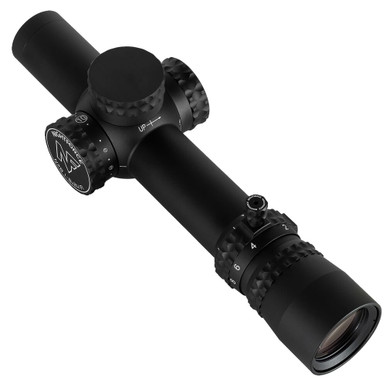
Nightforce NX8 1-8x24 Deals
Prices may change. May contain affiliate links.
How to actually set eye relief on an LPVO
Most people set eye relief wrong because they do it sitting at a bench. That's the worst position to use, because your head-to-scope relationship at a bench is completely different from standing, kneeling, or prone; the positions where you'll actually shoot.
Here's the process that works:
Start with the scope loosely positioned in the mount so it can slide forward and back. Set the magnification to maximum; this is where eye relief is most critical and least forgiving. Shoulder the rifle in your most common shooting position. For an AR-15, that's usually standing with the stock collapsed or extended to your normal length of pull. Close your eyes, shoulder the rifle naturally, establish cheek weld, then open your eyes.
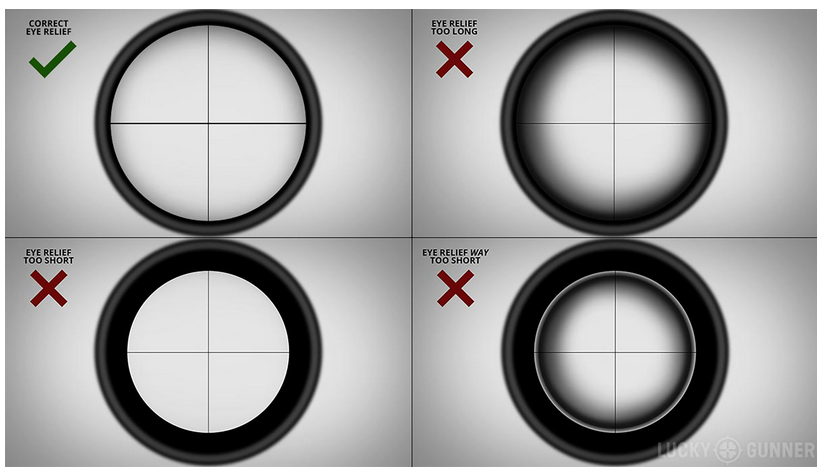
If you see a full, clear image with no shadowing, the scope is close to right. If you see a dark ring around the edge, note whether it's uniform (you're too close or too far) or heavier on one side (your eye is off-axis; a head position issue, not an eye relief issue).
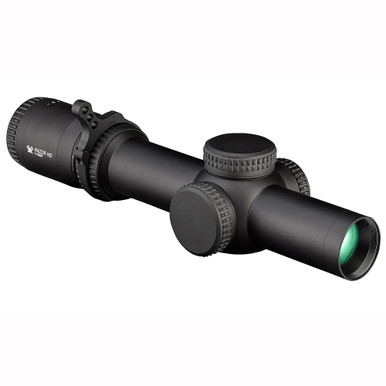
Vortex Razor Gen III 1-10x24 Deals
Prices may change. May contain affiliate links.
Slide the scope forward or back in small increments until you consistently get a full image when you shoulder naturally. Then tighten everything down and repeat the test. Check at 1x too; you should have even more room to work with there.
The critical mistake is optimizing for bench shooting and then wondering why the scope tunnels when you stand up. Your head sits differently relative to the stock in every position. Set eye relief for the position you'll use most, and accept that other positions may require minor head adjustment.
One more thing: after you lock the scope down, run through shouldering drills; bring the rifle up twenty times and see if you're consistently landing in the eye box. If you're hunting for the image more than once or twice out of twenty reps, something needs to move.
Mount height and eye box: the connection most people miss
The conversation about LPVO mount height usually focuses on co-witness with iron sights or "heads up" shooting posture. But mount height directly affects how easily you find the eye box, and it's one of the most common sources of LPVO frustration.
The three common AR-15 mount heights are 1.5 inches (standard), 1.93 inches (the current popular choice), and 2.26 inches (tall). These measurements refer to the centerline of the optic above the top of the receiver.
Vortex Razor Gen II-E 1-6x24 Deals
Prices may change. May contain affiliate links.
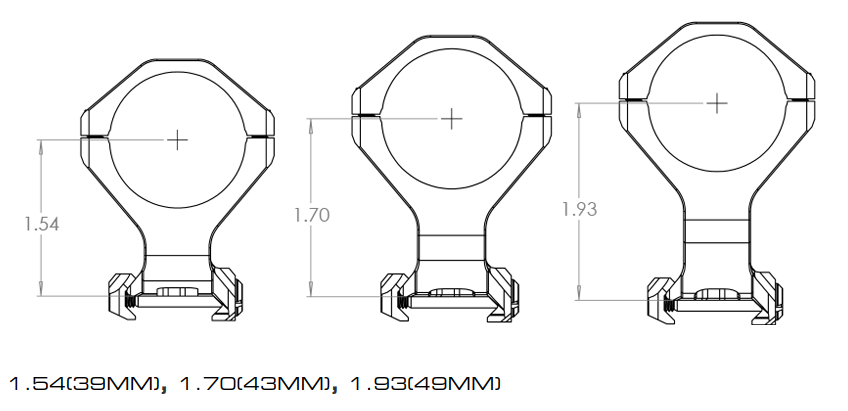
At 1.5 inches, you need to really press your cheek into the stock to get your eye aligned with the scope. On a standard AR stock without a riser, this can feel cramped, and some shooters end up with inconsistent cheek weld because they're mashing their face down to reach the scope.
At 1.93 inches, the scope sits higher, and most shooters with a standard AR stock find their eye naturally aligns with the optic when they establish a normal cheek weld. This is why 1.93 has become the default recommendation; it matches the natural head position on a typical AR-15 better than 1.5 for most people.
At 2.26 inches, you're in "heads up" territory. Your cheek barely contacts the stock, or you're using a dedicated riser. This can be fast for both-eyes-open shooting at 1x, but it introduces more variability in head position because you've lost the stock as a consistent index point for your cheek. At higher magnifications, where the eye box is tight, that variability can mean more time hunting for the image.
The relationship to eye box is straightforward: if the mount height puts your eye naturally on the optical axis, you start inside the eye box every time you shoulder the rifle. If the mount height is wrong for your anatomy and stock setup, you start outside the eye box and have to adjust; and that adjustment eats time and consistency.
Primary Arms PLx 1-6x24 ACSS Griffin Deals
Prices may change. May contain affiliate links.
There's no universal right answer on height. It depends on your stock, your face geometry, whether you're wearing a gas mask or ear pro that changes your cheek weld, and how you prioritize speed at 1x vs precision at max magnification. But if you're fighting the eye box, try a different mount height before you blame the scope.
The 34mm tube question
You'll hear that 34mm tubes have better eye boxes than 30mm tubes. This is partially true but needs context.
A larger tube diameter allows optical designers more room to work with, which can translate to a larger eye box, wider field of view, or better light transmission; or some combination. But "can" is doing heavy lifting in that sentence. A well-designed 30mm scope can have a better eye box than a mediocre 34mm scope.
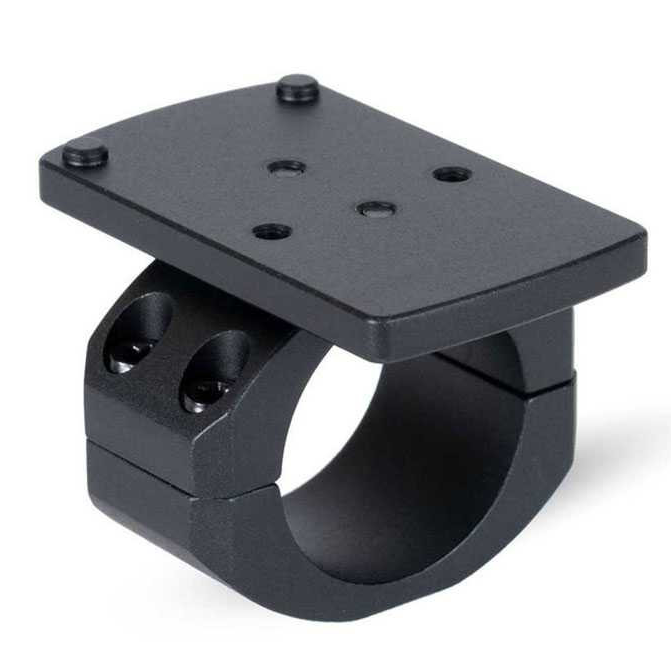
Where the 34mm advantage shows up most clearly is in high-magnification-range LPVOs. The Vortex Razor Gen III 1-10x uses a 34mm tube, and its eye box at 10x is more usable than you'd expect for that magnification range. A 1-10x in a 30mm tube would likely have a noticeably tighter eye box at the top end, because the optical designers have less room to manage the light path.
For a 1-6x, the 34mm advantage is less dramatic. Plenty of excellent 1-6x scopes use 30mm tubes and have perfectly usable eye boxes. The Primary Arms PLx 1-6x (30mm) and the Trijicon VCOG 1-6x (also using a smaller tube) both demonstrate that tube diameter isn't destiny.
The trade-off with 34mm is weight and mount compatibility. A 34mm scope is heavier, and 34mm mounts are generally heavier and more expensive than 30mm options. If you're building a lightweight carbine, that matters.
Common mistakes that wreck your eye box experience
Setting eye relief at the wrong magnification
Already covered above, but it's the single most common error. Always set eye relief at max magnification. The eye box opens up as you reduce magnification, so if it works at 8x, it'll work at 1x. The reverse is not true.
Stock length of pull is wrong
If your stock is too long, you'll be stretched out and your eye will sit too far back. Too short, and you'll be crammed forward. On a collapsible AR stock, this is a one-click adjustment, but most people set it once and forget it. If you change anything about your setup; plate carrier, winter jacket, different shooting position; recheck your length of pull. It directly affects where your eye lands relative to the scope.
Cheek weld vs chin weld
With taller mounts (1.93 and especially 2.26), some shooters end up with their chin on the stock instead of their cheek. This puts the eye higher than intended and can cause vertical misalignment with the scope's optical axis. If you're using a tall mount, consider a stock riser or cheekpiece that brings the contact point up to where your cheek naturally rests.
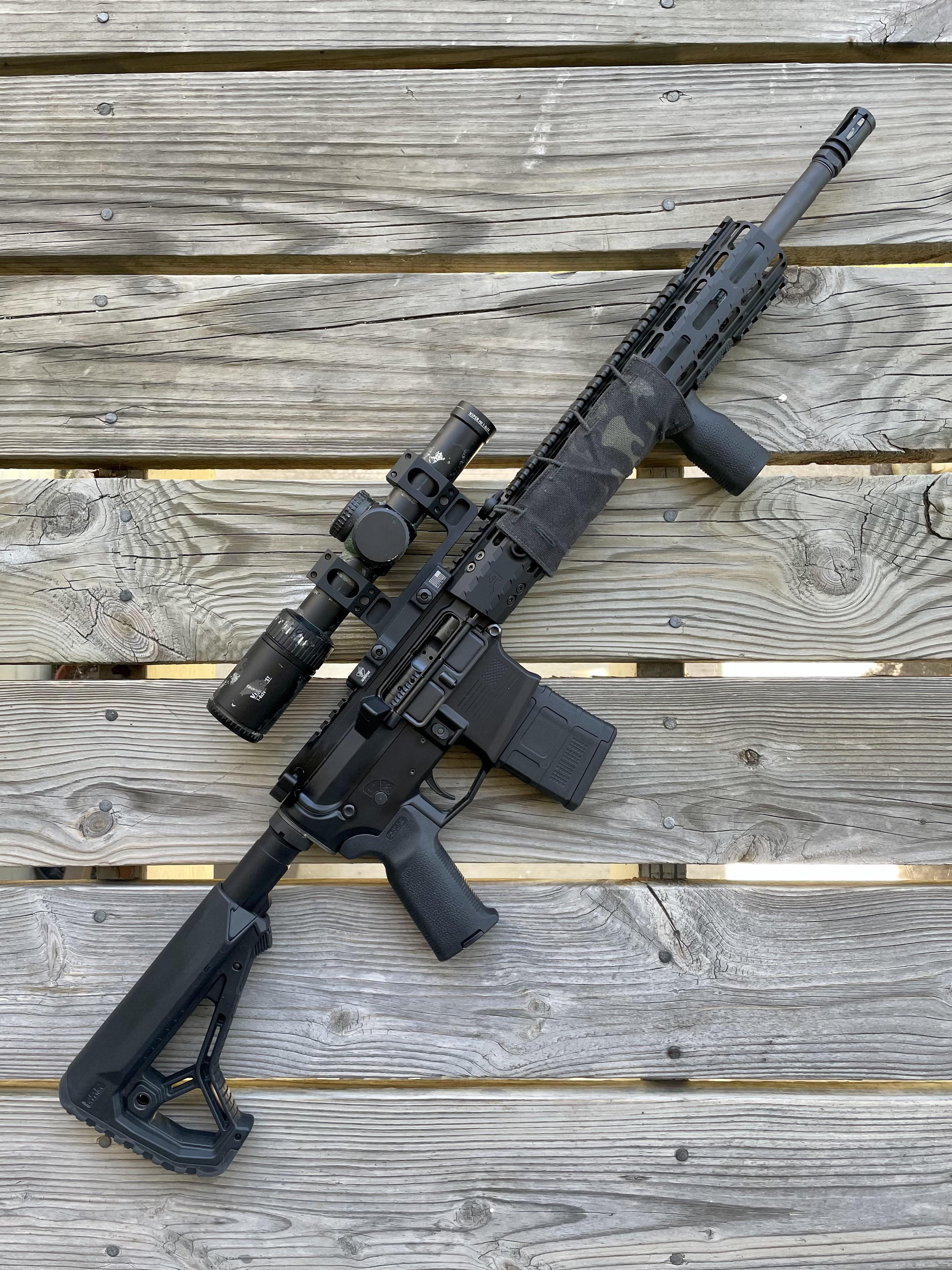
Scope mounted too far forward or back
On an AR-15, the scope should be mounted with the rear of the mount as far back on the receiver as possible while still keeping the entire mount on the receiver; not bridging onto the handguard. If the mount sits partially on the handguard, you'll get zero shift and potentially eye relief issues as the handguard flexes. But within the receiver footprint, the scope's position should be dictated by your eye relief needs, not by aesthetics or where it "looks right."
Trijicon VCOG 1-6x Deals
Prices may change. May contain affiliate links.
Parallax confusion
Parallax is not the same as eye box, but they get conflated. Parallax is the apparent movement of the reticle relative to the target when you move your eye. Most LPVOs are set parallax-free at somewhere between 50 and 100 yards, meaning at that distance, the reticle stays on target even if your eye moves within the eye box. At other distances, you may see slight reticle shift. This isn't an eye box problem; it's a separate optical characteristic. On an LPVO used at typical engagement distances (inside 300 yards), parallax is rarely a practical issue.
How different LPVOs compare on eye box
Comparing eye boxes across scopes is tricky because manufacturers don't publish standardized measurements. But shouldering a bunch of LPVOs back-to-back reveals clear differences. Here's how several popular options stack up in terms of eye box forgiveness.
Vortex Razor Gen II-E 1-6x24
This is the benchmark for a forgiving 1-6x eye box. At 1x, it's almost red-dot-like; you can be significantly off-center and still see the full reticle and image. At 6x, the eye box tightens but remains generous enough for fast target acquisition from unconventional positions. The JM-1 BDC reticle is daylight-visible and doesn't clutter the field of view at 1x. The 30mm tube keeps weight reasonable. If someone says their LPVO has a bad eye box, the first question is how it compares to this scope, because this is roughly the standard for "good" in the category.
Nightforce NX8 1-8x24
Excellent glass, compact form factor, 30mm tube, and a noticeably tighter eye box than the Razor Gen II-E; especially at 8x. The NX8 rewards consistent, precise head placement. Shooters who've trained with it extensively report that the eye box becomes a non-issue with practice, but the learning curve is steeper than with a 1-6x. The FC-MOA and FC-MIL reticles are clean and functional. This scope is at its best on a rifle where the shooter has dialed in their stock fit and mounting position and doesn't need to rush the first shot from an awkward position.
Primary Arms PLx 1-6x24 ACSS Griffin
A 30mm tube 1-6x that punches well above its price point on eye box forgiveness. The eye box at 6x is competitive with scopes costing significantly more. The ACSS Griffin reticle is busy compared to a simple dot-and-crosshair, but it's designed for speed and holdover estimation; and once you learn it, it's genuinely fast. At 1x, the eye box is very forgiving, though not quite at Razor Gen II-E levels. The glass quality is clean but not premium; you'll notice the difference in edge-to-edge sharpness compared to a Razor or NX8, but center sharpness is solid.
Vortex Razor Gen III 1-10x24
The 34mm tube and Vortex's optical design give this scope a more usable eye box at 10x than you'd expect. It's still tighter at 10x than a good 1-6x at 6x; that's physics; but it's workable for deliberate shooting. At 1x, it's excellent. The weight penalty is real: this is a heavy optic, and with a quality mount, you're adding meaningful ounces to the rifle. The EBR-9 reticle system is well-thought-out for both speed and precision. This scope makes the most sense on a rifle that needs to stretch past 400 yards but still function as a close-range carbine.
Swampfox Arrowhead 1-6x24
A budget entry that demonstrates how eye box varies with price. The eye box at 1x is acceptable but noticeably less forgiving than the Razor or PLx. At 6x, you'll need more precise head placement. The glass has a slight warmth to it and isn't as sharp at the edges. For a range scope or a budget build where you're not running drills at speed, the eye box is workable. For competition or defensive use where speed matters, the eye box limitation will show up under time pressure.
Range notes: what to actually test
After mounting your LPVO, here's a structured way to evaluate whether the eye box works for your setup.
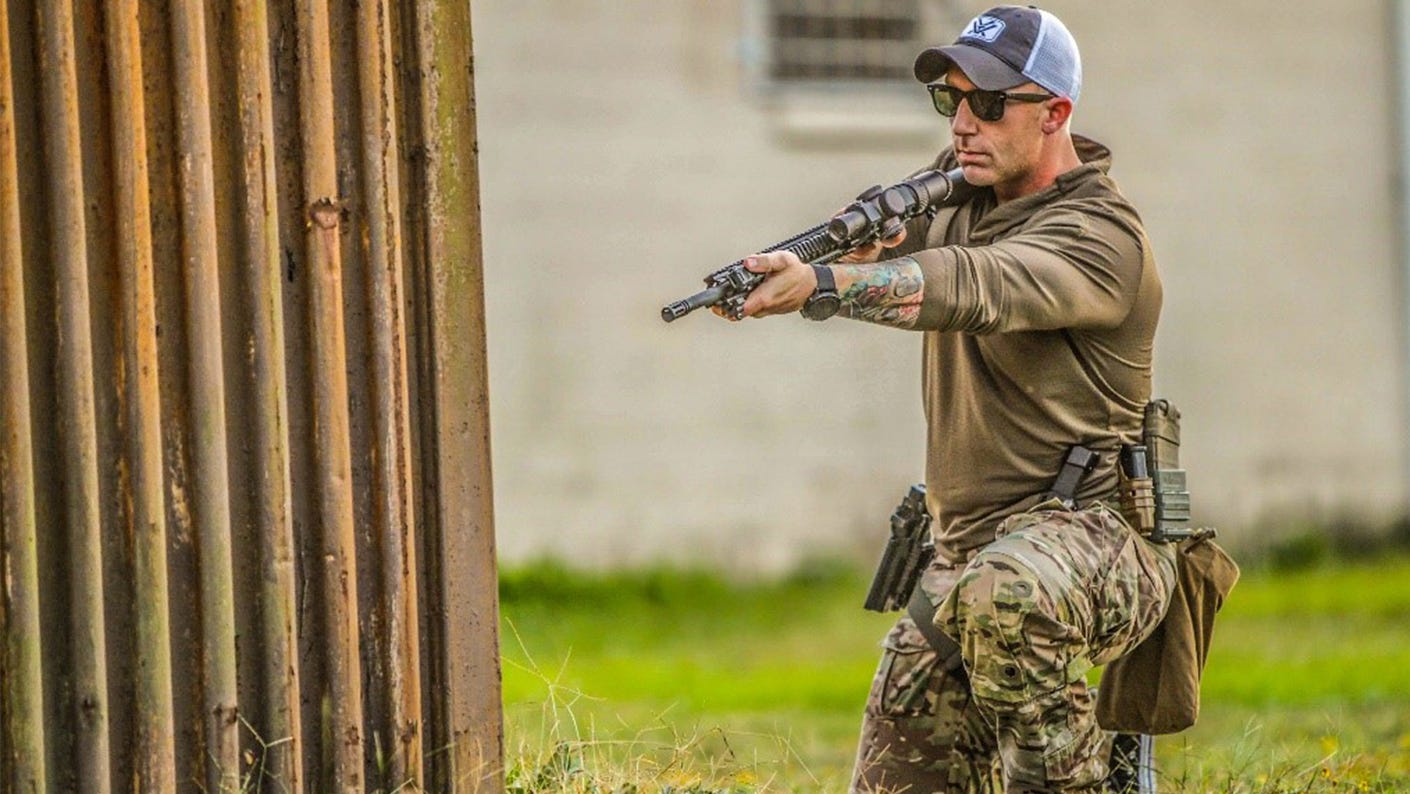
Start at 1x. Shoulder the rifle from a low ready ten times. Count how many times you get a full, clear image immediately. If it's less than eight out of ten, something's off; mount height, stock length, or scope position.
Now do the same drill at max magnification. The number will drop; that's expected. But if you're getting a full image less than six out of ten times, the scope-to-shooter fit needs work.
Next, test lateral forgiveness. At max magnification, establish a good cheek weld and then deliberately shift your head slightly left and right. Note how much movement you can tolerate before the image starts to vignette. On a forgiving scope, you'll get maybe a quarter inch of lateral play. On a tight one, any lateral movement kills the image.
Then test the transition. Set the scope to 1x, acquire a close target (25 yards), then crank to max magnification and acquire a target at 100 or 200 yards. Time yourself. The eye box at max magnification is the bottleneck in this drill; it's where you'll lose time hunting for the image.
Finally, shoot from positions other than bench. Kneeling, standing unsupported, and barricade positions all change your head-to-scope relationship. If the eye box disappears in these positions, you may need to revisit mount height or stock configuration.
Head position: the variable nobody wants to train
Eye relief and eye box are optical properties of the scope. Head position is the human variable that determines whether those properties work for you. And it's the one most shooters neglect.
Consistent head position comes from consistent cheek weld, which comes from consistent stock fit. On a bolt rifle with a fixed stock and adjustable cheekpiece, this is relatively easy to dial in. On an AR-15 with a collapsible stock and no cheekpiece, it requires more deliberate practice.
The goal is to build a mount-and-shoulder sequence that puts your eye in the same spot every time. This is a dry-fire skill. You don't need ammo or a range to practice it. Pick up the rifle, close your eyes, shoulder it, establish cheek weld, open your eyes. Full image? Good. Tunnel? Adjust your technique, not the scope.
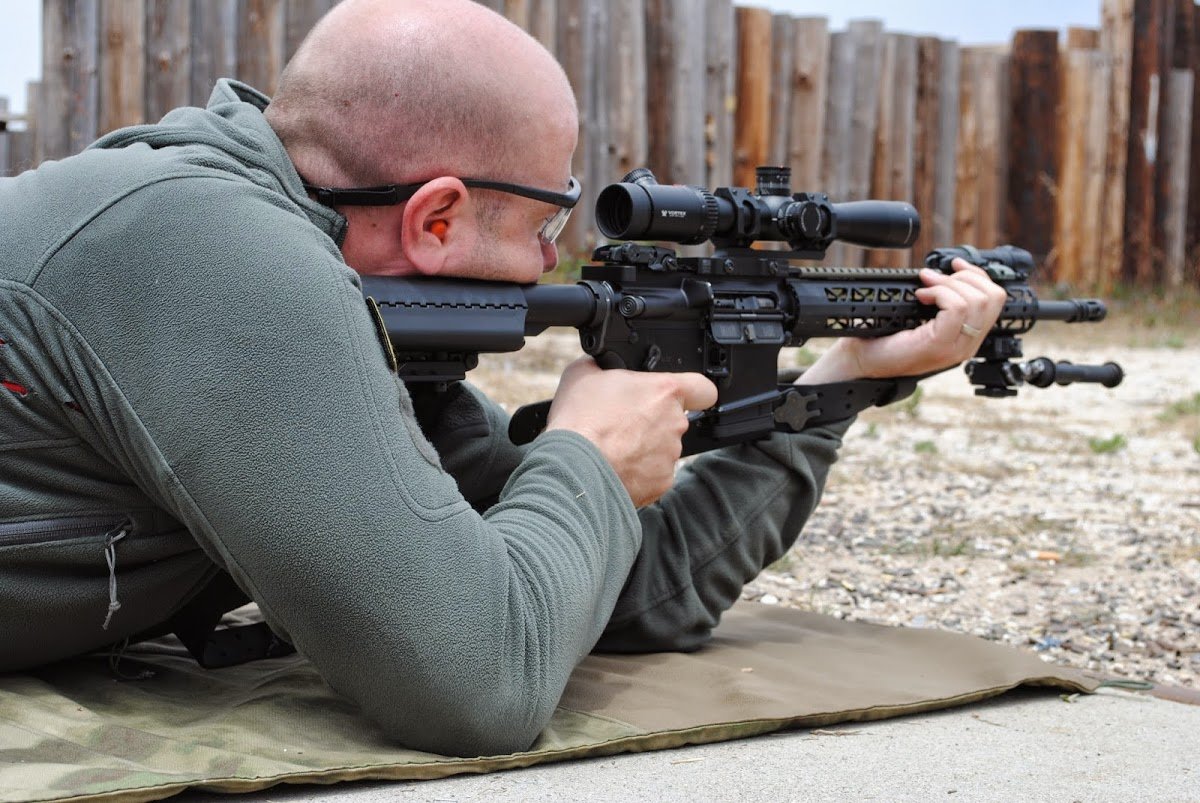
Some shooters anchor their nose to the charging handle on an AR-15. This gives a consistent index point that puts the eye at a repeatable distance from the scope. It's not comfortable for everyone, and it doesn't work with every stock length, but it's a useful reference technique.
The nose-to-charging-handle method also highlights something important: eye relief on an LPVO isn't just about the scope's spec. It's about building a physical system; stock, mount, scope position, and body mechanics; that consistently places your eye in the right spot. Change any one element and the whole system needs rechecking.
Frequently asked questions
Does eye relief change when I adjust magnification?
Yes. On virtually all LPVOs, eye relief shifts slightly across the magnification range. It's typically longest at the lowest magnification and shortest at the highest. The shift is usually small; maybe a quarter to half inch across the full range; but on a scope with a tight eye box at max magnification, that shift can be enough to push you out of the usable zone if you set eye relief optimized for 1x.
This is another reason to set eye relief at max magnification. You'll have plenty of room at 1x.
Why do some scopes have a "sweet spot" that's hard to find?
This usually means the eye box is small in one or more dimensions. It could be tight laterally (left-right), vertically (up-down), or in depth (forward-back). If the sweet spot exists but is hard to find quickly, the scope's eye box is small relative to the variability in your head position. The fix is either a scope with a larger eye box, better stock fit to reduce head position variability, or more dry-fire practice to build consistency.
Can I improve eye box with a different mount?
Not directly; the eye box is an optical property of the scope, and the mount doesn't change it. But the mount affects where the scope sits relative to your eye, which determines whether your eye starts inside the eye box. A mount at the wrong height or with the scope positioned too far forward or back makes a good eye box feel bad. So yes, changing the mount can dramatically improve your experience, even though the eye box itself hasn't changed.
Is 3.5 inches of eye relief enough?
For most shooters on an AR-15, yes. The typical eye-to-scope distance on a properly fitted AR is between 3 and 4 inches. If you're shooting a heavy-recoiling rifle (308 or larger), you want the upper end of that range to avoid scope bite; the scope hitting your brow under recoil. On a 5.56 AR, recoil isn't a significant concern, and 3.5 inches is comfortable for most people.
Where 3.5 inches gets tight is if you have a very long length of pull or if you shoot with your head further back than average. In that case, look for scopes specifying 3.7 to 4 inches of eye relief.
Why does my LPVO work fine at the bench but not standing?
Your body geometry changes between sitting and standing. At a bench, your torso is leaned forward, your neck is flexed down, and your eye sits closer to the scope. Standing, your posture is more upright, your head is further back, and your eye may land outside the eye box. This is the most common version of the "bad eye box" complaint, and it's almost always a mounting position issue, not a scope defect. Set eye relief while standing.
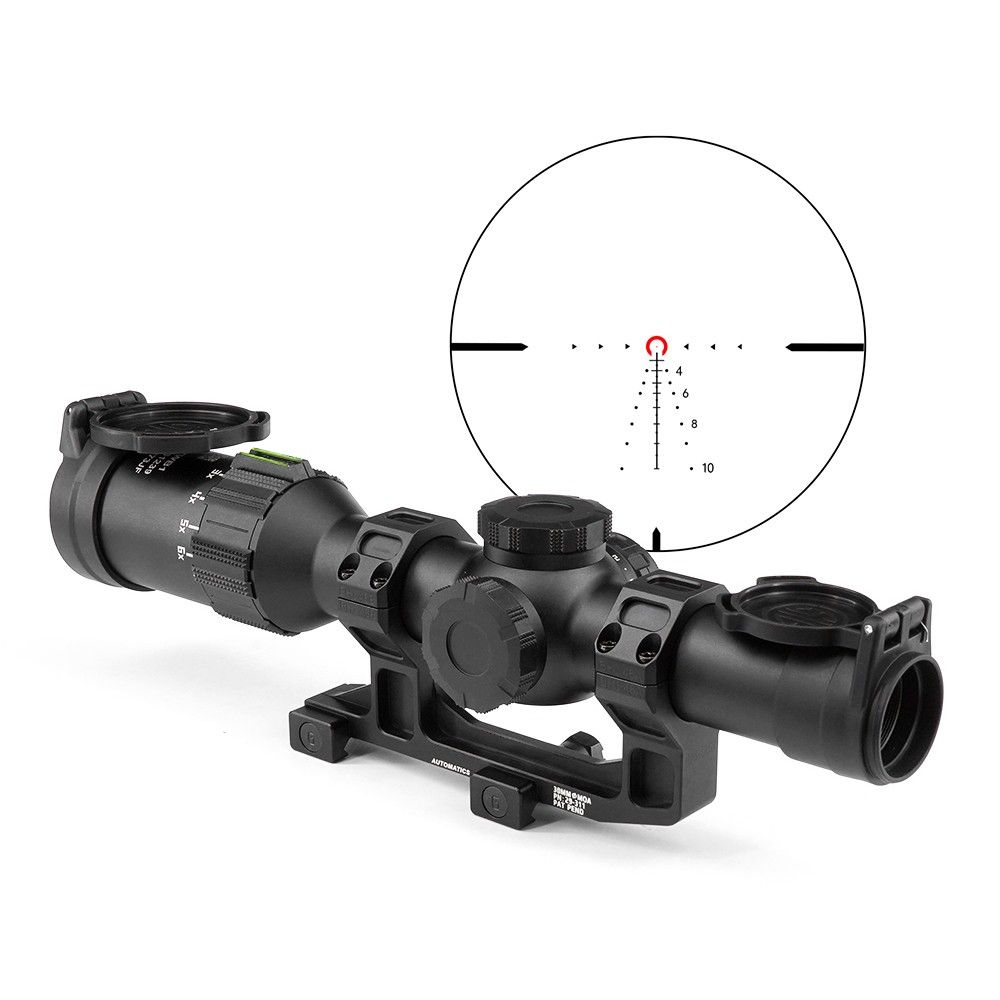
Should I get a 1-6x or 1-8x for my first LPVO?
If eye box forgiveness matters to you; and it should, especially on a first LPVO; a 1-6x is the safer choice. The eye box will be more forgiving at max magnification, the scope will likely be lighter, and you'll spend less time fighting the optic and more time learning to shoot with it. The practical difference between 6x and 8x at typical carbine distances (inside 300 yards) is minimal. If you need to reach past 400 yards regularly, the 1-8x starts to justify itself, but go in knowing the eye box trade-off.
Does illumination affect eye box or eye relief?
No. Illumination affects reticle visibility, not the optical path. Turning the illumination up or down doesn't change where your eye needs to be. However, a brightly illuminated reticle can make it feel easier to find the eye box at 1x because the glowing dot gives you an immediate reference point; you know you're in the right spot when you see the dot. This is a perception benefit, not an optical one.
What about FFP vs SFP and eye box?
First focal plane (FFP) and second focal plane (SFP) refer to where the reticle sits in the optical system, and they don't directly determine eye box size. However, FFP scopes at 1x have a very small reticle, which can make it feel like the eye box is worse because the reticle is harder to see. It's not; the eye box is the same; but the reticle's reduced size at low magnification creates a perception of reduced usability. SFP scopes maintain the same reticle size regardless of magnification, which feels more natural at 1x for many shooters.
For an LPVO that spends a lot of time at 1x, SFP with a daylight-visible illuminated dot is the easier setup to run fast. For an LPVO used primarily at higher magnification for precision, FFP gives you accurate holdovers at any power setting.
Troubleshooting the most common eye box problems
If you've mounted your LPVO and you're getting consistent problems, work through this sequence before deciding the scope is the issue.
Start with magnification. Set the scope to 1x and shoulder the rifle. If the eye box is fine at 1x but terrible at max magnification, the scope is probably mounted correctly; you're just experiencing the normal eye box reduction at higher power. Practice your cheek weld consistency and see if it improves.
If the eye box is bad even at 1x, the scope is probably positioned wrong. Loosen the rings, slide the scope back toward you by a quarter inch, retighten, and test again. Repeat until the 1x image is full and immediate.
If the image is full but has a shadow on one side consistently, your eye is off the optical axis. This is usually a mount height issue. If the shadow is at the top, your eye is too low; consider a taller mount. If it's at the bottom, your eye is too high; consider a lower mount or a stock riser to bring your cheek up.
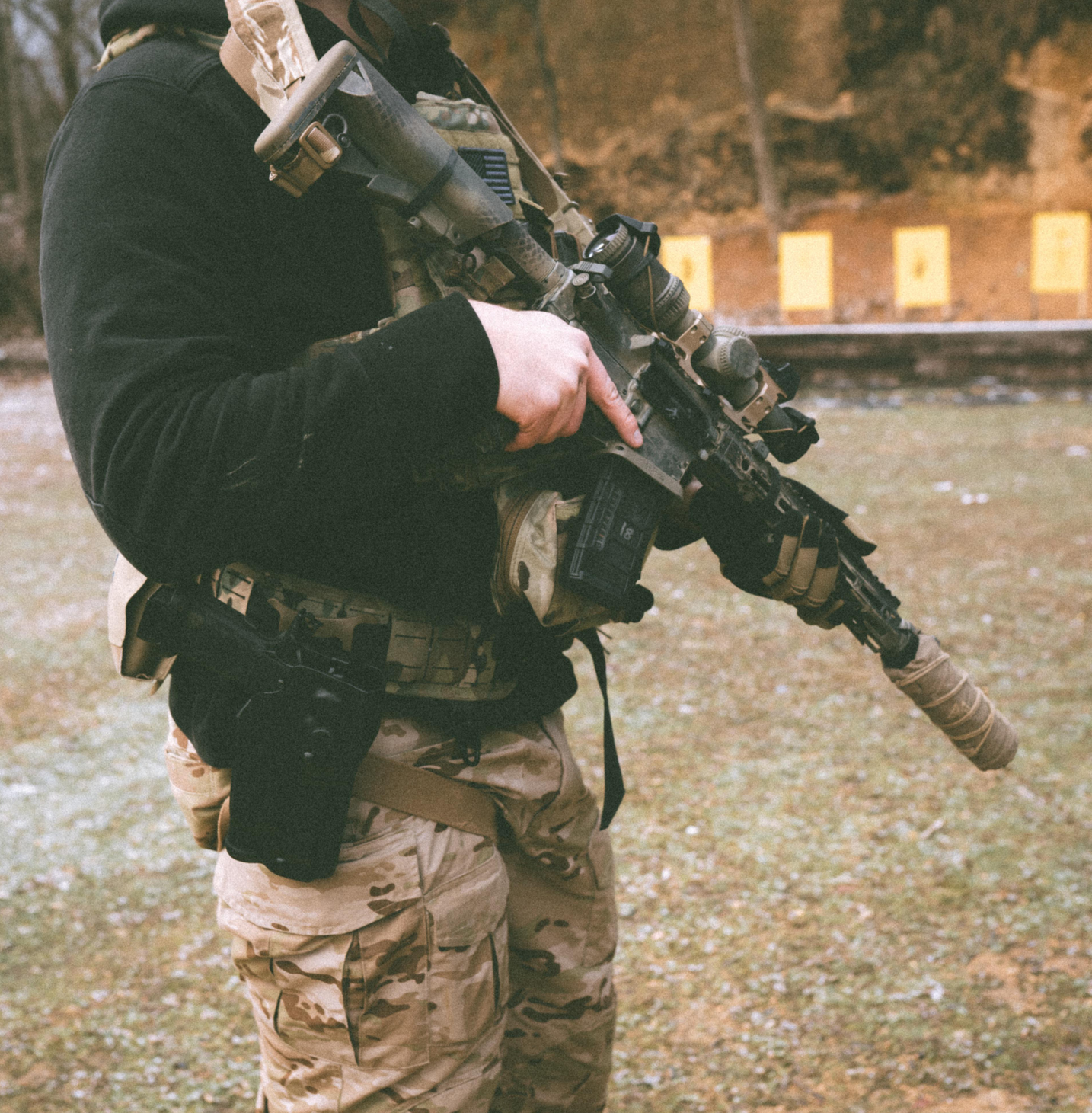
If the image is full when you carefully place your head but disappears during fast shouldering, the issue is consistency in your mount. This is a training problem, not an equipment problem. Dry-fire shouldering drills, fifty reps a day for a week, will usually fix it.
If you've done all of this and the eye box is still unworkable, the scope may genuinely be a poor match for your anatomy and shooting style. Some scopes have tight eye boxes; that's a design trade-off, not a defect. But it might be the wrong trade-off for you.
Putting it all together
The system that determines your LPVO experience has four components: the scope's optical design (eye relief and eye box), the mount (height and position), the stock (length of pull and cheek weld surface), and your body mechanics (how consistently you shoulder the rifle). All four have to work together. Changing one affects the others.
Before you buy an LPVO, handle it if you can. Shoulder a rifle with it mounted and see how quickly you find the image at max magnification. If you're buying online, read user reports specifically about eye box; not just "great glass" or "clear image," but whether the scope is forgiving when shouldered quickly from different positions.
After you buy, mount it with the process described above: max magnification, standing position, natural shoulder. Then run the drills. Ten reps from low ready at 1x, ten at max magnification, transitions between the two. If you're consistently finding the image, you're set. If not, adjust one variable at a time; scope position, then mount height, then stock length; until the system works.
The eye box tells the real story about whether an LPVO will work for you. Eye relief is just the starting measurement. The rest is fit, setup, and practice.