You built an AR-15 that shoots half-MOA at 100 yards and now you want to ring steel at 1,000. The platform can get there; but the cartridge choice determines whether you're consistently hitting or consistently hoping. The .224 Valkyrie and 6mm ARC are the two serious contenders for pushing an AR-15-pattern rifle to four-digit yardage, and the internet treats them like they're interchangeable. They aren't.
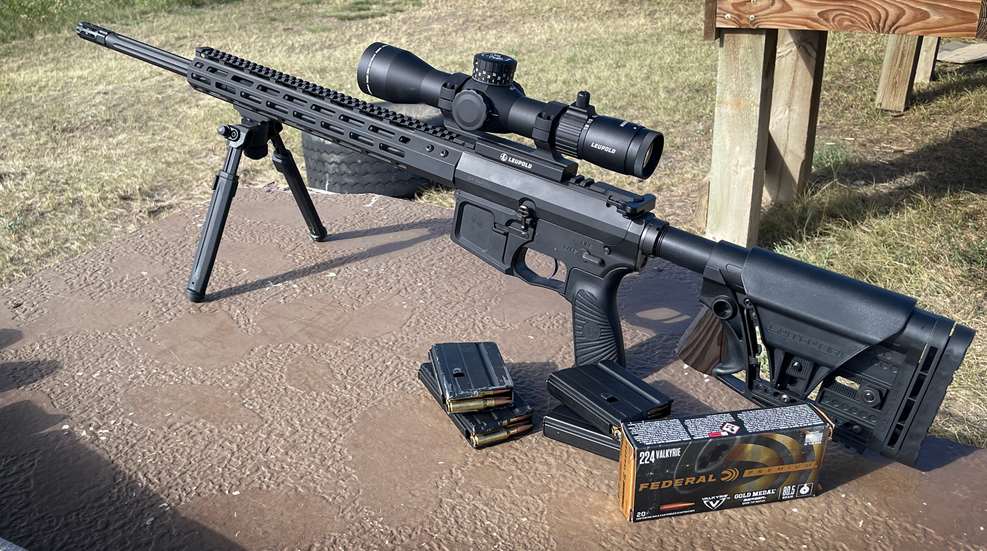
Both cartridges were designed to extend the AR-15's effective range well past what 5.56 NATO can manage. Both fit in a standard AR-15 lower with a modified upper. Both launch high-BC projectiles at moderate velocities. But the differences in bullet diameter, case design, barrel life, wind performance, and transonic behavior matter enormously once you get past 600 yards. The gap between them widens with every hundred yards of distance.
This comparison is built around the specific question of precision at distance from a gas gun. Not hunting energy. Not home defense. Not theoretical potential from a bolt gun. If you're building or buying an AR-15 upper to shoot scored targets or steel from 600 to 1,000 yards, here's what the data actually says.
The cartridges at a glance
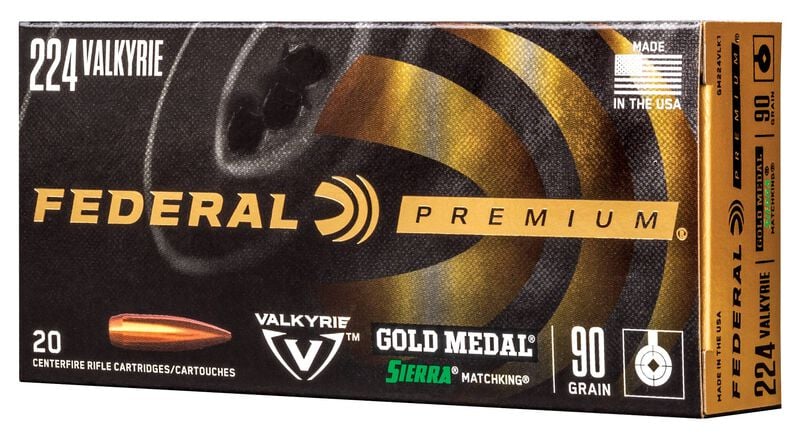
The .224 Valkyrie was introduced by Federal in 2018. It's a .30 Remington / 6.8 SPC case necked down to .224 caliber, designed specifically to push heavy-for-caliber .224 bullets, the 90-grain Sierra MatchKing being the flagship load. The idea was simple: take the excellent BC numbers of long, heavy .224 projectiles and give them enough case capacity to maintain supersonic flight past 1,000 yards from an AR-15.
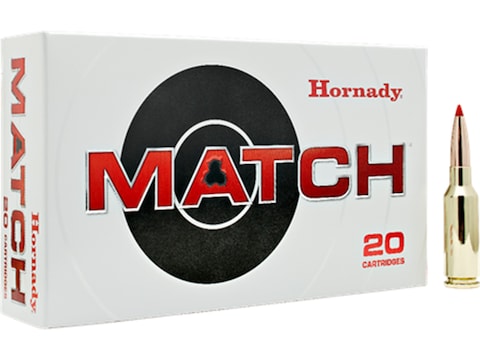
The 6mm ARC (Advanced Rifle Cartridge) came from Hornady in 2020, developed in collaboration with the DoD. It's based on the 6.5 Grendel case necked down to 6mm, optimized for the 108-grain ELD Match bullet. Where the Valkyrie bet on .224-caliber bullets pushed to their aerodynamic ceiling, the ARC bet on the inherent advantages of 6mm projectiles, better BC-to-weight ratios, more bullet options, and broader terminal performance.
Both cartridges operate at similar pressure levels (around 55,000 PSI) and both work within the constraints of the AR-15 bolt face. The 6mm ARC uses the 6.5 Grendel bolt face (0.441 inches), while the .224 Valkyrie uses the 6.8 SPC bolt face (0.422 inches). Neither is compatible with a standard 5.56 bolt.
Ballistic comparison: the numbers that matter
Let's put specific loads side by side. These are the match-grade factory loads most shooters will actually use for precision work.
Federal Gold Medal .224 Valkyrie 90-grain Sierra MatchKing
Muzzle velocity from a 24-inch barrel runs approximately 2,700 fps. The 90-grain SMK has a G1 BC around .563 and a G7 BC around .274. At 1,000 yards (sea level, standard atmosphere, 100-yard zero), you're looking at roughly 34–35 MRAD of drop and the bullet arriving at approximately 1,050–1,100 fps, right at or just above the transonic threshold.
Hornady 6mm ARC 108-grain ELD Match
From a 24-inch barrel, muzzle velocity is approximately 2,750 fps. The 108-grain ELD Match has a G1 BC around .536 and a G7 BC around .275. At 1,000 yards under the same conditions, drop is roughly 32–33 MRAD, and the bullet arrives at approximately 1,150–1,200 fps.
Those numbers look close on paper. The G7 BCs are nearly identical. The muzzle velocities are within 50 fps. But here's where the details start to separate them.
Transonic stability
This is the single most important factor for 1,000-yard precision from either cartridge, and it's where the 6mm ARC pulls ahead.
A bullet entering the transonic zone (roughly Mach 1.0 to Mach 1.2, or about 1,080 to 1,320 fps at sea level) experiences dramatic shifts in drag as shock waves form and reform around the projectile. If a bullet is still supersonic but barely, say, 1,100 fps at 1,000 yards, small variations in muzzle velocity translate into huge variations in whether and where the bullet goes transonic during flight. Some shots stay supersonic. Some don't. The ones that don't open your group by 2–3 MOA or more.
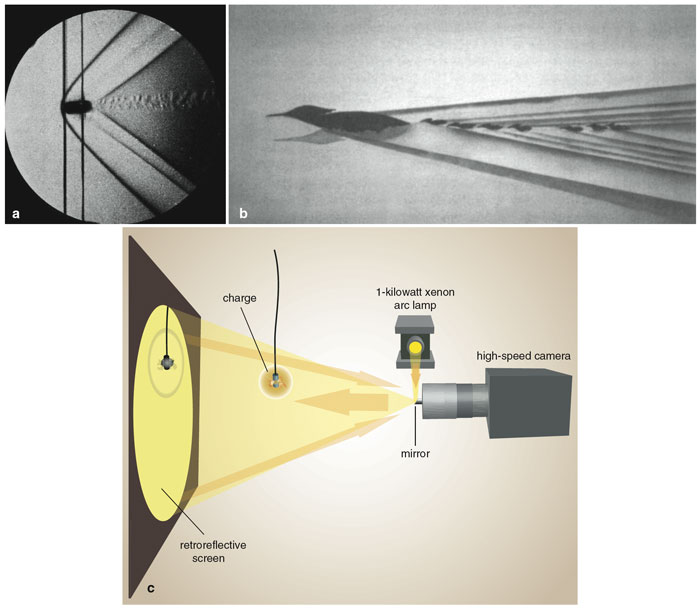
The .224 Valkyrie with the 90-grain SMK is right on the edge at 1,000 yards. An ES (extreme spread) of 30 fps at the muzzle, which is decent but not exceptional for factory ammo, means some rounds are going transonic before the target and some aren't. That's not an accuracy problem you can solve with technique.
The 6mm ARC with the 108 ELD Match has roughly 50–100 fps more velocity remaining at 1,000 yards, depending on conditions and barrel length. That margin keeps the bullet more reliably supersonic at distance. It's not a massive buffer, but it's the difference between "usually supersonic" and "sometimes not." At altitude (Denver, for example, where the speed of sound is lower), both cartridges gain margin. At sea level on a cold day, the Valkyrie is sweating.
Wind deflection
Wind is where matches are won and lost, and here the two cartridges are remarkably similar. With nearly identical G7 BCs and muzzle velocities, a 10 mph full-value crosswind at 1,000 yards produces roughly 6.5–7.0 MRAD of deflection for both cartridges. The 6mm ARC has a slight edge, maybe 0.2 to 0.3 MRAD less drift, because of its marginally higher retained velocity. That's about 2 inches at 1,000 yards. Meaningful in F-class. Negligible in a PRS-style gas gun match where you're shooting on the clock.
The wind call is the skill. Neither cartridge gives you a free pass. But neither one is significantly worse than the other in this department.
Drop and come-ups
The 6mm ARC requires slightly less elevation adjustment to reach 1,000 yards, roughly 1.5 to 2 MRAD less than the Valkyrie. That's a modest advantage. It means your scope needs a little less total adjustment range, which matters if you're running a scope with limited elevation travel. On a scope with 30+ MRAD of total travel, it's a non-issue.
Where the flatter trajectory actually helps is in ranging errors. If you're off by 10 yards on your range estimate at 800 yards, the flatter cartridge puts the miss closer to the target. The difference is small, maybe half an inch, but it compounds with larger ranging errors.
Barrel length and velocity: what you actually get from a gas gun
Here's where the marketing claims hit reality. Both cartridges were developed with 24-inch barrels in mind for maximum performance. Most shooters building gas guns for matches aren't running 24-inch barrels. They're running 18 to 22 inches for handling, weight, and stage transitions.
.224 Valkyrie barrel length sensitivity
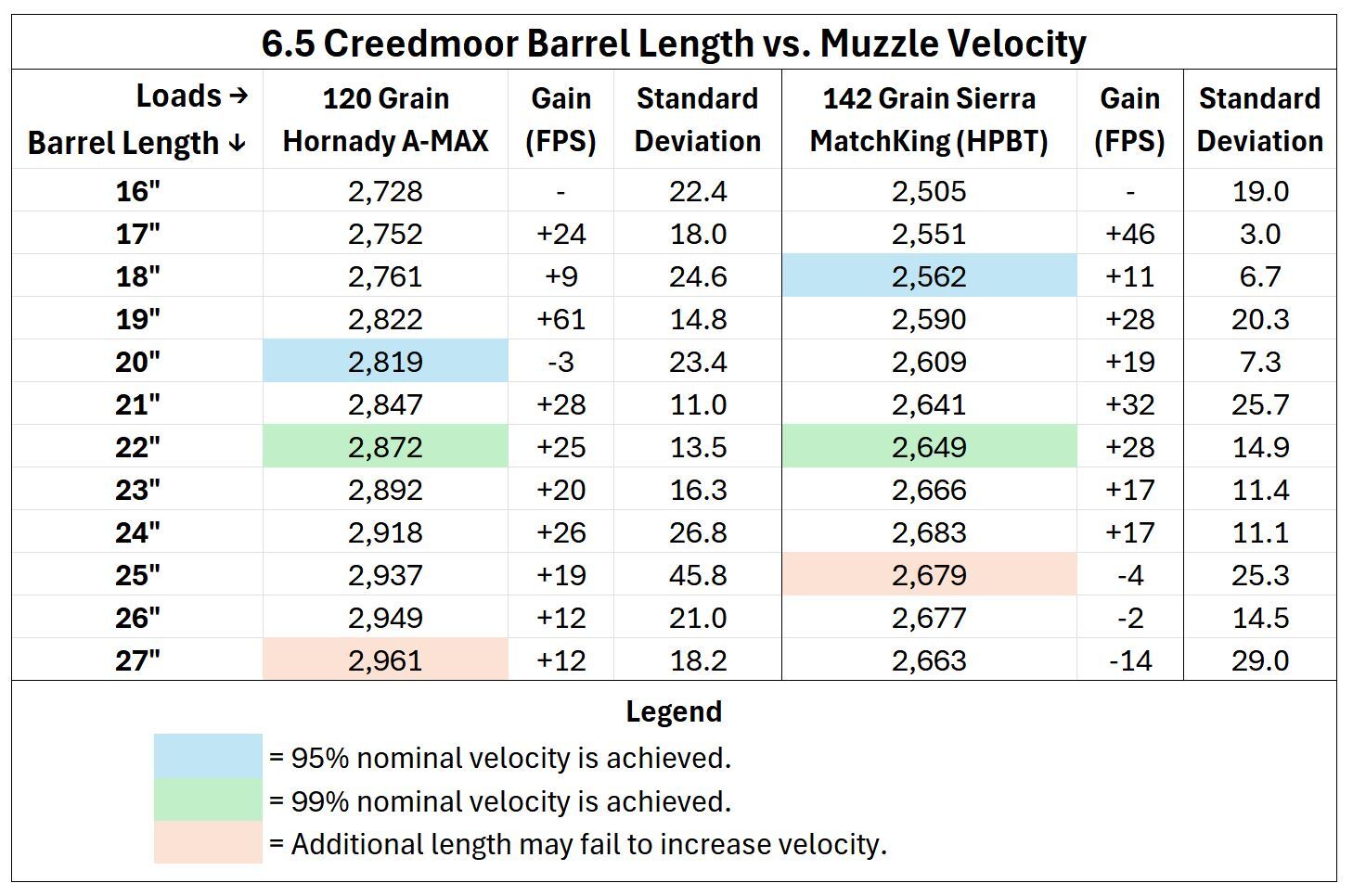
Testing data from Rifleshooter.com shows the .224 Valkyrie loses approximately 25–30 fps per inch of barrel below 24 inches with the 90-grain SMK load. Drop from 24 to 20 inches costs you roughly 100–120 fps at the muzzle. That takes your 1,000-yard remaining velocity from "barely supersonic" to "definitely transonic." A 20-inch Valkyrie barrel with factory 90-grain ammo is effectively an 800-yard cartridge, not a 1,000-yard one.
The Valkyrie also showed some well-documented early issues with accuracy in shorter barrels, partly related to the long 90-grain SMK needing a specific twist rate (1:6.5 or 1:7) and enough barrel length to fully stabilize. Those problems have been largely sorted by barrel makers who understand the cartridge, but it's worth noting that the Valkyrie is more sensitive to barrel specification than the ARC.
6mm ARC barrel length sensitivity
Faxon Firearms published barrel-length testing data for the 6mm ARC showing roughly 20–25 fps lost per inch. Going from 24 to 20 inches costs about 80–100 fps. From a 20-inch barrel, the 108 ELD Match still leaves the muzzle at approximately 2,650 fps, which keeps it supersonic at 1,000 yards under most conditions, though the margin gets thin.
The ARC was actually designed with shorter barrels in mind. Hornady's original spec work was done with 18-inch and 20-inch barrels for military applications. The cartridge was optimized for efficient powder burn in those lengths. A 20-inch 6mm ARC is still a legitimate 1,000-yard gun. An 18-inch one is pushing it but workable at altitude or with handloads.
This is a real, practical advantage for the ARC. If you're building a gas gun you'll actually carry through match stages, the 2–4 inches of barrel you save without losing 1,000-yard capability matters.
Accuracy potential: what the rifles actually do
Both cartridges are capable of sub-MOA accuracy from well-built gas guns. But "sub-MOA" at 100 yards doesn't tell you much about precision at distance. The ES/SD tells the story.
Extreme spread and standard deviation
For consistent hits at 1,000 yards, you need single-digit SD (standard deviation of muzzle velocity). Factory match ammo from both cartridges typically runs an SD of 12–18 fps, which is acceptable but not ideal. Handloading is where both cartridges really shine for precision work.
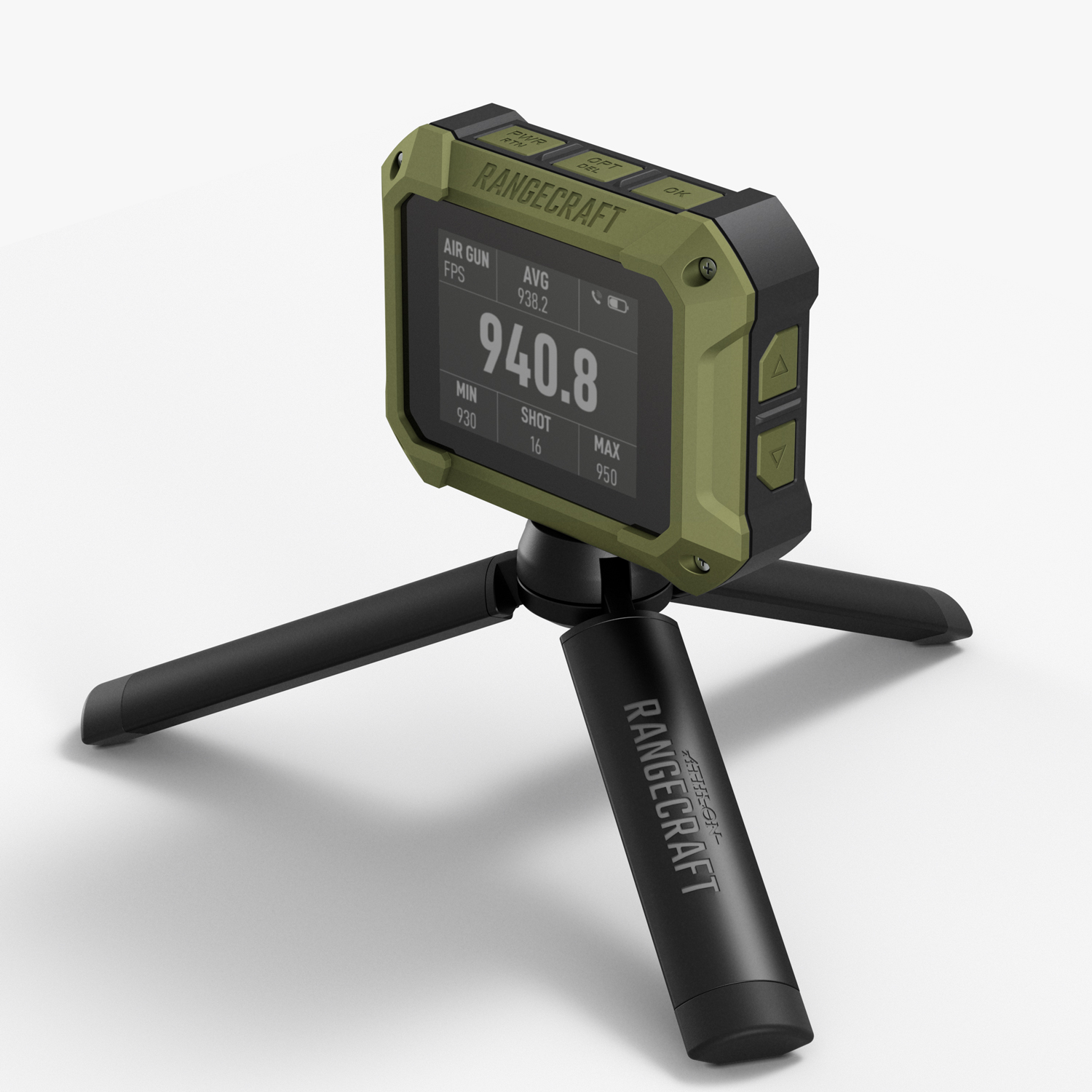
The 6mm ARC has a slight advantage here because the 6.5 Grendel parent case is well-understood, brass quality is good (Hornady, Lapua via the Grendel), and the case capacity is well-matched to available powders. Handloaders routinely report single-digit SDs with the 108 ELD Match over Varget or Staball 6.5.
The .224 Valkyrie has had more inconsistency in brass quality over its life. Federal's factory brass has improved since the early days, and Starline makes good Valkyrie brass now. But the cartridge's case design, with its relatively large capacity for a .224-bore cartridge, can be finicky about powder charges and seating depth. Getting single-digit SDs is absolutely possible, but it tends to require more load development.
At distance, every fps of ES translates into vertical dispersion. At 1,000 yards, a 20 fps ES produces roughly 0.5 MOA of vertical spread with either cartridge. A 10 fps ES cuts that in half. This is where handloading separates the "I hit the plate sometimes" shooters from the ones putting rounds on top of each other.
Barrel life: the long-game cost
This is where the .224 Valkyrie takes a significant hit.
The Valkyrie pushes a lot of hot gas through a small bore. Barrel life estimates vary, but most reports cluster around 2,000–3,000 rounds before accuracy degrades noticeably. Some shooters report less, especially with aggressive firing schedules that heat the barrel.
The 6mm ARC, with its larger bore diameter and slightly lower case capacity relative to bore area, typically delivers 3,000–4,000 rounds of barrel life. Some shooters running moderate loads report even more. That's a meaningful difference if you're shooting matches regularly. At 200 rounds per match weekend plus practice, a Valkyrie barrel might last a season. An ARC barrel might last a season and a half.
Neither cartridge is a barrel burner on the level of a 6mm Creedmoor or .243 Winchester. But in the context of an AR-15 platform where barrel changes are straightforward, the ARC's longer barrel life reduces your cost per round of precision shooting over time.
The gas gun factor: reliability and feeding
Both cartridges work in the AR-15 platform, but they don't work identically.
The 6mm ARC was designed from the ground up for the AR-15. Hornady worked with DoD requirements for reliable feeding, extraction, and function in semi-auto actions. The cartridge's overall length fits AR-15 magazines without modification (though dedicated 6mm ARC magazines from ASC or Duramag are recommended). The case taper and shoulder geometry were optimized for reliable feeding.
The .224 Valkyrie also fits the AR-15 platform but requires 6.8 SPC magazines or dedicated Valkyrie magazines. Early Valkyrie rifles had widely reported feeding and accuracy issues, many traced to improper chamber specs, wrong twist rates, and magazine incompatibilities. The platform has matured, and a properly built Valkyrie upper runs reliably. But "properly built" is doing more work in that sentence than it should have to. You need to be more specific about components, barrel twist, chamber reamer, gas port size, magazine selection, than you do with the ARC.
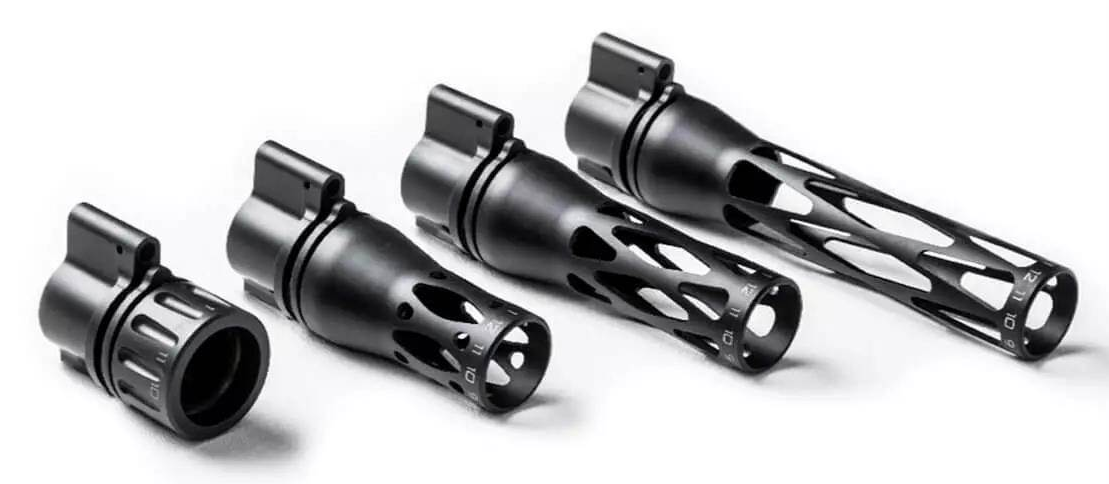
Gas port tuning is worth mentioning for both cartridges. Neither runs optimally with a standard 5.56 gas system. Both benefit from an adjustable gas block to tune ejection pattern and reduce bolt carrier velocity. The ARC, with its Grendel-heritage bolt, has a well-established parts ecosystem. The Valkyrie's 6.8 SPC bolt face is also well-supported, but there are fewer purpose-built precision components available compared to the ARC.
Match notes: what you'll see at distance
Here's what actually happens when you take these cartridges to a range with targets past 600 yards.
At 600 yards, both cartridges are loafing. Hits on IPSC-sized steel are routine with either one from a decent gas gun and a shooter who can read wind. The bullets are well above transonic, the drop is manageable (roughly 12–13 MRAD for both), and wind deflection in a 10 mph crosswind is around 2.5 MRAD. If you're only shooting to 600, pick whichever one you can find ammo for and move on.
At 800 yards, the gap starts to appear. The Valkyrie's remaining velocity is dropping toward 1,250 fps, and the ARC is sitting around 1,350 fps. Both are still supersonic, but the Valkyrie's margin is thinning. Vertical dispersion from velocity variation starts to show more with the Valkyrie because each fps of ES represents a larger percentage of remaining velocity. A 15 fps SD at the muzzle might produce 0.3 MOA of vertical with the ARC and 0.35–0.4 MOA with the Valkyrie at this distance. Small difference, but it's trending in one direction.
At 1,000 yards, the Valkyrie is on the transonic edge. On a warm day at moderate altitude, it'll stay supersonic. On a cool sea-level morning, some rounds won't. You'll see it as unexplained vertical, shots that are 1–2 MOA off vertically with no apparent cause. The ARC handles 1,000 yards more consistently, though it's not immune to transonic issues on cold days at sea level with factory ammo. Handloads with a few extra fps of velocity give the ARC a comfortable buffer that the Valkyrie can't quite match.
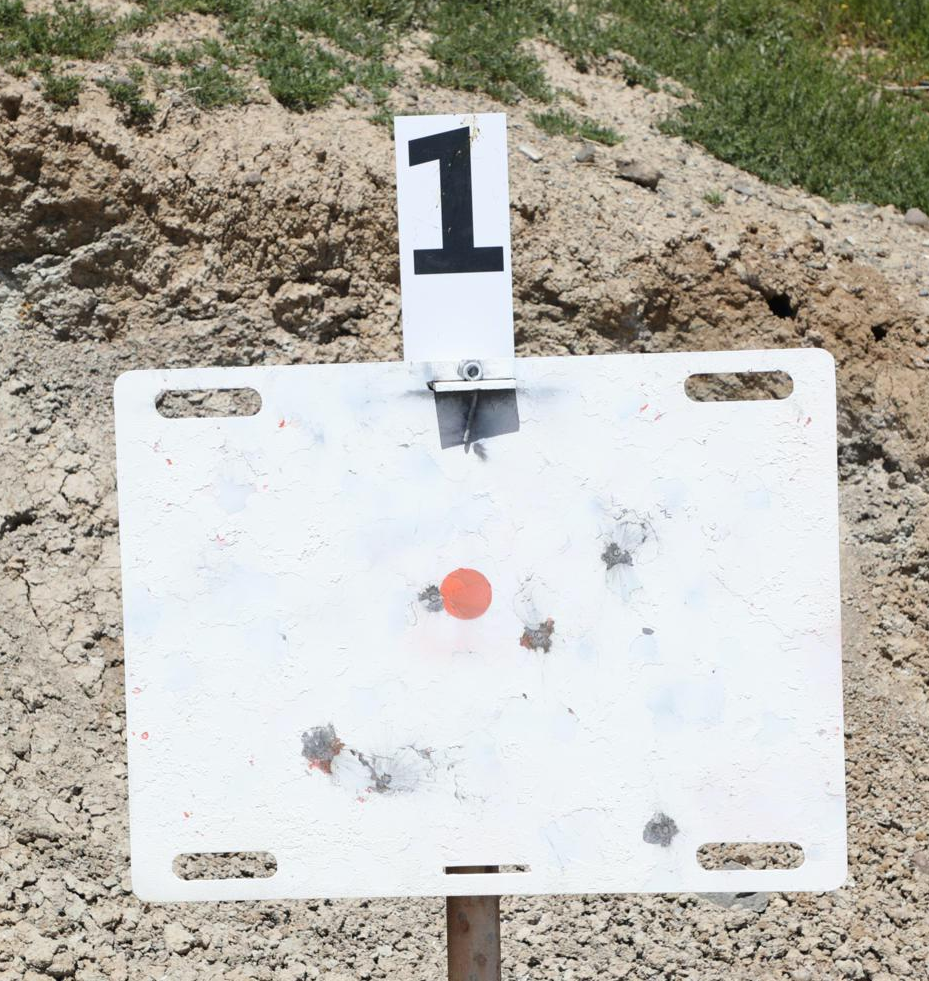
The honest assessment: if 1,000 yards is your hard requirement, the 6mm ARC is the more reliable choice. If 800 yards is your realistic maximum with occasional stretches to 1,000 under favorable conditions, the Valkyrie is viable.
Common mistakes with both cartridges
Running too short a barrel and expecting 1,000-yard performance
An 18-inch Valkyrie barrel with factory 90-grain ammo is not a 1,000-yard setup. Full stop. Even the ARC needs 20 inches to reliably stay supersonic at that distance with factory loads. If you want a short barrel for handling, adjust your expectations about maximum effective range or plan to handload hotter.
Ignoring ES/SD because the groups look good at 100
A half-MOA group at 100 yards with a 25 fps SD will turn into a 1.5 MOA vertical mess at 800. Both cartridges demand tight velocity consistency for long-range precision. If you're shooting factory ammo, chrono it. If the SD is above 15, you're leaving hits on the table at distance. Most accuracy problems sit behind the rifle, but this one lives inside the cartridge.
Using the wrong twist rate
The Valkyrie needs 1:7 or faster (ideally 1:6.5) to stabilize the 90-grain SMK. Some early Valkyrie barrels were shipped at 1:7 and struggled with the heaviest bullets. The ARC is less fussy, 1:7.5 handles the 108 ELD Match well, and 1:8 works for bullets up to about 105 grains. But if you're building an ARC upper for maximum range, specify 1:7.5 or 1:7 to keep your options open for heavier projectiles.
Not tuning the gas system
Both cartridges produce different pressure curves than 5.56. Running an unadjusted carbine-length gas system leads to over-gassing, accelerated bolt carrier wear, and degraded accuracy from excessive bolt bounce. An adjustable gas block is not optional for precision work. Tune it until you get reliable ejection at the 3 o'clock position, then leave it alone.
Expecting bolt-gun accuracy from a gas gun
A well-built gas gun in either cartridge will shoot 0.75–1.0 MOA with match ammo. Some will do better. But the inherent harmonics of a semi-auto action, the gas system's effect on barrel vibration, and the lock-up consistency of the rotating bolt all impose limits. If you're chasing half-MOA five-shot groups at 100, you might get there. If you're expecting it at 600, recalibrate. A 1 MOA gas gun with a good shooter behind it is a competitive tool. Chasing the last quarter-MOA costs disproportionate money and time.
Component comparison: building the upper
Here's what a purpose-built precision upper looks like in each cartridge, with specific components that match shooters are actually running.
Barrels
For the .224 Valkyrie, the go-to precision barrels come from Proof Research (carbon fiber wrapped, 22–24 inches, 1:7 twist), Criterion (stainless, 22 or 24 inches, 1:6.5 twist), and JP Enterprises (stainless supermatch, 22 inches, 1:7). The Criterion barrels have an excellent reputation for accuracy-per-dollar in this cartridge. Proof barrels save weight, which matters for positional stages.
For the 6mm ARC, Criterion again stands out with their 18 and 20-inch ARC-specific barrels in 1:7.5 twist. Faxon makes a well-regarded gunner-profile barrel in 18 and 20 inches. Bartlein and Krieger both offer cut-rifled blanks for the ARC that custom barrel makers can profile and fit, that's the top-tier option for serious competition builds. Ballistic Advantage also has ARC barrels that punch above their price point.
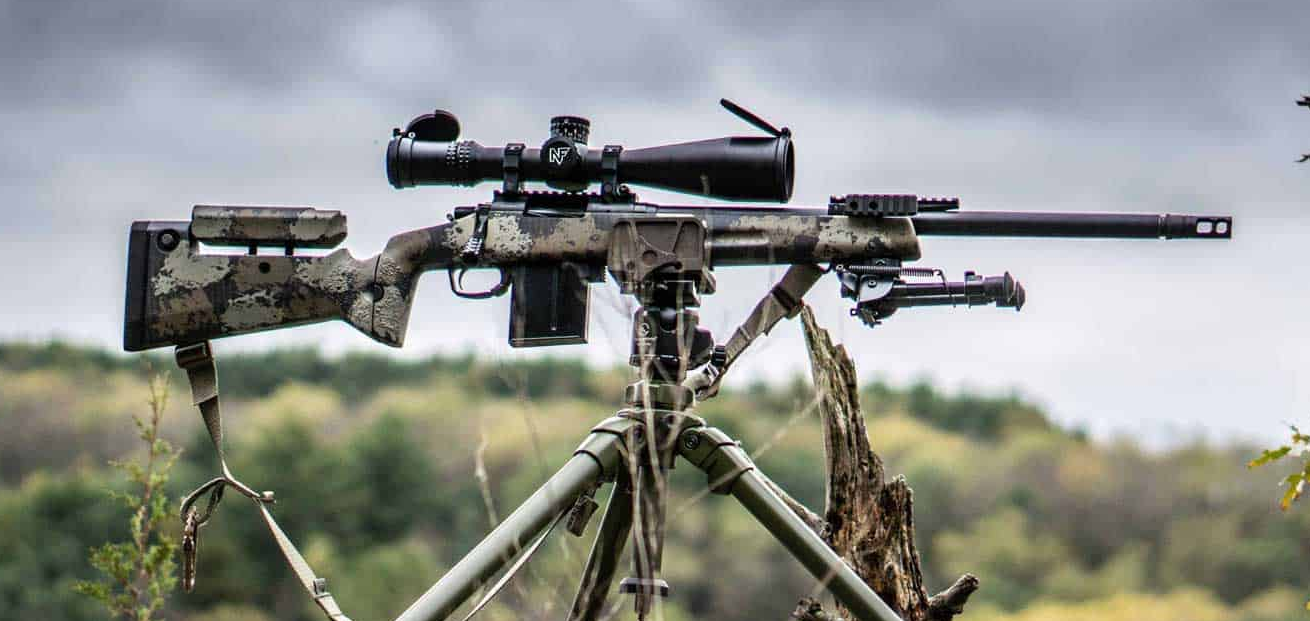
The ARC has more barrel options in shorter lengths because the cartridge was designed for them. The Valkyrie's best accuracy comes from 22–24 inch barrels, and the selection in shorter lengths is thinner.
Bolts and bolt carriers
The Valkyrie uses a 6.8 SPC bolt face. JP Enterprises and Toolcraft make enhanced bolt carrier groups for this platform. The ARC uses a 6.5 Grendel bolt face, which has wider availability, Toolcraft, Cryptic Coatings, JP, Lantac, and others all make Grendel-bolt BCGs that work perfectly in the ARC.
One note: bolt life with the Grendel/ARC bolt face can be shorter than a standard 5.56 bolt because the larger bolt face leaves less material in the lugs. Running a quality bolt (9310 steel or Carpenter 158) and inspecting it regularly is smart practice. The same applies to the 6.8 SPC bolt face in the Valkyrie, though the slightly smaller bolt face gives it marginally more lug material.
Handguards and overall build weight
Neither cartridge demands anything special from the handguard, any quality free-float rail works. But the overall build weight matters for practical shooting. A 24-inch Valkyrie build with a precision barrel, scope, and bipod can easily hit 11–12 pounds. A 20-inch ARC build in the same configuration comes in at 9.5–10.5 pounds. That 1–2 pound difference matters on positional stages where you're shooting off barricades, through ports, and from awkward positions. Positional stages expose everything, and a lighter rifle is easier to stabilize from compromised positions.
Triggers
Same for both cartridges. A quality single-stage or two-stage trigger in the 2–3.5 pound range is standard for precision AR work. Geissele SSA-E, TriggerTech Diamond, Larue MBT-2S, all work well. The trigger doesn't care what cartridge is in the chamber.
Ammo availability and cost
The 6mm ARC has a significant advantage in factory match ammo availability. Hornady's 108 ELD Match is widely stocked and consistently manufactured. Other manufacturers have added ARC offerings, including Federal and Winchester. The cartridge has momentum, more shooters are buying it, so more ammo is being produced.
The .224 Valkyrie's ammo market has contracted. Federal's 90-grain Gold Medal SMK load is still available but can be harder to find. Other factory options exist (Federal 60-grain Nosler Ballistic Tip, 75-grain TMJ), but they're not precision loads. If you're shooting Valkyrie for long-range precision, you're largely dependent on one factory load or handloading.
For handloaders, both cartridges have good component availability. The ARC benefits from the enormous selection of 6mm match bullets, Hornady 108 ELD Match, Berger 105 Hybrid Target, Sierra 107 MatchKing, Hornady 103 ELD-X. The Valkyrie's best long-range bullet is the 90-grain SMK, with the 88-grain ELD Match and 80.5-grain Berger as alternatives. The 6mm bullet market is simply deeper and more competitive.
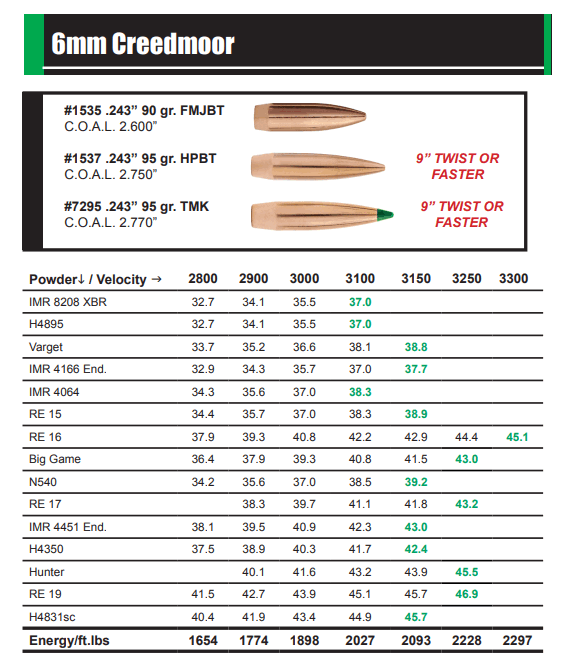
Brass availability follows the same pattern. Hornady and Starline make 6mm ARC brass. Lapua 6.5 Grendel brass can be necked down for premium ARC cases. Valkyrie brass comes from Federal and Starline, with fewer options for premium small-batch brass.
The reloading equation
If you're serious about 1,000-yard precision from either cartridge, you're handloading. Factory ammo gets you to the range. Handloads get you on target consistently.
The 6mm ARC is straightforward to load. The case is short, the powder charges are moderate (around 28–30 grains of medium-burn-rate powders like Varget, Staball 6.5, or H4350), and the cartridge isn't picky about seating depth within reason. The Grendel-based case has good internal volume consistency, and neck tension is manageable with standard dies from Hornady, Redding, or Whidden.
The .224 Valkyrie requires more attention. The case has a slight rebated rim (smaller rim than the case body), which can cause occasional feeding issues if brass isn't trimmed consistently. The long, heavy .224 bullets need precise seating depth to find the accuracy node, and the sweet spot can be narrow. Shooters report good results with Reloder 15, Varget, and CFE 223, but load development takes more iterations than the ARC typically requires.
None of this makes the Valkyrie a bad handloading cartridge. It just demands more from the reloader. If you enjoy the process and are meticulous about your technique, the Valkyrie rewards that effort. If you want to develop a load and move on to shooting, the ARC gets you there faster.
The honest verdict for 1,000-yard gas-gun precision
The 6mm ARC is the better cartridge for this specific application. Not by a landslide, but by a consistent margin across every metric that matters at distance.
It maintains supersonic flight to 1,000 yards more reliably, especially from practical barrel lengths. It has better ammo and component availability. It's easier to load for. It has longer barrel life. It was designed for the AR-15 platform rather than adapted to it. And the 6mm bullet ecosystem gives you more options as your shooting evolves.
The .224 Valkyrie isn't a bad cartridge. It was innovative when it launched, and it proved that an AR-15 could reach 1,000 yards. But the 6mm ARC does everything the Valkyrie does with more margin, more forgiveness, and better industry support. The Valkyrie is a 100-yard-to-800-yard cartridge that can stretch to 1,000 under ideal conditions. The ARC is a 100-yard-to-1,000-yard cartridge that handles real-world conditions at that distance.
If you already own a Valkyrie and it shoots well, there's no urgent reason to switch. Shoot it, learn it, and understand its limits. But if you're building from scratch with 1,000-yard steel as the goal, the ARC is the data-driven choice.
What to do next
Build a 20-inch 6mm ARC upper with a Criterion or Bartlein barrel, 1:7.5 twist, rifle-length gas system with an adjustable gas block. Run Hornady 108 ELD Match factory ammo to confirm the rifle shoots sub-MOA at 100, then immediately move to 300 and 600 to verify your DOPE. Chrono every session and log muzzle velocity, temperature, and altitude. Once you have 50+ rounds of chrono data, calculate your SD and ES. If the SD is above 12 with factory ammo, that's your baseline, it'll improve with handloads.
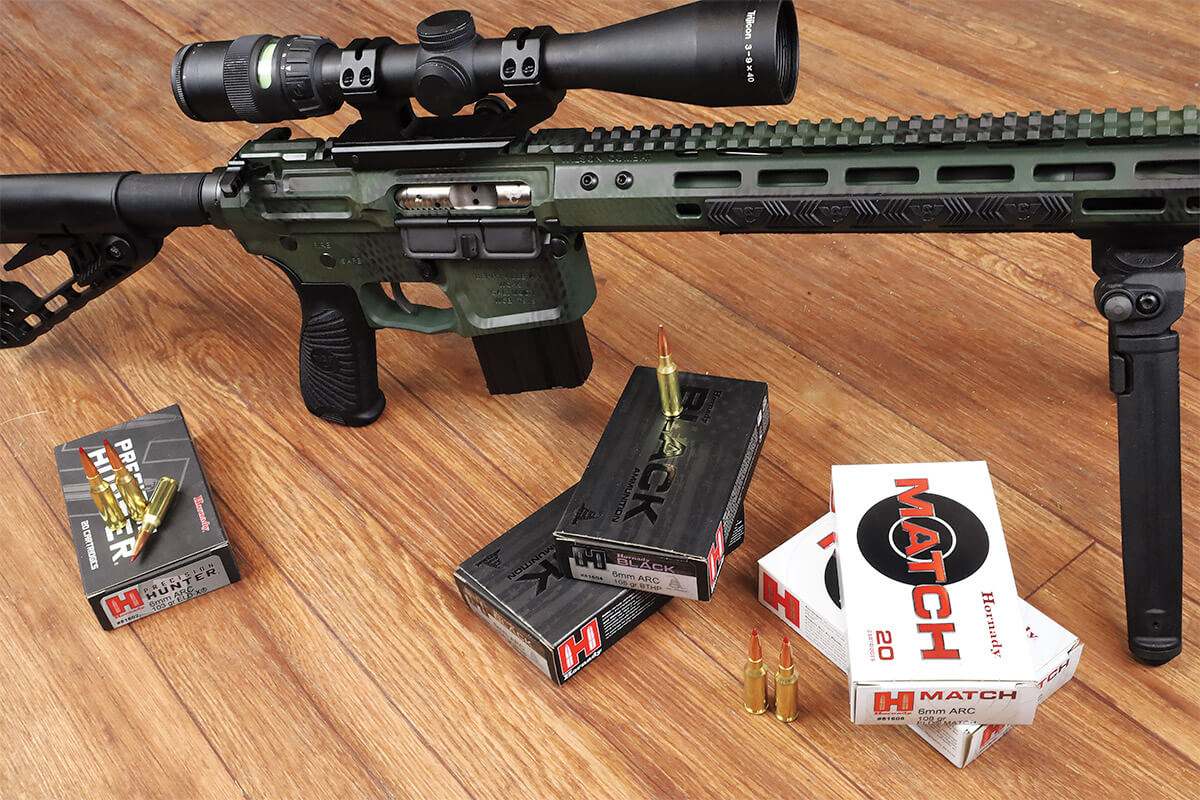
Start load development with the 108 ELD Match over Staball 6.5 or Varget, working up in 0.3-grain increments from the published starting load. Chase single-digit SD first, then tune seating depth for group size. Once you have a load that runs SD under 10 and shoots 0.75 MOA or better at 100, take it to 600 and confirm your ballistic solver's predictions match reality. Adjust your BC input until the solver and the actual impacts agree.
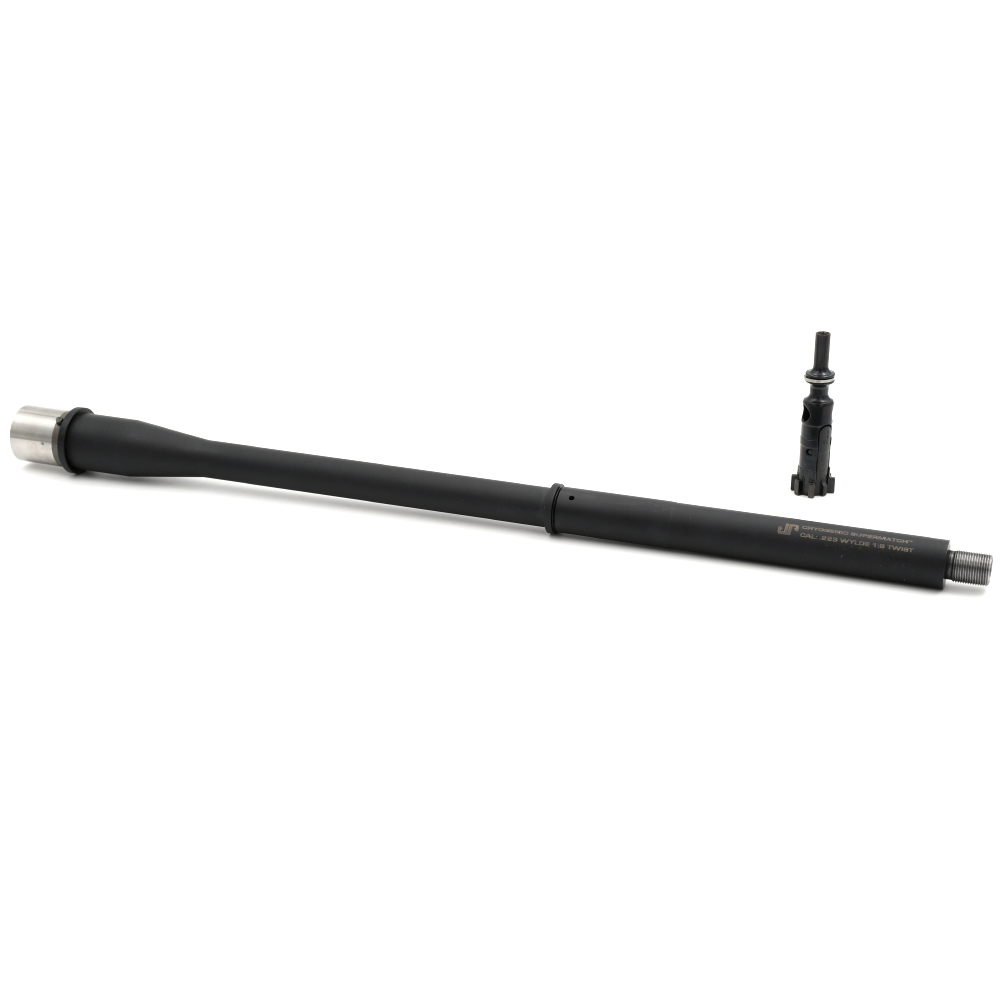
JP Enterprises barrel Deals
Prices may change. May contain affiliate links.
Then go to 1,000. Log everything, wind speed and direction, temperature, humidity, altitude, density altitude, come-ups, wind holds, and hit/miss for every shot. After 100 rounds at distance, you'll have a data set that tells you exactly what your rifle, your load, and your skills can do. That log is worth more than any article. Trust the log.