You've got a centerfire pistol you trust. You carry it, you train with it, you know where the mag release falls under your thumb without thinking. Now you want to put 500 rounds downrange in an afternoon without spending $200 on 9mm. The answer is a .22 LR trainer; but only if it actually replicates the gun you already shoot.
That's the part most people get wrong. They grab whatever .22 pistol is cheapest on the shelf, and the grip angle is different, the trigger breaks at a different point, the controls are mirrored or missing entirely. You end up training muscle memory that doesn't transfer. You might as well be shooting a completely different platform; because you are.
The real question is: which .22 LR pistols and conversion kits genuinely mirror the manual of arms, ergonomics, and trigger feel of your carry or duty gun? That's what this piece is about. We'll cover dedicated .22 trainers built to match specific centerfire platforms, then get into slide-mounted conversion kits that turn your actual carry gun into a rimfire trainer. Both approaches have tradeoffs, and the right one depends on how close to identical you need the experience to be.
Why a dedicated .22 trainer matters more than you think
Dry fire is free. Live fire with your carry gun is the gold standard. A .22 trainer sits in between, and it fills a gap that neither of those options can cover on their own.
Dry fire builds trigger press discipline and sight alignment, but it can't train recoil management, follow-up shot timing, or malfunction clearance under live conditions. Live fire with your 9mm or .45 does all of that, but at current ammo costs, most people aren't shooting enough volume to actually build speed. They fire 50 rounds, maybe 100, and call it a range session. That's maintenance, not improvement.
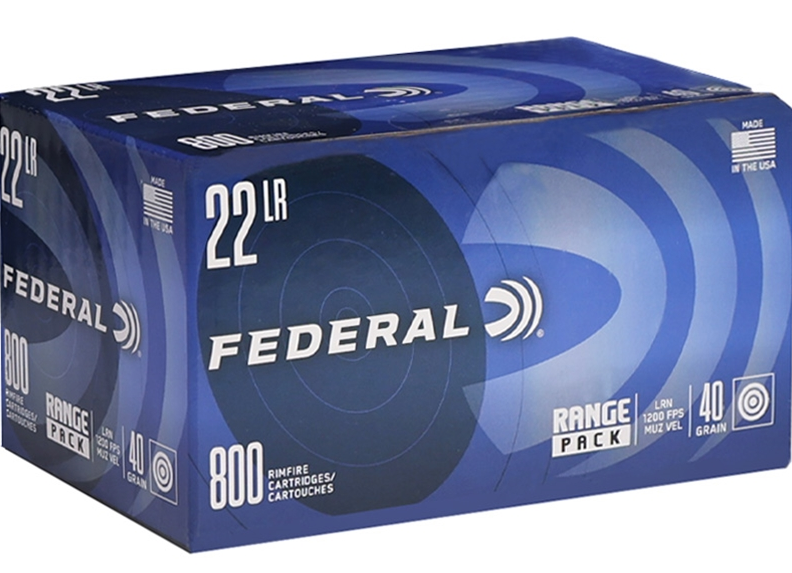
A .22 LR trainer lets you burn through 300–500 rounds in a single session for roughly the cost of a box of 9mm. That volume matters. It's how you build the neural pathways for fast sight acquisition, smooth trigger press at speed, and consistent draw-to-first-shot times. The key is that the .22 has to feel like your real gun; same grip angle, same trigger reach, same control placement. Otherwise you're just plinking.
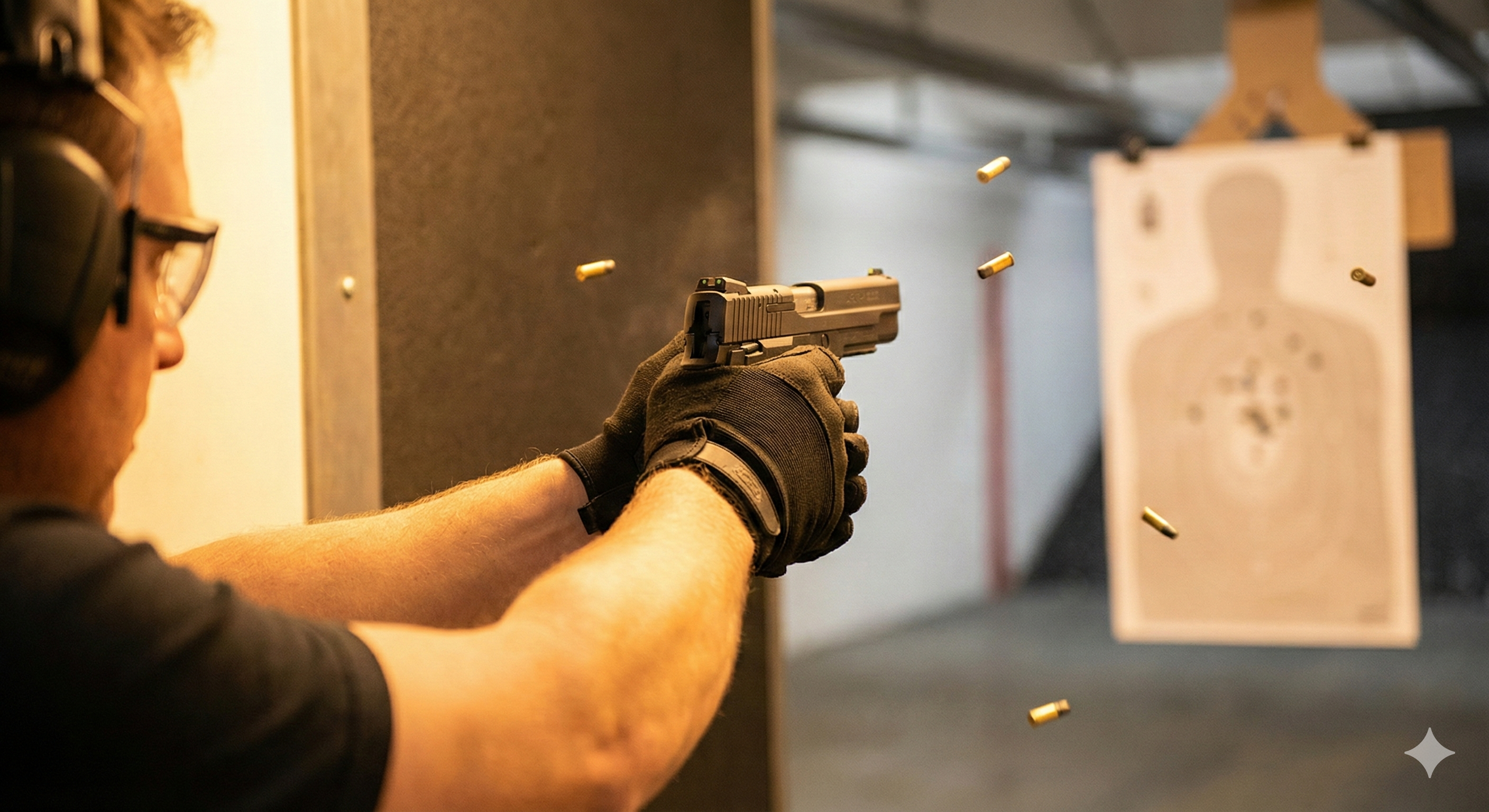
There's a secondary benefit nobody talks about enough: diagnosing flinch. The .22's near-zero recoil makes anticipation painfully obvious. If your shots are dropping low-left (right-handed shooter), you can't blame muzzle flip. That's your hands doing something they shouldn't be doing before the round breaks. A .22 trainer exposes that habit faster than any other tool.
What to look for in a .22 LR training pistol
Not every .22 pistol is a trainer. Plenty of them are fun plinkers or target guns that have zero relationship to any defensive pistol. Here's what separates a real trainer from a range toy.
Grip angle and circumference should match your centerfire gun as closely as possible. This is the single most important factor. Your draw stroke ends with the web of your hand indexing against the backstrap at a specific angle. If the .22 puts your hand in a different position, your point of aim shifts, and you're training a different presentation.
Trigger characteristics matter more than trigger pull weight. A 5-pound trigger that breaks clean with a short, tactile reset trains your finger differently than a 5-pound trigger with a long, mushy roll and a vague reset point. You want the break and reset distance to be close to your carry gun, even if the pull weight isn't identical.
Controls need to be in the same place and work the same way. Mag release location, slide stop position, safety (if applicable), and takedown procedure should all match. If you carry a Glock and your .22 trainer has a frame-mounted safety, you're going to build a habit of swiping a lever that doesn't exist on your real gun.
Sight compatibility is an underrated factor. If your carry gun runs a red dot on a specific footprint, your .22 trainer should accept the same optic; or at least have iron sights at the same height and with the same picture. Training with a different sight picture defeats the purpose.
Holster compatibility rounds it out. If you can use the same holster for both guns, your draw stroke is identical from leather to target. Some .22 trainers share enough external geometry with their centerfire counterparts to fit the same Kydex shells.
The best dedicated .22 LR trainers by platform
Glock 44, the obvious Glock match
The Glock 44 exists for one reason: to be a .22 LR Glock 19. And it mostly succeeds. The frame dimensions are nearly identical to a Gen 5 G19. Same grip angle, same trigger reach, same magazine release placement, same slide stop location. If you carry a G19, a G45, or a G17, the 44 will feel immediately familiar in your hands.
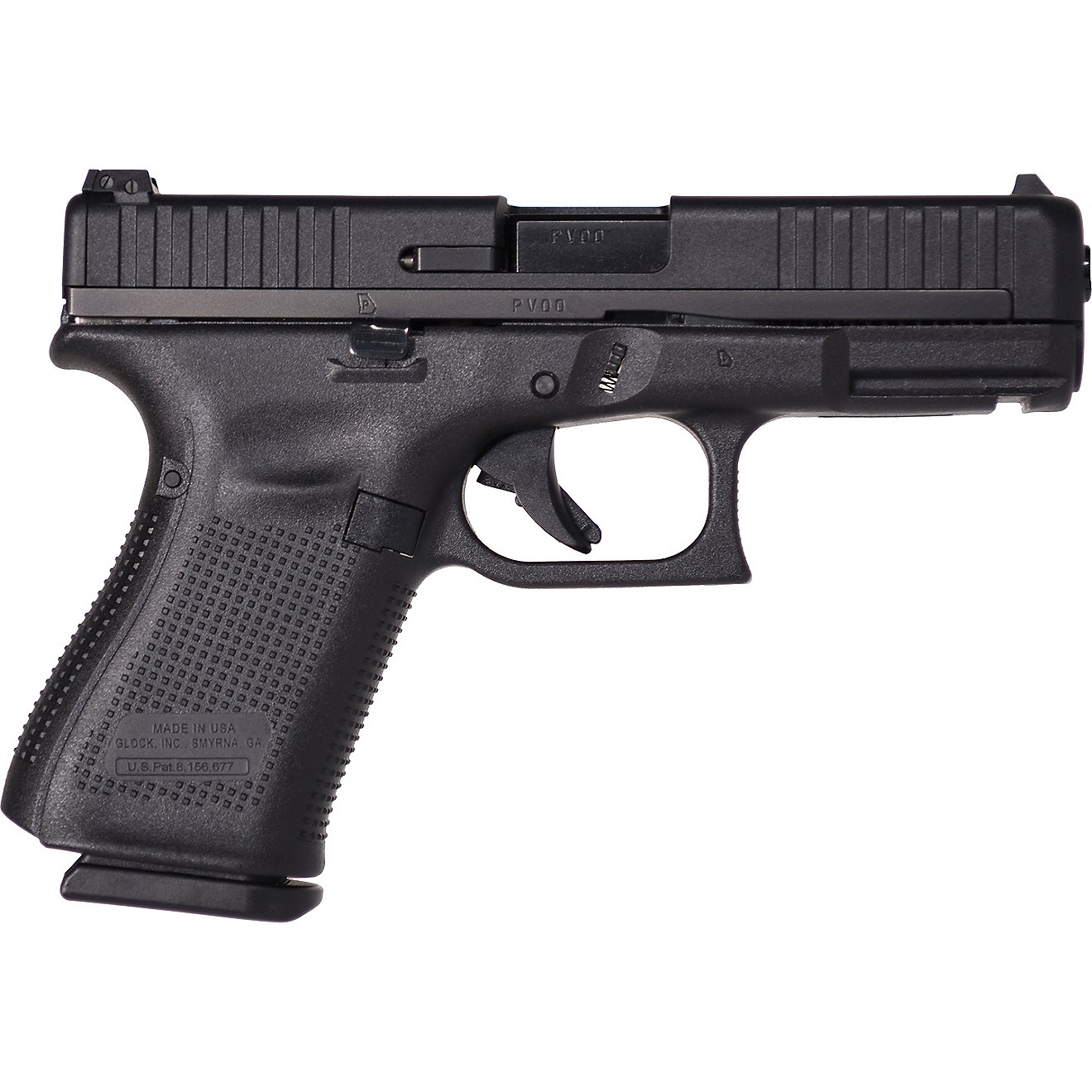
The trigger is recognizably Glock; that same slightly spongy take-up, a wall, and then a rolling break. It's not a perfect replica of a Gen 5 centerfire trigger, but it's close enough that your trigger press habits transfer. The reset is shorter than you'd expect from a .22, and it's audible and tactile.
The slide is a hybrid polymer-steel construction, which keeps the weight down enough for the .22 LR cartridge to reliably cycle it. This is the engineering challenge with any .22 that mimics a centerfire pistol; the slide has to be light enough for rimfire energy to move it, but heavy enough to feel like the real thing. Glock's solution works, though the slide does feel noticeably lighter during manual racking.
Capacity is 10 rounds, which is the 44's biggest weakness. The Glock 19 holds 15. You'll reload more often, which either annoys you or gives you more practice reloading; depends on your attitude.

What matters most: the 44 fits in most G19 holsters with minor adjustment. Same footprint, same rail dimensions. You can run your actual carry holster, your actual belt, your actual concealment garment, and practice your draw stroke with live ammo for pennies per round.
The reliability conversation is real, though. Early Glock 44s were picky about ammo; some bulk loads wouldn't cycle reliably. CCI Mini-Mags and Federal AutoMatch tend to run well. Cheap bulk from the big box stores can be hit or miss. This has improved with newer production, but it's worth noting that .22 LR semi-autos are inherently less reliable than centerfire guns. The rimfire cartridge itself is the weak link; inconsistent priming, wax bullet lube, and low pressure make every .22 semi-auto more finicky than its 9mm equivalent.
Taurus TX22, the capacity king
The TX22 doesn't mirror any specific carry gun, and that's both its strength and its limitation as a trainer. What it does better than almost any other .22 pistol is run. The thing just works. It eats bulk ammo that chokes other .22s, the 16-round magazines are easy to load, and the trigger is genuinely good; a clean break with a short, positive reset that's better than what you get on many centerfire pistols at twice the price.
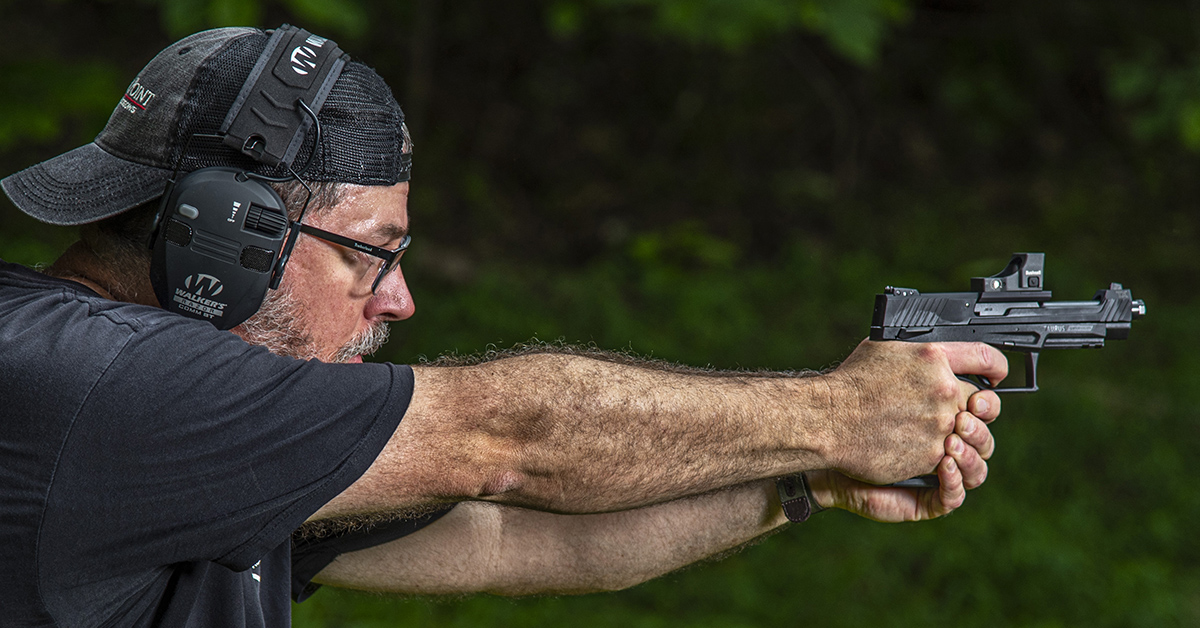
Grip angle is close to a Glock but not identical. The frame is slightly wider. If you're a Glock shooter, it'll feel familiar but not the same. If you shoot a Beretta or a Sig, it's further off. The TX22 is best thought of as a general-purpose .22 trainer for building fundamental skills; trigger press, sight tracking, cadence drills; rather than a platform-specific muscle memory tool.
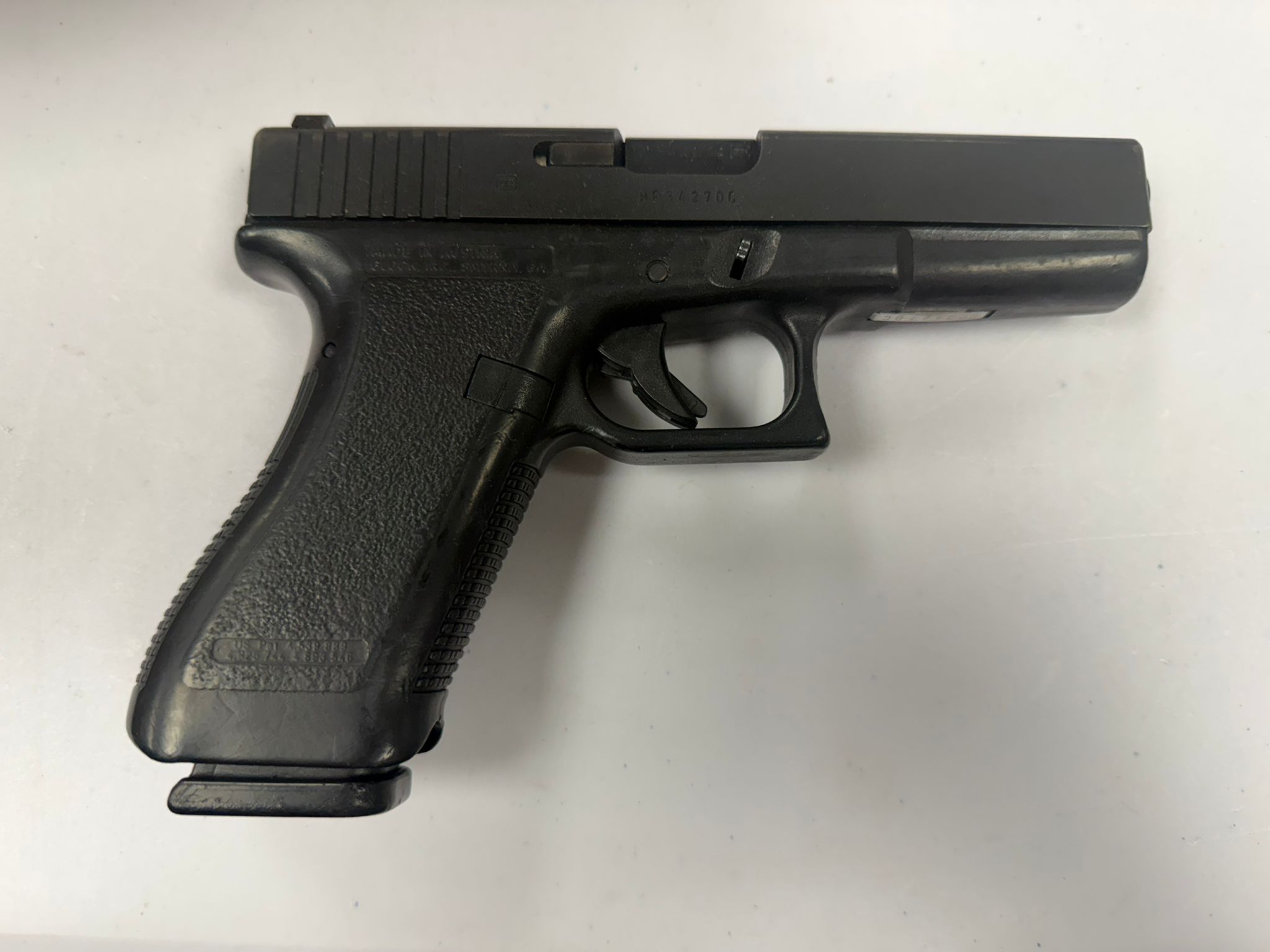
The TX22 Competition model adds a threaded barrel, optic mount, and fiber optic sights. It's a genuinely fun gun to shoot, and the optic-ready slide lets you mount a red dot if that's how you run your carry gun. The trigger on the Competition version is even better; lighter, crisper, with less overtravel.
For the money, the TX22 is hard to beat on pure shooting quality. It's just not going to replicate your specific carry gun's manual of arms unless you happen to carry a TX22-shaped centerfire pistol, which doesn't exist.
Smith & Wesson M&P 22 Compact, for M&P shooters
If you carry any gun in the M&P lineup; the M&P 9 2.0 Compact, the Shield Plus, the full-size M&P; the M&P 22 Compact gets you close. The grip angle matches the M&P family. The controls are in the same locations. The scooped-out trigger guard, the aggressive texturing, the overall hand feel; it's recognizably M&P.
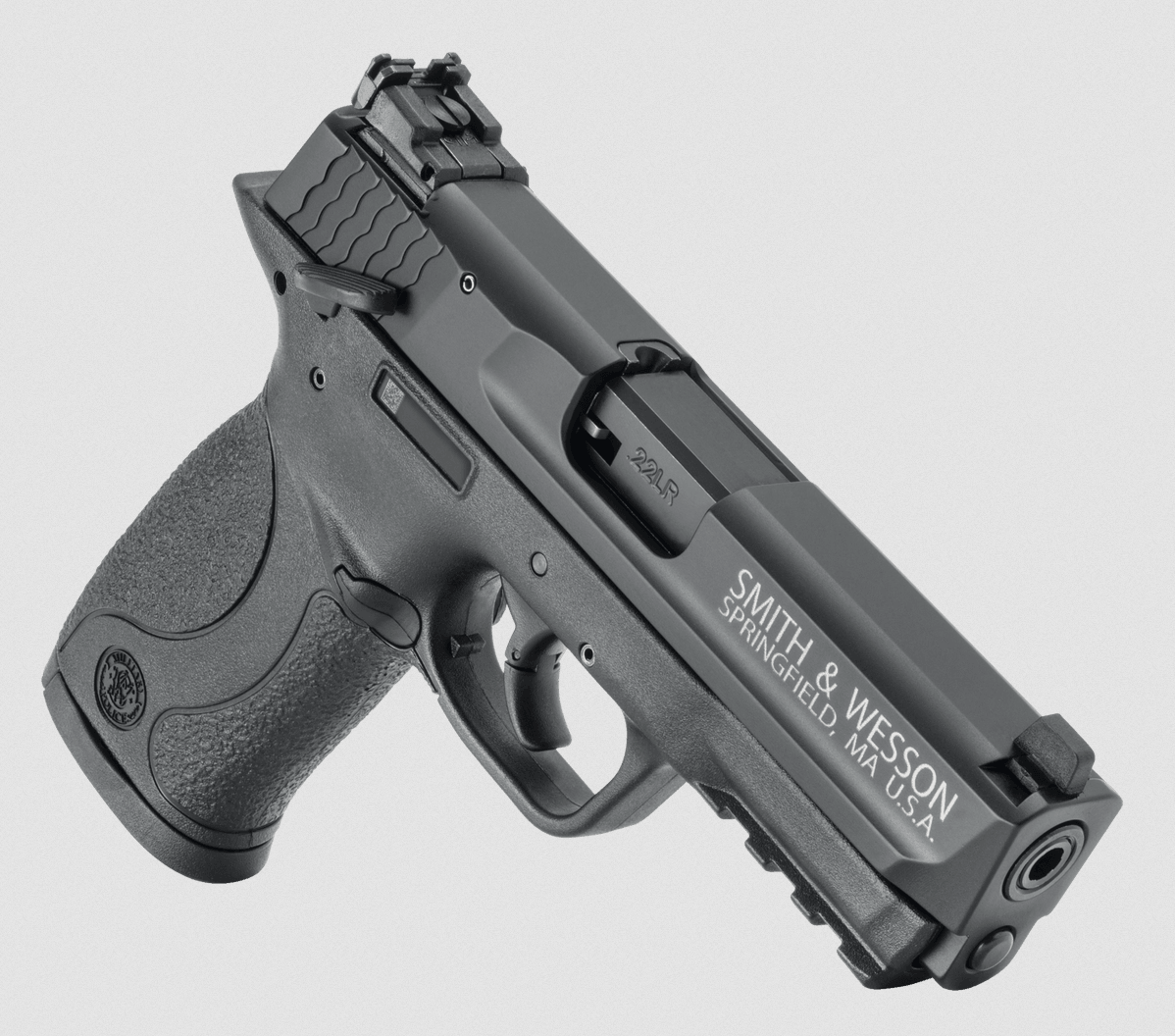
The "Compact" name is slightly misleading. It's closer in size to the M&P 9 Compact than the full-size, but the proportions are reasonable for training purposes. The 10-round magazine is limiting but standard for .22 trainers in this size class.
The trigger is adequate. It's not as crisp as the TX22, and the reset is longer than you'd want, but it breaks cleanly enough for training purposes. The real value here is platform fidelity for M&P shooters. Your thumb finds the mag release in the same spot. Your support hand indexes the same way. The takedown process is similar.
One quirk: the M&P 22 Compact has a manual thumb safety that some M&P centerfire models don't. If your carry M&P doesn't have a safety, you'll want to train yourself to ignore it (leave it off) rather than building a habit of swiping it on the draw. Small detail, but these are exactly the kinds of details that matter in a training gun.
Sig Sauer P322, the Sig ecosystem trainer
The P322 is Sig's dedicated .22 LR pistol, and it's built around the Sig design language. The grip angle matches the P320/P365 family reasonably well. The controls are in familiar Sig locations. The flat trigger option echoes the popular flat triggers in the P365 and P320 lines.
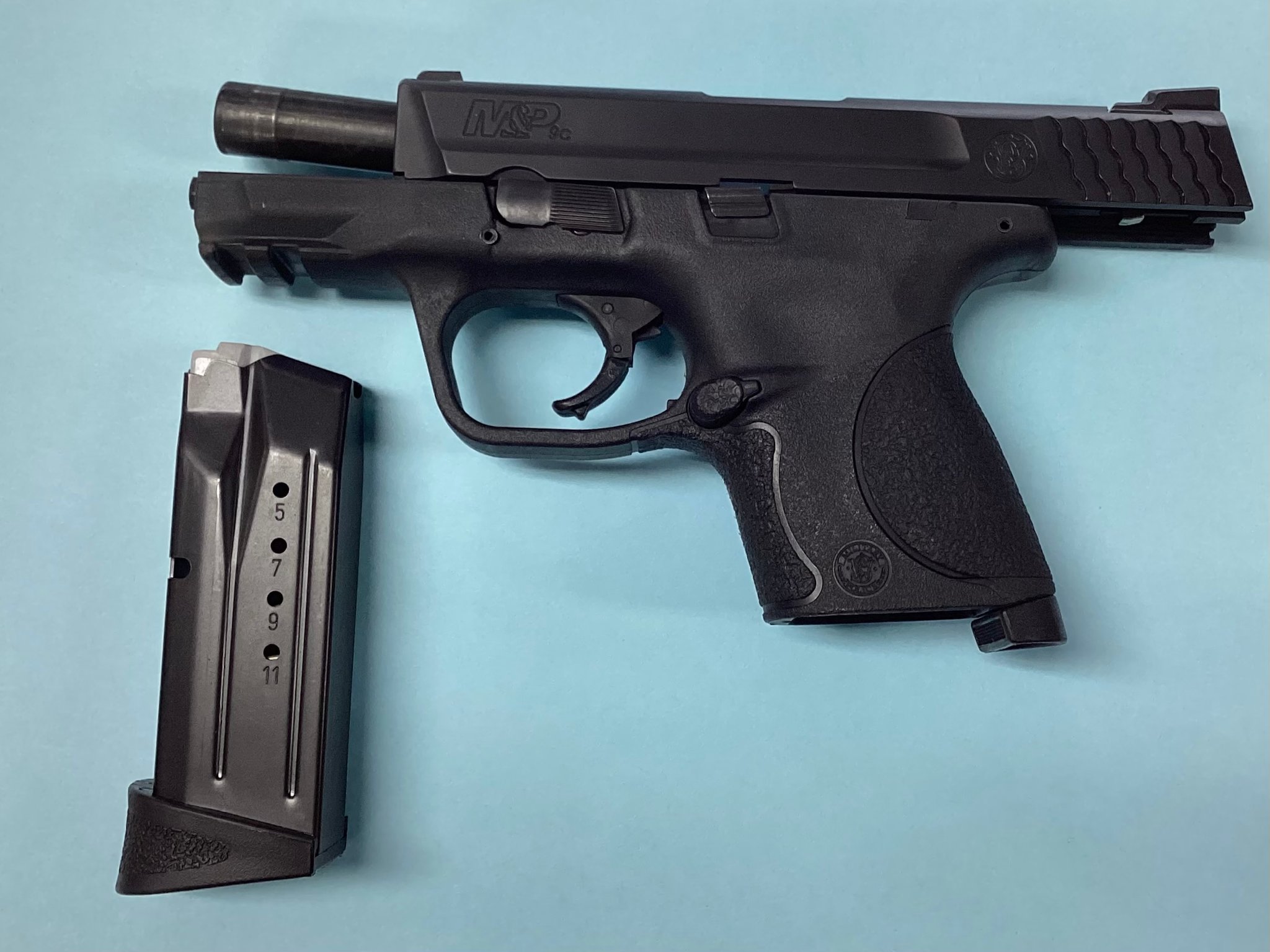
Smith & Wesson M&P 9 Deals
Prices may change. May contain affiliate links.
The standout spec is the 20+1 capacity. Twenty rounds of .22 LR in a flush-fit magazine is exceptional and means less time reloading during volume training sessions. The magazines are proprietary and use a unique loading assist built into the design, which works well once you get the hang of it.
Sig builds the P322 with an optics-ready slide that accepts a Romeo Zero or similar micro red dots using the same footprint as the P365 X/XL. If you train with a dot on your carry Sig, you can mount the same optic on the P322 and get nearly identical sight pictures.
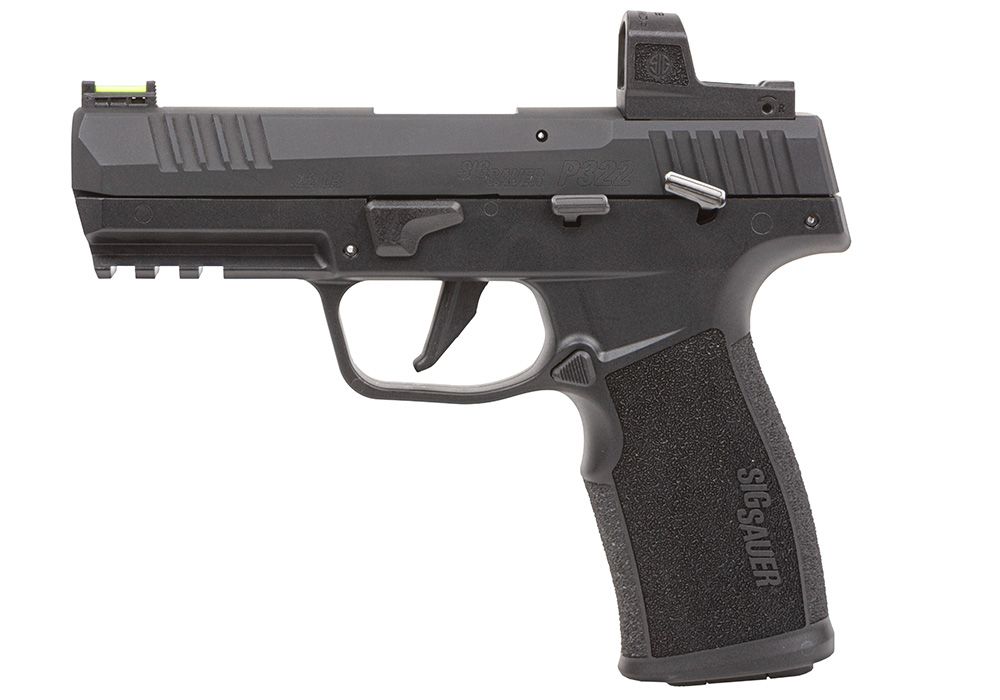
The reliability picture is mixed. Some P322s run great right out of the box. Others need a break-in period of 200+ rounds before they settle in. Ammo sensitivity is real; CCI tends to be the most reliable across the board. The P322 also has an external thumb safety that's always present, which may or may not match your Sig centerfire setup. If you carry a P365 without a manual safety, that's a training disconnect you'll need to manage.
The frame is polymer and the overall feel is lighter than a P320, which is expected given the rimfire chambering. Holster compatibility with Sig centerfire models is limited; the P322's external dimensions don't match the P365 or P320 closely enough for shared holsters.
Walther P22, the legacy option
The Walther P22 has been around for over two decades, and it still sells. But let's be honest about what it is: a fun, compact .22 that doesn't closely replicate any modern carry pistol's manual of arms. The DA/SA trigger, the heel-mounted magazine release on some versions, and the frame-mounted decocker/safety put it in a different operational category than most striker-fired carry guns.
If you carry a DA/SA pistol; a Beretta 92, an older Sig P-series, a CZ 75; the P22's trigger mode is at least conceptually similar, though the execution is quite different. For striker-fired carry gun owners, the P22 is a plinker, not a trainer. It's reliable, it's small, it's affordable, and it's a blast to shoot. But it won't build muscle memory that transfers to a Glock, M&P, or P365.

.22 LR conversion kits, your actual gun, rimfire ammo
Here's the approach that gets you the closest to true 1:1 training: take the gun you already carry, swap the slide (or the entire upper), and shoot .22 LR through the same frame you grip every day. Same trigger, same grip, same controls, same holster. The only thing that changes is the cartridge.
How conversion kits work
A .22 LR conversion kit typically replaces the slide, barrel, and recoil spring assembly on your existing frame. You remove your centerfire slide, drop the .22 conversion slide onto the same frame, insert a .22-specific magazine, and you're shooting rimfire. The process takes 30 seconds, maybe less once you've done it a few times.
The frame; the serialized, legally-a-firearm part; stays the same. Your trigger group stays the same. Your grip stays the same. This is the conversion kit's killer advantage over any dedicated .22 trainer: the lower half of the gun is literally your carry gun.
Advantage Arms, the Glock conversion standard
Advantage Arms has been making Glock .22 LR conversion kits longer than anyone else, and they're still the most widely used option. They make kits for Gen 1–3 Glocks (G17, G19, G22, G23) and separate kits for Gen 4 and Gen 5 models. Getting the right generation match is critical; a Gen 3 kit won't fit a Gen 5 frame.
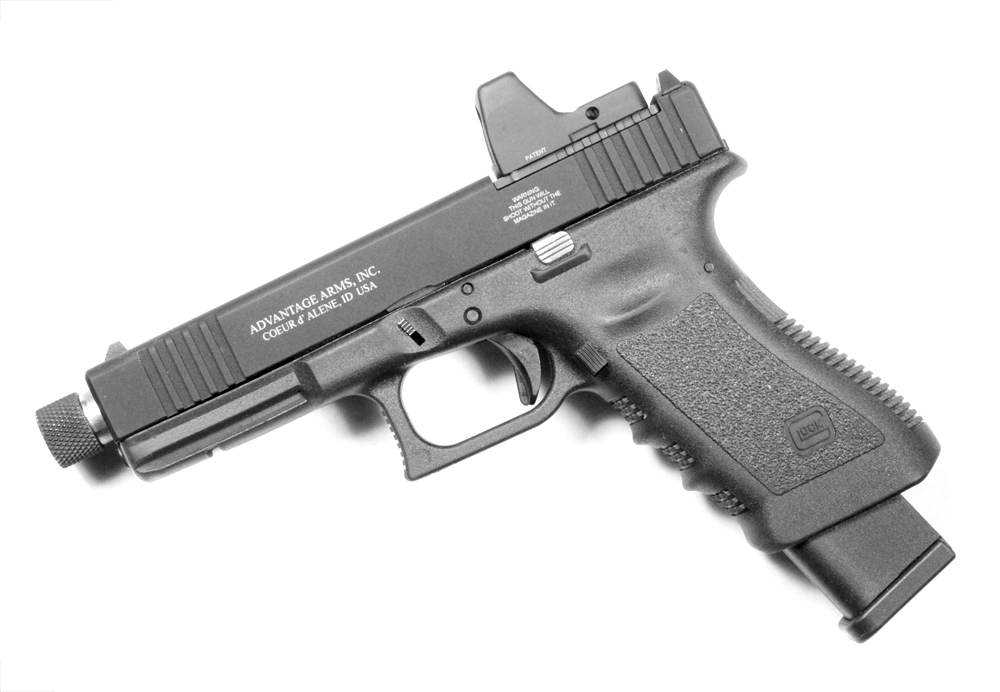

The kit includes a complete slide assembly with barrel, recoil spring, and a .22 LR magazine. Installation is identical to a normal Glock field strip in reverse: lock the slide back, pull down the takedown tabs, slide the centerfire upper forward off the frame, then slide the Advantage Arms upper onto the frame from the front. It seats on the same rails.
The trigger feel changes slightly because the .22 LR conversion slide is lighter and the firing mechanism works differently (rimfire vs. striker), but the trigger reach, the reset point, and the overall pull characteristics are close to the centerfire setup because you're still using the same Glock trigger housing and connector. It's not identical; the break feels a touch different; but it's closer than any dedicated .22 pistol can get.
Reliability with Advantage Arms kits is generally good with quality ammo. CCI Mini-Mags are the gold standard. Bulk ammo reliability varies; some lots run fine, others cause light strikes or failures to feed. The magazines are the weak point in the system; they're single-stack style and hold 10 rounds, and they can be finicky if the feed lips get bent or dirty. Buy at least two extra magazines. Keep them clean. Load them to 9 instead of 10 if you're getting nose-dive malfunctions.
The Advantage Arms kit also comes with adjustable sights, which is nice for zeroing but means you're not using your carry sights. Some shooters swap the rear sight for one that matches their centerfire setup. It's an extra step, but it preserves sight picture consistency.
CMMG .22 LR conversion kits
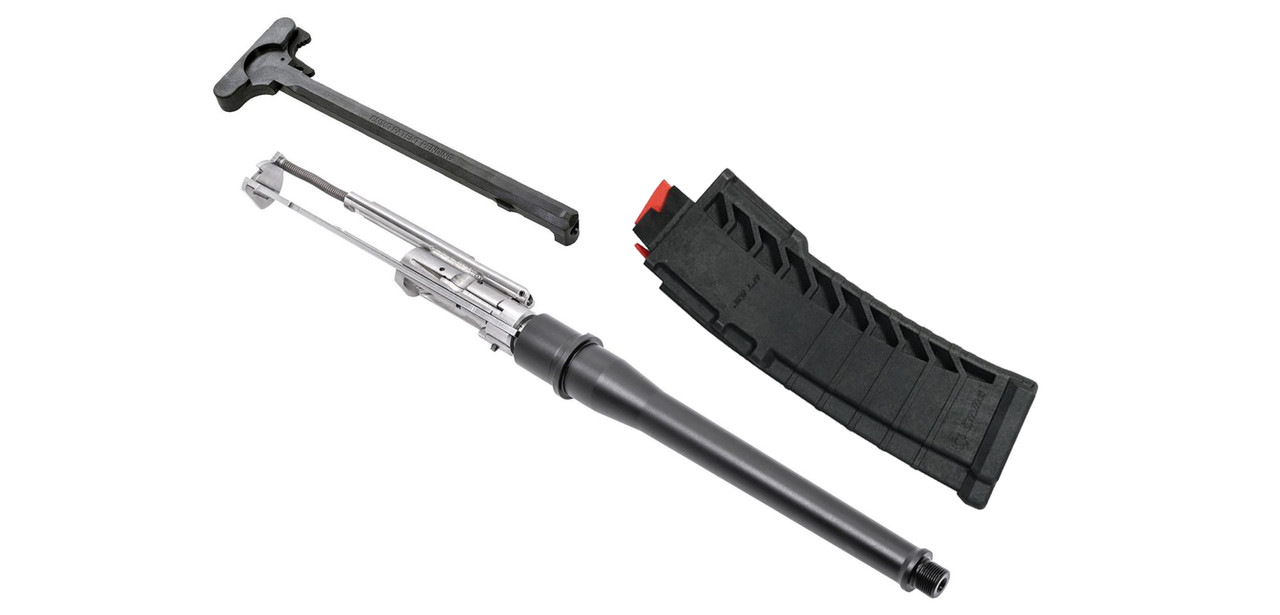
CMMG is better known for their AR-15 .22 conversion bolts, but they've made handgun conversion components as well. Their ecosystem is more AR-focused, so if you're looking for a pistol-specific solution, Advantage Arms or the platform-specific options below are more relevant.
Sig Sauer .22 LR conversion kits
Sig has offered .22 LR conversion kits for the P226, P229, and P320 platforms at various points. The P226 and P229 kits are particularly valuable for shooters who train on those DA/SA platforms; the conversion gives you the same frame, same trigger in both double-action and single-action modes, same decocker, same mag release. For P226 MK25 owners and other classic Sig shooters, this is the most cost-effective way to get high-volume training without burning through expensive 9mm or .40.
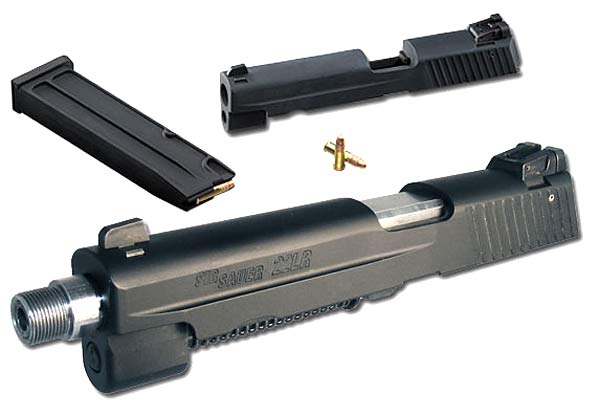
The P320 .22 conversion is interesting because of the P320's modular design. The fire control unit stays the same, and you swap the slide and barrel assembly. Sig's approach integrates well with the P320's existing modularity; if you're already comfortable swapping grip modules and slide lengths, adding a .22 upper to the rotation is natural.
Availability on Sig conversion kits fluctuates. They tend to come in and out of stock, and some models have been discontinued and reintroduced. Check current availability before planning around one.
Kimber, Beretta, and 1911 conversions
For 1911 shooters, several companies make .22 LR conversion kits. Kimber has offered their Rimfire Target Conversion Kit, which replaces the slide and barrel on a full-size Government-model 1911. The grip safety, thumb safety, and trigger all stay the same; you're still running your 1911's fire control group. This is excellent for USPSA Single Stack shooters or anyone who carries a 1911 pattern pistol.
Beretta has offered .22 kits for the 92 series, though availability has been inconsistent. If you can find one, it's a direct-fit conversion that preserves the DA/SA trigger, the frame-mounted safety/decocker, and the overall Beretta manual of arms.
Conversion kits vs. dedicated trainers, the comparison
Here's where the two approaches stack up against each other across the factors that actually matter for training:
The conversion kit wins on fidelity. The dedicated trainer wins on convenience and versatility. If your primary goal is replicating your exact carry gun experience at rimfire cost, the conversion kit is the better tool. If you want a second gun that the whole family can shoot, that you can take to the range without touching your carry gun, and that has its own standalone value, the dedicated trainer makes more sense.
Some people buy both; a dedicated .22 for general plinking and introducing new shooters, plus a conversion kit for serious carry-gun-specific training. That's not a bad approach if the budget allows.
Dedicated .22 trainer comparison table
| Feature | Glock 44 | Taurus TX22 | S&W M&P 22 Compact | Sig P322 | Walther P22 |
|---|---|---|---|---|---|
| Mirrors platform | Glock 19/Gen 5 | None specific | M&P family | P320/P365 family | None specific (DA/SA) |
| Capacity | 10+1 | 16+1 | 10+1 | 20+1 | 10+1 |
| Trigger type | Striker (Glock-style) | SA striker | Striker | SA striker with safety | DA/SA |
| Optics ready | No (standard model) | Yes (Competition) | No | Yes | No |
| Manual safety | No | Yes (ambidextrous) | Yes | Yes | Yes (decocker/safety) |
| Threaded barrel option | No | Yes (Competition) | No | Yes (adapter included) | Yes (some models) |
| Fits carry holster | Yes (G19 holsters) | No | Limited | No | No |
| Typical reliability | Good with quality ammo | Excellent across ammo types | Good | Mixed; improves after break-in | Good |
| Best use case | Glock-specific training | High-volume general training | M&P-specific training | Sig-specific training, capacity | Plinking, fun |
Range notes, what you'll actually notice
The first time you shoot a .22 trainer after running your 9mm, the lack of recoil is almost disorienting. The gun barely moves. Your sights stay on target through the shot. This is the point; you can see everything your hands are doing, and you can't hide bad habits behind muzzle flip.
Run this drill to test whether your .22 trainer is actually building transferable skills: set up a target at 7 yards. Draw from your carry holster (or from a low ready if the range doesn't allow draws). Fire two rounds to the chest, one to the head. Do this ten times with your .22 trainer, recording your time. Then do it ten times with your carry gun. If your times and group sizes are similar, the trainer is doing its job. If your carry gun times are significantly slower or your groups open up, the recoil management gap is where you need to focus your centerfire practice.
Another drill worth running: load your .22 magazines with a random number of rounds; 4, 7, 3, 9, whatever. Shoot until the gun locks back, then perform a slide-lock reload. This is where conversion kits shine, because the reload is mechanically identical to your carry gun. With a dedicated trainer, the magazine dimensions are different, and the reload motion may not transfer perfectly.
One thing that surprises people about .22 trainers: they're actually harder to shoot accurately at distance than a 9mm. The .22 LR bullet is more affected by inconsistencies in ammo quality, the lighter slide doesn't dampen hand tremor the way a heavier centerfire slide does, and the rimfire trigger (even a good one) often has more variability shot to shot. If you can hold 3-inch groups at 25 yards with your .22 trainer, you'll probably shoot tighter than that with your 9mm.
Common mistakes with .22 trainers
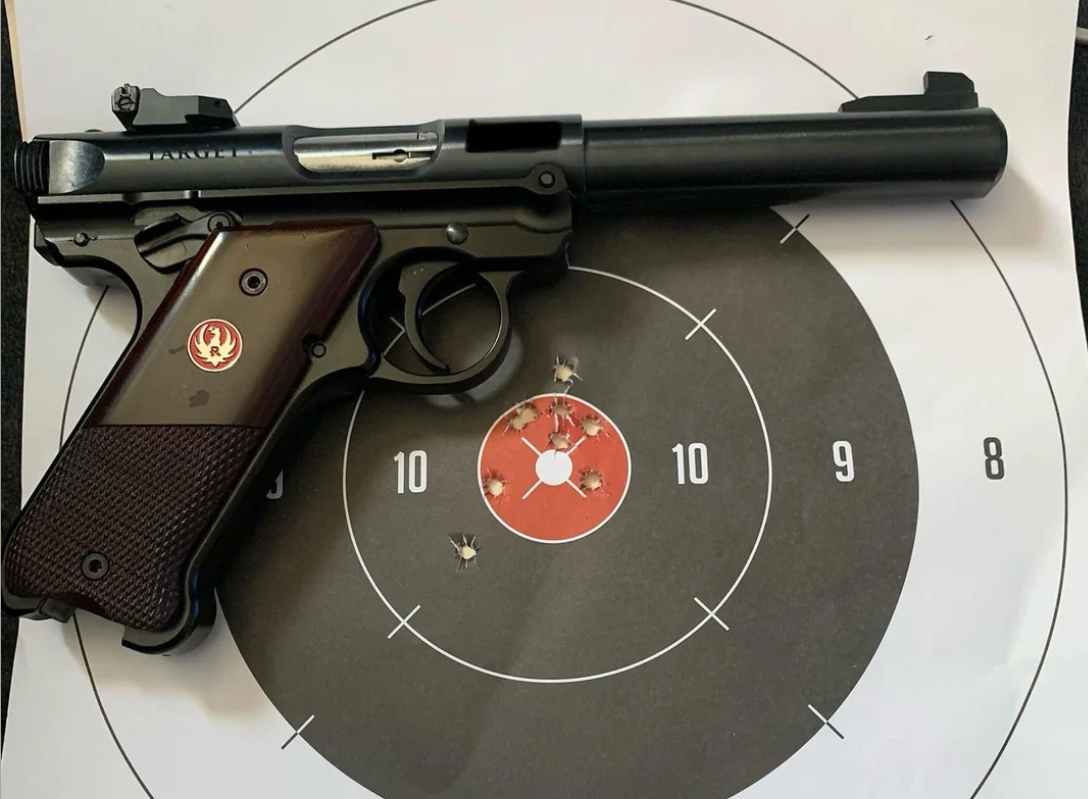
The first mistake is buying a .22 that doesn't match your carry platform and expecting the training to transfer. A Ruger Mark IV is a phenomenal .22 target pistol. It's also nothing like any defensive handgun made in the last 40 years. The grip angle, the manual of arms, the sight picture; none of it carries over. If you want a target pistol, buy a Mark IV. If you want a trainer, match your platform.
Second: neglecting to clean the .22 trainer frequently. Rimfire ammo is dirty. The wax bullet lube, the carbon fouling, the unburned powder; it all builds up faster than centerfire residue. A .22 that runs great when clean can start short-stroking after 300 rounds of bulk ammo. Clean it every range session. Pay special attention to the breech face, extractor, and magazine feed lips.
Third: using the .22 trainer exclusively and never shooting your centerfire gun. The .22 builds mechanics. It doesn't build recoil management. You still need regular reps with your carry gun to maintain the grip strength, the recoil anticipation control, and the split times that only come from managing real recoil. A good ratio is roughly 3:1 or 4:1; three to four range sessions with the .22 for every one session with the centerfire gun.
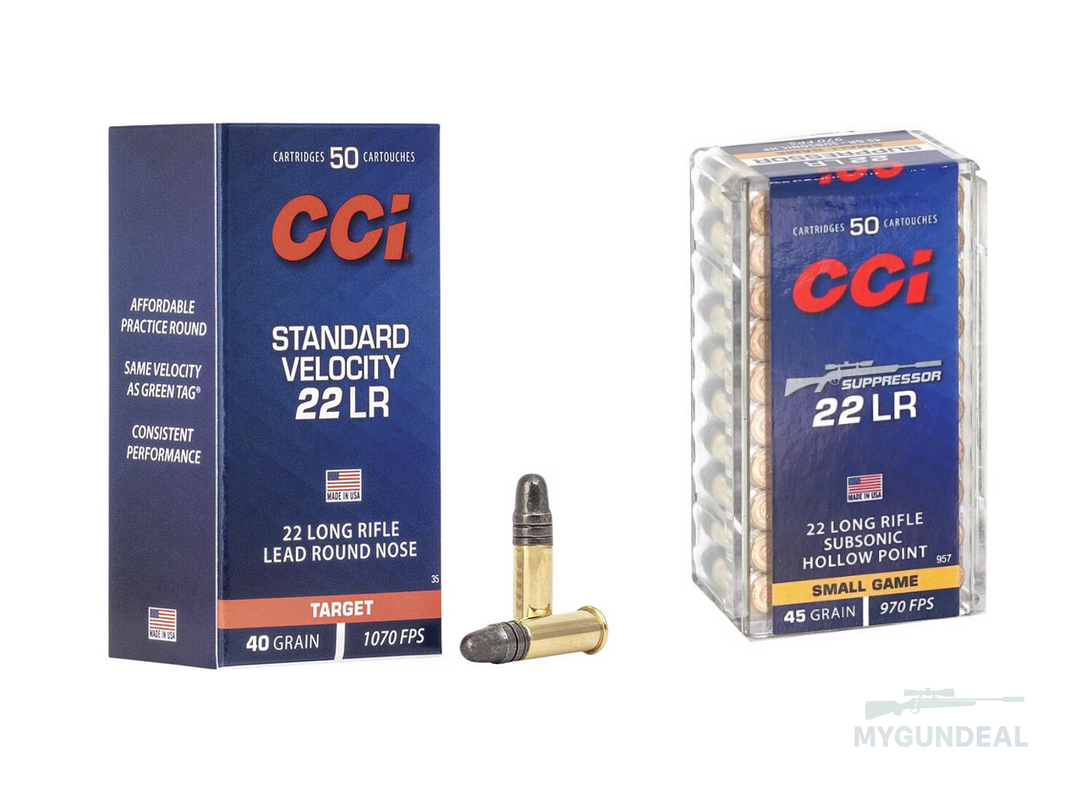
Fourth: ignoring ammo selection. Not all .22 LR is created equal, and the spread in quality is far wider than in centerfire ammo. Buy three or four different brands, test them in your specific gun, and figure out which one runs reliably. Then buy that ammo in bulk. CCI Mini-Mags, CCI Standard Velocity, Federal AutoMatch, and Aguila Super Extra tend to be the most consistent across platforms, but your specific gun may have preferences.
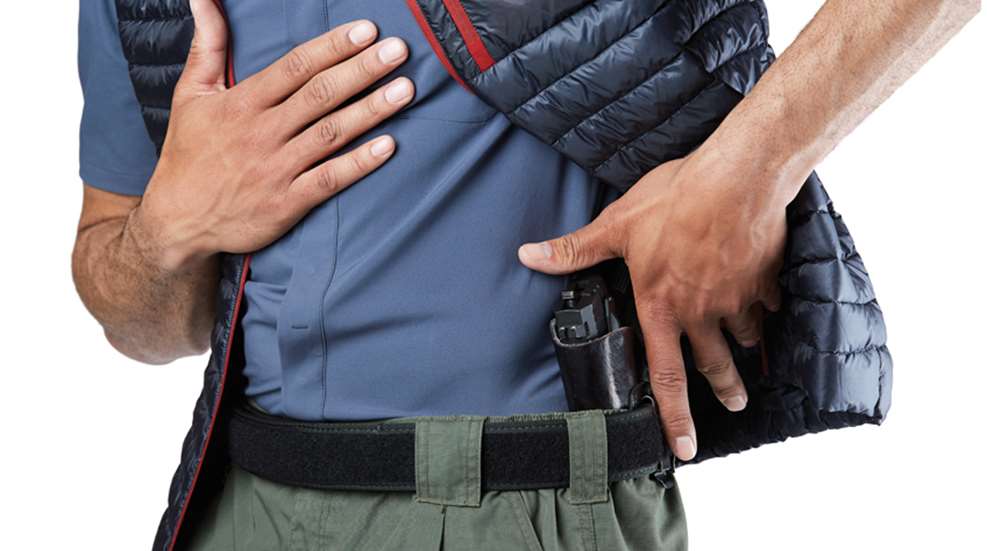
Fifth: not using the same holster. If your .22 trainer fits your carry holster; and this is one of the biggest advantages of the Glock 44 for Glock shooters or a conversion kit for any platform; use it. Practice the draw. Practice the reholster. Practice the concealment check. The draw stroke is where most defensive shooting speed is won or lost, and it's the part of the skill set that requires the most repetition to maintain.
The conversion kit decision tree
If you carry a Glock 19 or 17 (Gen 3, 4, or 5), the Advantage Arms kit is the most proven option. It's been on the market for years, the kinks are well understood, and the aftermarket support (extra magazines, replacement parts) is solid.
If you carry a Sig P226 or P229, look for a Sig factory .22 conversion kit. The DA/SA trigger fidelity is worth the effort of tracking one down.
If you carry a Sig P320, the Sig .22 conversion upper is the cleanest solution, though availability can be spotty. The P322 is the fallback; not identical, but close enough in grip angle and control layout to be useful.
If you carry a 1911, a Kimber or similar .22 conversion kit preserves the safety manipulation, the grip safety, and the single-action trigger that define the 1911 manual of arms.
If you carry a platform that doesn't have a conversion kit available; many of the micro-compact 9mms fall into this category; a dedicated .22 trainer from the same manufacturer is your best bet. It won't be identical, but same-brand guns tend to share design DNA in grip angle and control placement.
Getting the most from your .22 training
Volume alone doesn't build skill. Deliberate practice does. Here's how to structure a .22 training session so it actually improves your shooting rather than just burning ammo.
Start with slow fire at 7 yards. Ten rounds, one shot every three seconds, all into a 3-inch circle. This is your warm-up and your diagnostic. If you can't keep ten rounds in three inches at this pace, slow down further until you can. This establishes your accuracy baseline for the session.
Move to cadence drills. Fire pairs (two shots) at a pace where you can call both shots; meaning you can tell where each round hit based on your sight picture at the moment of the break. Start slow, increase speed until your calls stop matching your hits, then back off one notch. That's your current speed limit. Train there.
Add movement. Step left, fire two. Step right, fire two. This is where the .22's low recoil is a gift; you can focus on footwork and balance without the distraction of managing muzzle flip. Build the movement patterns, then transfer them to your centerfire gun.
Finish with a cold drill. One magazine, draw from concealment, fire everything at a silhouette at 7 yards as fast as you can keep all rounds in the chest. Record your time. Track it over weeks. This is your benchmark, and it should improve if your training is working.
Then; and this is the part people skip; do the same cold drill with your carry gun at your next centerfire session. Compare the times. The gap between your .22 time and your 9mm time tells you exactly how much your recoil management is costing you. As your .22 training improves your mechanics, that gap should shrink.
A .22 trainer isn't a replacement for your carry gun. It's a force multiplier for the training you're already doing. Pick one that matches your platform, feed it decent ammo, clean it often, and put the round count in. The skills transfer. The savings are real. And the flinch you didn't know you had? The .22 will find it.