Five years ago, the advice was simple: if you wanted sub-MOA performance at distance, you loaded your own. Factory ammo was for plinking and hunting inside 300 yards. Anything beyond that demanded a press, a set of dies, and a lot of patience. That advice isn't wrong, exactly; but it's becoming less right every year. The gap between carefully developed handloads and top-shelf factory match ammo has narrowed to the point where a lot of shooters are asking a reasonable question: is the press still worth it?
RCBS Single-Stage Press Deals
Prices may change. May contain affiliate links.
The answer depends on what you're actually measuring. If the metric is extreme spread (ES) and standard deviation (SD) of muzzle velocity, handloads still win; but by a smaller margin than most reloaders assume. If the metric is group size at 100 or even 600 yards, some factory match loads are printing numbers that would've been handload-only territory a decade ago. And if the metric is cost per round of precision ammunition, the math has shifted in ways that surprise people who haven't priced brass, primers, and projectiles lately.
Here's where it gets interesting: the convergence isn't happening because handloading got worse. It's happening because factory ammo got dramatically better, and the tooling, components, and quality control behind premium factory lines have caught up to what a careful handloader does at the bench.
What "precision" actually means in numbers
Before comparing anything, the terms need to be specific. "Accurate" gets thrown around loosely. For this discussion, precision means two things: how tight the groups are (mechanical accuracy) and how consistent the velocities are shot to shot (which determines vertical dispersion at distance).
At 100 yards, mechanical accuracy is mostly about the rifle, the barrel, the shooter, and the bullet's concentricity. A half-MOA rifle with mediocre ammo might still print 0.7 MOA groups at 100 because the velocity variation doesn't have enough distance to show up as vertical spread. Push that same rifle to 600 or 1,000 yards, and suddenly velocity consistency matters enormously. A load with an SD of 5 fps will hold a much tighter vertical window than one with an SD of 15 fps, even if both loads group identically at 100.
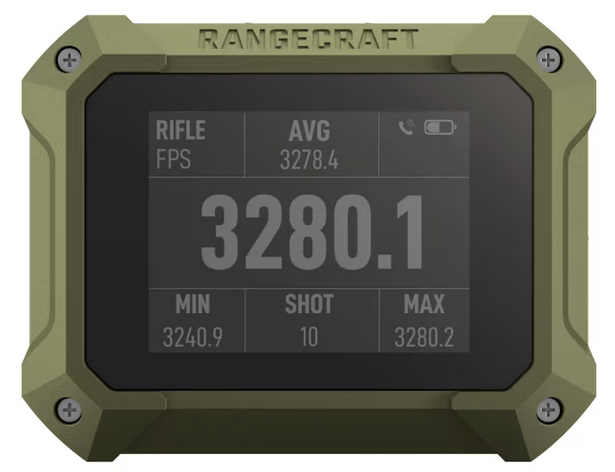
The numbers that competitive long-range shooters care about: SD under 10 fps is good, under 7 is very good, and under 5 is what top handloaders chase. ES (the spread between the fastest and slowest round in a string) under 20 fps is solid for competition. Under 15 is excellent. Factory match ammo five or six years ago routinely showed SDs in the 12-18 fps range. Today, the best factory match loads are printing SDs in the 8-12 range, with some lots dipping below that.
That's the core of the shrinking gap. Not that handloads can't still beat those numbers; they can; but that the factory floor has moved meaningfully closer.
Why factory match ammo got so much better
The improvement didn't happen by accident. Several things converged.
First, the precision rifle competition boom; PRS, NRL, and their regional variants; created real demand for factory ammo that could compete. When thousands of shooters are buying match-grade ammo monthly and comparing chrono data on forums, manufacturers get immediate, public feedback. The Sniper's Hide forums alone have threads with hundreds of posts documenting SD and ES data from specific factory lots. That kind of crowdsourced QC pressure didn't exist fifteen years ago.
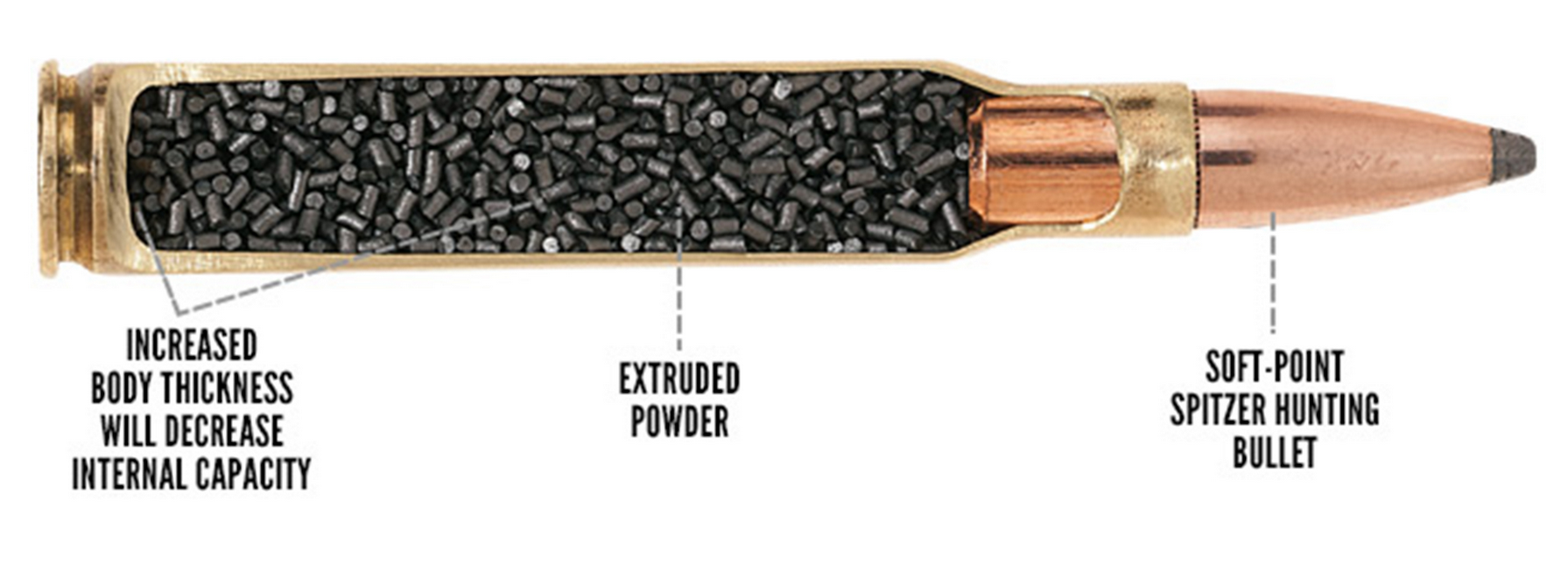
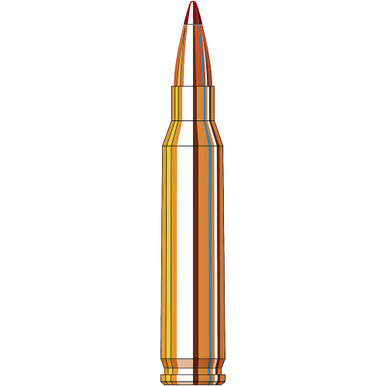
Second, manufacturing technology improved. Modern factory ammunition uses automated optical inspection, tighter powder charge tolerances (often within 0.1 grain), and better bullet seating consistency than previous generations. Hornady's 147-grain ELD Match in 6.5 Creedmoor, for example, benefits from the same AMP annealing technology and bullet tip consistency (their heat-resistant polymer tips were specifically designed to reduce BC variation) that handloaders pursue manually.
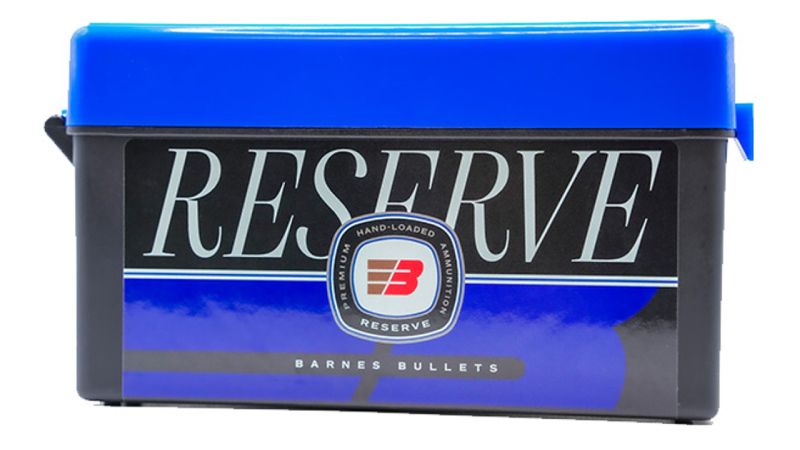
Third; and this is the one people overlook; the cartridges changed. The 6.5 Creedmoor was designed from the ground up to be loaded in factory ammo with match-grade precision. Its case geometry, moderate pressures, and efficient powder column make it inherently easier to load consistently on high-volume equipment than, say, a belted magnum with a long powder column and finicky headspacing. The same applies to 6mm Creedmoor, 6.5 PRC, and other modern precision cartridges. The cartridge designs themselves are friendlier to factory consistency.
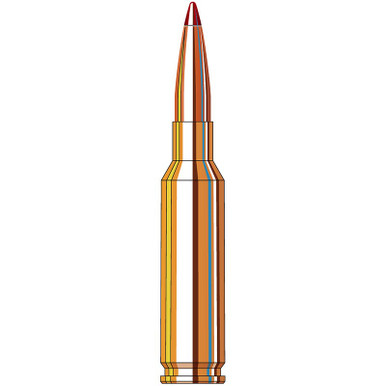
Hornady 147-grain ELD Match 6.5 Creedmoor Deals
Prices may change. May contain affiliate links.
The result: factory match ammo in modern cartridges is closer to handload performance than factory ammo in older cartridges ever was. A box of Hornady ELD Match in 6.5 Creedmoor is a fundamentally different product than a box of Remington Core-Lokt in .30-06; not just in bullet design, but in the manufacturing precision behind every round.
The chrono data tells the story
Numbers matter more than narratives here. What does the data actually show?
Testing documented across multiple sources; forum chrono logs, independent reviews, and manufacturer-published data; paints a consistent picture for 6.5 Creedmoor factory match loads. Hornady's 140-grain ELD Match typically shows SDs in the 8-14 fps range across different lots, with muzzle velocities averaging around 2,710 fps from 24-inch barrels. Federal Gold Medal Berger 130-grain in 6.5 Creedmoor runs SDs in a similar window, often slightly tighter at 7-12 fps. Prime Ammunition's 130-grain ELD Match loads have shown SDs under 10 in multiple documented tests.
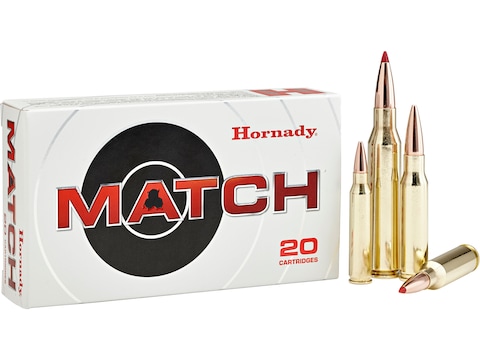
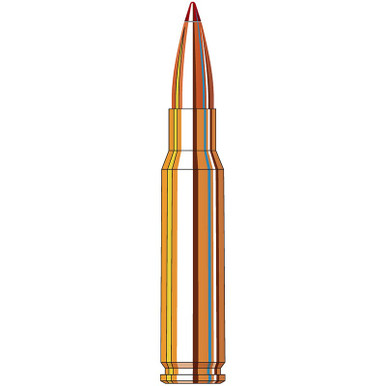
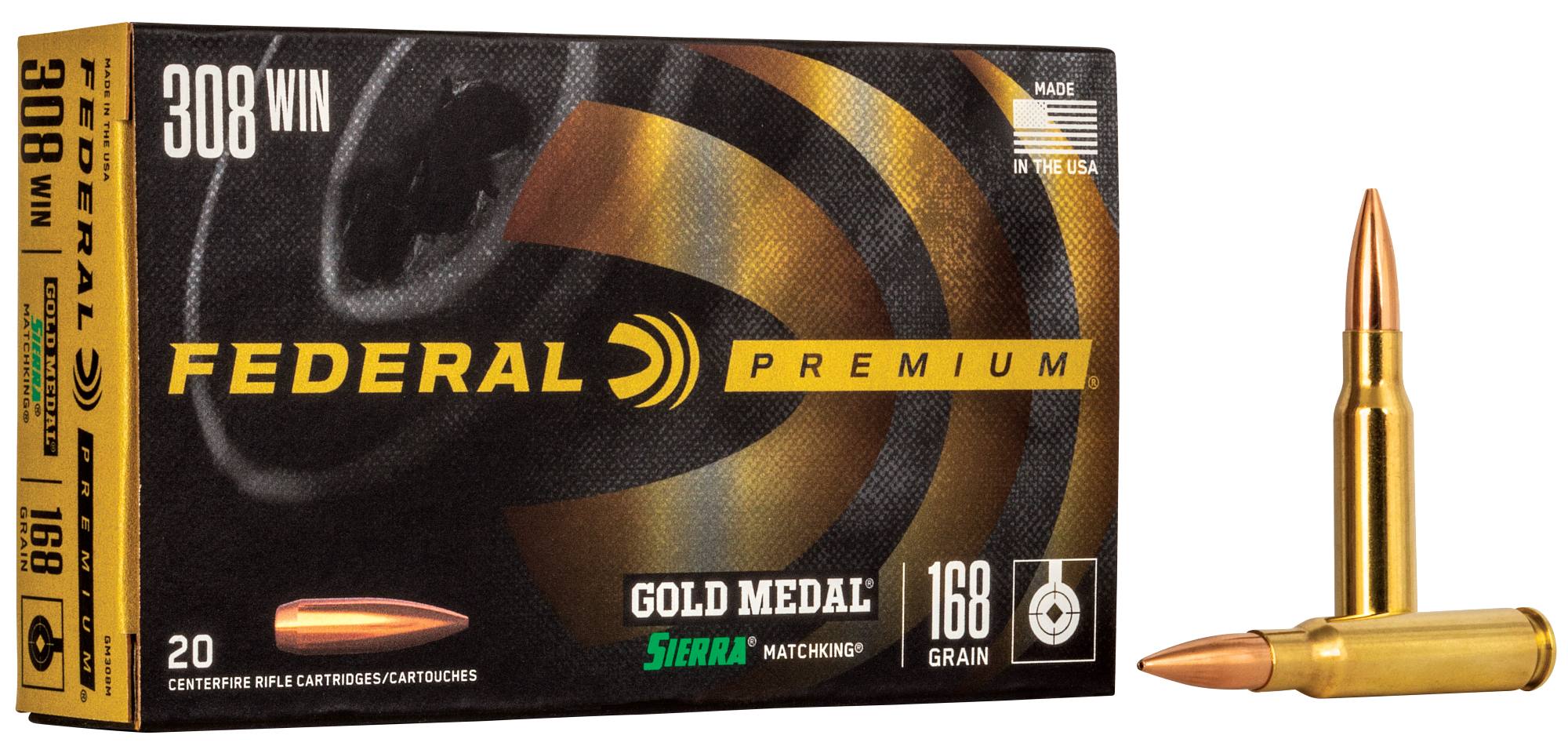
For .308 Winchester, the picture is similar at the top end. Federal Gold Medal Match 168-grain Sierra MatchKing; the old warhorse of factory precision; typically runs SDs of 10-15 fps. Hornady's 168-grain ELD Match in .308 is in the same neighborhood. The newer Federal Gold Medal 175-grain loads tend to be slightly more consistent, with SDs frequently in the 8-13 range.
Compare that to what a skilled handloader produces. A well-developed 6.5 Creedmoor handload; brass prepped, charges weighed to 0.02 grains, seating depth optimized; typically shows SDs of 3-7 fps. An experienced .308 handloader running Lapua brass and carefully weighed Varget charges might see SDs of 4-8 fps.
Hornady 140-grain ELD Match 6.5 Creedmoor Deals
Prices may change. May contain affiliate links.
So the gap is real, but it's shrunk from "factory is twice as inconsistent" to "factory is maybe 50-70% more variable." And here's the practical question: does that difference change where your bullet lands at distance?
What the SD gap means at 1,000 yards
Run the ballistics. A 6.5 Creedmoor 140 ELD Match at 2,710 fps with an SD of 10 fps produces roughly 5-6 inches of vertical dispersion at 1,000 yards due to velocity variation alone. The same load with an SD of 5 fps cuts that to about 2.5-3 inches. That's a meaningful difference in competition, where a few inches can be the difference between hitting and edging a plate, or between X-ring and 9-ring.
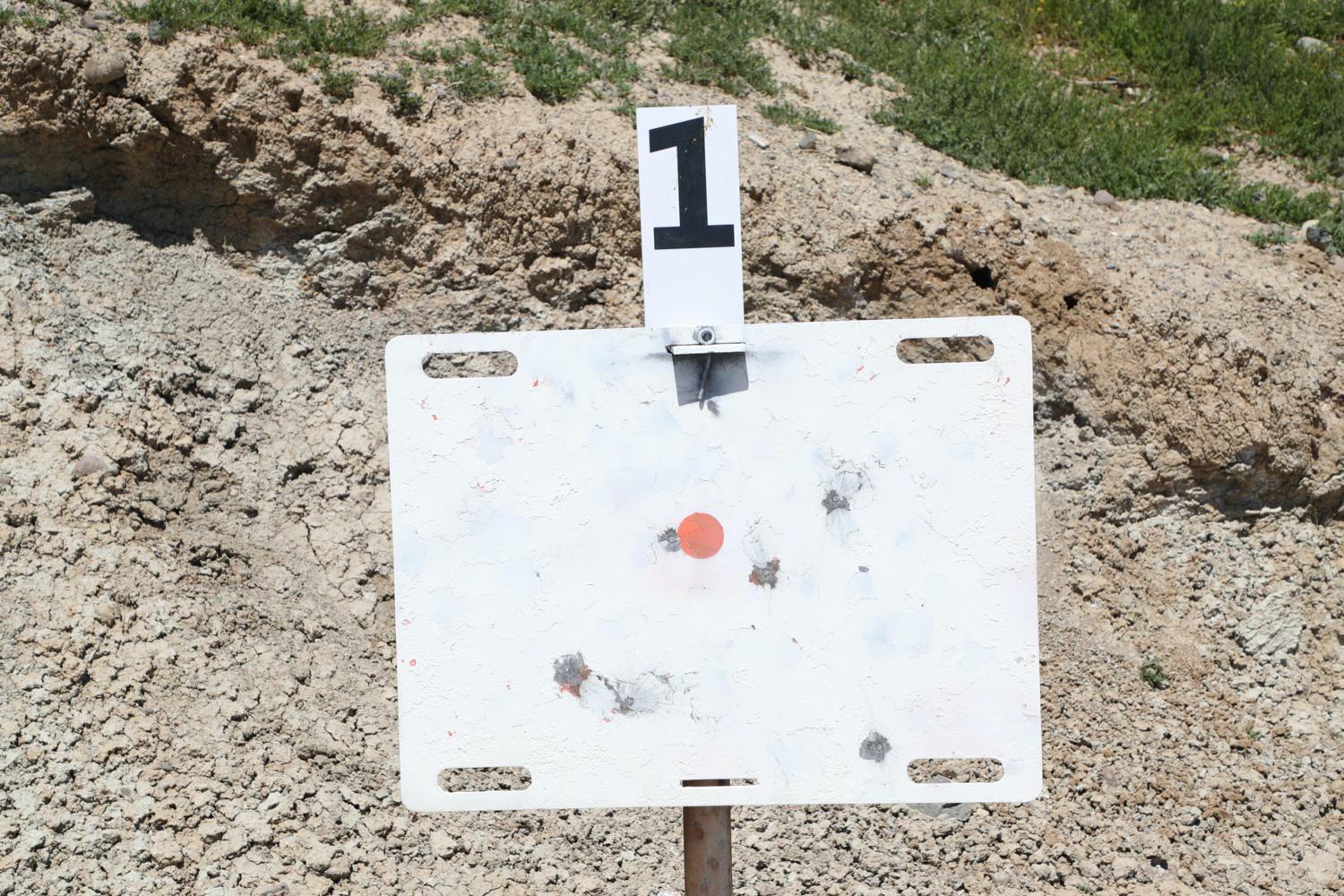
But for hunting at 600 yards? The SD-10 load produces maybe 2 inches of velocity-driven vertical. The SD-5 load cuts it to about an inch. On an elk-sized vital zone, both are well within the kill zone. The wind call matters ten times more than the velocity spread.
This is where the practical context matters. The precision gap is real and measurable. Whether it's relevant depends entirely on what you're doing.
Hornady 168-grain ELD Match .308 Winchester Deals
Prices may change. May contain affiliate links.
The cost math has changed too
The traditional argument for handloading always had an economic component: "I can load match-quality ammo for half the price of factory." That was true for a long time. It's less true now, and the math is worth running.
Component costs have risen significantly since 2020. Quality brass like Lapua in 6.5 Creedmoor runs roughly $0.80-1.00 per case new. Primers; if you can find them; are $0.05-0.08 each, up from $0.03 pre-pandemic. Match bullets (Hornady ELD-M, Berger Hybrids, Sierra MatchKings) run $0.35-0.55 each depending on caliber and quantity. Powder is roughly $0.15-0.25 per charge depending on the cartridge.
Add it up for a 6.5 Creedmoor handload: on the first loading, you're looking at roughly $1.35-1.85 per round with new brass. On subsequent loadings (assuming 5-8 firings per case), the brass cost amortizes down and you're at maybe $0.60-0.90 per round. That's where the savings show up; in the reloads, not the first firing.
Factory match ammo in 6.5 Creedmoor; Hornady ELD Match, Federal Gold Medal; typically runs $1.40-1.80 per round at retail, sometimes less on sale. So on the first loading, handloads barely save anything. The savings accumulate over time as you reuse brass, but you're also investing time. Lots of time.
Lapua Brass 6.5 Creedmoor Deals
Prices may change. May contain affiliate links.
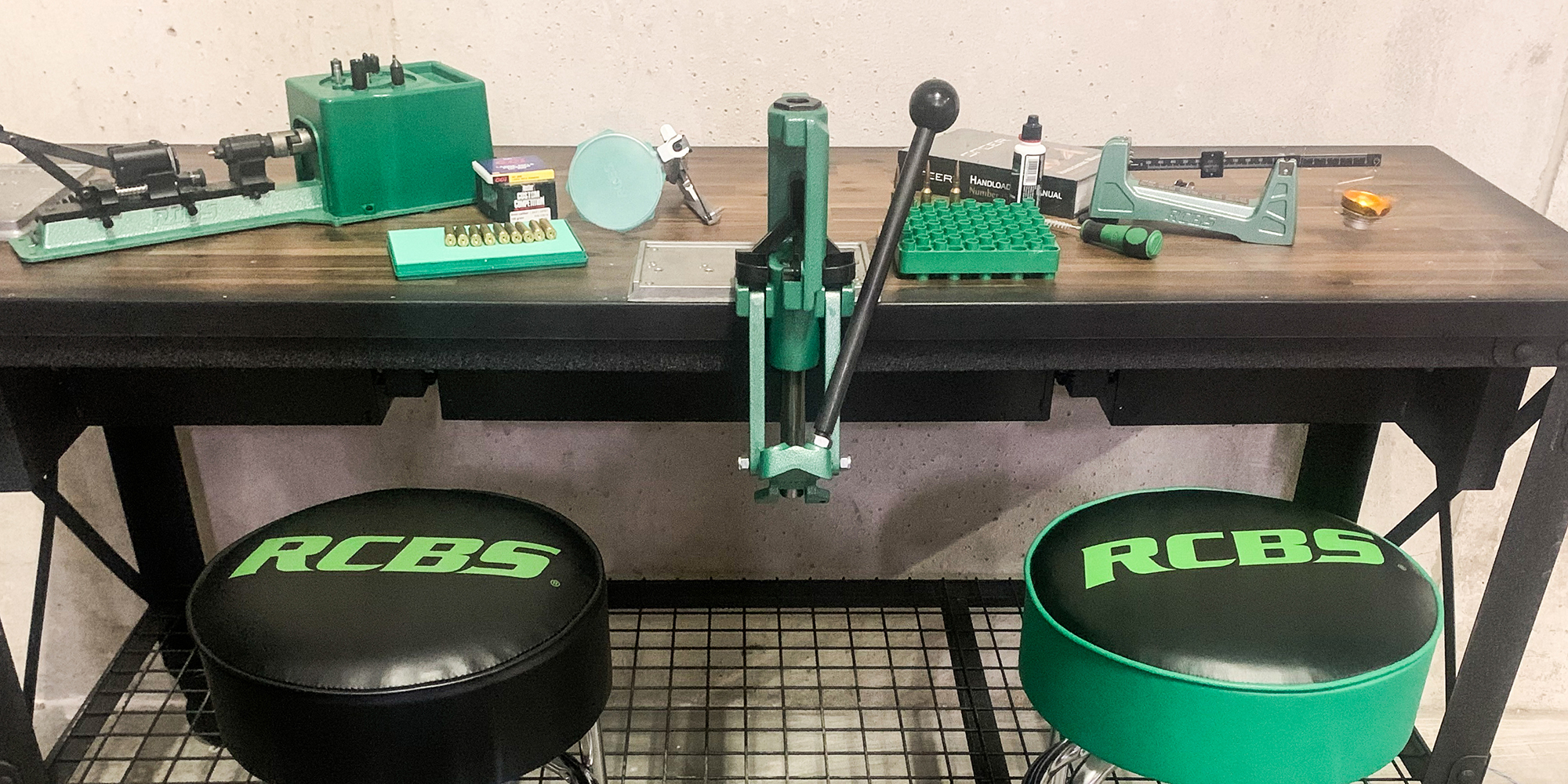
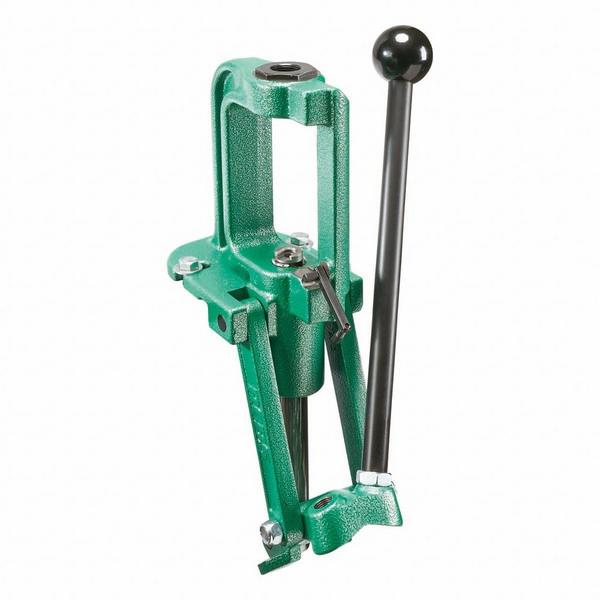
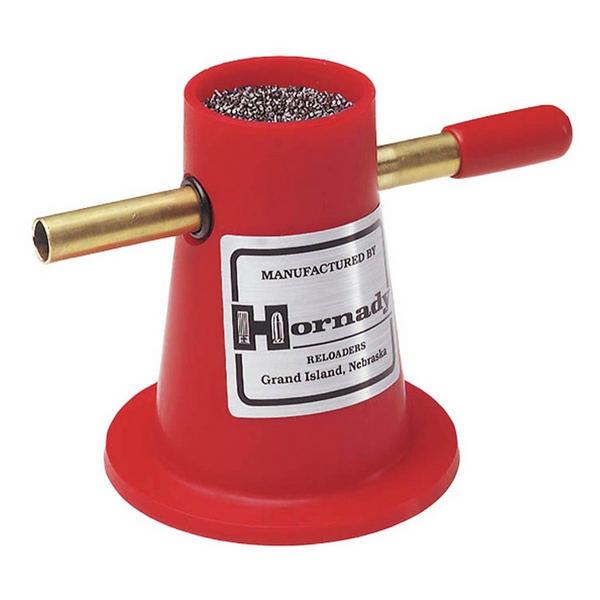
And then there's the startup cost. A quality single-stage press, dies, scale, calipers, case prep tools, and a powder measure; a setup that will actually produce precision ammo; runs $500-1,000 minimum. A Chargemaster or similar automated dispenser adds another $300-400. An annealer, if you're serious about brass longevity, is another $200-500. You're $1,000-2,000 in before you've loaded a single round.
The cost math still favors handloading if you shoot a lot (1,000+ rounds per year of precision ammo), if you reuse brass through multiple firings, and if you don't value your time at anything above zero. For the shooter who burns 200-400 rounds of precision ammo per year, the break-even point on equipment is years away; and factory match ammo might genuinely be the more rational choice.
Where handloading still wins clearly
None of this means handloading is dead or pointless. There are specific, concrete advantages that factory ammo can't replicate, and they matter for certain shooters.
Tuning to your specific barrel
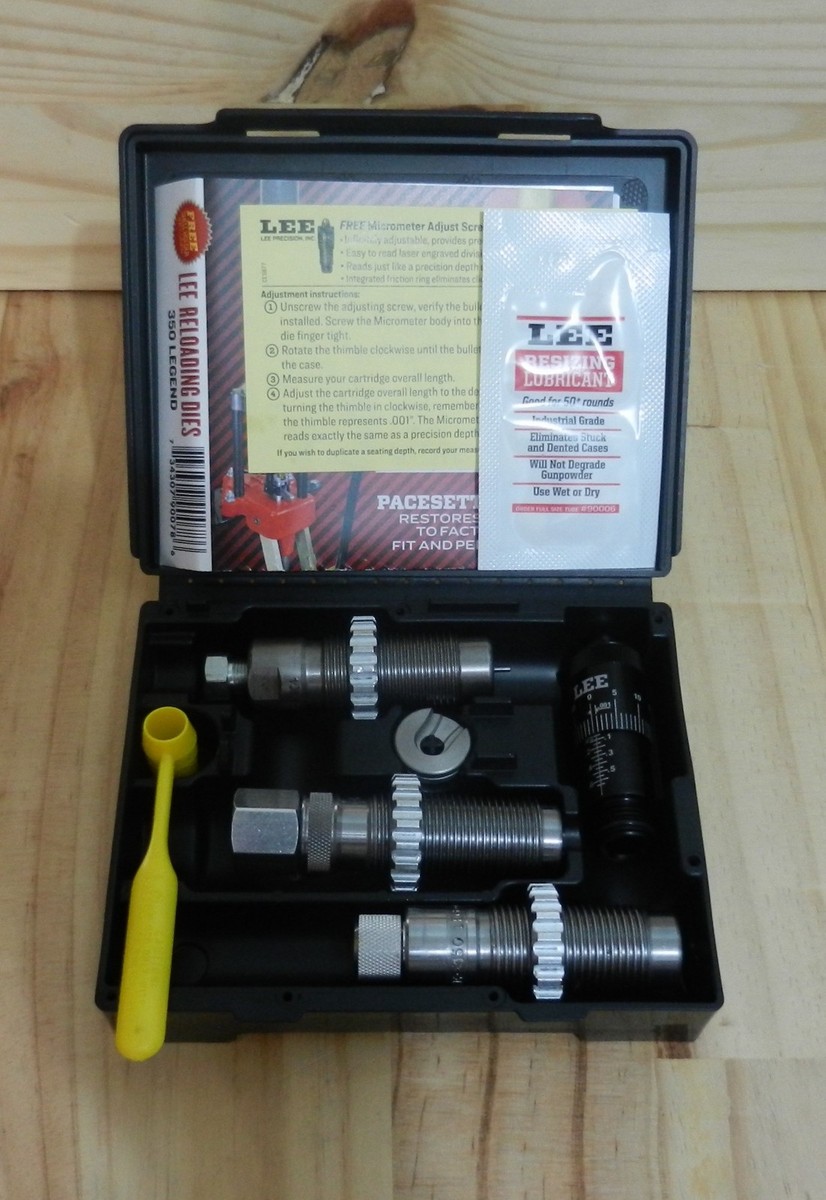
Every barrel is an individual. Two identical rifles from the same manufacturer, consecutive serial numbers, will prefer slightly different loads. Handloading lets you adjust seating depth in 0.003-inch increments to find the sweet spot where your specific barrel's harmonics produce the tightest groups. You can chase the lands as your throat erodes over thousands of rounds. You can adjust powder charges by 0.2 grains to fine-tune velocity nodes.
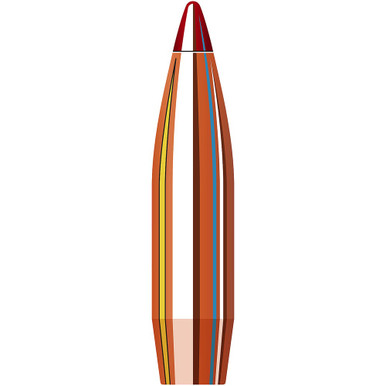
Hornady ELD-M Bullet Deals
Prices may change. May contain affiliate links.
Factory ammo is loaded to SAAMI spec, which means it has to function safely in every chamber of that caliber. The seating depth is conservative; typically 0.050-0.100 inches off the lands in most rifles. That's a compromise. It works, and it works well in modern match-grade loads, but it's still a compromise. A handloader who's found the exact jump distance their barrel likes has an advantage that no factory can replicate across millions of rounds.
Some shooters have experimented with altering seating depth on factory ammo by pulling bullets and reseating them, which is essentially a hybrid approach; factory components with handloader customization. Results are mixed, and it somewhat defeats the convenience argument.
Cartridges the factories don't prioritize
The factory match ammo revolution has been concentrated in popular precision cartridges: 6.5 Creedmoor, .308 Winchester, 6.5 PRC, .223/5.56 in 77-grain match. If you're shooting 6mm Creedmoor, .260 Remington, or any of the less mainstream precision cartridges, factory match options are limited and often inconsistent in availability. Wildcats and less popular chamberings are handload-only by definition.
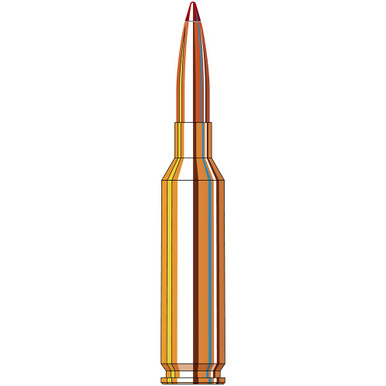
Testing with factory 6mm Creedmoor, for instance, has shown that while Hornady's 108-grain ELD Match load performs well, the selection is thin compared to 6.5 Creedmoor. Shooters in that cartridge who want to try different bullet weights, profiles, or powder combinations have to handload. The factory just doesn't make enough variations.
Absolute velocity consistency
If you're competing at the highest levels of PRS or F-Class, where the difference between a hit and a miss on a small target at 1,200 yards comes down to 2 inches of vertical, the SD difference between a 5 fps handload and a 10 fps factory load is the difference between winning and placing. At that level, handloading isn't optional. The top competitors overwhelmingly load their own, and they're chasing SDs of 3-4 fps with weighed charges, sorted brass, and annealed necks.
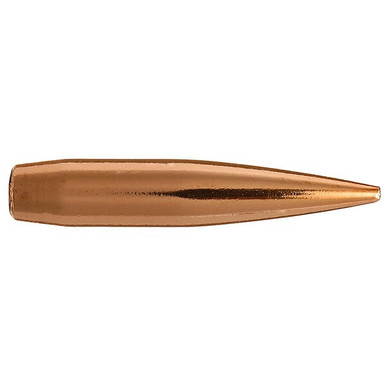
Berger Hybrid Bullet Deals
Prices may change. May contain affiliate links.
But that's maybe 5% of precision rifle shooters. The other 95% are training, hunting, or competing at levels where factory match ammo is genuinely competitive.
The brass prep advantage
Serious handloaders don't just throw powder and seat bullets. They uniform primer pockets, deburr flash holes, turn necks for consistent thickness, anneal brass every 2-3 firings, and sort cases by weight. Each of these steps reduces a variable. The cumulative effect is measurable; maybe not at 100 yards, but definitely at 800+.
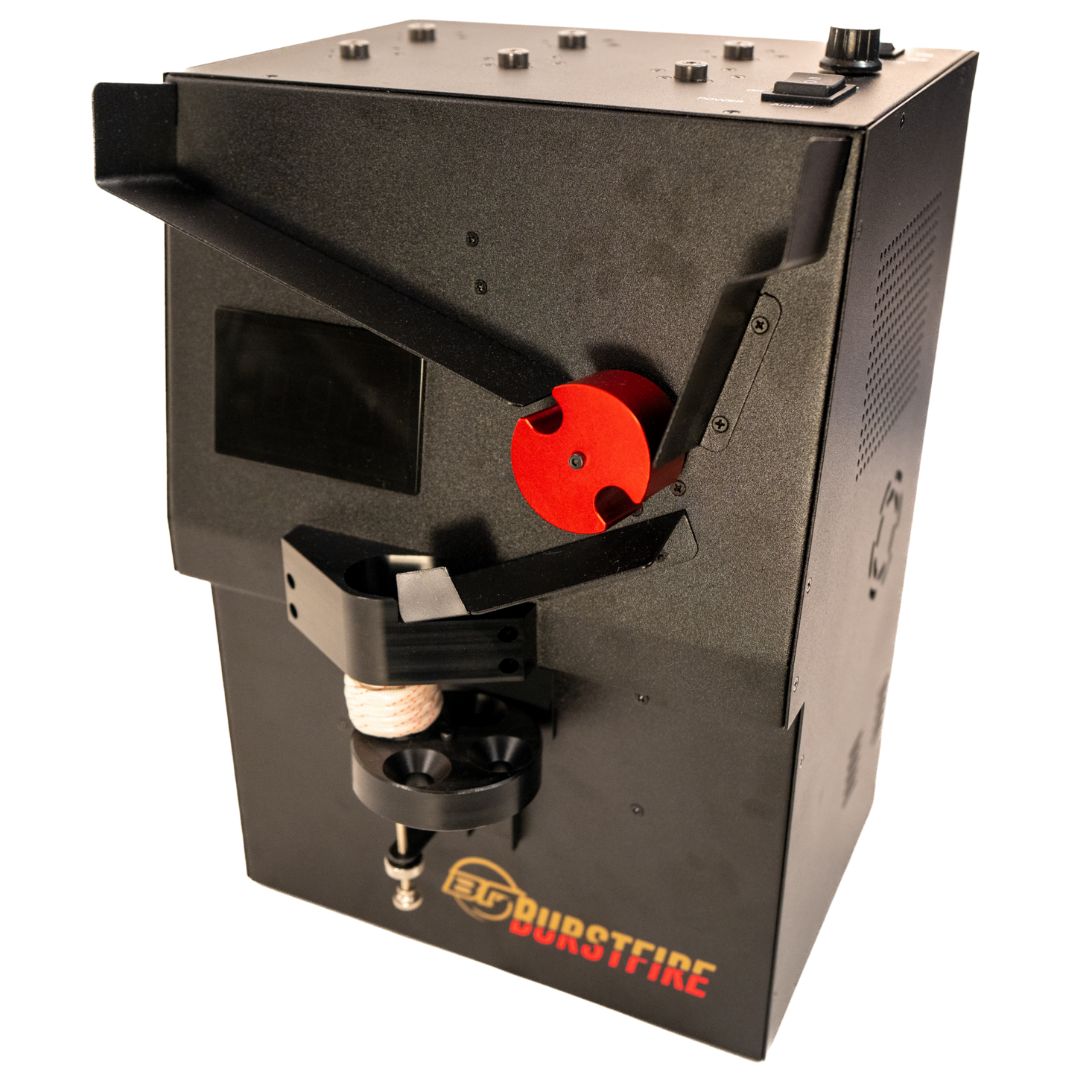
Factory ammo uses brass that's been through none of those steps. It's formed, loaded, and shipped. The brass quality in premium factory ammo has improved (Hornady and Federal use decent brass), but it's not Lapua-prepped-by-hand brass. That's a real difference, and it compounds over distance.
Five factory match loads worth running through your rifle
Not all factory match ammo is created equal. These five loads have documented track records of consistency and accuracy across multiple platforms. No prices; they fluctuate too much; but all are readily available at retail.

Sierra MatchKing Bullet Deals
Prices may change. May contain affiliate links.
Hornady 140-grain ELD Match (6.5 Creedmoor)
The default recommendation for a reason. The 140 ELD-M bullet has a published G1 BC of .610 and a G7 of .315, and those numbers hold up well in real-world drop data. Muzzle velocity from 24-inch barrels typically lands around 2,710 fps. Documented SDs across various lot numbers tend to fall in the 8-14 fps range, with most lots clustering around 10-11. Groups from quality rifles (Bergara B-14 HMR, Tikka T3x TAC A1, Ruger Precision Rifle) commonly land in the 0.5-0.8 MOA range at 100 yards, with the better rifles and lots printing under half MOA. This is the benchmark that other factory loads get measured against.
Federal Gold Medal Berger 130-grain (6.5 Creedmoor)
Federal's partnership with Berger produced a load that some shooters prefer over the Hornady. The 130 Berger Hybrid OTM has a high BC for its weight (G7 around .287) and typically runs slightly faster than the 140 ELD-M; around 2,875 fps from 24-inch barrels. SD data from forum chrono logs frequently shows single-digit numbers, with some lots printing SDs of 6-8 fps. That's handload territory. The lighter bullet at higher velocity also means slightly less wind drift at moderate distances, though the 140 ELD-M catches up and passes it beyond about 800 yards due to its higher BC. Groups are comparable to the Hornady; half MOA from good rifles is common.
Federal Gold Medal 175-grain Sierra MatchKing (.308 Winchester)
The 168-grain Gold Medal Match was the standard for decades, but the 175-grain load has largely replaced it for long-range work. The 175 SMK has a better BC (G1 around .505 vs .462 for the 168) and stays supersonic longer; out past 1,000 yards from most .308 barrel lengths. Muzzle velocity is typically around 2,600 fps from 24-inch barrels. SD data tends to run 9-14 fps, which is solid for .308 factory ammo. Groups from bolt guns commonly land in the 0.6-1.0 MOA range at 100 yards. The .308 is inherently a bit less precise than the 6.5 Creedmoor in factory form due to its larger powder column and higher pressures, but this load is about as good as factory .308 gets.
Hornady 73-grain ELD Match (.223 Remington)
For AR-platform shooters who want precision without handloading, this is the load to try. The 73-grain ELD-M has a surprisingly high BC for .223 (G1 .390) and runs around 2,790 fps from 20-inch barrels. It requires a 1:8 or faster twist to stabilize. SD data is less widely documented than the 6.5 Creedmoor loads, but available chrono data suggests SDs in the 12-18 fps range; decent for a small cartridge. Groups from quality bolt guns and accurized ARs commonly land in the 0.7-1.0 MOA range. For .223 shooters who want to reach past 600 yards without a press, this is the round.
Hornady Chargemaster Powder Dispenser Deals
Prices may change. May contain affiliate links.
Alpha Munitions / Prime Ammunition 130-grain ELD Match (6.5 Creedmoor)
Less well-known than Hornady or Federal, but Prime (now operating under different distribution) built a reputation for exceptionally consistent ammunition. Their 130-grain ELD Match loads in 6.5 Creedmoor showed SDs under 8 fps in multiple independent chrono tests; numbers that rival careful handloads. Availability has been inconsistent, which is the main knock, but if you can find it, it's worth testing. The brass quality is notably good, which matters if you plan to reload the cases afterward.
Range notes: how to actually test this
Comparing factory ammo to handloads; or comparing factory loads against each other; requires more than shooting three-round groups and declaring a winner. Three-round groups are statistically meaningless for precision evaluation. They flatter bad ammo and punish good ammo randomly.
Shoot five-round groups minimum. Ten-round groups are better for real evaluation, though they're expensive with match ammo. Five five-round groups (25 rounds total) from a given load gives you enough data to calculate a meaningful average group size and identify fliers versus genuine dispersion.
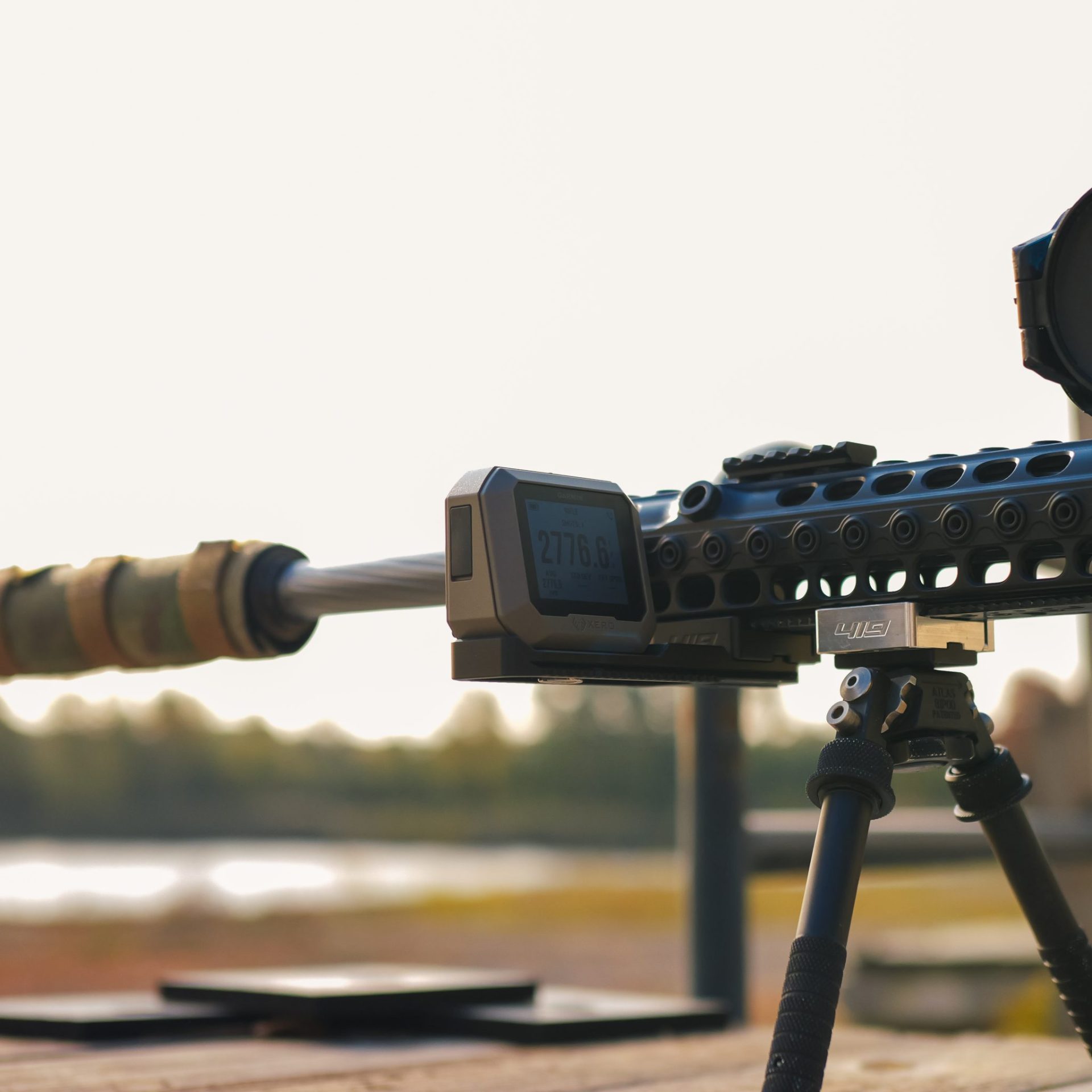
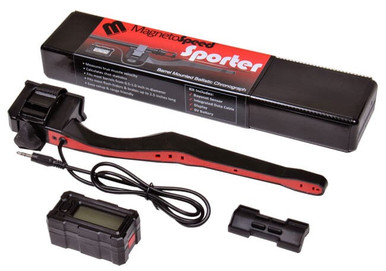
Use a chronograph for every string. The Garmin Xero C1 has become popular for a reason; it mounts at the muzzle and doesn't require a downrange setup, and long-term reviews suggest its velocity readings are reliable and repeatable. A MagnetoSpeed or LabRadar works fine too. Record every velocity. Calculate SD and ES yourself; don't rely on the chrono's running average, which can be skewed by a single outlier.
Hornady 108-grain ELD Match 6mm Creedmoor Deals
Prices may change. May contain affiliate links.
Control your variables. Shoot from a solid rest or bags, not offhand. Shoot on a calm day if possible, or at least note wind conditions. Let the barrel cool between groups; a hot barrel shifts point of impact and can inflate group sizes. Three to five minutes between five-round groups is reasonable for a sporter-weight barrel.
And shoot at distance, not just 100 yards. A load that looks identical to another at 100 might show clear differences at 400 or 600. That's where velocity consistency shows up as vertical dispersion. If you have access to 600+ yards, that's where the real comparison happens.
Common mistakes when comparing handloads to factory
There are several ways this comparison goes sideways, and they're worth calling out.
Comparing a fully developed handload to off-the-shelf factory ammo and declaring handloading "better" is like comparing a tailored suit to one off the rack and concluding that tailoring is superior. Of course it is; for that specific body. The question is whether the off-the-rack suit fits well enough for the occasion. A lot of handloaders have invested 50-100 rounds of load development into their pet load and then compare it to the first box of factory they grabbed. That's not a fair test. Try two or three different factory match loads before concluding that none of them work in your rifle.
Ignoring lot-to-lot variation in factory ammo is another common error. Factory ammo varies between production lots. A box of Hornady ELD Match from lot A might show an SD of 8, while lot B runs 14. If you find a lot that shoots well, buy a case of it. Serious PRS competitors who shoot factory ammo do exactly this; they buy in bulk from a single lot and test it before committing.
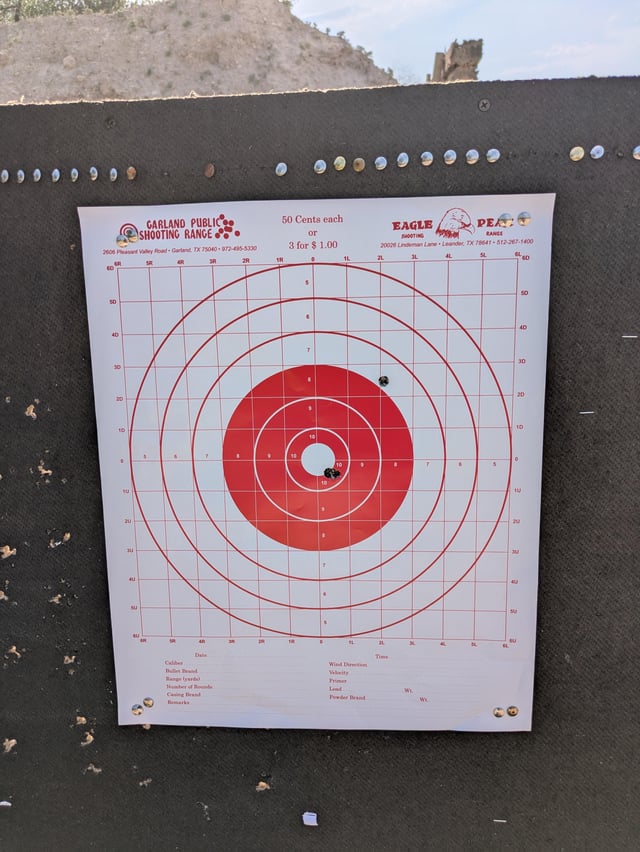
Overvaluing 100-yard groups is the third mistake. A 0.3 MOA group at 100 yards looks great on paper, but if the velocity spread is 25 fps, that load will scatter vertically at 800 yards. Conversely, a load that prints 0.6 MOA at 100 but has an SD of 5 fps may actually outperform the "tighter" load at distance. The chrono data matters as much as the group size, and at long range, it matters more.
Sierra MatchKing 175-grain .308 Winchester Deals
Prices may change. May contain affiliate links.
Not accounting for the shooter is the fourth. Precision ammo can't fix a flinch, bad trigger control, or inconsistent cheek weld. Before blaming ammo for 1.5 MOA groups, verify the fundamentals. Shoot from a front rest and rear bag, minimize human input, and see what the rifle and ammo can actually do mechanically.
Finally, comparing across different cartridges and drawing universal conclusions doesn't work. The factory-vs-handload gap in 6.5 Creedmoor is much smaller than the gap in, say, .300 Winchester Magnum. Magnum cartridges with large powder columns, belted cases, and high pressures are harder to load consistently on factory equipment. The cartridge you're shooting matters enormously to this comparison.
The diminishing returns question
Here's the honest assessment. Handloading precision ammunition is a skill, and like any skill, it has a learning curve and a diminishing returns curve. The first improvements; consistent powder charges, quality brass, proper seating depth; produce big gains. The last improvements; neck turning, flash hole deburring, weighing individual primers; produce tiny gains that may or may not be measurable outside of controlled conditions.
A handloader who weighs charges to 0.02 grains, uses Lapua brass, and has found their seating depth sweet spot is going to produce ammunition that's measurably better than factory. But the difference between that handloader's ammo and top-tier factory match might be an SD improvement of 4-6 fps and a group size improvement of 0.1-0.2 MOA. Whether that matters depends on the application.
For a PRS competitor shooting at small steel at 800-1,200 yards in variable wind, it matters. For a hunter taking shots inside 500 yards on big game, it almost certainly doesn't. For a recreational precision shooter who enjoys ringing steel at 600-800 yards on weekends, it's a personal call; and the time spent at the loading bench versus the time spent actually shooting is part of that calculation.
Hornady 73-grain ELD Match .223 Remington Deals
Prices may change. May contain affiliate links.
The performance gap narrows fast above the "good factory match" tier. Going from bulk ammo to factory match is a huge jump. Going from factory match to carefully developed handloads is a real but modest jump. Going from good handloads to obsessively optimized handloads is often more about the process than the measurable outcome.
The time variable nobody wants to quantify
Loading precision ammunition is slow. Not "takes a few extra minutes" slow; genuinely time-consuming if done right. Prepping 100 cases (sizing, trimming, chamfering, deburring, primer pocket uniforming) takes 2-3 hours for someone with a good workflow. Weighing individual powder charges on a beam scale or waiting for a Chargemaster to trickle up adds 15-30 seconds per round. Seating bullets carefully with a competition die adds another 10-15 seconds each.
A realistic throughput for precision handloads; not bulk plinking ammo; is maybe 50-75 rounds per hour once the brass is prepped. That's not counting the load development process, which might burn 100-200 rounds and several range sessions before you've settled on a recipe.
If you enjoy the process, none of that is a cost; it's a hobby within a hobby. Many handloaders genuinely love the meticulous, meditative quality of working at the bench. That's legitimate and doesn't need an economic justification.
But if you're handloading purely for performance and would rather spend that time shooting, the calculus has shifted. Twenty years ago, you had to handload for precision. Now you have a choice, and for many shooters, buying two cases of Federal Gold Medal Berger and spending those bench hours at the range is a reasonable decision.

Garmin Xero C1 Chronograph Deals
Prices may change. May contain affiliate links.
Where this is heading
The trend line is clear: factory match ammo will continue to improve. Manufacturing technology gets better. Competition between Hornady, Federal, and smaller players like Alpha Munitions drives innovation. The precision rifle competition scene keeps growing, which means the market for consistent, accurate factory ammo keeps expanding.
Handloading isn't going away. The ability to customize a load to a specific rifle, chase the last few fps of SD, and produce ammunition that's genuinely optimized for one barrel will always have value. The top tier of competitive shooting will remain handload-dominated. Wildcat and niche cartridges will always require a press.
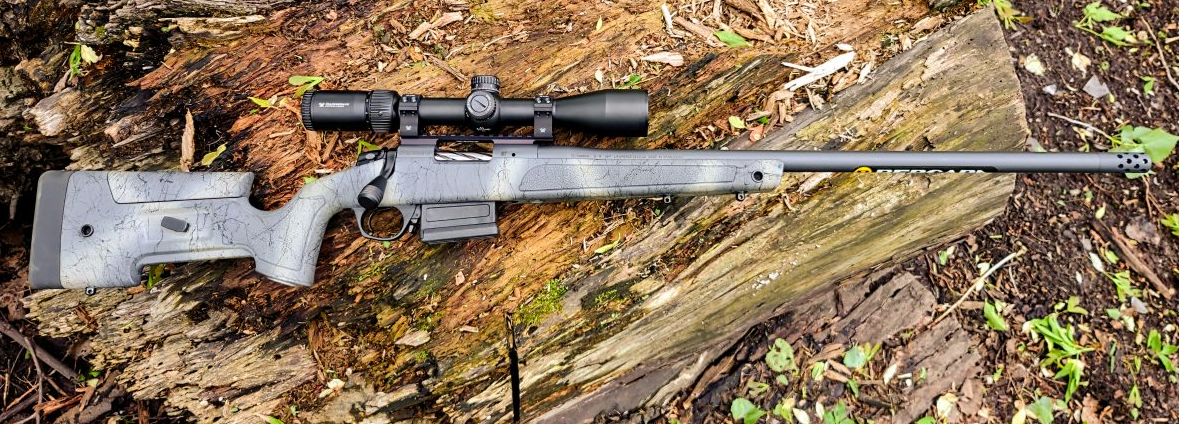
But the middle ground; the space where most precision shooters actually live; has shifted. The shooter with a Bergara HMR in 6.5 Creedmoor who buys Hornady ELD Match by the case and spends weekends shooting PRS-style matches is no longer at a crippling disadvantage to the handloader next to them. The gap might be 0.2 MOA and 5 fps of SD. That's real, but it's not the chasm it used to be.
What to do with this information
If you're on the fence about starting to handload, buy three different factory match loads in your caliber and run them through your rifle over a chronograph. Shoot 20-round strings for velocity data and five-round groups at 100 and, if possible, 400+ yards. Record everything. If one of those loads prints sub-0.7 MOA with an SD under 12, you've got a serious baseline to beat. Ask yourself honestly whether the time, money, and learning curve of handloading will produce enough improvement to justify the investment for your specific shooting.
MagnetoSpeed Chronograph Deals
Prices may change. May contain affiliate links.
If you already handload, run the same test with your best load and two factory match options side by side. You might be surprised how close the factory has gotten. Or you might confirm that your handloads are meaningfully better; in which case, you have data to back up the time at the bench.
Either way, the chrono doesn't lie. The targets don't lie. Run the test, record the numbers, and let the data make the decision. The precision gap is shrinking, but whether it's shrunk enough for your purposes is something only your rifle, your shooting, and your priorities can answer.