You just dropped $1,200 on a scope. Now you're staring at ring options ranging from $30 to $350, and some forum post from 2019 has you convinced that anything less than Nightforce or Spuhr will destroy your zero and ruin your rifle. That's not how this works.
The mounting hardware conversation has gotten weird. There's a cult of "buy once, cry once" that's pushed shooters into spending $200+ on rings for rifles that'll never see a PRS stage or a 1,000-yard target. Meanwhile, mid-tier rings from companies like Warne, Vortex, Brownells, and Leupold have been quietly holding zero on hunting rifles and range guns for decades without anyone writing dramatic forum threads about them. The question isn't whether premium rings are better, they usually are, in measurable ways. The question is whether those measurable differences matter for your specific rifle, your specific scope, and what you actually do at the range or in the field.
This is about making a smarter allocation decision. If your total optics budget is $1,500, the split between glass and mounting hardware matters more than most people think, but not in the direction the internet usually pushes you.
The job description for scope rings
Before talking about specific products, it helps to define what rings actually need to do. The list is shorter than marketing departments want you to believe.
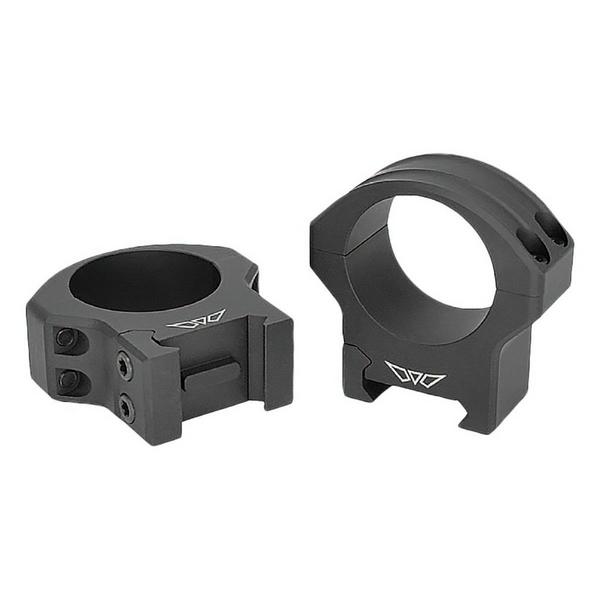
Rings need to hold a scope in place without movement under recoil. They need to do this without damaging the scope tube. They need to maintain consistent clamping pressure so the scope doesn't shift over hundreds or thousands of rounds. And they need to be concentric enough, meaning the inner bore of the ring aligns closely with the scope tube, that they don't induce stress on the tube or create a point-loading situation that could dent it.
That's it. They're clamps. Precisely machined clamps, sure, but clamps nonetheless.
The secondary considerations are weight, height (which affects cheek weld and eye alignment), and repeatability if you're removing and reinstalling the scope. Some shooters also care about the ability to lap rings, a process of grinding the inner surfaces to perfect alignment, though modern CNC machining has made this less necessary than it was 20 years ago.
What rings don't do: they don't improve your scope's optical performance, they don't make your barrel more accurate, and they don't compensate for a poorly bedded action or a receiver with out-of-spec rail machining. A $300 set of rings on a sloppy Picatinny rail is still a sloppy setup.
Where premium rings actually earn their price
Let's be fair to the high-end stuff before making the case against overspending. There are legitimate reasons premium rings cost what they cost, and there are specific use cases where spending more is justified.
Nightforce rings, for instance, are machined from 7075-T6 aluminum (or steel, depending on the line) with extremely tight tolerances. The inner bore concentricity is typically within 0.0005 inches. That matters when you're mounting a $3,000 scope on a precision rifle that needs to track perfectly through its entire adjustment range. If the rings are inducing even slight stress on the tube, it can bind the erector system, the internal mechanism that moves the reticle when you adjust turrets. On a hunting rifle where you zero and leave the turrets alone, this is nearly irrelevant. On a competition rifle where you're dialing 15 MOA of elevation between stages, it's a real concern.
Spuhr mounts, the one-piece units that run $350-$450, are the gold standard for tactical and PRS applications. The integrated cant indicator, the built-in level, the absolute repeatability if you remove and remount, these are genuine features that serve a genuine purpose for shooters who are running and gunning at distance. Erik Cortina and other top PRS competitors don't use Spuhr because of brand loyalty. They use them because at that level, the margin between first and fifth place can come down to a quarter-MOA shift that cheaper hardware might allow.
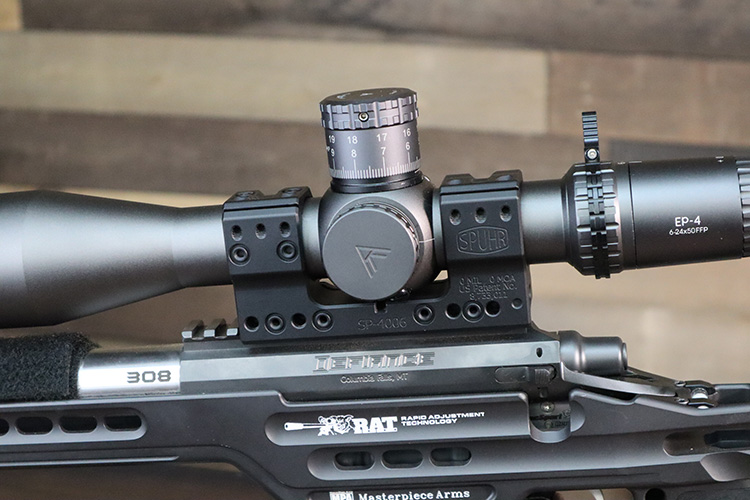
Steel rings from companies like Talley and some Warne models handle magnum recoil better than aluminum alternatives. If you're running a .338 Lapua or a .375 H&H, the repeated punishment of heavy recoil can eventually work aluminum rings loose even with proper torque. Steel costs more and weighs more, but it's the right call for heavy-recoiling cartridges.
So yes, premium rings have a place. That place is precision competition, extreme long-range shooting, heavy magnum rifles, and situations where you need absolute repeatability of removal and reinstallation. If that describes your setup, spend the money. You already know that.
The mid-tier reality check
Here's where most shooters actually live: a bolt-action hunting rifle in something between 6.5 Creedmoor and .300 Win Mag, topped with a scope in the $400-$1,200 range, used for hunting season and periodic range sessions. Or an AR-pattern rifle with an LPVO for recreational shooting, maybe some local competitions, maybe home defense.

Talley Steel Rings Deals
Prices may change. May contain affiliate links.
For these applications, mid-tier rings between $40 and $120 do the job. Not "barely adequate", actually do the job well, for years, without drama.
Glass notes: what mid-tier rings get right
Warne Maxima rings have been around forever. They use a vertical split design with Torx-head screws, and they grip scope tubes firmly without the micro-shifting that plagues some cheaper alternatives. The steel construction handles recoil from standard hunting cartridges without issue. They're typically in the $50-$80 range depending on height and tube diameter, and they've been the default recommendation on hunting forums for years for good reason. Concentricity is well within acceptable tolerances for any scope that isn't a $3,000+ competition optic.
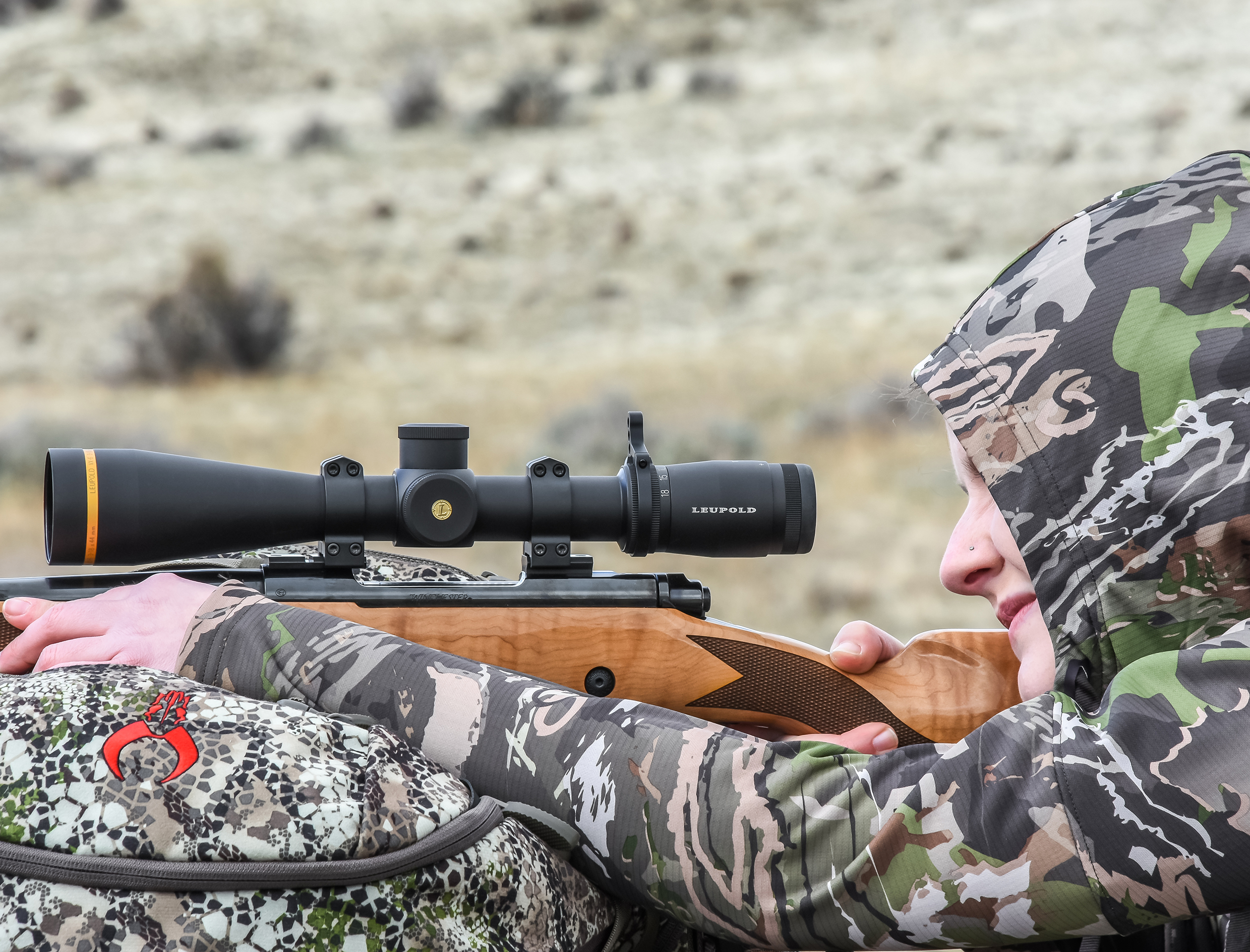
Vortex Pro rings sit in a similar bracket. Machined from 7075-T6 aluminum, six-screw top cap design, and they come with Torx bits included. They're designed specifically for Picatinny rails and they clamp solidly. The aluminum construction keeps weight down, which matters more on a rifle you're carrying up a mountain than one that sits on a bench.
Leupold Mark 4 rings have been a staple for decades. The steel construction and cross-bolt design make them extremely secure, and Leupold's quality control is consistent enough that lapping is rarely necessary. They're heavier than aluminum alternatives, but for a rifle that lives in a gun safe and comes out for hunting season, the extra few ounces are meaningless.
Brownells has quietly built a solid reputation for their house-brand rings and mounts. Their 30mm rings are machined in-house, and at their price point, often under $50, they're hard to argue with for a standard hunting or range setup. The tolerances aren't Nightforce-level, but they're more than adequate for a scope that gets zeroed and left alone.
The common thread: all of these hold zero. All of them protect scope tubes when properly torqued. All of them have been proven over years of use by thousands of shooters. The differences between them and rings costing 3-4x more are real but small, and for most shooting applications, those small differences don't translate to any measurable performance change downrange.
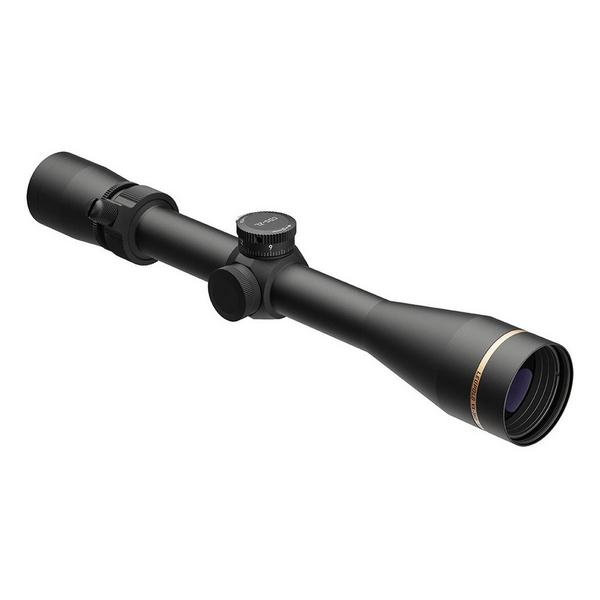
Leupold Riflescope Deals
Prices may change. May contain affiliate links.
The torque conversation matters more than the ring conversation
Here's something that gets buried in the "which rings should I buy" debate: improper torque causes more problems than ring quality does. You can buy $300 Nightforce rings and still damage your scope or lose zero if you torque them wrong.
Scope ring screws have specific torque values, and they vary by manufacturer. Warne recommends 25 inch-pounds on their ring screws. Nightforce specs 15-18 inch-pounds on their top cap screws. Vortex Pro rings call for 18 inch-pounds. These aren't suggestions, they're engineering specs based on the thread pitch, material, and clamping force needed.
Too little torque and the scope can shift under recoil. Too much torque and you can crush the scope tube, strip threads, or create uneven clamping pressure that binds the erector system. The number of shooters who crank ring screws down by feel with a standard Allen wrench and then blame the rings when their zero walks is; substantial.
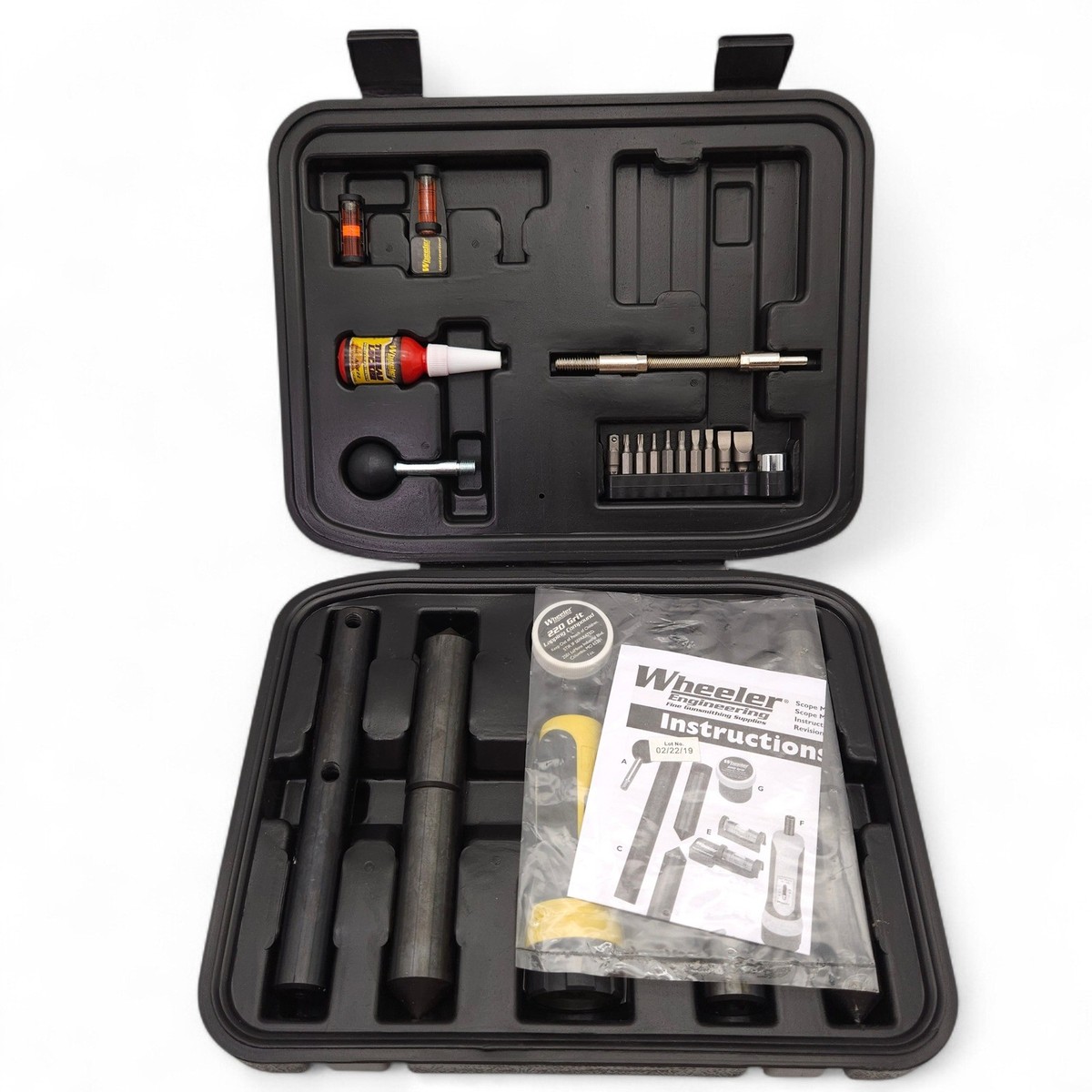
A FAT (Firearm Accurizing Torque) wrench costs about $35-$50. A Wheeler torque wrench runs about the same. Either one is a better investment than upgrading from $60 rings to $200 rings. This isn't an exaggeration, a torque wrench will solve more mounting problems than expensive hardware will.
The torque sequence matters too. You don't just tighten all four (or six) screws on the top cap to full spec in one pass. You alternate sides, working in increments, bring each screw to about half torque, then go back and bring them all to full spec. This ensures even clamping pressure around the tube. Uneven pressure is what causes the scope to cant slightly within the rings, which is almost impossible to detect visually but shows up as a tracking error at distance.
The tracking test to run
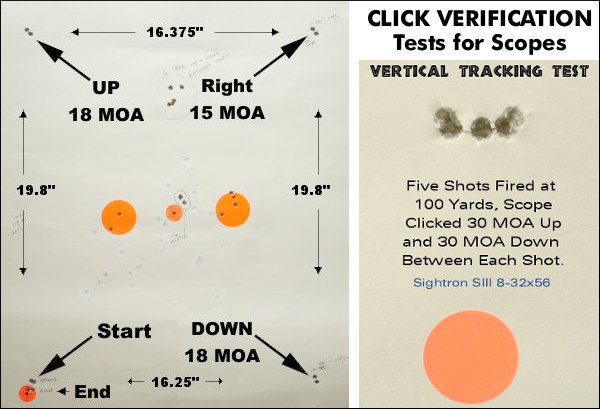
After mounting, zero your rifle at 100 yards. Then dial 10 MOA of elevation up. Shoot a group. Dial 10 MOA back down. Shoot another group at your original zero point. If the second group lands in the same place as your original zero, your mounting hardware is doing its job. If it doesn't return to zero, you've got a problem, but the problem could be the rings, the scope's internal mechanics, the base, or improper torque. Don't immediately blame the rings.
This box test (sometimes called a tall-target test) is the single most useful diagnostic you can run on a scope-and-mount system. It costs nothing but ammo and time, and it'll tell you more about your setup than any forum thread.
The one-piece mount question
For AR-pattern rifles and any setup running a Picatinny rail, the one-piece cantilever mount vs. individual rings debate is worth addressing separately.
One-piece mounts have a structural advantage: because both ring halves are machined from a single piece of material, alignment between the front and rear ring is guaranteed. With individual rings, you're relying on the Picatinny rail's machining to keep both rings perfectly aligned. On a quality rail, this is fine. On a cheap rail or one that's been beaten up, individual rings can end up slightly misaligned, which puts stress on the scope tube.
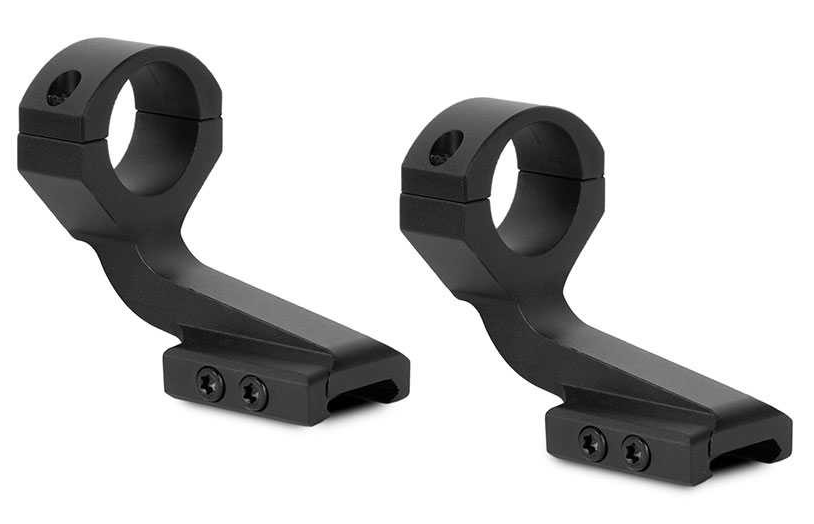
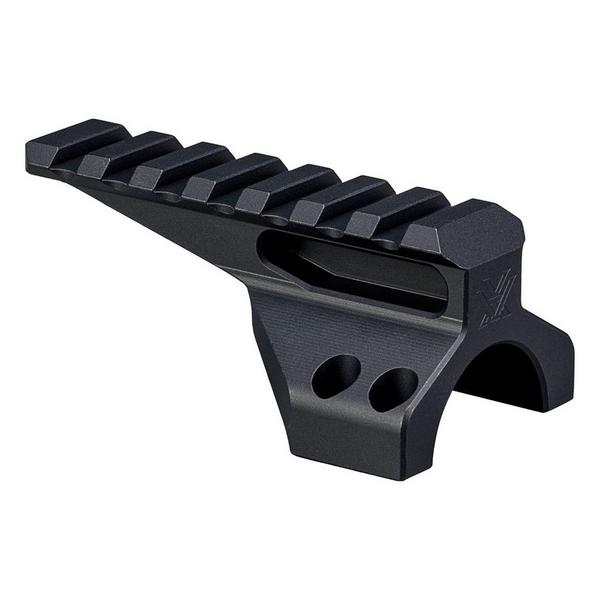
For AR-15s and AR-10s specifically, a cantilever mount, where the rings are offset forward of the mounting base, is almost always the right call. The receiver rail on an AR is short, and you typically need the scope positioned further forward than the rail allows with standard rings. A cantilever mount solves this geometry problem elegantly.
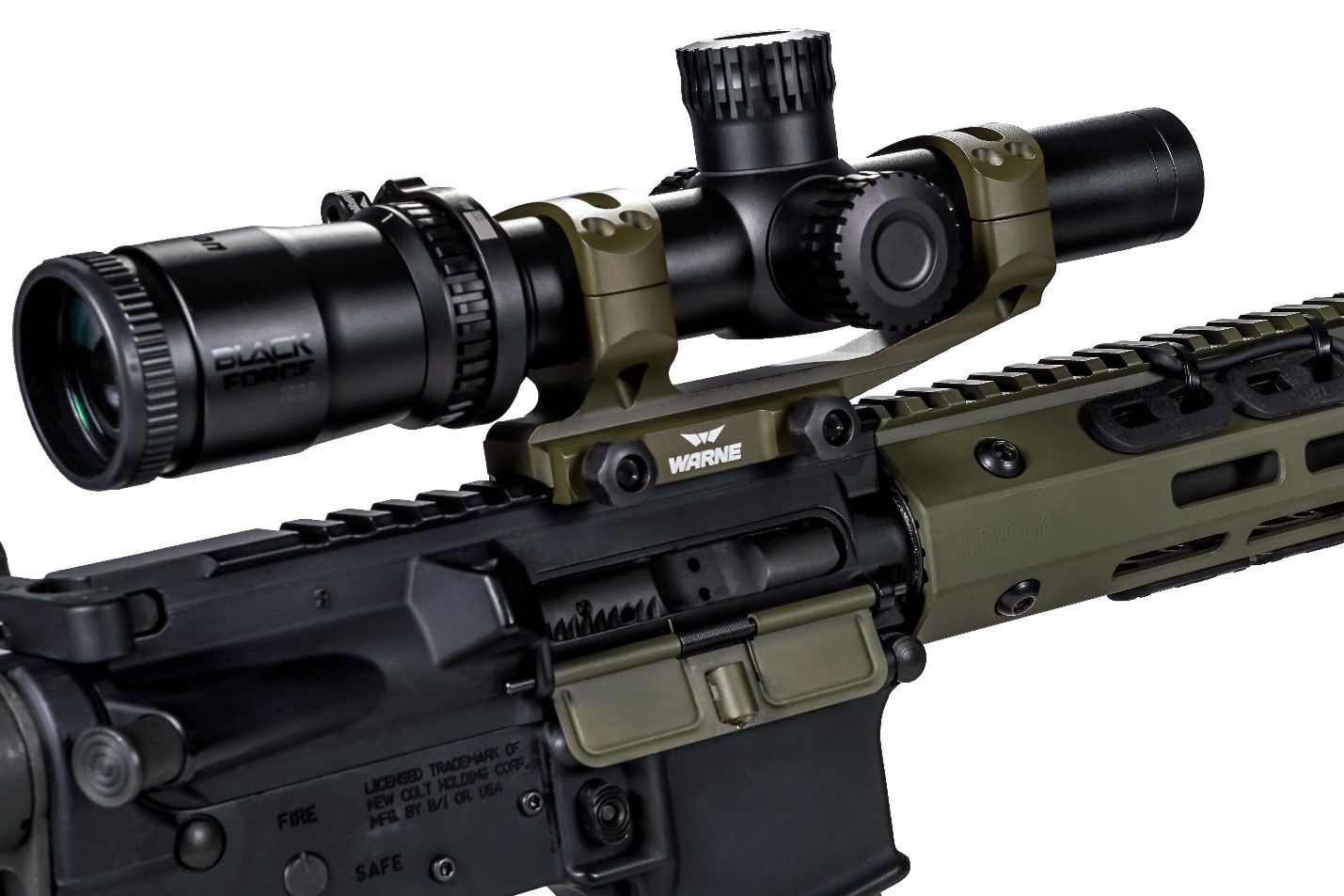
The mid-tier options here are excellent. The Aero Precision Ultralight mount is around $60-$80 and weighs next to nothing while holding zero reliably on 5.56 and .308 platforms. The Vortex Cantilever mount is in the same price range and has been a default recommendation for years. The Brownells one-piece mount is another solid option at a lower price point.
On the premium end, the Scalarworks LEAP series, Badger Ordnance Condition One, and Geissele Super Precision mounts run $250-$400+. They're beautifully machined, often lighter than their mid-tier counterparts, and they offer quick-detach functionality with genuine return-to-zero capability. That last point, true return to zero after removal and reinstallation, is the main functional advantage. If you need to swap between optics or remove your scope for transport and have it return to zero when reinstalled, premium QD mounts justify their cost. If your scope goes on the rifle and stays there, you're paying for a feature you'll never use.
Where cheap rings actually fail
There's a floor below which rings become genuinely problematic, and it's worth knowing where that floor is so you can avoid it without overshooting into premium territory.
Sub-$30 rings, the kind that come bundled with cheap scopes or show up as no-name options on Amazon, often have these issues:
The inner bore isn't concentric. This means the ring isn't perfectly round on the inside, which creates pressure points on the scope tube instead of even clamping force. Over time and recoil cycles, those pressure points can dent the tube or cause the scope to shift in one direction.
The screws are soft. Cheap screws made from low-grade steel will strip easily, especially if you're using a torque wrench (which you should be). Stripped screws mean you can't achieve proper clamping force, and the scope will eventually move.
The machining on the base interface is sloppy. If the rings don't mate cleanly with the Picatinny rail or Weaver base, they'll rock slightly. Even microscopic rocking translates to POI (point of impact) shifts under recoil. You might not notice it at 100 yards, but at 300+ it becomes apparent.
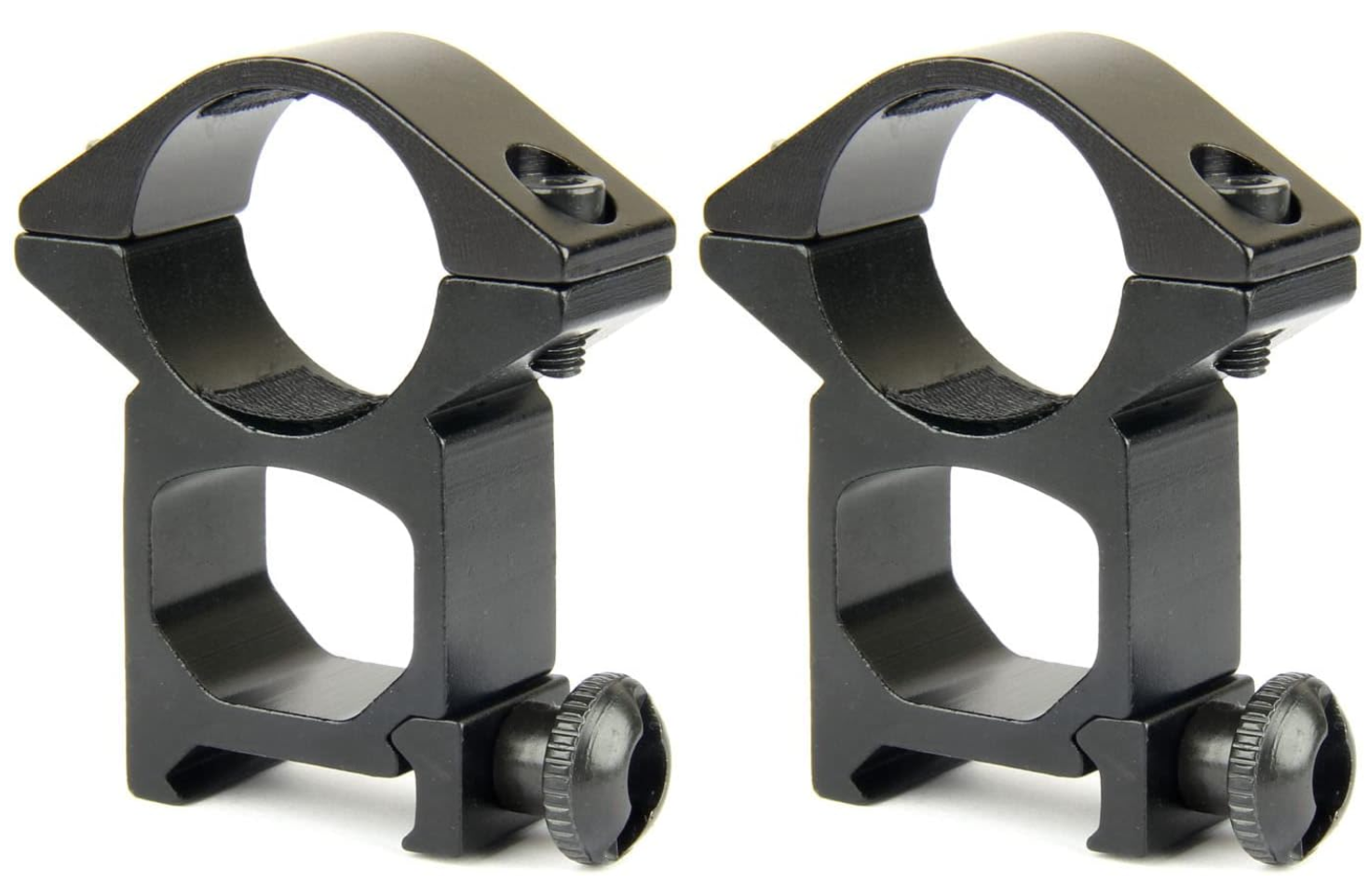
The finish is poor. This is more than cosmetic, poor surface finish on the inner bore means more friction variability, which makes it harder to position the scope precisely during mounting. It also means the rings are more likely to mar the scope tube, which matters if you ever want to resell the scope.
The dividing line between "too cheap" and "good enough" sits right around $40-$50 for a set of rings. Below that, you're gambling. Above that, you're in the range where quality control and materials are consistent enough to trust.
The budget allocation framework
Here's a practical way to think about how much to spend on mounting hardware relative to your total optics investment.
If your scope costs under $400, spend $40-$70 on rings. You're in the Warne Maxima, Vortex Pro, Leupold Standard territory. These rings won't be the limiting factor in your system, the scope's own optical and mechanical quality will be the bottleneck long before the rings matter.
If your scope costs $400-$1,000, spend $60-$120 on rings. This is where Warne Maxima, Leupold Mark 4, and Vortex Pro rings live. You could step up to Seekins Precision or Nightforce Standard Duty at the top of this range, but you're paying for incrementally better concentricity that most shooters won't be able to detect in practical use.
If your scope costs $1,000-$2,500, spend $100-$200 on rings. Now you're protecting a serious investment, and the scope's mechanical precision is good enough that ring quality can become a limiting factor. Nightforce rings, Seekins Precision, and the upper Warne lines make sense here. You still don't need Spuhr unless you're in a competition context.
If your scope costs $2,500+, spend whatever the application demands. At this level, you're likely in precision competition or professional use, and the rings should match the system. Spuhr, Nightforce Unimount, Badger Ordnance, this is their natural habitat.
Notice the pattern: mounting hardware should run roughly 5-15% of your scope investment. Not 30-50%, which is what happens when someone puts Spuhr rings on a Vortex Diamondback because a forum told them to "buy once, cry once."
Common mistakes that cost more than cheap rings
Buying the wrong height
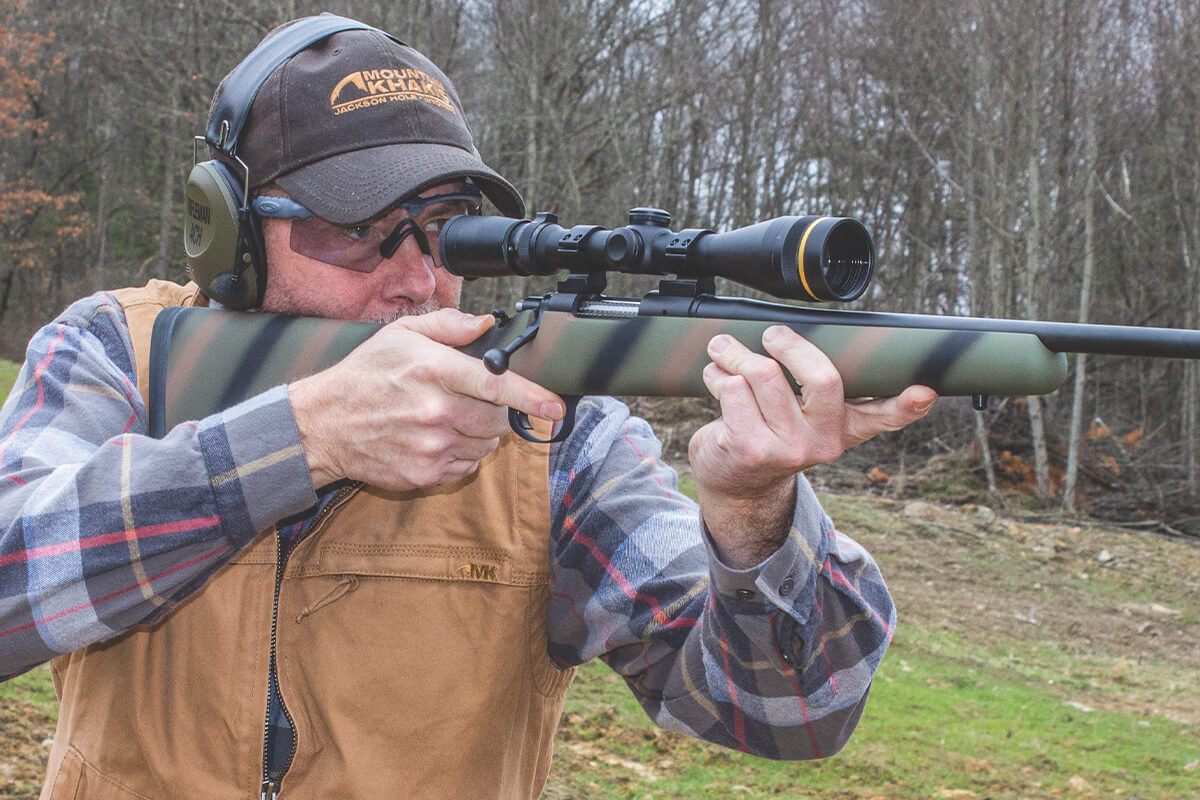
Ring height determines how high the scope sits above the bore. Too low and the objective bell (the front lens housing) contacts the barrel or rail. Too high and you can't get a proper cheek weld, which means your eye isn't naturally aligned with the scope when you mount the rifle. This causes you to hunt for the eye box, the zone behind the eyepiece where you get a full, clear image, every time you shoulder the gun.
The right height puts the center of the scope tube as close to the bore as possible while maintaining clearance for the objective bell. Most scope manufacturers list the objective bell diameter. Measure from the top of your rail to the center of the bore, subtract half the objective bell diameter, and you'll know the minimum centerline height you need. Then add 2-3mm of clearance so nothing touches.
Getting this wrong is more detrimental to shooting performance than the difference between $60 rings and $200 rings. A scope mounted too high on a hunting rifle means you'll be slow to acquire targets and inconsistent in your head position, which directly affects accuracy.
Mixing ring and base standards
Picatinny and Weaver look similar but aren't identical. Picatinny slots are spaced at specific intervals (0.394 inches center to center) and are slightly wider than Weaver slots. Picatinny rings will fit on a Weaver base loosely, and Weaver rings may not fit on a Picatinny rail at all. Mixing standards creates an insecure mount that can shift under recoil.
If your rifle has a Picatinny rail, use Picatinny rings. If it has a Weaver base, use Weaver rings. If you're not sure which you have, measure the slot width, Picatinny slots are 0.206 inches wide, Weaver slots are 0.180 inches wide.
Skipping the level
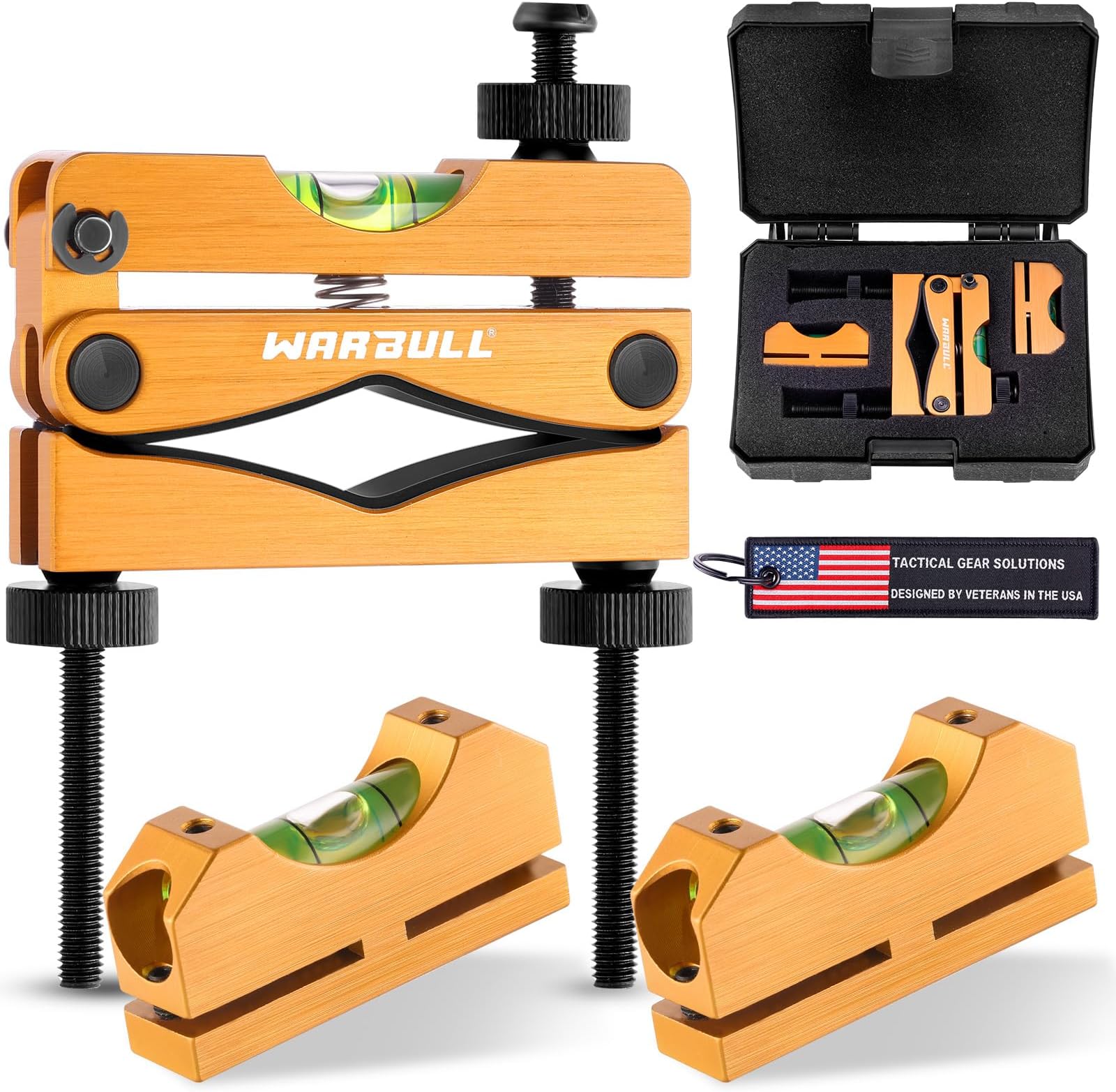
A canted scope, one that's rotated slightly around the tube axis, introduces an error that gets worse with distance. At 100 yards, a 1-degree cant is negligible. At 500 yards, it can move your impact several inches to one side. At 1,000 yards, it's a miss on a torso-sized target.
A scope-mounting level costs $15-$30 and takes two minutes to use during installation. The Wheeler Professional Reticle Leveling System is about $30 and works well. Some premium mounts like Spuhr have integrated bubble levels, which is convenient but not worth a $300 price premium if that's the only feature driving your decision.
Over-torquing because it "feels loose"
This is the most common and most damaging mistake. Scope tubes are relatively thin-walled aluminum. They're designed to withstand clamping force within a specific range. Exceed that range and you can crush the tube enough to bind the erector system, which means your turret adjustments become inconsistent or stop working entirely.
If your rings feel loose at the manufacturer's specified torque, the problem isn't the torque spec, it's the fit between the rings and the tube or the rings and the base. Cranking harder doesn't fix a fitment issue; it creates a new problem.
Not degreasing the screws
Ring screws come with a light oil coating from manufacturing. This oil acts as a lubricant that changes the relationship between torque applied and actual clamping force achieved. When you torque an oily screw to 25 inch-pounds, you're getting more clamping force than the manufacturer intended at that torque value, because the oil reduces friction in the threads.
Degrease ring screws with acetone or brake cleaner before installation, then apply a small amount of blue Loctite (242) to prevent loosening from vibration. This gives you predictable, repeatable clamping force at the specified torque value.
Real-world comparison: five ring sets worth considering
Warne Maxima
Steel construction, vertical split design, Torx-head screws. Available for both Weaver and Picatinny bases in multiple heights. The steel adds weight, about 5-6 ounces for a set, but handles magnum recoil without complaint. These have been the "default good ring" recommendation in hunting circles for over a decade, and that reputation is earned. Best suited for bolt-action hunting rifles where weight isn't the primary concern.
Vortex Pro
7075-T6 aluminum, six-screw top cap, Picatinny interface. Lighter than the Warne steel rings by a significant margin. The six-screw design distributes clamping force more evenly than four-screw designs, which theoretically reduces the chance of tube deformation. Good for AR platforms and lightweight hunting builds where every ounce matters.
Leupold Mark 4
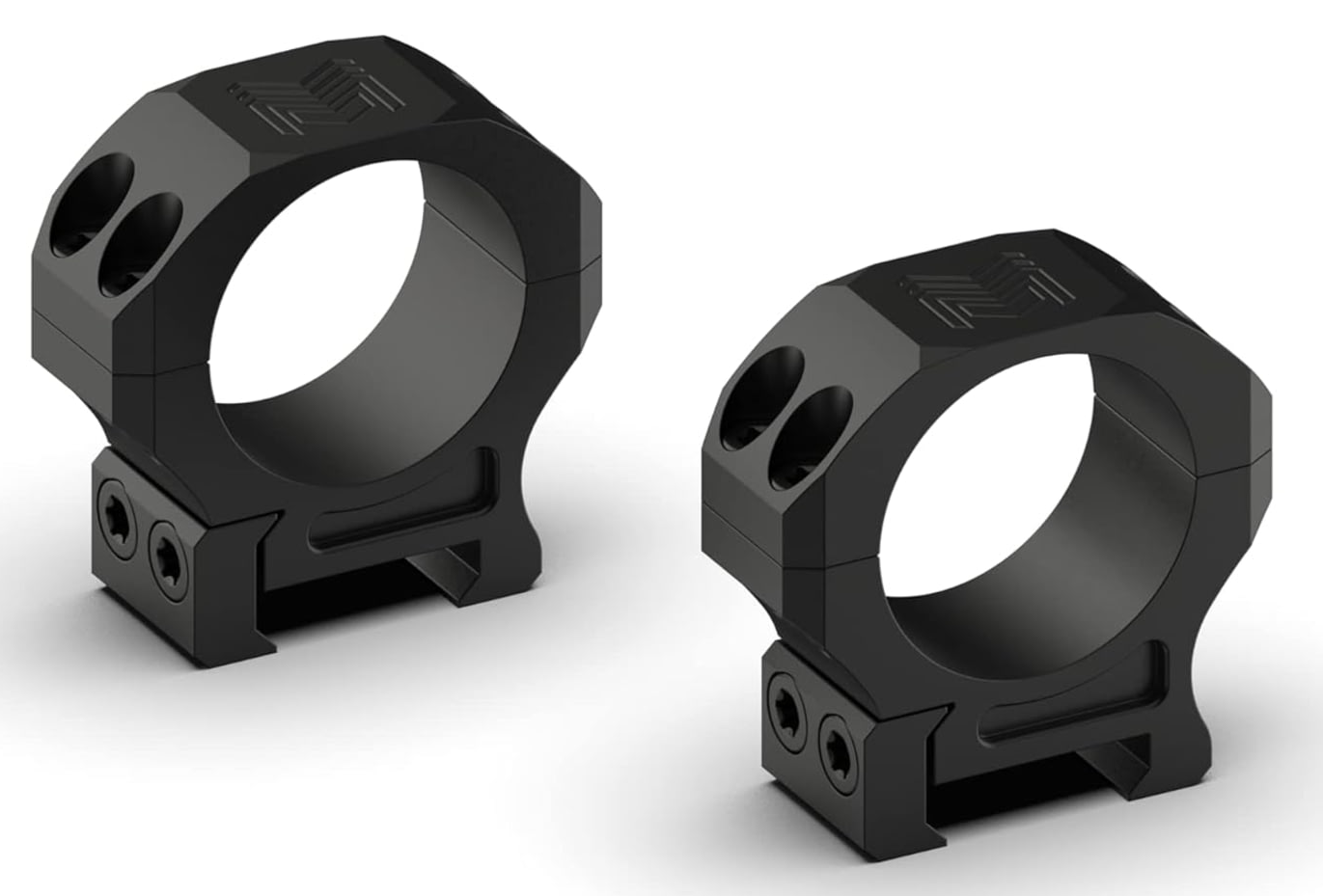
Steel construction, cross-bolt base attachment, available in standard and high heights. Leupold's manufacturing consistency means you rarely get a set that needs lapping. The cross-bolt design provides an extremely secure attachment to Picatinny rails. Heavier than aluminum alternatives, but the security is hard to argue with for a scope you're not planning to remove frequently.
Seekins Precision
Machined from 7075-T6 aluminum with tight tolerances that approach premium territory. Four-screw top cap with Torx heads. These sit at the upper edge of mid-tier pricing and deliver concentricity numbers that compete with rings costing significantly more. A good choice when you're mounting a scope in the $800-$1,500 range and want rings that won't be the weak link without jumping to Nightforce pricing.
Brownells 30mm rings
The house-brand option that punches above its weight class. Aluminum construction, straightforward design, and Brownells' satisfaction guarantee backing them up. These won't win any beauty contests and the finish isn't as refined as the options above, but they hold zero on standard-recoil rifles and they cost less than dinner for two. Best for budget builds, .22 LR precision setups, and rifles where you want functional rings without overthinking the purchase.
The psychological trap
There's a real phenomenon where spending more on accessories makes shooters feel more confident in their setup, which actually can improve shooting performance, not because the gear is better, but because confidence reduces flinch and encourages follow-through. This is real, and it's worth acknowledging.
But it's also worth recognizing that this confidence can be built through verification rather than spending. Run the box test. Confirm your zero holds over multiple range sessions. Shoot in different temperatures. Verify that your POI doesn't shift after the rifle bounces around in a truck bed for an hour. If your mid-tier rings pass all these tests, and they almost certainly will, you'll have the same confidence that the premium-ring buyer has, plus an extra $150-$250 in your pocket.
That $150-$250 buys a lot of ammunition. And ammunition through the rifle does more for accuracy than any mounting hardware upgrade ever will. A shooter who practices regularly with adequate rings will outperform a shooter who practices rarely with perfect rings, every single time. The rings aren't the variable. The shooter is.
When to actually upgrade your rings
Despite everything above, there are situations where upgrading from mid-tier to premium makes sense, and they're worth listing clearly.
Your scope costs more than $1,500 and you're using it for precision work at 600+ yards. At this level, the scope's mechanical precision is refined enough that ring-induced stress on the erector system can actually degrade tracking accuracy. Premium rings with verified concentricity protect that investment.
You're shooting a heavy-recoiling magnum and your aluminum rings have shown signs of loosening despite proper torque and Loctite. Steel rings or premium aluminum rings with more aggressive clamping designs are the answer.
You need true quick-detach capability with return to zero. This is a real feature that mid-tier rings don't reliably deliver. Premium QD mounts from Scalarworks, Badger Ordnance, and Spuhr are engineered specifically for this, and they work.
You're competing in PRS or NRL matches where turret tracking through large elevation and windage adjustments is constant. The mechanical precision of your entire system, scope, rings, base, action, matters at this level, and premium rings are part of that system.
You've exhausted all other variables. If you've verified your torque, confirmed your base is solid, tested your scope's tracking independently, and you're still getting unexplained POI shifts, rings are a reasonable thing to investigate. But check everything else first.
Mount it, zero it, then evaluate
If you're building a new rifle or re-mounting a scope, here's the process that'll tell you whether your rings are up to the task.
Clean the rail and ring contact surfaces with degreaser. Degrease all screws. Install the base ring halves on the rail at the correct spacing for your scope, front ring forward enough that the objective bell clears, rear ring positioned so the eyepiece sits at the correct eye relief for your shooting position (typically 3-4 inches from your eye when in a natural cheek weld).
Set the scope in the rings without tightening the top caps. Level the rifle using a bubble level on the rail or action. Level the reticle using a plumb line or a scope-leveling tool. Adjust eye relief by sliding the scope forward or back until you get a full, clear image with no shadow when you shoulder the rifle naturally.
Apply blue Loctite to the top cap screws. Tighten in an alternating cross pattern to half the specified torque. Then bring all screws to full torque in the same pattern. Let the Loctite cure for 24 hours before shooting.
Zero at 100 yards. Shoot a 5-round group to confirm. Run the box test: dial 10 MOA up, shoot a group, dial 10 MOA right, shoot a group, dial 10 MOA down, shoot a group, dial 10 MOA left, shoot a group. You should be back at your original zero. If you are, your scope and rings are working correctly. If you're not, measure the offset, if it's less than 1 MOA, it's likely the scope's internal mechanics rather than the rings. If it's more than 1 MOA, check your torque, check your base, and then consider whether the rings are the issue.
Then go shoot. Confirm zero at the start of every range session. If it holds across multiple sessions, through temperature swings, through transportation, through hundreds of rounds of recoil, your rings are doing their job. The brand name on the side doesn't change that. The price you paid doesn't change that. Zero holds or it doesn't. That's the only test that matters.