
You waited months for your stamp. You paid $200 to the ATF, another $700-plus for the can itself, and you've been counting days on the eForm dashboard like a kid before Christmas. The last thing you want to hear on your first range trip is a metallic ping that shouldn't be there, followed by the sinking realization that something just went very wrong inside your suppressor.
A baffle strike; a bullet physically contacting the internal baffles of your suppressor; is one of the most common and most preventable failures in the NFA world. It can turn a $1,000 can into scrap in a single round. And the frustrating part is that the cause is almost always something that could've been caught before the first trigger pull. Misaligned threads, a bad mount, a worn barrel crown, a crush washer that had no business being there; the list of culprits is short, and every one of them is diagnosable before you send a round downrange.
This isn't an article about why suppressors are cool. You already know that. This is about protecting an investment that took months of waiting and hundreds of dollars in tax stamps. A baffle strike is the NFA owner's nightmare, and understanding why they happen is the single best way to make sure they don't happen to you.
What actually happens during a baffle strike
The inside of a suppressor isn't hollow. It's a series of precisely machined baffles; metal cones, typically stainless steel, titanium, Inconel, or stellite; stacked in sequence inside the tube. Each baffle has a bore hole just slightly larger than the projectile's diameter. When the bullet exits the barrel and enters the suppressor, it passes through each of these bore holes in sequence. The expanding gases behind the bullet get trapped in the chambers between baffles, cooling and slowing before they exit the end cap. That's how sound gets reduced.

Dead Air Sandman Deals
Prices may change. May contain affiliate links.

The bore holes in those baffles are not enormous. On a 5.56 can, you're looking at bore holes around .228 to .232 inches for a .224-caliber bullet. That's roughly three to four thousandths of an inch of clearance on each side. On a 9mm can, bore holes run about .365 to .375 inches for a .355-caliber bullet; a bit more room, but still not much. The engineering depends on the bullet traveling in a perfectly straight line through the center of those holes, one after another.
A baffle strike happens when the bullet's path doesn't line up with those bore holes. Instead of passing cleanly through the center, the projectile clips the edge of a baffle. Depending on severity, this can range from a light graze that leaves a mark on the baffle to a catastrophic impact that shreds the baffle, destabilizes the bullet, and potentially damages the suppressor tube itself. In the worst cases, a baffle strike can cause the suppressor to fail structurally; a tube rupture; which is a genuine safety hazard.

The first baffle (closest to the muzzle of the barrel) is the most common location for strikes. This makes sense: if the bullet is entering the suppressor off-axis, the first obstacle it encounters takes the hit. But strikes can occur on any baffle, and a bullet that clips the first baffle can be deflected into subsequent baffles in a chain reaction that destroys the entire baffle stack. One bad round can turn a brand-new Dead Air Sandman into an expensive paperweight.
The root causes; and there aren't that many
Baffle strikes feel random and terrifying, but the actual list of causes is surprisingly short. Almost every strike traces back to one of five or six root problems. Understanding them is half the battle.
Thread concentricity issues
This is the big one. The number-one cause of baffle strikes is a barrel whose muzzle threads aren't concentric with the bore. In plain English: the threads were cut slightly off-center, so when you screw a suppressor onto them, the can doesn't line up perfectly with the path of the bullet.
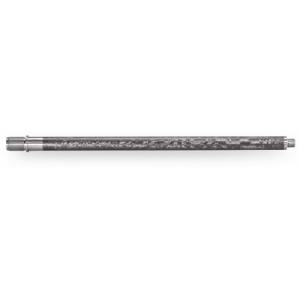
Proof Research barrel Deals
Prices may change. May contain affiliate links.
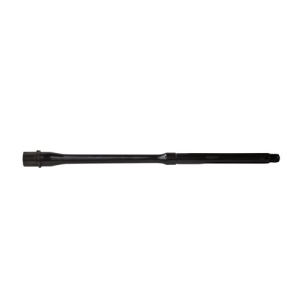
FN barrel Deals
Prices may change. May contain affiliate links.

Daniel Defense barrel Deals
Prices may change. May contain affiliate links.

On a precision rifle barrel from a reputable maker; Bartlein, Krieger, Proof Research; thread concentricity is typically held to within .001 inches or less. On a factory AR-15 barrel from a mid-tier manufacturer, you might see .002 to .004 inches of runout. On a cheap barrel or one that was threaded by a less-than-stellar gunsmith, runout can be .005 inches or more. At that point, you're eating into the clearance between the bullet and the baffle bore holes, and a baffle strike becomes a real possibility.

The insidious thing about thread concentricity is that you can't see it. The suppressor will thread on smoothly. Everything will look fine. The can will sit straight to the naked eye. But if the threads are cut .004 inches off-center, the bore of the suppressor is now .004 inches off from the bore of the barrel, and your bullet is entering the can off-axis. That's enough.
Factory barrels from quality manufacturers; Daniel Defense, BCM, FN, Criterion; are generally fine. They hold tight enough tolerances that concentricity isn't a concern with most suppressors. The problems tend to show up with budget barrels, barrels that were threaded aftermarket (especially by general-purpose gunsmiths rather than barrel specialists), and some imported firearms where thread quality can be inconsistent.
Crush washers; the silent killer
Here's the thing nobody tells first-time suppressor owners: crush washers and suppressors do not mix. Ever.
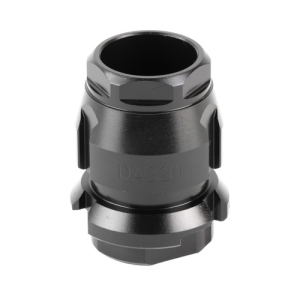
Dead Air KeyMo Deals
Prices may change. May contain affiliate links.
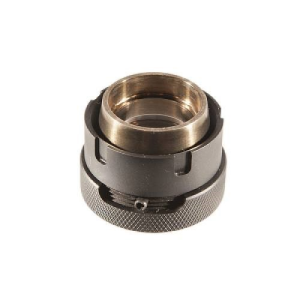
SilencerCo ASR Deals
Prices may change. May contain affiliate links.
SureFire SOCOM Deals
Prices may change. May contain affiliate links.
Rearden Atlas Deals
Prices may change. May contain affiliate links.
SureFire shim kit Deals
Prices may change. May contain affiliate links.
A2 flash hider Deals
Prices may change. May contain affiliate links.
A crush washer is the little tapered steel washer that comes with most muzzle devices; flash hiders, muzzle brakes, compensators. You tighten the muzzle device, the washer crushes and deforms, and it indexes the device so the ports face the right direction. It works great for that purpose.
But a crush washer does not provide a consistent, repeatable, concentric mounting surface. When it deforms, it deforms unevenly. The muzzle device (and anything mounted to it, like a suppressor using a QD mount) can end up slightly cocked to one side. That angular misalignment translates directly into a baffle strike risk.
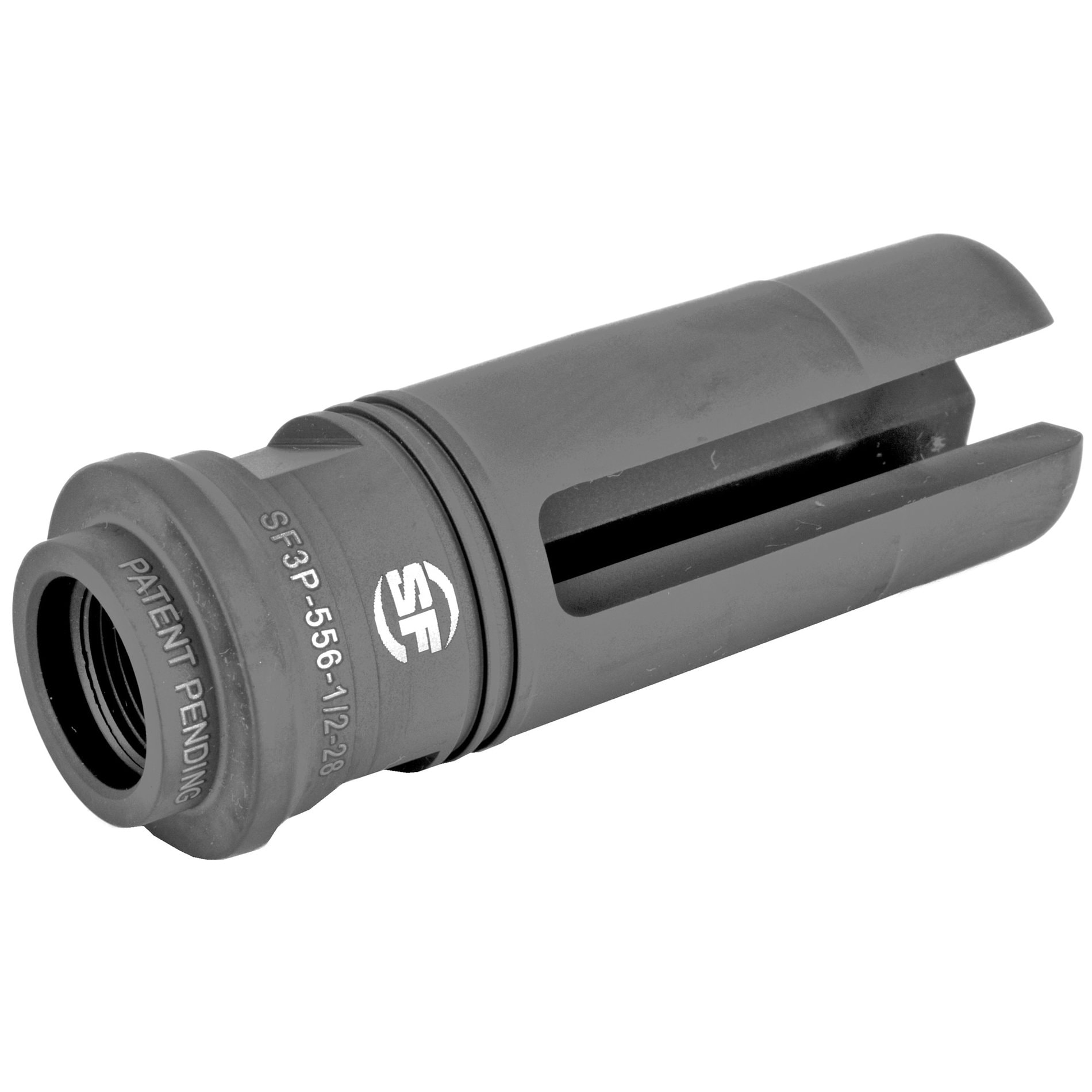
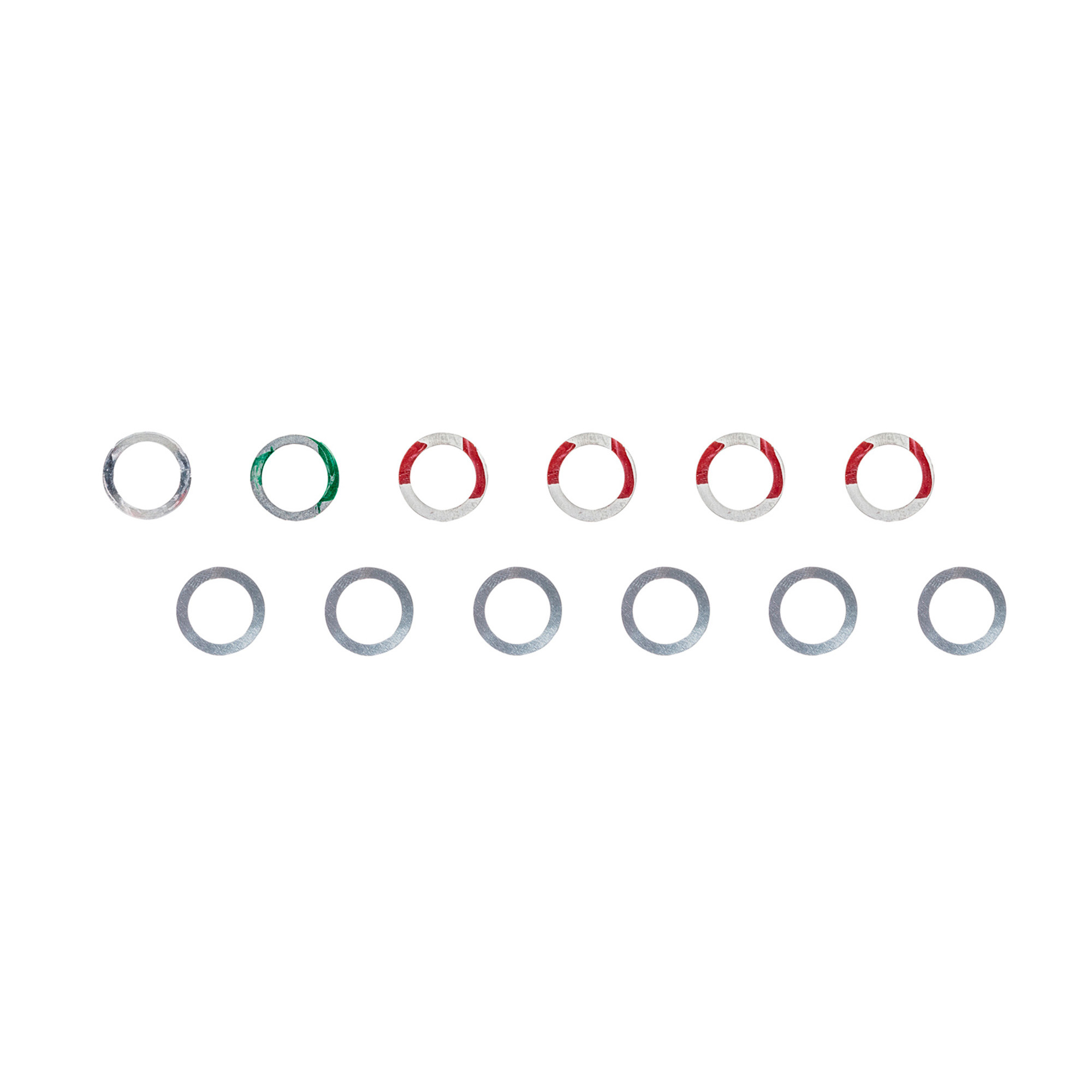
If you're running a quick-detach suppressor system; Dead Air KeyMo, SilencerCo ASR, SureFire SOCOM, Rearden Atlas; the muzzle device needs to be installed with a shim kit, not a crush washer. Shim kits (Precision Armament Accu-Washer, SureFire shim kit, or the shims included with most QD muzzle devices) let you time the device correctly while maintaining a flat, concentric mounting surface. The shims stack to the exact thickness needed, and the device seats squarely against the barrel shoulder.

This is probably the most common preventable cause of baffle strikes among new suppressor owners. They install their Dead Air Keymo brake with the crush washer that came with their old A2 flash hider, because it worked fine before and they don't see why it matters now. It matters now because there's a $1,000 precision tube hanging off the end of that muzzle device, and it needs to be perfectly aligned.
Loose mounts and improper installation
Suppressors come off. It happens. Direct-thread cans can unscrew during firing if they're not tightened properly or if they don't have a locking mechanism. QD mounts can fail to fully engage. Piston-driven cans on handguns can have piston timing issues that affect alignment.
A suppressor that's even slightly loose is a suppressor that's misaligned. The bullet enters the can, and because the can has shifted, the bore holes aren't where they should be. Strike.
Direct-thread suppressors should be firmly hand-tightened; not gorilla-tightened, but snug. Many direct-thread cans include a ratchet or locking collar to prevent loosening. Use it. Check the can between magazine changes, especially during the first few range sessions with a new host. Thermal cycling (the barrel heating and cooling) can cause direct-thread connections to loosen over time during a single range session.
For QD systems, make sure the mount is fully engaged every time you attach the can. Dead Air's KeyMo system has a very positive lockup with an audible and tactile click, and the latch should be fully seated. SureFire's ratchet-tine system requires a specific tightening procedure. SilencerCo's ASR system uses a locking collar that needs to be hand-tightened after the can clicks onto the mount. Each system is different, and the installation procedure isn't optional; it's the thing standing between you and a baffle strike.
Worn or damaged barrel crowns
The crown of the barrel; the very end of the muzzle where the bullet exits; has a direct effect on how the bullet leaves the barrel. A crown that's been dinged, worn unevenly, or damaged will cause the bullet to exit at a slight angle. On an unsuppressed gun, this shows up as degraded accuracy. On a suppressed gun, it shows up as a baffle strike.

This is more common on older firearms, guns that have been dropped muzzle-first, or rifles that have seen heavy use. A barrel with 10,000 rounds through it may have enough throat and crown erosion to affect bullet exit angle. If you're planning to suppress an older gun, have a competent gunsmith inspect the crown first.
Recrowning a barrel is a straightforward and inexpensive gunsmithing job; typically $50-75. It's cheap insurance before you mount a can that costs fifteen to twenty times that.
Bullet instability and wrong ammunition
Not all baffle strikes are the host gun's fault. Sometimes the ammunition itself is the problem.

.300 Blackout ammunition Deals
Prices may change. May contain affiliate links.
.308 ammunition Deals
Prices may change. May contain affiliate links.
.5.56 ammunition Deals
Prices may change. May contain affiliate links.
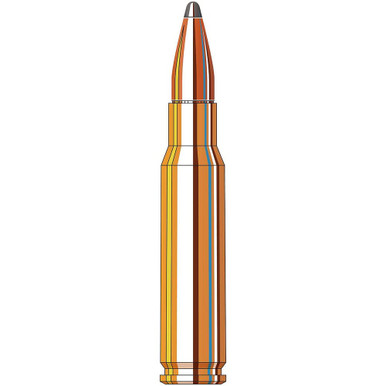
Subsonic ammunition, particularly in .300 Blackout, can be more prone to instability. Heavy subsonic bullets (200-220 grain) at low velocities may not stabilize fully in barrels with insufficient twist rates. A bullet that's wobbling or starting to keyhole (fly sideways) when it enters the suppressor will clip baffles. If you're shooting 220-grain subs through a 1:8 twist barrel, you're probably fine. Through a 1:7, you're definitely fine. Through a 1:12 that was originally chambered for 5.56 and re-barreled for .300 Blackout by someone who didn't think about twist rate, you might not be.
Reloaded or hand-loaded ammunition with inconsistent overall length, improperly seated bullets, or wrong powder charges can also cause issues. A squib load; a round that doesn't have enough powder to push the bullet out of the barrel; is an extreme case. The bullet lodges in the barrel, and the next round fired slams into it. If there's a suppressor on the end, the results are catastrophic.
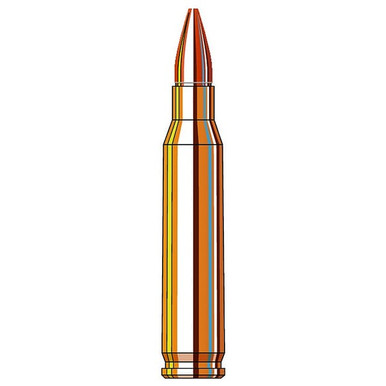
There's also the caliber mismatch issue. Running .308 through a .30-caliber can? Fine, that's what it's for. Running .300 Blackout through a 5.56 can? That's a baffle strike at minimum and a destroyed suppressor at worst. The .300 Blackout round uses a .308-diameter bullet, and a 5.56 can has bore holes sized for .224-diameter bullets. This sounds like an impossible mistake, but it happens more often than you'd think; especially with AR-15 owners who have both 5.56 and .300 Blackout uppers and swap the can between them without thinking.
Handgun-specific issues: piston and booster problems
Pistol suppressors add another variable: the Nielsen device, also called a booster or piston assembly. Most semi-auto pistols are Browning-action designs where the barrel tilts during the cycling process. A suppressor adds weight to the muzzle, which can prevent the barrel from tilting properly, which prevents the slide from cycling. The Nielsen device uses a spring-loaded piston to decouple the suppressor's mass from the barrel during cycling.

Glock barrel Deals
Prices may change. May contain affiliate links.

Faxon threaded barrel Deals
Prices may change. May contain affiliate links.
Agency Arms threaded barrel Deals
Prices may change. May contain affiliate links.

If the piston assembly isn't working correctly; wrong piston size for the barrel threads, worn spring, improper assembly; the suppressor can shift during the firing cycle. This can cause intermittent baffle strikes that are maddening to diagnose because they don't happen on every round.
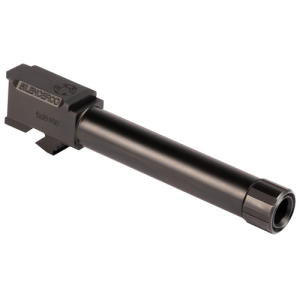
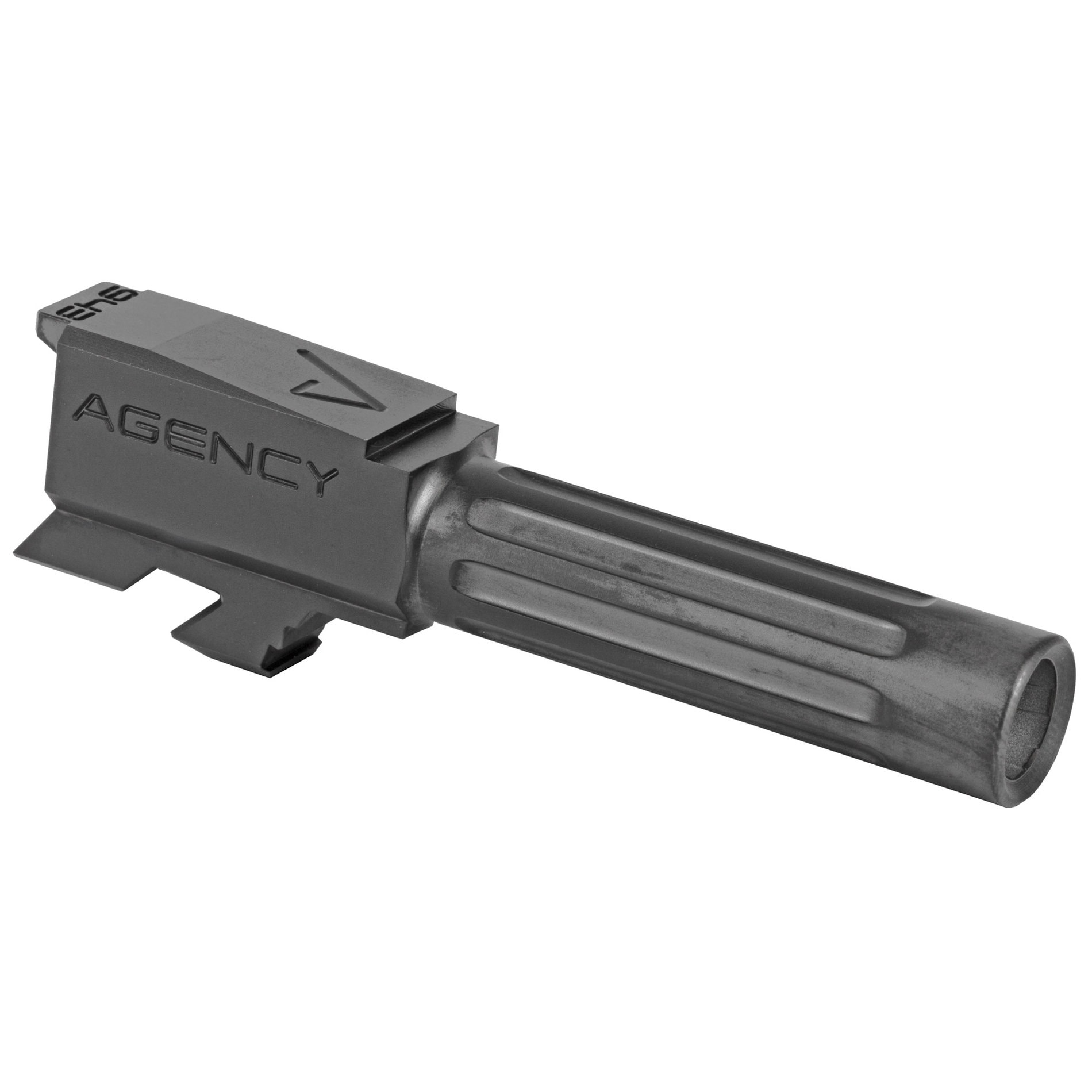
Additionally, pistol barrels are generally held to looser tolerances than rifle barrels. Factory Glock barrels, for example, are known to have thread concentricity that varies from acceptable to concerning. Aftermarket threaded barrels from companies like Silencerco, Faxon, or Agency Arms are typically machined to tighter tolerances and are the better choice if you're planning to run a can regularly.
Warning signs; what a baffle strike looks and sounds like
The best-case scenario is catching a baffle strike early, before it cascades into catastrophic damage. Here's what to watch and listen for.

SilencerCo Omega Deals
Prices may change. May contain affiliate links.
Dead Air Sandman series Deals
Prices may change. May contain affiliate links.
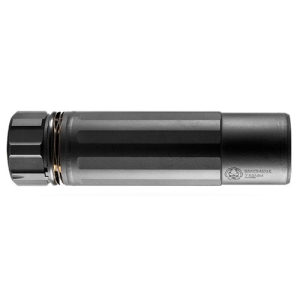
A single-baffle graze might not produce an obvious sound change. The suppressor might sound the same, and you might not notice anything until you pull the can off and inspect it. This is why periodic visual inspection of your suppressor's bore and baffles is non-negotiable. If you have a user-serviceable can (most rimfire and pistol suppressors), pull the baffles out and look at them after every few range sessions. If you have a sealed/welded rifle can (most centerfire rifle suppressors like the Dead Air Sandman series or SilencerCo Omega), you're limited to looking through the bore from the muzzle end and inspecting the blast baffle and end cap.
More significant strikes produce symptoms you can detect in real-time:
A sudden change in sound signature is the most obvious one. If your can suddenly sounds louder, or the tone changes from a deep thump to something sharper or more metallic, stop shooting immediately. Something has changed inside the suppressor.
Increased point-of-impact shift is another indicator. Suppressors typically produce a consistent POI shift (usually up and slightly in one direction) compared to unsuppressed shooting. If that shift suddenly changes or your groups open up dramatically, the bullet's path through the can may be compromised.
Physical marks on the end cap are a dead giveaway. Remove the suppressor and look at the end cap (the front cap where the bullet exits). The exit hole should be clean and centered. If you see marks, scoring, or an asymmetric wear pattern around the bore hole, the bullet is exiting off-center. That means it entered off-center too, and it may have contacted baffles on the way through.
Carbon buildup patterns can also tell a story. On a properly aligned suppressor, carbon fouling inside the bore should be relatively symmetrical. If one side of the bore is significantly more fouled than the other, the gas flow is asymmetric, which suggests alignment issues.
And then there's the obvious one: if you pull your can off and a baffle is visibly damaged, cracked, deformed, or has a shiny gouge where the bullet hit it, you've had a strike. Stop shooting that suppressor immediately. Do not pass go. Do not fire another round through it until the can has been inspected and repaired by the manufacturer.
The alignment rod test; your best friend before the first shot
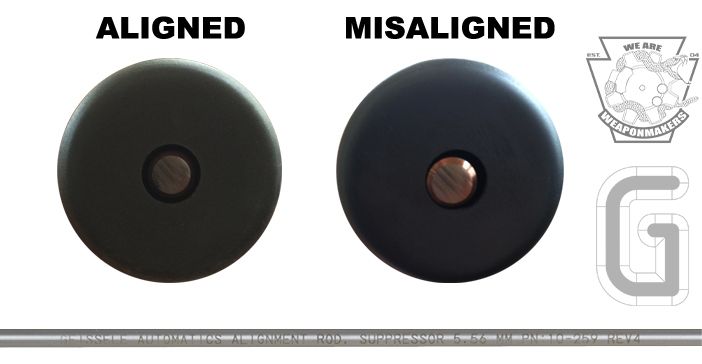
An alignment rod is the single most important tool a suppressor owner can buy, and it costs between $25 and $75. It's a precision-ground steel or aluminum rod, machined to a specific diameter for your caliber, that slides into the bore of your barrel from the muzzle end and extends through the suppressor.
Geissele alignment rod Deals
Prices may change. May contain affiliate links.
Zastava ZVUK suppressor Deals
Prices may change. May contain affiliate links.
Here's how it works. You mount the suppressor on the barrel. You slide the alignment rod through the barrel's bore and into the suppressor. If the rod passes cleanly through the center of every baffle bore hole without touching any baffle, your alignment is good. If the rod contacts a baffle, you have a concentricity problem, and you should not fire that suppressor on that host until the issue is resolved.

It's that simple. A five-minute test that costs less than a box of match-grade ammo, and it can save your suppressor.
Alignment rods are caliber-specific. You need one that's close to your bullet diameter but slightly under; typically a few thousandths smaller than bore diameter. Common sizes:
.22 LR: .220-inch rod
9mm: .350-inch rod
5.56/.223: .220-inch rod
.30 caliber (.308, .300 BLK, .300 WM): .300-inch rod
.338: .332-inch rod
.45 ACP: .443-inch rod
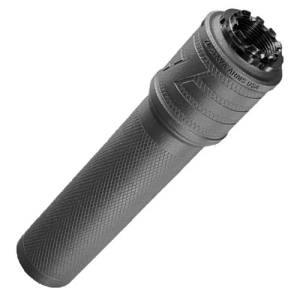
Companies like Zastava (who now include alignment rods with their ZVUK suppressors), SilencerCo, and various small machine shops sell alignment rods. You can also find caliber-specific sets from companies like Brownells or Geissele. Some people use drill blanks from industrial suppliers; they're precision-ground to exact diameters and work fine as alignment rods, though they're usually shorter than purpose-built ones.
A few important notes on using alignment rods correctly:
First, the rod should float freely. Don't force it. If it's dragging or catching, that's telling you something. Second, rotate the rod slowly as you push it through. A concentricity issue might only show up at certain rotational positions. Third, test with the action closed (bolt forward on a rifle, slide in battery on a pistol). The barrel's position changes slightly depending on whether the action is open or closed, and you want to test in the configuration that matches how the gun fires.
Fourth; and this is the one people miss; test alignment with the suppressor tightened to the same torque you'll use when shooting. A direct-thread can that's finger-tight might align differently than one that's been snugged down properly. Same goes for QD mounts: test with the mount fully engaged and locked.
If the alignment rod shows contact with a baffle, don't panic. The fix might be as simple as replacing a crush washer with shims, retiming a muzzle device, or trying a different adapter. If the issue is thread concentricity on the barrel itself, you're looking at either having the barrel re-threaded by a competent gunsmith (one who specializes in suppressor host work, not your buddy who does general gun work), or replacing the barrel.
Prevention: the pre-flight checklist
Think of this as the checklist you run before the first round ever goes through your new can on a new host. Do this once per host, and you'll never have a baffle strike.
Step one: verify the barrel threads
Before you even buy a suppressor, or at least before your stamp comes back and you're ready to mount it, have the barrel threads checked. If you have access to a thread gauge, use it. If not, thread the suppressor or muzzle device on by hand. It should thread on smoothly, without cross-threading, and seat firmly against the barrel shoulder. If it feels gritty, tight in spots, or wobbly, something is wrong with the threads.
For aftermarket threaded barrels (barrels that were threaded after manufacture), this step is especially critical. Not all gunsmiths thread barrels to the same standard. The threading needs to be concentric with the bore, the thread pitch needs to be correct (1/2x28 for most 5.56 and 9mm, 5/8x24 for most .30 caliber), and the shoulder needs to be square and clean.
Step two: install the muzzle device correctly
If you're running a QD suppressor system, the muzzle device installation is the foundation of everything. Use the shim kit provided by the muzzle device manufacturer. Follow their specific installation instructions; torque specs, thread locker (Rocksett is the standard for muzzle devices; blue Loctite is not sufficient, and red Loctite is overkill and makes future removal a nightmare), and timing procedure.

No crush washers. Period. The only exception is if the suppressor manufacturer specifically says a crush washer is acceptable for their system, and even then, shims are the better choice.
After installing the muzzle device, check that it's square to the barrel. A small machinist's square held against the face of the muzzle device and the barrel can give you a quick visual check. The device should sit flat and perpendicular.
Step three: run the alignment rod
Mount the suppressor. Run the alignment rod. This is non-negotiable for every new host. Even if you've run the same model of suppressor on a dozen rifles, each barrel is different, and each one needs to be verified independently.
Daniel Defense MK18 upper Deals
Prices may change. May contain affiliate links.

Palmetto state armory PSA upper Deals
Prices may change. May contain affiliate links.
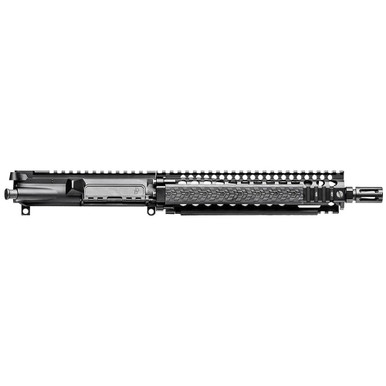
If you're running the same suppressor across multiple hosts (which is one of the great advantages of QD systems), run the alignment rod on every host. A can that's perfectly aligned on your Daniel Defense MK18 upper might not be aligned on your PSA upper. Different barrels, different thread jobs, different results.
Step four: fire a few rounds and inspect
After the alignment rod checks out, fire three to five rounds and then remove the suppressor. Inspect the blast baffle (first baffle) and end cap for any marks. Look through the bore. If everything is clean, you're good. Shoot normally.
This initial inspection catches issues that the alignment rod might miss; particularly problems related to bullet instability, ammunition issues, or very slight misalignments that are within the rod's tolerance but close enough to cause problems with actual bullets.
Step five: periodic inspection
Every few hundred rounds (more frequently with a new host, less frequently with a proven one), pull the can off and take a look. For user-serviceable cans, pull the baffles and inspect them individually. For sealed cans, look through the bore and check the end cap. This takes sixty seconds and costs nothing.
QD systems vs. direct thread: alignment implications
The mounting system you choose has direct implications for baffle strike risk, and it's worth understanding the tradeoffs.
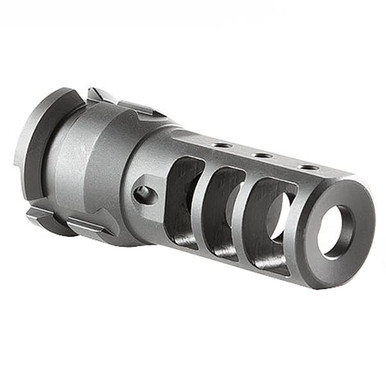
Dead Air Keymo brake Deals
Prices may change. May contain affiliate links.
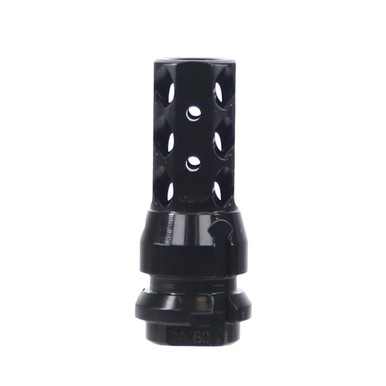
Dead Air KeyMo brake Deals
Prices may change. May contain affiliate links.
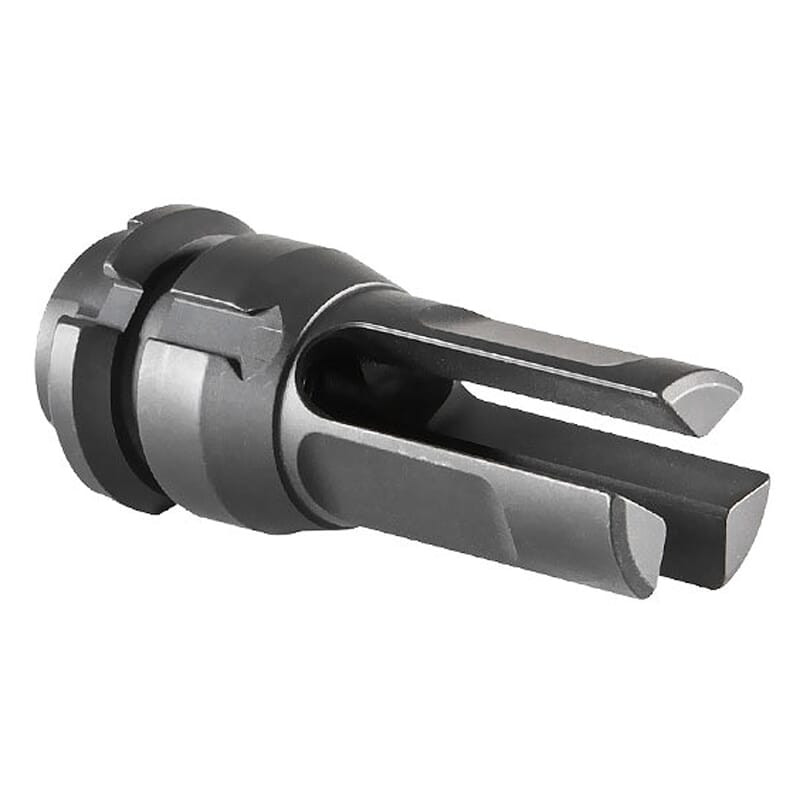
Dead Air KeyMo flash hider Deals
Prices may change. May contain affiliate links.
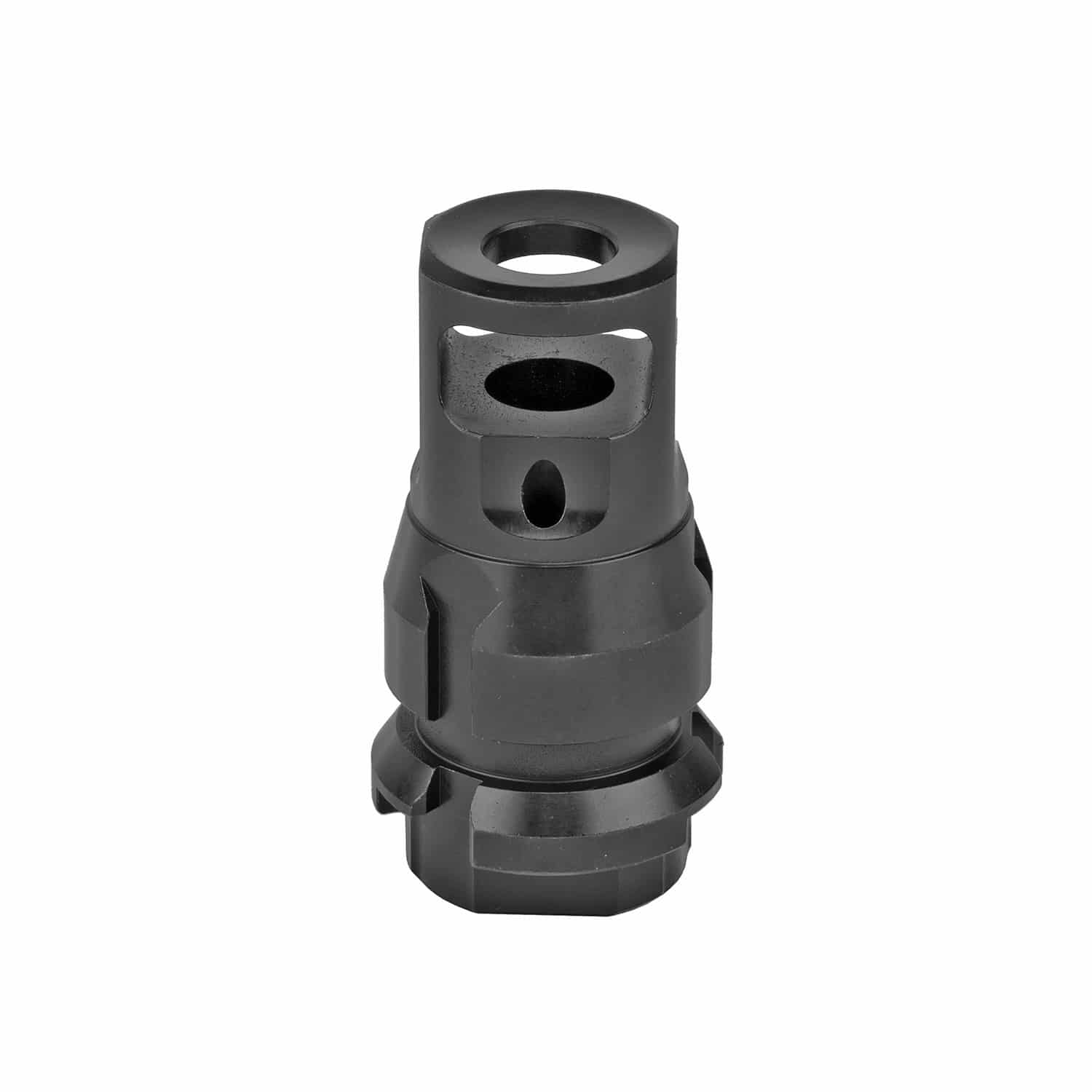
Dead Air KeyMo micro brake Deals
Prices may change. May contain affiliate links.
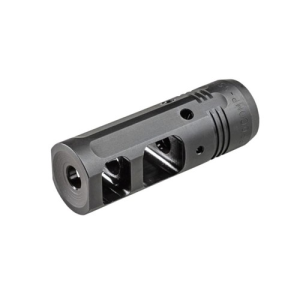
SureFire muzzle brake Deals
Prices may change. May contain affiliate links.
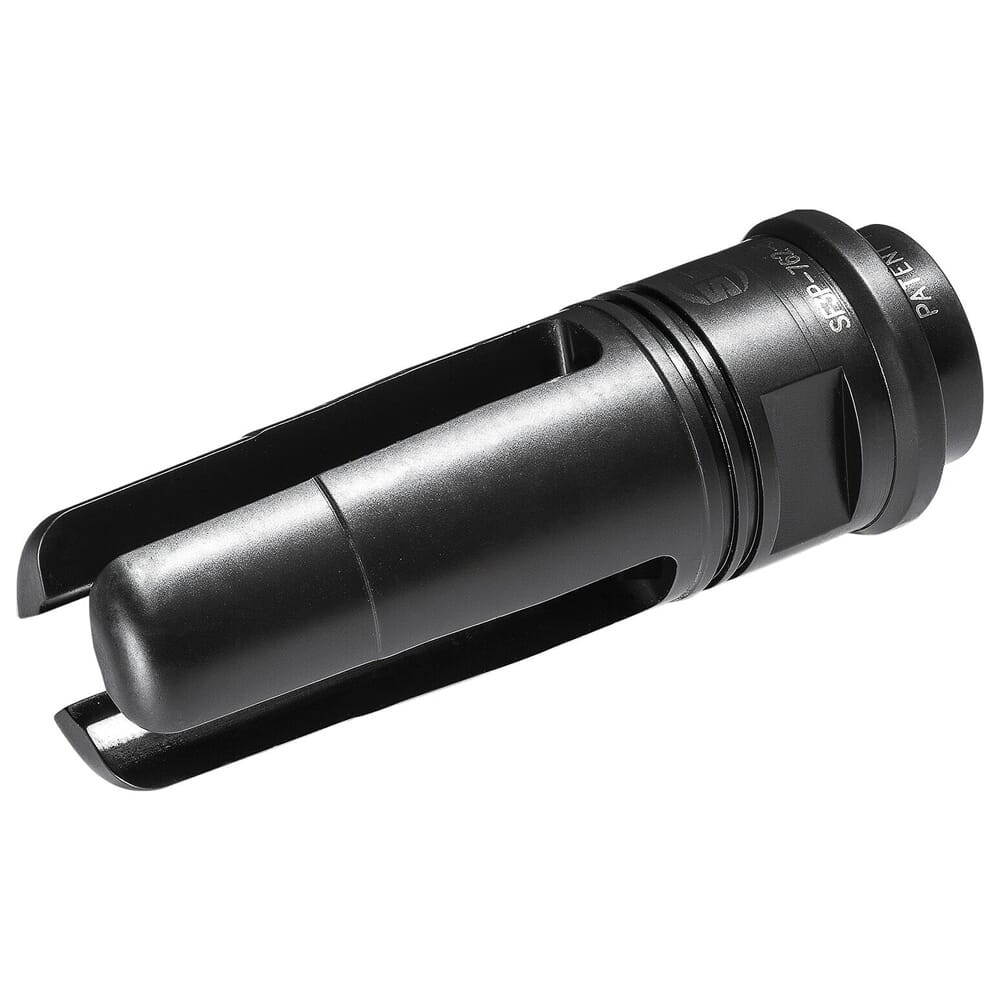
SureFire three-prong flash hider Deals
Prices may change. May contain affiliate links.
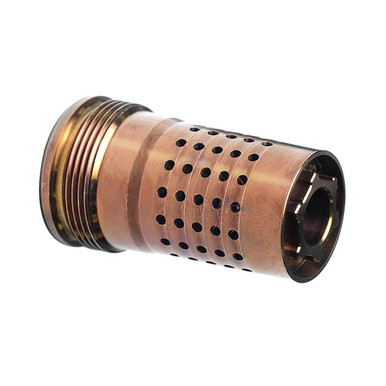
Q Cherry Bomb Deals
Prices may change. May contain affiliate links.
Rearden Plan B Deals
Prices may change. May contain affiliate links.

HUXWRX suppressor Deals
Prices may change. May contain affiliate links.
Direct-thread suppressors mount directly to the barrel threads. The alignment is determined entirely by the barrel's thread concentricity. There's no intermediate muzzle device to introduce additional variables. In theory, this is the simplest and most precise mounting method. In practice, it's also the most prone to loosening during firing, and a suppressor that backs off even a quarter-turn is a suppressor that's now misaligned.
If you go direct-thread, use a suppressor with a locking mechanism (many Dead Air, SilencerCo, and CGS Group cans have them), or apply a small amount of Teflon tape to the threads to add friction. Check tightness between strings of fire. Some shooters mark the can and barrel with a witness mark (a line drawn across both with a paint pen) so they can instantly see if the can has rotated.
QD systems add a muzzle device as an intermediary. The suppressor locks onto the muzzle device rather than threading directly onto the barrel. This adds a potential point of misalignment; the muzzle device itself needs to be installed correctly; but QD systems generally provide a more repeatable lockup than direct thread, and they don't loosen during firing (assuming the muzzle device was installed properly and the QD mechanism is functioning correctly).
The most popular QD systems in the current market:
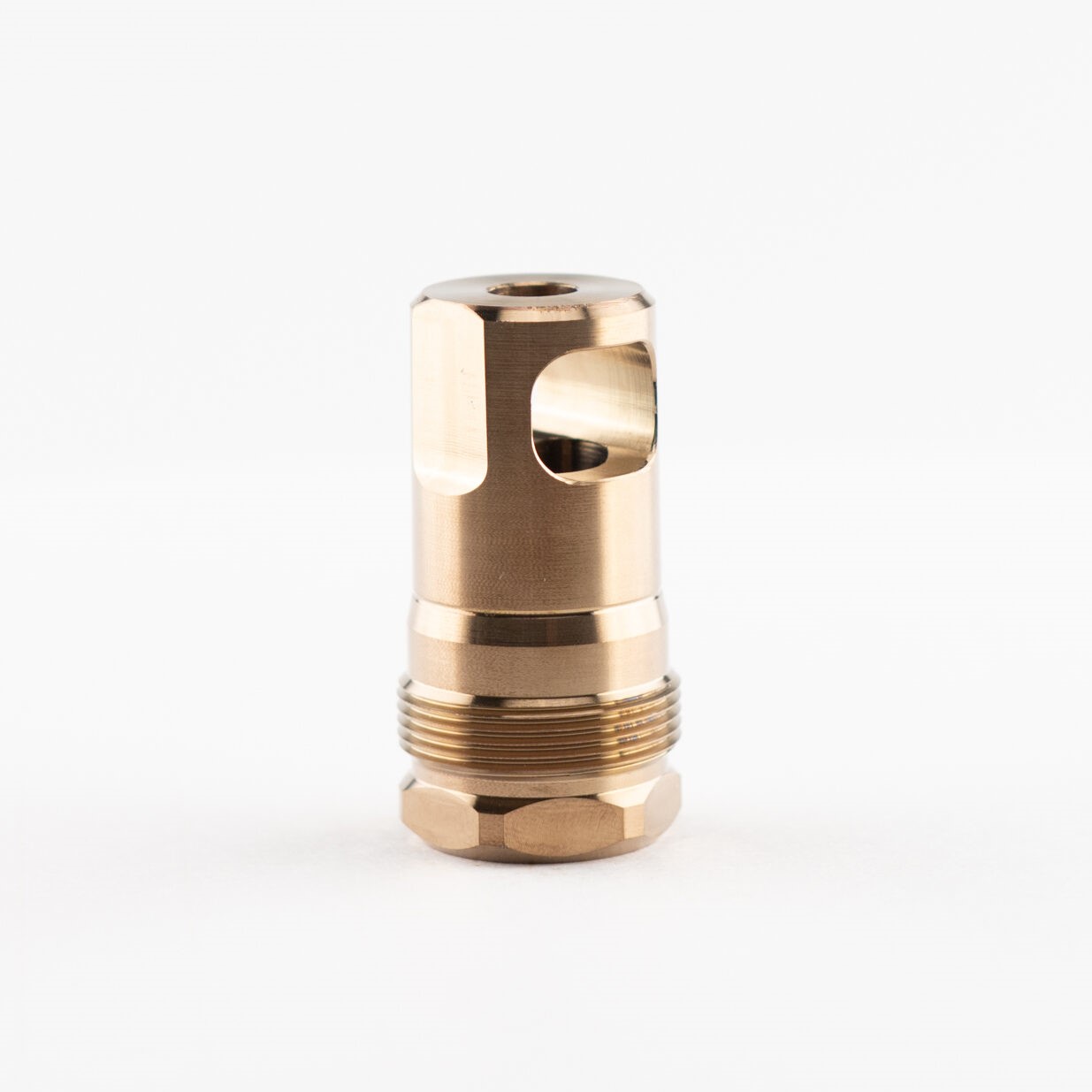
Dead Air KeyMo is probably the most widely used. It's a robust, heavy system with a very positive lockup. The muzzle devices (KeyMo brake, flash hider, or micro brake) are installed with shims and Rocksett. The suppressor locks on with a ratcheting collar and has minimal play when locked. KeyMo adds weight and about 0.7 inches of length to the suppressor, which is the tradeoff for its bombproof lockup.

SureFire SOCOM is the mil-spec standard. The three-prong and four-prong flash hiders and muzzle brakes use a shim system. The suppressor locks on with a ratcheting tine system. It's proven across millions of rounds in military service. The muzzle devices are excellent standalone flash hiders even without a can.
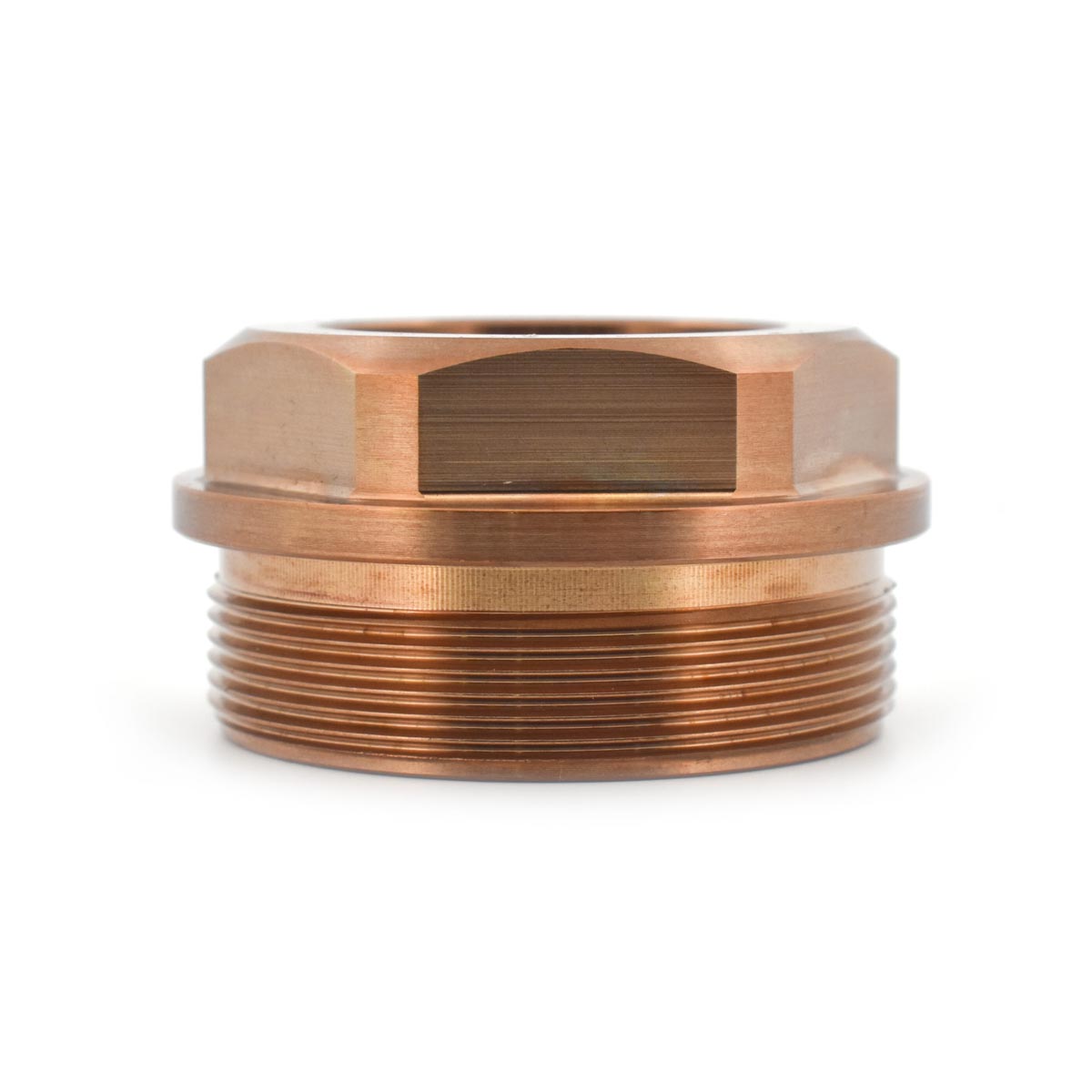
Rearden Atlas/Plan B (now widely adopted after the Q Cherry Bomb system) uses a taper mount system that's lighter and shorter than KeyMo. The taper provides self-centering alignment, which is a nice feature for concentricity. The tradeoff is that taper mounts can be slightly less forgiving of sloppy muzzle device installation.
HUXWRX (formerly OSS/HUXWRX) uses their own flow-through mounting system. Their suppressors are designed around the mount, and the system is well-regarded for both alignment and ease of use.
Each of these systems, when installed correctly with proper shims and torque, provides excellent alignment. The key phrase there is "installed correctly." A KeyMo brake installed with a crush washer is worse than a direct-thread connection to a properly threaded barrel. The QD system is only as good as its installation.
What to do if you've had a baffle strike
So it happened. You pulled your can off and there's a mark on the first baffle, or worse, visible damage. Here's the protocol.
CGS Group suppressor Deals
Prices may change. May contain affiliate links.
Dead Air suppressor Deals
Prices may change. May contain affiliate links.
SilencerCo suppressor Deals
Prices may change. May contain affiliate links.

Rugged Obsidian suppressor Deals
Prices may change. May contain affiliate links.
Otter Creek Labs suppressor Deals
Prices may change. May contain affiliate links.
Stop shooting that suppressor immediately. Do not fire another round through it. A damaged baffle can fragment, and pieces of baffle material inside the suppressor tube are a serious hazard.
Inspect the host firearm. Check the barrel crown, the muzzle device installation, and the threads. Try to identify the cause before you send the can off for repair, because you'll need to fix the root cause before mounting a repaired (or replacement) suppressor on the same host.
Contact the suppressor manufacturer. Most major suppressor companies have warranty and repair programs. Dead Air, SilencerCo, HUXWRX, Rugged, CGS Group, Otter Creek Labs, and others will inspect and repair damaged suppressors. The warranty terms vary:
Dead Air's warranty covers defects in materials and workmanship for the lifetime of the product to the original owner. Baffle strikes caused by user error (improper installation, wrong caliber, etc.) are generally not covered under warranty, but Dead Air has a reputation for being reasonable about repairs even in those cases. They'll typically repair the can and charge for parts/labor if the damage was user-caused.

SilencerCo has a similar lifetime warranty for the original owner. They've been known to repair baffle strike damage even when it's clearly user-caused, sometimes at no charge, sometimes for a fee. Their customer service has gotten mixed reviews in recent years, with some users reporting long turnaround times, but the willingness to repair is generally there.
Rugged Suppressors has a lifetime, transferable warranty; one of the few that transfers to subsequent owners. They've dealt with baffle strike issues on their Obsidian line (particularly early production units where some users reported alignment-related strikes with certain hosts) and have generally been responsive.
HUXWRX covers their products with a lifetime warranty to the original purchaser and has a straightforward repair process.
Otter Creek Labs, a newer company that's earned a strong reputation quickly, has a lifetime warranty and has been praised for fast, communicative customer service.
Here's the NFA wrinkle that makes suppressor repairs different from any other product warranty: your suppressor is a registered NFA item. You can't just box it up and ship it to the manufacturer like a defective toaster. The transfer of an NFA item; even temporarily for repair; requires either a Form 3 (dealer to dealer) or a Form 5 (to the manufacturer, who holds an SOT). In practice, most suppressor manufacturers have this process streamlined. You'll contact them, get an RMA and shipping instructions, and they'll provide the necessary paperwork or authorization to ship. Your dealer (the SOT who transferred the can to you) may need to be involved, or the manufacturer may be able to receive it directly from you depending on their SOT status and the specific circumstances.
The turnaround time for repairs varies from a few weeks to a few months, depending on the manufacturer and the extent of the damage. During this time, your suppressor is gone; back in a kind of secondary NFA jail. It's frustrating, but it beats shooting a damaged can.
Common mistakes that lead to baffle strikes
Let's consolidate the gotchas. These are the mistakes that show up over and over in forum posts, Reddit threads, and gunsmith shops.
Using a crush washer with a suppressor mount. Already covered this extensively, but it bears repeating because it's the most common preventable cause. Shims only. Always.
Not running an alignment rod before the first shot. A $30 alignment rod can save a $1,000 suppressor. The math isn't complicated. Every new host gets an alignment rod check, no exceptions. This includes hosts you've shot unsuppressed for years; the fact that a barrel shoots fine unsuppressed tells you nothing about its thread concentricity.
Shooting the wrong caliber through the can. This sounds impossible, but .300 Blackout through a 5.56 can happens. It happens because both calibers use the same AR-15 lower and similar magazines, and if you have both uppers at the range, a moment of inattention is all it takes. Some shooters mark their .300 Blackout magazines and uppers with colored tape or bands to prevent this. It's a good practice even without a suppressor, since .300 BLK will chamber in a 5.56 barrel and the results are catastrophic.
Ignoring a loose suppressor. If your direct-thread can has backed off during shooting and you just snug it back up and keep going, you're gambling. A can that loosened may have been misaligned for several rounds before you noticed. Inspect it before continuing.
Skipping the muzzle device installation instructions. Every QD system has a specific installation procedure. Dead Air's KeyMo brakes require shims and Rocksett and a specific torque. SureFire's mounts require their shim kit. Skipping steps or improvising leads to misalignment. Read the instructions. Follow them.
Assuming a factory barrel is perfect. Most factory barrels from reputable manufacturers are fine. But "most" isn't "all." Budget barrels, imported barrels, and aftermarket-threaded barrels should all get an alignment rod check. Trust but verify.
Reassembling a user-serviceable can incorrectly. Rimfire and pistol suppressors with removable baffles need to be reassembled in the correct order and orientation. Baffles that are backwards, out of order, or not fully seated can cause alignment issues inside the can even if the external mounting is perfect. Follow the manufacturer's assembly instructions, and if the baffles are indexed (marked with numbers or orientation indicators), pay attention to them.
Not inspecting after cleaning. If you've disassembled a user-serviceable suppressor for cleaning, inspect every baffle for damage before reassembly. A cracked or warped baffle that goes back into the stack is a problem waiting to happen. And when you reassemble, make sure everything is seated properly; a baffle that's slightly cocked in the tube changes the bore alignment.
Specific hosts that deserve extra attention
Some platforms have known quirks that affect suppressor alignment. This isn't a comprehensive list, but these are the ones that come up repeatedly.

Zastava ZPAP Deals
Prices may change. May contain affiliate links.
SilencerCo threaded Glock barrel Deals
Prices may change. May contain affiliate links.
Bergara bolt-action rifle Deals
Prices may change. May contain affiliate links.
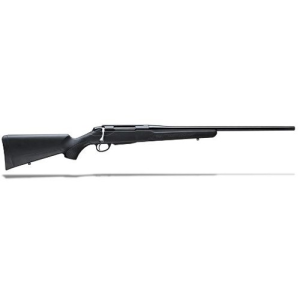
Tikka bolt-action rifle Deals
Prices may change. May contain affiliate links.
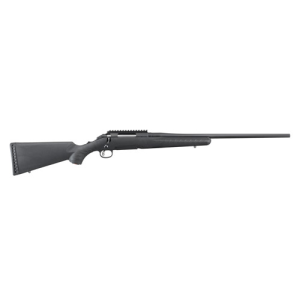
Ruger bolt-action rifle Deals
Prices may change. May contain affiliate links.
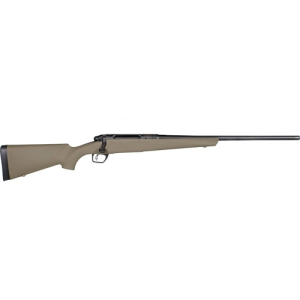
Remington bolt-action rifle Deals
Prices may change. May contain affiliate links.
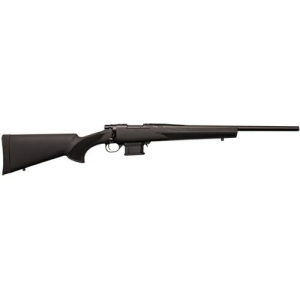
Howa bolt-action rifle Deals
Prices may change. May contain affiliate links.
AK-pattern rifles are notorious for thread concentricity issues. Many AK barrels, particularly imported ones, have threads that were cut with less precision than Western manufacturing standards demand. The threads might be concentric enough for a muzzle brake, but not for a suppressor. If you're planning to suppress an AK, an alignment rod check is absolutely mandatory, and you should be prepared for the possibility that the barrel needs to be re-threaded or that you'll need a concentricity adapter. Zastava has actually addressed this proactively with their ZPAP and ZVUK suppressor lineup, and they include alignment rods with their suppressors; which tells you something about how seriously they take this issue with their own platform.

Pistol-caliber carbines and AR-9s can be hit or miss. The barrel extensions and thread jobs on some PCC barrels are less consistent than their 5.56 counterparts. CMMG, Angstadt Arms, and FM Products generally have good reputations for thread quality. Some budget PCC barrels do not.
Glock factory threaded barrels have been reported with varying concentricity. If you're running a pistol can on a Glock, an aftermarket threaded barrel from SilencerCo, Faxon, or Agency Arms is a worthwhile investment. The barrel costs $150-200, and the improvement in thread concentricity and barrel lockup is meaningful.
Older military surplus rifles that have been threaded aftermarket; think M1A/M14 pattern rifles, FALs, HK91/PTR91; should always be checked carefully. The threading was done after the fact, often by different shops with different standards, and concentricity can vary widely.
Bolt-action rifles with factory-threaded barrels are generally the least problematic hosts. The barrel is a fixed, rigid connection to the action, there's no reciprocating mass to loosen the can, and factory threading on bolt guns from Bergara, Tikka, Ruger, Remington, and Howa is typically excellent. This is one reason why precision rifle shooters were early adopters of suppressors and rarely report baffle strikes.
The cost of prevention vs. the cost of a strike
Let's do the math, because the math makes the case better than any argument.
An alignment rod: $25-75, depending on caliber and source.

A shim kit for a muzzle device: $10-20, and most QD muzzle devices include one.
Rocksett thread locker: $10 for a bottle that'll last years.
A barrel inspection by a competent gunsmith: $25-50.
Total cost of prevention: roughly $70-155.
A new suppressor to replace one destroyed by a baffle strike: $700-1,500, plus another $200 tax stamp, plus another 4-6 month wait for eForm approval. If the manufacturer repairs it under warranty, you're still looking at weeks to months without your can and the hassle of shipping an NFA item.
The prevention kit costs less than a single box of premium hunting ammunition. There's no rational argument against it.
A note on suppressor design and baffle strike tolerance
Not all suppressors are equally vulnerable to baffle strikes, and this is worth acknowledging.
Cans with larger bore-to-caliber ratios are more forgiving. A .30-caliber can used on a 5.56 host has significantly more clearance than a dedicated 5.56 can. This is one reason multi-caliber cans like the SilencerCo Omega