Your unit gets one weekend a year to run a live-fire range. Maybe two if the training calendar gods smile on you and the ammo request doesn't get slashed. Soldiers show up on Saturday morning, draw weapons from the arms room, sit through a safety brief that takes longer than the actual trigger time, and then try to qualify on a table they haven't seen since last year. Half the unit barely remembers how to load a magazine into the M4A1 without fumbling. The other half remembers fine but hasn't fired a round in eleven months or longer. Then everyone goes home, the readiness tracker gets updated, and the unit commander breathes a sigh of relief until next year.
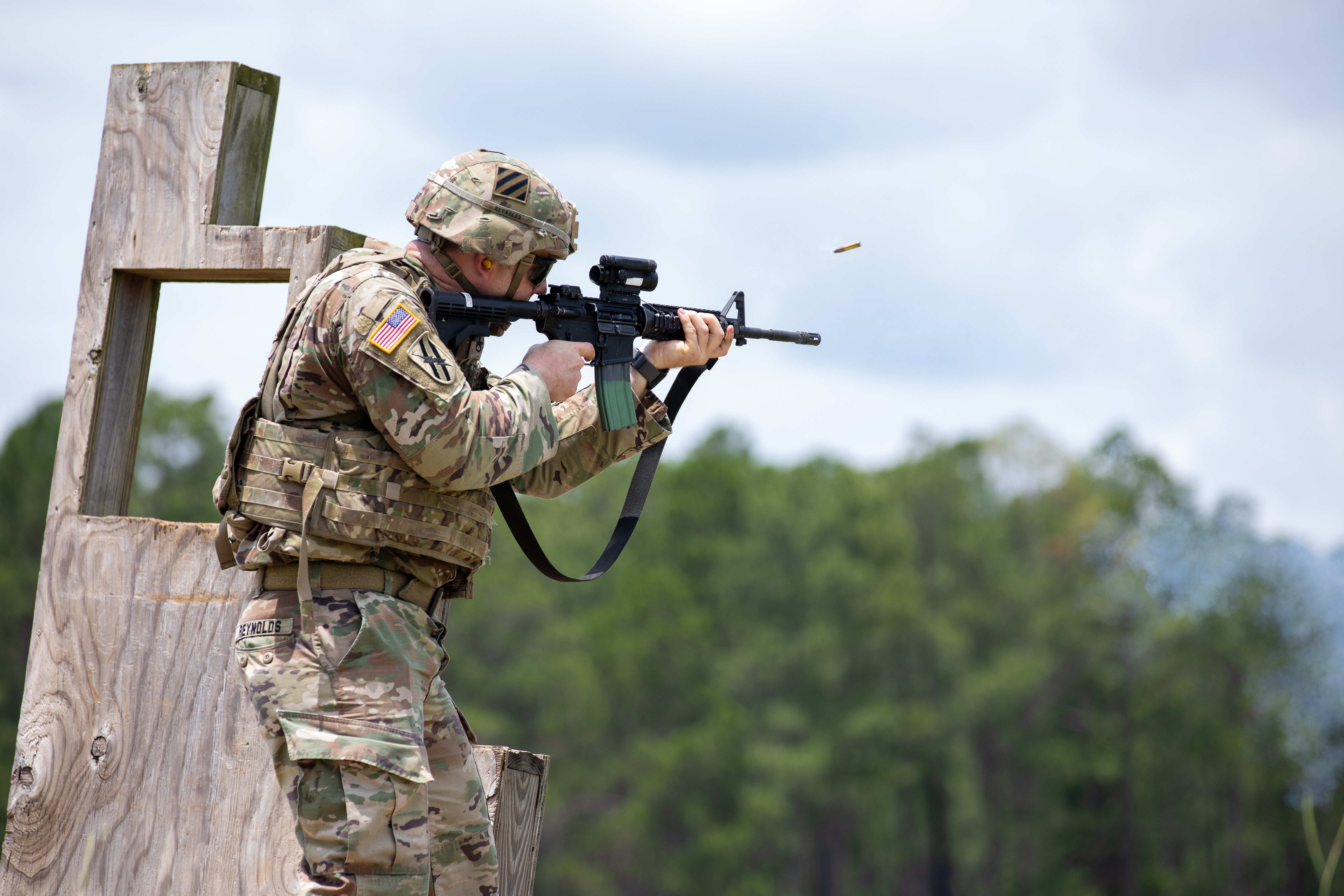
This is the system. And the system is broken.
The Army's own training publications; TC 3-20.40, TC 3-20.0, AR 350-1; lay out an Integrated Weapons Training Strategy (IWTS) that envisions progressive, phased marksmanship development. Preliminary marksmanship instruction. Grouping. Zeroing. Practice qualification. Record fire. Sustainment. It's a logical, well-designed progression that builds genuine lethality. The problem is that it was designed for a training environment with daily access to ranges, ammunition, and time; an active-duty environment. Guard and Reserve units are expected to meet the same standard with roughly 4% of the training days. That math doesn't work, and everyone from the private to the brigade commander knows it. The difference is that nobody with enough rank to fix it has made it a priority.
This isn't a complaint. It's an argument. Guard and Reserve shooters deserve a training model that acknowledges their constraints and builds real proficiency anyway. Here's what's wrong, what it costs, and what a better system looks like.
The doctrine-reality gap
TC 3-20.0, the Integrated Weapons Training Strategy, lays out a crawl-walk-run approach to marksmanship. The strategy breaks training into phases: preliminary marksmanship instruction (PMI), where soldiers learn fundamentals like sight picture, trigger squeeze, and breathing; followed by live-fire grouping and zeroing; then practice qualification; and finally record fire. After qualification, soldiers are supposed to enter a sustainment phase with periodic live-fire and dry-fire training to maintain proficiency. The whole framework assumes continuous access to training resources.
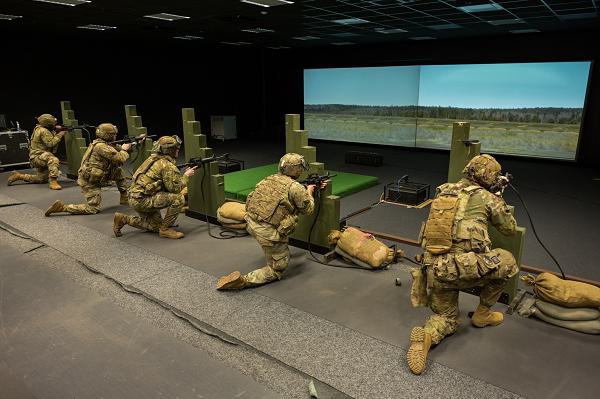
Active-duty infantry units typically get multiple range days per quarter. Even non-combat-arms active units usually manage to get soldiers on a range several times a year, with dedicated PMI blocks built into the training schedule. A soldier at Fort Liberty or Fort Cavazos can reasonably expect to fire hundreds of live rounds annually outside of deployment cycles, plus access to engagement skills trainers (EST); the laser-based simulators that let soldiers practice marksmanship fundamentals without live ammunition.
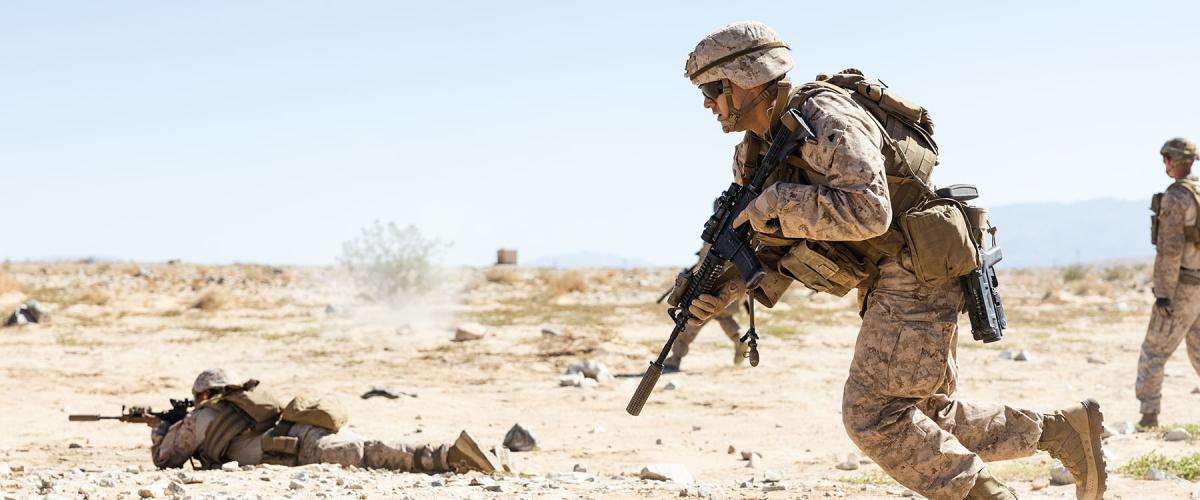
Now look at the Guard and Reserve calendar. A typical drilling soldier gets 48 Unit Training Assemblies (UTAs) per year; that's 24 weekends; plus a two-week Annual Training (AT) period. Those 39 total training days have to cover everything: admin, medical readiness, CBRN training, combatives, vehicle maintenance, MOS-specific tasks, mandatory online training that somehow always needs to be completed this drill weekend, and whatever the brigade's current training focus happens to be. Weapons qualification gets wedged into this calendar wherever it fits, which usually means one weekend per year dedicated to live fire.
One weekend. For the entire progression from PMI through record fire.
Here's what that actually looks like on the ground: Friday night, soldiers arrive and draw weapons. Saturday morning starts with a safety brief and PMI refresher that's supposed to cover everything from the four fundamentals to malfunction drills. By mid-morning, soldiers are on the zero range trying to get a 25-meter zero with 30 rounds of 5.56 (XM855A1). After lunch, the unit runs practice qualification. Sunday morning is record fire. By 1400, weapons are cleaned and turned in, and the weekend is over.
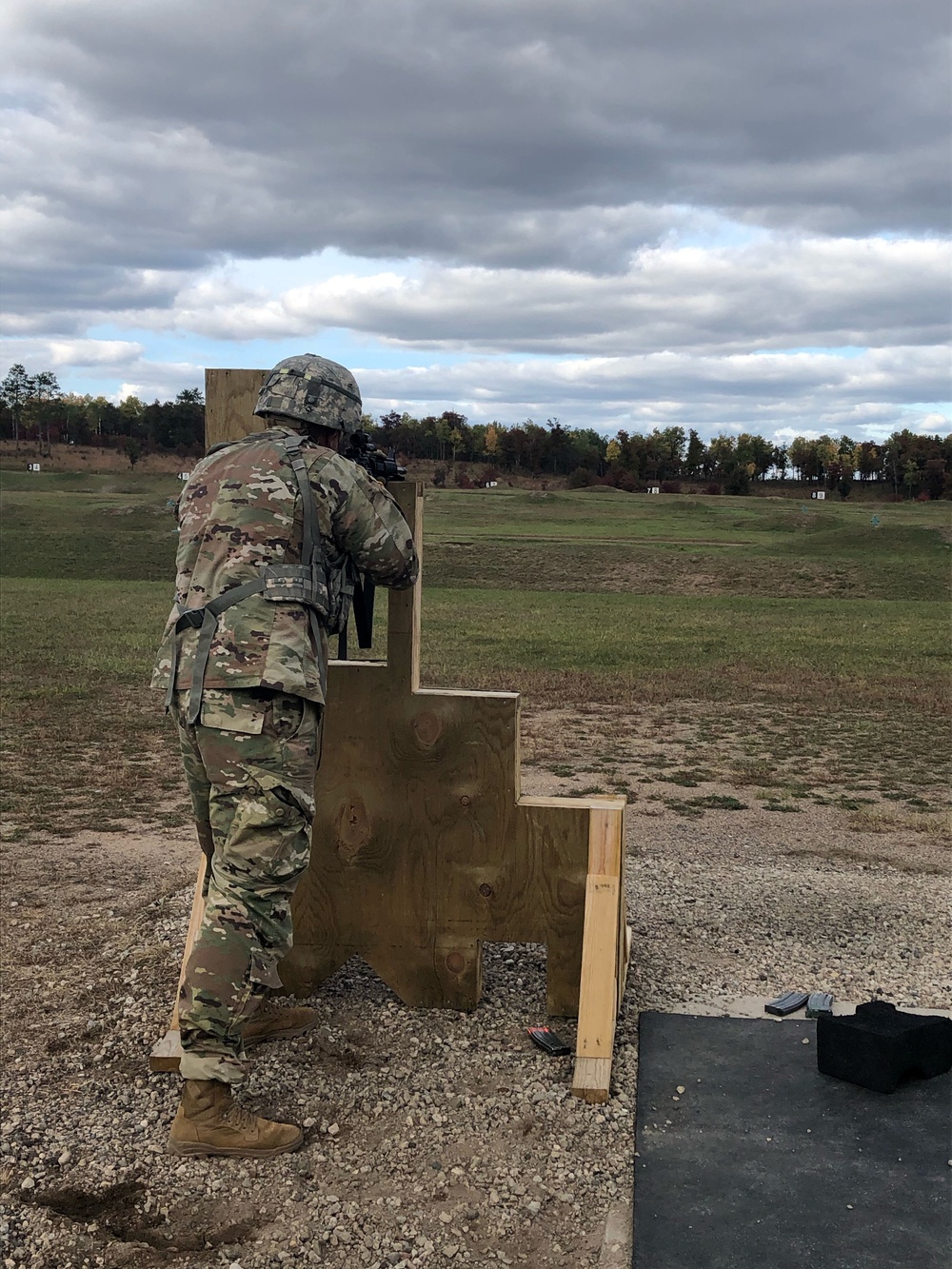
That's the best-case scenario. The worst case; and anyone who's spent time in a Guard or Reserve unit has seen this; involves a range that isn't available because another unit booked it first, or an ammo shortage that cuts the round count, or weather that shuts down live fire entirely. When that happens, qualification gets pushed to AT, which means it competes with the unit's collective training tasks, field exercises, and whatever else the higher headquarters has mandated for the two-week window.
The result is predictable. Soldiers qualify at lower rates than their active-duty counterparts. Those who do qualify often scrape by with Marksman; 23 out of 40 hits on the current qualification table; rather than building toward Sharpshooter (30-35) or Expert (36-40). The qualification becomes a checkbox rather than a measure of lethality. And the skills decay almost immediately because there's no sustainment plan that fits within the available training time.
What the numbers actually say
The Army doesn't publish component-level qualification breakdowns in a way that makes clean comparisons easy, and there are good bureaucratic reasons for that; nobody wants a headline that says "Guard soldiers shoot worse than active duty." But the data that does exist, combined with the observable reality at ranges across the force, tells a consistent story.
A 2024 Army.mil article on enhancing soldier proficiency acknowledged what trainers have known for years: inefficiencies in Army training disproportionately affect Reserve Component soldiers because they have less time to compensate for lost training opportunities. When an active-duty unit loses a range day to weather, the company commander reschedules it for next week. When a Guard unit loses a range day, it might not get another one for six months.
Round counts tell part of the story. The current qualification table under TC 3-20.40 uses 40 rounds for record fire, but the full training progression; grouping, zeroing, practice qual, and record fire; requires significantly more. A soldier going through the complete IWTS progression might fire 200+ rounds across the training phases. Guard and Reserve units frequently receive ammo allocations that force them to compress or skip phases. A unit that gets 80 rounds per soldier for the entire range weekend has to make hard choices: do you spend rounds on zeroing, or do you trust last year's zero and send soldiers straight to qual? Most experienced NCOs know the answer; you re-zero every time; but the math sometimes forces bad decisions.
The EST (Engagement Skills Trainer) is supposed to bridge this gap. These are the simulation systems that use modified weapons with laser inserts to let soldiers practice marksmanship in a classroom-sized space. The IWTS explicitly calls for EST use as part of preliminary training. The problem is access. Many Guard armories don't have an EST on site. The ones that do often have systems that are outdated, broken, or booked solid during drill weekends for other training requirements. Some units have to travel to an active-duty installation to use an EST, which eats into already-limited training time. The Mobile Engagement Skills Trainer (M-EST) was supposed to help with this by bringing the capability to the unit, but availability is inconsistent and scheduling is competitive.
Here's a factoid that surprises most people outside the military: a typical Guard infantry soldier might fire fewer live rounds in a year than a moderately active civilian recreational shooter fires in a single range session. A civilian who goes to the range once a month and shoots 100 rounds of .223 per trip puts 1,200 rounds downrange annually. A Guard soldier might fire 80-120 rounds during annual qualification and nothing else. The civilian isn't training under stress, isn't shooting at pop-up targets at 50-300 meters, and isn't qualifying under time pressure; but they're building far more trigger time and fundamental repetitions. That gap should bother everyone who cares about military readiness.
The qualification table itself
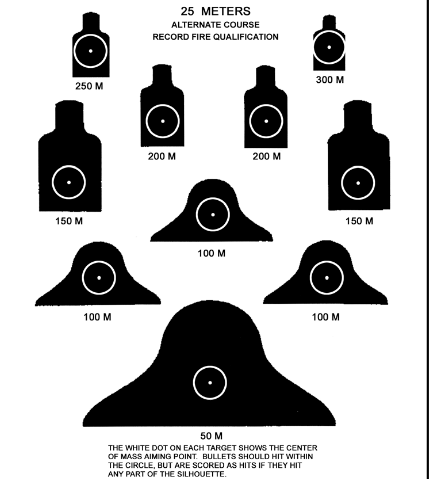
The Army's current rifle qualification standard, governed by TC 3-20.40 (which has been updated and revised several times; the Change 1 version is the current reference), uses a 40-round course of fire with pop-up silhouette targets at ranges from 50 to 300 meters. Soldiers fire from multiple positions; prone supported, prone unsupported, kneeling, and standing; and targets are exposed for limited time windows. The scoring is straightforward: hit 23 of 40 to qualify as Marksman, 30 for Sharpshooter, 36 for Expert.
The table itself is actually a decent test of basic rifle marksmanship. It requires soldiers to engage targets at realistic combat distances, transition between firing positions, and manage their time and ammunition. The problem isn't the test; it's the preparation.
Think of it this way. If you gave someone a driving test once a year with no practice drives in between, most people would pass; barely; because the basic skills are somewhat retained. But they wouldn't be good drivers. They'd be minimum-standard drivers who survive the test through muscle memory and luck. That's what annual qualification produces: minimum-standard shooters who can hit 23 out of 40 targets through a combination of basic familiarity and statistical probability (at 50-100 meters, the targets are large enough and close enough that even a poorly zeroed rifle will connect if the soldier has a rough idea of what they're doing).
The targets beyond 200 meters are where the lack of training shows. A 300-meter target on the qualification range appears for a limited exposure time. Hitting it consistently requires a solid zero, correct sight picture, and proper trigger control. Soldiers who train regularly can hit 300-meter targets with reasonable consistency. Soldiers who fire once a year tend to miss everything past 200 meters and make up their qualification score on the close targets.
The newer qualification tables introduced under TC 3-20.40 added complexity that makes the preparation gap even more pronounced. The tables incorporate magazine changes, position transitions, and time-constrained engagements that reward practiced shooters and punish those who haven't handled their weapon since last year's range. The intent was to make qualification more tactically relevant; and it succeeded. But it also raised the bar for a population of shooters who were already struggling to clear the old one.
What other services and allies do differently
The Army isn't the only organization grappling with this, and looking at how others handle it is instructive.
The Marine Corps has long maintained a reputation for marksmanship excellence, and part of that reputation is structural. Marine rifle qualification involves a more extensive course of fire at the annual level, but more importantly, the Marine Corps culture treats every Marine as a rifleman first. This isn't just a slogan; it's reflected in training time allocation. Marine Reserve units face similar time constraints to Army Guard and Reserve units, but the institutional emphasis on rifle skills means marksmanship gets prioritized over other competing training requirements more consistently.
The Navy's small arms training and qualification instruction, OPNAVINST 3591.1, requires qualification for personnel in certain billets and establishes minimum frequency requirements. The Navy's approach is different because most sailors aren't expected to be primary combatants, but the instruction still establishes a framework for progressive training that includes both live fire and simulation.
Several allied militaries have addressed the Reserve marksmanship problem more aggressively. The Australian Defence Force's Reserve component uses a combination of subsidized civilian range access and decentralized training authority that lets small units conduct marksmanship training outside of major drill weekends. Some NATO allies issue training ammunition separately from qualification ammunition, ensuring that soldiers get practice rounds that don't come out of the same pot as their qual allocation.
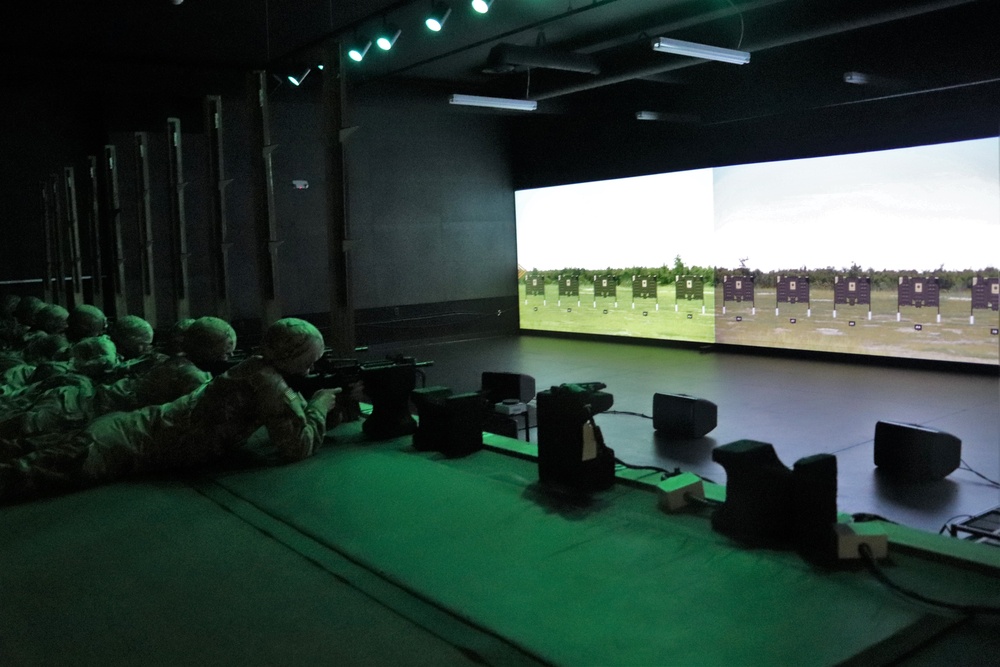
The common thread in every effective model is the same: more trigger time, distributed across more training events, with simulation filling the gaps between live fire. Nobody has found a way to make shooters lethal with one range day a year, because that way doesn't exist.
The real cost of the current model
The cost isn't just qualification scores. It's readiness, retention, and; if the worst happens; lethality in combat.
Start with readiness. The Army measures individual weapons qualification as a component of unit readiness. A soldier who isn't qualified is, on paper, not deployable. When a Guard or Reserve unit gets mobilized; and this has happened thousands of times since 2001; one of the first things that happens at the mobilization station is weapons qualification. Units routinely spend days at mob stations re-qualifying soldiers who technically qualified six months ago but whose skills have degraded to the point where they can't pass the table without additional training. This costs time and money. Mobilization timelines are built to accommodate this reality, which means the Army has essentially institutionalized the expectation that Guard and Reserve soldiers will need remedial marksmanship training before deployment. That should be a scandal, but it's so normal that nobody blinks.
Then there's retention. Soldiers join the Guard and Reserve for many reasons, but a significant number join because they want to be soldiers; they want to train, shoot, and maintain tactical proficiency. When those soldiers spend drill weekends doing online training, sitting through PowerPoint briefings, and conducting inventories, and then get one rushed range day a year where they barely fire enough rounds to qualify, they get frustrated. The soldiers who care most about tactical proficiency are often the first to leave because the training model doesn't deliver what they signed up for. This is a retention problem hiding inside a training problem.
And then there's the cost that nobody wants to talk about directly: what happens when a Guard or Reserve soldier who qualifies once a year has to use their weapon in combat. The Global War on Terror proved that Guard and Reserve units can and do fight at the same level as active-duty units; but it also proved that the pre-deployment training pipeline has to compensate for years of inadequate home-station marksmanship training. The soldiers who performed well in combat were overwhelmingly the ones who sought out additional training on their own time, who dry-fired at home, who shot competitively as civilians, or who had prior active-duty experience. The training system didn't make them lethal. They made themselves lethal despite the training system.
What a better model looks like
Fixing this doesn't require a revolution. It requires acknowledging the constraint; limited time; and designing a training model that works within it instead of pretending the constraint doesn't exist. Here's what the components of a better model look like.
Distributed dry-fire programs
Dry fire is the single most effective marksmanship training method that costs almost nothing and requires almost no time. A soldier who spends ten minutes a day doing dry-fire drills; sight alignment, trigger squeeze, position transitions; will maintain and improve their marksmanship fundamentals more effectively than a soldier who fires 40 live rounds once a year. This isn't opinion; it's supported by every marksmanship training manual the Army has ever published. PMI exists because the fundamentals are built without live ammunition.
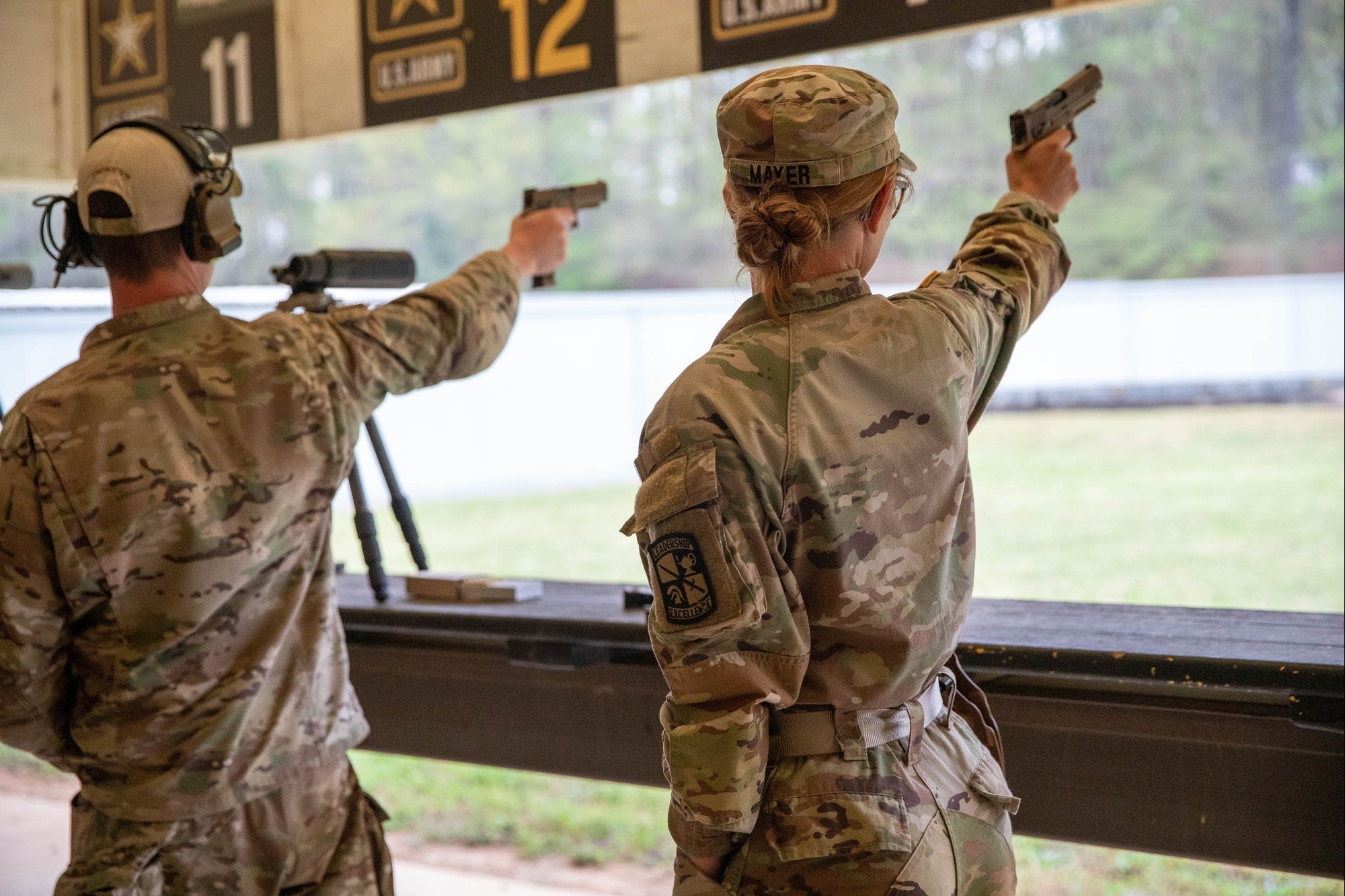
The problem is that Guard and Reserve soldiers don't have access to their assigned weapons between drill weekends. The weapons are locked in the arms room, as they should be. But this means the Army's most effective zero-cost training tool is unavailable for 90% of the training year.
The fix is a structured dry-fire program that soldiers can execute at home with either personal weapons or purpose-built training aids. Laser training systems like the SIRT pistol or rifle-mounted laser cartridges that work with snap caps are commercially available for under $100. The Army could issue these as individual training equipment, paired with a structured program of record; ten minutes a day, three days a week, with specific drills tied to the qualification table. Soldiers would log their training, NCOs would verify compliance during drill, and the program would feed directly into live-fire performance.
Some units already do a version of this informally. The good ones have NCOs who text their soldiers dry-fire drills between drill weekends. But it's ad hoc, personality-dependent, and not resourced. Making it institutional would cost almost nothing relative to the readiness improvement it would generate.
Quarterly live-fire touchpoints
One annual qualification isn't enough. The minimum should be quarterly live-fire events; even if the round count is modest. A soldier who fires 30 rounds four times a year (120 total) will be dramatically more proficient than one who fires 80 rounds once a year, even though the total round count is only marginally higher. The distribution matters more than the volume.
The barrier here is range access and ammunition, not time. Most Guard armories are within reasonable driving distance of a range; military or civilian. The Army could establish agreements with civilian ranges for small-unit marksmanship training, similar to how some units already use civilian facilities for pistol qualification. A squad-sized element could conduct a meaningful live-fire training event on a civilian 100-yard range in two hours: confirm zero, run some drills, build confidence and familiarity. It wouldn't replace qualification on a pop-up range, but it would maintain the fundamentals between annual events.
Ammunition is the harder problem, but it's a solvable one. The current system allocates training ammunition through a bureaucratic process that treats every round like it's made of gold. Units request ammunition months in advance, the requests get cut at every echelon, and what arrives is often less than what was approved. A dedicated quarterly marksmanship sustainment ammo allocation; even 30 rounds per soldier per quarter; would transform proficiency at a cost that's trivial compared to the overall training budget. For context: a single round of M855A1 5.56mm costs the government roughly $0.30-0.40. Giving a 100-soldier company an extra 120 rounds per soldier per year costs somewhere around $3,600-4,800 in ammunition. That's less than the fuel cost of driving the unit's vehicles to AT.
Expanded simulation access
The EST and similar simulation systems work. The data consistently shows that soldiers who complete EST training before live fire qualify at higher rates and higher scores. The problem, as noted earlier, is access.
The Army has been investing in virtual and augmented reality training systems, and some of these are showing real promise for marksmanship. But the fielding priority has been active-duty units, with Guard and Reserve units getting hand-me-downs or nothing. Flipping this priority would make sense: the units with the least live-fire access have the most to gain from simulation.
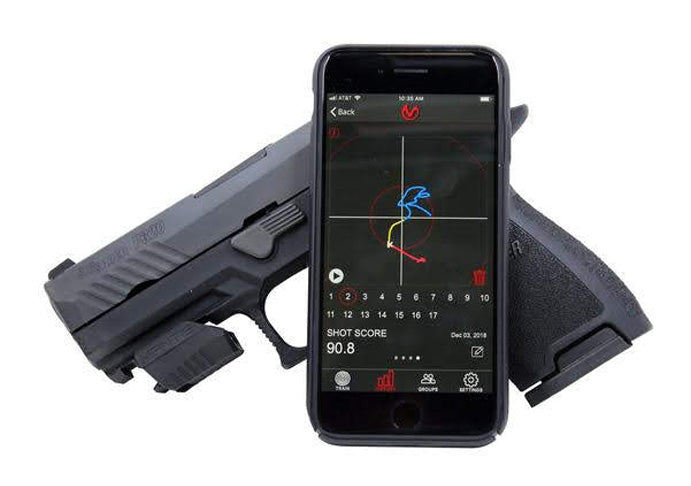
A more radical option: the Army develops or licenses a smartphone-based marksmanship training application that uses the phone's sensors to track weapon movement during dry-fire drills. The technology exists; several commercial apps already do this for competitive shooters. Scaling it for military use and integrating it into the training management system would give every soldier with a smartphone access to a basic marksmanship trainer 365 days a year. The cost would be a rounding error in the Army's IT budget.
Decentralized training authority
This is the cultural change that makes everything else possible. Right now, conducting any marksmanship training; even dry fire at the armory; requires a level of planning, approval, and risk management that discourages small-unit leaders from attempting it. Running a live-fire event requires range control coordination, RSO certification, ammunition requests, and a stack of paperwork that takes weeks to assemble. The system is designed to ensure safety, and it succeeds at that; but it also ensures that training happens as rarely as possible. (use our Qual Planner to make it easy - California National Guard only)
Decentralizing training authority means trusting squad leaders and platoon sergeants to conduct marksmanship training at the lowest level with minimal overhead. Dry-fire training at the armory during drill weekends should require nothing more than an NCO who knows what they're doing and a training plan. Small-unit live-fire training at civilian ranges should be pre-authorized at the battalion level with a standing SOP, not requiring a new approval package every time. The RSO requirement should be met by any NCO who has completed a standardized RSO certification; not just the one guy in the battalion who went to the course three years ago.
The Army already trusts these same NCOs to lead soldiers in combat. Trusting them to run a 30-round zero confirmation at a civilian range shouldn't be a stretch.
Range notes: what actually happens on a Guard qual weekend
Here's a snapshot that'll be familiar to anyone who's run or participated in a Guard qualification range.
Friday night, the arms room opens at 1900. Half the unit is still driving in from their civilian jobs. Weapons draw takes until 2100 because three soldiers have PMCS (Preventive Maintenance Checks and Services) issues; a broken front sight post, a missing sling swivel, a bolt carrier group that's missing a firing pin. The armorer fixes what can be fixed and deadlines what can't. Two soldiers will shoot with borrowed weapons tomorrow because theirs aren't serviceable.
Saturday morning, the unit convoys to the range. The range opens at 0800 but the first rounds don't go downrange until 0930 because the range brief takes 45 minutes and the ammo draw takes another 30. Zero range runs until lunch. Half the soldiers zero with their 30 rounds. The other half burn through their allocation and still don't have a confident zero; they haven't shot since last year, their fundamentals are rusty, and they're chasing rounds around the target instead of making deliberate corrections. NCOs pull them off the line, do some quick PMI, and send them back. Some get it. Some don't, and they'll go to qual tomorrow with a shaky zero and hope for the best.
Sunday is record fire. The pressure is on because the unit's qualification rate is a readiness metric that the battalion commander tracks. Soldiers who fail get one re-fire; maybe two if time allows. The soldiers who've been shooting regularly on their own time (hunters, competitive shooters, guys who just like going to the range) qualify Expert or Sharpshooter without breaking a sweat. The soldiers whose only trigger time is this weekend struggle. Some make Marksman. Some don't qualify at all and get flagged for remedial training that will have to happen at AT; if there's time.
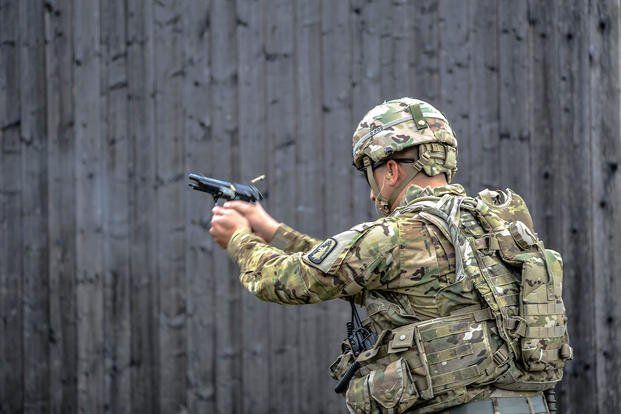
By 1500, weapons are cleaned (rushed), turned in (slowly, because the armorer checks every weapon), and the weekend is over. The training value of the entire event, measured in actual trigger time per soldier, is maybe 20-30 minutes across two days. Everything else was logistics, administration, and waiting.
This isn't a failure of leadership at the unit level. The NCOs and officers running these ranges are doing the best they can with what they have. The failure is systemic: the Army expects Guard and Reserve units to produce qualified, lethal shooters using a training model that doesn't give them the resources to do it.
The regulatory framework and where it falls short
AR 350-1 is the Army's overarching training regulation, and it establishes that all soldiers must qualify annually with their assigned weapon. NGR 350-1 mirrors this requirement for the National Guard. The regulation is clear on the what; qualify once a year; but largely silent on the how for units that don't have regular access to ranges and ammunition.
TC 3-20.0, the Integrated Weapons Training Strategy, is the most comprehensive document on how marksmanship training should work. It lays out the full progression from PMI through sustainment and explicitly addresses the role of simulation, dry fire, and progressive live-fire training. The problem is that it reads as aspirational for Reserve Component units. The strategy assumes a training tempo that Guard and Reserve units simply don't have. There's no "IWTS Lite" for units that get 39 training days a year instead of 260.
TRADOC Pamphlet 350-70-1 addresses training development and delivery, including for Reserve Component units, but it deals with training management processes rather than specific marksmanship standards. The USARC Pamphlet 350-1; the Army Reserve's company commander handbook; acknowledges the unique challenges of Reserve training but doesn't provide a fundamentally different approach to weapons qualification.
What's missing is a regulation or training circular specifically designed for Reserve Component marksmanship that accounts for the time, resource, and access constraints these units face. This document would establish minimum training frequencies beyond annual qualification, authorize and resource alternative training methods (commercial ranges, home dry-fire programs, smartphone-based trainers), and set realistic but progressive standards that build proficiency over time rather than testing it once a year.
The FY2026 National Defense Authorization Act discussions have included language about improving Reserve Component readiness, but marksmanship training specifically hasn't been a focus area. It should be. Congress mandates readiness standards but doesn't always ensure the resources to meet them; and marksmanship is one of the clearest examples of that gap.
The comparison nobody wants to make
Here's something that should keep senior leaders up at night: the average state-level law enforcement firearms qualification standard requires officers to qualify two to four times per year, with most agencies mandating quarterly qualification and regular in-service training between qualifications. Many agencies require 50-100 rounds per qualification session plus additional training ammunition. A police officer in a mid-sized city department might fire 400-800 rounds annually in training and qualification combined.
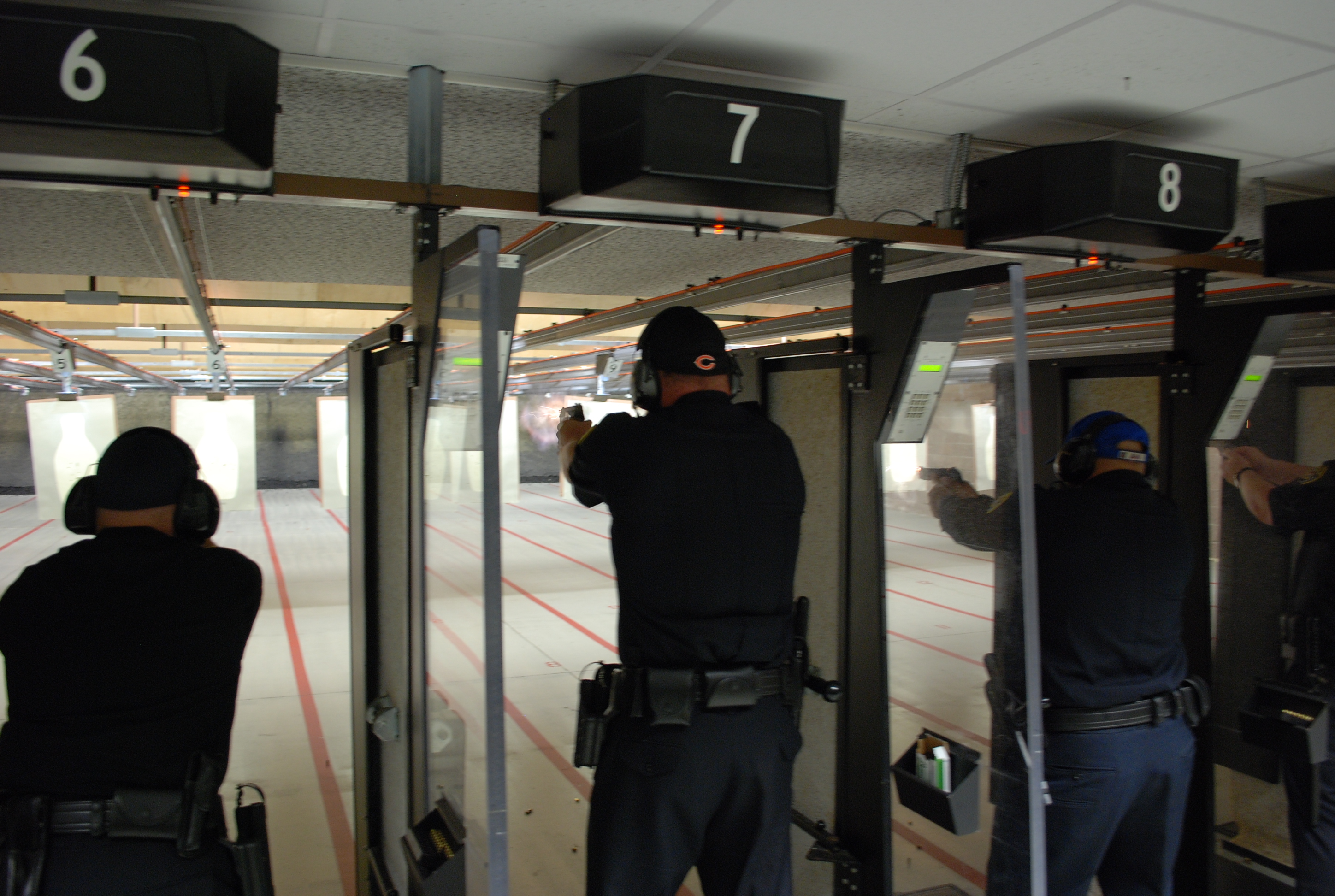
A Guard infantryman; a soldier whose primary job is to close with and destroy the enemy; might fire 80 rounds.
Law enforcement agencies figured out decades ago that annual qualification alone doesn't maintain proficiency. They invested in regular training, simulation, and qualification frequency because the data and the case law demanded it. Officers who don't train regularly miss more, have more negligent discharges, and perform worse in critical incidents. The same principles apply to soldiers, but the Army hasn't applied the same logic to its part-time force.
This comparison isn't meant to diminish either profession. It's meant to highlight an inconsistency: the nation asks Guard and Reserve soldiers to be ready to deploy and fight on short notice, but provides them with less marksmanship training than a small-town police department gives its officers. That's a policy choice, and it's the wrong one.
What individual soldiers and leaders can do now
Waiting for the institution to fix itself is a losing strategy. While the systemic problems require systemic solutions, there are things that soldiers and small-unit leaders can do right now to improve marksmanship proficiency within the current framework.
Dry fire at home. This is the single highest-return activity available. A soldier with a personal AR-15 (or any rifle with similar ergonomics to the M4A1) can practice sight picture, trigger squeeze, magazine changes, and position transitions every day. No ammunition required. No range required. Just ten minutes and a safe direction. Soldiers who don't own a personal weapon can use a commercial training rifle or even practice the fundamentals with an Airsoft rifle and a focus on body position and trigger finger mechanics. It sounds primitive, but the fundamentals are the fundamentals regardless of the training aid.
Shoot on personal time. Soldiers who own personal weapons and have access to civilian ranges should be shooting regularly. The skills transfer directly. A soldier who shoots 100 rounds of .223 through their personal AR-15 every month will show up to annual qualification with fundamentals that are sharp and current. The zero will be different; personal optic vs. issued CCO or ACOG; but the trigger control, breathing, and position work are identical.
NCOs should build marksmanship into every drill weekend, even without live fire. Ten minutes of PMI at the end of a training day costs nothing. Dry-fire drills in the arms room with cleared weapons take 15 minutes and can be done during any drill weekend. Conduct a "call your shot" drill where soldiers dry-fire at a scaled target on the wall and call where their shot would have hit based on their sight picture at the moment of trigger break. It's simple, it's effective, and it builds the neural pathways that make live fire productive.
Leaders should fight for additional range days. This means starting the ammo request early; like, six months early; and building relationships with range control at the nearest installation. It means looking into civilian range agreements and exploring whether the state's National Guard training sites have availability outside the normal drill calendar. It means being creative: a four-hour Saturday afternoon range event for volunteers, using personal leave time, can supplement the annual qualification weekend without requiring a full UTA.
Request EST time aggressively. If your unit doesn't have an EST, find out which nearby unit does and negotiate access. Bring your soldiers to them. A two-hour EST session during a drill weekend, even for a platoon at a time, is worth more than another hour of classroom PMI. The EST provides immediate feedback on fundamentals; soldiers can see exactly where their "rounds" hit and diagnose problems with their technique in real time.
The institutional argument
The Army has spent billions on Next Generation Squad Weapons, new optics, improved ammunition, and advanced body armor. All of that investment is wasted if the soldiers carrying those weapons can't shoot them effectively. The M4A1 is one of the most accurate and reliable infantry rifles ever fielded. The M855A1 round is a significant improvement over its predecessor. The new XM7 rifle and XM250 automatic rifle; the NGSW program; represent a generational leap in infantry lethality. But none of that matters if the soldier behind the weapon can't put rounds on target because they only practice once a year.
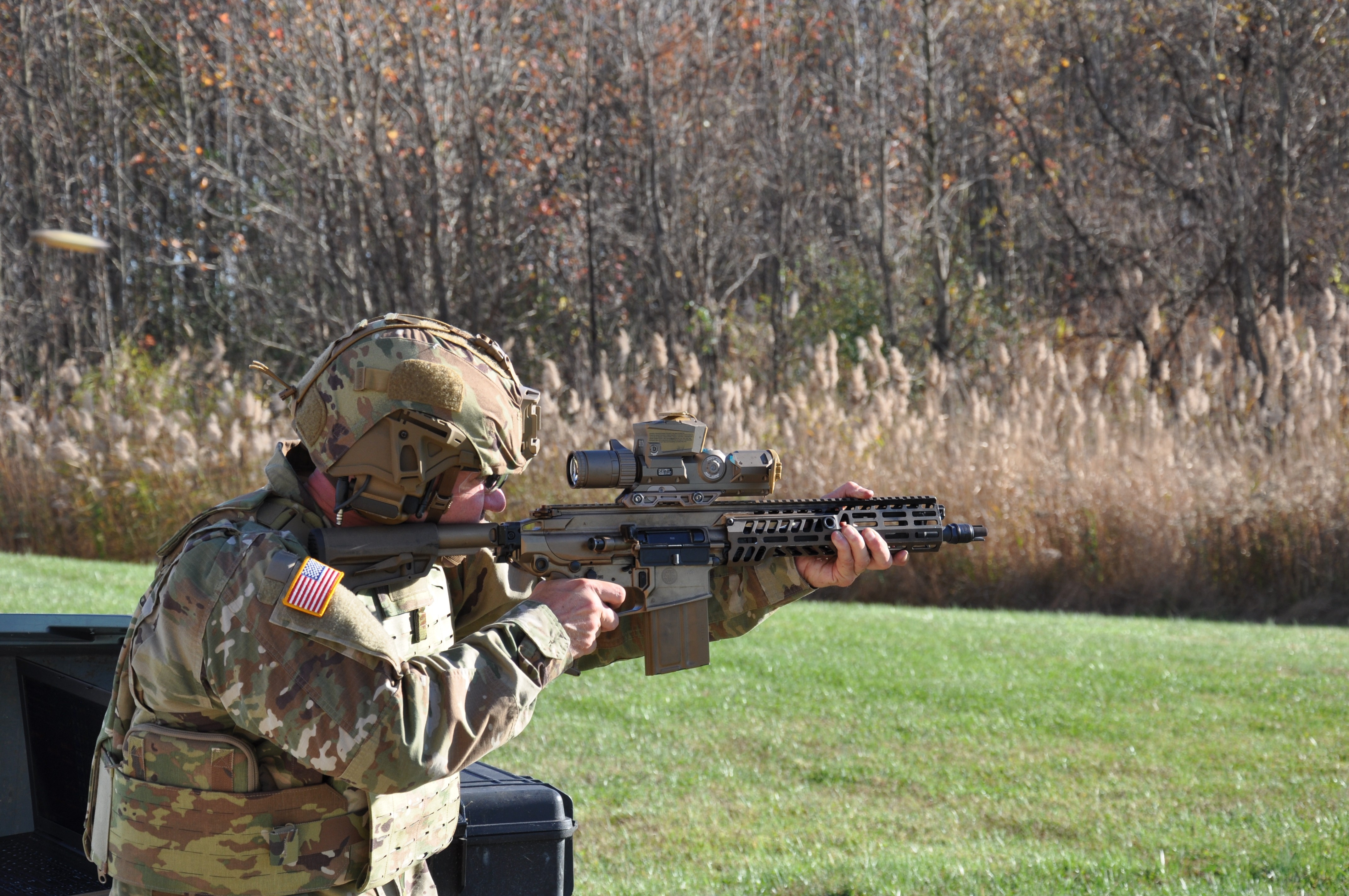
The Army's own doctrine recognizes this. TC 3-20.0 explicitly states that marksmanship is a perishable skill that requires regular sustainment. The IWTS framework is built around the principle that one-time training events don't produce lasting proficiency. The institution knows this. It publishes this. And then it resources a training model for 54% of its total force; the Guard and Reserve component; that contradicts everything the doctrine says.
Most people don't know this: the National Guard and Reserve make up over half the Army's total end strength. As of recent force structure numbers, the Army National Guard alone accounts for roughly 336,000 soldiers, with the Army Reserve adding another 189,000. The active Army is approximately 452,000. That means more than half the Army's soldiers are part-time; and they're the ones getting the least marksmanship training. In any scenario that requires large-scale mobilization, these are the soldiers who will fill the ranks. Their marksmanship proficiency isn't a secondary concern. It's a primary readiness issue.
The cost of fixing this is modest compared to the cost of not fixing it. Dedicated quarterly ammunition allocations, expanded simulation access, structured dry-fire programs, and decentralized training authority don't require new weapons systems or massive infrastructure investments. They require a decision to prioritize marksmanship training for the part-time force and to resource that decision accordingly.
What right looks like
Picture a Guard infantry company under a reformed training model. Every soldier has a laser training cartridge and a dry-fire program they execute three times a week at home, logging their sessions in a training app. During each monthly drill weekend, the unit conducts 20 minutes of hands-on PMI with cleared weapons, reinforcing fundamentals and diagnosing issues. Once a quarter, a platoon-sized element conducts a live-fire training event at a nearby civilian range; 30 rounds per soldier, focused on zero confirmation and basic marksmanship drills. The unit has EST access during two drill weekends per year, with soldiers running through simulated qualification tables and getting real-time feedback.
When annual qualification comes, soldiers show up having maintained their fundamentals for 12 months. They've dry-fired hundreds of times. They've fired 90-120 live rounds across three quarterly sessions. They've run the EST twice. The zero range goes fast because everyone confirmed their zero last quarter. Practice qual is productive because soldiers are building on a foundation of regular training rather than trying to rebuild skills from scratch. Record fire produces higher qualification rates, higher average scores, and; most importantly; soldiers who can actually shoot, not just pass a test.
That's not a fantasy. It's what a modest investment in training resources and a willingness to adapt the training model could produce. Every element of that picture exists today in some form, somewhere in the force. The challenge is making it standard rather than exceptional.
The bottom line
Guard and Reserve soldiers take the same oath, wear the same uniform, and deploy to the same combat zones as their active-duty counterparts. They deserve a marksmanship training model that gives them a realistic chance at proficiency, not a once-a-year checkbox that everyone knows is inadequate.
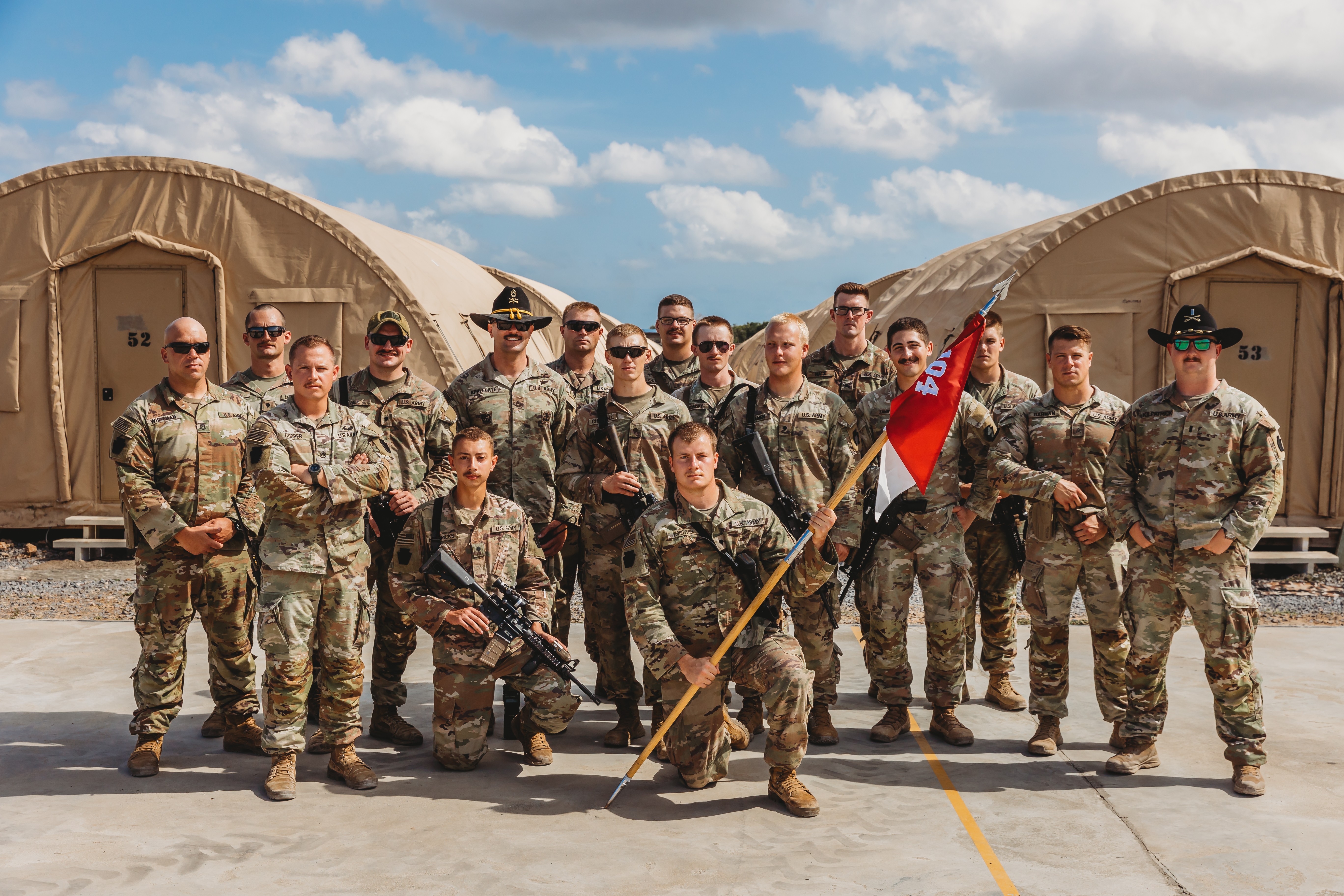
The fixes aren't complicated. Structured dry-fire programs. Quarterly live-fire touchpoints. Expanded simulation access. Decentralized training authority. Modest ammunition allocations. None of this is revolutionary. All of it is achievable. What's been missing is the institutional will to prioritize marksmanship for the part-time force the way doctrine says it should be prioritized for everyone.
The next time your unit draws weapons for annual qual and half the formation is fumbling with their M4A1 like they've never seen one before, remember: that's not a soldier problem. That's a system problem. And systems can be changed; but only if the people inside them demand better. Start with your squad. Build a dry-fire program. Fight for range time. Use every minute of trigger time you can get. And keep pushing the institution to close the gap between what it says about marksmanship and what it actually resources for the soldiers who need it most.