You bought a 686, you're about to buy a 686, or you've been shooting one for years and something feels off. Maybe the double-action pull got gritty around round 800. Maybe you're trying to figure out whether the 3-inch or 4-inch barrel makes more sense for carry. Maybe someone at the range told you .357 Magnum is "too much gun" for self-defense and you're not sure if they're full of it.
The 686 is one of those revolvers that generates a thousand forum threads because it sits at an intersection; serious enough for duty use and competition, accessible enough that new revolver shooters pick one up as their first wheelgun. That means the questions span everything from timing issues to holster selection to whether you should bother with moon clips. This is the stuff that actually matters once you get past the "is the 686 a good gun" stage. (It is. Move on.)
Here's the real talk on the 686: the mechanical details, the load selection, the carry realities, and the problems that crop up with enough rounds downrange.
The L-frame advantage (and why it matters more than you think)
The 686 rides on Smith & Wesson's L-frame, which was purpose-built in 1980 to solve a specific problem: K-frame .357s were beating themselves to death. The Model 19 and Model 66 were gorgeous revolvers, but steady .357 Magnum use cracked forcing cones and shot barrels loose. The L-frame beefed up the cylinder, the barrel underlug, and the forcing cone geometry while keeping the grip profile close to the K-frame's dimensions.
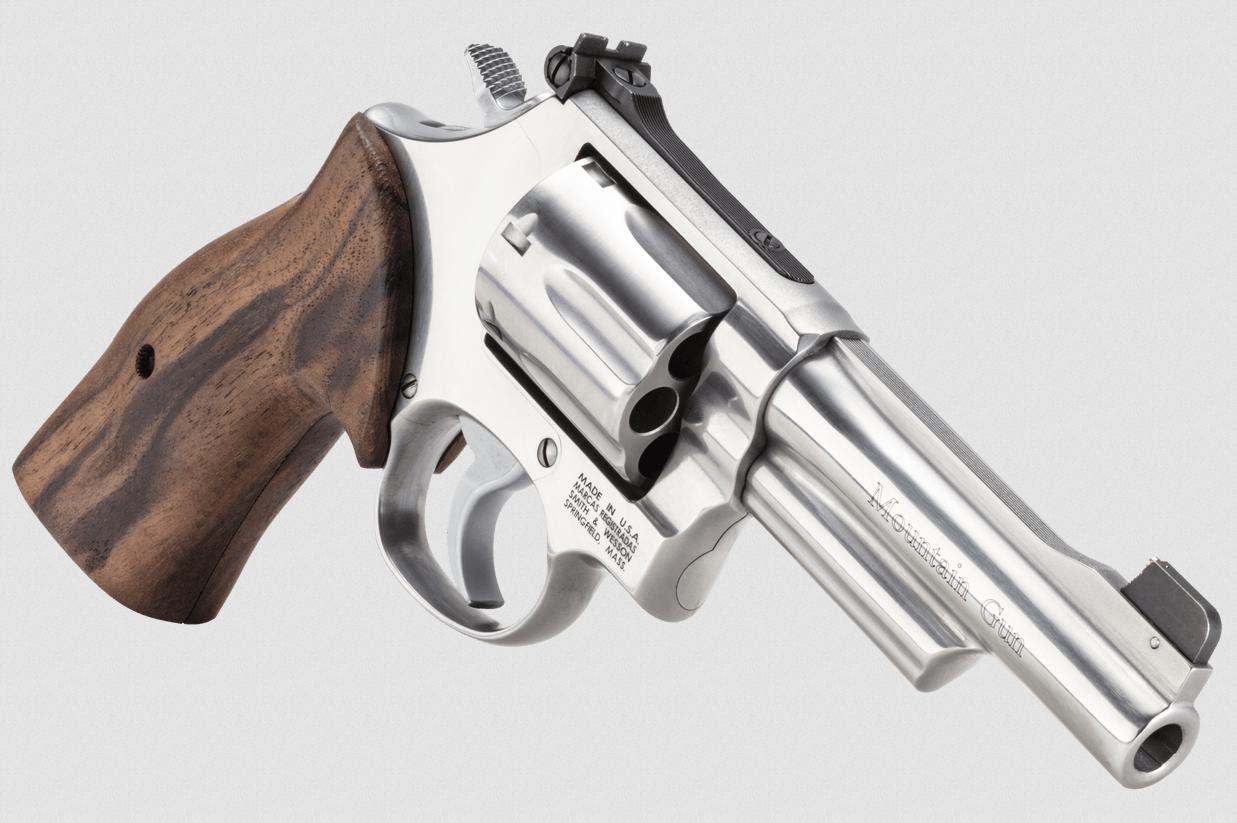
What this means in practice: you get a revolver that handles a steady diet of full-power .357 without the durability concerns that plagued earlier medium-frame Smiths. The cylinder walls are thicker. The forcing cone is wider at the throat. The barrel is heavier. All of that adds up to a gun that's noticeably more planted during recoil than a K-frame shooting the same loads, but doesn't feel like you're wrestling an N-frame hand cannon.
The weight difference is the thing people underestimate. A 4-inch 686 runs about 38 ounces unloaded, roughly 6 ounces heavier than a comparable K-frame Model 66. That extra weight lives mostly in the barrel underlug and cylinder, which means it's forward of the trigger guard. Under recoil, especially with .357 loads, that forward weight acts as a pendulum anchor. The muzzle rises, but it comes back to target faster than you'd expect from a revolver this size. Compared to a snubby J-frame or even a Ruger SP101, the 686 tracks back on target almost like a semi-auto.
6-shot vs. 7-shot: the 686 Plus debate
The standard 686 holds six rounds. The 686 Plus holds seven. Simple math says seven is better, and in a vacuum that's true. But the extra chamber creates tradeoffs that are worth understanding.
The 7-shot cylinder is physically larger in diameter. Not by much, we're talking fractions of an inch, but it changes the grip-to-cylinder relationship. Some shooters find the Plus model slightly wider through the frame window, which can affect how the gun sits in certain holsters. More importantly, the 7-shot cylinder has thinner walls between chambers. On a .38 Special revolver, thinner chamber walls are a non-issue. On a gun that's going to eat thousands of rounds of .357 Magnum, it's at least worth thinking about.
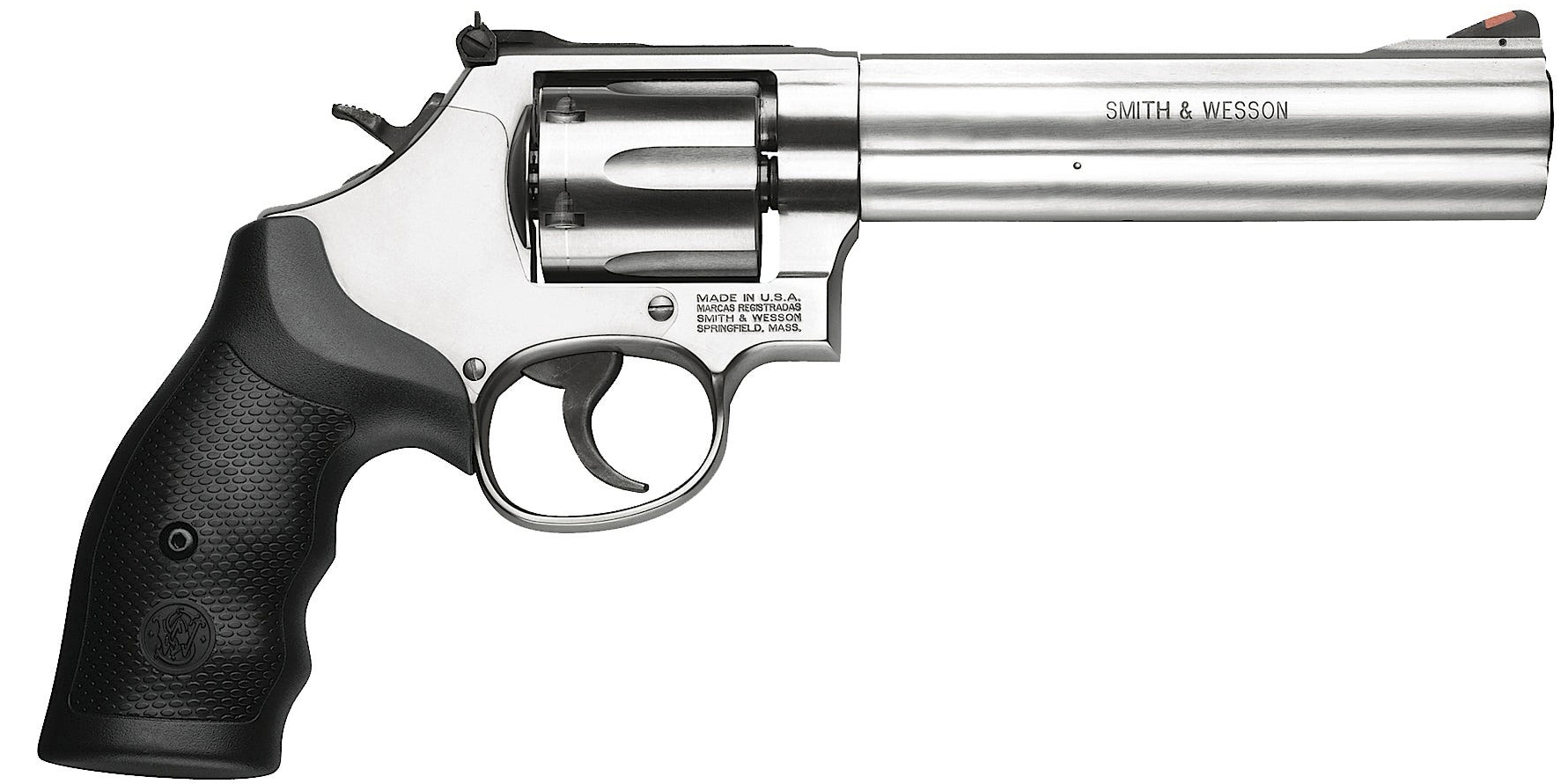
The practical difference in durability between a 6-shot and 7-shot 686 over a normal shooting lifetime is probably zero. These are stainless steel cylinders on a frame designed for magnum pressures. But if you're the type who puts 500 rounds of full-house .357 through a revolver every month, competition shooters, this means you, the 6-shot cylinder has marginally more material where it counts.
The real advantage of the Plus is reload compatibility. Seven-round moon clips exist, and they work, but six-round speedloaders are far more common, more refined, and available from more manufacturers. If you're running the standard 686 with HKS or Safariland speedloaders, your reload options are deep. The 7-shot market is thinner. Comp III speedloaders for the 686 Plus exist, but selection is limited compared to the 6-shot ecosystem.
Here's the honest take: for range use and home defense, the 686 Plus gives you an extra round with no meaningful downside. For competition or carry where fast reloads matter, the standard 6-shot 686 has a slight logistical edge. Neither choice is wrong.
Timing: what it is, why it matters, and when to worry
This is the question that fills more revolver forum threads than any other, and for good reason. Timing is the mechanical heartbeat of a double-action revolver, and when it goes off, everything goes off.
Revolver timing refers to the synchronization between the cylinder's rotation and the lockup mechanisms. When you pull the trigger on a 686, several things happen in sequence: the hand (sometimes called the pawl) pushes the cylinder to rotate, the cylinder stop (bolt) drops into the cylinder notch to lock the chamber in alignment with the barrel, and the hammer falls. All of that has to happen in the right order, with the right amount of travel, every single time.
Good timing means the cylinder is fully locked before the hammer drops. The bolt snaps into the cylinder notch with authority, and there's zero play, no wiggle, no slop. If you push the cylinder sideways with your thumb while the hammer is cocked, it shouldn't move.
What bad timing looks like
The most common timing issue on 686s, and this applies to both new production and used guns, is the bolt dropping late. Instead of snapping into the notch right as the cylinder reaches full rotation, it catches a fraction of a beat behind. You'll see this as a faint drag line on the cylinder that extends past the notch, or you'll feel a slight click-click instead of a clean click when cocking the hammer.
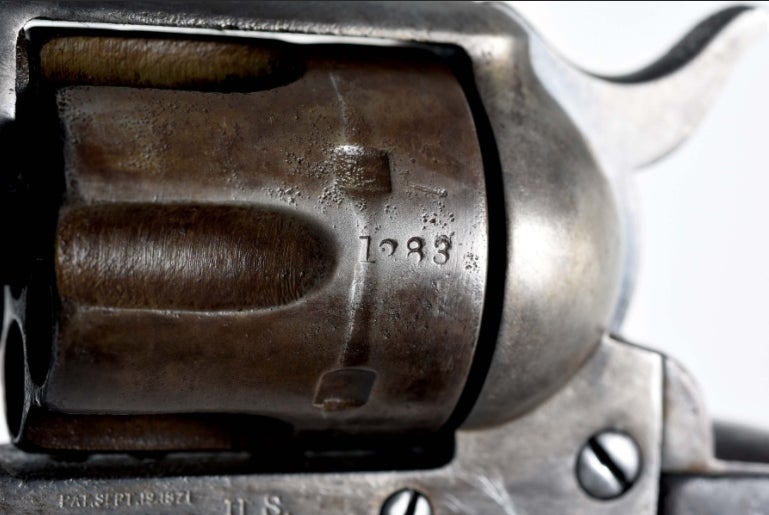
The other common issue is endshake, the cylinder moving forward and backward on the crane (yoke) axis. Some endshake is normal on a new revolver and will increase slightly with use. Excessive endshake means the cylinder can shift enough to affect the barrel-to-cylinder gap, which hurts accuracy and can cause gas cutting on the top strap.
The hand test
Here's a quick diagnostic you can run without tools. Open the cylinder and look at the front face, the side that faces the barrel. Close the cylinder and cock the hammer slowly in single action. Watch the cylinder rotate. The bolt should drop into each notch cleanly, without dragging across the cylinder surface first. If you see the bolt riding on the cylinder before it drops, that's called "carry-up drag" and it means the bolt is engaging late.
Now try this: with the hammer cocked in single action, push the cylinder clockwise (the direction of rotation) with your thumb. It shouldn't move. Then push it counter-clockwise. A tiny amount of play is normal, maybe a thousandth or two of an inch. If you can feel the cylinder shift enough to see the chamber misalign with the barrel, that's a timing problem.
For double action, pull the trigger slowly and steadily. You should feel the cylinder lock up, a distinct stop in the rotation, before the hammer breaks. If the hammer drops while the cylinder is still moving, that's a serious timing issue and the gun needs a smith.
When to worry (and when not to)
Light drag lines on the cylinder are cosmetic. Almost every revolver that's been fired more than a few hundred times will show them. They mean the bolt is riding on the cylinder surface briefly before dropping into the notch. On a new gun, this might smooth out as parts break in. On a used gun, it's just evidence of normal use.
What you should worry about: a cylinder that won't lock up consistently in double action, visible endshake that you can see as a gap change when you push the cylinder back and forth, or any sign that chambers are misaligning with the bore. These are gunsmith problems, not "shoot it more and see" problems.
Finding a good revolver smith
This is harder than it should be. Most gunsmiths work primarily on semi-autos, and revolver timing is a specialized skill. The names that come up repeatedly in revolver communities are worth seeking out, gunsmiths who focus specifically on Smith & Wesson wheelguns and have years of experience with the internal lockwork. Expect to ship the gun and wait. A proper timing job on a 686 isn't a 20-minute fix; it involves fitting the hand, adjusting bolt timing, checking endshake, and often includes an action job while the gun is apart.
The Performance Center models (more on these below) generally come with better timing out of the box because they receive hand-fitting that production guns don't. But "generally" isn't "always," and even PC guns should be checked.
Load selection: .38 Special, .38 +P, and .357 Magnum
One of the 686's best features is its ability to shoot .38 Special, .38 Special +P, and .357 Magnum interchangeably. This gives you a genuinely useful spectrum from mild target loads to full-power defense rounds. But the "what should I shoot" question deserves a more specific answer than "whatever you want."
For range practice and skill building
Standard pressure .38 Special, 130-grain FMJ. This is your volume round. It's cheap, it's soft-shooting, and it lets you focus on trigger control and sight alignment without fighting recoil. In a 38-ounce 686, standard .38 Special feels like a .22 with a louder report. You can shoot it all day without fatigue, which matters more than people admit, tired hands develop bad habits.
If you want slightly more recoil to simulate defensive loads without the cost and blast of .357, step up to .38 Special +P in 130-grain. The recoil increase is noticeable but manageable, and it gets you closer to the feel of a mid-weight .357 load.
For home defense
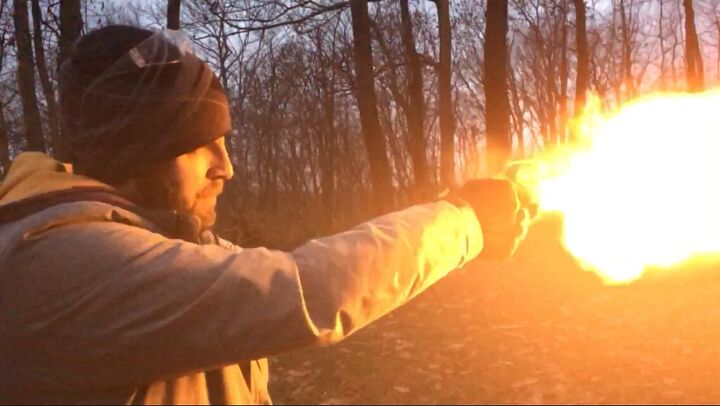
This is where the .357 Magnum earns its reputation, but load selection matters enormously. A 125-grain .357 Magnum JHP out of a 4-inch barrel is generating around 1,400 feet per second and roughly 540 foot-pounds of energy. That's a proven fight-stopper, but it also produces significant muzzle flash and concussive blast, especially indoors. If your home defense plan involves shooting inside a hallway, that blast will be disorienting even with the adrenaline dump.
A 158-grain .38 Special +P JHP is a legitimate alternative for home defense. It's been a standard law enforcement load for decades, it's accurate, it penetrates adequately in gel testing, and it won't leave you deaf and blind after the first shot in a dark room. The 686's weight makes .38 +P feel almost gentle, which means faster follow-up shots.
The middle ground that a lot of experienced revolver shooters land on: .357 Magnum loaded with a 158-grain JHP at moderate velocity, around 1,200 fps instead of the hottest 1,400+ fps loads. You get meaningful terminal performance improvement over .38 +P without the worst of the flash and blast. Speer Gold Dot and Federal HST both make loads in this range.
For carry
If you're carrying the 686 (and yes, people do, more on this below), your defensive load choice should factor in barrel length. A 2.5-inch 686 won't get the same velocity as a 4-inch, which means the hottest .357 loads are wasting powder, literally. You'll get more flash and blast without proportional velocity gains. In a short barrel, a good .38 +P or a moderate .357 load is a smarter choice than the hottest magnum you can find.
Range notes: what you'll feel
Switching between .38 Special and .357 Magnum in the same range session is genuinely useful for training. Start with .38 for fundamentals work, then load .357 for the last two cylinders. You'll immediately feel whether your grip is solid enough, .357 recoil in an L-frame isn't punishing, but it will expose a weak support hand or a grip that's too high on the backstrap. If your groups open up dramatically when you switch to magnums, the issue is almost always grip pressure, not the load.
The Performance Center and SSR models
Smith & Wesson's Performance Center 686 variants deserve specific attention because they address several of the common complaints about production 686s, but they also make tradeoffs.
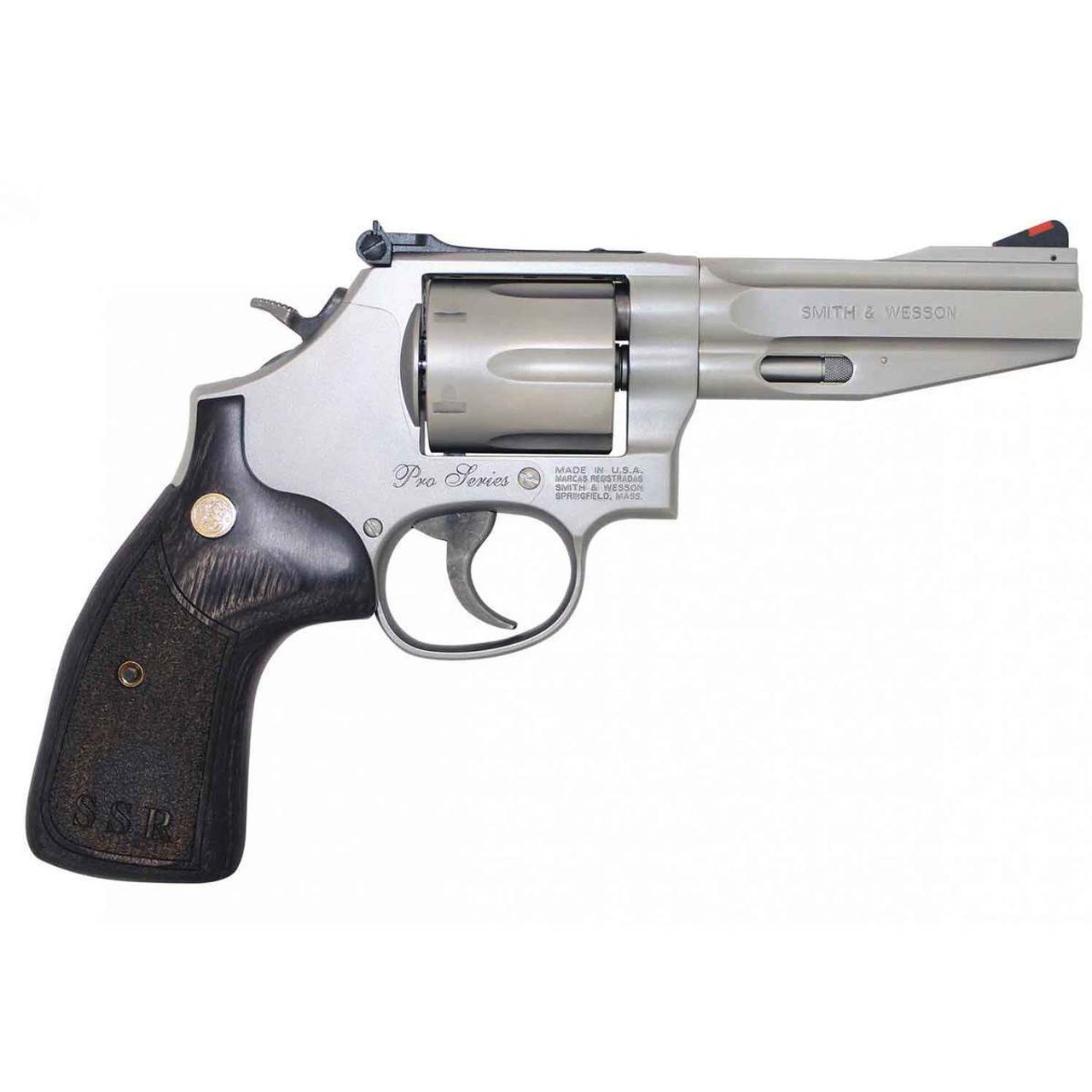
The 686 SSR (Smith & Wesson Special Revolver) Pro Series was designed with competitive shooting in mind. It ships with a 4-inch barrel, a custom action with a tuned double-action pull, an ergonomic grip with a finger groove pattern, a chamfered cylinder for faster reloads, and a bosser strain screw for adjusting trigger pull weight. The sights are typically an interchangeable front post with an adjustable rear, a setup that works for both target shooting and practical use.
The double-action trigger on the SSR is noticeably better than a standard production 686. "Better" here means smoother through the stroke with less stacking, that feeling of increasing resistance right before the break. A well-tuned SSR has a DA pull that builds linearly, breaks cleanly, and resets with a short, tactile click. Single-action pull on these guns is typically in the 3.5 to 4-pound range, which is light enough for precision work without being dangerously light for a gun that might see defensive use.
The chamfered cylinder charges are the underrated feature. Standard 686 cylinder mouths have a slight lip that can catch bullet noses during speed reloads. The chamfered version has a beveled edge on each chamber mouth, so rounds practically fall into place when you're using a speedloader or moon clips. Under stress or time pressure, this is the difference between a smooth reload and a fumbled one.
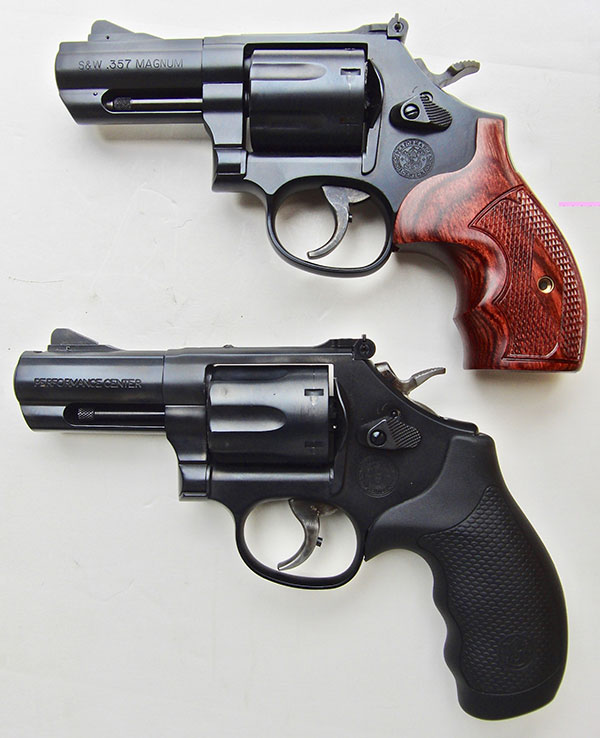
The 3-5-7 Magnum Series is another variant worth knowing about. It comes with three barrel length options, 3 inch, 5 inch, and 7 inch, each with a full underlug and unfluted cylinder. The unfluted cylinder adds weight (which helps with recoil) and looks distinctive, though some shooters find it makes the gun feel front-heavy in shorter barrel configurations.
Production 686 vs. Performance Center: what you're actually paying for
The Performance Center premium gets you a hand-fitted action, chamfered cylinder, better sights, and (usually) better timing out of the box. You're paying for labor, a human being spent time on your specific gun instead of it rolling off a production line.
Is it worth it? If you're going to compete with the gun or if you're particular about trigger quality, yes. The action work alone would cost $150-250 from an independent smith, and the PC does it at the factory with factory warranty intact. If you're buying a 686 as a range toy that'll see a few hundred rounds a year, the standard production model is fine. Save the money for ammo.
Carrying a 686: realistic options
"Nobody carries a full-size revolver anymore" is the kind of statement that's technically true for most people and completely irrelevant to the people who actually do it. The 686 is not a concealment gun in the way a J-frame or a Glock 43 is a concealment gun. But it can be carried, and carried well, if you understand the constraints.
Barrel length matters more than anything
The 2.5-inch 686 is the most practical carry option. It shaves significant length off the overall package while keeping the L-frame's grip and sight radius advantages over a J-frame. Total length is around 7.5 inches, and weight runs about 35 ounces unloaded. That's heavier than most polymer carry guns, but it's not unreasonable with the right belt and holster.
The 3-inch barrel is the sweet spot that a lot of revolver carriers land on. You get a meaningful sight radius improvement over the 2.5-inch, slightly better velocity from .357 loads, and the gun still tucks reasonably well. The 4-inch is doable for open carry or under a heavy cover garment, but concealment requires deliberate wardrobe choices.
Anything longer than 4 inches is a range or field gun. Don't try to conceal a 6-inch 686 unless you're built like a refrigerator and wearing a trench coat.
Holster selection
This is where revolver carry gets tricky. The aftermarket for 686 holsters is smaller than for popular semi-autos, but it's not barren. The main considerations are barrel length (obviously), cylinder width, and whether you need the holster to accommodate different grip panels.
OWB (outside the waistband) with a covering garment is the most comfortable way to carry an L-frame revolver. A good pancake-style holster pulls the cylinder tight against the body and distributes the weight across a wider belt area. The cylinder is the widest part of the gun and the hardest to conceal, an OWB holster that cants the grip forward (FBI cant, roughly 15 degrees) helps tuck the cylinder behind the hip bone.
IWB (inside the waistband) carry with a 686 is possible but demands a quality gun belt, not a department store dress belt, but a dedicated carry belt with a stiffened core. The gun is heavy enough that a flimsy belt will sag and shift throughout the day. Expect to go up one waist size in your pants to accommodate the cylinder.
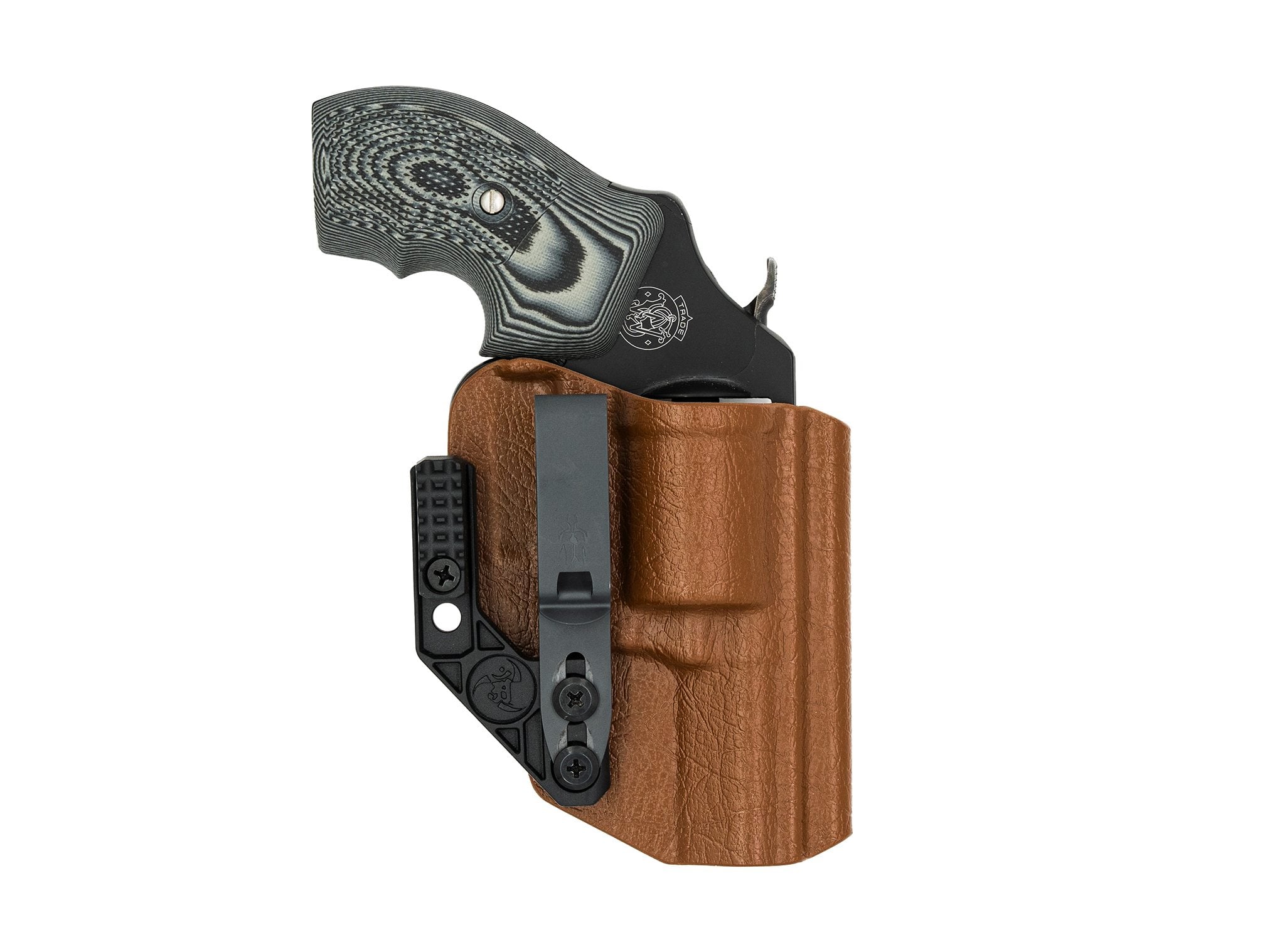
Shoulder holsters are the dark horse option for 686 carry, especially with 4-inch barrels. A horizontal shoulder rig distributes the weight across both shoulders and keeps the gun accessible under a jacket. The downside is that you need a jacket or overshirt at all times, and the draw stroke crosses your own body, which requires specific training to do safely.
Carry notes: how it actually carries
The honest truth about carrying a 686: it's heavy, it's wide, and you'll know it's there all day. The tradeoff is that you're carrying a gun that shoots like a full-size duty weapon. The sight radius is longer than most carry pistols, the trigger (especially in single action) is better than any striker-fired gun on the market, and the .357 Magnum cartridge from a 3-inch or longer barrel is a serious defensive round.
The weight becomes less noticeable over time, your body adapts, and a good holster-belt combination makes a bigger difference than most people realize. But if you've been carrying a 24-ounce polymer gun and you switch to a 686, the first week will feel like you strapped an anvil to your hip. Give it a month before you decide it's too heavy.
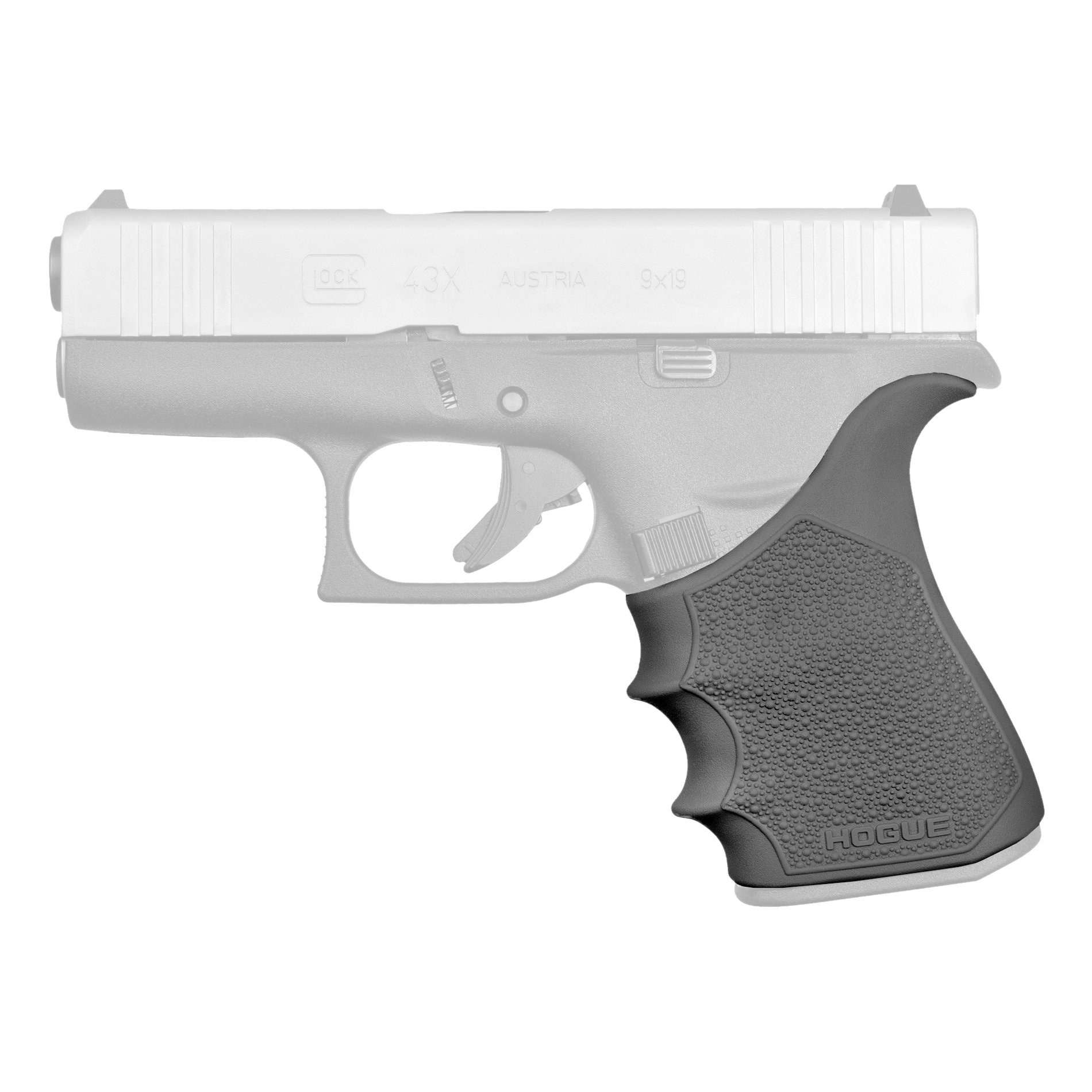
The grip is the other concealment challenge. The 686's factory grip, depending on the variant, can print badly under a t-shirt. Swapping to a more compact grip, something like a Hogue or Pachmayr boot grip, reduces the grip footprint significantly and makes concealment easier. You lose some purchase for magnum recoil control, but for carry with .38 +P or moderate .357 loads, a compact grip works fine.
Common problems and how to fix them
Every gun has its quirks. The 686 is reliable and well-built, but certain issues show up often enough to be worth addressing.
The internal lock debate
Post-2001 686s have an internal locking mechanism, the small keyhole above the cylinder release. This is the single most argued-about feature in the Smith & Wesson universe. The concern is that the lock can engage under recoil, locking the gun at the worst possible moment. Reports of this happening exist, primarily with lightweight J-frames shooting hot loads. On a steel L-frame 686, documented cases of the lock self-engaging are extremely rare.
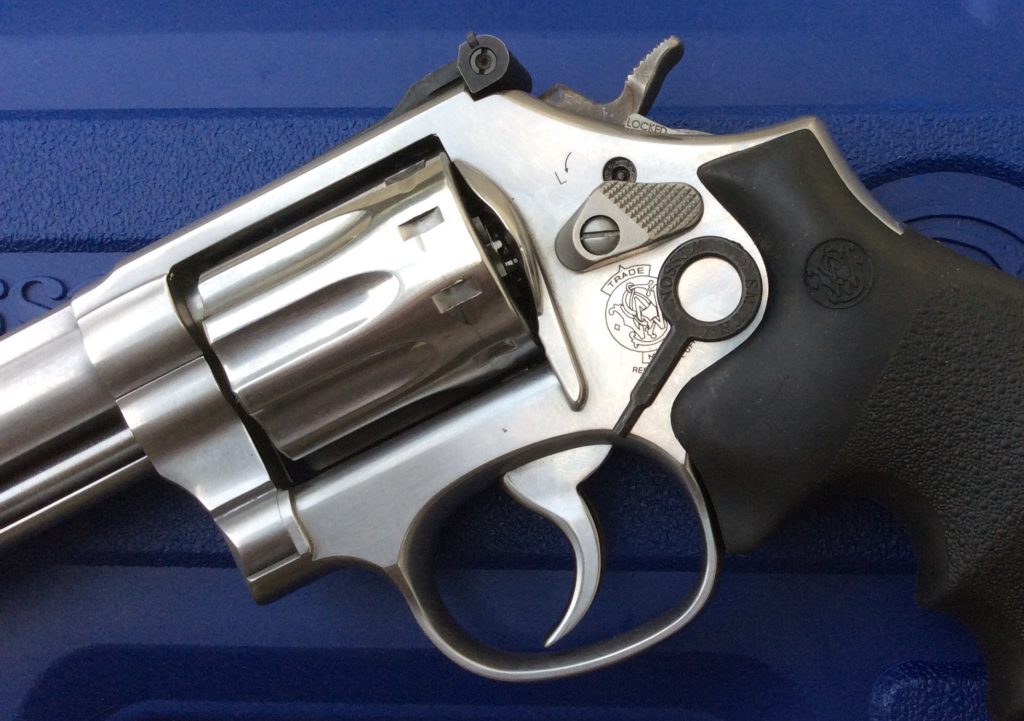
Some owners remove the lock or replace it with a plug. This is a personal decision. If the lock's existence bothers you, a plug kit costs about $15 and takes 20 minutes to install. If you don't care, leave it alone, it's unlikely to cause a problem on an L-frame.
Cylinder endshake increasing over time
Normal. The cylinder-to-crane fit loosens slightly with use, especially if you're shooting a lot of .357 Magnum. The test is simple: close the cylinder, pull the trigger to lock it in place, then push the cylinder forward (toward the barrel) and pull it backward. A tiny amount of movement is fine. If you can see daylight appear and disappear at the barrel-cylinder gap, it's time for endshake bearings or a crane adjustment. This is a $30-50 fix for a competent revolver smith.
Rough double-action trigger on new guns
Production 686s sometimes ship with a double-action pull that feels gritty or has a hitch in the middle of the stroke. This is usually a break-in issue. The internal parts, particularly the rebound slide and the hammer surfaces, have machining marks that smooth out with use. Dry-firing the gun 500-1,000 times (with snap caps) will often smooth the action noticeably. If it's still rough after that, a spring kit (reduced-weight mainspring and rebound spring) can help, but be cautious, going too light on the mainspring can cause light primer strikes, especially with harder primers found in some .357 Magnum loads.
Accuracy complaints at distance
The 686 is mechanically more accurate than most shooters. If your groups open up past 15 yards, the problem is almost certainly trigger control in double action. The DA pull on a stock 686 is around 12 pounds, heavy enough that most shooters pull shots left (right-handed) or right (left-handed) because they're muscling the trigger instead of pressing through it smoothly.
The fix is dry fire practice with a focus on front sight stability. Load one snap cap, aim at a small target, and press the trigger in double action while watching the front sight. If the sight dips or drifts at the moment of the click, you're yanking. The goal is a trigger press where the front sight doesn't move at all. This takes hundreds of repetitions to build, but it's the single most valuable skill for revolver accuracy.
Ejection issues with the 7-shot Plus models
Some 686 Plus owners report that the shorter ejector rod on compact barrel variants doesn't fully clear spent .357 Magnum cases from the cylinder. The magnum case is longer than .38 Special, and if the ejector rod stroke is shorter than the case length, empties can stick under the ejector star. The fix is a firm, decisive palm strike on the ejector rod, not a gentle push. Smack it hard, with the muzzle pointed up, and gravity plus force will clear the cases. If you're consistently having issues, an extended ejector rod is an aftermarket option, though it requires fitting.
The 686 for competition
IDPA revolver division and ICORE both see 686s regularly, and for good reason. The L-frame's balance, the adjustable sights, and the clean single-action trigger make it competitive out of the box. The SSR variant was literally designed for this purpose.
For competition use, the 4-inch barrel is the standard choice. It gives you enough sight radius for 25-yard shots while keeping the gun handy enough for close-range stages. The 6-inch is legal in most divisions and adds sight radius, but the extra barrel length slows transitions, you're swinging more mass when you move between targets.
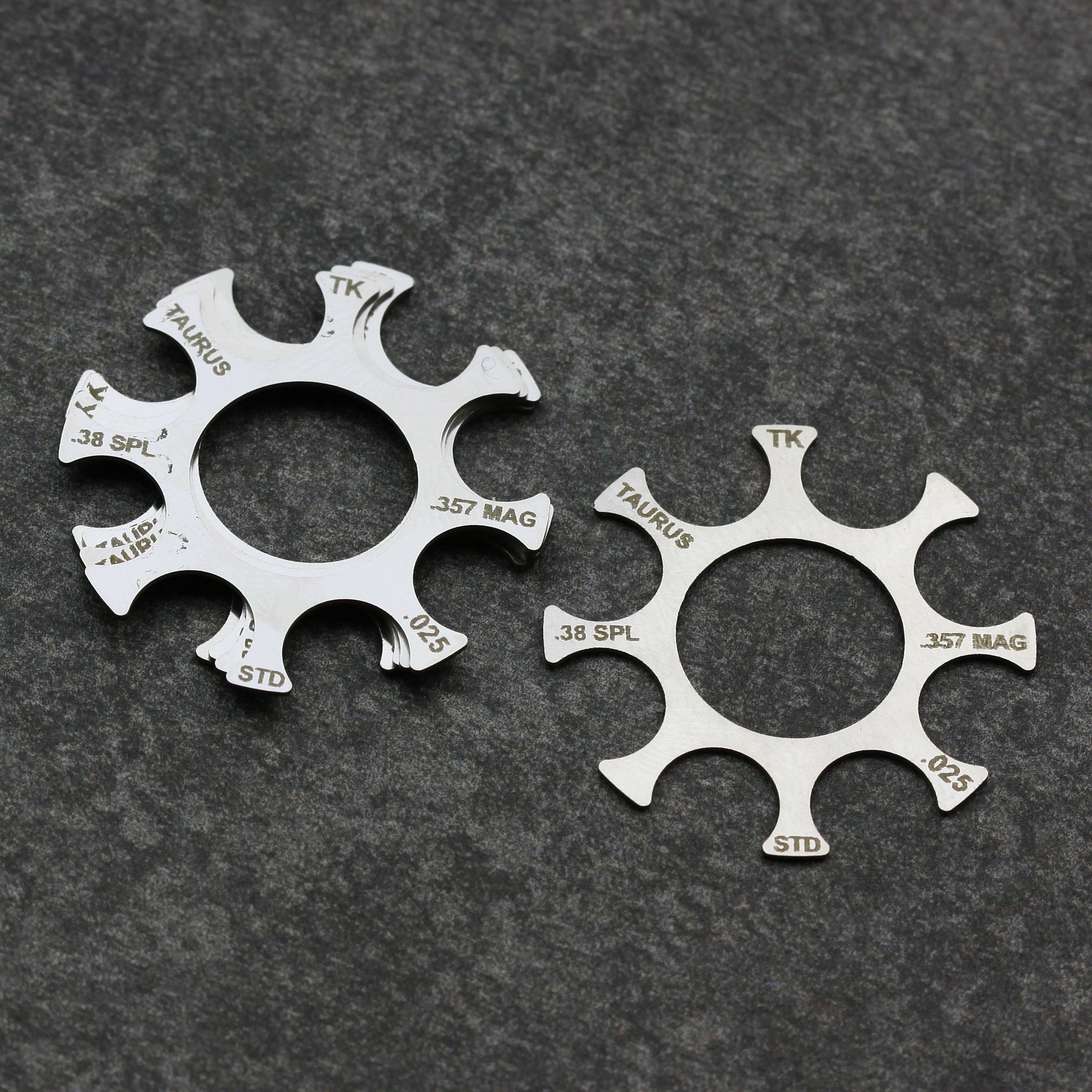
Moon clips are the competition reload method of choice. They're faster than speedloaders because you're loading all rounds simultaneously with a single motion, and they double as extraction aids, the clip pulls all spent cases out together. The 686 doesn't ship with moon clip capability from the factory (unlike some Performance Center variants), so you'll need the cylinder machined to accept clips. This is a common modification and most revolver smiths can do it.
The trigger is where the 686 shines in competition. A tuned double-action pull in the 8-9 pound range with a smooth, linear stack is fast and controllable. Experienced revolver competitors shoot almost everything in double action, even at distance, because the time saved by not cocking the hammer adds up over a match. Single action gets reserved for the longest precision shots, and even then, some shooters stay in DA.
686 vs. the competition
The 686 doesn't exist in a vacuum. A few comparisons are worth addressing directly.
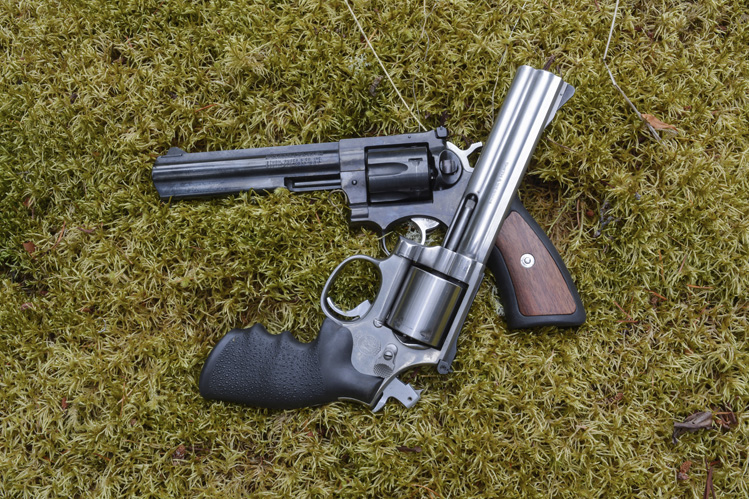
686 vs. Ruger GP100
The GP100 is the 686's most direct competitor. It's built like a bank vault, arguably overbuilt, and it's typically less expensive. The GP100's trigger out of the box is usually heavier and less refined than the 686's, with a more pronounced stack before the break. The 686's action is smoother, and it responds better to tuning. The GP100's grip frame is different, it uses a peg-and-panel system that gives you more grip shape options but can feel bulky with factory grips. For pure shooting quality, the 686 has the edge. For durability and value, the GP100 is hard to beat. If you're going to invest in an action job either way, the 686 gives the smith more to work with.
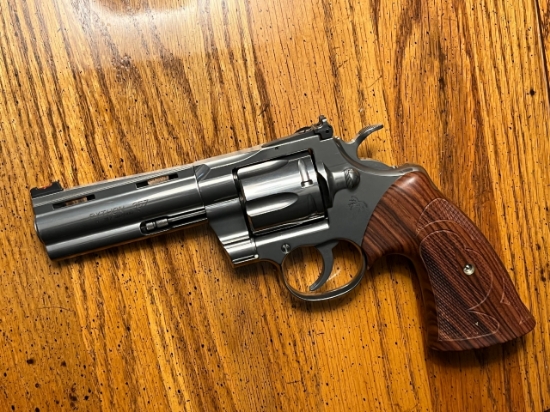
686 vs. Colt King Cobra
Colt's re-entry into the medium-frame revolver market brought the King Cobra, which competes directly with the 686 in the 3-inch and 4-inch barrel space. The King Cobra has a linear leaf spring trigger that feels different from the 686's coil spring setup, smoother in some ways, but with less tactile feedback at the break. The 686 has a longer track record, a deeper aftermarket, and more variant options. The King Cobra has newer manufacturing and a Colt rollmark, which matters to some people and shouldn't.
686 vs. a semi-auto for home defense
The real question a lot of people are actually asking. A 686 loaded with .357 Magnum is absolutely effective for home defense. The advantages: it's simple to operate under stress (no safety to disengage, no slide to rack), it fires from a dead battery (no magazine spring tension to worry about), and it's extremely reliable with any ammunition that fits the chamber. The disadvantages: 6 or 7 rounds versus 15-17 in a full-size 9mm, slower reloads, and heavier recoil with magnum loads. For a single person defending a bedroom, the 686 is more than adequate. For a scenario where you might need to engage multiple threats or sustain fire, a semi-auto's capacity advantage is real.
What to look for when buying used
The 686 has been in production since 1981, so there are a lot of used guns floating around. Most are excellent buys, these guns last, but knowing what to check saves headaches.
Open the cylinder and look at the face. Burn rings around the chambers are normal. Pitting or erosion around the forcing cone area is not, it suggests a gun that saw a lot of hot loads without cleaning. Check the barrel-cylinder gap with a feeler gauge if you have one; it should be between .003 and .008 inches. Wider than .008 means the barrel may need to be set back.
Run the timing checks described earlier. Pay special attention to the bolt timing, used guns are more likely to have worn bolt noses that don't lock up as crisply. Look at the crane for any signs of bending, if someone habitually flicked the cylinder closed like a movie cop, the crane can develop a slight bend that causes alignment issues.
Check the bore with a light. The 686's stainless barrel is durable, but neglected guns can have pitting in the rifling. A few minor pits won't affect accuracy much. Deep pitting throughout the bore means the gun was stored wet or cleaned rarely.
The older 686s (pre-lock, pre-MIM) command a premium in the used market. MIM (metal injection molded) internal parts replaced forged parts in the late 1990s. The quality of Smith's MIM parts has improved significantly since the early days, and modern MIM components are generally reliable. But if you find a clean pre-lock 686 from the late '80s or early '90s at a reasonable price, that's a gun worth grabbing.
Making the 686 yours
The aftermarket for the 686 is deep enough to keep you busy. The highest-impact modifications, in order of priority:
Grips change the shooting experience more than almost anything else. The factory rubber grips on most 686s are adequate but not great. A set of Altamont, Ahrends, or Hogue hardwood grips can transform how the gun feels in your hand. For carry, a compact rubber grip like the Pachmayr Compac reduces printing. For target shooting, an oversized grip with finger grooves locks the hand in place. Try several, grip fit is deeply personal and what works for one hand size won't work for another.
Sights are the next priority. The factory adjustable rear sight on most 686s is serviceable, but the front sight is where upgrades pay off. A fiber optic front sight, Dawson Precision and HiViz both make direct replacements, dramatically speeds up sight acquisition in daylight. For low-light use, a tritium front sight (XS Sights, Trijicon) gives you a glowing reference point without batteries. Some shooters go with a gold bead front sight for an old-school look that's genuinely fast to pick up.
Spring kits are the budget action job. A Wolff spring kit with a reduced-power mainspring (say, 12 pounds instead of the factory 14-15) and a lighter rebound spring will noticeably smooth the trigger pull and reduce the weight. Total cost is under $20, and installation requires basic tools and a YouTube tutorial. The caveat: test your carry or defense ammo extensively after a spring change. Some primer types, particularly Federal, are soft enough to work with lighter springs. CCI and some foreign primers are harder and may not ignite reliably.
The dry fire drill that'll make you better
Here's something concrete to do with your 686 that costs nothing but time.
Get a snap cap, one, not six. Load it into any chamber. Close the cylinder. Set up a target at 5 yards, a 3x5 index card works perfectly. Now shoot the gun in double action, focusing exclusively on the front sight. Watch it through the entire trigger press. The front sight should remain motionless on the target through the click.
Do this 50 times. Then move the target to 7 yards and do it 50 more times. When you can press the trigger 50 times at 7 yards without the front sight moving off a 3x5 card, you own that trigger. Take it to the range and confirm with live fire. Your groups will be smaller than they've ever been.
The 686 rewards this kind of practice because the double-action trigger, even on a stock gun, has a smooth enough stroke to develop real control over. Unlike a gritty or hitchy trigger that fights you, the 686's action lets you build a consistent press that translates directly to accuracy under recoil.
That's the thing about the 686, it's a platform that grows with you. Buy it, learn the trigger, figure out your loads, sort out the carry setup if that's your plan, and put rounds through it. The questions you have now will answer themselves at the range. The ones that don't, you'll know enough to ask the right gunsmith.