You just bought a Ruger 10/22, or you're about to, and you've got questions. Maybe you're wondering which model to pick from the dozen-plus variants Ruger currently ships. Maybe you already have one and you're staring at the aftermarket wondering what's actually worth bolting on versus what's just Instagram dressing. Or maybe you're trying to figure out why your buddy's 10/22 shoots ragged holes at 50 yards and yours patterns like a shotgun.
Good news: the 10/22 is probably the most documented, most modified, most discussed rimfire rifle in existence. It's been in continuous production since 1964, and the aftermarket is so deep that you can build an entirely new rifle using zero Ruger parts and still call it a 10/22. That's both the appeal and the problem; there's so much information floating around that separating the signal from the noise takes effort.
This FAQ covers the questions that come up constantly: which model to start with, what to upgrade first, how to clean it without overdoing it, why it won't feed certain ammo, and whether the 10/22 is actually the right .22 for what you're trying to do. No fluff, just the answers.
Which 10/22 model should you actually buy?
Ruger currently makes somewhere around fifteen 10/22 variants depending on how you count limited runs and distributor exclusives. That's overwhelming if you're buying your first one, but the decision tree is simpler than it looks.
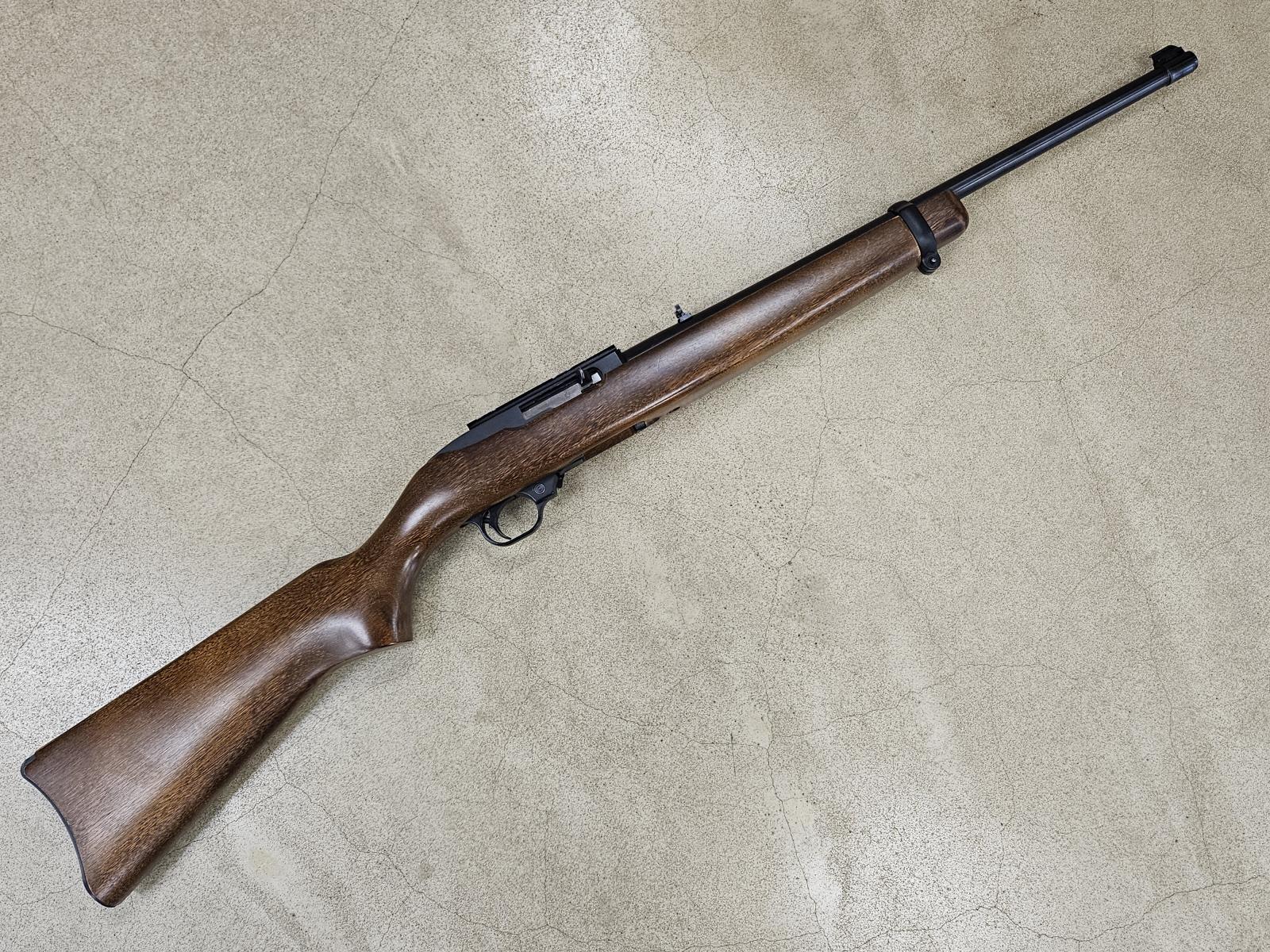
The base model, Ruger calls it the Carbine, SKU 1103, comes with an 18.5-inch barrel, a hardwood stock, and iron sights. It weighs about 5 pounds empty. This is the one most people picture when they hear "10/22," and it's the one that's been proving the platform for six decades. If your plan is general plinking, small game, introducing new shooters, or just having a .22 that works, this is the move. The hardwood stock is nothing fancy, but it's solid and it doesn't creak.
The 10/22 Carbine with a synthetic stock (SKU 1151) is the same rifle in a lighter, weather-resistant package. If the rifle is going to live in a truck, a cabin, or get rained on regularly, synthetic makes sense. The weight difference is minimal, maybe two ounces, but the peace of mind in wet conditions is real.
Ruger's newer carbon fiber models use a tensioned carbon fiber barrel sleeve over a steel liner. The result is a stiffer barrel that's lighter than a standard taper profile. The 10/22 Carbon Fiber (SKU 31290 and variants) typically runs around 4.5 pounds and has shown tighter groups in testing than the standard barrel, partly because of the stiffness and partly because Ruger spec'd a tighter chamber on some of these. If you want a lighter rifle with better mechanical accuracy out of the box and you're willing to pay the premium, this is worth a look.
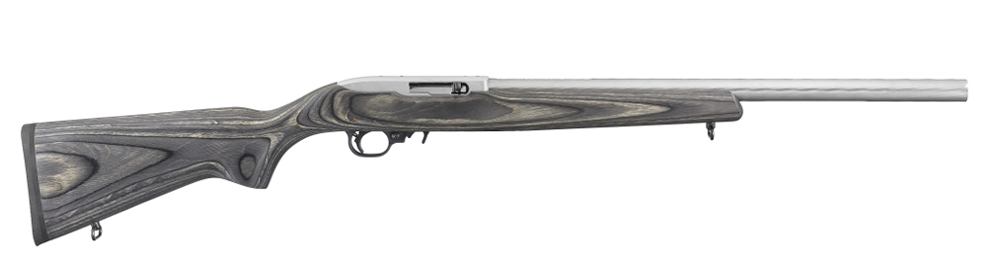
The 10/22 Target model ships with a bull barrel, heavier, stiffer, and longer. It's the factory answer to "I want to shoot groups, not just plink." The extra weight dampens harmonics and makes the rifle more stable off a rest. Downside: it's noticeably front-heavy, and if you're planning to carry it in the field, you'll feel those extra ounces after a mile.
Then there are the Collector's Series models, the M1 Carbine lookalike, the Takedown variants, and various distributor specials. The Takedown is worth its own discussion (see below), but the rest are mostly cosmetic variations on the same action. The M1 Carbine version looks cool on the wall. It shoots identically to the standard Carbine because the action is the same.
Range notes: factory accuracy expectations
A stock 10/22 Carbine with the standard barrel will typically group between 1.5 and 2.5 MOA at 50 yards with decent ammo, think CCI Standard Velocity or SK Standard Plus. That's about 0.75 to 1.25 inches. The carbon fiber and Target models can tighten that to under 1 MOA at 50 with match ammo. These numbers assume a stable rest and a shooter who's doing their part. Off a bench with bulk Federal 36-grain hollow points, expect those groups to open up by 50% or more. The ammo matters enormously in a .22, and we'll get to that.
Is the 10/22 Takedown worth it?
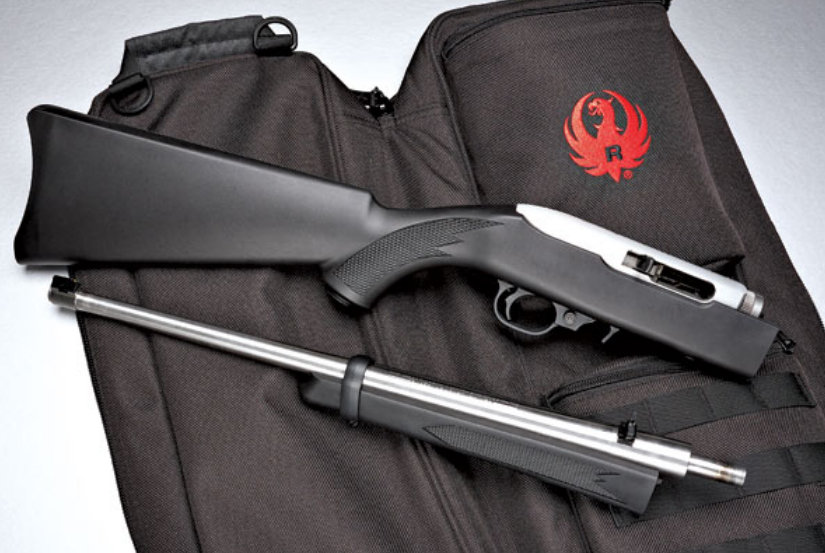
The Takedown version splits into two halves, barrel/forend and receiver/stock, by twisting a locking collar. It packs into a bag that fits in a backpack. The appeal is obvious for hikers, backpackers, truck guns, and anyone who wants a .22 that disappears into a small space.
Here's the real question: does it give up accuracy?
Mostly no. Ruger's Takedown design returns to zero reliably, within about 1 MOA shift, and often less. The locking collar is well-engineered. Where you might notice a difference is in sustained precision shooting, because the barrel-to-receiver junction is inherently less rigid than a one-piece setup. For plinking and small game at typical .22 distances (under 75 yards), you won't notice. For bench rest group testing at 100 yards, you might see slightly larger averages compared to the same barrel in a fixed configuration.
The Takedown also opens up barrel swaps more easily. Ruger and several aftermarket companies make Takedown-specific barrels, so you can go from an 18.5-inch standard to a 16-inch threaded barrel for a suppressor without any gunsmithing. That modularity is a genuine advantage.
The tradeoff is cost. The Takedown typically runs $50-$100 more than the equivalent fixed-stock model. If you don't need the portability, that money is better spent on ammo or a trigger upgrade.
What's the first upgrade that actually matters?
Everyone asks this, and the internet will tell you twenty different things. Here's the deal: the trigger is the single highest-impact upgrade on a 10/22.
The factory trigger on a standard 10/22 breaks somewhere around 5.5 to 6.5 pounds with noticeable creep and a mushy reset. It's functional, it's safe, and it's the weakest link in the accuracy chain. You can have a perfect barrel, a perfect stock, and a Nightforce scope, and that trigger will still limit what you can do from a bench.
A drop-in trigger group from Volquartsen, BX-Trigger (Ruger's own upgrade), or Timney will transform the rifle. The BX-Trigger is the budget-friendly option, it drops the pull to about 2.5-3 pounds with a cleaner break and costs around the price of a few bricks of ammo. The Volquartsen TG2000 or the Timney 10/22 trigger bring the pull down further, clean up the break dramatically, and add a crisper reset. Installation on any of these is genuinely simple: push out two pins, pull out the old trigger group, drop in the new one, push the pins back. No fitting, no stoning, no gunsmithing.
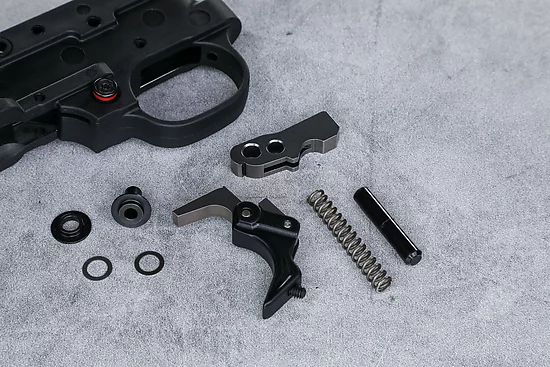
After the trigger, the second upgrade depends on what you're doing with the rifle.
If you're chasing accuracy, the barrel is next. The factory barrel on a standard 10/22 is adequate, but aftermarket barrels from companies like Kidd, Green Mountain, Volquartsen, and Feddersen are where sub-MOA rimfire accuracy lives. A good aftermarket barrel with a match chamber (tighter than the factory Ruger chamber, which is intentionally generous for reliability with all ammo types) will cut group sizes dramatically. The tradeoff is that a match chamber can be pickier about ammo, bulk stuff that runs fine in a factory barrel might not chamber as smoothly.
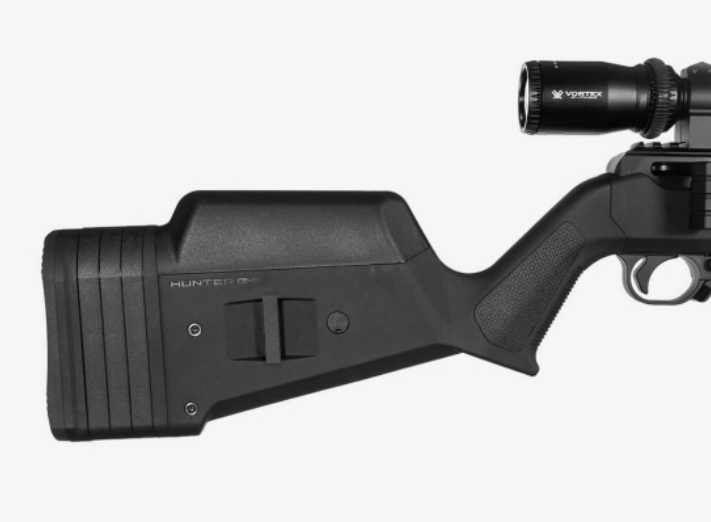
If you're focused on handling and ergonomics, the stock is the move. The factory hardwood stock is fine, but it doesn't have a great cheek weld for optics, and the length of pull is a compromise. Magpul's X-22 Hunter stock is the most popular aftermarket option for a reason, it adds adjustable length of pull, a proper cheek riser, and M-LOK slots, and it accepts the factory trigger group without modification. The WOOX Furiosa and Wild Man stocks go a different direction, using walnut and aluminum chassis designs that look and feel more like a precision rifle. They're heavier, but the rigidity and adjustability are real improvements.
What about optics?
The 10/22 ships with iron sights on most models, and the factory sights are... okay. The front blade is a brass bead, and the rear is an adjustable notch. They work for plinking at 25-50 yards. They're not great for precision, and they're not great for aging eyes.
Most people put a scope on a 10/22 eventually. Here's what to know:
The 10/22 receiver has a 3/8-inch dovetail milled into the top. This is the standard rimfire dovetail, not a Picatinny rail. You can mount rings directly to this dovetail, or you can add a Picatinny rail adapter and use standard Weaver/Picatinny rings. The rail adapter is the better move if you're using a scope with standard rings, because it gives you more mounting flexibility and a more secure platform.
For magnification, a 2-7x or 3-9x variable in the 32-40mm objective range is the sweet spot for most 10/22 uses. You don't need a 50mm objective on a .22, the rifle's effective range tops out around 150 yards for most shooters, and a smaller objective keeps the scope compact and the mounting height low. Low mounting height means better cheek weld, which means more consistent shooting.
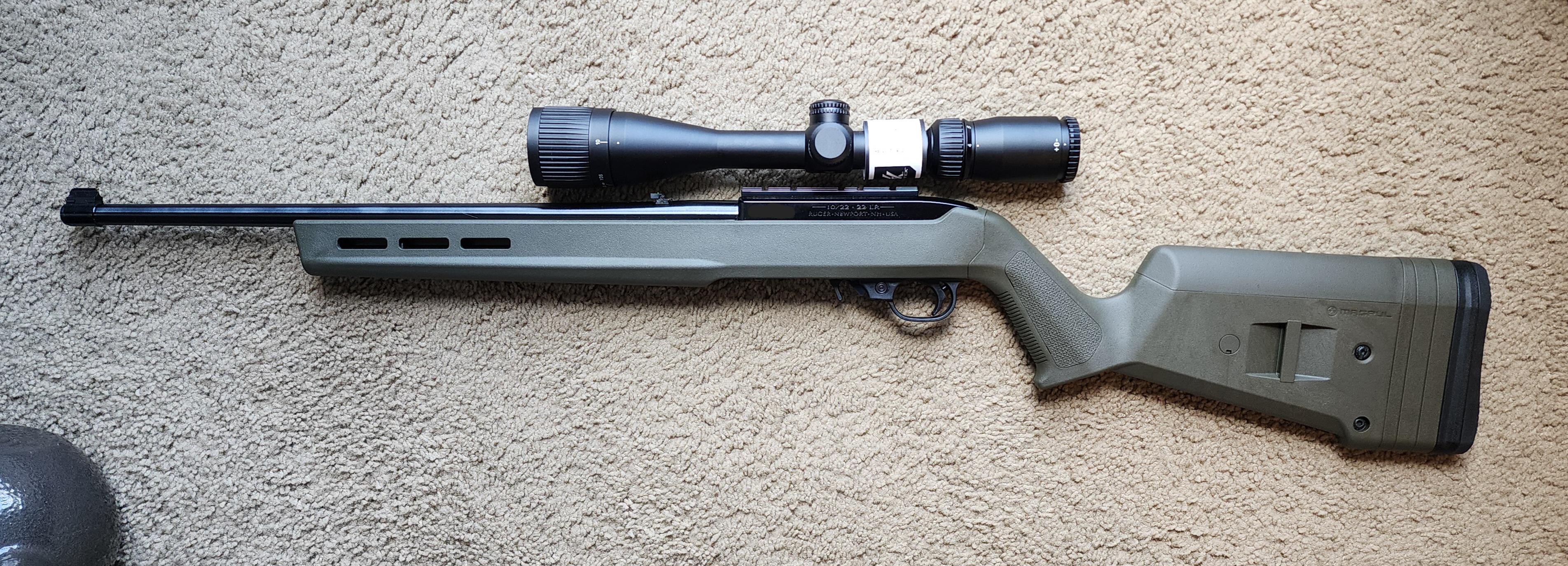
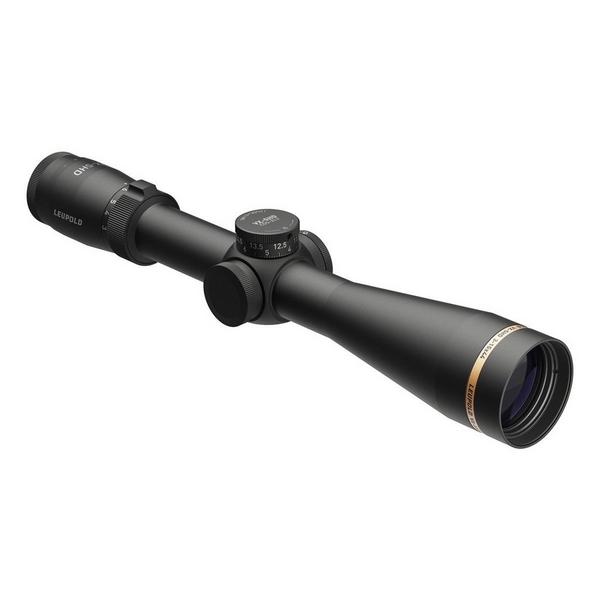
Specific scopes worth looking at: the Vortex Crossfire II 2-7x32 is hard to beat for the money. The Nikon Prostaff Rimfire series (if you can still find them) was purpose-built for .22 LR ballistics with turrets calibrated to rimfire trajectories. The Leupold Rimfire line does the same thing at a higher price point with better glass.
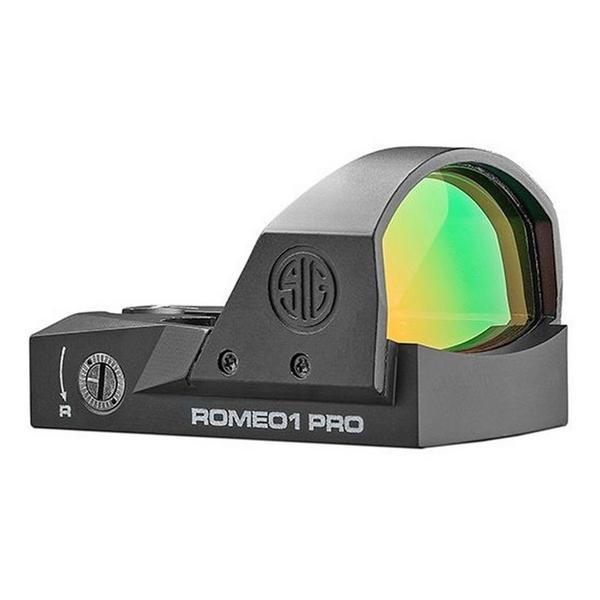
A red dot works too, especially for fast plinking and steel targets. The Sig Romeo5 or Holosun 403 series on a rail adapter will co-witness with the factory irons if you set it up right. At typical .22 distances, a 2 MOA dot covers about 1 inch at 50 yards, more than precise enough for reactive targets.
One thing that trips people up: the 10/22 has very little recoil, so scope durability isn't the concern it would be on a centerfire. But .22 LR does generate a unique vibration pattern, a sharp, high-frequency buzz rather than a heavy push. Cheap scopes with loose internals can lose zero from this over thousands of rounds. Stick with reputable brands and you won't have issues.
Why won't my 10/22 feed reliably?
This is the most common complaint, and nine times out of ten, it's one of three things: the magazine, the ammo, or the bolt buffer.
The factory Ruger BX-1 rotary magazine is one of the best .22 LR magazine designs ever made. It feeds reliably, it's compact, and it doesn't stick out below the stock. If your 10/22 is having feed issues with a BX-1, the magazine probably isn't the problem, unless it's damaged or packed with crud.
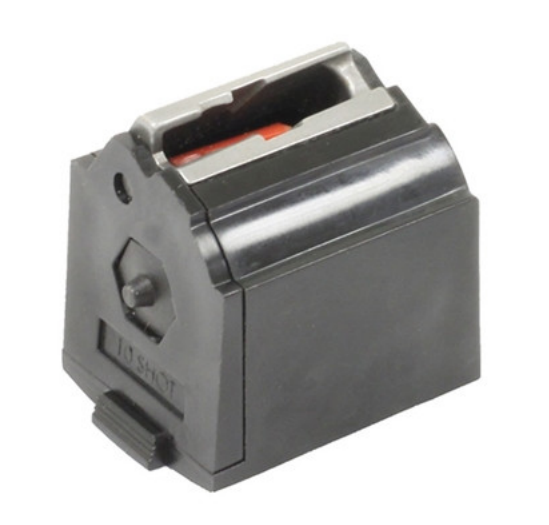
Aftermarket magazines are a different story. The BX-25 (Ruger's own 25-round magazine) works well but is more sensitive to ammo variations because of the longer feed path. Third-party 25-round magazines vary wildly in quality. Some work great. Some are jamomatics. If you're having feed issues with an aftermarket magazine, try a factory BX-1 first. If the BX-1 runs clean, you've found your problem.
Ammo is the other big variable. The 10/22's action is blowback-operated, there's no locking bolt, no gas system. The bolt is held closed by spring tension and its own mass. When the round fires, the case pushes the bolt rearward, and the recoil spring pushes it back forward to strip the next round from the magazine. This system is simple and reliable, but it's sensitive to ammo velocity and bullet profile.
Subsonic ammo (below about 1,050 fps) may not generate enough energy to fully cycle the bolt, especially in a new rifle with stiff springs. You'll get short-stroking, the bolt comes back far enough to eject the spent case but not far enough to pick up the next round. CCI Quiet and Aguila Colibri are the worst offenders here. They're designed for bolt-action and single-shot rifles.
On the other end, certain bullet profiles, especially truncated cone or flat-nose designs, can hang up on the feed ramp. Round-nose and hollow-point .22 LR feeds most reliably in the 10/22. CCI Standard Velocity (round nose, 1,070 fps) is basically the gold standard for 10/22 reliability and accuracy. CCI Mini-Mags (1,235 fps, copper-plated round nose or hollow point) are the most popular all-around choice and cycle the action with authority.
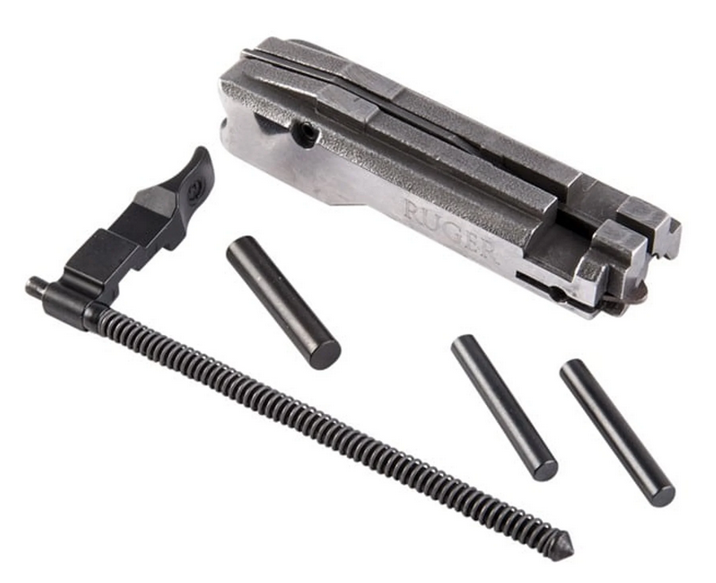
The bolt buffer is the third culprit, and it's the one nobody thinks about. The factory 10/22 has a small polymer pin in the receiver that cushions the bolt's rearward travel. Over time, or sometimes right out of the box, this buffer can deform, crack, or disappear entirely. When it fails, the bolt slams into the rear of the receiver, and cycling gets erratic. A replacement buffer costs a couple of dollars and takes thirty seconds to install. Check yours if you're having unexplained cycling issues.
Common feeding and function problems
The bolt doesn't lock back on the last round. This is normal, the 10/22 does not have a bolt hold-open feature. The bolt closes on an empty chamber after the last round. Some aftermarket modifications add a last-round bolt hold-open, but the factory rifle doesn't have one.
Failure to extract. The extractor is a small hook on the bolt face that grabs the cartridge rim. If it's worn, chipped, or gunked up with carbon and wax, it won't grip the case. A new extractor is cheap and easy to install. Clean the bolt face and extractor channel every few hundred rounds.
Light primer strikes. The 10/22's firing pin can accumulate crud over time, slowing it down enough to cause misfires. Disassemble the bolt, clean the firing pin and its channel, and reassemble. If the firing pin itself is worn or shortened, replace it, Volquartsen makes an upgraded one that's harder and more consistent.
Double feeds. Usually a magazine issue. The feed lips on BX-25 magazines can spread slightly over time, allowing two rounds to present simultaneously. Inspect the feed lips for deformation. With BX-1 rotary magazines, double feeds are rare and usually indicate a damaged magazine body.
Stovepiping (spent case caught vertically in the ejection port). This is almost always a short-stroke issue, not enough bolt velocity to fully eject the case. Try hotter ammo first. If it persists with high-velocity ammo, check the recoil spring and bolt buffer.
How often should you clean a 10/22?
This is where people overthink things. The .22 LR cartridge is inherently dirty, it uses a wax lubricant on the bullet and a priming compound that deposits more fouling than centerfire primers. After a few hundred rounds, the action, chamber, and barrel will have visible buildup. That's normal.
Here's the practical answer: clean the rifle when accuracy degrades or when you experience function issues. For most shooters, that's every 500-1,000 rounds for a basic wipe-down and every 1,000-2,000 rounds for a thorough cleaning. If you're shooting in dusty or wet conditions, clean more often. If the rifle lives in a safe and only comes out for range days, you can stretch it.
The barrel is the part that benefits most from cleaning, but you can also overdo it. A .22 LR barrel actually shoots better with a thin layer of fouling, a freshly cleaned bore often throws the first 10-20 rounds into a slightly different group than the settled bore. This is why competitive rimfire shooters will clean the barrel and then fire "fouling shots" before a match.
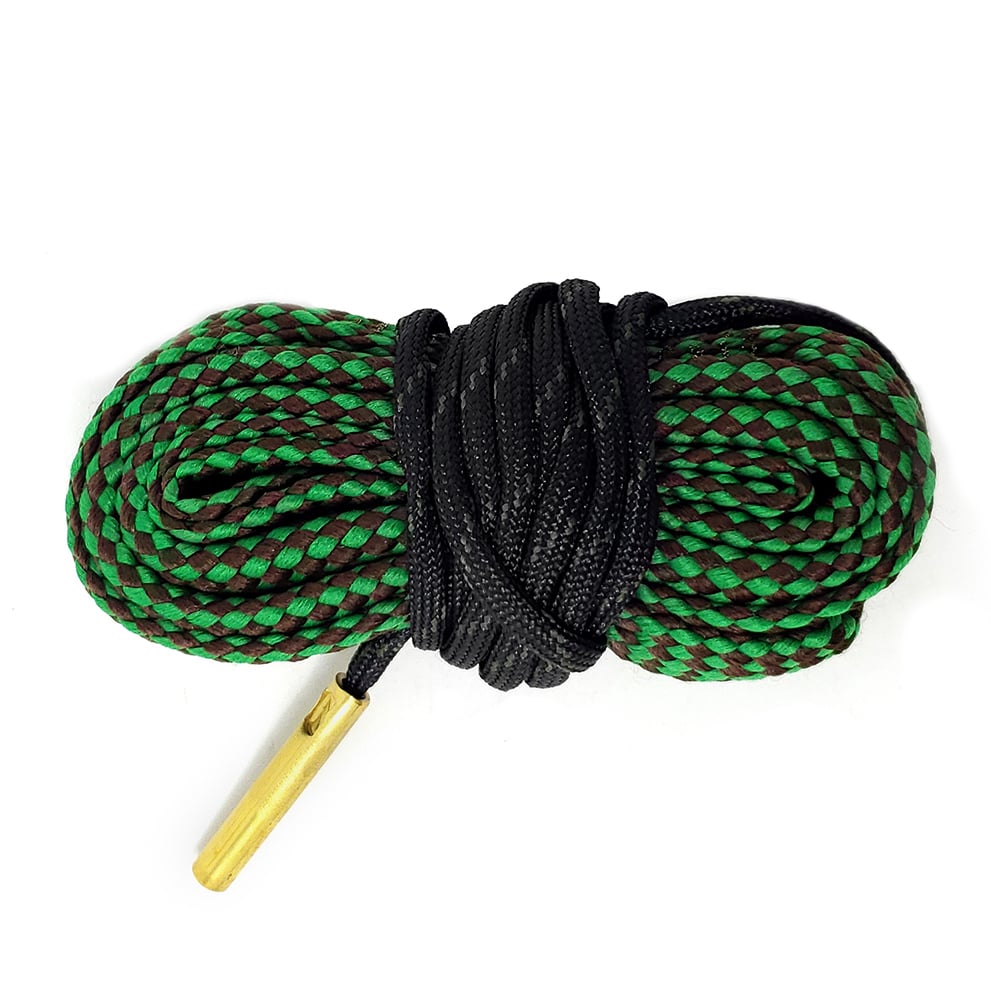
For the barrel, run a bore snake or a few wet patches with a .22-caliber solvent (Hoppe's No. 9, Ballistol, or CLP all work) followed by dry patches until they come out mostly clean. You don't need to get the barrel surgically sterile. A bronze brush every few cleanings helps break up heavy lead deposits. Never use a stainless steel brush in a .22 barrel, you'll damage the bore.
For the action, pull the barreled receiver out of the stock (one screw and one barrel band screw on most models, or just the takedown lever on Takedown models). Wipe down the bolt, the inside of the receiver, and the bolt buffer area with a solvent-dampened cloth. Use a nylon brush or old toothbrush on the bolt face, extractor, and feed ramp. Compressed air helps blow crud out of the trigger group without disassembling it. A light coat of oil on the bolt rails and a drop on the bolt buffer pin, and you're done.
The trigger group can go a long time without disassembly. If you want to clean it, push out the two trigger group pins and remove the entire assembly. Spray it with a cleaner/degreaser, let it dry, and add a drop of oil to the hammer pivot and sear engagement surfaces. Don't drown it in oil, excess lubricant in a trigger group attracts grit and can gum up the sear.
What you'll notice
After a thorough cleaning, the first magazine or two might feel slightly different, the bolt may cycle a touch faster without the friction of built-up fouling. Accuracy might shift slightly for those first few rounds as the bore re-fouls. This is normal and not a reason to avoid cleaning. Just be aware that your zero confirmation after cleaning might need 20 rounds of settling before you trust it.
The 10/22 versus other .22 LR semi-autos
The 10/22 isn't the only game in town, and depending on what you want, it might not be the best choice. Here's how it stacks up against the most common alternatives:
The Ruger 10/22 Carbine is the baseline. Blowback semi-auto, 18.5-inch barrel, rotary magazine, 5 pounds, cross-bolt safety. The deepest aftermarket in rimfire. Factory accuracy is good, not great. Reliability with a range of ammo types is excellent because of the generous chamber. The action is simple to disassemble and understand.
The Smith & Wesson M&P 15-22 is an AR-pattern .22 LR. It uses AR-style controls, magazine release, bolt catch, safety selector, charging handle, so it's a direct training analog for AR-15 shooters. It feeds from a proprietary polymer magazine, not AR-15 magazines. Factory accuracy is comparable to the 10/22 Carbine. The AR ergonomics are a genuine advantage if you're training for centerfire AR work. The aftermarket is smaller than the 10/22's but growing. It accepts most AR-15 furniture (stocks, grips, handguards) with some limitations.
The CZ 457 (bolt action, not semi-auto) is worth mentioning because a lot of people shopping for a "good .22" end up comparing semi-autos and bolt actions. The CZ 457 in any configuration will out-accuracy a stock 10/22 by a significant margin, it's a true precision rimfire platform. But it's bolt-action, so the shooting experience is fundamentally different. If accuracy is the priority and rate of fire isn't, the CZ 457 is the better rifle. If you want to shoot fast, train with semi-auto mechanics, or just have more fun plinking, the 10/22 wins.
The Savage 64F is the budget semi-auto alternative. It's a blowback .22 LR with a detachable box magazine, and it typically costs significantly less than a 10/22. The Savage works fine as a basic plinker. Where it falls short is the aftermarket, there's almost nothing available for the 64F compared to the ocean of 10/22 parts. If you buy a Savage 64F, you're shooting it as-is. If you buy a 10/22, you're buying into a platform you can modify for decades.
The Tippmann Arms M4-22 is another AR-pattern option, positioned slightly upmarket from the M&P 15-22. It uses a more mil-spec-compatible receiver set, and some versions accept actual AR-15 triggers. Accuracy and reliability are solid. It's a good choice if you want an AR .22 trainer that's closer to a real AR in fit and feel than the M&P.
Can you suppress a 10/22?
Yes, and it's one of the best hosts for a .22 suppressor. The 10/22's blowback action doesn't have a gas system to over-gas when you add a can, so there's no tuning needed. Thread the suppressor onto a threaded barrel, and you're done.
If your 10/22 didn't come with a threaded barrel, you have two options: buy an aftermarket threaded barrel (this is the better option, you get a nicer barrel and threads in one purchase) or have your existing barrel threaded by a gunsmith. The standard thread pitch for .22 LR suppressors is 1/2x28, which is the same as 5.56 NATO. Make sure your barrel is threaded to this spec.
With subsonic ammo (CCI Standard Velocity at 1,070 fps is the classic choice) and a good .22 can, a suppressed 10/22 is genuinely hearing-safe. You'll hear the bolt cycling louder than the report. It's one of the most pleasant shooting experiences you can have.
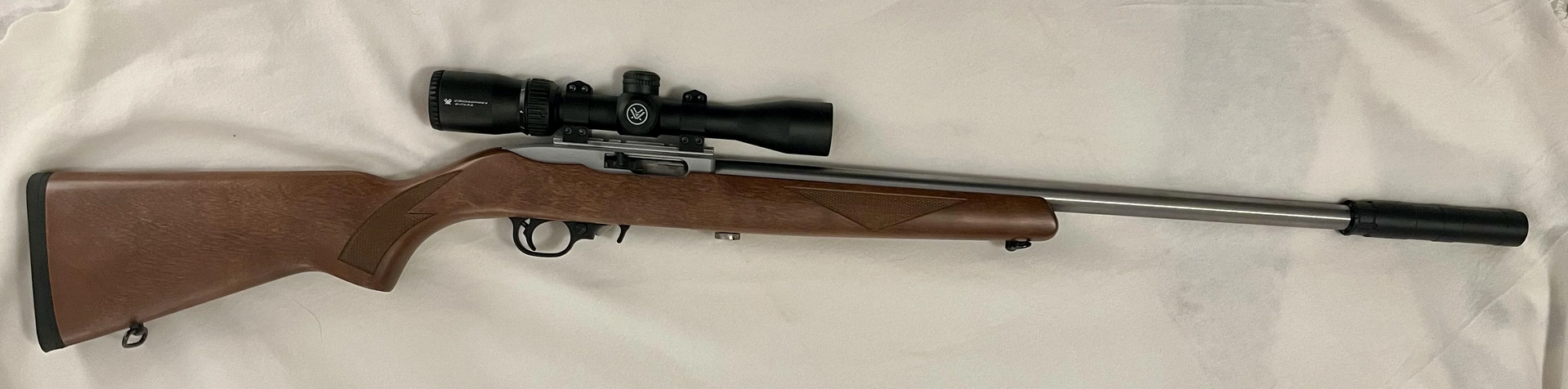
The catch: remember that subsonic ammo may not reliably cycle the action, especially with the added backpressure from a suppressor. Most quality suppressors actually help with cycling because the backpressure gives the bolt a little extra push. But very quiet subsonic loads (CCI Quiet, Aguila Colibri) still probably won't cycle. CCI Standard Velocity is the sweet spot, it's technically subsonic, it cycles the 10/22 reliably (especially with a suppressor), and it's accurate.
Popular .22 suppressors that pair well with the 10/22 include the Dead Air Mask HD, the Rugged Oculus, the SilencerCo Switchback, and the Q El Camino. The Dead Air Mask is probably the most recommended .22 can on the internet, and for good reason, it's durable, quiet, and user-serviceable (important for .22 cans, which get filthy). The SilencerCo Switchback lets you run it in short, medium, or long configurations, which is a nice trick for balancing sound reduction against length and weight.
One important note: .22 LR suppressors get dirty fast. The wax and lead fouling from rimfire ammo builds up inside the baffles quickly. Make sure whatever suppressor you buy has a user-serviceable design, meaning you can take it apart and soak/scrub the baffles. Sealed .22 cans exist, but they'll eventually become clogged and lose effectiveness. Soak the baffles in a solution like CLR or an ultrasonic cleaner every 500-1,000 rounds.
Is the 10/22 a good first rifle?
Real talk: yes, with a caveat.
The 10/22 is the most recommended first rifle in America, and that recommendation is earned. The .22 LR cartridge has minimal recoil and low noise (especially suppressed), so new shooters can focus on fundamentals, sight picture, trigger press, breathing, without developing a flinch. Ammo is cheap enough to shoot a lot, and volume of practice matters more than anything else for building skill. The semi-auto action means new shooters learn to manage a repeating firearm, including loading magazines, clearing malfunctions, and keeping the muzzle in a safe direction during manipulation.
The caveat is that a semi-auto .22 can encourage bad habits if the new shooter isn't supervised properly. The temptation to shoot fast and not aim is real, especially for younger or less disciplined shooters. A bolt-action .22 forces a more deliberate cadence. For very young or very new shooters, a bolt-action like the Ruger American Rimfire or CZ 457 Scout might actually be the better teaching tool. Once the fundamentals are solid, transition to the 10/22 for semi-auto skills.
For an adult beginner who's going to be self-directed in their learning, the 10/22 is hard to beat. Buy the rifle, buy a brick of CCI Standard Velocity, set up a target at 25 yards, and focus on putting every shot through the same hole. When you can do that consistently, move to 50. Then 75. The rifle will keep up with your skill development for a long time, and when it doesn't, the aftermarket is waiting.
What's the 10/22's effective range?
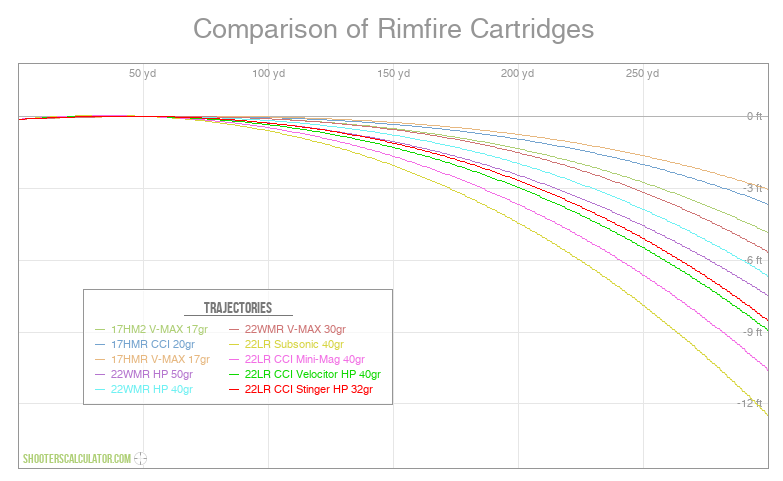
The .22 LR cartridge, not the rifle, is the limiting factor. A standard 40-grain .22 LR bullet leaves the muzzle at around 1,050-1,250 fps depending on the load. By 100 yards, it's dropped about 3-4 inches from a 50-yard zero. By 150 yards, you're looking at 12-16 inches of drop. By 200 yards, it's over 30 inches, and the bullet has slowed to the point where wind drift becomes the dominant variable. A 5 mph crosswind will push a .22 LR bullet about 3-4 inches at 100 yards and over a foot at 200.
For practical accuracy, hitting a squirrel-sized target reliably, the 10/22 is a 75-yard rifle with factory components and a 125-yard rifle with good ammo, a quality barrel, and a scope with appropriate adjustments. Skilled rimfire shooters can make hits at 200+ yards, but that's a game of reading wind and knowing your specific lot of ammo's ballistic curve, not just pointing and shooting.
For hunting, most states that allow .22 LR for small game expect you to keep shots under 75 yards. That's a reasonable ethical limit for clean kills on squirrels and rabbits. The 10/22 handles this easily.
Build mistakes that cost you later
Skipping the torque spec on the barrel V-block screws. The 10/22 barrel is held in the receiver by a V-block with two screws. These should be torqued to 15-20 inch-pounds. Too loose, and the barrel shifts under recoil, destroying accuracy. Too tight, and you can crack the receiver or deform the V-block. Use a torque wrench, not a "feels tight enough" approach.
Putting a heavy scope on the factory dovetail without a rail adapter. The 3/8-inch dovetail is fine for lightweight optics in proper rimfire rings. A heavy centerfire scope in a dovetail-to-Picatinny adapter that's not properly secured will walk itself loose over a few hundred rounds. Match the optic to the platform.
Upgrading the barrel before the trigger. A match barrel will show you smaller groups, but only if your trigger pull is consistent enough to prove it. The trigger is the foundation. Barrel is the second floor. Don't build the second floor first.
Ignoring the extractor during cleaning. The extractor is a wear part. It's small, it's cheap, and when it fails, your rifle becomes a single-shot. Inspect it every time you clean the bolt. Replace it at the first sign of a chipped or rounded hook.
Buying bulk ammo and expecting match accuracy. The 10/22 will eat almost anything, but "eats it" and "shoots it well" are different things. If you're testing accuracy, buy at least three different brands of mid-grade ammo (CCI Standard Velocity, SK Standard Plus, Eley Contact, Lapua Center-X) and shoot five 10-round groups with each from a rest. The rifle will tell you what it likes. Some 10/22 barrels prefer CCI, some prefer SK, and the only way to know is to test.
Next steps after purchase
Once you have the rifle, here's the sequence that actually matters.
First, function check. With the rifle unloaded, cycle the bolt manually several times. Verify the safety engages and disengages. Dry-fire it (dry-firing a 10/22 is safe and won't damage the firing pin, despite what some forums claim). Load a magazine with one round, fire it, and confirm the bolt cycles fully and locks forward on the empty magazine. Then load a full 10-round magazine and fire all ten. If all ten cycle, eject, and feed without issues, your rifle works.

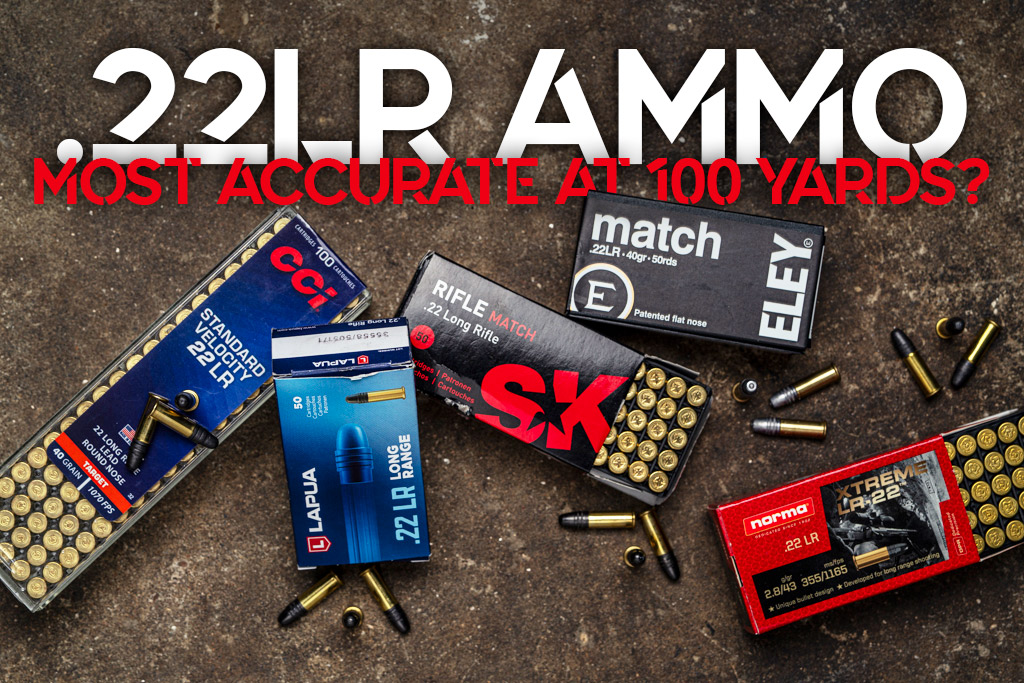
Second, find your ammo. Take three to five different brands to the range. Shoot groups at 50 yards from the most stable rest you have. Log the results. You're looking for the ammo that gives you the tightest groups and the most reliable cycling. This is your go-to ammo. Buy it in quantity when you find a deal.
Third, confirm your zero. Whether you're using irons or an optic, zero at 50 yards. This gives you a practical point-blank range (the distance at which you don't need to hold over or under) of about 60-65 yards with most .22 LR loads. At 25 yards, you'll be about half an inch low. At 75 yards, about 1.5 inches low. This is the most versatile zero for a .22 LR rifle used at typical rimfire distances.
Fourth, shoot it. A lot. The 10/22 rewards volume. The trigger will smooth out over the first 500 rounds. You'll learn the rifle's personality, which ammo it likes, how it behaves in wind, where the mechanical limits are versus your own limits. That knowledge is worth more than any upgrade you can buy.
When you're ready to start modifying, trigger first, then barrel or stock depending on your priorities, then optic. In that order. Every upgrade should solve a specific problem you've identified through shooting, not a problem you read about on a forum. If your groups are limited by trigger control, fix the trigger. If your groups are limited by barrel quality, fix the barrel. If the stock doesn't fit you, fix the stock. The system matters more than the part, but only if you understand which part of the system is actually holding you back.