You're shooting sub-MOA at 100 yards. Five rounds, nice and slow, everything touching. Then you run a ten-round string; maybe a PRS practice stage, maybe load development; and round eight is a flyer. Round ten is worse. You blame the ammo. You blame the wind. You pull the target and see a pattern: the group walked. Vertically, usually. Sometimes with a lateral component.
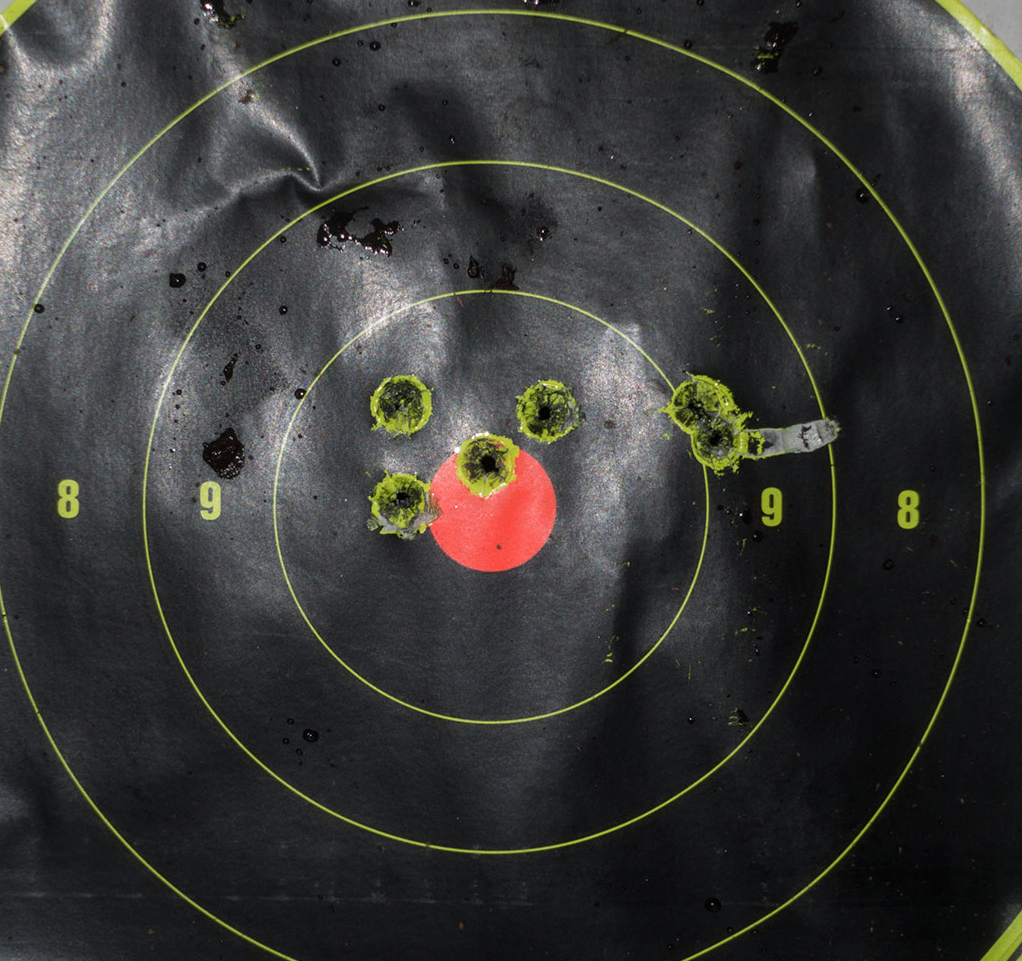
That's barrel heat shift. And it's one of the most misunderstood accuracy problems in precision shooting because it masquerades as a dozen other things. Shooters chase load changes, scope issues, even bedding problems when the real answer is thermodynamics. A steel tube heats unevenly under sustained fire, it expands unevenly, and your point of impact moves. How much it moves, in what direction, and how fast it recovers; those are the variables that actually matter.
The goal here is straightforward: understand what's happening inside your barrel as it heats, know how to diagnose heat-related POI shift versus other problems, and learn what you can actually do about it; in equipment choices, shooting cadence, and match strategy. Some of it's fixable. Some of it you just manage.
What's actually happening in the barrel
A rifle barrel is a steel tube with a bore drilled through it. When you fire a round, the combustion gases hit temperatures north of 3,000°F at the throat. That heat doesn't distribute evenly. The bore surface heats first, then conducts outward through the barrel wall. The top of the barrel; the side exposed to ambient air; cools differently than the bottom, which sits closer to the stock or chassis and has less airflow. The side facing the sun heats differently than the shaded side. None of this is symmetrical.
Steel expands when it heats. That's not controversial. What matters is that it expands unevenly. If the top of your barrel is hotter than the bottom, the top expands more, and the barrel droops slightly; or more precisely, the bore axis shifts relative to where it was when you confirmed zero on a cold barrel. The effect is small in absolute terms, often fractions of a thousandth of an inch in barrel deflection, but at 600 yards, fractions of a thousandth translate into inches on target.
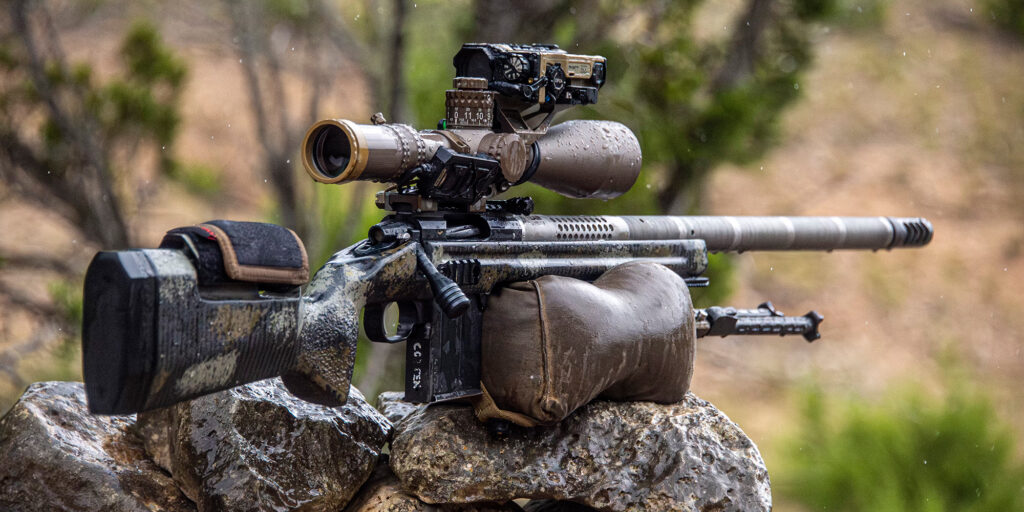
The contour of the barrel matters enormously here. A thin sporter-profile barrel has less thermal mass. It heats faster, reaches a higher peak temperature sooner, and the temperature differential between bore surface and outer wall is proportionally larger. A heavy Palma or bull barrel has more steel to absorb heat, so it takes longer to develop a significant gradient; but it also takes longer to cool down once it's hot. Neither is immune. They just behave differently on different timelines.
There's also the stress relief question. When barrels are manufactured; whether button-rifled, cut-rifled, or hammer-forged; residual stresses get locked into the steel. Heat releases those stresses unevenly. A barrel that wasn't properly stress-relieved during manufacturing will wander more as it heats because the steel is literally relaxing into a new shape. This is one reason two barrels of identical contour and chambering from different manufacturers can behave very differently under sustained fire.
Cold bore versus hot bore: they're different problems
Shooters often lump cold bore shift and heat walk into the same conversation. They're related but distinct.
Cold bore shift is the difference between your first shot from an ambient-temperature barrel and your subsequent shots. It's usually consistent; always low-left, always half a MOA high, whatever. Most shooters with good data logs can predict their cold bore offset and either hold for it or accept it. The causes are a mix of barrel harmonics at a different temperature node, stock/action bedding that settles differently when everything is at ambient, and sometimes lubricant distribution in the bore from cleaning.
Heat walk is what happens as you continue firing and the barrel climbs in temperature. It's progressive. Shot one lands at your zero. Shot five is a quarter MOA high. Shot ten is three-quarters of a MOA high and maybe a tenth right. Shot fifteen, if you're hammering them, might be over a full MOA off your cold zero. The shift isn't always linear; it often accelerates as the barrel gets hotter because the temperature gradient between bore and outer surface steepens.
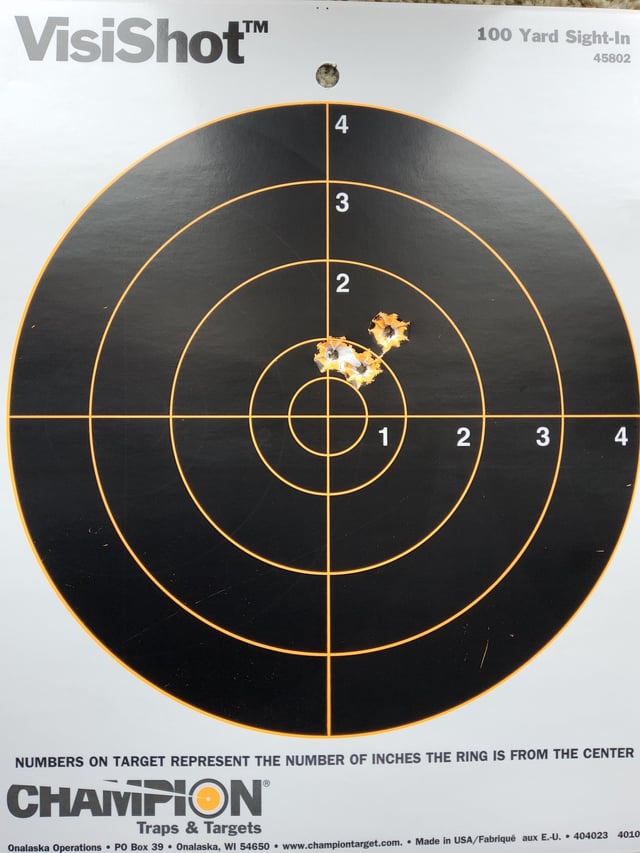
The critical distinction: cold bore shift is a one-time offset you can account for. Heat walk is a moving target that changes with every round fired, and its rate depends on your cadence, ambient conditions, barrel profile, and whether you're running a suppressor.
Range notes: separating the two
Here's how to diagnose which problem you're dealing with. Shoot a five-round group with 60 seconds between shots from a cold barrel. Number each shot on the target. Then let the barrel cool completely; 15 to 20 minutes minimum, longer on a hot day. Repeat. Do this three times.
If shot one is consistently offset from the group center in the same direction and magnitude across all three strings, that's cold bore shift. If the group center itself walks progressively through each five-round string; meaning shots four and five are consistently displaced from shots one and two in the same direction; that's heat walk. If both are happening, you'll see shot one offset and the group walking. Most barrels do both to some degree.
Log the data. Specifically, log the sequence number of each shot, the time between shots, and the ambient temperature. This is the only way to build a reliable picture.
The suppressor problem
Suppressors make heat shift worse. Meaningfully worse. This isn't opinion; it's physics confirmed by thousands of shooters' range data.
A suppressor traps hot gas around the muzzle end of your barrel after every shot. The barrel doesn't just heat from internal combustion gases passing through the bore; it also heats from the outside in at the muzzle because the suppressor acts as an insulator. The muzzle end of the barrel gets hotter faster and stays hotter longer than it would unsuppressed. This creates a temperature gradient along the barrel's length; hotter at the muzzle, cooler at the chamber; on top of the radial gradient that already exists.
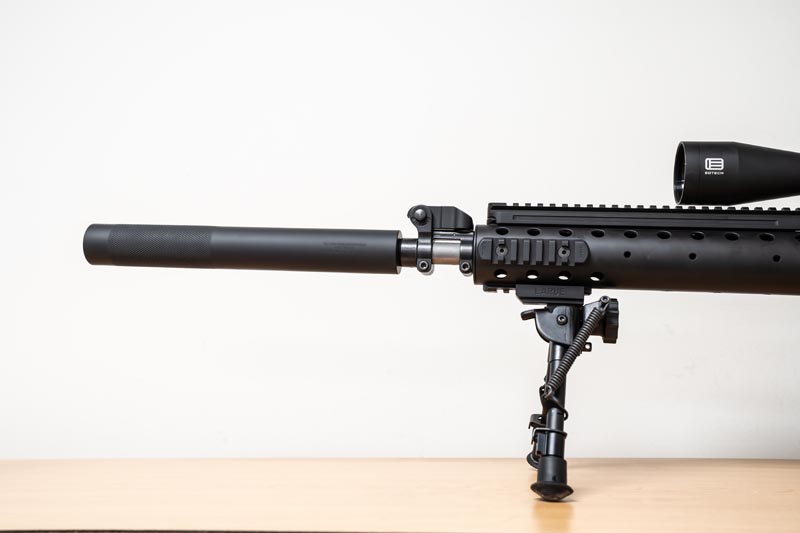
The result is more POI shift, starting sooner in your shot string. Shooters running suppressors on light-contour hunting rifles regularly report 1 to 2 MOA of vertical shift over a 10-round string. That's enormous. Even on medium-contour barrels (something like a Remington Varmint or Savage 12 profile), suppressed heat walk of 0.5 to 1 MOA over ten rounds at a moderate cadence is common.
Some suppressor designs are worse than others. Direct-thread mounts that put the suppressor in close contact with the barrel transfer more heat back. Quick-detach mounts with a muzzle brake adapter create a small air gap that helps slightly. Titanium suppressors have less thermal mass than steel or Inconel ones, so they heat up faster and radiate more heat back to the barrel sooner; but they also cool faster between strings.
If you're running a suppressor and seeing groups open up after 8 to 10 rounds, the suppressor is almost certainly contributing. The question is how much. The diagnostic is simple: shoot the same test; numbered shots, controlled cadence; with and without the suppressor. Compare the walk patterns. You'll have your answer in two range sessions.
Barrel contour and material: what the data says
Barrel contour is the single biggest equipment variable in heat shift magnitude. Here's the hierarchy, from most susceptible to least:
A sporter-weight barrel (roughly 0.55 inches at the muzzle on a typical hunting rifle) will show measurable POI shift in as few as three to five rounds at a 15-second cadence. These barrels have minimal thermal mass. They're designed to be carried, not to sustain fire. Expecting one to hold zero through a 10-round string is asking it to do something it wasn't built for.
A medium or varmint contour (0.70 to 0.80 inches at the muzzle) buys you real margin. Most shooters can get through 8 to 12 rounds at a reasonable cadence before shift becomes significant. This is the sweet spot for a lot of PRS and practical shooting applications where you need to balance weight against sustained accuracy.
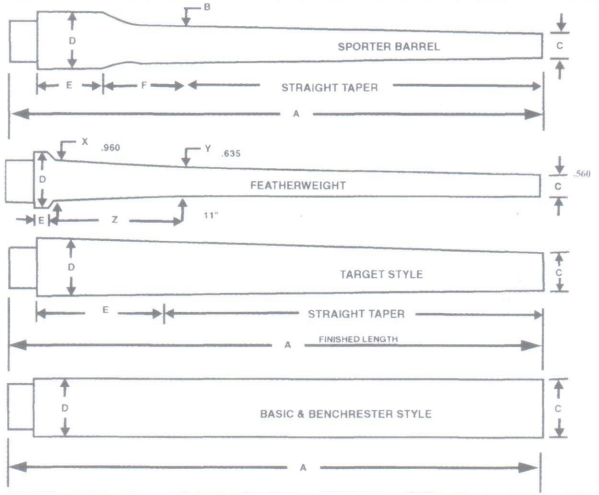
A heavy bull or Palma contour (0.85 inches and up at the muzzle) has the most thermal mass and the slowest heat-up rate. But there's a diminishing return. Going from a sporter to a medium contour is a dramatic improvement. Going from medium to heavy is noticeable but smaller. Going from heavy to absurdly heavy adds weight faster than it adds thermal stability.
Carbon fiber wrapped barrels
Carbon fiber barrel wraps; like those from Proof Research, BSF, or ACRE; are interesting because they change the thermal equation in a specific way. The carbon fiber wrap adds stiffness without proportional weight, and the carbon acts as both an insulator and a heat sink depending on the specific layup and resin system.
The data from the field is mixed but trending positive. Many shooters report that carbon-wrapped barrels show less heat walk than equivalent-weight steel barrels but more than equivalent-diameter steel barrels. That makes sense: a carbon barrel with a thin steel liner has less steel to heat up (good for initial shift) but also less steel to absorb and distribute heat evenly (potentially bad for gradient-driven walk).
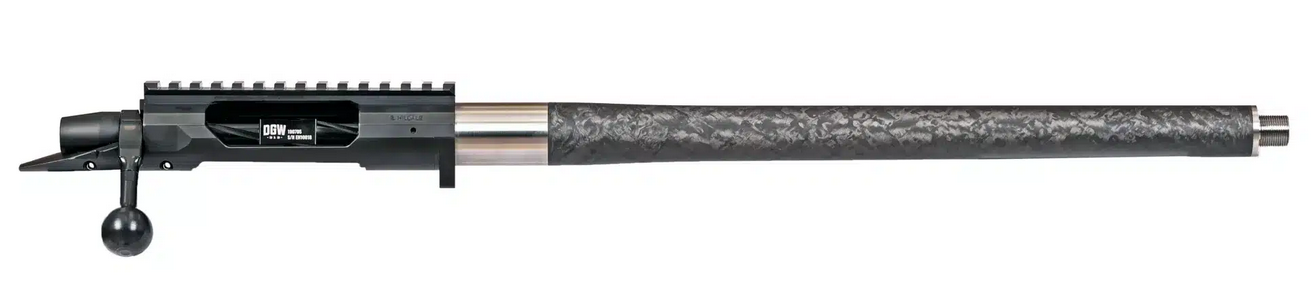
Where carbon barrels genuinely shine is in the recovery rate. They cool faster than heavy steel barrels because the carbon fiber radiates heat more efficiently. So while a carbon barrel might start shifting at a similar round count to a medium steel contour, it recovers to cold-bore accuracy faster between strings. For a hunting application; where you might fire one to three shots and then wait; this is a real advantage. For a PRS stage where you're dumping ten rounds in 90 seconds, the advantage is less clear.
The honest assessment: carbon barrels reduce the weight penalty of thermal stability, but they don't eliminate heat shift. Anyone claiming their carbon barrel shows zero POI shift under sustained fire either isn't measuring carefully or isn't shooting enough rounds to see it.
Structured and fluted barrels
Fluting; cutting longitudinal or spiral grooves into the barrel's outer surface; is often marketed as a heat dissipation feature. The theory is that fluting increases surface area, which increases convective cooling. The reality is more nuanced.
Fluting does increase surface area, typically by 20 to 40 percent depending on the flute depth and count. And increased surface area does improve cooling rate, all else being equal. But fluting also removes steel, which reduces thermal mass; meaning the barrel heats up faster in the first place. The net effect on heat shift depends on the specific fluting geometry and the shooting cadence. At slow cadences with time to cool between shots, fluting helps. At fast cadences where you're outrunning the cooling rate, fluting can actually make things worse because you've removed the thermal mass that was buffering the temperature rise.
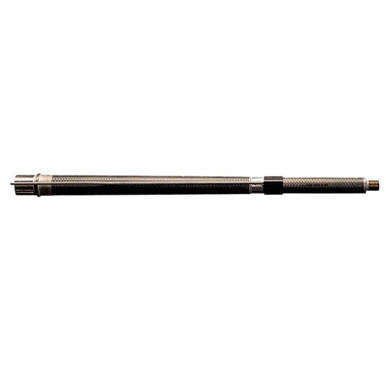
Proof Research carbon fiber wrapped barrel Deals
Prices may change. May contain affiliate links.
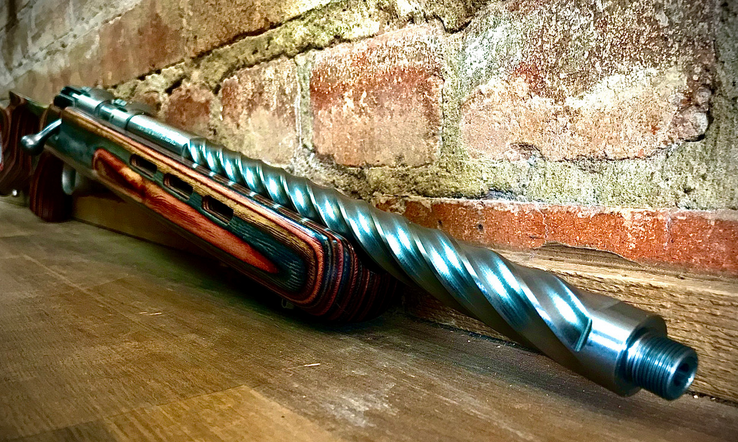
Structured barrels; like those from TACOM; take a different approach. Instead of removing material, they use geometric features (ribs, fins, or other surface structures) to increase surface area while maintaining or even increasing stiffness. The engineering data on these suggests meaningful improvements in cooling rate without sacrificing thermal mass. The tradeoff is manufacturing complexity and cost.
Neither fluting nor structuring eliminates heat shift. They modify the thermal timeline. If your shooting application involves sustained fire at high cadence, a heavier unfluted barrel with more thermal mass will generally outperform a lighter fluted barrel of the same steel diameter. If your application involves intermittent fire with cooling breaks, fluting can be a net positive.
Diagnosing heat shift versus other problems
Here's where most shooters go wrong: they see groups open up and immediately blame heat, when the actual cause is something else entirely. Or they ignore heat as a variable and chase phantom problems for months. You need a systematic approach.
What heat shift looks like
Heat shift is directional and progressive. The group doesn't just get bigger randomly; it walks in a consistent direction as the barrel heats. Most commonly, the shift is vertical (usually up, because the barrel droops and the bullet exits at a slightly different angle relative to the scope). Some barrels walk laterally, especially if there's an asymmetric stress pattern or if the barrel is contacting the stock/handguard on one side.
The key signature: if you number your shots and plot them in sequence, you'll see a trend. Shots 1-3 cluster together. Shots 4-6 are displaced in one direction. Shots 7-10 are displaced further in the same direction. It's a walk, not a scatter.
What heat shift doesn't look like
Random flyers in unpredictable directions aren't heat shift. That's usually shooter error, wind you didn't read, or an ammo problem. A group that's just uniformly larger without a directional trend is more likely a bedding issue, a scope tracking problem, or inconsistent ammo (high ES/SD).
If your group opens up but the center doesn't move, heat probably isn't your primary issue. Heat moves the center. Other problems enlarge the group around a stable center.
The definitive test
Shoot two identical 10-round groups at 100 yards. For the first group, fire one round every 10 seconds; a fast, sustained cadence. For the second group, fire one round every three minutes, letting the barrel cool substantially between shots. Use the same ammo from the same lot. Number every shot.
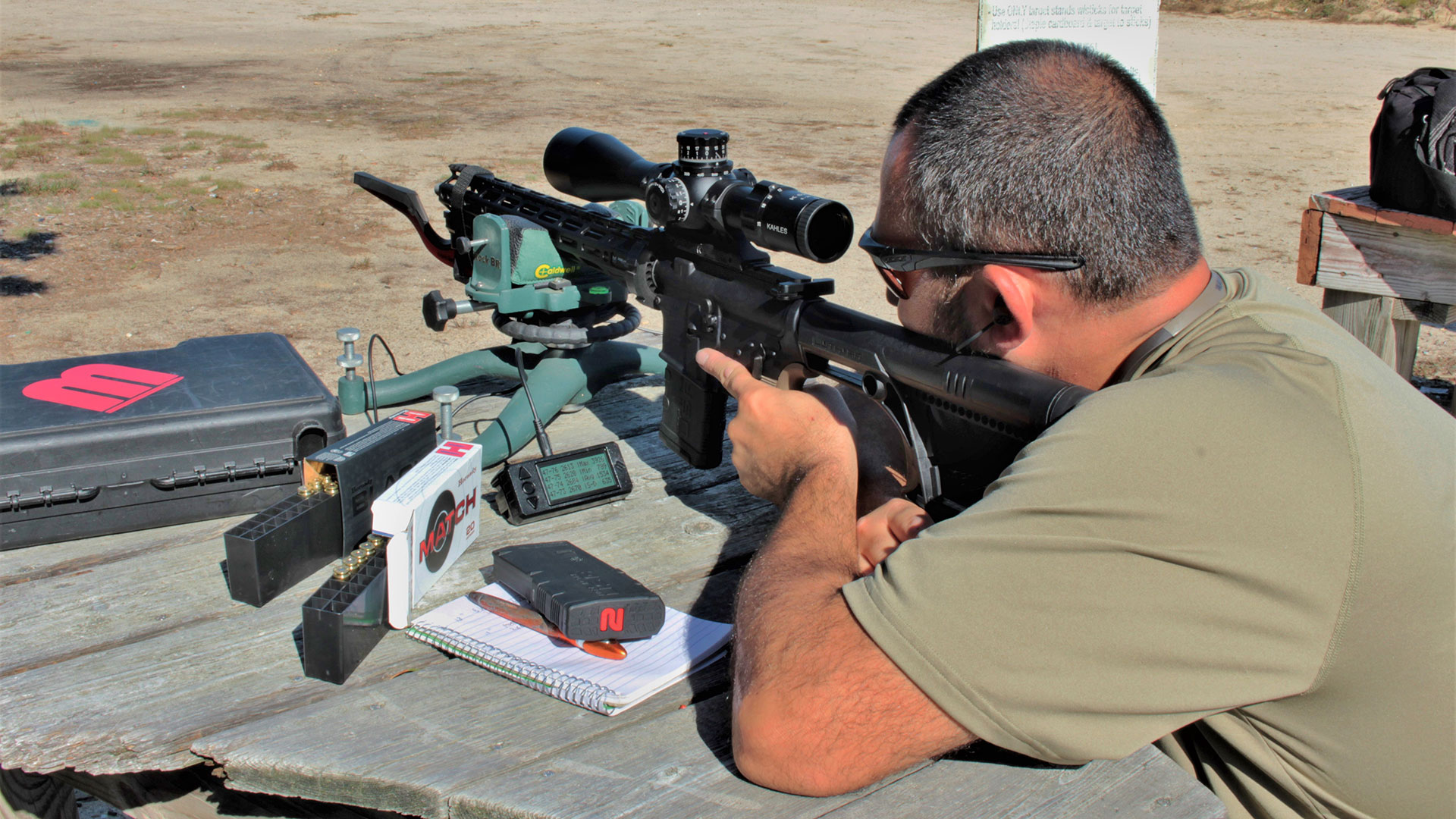
If the fast group walks directionally and the slow group doesn't, you've confirmed heat shift. If both groups look similar, your problem is elsewhere. If the slow group is also large but without a directional walk, you're probably looking at ammo inconsistency or a mechanical issue.
Do this at 100 yards first to eliminate wind as a variable. Then repeat at 300 or 600 to see how the shift scales with distance. A 0.3 MOA shift at 100 is still 0.3 MOA at 600; but 0.3 MOA at 600 is 1.8 inches instead of 0.3 inches. That's the difference between center mass and a miss on a small target.
Common mistakes shooters make with barrel heat
Assuming their barrel is "broken" when it shifts. Every barrel shifts. Every single one. The question is how much and how fast. A barrel that holds zero for five rounds and then walks half a MOA over the next five isn't defective; it's a normal barrel doing normal barrel things. If you're seeing 2+ MOA of shift over ten rounds on a heavy-contour barrel, that might indicate a stress relief or bedding problem. Half a MOA on a medium contour? That's Tuesday.
Pouring water on a hot barrel. Don't do this. Rapid, uneven cooling can introduce new stresses and potentially warp the barrel. If you need to cool a barrel between strings, let it air cool. A small battery-powered fan pointed at the barrel helps. Wet rags are better than direct water but still not ideal. The best approach is patience.
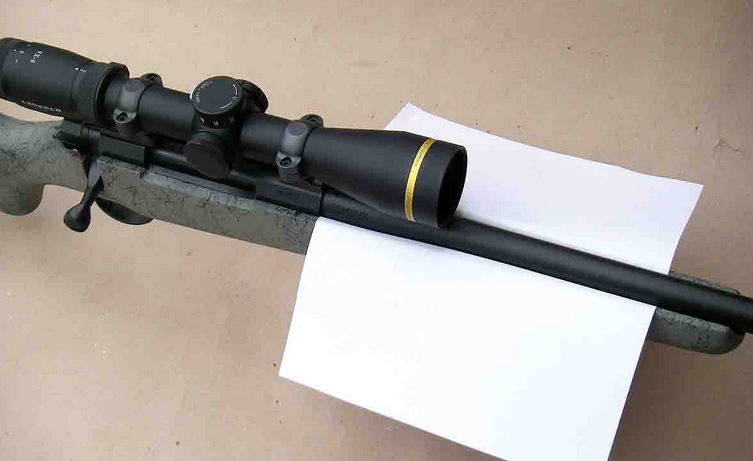
Ignoring the stock/chassis contact issue. A barrel that's properly free-floated shouldn't contact the stock or handguard at any temperature. But some stocks and chassis flex enough under heat that a barrel which is free-floated when cold starts touching when hot. This creates a pressure point that shifts POI dramatically and inconsistently. If your heat walk is erratic rather than progressive, check for barrel contact. Slide a dollar bill between the barrel and stock/handguard with the barrel hot. If it catches anywhere, you've found a problem that isn't the barrel itself.
Chasing the shift with turret adjustments mid-string. Some shooters try to dial corrections as their barrel heats up during a stage. Unless you've logged your barrel's specific heat walk pattern extensively and can predict exactly where it'll be at shot number eight, this is a recipe for compounding errors. You're better off accepting the shift and shooting within the window where your barrel is still accurate enough for the target size. For most medium-contour barrels, that's somewhere in the 8 to 12 round range at match cadence.
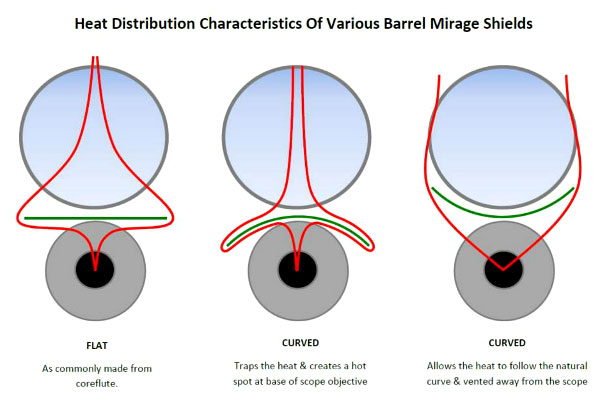
Blaming the barrel when it's the mirage. A hot barrel creates mirage; heat shimmer rising off the steel that distorts your sight picture through the scope. This is especially bad with magnification above 15x. You can be aiming at a target that appears to be in a slightly different location than it actually is. The barrel hasn't shifted your POI; the mirage has shifted your POA. Dropping magnification to 10-12x or using a mirage shield (even a strip of fabric draped over the barrel) can help distinguish between actual heat walk and mirage-induced aiming error.
Equipment comparison: barrels and how they handle heat
Here's a practical comparison of barrel options and their thermal behavior, based on aggregated shooter data and manufacturer specifications.
Criterion stainless steel (cut-rifled, heavy Palma contour)
Cut-rifled barrels generally have lower residual stress than button-rifled barrels because the cutting process removes material without cold-working the bore surface as aggressively. Criterion's stainless barrels in heavy contours show up consistently in PRS competitor surveys. Typical heat walk on a 6.5 Creedmoor in this profile: 0.2 to 0.4 MOA over a 10-round string at match cadence. Recovery to cold-bore zero takes roughly 10 to 15 minutes in moderate ambient temperatures.
Bartlein button-rifled (medium Palma contour)
Bartlein is the most-used barrel brand among top PRS competitors according to PrecisionRifleBlog's surveys, and their button-rifled barrels are known for excellent stress relief. In a medium Palma contour, expect slightly more heat walk than a heavy contour; 0.3 to 0.6 MOA over ten rounds is a reasonable expectation; but the weight savings is significant. The button-rifling process, when done well and followed by proper stress relief, produces barrels that are competitive with cut-rifled options in thermal stability.
Proof Research carbon fiber wrapped (Sendero contour equivalent)
Proof's carbon-wrapped barrels with a thin stainless steel liner weigh roughly 40 to 50 percent less than equivalent-diameter steel barrels. Heat walk data varies more with these because the liner thickness and carbon layup affect thermal behavior. Typical reports suggest 0.3 to 0.5 MOA of walk over ten rounds; comparable to a medium steel contour; but with faster recovery. The first five rounds tend to behave very well; it's rounds six through ten where the thin liner's limited thermal mass starts to show. For a hunting rifle that might fire one to three shots, these are excellent. For sustained PRS-style fire, they're a compromise.
Factory Remington/Savage sporter contour
A typical factory sporter barrel in the 0.55-inch muzzle diameter range will show 0.5 to 1.5 MOA of heat walk over ten rounds, sometimes more. These barrels aren't designed for this use case. If you're running a factory hunting rifle and wondering why your groups open up during load development sessions, this is likely a major contributor. Slow your cadence to one round per minute or more, and you'll see dramatically better results.
TACOM structured barrel
Structured barrels represent the newest approach to the thermal problem. By adding geometric cooling features to the outer surface without removing material, they maintain thermal mass while improving heat dissipation. Early data from users suggests these barrels can extend the "accurate window" by 30 to 50 percent compared to a smooth barrel of the same contour; meaning if a smooth medium contour starts walking noticeably at round eight, a structured version of the same contour might hold until round ten or twelve. The technology is still relatively new, and long-term data is limited.
Managing heat in competition and field shooting
You can't eliminate heat shift. You manage it. Here's how that looks in practice.
PRS and NRL stages
Most PRS stages are 8 to 12 rounds in 90 to 120 seconds. That's a fast cadence; roughly one round every 8 to 15 seconds. On a medium-contour barrel, you're going to see some heat walk by the end of the string. The top competitors know this and account for it in two ways.
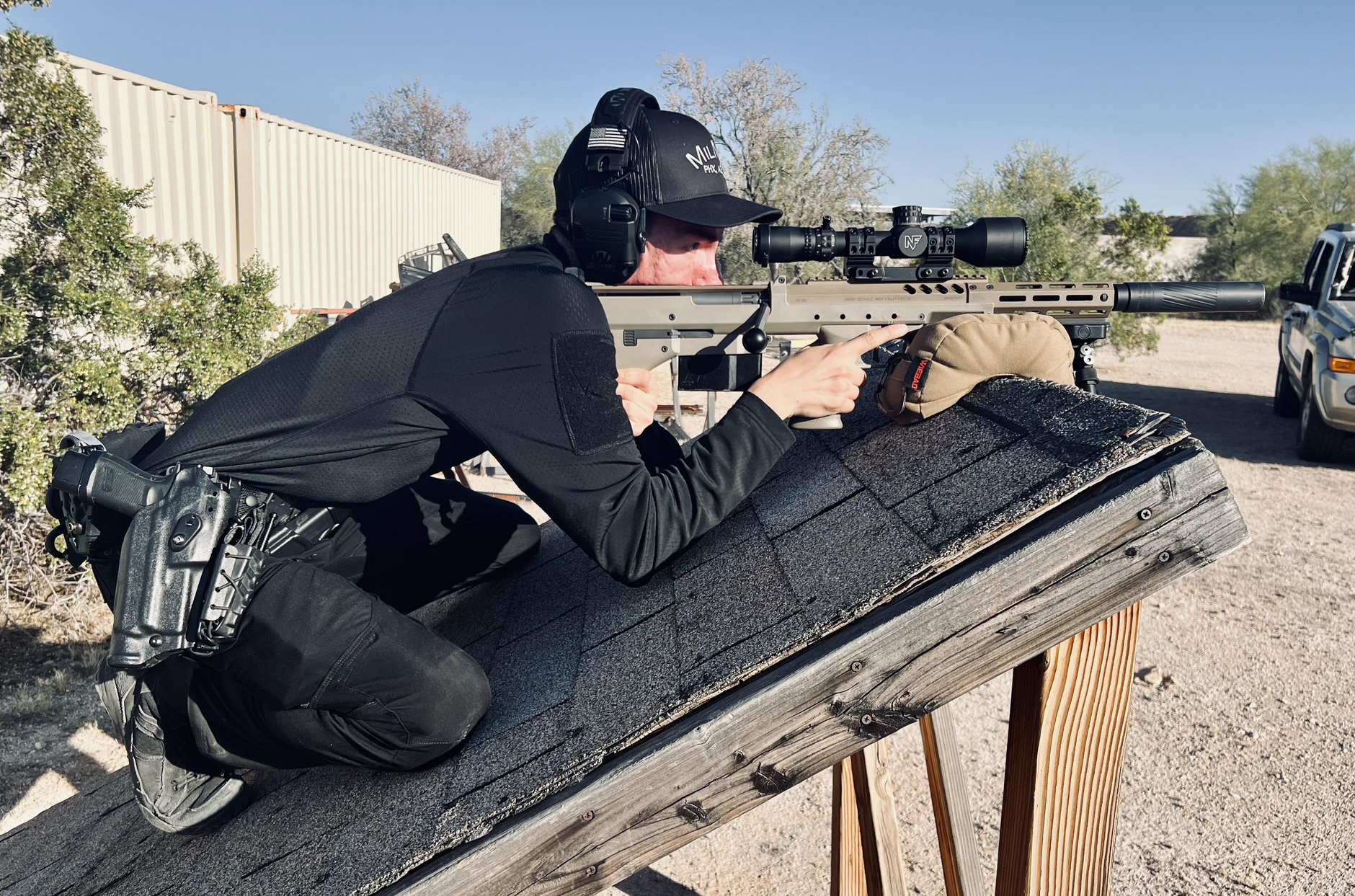
First, they choose barrel contours that give them enough thermal runway for the stage. A medium-heavy contour (sometimes called a #7 or similar) is the most common choice because it balances weight for positional stages against thermal mass for sustained strings. Going too heavy makes positional shooting harder, which costs more points than the thermal advantage gains.
Second, they accept that their last few shots on a long string will be slightly degraded and focus on shooting the first shots well. In a stage where you're engaging multiple targets, prioritize the small or distant targets early in the string when the barrel is coolest. Save the big, close targets for the end when a quarter MOA of shift doesn't matter.
Match notes: the 10-round rule of thumb
For a typical medium-contour precision rifle barrel in 6.5 Creedmoor or .308, shooting at match cadence, the data consistently shows that meaningful heat walk (more than 0.25 MOA) begins somewhere between round 6 and round 10. Call it the "10-round rule of thumb"; your first ten rounds are your most accurate window. After that, you're fighting thermodynamics.
This doesn't mean round eleven is a guaranteed miss. It means the probability of a miss increases progressively. On a 2 MOA target at 600 yards, you might not notice. On a 1 MOA target at 800, you will.
Hunting applications
For hunters, barrel heat shift is almost never the problem people think it is. Your first shot from a cold bore is the one that matters, and cold bore shift is a separate, more predictable issue. If you need a follow-up shot, the barrel hasn't heated enough from one round to shift meaningfully. If you're taking three or four follow-up shots in rapid succession on a wounded animal, accuracy degradation from heat is the least of your concerns; shot placement under stress and adrenaline is a far larger variable.
Where heat matters for hunters is during the zeroing and practice sessions before the hunt. If you're confirming zero by firing 15 rounds in 20 minutes through a lightweight hunting barrel, your zero confirmation is contaminated by heat walk. Shoot three rounds, let the barrel cool completely, shoot three more. Your zero is the cold-barrel group, not the aggregate of 15 rounds through a hot pipe.
Building your barrel heat profile
The single most useful thing you can do is build a heat profile for your specific rifle. Every barrel is an individual. Two barrels from the same manufacturer, same contour, same chambering, can behave differently because of microscopic variations in stress patterns, bore concentricity, and steel composition. Your barrel's heat profile is unique to your barrel.
Here's the protocol:
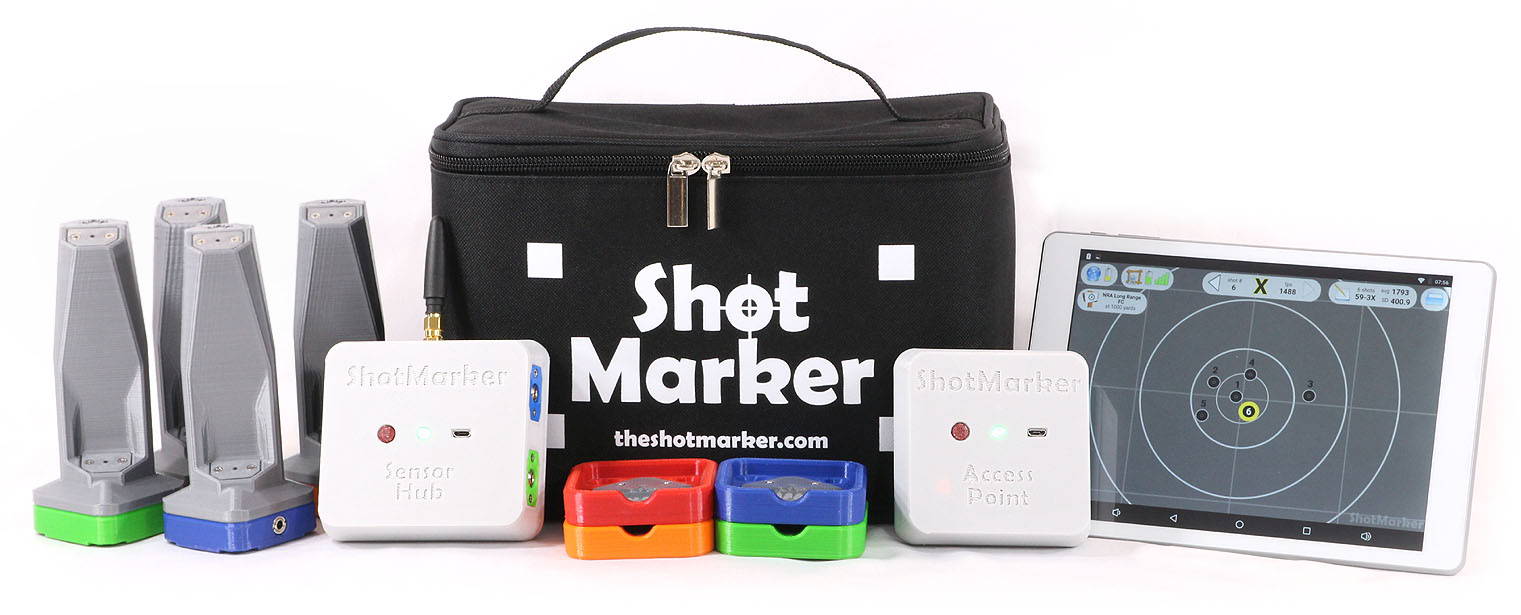
Set up at 100 yards with a target that lets you mark and number each shot. Use ammo from a single lot that you've already confirmed shoots well in this rifle. You need at least 40 rounds for this test.
String one: fire 10 rounds at a cadence of one round every 10 seconds. Number each shot. Note the time. Let the barrel cool for 20 minutes.
String two: fire 10 rounds at a cadence of one round every 30 seconds. Number each shot. Cool for 20 minutes.
String three: fire 10 rounds at a cadence of one round every 60 seconds. Number each shot. Cool for 20 minutes.
String four: fire 10 rounds at a cadence of one round every three minutes. Number each shot.
Now compare. For each string, plot the shot positions in sequence. Look for directional walk. Measure the displacement of each shot from the first shot's position. You'll see the walk develop faster in string one and slower (or not at all) in string four. The cadence at which walk becomes negligible is your barrel's "thermal safe cadence"; the rate at which cooling keeps up with heating.
This data is gold. It tells you exactly how fast you can shoot before heat becomes a factor, and it tells you the direction and magnitude of the walk so you can predict it if you need to shoot faster than the safe cadence.
Log the ambient temperature when you run this test. A barrel that's thermally stable at 50°F might walk sooner at 95°F because it's starting from a higher baseline temperature and the cooling rate is lower (less temperature differential between barrel and ambient air). If you shoot in significantly different climates, run the test in each one.
When to actually worry
Not every group that opens up is a heat problem. Most accuracy problems sit behind the rifle. But if you've eliminated shooter error, wind, and ammo consistency, and you're still seeing progressive directional walk that correlates with round count, heat is your answer.
The fix depends on severity. If the walk is under 0.5 MOA over your typical shot string, you're in normal territory; manage it with cadence and stage strategy. If it's over 1 MOA on a medium or heavy contour barrel, something else might be contributing: barrel contact with the stock, inadequate stress relief from manufacturing, a bedding issue that worsens with heat, or a suppressor that's cooking your muzzle.
Address the easy stuff first. Confirm free-float under heat. Remove the suppressor and retest. Check your action screws' torque; some shooters find that heat causes the stock to expand enough to change the effective torque on the action, which shifts POI through a bedding change rather than a barrel change. If you've eliminated all of those and still have excessive walk, the barrel itself may have a stress issue, and the real fix is a new barrel from a manufacturer known for thorough stress relief.
Your next range session
Take 40 rounds of consistent ammo, a Sharpie, and a target you can mark individual shots on. Run the four-string protocol described above. Plot the results. Build your barrel's heat profile. It'll take about two hours including cooling time, and you'll learn more about your rifle's real-world accuracy envelope than a hundred five-shot groups ever told you.
Once you have the data, the decisions get simple. You'll know your thermal safe cadence. You'll know when to expect walk and in what direction. You'll know whether your suppressor is costing you a quarter MOA or a full MOA over a stage. And you'll stop blaming flyers on gremlins when the answer was thermodynamics the whole time.
The ES/SD tells the story on ammo. The heat profile tells the story on the barrel. Log it. Then trust the log.