You just dropped serious money on a Bartlein, Krieger, or Proof Research barrel. You're itching to start load development. But first, the internet says you need to shoot one round, clean, shoot one round, clean; for the next 50 rounds. That's half a day at the range, a pile of patches, and a lot of solvent fumes, all before you've collected a single meaningful data point.
The question is whether any of that ritual actually moves the needle on accuracy, barrel life, or consistency. The answer is more nuanced than either camp wants to admit. There's real metallurgy and bore-surface science behind the idea, but the prescribed procedures floating around forums have almost zero controlled data supporting them. And some of the loudest voices in barrel making have said, flatly, that break-in procedures are unnecessary.
Here's what the data, the barrel makers, and the shooters who burn through barrels every season actually say; and what you should do with a new tube before you start trusting your DOPE.
Where the break-in idea comes from
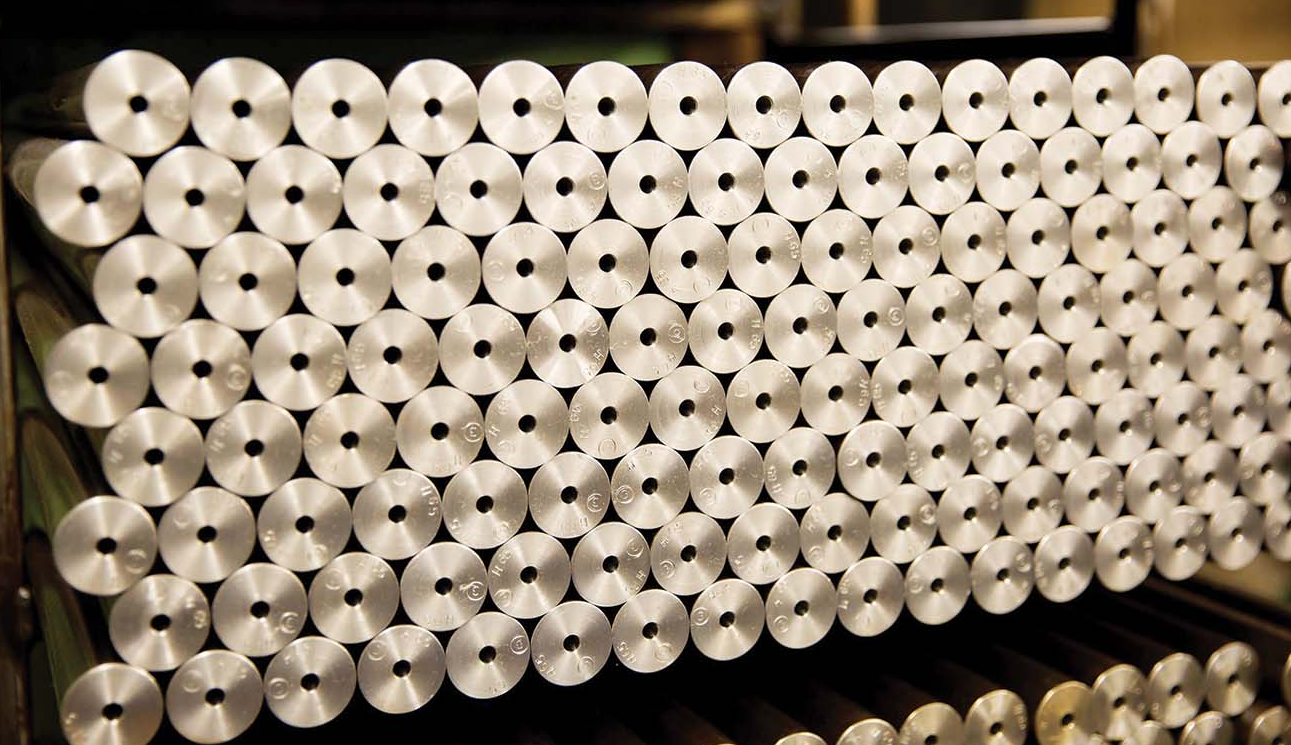
The logic behind barrel break-in isn't crazy. It starts with how barrels are made. Button-rifled barrels, the most common type in precision rifle production, are formed by pulling or pushing a hardened carbide button through a drilled and reamed blank. That process leaves tool marks in the bore, particularly at the throat and in the first few inches of rifling. Cut-rifled barrels (Krieger, Bartlein, Brux, and others) use a single-point cutter that indexes one groove at a time, generally leaving a smoother finish but still not a mirror surface. Hammer-forged barrels, common on factory rifles from Tikka, Sako, and others, are formed by hammering the barrel steel around a mandrel, which can leave a different surface texture altogether.
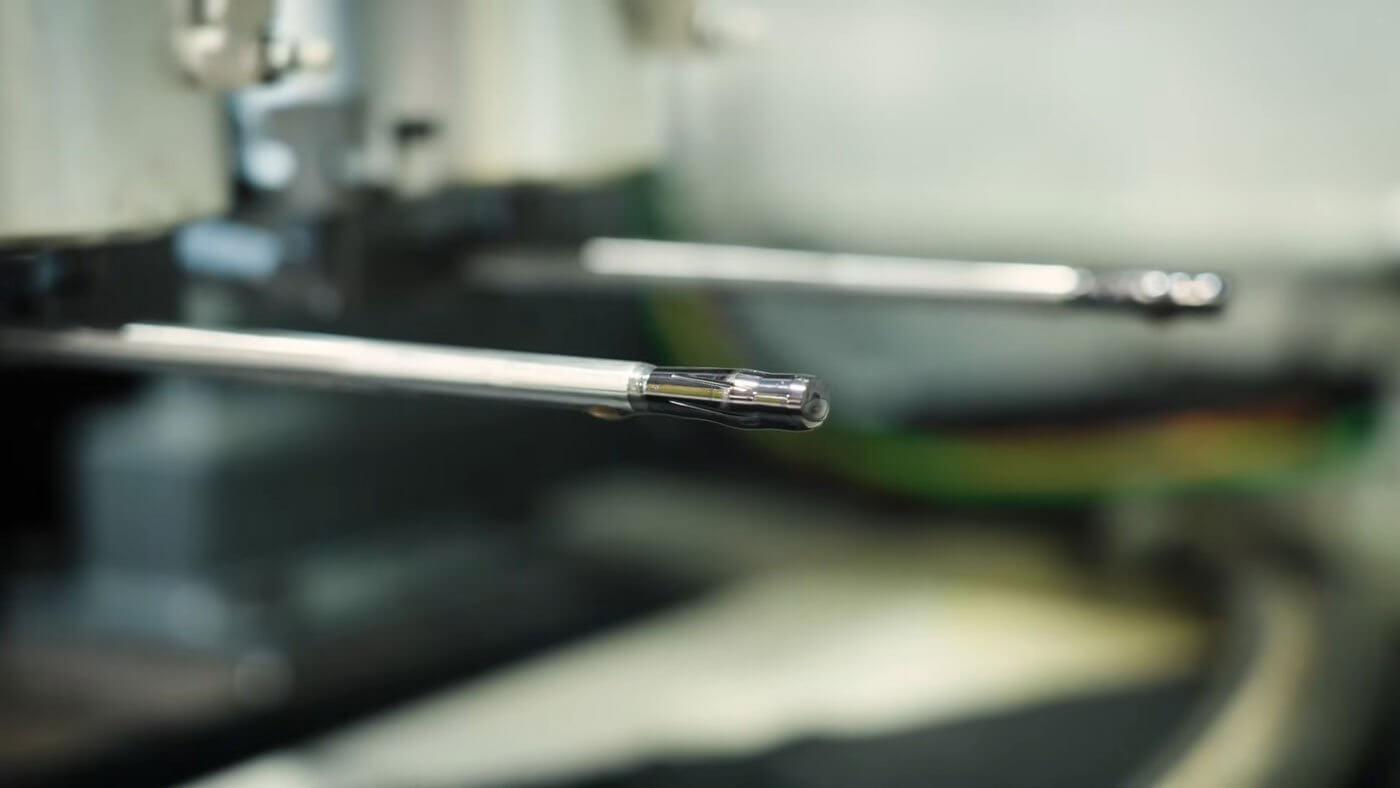
The theory goes like this: those microscopic tool marks, burrs, and rough spots create tiny pockets where copper fouling can anchor. If you fire a few rounds and then clean aggressively, you gradually smooth those rough spots with the passage of bullets and solvent, creating a bore surface that fouls less and cleans easier for the rest of the barrel's life. The idea is that you're "lapping" the bore with jacketed bullets.
On its face, that's plausible. Bore surface roughness does affect fouling rates. A rougher bore fouls faster and harder. Anyone who's cleaned a cheap factory barrel versus a hand-lapped Krieger knows the difference, one takes 20 patches and a bronze brush, the other comes clean in five. The question isn't whether bore finish matters. It does. The question is whether the shoot-one-clean-one ritual is the thing that fixes it.
What barrel makers actually say
This is where the consensus falls apart, because the people who literally make the barrels don't agree.
Krieger Barrels, one of the most respected names in cut-rifled precision barrels, has historically recommended a break-in procedure. Their FAQ suggests shooting one round and cleaning for the first five shots, then three-round groups with cleaning for the next fifteen, then five-round groups with cleaning for the next twenty-five. That's a 45-round break-in protocol. Their reasoning is that it helps the throat area smooth out and reduces long-term fouling.
Gale McMillan, the late founder of McMillan Rifles, a man who made and tested more barrels than most of us will ever see, was famously blunt about the whole thing. His posts on Sniper's Hide, still archived and widely quoted, called barrel break-in a marketing gimmick. His position was that a properly made barrel doesn't need break-in, that the procedure was invented to sell cleaning products, and that excessive cleaning in the first few rounds is more likely to damage a barrel (particularly the crown and throat) than to help it. He pointed out that military barrels, which see thousands of rounds with minimal cleaning, don't get a break-in procedure and perform fine.

Bartlein Barrels has taken a middle-ground position, suggesting that a brief cleaning after the first few rounds is reasonable but that elaborate multi-stage protocols aren't necessary. Their stance is essentially: clean it when it's dirty, don't overthink it.
Proof Research, which makes carbon-fiber-wrapped barrels with cut-rifled steel liners, doesn't prescribe a formal break-in. Neither does most of the hammer-forged factory barrel world, Tikka doesn't ship a break-in card with their rifles, and those barrels shoot well from round one.
So you've got one major barrel maker recommending a detailed protocol, one legendary barrel maker calling it nonsense, and most of the rest landing somewhere in the "clean it a couple times early on and get to shooting" camp. That's not a consensus. That's a disagreement dressed up as tradition.
The data problem
Here's the core issue: there is almost no controlled, published data comparing broken-in barrels to non-broken-in barrels of the same make, chambering, and lot. Nobody has taken ten Krieger 6.5 Creedmoor barrels from the same steel lot, broken in five of them with a meticulous protocol, shot the other five normally, and then tracked accuracy, fouling rates, and barrel life over 3,000 rounds each.
That study doesn't exist. And until it does, every opinion on break-in, including the ones from barrel makers, is based on anecdote, shop experience, and theory. Good theory, sometimes. But not data.
Bryan Litz, whose ballistic work at Applied Ballistics is about as data-driven as the precision rifle world gets, has talked about barrel life cycles in terms that are relevant here. His observations suggest that most barrels go through a brief settling-in period in the first 50-100 rounds where groups may tighten slightly, followed by a long plateau of consistent accuracy, followed by a decline as the throat erodes. That initial settling-in period is real and measurable. But whether it's caused by the bore surface smoothing out, the shooter learning the rifle, the action screws settling, the stock bedding breaking in, or some combination, that's not isolated in any controlled way.
The Sniper's Hide forums have hosted some of the most detailed informal discussions on this topic, and the thread on "Objective research on Barrel Break-in procedures" is worth reading. The takeaway from hundreds of posts by competitive shooters and gunsmiths is roughly: most people who skip break-in don't notice a difference, and most people who do break-in can't prove it helped. The few who report dramatic improvements after break-in are almost always comparing a dirty, copper-fouled bore to a clean one, which tells you about cleaning, not about break-in.
What's actually happening in those first 50 rounds
Let's separate what's real from what's assumed.
The throat of a new barrel, the area just forward of the chamber where the bullet first contacts the rifling, does have the roughest surface finish. This is true for cut-rifled, button-rifled, and hammer-forged barrels, though the degree varies. The first few bullets through a new bore will encounter more resistance here, and copper transfer to the bore surface is heaviest in the first 10-20 rounds. That's measurable. You can see it on the patches.
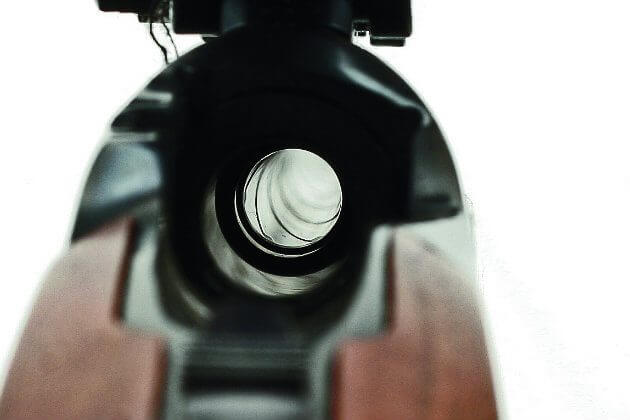
After those first rounds, copper fouling rates typically decrease. The bore surface has been burnished slightly by bullet passage. Whether cleaning between each shot accelerates this process or whether just shooting 20 rounds straight accomplishes the same thing, that's the unanswered question.
Here's what we do know: hand-lapping, which many premium barrel makers perform before shipping, does more to smooth a bore than any number of jacketed bullets will. Krieger hand-laps their barrels. So does Bartlein. So does Brux. If you're buying a hand-lapped barrel and then spending 45 rounds "lapping" it further with your ammo, you're arguably doing redundant work on a surface that's already been finished to a high standard.
Factory barrels from Tikka, Howa, Remington, or Savage are generally not hand-lapped. These barrels have rougher bore finishes and higher initial fouling rates. If break-in has any real benefit, it's more likely to show up here than on a $500 custom blank that's already been lapped.
David Tubb's Final Finish system takes a different approach, it uses bullets loaded with progressively finer abrasive compounds to literally lap the bore in-place. Users on the Nosler and Accurate Shooter forums have reported reduced fouling after using the system, and the logic is sound: you're mechanically smoothing the bore surface with calibrated abrasives, not just hoping that copper jacket material does the job. If bore smoothness is the goal, this is a more direct path than the traditional shoot-and-clean method.
The cleaning risk nobody talks about
Here's something the break-in advocates rarely address: cleaning a barrel is not a zero-risk activity. Every time you run a rod down the bore, you risk damaging the crown if your technique is sloppy. Every time you use a bronze brush, you're introducing trace copper that can confuse your fouling assessment. Every time you soak the bore in aggressive solvent and don't neutralize it properly, you risk etching the steel.
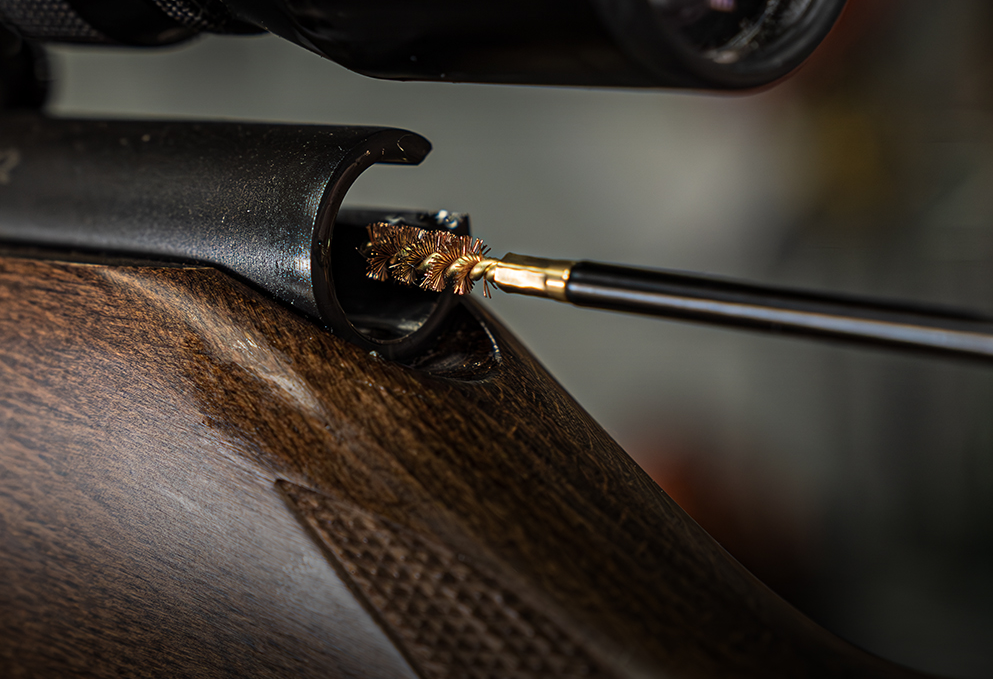
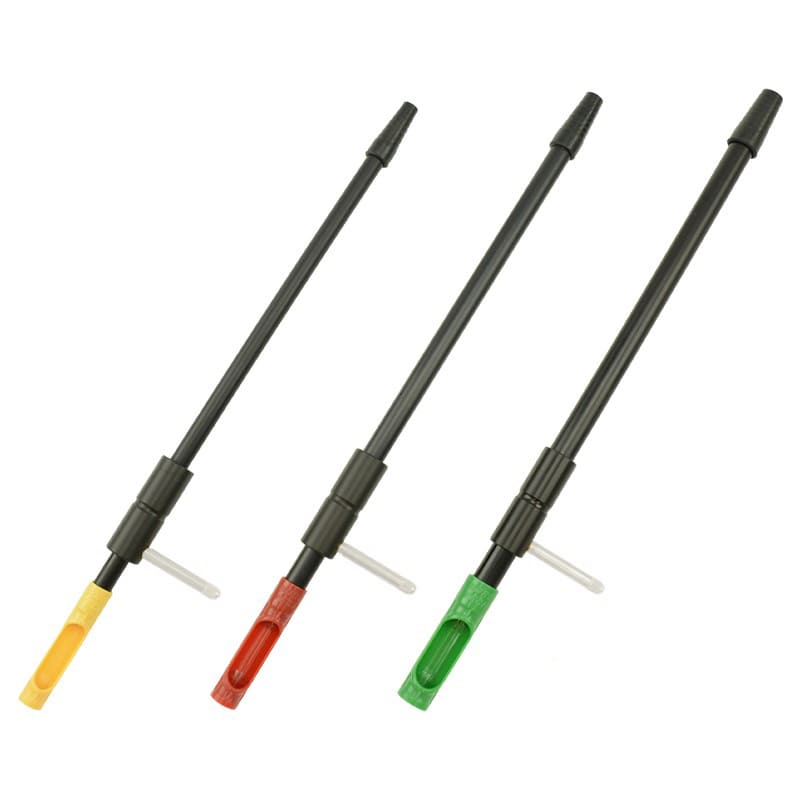
A one-piece coated cleaning rod with a bore guide eliminates most of these risks. But not everyone uses one, and not everyone uses one correctly. The shooter who's meticulously cleaning after every single round for 50 rounds is running a cleaning rod through the bore 50 times before they've even started shooting for real. If their technique is imperfect, rod flexing against the rifling, jag scraping the crown, solvent left in the bore, they may be doing more harm than the break-in is doing good.
Gale McMillan's point about this was characteristically direct: more barrels have been ruined by improper cleaning than by lack of break-in. That's hard to argue with.
Range notes: what copper fouling actually tells you
If you want to assess your bore's condition during those first rounds, here's what to look for. Run a clean patch with copper solvent (Bore Tech Eliminator, Montana X-Treme, or similar) after every 5 rounds for the first 20. Note the color on the patch, blue or green indicates copper. Heavy blue on the first 5-round patch is normal. If it's still heavy blue after 20 rounds with cleaning between groups, your bore is rougher than average and may benefit from more aggressive treatment (like the Tubb system) or simply more rounds downrange. If the copper diminishes noticeably by round 15-20, your bore is settling in fine and you can stop worrying about it.
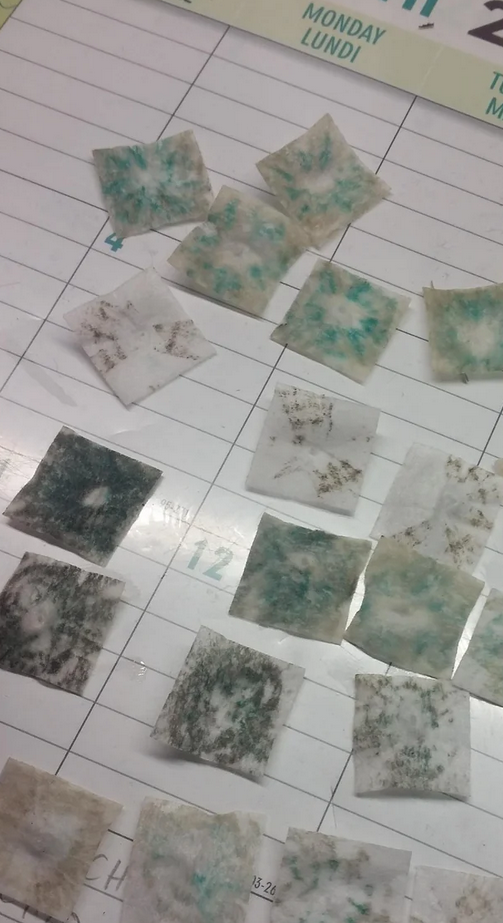
The key metric isn't whether there's copper, there's always some copper transfer. The metric is whether the fouling rate is decreasing over time. If it is, the bore is smoothing out regardless of whether you're following a formal protocol.
Barrel manufacturing methods and how they affect this question
Not all barrels are created equal, and the break-in question doesn't have a one-size-fits-all answer because the starting bore condition varies significantly by manufacturing method.
Cut-rifled barrels from makers like Krieger, Bartlein, Rock Creek, and Brux are generally the smoothest out of the box, especially when hand-lapped. The single-point cutter removes material cleanly, and the lapping process further refines the surface. These barrels typically foul the least from round one and have the least to gain from a break-in procedure.
Button-rifled barrels, which include most Shilen blanks, many Proof Research liners, and a huge number of factory barrels, are formed by cold-working the steel. The button displaces metal rather than cutting it, which can leave a slightly different surface texture with more residual stress. Quality button-rifled barrels are stress-relieved after rifling, and many are lapped. But in general, button-rifled bores may start with slightly more surface irregularity than cut-rifled bores, and the argument for some initial cleaning attention is marginally stronger here.
Hammer-forged barrels, the standard for Tikka, Sako, FN, and many military barrels, are formed by hammering the barrel blank around a mandrel at high pressure. The resulting bore is extremely hard and uniform, but the surface finish can be rougher than a lapped cut-rifled barrel. These barrels are also the ones that military armorers have been issuing for decades without any break-in procedure, and they work fine. The surface roughness of a hammer-forged bore tends to smooth out with use, but it does so over hundreds of rounds, not the first 20.
Comparing common precision barrel options
Here's how five popular barrel choices stack up on the factors that actually relate to the break-in question:
Krieger cut-rifled blanks are single-point cut, hand-lapped, and available in virtually every precision chambering. Bore finish out of the box is excellent. Initial fouling is minimal. The company recommends break-in, but the barrel's own quality arguably makes it least necessary.
Bartlein cut-rifled blanks use a similar process and are also hand-lapped. Bore finish is comparable to Krieger. They suggest a lighter break-in approach. These barrels are dominant on the PRS circuit, the data from PrecisionRifleBlog.com's surveys consistently shows Bartlein as the most popular barrel among top competitors, and those shooters are not spending a full day on break-in rituals.
Rock Creek button-rifled blanks are popular in the mid-price precision market. Button-rifled and stress-relieved, they shoot well but may have slightly higher initial fouling than hand-lapped cut-rifled options. A brief cleaning protocol in the first 10-20 rounds is reasonable here.
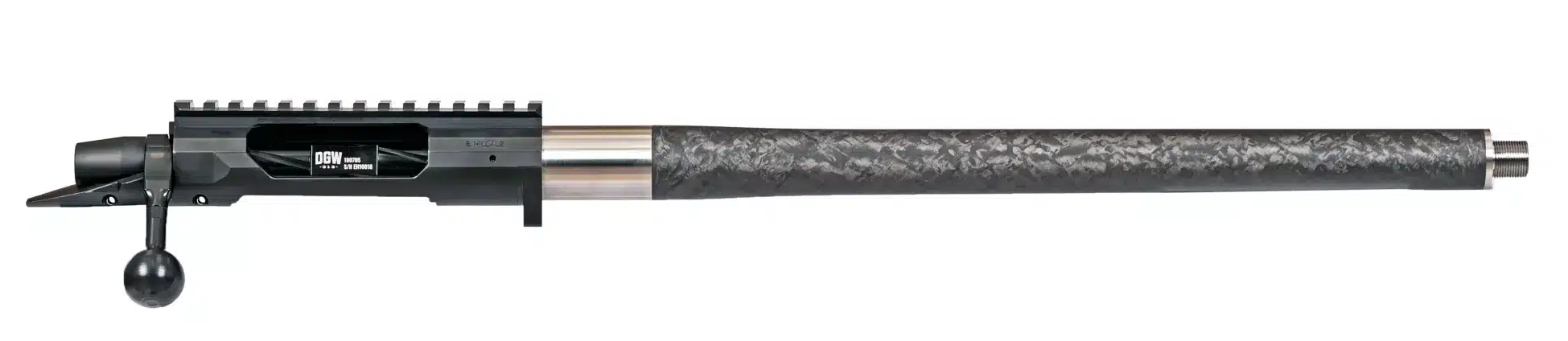
Proof Research carbon-wrapped barrels use a cut-rifled steel liner inside a carbon fiber wrap. The liner is made to high standards, and the carbon wrap helps with heat dissipation and weight. Break-in recommendations are minimal. The bigger consideration with these barrels is their thermal behavior, not bore break-in.
Factory Tikka or Bergara barrels, hammer-forged (Tikka) or button-rifled (most Bergara), represent what most shooters actually start with. These barrels are not hand-lapped and will foul more initially. A moderate cleaning protocol in the first 20 rounds won't hurt, but the bore will smooth out with normal use regardless.
What top PRS shooters actually do
This matters more than forum arguments. The people burning through 5,000-8,000 rounds a year in competition have direct, repeated experience with new barrels. They swap barrels regularly, sometimes mid-season, and they need those barrels shooting well immediately, not after a 50-round break-in ceremony.
The data from PrecisionRifleBlog.com's shooter spotlights and load data surveys tells a consistent story. Most top PRS competitors do some version of abbreviated cleaning in the first 10-20 rounds. Shoot a few, clean, shoot a few more, clean, then start load development. Nobody in the top 50 is doing the full shoot-one-clean-one-for-50-rounds protocol. They can't afford to, barrel life in 6mm competition cartridges is often 1,200-1,500 rounds, and wasting 50 of those on break-in ritual instead of practice or load development is a poor allocation.
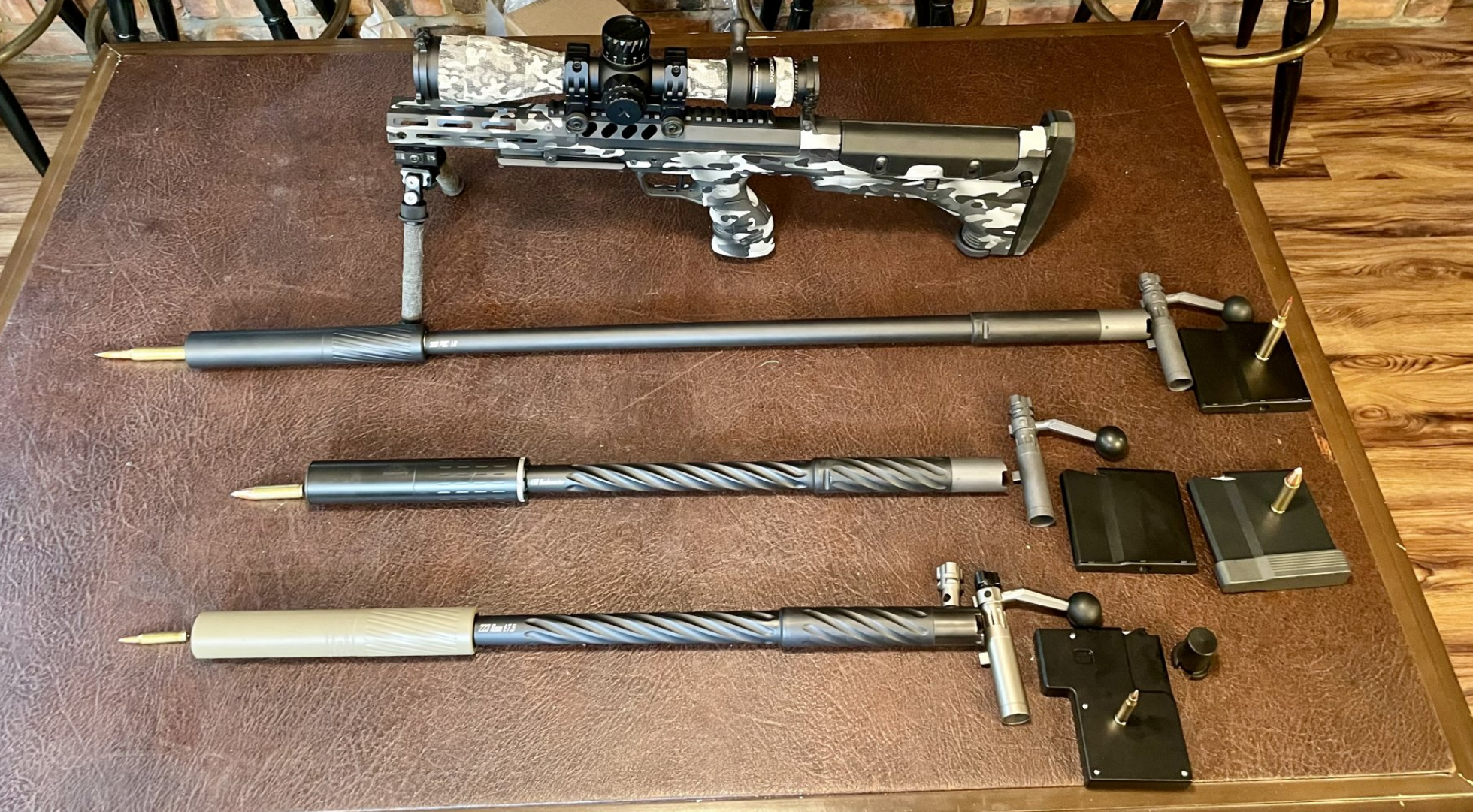
Austin Orgain, a two-time PRS champion, has discussed his reloading and rifle setup process publicly. The emphasis is on load development, ES/SD optimization, and positional shooting practice, not on barrel break-in. When your competitive edge comes from reading wind and shooting from awkward positions under a timer, spending a range day on break-in doesn't make the priority list.
The competitive consensus seems to be: clean the new barrel after the first 5-10 rounds, check for unusual fouling, then start shooting for real. If the barrel fouls heavily, clean more frequently in the early going. If it doesn't, proceed normally. That's about as much ceremony as a new barrel gets from the people who depend on their rifles most.
Common mistakes around barrel break-in
There are several ways shooters waste time, money, or barrel life on this topic.
The first is following a rigid protocol from the internet without considering the barrel they actually have. A hand-lapped Krieger doesn't need the same treatment as an unlapped factory Remington barrel. Applying a one-size-fits-all 50-round break-in to a barrel that was already lapped to a mirror finish is like waxing a car that just came out of the detail shop.
The second is using break-in as a substitute for proper cleaning technique. If your patches are still coming out blue after 50 rounds of break-in, the problem isn't that you need more break-in. The problem might be your solvent, your technique, your patch fit, or your bore's surface finish. Diagnosing the actual issue matters more than repeating the ritual.
Bergara Factory Barrel Deals
Prices may change. May contain affiliate links.
Third, some shooters use break-in to avoid the harder work of load development. It feels productive, you're at the range, you're shooting, you're cleaning. But you're not collecting useful data. Those 50 rounds could have been an Optimal Charge Weight test, a seating depth ladder, or a velocity node workup. The opportunity cost is real, especially on a barrel with limited life.
Fourth, aggressive cleaning during break-in can actually introduce problems. Short-stroking a cleaning rod, using an undersized bore guide, or leaving solvent in the chamber can cause more issues than the break-in solves. If you're going to clean frequently, do it right: one-piece coated rod, proper bore guide, correct caliber jag and patches, and a solvent protocol that includes a final dry patch and light oil.
Fifth, and this is subtle: some shooters conflate the barrel settling in with break-in working. A new rifle's first 20 rounds are affected by action screw torque settling, bedding compound curing, scope mount settling, and the shooter learning the trigger. If groups tighten between round 5 and round 30, attributing that entirely to bore break-in ignores every other variable that changed.
The fouling equilibrium concept
Here's a framework that's more useful than the break-in debate: fouling equilibrium.
Every barrel reaches a point where copper and carbon fouling stabilize. In the first few rounds of a clean bore, accuracy may be slightly different from a fouled bore, this is the "fouling shot" phenomenon, and it's well-documented. Most precision shooters fire 2-3 fouling shots before a match or a serious range session to bring the bore back to its equilibrium state.
A new barrel hasn't established its fouling equilibrium yet. The bore surface is at its roughest (relative to its eventual state), and fouling patterns are inconsistent. Over the first 50-100 rounds, the bore smooths out, fouling patterns stabilize, and the barrel settles into a predictable rhythm of fouling and cleaning.
Whether you accelerate this process by cleaning obsessively or let it happen naturally by just shooting, the barrel arrives at the same place. The equilibrium is a function of the bore's surface finish and the bullet jacket material, not of how you treated the first 20 rounds.
Bryan Litz's observations about barrel life cycles support this. The initial 50-100 rounds are a settling period. Then you get a long plateau, often 1,000-3,000+ rounds depending on cartridge, barrel steel, and how hard you run it, where accuracy is consistent. Then the throat erodes enough that accuracy degrades. The break-in ritual, at most, might shorten that initial settling period by a few dozen rounds. It doesn't change the plateau or the decline.
What about factory rifles?
Most of the break-in discussion centers on custom barrels, but the majority of precision rifle shooters start with factory guns. A Tikka T3x TAC A1, a Bergara B-14 HMR, a Howa 1500 in an MDT chassis, these are real precision platforms with factory barrels.
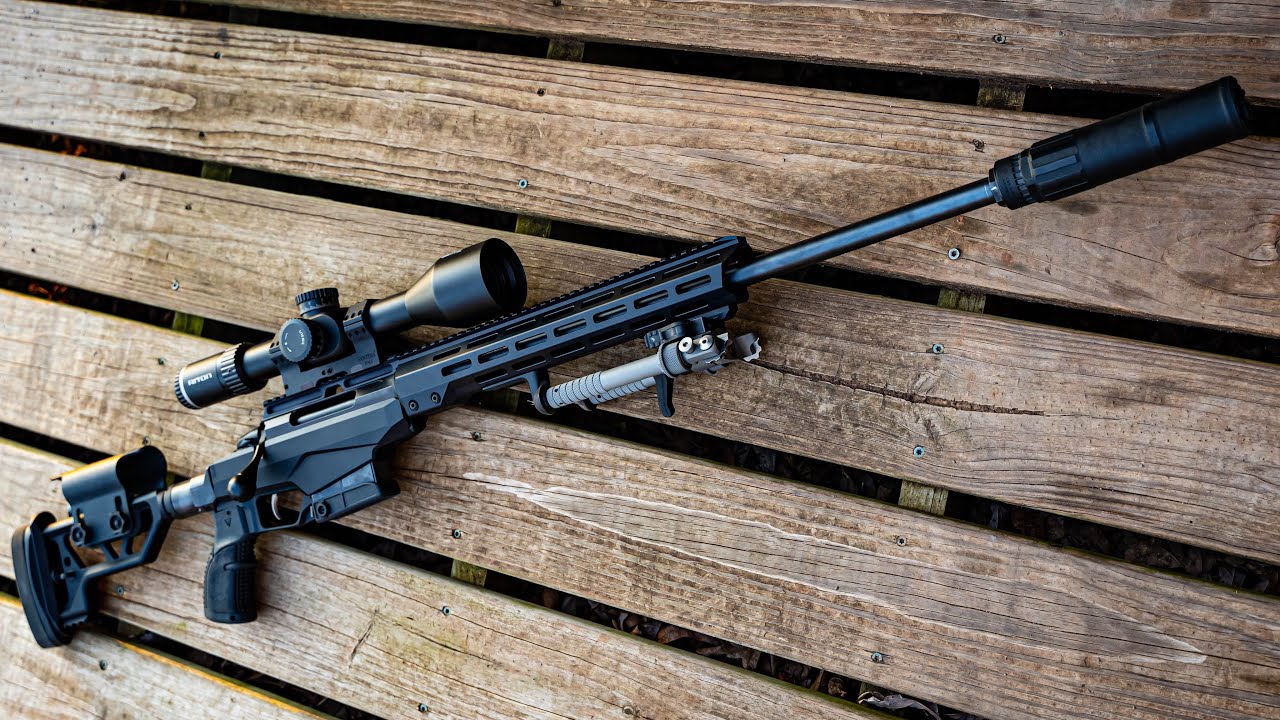
Factory barrels benefit more from early cleaning attention than custom hand-lapped barrels, simply because they start with rougher bores. But even here, the benefit is modest. The data from forum threads on Accurate Shooter and Rokslide shows that most factory rifle owners who skip break-in entirely report no accuracy difference compared to those who follow elaborate protocols. The rifles that shoot well, shoot well. The ones that don't usually have issues unrelated to break-in, poor bedding, a bad crown, inconsistent ammo, or a bore that's just rough enough to be a consistent fouler regardless of how many times you cleaned it in the first 20 rounds.
If you have a factory barrel that fouls heavily and doesn't clean up well after 100+ rounds, break-in isn't going to fix that. The bore finish is what it is. You can try the Tubb Final Finish system, which actually changes the bore surface, or you can manage the fouling with regular cleaning and accept that some barrels just foul more than others.
A practical protocol that respects your time
Here's what makes sense based on the available evidence, the opinions of barrel makers who disagree with each other, and the practices of shooters who depend on their barrels for competition results.
For a hand-lapped custom barrel (Krieger, Bartlein, Brux, etc.): shoot a 3-round group, clean, shoot another 3-round group, clean. Do this twice, that's 12 rounds and two cleanings. Inspect your patches. If copper fouling is light and decreasing, you're done. Start load development. Total break-in investment: 12 rounds, maybe 30 minutes of cleaning.
For a quality button-rifled or non-lapped custom barrel (Rock Creek, Shilen, Proof Research): shoot 3, clean, shoot 3, clean, for the first 15-20 rounds. Pay attention to fouling trends. If copper is diminishing, proceed to load development. If it's still heavy at round 20, clean thoroughly and shoot another 10 before reassessing. You might have a bore that needs the Tubb treatment or just needs more rounds through it.
For a factory barrel (Tikka, Bergara, Howa, Savage, Remington): same as above, but expect heavier initial fouling and don't be alarmed by it. Factory barrels smooth out over the first 50-100 rounds regardless of your cleaning protocol. Clean when it's dirty, shoot when it's clean, and start collecting real data as soon as possible.
For any barrel: use a coated one-piece cleaning rod, a proper bore guide, quality copper solvent, and correctly sized jags and patches. The cleaning technique matters more than the cleaning frequency. A sloppy cleaning job 50 times is worse than a careful one 5 times.
Match notes: when to start trusting your load data
Don't start serious load development until you have at least 15-20 rounds through the barrel, regardless of your break-in approach. Those first rounds are affected by too many variables, bore condition, action settling, scope settling, your own unfamiliarity with the rifle, to produce data you can trust. Shoot those rounds at paper, confirm your zero is in the ballpark, and get a rough velocity baseline with your chronograph. Then start your OCW or ladder test with round 20 or so.
If you're running a 6mm or 6.5mm precision cartridge with 1,200-2,500 rounds of barrel life, those first 20 rounds represent less than 2% of the barrel's useful life. Spending them on a careful but not obsessive cleaning protocol is a reasonable investment. Spending 50 rounds on shoot-one-clean-one is not, that's 2-4% of your barrel life gone before you've even started.
The ES/SD tells the real story
Here's the metric that actually matters for your new barrel: extreme spread and standard deviation of muzzle velocity. Once you start load development, your chronograph will tell you more about your barrel's condition than any number of copper-stained patches.
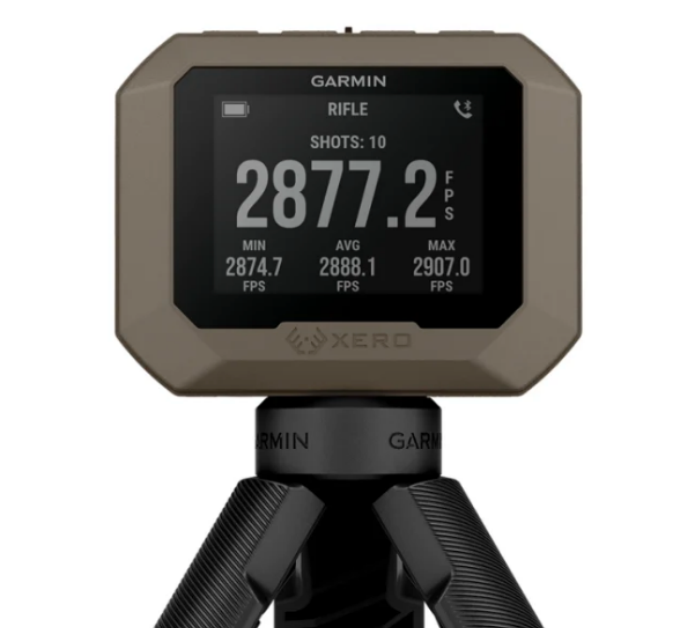
A new barrel that's producing single-digit SD (under 10 fps) with a well-developed load is doing its job. A barrel that's showing 25+ fps SD after 100 rounds of careful load work has a problem that break-in wouldn't have solved, it might be a chamber issue, a bore issue, or a load issue, but it's not a "you didn't clean enough in the first 20 rounds" issue.
Track your velocity data from the start. Log every round with conditions, charge weight, seating depth, and velocity. That log will show you the barrel's true character far more clearly than any break-in protocol ever could. If velocity SD improves from round 20 to round 60, your barrel was settling in, and it would have done so regardless of your cleaning schedule.
The bottom line on break-in
Barrel break-in as a concept has a kernel of truth: new bores are rougher than broken-in bores, and some early cleaning attention can help manage initial fouling. But the elaborate shoot-one-clean-one protocols that circulate online are not supported by controlled data, are not universally recommended by barrel makers, and are not practiced by the competitive shooters who put the most rounds through the most barrels.
The bore surface matters. Cleaning technique matters. But 45 rounds of ritualistic cleaning matters far less than your load development, your wind reading, and your positional shooting fundamentals. A barrel with a perfect break-in and a mediocre load will lose to a barrel with no break-in and a well-tuned load every single time.
Here's your next range session with a new barrel: bring a cleaning rod, bore guide, copper solvent, and patches. Shoot 3, clean, shoot 3, clean, for the first 12-15 rounds. Check your fouling trend. Then put the cleaning kit away and start the work that actually makes you shoot better, developing a load with single-digit SD, confirming your zero at distance, and building a DOPE card you can trust. That's where the real precision comes from. Log it. Then trust the log.