You just moved to a new state, drew a tag you've been waiting three years for, and now you're staring at a website trying to figure out if your old hunter ed card is even valid here. Or maybe you're finally taking your kid out for their first season and you're not sure if they need to complete a course before they can carry a rifle. These aren't hypothetical problems; they're the kind of thing that can burn a weekend or kill a hunt if you don't sort them out well before the season opens.
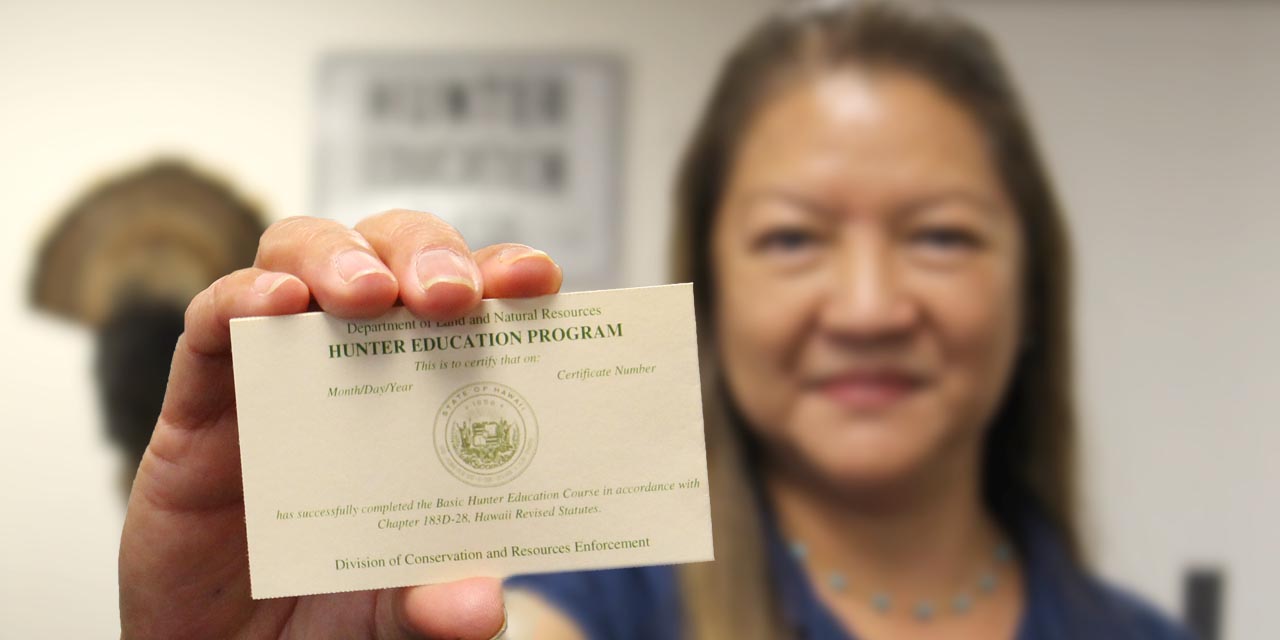
Hunter education requirements vary wildly from state to state. Age thresholds, online versus in-person course formats, reciprocity rules, exemptions; none of it's standardized the way you'd hope. Some states let you hunt without any formal education if you were born before a certain year. Others require everyone to complete a course, no exceptions. A few have hybrid models where you do the classroom portion online but still need to show up for a field day. The differences matter, and getting it wrong can mean a citation, a voided tag, or worse; an unsafe situation in the field.
This piece breaks down the most common questions hunters have about education requirements, with specific examples from actual state programs. If you're hunting in your home state, hunting a new state on a nonresident tag, or getting a young hunter started, the answers here should save you time and keep you legal.
Who actually needs hunter education?
The short answer: almost everyone who wants to buy a hunting license, with some important exceptions. Every state in the U.S. requires some form of hunter education, but they don't all apply it the same way.
Most states mandate that first-time hunters complete a certified hunter education course before they can purchase a license. Texas, for example, requires every hunter born on or after September 2, 1971, to complete a hunter education course. If you were born before that date, you're exempt. Iowa follows a similar model; hunters born after January 1, 1972, need to show proof of completion. Kentucky's cutoff is January 1, 1975. The logic behind these birth-date exemptions is straightforward: hunters who were already active before mandatory education programs existed are grandfathered in.
New York takes a slightly different approach. The state requires hunter education for all first-time license buyers regardless of age or birth date, but it also requires separate certifications depending on what you're hunting with. Want to bowhunt? That's a separate course. Want to hunt with a muzzleloader? Another course. Crossbow? Yet another. New York's system is more layered than most, and it catches people off guard, especially nonresidents who are used to a single certification covering everything.
Montana requires all first-time hunters to complete a course, and there's no birth-date exemption. Same with Washington state. New Hampshire requires it for anyone who hasn't held a hunting license before. The pattern holds across most states, but the details; who's exempt, what counts as "first-time," and what format the course takes; shift enough to trip people up.
Field notes: the exemption trap
Here's where hunters get into trouble. You've been hunting in Pennsylvania for twenty years. You move to Montana. You assume your experience counts for something. It doesn't; not automatically. Montana will accept your Pennsylvania hunter education card as proof of completion, but if you never actually took a course (because you were exempt in PA due to your birth date), Montana still wants you to complete one. Your exemption in one state doesn't create an exemption in another. Check the specific requirements of the state where you're buying the license, not the state where you learned to hunt.
What does a hunter education course actually cover?
If you haven't taken one in a while; or if you're helping someone prepare for their first; the curriculum is more standardized than the requirements themselves. The International Hunter Education Association (IHEA-USA) sets baseline standards that most state programs follow, though states can add their own material.
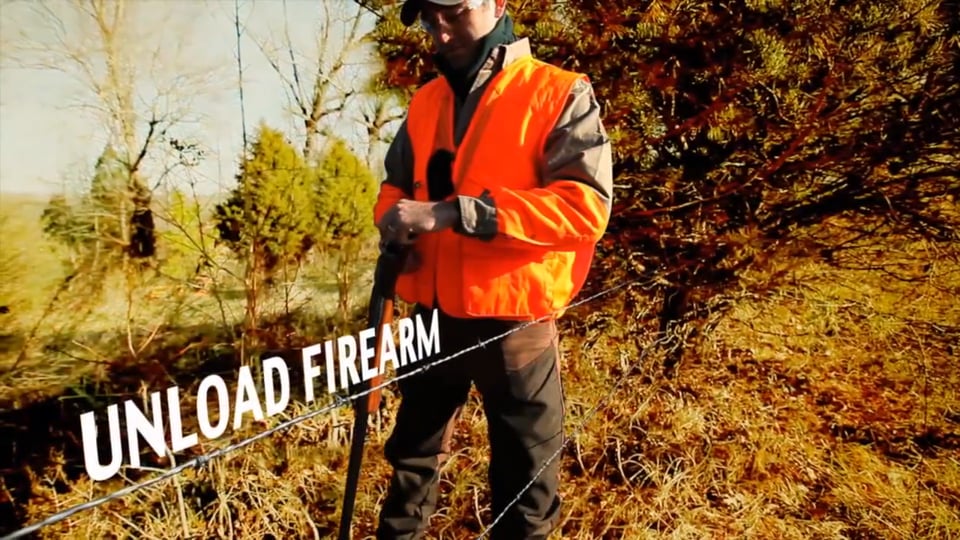
The core topics include firearm safety and handling, ammunition and ballistics basics, field safety and ethics, wildlife identification, game laws and regulations, survival and first aid, and responsible hunting practices. The emphasis is heavily weighted toward safety. How to carry a firearm in the field. How to cross a fence with a gun. How to identify your target and what's beyond it. Zone-of-fire concepts for group hunts. Tree stand safety. These aren't abstract lessons; they address the situations that actually produce hunting accidents.
Some states add state-specific content. Louisiana, for instance, includes material on hunting in wetland environments and specific regulations around wildlife management areas. West Virginia's course covers terrain-specific safety for mountain hunting. New Mexico includes content relevant to public land hunting in arid environments. The state-specific sections are usually short but worth paying attention to, especially if you're hunting unfamiliar terrain.
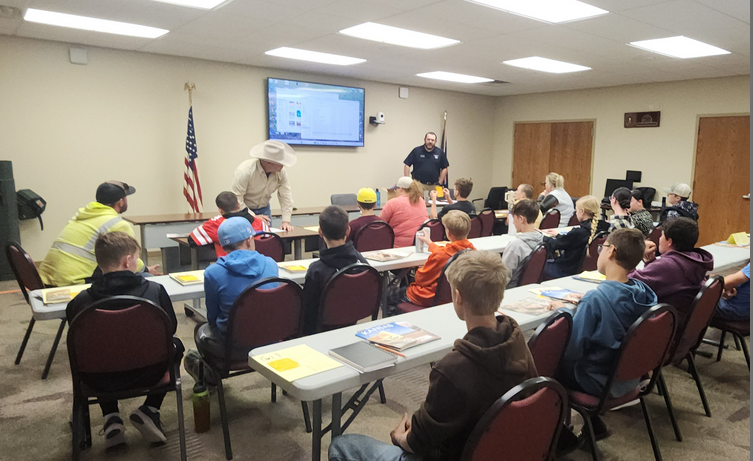
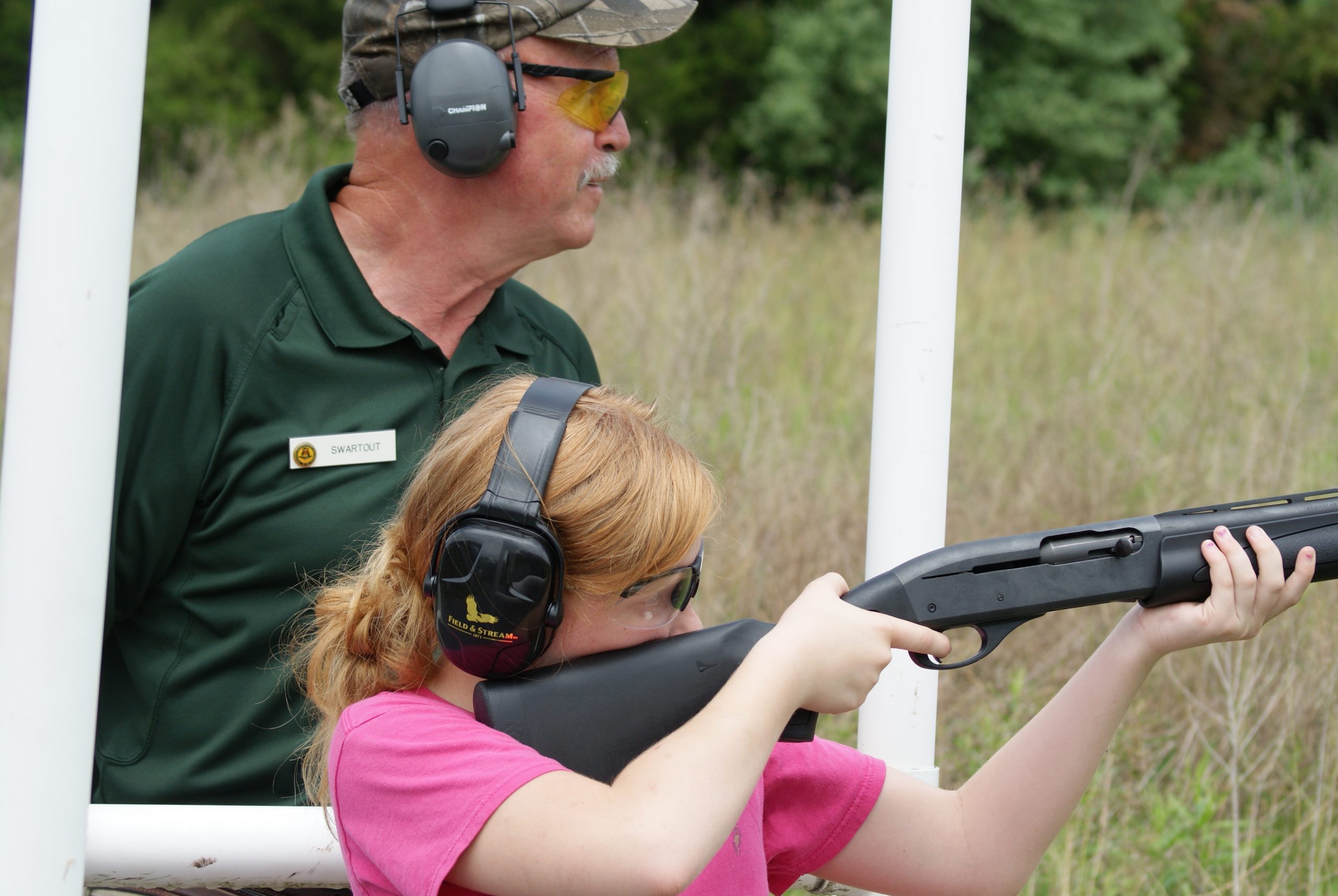
The practical component; the part where you actually handle firearms under instructor supervision; is the piece that online-only courses can't replicate. Most states that allow online courses still require an in-person field day for exactly this reason. Watching a video about muzzle control isn't the same as having an instructor correct your carry in real time.
Online courses vs. in-person: what's actually required?
This is probably the single most confusing area of hunter education right now, because states are all over the map; literally and figuratively.
Some states allow fully online hunter education courses with no in-person component. Others require a hybrid model: online coursework followed by a mandatory field day. A few still require fully in-person, instructor-led courses. And some offer multiple pathways, letting you choose.
Texas allows hunters to complete the entire course online if they're 17 or older. If you're under 17, you need to complete the online portion and then attend a field day with a certified instructor. The online course runs about four to six hours, and the field day is typically a half day.
Nebraska's program follows the hybrid model. You can complete the classroom portion online at your own pace, but everyone; regardless of age; must attend an in-person field day to receive certification. The field day includes live-fire exercises and practical skills evaluation. Nebraska's approach is increasingly common and arguably the best balance between convenience and actual competency verification.
New York requires in-person attendance for its basic hunter education course, though it has experimented with online options. The state's bowhunter and crossbow courses also have in-person requirements. Ohio allows a fully online course for those 16 and older but requires a field day for younger hunters.
Oklahoma runs both traditional classroom courses and an online-then-field-day hybrid. The state's wildlife department maintains a searchable database of upcoming in-person classes, which is useful if you're trying to get certified before a specific season opener.

Illinois requires all hunters born on or after January 1, 1980, to complete a course. The state accepts both the traditional classroom format and a home-study workbook option, though both require attendance at a field day. Illinois doesn't currently accept fully online courses as standalone certification; you're going to show up in person at some point.
Indiana's program is similar. The state requires hunter education for all first-time license buyers and runs both in-person and online-with-field-day options.
The online course quality question
Not all online courses are created equal, and this matters more than most hunters realize. Several third-party providers offer state-approved online hunter education courses, and the quality varies. Some are genuinely well-produced with video content, interactive scenarios, and meaningful quizzes. Others are glorified slideshows that you can click through without absorbing anything.
The IHEA-USA maintains a list of approved course providers by state. If you're going the online route, start there. Make sure the provider is actually approved by the state where you need certification; not just the state where the company is based. A course approved in Georgia may not be accepted in Montana.
And here's the practical reality: the online portion teaches you the rules. The field day teaches you the skills. If you're a new hunter or you're getting a young hunter started, don't treat the field day as a bureaucratic checkbox. It's the most valuable part of the process.
At what age can kids start hunting, and when do they need education?
Age requirements for hunting and for hunter education are two different things, and they don't always align neatly.
Most states allow children to hunt at a young age under direct adult supervision, sometimes before they're old enough to complete a hunter education course. The specifics vary considerably.
Texas allows children of any age to hunt under the direct supervision of a licensed adult who is at least 17 years old. However, hunters under 17 who want to hunt without direct supervision must complete hunter education. The practical effect: a 10-year-old can hunt with a parent without a hunter ed card, but a 17-year-old hunting alone needs one.
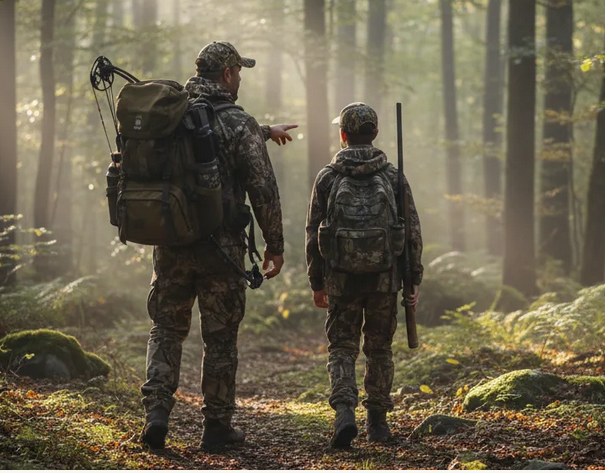
Iowa requires hunter education for anyone born after January 1, 1972, but also has a mentored youth hunting program that allows kids as young as age unspecified to hunt under close supervision without completing a course first. The mentor must be a licensed adult, and the youth hunter must be within arm's reach at all times.
Louisiana has a similar mentored hunting structure. Kids can hunt under direct adult supervision before completing hunter education, but they'll need to complete the course before they can purchase their own license independently.
New Hampshire requires hunter education for all first-time license buyers but allows youth to participate in special youth hunting weekends under adult supervision. Vermont follows a comparable model, with its hunter education program available to youth and a mentored hunting option for those who haven't yet completed the course.
North Dakota requires hunter education for anyone born after December 31, 1961, and the state's minimum age for the course is 11. Kids can take the course at 11 and receive certification, but they still need to meet the state's minimum hunting age requirements for specific seasons and game.
The takeaway: if you're getting a young hunter into the field, look at three separate things in your state; the minimum age to hunt, the minimum age to take hunter education, and the supervision requirements for youth hunters who haven't completed education. These are often three different numbers governed by three different rules.
Does my hunter education card transfer to other states?
Yes; with caveats.
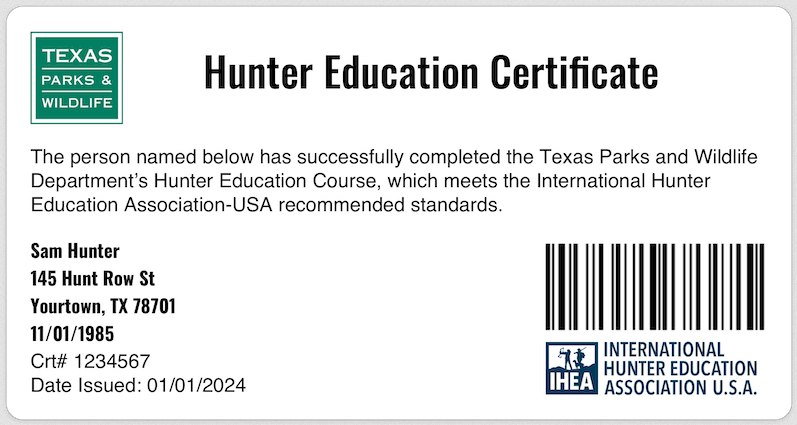
All 50 states and Canadian provinces participate in a reciprocity agreement through the IHEA-USA. If you completed a certified hunter education course in one state, other states will generally accept it as proof of completion. You don't need to retake the course every time you buy a nonresident license somewhere new.
The key word is "certified." Your course needs to have been approved by a state fish and wildlife agency or equivalent. If you took a course through a third-party provider that wasn't state-approved, you may run into problems. If you completed a course in Canada, it's generally accepted in the U.S. and vice versa.
Here's what you need to carry: your original hunter education card or a copy. Some states now have digital verification systems, but plenty still want to see the physical card; especially at check stations or during field checks. If you've lost your card, contact the state where you originally completed the course. Most states maintain records and can issue a replacement, though the process can take a few weeks. Don't wait until September to sort this out.
A few states have additional requirements beyond basic hunter education for specific activities. New York's separate bowhunter certification, for example, may not be satisfied by a general hunter education card from another state. If you're planning to hunt with a bow in New York, verify that your out-of-state credentials cover that specific discipline.
Montana, New Mexico, and several other western states with significant nonresident hunting pressure are generally straightforward about reciprocity. Show your card, buy your license, go hunt. But always verify through the state's fish and wildlife website before you assume. Regulations change, and a phone call in July beats a problem at the license counter in October.
Common mistakes hunters make with education requirements
Assuming birth-date exemptions are universal
You were born in 1965, and your home state exempts you from hunter education. You draw a nonresident elk tag in Colorado. Colorado doesn't care when you were born; if you've never completed a hunter education course, you need one. Birth-date exemptions are state-specific. They don't travel with you.
Waiting until the last minute
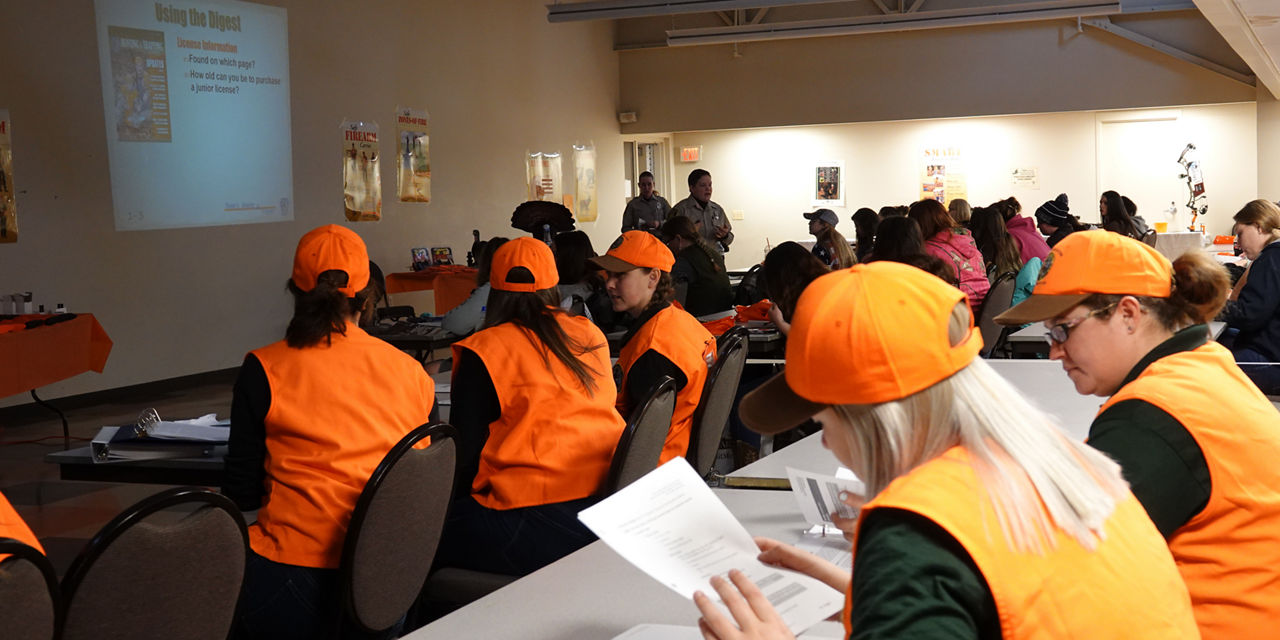
Hunter education courses; especially the in-person and hybrid varieties; fill up. This is particularly true in late summer when everyone suddenly realizes the season is six weeks away. States like Oklahoma and Ohio publish class schedules months in advance, and the popular sessions near urban areas book fast. If you need a field day to complete your certification, get registered early. March isn't too soon for a September opener.
Not keeping the card
Your hunter education card is a legal document. Treat it like your driver's license. Losing it isn't the end of the world; most states can look you up in their system; but it creates hassle at exactly the wrong time. Take a photo of both sides and store it digitally. Some states, including Texas, now allow you to access your certification through their mobile apps, but don't rely solely on cell service in the field.
Confusing hunter education with a hunting license
Completing hunter education doesn't give you a hunting license. It gives you the eligibility to purchase one. You still need to buy the actual license, any required stamps, and any tags for specific species. These are separate transactions with separate deadlines. Hunter education is a one-time requirement; licenses are annual.
Ignoring specialty certifications
If your state requires separate certifications for bowhunting, crossbow hunting, or trapping, your basic hunter education card doesn't cover those activities. New York is the most notable example, but several states have similar requirements. Check before you buy a bow tag and assume you're legal.
State-by-state snapshot: five programs worth understanding
Rather than trying to cover all 50 states superficially, here are five that represent the range of approaches you'll encounter. These illustrate the key differences in how states structure their programs.
Texas
Texas runs one of the largest hunter education programs in the country, which makes sense given its hunting population. The course is required for anyone born on or after September 2, 1971. Hunters 17 and older can complete the entire course online. Those under 17 must complete the online portion plus a field day. Texas also has a deferral option; first-time hunters can purchase a one-time deferral that allows them to hunt for one license year under the direct supervision of a licensed hunter who is at least 17 and has completed hunter education. This deferral can only be used once, and the hunter must complete the full course before their next license year. It's a smart system that lets someone hunt their first season while still requiring eventual certification.
New York
New York's program is among the most comprehensive. The basic hunter education course is required for all first-time license buyers, and the state mandates separate certifications for bowhunting, crossbow hunting, muzzleloader hunting, and trapping. Courses are primarily instructor-led and in-person, though the state has been expanding online options. New York's system reflects its dense population and diverse hunting environments; the safety considerations for hunting in the Adirondacks are different from hunting on Long Island, and the course material addresses that range. If you're a nonresident planning to hunt New York, verify which certifications you need for your specific method of take.
Montana
Montana requires hunter education for all first-time hunters with no birth-date exemption. The state runs both traditional classroom courses and an online-with-field-day hybrid. Montana's program places significant emphasis on wildlife identification and ethics, reflecting the state's strong public-land hunting culture. The field day component includes live-fire exercises and practical scenarios. For nonresidents; and Montana gets a lot of them; the state accepts hunter education certificates from all other states and Canadian provinces. The process is clean: show your card, buy your license, read the regulations. Montana's regulations booklet is worth reading cover to cover even if you've hunted the state before, as rules around specific units and species can change annually.
Virginia
Virginia recently updated its hunter education regulations, with changes taking effect in late 2025. The state requires hunter education for all first-time license buyers and has been modernizing its course delivery to include more online options while maintaining in-person field day requirements. Virginia's program is notable for its structured approach to instructor certification; the state invests heavily in training its volunteer instructor corps, which translates to higher-quality field day experiences. If you're in the mid-Atlantic region, Virginia's program is well-regarded and worth looking into even if you primarily hunt neighboring states.
New Mexico
New Mexico requires hunter education for anyone 18 and older purchasing their first hunting license, and for anyone 10-17 who wants to hunt without adult supervision. The state's program reflects its unique hunting environment; vast public land, varied terrain from desert to alpine, and significant elk and mule deer populations that draw nonresident hunters from across the country. New Mexico's course includes material on desert survival, water management, and heat-related safety issues that you won't find in northeastern state programs. For nonresidents who draw one of New Mexico's coveted elk or deer tags, the state accepts out-of-state hunter education cards, but the state-specific regulations are complex enough that spending time with the proclamation is essentially a second education course.
What about apprentice and mentored hunting programs?
A growing number of states have implemented apprentice or mentored hunting programs designed to lower the barrier to entry for new hunters. These programs allow first-time hunters to go afield under the supervision of an experienced, licensed adult without first completing hunter education.
The philosophy behind these programs is sound: the best way to find out if you want to hunt is to actually go hunting, not to sit in a classroom for eight hours first. The programs typically require the new hunter to purchase an apprentice license, hunt under the direct supervision of a qualified mentor (usually within arm's reach for firearms hunting), and complete a full hunter education course within a specified timeframe; usually one to three years.
Iowa's mentored hunting program is a good example. A new hunter can participate under close supervision, and the experience often motivates them to complete the full education course because they've already had a positive field experience. Kentucky runs a similar program, as do Ohio, Indiana, and many others.
These programs aren't a loophole around hunter education; they're an on-ramp to it. Most states limit how many times you can use an apprentice license before you must complete the full course. Texas's deferral option, mentioned earlier, is essentially a one-time version of this concept.
If you're trying to introduce an adult friend or family member to hunting, the apprentice license is often the best starting point. Let them experience a hunt, then get them into a course during the off-season when schedules are more flexible and classes aren't full.
How long does certification last?
In most states, hunter education certification is good for life. Once you complete the course and receive your card, you don't need to retake it. This is true across the board; there's no renewal requirement, no continuing education mandate, no expiration date on the card itself.
That said, "good for life" doesn't mean "you're done learning." Regulations change. Seasons shift. New CWD zones get designated. Tree stand technology evolves. The hunter education course you took in 1992 covered the fundamentals, and those fundamentals haven't changed; muzzle control is still muzzle control; but the regulatory landscape has gotten more complex in most states. The course gets you legal. Staying current on regulations keeps you legal year after year.
Some states offer advanced or continuing education courses on a voluntary basis. These cover topics like advanced wilderness first aid, wildlife management principles, and specialized hunting techniques. They're not required, but they're worth considering, especially if you're expanding into new types of hunting or new states.
The bowhunter education question
Several states require a separate bowhunter education course in addition to basic hunter education. This isn't universal; many states consider basic hunter education sufficient for all legal methods of take; but where it's required, it's not optional.
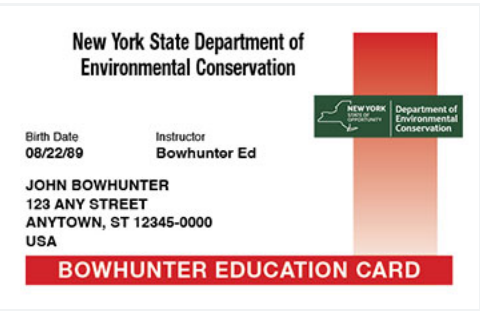
New York is the most prominent example, requiring a separate bowhunter education certificate for anyone hunting with a bow. The course covers bow safety, shot placement specific to archery, blood trailing, and equipment maintenance. It's typically a shorter course than basic hunter education but includes hands-on components.
Other states that require or strongly encourage separate bowhunter education include New Jersey, Vermont, and several others. The IHEA-USA maintains a bowhunter education program (IBEP) that many states use as their baseline curriculum.
Even in states where bowhunter education isn't legally required, taking the course is worth your time if you're new to archery hunting. The shot placement considerations are genuinely different from rifle hunting; effective range is shorter, arrow trajectory and penetration dynamics are different, and the margin for error on shot angles is tighter. A quartering-to shot that's marginal with a rifle is a bad idea with a bow. The bowhunter education course drives this home in ways that general hunter education doesn't.
How to verify your status and find a course
Every state fish and wildlife agency maintains a hunter education page on its website. These pages typically include course schedules and registration for in-person and hybrid courses, links to approved online course providers, contact information for verifying past certification, and replacement card request processes.
The IHEA-USA also maintains a centralized course finder at their website that lets you search by state. This is a good starting point, especially if you're looking at multiple states or trying to figure out which online providers are approved where.
If you're not sure whether you've completed hunter education; maybe you took a course as a kid and can't find the card; start by contacting the fish and wildlife agency in the state where you think you took it. Most states have maintained digital records going back to the 1980s or earlier, and they can verify your status with a name and date of birth. Some states, like Texas, have online lookup tools where you can check your own records.
For nonresidents, the process is: verify your home-state certification is current and accessible, check the destination state's requirements for any additional certifications (bowhunter ed, etc.), and carry your card when you're in the field. Physical or digital; bring both if you can.
Getting this done before it matters
The worst time to figure out hunter education requirements is after you've drawn a tag, booked a trip, and taken time off work. The best time is right now; whatever month you're reading this.
If you've never completed hunter education and you're in a state that requires it, sign up for a course this month. Not next month. The hybrid format; online coursework at your own pace, then a half-day field session; is the most efficient path for most adults. You can knock out the online portion in a few evenings and schedule the field day for a weekend. Total time investment is maybe ten to twelve hours, and you'll never have to do it again.
If you have a young hunter in your house, start the conversation early. Look into your state's mentored hunting program to get them in the field this season, and register them for a hunter education course during the off-season. The course is more meaningful after they've had a real hunting experience; they'll understand why the safety rules exist because they've seen the situations where they apply.
And if you're planning an out-of-state hunt, add "verify hunter education reciprocity" to your pre-trip checklist right next to "confirm license purchase dates" and "read the regulations." A five-minute phone call to the state agency can save you from a problem that no amount of gear preparation can fix. The prep that pays off on opening day isn't always about rifles and optics; sometimes it's about making sure the paperwork is squared away so you can focus on the hunt.