Shotgun choke tubes: fit, threading, and the questions nobody answers clearly
Your shotgun patterns like garbage at 35 yards and you're pretty sure a choke swap will fix it. Or maybe you just bought a used Benelli and the previous owner lost the chokes. Either way, you're staring at a wall of aftermarket options and the first thing you realize is that "12 gauge" doesn't mean "universal fit." Thread patterns vary by manufacturer, by model, and sometimes by production year. Get the wrong one and it either won't thread in at all or, worse, it'll thread in just enough to feel right before it shoots loose downrange.
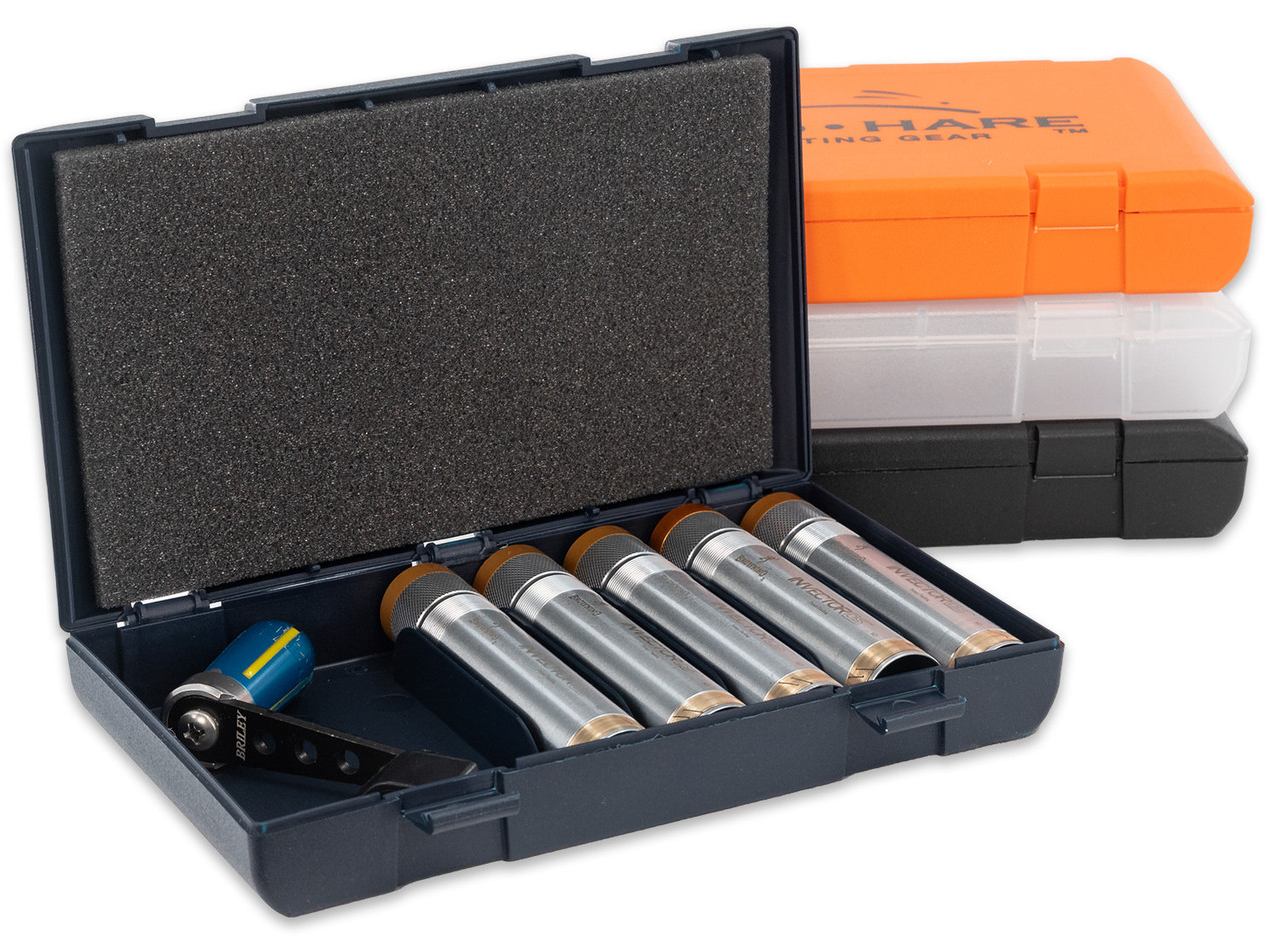
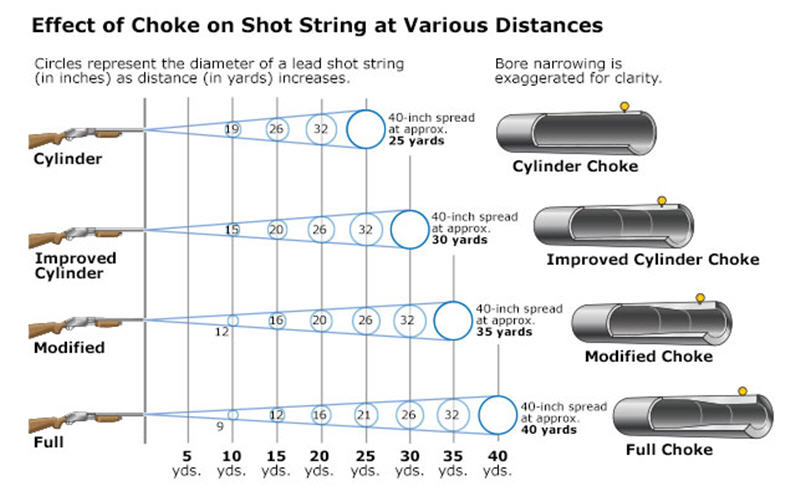
This piece covers the stuff that actually trips people up: which thread patterns interchange, how to figure out what your barrel takes, what to do when a choke is seized in the bore, and how to pick an aftermarket tube without wasting money. If you already know the difference between Improved Cylinder and Full, we're skipping that part. This is about the mechanical side; the fitting, the threading, the maintenance, and the mistakes.
Thread patterns aren't standardized, and that's the whole problem
There's no universal choke thread. The firearms industry never agreed on one, so you've got a dozen-plus thread patterns across major manufacturers. Some interchange. Most don't. And the ones that almost fit are the dangerous ones.
The most common thread system is Beretta/Benelli Mobil, sometimes just called "Mobil choke." A huge number of guns use this pattern: Beretta 680-series and A300-series, Benelli Super Black Eagle (original), Benelli Montefeltro, most Franchi semi-autos, Stoeger shotguns, many Weatherby SA-08 and Element models, and a bunch of Turkish-made guns. If someone says their shotgun takes "standard Beretta chokes," they almost always mean Mobil. Carlson's and TruLock both publish interchange guides confirming this is the single most widely shared pattern in the industry.
Then there's Beretta Optima, Optima Plus, and Optima HP. These are not the same as Mobil, and they're not all the same as each other. The Optima system has a longer choke tube with a different thread pitch, designed for Beretta's overbored barrels. Optima Plus (sometimes written Optima+) fits guns like the A400 series and 690-series over/unders. Optima HP is the same threading as Optima Plus; the "HP" designation refers to the internal geometry (a longer parallel section), but the threads interchange. This trips people up constantly on forums. If you have an A400 Xcel, you need Optima Plus / Optima HP tubes. A Mobil choke will not fit, even though both are made by Beretta.
Remington uses its own pattern, called Rem Choke or RemChoke, across most of its threaded-barrel guns; the 870, 1100, 11-87, and Versa Max all share it. The Versa Max is sometimes listed separately by aftermarket companies, but the threading is the same Rem Choke pattern; the difference is barrel diameter, which affects how flush the tube sits.

Mossberg has the Accu-Choke system for most 500 and 835 models, but here's where it gets messy: the 835 Ulti-Mag uses a different, larger thread than the standard 500. They're both called "Mossberg" chokes, but they don't interchange. The 835's overbored barrel requires a tube with a bigger outside diameter. If you're buying chokes for a Mossberg 500 in 12 gauge, you need Accu-Choke. For an 835, you need Accu-Mag. The Mossberg SA-20 and SA-28 semi-autos are a different situation entirely; the SA-28 in particular has been reported by owners to use a proprietary Mossberg thread that doesn't match standard Mobil or any common interchange pattern. Check before you buy.
Browning Invector and Invector Plus are another pair that look related but aren't interchangeable. Standard Invector fits older Browning BPS and A-5 models and is the same thread as the Winchester Win-Choke system; those two interchange freely. Invector Plus is a larger-diameter system used in Browning Citori 725s, Cynergy, Maxus, and most current-production Browning shotguns. Invector Plus does not fit Invector barrels.
Winchester's current system on the SX3 and SX4 is Invector Plus, matching Browning. Older Winchester 1300s and Super X2 models use the standard Win-Choke / Invector pattern.
A few other patterns worth knowing: the Stevens 555 over/under uses a proprietary thread that doesn't match any standard system; owners on forums have confirmed that neither Mobil nor Invector tubes fit. CZ shotguns are split: some models (like the 712 and Redhead) use standard Mobil threads, while others use proprietary CZ patterns. The CZ 1012 has been confirmed by owners to take Beretta/Benelli Mobil chokes. Weatherby's current lineup is mostly Mobil-threaded, but their older guns and some specific models use proprietary patterns; Weatherby publishes a choke tube guide on their website that's worth checking against your serial number.

Beretta 680-series Deals
Prices may change. May contain affiliate links.
How to figure out what your gun takes
If you still have the owner's manual, check there first. If not, the manufacturer's website usually has a support page or choke guide. Failing that, the aftermarket choke companies have done the homework for you. Both Carlson's and TruLock maintain interchange lists on their websites that cross-reference manufacturer, model, and production year against thread pattern. These are the most reliable public resources available.
If you're buying a used gun with no chokes and no documentation, here's the practical approach: take the gun to a shop that stocks aftermarket chokes and try threading one in by hand. Do not force anything. A correct choke will thread in smoothly with finger pressure alone; if you're fighting it, stop. The threads are close but wrong, and cross-threading a shotgun barrel is an expensive mistake.
One more thing: gauge matters independently of thread pattern. A 20-gauge Mobil choke is not the same physical size as a 12-gauge Mobil choke, even though they share the same thread system name. This sounds obvious, but aftermarket listings aren't always clear about it, and people have ordered the wrong gauge more than once.
Picking an aftermarket choke that's actually worth it
The factory chokes that ship with most shotguns are fine for general use. They're usually made of steel, they're concentric, and they do the job. The reason to go aftermarket is either because you need a constriction the factory set doesn't include (like an extra-full turkey choke), you want extended chokes for easier changes in the field, or you're chasing tighter patterns for competition or hunting at distance.

Beretta A300-series Deals
Prices may change. May contain affiliate links.
The brands that keep coming up
Carlson's is probably the most widely available aftermarket choke brand. They cover nearly every thread pattern and offer everything from basic flush-mount replacements to specialized turkey and waterfowl tubes. Their TSS-rated chokes (designed for Tungsten Super Shot) have tighter constrictions than standard extra-full tubes, which matters if you're shooting heavyweight turkey loads.
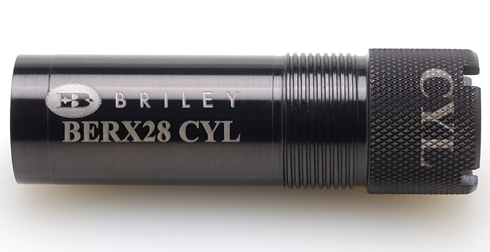
Briley is the high-end pick. They manufacture chokes in-house and also do custom barrel threading. Competitive shooters; especially in sporting clays and FITASC; tend to gravitate toward Briley for consistency. Their extended chokes have knurled ends that make hand removal easy, and they offer thin-wall designs for guns with lighter-profile barrels. The price reflects the quality; a set of Briley extended chokes will run significantly more than a Carlson's set.
TruLock is another solid option, particularly for less common thread patterns. They've been around since the 1980s and maintain one of the most complete interchange database in the industry. If you've got an oddball gun; an older Ithaca, a Charles Daly, a SKB; TruLock probably makes a choke for it.
Kicks Industries focuses on recoil-reducing choke designs and turkey-specific tubes. Their High Flyer and Gobbling Thunder lines are popular with waterfowl and turkey hunters respectively.

Franchi semi-auto shotguns Deals
Prices may change. May contain affiliate links.
Muller Chokes and Patternmaster are worth mentioning for waterfowl. Patternmaster's wad-stripping design works differently from a traditional constriction; it uses studs inside the choke to grab the wad and separate it from the shot column. Opinions on these are strong in both directions; some shooters swear by them for steel shot, others see no improvement over a good modified or improved modified tube.
What actually matters in a choke tube
Concentricity is the big one. The choke tube needs to be perfectly centered in the bore. If it's off even slightly, your pattern will shift to one side. Factory chokes from reputable manufacturers are almost always concentric. Cheap no-name tubes from overseas sellers; the ones you find for $8 on auction sites; sometimes aren't. That's not a universal rule, but it's a real risk.
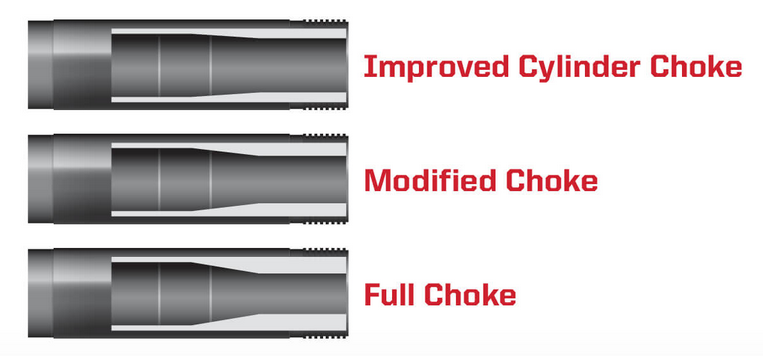
The internal geometry matters more than most people think. Two chokes labeled "Modified" from different manufacturers can produce different patterns because the taper length, the parallel section, and the exact constriction diameter all vary. A choke marked Modified from Briley might measure .020" of constriction while a Modified from another brand measures .018". At close range, nobody notices. At 40 yards with steel shot, the difference shows up on a pattern board.
Material composition is relevant mainly for steel shot compatibility. If you're shooting steel, the choke needs to be steel-rated. Most modern aftermarket chokes are, but if you're using older tubes or buying used chokes, verify. Shooting steel through a choke that isn't rated for it can bulge or crack the tube, and in a worst case, damage the barrel.

Extended versus flush-mount is partly preference and partly practical. Extended chokes stick out past the muzzle by about an inch, which makes them easy to swap by hand without a wrench. They also add a tiny bit of barrel length, which is functionally irrelevant. The real advantage is convenience; if you're changing chokes in a duck blind or between sporting clays stations, extended tubes save time. Flush-mount chokes look cleaner and don't snag on anything, which matters more for tactical or home-defense setups.
Removing a stuck choke tube
This is the single most common choke-related problem, and it's almost always caused by the same thing: the choke was installed without anti-seize lubricant, shot with for a season or two, and now it's fused to the barrel by carbon fouling and corrosion. Sometimes heat cycling contributes; the barrel expands and contracts during shooting, and carbon and moisture work their way into the threads and essentially weld the tube in place.
Before you do anything aggressive, try the simple stuff first.
The penetrating oil approach
Spray the choke threads liberally with a quality penetrating oil; Kroil is the go-to, though PB Blaster and Liquid Wrench work too. Get the oil into the threads from both the muzzle end and the breech end if possible. Then wait. Not ten minutes; hours. Ideally overnight. Reapply a couple of times during that period. Penetrating oil works by capillary action, creeping into the microscopic gaps between the threads, and it needs time to do that.

Beretta A400 Xcel Deals
Prices may change. May contain affiliate links.
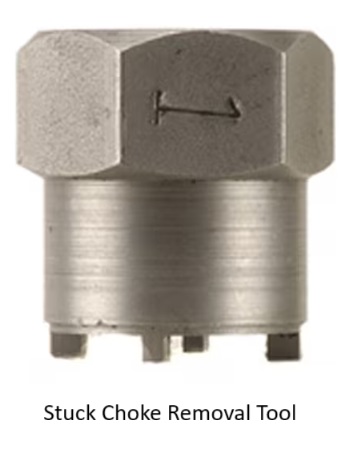
After soaking, try removing the choke with the proper wrench. Use the notched wrench that came with the gun, or a universal choke wrench that fits the slots. Don't use pliers on a flush-mount choke; you'll round off the notches and make everything harder. For extended chokes, you can sometimes get enough grip with a rubber jar opener or a strap wrench.
Apply force smoothly, not in jerks. If it starts to move even slightly, work it back and forth; a quarter turn out, a tiny bit back in, a half turn out. This breaks up the fouling progressively.
When penetrating oil isn't enough
If the choke won't budge after a thorough soak, heat is the next step. The idea is to expand the barrel slightly more than the choke tube, breaking the corrosion bond. A heat gun works for this; direct it at the barrel around the choke area, not at the choke itself. You want the barrel to expand outward. Keep the heat moving; don't park it in one spot. Get the barrel warm to the touch but not scorching. Then try the wrench again while it's still warm.
Some people use boiling water poured over the muzzle end for a milder version of this. It works in moderate cases.
What you should not do: don't clamp the barrel in a vise and reef on the choke with a pipe wrench. Don't hammer a screwdriver into the choke notches. Don't try to drill out the choke yourself unless you genuinely know what you're doing with a lathe; and even then, think twice. A barrel is not cheap to replace, and a slip with a drill bit can score the bore.
Beretta A400 series Deals
Prices may change. May contain affiliate links.
The Brownells choke tube removal tool
For seriously stuck chokes, Brownells sells a dedicated removal tool that threads into the choke from the muzzle end and gives you a T-handle with serious mechanical advantage. This is the tool gunsmiths reach for. It's not cheap, but it's cheaper than a new barrel. If you're going this route, make sure you get the correct size for your choke pattern.
When to send it to a professional
If you've soaked it, heated it, and it still won't move, stop. A gunsmith with the right tooling can remove a stuck choke without damaging the barrel. Some Benelli forum threads document cases where even local gunsmiths couldn't get a choke free and the barrel had to go back to the manufacturer. That's rare, but it happens; usually when someone has already mangled the choke notches with improvised tools, leaving nothing for a proper wrench to grab.
The lesson here is preventive: anti-seize on the threads, every time, and pull your chokes every few hundred rounds to clean the threads. More on that below.
Choke tube maintenance that prevents problems
This isn't complicated, but almost nobody does it consistently.
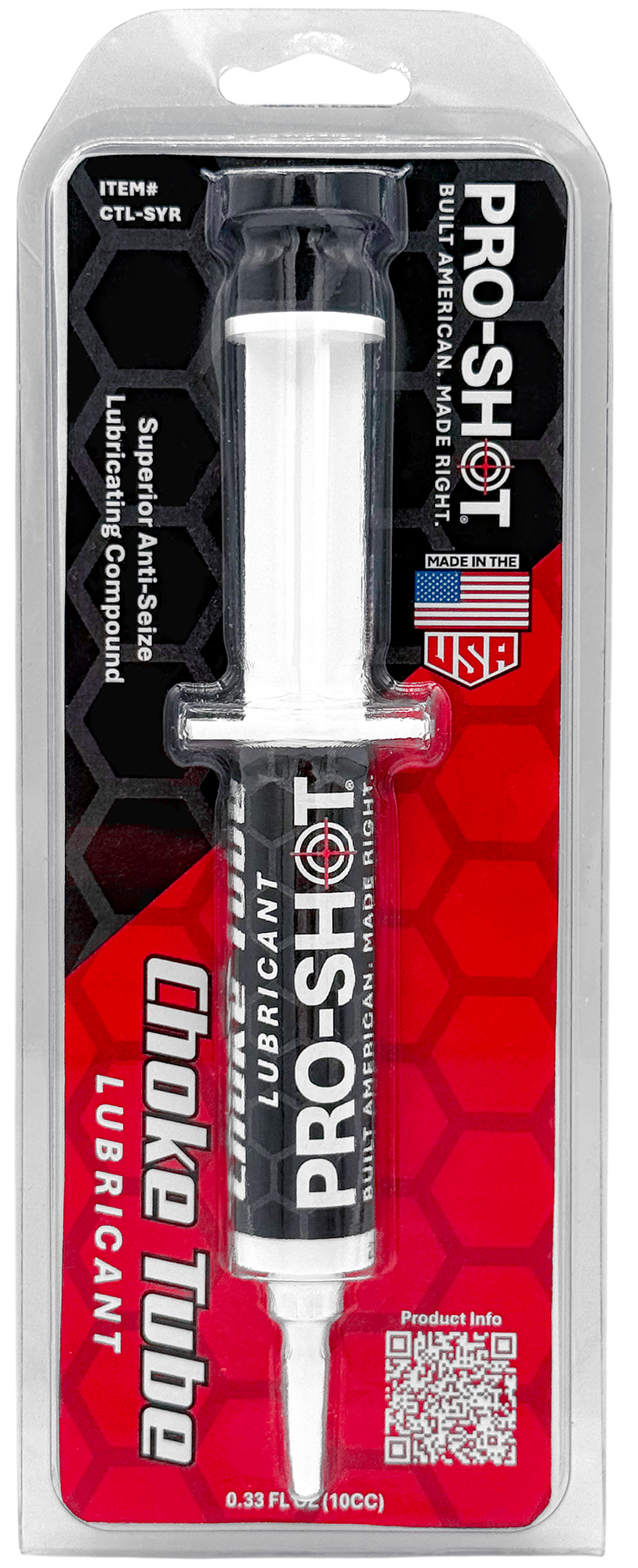
Every time you install a choke, put a thin film of choke tube lubricant or anti-seize compound on the threads. Birchwood Casey and several other companies sell choke-specific lubricant, but any quality anti-seize (the copper or nickel-based stuff from the auto parts store) works. You don't need much; a light coating on the threads is plenty. Too much can attract fouling and make things worse.
Beretta 690-series Deals
Prices may change. May contain affiliate links.
Every few range trips; or at least every few hundred rounds; pull the choke out and clean the threads. A bronze brush or old toothbrush works fine. Clean the threads in the barrel too. Look for any carbon buildup, corrosion, or thread damage. Wipe everything down, re-lube, and reinstall.
Check that the choke is snug before every shooting session. "Snug" means hand-tight with the wrench, not gorilla-tight. Over-torquing can gall the threads, which creates the same stuck-choke problem you're trying to avoid. Under-torquing is dangerous; a loose choke can shift during firing, and in extreme cases, it can partially unthread and obstruct the bore.
What you'll feel when it's right
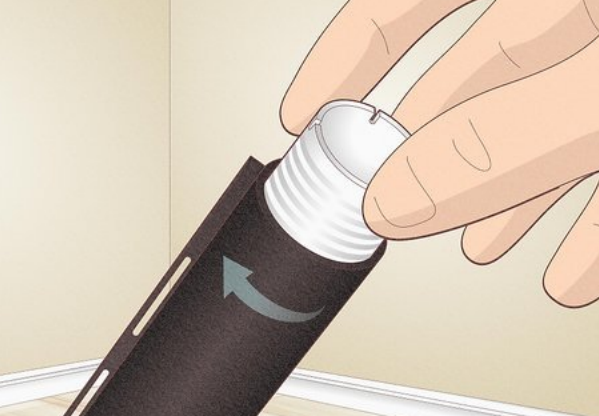
A choke that's threading in correctly will turn smoothly with finger pressure for most of its travel, then snug up in the last quarter-turn or so. If it's gritty, cross-threading, or requires force before it's seated, back it out and check for debris or thread damage. A properly seated choke sits flush (for flush-mount) or extends evenly (for extended types) with no wobble. Give it a final snug with the wrench; maybe an eighth-turn past finger-tight; and you're done.
Common mistakes and troubleshooting
Buying chokes based on thread pattern name alone
"Beretta Mobil" doesn't mean every Beretta. The A400 uses Optima Plus. The 1301 Comp uses Optima Plus. The A300 uses Mobil. The DT11 uses Optima HP (which is Optima Plus threading with a different internal profile). You have to match by specific model, not just brand. The interchange guides from Carlson's and TruLock exist precisely because this is confusing.
Assuming all "Modified" chokes pattern the same
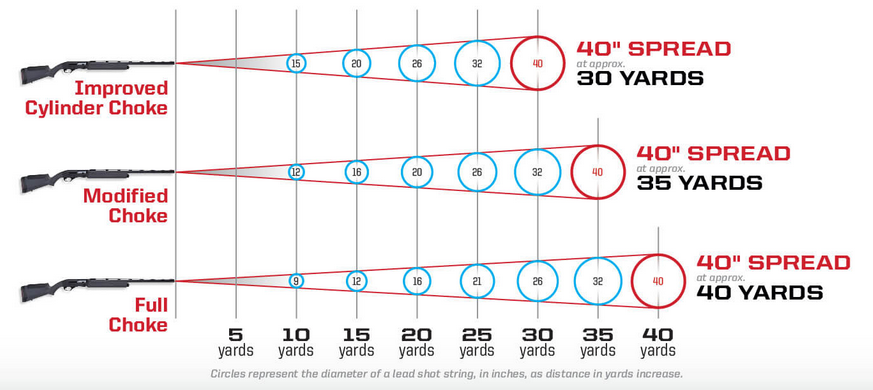
They don't. Constriction measurements vary between manufacturers, and even within the same manufacturer's lineup, different choke series can have slightly different internal geometries. If you're serious about patterning; especially for turkey hunting or competition; buy a choke, pattern it at your intended distance with your intended load, and see what it actually does. The label on the choke is a starting point, not a guarantee.
Shooting steel through a tight choke
The general rule has been to avoid shooting steel shot through anything tighter than Modified. Modern steel-rated chokes have loosened this restriction somewhat; several manufacturers now sell Improved Modified and Full chokes specifically designed for steel. But if your choke tube isn't explicitly rated for steel, don't push it past Modified constriction. Steel doesn't compress like lead, and the pressure spike from forcing a steel payload through a tight constriction can damage the choke or barrel.
Bismuth and TSS (Tungsten Super Shot) are softer or smaller-diameter alternatives that can safely run through tighter constrictions, but verify with the choke manufacturer's recommendations for your specific tube.
Installing a choke tube from the wrong system that "almost fits"
This is the scary one. Some thread patterns are close enough in diameter that a mismatched choke will start to thread in before binding. If you force it past that point, you can cross-thread the barrel, damage the choke, or end up with a tube that's partway seated and not concentric with the bore. The result can be a dangerous obstruction or a pattern that's wildly off-center.

If a choke doesn't thread in smoothly with finger pressure, it's the wrong choke. Full stop.
Forgetting to reinstall a choke after cleaning
Running a shotgun with no choke installed and exposed threads in the barrel is a bad idea. The threads will get fouled, battered, or corroded. Some shotguns technically function without a choke (the barrel is just a cylinder bore at that point), but the exposed threads are vulnerable. If you're cleaning and don't want to re-lube and install a choke right away, at least thread in a cheap flush-mount tube to protect the threads.
Specialty chokes: turkey, waterfowl, and tactical
Turkey chokes
Turkey hunting drives more choke tube sales than probably any other application, because the shot has to be extremely dense at 40+ yards to cleanly kill a turkey. Standard Full chokes aren't usually tight enough. Dedicated turkey chokes run in the Extra Full to Super Full range; constrictions of .040" to .070" or even tighter.
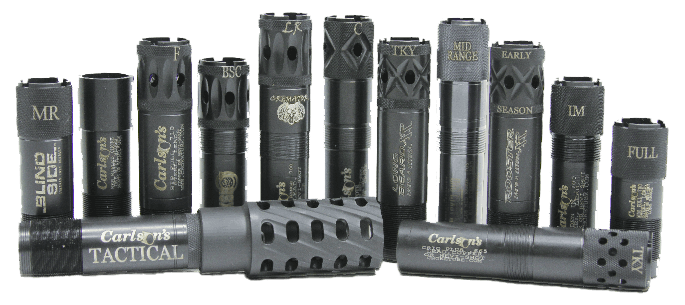
The best turkey chokes are designed around specific shot types. A choke optimized for lead #5s won't necessarily perform the same with TSS #9s, because the pellet count, diameter, and hardness are completely different. Carlson's TSS-specific chokes, Kicks Gobbling Thunder, and several Briley offerings are designed with this in mind. Pattern testing is non-negotiable for turkey chokes; the difference between a good tube and a great one at 40 yards can be the difference between a clean kill and a crippled bird.

Waterfowl chokes
Steel shot patterning is inherently less consistent than lead because steel pellets don't deform to fill gaps in the shot column. Most waterfowl hunters run Modified or Improved Modified for decoying birds and Full for pass shooting. Ported chokes (tubes with small holes drilled near the muzzle end) are marketed as reducing recoil and muzzle jump. The recoil reduction is minimal; we're talking about redirecting a small amount of gas. The noise increase is noticeable, especially to anyone standing next to you in a blind.
Patternmaster and similar wad-stripping designs have a following for steel waterfowl loads. The theory is sound; separating the wad from the shot column earlier should reduce fliers; but real-world results vary by gun and load combination. If you're considering one, buy it with the intention of patterning it against a conventional choke with your specific ammunition.
Tactical and home-defense chokes
For defensive shotguns, most people run Cylinder or Improved Cylinder. The goal is a wide enough pattern to be forgiving at close range while still keeping the shot on target. At typical home-defense distances (under 15 yards), choke constriction barely matters; the pattern hasn't had enough distance to open up significantly regardless of what tube is installed.
Some companies sell breaching chokes and specialty muzzle devices that thread into standard choke patterns. These are niche products designed for specific law enforcement or military applications and aren't relevant to most civilian shooters.
Tools you'll need
The bare minimum for choke tube work is the wrench that came with your shotgun. Most manufacturers include a simple notched wrench in the box. If you've lost it, universal choke wrenches are available from Carlson's, Briley, and others; they have adjustable or interchangeable fittings that work across multiple choke systems.
For maintenance, you'll want a bronze bore brush in your gauge, a set of choke-thread cleaning brushes (these look like small bottle brushes and are sized to clean the threads inside the barrel), anti-seize compound, and some clean patches.
If you're dealing with a stuck choke, add Kroil penetrating oil and a heat gun to the list. The Brownells choke tube removal tool is worth owning if you work on multiple shotguns or buy used guns regularly.
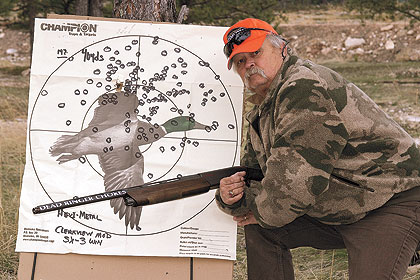
A pattern board; or at least a large sheet of butcher paper tacked to a frame at 40 yards; is the only way to actually evaluate what a choke is doing. You can read constriction numbers all day, but the pattern on paper is what matters.
Bench notes: reading a pattern board
Shoot your test load at a 30-inch circle drawn on paper at 40 yards. Count the pellets inside the circle and divide by the total pellet count for that load (which you can find on the manufacturer's data or by cutting open a shell and counting). That percentage tells you what you've got:
A rough breakdown; 40% in the circle is about Cylinder bore performance, 50% is Improved Cylinder, 60% is Modified, 70% is Full, and anything above 75-80% is Extra Full territory. These are approximations. Shoot at least three to five patterns and average them, because any single shot can be an outlier.
What you're also looking for is evenness. A choke that puts 70% of its pellets in the circle but leaves a big gap in one quadrant is worse than a choke that puts 65% in with even distribution. The even pattern is more likely to put pellets on target regardless of where the bird or clay is within your point of aim.
If your pattern is consistently off-center; say, everything is hitting six inches left; the choke may not be concentric with the bore. Try a different choke tube. If the problem persists with multiple chokes, the barrel itself may need attention from a gunsmith.
Having your barrel threaded for chokes
Some shotguns; particularly older models and certain fixed-choke guns; don't have threaded barrels. A gunsmith can thread a barrel to accept choke tubes, and this is a legitimate and common modification. Briley is probably the most well-known shop for this work, though many competent local gunsmiths can do it as well.
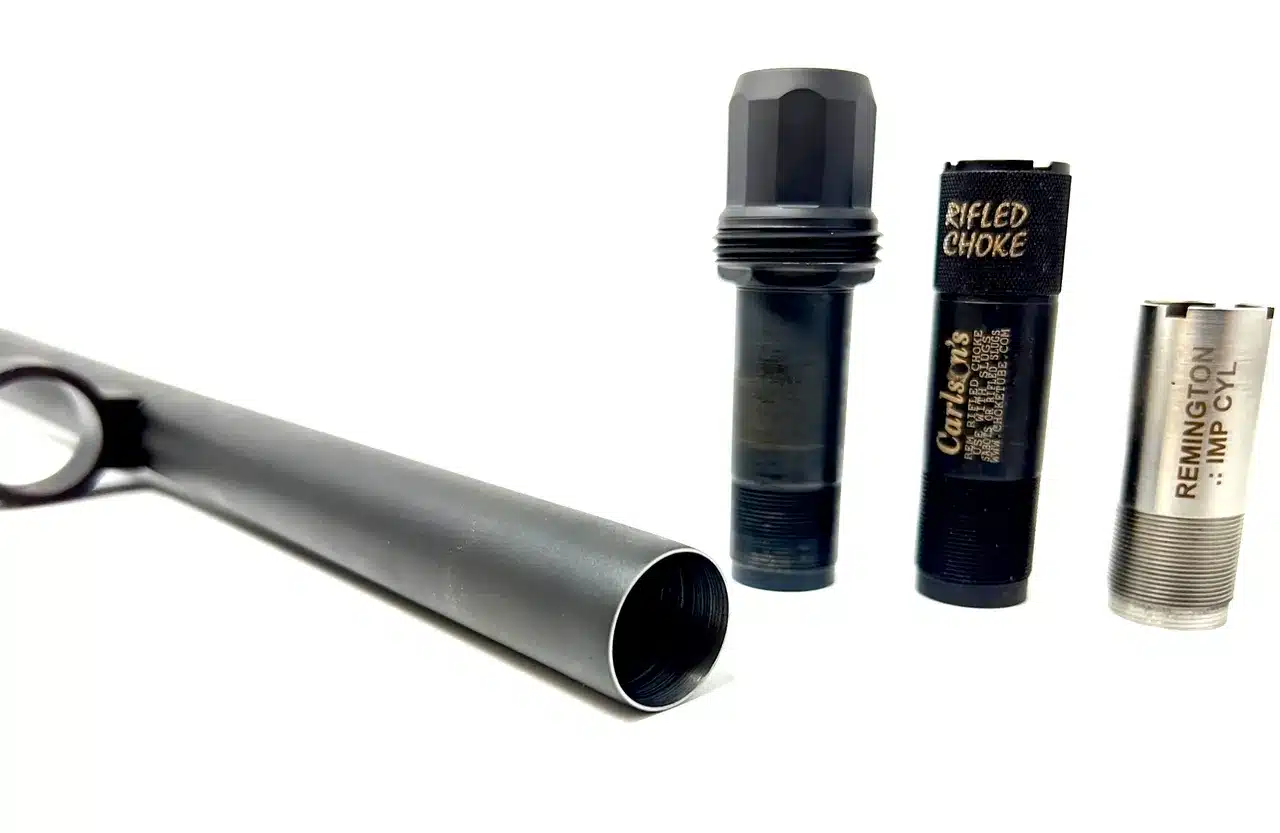
The thread pattern chosen for a custom threading job matters. Mobil is the most common choice because it has the widest aftermarket support. Some gunsmiths prefer to thread for Briley's own proprietary system, which has thinner walls and allows for more constriction options; but then you're locked into buying Briley chokes.
The barrel wall needs to be thick enough to support threads. Thin-walled barrels; common on lightweight field guns; may not have enough material. A gunsmith will measure wall thickness before committing to the job. If the walls are too thin, the barrel can't be safely threaded, and you're either living with a fixed choke or buying a new barrel.
Cost for barrel threading typically runs in the range of $100 to $200 depending on the shop and the thread pattern. It's a permanent modification; once the barrel is threaded, you can't go back to fixed choke; but for most shooters, the versatility of interchangeable chokes is well worth it.
The function check after installing a new choke
After you thread in a new choke; whether it's a replacement factory tube or an aftermarket upgrade; run through this before you head to the range:
Visually confirm the choke is fully seated. For flush-mount tubes, the end should be flush with or very slightly recessed from the muzzle face. For extended tubes, it should protrude evenly all the way around with no visible gap between the choke shoulder and the barrel.
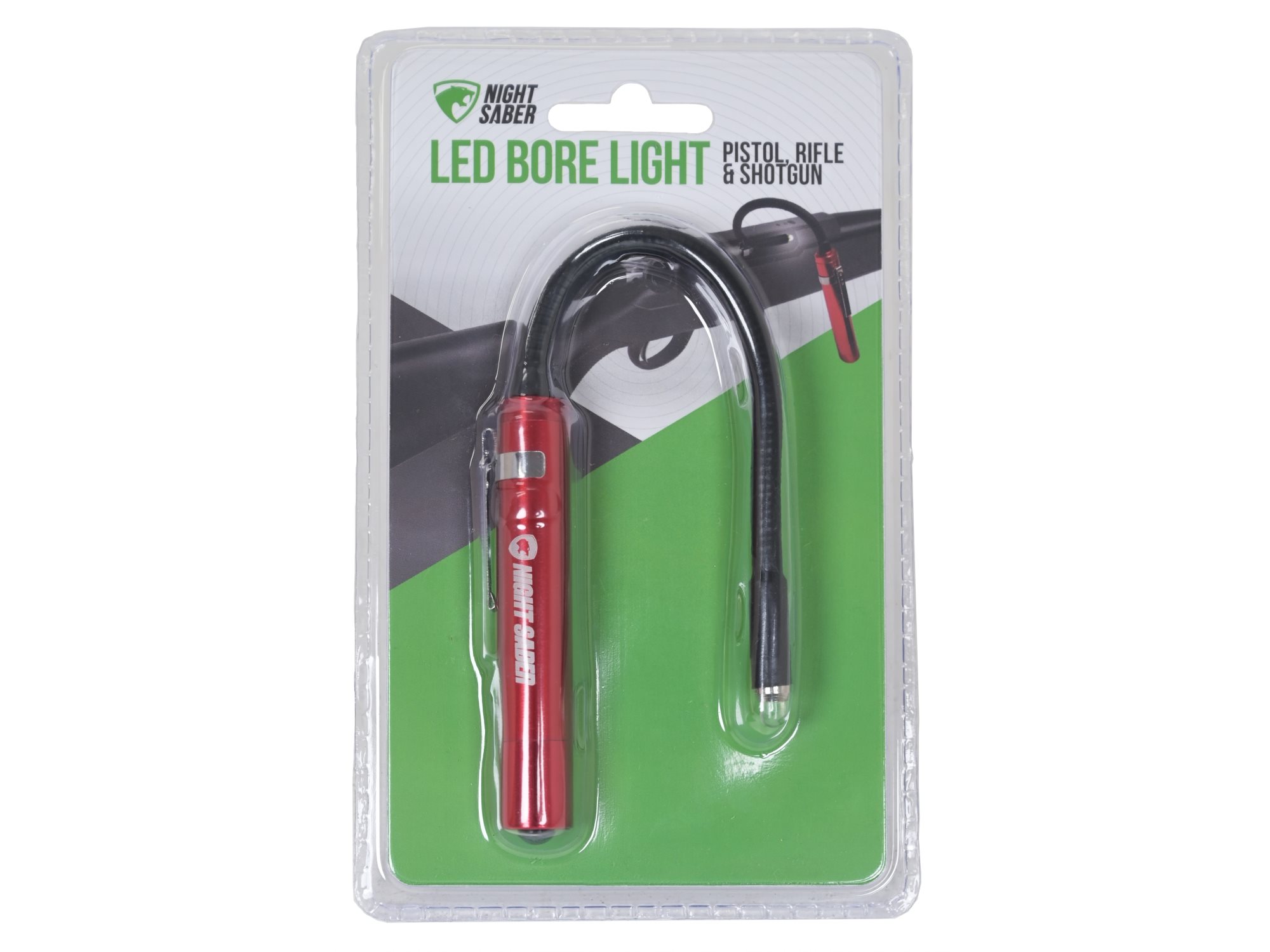
Run a bore light or look down the barrel from the breech end. You should see a clean, even constriction at the muzzle end with no steps, gaps, or misalignment. If the choke looks cocked or you can see threads, it's not seated properly.
Give the choke a gentle twist with the wrench to confirm it's snug. It shouldn't move.
On your first range trip with a new choke, fire a few rounds and then check the choke again. New chokes sometimes settle slightly during the first few shots. If it's backed out at all, re-seat it and apply a bit more torque. If it keeps loosening, the threads may be worn (in the barrel or the choke) and that's a problem worth investigating before you keep shooting.
If you're pattern-testing, give the barrel a few fouling shots before you start evaluating groups on paper. A clean barrel patterns differently than a fouled one, and since you'll be hunting or competing with a fouled barrel, that's the condition you want to test.
The choke tube system is one of those things that's simple in concept and annoying in execution; but only because the industry never standardized the threading. Once you know what pattern your gun takes, the rest is just maintenance discipline and a willingness to actually pattern your loads instead of trusting the label on the box. And if a choke won't come out, put down the pliers and pick up the Kroil. Your barrel will thank you.