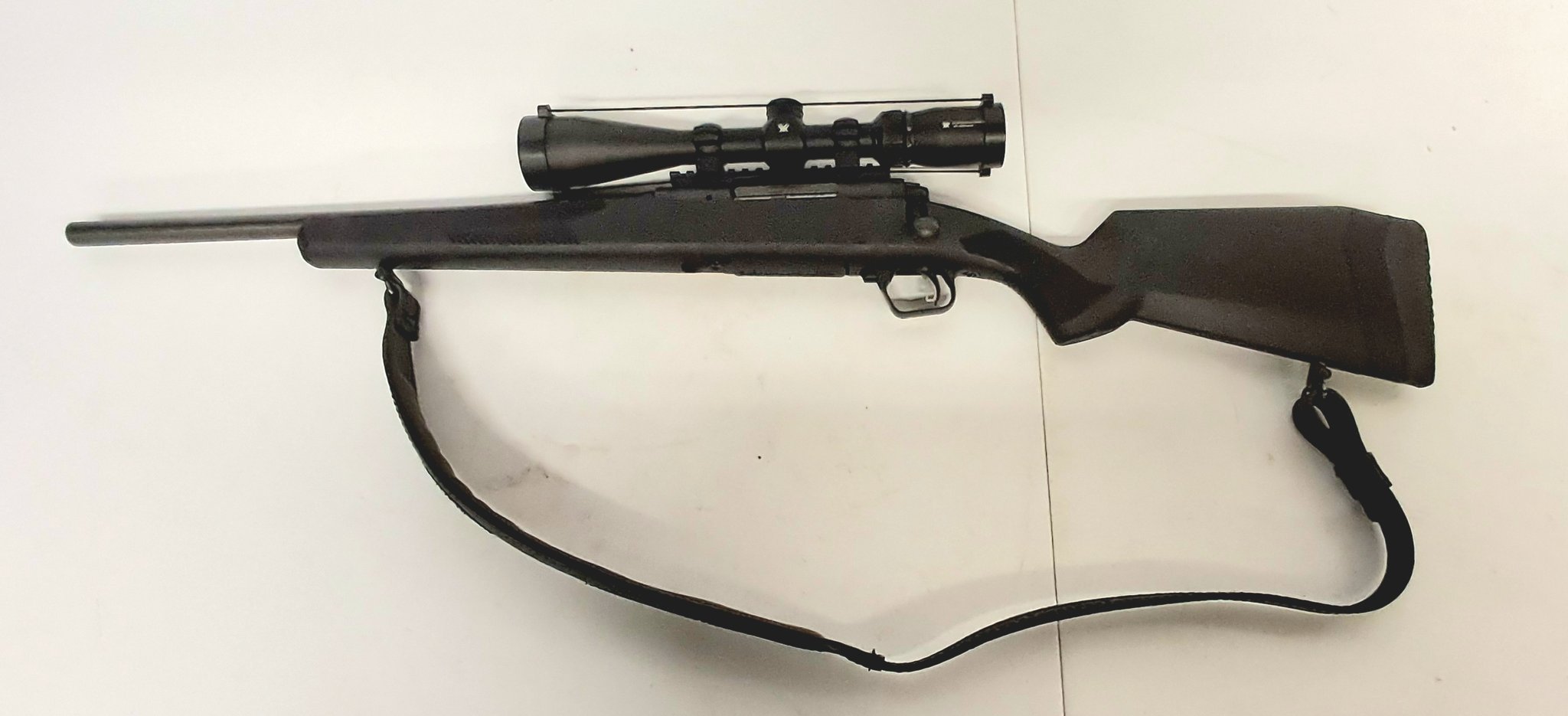
You bought a Remington 700, a Tikka T3x, or a Ruger American. The action is solid. The barrel is decent. And the stock feels like it was designed by someone who's never actually tried to hold a rifle steady from a prone position in 30-degree weather. That wobbly, hollow plastic shell is the single biggest thing holding back accuracy on most factory bolt guns; and it's the easiest thing to fix.

Tikka T3x Deals
Prices may change. May contain affiliate links.
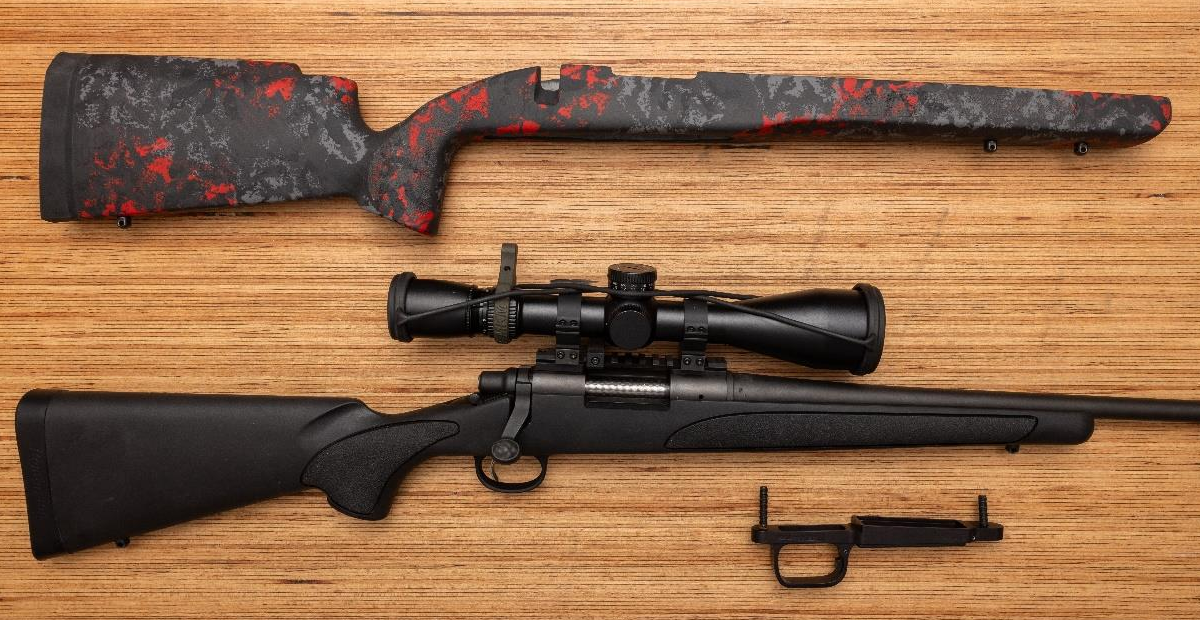
Swapping the stock on a bolt action is the highest-return upgrade you can make short of a barrel job. More than a trigger. More than a scope base. The stock controls how consistently you can get behind the rifle, how much the action flexes under recoil, and whether your point of impact shifts when the forend contacts your bag or bipod differently from shot to shot. A good aftermarket stock fixes all of that, and you don't need to spend $800 to get there.
The problem is the market is flooded. Traditional fiberglass stocks, injection-molded polymer, pillar-bedded composites, full aluminum chassis systems, they all claim to improve accuracy, and they all cost between $200 and $500. Some of them are genuinely transformative. Some are a lateral move from what you already have. Here's how to tell the difference, what actually matters in a stock swap, and which specific products are worth the money right now.
Why your factory stock is the weak link
Most factory bolt actions ship in injection-molded polymer stocks. Manufacturers do this because it's cheap, light, and gets the rifle to a price point. The problem isn't that polymer is inherently bad, it's that these stocks are designed to minimum acceptable standards. The walls are thin. The bedding area where the action sits is loose, sometimes by several thousandths of an inch. The forend flexes when you press it into a rest or bipod. And the geometry is generic, built to not offend anyone's hand rather than to actually fit a human being who's trying to shoot small groups.
Here's what changes when you put a factory Remington 700 SPS into a decent aftermarket stock: the action stops moving around in the inlet. The forend stiffens up, so bipod pressure doesn't translate into point-of-impact shift. The comb height gets closer to where it needs to be for a scope (factory hunting stocks almost always have combs that are too low for magnified optics). And the grip angle usually improves, which means less wrist strain and a more natural trigger finger position.

The accuracy improvement varies. On a rifle that was already shooting sub-MOA with a factory stock, you might tighten groups by a quarter-inch at 100 yards. On a rifle that was shooting 1.5 MOA because the barrel was contacting the stock channel inconsistently, you might cut that in half. The bigger gain is consistency, the rifle does the same thing every time you pick it up, regardless of how you're resting it or what the temperature is doing to the stock material.
Chassis vs. traditional stock: the actual trade-offs
This is the first decision, and most people make it based on aesthetics rather than function. That's backwards.
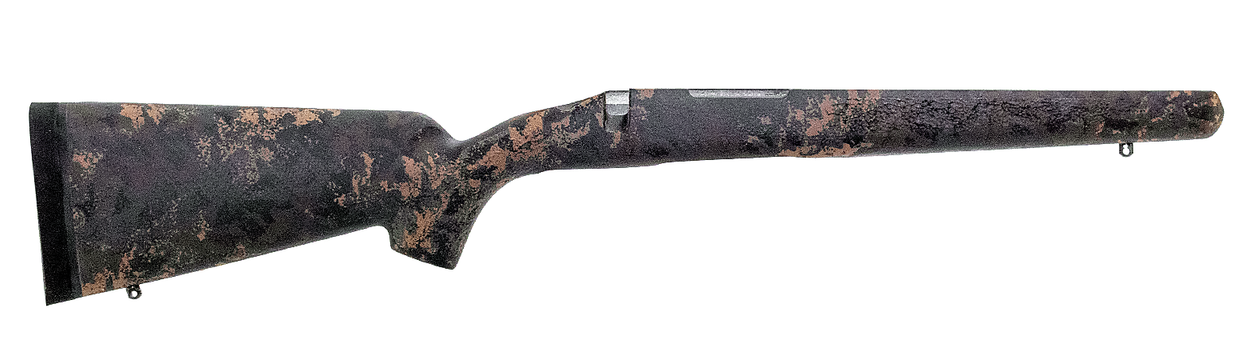
A traditional stock, fiberglass, carbon fiber, or reinforced polymer, wraps around the action and barrel channel in a one-piece shell. The action bolts into the stock, sometimes with pillars or a bedding compound to tighten the fit. The forend is part of the stock structure. These stocks tend to be lighter, slimmer, and more familiar to anyone who's carried a hunting rifle. They also tend to require more fitting work to get right. Bedding a traditional stock properly is the difference between "nice upgrade" and "why did I bother."
A chassis system is an aluminum (sometimes steel) skeleton that the action drops into with machined tolerances. There's no bedding required, the action-to-chassis fit is metal-to-metal. Most chassis systems use a separate buttstock, often AR-15 style, which means adjustable length of pull and comb height without shimming or bending anything. The forend is typically stiffer than any traditional stock because it's aluminum extrusion or billet.
The chassis wins on consistency and adjustability. The traditional stock wins on weight and portability. A KRG Bravo chassis weighs around 3.2 pounds by itself. A Bell & Carlson Medalist composite stock weighs about 1.5 pounds. That's a meaningful difference if you're hiking into elk country. It's irrelevant if the rifle lives on a bench or goes to a PRS match.
There's a middle ground that's gotten more interesting in the last few years: chassis systems designed specifically for hunting weight. MDT's HNT26 is the obvious example, a chassis that weighs about 22 ounces, which is competitive with traditional composite stocks. The trade-off is cost. The HNT26 pushes right up against that $500 ceiling and sometimes past it depending on configuration. But it proves the concept: you can have chassis-level bedding consistency without carrying a boat anchor up a mountain.
One more thing nobody talks about enough, chassis systems change the rifle's balance. They shift weight rearward because the buttstock assembly adds mass behind the action. On a hunting rifle, that can make the muzzle feel whippy. On a precision rifle, it's usually an improvement because it helps the bipod load more naturally. Think about how you actually shoot the rifle before you decide.
What to look for in an aftermarket stock
Bedding and action fit
This matters more than anything else about the stock. The whole point of upgrading is to create a more consistent, rigid connection between the action and the stock. If the new stock has a sloppy inlet that still lets the action shift around, you've spent money on cosmetics.
Pillar bedding uses aluminum or steel pillars that the action screws thread into. When you torque the screws, the action clamps against the pillars rather than compressing the stock material. This prevents the stock from deforming over time and keeps torque values consistent. Most quality aftermarket stocks come with pillars installed or at least pillar-ready.
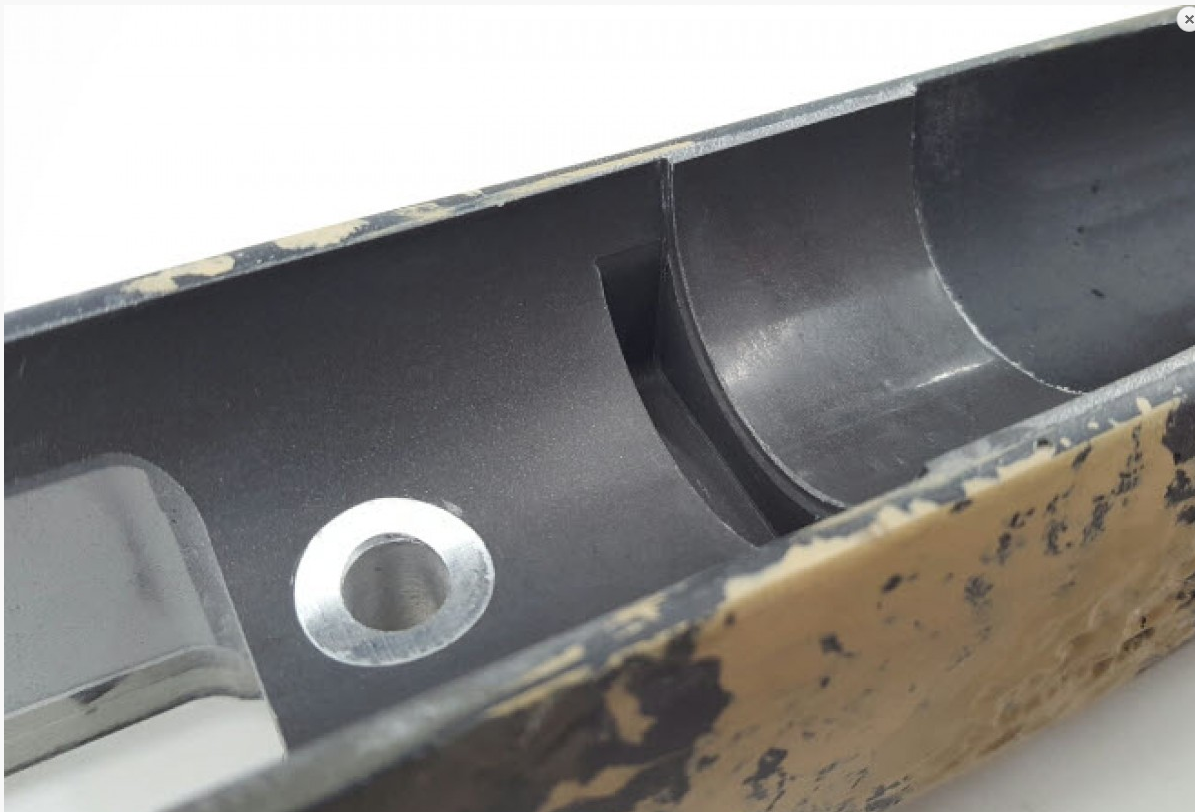
Full aluminum bedding blocks go a step further. The action sits on a machined aluminum surface that's molded into the stock. Manners, McMillan, and Bell & Carlson all use some version of this in their higher-end models. It's the closest a traditional stock gets to chassis-level consistency.
Glass bedding, applying epoxy compound to the stock inlet so it conforms exactly to the action, is still the gold standard for traditional stocks if you want to squeeze out every last bit of accuracy. Some aftermarket stocks are designed to be glass bedded. Others come tight enough from the factory that bedding is optional. If you're not comfortable with the bedding process, buy a stock that's designed to work well without it, or budget $50-100 for a gunsmith to do it.
With a chassis, none of this applies. The action drops in, you torque the screws, and you're done. That's the single biggest practical advantage of a chassis system, zero fitting, zero guesswork.
Forend stiffness
Press your thumb into the forend of your factory stock about two inches behind the tip. If it flexes visibly, that's a problem. When you load a bipod or press the forend into a bag, that flex changes the barrel channel clearance. The barrel might contact the stock in one spot when you're shooting off a bag and float freely when you're shooting offhand. Different contact means different harmonics means different point of impact.
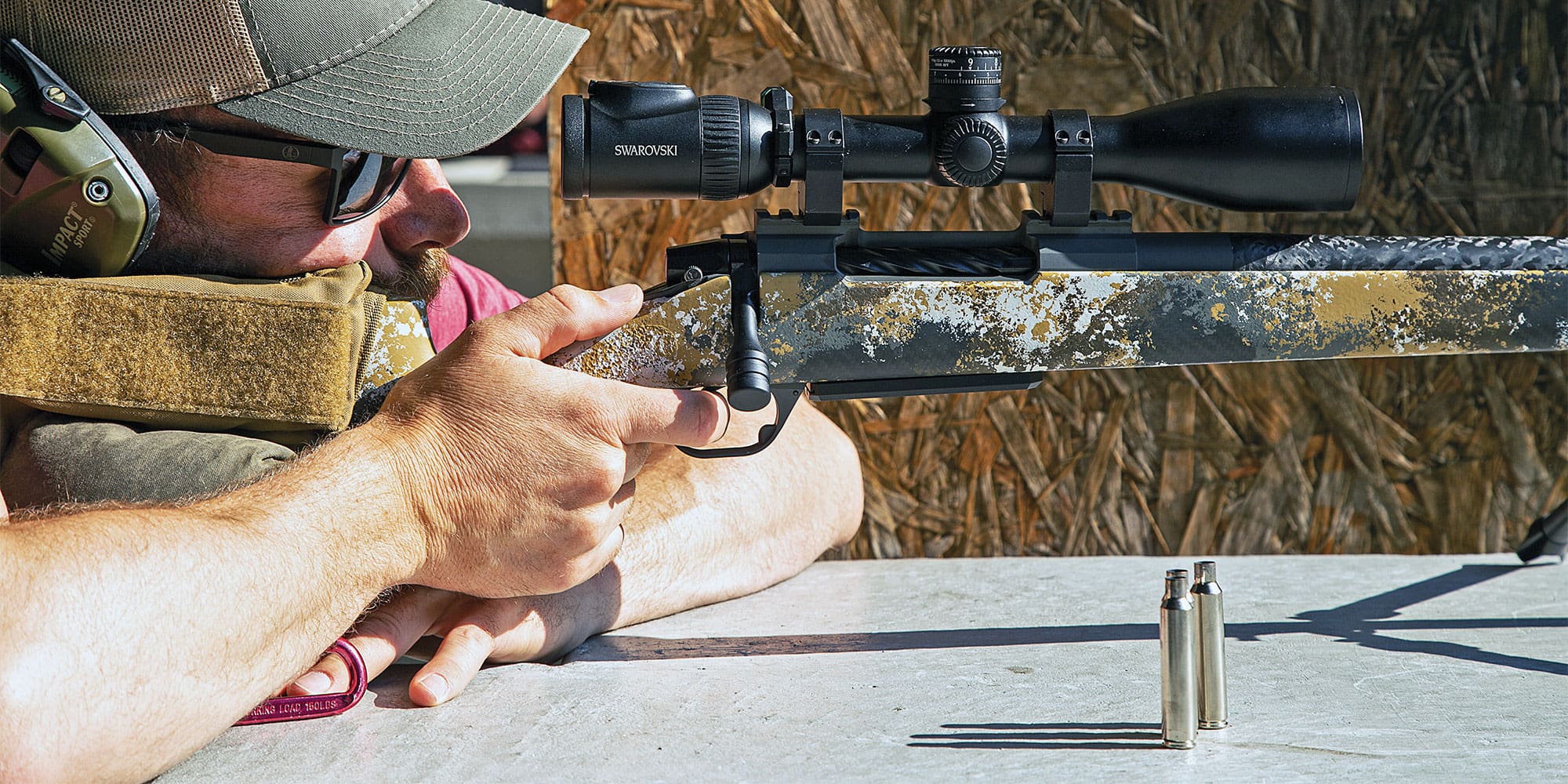
A good aftermarket stock has a forend stiff enough that bipod loading doesn't change the barrel-to-stock relationship. Fiberglass and carbon fiber stocks are generally excellent here. Reinforced polymer stocks vary, some are great, some are only marginally better than factory. Chassis forends are almost universally stiff because they're aluminum.
If you're running a heavy or bull barrel, forend stiffness matters less because the barrel's own rigidity dominates. If you're running a sporter-weight or lightweight contour barrel, the stock's forend stiffness matters enormously because that thin barrel is more sensitive to contact pressure changes.
Comb height and length of pull
Factory hunting stocks are designed for iron sights or low-mounted scopes. If you're running a scope with 40mm+ objective on medium or high rings, your cheek is probably floating above the comb when you get a proper sight picture. That inconsistency kills precision. Every time you mount the rifle, your cheek lands in a slightly different spot, which means your eye is in a slightly different position relative to the scope, which means you're looking through a slightly different part of the eyepiece.
A proper comb height lets you press your cheek firmly into the stock and see a full, centered scope picture without straining your neck. Most aftermarket stocks have higher combs than factory hunting stocks. Chassis systems with AR-style buttstocks let you adjust comb height with a riser, dial it in once and forget it.
Length of pull matters too, especially if you're not built like the average American male that factory stocks are designed around. Too long and you can't get your trigger finger positioned correctly without reaching. Too short and you'll take the scope to the eyebrow under recoil. Most factory stocks are 13.5 inches. If you shoot in heavy clothing or have long arms, you might need 14+. Chassis systems with adjustable buttstocks handle this easily. Traditional stocks require spacer systems or custom ordering a specific LOP.
Barrel channel and free-floating
Almost every aftermarket stock worth buying will free-float the barrel, meaning there's clearance between the barrel and the stock channel from the action forward. You should be able to slide a dollar bill between the barrel and stock all the way to the tip of the forend. Free-floating eliminates the biggest variable in stock-to-barrel interaction.
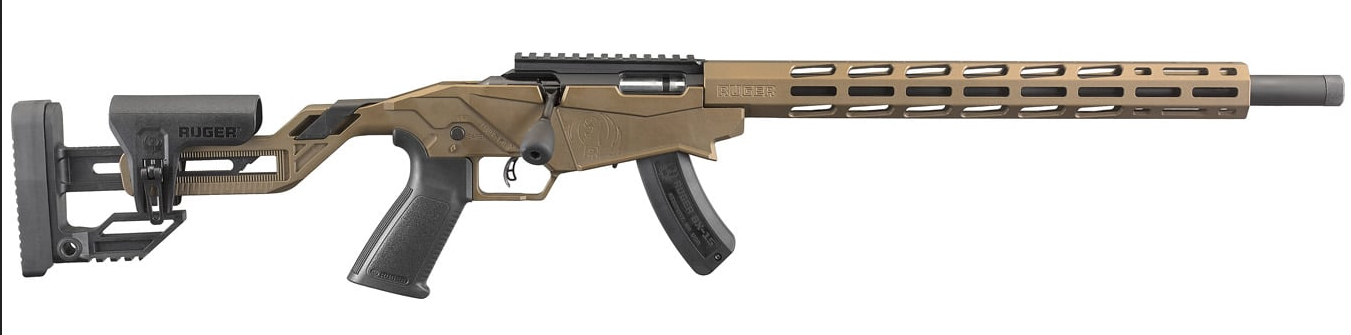
Some factory stocks use a pressure point at the forend tip to dampen barrel harmonics. This can work, but it's finicky and temperature-sensitive. A free-floated barrel in a stiff stock is more predictable across conditions. If your new stock doesn't free-float the barrel, or if the barrel channel is tight enough that a specific barrel contour rubs, you'll need to relieve the channel with sandpaper or a Dremel. Most reputable stock makers publish which barrel contours their channels accommodate, pay attention to this before ordering.
Weight
A bare stock weight of 1.5 pounds is hunting-friendly. Two pounds is acceptable for a do-everything rifle. Three pounds is precision/match territory. The complete rifle weight matters more than the stock weight in isolation, but the stock is usually where you have the most room to add or save weight.
If you're building a mountain rifle, every ounce counts and a lightweight composite stock is the right call. If you're building a range rifle or a rig for positional shooting, extra weight in the stock actually helps, it dampens recoil pulse and makes the rifle more stable in compromised positions.
Fit and feel: what you'll actually notice
The first time you shoulder a bolt action in a properly fitted aftermarket stock, two things jump out immediately. First, the grip. Factory stocks almost universally have grip angles that are too vertical or too shallow, and the grip itself is either too fat or too thin. A good aftermarket stock puts your hand at an angle where your trigger finger falls naturally onto the blade without rotating your wrist. The KRG Bravo's grip is a standout here, it's essentially an AR-pattern pistol grip, which means decades of ergonomic refinement baked in.
Second, the cheek weld. You press your face into the comb and your eye is just there, centered in the scope, without hunting for it. On a factory stock, most people unconsciously tilt or crane their neck to find the sight picture. You don't realize how much energy that takes until you don't have to do it anymore. After a 50-round range session, the difference in neck fatigue is noticeable.
The forend feel varies more by stock type. Chassis forends tend to be flat-bottomed and wide, which is great for bags and barricades but can feel blocky during offhand shooting. Traditional stock forends are usually rounded or slightly oval, which fills the support hand more naturally. Neither is objectively better, it depends on how you shoot. If 90% of your shooting is prone or from a bench, the flat chassis forend is an advantage. If you hunt from a treestand and need to snap-shoot at 80 yards, the traditional contour is faster.
One thing that surprises people: the sound and feel of the action cycling changes in a chassis. Bolt throw in an aluminum chassis has a more mechanical, precise feel compared to the same action in a polymer stock. It's not functionally different, but it feels different, and it reinforces the sense that the rifle is a tighter, more precise tool. Small thing, but it's there.
Five stocks and chassis worth buying right now
These are all under $500, all currently in production, and all compatible with common factory actions (Remington 700, Tikka T3/T3x, Savage, Ruger American, or Howa 1500 depending on model). No vaporware, no discontinued items.
KRG Bravo chassis
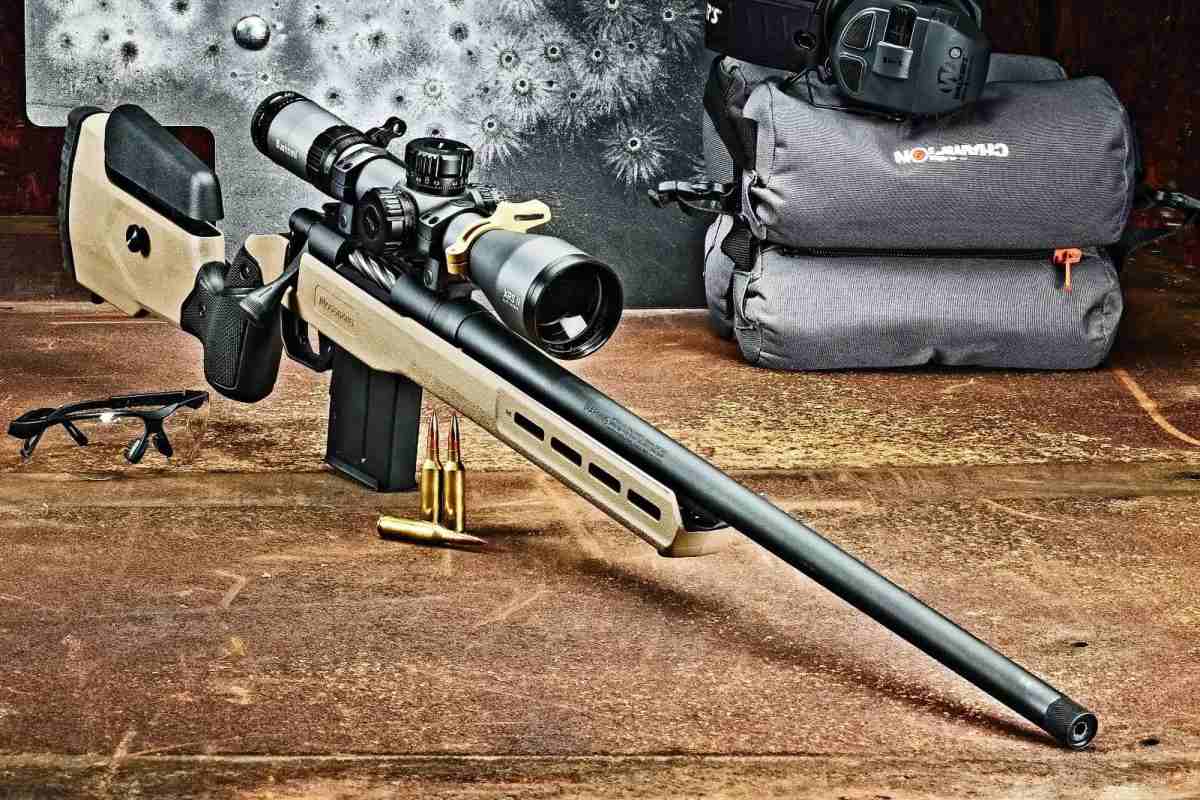
The Bravo is the default recommendation for a reason. It's a full aluminum chassis with V-block bedding that fits Remington 700, Tikka T3x, Savage, and Howa 1500 actions depending on which version you order. Weight is around 3.2 pounds without the buttstock. It accepts any AR-15 pattern buttstock and pistol grip, so you can customize both to your preference. The forend has M-LOK slots and is stiff enough that bipod loading doesn't move the point of impact. AICS-pattern magazine compatible, which means you get detachable box magazine capability if your action supports it.
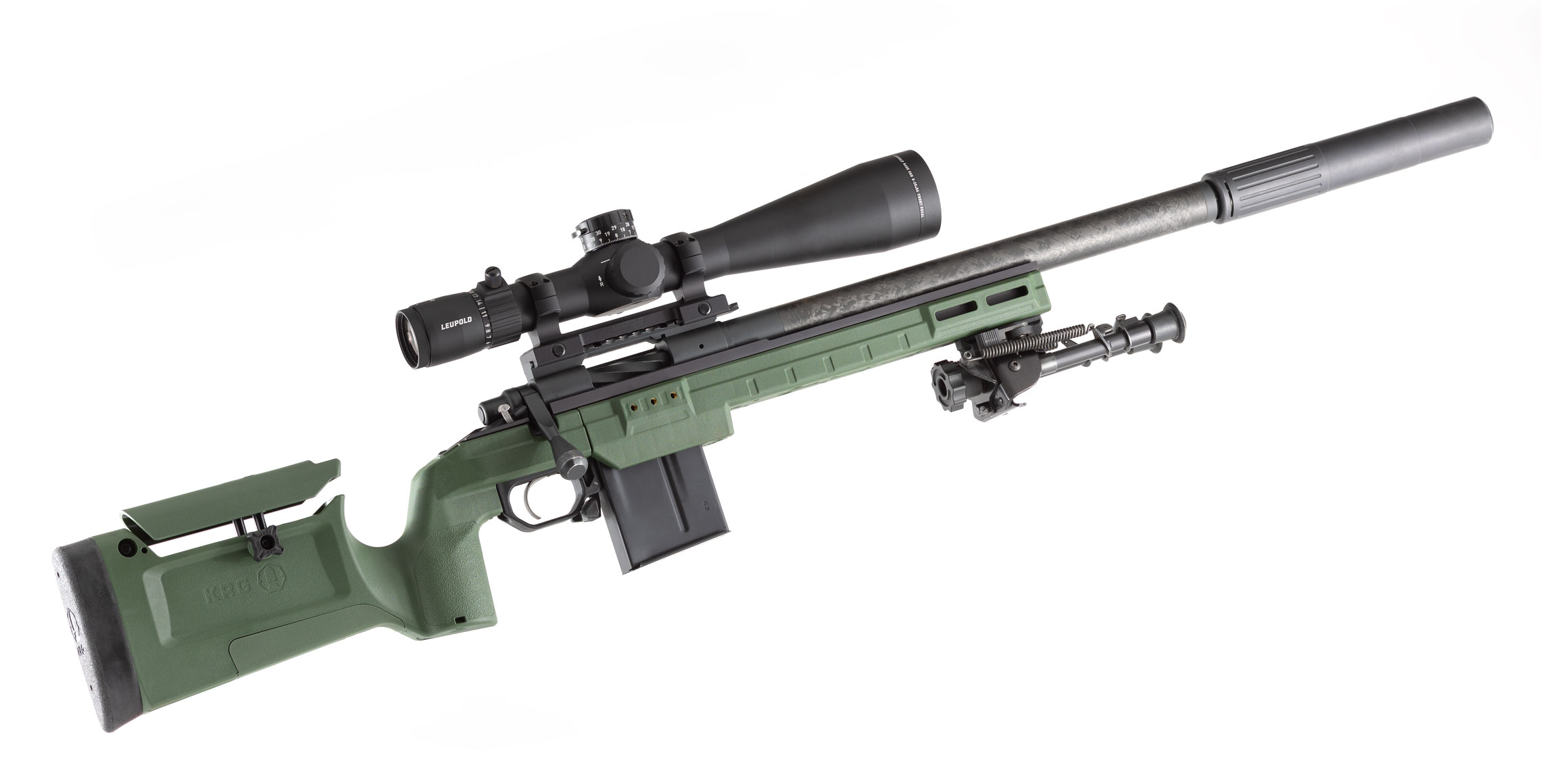
The Bravo sits right around $400 depending on the inlet. It's not a hunting chassis, it's too heavy for that. But for range work, PRS-style competition, or a dedicated precision rig, it's the best value in the chassis market. The bedding system is genuinely excellent. Actions drop in with minimal fitting, and the V-block design applies even clamping pressure across the action. Group sizes typically tighten up noticeably versus factory stocks, especially on rifles with sporter-weight barrels that were sensitive to stock contact.
MDT Oryx Sportsman
The Oryx is MDT's entry-level chassis, and "entry-level" is doing a lot of work in that sentence because it's a legitimately good product. It's a one-piece aluminum chassis with an integrated pistol grip and an adjustable buttstock. Weight runs about 2.7 pounds. Available for Remington 700, Tikka T3x, Savage, Ruger American, and Howa 1500. Street price hovers around $350-400.
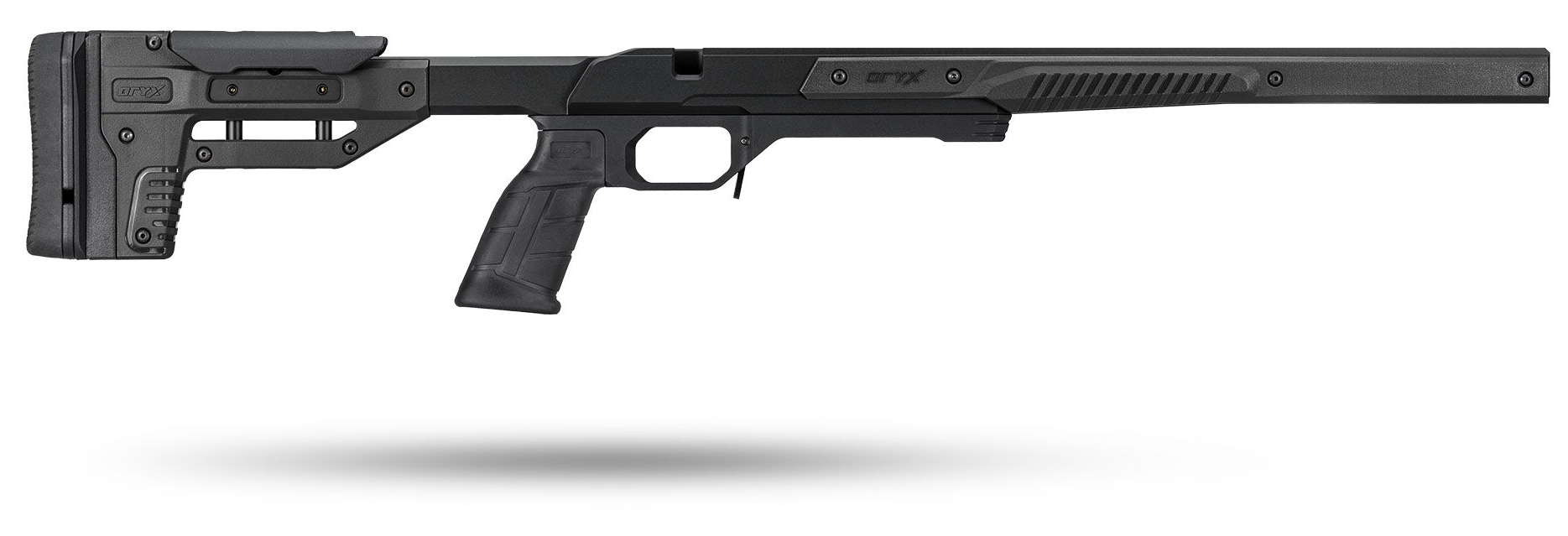
The Oryx doesn't have the modularity of the Bravo, the grip isn't swappable, and the forend is simpler. But the bedding is solid, the forend is stiff, and the adjustable buttstock lets you dial in LOP and comb height. It's a great first chassis for someone who wants to try the platform without committing $600+. The integrated grip has a steeper angle than an AR grip, which some people prefer and others don't. Handle one before you buy if you can.
AICS magazine compatible on most inlets. The magazine well is a bit tighter than the KRG's, which occasionally causes feeding issues with certain aftermarket magazines. Stick with MDT or Accurate-Mag branded magazines and you'll be fine.
MDT XRS
The XRS is MDT's crossover chassis, lighter than a full competition chassis, heavier than a hunting stock, designed for people who want chassis benefits without going full tactical. Weight is around 2.5 pounds. It uses a unique hybrid design with an aluminum spine and polymer panels, which keeps weight down while maintaining bedding rigidity.
The XRS accepts AR-15 buttstocks and grips, has M-LOK slots on the forend, and runs AICS magazines. It's available for Remington 700, Tikka T3x, Savage, and Howa 1500. Price is typically in the $400-450 range. The forend is slimmer than the Bravo's, which makes it more comfortable for offhand shooting and easier to run in barricade stages. If you want one chassis for both hunting and range work, the XRS is the most versatile option under $500.
The polymer panels do flex slightly more than a full aluminum forend under heavy bipod loading, but the difference is marginal, maybe a tenth of an inch of deflection under 15+ pounds of load. For normal bipod use, it's not a factor.
Bell & Carlson Medalist
If you want a traditional stock, no chassis, no AR buttstock, just a drop-in composite stock that looks like a rifle stock, the Medalist is the benchmark under $500. It's a fiberglass/aramid composite shell with a full-length aluminum bedding block. Weight is about 1.5 pounds depending on configuration. Available for Remington 700, Savage 10/110, Tikka T3/T3x, Weatherby Vanguard, and several others.
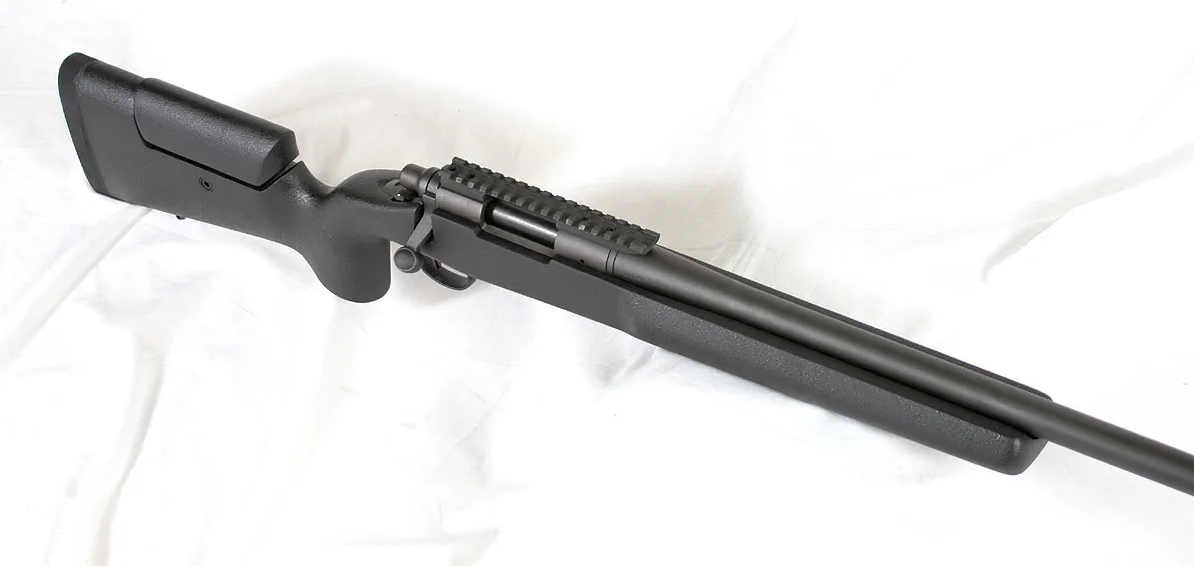
The Medalist's bedding block is the key feature. The action sits on machined aluminum that's molded into the stock, so you get chassis-like bedding consistency in a traditional stock form factor. The forend is stiff enough for bipod use without barrel contact issues. The finish is durable and textured, it won't win beauty contests, but it handles weather and abuse well.
Comb height on the Medalist is higher than most factory hunting stocks but still lower than a chassis. If you're running a scope with a 50mm objective on high rings, you might still want a cheek riser pad. The grip is more vertical than a classic hunting stock, which helps with trigger reach but feels different if you're used to a traditional Monte Carlo profile. Street price runs $250-350 depending on the inlet and configuration, which makes it the most affordable serious upgrade on this list.
Forum reports from Tikka T3x owners consistently show half-MOA improvements after swapping to the Medalist, particularly on rifles that were shooting 1.25-1.5 MOA with factory stocks. The aluminum bedding block eliminates the need for glass bedding in most cases, though some precision-focused shooters still bed the recoil lug area for maximum consistency.
MDT HNT26
The HNT26 is the lightest chassis system on the market, and it's designed specifically for hunters who want chassis bedding without chassis weight. The carbon fiber and aluminum construction brings total chassis weight to about 22 ounces, lighter than many traditional composite stocks. It uses MDT's proven bedding system and accepts a proprietary folding buttstock with adjustable LOP and comb height.
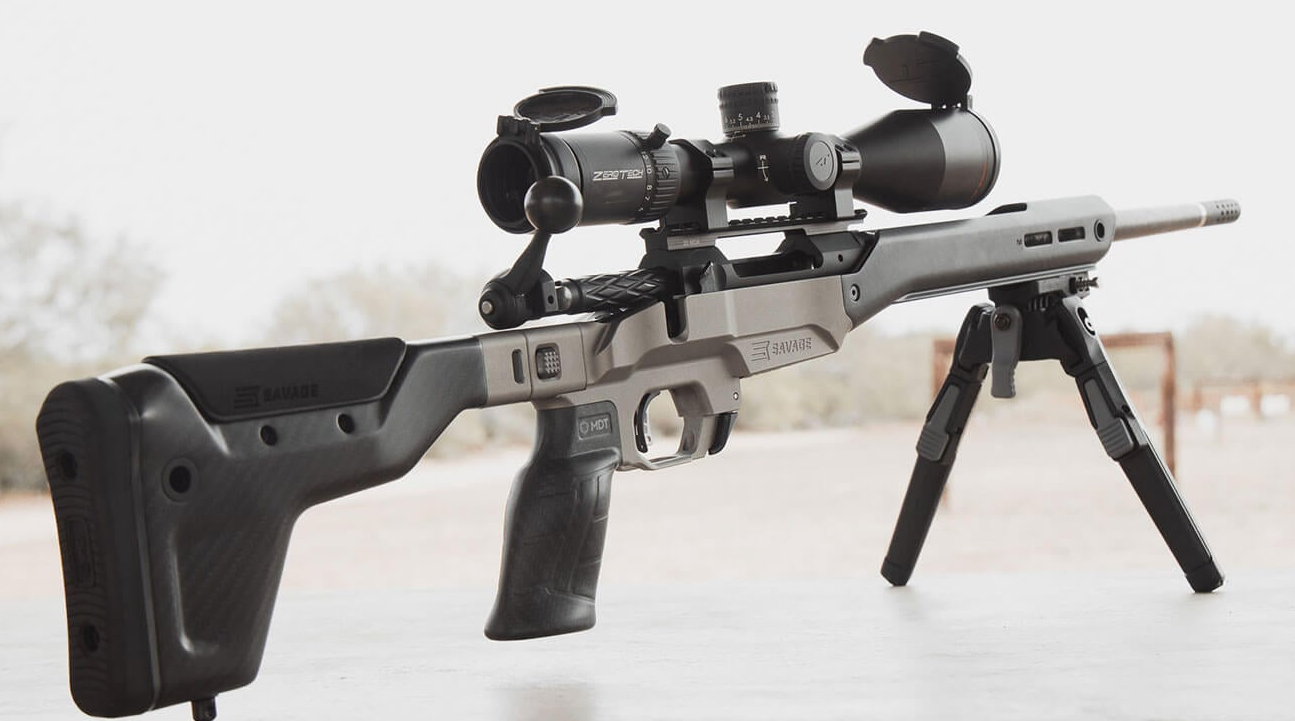
Available for Remington 700, Tikka T3x, Savage, and Howa 1500. The price pushes the $500 ceiling, it typically runs $450-500 depending on configuration and availability. The forend is narrower than any other chassis on this list, which makes it comfortable to carry and shoot offhand. AICS magazine compatible.
The trade-off is that the HNT26's narrow forend doesn't have the same bipod-loading resistance as a wider aluminum chassis. For prone precision work with a loaded bipod, the Bravo or XRS will be more consistent. For a hunting rifle that you also want to shoot well at the range, the HNT26 is hard to beat. It's the stock that makes the "chassis vs. traditional stock" debate mostly irrelevant for weight-conscious shooters.
Mistakes that cost you accuracy (or money)
Wrong inlet for your action
This sounds obvious, but it's the most common return reason for aftermarket stocks. A Remington 700 short action inlet won't fit a long action. A Tikka T3 inlet won't fit a T3x without modification (some manufacturers use the same inlet for both, others don't). Savage actions come in multiple footprints depending on generation. Check the manufacturer's compatibility chart and measure your action's screw spacing before ordering. Don't assume.
Skipping the torque spec
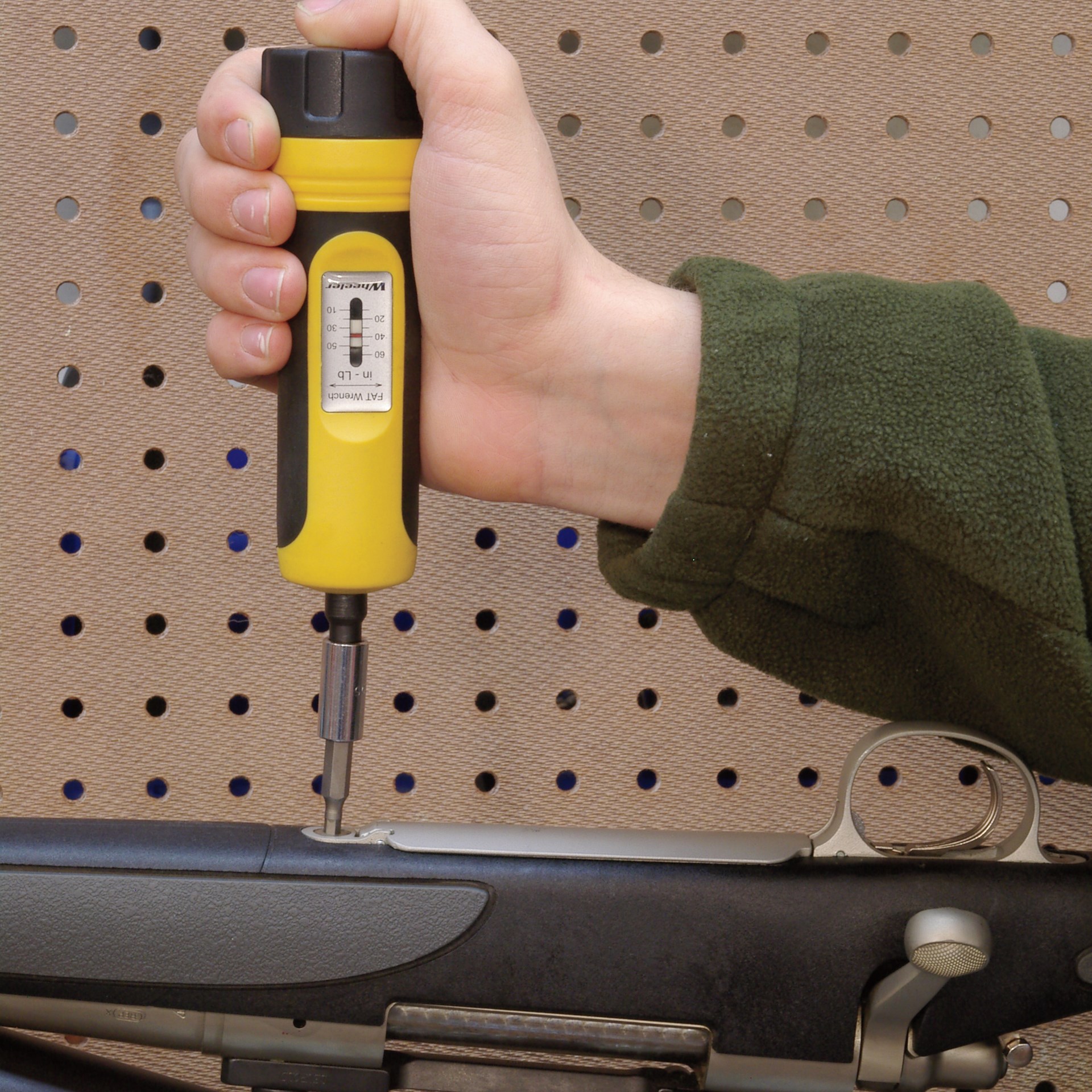
Every aftermarket stock and chassis has a recommended torque value for the action screws, usually 55-65 inch-pounds for chassis systems, sometimes less for traditional stocks. Use a torque wrench, not a screwdriver and elbow grease. Over-torquing can warp the action or compress the stock material. Under-torquing lets the action shift. Both kill accuracy. Spend $30 on a FAT wrench if you don't have one. It'll pay for itself in the first range session.
Not checking barrel channel clearance
You installed the stock, and the barrel looks like it's floating. But is it? Remove the bolt, look down the barrel channel from the action end with a light behind the muzzle. You should see daylight all the way around the barrel. Then load the bipod and check again, flex in the stock or forend can close the gap under pressure. If the barrel touches anywhere, you need to relieve the channel or stiffen the forend.
Sporter-weight barrels in channels designed for heavier contours will float with room to spare. Heavy barrels in channels designed for sporter contours will rub. Match the stock's barrel channel spec to your actual barrel contour.
Ignoring the recoil lug
The recoil lug is the steel crosspiece between the action and the barrel that transfers recoil force into the stock. On a chassis, the recoil lug seats into a machined slot, no issues. On a traditional stock, the recoil lug seats against the stock material or bedding compound. If this interface isn't clean and consistent, the action can shift under recoil. When installing a traditional stock, make sure the recoil lug slot is clean, the lug seats flat, and there's no debris or excess bedding compound preventing full contact.
Tikka T3 Deals
Prices may change. May contain affiliate links.
Expecting the stock to fix everything
A stock upgrade won't fix a bad barrel, a rough trigger, or ammunition the rifle doesn't like. If your rifle shoots 2+ MOA groups with factory ammo in the factory stock, and it still shoots 2+ MOA in the new stock, the stock wasn't the problem. Before spending $400 on a chassis, spend $50 on three different brands of match ammunition and see what the rifle actually does. If it shoots one brand well and others poorly, the barrel is fine and a stock upgrade will help consistency. If it shoots everything poorly, you might have a barrel or crown issue that no stock will fix.
Setting up your new stock: the details that matter
Once the action is installed and torqued, there's a setup process that most people skip. Don't.
Start with length of pull. Shoulder the rifle in your normal shooting position, whatever position you use most. If that's prone with a bipod, get prone with a bipod. The buttpad should sit in the pocket of your shoulder without reaching or cramping. Your trigger finger should land naturally on the trigger face with a 90-degree bend at the first knuckle. If you're stretching to reach the trigger, the LOP is too long. If your elbow is tucked tight against your ribs, it's too short. Adjust accordingly if you're on a chassis with a spacer system.
Next, comb height. Mount the rifle and close your eyes. Press your cheek into the comb. Open your eyes. You should see a full, round scope picture with the reticle centered and no shadow or black crescents around the edges. If you see shadow at the top, the comb is too low. If you see shadow at the bottom, it's too high (rare, but possible with aggressive risers). Adjust until the picture is clean and natural.
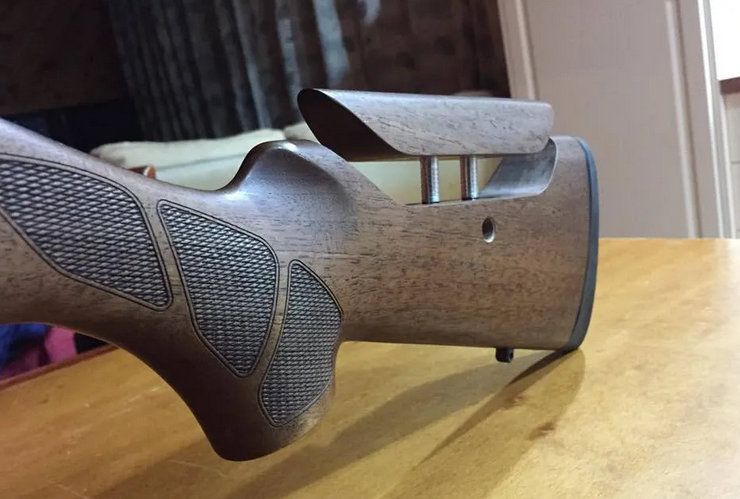
Now check the grip. With the rifle shouldered and your cheek on the comb, your trigger finger should reach the trigger without rotating your wrist or shifting your hand. If the grip angle is wrong, your trigger pull will be inconsistent because you're pulling at an angle rather than straight back. On a chassis with a swappable AR grip, try two or three different options. The difference between a standard A2 grip and something like a Magpul K2+ is significant, the K2+ has a steeper angle that works better for most bolt-action shooting positions.
Finally, test for bipod-induced POI shift. Shoot a three-round group from a rear bag only (no bipod). Then shoot a three-round group with your bipod loaded normally. Compare the group centers. If they're more than half an inch apart at 100 yards, something is flexing, either the forend, the bipod mount, or the barrel is contacting the stock under load. Troubleshoot from there.
Chassis and stock maintenance nobody mentions
Aluminum chassis systems collect grit and carbon fouling in the action channel over time. Every 500 rounds or so, pull the action out of the chassis and wipe down the bedding surfaces with a dry cloth. Don't oil them, oil attracts dust and can cause the action to shift microscopically. If you hunt in wet conditions, blow out the chassis with compressed air and let it dry before storage. Aluminum doesn't rust, but trapped moisture between the action and chassis can corrode the action itself.
Traditional composite stocks are more forgiving of neglect, but the bedding surfaces still need occasional attention. Check the action screw torque every few hundred rounds or at the start of each season. Composite stocks can compress slightly over time, especially in the pillar areas, which means your torque value might drift. A five-second check with a torque wrench prevents a problem you'd never notice until you're chasing a wandering zero.
If you've glass-bedded a traditional stock, inspect the bedding compound annually for cracks or chips, especially around the recoil lug area. A cracked bedding job is worse than no bedding at all because it creates an inconsistent surface. Small chips can be repaired with fresh compound. Large cracks mean you're stripping and re-bedding.
Stock screws, both the action screws and any accessory screws (sling studs, rail screws, buttstock bolts), should get a drop of blue Loctite at installation. Not red. Blue. Red Loctite on a stock screw means you're using heat to remove it later, and heat near a composite stock or polymer chassis component is a bad time.
When to spend more (and when $300 is plenty)
If your rifle is a Remington 700 SPS or Tikka T3x Lite that you shoot at the range once a month and hunt with twice a year, a $300 Bell & Carlson Medalist or MDT Oryx will extract 90% of the accuracy your barrel can deliver. You don't need a $500 chassis. You need a stiff stock with good bedding and a proper comb height. Done.
If you're shooting PRS-style matches, building a dedicated precision rig, or you've already invested in a quality barrel and trigger, the KRG Bravo or MDT XRS makes more sense. The adjustability alone is worth the premium, being able to dial in LOP and comb height for different shooting positions without shimming or sanding saves time and frustration. The AICS magazine compatibility is also a bigger deal in competition than in hunting.
If you're building a mountain rifle where every ounce matters and you want the best possible bedding, the HNT26 is the move, but only if you've already committed to the lightweight build philosophy across the whole rifle. Putting a 22-ounce chassis on a rifle with a 26-inch heavy barrel and a 2-pound scope is missing the point.
The one scenario where spending less than $250 makes sense: if you're upgrading a budget rifle (Ruger American, Savage Axis) as a learning project and you're not sure you'll keep the rifle long-term. The MDT Oryx at its occasional sale price is the floor for a meaningful upgrade. Below that, you're mostly buying different-shaped plastic.
What to do next
Install the stock. Torque to spec. Shoot three five-round groups with the ammunition your rifle likes best, from a stable position, and record the results. Then compare those groups to your best groups with the factory stock. The improvement should be obvious, tighter groups, less vertical stringing, and more consistent point of impact across different shooting positions.
After that, run the bipod-loading test described above. Then shoot from at least two other positions, offhand and sitting, or kneeling and a barricade, and note whether the ergonomics actually help you get on target faster. A stock that shoots great from a bench but feels awkward from field positions isn't the right stock for a hunting rifle.
If groups tightened but you're still not where you want to be, the next step is the trigger (if you haven't already upgraded it) and then ammunition testing. A good stock, a clean trigger, and the right ammo will get most factory bolt actions shooting half-MOA or better. The stock is the foundation. Get that right and everything else falls into place faster.