You bought the rifle. Now you're staring at a bare-bones AR-15 with a mil-spec trigger that feels like dragging a boot across gravel, a plastic handguard that gets hot after two mags, and no optic. The forums say you need a red dot, a light, a sling, backup irons, a better charging handle, a free-float rail, and maybe a new stock; all before you've even zeroed the thing.
Here's the problem: nobody tells you what order to buy stuff in, what actually matters at the range versus what just looks cool on Instagram, and which "upgrades" are genuinely a waste of money until you've shot a few thousand rounds. This isn't a survey of every AR accessory ever made. It's the specific questions that keep coming up from people who just picked up their first AR-15; answered without the filler.
We're covering optics, iron sights, handguards, triggers, magazines, slings, lights, muzzle devices, and stocks/grips. One family at a time, with the real answer to the question people are actually asking.
Do you actually need a red dot right away?
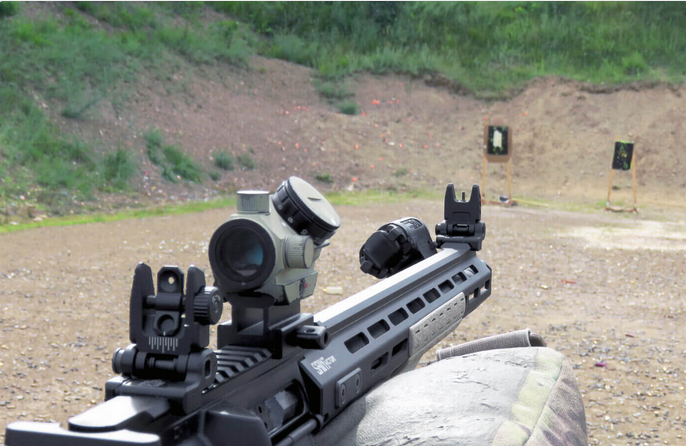
Yes. The single biggest improvement to a new AR-15 is putting a decent optic on it. Iron sights are fine; we'll get to those; but a red dot fundamentally changes how fast you can get on target. Both eyes open, dot on target, press the trigger. That's it. No aligning a front post inside a rear aperture. The speed difference between irons and a red dot for a new shooter is dramatic, often shaving a full second off first-shot times at 25 yards.
The question isn't whether to get one. It's which one, and how much to spend.
The budget tier that actually works
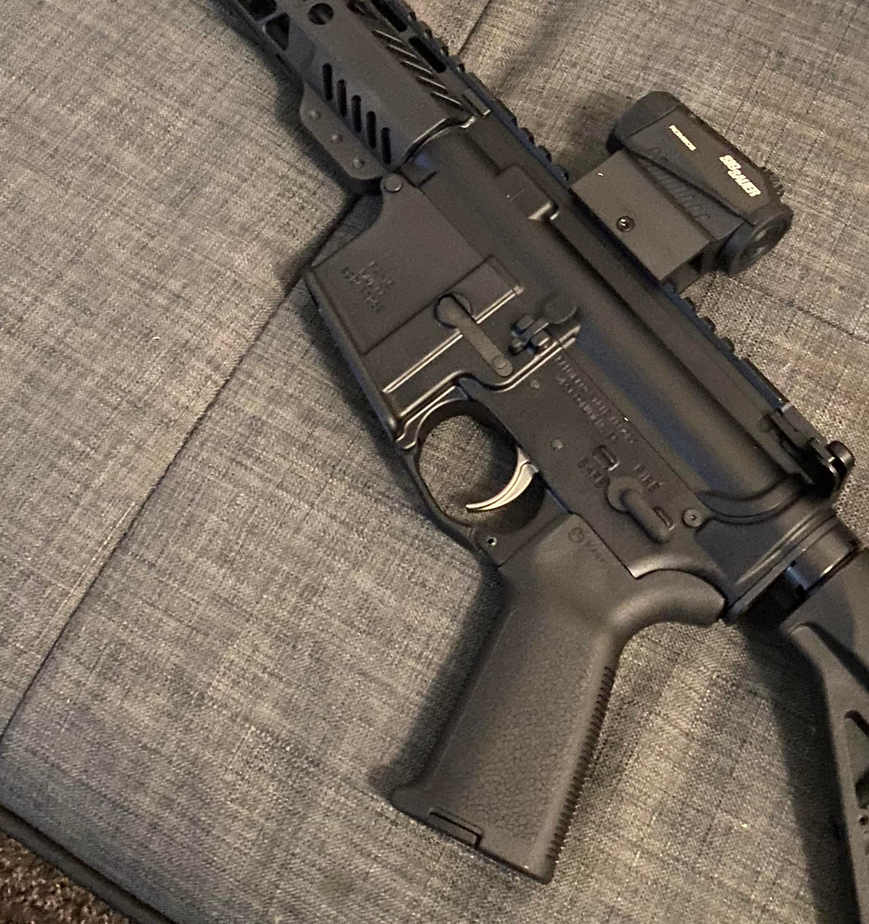
The floor for a reliable red dot has dropped significantly. Sig Sauer's Romeo5 has been the default recommendation for years and it still holds up; shake-awake activation, 2 MOA dot, runs on a common CR2032 battery, and the MOTAC system means you don't have to worry about leaving it on. It co-witnesses with standard AR-15 height iron sights on the included mounts.
Holosun's HS403B sits in the same neighborhood. Same shake-awake concept, similar battery life (around 50,000 hours on a mid setting), and Holosun's reputation for durability has been validated enough at this point that it's not a gamble anymore. The 503CU adds a circle-dot reticle if you want that option.
Moving up, the Holosun 510C is a popular open-reflex style with a larger window. It's noticeably easier to pick up the dot when you're moving fast, but it's also bigger and heavier; a tradeoff that matters more on a lightweight build.
When to spend real money
Aimpoint Duty RDS and the Aimpoint PRO are the step into "buy once, cry once" territory. The PRO has been a duty-grade standard for over a decade. Battery life is rated at 30,000 hours on a constant-on setting, meaning you turn it on and leave it on for three years. No shake-awake needed because it's always ready. The Duty RDS is the newer, lighter option at roughly the same price point, with a slightly cleaner lens.
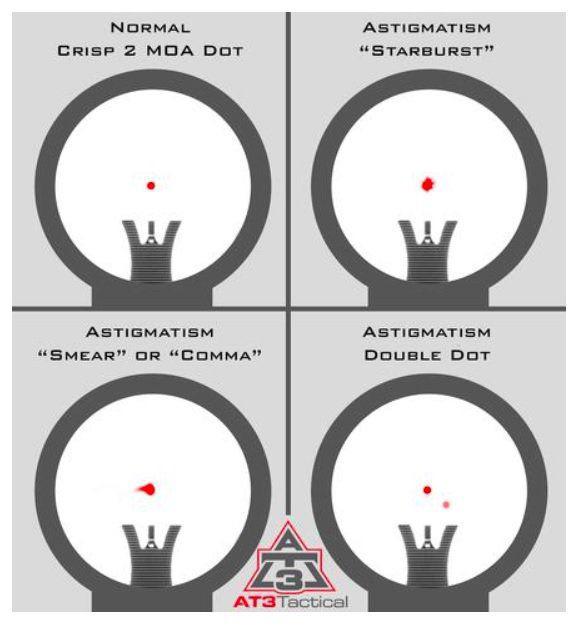
EOTech's holographic sights (the EXPS2 and EXPS3 series) are a different animal entirely. They project a holographic reticle rather than an LED dot, which means the reticle stays the same size regardless of any astigmatism issues; a real consideration, since a surprising number of people discover they have astigmatism the first time they look through a red dot and see a starburst instead of a clean dot. The downside: EOTechs eat batteries faster (roughly 600–1,000 hours depending on model) and they're heavier.
The astigmatism question
This comes up constantly. If the dot looks like a comma, a starburst, or a smeared blob, that's likely astigmatism. Before you return the optic, try looking through it at a target rather than at the dot. Many shooters with mild astigmatism find the smear disappears when they focus on the target downrange rather than the reticle itself. If it's still bad, a holographic sight (EOTech) or a prism optic (like the Sig Sauer Bravo3 or Primary Arms SLx 1X MicroPrism) will give you an etched reticle that stays crisp regardless of your eye's quirks.
What you'll notice: The first time you shoot with a red dot after using irons, target transitions feel almost unfair. Moving from one steel plate to the next at 15 yards goes from a deliberate process to something that feels instinctive. That's the real value; not the dot itself, but the speed it unlocks.
Do you need backup iron sights?
The honest answer is probably, but not for the reason most people think.
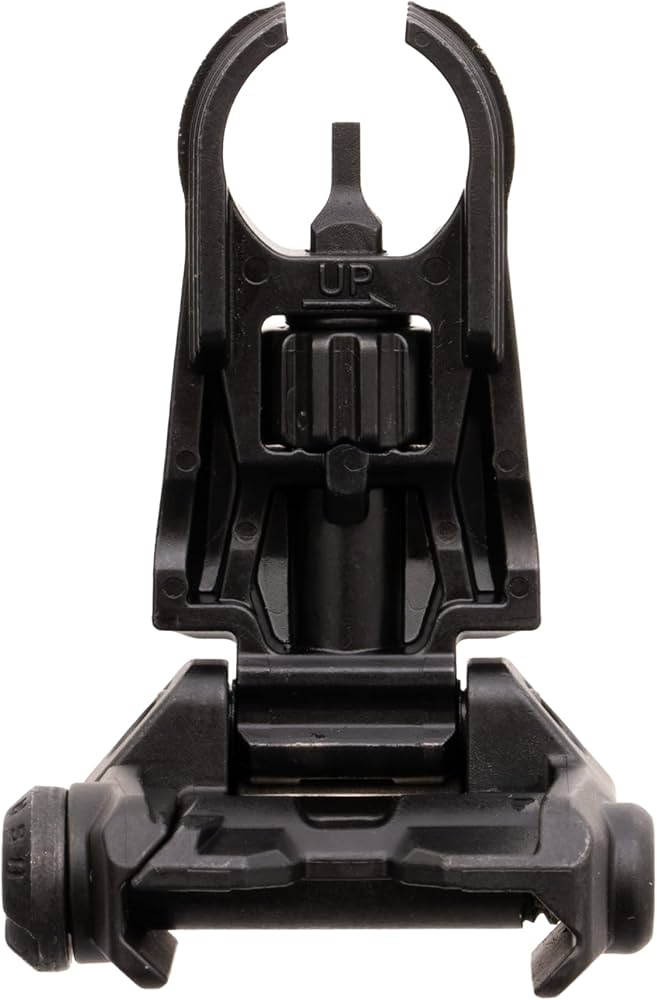
The common argument is "what if your optic dies?" Sure, electronics can fail. Batteries die. But a quality red dot from any of the brands mentioned above isn't going to randomly stop working at the range. The more practical reason for backup irons: they give you a secondary aiming system that helps you learn fundamentals, and they provide an absolute or lower-third co-witness reference that confirms your red dot is still zeroed.
Fixed vs. flip-up
Flip-up sights fold flat so they don't obstruct your optic's field of view. Magpul's MBUS set (front and rear) is the standard recommendation; polymer, lightweight, snaps into place positively, and they've been used hard by enough people to prove they hold zero when folded down and flipped back up. The MBUS Pro set is the steel version: slimmer profile, more durable, and they sit lower when folded.
Daniel Defense's fixed iron sights are rock-solid but they're fixed; they stick up. If you're running a red dot, they'll sit in your field of view. Some shooters like this (it gives a constant co-witness reference), others find it distracting.
Troy Industries makes both flip-up and fixed options with a reputation for tight tolerances and positive lockup. Their HK-style front sight is a popular choice for anyone who wants a more protected front post.
Co-witness explained in 30 seconds
Absolute co-witness means your iron sights line up directly with your red dot when flipped up; the dot sits right on top of the front sight post. Lower-third co-witness means the irons sit in the bottom third of the optic window, visible but not overlapping the dot. Most shooters prefer lower-third because it gives a cleaner optic picture while still letting you reference the irons if needed. The difference comes down to mount height. A standard-height mount gives absolute co-witness; a taller mount (like the 1.93" mounts that have become popular) pushes the dot above the irons entirely.
Which handguard should you get?
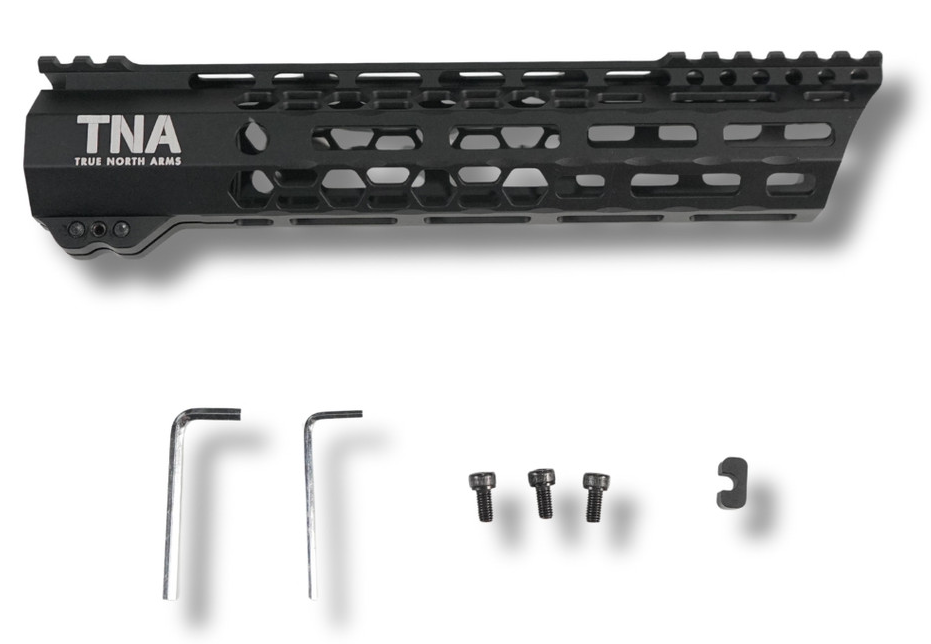
If your AR came with a two-piece plastic handguard held on by a delta ring; the classic "clamshell" design; upgrading to a free-float handguard is one of the most meaningful changes you can make. Not just for looks. A free-float rail doesn't touch the barrel, which means nothing you attach to the handguard (a grip, a light, a bipod) can put pressure on the barrel and shift your point of impact. The accuracy improvement is measurable, typically tightening groups by half an MOA or more on a mid-grade barrel.
M-LOK won
This isn't really a debate anymore. M-LOK (Magpul's attachment standard) beat out KeyMod and has become the dominant accessory mounting system on modern handguards. The attachment slots are rectangular, accessories lock in from the back side, and virtually every light mount, rail section, handstop, and bipod adapter is available in M-LOK. If you're buying a new handguard, get M-LOK. If your rifle came with KeyMod, it still works fine; but new accessory options are increasingly M-LOK first, KeyMod maybe.
Full-length Picatinny quad rails (like the classic Daniel Defense Omega or KAC RAS) still exist and still work, but they're heavy and they chew up your hands without rail covers. The military has largely moved on, and so has the commercial market.
What to actually look for
Barrel nut compatibility is the first thing to check. Most free-float handguards come with a proprietary barrel nut that replaces your existing one. This means you need an armorer's wrench, a torque wrench, and a vise block to install it. If you don't own those tools, factor in the cost or plan on paying a gunsmith.
Internal diameter matters if you're running a suppressor or a thick-profile barrel. A 1.3" internal diameter is standard and clears most government-profile and pencil-profile barrels with room to spare. If you want to tuck a suppressor under the handguard, you'll need at least 1.5" internal diameter, and the handguard needs to be long enough to extend past the muzzle device.
Length is a preference call. A handguard that runs almost to the muzzle gives you maximum rail space and a longer grip surface, but it also means more weight out front and a longer sight radius if you're using flip-up irons. Most 16" barrel builds work well with a 13" to 15" handguard.
Named options worth comparing
The Midwest Industries Combat Rail is a go-to mid-price free-float rail. Lightweight, slim profile, solid lockup, and the installation is straightforward with their barrel nut system. The Aero Precision Atlas S-ONE and R-ONE are popular budget-to-mid options; the S-ONE is slimmer (no top Picatinny rail along the full length), while the R-ONE has a continuous top rail. BCM's MCMR (M-LOK Compatible Modular Rail) is another strong choice with a slightly beefier anti-rotation system and excellent fit and finish. At the higher end, Geissele's MK16 rail has become almost iconic; it's what USSOCOM selected; but the price reflects that pedigree.
Fit and feel: A slim, round-profile handguard (like the BCM MCMR or the Aero Atlas S-ONE) feels noticeably different in your support hand compared to a wider, more angular rail. If you use a C-clamp grip, the slimmer rail lets your thumb wrap over the top more naturally. If you prefer a more traditional grip, a slightly wider rail with flat sides can feel more stable. Handle a few before you buy if you can.
The trigger question
Mil-spec AR-15 triggers are functional. They're also gritty, heavy (usually 6-8 lbs of pull), and have enough creep and overtravel to make precise shooting harder than it needs to be. Upgrading the trigger is the single best thing you can do for accuracy (as opposed to the red dot, which is the best thing for speed).
Single-stage vs. two-stage
A single-stage trigger has one consistent pull weight from the moment you touch the trigger to the moment it breaks. You press, it resists, it fires. Simple.
A two-stage trigger has a lighter "take-up" stage (the first stage) where you pull through some slack, then hits a wall; the second stage; where you apply the final pressure to break the shot. The two-stage design gives you more control over exactly when the shot breaks, which is why precision shooters tend to prefer them. But they're not inherently "better." A fast single-stage trigger with a clean break is often preferred for close-range speed work and competition.
Drop-in vs. standard
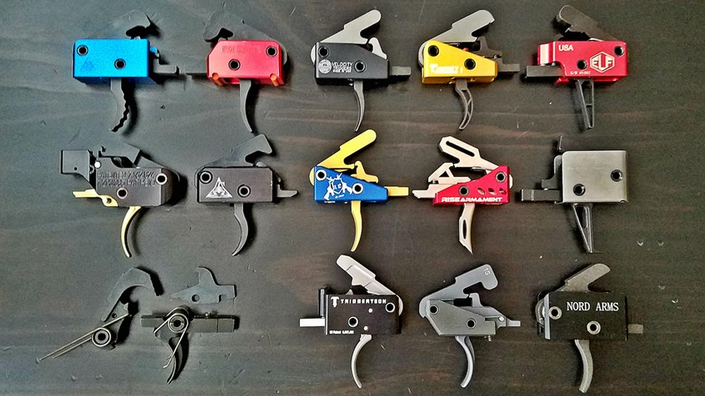
Drop-in triggers (like the CMC or Timney designs) come as a self-contained cassette. You knock out two pins, pull out the old trigger group, slide in the cassette, push the pins back in. Fifteen minutes, no special tools beyond a punch set. The cassette design also means the parts are pre-fitted to each other, so you get consistent performance without needing to tune anything.

Daniel Defense Omega Deals
Prices may change. May contain affiliate links.
Standard (non-cassette) aftermarket triggers, like the Geissele SSA-E or the LaRue MBT-2S, use individual components that install into the lower receiver the same way a mil-spec trigger does. They require a bit more installation knowledge; you need to get the hammer spring and disconnector oriented correctly; but they're not complicated with a YouTube video and some patience.
The comparison that matters
The LaRue MBT-2S is the value king. Two-stage, clean break, around 4.5 lbs total pull, and it consistently gets compared to triggers costing twice as much. The Geissele SSA-E (Super Semi-Automatic Enhanced) is the benchmark two-stage trigger; lighter second stage (around 3.5 lbs total), incredibly crisp break, and a reset that's short and tactile. It costs roughly twice what the LaRue does. Whether you can feel the difference is a legitimate question. Side by side, yes. In isolation, the LaRue is so good that many shooters stop there.
For single-stage, the Rise Armament RA-535 and the CMC 3.5 lb flat-bow are both solid drop-in options. The flat trigger face (as opposed to a curved trigger) changes the feel of the pull; pressure is distributed more evenly across your finger, and many shooters find it gives a more consistent pull. The ALG ACT (Advanced Combat Trigger) is the budget option: it's essentially a polished and tuned mil-spec trigger at a fraction of the cost of a Geissele. Not a night-and-day upgrade, but a noticeable improvement in smoothness for very little money.
Mistakes people make with triggers
Installing a very light trigger (under 3 lbs) in a defensive or home-defense rifle is asking for trouble. Light triggers are great for precision and competition, but under stress, with adrenaline and reduced fine motor control, a 2.5 lb trigger can fire before you're ready. A 4-4.5 lb trigger is a good balance for a general-purpose AR.
Dry-firing the old trigger group out of the receiver without controlling the hammer; the hammer will fly forward and ding the inside of your receiver. Put your thumb over it.
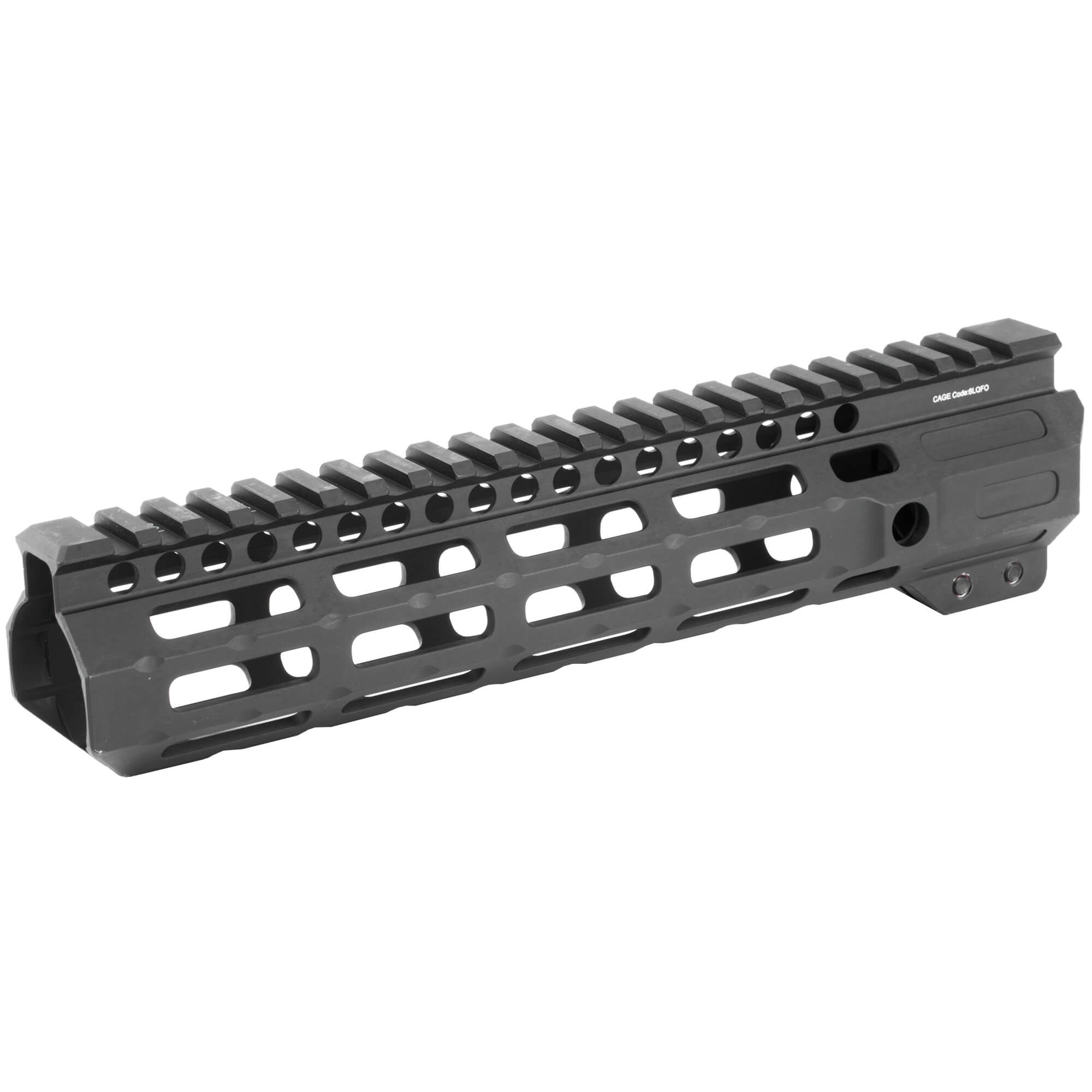
Midwest Industries Combat Rail Deals
Prices may change. May contain affiliate links.
Not checking for trigger pin walk after installation. If your pins are slightly loose, they can drift out during firing. Anti-walk pins or a trigger with integrated set screws solve this, but check it after your first range trip regardless.
Magazines: what to buy and how many
The AR-15 magazine market is enormous, but the actual decision is simple.
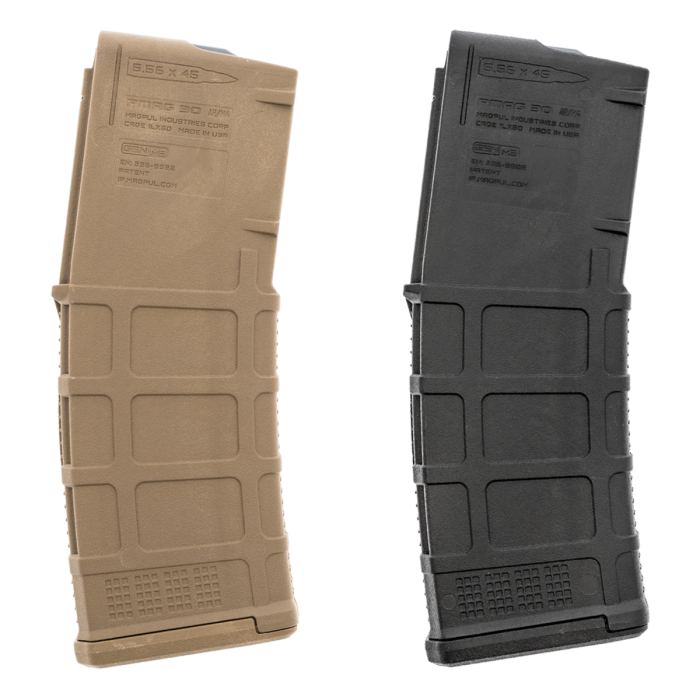
Magpul PMAGs (Gen M3) are the default. They've been the standard for over a decade, they're made from reinforced polymer, they feed reliably, they're cheap enough to not worry about, and they come in 10, 20, and 30-round capacities (plus 40-round options). The Gen M3 added a redesigned over-insertion stop, a paint pen dot matrix for marking, and improved drop-free performance in a wider range of lowers. Buy a stack of these and move on.
Okay Industries / Surefeed magazines are the aluminum USGI-style option. They're what the military actually issues (Okay Industries has the contract). If you prefer metal magazines or your rifle is picky about polymer mags (rare, but some older lowers have tighter mag wells), these are the move. The E2 enhanced follower version is the one to get; the anti-tilt follower prevents nose-dive malfunctions that plagued older USGI mags.
Lancer L5AWM magazines split the difference: steel feed lips (more durable than polymer) with a translucent polymer body so you can see your remaining rounds. They tend to cost a bit more than PMAGs but they're genuinely well-made.
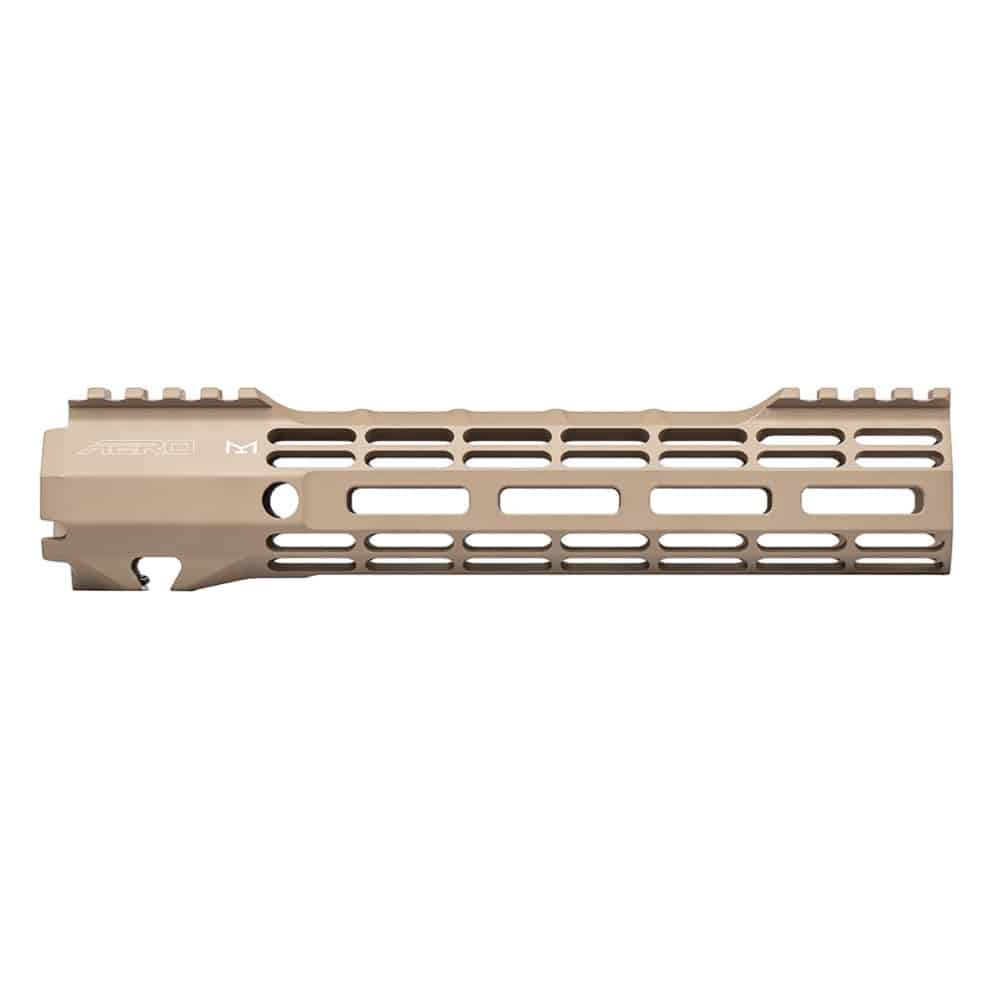
Aero Precision Atlas S-ONE Deals
Prices may change. May contain affiliate links.
How many?
More than you think. Magazines are consumable items; feed lips wear, springs weaken, bodies crack if you drop them on concrete enough times. Having 10-12 magazines for your primary rifle isn't hoarding; it's practical. It means you can load up before a range session without spending half your time running a speed loader, and you've got spares when one eventually fails. Buy them when they're cheap. Prices fluctuate, and PMAG 30-rounders regularly dip during sales.
State restrictions
If you're in a capacity-restricted state (California, New York, Connecticut, Massachusetts, Colorado, and others), you're limited to 10-round magazines in most cases. Check your specific state law; some have grandfathering provisions, some don't. The 10-round PMAG is the same quality as the 30-round version, just shorter. Don't buy "blocked" 30-round magazines (30-round bodies with a rivet or block limiting them to 10 rounds) unless your state specifically allows them. Some states consider the body capacity, not the actual loaded capacity.
Slings: the accessory people buy last and should buy first
A sling is to a rifle what a holster is to a pistol. It's how you carry the thing when you're not actively shooting. It's also a shooting support aid; wrapping up in a sling properly can stabilize your position significantly, especially from standing.
Two-point is the answer
Single-point slings let the rifle hang from one attachment point near the receiver. The rifle dangles in front of you and swings freely, which means it's going to smack you in the groin every time you transition or move. They had a moment. That moment has passed.
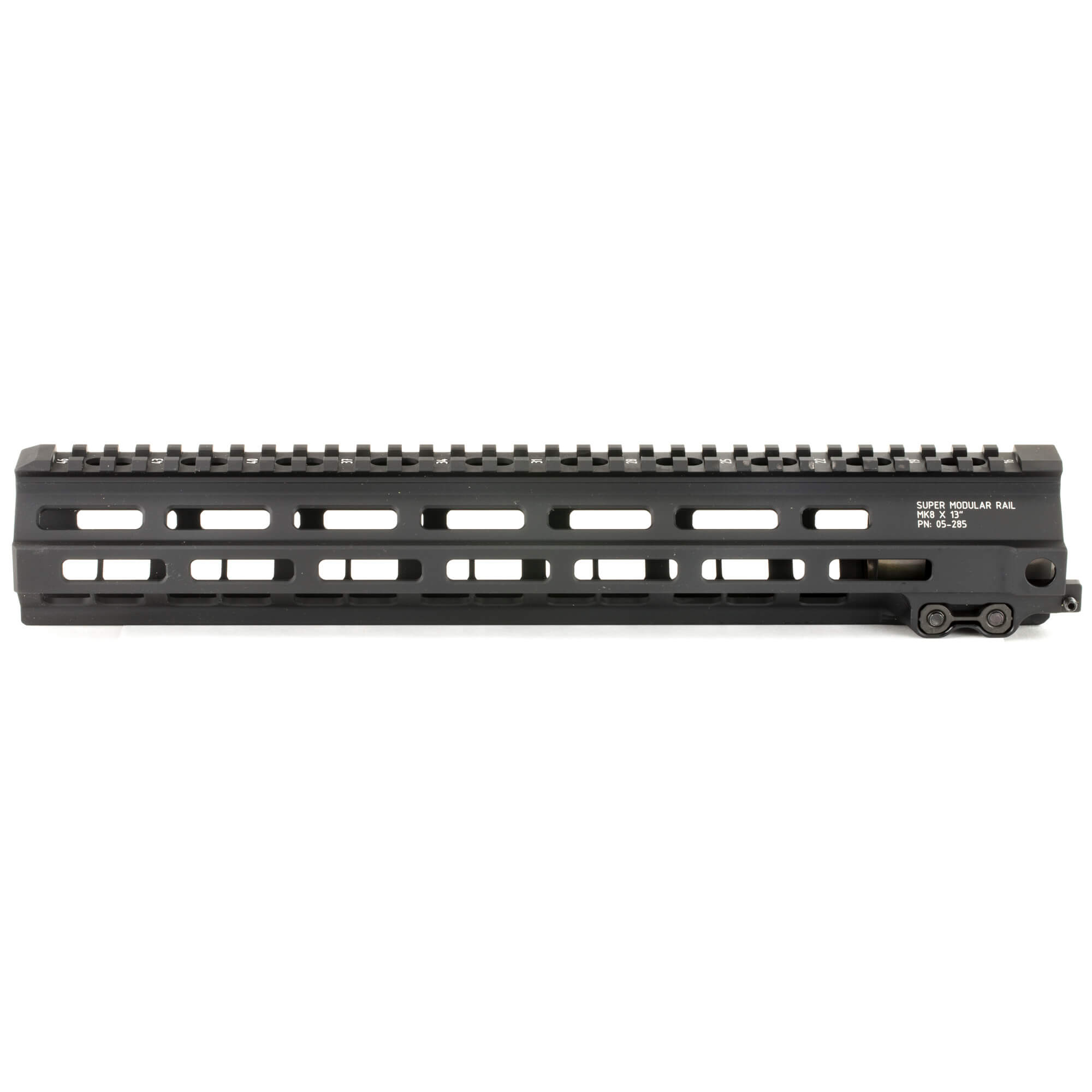
Geissele MK16 Deals
Prices may change. May contain affiliate links.
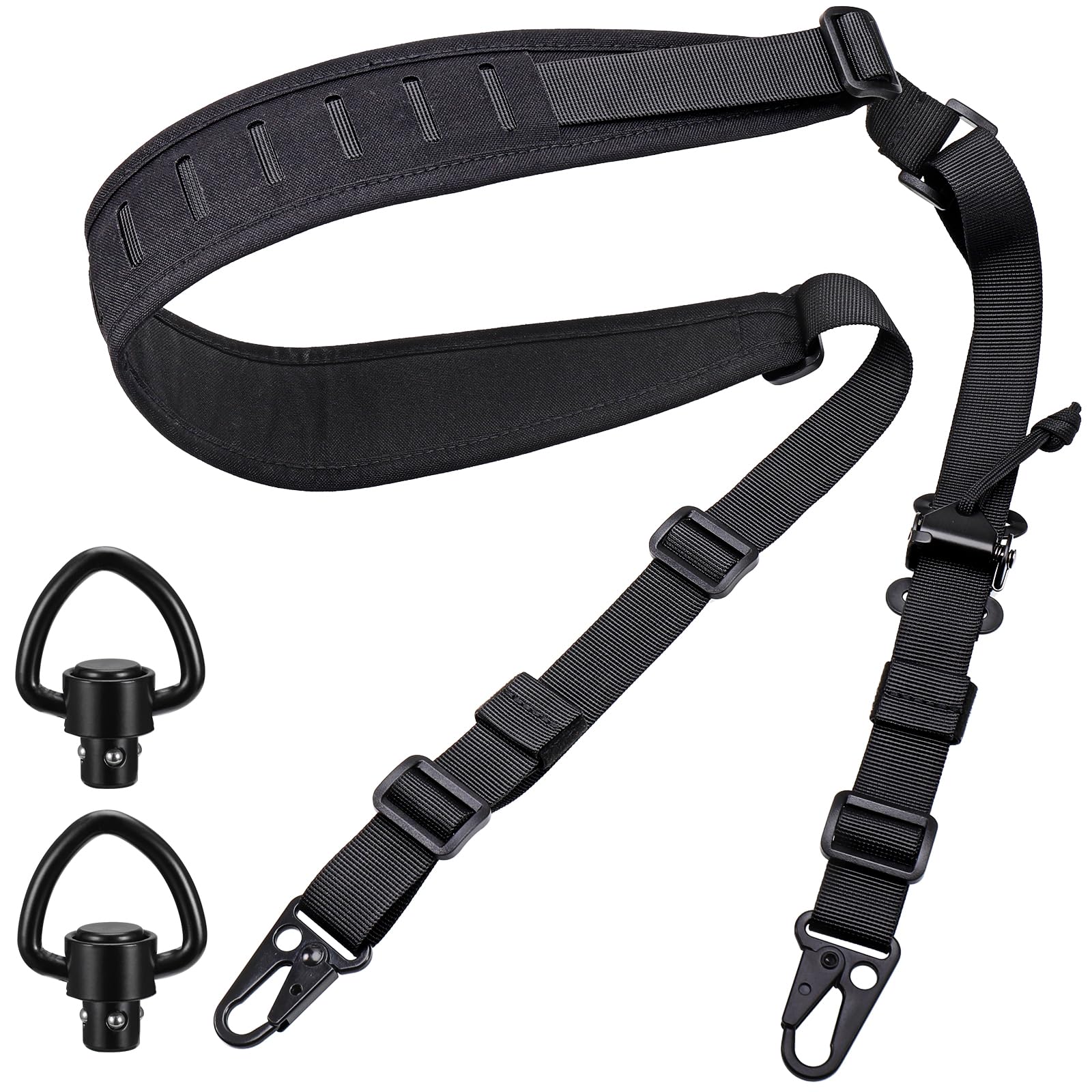
Two-point slings attach at the stock and the handguard, keeping the rifle oriented muzzle-down or muzzle-up against your body. You can cinch it tight for hands-free carry, loosen it for shooting, and transition to your support side without the rifle doing its own thing.
The Magpul MS4 is a dual QD (quick-detach) sling that can convert between single and two-point, which sounds like a compromise but actually works well. The Blue Force Gear Vickers sling is the gold standard; the quick-adjust pull tab lets you go from cinched tight to shooting length in one motion. The Edgar Sherman Design ESD sling is a simpler, no-hardware option that's become very popular for its minimalism and lack of anything that can snag or rattle.
You'll need QD sling swivel mounts on your handguard and stock. Most modern free-float handguards have M-LOK QD sockets or built-in QD cups. Most aftermarket stocks (Magpul SL, B5 SOPMOD) have QD sockets built in. If yours doesn't, a QD end plate for the receiver extension or an M-LOK QD mount solves it.
Weapon lights: yes, you need one (eventually)
If the AR has any home-defense role, a white light is non-negotiable. You need to identify what you're pointing the rifle at. Period. This isn't a tactical-cool thing; it's a basic safety requirement in low light.
What actually matters in a weapon light
Output (lumens) gets all the attention, but candela (beam intensity) matters more for target identification at distance. A light with high lumens but low candela produces a wide, washy flood. A light with high candela throws a tight, bright hotspot further downrange. For indoor distances (inside a house), the difference is less dramatic; pretty much any quality light above 500 lumens will overwhelm your vision and the target's vision in a dark room. For outdoor use or longer hallways, candela becomes the differentiator.
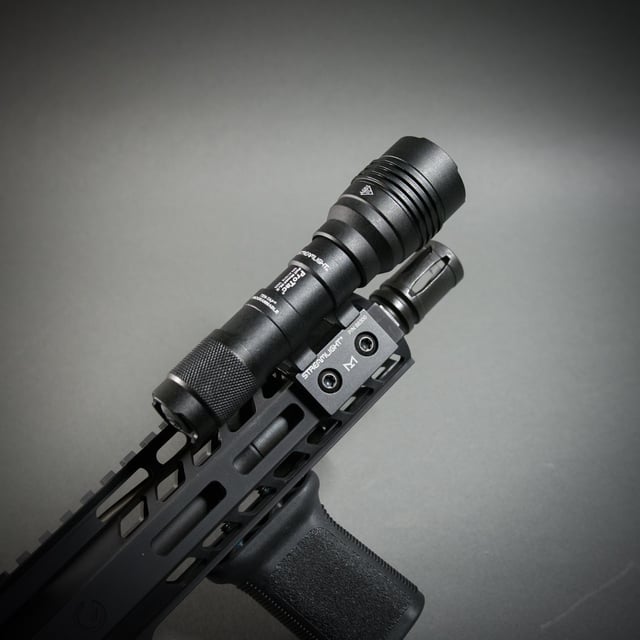
The Streamlight ProTac HL-X (or the newer HLX Pro) is the budget standard. Around 1,000 lumens, good throw, takes CR123A batteries or a rechargeable 18650, and the price is reasonable enough that you won't cry if it gets beat up. Pair it with an Arisaka or Cloud Defensive mount and a Cloud Defensive LCS (Light Control System) to lock the tape switch to your rail.
Surefire's M600DF and the newer M640DF are the "buy it for life" options. Surefire has been making weapon lights for military and law enforcement longer than most companies have existed. They're expensive, but the build quality and switch reliability are proven. The ModLite PLHv2 is the enthusiast favorite; very high candela, extremely tight hotspot, excellent throw. It's the light people upgrade to after starting with a Streamlight.
Cloud Defensive's REIN 3.0 has become a serious contender, with integrated controls and mounting that simplify the whole setup. One unit, one mount, done.
Mounting and switch placement
Mount the light at 12 o'clock (top of handguard) or at your support-hand side (9 o'clock for right-handed shooters, 3 o'clock for lefties) so your thumb can naturally activate the tail cap or tape switch. Mounting it on the opposite side means you have to reach across the handguard, which changes your grip. The tape switch should sit where your thumb naturally rests when you have a firing grip on the handguard; don't mount it and then adjust your grip to reach it. That's backwards.
Muzzle devices: flash hiders, brakes, and comps
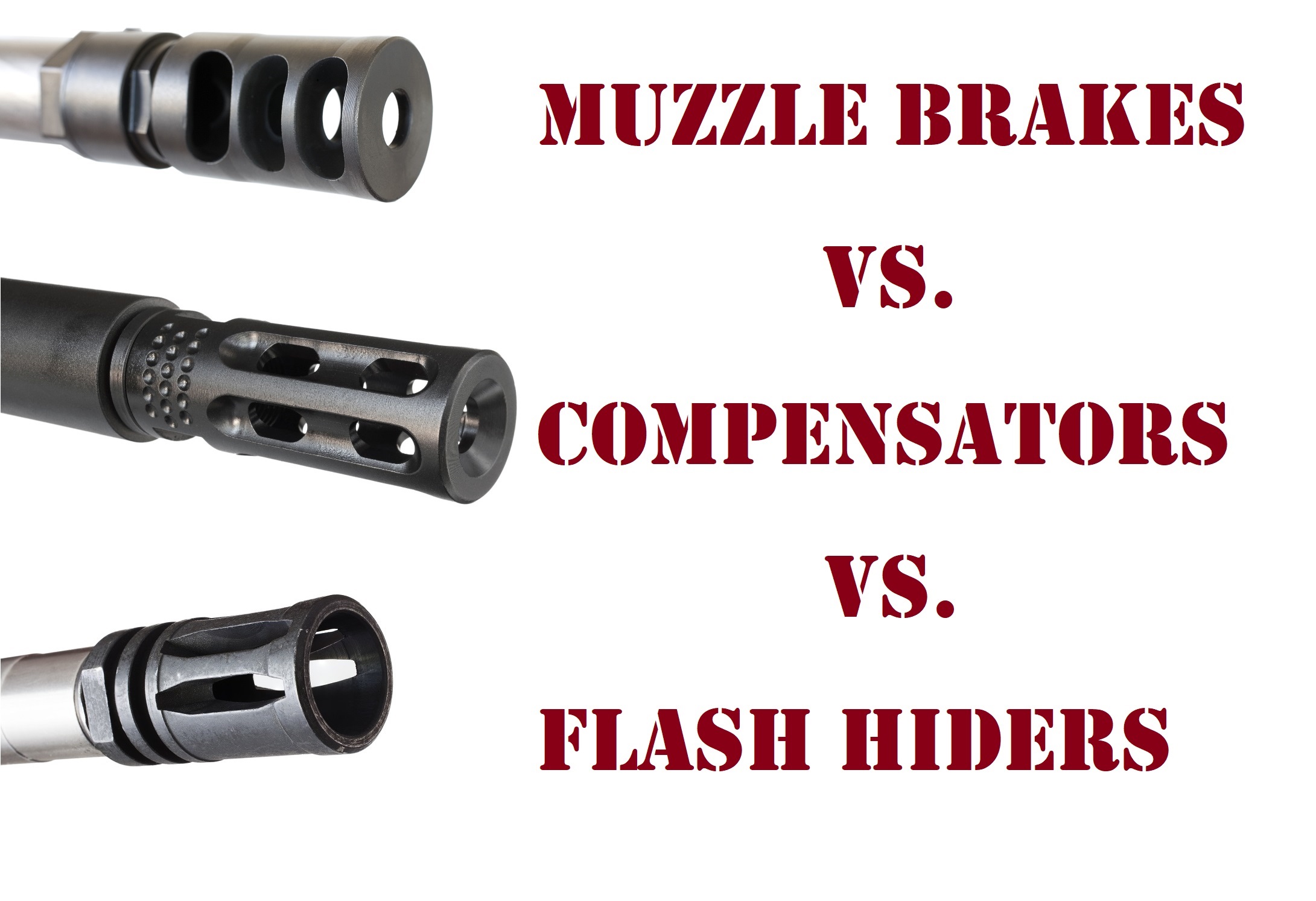
Your AR probably came with an A2 flash hider. It works. It's the standard birdcage design that's been on military rifles since the M16A2, and it does a decent job of reducing visible flash signature without adding much blast or noise to the sides. For a general-purpose rifle, there's no urgent reason to replace it.

But if you want to reduce felt recoil, that's where muzzle brakes and compensators come in.
A muzzle brake redirects gas to the sides (and sometimes rearward) to counteract rearward recoil. The effect on .223/5.56 is noticeable but not transformative; the cartridge doesn't produce much recoil to begin with. What a brake does do is make you extremely unpopular at an indoor range. The concussive blast directed sideways is genuinely unpleasant for anyone in the adjacent lane.
A compensator redirects gas upward to counteract muzzle rise. For fast follow-up shots, a good comp keeps the dot or front sight from climbing off target. The VG6 Gamma 556 and the Surefire SOCOM Closed Tine Flash Hider (which is more of a hybrid flash hider/comp) are both well-regarded. The Precision Armament AFAB (Advanced Flash Arresting Brake) tries to do everything; reduce flash, reduce recoil, reduce muzzle rise; and does a surprisingly competent job at all three without excelling at any single one.
The suppressor consideration
If you're thinking about buying a suppressor at any point, your muzzle device choice matters now. Many suppressors mount via a specific muzzle device; Surefire suppressors use Surefire's SOCOM series mounts, Dead Air uses their KeyMo or Xeno system, and SilencerCo uses ASR or direct thread. Buying the right muzzle device now means you're already set up when your Form 4 clears. A Surefire three-prong flash hider or a Dead Air Xeno flash hider both function as excellent standalone muzzle devices while also serving as your future suppressor mount. Planning ahead here saves you from buying a muzzle device twice.
Stocks and grips: the stuff that touches your body
The mil-spec M4 collapsible stock wobbles on the buffer tube. That's not a defect; it's just how the design works with the standard friction lock. It's annoying but it doesn't actually affect accuracy in any measurable way. Still, if it bugs you, an upgraded stock fixes it.
The Magpul MOE SL and SL-S are the most common upgrades. Tighter fit on the buffer tube, better cheek weld surface, and the SL-S adds a friction lock and a QD sling mount. The B5 Systems SOPMOD stock is the favorite for people who want a wider cheek weld; it has storage compartments on both sides that also serve to widen the comb, giving you more consistent head placement behind an optic. The BCM GUNFIGHTER stock is a slimmer, no-storage option that locks up tight and stays out of the way.
Grips
The stock A2 pistol grip has a finger groove that doesn't fit everyone's hand and an angle that forces your wrist into a more vertical position than most people find comfortable. The Magpul MOE-K2 grip has a steeper angle (more vertical) that works well with a more bladed stance. The BCM GUNFIGHTER Mod 3 grip has a more traditional angle with a better texture. The Magpul MOE grip is the middle ground; slight angle change from the A2, better texture, and a storage compartment in the bottom.
Grip angle is personal. There's no objectively correct answer. But the texture difference between a slick A2 grip and a modern grip with aggressive texturing is universally noticeable, especially with sweaty hands.
Charging handles: the upgrade nobody thinks about
The mil-spec charging handle is small, slippery, and requires you to pinch a tiny latch with your fingers while pulling straight back. It works, but it's not great under stress or with gloves.
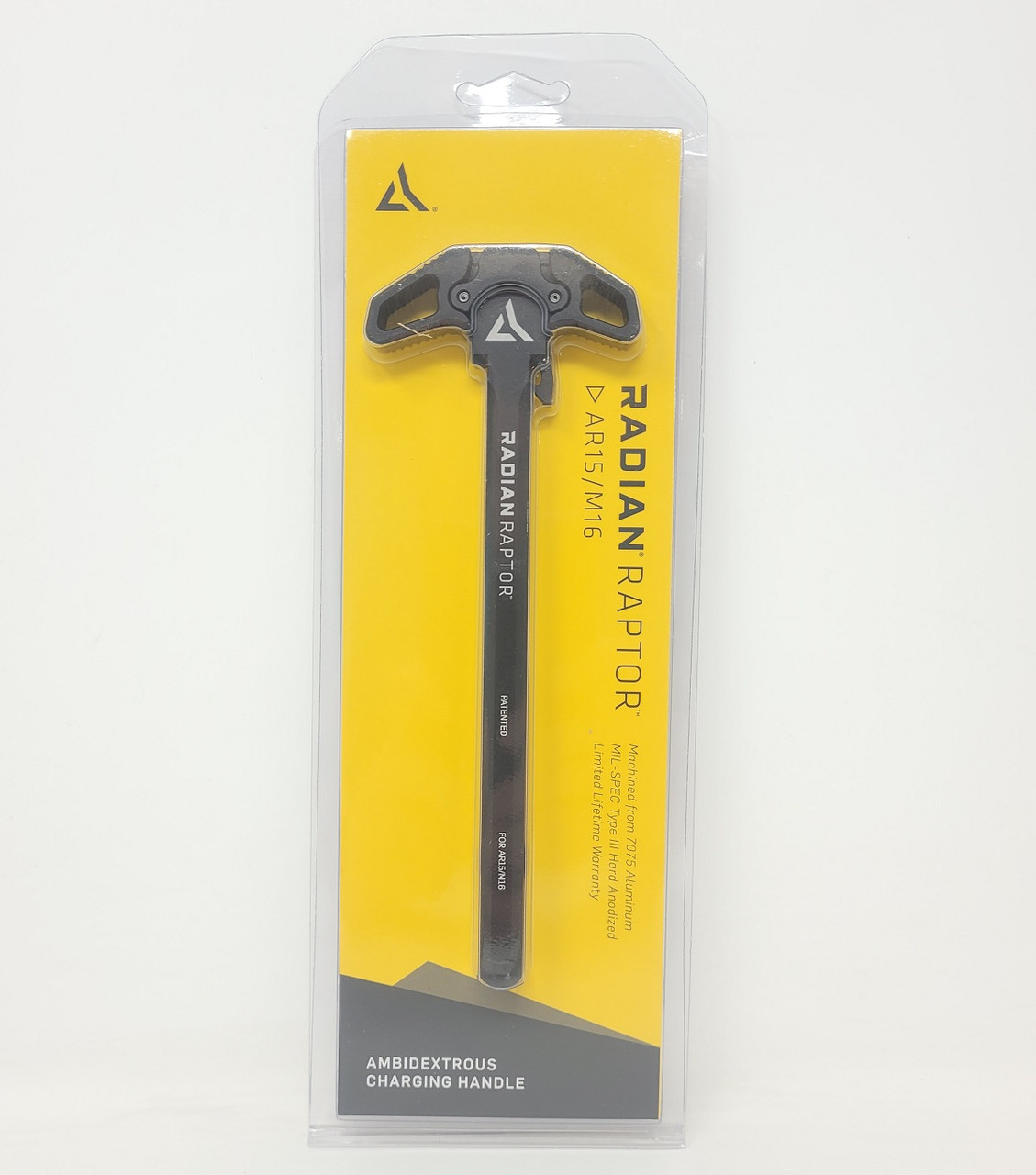
An ambidextrous charging handle with enlarged latches on both sides lets you grab it with your whole hand and rack it without thinking about which side the latch is on. The Radian Raptor is the most popular option and has been for years; the latches are large enough to grab easily but not so large that they snag on gear. The BCM GUNFIGHTER Mod 4x4 is a good mid-price option with a slightly different latch geometry. The Geissele ACH (Airborne Charging Handle) is the mil-spec-plus option; not ambidextrous, but the enlarged latch on the left side is bombproof.
This is a $50-80 upgrade that you'll appreciate every single time you charge the rifle. It's not sexy, but it's one of those "why didn't I do this sooner" parts.
Common mistakes and things to troubleshoot
Buying accessories before shooting the rifle. Shoot at least 500 rounds with the factory setup before you change anything. You need a baseline. You need to know what actually bothers you versus what the internet told you should bother you. Maybe the trigger is fine for how you shoot. Maybe the stock fits you perfectly. Maybe the handguard doesn't get as hot as you expected. Spend ammo money before accessory money.
Over-torquing optic mounts. Red dot mounts should be torqued to the manufacturer's spec; usually 15-25 inch-pounds for most Picatinny mounts. Cranking them down with a wrench until your knuckles are white will strip the screws, crack the mount, or warp the rail. Get a FAT wrench (Fix-It Sticks makes a good one) and torque to spec.
Mounting the red dot on the handguard. The optic goes on the upper receiver. Always. Handguards, even good free-float ones, can shift slightly under load or heat. Your zero lives on the receiver. The only exception is a magnifier or a backup aiming device that doesn't need to hold a precision zero.
Ignoring the gas system. New AR owners focus on bolt carrier groups, triggers, and barrels, but the gas system determines how the rifle runs. If your rifle is over-gassed (common on factory guns designed to run with any ammo in any conditions), you'll notice excessive bolt velocity, harsh recoil impulse, and brass being flung 20 feet. An adjustable gas block is the fix, but that's an intermediate-level modification. Just know that "the rifle runs rough" often isn't a parts quality issue; it's a gas tuning issue.
Not properly staking the castle nut. The castle nut holds the receiver end plate (and buffer tube) to the lower receiver. If it's not staked; meaning a punch is used to deform metal from the end plate into the castle nut's notches; it can loosen over time. Check yours. If there's no visible staking, either stake it yourself or have a gunsmith do it. A loose castle nut can cause the buffer tube to unscrew during firing, which is a bad day.
The order to buy stuff
Everyone's budget is different, but if you're prioritizing based on what makes the biggest functional difference:
Optic (red dot) and a way to zero it (ammo)
Sling and mounting hardware
Weapon light (if the rifle has any defensive role)
Magazines (buy in bulk when prices dip)
Trigger upgrade
Free-float handguard (if you're still on a drop-in)
Charging handle
Stock and grip
Muzzle device
Backup iron sights
That list will get argued about, and that's fine. The point is that the optic and sling make the rifle usable in ways that a new trigger or handguard don't. Get the fundamentals handled first.
What to do next
Zero your red dot at 50 yards. A 50-yard zero with 5.56 NATO gives you a point of impact that stays within about 2 inches of your point of aim from 0 to 200 yards; it's the most practical zero distance for a general-purpose carbine. Print a target, set it at 50, fire a 3-round group, adjust, repeat.
Then run a basic drill. Start at the low ready, bring the rifle up, and put one round on a 6-inch plate at 25 yards. Time it. Do it ten times. Log the average. That's your baseline. Every accessory you add from here should make that number go down, or at least not make it go up. If you add a new trigger and your splits get faster but your first shot gets slower because you're thinking about the trigger, the upgrade isn't working for you yet.
Shoot the rifle. Break it. Fix it. Figure out what annoys you. Then buy the thing that fixes that specific annoyance. That's the whole strategy.